Power Switches
Our selection of power switches offers a convenient solution for managing the power supply to your appliances, gadgets, and more. Whether you're looking to conserve energy, enhance safety measures, or simply streamline your daily routines, our range of power switches provides versatile options to meet your needs. Explore a variety of designs and functionalities to find the perfect fit for your home or workspace.
Sort

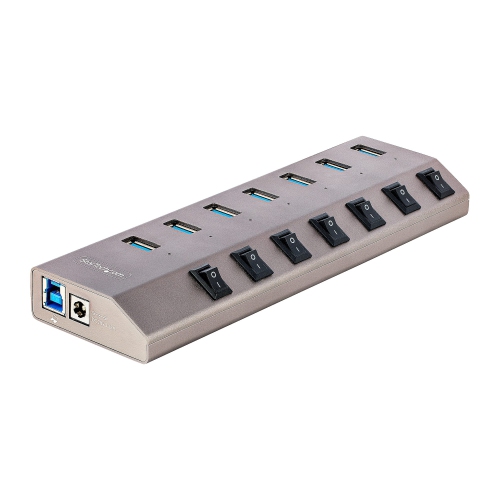
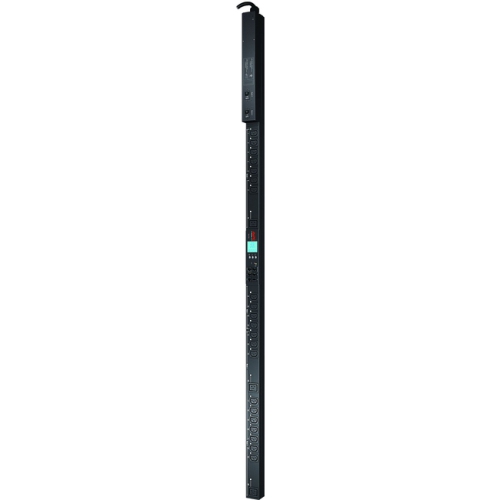

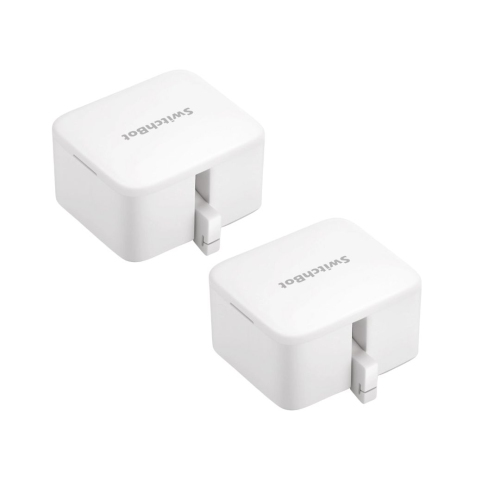
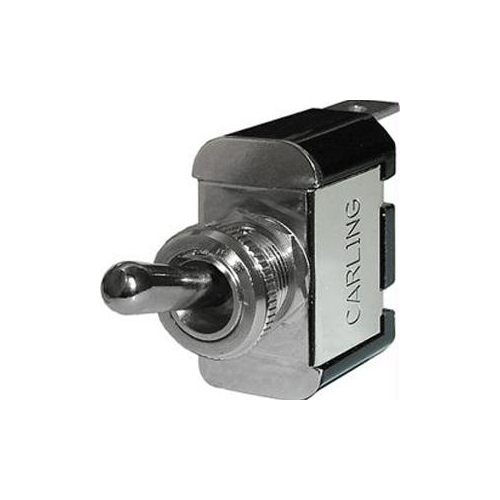
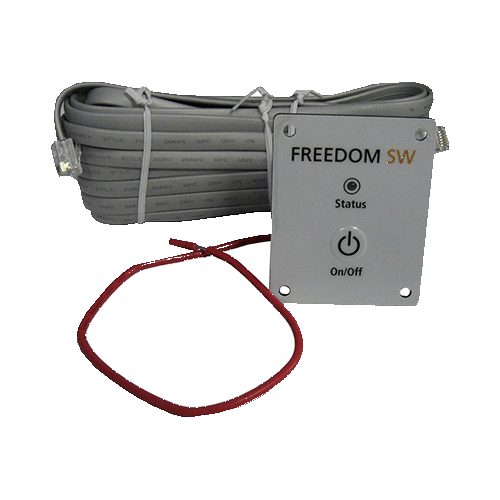
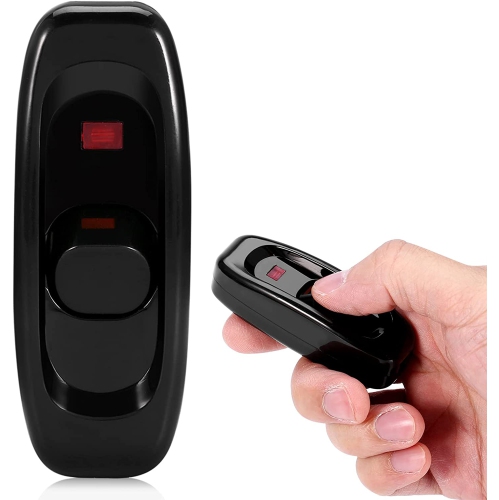
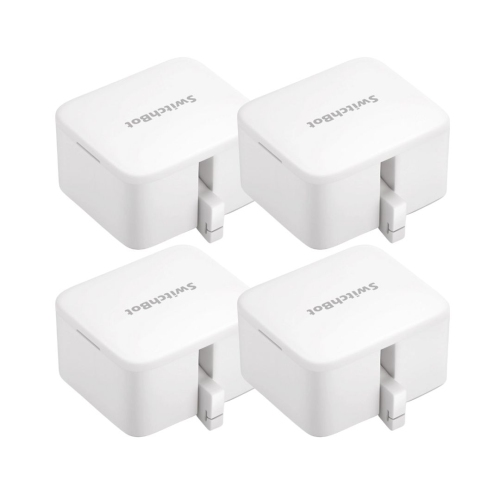
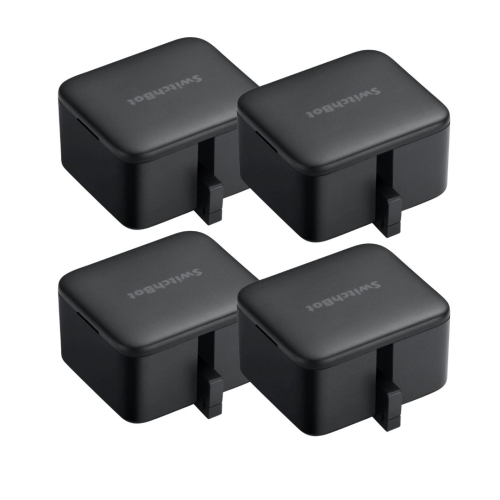

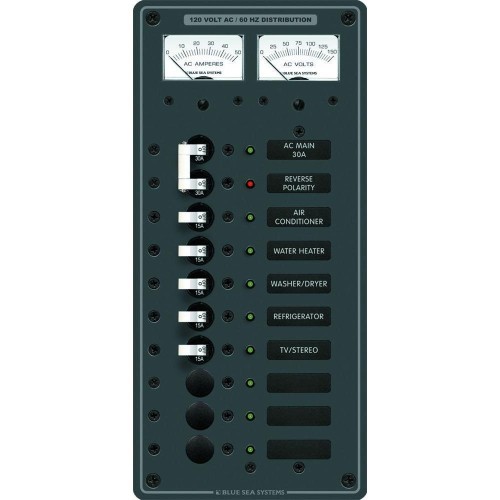
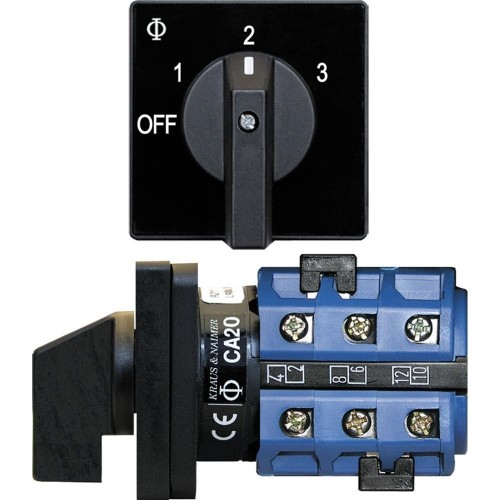
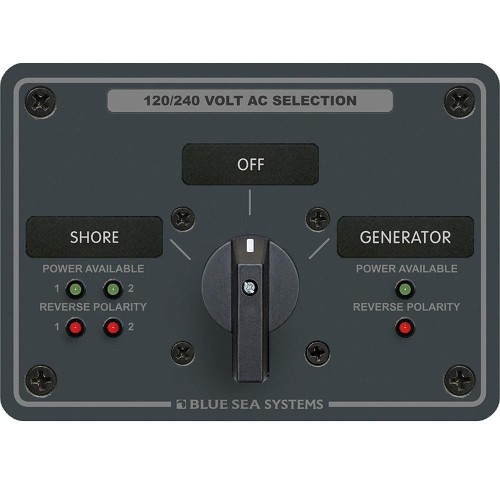
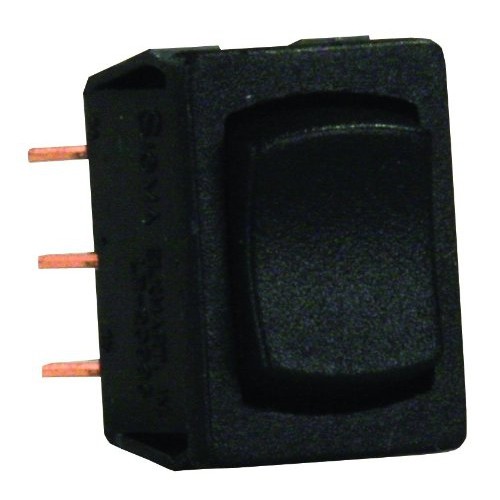
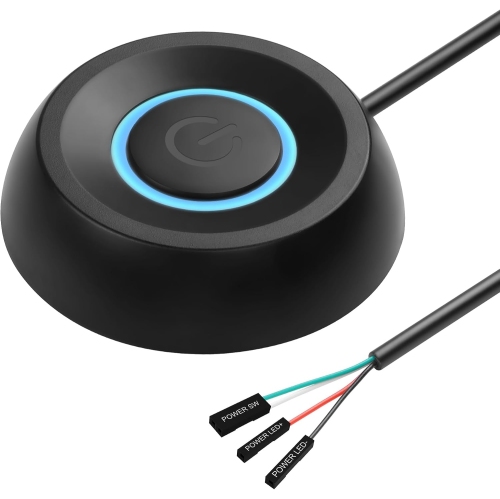
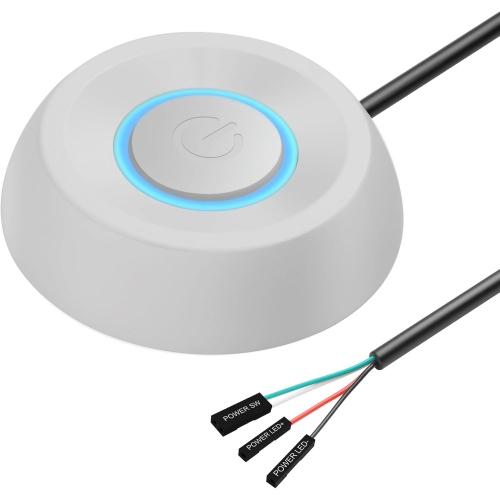
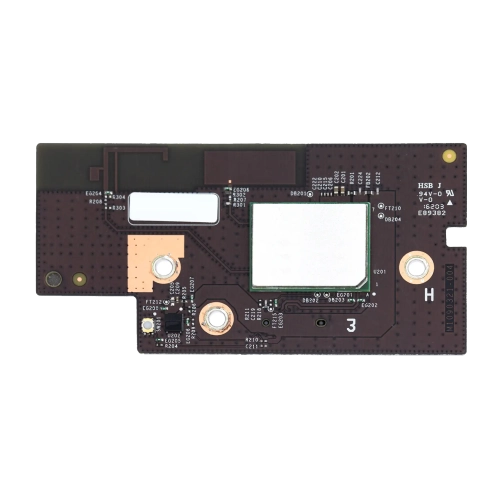
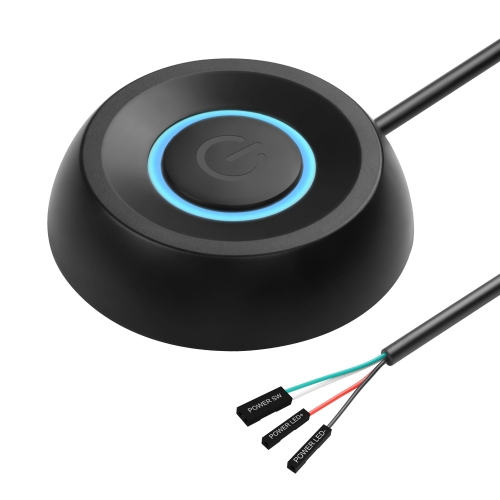
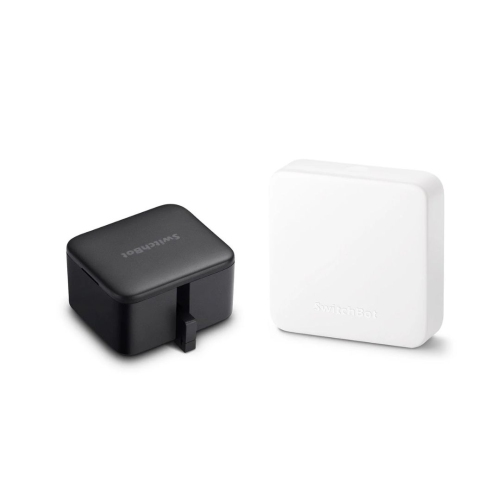
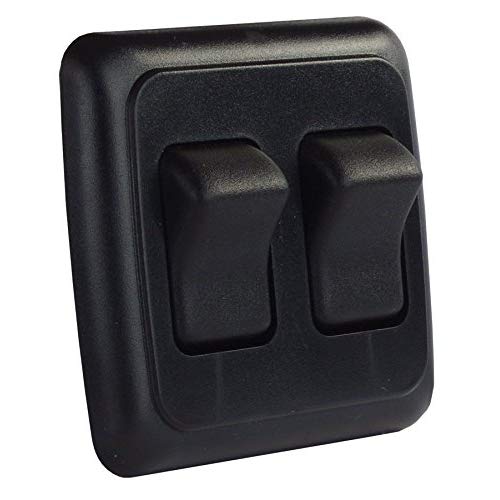



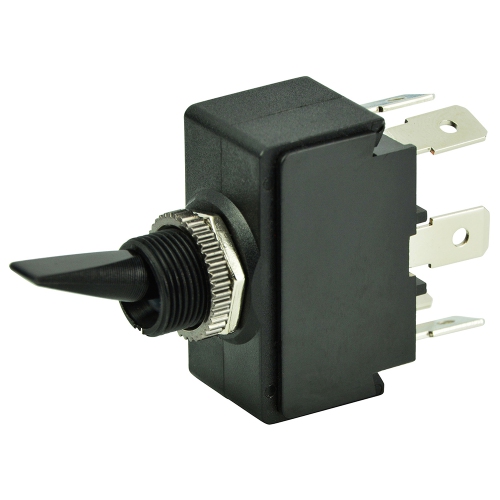
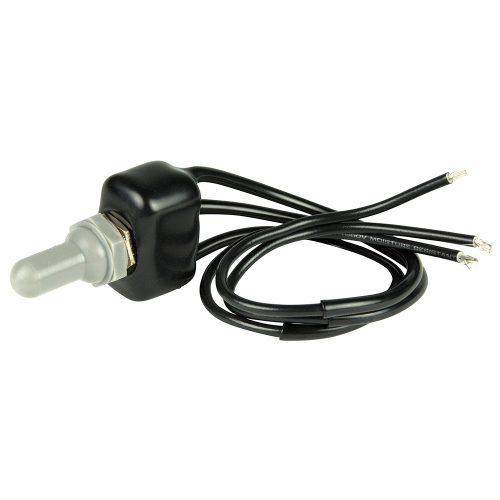
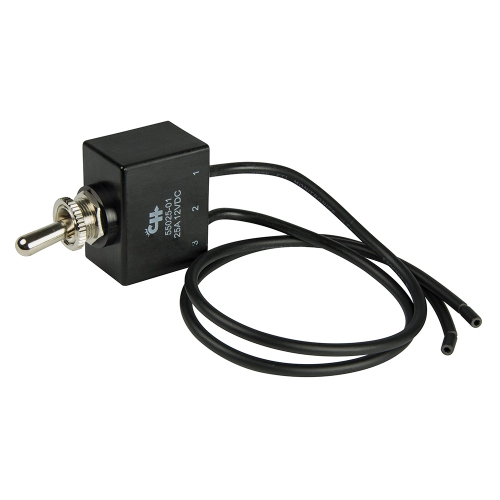
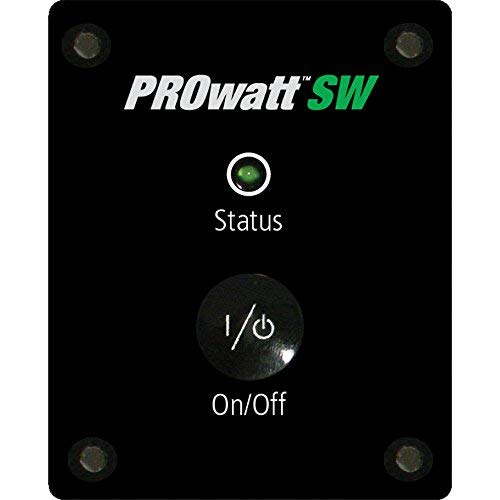
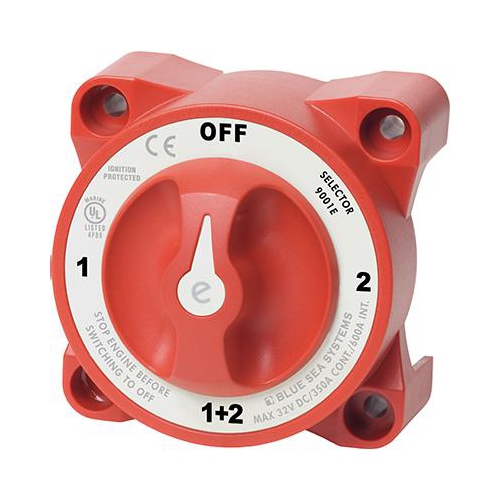
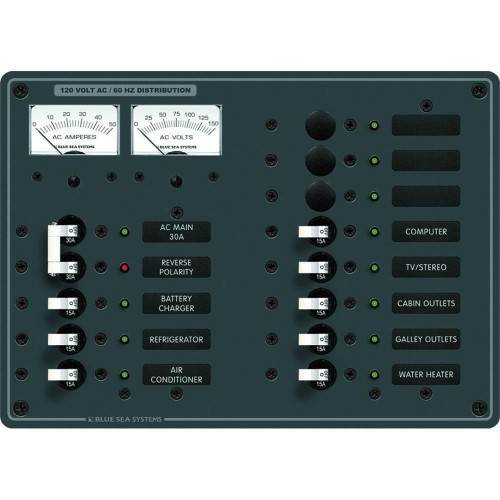
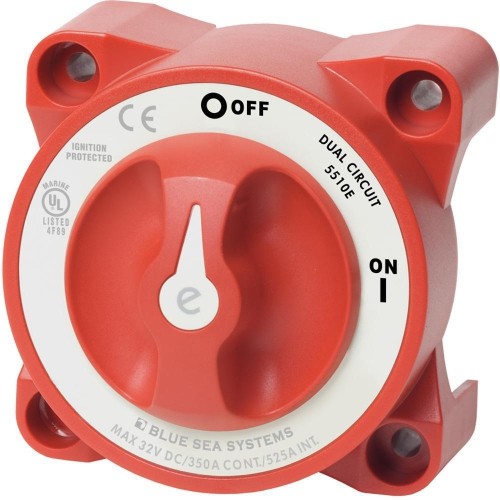
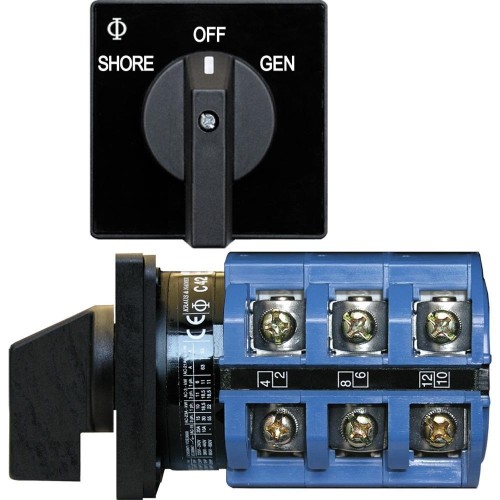
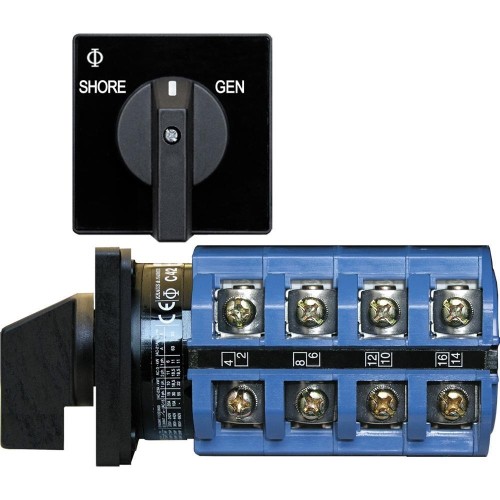
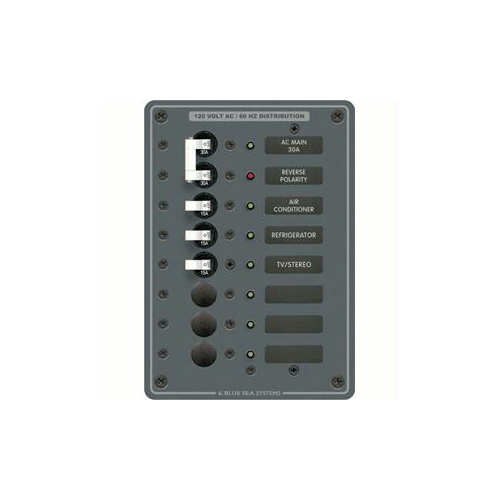
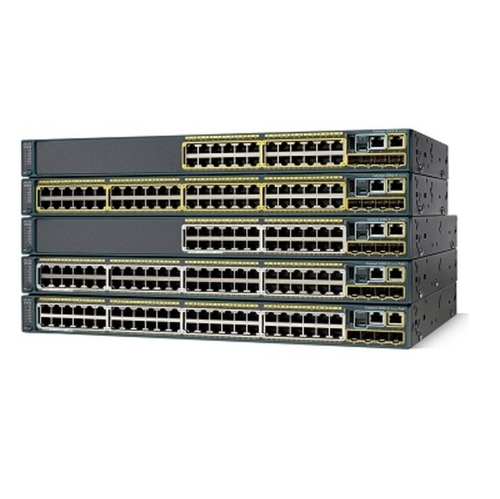

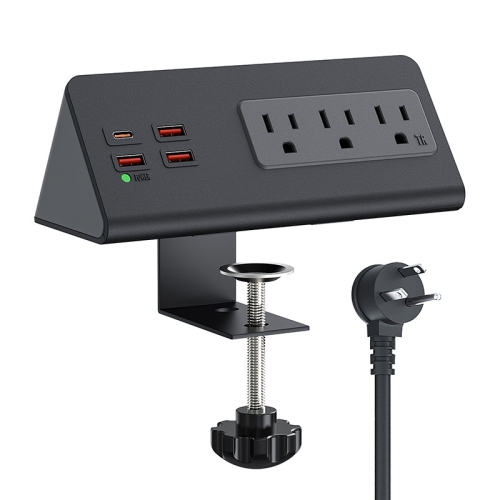


How switch designs and ratings shape everyday control
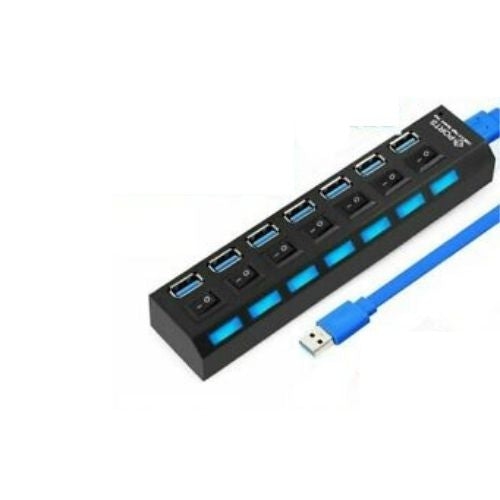
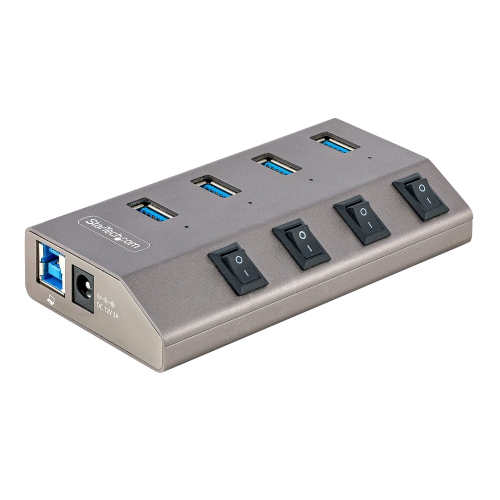
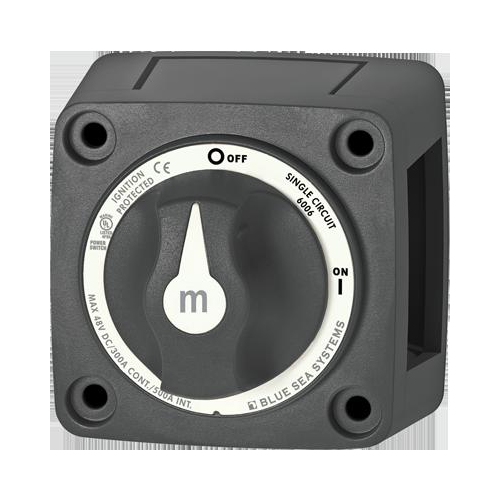
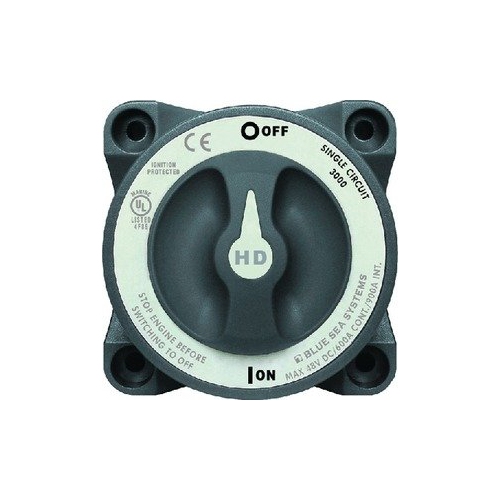
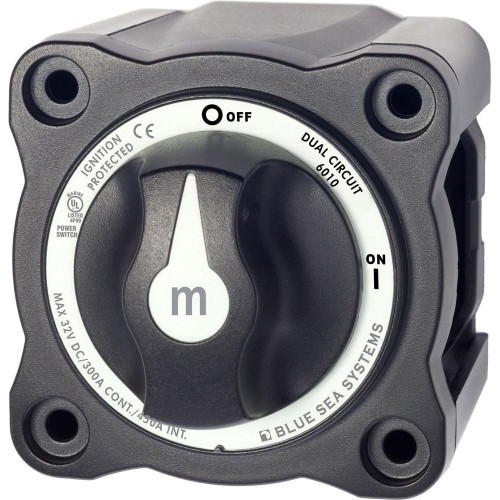
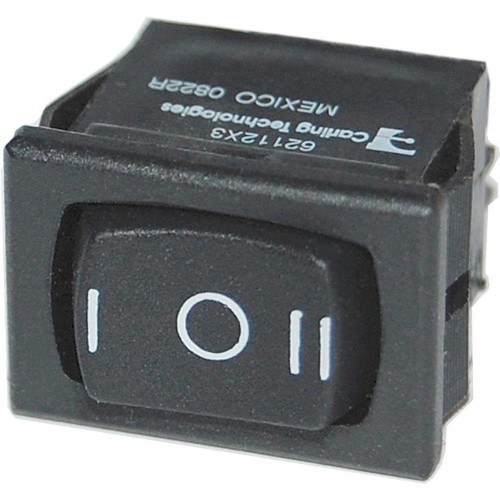
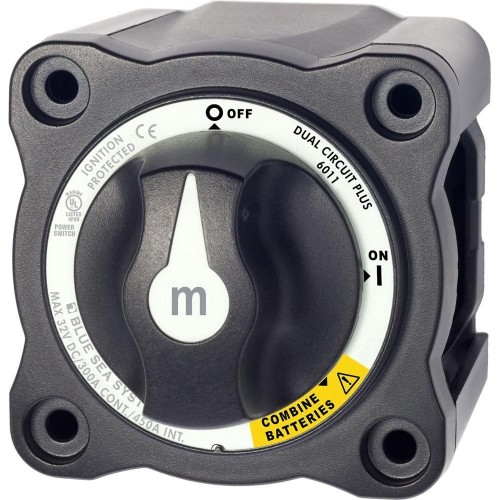
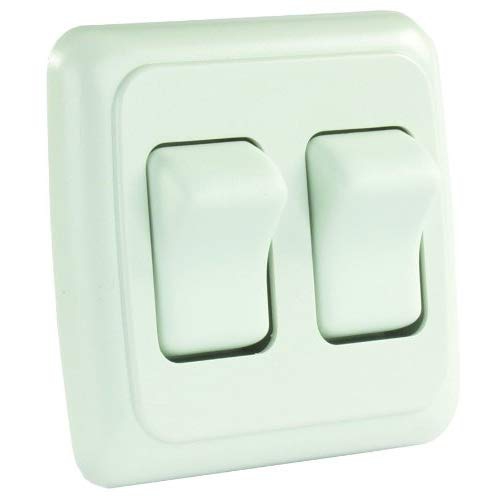
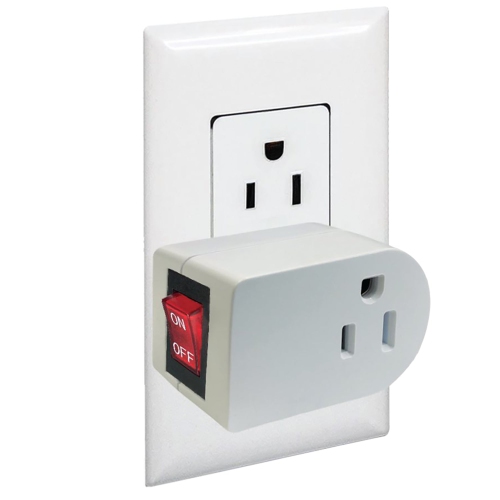
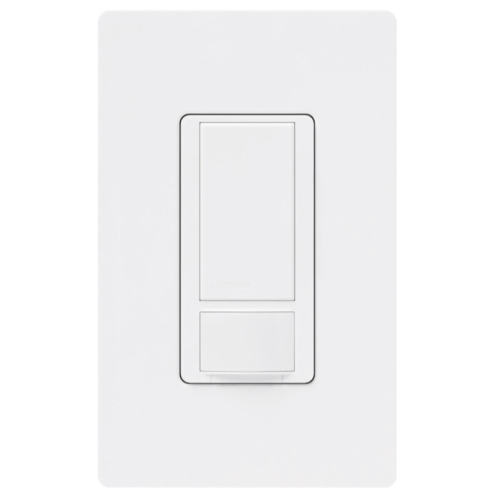
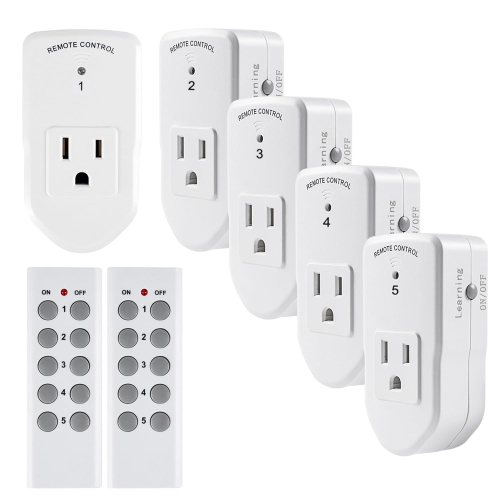
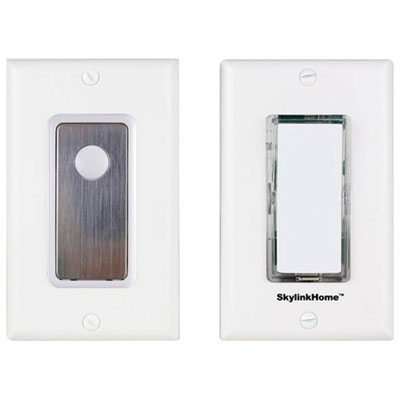
Power switches provide a straightforward way to control the flow of electricity to a light, appliance, electronic project, or other connected load. Inside a switch, conductive contacts either meet or separate: when the contacts meet, the circuit is closed and electricity can travel to the connected device; when they separate, the circuit is open and current stops flowing. This simple action is the foundation of everyday controls, from a wall-mounted light switch to the small switch on an electronic enclosure. Many power switches use the familiar “I” and “O” markings, where the vertical line represents on and the circle represents off. These symbols are recognized across a wide range of equipment, making them helpful when a switch is installed in a dimly lit workspace or used by someone unfamiliar with the device. When browsing power switches, start by considering the intended application, the available mounting space, the type of connection required, and the electrical ratings listed by the manufacturer. Voltage and amperage ratings should be suitable for the circuit or equipment being controlled, while the switch’s physical size and terminal layout should match the project. A switch intended for a compact electronics enclosure may not be suitable for a household circuit, and a replacement for a wall control may require a different configuration from a switch used in a low-voltage hobby project. Anyone working on household wiring should turn off power at the appropriate breaker, verify that the circuit is de-energized, and follow local electrical requirements. If there is any uncertainty about compatibility, wiring, or safety, consult a licensed electrician rather than relying on appearance alone.
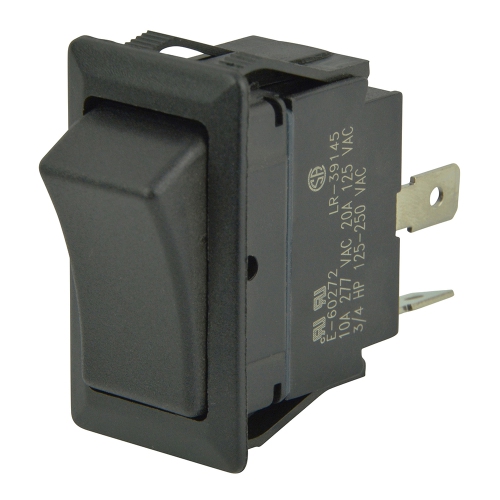
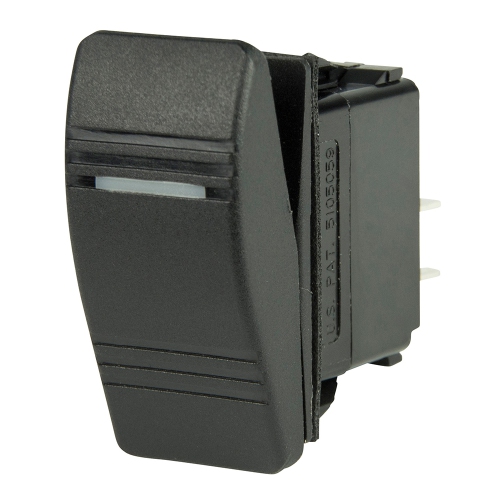
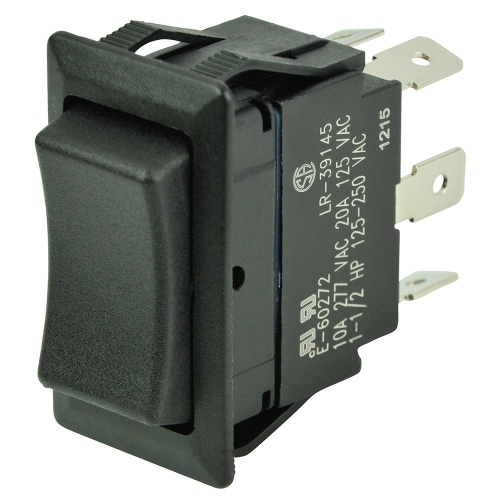
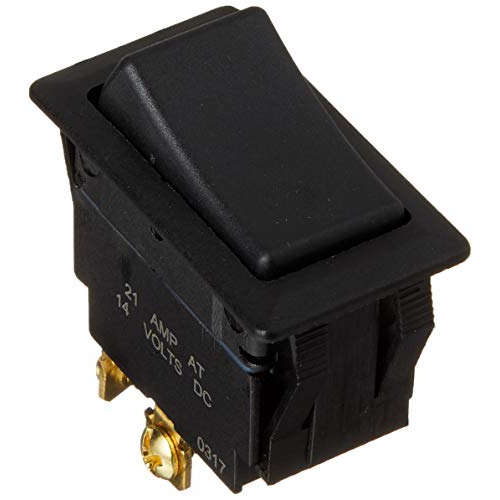
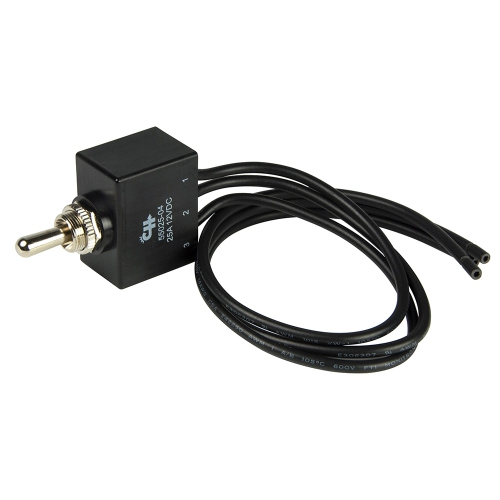
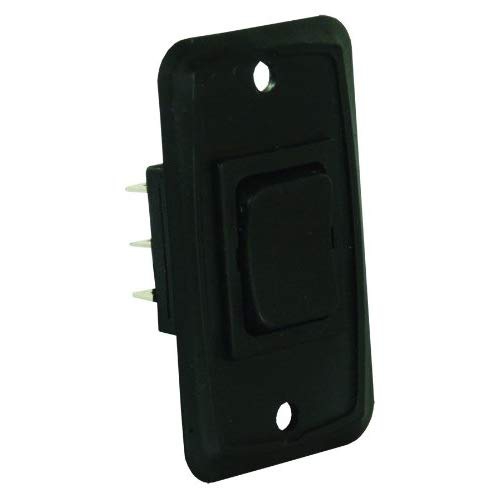
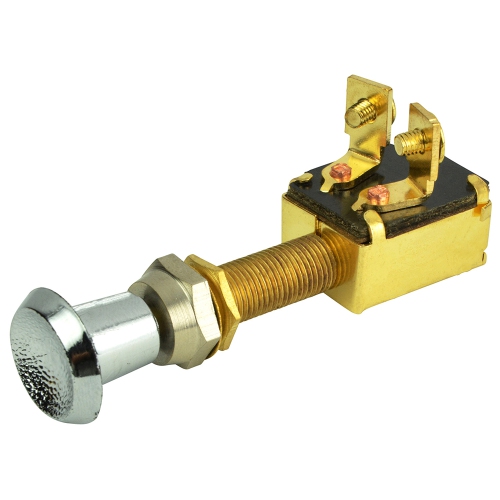
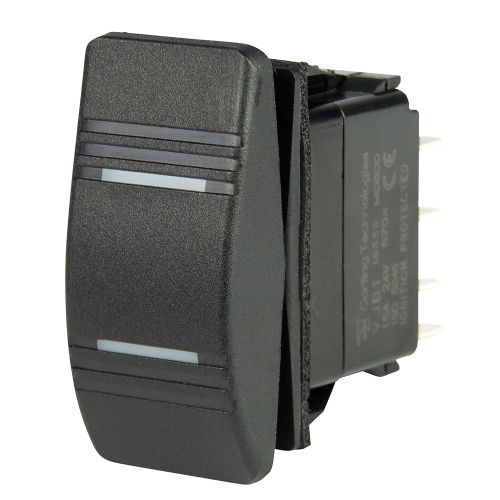
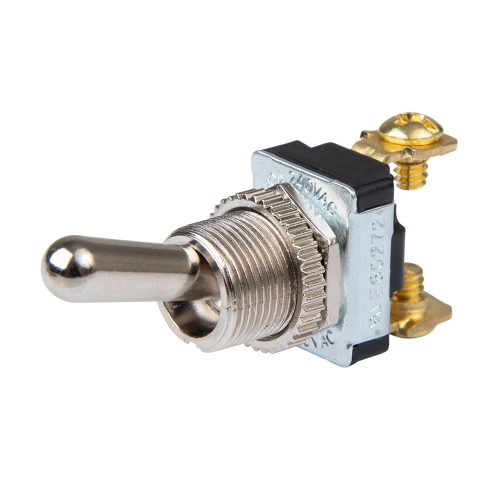
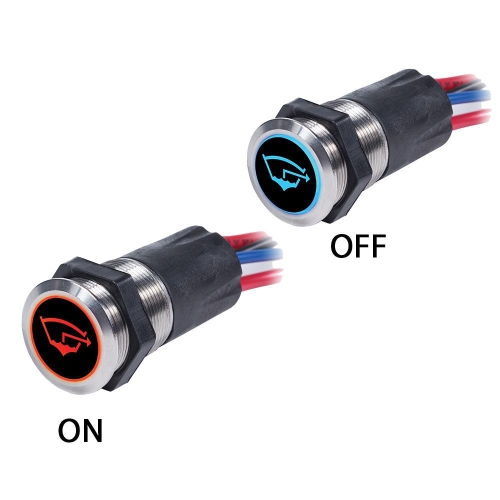
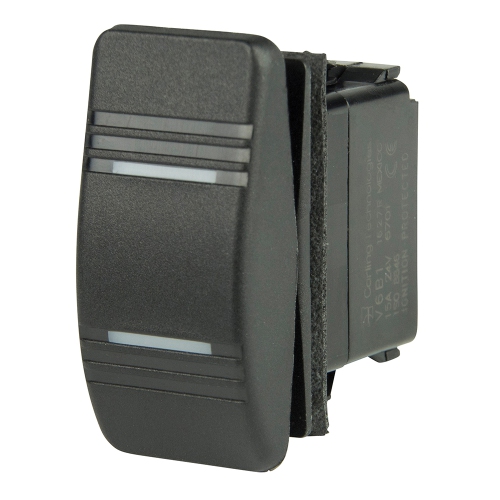
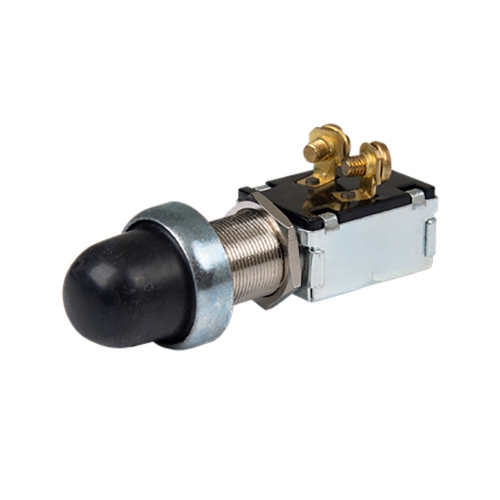
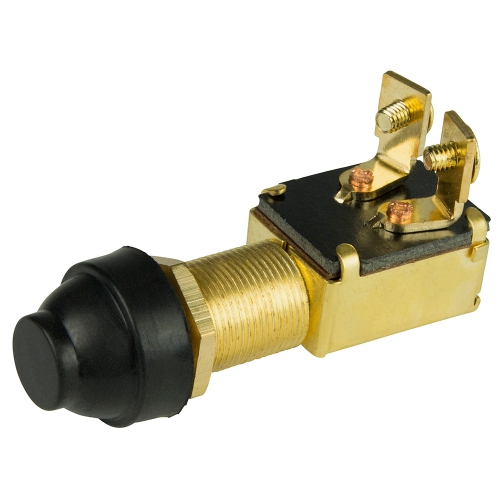
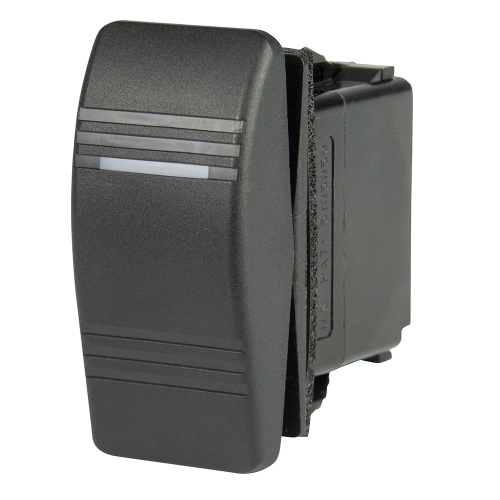
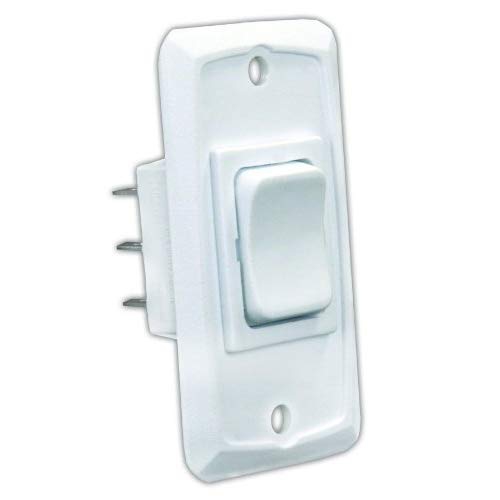
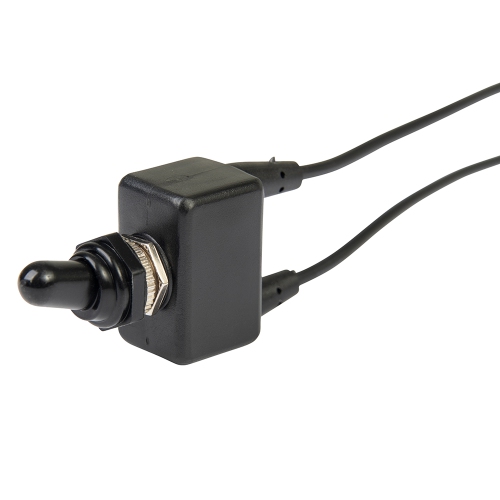
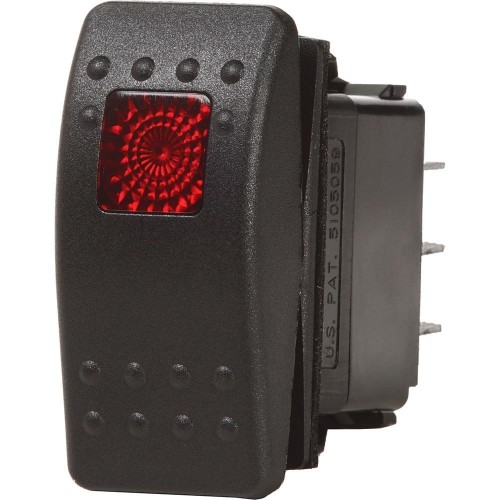
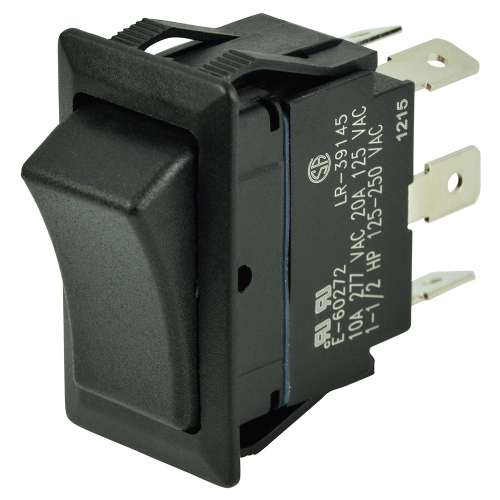
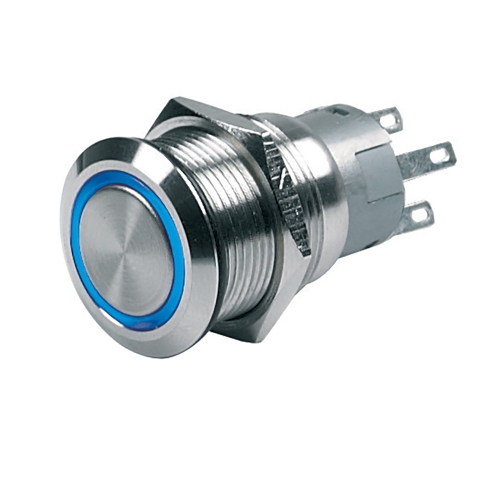
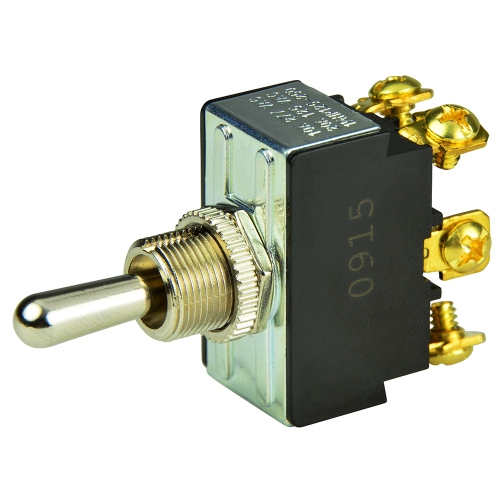
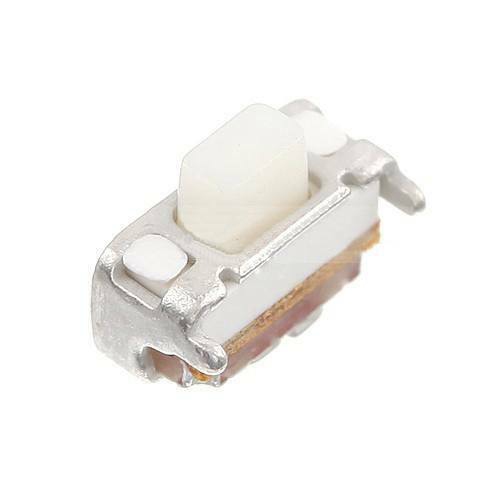
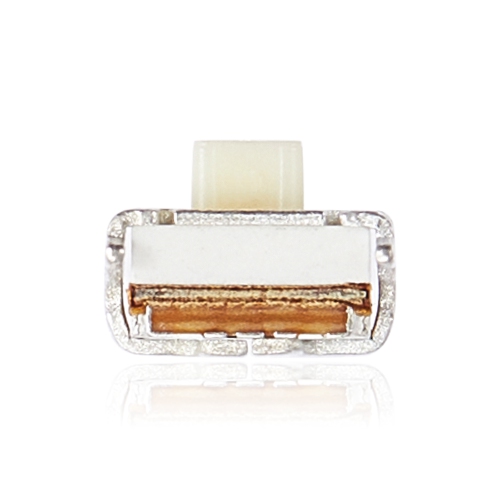
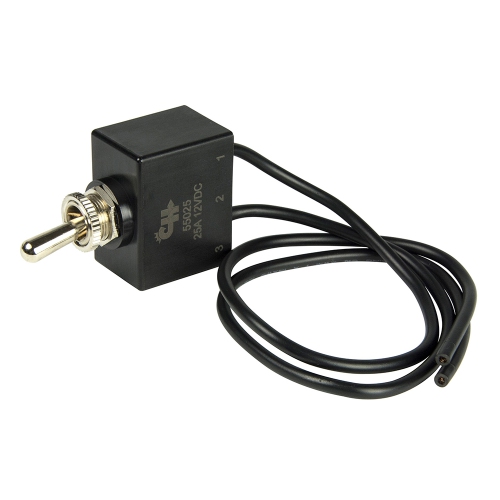
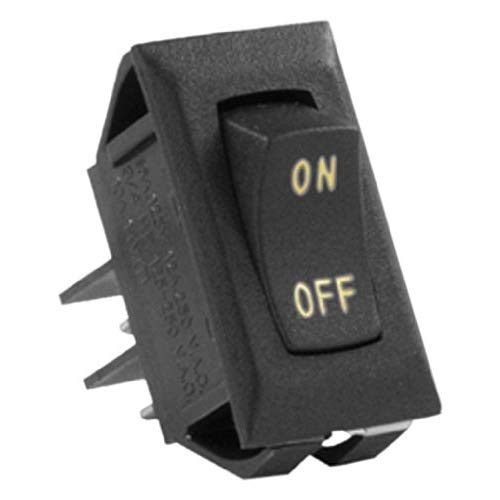
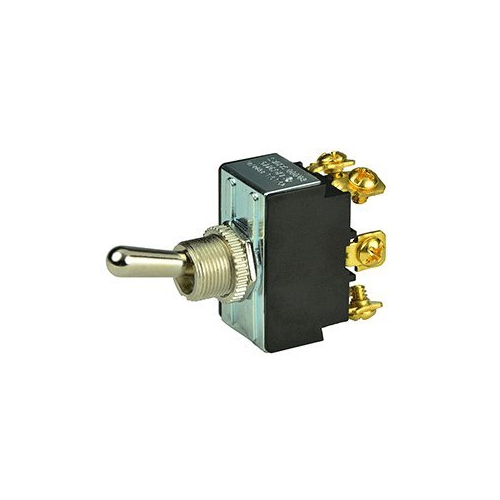
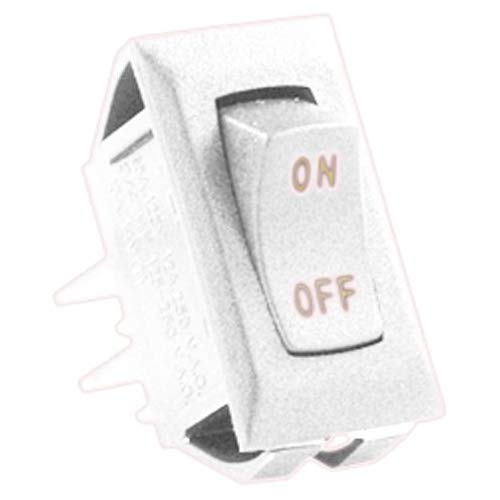
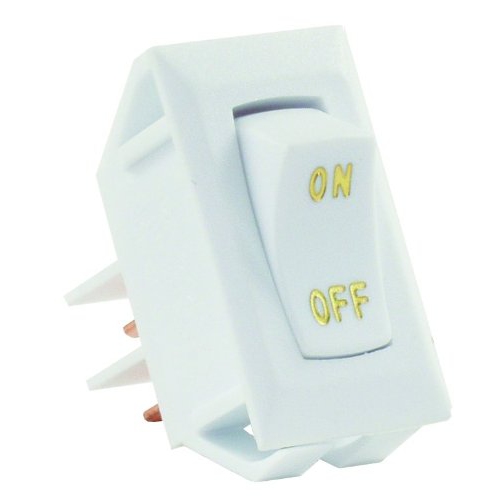
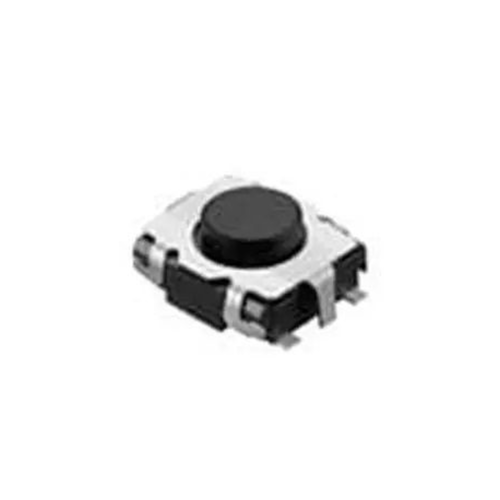
Different switch styles offer different handling experiences and installation possibilities. Toggle switches use a lever that moves between positions and can provide a clear, tactile indication of whether a circuit is on or off. Rocker switches use a broad, flat surface that pivots from one side to the other, making them easy to operate with a fingertip, the side of a hand, or while wearing light work gloves. Push-button designs are useful when a momentary action is preferred, while maintained switches stay in their selected position until they are changed again. The number of poles and throws also affects how a switch operates. A single-pole switch is commonly used to control one light or device from one location, whereas a three-way arrangement allows one light fixture to be controlled from two locations, such as at opposite ends of a hallway or at the top and bottom of a staircase. Other configurations may be designed for switching multiple circuits, selecting between inputs, or controlling equipment with more specialized requirements. For electronics and maker projects, pay close attention to whether the switch is momentary or maintained, normally open or normally closed, and rated for the type of current being used. Direct-current and alternating-current applications can place different demands on switch contacts, especially when a motor, transformer, heating element, or other load creates an electrical surge at startup. A clear product description, a compatible connector or terminal style, and a sturdy mounting method can make installation much easier. For additional household control options, browse Electrical Switches and compare the available styles with the requirements of your space.
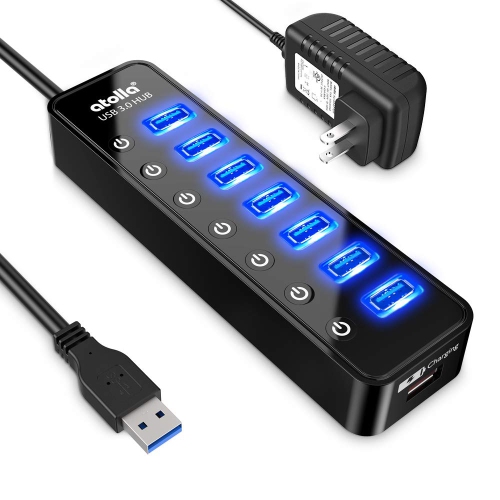
Power switches can be useful for homeowners, renters with permitted upgrades, electronics hobbyists, repair technicians, workshop users, and anyone organizing equipment in a home office or entertainment area. A suitable switch can make it easier to disconnect a device without reaching behind furniture, restore control to an older piece of equipment, or complete a hands-on project that needs a clean, dependable on-and-off function. In a workshop, a clearly marked switch can help separate a tool or work light from other equipment; in a home office, a properly selected control can simplify access to connected accessories; and in an electronics project, a compact switch can give an enclosure a finished, purposeful feel. They can also be a practical gift for a friend who enjoys model building, audio repairs, robotics, custom lighting, or weekend DIY projects, particularly when the switch matches the recipient’s preferred project type and tools. Before purchasing, check the product dimensions, mounting-hole size, terminal or connector format, contact configuration, electrical rating, and any stated indoor-use limitations. Consider the environment as well: a switch used near dust, moisture, vibration, or frequent handling may need construction suited to those conditions. Look for a comfortable operating surface and a position that can be reached without putting hands near moving parts or exposed conductors. During the cooler months, power switches may be part of projects involving lamps, workbenches, hobby equipment, and home organization, while their everyday value remains the same throughout the year: clear control, convenient access, and a reliable way to open or close a circuit. Taking a moment to match the switch to the load and installation method helps create a safer, neater result and reduces the chance of replacing a component that was not designed for the job.
Different switch styles offer different handling experiences and installation possibilities. Toggle switches use a lever that moves between positions and can provide a clear, tactile indication of whether a circuit is on or off. Rocker switches use a broad, flat surface that pivots from one side to the other, making them easy to operate with a fingertip, the side of a hand, or while wearing light work gloves. Push-button designs are useful when a momentary action is preferred, while maintained switches stay in their selected position until they are changed again. The number of poles and throws also affects how a switch operates. A single-pole switch is commonly used to control one light or device from one location, whereas a three-way arrangement allows one light fixture to be controlled from two locations, such as at opposite ends of a hallway or at the top and bottom of a staircase. Other configurations may be designed for switching multiple circuits, selecting between inputs, or controlling equipment with more specialized requirements. For electronics and maker projects, pay close attention to whether the switch is momentary or maintained, normally open or normally closed, and rated for the type of current being used. Direct-current and alternating-current applications can place different demands on switch contacts, especially when a motor, transformer, heating element, or other load creates an electrical surge at startup. A clear product description, a compatible connector or terminal style, and a sturdy mounting method can make installation much easier. For additional household control options, browse Electrical Switches and compare the available styles with the requirements of your space.
Power switches can be useful for homeowners, renters with permitted upgrades, electronics hobbyists, repair technicians, workshop users, and anyone organizing equipment in a home office or entertainment area. A suitable switch can make it easier to disconnect a device without reaching behind furniture, restore control to an older piece of equipment, or complete a hands-on project that needs a clean, dependable on-and-off function. In a workshop, a clearly marked switch can help separate a tool or work light from other equipment; in a home office, a properly selected control can simplify access to connected accessories; and in an electronics project, a compact switch can give an enclosure a finished, purposeful feel. They can also be a practical gift for a friend who enjoys model building, audio repairs, robotics, custom lighting, or weekend DIY projects, particularly when the switch matches the recipient’s preferred project type and tools. Before purchasing, check the product dimensions, mounting-hole size, terminal or connector format, contact configuration, electrical rating, and any stated indoor-use limitations. Consider the environment as well: a switch used near dust, moisture, vibration, or frequent handling may need construction suited to those conditions. Look for a comfortable operating surface and a position that can be reached without putting hands near moving parts or exposed conductors. During the cooler months, power switches may be part of projects involving lamps, workbenches, hobby equipment, and home organization, while their everyday value remains the same throughout the year: clear control, convenient access, and a reliable way to open or close a circuit. Taking a moment to match the switch to the load and installation method helps create a safer, neater result and reduces the chance of replacing a component that was not designed for the job.
Top selling and popular products
-
 Your price for this item is $30.59
 -
 Your price for this item is $30.54
 -
 Your price for this item is $38.85
 -
 Your price for this item is $92.99
 -
 Your price for this item is $844.91
 -
 Your price for this item is $909.33
 -
 Your price for this item is $30.62
 -
 Your price for this item is $34.93
Discover more categories related to Power Switches
Top Collections:
Pokemon Centers, Kindle Devices, Best Budget Office Chairs, Apple iPhones 16, Best Laptops for Writers, iPhone 15 Apple, Canon G7X Cameras, Refurbished Apple Laptops, Alarm Clock, Motorola Razr Phones
Some products may be subject to Environmental Handling Fees
(EHF) depending on your province.
Learn more about EHFs.