Precision Gaming Headsets
Elevate your gameplay with a Precision Gaming Headset, designed to deliver an immersive audio experience for every session. Whether you're battling opponents or exploring new worlds, the right headset keeps you connected and focused. Discover a selection of options that offer comfort and clarity, helping you stay in sync with your team and environment. Find the perfect Precision Gaming Headset to enhance your setup and take your gaming performance to the next level.
Sort
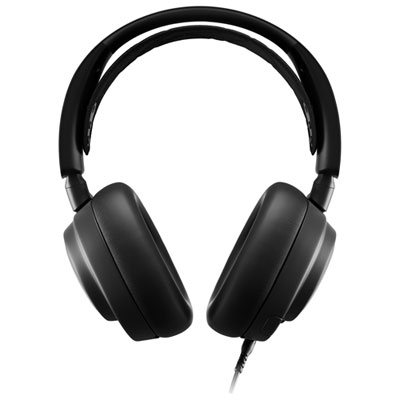


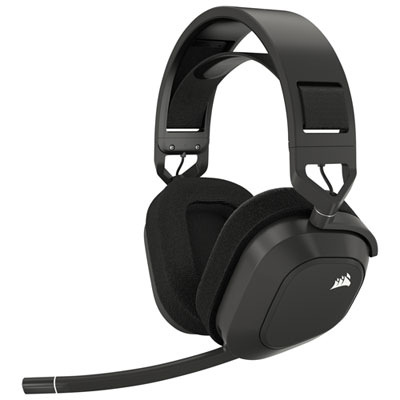

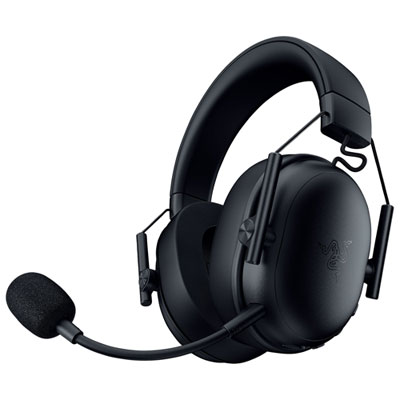

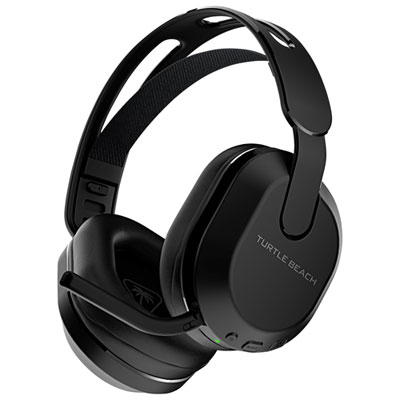




Why subtle sounds matter more than booming bass
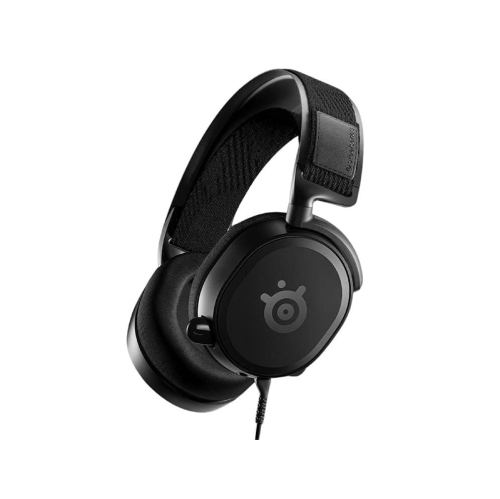
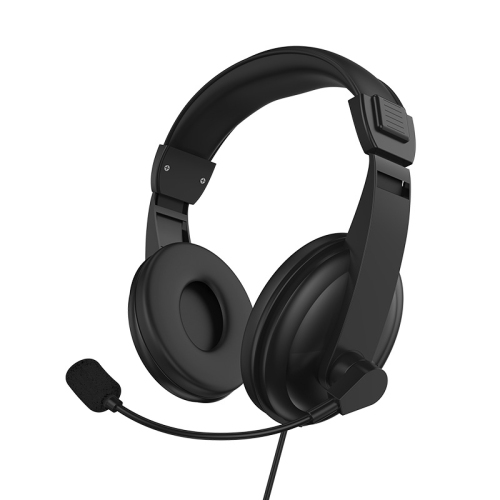
Precision gaming headsets bring game audio and voice communication together, with an emphasis on making subtle sounds easier to distinguish. In a competitive match, that might mean separating footsteps on a staircase from movement on the floor below, hearing a reload behind cover, or following a teammate’s callout through a busy firefight. The qualities that support this clarity include balanced frequency tuning, low distortion, and accurate stereo imaging: the sense that individual sounds occupy distinct positions between the left and right ear. Strong bass can give explosions weight, but excessive bass may mask quieter details in the midrange. A more controlled presentation leaves room for dialogue, equipment sounds, and the small audio cues that help players interpret a scene. Spatial audio can add a sense of direction or distance when supported by the game and connected system, although its effectiveness depends on the audio mix, processing, and individual listener. Clear stereo sound can also provide useful positional information; additional surround processing is not automatically more precise. Using several spatial effects at once may blur rather than sharpen those cues. Driver size and diaphragm material are only part of the picture, since tuning, earcup design, fit, and the source audio all influence what reaches the listener. For players moving between competitive shooters, racing games, and story-driven adventures, adjustable equalizer settings can offer flexibility without requiring a different headset for every genre. A restrained bass adjustment may make a crowded match sound less congested, while a fuller setting can suit an expansive soundtrack. Precision is ultimately about useful detail rather than maximum volume. Comfortable listening levels help preserve the contrast between quiet passages and sudden effects without making every sound overwhelming. A headset cannot reveal information absent from a game’s audio mix, but a clear, consistent presentation can make the information that is present easier to follow.
Fit matters as much as the sound specification, especially when a quick match turns into an extended session. Over-ear gaming headsets surround the ears with cushions that help establish a consistent seal, influencing both comfort and bass response. Earcups with enough interior space can reduce contact with the outer ear, while swivel joints and adjustable headbands help accommodate different head shapes. Players who wear glasses may notice pressure where the cushion meets the arms of the frames, making padding softness and clamping force particularly relevant. A secure fit should remain stable when looking between screens without relying on excessive pressure. Weight distribution also matters: a padded headband or suspension strap can spread the load rather than concentrate it at the top of the head. Cushion materials create different wearing experiences. Fabric coverings generally allow more airflow, while leatherette surfaces can provide a closer seal and are often easier to wipe clean. Neither finish guarantees comfort for every listener, and cushion depth, foam firmness, and earcup shape remain important. Closed-back designs can reduce some incoming room noise and limit sound leakage, making them useful around shared desks or nearby conversations, although they do not create complete silence. Active noise cancellation, where included, addresses sound reaching the wearer and is separate from microphone noise reduction for teammates. Construction details contribute to everyday durability, from reinforced adjustment points to flexible microphone booms and well-supported cable connections. Metal components can strengthen high-stress areas, while lighter plastics can keep overall weight manageable; material alone does not establish how well a headset will hold up. Replaceable cushions and detachable cables can make routine wear easier to address. Care usually involves wiping suitable surfaces with a lightly dampened cloth, keeping moisture away from openings, and following the manufacturer’s cleaning directions. Allowing cushions to dry before storage and keeping cables loosely arranged can help protect the parts handled most often.
Communication and connection options shape how a precision gaming headset fits into an everyday setup. A clear microphone helps short callouts remain understandable without forcing teammates to separate speech from keyboard clicks or nearby conversation. Boom placement close to the corner of the mouth, rather than directly in front of the breath stream, can support consistent voice pickup with fewer distracting bursts of air. Directional microphones and noise-reduction features may reduce unwanted sound, but they cannot reliably remove every background voice or compensate for poor positioning. An accessible mute button, flip-to-mute boom, or visible mute indicator can be valuable when someone enters the room mid-match. Microphone monitoring, when supported, lets players hear some of their own voice through the headset and can reduce the urge to shout through sealed earcups. Connection choice is equally practical. A 3.5 mm wired connection can suit controllers and computers with compatible headset jacks, while USB connections depend on support from the device being used. Wireless gaming headsets with dedicated receivers can provide low-latency audio and freedom from a cable across the desktop, but compatibility, battery runtime, and charging arrangements vary. A connector that fits physically does not guarantee that every audio, microphone, or control feature will work. Game-and-chat balance controls, equalizer software, and spatial features may also have platform-specific requirements. For players using several devices, clearly supported switching options can be more useful than features intended for only one system. A detachable or retractable microphone adds flexibility for solo play, music, or video calls between gaming sessions. Precision gaming headsets can make thoughtful gifts for regular multiplayer teammates, competitive players, or someone building a first dedicated gaming space, provided the connection and fit suit the recipient. Appearance can be part of that choice too, with red gaming headsets offering a bold accent alongside matching desk accessories. The most useful match brings together clear audio, understandable speech, lasting comfort, and controls that feel straightforward during play.
Top selling and popular products
-
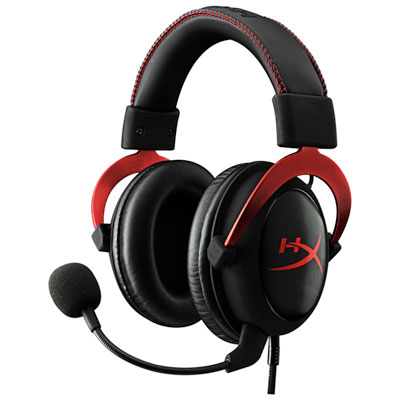 Your price for this item is $119.99
-
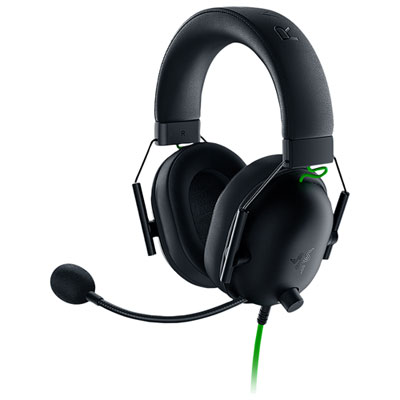 Your price for this item is $54.99
-
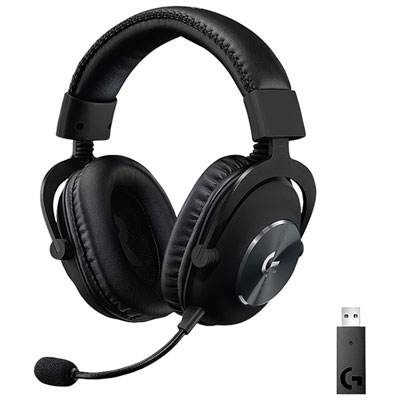 Your price for this item is $229.99
-
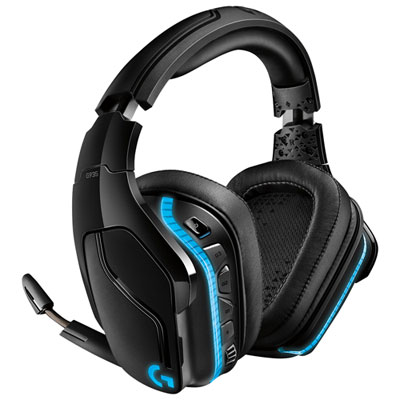 Your price for this item is $179.95
-
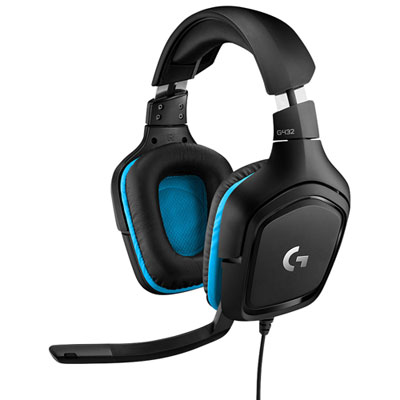 Your price for this item is $69.99
-
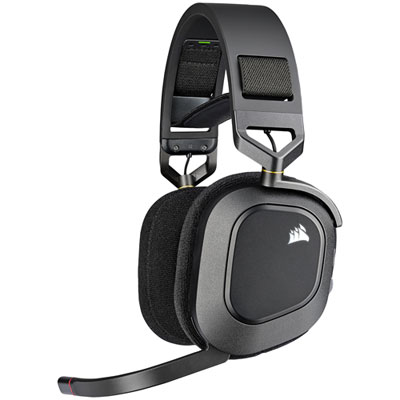 Your price for this item is $224.99
-
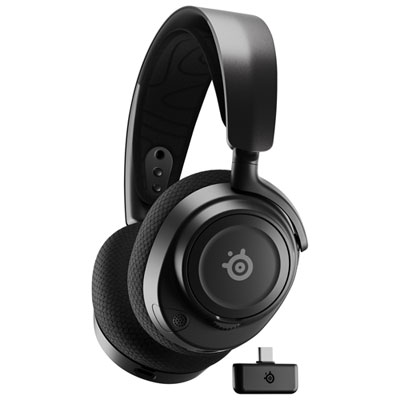 Your price for this item is $249.95
-
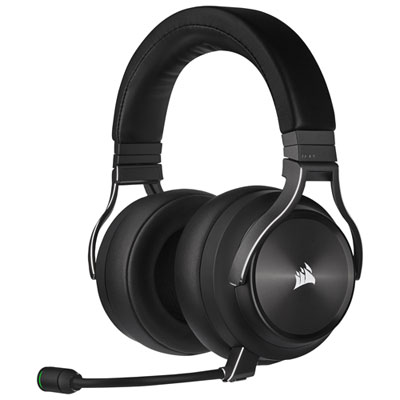 Your price for this item is $399.99
Discover more categories related to Precision Gaming Headsets
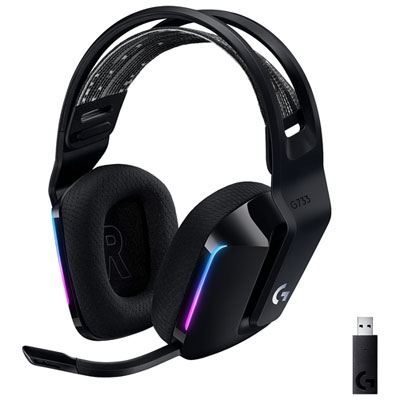
Top Collections:
Best Black Friday Deals This Year, Best Black Friday Deals On Electronics, Kindle Devices, Pokemon Centers, Best Black Friday Deals On Apple Products, Best Cameras for Sports Photography, Dyson Airwrap, Pokémon 30th Celebration Cards, Apple iPhone 17 Pro, Canon G7X Cameras
Some products may be subject to Environmental Handling Fees
(EHF) depending on your province.
Learn more about EHFs.