Rack Mountable UPS
Looking to protect your valuable electronics and ensure an uninterrupted power supply? Look no further than our diverse selection of rack-mountable UPS units. These reliable power solutions are designed to safeguard your equipment from unexpected power outages, voltage fluctuations, and surges. These units are perfect for data centers, server rooms, and other mission-critical applications.
Sort
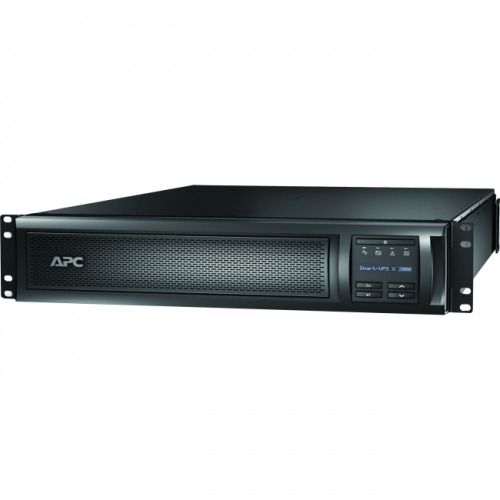
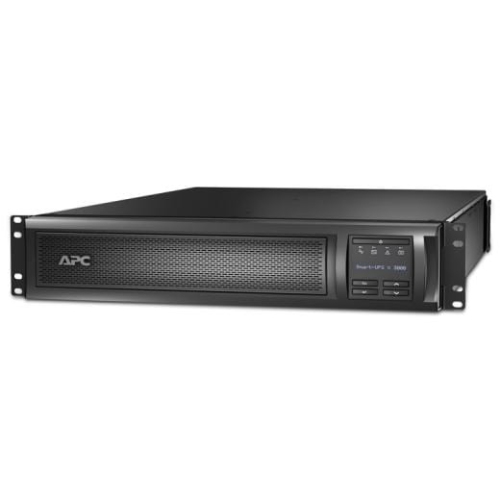
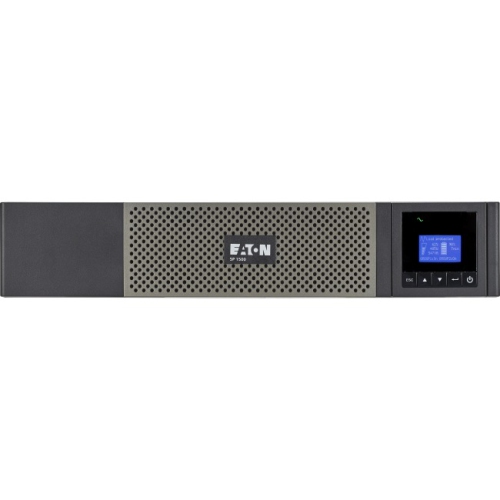
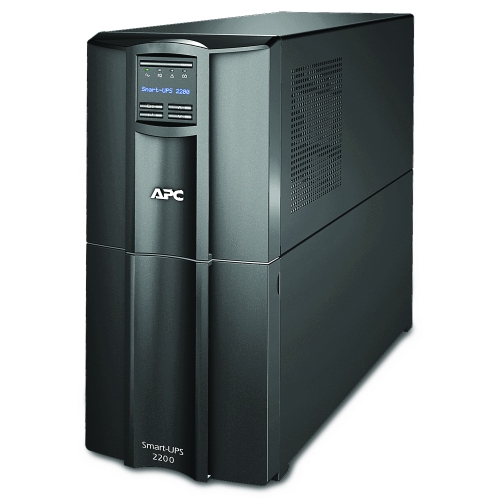
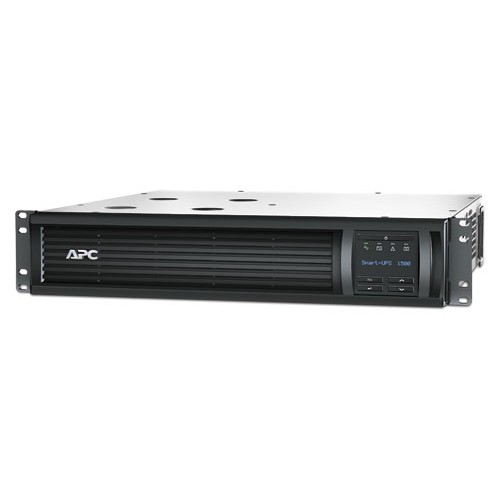
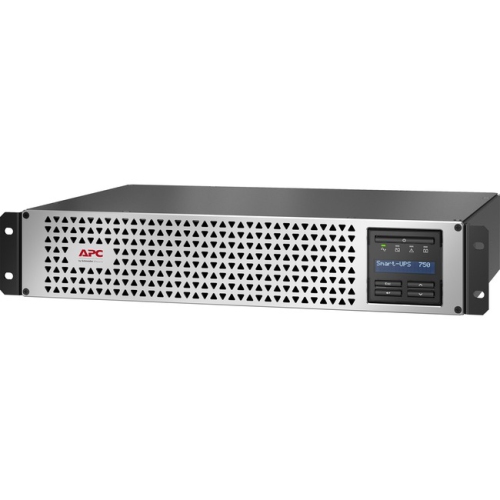
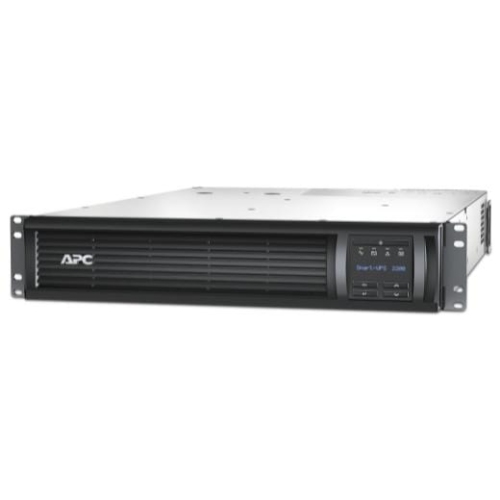
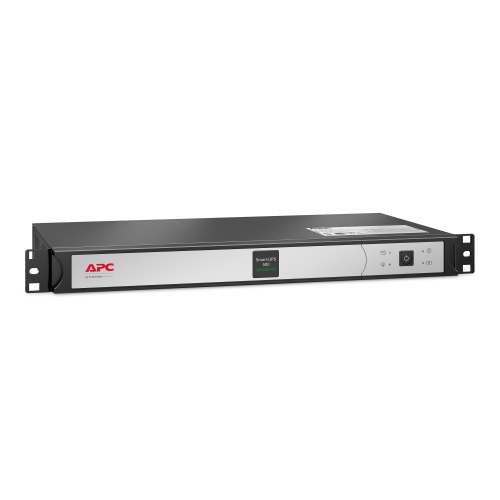
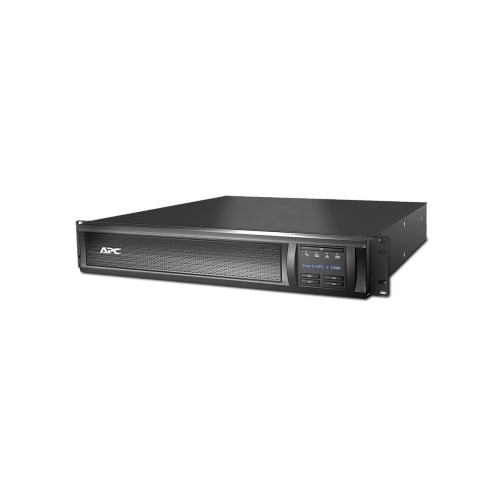
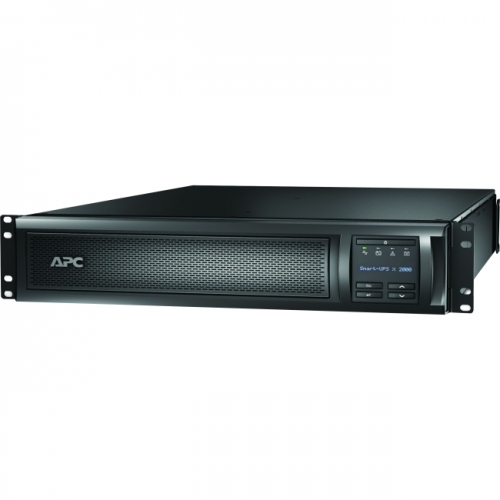


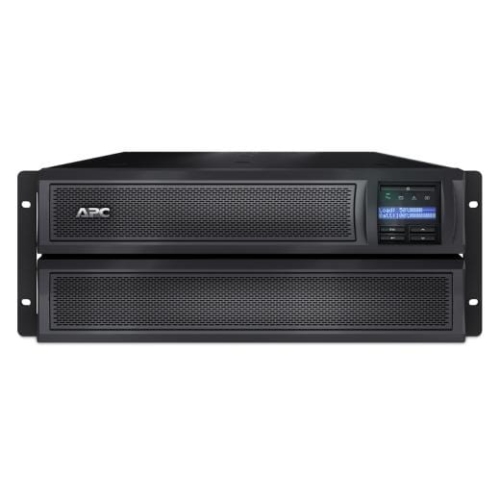
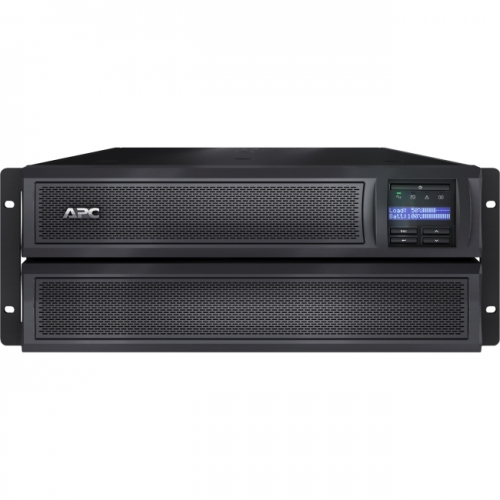
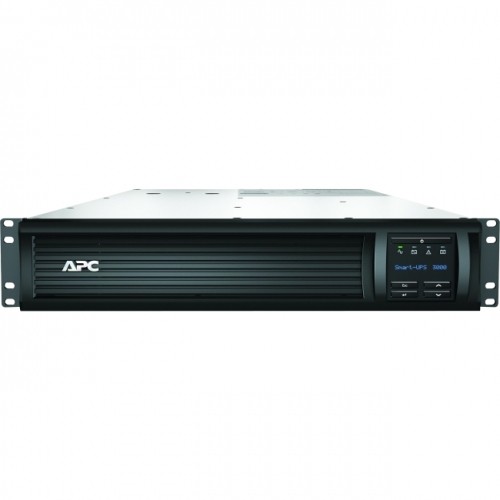
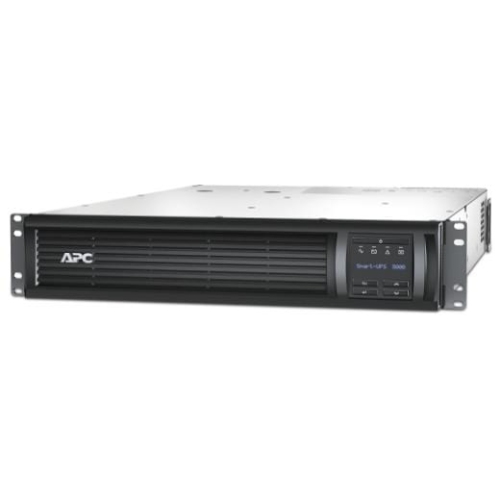
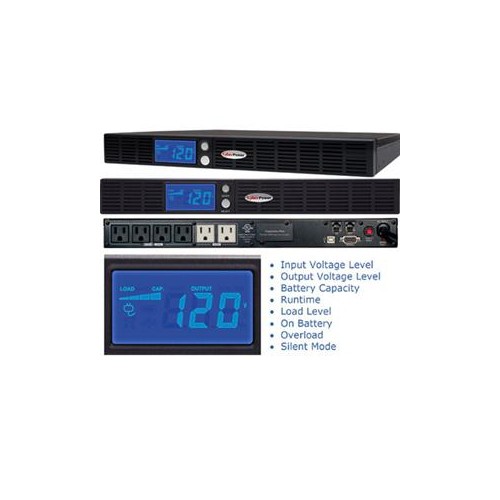

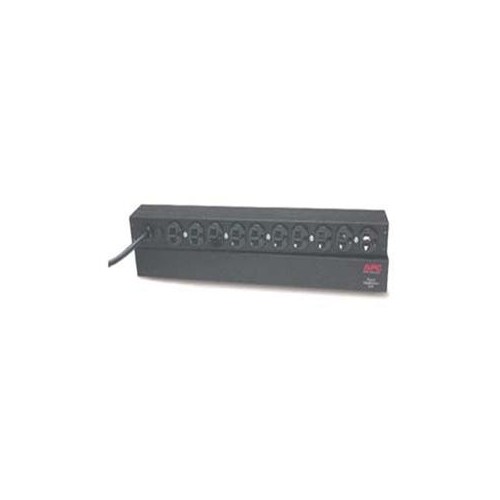
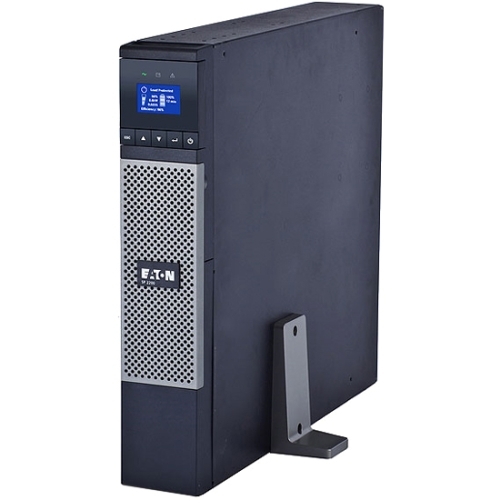
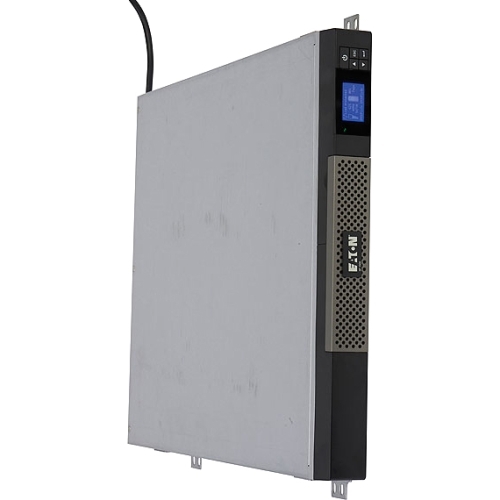
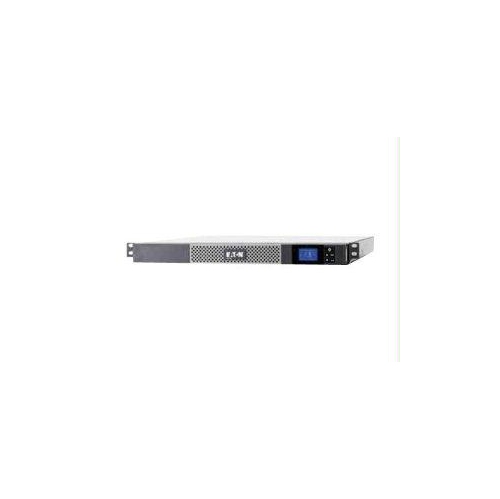
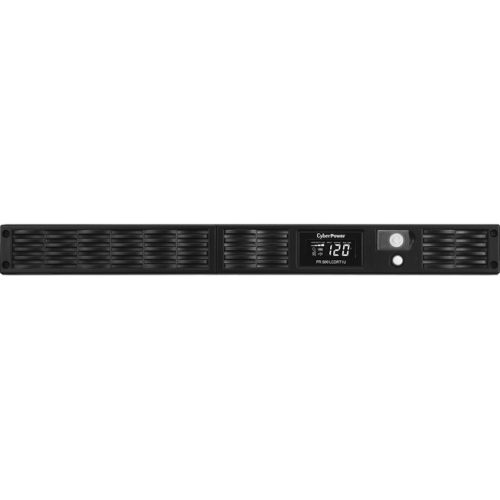
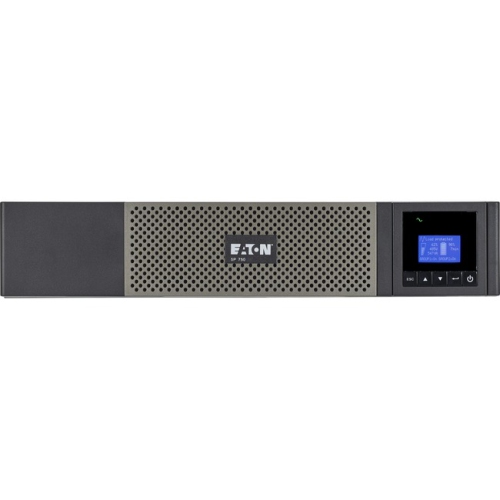
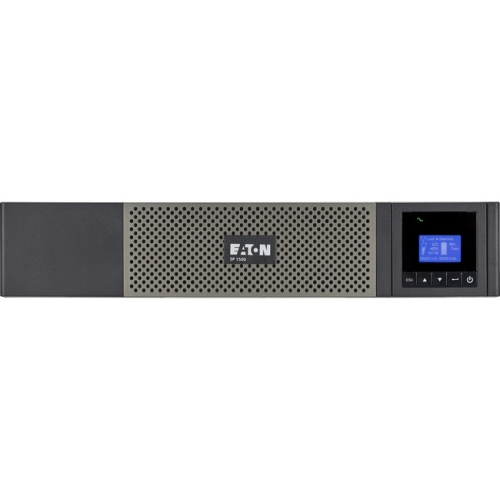
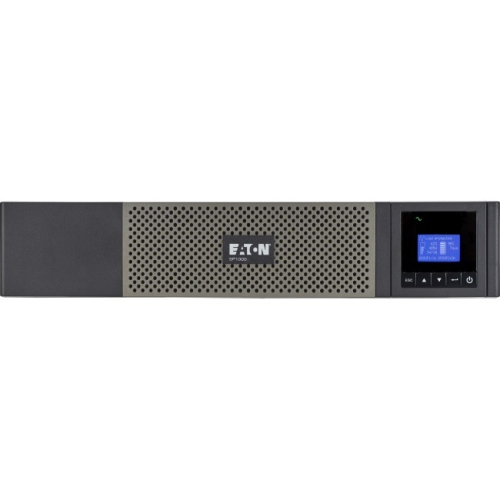
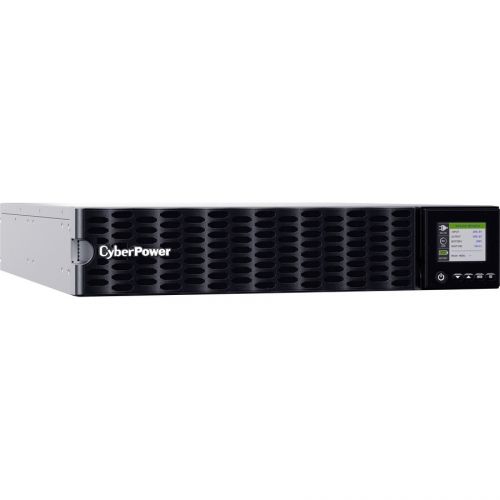
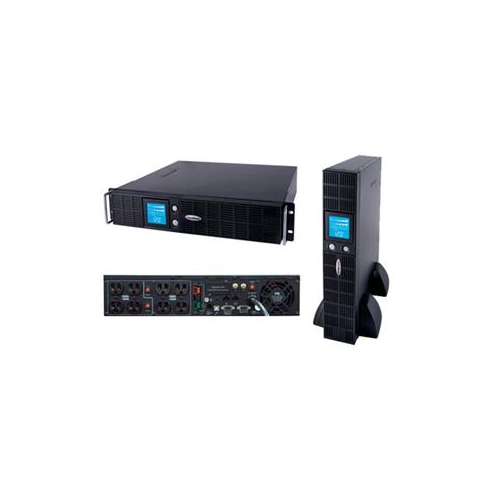

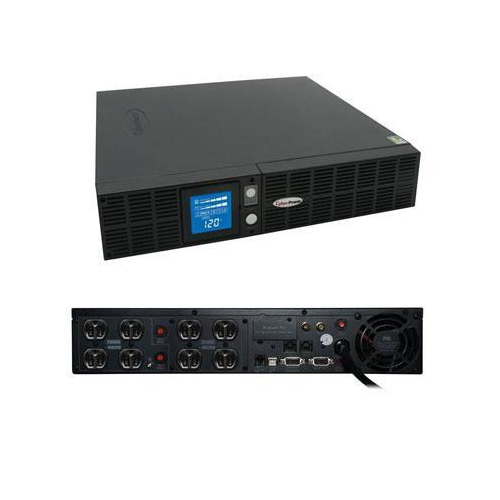
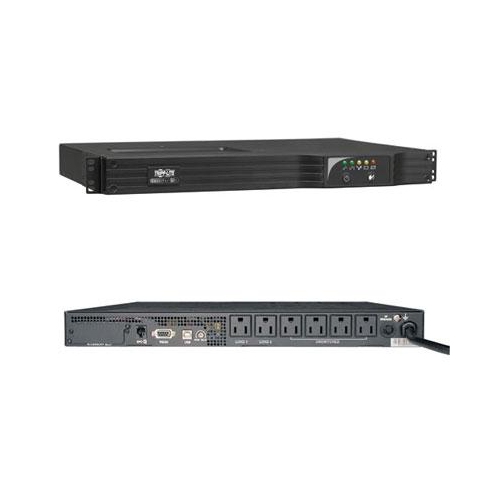
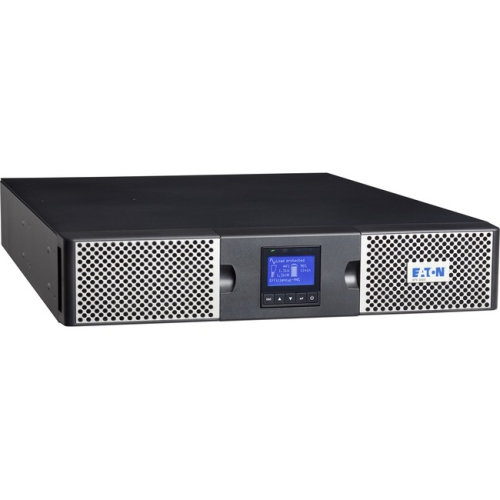
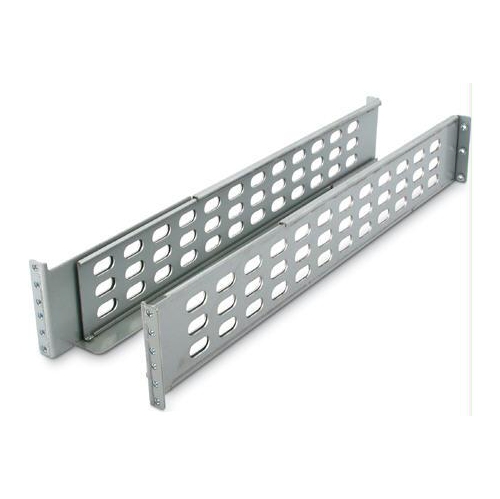
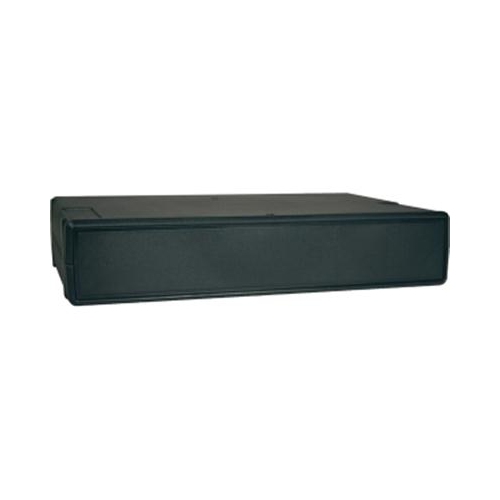
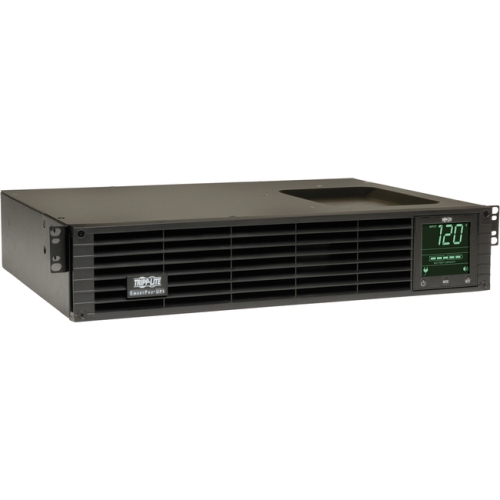
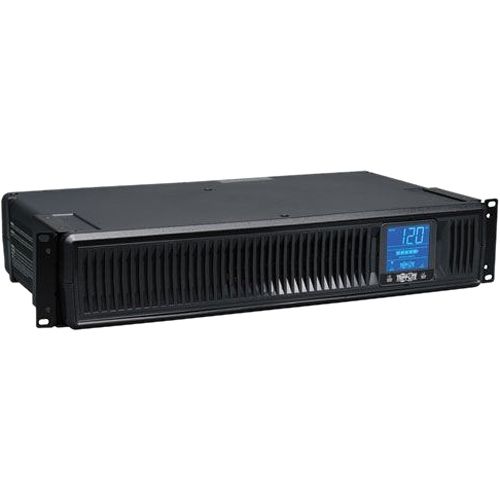
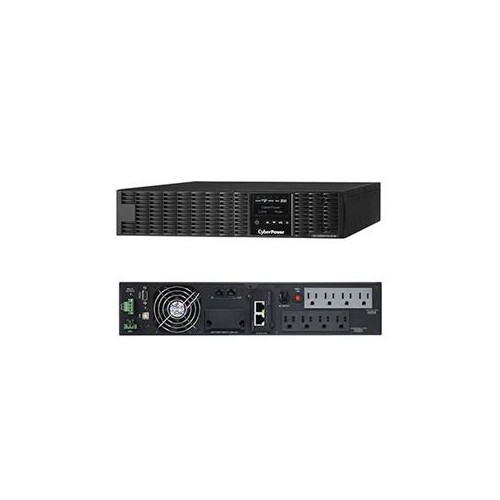
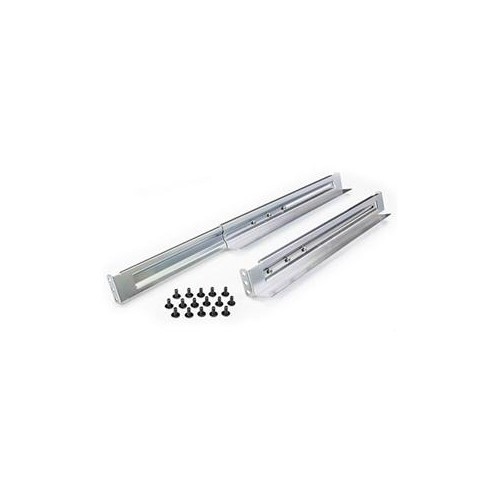
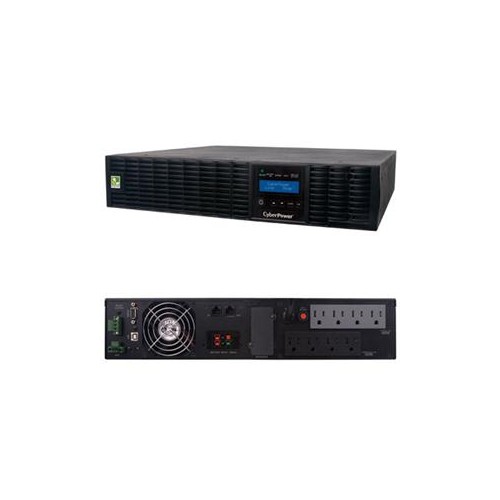
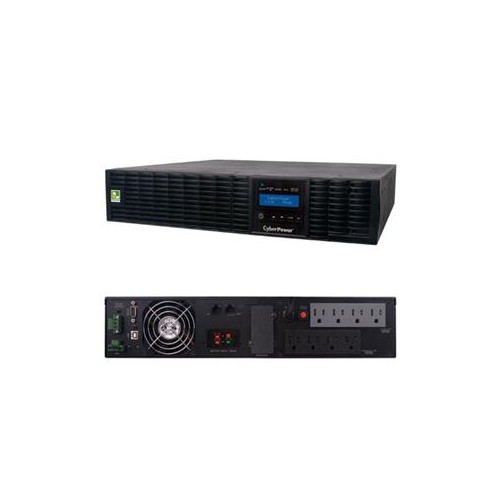
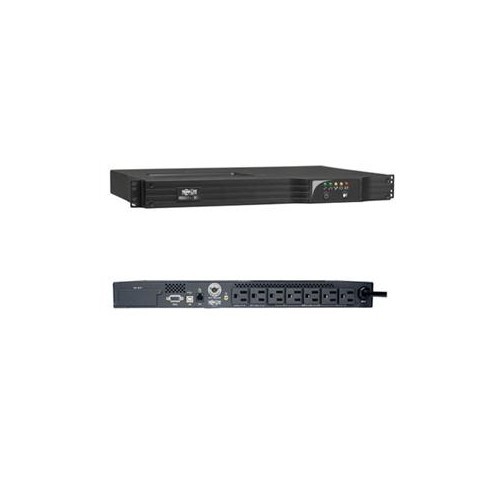
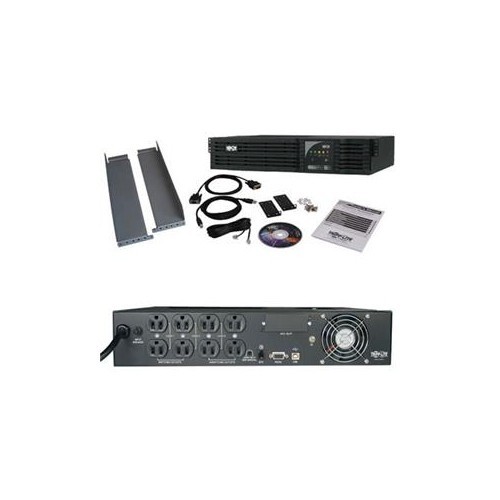

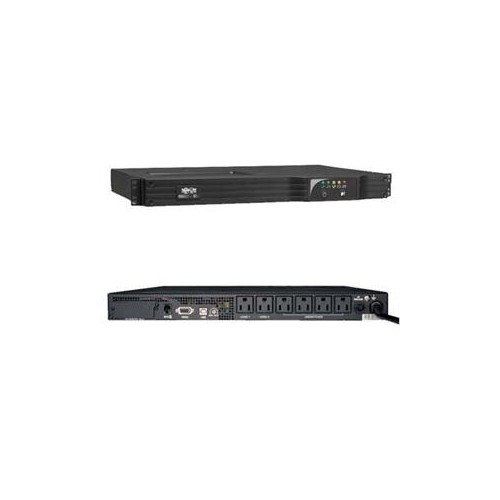
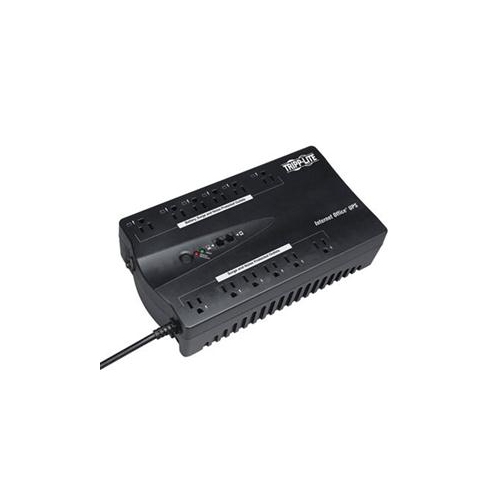
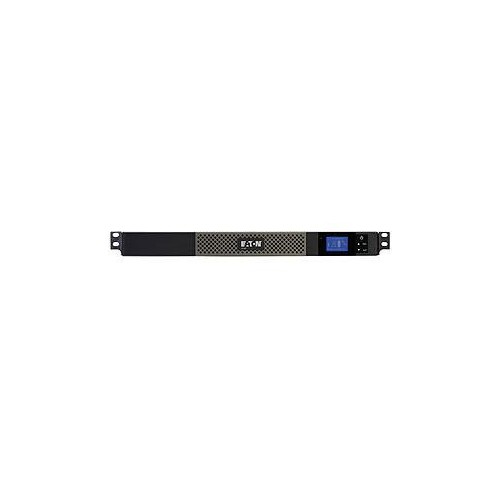
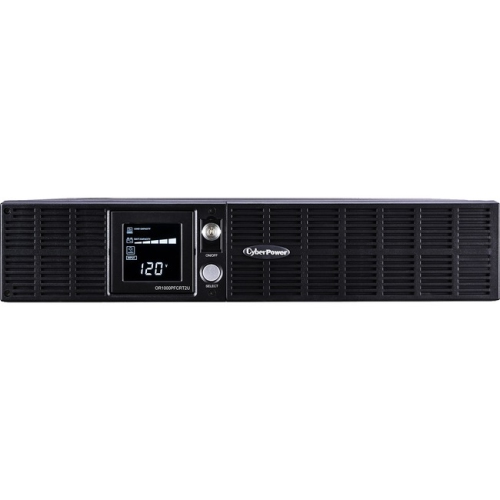
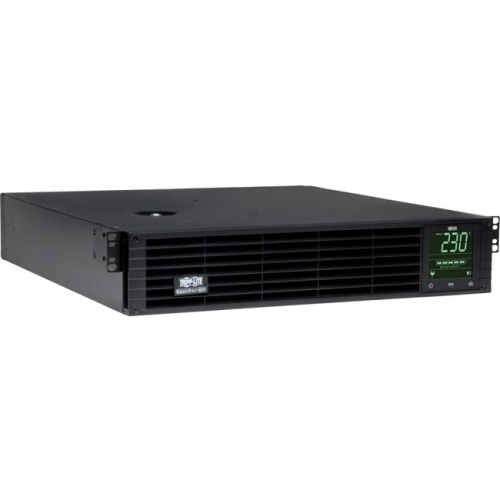
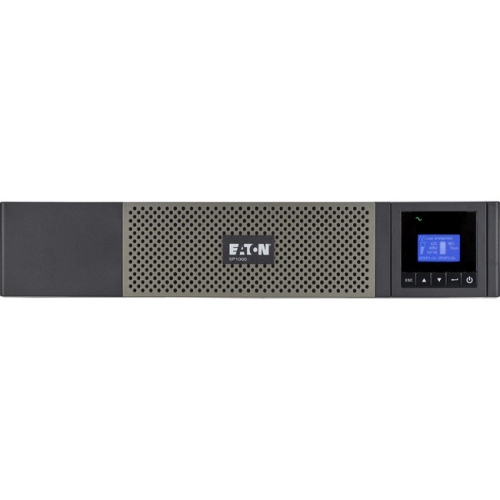
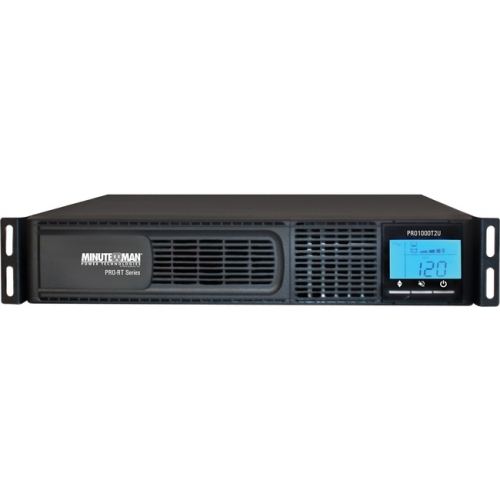
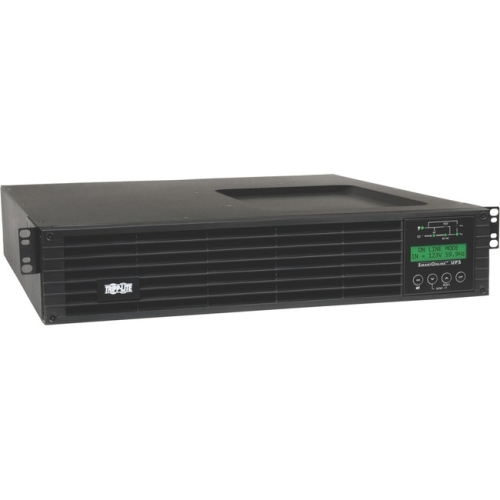
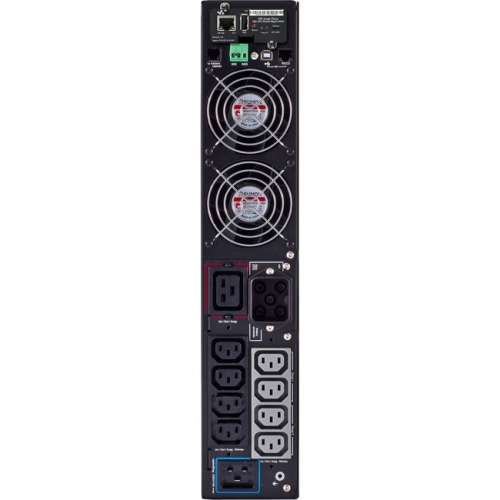
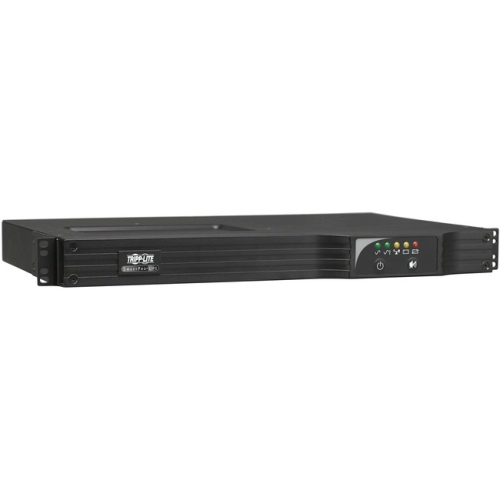
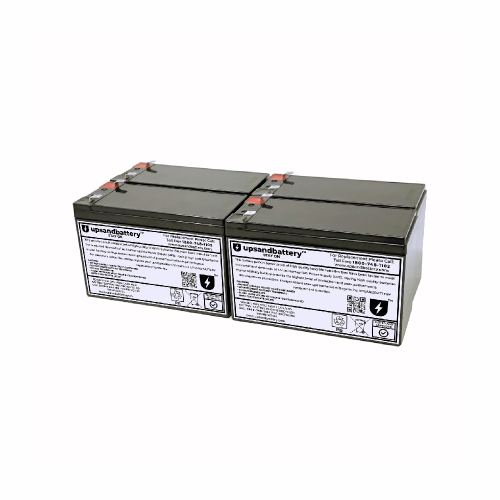

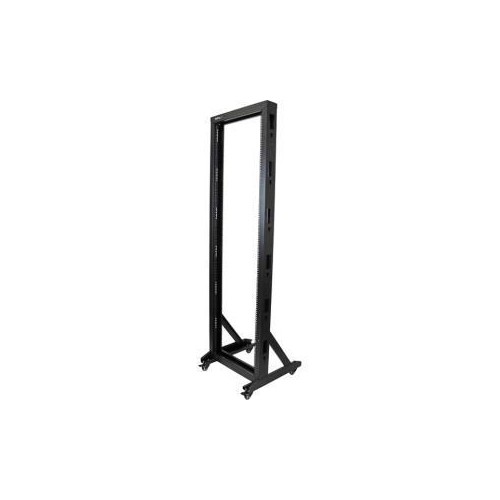
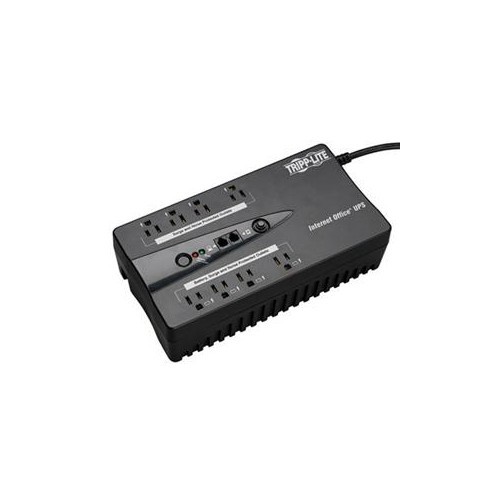
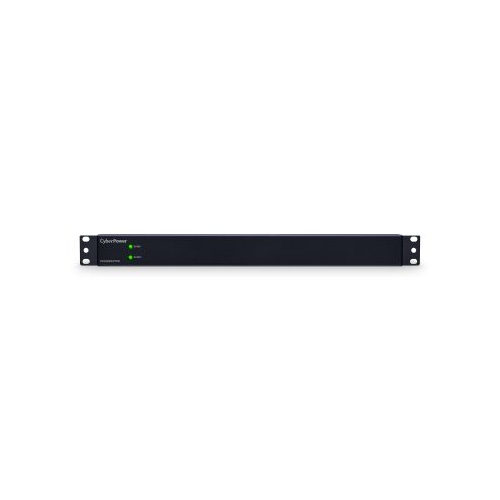
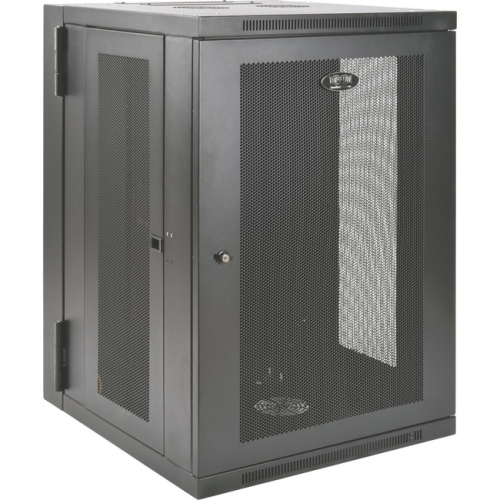
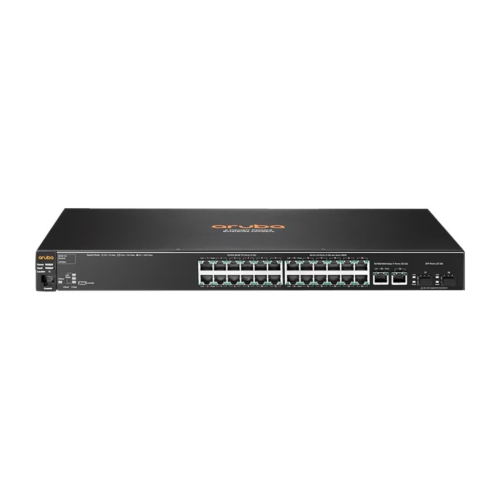
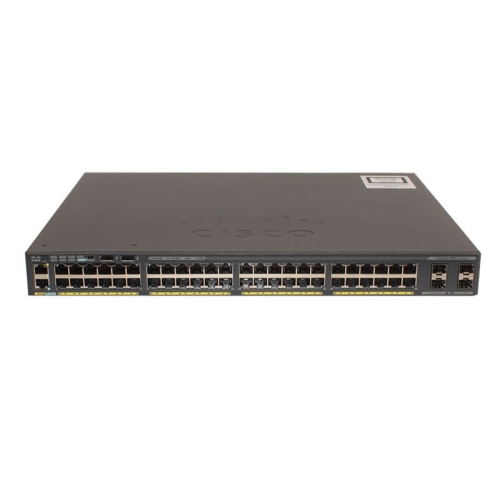
Reliable backup for critical rack-mounted equipment
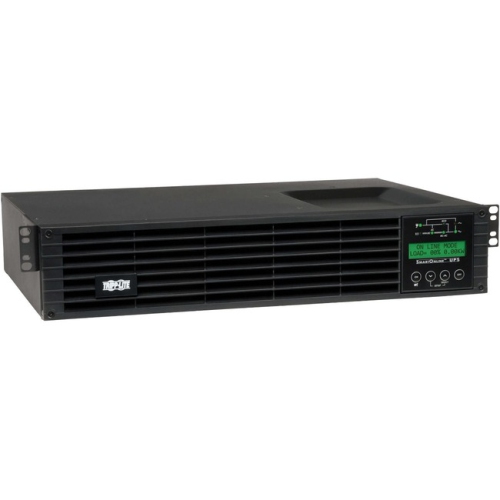
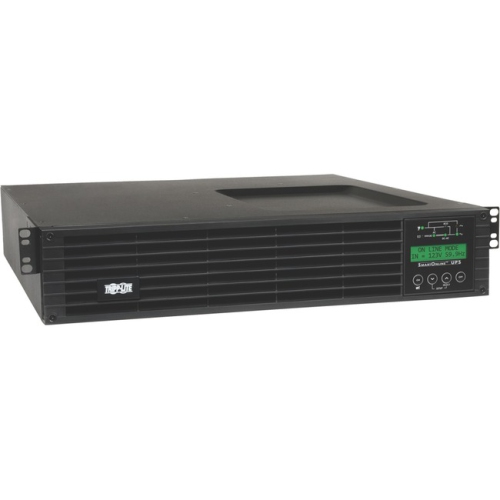
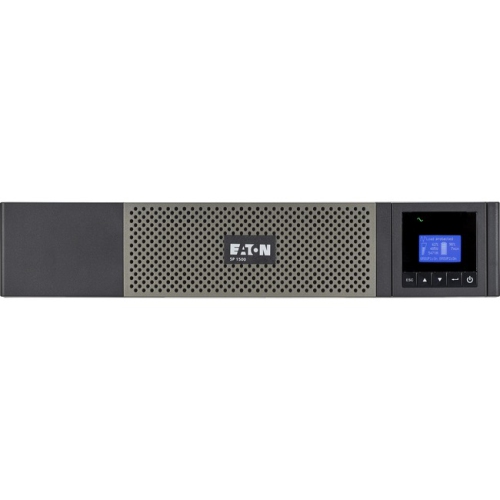
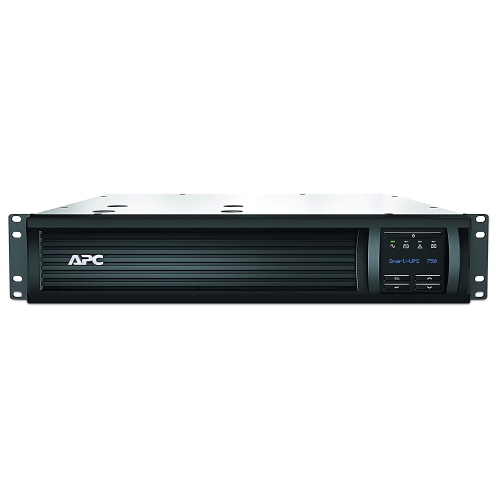
Rack mountable UPS units provide a dependable layer of protection for servers, networking equipment, storage systems, security hardware and other electronics installed in a standard rack cabinet. Designed to slide into a 19-inch rack, these uninterruptible power supplies help keep connected equipment operating through brief outages, voltage dips and other power interruptions. When utility power drops, the UPS switches to battery power so essential systems can continue running long enough for power to return or for an orderly shutdown. That extra time can prevent interrupted file transfers, damaged data, dropped network connections and the frustration of restarting several pieces of equipment at once. A rack mount UPS can be especially useful in a home lab, small business, communications closet, workshop or office where a modem, router, switch, server or storage device needs to remain available. It can also make a practical choice for anyone building a compact technology setup in a basement, studio or dedicated equipment room. Before choosing a unit, consider the equipment it will support and whether the goal is short-term backup, graceful shutdown protection or longer runtime for critical hardware. A UPS is not a replacement for a generator or a permanent power solution, but it can provide a valuable bridge during an interruption and help reduce the risk caused by unstable power.
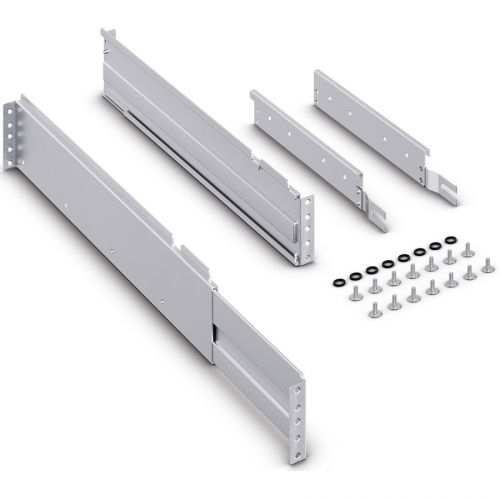
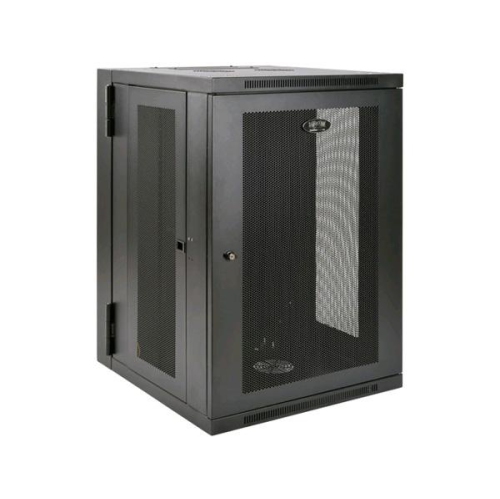
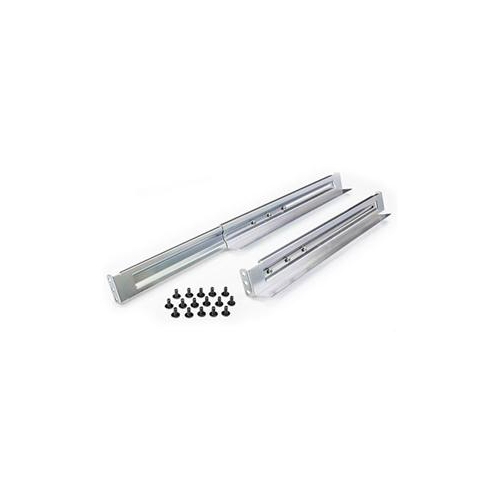
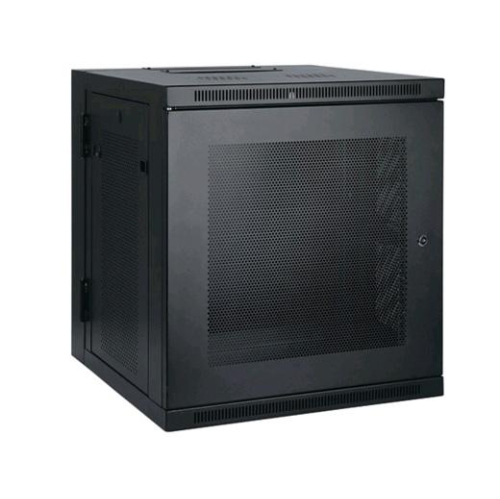
Rack compatibility is one of the most important details to check before making a purchase. UPS units are commonly described by rack height, such as 1U or 2U, with each rack unit representing about 1.75 inches of vertical space. A slimmer 1U model may be a good fit when the cabinet is already crowded, while a taller unit may offer greater battery capacity or additional outlets. Measure the available height carefully and leave room for cable routing, ventilation and any required mounting hardware. Depth matters just as much, particularly in shallow racks, wall-mounted cabinets and compact home lab enclosures. A unit that fits the front rails may still extend too far behind the cabinet, leaving insufficient space for power cables or nearby equipment. Check the rack depth, rail adjustment range and rear clearance before ordering. It is also worth reviewing the included brackets, rails and mounting hardware, since installation requirements can vary. Capacity is usually listed in volt-amperes (VA) and watts (W). VA indicates the apparent power load, while the watt rating reflects the usable power available to connected devices. Add the wattage of the equipment you intend to connect and choose a UPS with headroom rather than running close to its maximum rating. Extra capacity can accommodate a future switch, drive enclosure or server, and it may extend battery runtime by reducing the percentage of the load placed on the UPS. Keep in mind that battery runtime becomes shorter as more equipment is connected, so compare runtime charts when the expected load is known.
Output quality, connection options and management features can make a noticeable difference in everyday use. Many modern computers and servers use power supplies with active power factor correction, and a pure sine wave output can provide a clean, consistent form of power for this type of equipment. Line-interactive designs can help correct minor voltage fluctuations without switching to battery for every small change, while online designs continuously condition incoming power and may suit more sensitive or mission-critical installations. Look at the number and type of battery-backed outlets, as well as any surge-only outlets, to ensure the layout matches your equipment. Pay attention to the location of the outlets and the space required by bulky adapters. A front display can show load level, battery status and input voltage at a glance, while audible alerts can warn you about an outage or an overloaded system. USB, serial or network management connections may allow compatible software to monitor the UPS, record power events and shut down connected servers in a controlled sequence. This is particularly helpful when equipment is unattended overnight or located in a separate room. Replaceable batteries can make long-term ownership more convenient, and some units provide testing functions that indicate when the battery needs attention. For a home lab, dependable backup for a router, switch and small server may be the priority; for a growing business, automatic shutdown, remote monitoring and a higher capacity may matter more. Those comparing related rack-based power equipment can also browse Rack Mount Power Supplies when planning the rest of a cabinet. With the rack dimensions, equipment load, desired runtime and available connections confirmed in advance, it becomes easier to choose a rack mountable UPS that fits neatly, supports the right devices and provides reassuring continuity during unexpected power interruptions.
Rack compatibility is one of the most important details to check before making a purchase. UPS units are commonly described by rack height, such as 1U or 2U, with each rack unit representing about 1.75 inches of vertical space. A slimmer 1U model may be a good fit when the cabinet is already crowded, while a taller unit may offer greater battery capacity or additional outlets. Measure the available height carefully and leave room for cable routing, ventilation and any required mounting hardware. Depth matters just as much, particularly in shallow racks, wall-mounted cabinets and compact home lab enclosures. A unit that fits the front rails may still extend too far behind the cabinet, leaving insufficient space for power cables or nearby equipment. Check the rack depth, rail adjustment range and rear clearance before ordering. It is also worth reviewing the included brackets, rails and mounting hardware, since installation requirements can vary. Capacity is usually listed in volt-amperes (VA) and watts (W). VA indicates the apparent power load, while the watt rating reflects the usable power available to connected devices. Add the wattage of the equipment you intend to connect and choose a UPS with headroom rather than running close to its maximum rating. Extra capacity can accommodate a future switch, drive enclosure or server, and it may extend battery runtime by reducing the percentage of the load placed on the UPS. Keep in mind that battery runtime becomes shorter as more equipment is connected, so compare runtime charts when the expected load is known.
Output quality, connection options and management features can make a noticeable difference in everyday use. Many modern computers and servers use power supplies with active power factor correction, and a pure sine wave output can provide a clean, consistent form of power for this type of equipment. Line-interactive designs can help correct minor voltage fluctuations without switching to battery for every small change, while online designs continuously condition incoming power and may suit more sensitive or mission-critical installations. Look at the number and type of battery-backed outlets, as well as any surge-only outlets, to ensure the layout matches your equipment. Pay attention to the location of the outlets and the space required by bulky adapters. A front display can show load level, battery status and input voltage at a glance, while audible alerts can warn you about an outage or an overloaded system. USB, serial or network management connections may allow compatible software to monitor the UPS, record power events and shut down connected servers in a controlled sequence. This is particularly helpful when equipment is unattended overnight or located in a separate room. Replaceable batteries can make long-term ownership more convenient, and some units provide testing functions that indicate when the battery needs attention. For a home lab, dependable backup for a router, switch and small server may be the priority; for a growing business, automatic shutdown, remote monitoring and a higher capacity may matter more. Those comparing related rack-based power equipment can also browse Rack Mount Power Supplies when planning the rest of a cabinet. With the rack dimensions, equipment load, desired runtime and available connections confirmed in advance, it becomes easier to choose a rack mountable UPS that fits neatly, supports the right devices and provides reassuring continuity during unexpected power interruptions.
Top selling and popular products
-
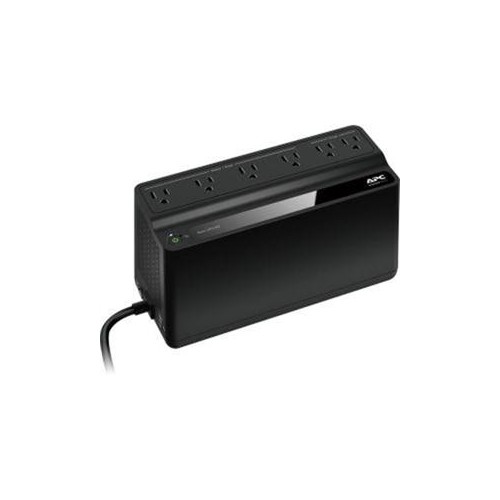 Your price for this item is $121.68
 -
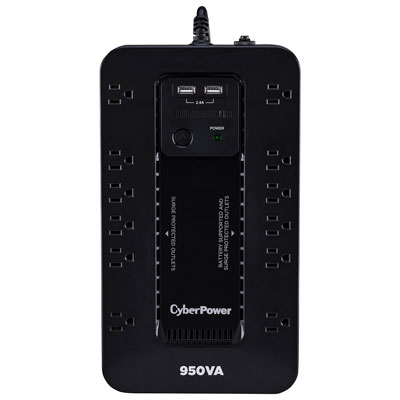 Your price for this item is $149.99
 -
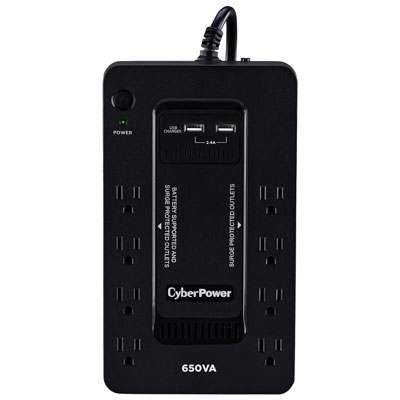 Your price for this item is $99.99
 -
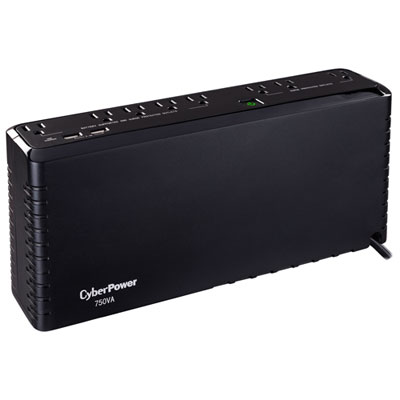 Your price for this item is $119.99
 -
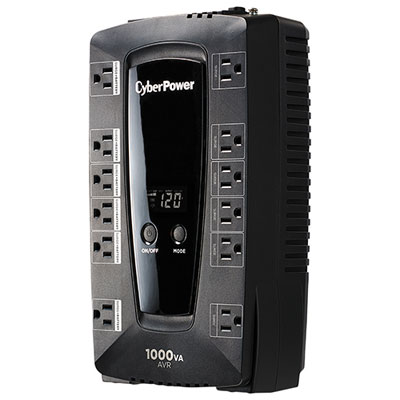 Your price for this item is $149.99
 -
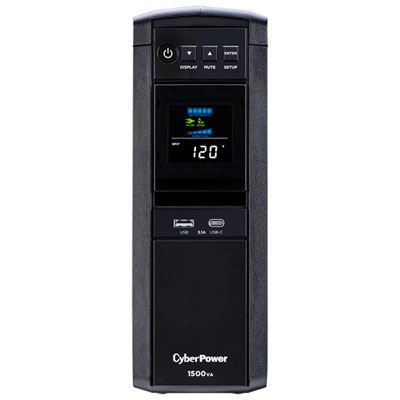 Your price for this item is $299.99
 -
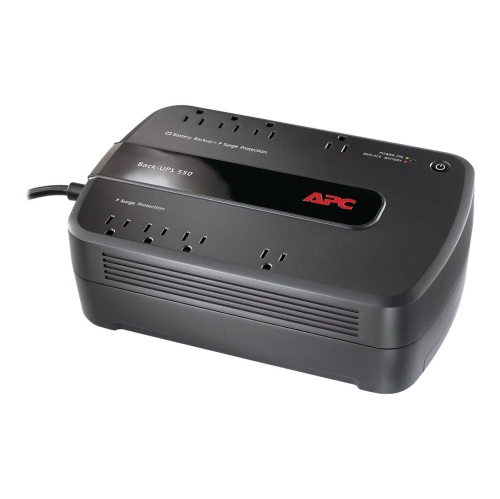 Your price for this item is $170.69
 -
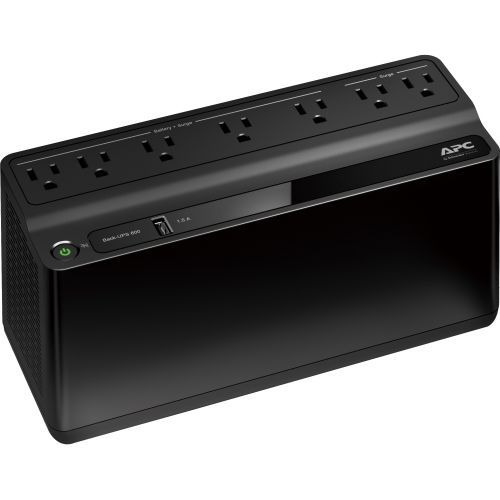 Your price for this item is $171.53
Discover more categories related to Rack Mountable UPS

Top Collections:
Pokemon Centers, Kindle Devices, Best Budget Office Chairs, Apple iPhones 16, Canon G7X Cameras, iPhone 15 Apple, Alarm Clock, Refurbished Apple Laptops, Flip Phones, Best Laptops for Writers
Some products may be subject to Environmental Handling Fees
(EHF) depending on your province.
Learn more about EHFs.