Replacement Parts for Sewing Machines
Replacement Parts for Sewing Machines are essential for keeping your equipment running smoothly and efficiently. Whether you’re an avid crafter or a professional tailor, having the right components on hand helps ensure your sewing projects stay on track. Explore a wide selection of high-quality parts designed to fit various models, making it easy to find exactly what you need to maintain or repair your machine. Shop with confidence and get back to creating with reliable Replacement Parts for Sewing Machines.
Sort
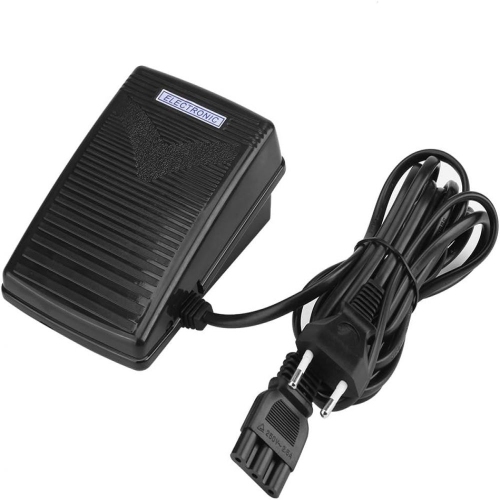
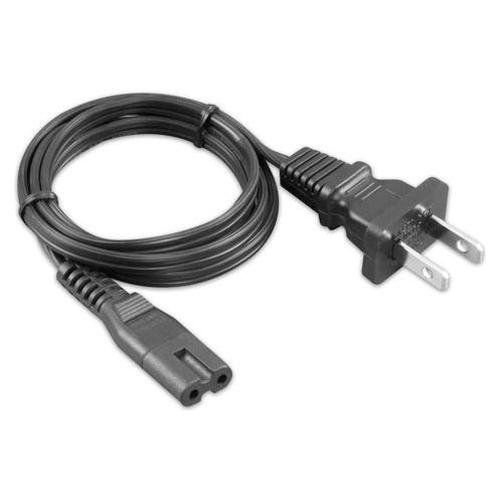
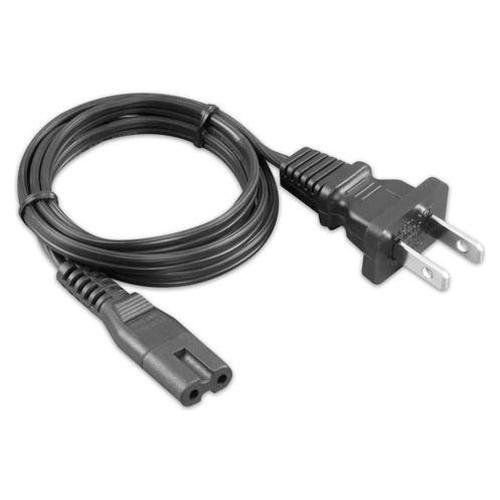
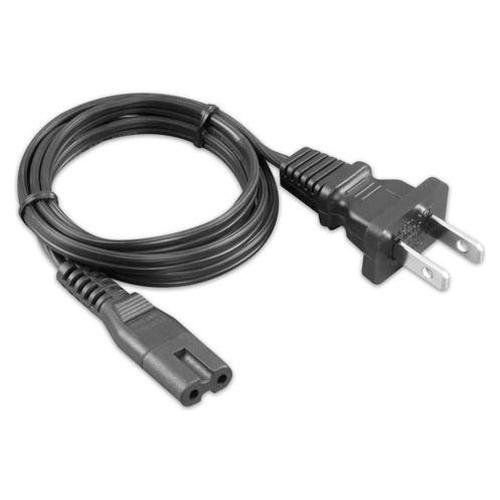


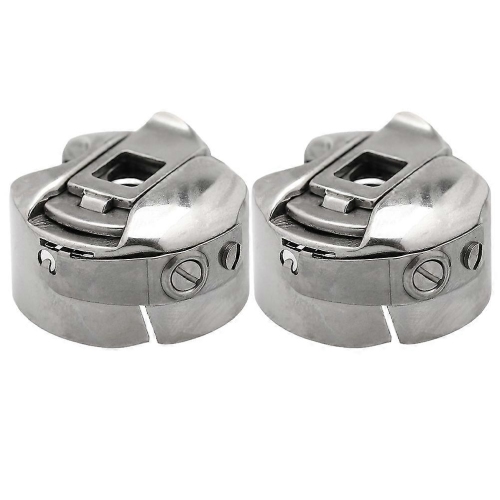


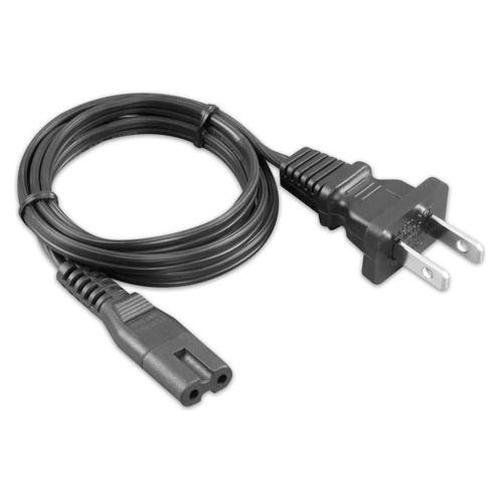
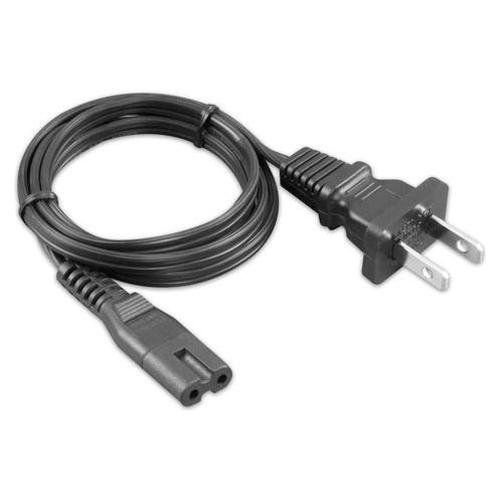
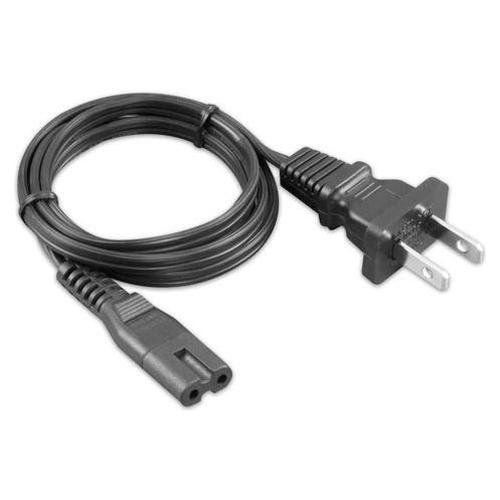
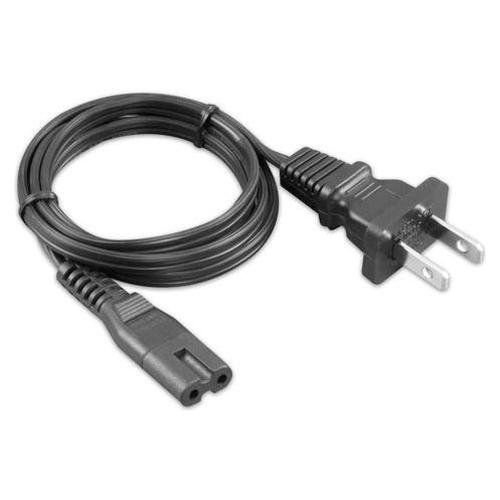
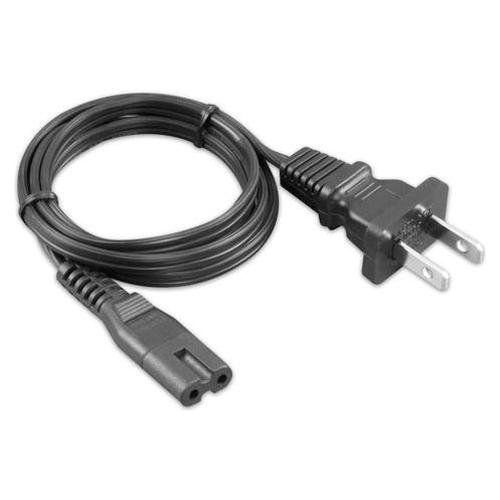
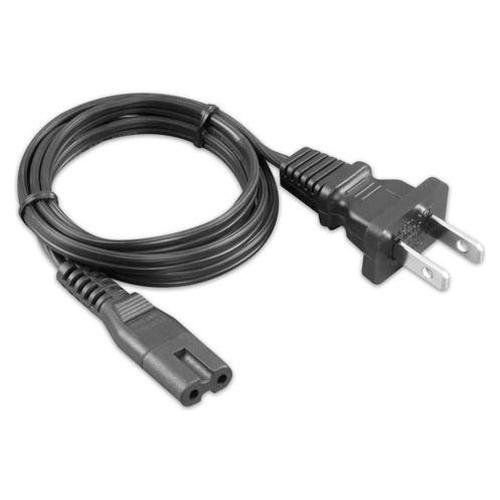
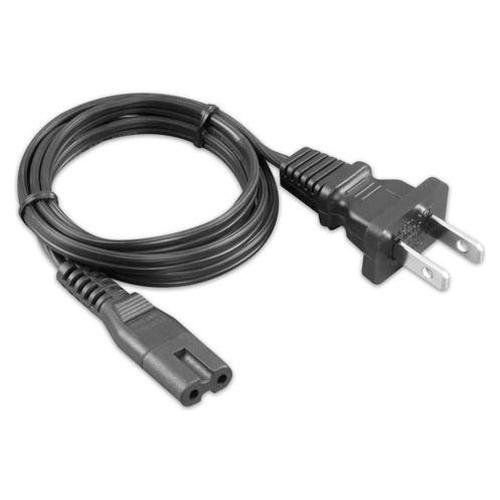
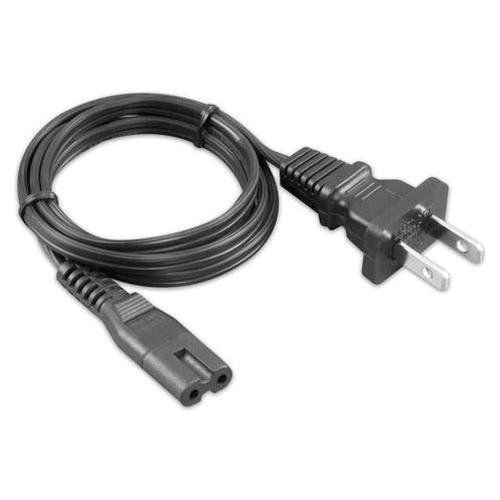
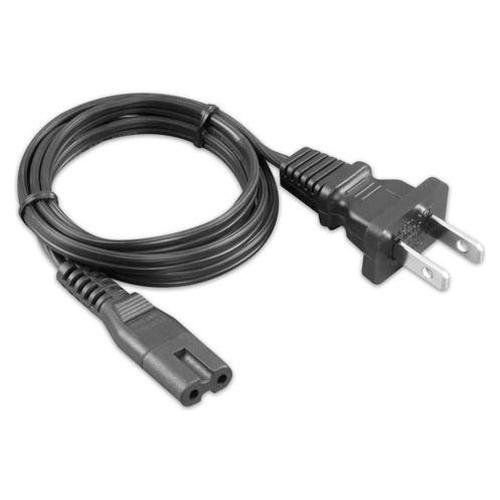
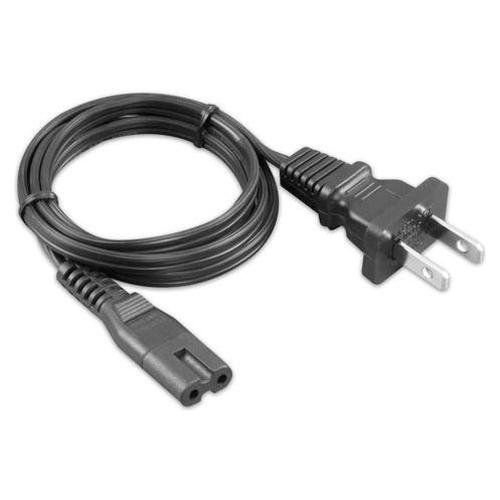
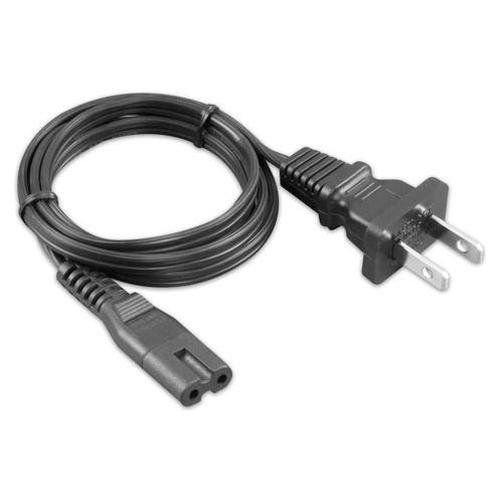
Why lookalike sewing machine parts may not fit
Replacement parts for sewing machines are matched by the machine’s brand, full model number, and the specifications of the component being replaced. A part number from the instruction manual or original component can help distinguish between pieces that look similar but serve different machines. This matters because small differences in shape, depth, mounting position, or connection type can affect how a replacement fits and functions. A bobbin that drops neatly into an opening, for example, is not necessarily the correct height or profile for that machine’s hook system. The range of Sewing Machines includes mechanical and computerized designs, with components that can differ between model families and production generations. Household machines, embroidery machines, sergers, and industrial machines also have distinct construction requirements, so parts should be matched to the actual machine type rather than its general appearance. Common replacement categories include bobbins, bobbin cases, presser feet, needle plates, spool pins, belts, and foot controls. Some are designed for straightforward user replacement, while others form part of assemblies that require professional attention. For a vintage machine, the model designation and original assembly details are especially useful, since a familiar-looking metal housing may conceal a different drive or stitch-forming mechanism. For a newer machine, an electrical connector or mounting bracket can be just as important as the component’s dimensions. Compatibility information should identify the supported models clearly; a broad description such as “universal” does not establish a fit with every machine. Original-manufacturer parts and third-party replacements both need to meet the relevant fit and operating requirements. Where a component has been revised or replaced by a newer part number, a documented cross-reference is more dependable than appearance alone. These details help distinguish a suitable replacement from a close visual match, whether the machine is used for occasional clothing repairs, regular quilting, or detailed decorative stitching.
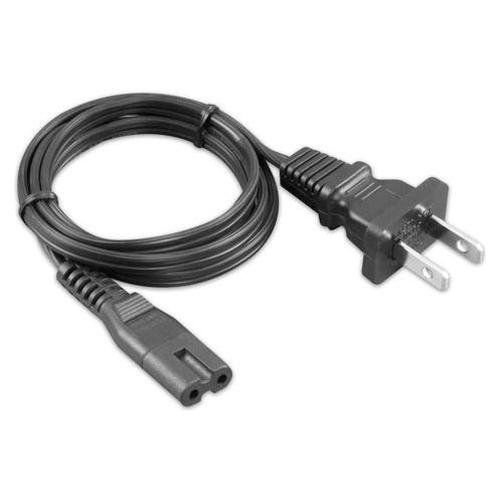
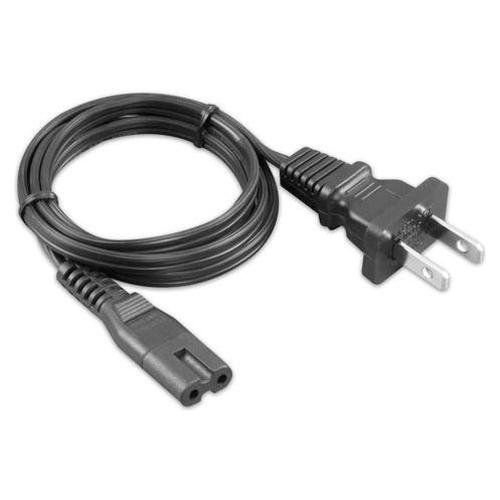
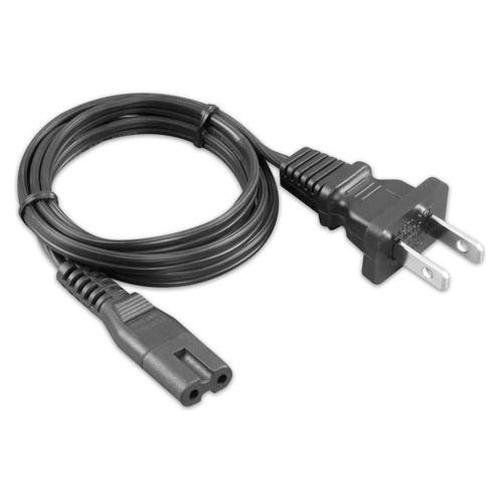
Materials and construction influence how replacement components perform, but the right material is the one specified for the machine rather than whichever feels heaviest. Metal and plastic bobbins, for instance, are not automatically interchangeable, even when their diameters appear alike. Their weight and dimensions can affect operation, so the machine’s stated bobbin class remains the important reference. Presser feet may combine metal bodies with plastic sections, rollers, or smooth coatings suited to particular fabrics and tasks. A clear section can improve visibility around decorative stitches, while a smooth underside can help certain coated fabrics move beneath the foot. The attachment style matters as much as the sewing function: snap-on and screw-on feet use different mounting arrangements, and shank height must suit the machine. Stitch width and needle clearance are important, too, especially where a narrow opening sits beneath a needle capable of moving from side to side. Needle plates need the correct screw positions, feed-dog openings, and needle opening for the intended stitch settings. A straight-stitch plate and a wider-opening plate are not interchangeable for every operation. Across these components, smooth edges and cleanly finished contact surfaces matter wherever thread or fabric passes. A burr near the needle opening can catch fine thread, while damage around a bobbin case can interfere with consistent stitch formation. Flexible drive components have different requirements: belts depend on the correct length, profile, and tension specification, not simply a similar circumference. Spool pins and caps also need to suit their mounting points and intended spool arrangement so thread can feed as designed. Electrical replacements, including foot controls and power leads, require the correct electrical ratings and connection details. A connector that appears to fit is not enough to establish compatibility. Together, these construction details determine whether a replacement supports the machine’s intended operation, from a narrow line of topstitching on a shirt collar to repeated seams through several layers of quilting cotton.
The most useful replacement is tied to how the machine is used and to the condition of the original component. Someone hemming trousers or repairing a split seam may need a dependable everyday setup, while a quilter working through repeated rows of stitching may place greater demands on fabric-feeding components. Garment sewing can involve frequent changes between lightweight woven fabrics, knits, and thicker seam intersections, each requiring an appropriate combination of needle, foot, thread, and machine settings. Replacement parts restore or support particular functions; they do not increase a machine’s rated capacity or make every fabric suitable for it. A heavy-duty-looking foot, for example, does not turn a lightweight household machine into industrial equipment. Needles are another important distinction because they are replaceable consumables rather than permanent machine fittings. The correct needle system must match the machine, while needle size and point style should suit the fabric and thread. Bent, blunt, or incorrectly fitted needles can contribute to stitching problems that might otherwise be mistaken for a damaged internal part. Skipped stitches, thread breakage, or uneven tension can have several causes, so a visible symptom alone does not identify which component needs replacing. Care requirements also vary by design. Lint removal, suitable storage, and cleaning according to the manual help keep accessible parts in good condition, while oil should be used only where and as specified by the manufacturer. Routine cleaning and user-replaceable component changes should take place with the machine unplugged. Internal electrical work, timing adjustments, and repairs involving drive assemblies are generally better assessed by a qualified sewing machine technician. For shared household machines or equipment used in sewing groups, keeping the model details and component references together makes future matching simpler. Clearly identified, correctly fitted parts support consistent operation and preserve the familiar handling that matters when guiding a curved seam, aligning a zip, or finishing the edge of a carefully pieced project.
Top selling and popular products
-
 Your price for this item is $125.68
-
 Your price for this item is $111.68
-
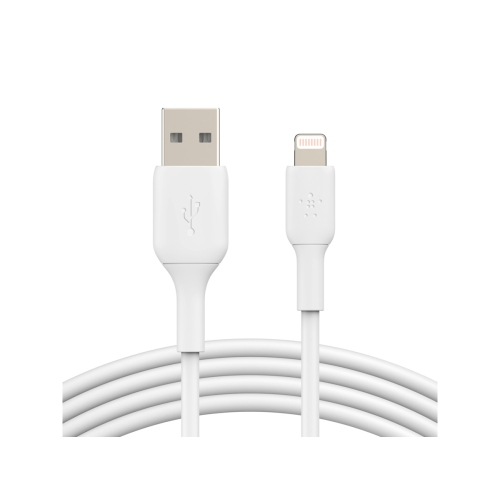 Your price for this item is $33.99
-
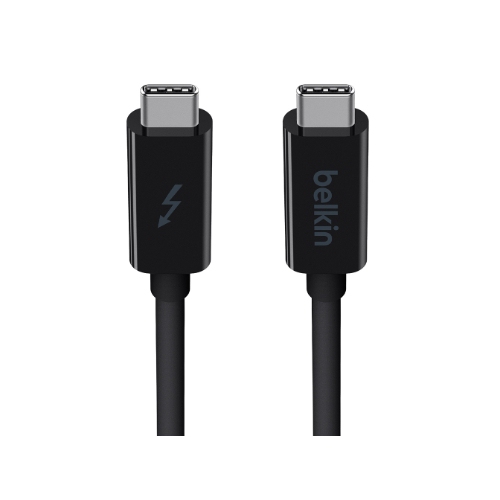 Your price for this item is $45.99
-
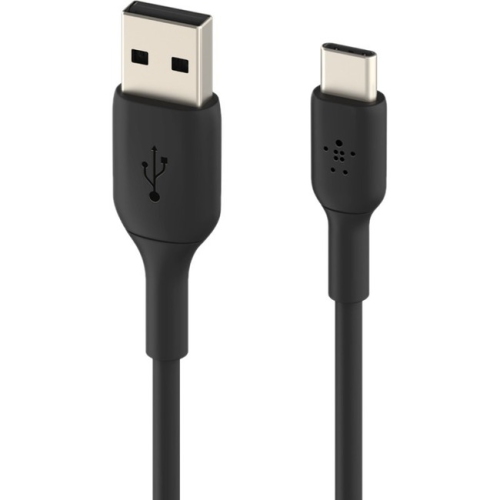 Your price for this item is $30.99
-
 Your price for this item is $105.68
-
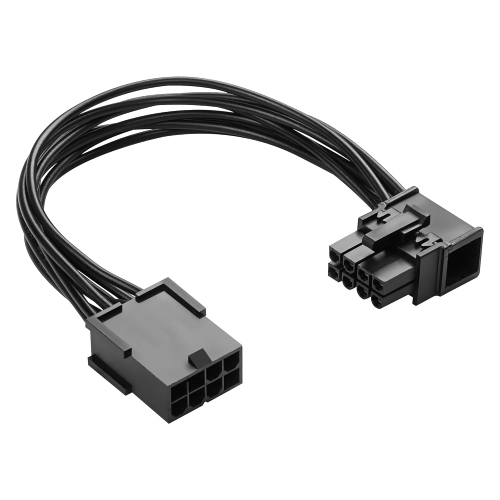 Your price for this item is $30
-
 Your price for this item is $86.68
Discover more categories related to Replacement Parts for Sewing Machines

Top Collections:
Best Black Friday Deals This Year, Best Black Friday Deals On Electronics, Kindle Devices, Pokemon Centers, Best Black Friday Deals On Apple Products, Best Cameras for Sports Photography, Dyson Airwrap, Pokémon 30th Celebration Cards, Apple iPhone 17 Pro, Canon G7X Cameras
Some products may be subject to Environmental Handling Fees
(EHF) depending on your province.
Learn more about EHFs.