Reusable Cable Ties
Organize and manage your cables with ease using our selection of reusable cable ties. Say goodbye to tangled cords and messy spaces by securing your cables in a neat and organized manner. These versatile ties are perfect for home, office, or on-the-go use, keeping your cords tidy and easily accessible whenever you need them. Whether you're a tech enthusiast, a DIY hobbyist, or just someone looking to declutter their living or workspace, these reusable cable ties are a must-have accessory for anyone striving for a more organized environment.
Sort


![NINTENDO Super Mario Home &party Mario Warp Tube 2Way Medium Wrapping Cloth Bag[] In Multicolor](https://multimedia.bbycastatic.ca/multimedia/products/500x500/174/17406/17406542.jpeg)
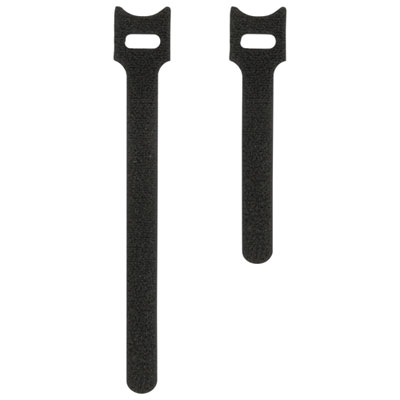
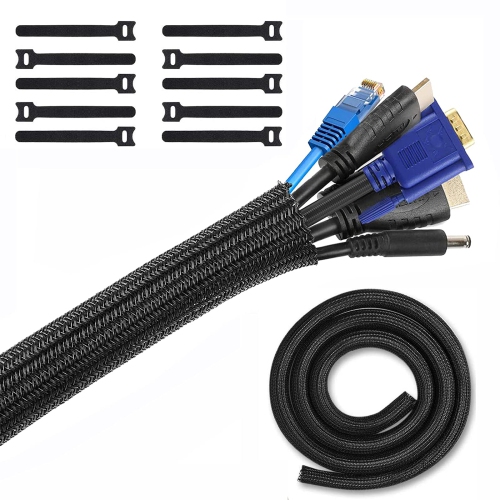
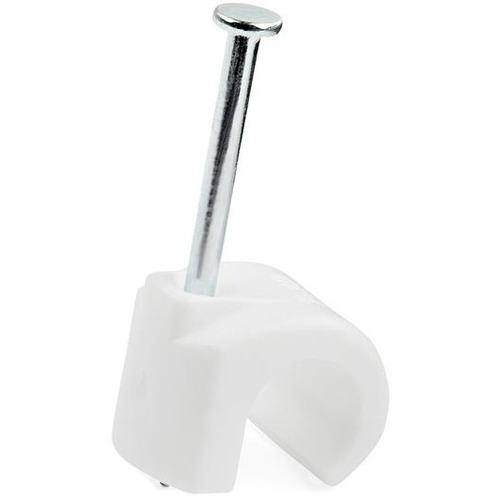

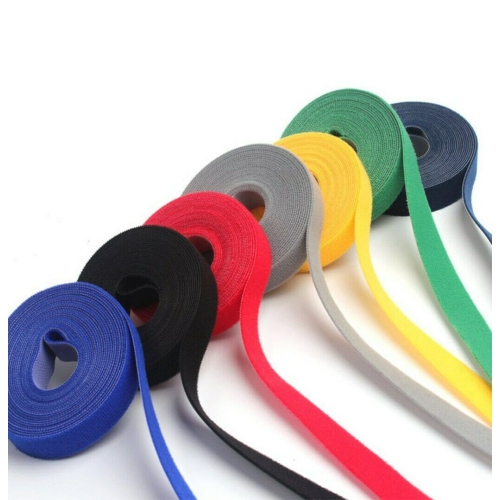

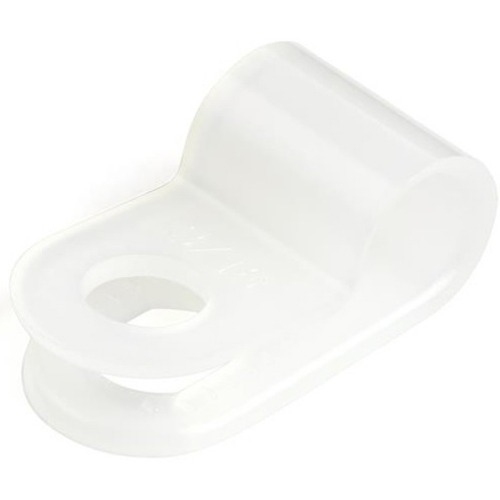
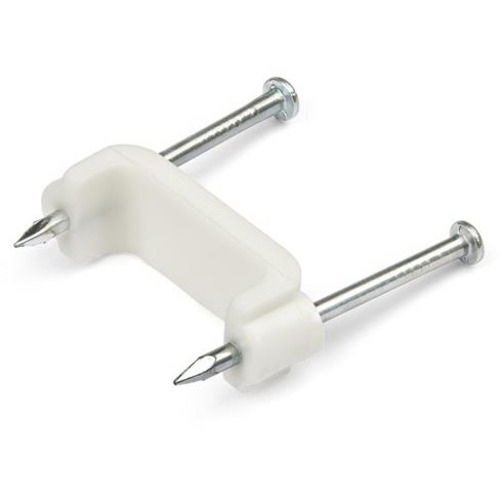
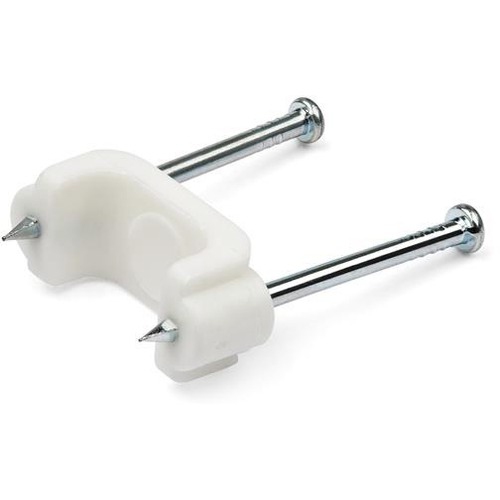
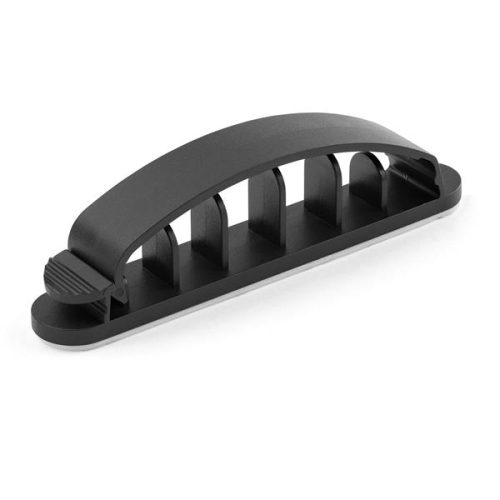
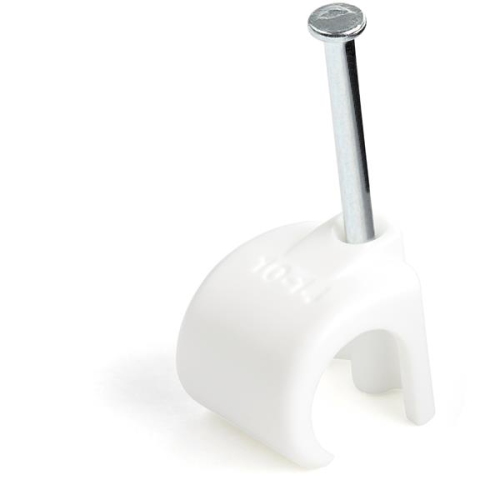
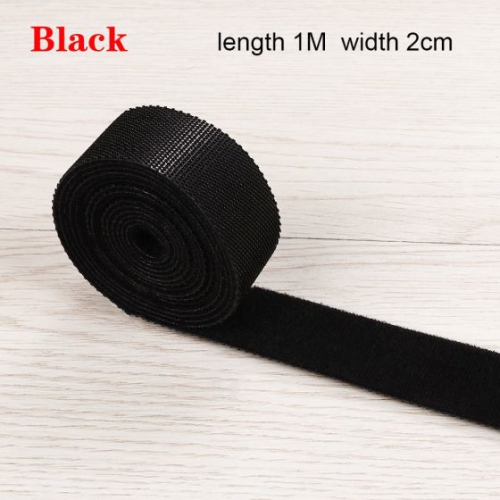
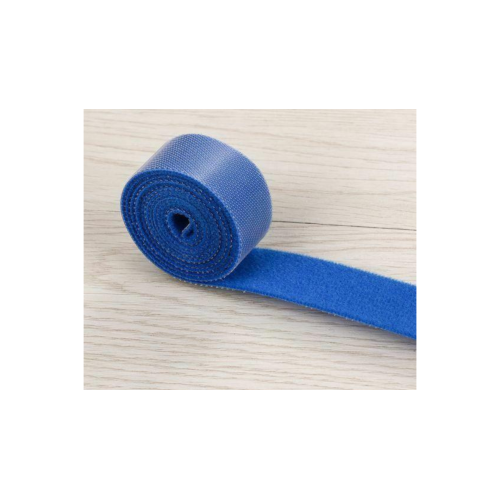
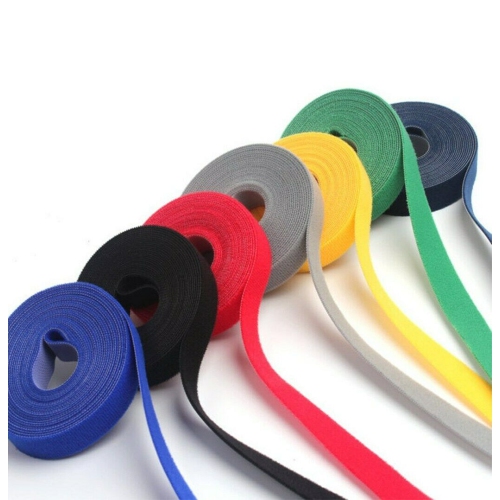
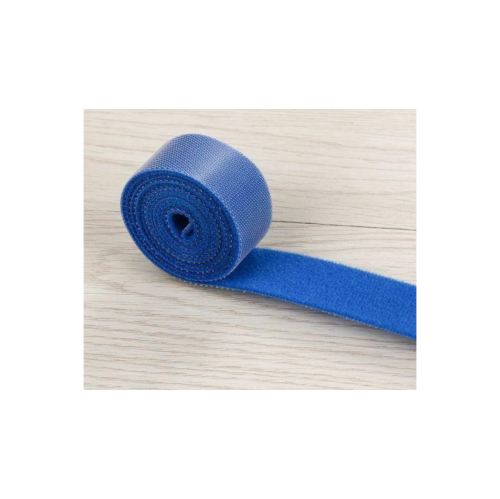
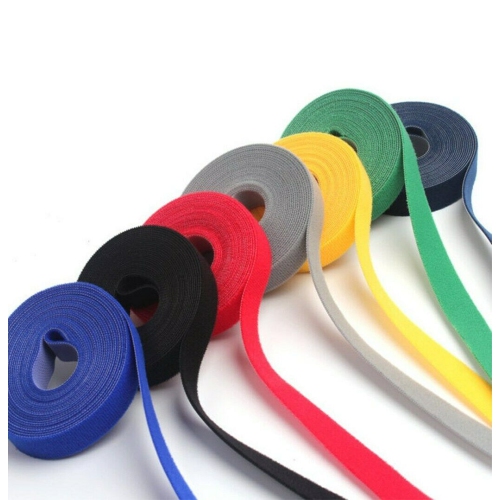
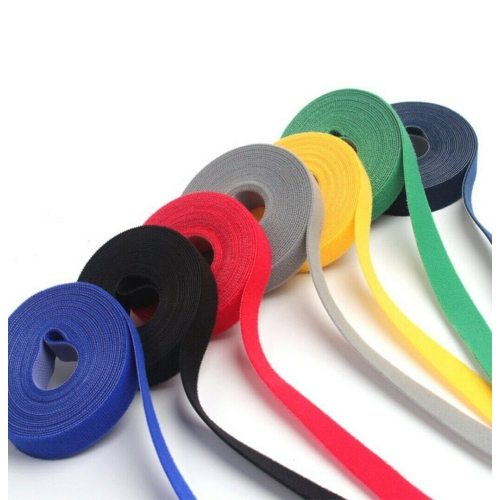
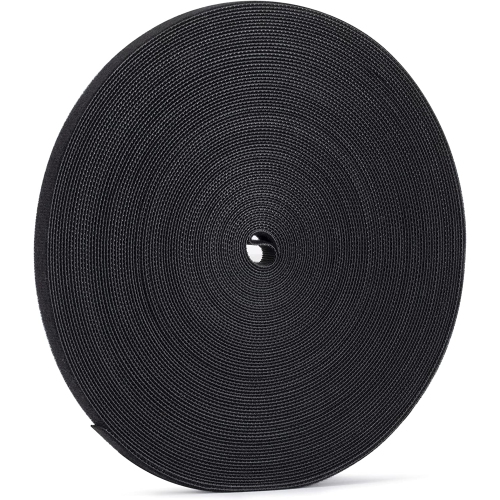
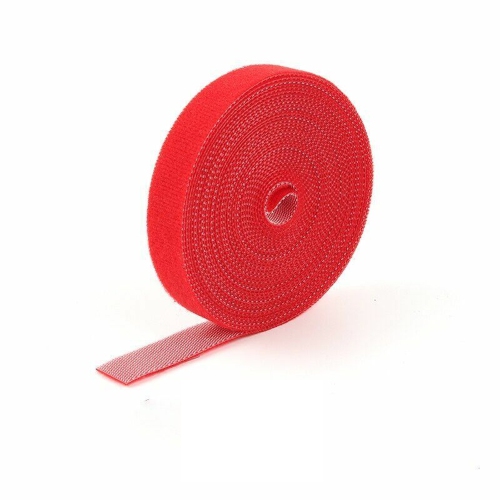
Tidy cable bundles that open when setups change
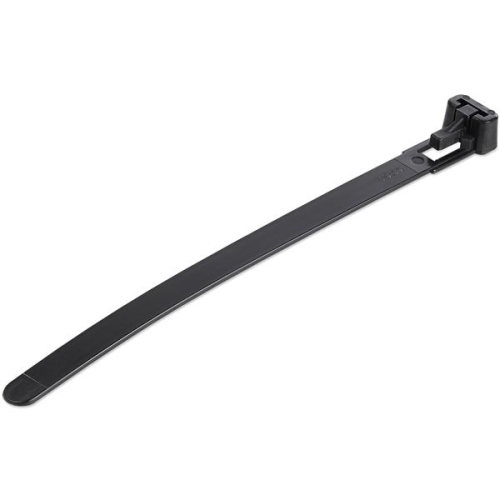
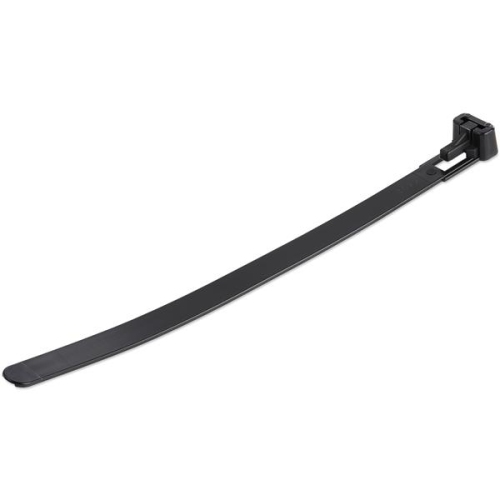
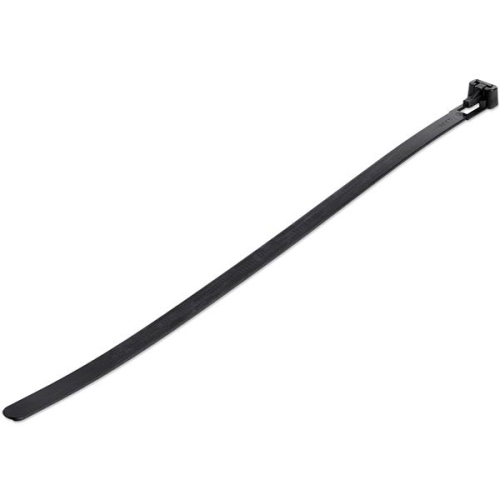
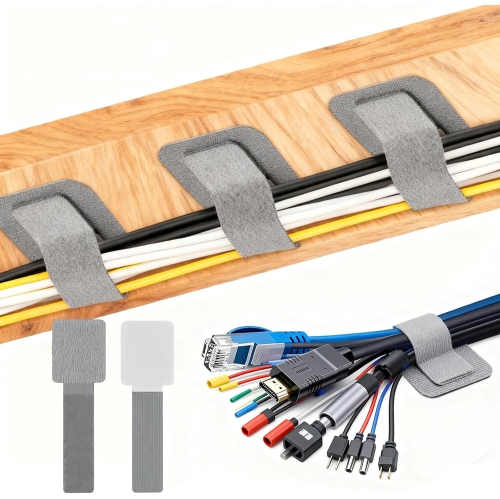
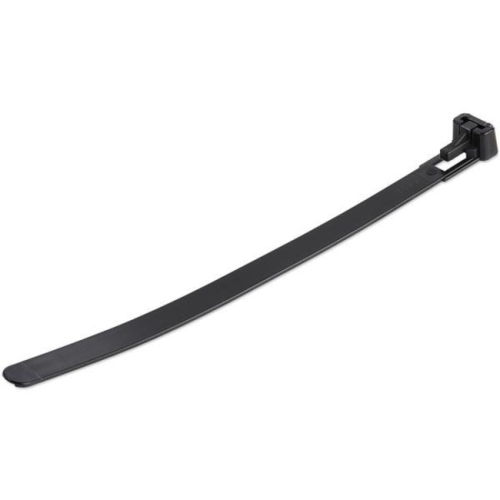
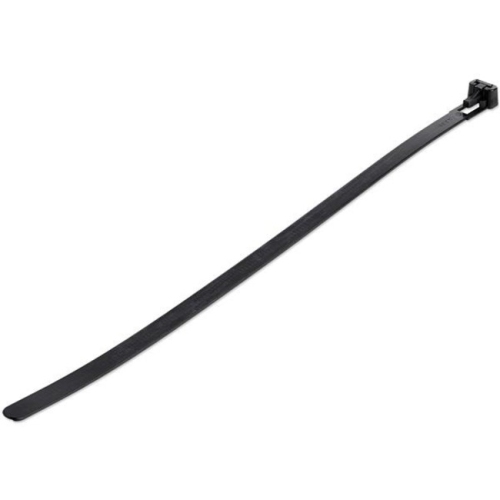
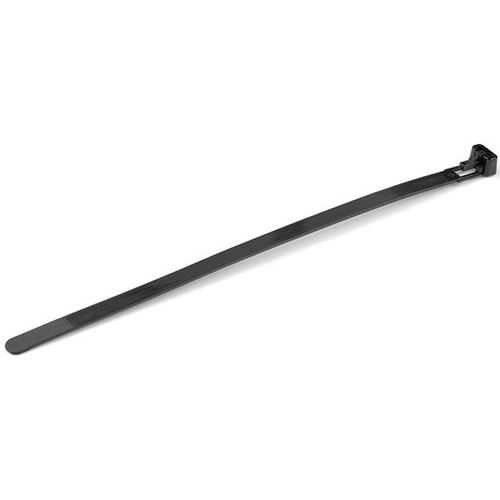
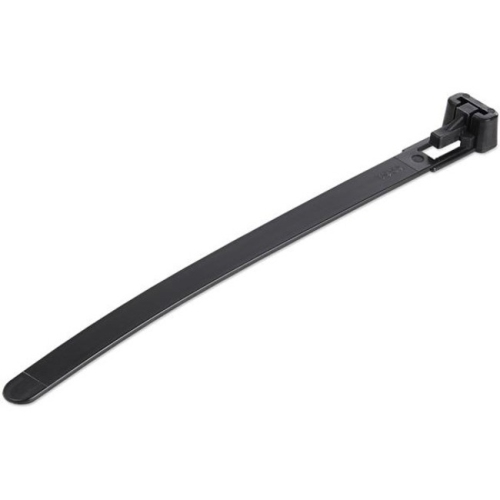
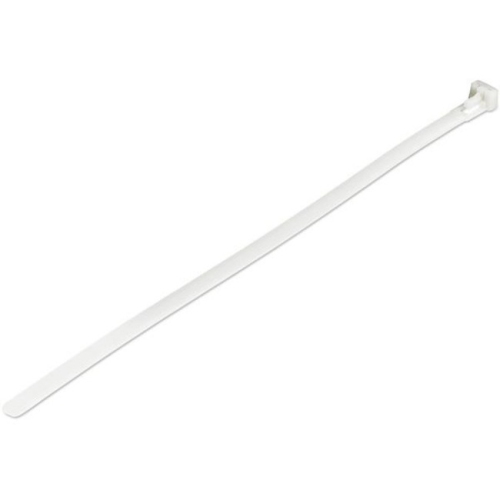
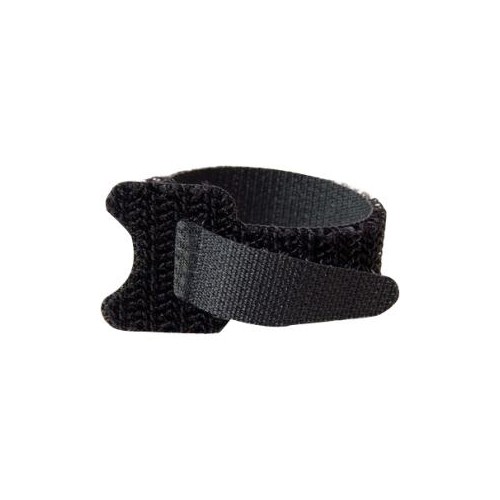
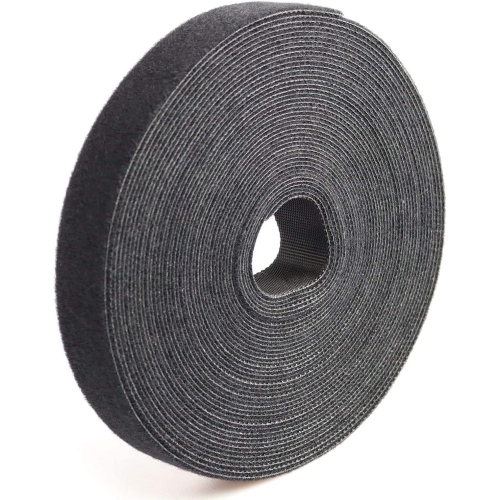
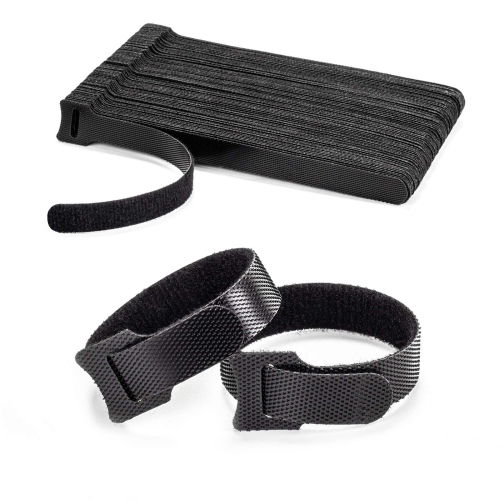
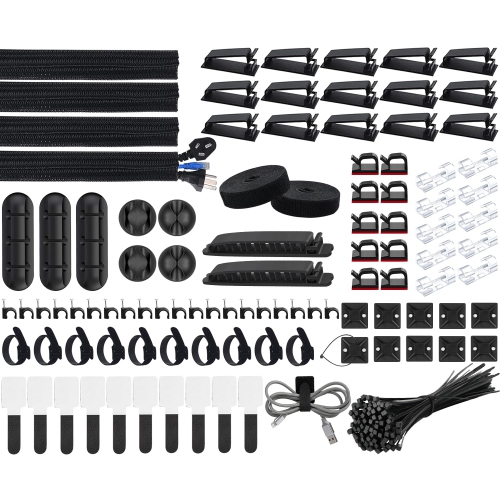
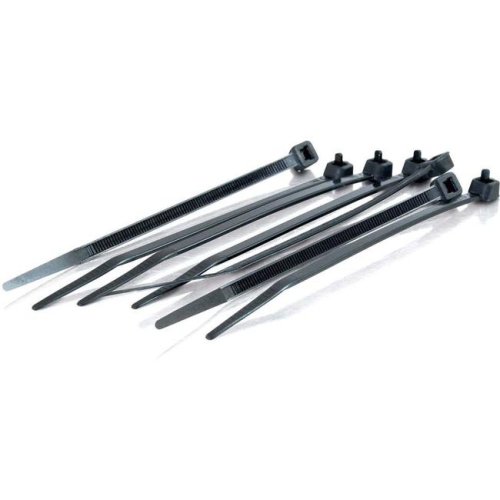
Reusable cable ties are adjustable fasteners that hold cords together and can be opened, repositioned, and fastened again without cutting the tie. They help keep charging leads, computer cables, audio connections, and other wiring organized while leaving room for changes to a setup. Behind a desk, a loose bundle can keep a keyboard cable from slipping around a monitor stand; beside a television, separate bundles can make it easier to trace a streaming device’s connection without disturbing everything else. Their main advantage is access: when a device moves or a cable needs replacing, the fastening opens rather than becoming another obstacle. Common styles include hook-and-loop straps, releasable nylon ties, and flexible silicone ties, each with a different feel and fastening method. Hook-and-loop cable ties wrap around a bundle and grip against themselves, creating a soft, adjustable hold suited to many computer and entertainment connections. Releasable nylon ties use a locking head with a tab or lever that lets the strap loosen, making them useful where a firmer fastening is preferred. Silicone designs often stretch slightly and secure through a slot or over a button, although the exact closure varies. Not every plastic zip tie is reusable, so a release mechanism matters more than appearance alone. For a broader look at that material category, Plastic Cable Ties include designs with different fastening features and intended uses. The right choice depends on the cords being gathered, how often the bundle will be opened, and where it will sit. Someone who frequently rearranges a laptop workstation may value a strap that peels open with one hand, while a more settled arrangement may suit a releasable locking design. Neither style needs to squeeze a cable tightly to be useful. A secure bundle should remain orderly without flattening insulation, pulling at plugs, or forcing a sharp bend near a connector.
Length, width, and closure design all affect how reusable cable ties fit. A slim charging lead needs much less wrap length than several thick display cables, and the stated tie length is not necessarily the same as the usable bundle circumference. Hook-and-loop straps need enough overlap to grip, while locking and button-style closures need sufficient reach to engage properly. Extra length can accommodate additions to a bundle, but a long loose tail may get in the way inside a laptop bag or behind a shallow shelf. Wider straps spread contact across more of the cable surface, which can be helpful for softer jackets and larger bundles; narrow ties take up less room when organizing small leads. Material also influences how a fastening behaves through repeated use. Woven hook-and-loop straps are flexible and easy to adjust, but lint and dust can reduce their grip. Nylon holds its shape more firmly, though the release tab should be accessible once the tie is installed. Flexible silicone can suit portable cord storage, but it should not be stretched beyond its intended range or pulled across sharp edges. For any material, durability depends on construction, use, and exposure rather than the material name alone. Workshop, garage, or outdoor use calls for attention to the manufacturer’s temperature range, moisture suitability, and UV rating; a tie designed for an indoor desk is not automatically suited to an exposed railing or an unheated space. Similarly, a stated tensile strength describes performance under specified conditions, not permission to hang equipment from a cable bundle. Cable ties are organizing accessories, not substitutes for proper mounting hardware, electrical strain relief, or rated lifting supports. On delicate data, audio, or fibre connections, preserving the cable’s specified bend radius is especially important. Leaving a little movement within the fastening helps avoid pressure points, and keeping the tie away from the plug makes it easier to unplug a device by its connector rather than tugging on the cord. Where several connections share a small space, separate manageable bundles are often easier to inspect and adjust than one tightly packed cluster.
Everyday uses extend well beyond the back of a computer. In a home office, reusable cable straps can gather peripheral leads along a desk leg while leaving enough slack for a sit-stand surface to move through its full range. At an entertainment unit, colour-coded ties can distinguish game console connections from speaker or television cables, making a later change less of a search through tangled black leads. Colour can serve as a visual cue, but it does not establish electrical compatibility or make unlike cables suitable for bundling together. For travel, a gently coiled charging cable held with a soft strap is easier to lift out of a pouch without bringing every other lead along with it. Photographers, musicians, students, and people who move between workspaces may appreciate fasteners that stay attached to a cord when opened, since there is less chance of leaving a loose tie behind. A small cable-organizing accessory can also be a practical addition to a gift for someone setting up a study area, gaming desk, or hobby workspace. Around shared desks, an accessible closure helps different users adjust the arrangement without reaching for scissors. Care is generally straightforward, but it should suit the material: lint can be lifted gently from hook-and-loop surfaces, and suitable plastic or silicone ties can be wiped clean according to their care instructions. Fasteners should be dry before returning them to use near electrical connections. Cracked locking heads, torn straps, or closures that slip are signs that a tie can no longer hold reliably. Cords also need occasional inspection, especially where a bundle rubs against a desk edge or passes through a cable opening. Ties should never conceal damaged insulation or hold a repair together. Power cords and extension leads require particular care, since tightly coiling or bundling them during use can trap heat; their appliance and cable instructions take priority. With suitable spacing, gentle fastening, and room to reach each connection, reusable cable ties make a busy setup easier to live with while keeping routine changes simple.
Length, width, and closure design all affect how reusable cable ties fit. A slim charging lead needs much less wrap length than several thick display cables, and the stated tie length is not necessarily the same as the usable bundle circumference. Hook-and-loop straps need enough overlap to grip, while locking and button-style closures need sufficient reach to engage properly. Extra length can accommodate additions to a bundle, but a long loose tail may get in the way inside a laptop bag or behind a shallow shelf. Wider straps spread contact across more of the cable surface, which can be helpful for softer jackets and larger bundles; narrow ties take up less room when organizing small leads. Material also influences how a fastening behaves through repeated use. Woven hook-and-loop straps are flexible and easy to adjust, but lint and dust can reduce their grip. Nylon holds its shape more firmly, though the release tab should be accessible once the tie is installed. Flexible silicone can suit portable cord storage, but it should not be stretched beyond its intended range or pulled across sharp edges. For any material, durability depends on construction, use, and exposure rather than the material name alone. Workshop, garage, or outdoor use calls for attention to the manufacturer’s temperature range, moisture suitability, and UV rating; a tie designed for an indoor desk is not automatically suited to an exposed railing or an unheated space. Similarly, a stated tensile strength describes performance under specified conditions, not permission to hang equipment from a cable bundle. Cable ties are organizing accessories, not substitutes for proper mounting hardware, electrical strain relief, or rated lifting supports. On delicate data, audio, or fibre connections, preserving the cable’s specified bend radius is especially important. Leaving a little movement within the fastening helps avoid pressure points, and keeping the tie away from the plug makes it easier to unplug a device by its connector rather than tugging on the cord. Where several connections share a small space, separate manageable bundles are often easier to inspect and adjust than one tightly packed cluster.
Everyday uses extend well beyond the back of a computer. In a home office, reusable cable straps can gather peripheral leads along a desk leg while leaving enough slack for a sit-stand surface to move through its full range. At an entertainment unit, colour-coded ties can distinguish game console connections from speaker or television cables, making a later change less of a search through tangled black leads. Colour can serve as a visual cue, but it does not establish electrical compatibility or make unlike cables suitable for bundling together. For travel, a gently coiled charging cable held with a soft strap is easier to lift out of a pouch without bringing every other lead along with it. Photographers, musicians, students, and people who move between workspaces may appreciate fasteners that stay attached to a cord when opened, since there is less chance of leaving a loose tie behind. A small cable-organizing accessory can also be a practical addition to a gift for someone setting up a study area, gaming desk, or hobby workspace. Around shared desks, an accessible closure helps different users adjust the arrangement without reaching for scissors. Care is generally straightforward, but it should suit the material: lint can be lifted gently from hook-and-loop surfaces, and suitable plastic or silicone ties can be wiped clean according to their care instructions. Fasteners should be dry before returning them to use near electrical connections. Cracked locking heads, torn straps, or closures that slip are signs that a tie can no longer hold reliably. Cords also need occasional inspection, especially where a bundle rubs against a desk edge or passes through a cable opening. Ties should never conceal damaged insulation or hold a repair together. Power cords and extension leads require particular care, since tightly coiling or bundling them during use can trap heat; their appliance and cable instructions take priority. With suitable spacing, gentle fastening, and room to reach each connection, reusable cable ties make a busy setup easier to live with while keeping routine changes simple.
Top selling and popular products
-
 Your price for this item is $180.75
 -
 Your price for this item is $24.99
 -
 Your price for this item is $400
 -
 Your price for this item is $14.98
 -
 Your price for this item is $106.68
 -
 Your price for this item is $379.97
 -
 Your price for this item is $110.37
 -
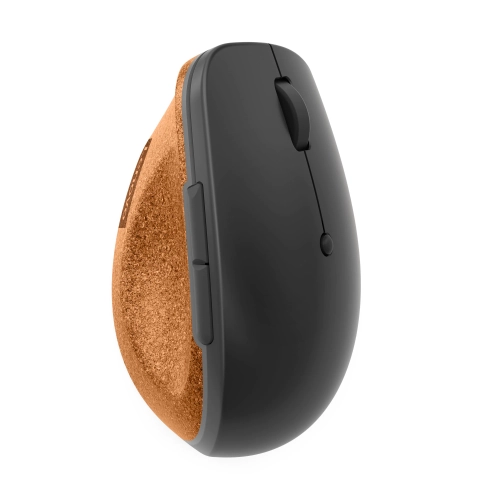 Your price for this item is $75.58
Discover more categories related to Reusable Cable Ties
Top Collections:
Pokemon Centers, Kindle Devices, Best Budget Office Chairs, Apple iPhones 16, Best Laptops for Writers, iPhone 15 Apple, Canon G7X Cameras, Refurbished Apple Laptops, Alarm Clock, Motorola Razr Phones
Some products may be subject to Environmental Handling Fees
(EHF) depending on your province.
Learn more about EHFs.