Rg11 Coaxial Cables
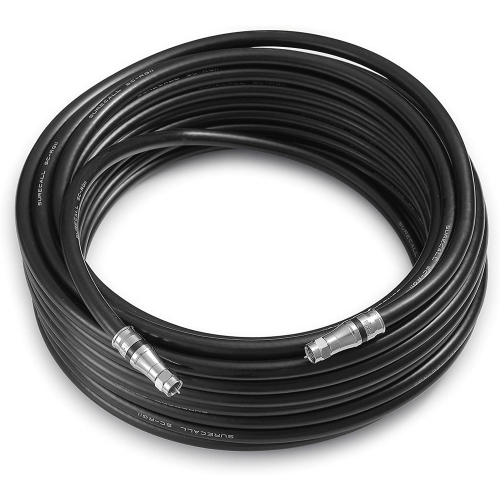
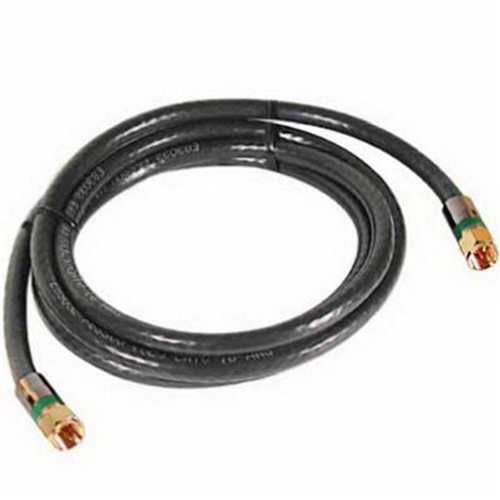
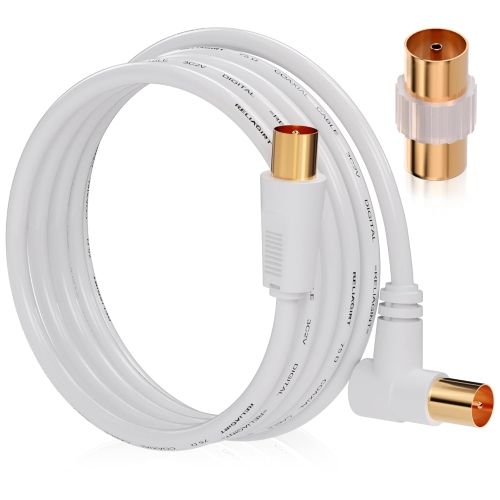
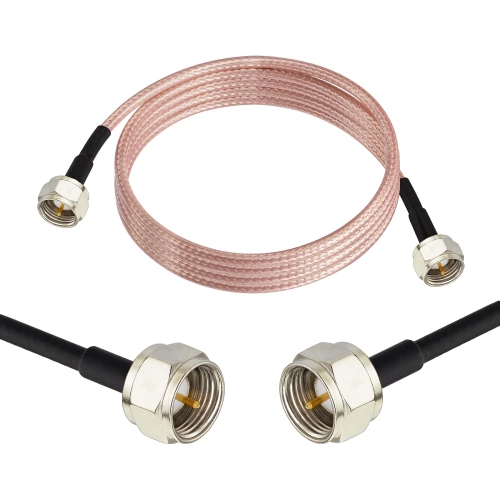
If you're looking for high-quality coaxial cables to enhance your audio and video experience, look no further than these RG11 coaxial cables. These cables are designed to deliver superior signal quality, ensuring crisp and clear transmission of data, whether it's for your home entertainment system, satellite TV, or internet connection. With their durable construction and advanced shielding technology, these RG11 coaxial cables provide reliable performance and minimize signal loss.
Sort







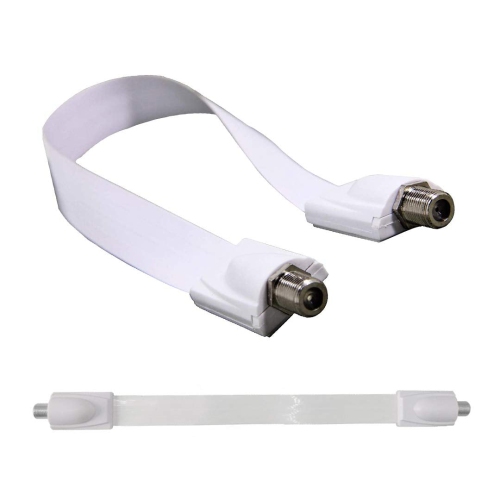
Why longer runs may benefit from lower signal loss
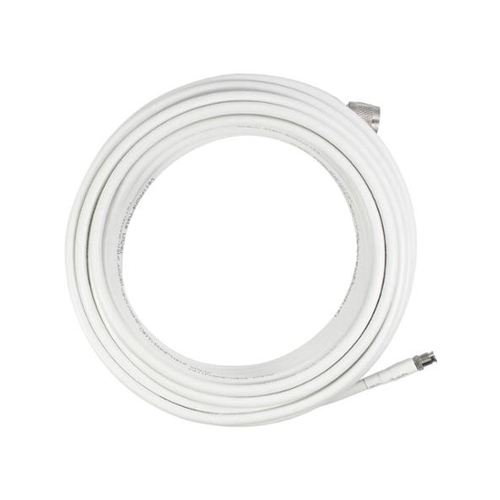
RG11 coaxial cables are designed for carrying 75-ohm signals over longer distances with less signal loss than thinner coaxial cable types. Their larger construction typically includes a 14 AWG centre conductor, a substantial dielectric layer, shielding, and an outer jacket that brings the finished cable diameter to roughly 0.4 inch (10 mm). That extra size is not just cosmetic: it helps RG11 preserve signal strength across extended runs between an outdoor antenna, satellite dish, cellular signal booster, cable service entry point, or another compatible device. Many RG11 cables are rated for frequencies up to 3.0 GHz, although the exact performance depends on the cable’s materials, shielding, connectors, and installation quality. For a cable run exceeding about 100 feet, the lower attenuation of RG11 can make a meaningful difference, especially where the signal must travel from a roof, detached structure, tower, or distant service point before reaching indoor equipment. It can also be useful when a single long run is preferred over placing an amplifier or additional connection point along the route. By comparison, RG11 is often more cable than necessary for a short connection beside a television or modem. Shoppers planning a shorter installation may wish to compare it with Rg6 Coaxial Cables to find a size that better suits the distance and layout. Thinking about the full path before buying helps avoid paying for a thicker cable when a shorter, more flexible option would do the job just as well.
The length of the run is only one part of choosing the right RG11 coaxial cable. Begin at the source and trace the route to the receiving equipment, allowing extra length for gentle bends, wall penetrations, service loops, and movement around connectors. Measuring only from one device to another in a straight line can leave a cable stretched tightly across a ceiling, pulled against a sharp edge, or too short to reach a convenient connection point. RG11 is noticeably thicker and less flexible than RG6, so it needs more room to turn. It is best suited to broad, gradual curves rather than tight corners behind a television stand or inside a crowded communications box. Check the cable’s connector type and confirm that it matches the ports on the equipment, since a physically similar connection may still require an adapter or a different termination. For outdoor installations, look for a jacket and connector arrangement intended for the conditions where the cable will be placed. A run exposed to rain, snow, frost, sunlight, wind, or changing temperatures needs careful routing and sealing at entry points; even a well-shielded cable can develop problems if moisture reaches the connector or the wall opening. Keep coaxial cable away from sources of strong electrical interference when practical, avoid crushing it beneath staples or furniture, and observe the manufacturer’s recommended bend radius. If the cable is being routed outdoors or between buildings, proper grounding and local installation requirements should also be considered. These details may seem small while the cable is coiled on the floor, but they matter when the finished installation disappears behind a wall or stretches across a roofline.
RG11 coaxial cables are commonly selected by homeowners improving reception, installers completing long cable runs, landlords preparing service pathways, and people connecting equipment located far from an exterior antenna or signal source. They can be particularly helpful in larger homes, workshops, cottages, detached garages, commercial spaces, and other layouts where distance creates more concern than flexibility. A person replacing an ageing outdoor run may choose RG11 as part of a broader signal upgrade, while someone setting up a new antenna or booster may appreciate its ability to carry a usable signal across a considerable span before it reaches the indoor equipment. It is not usually a traditional gift, but it can be a practical addition to a home-improvement project, a networking toolkit, or a collection of installation supplies for someone who enjoys setting up their own audio-visual equipment. Before ordering, confirm the required cable length, connector style, impedance, frequency rating, jacket suitability, and whether the installation will be indoors or outdoors. Also consider how the cable will be handled: a long, heavy coil can be awkward to pull through narrow conduits, around framing, or behind finished walls, and pre-terminated ends may need more clearance than the cable itself. During the cooler months, outdoor work can be less comfortable and jackets may feel stiffer, so planning the route, checking measurements, and gathering clips, seals, adapters, and grounding hardware beforehand can make the installation smoother. With the right fit and a carefully planned path, RG11 offers a dependable choice for long-distance 75-ohm signal transmission where reducing cable loss is more important than keeping the run slim and easy to bend.
Top selling and popular products
-
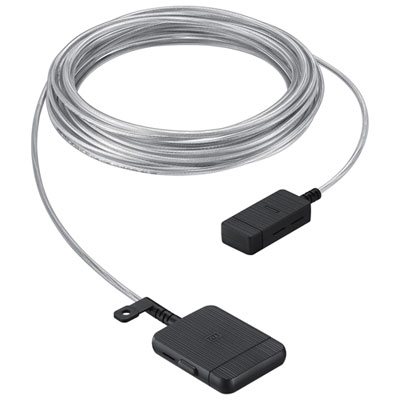 Your price for this item is $399.99
-
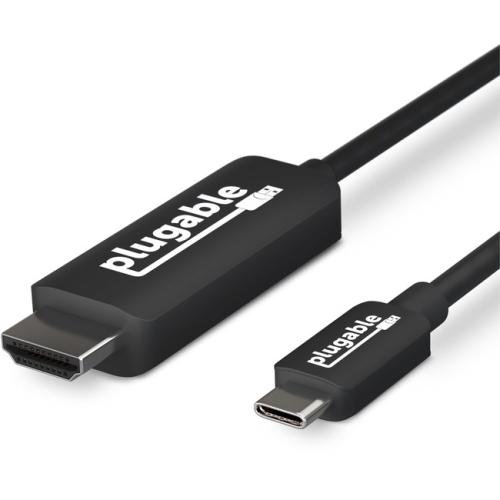 Your price for this item is $66.73
-
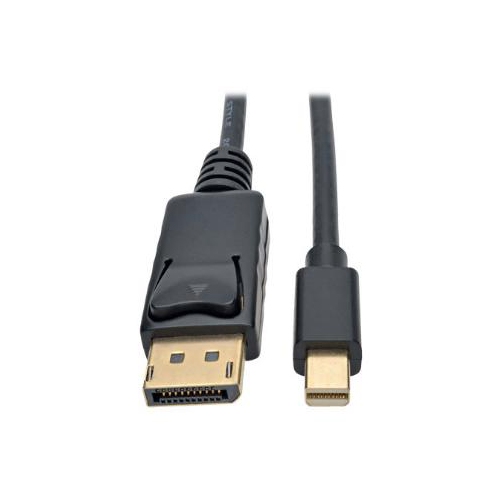 Your price for this item is $22.99
-
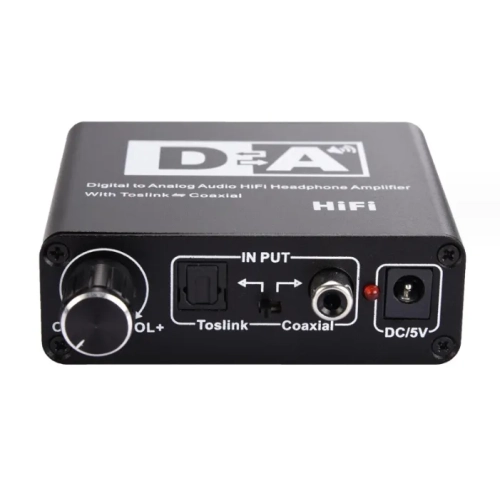 Your price for this item is $29.99
-
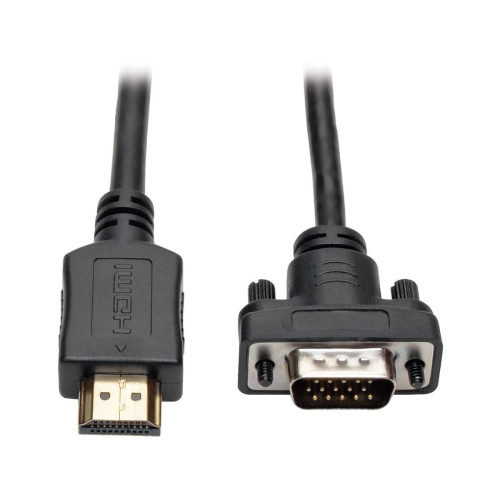 Your price for this item is $53.68
-
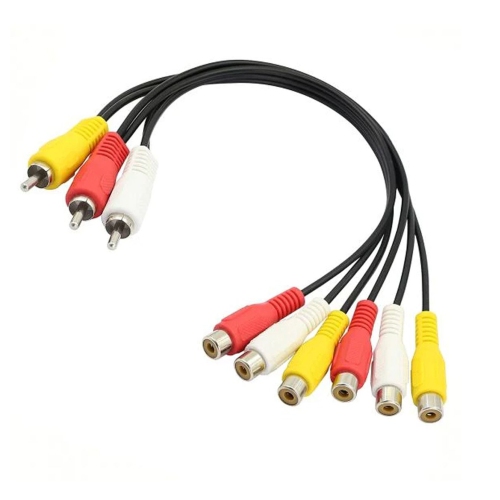 Your price for this item is $10.48
-
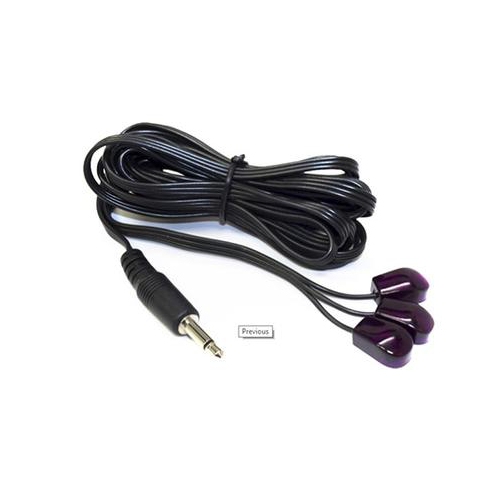 Your price for this item is $29.99
-
 Your price for this item is $14.99
Discover more categories related to Rg11 Coaxial Cables
Top Collections:
Pokemon Centers, Kindle Devices, Best Cameras for Sports Photography, Pokémon 30th Celebration Cards, Apple iPhones 16, Canon G7X Cameras, iPhone 15 Apple, Flip Phones, Samsung Galaxy Phones, Alarm Clock
Some products may be subject to Environmental Handling Fees
(EHF) depending on your province.
Learn more about EHFs.