Rj45 Waterproof Connectors
Looking to protect your Ethernet connections from the elements? Our selection of RJ45 waterproof connectors is here to help! Whether you need to safeguard your outdoor networking equipment or ensure reliable connectivity in harsh environments, these connectors are designed to keep your connections secure and your data flowing smoothly. With their durable construction and reliable performance, our Rj45 waterproof connectors are the perfect solution for anyone looking to enhance the durability and longevity of their network connections. Explore our range today and discover the peace of mind that comes with knowing your connections are protected, rain or shine.
Sort

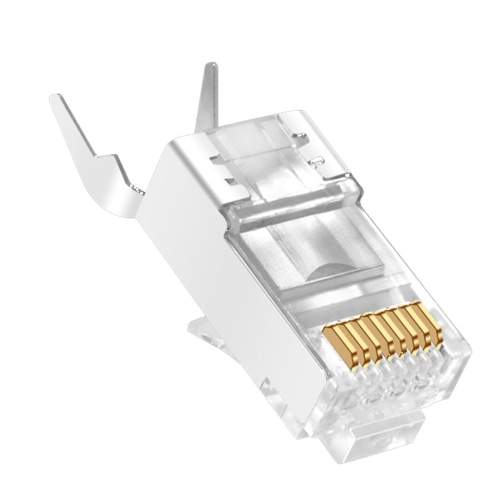
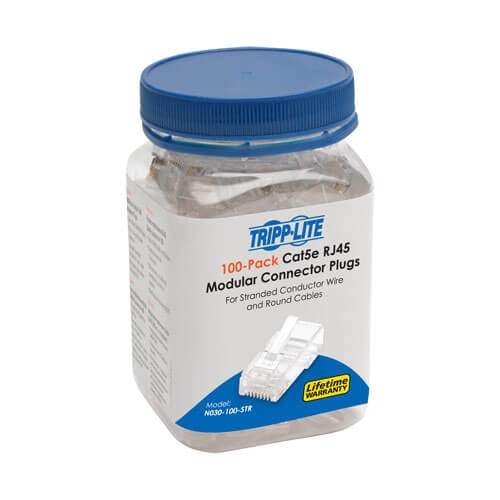
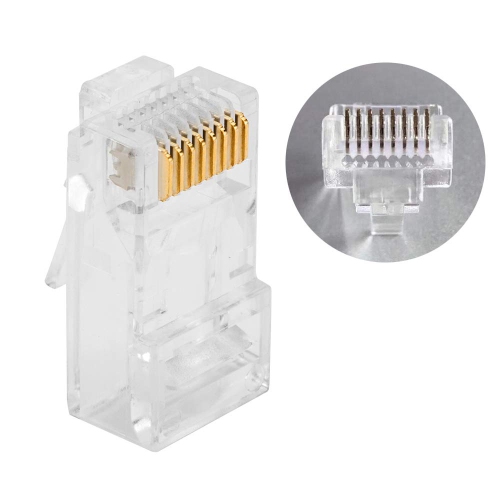
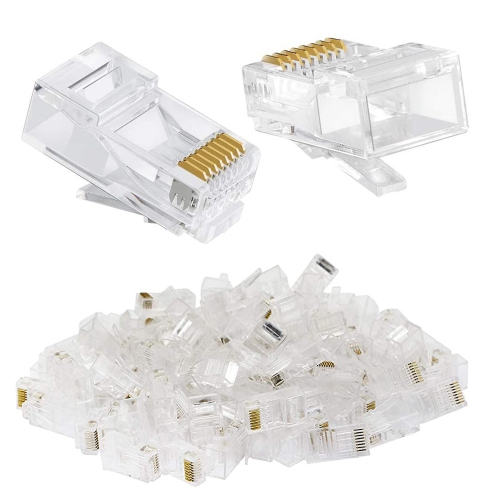
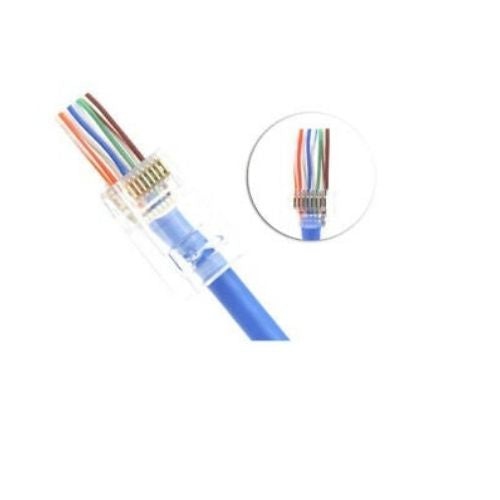
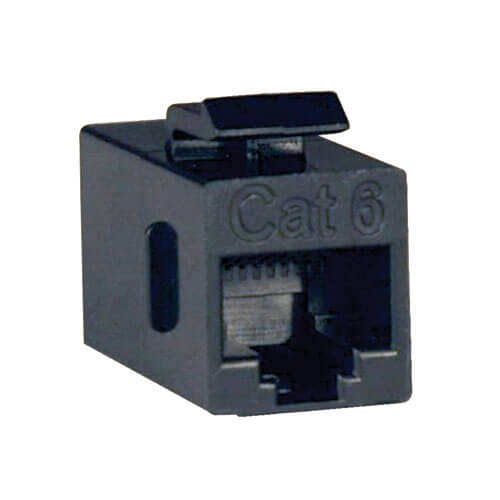
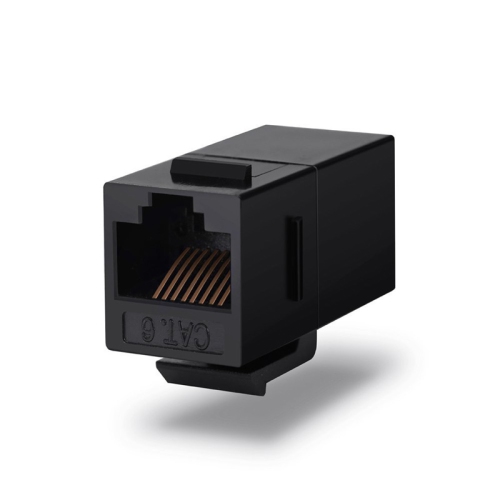

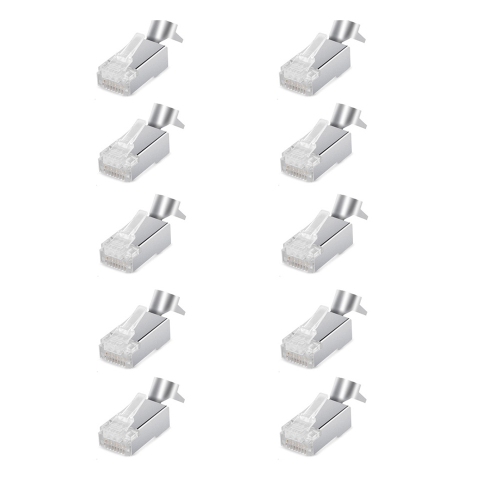
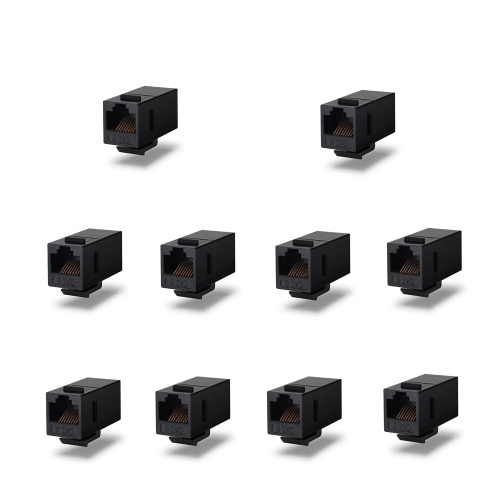
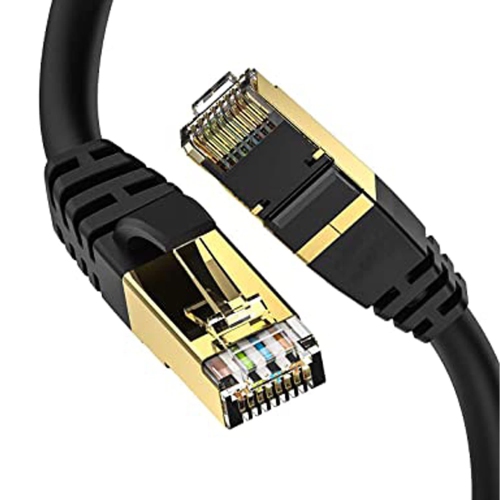
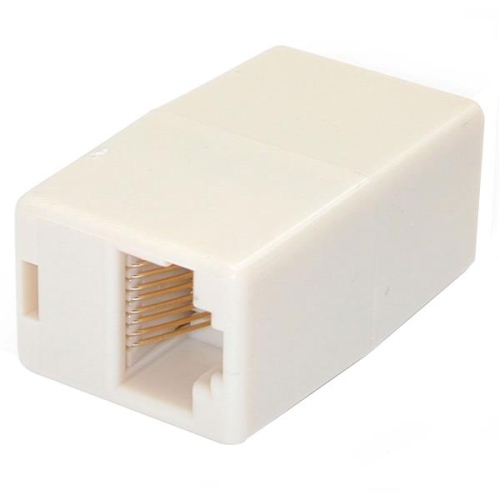
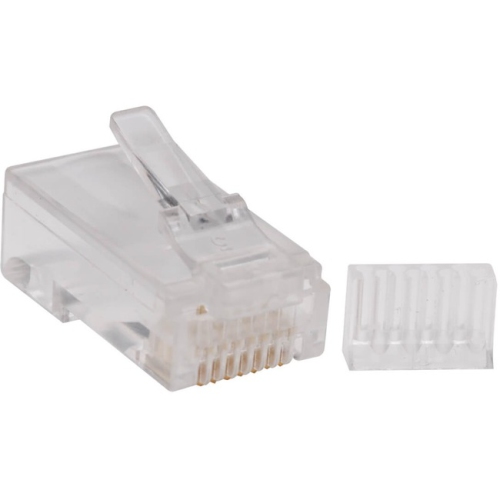
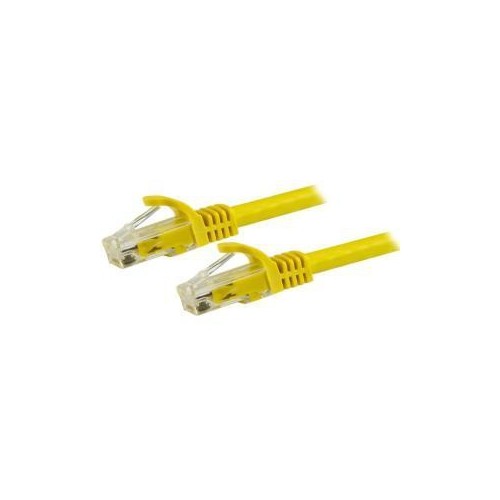
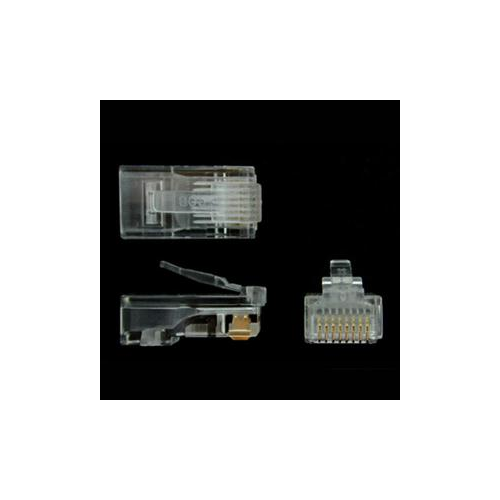
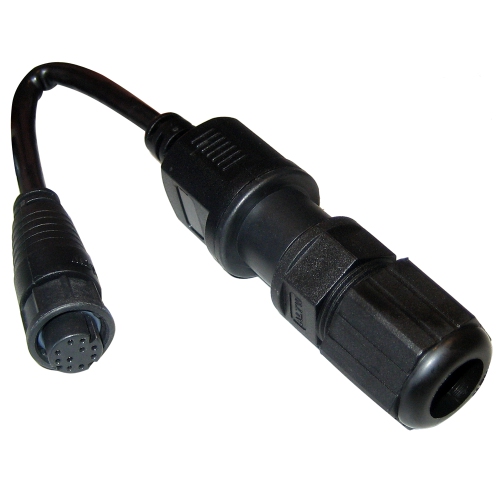

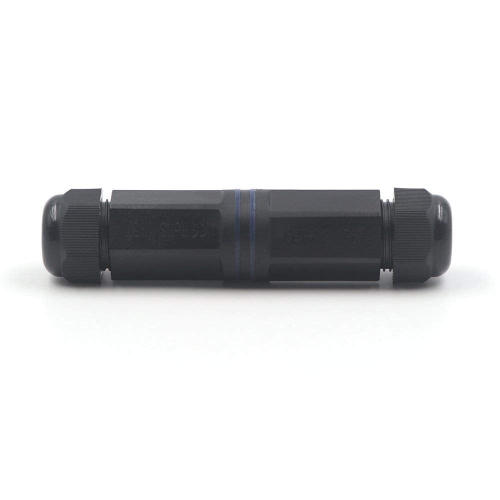
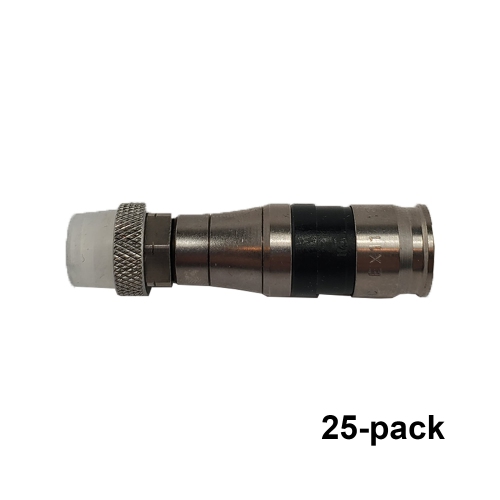
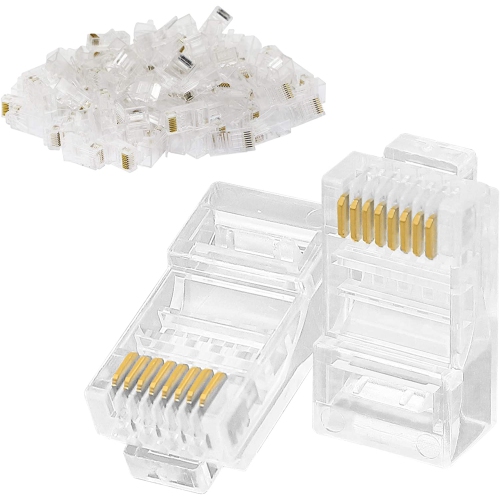
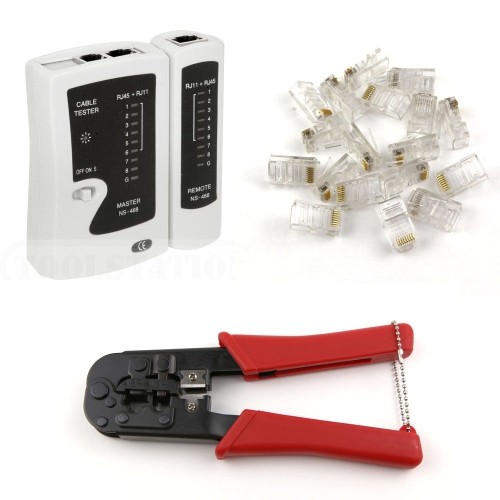
Outdoor Ethernet connections need protection from moisture and dust
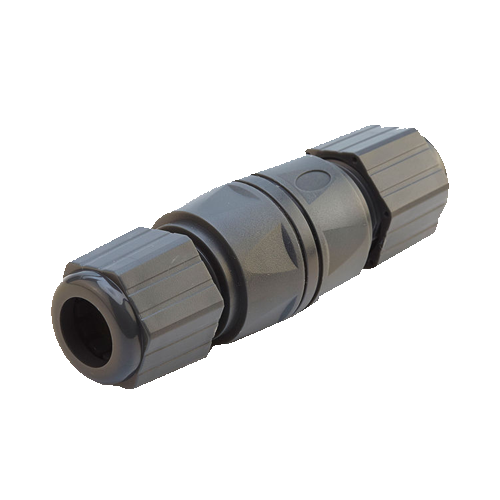
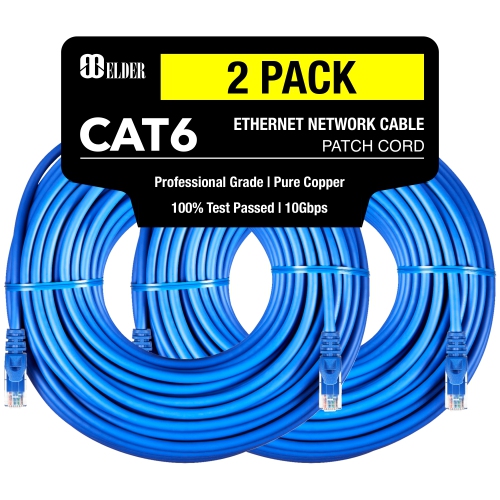
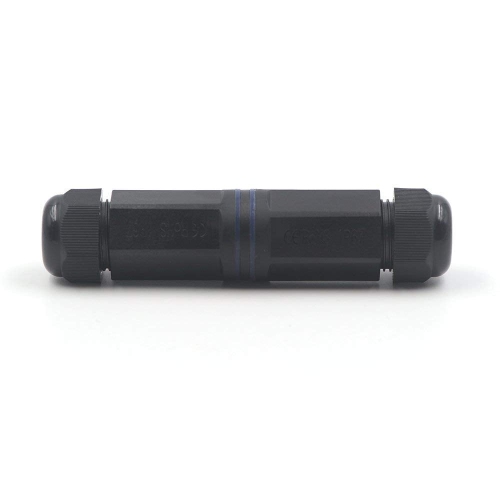
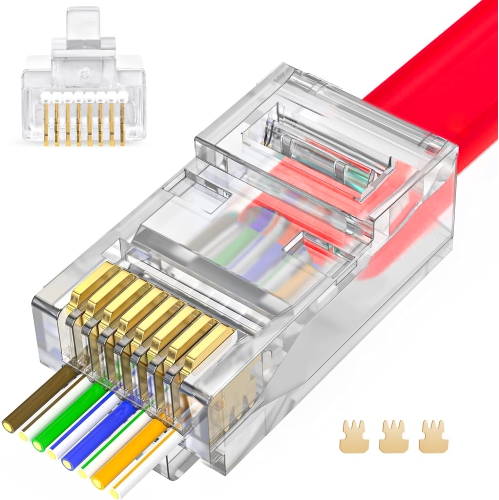
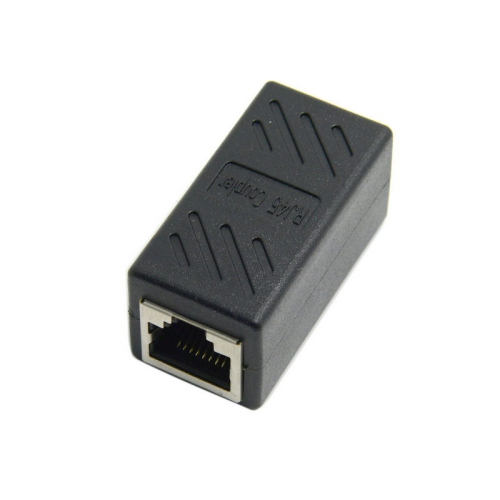
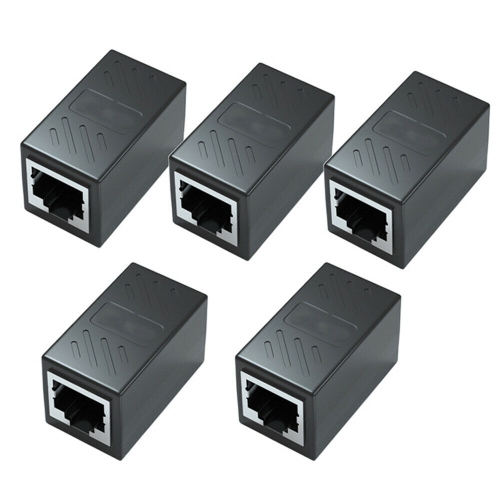
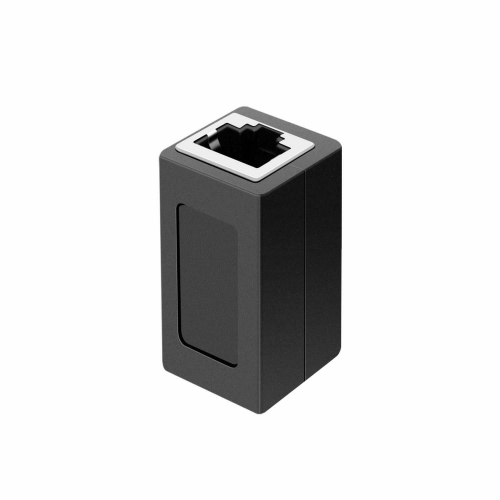
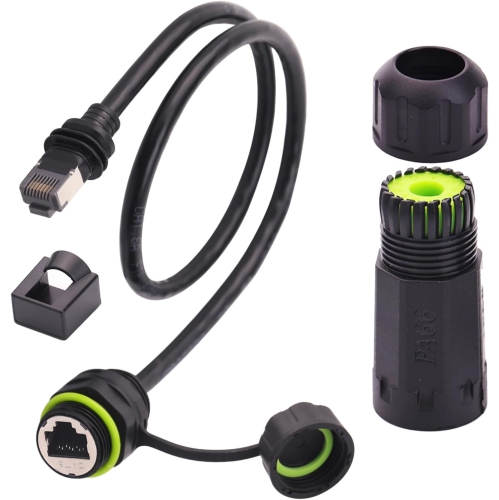
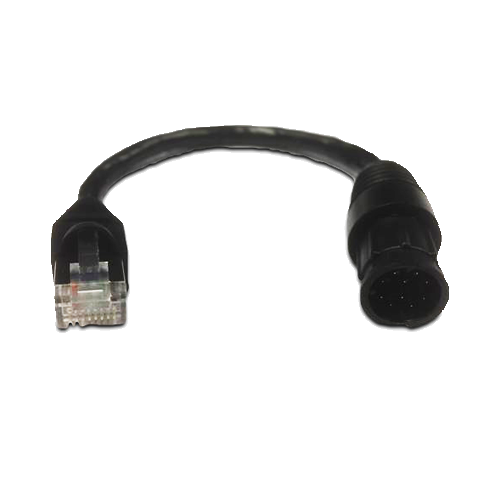
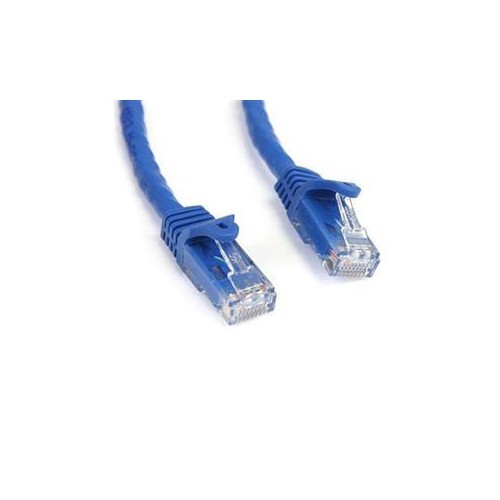
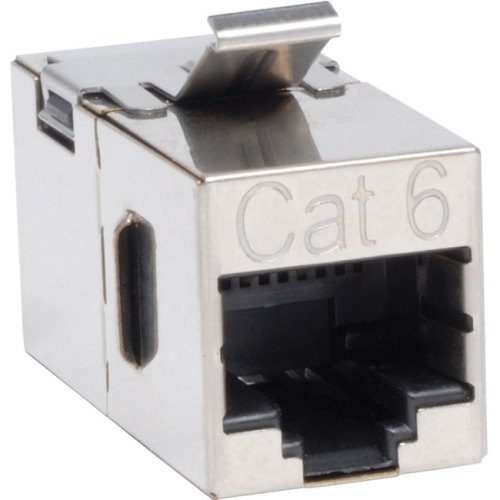
RJ45 waterproof connectors are designed to help extend, join, or route Ethernet cables where moisture, dust, and changing weather could put a standard network connection at risk. These connectors are commonly used with Cat5, Cat5e, Cat6, and Cat6a Ethernet cables, making them useful for home networks, security cameras, access points, outdoor entertainment areas, workshops, garages, and other installations that reach beyond a climate-controlled room. Many are female-to-female inline couplers: the RJ45 plug from one cable connects to one side, while a second cable plugs into the other, creating a straightforward cable extension without soldering or specialized tools. This can be particularly helpful when a cable run ends just short of an exterior wall, detached garage, garden office, or equipment enclosure. A properly sealed connection helps keep rain, condensation, dust, and airborne debris away from the contacts, while also reducing the chance that an accidental splash or damp surface will interrupt the network. During the cooler months, outdoor cable jackets and sealing rings may be exposed to condensation, wind-driven rain, and rapid temperature changes, so a connector made for exterior use can provide an extra layer of protection at the joining point. It is still important to remember that “waterproof” does not mean every installation can be submerged indefinitely; the connector’s IP rating, installation position, cable fit, and manufacturer instructions all affect real-world performance.
When comparing RJ45 waterproof connectors, start with the protection rating. An IP67 connector is generally intended to resist dust and withstand temporary immersion under specified test conditions, while an IP68 connector is designed for a higher level of protection, with the exact depth and duration defined by the manufacturer. For a cable mounted on a sheltered exterior wall, IP67 may be suitable, while a low point in an enclosure, a location exposed to heavy rain, or a connection near ground level may call for the added protection of an IP68 option. Look at the supported cable categories and the network speed you need as well. Cat5 and Cat5e connections are common for everyday wired networking, while Cat6 and Cat6a may be preferred for higher-bandwidth networks, longer-term installations, or equipment that supports faster data transfer. The connector should match the cable construction and RJ45 plug dimensions, including the outside diameter of the cable jacket and the shape of the plug boot. A seal that is too loose may allow moisture inside; one that is too tight may make installation difficult or prevent the cap from closing correctly. Some designs use threaded covers, compression glands, rubber gaskets, or locking collars to create a tighter seal around the cable. Check whether the connector is intended for a simple inline connection or a panel-mount installation through an enclosure, wall, or equipment box. Panel-mount styles can provide a neat, secure bulkhead connection, while inline couplers are often convenient for extending a cable run without cutting or reterminating it. If your network uses Power over Ethernet, confirm that the connector supports the required PoE standard, current capacity, and pin configuration. A waterproof housing is not automatically a guarantee of reliable power delivery, especially when a connection includes non-standard cabling or a tight bend near the seal. For installations requiring reduced electromagnetic interference, a shielded option may be more appropriate; you can also explore Shielded RJ45 Connectors when the network runs close to electrical equipment or other potential sources of interference.
These connectors are a practical choice for people building a wired network in stages, improving an existing cable run, or placing networking hardware where a standard indoor connection would be exposed. A homeowner might use one to connect an outdoor security camera to an Ethernet cable entering the house, while a small business could use panel-mount connections to link cameras, wireless access points, or point-of-sale equipment around a storage area or exterior-facing wall. They can also be useful for installers and do-it-yourself network builders who want a cleaner, more serviceable connection than leaving a cable joint inside a plastic bag or loosely covered box. Before installation, measure the cable path and identify where water is most likely to collect. Whenever possible, position the connection so the cable enters from below and forms a gentle drip loop, allowing water to run away from the connector instead of following the cable directly into the seal. Avoid sharp bends, excessive tension, and placing the connection where vehicles, doors, foot traffic, or falling objects could strain it. Keep the connector elevated when practical, use compatible cable glands, and close every cap or locking ring fully. Inspect the finished joint for exposed gaps and test the network before securing the cable permanently. A quick check with a laptop, network switch, or camera can confirm that the link negotiates at the expected speed. RJ45 waterproof connectors are also a useful addition to a home networking kit because they are compact, easy to store, and ready for an unexpected repair when a cable route changes. Rather than replacing an entire outdoor cable run, a correctly matched connector may let you extend, reposition, or reconnect the network with less disruption. The best choice depends on the installation environment, cable category, connector style, protection rating, and whether the connection will carry data only or both data and power.
When comparing RJ45 waterproof connectors, start with the protection rating. An IP67 connector is generally intended to resist dust and withstand temporary immersion under specified test conditions, while an IP68 connector is designed for a higher level of protection, with the exact depth and duration defined by the manufacturer. For a cable mounted on a sheltered exterior wall, IP67 may be suitable, while a low point in an enclosure, a location exposed to heavy rain, or a connection near ground level may call for the added protection of an IP68 option. Look at the supported cable categories and the network speed you need as well. Cat5 and Cat5e connections are common for everyday wired networking, while Cat6 and Cat6a may be preferred for higher-bandwidth networks, longer-term installations, or equipment that supports faster data transfer. The connector should match the cable construction and RJ45 plug dimensions, including the outside diameter of the cable jacket and the shape of the plug boot. A seal that is too loose may allow moisture inside; one that is too tight may make installation difficult or prevent the cap from closing correctly. Some designs use threaded covers, compression glands, rubber gaskets, or locking collars to create a tighter seal around the cable. Check whether the connector is intended for a simple inline connection or a panel-mount installation through an enclosure, wall, or equipment box. Panel-mount styles can provide a neat, secure bulkhead connection, while inline couplers are often convenient for extending a cable run without cutting or reterminating it. If your network uses Power over Ethernet, confirm that the connector supports the required PoE standard, current capacity, and pin configuration. A waterproof housing is not automatically a guarantee of reliable power delivery, especially when a connection includes non-standard cabling or a tight bend near the seal. For installations requiring reduced electromagnetic interference, a shielded option may be more appropriate; you can also explore Shielded RJ45 Connectors when the network runs close to electrical equipment or other potential sources of interference.
These connectors are a practical choice for people building a wired network in stages, improving an existing cable run, or placing networking hardware where a standard indoor connection would be exposed. A homeowner might use one to connect an outdoor security camera to an Ethernet cable entering the house, while a small business could use panel-mount connections to link cameras, wireless access points, or point-of-sale equipment around a storage area or exterior-facing wall. They can also be useful for installers and do-it-yourself network builders who want a cleaner, more serviceable connection than leaving a cable joint inside a plastic bag or loosely covered box. Before installation, measure the cable path and identify where water is most likely to collect. Whenever possible, position the connection so the cable enters from below and forms a gentle drip loop, allowing water to run away from the connector instead of following the cable directly into the seal. Avoid sharp bends, excessive tension, and placing the connection where vehicles, doors, foot traffic, or falling objects could strain it. Keep the connector elevated when practical, use compatible cable glands, and close every cap or locking ring fully. Inspect the finished joint for exposed gaps and test the network before securing the cable permanently. A quick check with a laptop, network switch, or camera can confirm that the link negotiates at the expected speed. RJ45 waterproof connectors are also a useful addition to a home networking kit because they are compact, easy to store, and ready for an unexpected repair when a cable route changes. Rather than replacing an entire outdoor cable run, a correctly matched connector may let you extend, reposition, or reconnect the network with less disruption. The best choice depends on the installation environment, cable category, connector style, protection rating, and whether the connection will carry data only or both data and power.
Top selling and popular products
-
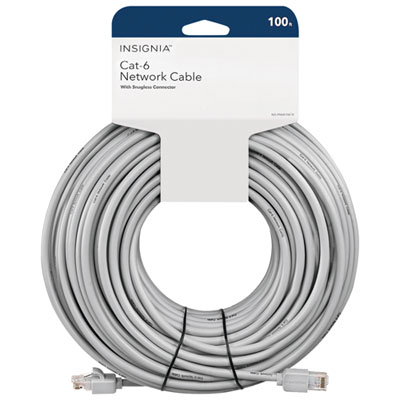 Your price for this item is $49.95
 -
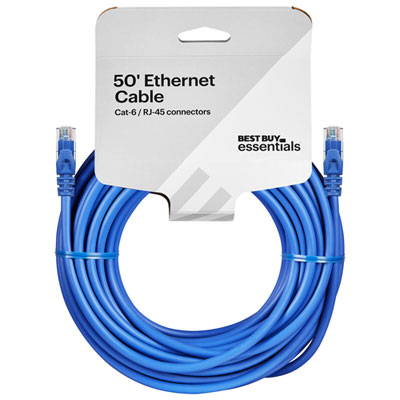 Your price for this item is $24.99
 -
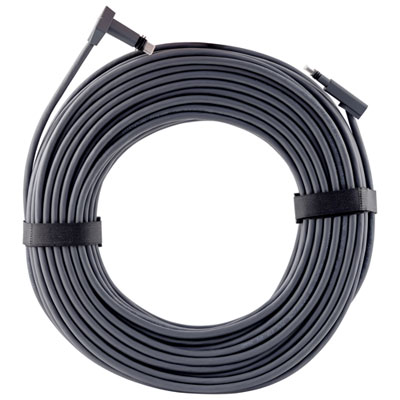 Your price for this item is $164.99
 -
 Your price for this item is $11.68
 -
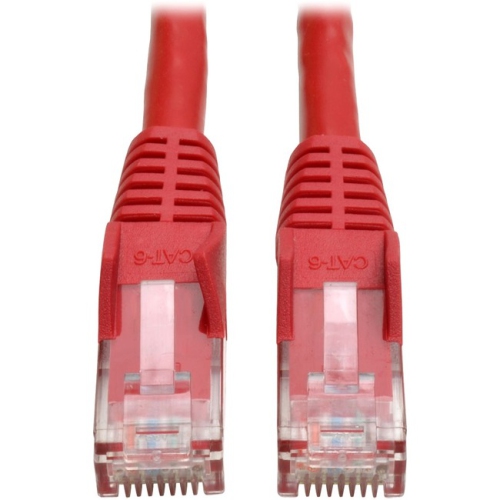 Your price for this item is $68.68
 -
 Your price for this item is $47.68
 -
 Your price for this item is $46.68
 -
 Your price for this item is $24.68
Discover more categories related to Rj45 Waterproof Connectors
Top Collections:
Pokemon Centers, Kindle Devices, Best Budget Office Chairs, Apple iPhones 16, Best Laptops for Writers, iPhone 15 Apple, Canon G7X Cameras, Refurbished Apple Laptops, Alarm Clock, Motorola Razr Phones
Some products may be subject to Environmental Handling Fees
(EHF) depending on your province.
Learn more about EHFs.