Schneider Electric Surge Protectors
Protect your valuable electronics from power surges with our selection of surge protectors. Whether you're looking to safeguard your home theater system, computer equipment, or other electronic devices, Schneider electric surge protectors offer the perfect solution. With their advanced technology and reliable performance, these surge protectors are designed to provide maximum protection against power spikes and voltage fluctuations.
Sort

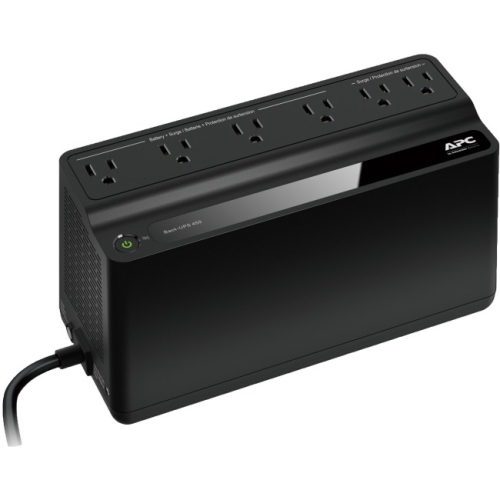
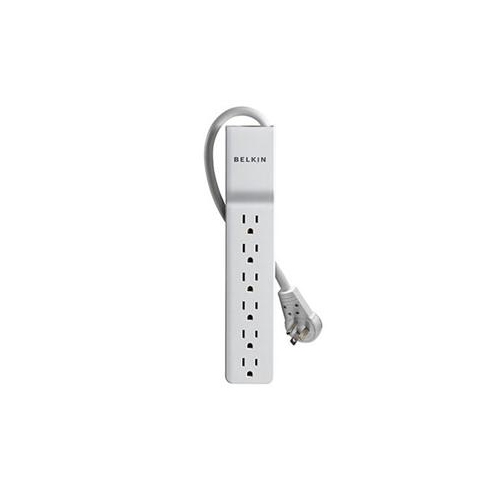
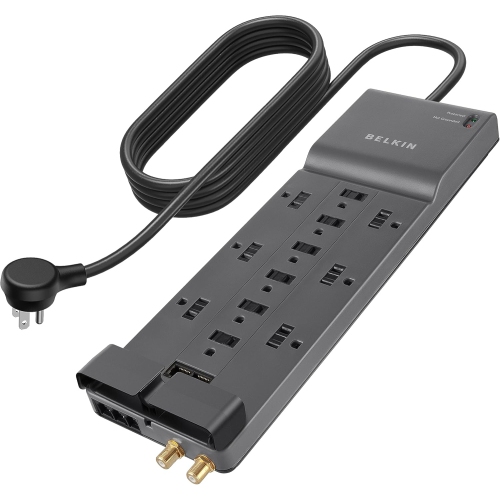
Why surge protection goes beyond the power bar
Surge protectors help limit brief voltage spikes that can reach appliances and sensitive electronics through a building’s electrical wiring. Whole-home and panel-mounted surge protective devices, often called SPDs, work at the electrical service or distribution panel to reduce transient overvoltage before it travels farther along connected circuits. This makes them relevant to more than a desk full of electronics: kitchen appliances, laundry equipment, heating controls, televisions, and home networking equipment can all contain circuitry that benefits from an appropriate layer of protection. Voltage spikes can originate from utility switching or the switching of electrical equipment within a building, so surge protection has a role in everyday electrical systems, not just specialized installations. Panel-mounted protection and plug-in surge protectors serve different purposes. A panel-mounted device provides protection across the circuits it serves, while a plug-in protector adds protection near compatible connected equipment. These approaches can complement one another when properly selected and installed, although no surge protector guarantees that every connected device will remain undamaged. A surge protector is also different from an ordinary power bar, which may simply provide additional outlets without circuitry designed to limit transient voltage. It is different from an uninterruptible power supply as well: surge protection alone does not keep a computer running during an outage or provide time to save an open document. For a household with a home office, entertainment area, and several electronically controlled appliances, these distinctions help explain why electrical protection may involve more than one device. A router beside a workstation and an appliance connected to a dedicated circuit have different connection requirements, even though both may contain sensitive components. Protection also depends on sound wiring, grounding, and bonding; an SPD is not a substitute for correcting an electrical fault. Other conductive connections, such as communications cables, may create separate paths into connected equipment and require protection suited to those connections.
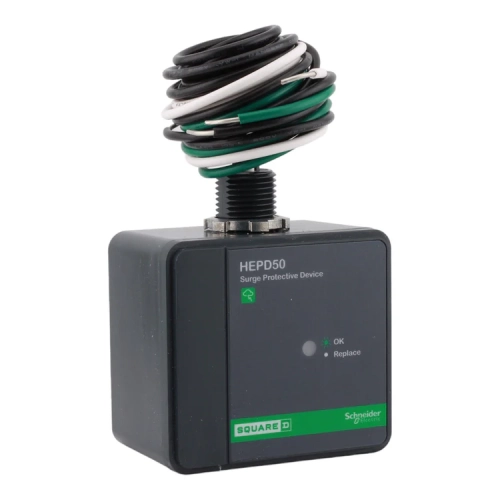
The fit of a panel-mounted surge protector is primarily electrical and mechanical rather than simply a matter of available space. The supply voltage, electrical system configuration, panel design, connection method, and device designation all affect suitability. A device intended for one installation arrangement should not be assumed compatible with another panel or service. Type 1 and Type 2 designations describe different permitted installation applications, rather than a simple ranking from better to worse, and the manufacturer’s specifications establish the appropriate use. Installation at service equipment or inside a distribution panel belongs with a qualified electrical professional who can confirm compatibility and follow applicable electrical codes. Canadian electrical safety certification is another important consideration, alongside the ratings shown on the device and its documentation. Surge current ratings describe the transient current a device is rated to handle under specified conditions; they do not, by themselves, establish how well every connected appliance will be protected. Voltage protection ratings, supported protection modes, and installation requirements also contribute to performance. Joule ratings, frequently associated with plug-in protectors, should not be treated as a universal comparison across every type of SPD. Physical construction matters too. Metal or moulded insulating enclosures protect internal components, while mounting provisions, cable entry points, and enclosure ratings determine how the device fits its intended location. An enclosure suitable for one setting may not be suitable for a location exposed to moisture or other hazards. Status indicators are particularly useful because a device can remain physically intact after its protective components have reached the end of their useful life. Depending on the design, lights, audible alerts, or other indicators can show whether protection remains active or whether attention is needed. Clearly visible indicators make checks more practical than a device hidden behind stored boxes. For panel-mounted equipment, positioning and accessibility must still follow installation requirements, and any inspection involving the inside of a panel should be left to a qualified professional.
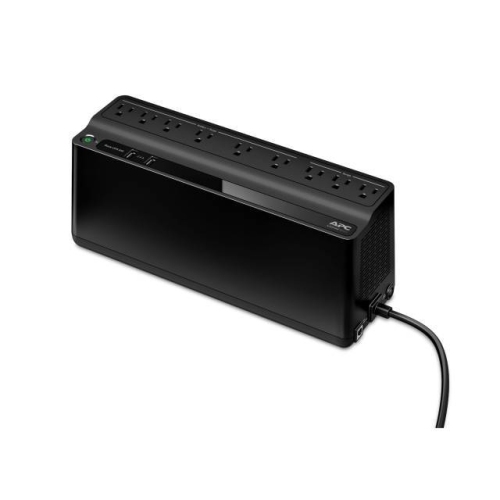
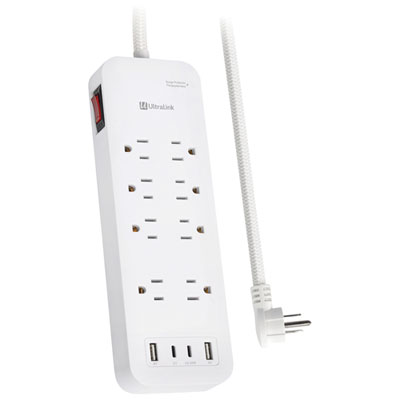
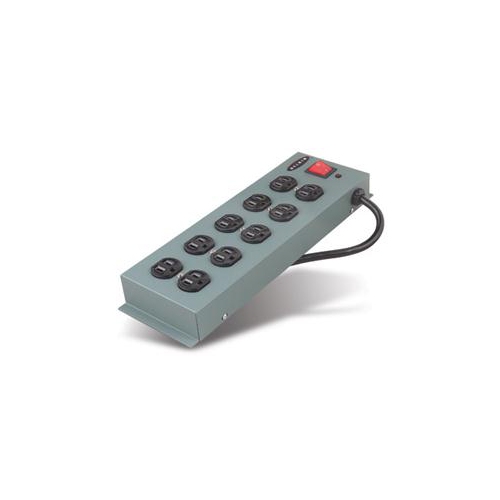
For plug-in surge protectors, everyday usability comes down to how equipment occupies a room. A home office may need room for a monitor, computer, printer, and bulky power adapters without one adapter blocking neighbouring sockets. An entertainment setup may benefit from a layout that keeps plugs accessible behind a media cabinet without forcing cords into sharp bends. Outlet spacing, cord length, plug orientation, and mounting options can make these arrangements tidier, but the protector’s electrical rating remains the limit: adding sockets does not increase the capacity of the wall outlet or circuit. High-demand appliances require particular care and should follow their own connection instructions rather than being grouped onto a power bar for convenience. Plug-in protectors are generally intended to connect directly to a suitable grounded wall outlet, not to another power bar or an improvised chain of extension cords. USB charging ports, where included, add convenience, but their output ratings determine whether they suit the devices being charged. For renters, students, and people setting up a first home office, point-of-use protection can be practical without changes to the electrical panel; changes to building wiring require the appropriate professional involvement and permissions. Comparing Home Surge Protectors can help distinguish outlet-based options from devices intended for installation at the panel. Routine care is straightforward: cords should remain free from damage, sockets should hold plugs securely, and housings should stay dry and unobstructed. A plug-in unit should be unplugged before cleaning and cared for according to its instructions. Discolouration, unusual heat, damaged insulation, or a loose connection warrants stopping use and having the issue assessed. Protection indicators also deserve occasional attention, since replacement needs depend on device design and electrical exposure rather than appearance alone. With a suitable installation and attention to condition, surge protection becomes a practical part of caring for the electronics and appliances used throughout a home.
Top selling and popular products
-
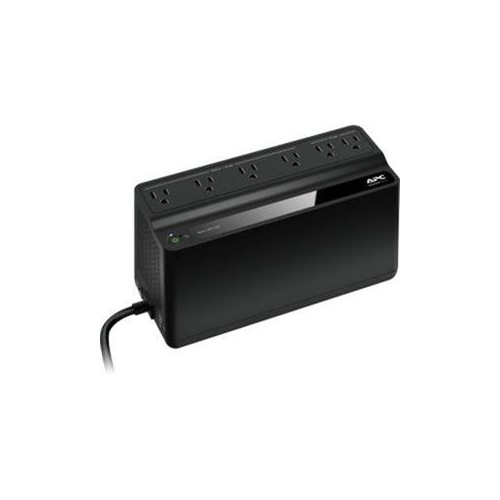 Your price for this item is $105.68
-
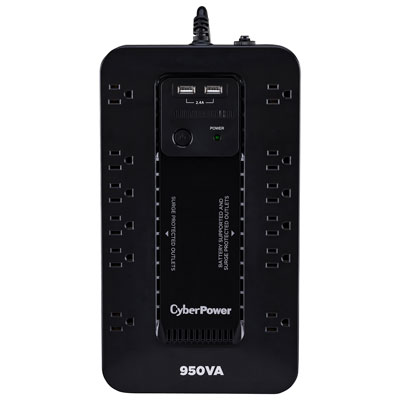 Your price for this item is $149.99
-
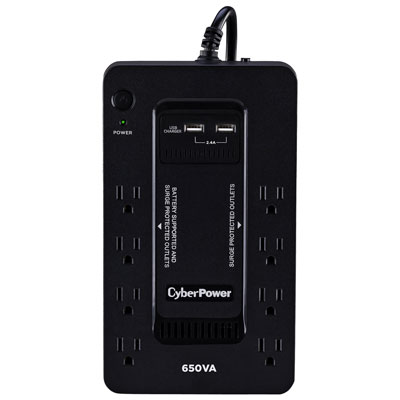 Your price for this item is $99.99
-
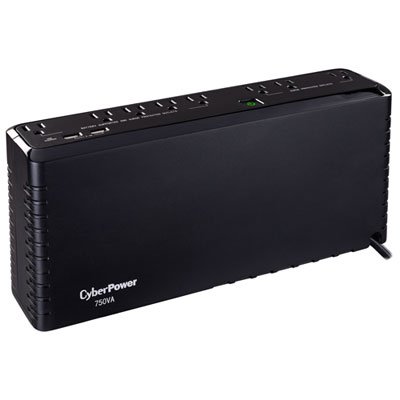 Your price for this item is $119.99
-
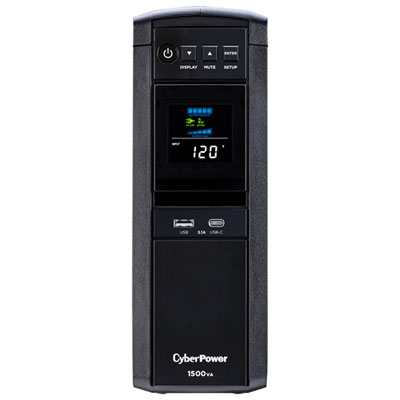 Your price for this item is $299.99
-
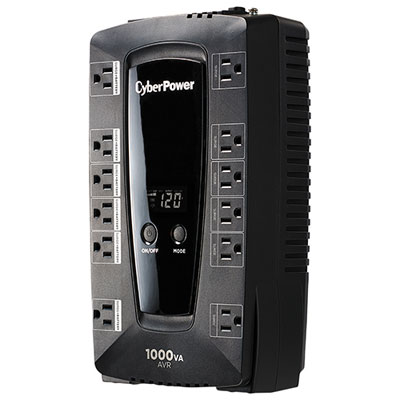 Your price for this item is $149.99
-
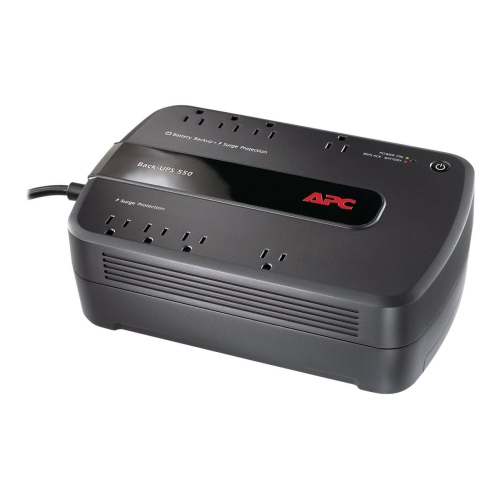 Your price for this item is $170.99
-
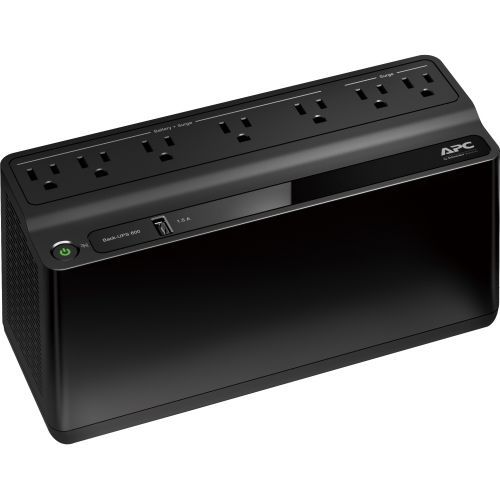 Your price for this item is $175.56
Discover more categories related to Schneider Electric Surge Protectors

Top Collections:
Best Black Friday Deals This Year, Best Black Friday Deals On Electronics, Kindle Devices, Pokemon Centers, Best Black Friday Deals On Apple Products, Best Cameras for Sports Photography, Dyson Airwrap, Pokémon 30th Celebration Cards, Apple iPhone 17 Pro, Canon G7X Cameras
Some products may be subject to Environmental Handling Fees
(EHF) depending on your province.
Learn more about EHFs.