Server Processors
Looking to power up your server's performance? Look no further than our wide selection of server processors. These powerhouse components are designed to handle the demands of data-intensive applications, ensuring smooth and efficient operation. Whether you're building a new server or upgrading an existing one, our range of server processors offers the speed, reliability, and scalability you need to keep your business running at its best. With cutting-edge technology and advanced features, these processors deliver the processing power required for even the most demanding workloads. Explore our collection today and find the perfect server processor to take your system to the next level.
Sort
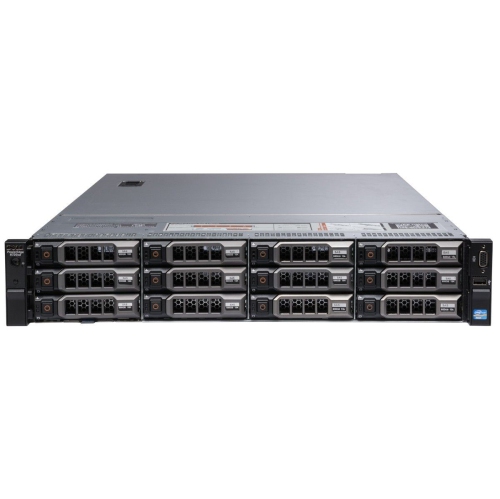
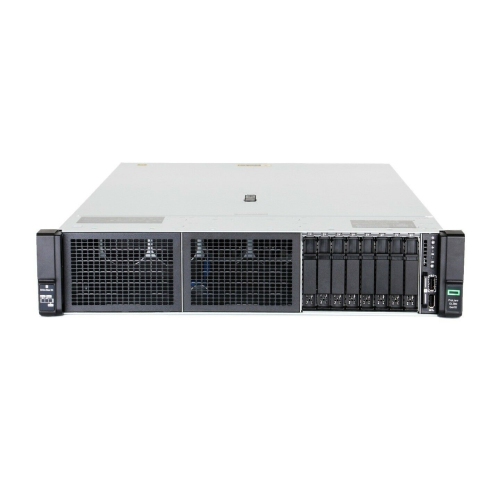
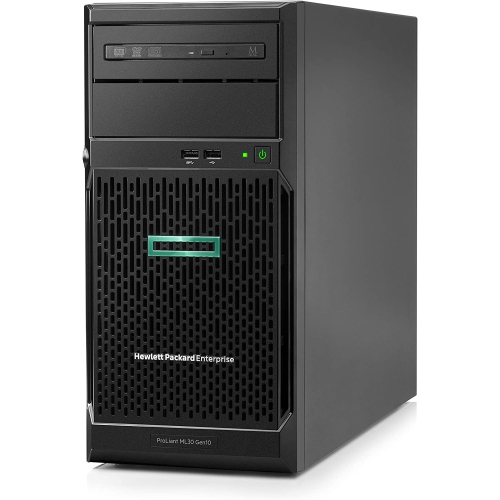

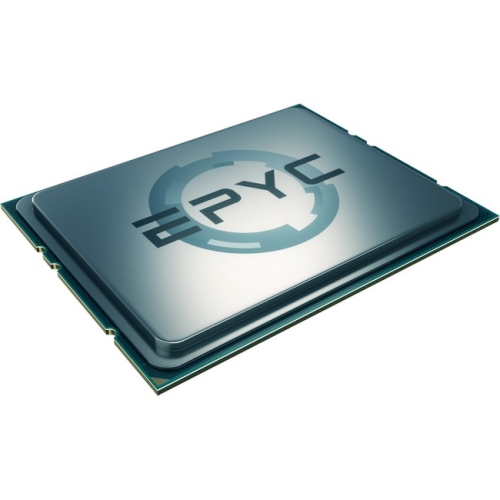
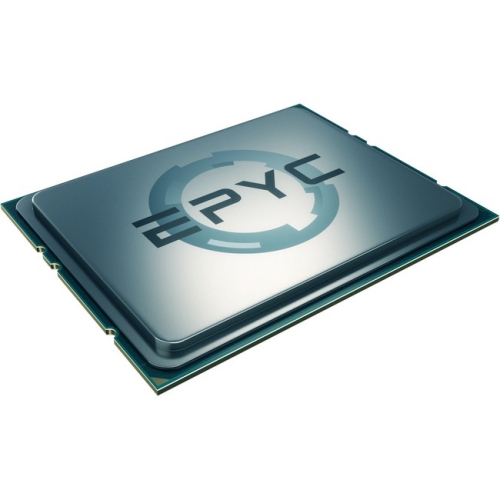
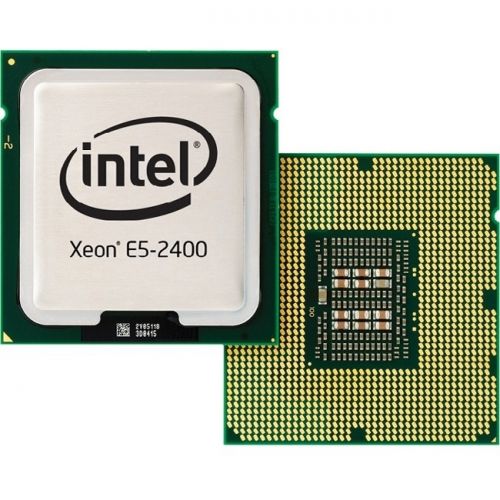






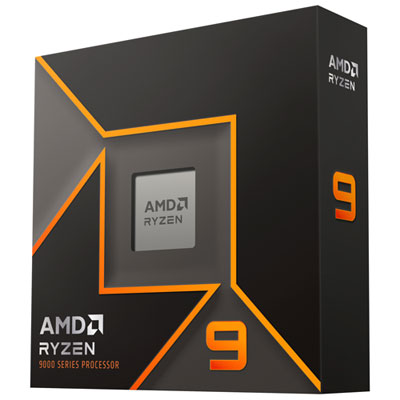
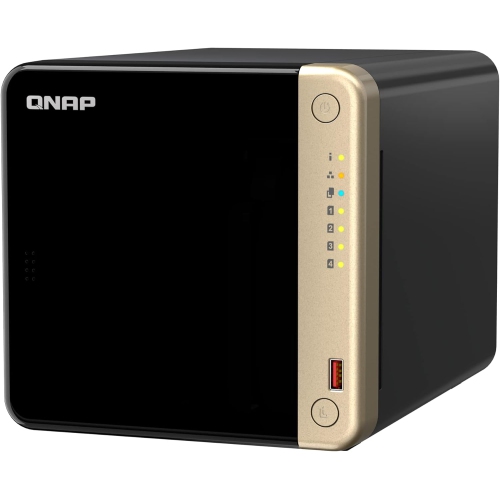
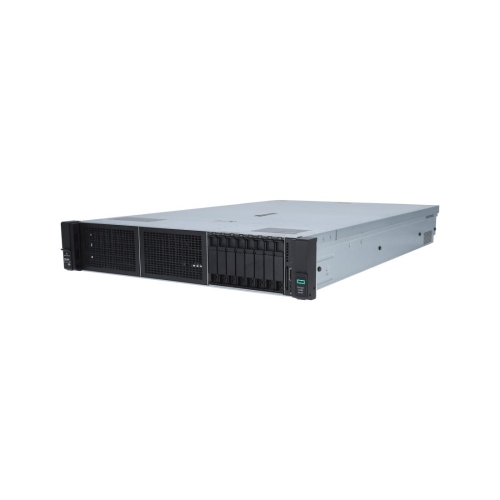
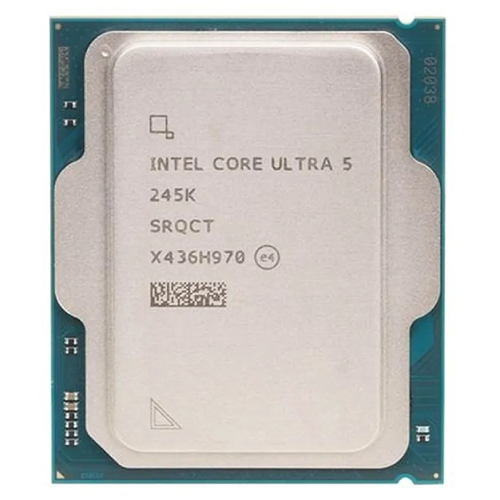


Server performance depends on workload, compatibility, and cooling
Server processors are the computing engines behind systems that need to stay responsive while handling many demanding tasks at once. Unlike processors selected for a typical home desktop, server CPUs are designed for continuous operation, heavy multitasking, and dependable performance across business, technical, and networked environments. They can support file storage, database applications, web hosting, private cloud platforms, media management, security services, game hosting, and virtual machines running side by side. A small business may use a server processor to manage shared files, accounting software, customer records, and automated backups, while a larger organization may rely on many processors across racks of equipment to power websites, online services, analytics, and internal applications. Home users and enthusiasts also choose server-grade components for network-attached storage, home labs, virtualized test environments, or self-hosted services. The right choice depends on the complete system rather than on a single headline specification. Before purchasing, consider the server’s motherboard and socket compatibility, supported memory type, number of memory channels, available expansion lanes, cooling requirements, power supply capacity, and the operating system or virtualization platform you plan to use. It is also helpful to map out how the server will be used over an ordinary day. A file server that serves a few users has very different needs from a development machine running several virtual machines, a video-processing system handling large files, or a database server responding to thousands of requests. Choosing a processor that matches the workload can help balance speed, capacity, power draw, and the rest of the component budget. For additional context when comparing processor categories, explore Best Processors.
Core count is one of the most important specifications to review when comparing server processors. Each physical core can work on its own stream of instructions, allowing a multi-core CPU to handle numerous applications and users at the same time. Higher core counts are particularly useful for virtualization, where one physical server may host several virtual machines, each with its own operating environment and assigned share of processing resources. They can also benefit parallel workloads such as compiling software, rendering, scientific calculations, data analysis, and running multiple containers. Threads describe the number of instruction streams a processor can manage, including additional virtual threads created through simultaneous multithreading where supported. More threads can improve efficiency in compatible applications, though software design still matters; a program that uses only a few cores may benefit more from strong per-core performance than from a very high core count. Clock speed, measured in gigahertz (GHz), indicates how quickly the processor operates, but it should be considered alongside architecture, cache, core count, and workload behaviour. A higher clock speed may help interactive applications and lightly threaded tasks, while more cores may matter more for virtualization or large numbers of simultaneous requests. Cache is fast memory built into the processor that stores frequently used instructions and data, reducing the need to retrieve them from system memory. Larger cache capacities can be valuable for databases, repeated calculations, and workloads with substantial data movement. Memory bandwidth is another central consideration because servers often read and write information continuously. A processor that supports multiple memory channels can move data more efficiently when paired with properly installed memory modules, while error-correcting code (ECC) memory can help detect and correct certain types of data errors in compatible systems. Check that the processor, motherboard, and memory all support the same features before building or upgrading a server.
Thermal design power (TDP), measured in watts, provides an indication of the heat a processor is expected to generate under a defined workload and helps guide cooling and power planning. TDP is not always the same as total system consumption, since drives, memory, graphics hardware, fans, and expansion cards add to the server’s overall requirements. A high-performance processor may need a substantial heatsink, active airflow, or a chassis designed for concentrated heat, particularly when several processors operate in the same enclosure. Noise and physical size can also matter: a server placed in a home office, studio, or small business workspace may need a quieter cooling arrangement than equipment installed in a dedicated rack. For systems that must remain available around the clock, look for compatibility with reliable storage, redundant power arrangements, remote management features, and a motherboard designed for the intended processor family. Virtualization users should confirm support for the features required by their chosen software and leave enough memory and storage capacity for each virtual machine. People building a personal server can start by listing the services they intend to run, estimating the number of simultaneous users, and allowing room for future growth. A processor for a compact media library or backup server may prioritize efficiency and integrated capabilities, while a server for development, hosting, or data-intensive applications may favour more cores, memory channels, cache, and expansion support. Server processors are generally purchased as part of a planned build or upgrade rather than as an occasional gift, but they can be a thoughtful choice for a technically minded student, home-lab enthusiast, developer, or small-business owner who has already identified compatible components. During the cooler months, when indoor projects and equipment upgrades often receive more attention, careful planning can turn a collection of parts into a dependable system that quietly handles everyday tasks in the background.
Core count is one of the most important specifications to review when comparing server processors. Each physical core can work on its own stream of instructions, allowing a multi-core CPU to handle numerous applications and users at the same time. Higher core counts are particularly useful for virtualization, where one physical server may host several virtual machines, each with its own operating environment and assigned share of processing resources. They can also benefit parallel workloads such as compiling software, rendering, scientific calculations, data analysis, and running multiple containers. Threads describe the number of instruction streams a processor can manage, including additional virtual threads created through simultaneous multithreading where supported. More threads can improve efficiency in compatible applications, though software design still matters; a program that uses only a few cores may benefit more from strong per-core performance than from a very high core count. Clock speed, measured in gigahertz (GHz), indicates how quickly the processor operates, but it should be considered alongside architecture, cache, core count, and workload behaviour. A higher clock speed may help interactive applications and lightly threaded tasks, while more cores may matter more for virtualization or large numbers of simultaneous requests. Cache is fast memory built into the processor that stores frequently used instructions and data, reducing the need to retrieve them from system memory. Larger cache capacities can be valuable for databases, repeated calculations, and workloads with substantial data movement. Memory bandwidth is another central consideration because servers often read and write information continuously. A processor that supports multiple memory channels can move data more efficiently when paired with properly installed memory modules, while error-correcting code (ECC) memory can help detect and correct certain types of data errors in compatible systems. Check that the processor, motherboard, and memory all support the same features before building or upgrading a server.
Thermal design power (TDP), measured in watts, provides an indication of the heat a processor is expected to generate under a defined workload and helps guide cooling and power planning. TDP is not always the same as total system consumption, since drives, memory, graphics hardware, fans, and expansion cards add to the server’s overall requirements. A high-performance processor may need a substantial heatsink, active airflow, or a chassis designed for concentrated heat, particularly when several processors operate in the same enclosure. Noise and physical size can also matter: a server placed in a home office, studio, or small business workspace may need a quieter cooling arrangement than equipment installed in a dedicated rack. For systems that must remain available around the clock, look for compatibility with reliable storage, redundant power arrangements, remote management features, and a motherboard designed for the intended processor family. Virtualization users should confirm support for the features required by their chosen software and leave enough memory and storage capacity for each virtual machine. People building a personal server can start by listing the services they intend to run, estimating the number of simultaneous users, and allowing room for future growth. A processor for a compact media library or backup server may prioritize efficiency and integrated capabilities, while a server for development, hosting, or data-intensive applications may favour more cores, memory channels, cache, and expansion support. Server processors are generally purchased as part of a planned build or upgrade rather than as an occasional gift, but they can be a thoughtful choice for a technically minded student, home-lab enthusiast, developer, or small-business owner who has already identified compatible components. During the cooler months, when indoor projects and equipment upgrades often receive more attention, careful planning can turn a collection of parts into a dependable system that quietly handles everyday tasks in the background.
Top selling and popular products
-
 Your price for this item is $479.99
 -
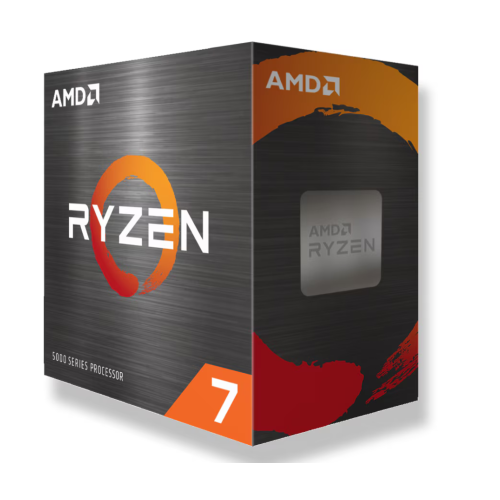 Your price for this item is $339.95
 -
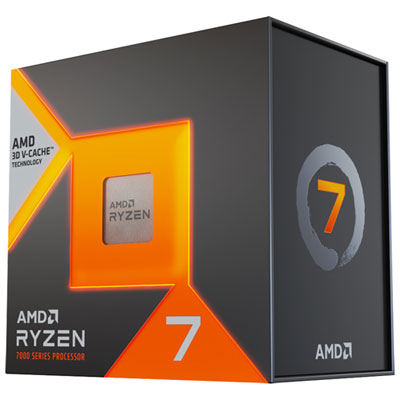 Your price for this item is $519.98
 -
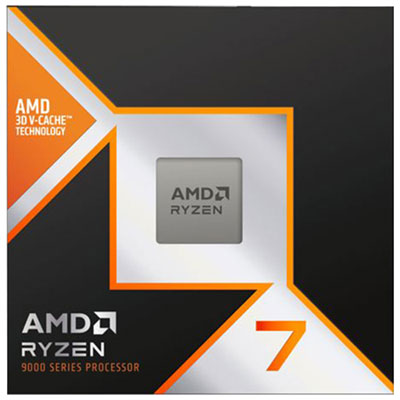 Your price for this item is $619.98
 -
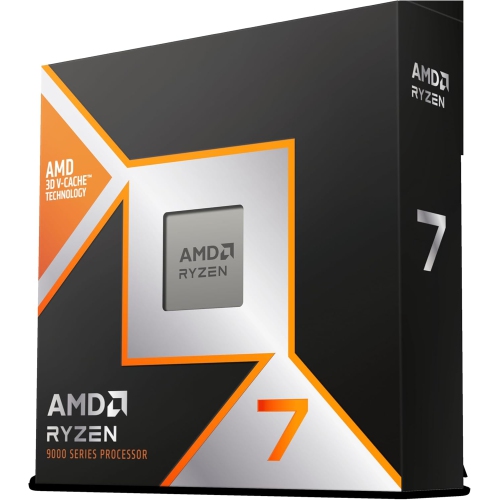 Your price for this item is $649
 -
 Your price for this item is $690
 -
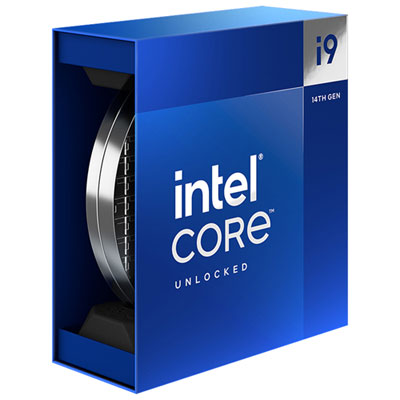 Your price for this item is $709.98
 -
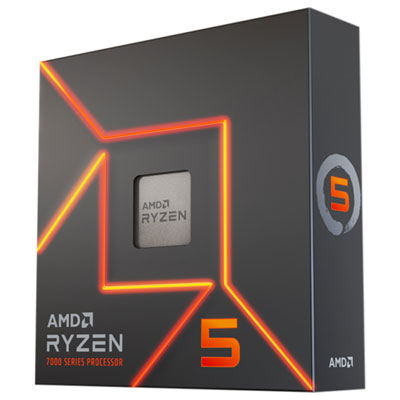 Your price for this item is $439.99
Discover more categories related to Server Processors
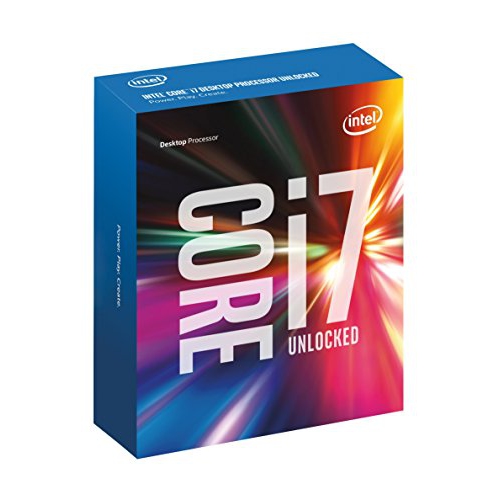
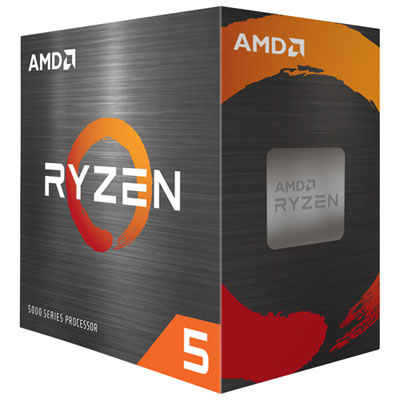

Top Collections:
Pokemon Centers, Kindle Devices, Best Budget Office Chairs, Apple iPhones 16, Best Laptops for Writers, iPhone 15 Apple, Canon G7X Cameras, Refurbished Apple Laptops, Alarm Clock, Motorola Razr Phones
Some products may be subject to Environmental Handling Fees
(EHF) depending on your province.
Learn more about EHFs.