Single Mode SFP Transceivers
Single Mode SFP Transceivers are essential components for reliable, high-speed data transmission across long distances in networking environments. Designed to support seamless connectivity in enterprise, data center, and telecommunications applications, these transceivers offer a flexible solution for expanding and optimizing your network infrastructure. Explore a wide selection of Single Mode SFP Transceivers to find the right fit for your networking needs and ensure efficient performance for your systems.
Sort








Long-distance fibre links depend on more than reach
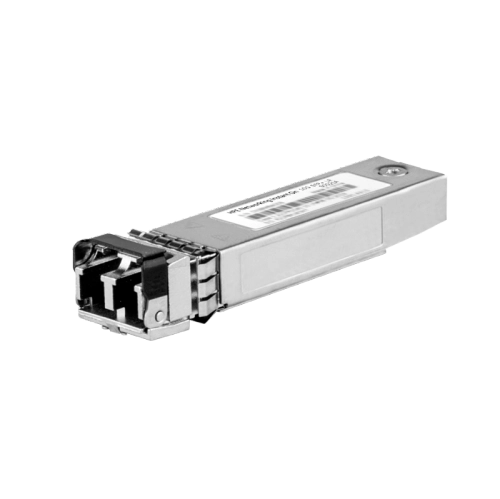
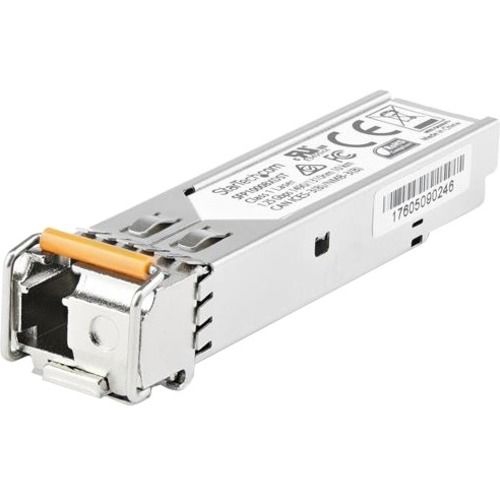
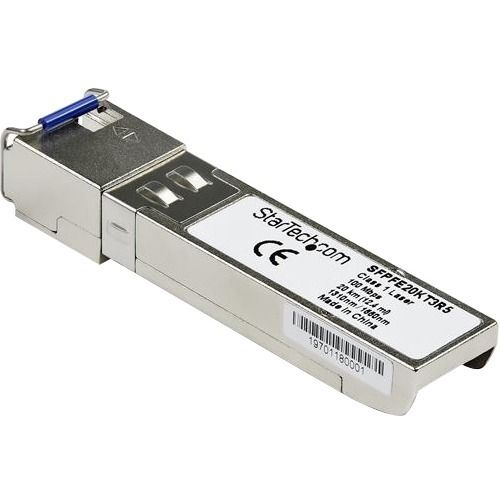
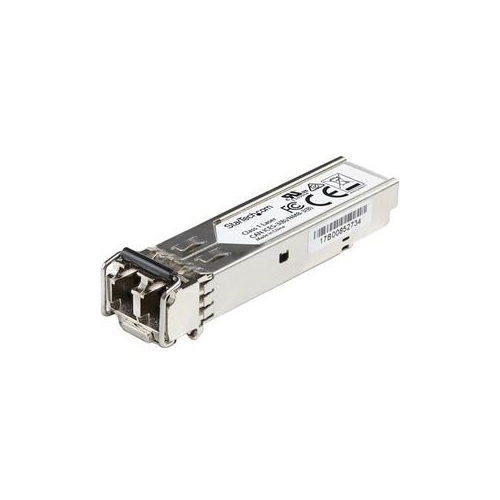
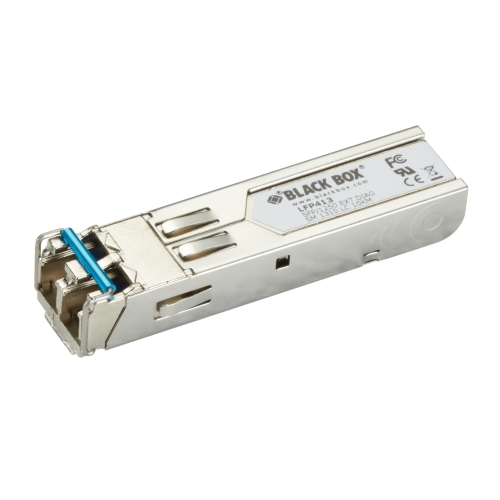
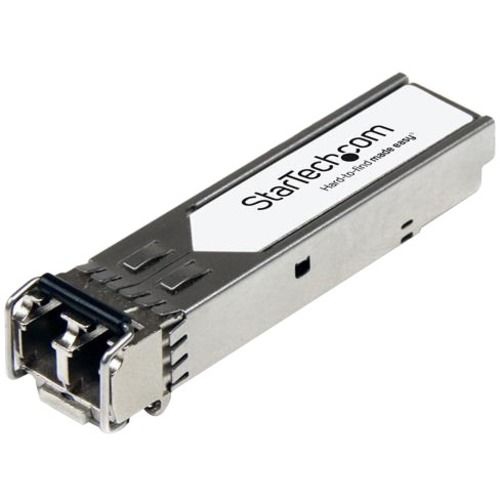
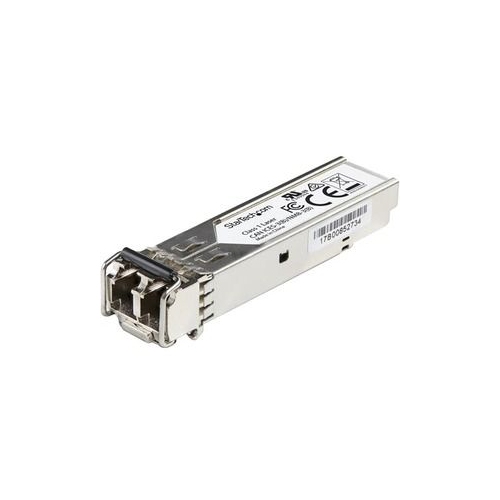
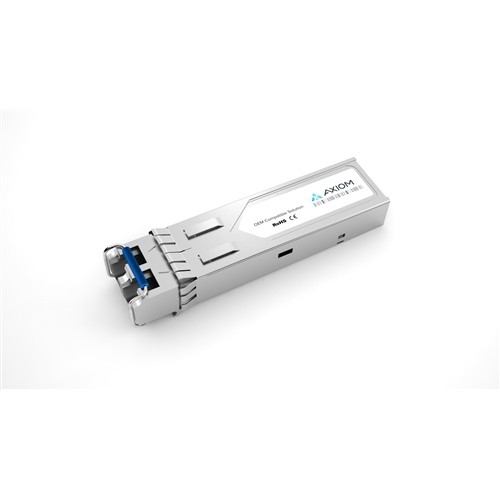
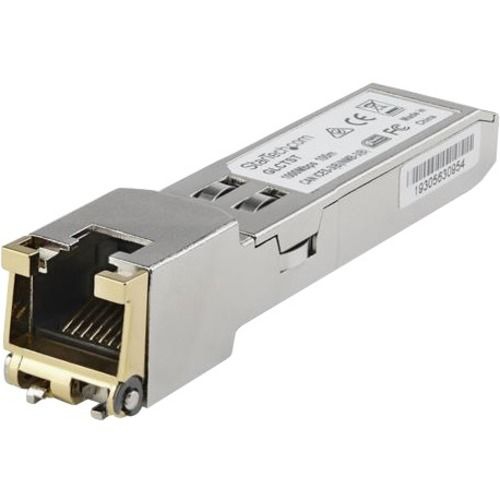
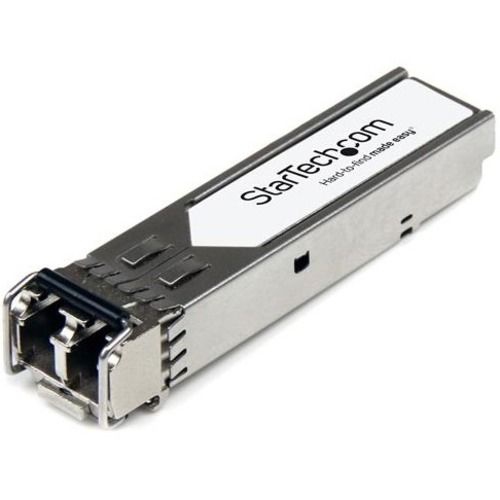
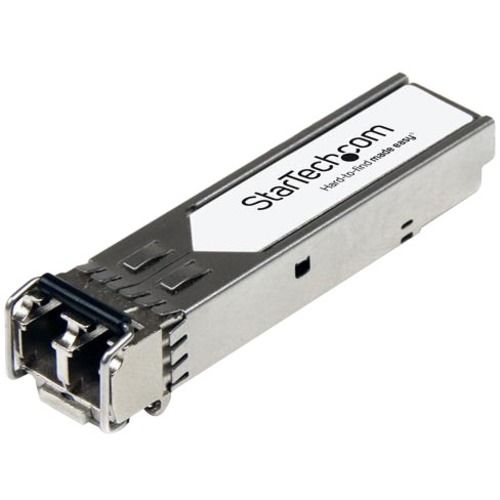
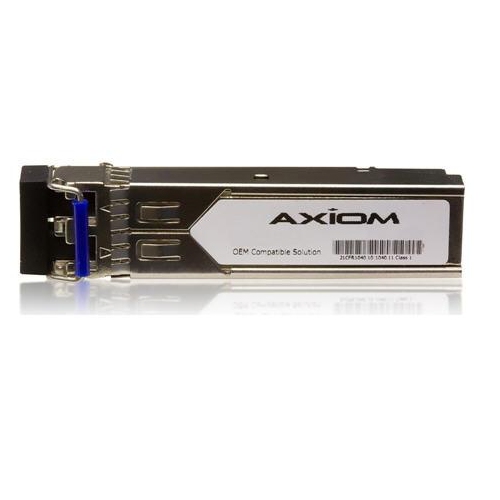
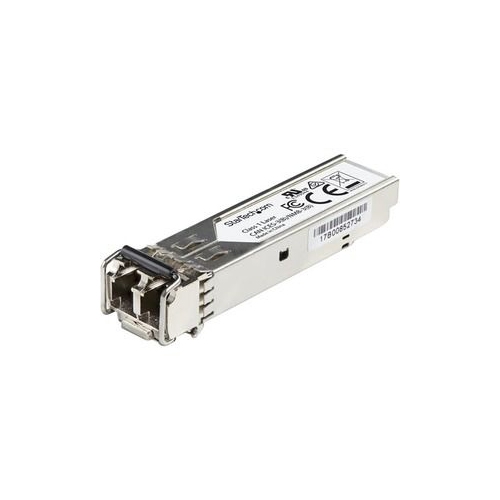
Single-mode SFP transceivers are compact optical modules that connect compatible network equipment to single-mode fibre cabling, allowing data to travel between switches, routers, media converters, and other supported devices. SFP stands for Small Form-factor Pluggable, a removable module format that lets a network port accept an optical connection suited to a particular link. Single-mode fibre typically has a 9-micrometre core and 125-micrometre cladding, often described as 9/125 µm, and includes OS1 and OS2 cable classifications. Its narrow core supports optical transmission over longer distances than many multimode connections, making these transceivers relevant to office networks, campus links, telecommunications infrastructure, and connections between separate buildings. A business connecting its main office to a warehouse, for example, may use single-mode fibre where the cable route exceeds the practical reach of a conventional copper Ethernet connection. Common optical wavelengths include 1310 nm and 1550 nm, while supported distances depend on the module’s transmitter, receiver, and the characteristics of the installed fibre. Reach ratings of 10 km, 20 km, and 40 km are common across this category, with some specialized modules designed for longer links. These ratings describe supported applications under specified conditions, rather than a promise that every cable run will achieve the stated distance. Data rate is equally important: conventional SFP modules commonly support 1 Gb/s connections, with some variants intended for 100 Mb/s applications. Related SFP+ and SFP28 formats serve applications such as 10 Gb/s and 25 Gb/s networking, respectively. Although these formats have similar dimensions, they are not automatically interchangeable, and the host port must support the chosen module and operating speed. For a small business, a correctly matched module can provide a straightforward uplink between network cabinets; for a larger organization, the same general technology supports links between distribution switches and remote network locations. The useful distinction is not simply whether a transceiver fits into the port, but whether its optical specifications, electrical interface, and supported networking protocol suit the connection.
Connection type helps distinguish single-mode SFP transceivers that may otherwise look nearly identical. Many use duplex LC connectors, with one fibre carrying transmitted data and the other carrying received data. At the opposite end of the link, the transmit path must connect to the receive path, so correct fibre polarity matters. Bidirectional transceivers, often called BiDi modules, can send and receive over a single fibre strand by using different wavelengths in each direction. These require a complementary pair: a module transmitting at one wavelength must connect to a compatible module receiving at that wavelength, with the reverse arrangement for the return signal. Matching two modules by speed and distance alone is therefore insufficient for a BiDi connection. This distinction is particularly useful where an existing cable has limited spare strands or where a network upgrade needs to make practical use of installed fibre. Connector format and polish also need to match the equipment specifications; connector colour or pull-tab colour should not replace a check of the labelled interface and wavelength. Cable routing adds another consideration. A link between buildings may follow conduits, risers, and patch panels rather than the shortest direct path, and each connector, splice, or other optical component contributes to signal loss. The optical link budget describes the loss that the transmitter and receiver can accommodate, so a nominal distance rating needs to be considered alongside the actual cable route and its measured attenuation. Conversely, a high-power, long-reach module may require an appropriate optical attenuator on a short connection to avoid overloading the receiver. Digital Diagnostic Monitoring, also known as DDM or Digital Optical Monitoring, can provide readings such as transmitted optical power, received optical power, supply voltage, and laser bias current when supported by both module and host equipment. These readings help network administrators investigate weak signals or track changes in a working link. The broader Optical SFP Transceiver Modules category provides context for other optical module types, while single-mode compatibility remains the defining requirement for this particular application.
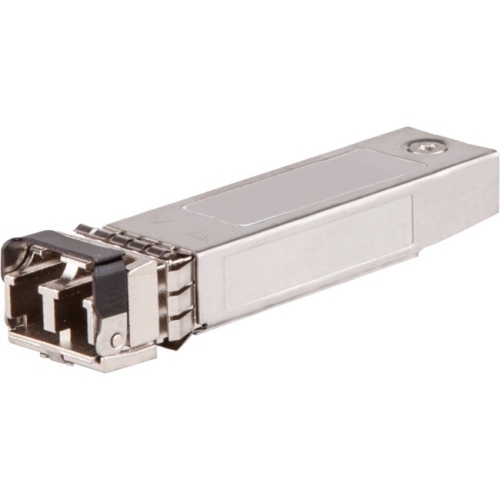
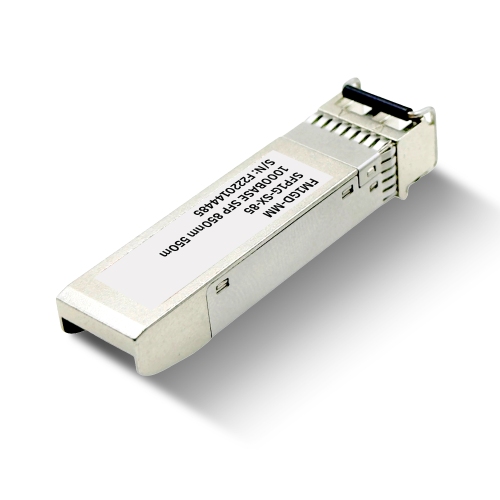
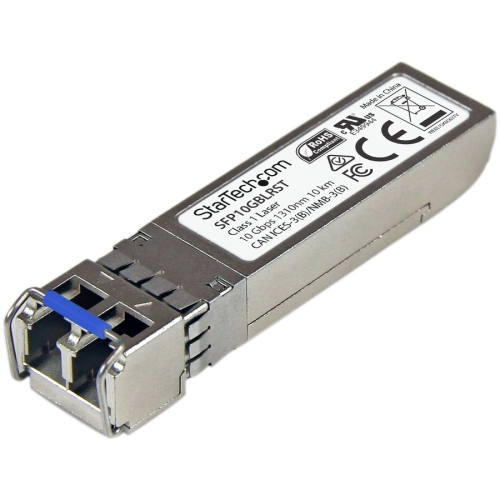
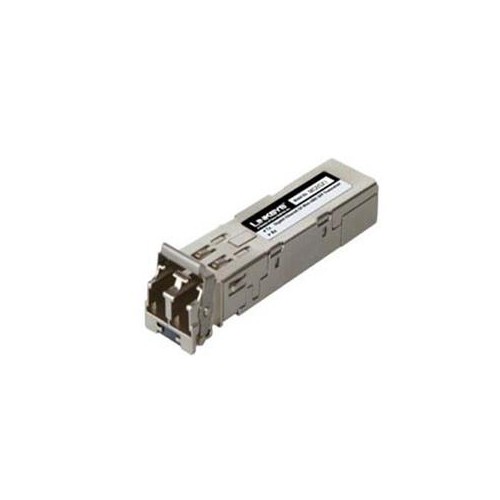
The physical construction of a single-mode SFP transceiver is designed around installation in networking equipment rather than everyday handling. Modules typically have a metal housing, an electrical contact interface, an optical receptacle, and a latch or pull mechanism for insertion and removal. The housing protects the internal components and helps transfer heat to the host equipment, but it does not make the exposed optical connection resistant to dust or careless handling. A small amount of contamination on a fibre end face can weaken a signal, so protective caps are useful whenever a module or patch lead is disconnected. Inspection and cleaning with tools intended for fibre connectors help protect the connection; ordinary cloths and improvised cleaning methods can leave residue or damage delicate surfaces. Fibre patch leads also need routing that respects their specified bend radius, without tight loops, crushed sections, or strain at the connector. Many SFP transceivers are hot-swappable in compatible equipment, meaning the host can remain powered during replacement, but removing a module still interrupts the link it serves. Host documentation should confirm the supported replacement procedure, and appropriate electrostatic handling precautions help protect the module’s contacts and circuitry. Optical ports should never be viewed directly, since their light may be invisible. Durability depends on careful handling, suitable operating conditions, and compatibility with the equipment in which the module is installed. Network administrators, installers, telecommunications technicians, and technically experienced business owners are the most likely users, particularly when maintaining fibre infrastructure or extending an existing network. A managed office switch may accept only certain module types or require particular firmware support, even when another transceiver shares the same form factor. Manufacturer compatibility information, the host port’s supported speeds, and any requirements for module coding therefore deserve attention alongside wavelength and reach. For an established network, matching the specifications of the working link can simplify maintenance; for an expansion, confirming both endpoints and the fibre path helps avoid a physically compatible but unusable connection. Well-matched single-mode SFP transceivers support dependable optical links while allowing network equipment to adapt to different distances, cable arrangements, and capacity requirements.
Top selling and popular products
-
 Your price for this item is $2.49
-
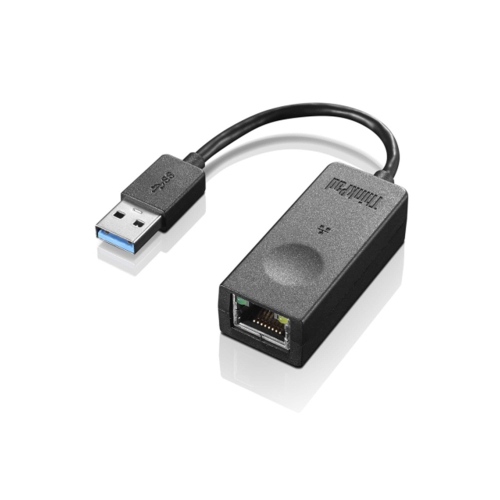 Your price for this item is $37.99
-
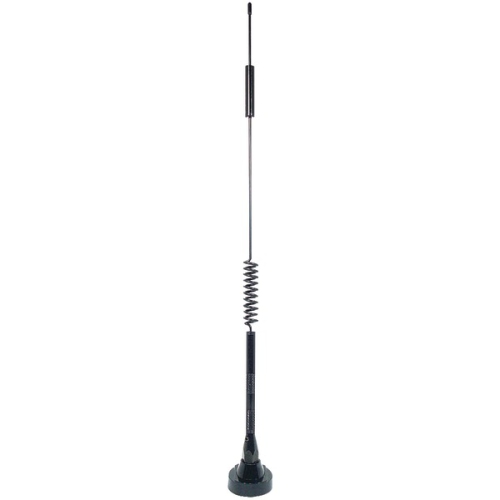 Your price for this item is $24.86
-
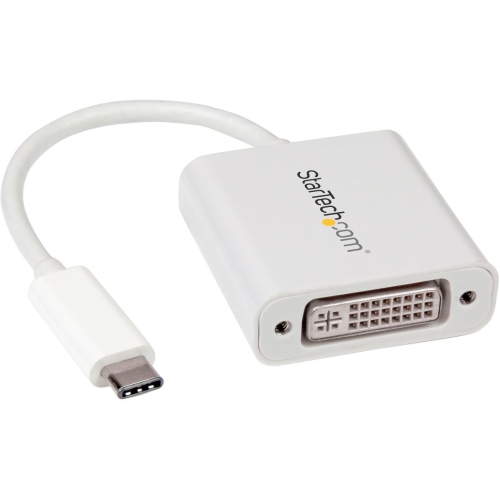 Your price for this item is $23.99
-
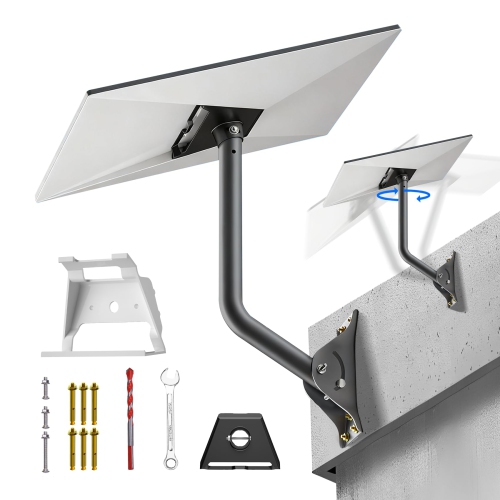 Your price for this item is $94.99
-
 Your price for this item is $9.99
-
 Your price for this item is $409
-
 Your price for this item is $53.68
Discover more categories related to Single Mode SFP Transceivers

Top Collections:
Pokemon Centers, Kindle Devices, Best Cameras for Sports Photography, Pokémon 30th Celebration Cards, Apple iPhones 16, Canon G7X Cameras, iPhone 15 Apple, Flip Phones, Samsung Galaxy Phones, Alarm Clock
Some products may be subject to Environmental Handling Fees
(EHF) depending on your province.
Learn more about EHFs.