Single Mode Fiber SFP Modules
Single Mode Fiber SFP Modules are essential components for reliable and high-speed data transmission across long distances in networking environments. Designed to support seamless connectivity, these modules offer a practical solution for expanding network capacity and enhancing performance. Whether upgrading existing infrastructure or building a new system, Single Mode Fiber SFP Modules provide the flexibility and compatibility needed to meet diverse networking requirements. Explore a wide selection to find the right fit for your setup and keep your network running smoothly.
Sort




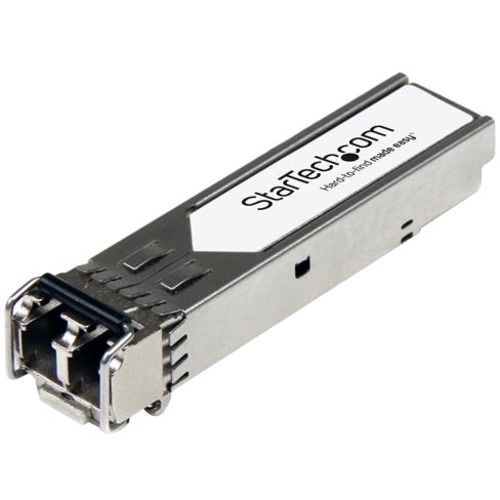


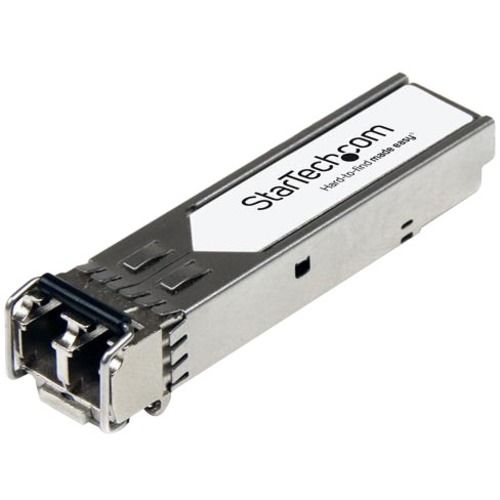

Longer network links start with compatible fibre optics
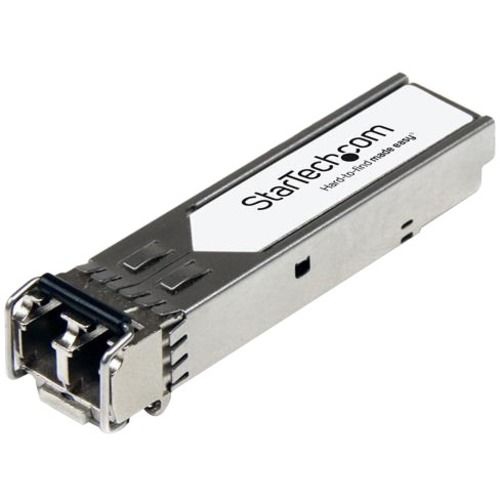
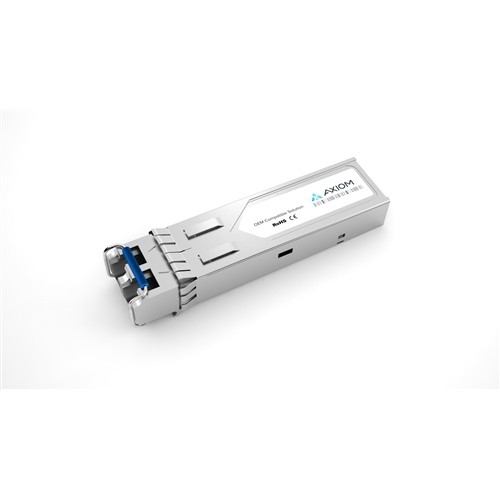
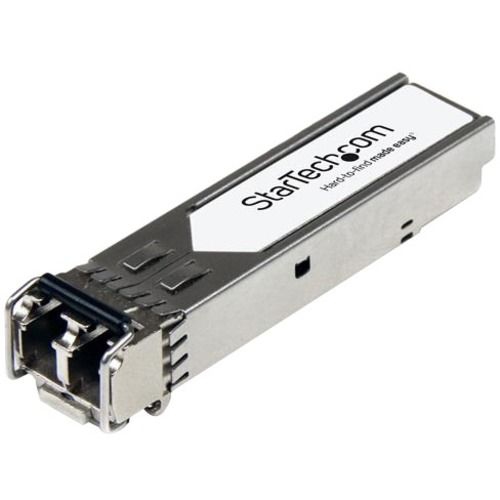
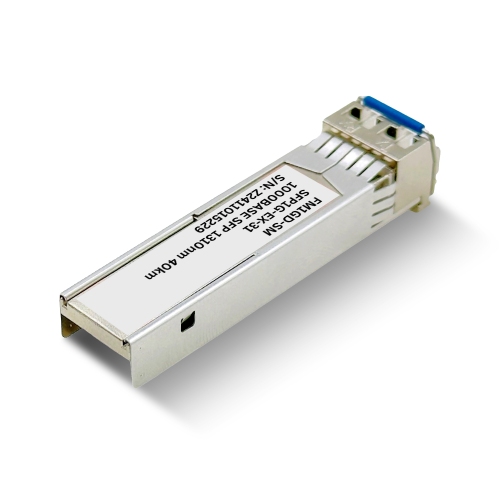
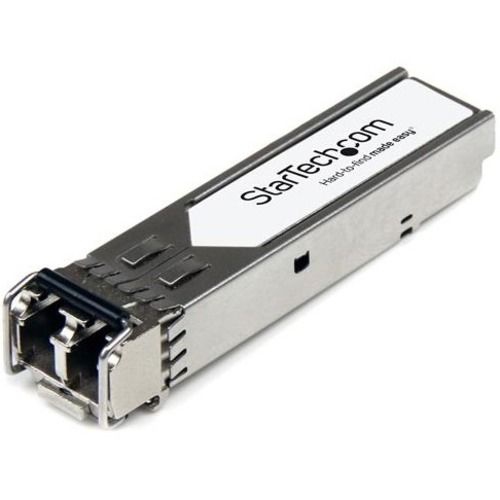
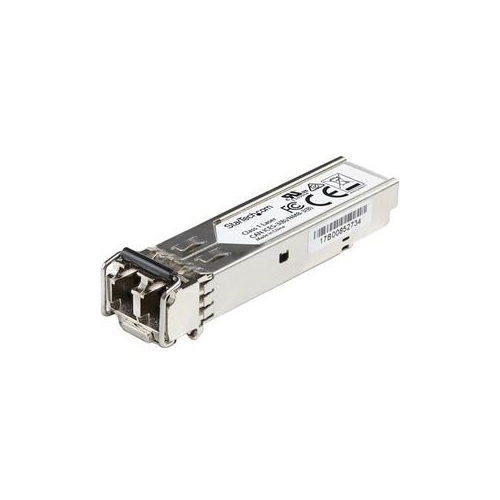
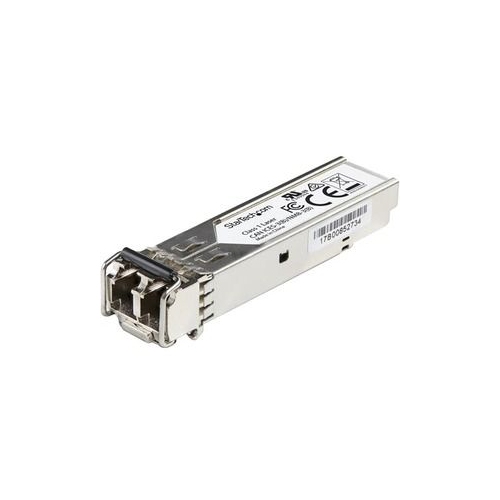
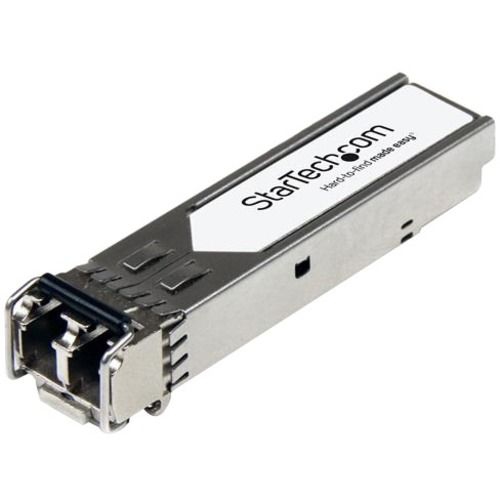
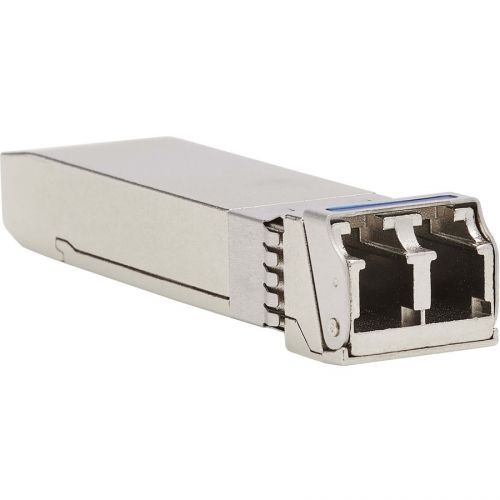
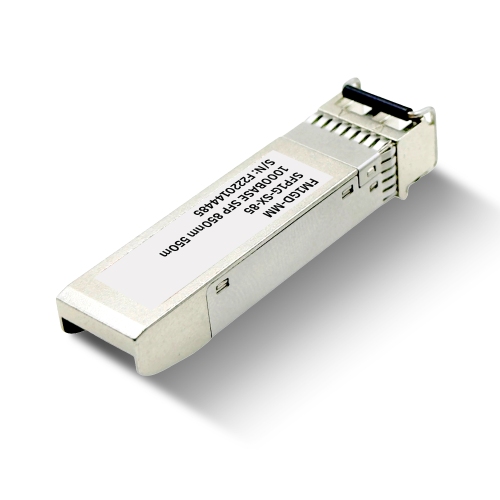
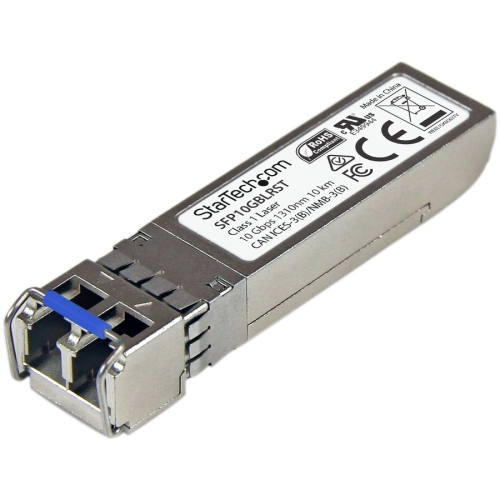
Single-mode fibre SFP modules are compact optical transceivers that connect compatible networking equipment to single-mode fibre-optic cabling. SFP stands for Small Form-factor Pluggable, a removable module format used in switches, routers, media converters, and other network hardware. These modules use laser diodes to transmit data through fibre designed to carry a single optical mode, allowing connections to extend well beyond the usual reach of copper Ethernet cabling. Common single-mode cable has a nominal 9-micrometre core and 125-micrometre cladding, often described as 9/125, with OS2 frequently used for longer network links. Inside each transceiver, optical and electrical components translate outgoing electrical signals into light and incoming light back into electrical signals. This makes the module the connection point between a device’s SFP port and the installed fibre cable, rather than a replacement for either. Typical uses include connecting network cabinets across a large building, linking separate buildings on a property, or carrying traffic between access switches and a central network room. Network administrators, cabling installers, and technically experienced users may choose single-mode optics when an existing fibre route or planned expansion calls for greater reach. Supported distances vary considerably: many designs are rated for 10 km, while others are built for substantially longer links. The distance printed in a specification is a design rating, not a guarantee for every cable route. Fibre quality, splices, connector losses, and the capabilities of the module at the opposite end all affect the completed connection. Common operating wavelengths include 1310 nm and 1550 nm, although wavelength alone does not establish compatibility. A module’s data rate, optical specifications, connector arrangement, and host-device support all matter. For a small office extending its network into a separate workshop or a larger facility connecting several communications rooms, the right combination of these details helps turn an existing fibre pathway into a dependable network link.
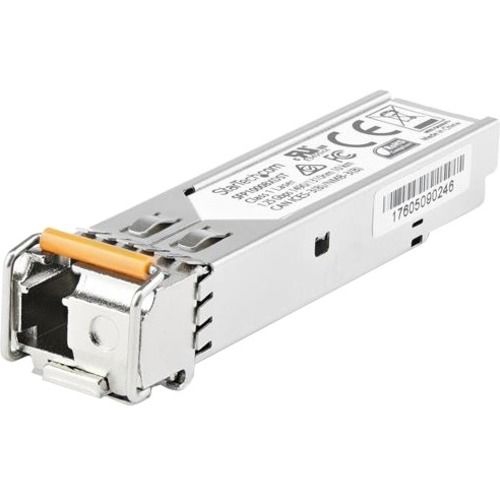
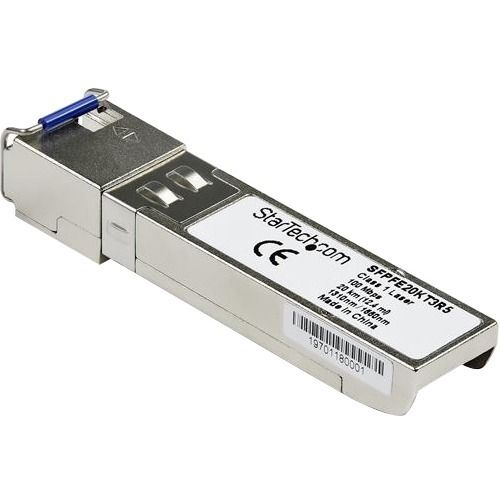
Compatibility begins with the equipment receiving the module. An SFP-shaped opening does not mean that every transceiver will operate in it, and the host device may require a particular data rate, supported optical standard, or transceiver coding. Many Ethernet SFP modules operate at 1 Gbps, whereas SFP+ modules are commonly used for 10 Gbps connections. Their similar physical dimensions do not make every port or module interchangeable, so supported speeds need to agree across both ends of the link. Connector style is equally important. Duplex LC connections are common on single-mode SFP modules and normally use two fibre strands, with one carrying transmitted light and the other carrying received light. The transmit path at one end must reach the receive path at the other. Bidirectional, or BiDi, modules use different wavelengths to send and receive over a single strand, making them useful where spare fibre is limited. These require complementary modules: one end’s transmit wavelength must match the other end’s receive wavelength, along with compatible speed and reach specifications. They are not interchangeable with a conventional two-strand pair simply because the connectors fit. The broader selection of Optical SFP Transceiver Modules includes different fibre types and connection formats, so single-mode compatibility remains an important distinction. Optical power specifications provide another useful comparison. Transmitter output, receiver sensitivity, and maximum receiver input determine whether a link can tolerate the losses along its path without delivering too little or too much light. A higher-distance rating is not automatically a better choice for a short run; some long-reach optics may require attenuation to keep received power within the permitted range. Patch panels, adapters, and splices contribute to the total loss even when the cable itself is relatively short. Matching the transceivers to the actual route is more meaningful than choosing solely by the largest distance figure.
Physical fit, handling, and maintenance also influence how well single-mode fibre SFP modules serve a network over time. Their compact metal housings help protect the internal components and transfer heat to the surrounding equipment, while a latch or pull mechanism secures the module in its port. Connector access matters in a densely populated switch: a crowded row of patch leads can make a small latch difficult to reach or place unnecessary strain on a connector. Appropriate patch-cord lengths, supported cable routing, and enough space for the specified bend radius help keep the installation tidy without pinching or sharply bending the fibre. The cable’s outer jacket colour can be a useful visual cue, but its printed specification and connector details are more reliable indicators of suitability. Connector polish also matters; UPC and APC interfaces should not be mated directly, even if they appear physically similar. Clean optical connections are essential because dust on a tiny fibre end face can increase loss or interrupt service. Protective caps help keep unused ports covered, but they do not replace inspection and cleaning with tools intended for fibre-optic connectors. Active fibre ends should never be viewed directly, since the light used for data transmission may be invisible. Many SFP modules support digital diagnostic monitoring, which can report values such as transmit and receive optical power when the host equipment supports that function. These readings can help an administrator distinguish a dirty connection or weakened optical path from another network fault. Hot-pluggable construction allows supported modules to be inserted or removed without powering down the entire host, although removing an active transceiver interrupts that link. For installations that need straightforward maintenance, consistent module specifications and clearly labelled fibre paths make replacement and troubleshooting less disruptive. A well-matched single-mode SFP module combines the required reach and data rate with suitable connectors, verified host support, and optical limits that suit the installed cable route.
Top selling and popular products
-
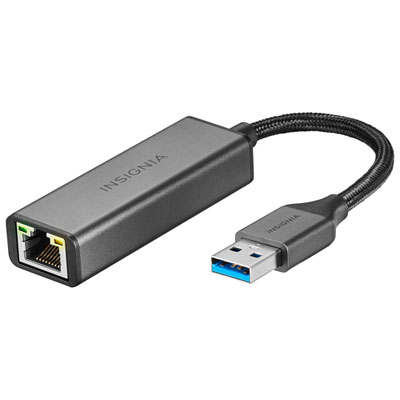 Your price for this item is $39.99
-
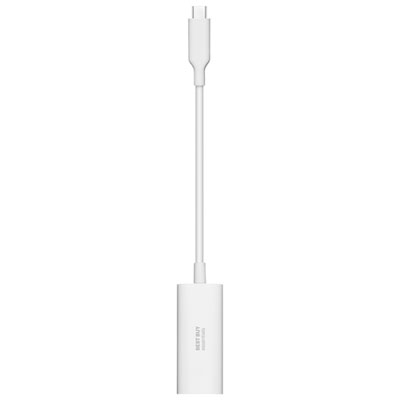 Your price for this item is $19.99
-
 Your price for this item is $88.68
-
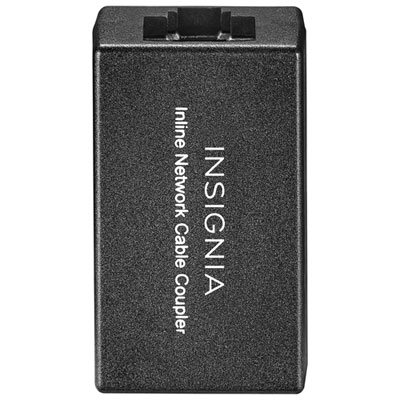 Your price for this item is $14.99
-
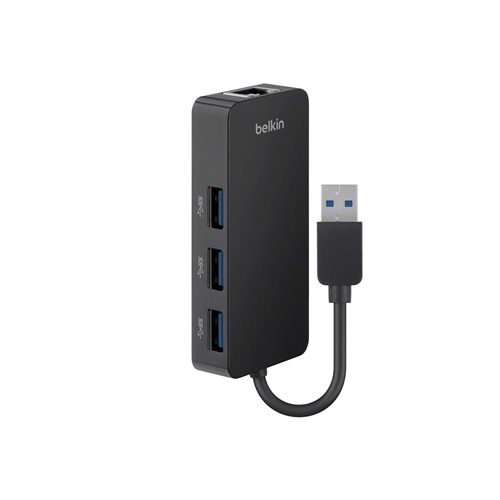 Your price for this item is $108.68
-
 Your price for this item is $40.99
-
 Your price for this item is $65.32
-
 Your price for this item is $78.49
Discover more categories related to Single Mode Fiber SFP Modules


Top Collections:
Pokemon Centers, Kindle Devices, Best Cameras for Sports Photography, Pokémon 30th Celebration Cards, Apple iPhones 16, Canon G7X Cameras, iPhone 15 Apple, Flip Phones, Samsung Galaxy Phones, Alarm Clock
Some products may be subject to Environmental Handling Fees
(EHF) depending on your province.
Learn more about EHFs.