Teacher Tools
Equip classrooms with the essential tools that empower teachers to create dynamic and engaging learning environments. From innovative tech gadgets to versatile classroom supplies, find everything needed to inspire students and streamline educational tasks. Enhance productivity, foster creativity, and support effective teaching strategies with a comprehensive selection of high-quality resources designed specifically for educators. Discover solutions that cater to diverse teaching styles and classroom needs, ensuring every lesson is impactful and every student can thrive.
Sort
![GREEN SCENIC Little Bee Amplifier Speaker Multi-Function Amplifier Headband Microphone Teacher Class Microphone - Skin Color [Wired Version]](https://multimedia.bbycastatic.ca/multimedia/products/500x500/194/19406/19406976.jpeg)
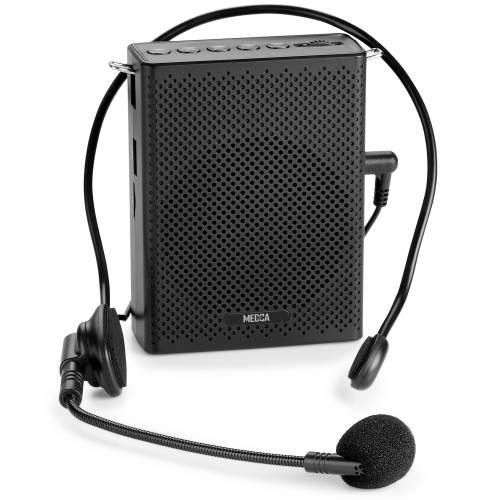
![GREEN SCENIC Little Bee Amplifier Speaker Multi-Function Amplifier Headband Microphone Teacher Class Microphone - [Wired Version] In Black](https://multimedia.bbycastatic.ca/multimedia/products/500x500/194/19406/19406977.png)
![GREEN SCENIC Little Bee Amplifier Speaker Multi-Function Amplifier Headband Microphone Teacher Class Microphone - [Wired Version] In Pink](https://multimedia.bbycastatic.ca/multimedia/products/500x500/194/19406/19406978.png)
![GREEN SCENIC Little Bee Amplifier Speaker Multi-Function Amplifier Headband Microphone Teacher Class Microphone - [Wired Version] In Purple](https://multimedia.bbycastatic.ca/multimedia/products/500x500/194/19406/19406979.png)



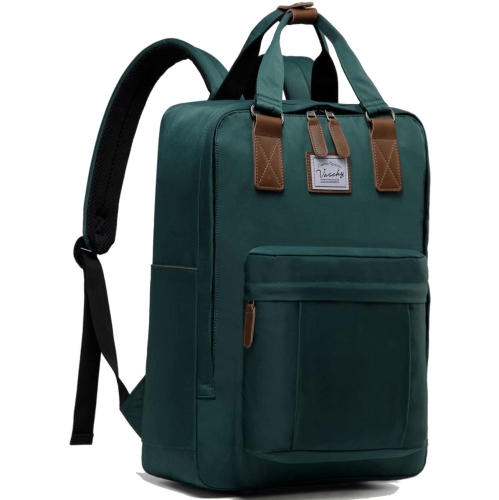
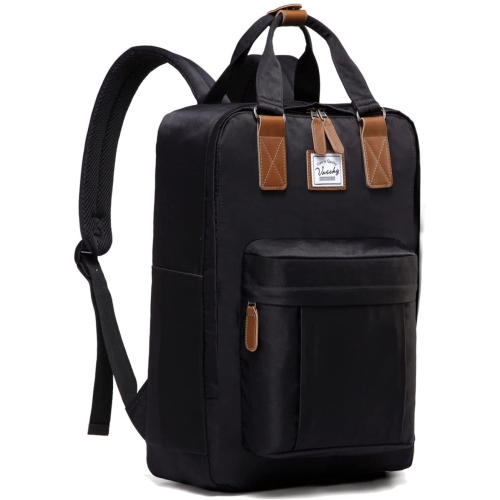
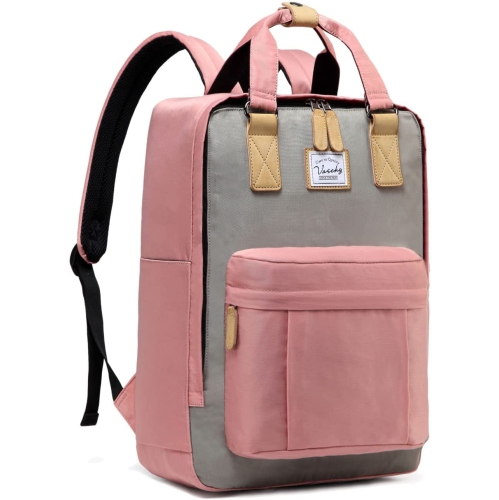
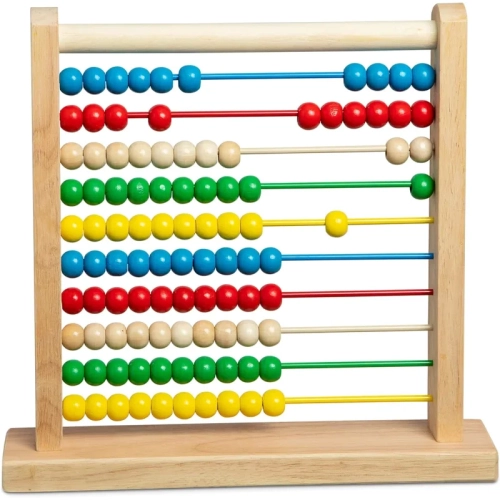

Practical tools for smoother lessons and classroom routines
Teacher tools bring together the practical supplies, classroom technology, and organizational aids that help educators create welcoming, well-managed learning spaces. Whether the setting is a primary classroom, secondary school, tutoring room, home-learning area, or community education programme, the right tools can make everyday routines feel more predictable and lessons easier to deliver. Many teachers use physical classroom supplies to display instructions, organize materials, identify student groups, track responsibilities, and keep frequently used resources within reach. Digital tools can support lesson planning, classroom schedules, curriculum tracking, interactive activities, and quick transitions between subjects. A simple timer can help students understand how long they have for a task, while a random name selector can encourage participation in a fair and engaging way. Digital dice, counters, clocks, and other virtual manipulatives can make abstract ideas easier to demonstrate, particularly when students are learning remotely or sharing limited classroom resources. Browse related Learning Tools to find educational resources that can complement teacher tools at school or at home. When choosing items, consider the age group, subject area, class size, available storage, and the amount of preparation required. A tool that takes only a few seconds to set up can be especially valuable during a busy school day, when a smooth transition may be the difference between a focused lesson and a room full of distractions.
Classroom organization is often built around small, repeatable systems. Labelling supplies, separating activities by colour, and creating visible routines can help students become more independent while reducing the number of reminders an educator needs to give. Coloured paper can distinguish assignments, group activities, notices, and take-home materials at a glance, while reusable fastening supplies can make it easier to update calendars, classroom jobs, visual schedules, and bulletin boards. Magnetic accessories and reach tools can be useful when changing displays or retrieving small metal items from hard-to-reach places, helping teachers spend less time crouching beneath furniture or searching through drawers. Writing and presentation tools support everything from early handwriting practice to diagrams, demonstrations, and subject-specific explanations. Look for options that are comfortable during extended use, easy to store, and suitable for the surfaces where they will be used. For technology-based teaching, consider compatibility with existing computers, tablets, displays, wireless networks, and classroom software. A reliable charging routine, accessible storage, and clear controls can matter just as much as advanced features. Teachers may also appreciate tools that support accessibility, such as enlarged displays, audible alerts, tactile resources, adjustable settings, or visual cues. These features can benefit the entire class by presenting information in more than one way and giving students different paths to participate. During the cooler months, when more activities take place indoors and classrooms may spend longer stretches together, well-planned organization can help maintain a calm environment without making learning feel rigid or overly structured.
Teacher tools can be useful for educators at many stages of their careers, from a student teacher preparing a first classroom to an experienced professional refreshing a familiar learning space. They may also be thoughtful gifts for teachers, tutors, educational assistants, daycare educators, homeschooling parents, coaches, and family members who lead children’s activities. A practical gift does not need to be elaborate: a collection of well-chosen organizational supplies, an easy-to-use classroom management aid, or a digital resource that simplifies planning can become part of an educator’s daily routine. For gift giving, consider the recipient’s teaching style and environment rather than choosing solely by appearance. Someone who moves between rooms may value compact, portable items, while a teacher with a dedicated classroom may prefer resources that support displays, group work, and storage. Early fall often brings new class lists, updated routines, and fresh bulletin boards, making organizational tools particularly useful as educators establish expectations and get to know their students. As the season progresses, flexible resources can help teachers adapt activities for indoor learning, review, special projects, and changing energy levels. Teachers may use a timer to pace a quiet reading session, a visual chart to assign classroom responsibilities, or an interactive activity to bring a difficult concept to life. The best teacher tools fit naturally into these moments: they save preparation time, support clear communication, and leave more room for the personal connections that make students feel seen and ready to learn. When comparing options, check dimensions, power requirements, durability, compatibility, storage needs, and ease of cleaning, and choose tools that match the daily realities of the classroom rather than adding unnecessary complexity.
Classroom organization is often built around small, repeatable systems. Labelling supplies, separating activities by colour, and creating visible routines can help students become more independent while reducing the number of reminders an educator needs to give. Coloured paper can distinguish assignments, group activities, notices, and take-home materials at a glance, while reusable fastening supplies can make it easier to update calendars, classroom jobs, visual schedules, and bulletin boards. Magnetic accessories and reach tools can be useful when changing displays or retrieving small metal items from hard-to-reach places, helping teachers spend less time crouching beneath furniture or searching through drawers. Writing and presentation tools support everything from early handwriting practice to diagrams, demonstrations, and subject-specific explanations. Look for options that are comfortable during extended use, easy to store, and suitable for the surfaces where they will be used. For technology-based teaching, consider compatibility with existing computers, tablets, displays, wireless networks, and classroom software. A reliable charging routine, accessible storage, and clear controls can matter just as much as advanced features. Teachers may also appreciate tools that support accessibility, such as enlarged displays, audible alerts, tactile resources, adjustable settings, or visual cues. These features can benefit the entire class by presenting information in more than one way and giving students different paths to participate. During the cooler months, when more activities take place indoors and classrooms may spend longer stretches together, well-planned organization can help maintain a calm environment without making learning feel rigid or overly structured.
Teacher tools can be useful for educators at many stages of their careers, from a student teacher preparing a first classroom to an experienced professional refreshing a familiar learning space. They may also be thoughtful gifts for teachers, tutors, educational assistants, daycare educators, homeschooling parents, coaches, and family members who lead children’s activities. A practical gift does not need to be elaborate: a collection of well-chosen organizational supplies, an easy-to-use classroom management aid, or a digital resource that simplifies planning can become part of an educator’s daily routine. For gift giving, consider the recipient’s teaching style and environment rather than choosing solely by appearance. Someone who moves between rooms may value compact, portable items, while a teacher with a dedicated classroom may prefer resources that support displays, group work, and storage. Early fall often brings new class lists, updated routines, and fresh bulletin boards, making organizational tools particularly useful as educators establish expectations and get to know their students. As the season progresses, flexible resources can help teachers adapt activities for indoor learning, review, special projects, and changing energy levels. Teachers may use a timer to pace a quiet reading session, a visual chart to assign classroom responsibilities, or an interactive activity to bring a difficult concept to life. The best teacher tools fit naturally into these moments: they save preparation time, support clear communication, and leave more room for the personal connections that make students feel seen and ready to learn. When comparing options, check dimensions, power requirements, durability, compatibility, storage needs, and ease of cleaning, and choose tools that match the daily realities of the classroom rather than adding unnecessary complexity.
Top selling and popular products
-
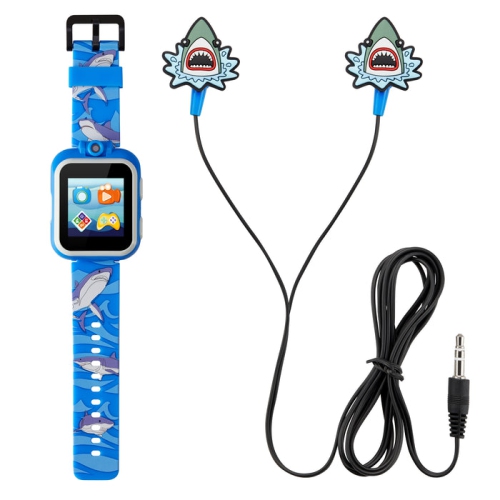 Your price for this item is $38.98
 -
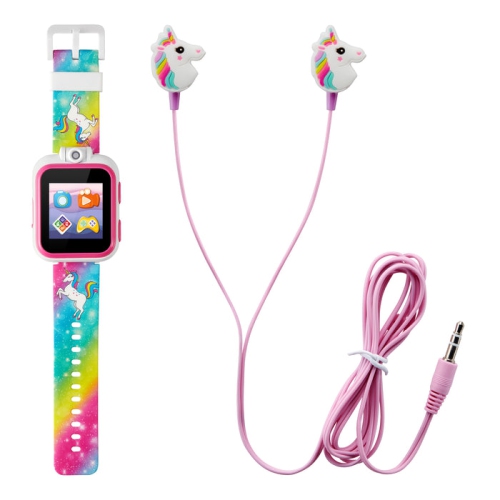 Your price for this item is $19.99
 -
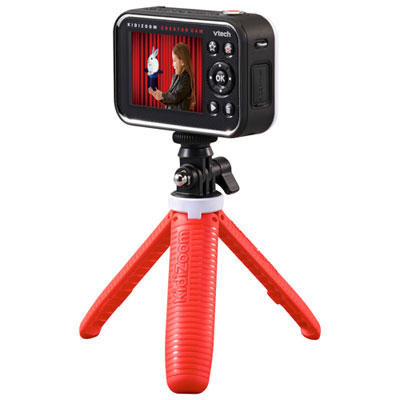 Your price for this item is $89.99
 -
![OSMO - Genius Starter Kit - for Ipad [Electronics]](https://multimedia.bbycastatic.ca/multimedia/products/500x500/188/18884/18884576.jpeg) Your price for this item is $199.99
Your price for this item is $199.99 -
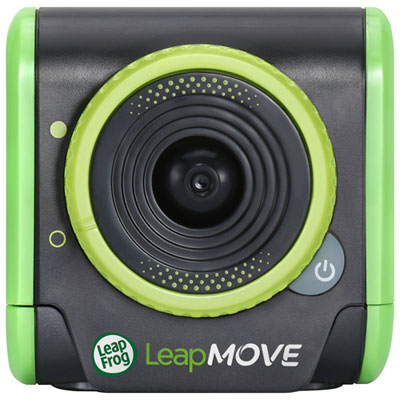 Your price for this item is $79.99
 -
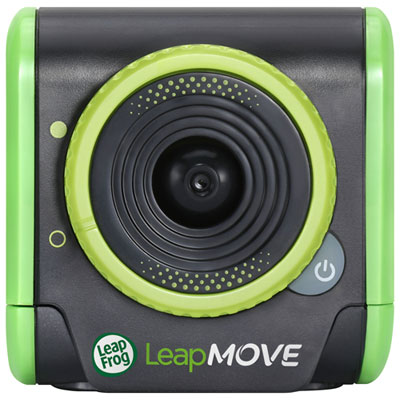 Your price for this item is $79.99
 -
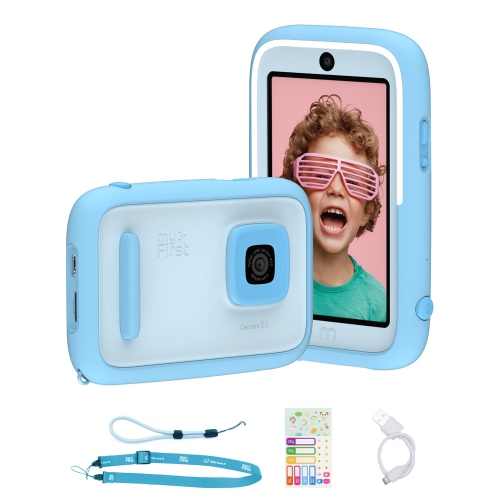 Your price for this item is $149
 -
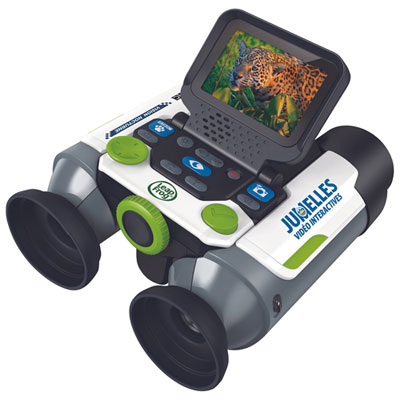 Your price for this item is $67.98
Discover more categories related to Teacher Tools
Top Collections:
Pokemon Centers, Kindle Devices, Best Budget Office Chairs, Apple iPhones 16, Best Laptops for Writers, iPhone 15 Apple, Canon G7X Cameras, Refurbished Apple Laptops, Alarm Clock, Motorola Razr Phones
Some products may be subject to Environmental Handling Fees
(EHF) depending on your province.
Learn more about EHFs.