TPU Filament
TPU Filament is a popular choice for 3D printing enthusiasts and professionals looking to achieve high-quality results with their projects. Known for its versatility, TPU Filament is widely used in a variety of applications, making it an essential material for creative and functional prints alike. Explore a range of options to find the right TPU Filament for your next 3D printing job and enjoy reliable performance for all your designs.
Sort

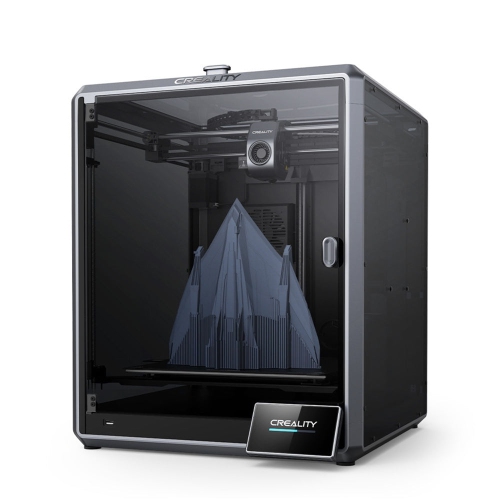
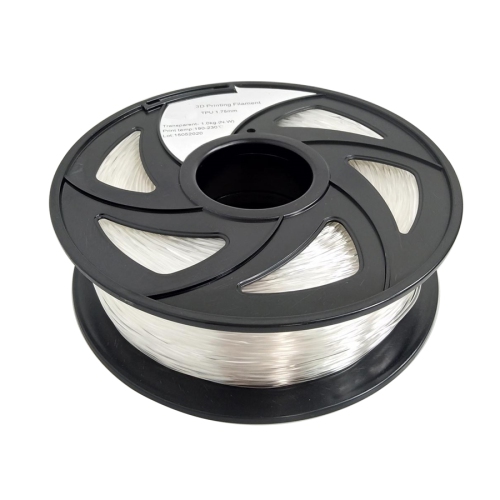
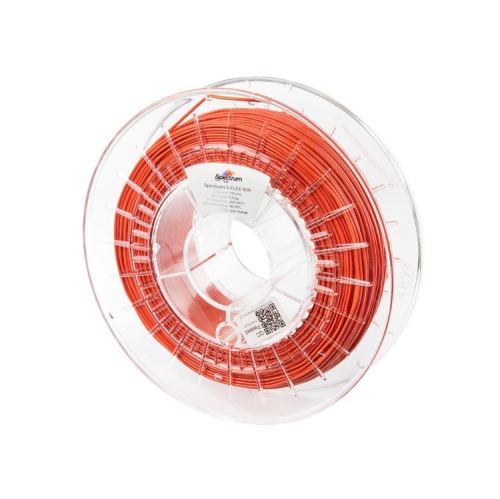
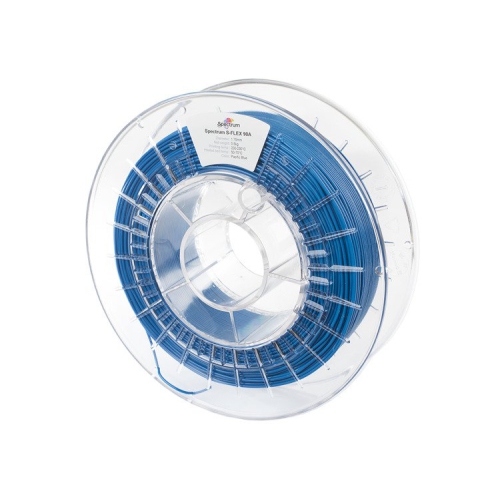
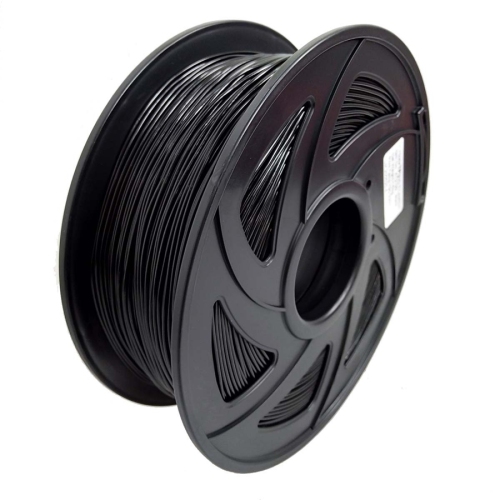
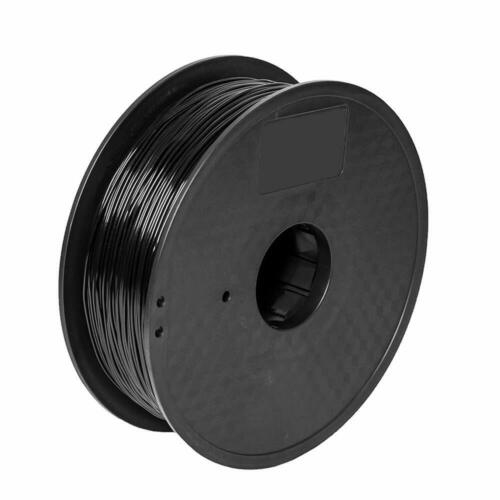
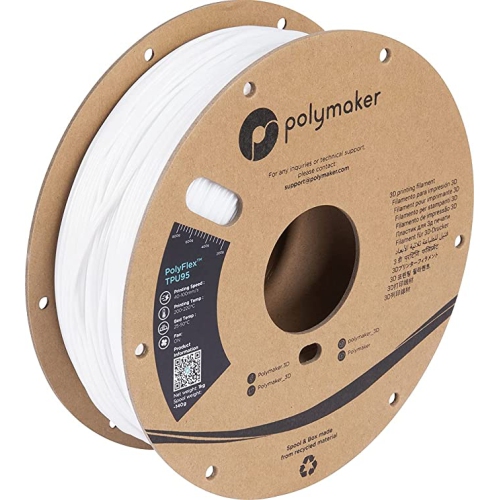
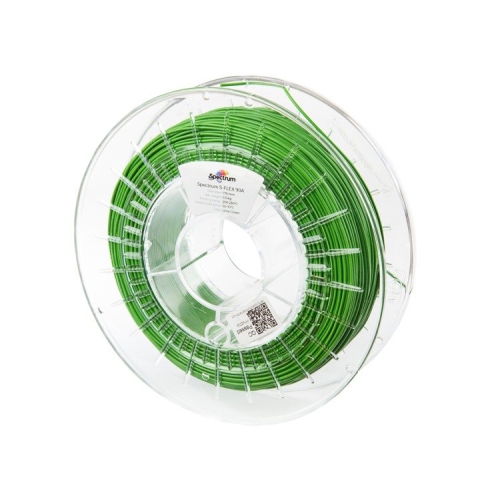
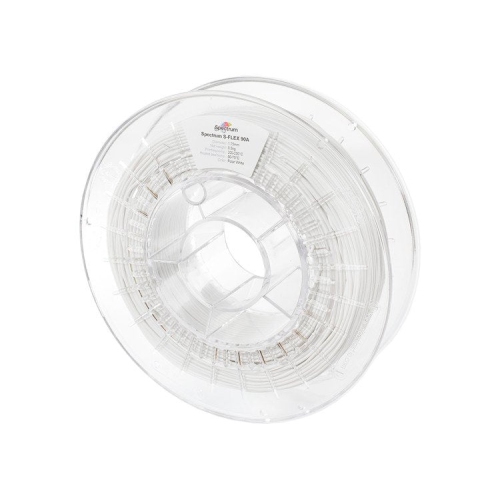

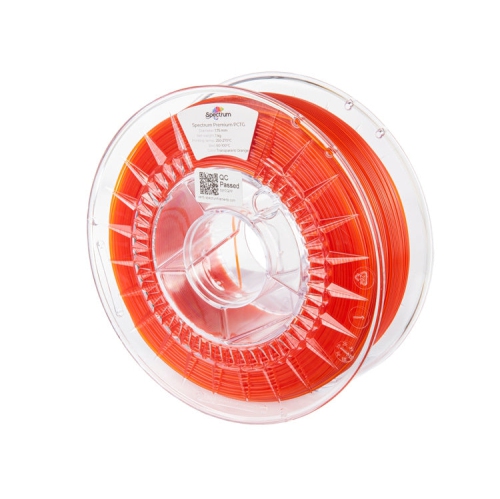
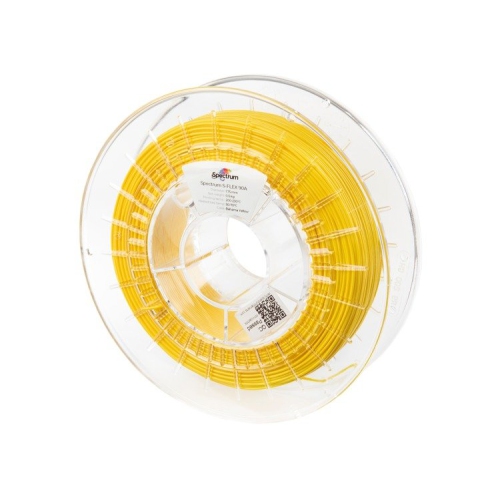
Flexible, durable printing for creative projects and prototypes
TPU filament, or Thermoplastic Polyurethane, stands out as a go-to material for makers and professionals seeking flexibility, durability, and a touch of creativity in their 3D printing projects. Whether you’re an experienced hobbyist fine-tuning a custom drone part, an engineer prototyping shock-absorbing gaskets, or a parent helping a child design wearable accessories, TPU filament opens up a world of possibilities. Its signature rubber-like elasticity allows for the creation of items that bend, stretch, and return to their original shape—think of the satisfying give of a phone case as you snap it onto your device or the resilience of a protective bumper absorbing the bumps and knocks of everyday life. As winter lingers in February, many turn to indoor projects, making it an ideal time to experiment with TPU filament for crafting cozy, custom-fit grips for tools, soft-touch handles, or even flexible shoe soles that stand up to slushy sidewalks. The versatility of TPU means it’s equally at home in the hands of a designer creating fashion-forward wearables, a tech enthusiast building custom electronics enclosures, or a DIYer looking to reinforce household gadgets.
When looking to buy TPU, it’s important to consider a few key factors to ensure a successful printing experience. TPU filament comes in a range of Shore A hardness levels, with common options like 95A offering a balance of flexibility and strength, while softer variants like 60A provide ultra-flexible results for specialized applications. Print settings play a crucial role: TPU typically performs best at slower speeds—generally between 20 and 30 mm/s—and requires careful handling, especially on Bowden-style printers. For those new to flexible filaments, a direct-drive extruder is highly recommended to prevent jams and ensure smooth feeding. Because TPU is highly hygroscopic, it’s essential to store it in a dry environment and, if possible, dry it before use to avoid print imperfections. Temperature settings also matter: most TPU filaments print well between 220°C and 250°C, and while some users find success with a cold bed and adhesive, others prefer a gently heated bed between 20°C and 60°C. These technical details might sound daunting at first, but with a bit of patience and practice, printing with TPU becomes a rewarding process, yielding parts that are not only functional but also uniquely personal.
TPU filament is a thoughtful gift for anyone with a 3D printer and a passion for hands-on creativity. Imagine surprising a friend who loves to tinker with a spool of TPU, inspiring them to design custom keychains, cable organizers, or even pet accessories that stand up to daily wear and tear. For students and educators, TPU offers a tactile way to explore engineering concepts, from shock absorption to material science, all while building practical items for school or home. If you’re expanding your own printing repertoire, adding TPU to your filament collection can unlock new project ideas, whether you’re reinforcing a favourite tool, designing ergonomic grips for winter sports gear, or prototyping parts that need to withstand impact and flexing. And if you’re interested in exploring other materials for more rigid applications, check out our selection of White PLA Filament for crisp, detailed prints with a classic finish. With the right TPU filament and a bit of experimentation, you’ll be ready to tackle projects that demand both flexibility and lasting durability, no matter the season.
When looking to buy TPU, it’s important to consider a few key factors to ensure a successful printing experience. TPU filament comes in a range of Shore A hardness levels, with common options like 95A offering a balance of flexibility and strength, while softer variants like 60A provide ultra-flexible results for specialized applications. Print settings play a crucial role: TPU typically performs best at slower speeds—generally between 20 and 30 mm/s—and requires careful handling, especially on Bowden-style printers. For those new to flexible filaments, a direct-drive extruder is highly recommended to prevent jams and ensure smooth feeding. Because TPU is highly hygroscopic, it’s essential to store it in a dry environment and, if possible, dry it before use to avoid print imperfections. Temperature settings also matter: most TPU filaments print well between 220°C and 250°C, and while some users find success with a cold bed and adhesive, others prefer a gently heated bed between 20°C and 60°C. These technical details might sound daunting at first, but with a bit of patience and practice, printing with TPU becomes a rewarding process, yielding parts that are not only functional but also uniquely personal.
TPU filament is a thoughtful gift for anyone with a 3D printer and a passion for hands-on creativity. Imagine surprising a friend who loves to tinker with a spool of TPU, inspiring them to design custom keychains, cable organizers, or even pet accessories that stand up to daily wear and tear. For students and educators, TPU offers a tactile way to explore engineering concepts, from shock absorption to material science, all while building practical items for school or home. If you’re expanding your own printing repertoire, adding TPU to your filament collection can unlock new project ideas, whether you’re reinforcing a favourite tool, designing ergonomic grips for winter sports gear, or prototyping parts that need to withstand impact and flexing. And if you’re interested in exploring other materials for more rigid applications, check out our selection of White PLA Filament for crisp, detailed prints with a classic finish. With the right TPU filament and a bit of experimentation, you’ll be ready to tackle projects that demand both flexibility and lasting durability, no matter the season.
Top selling and popular products
-
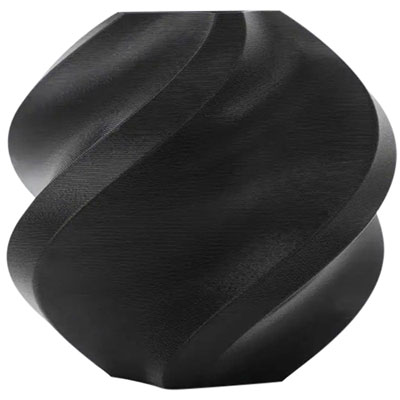 Your price for this item is $22.99
 -
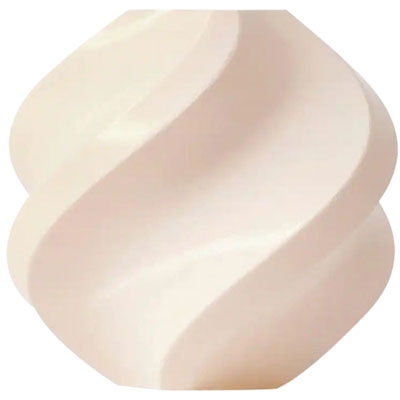 Your price for this item is $22.99
 -
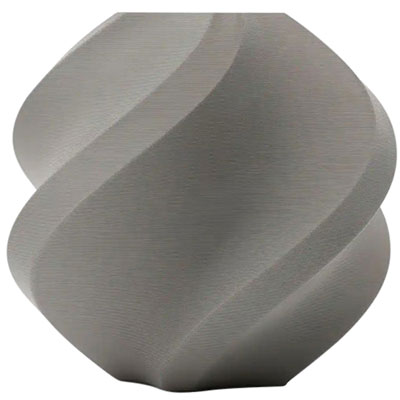 Your price for this item is $22.99
 -
 Your price for this item is $22.99
 -
 Your price for this item is $22.99
 -
 Your price for this item is $22.99
 -
 Your price for this item is $22.99
 -
 Your price for this item is $22.99
Discover more categories related to TPU Filament
Top Collections:
Pokemon Centers, Kindle Devices, Best Budget Office Chairs, Apple iPhones 16, Best Laptops for Writers, iPhone 15 Apple, Canon G7X Cameras, Refurbished Apple Laptops, Alarm Clock, Motorola Razr Phones
Some products may be subject to Environmental Handling Fees
(EHF) depending on your province.
Learn more about EHFs.