Constant Aperture Zoom Lenses
Constant aperture zoom lenses maintain the same maximum aperture throughout their zoom range, helping you keep exposure consistent as you change focal lengths. Compare lens mount compatibility, focal length range, and maximum aperture to find an option that fits your camera and shooting needs.







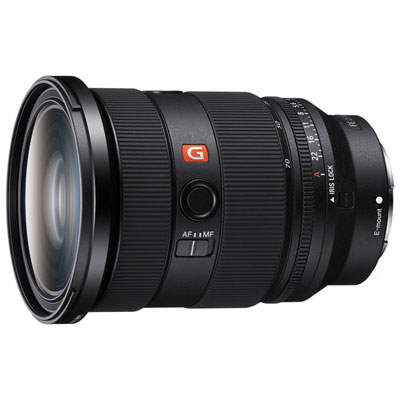
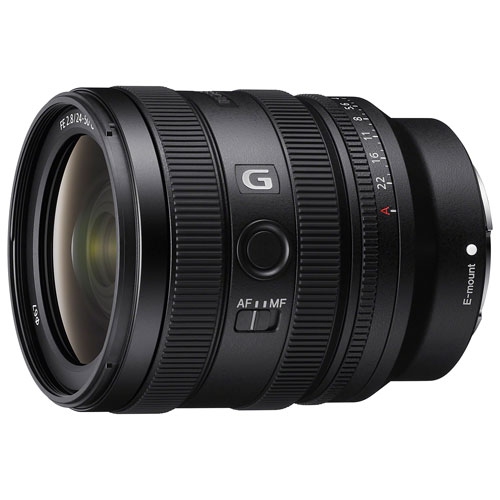
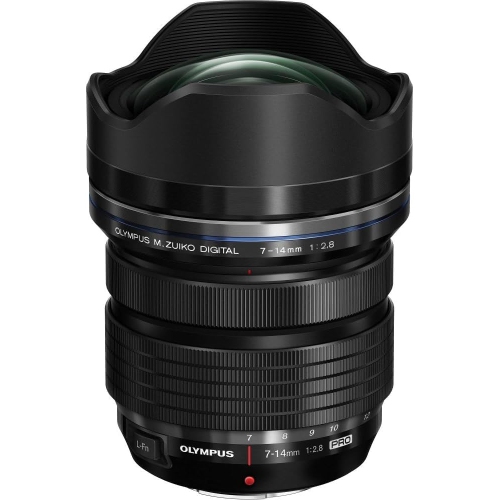






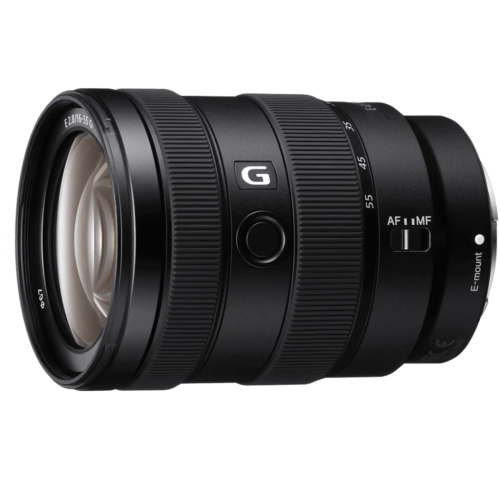
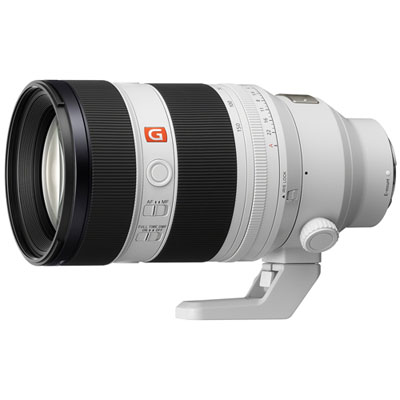

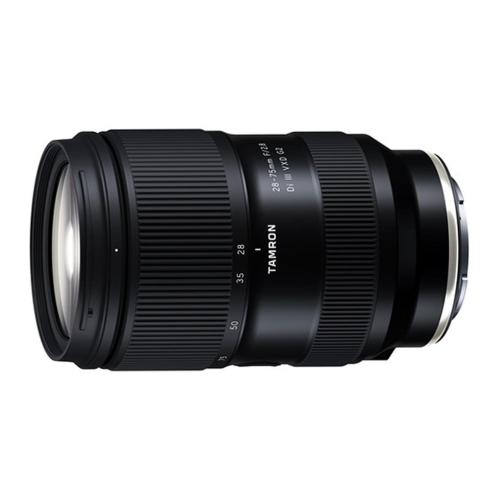
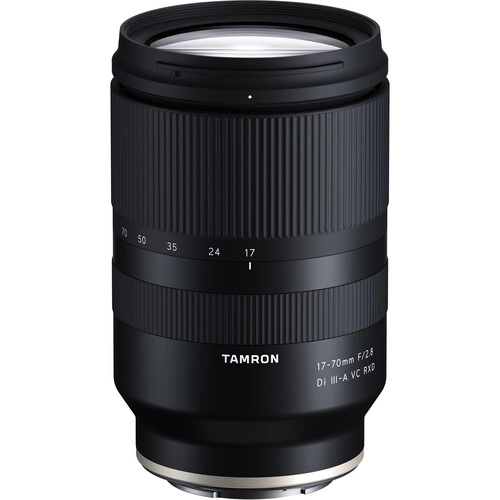




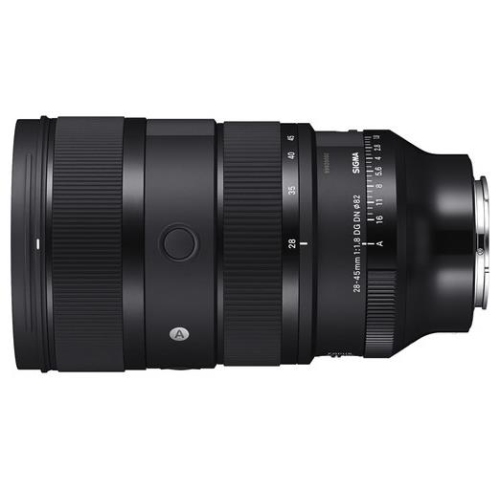
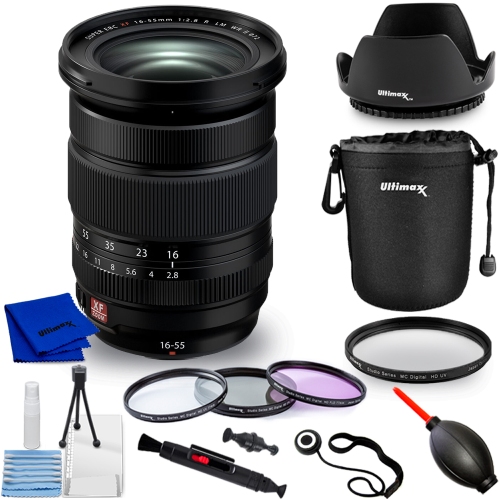
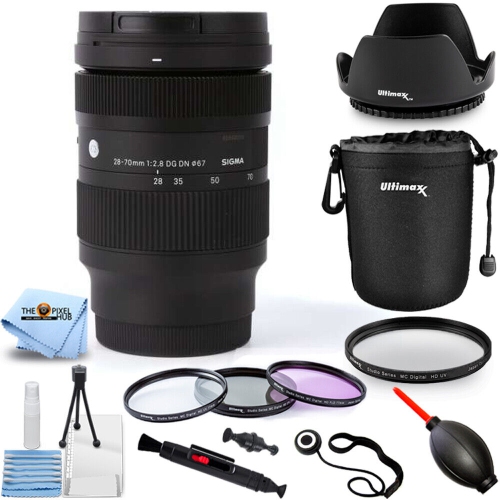
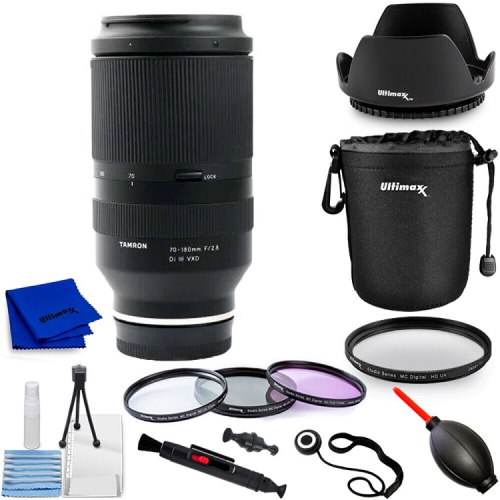
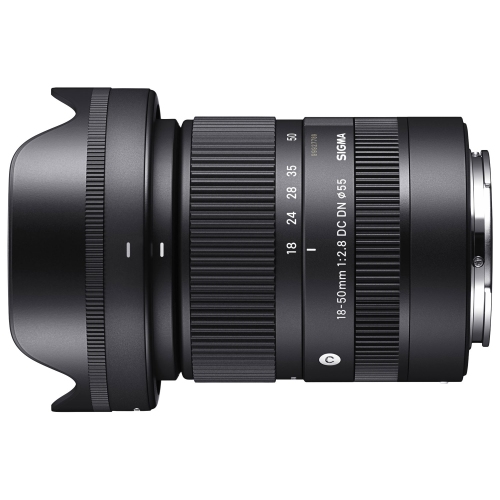

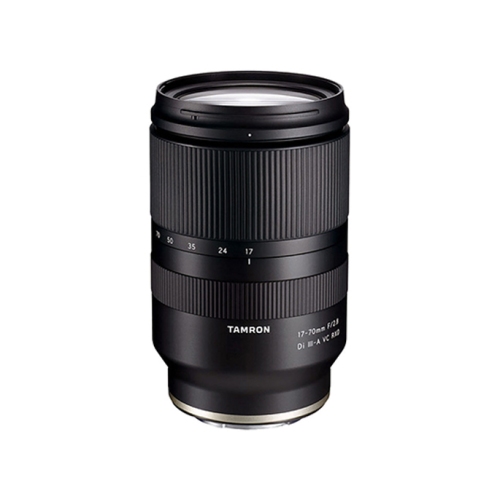

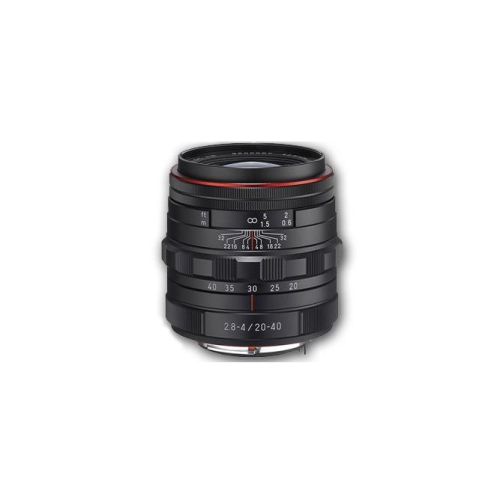







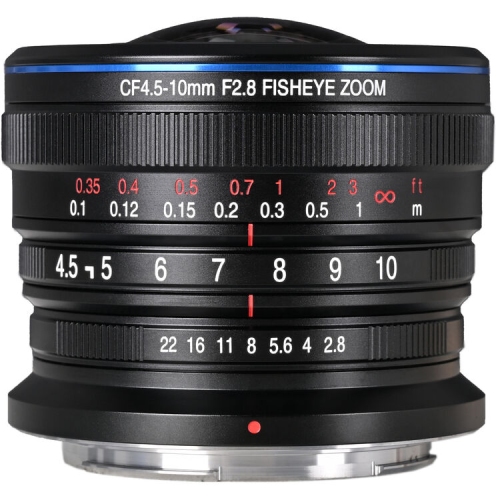
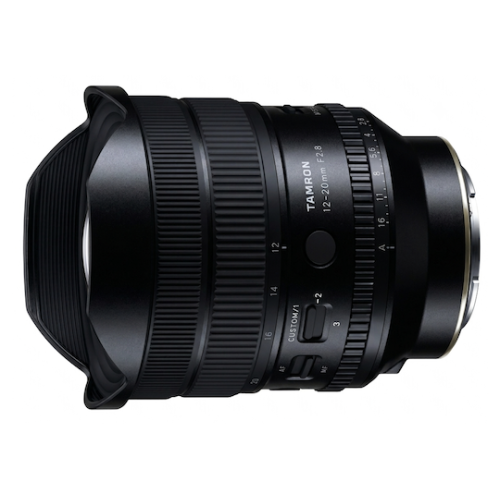
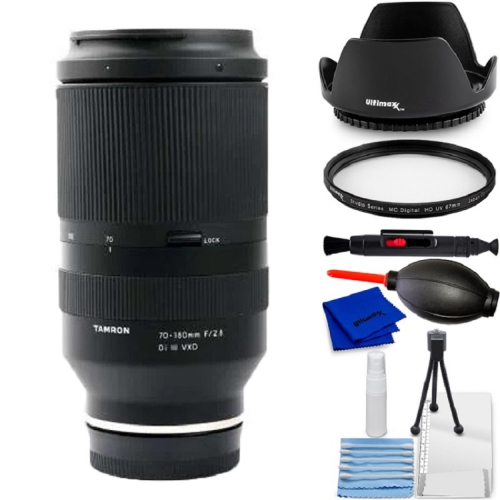
FAQ
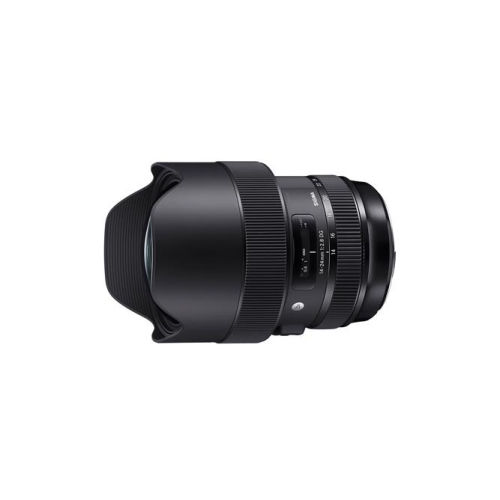
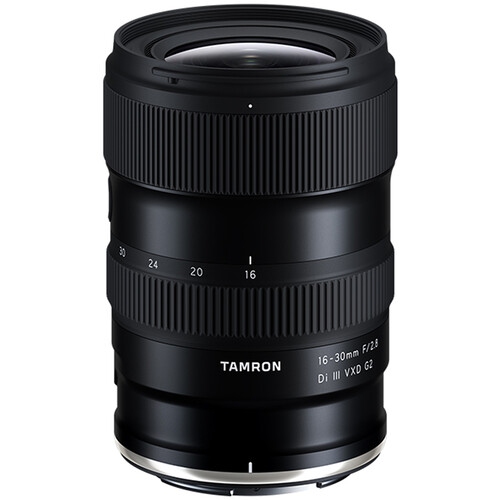
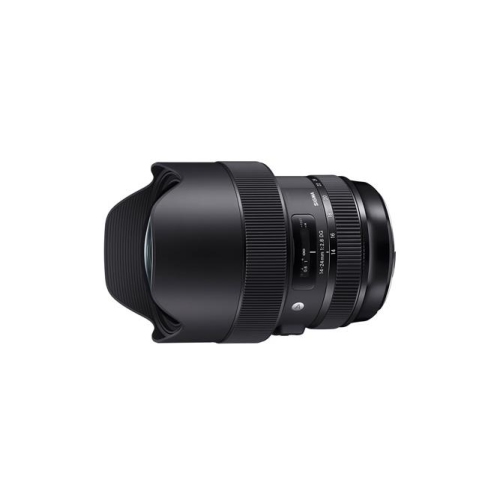
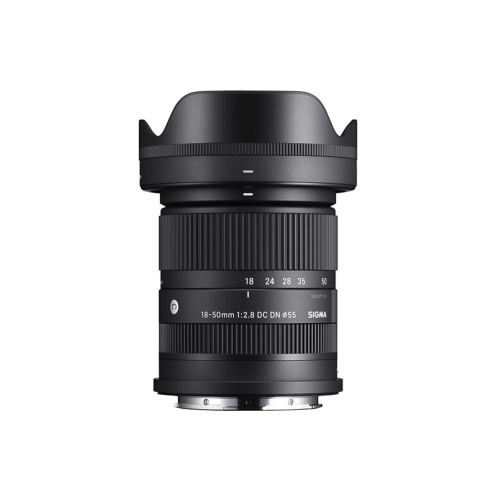
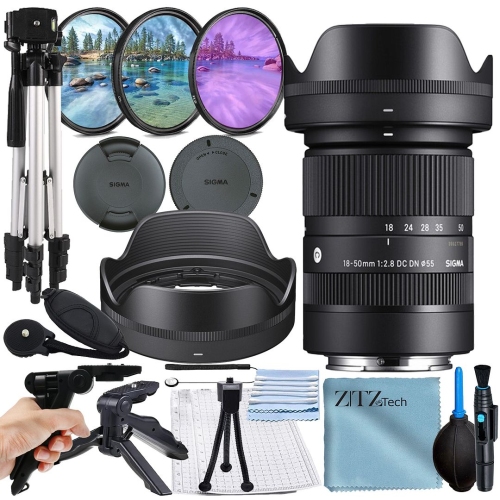
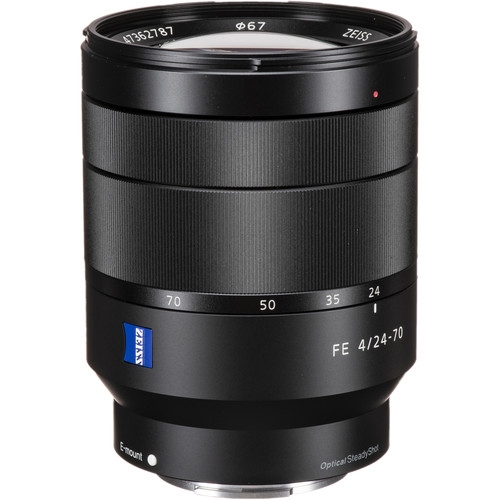
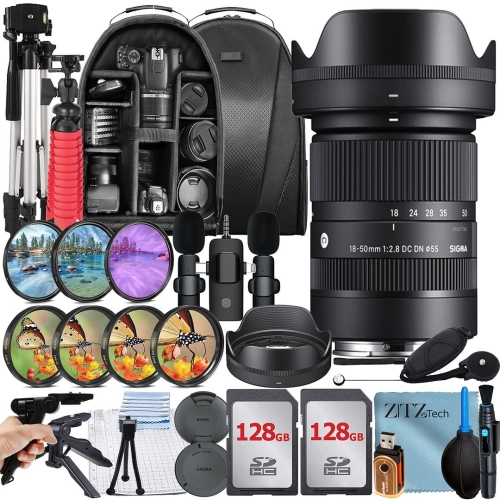
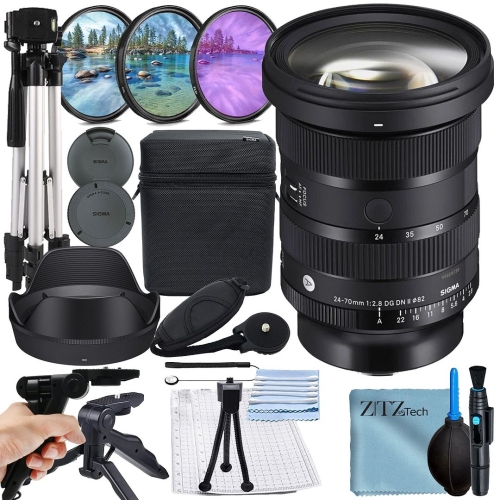
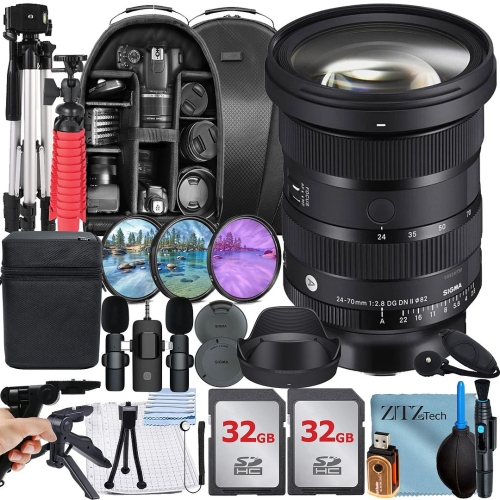
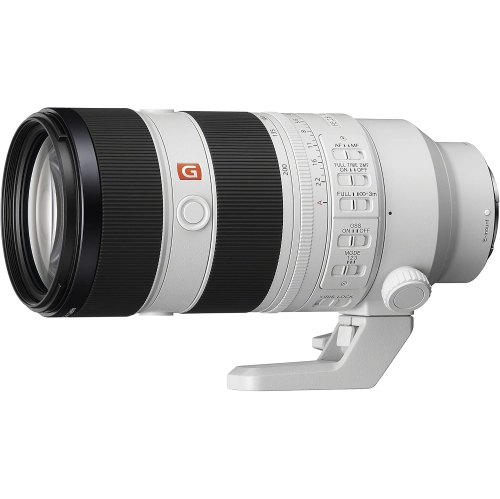
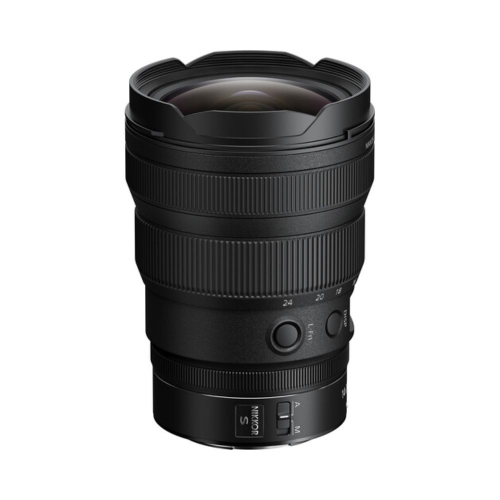
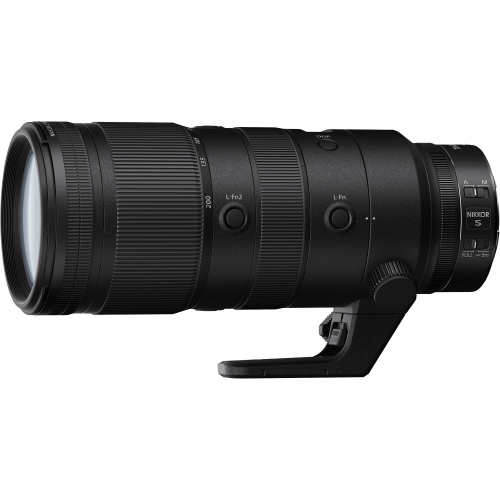
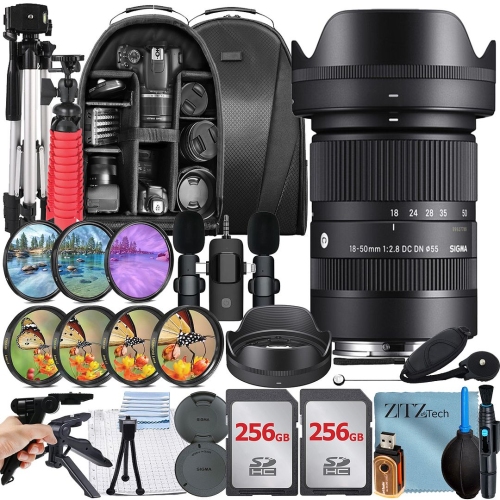
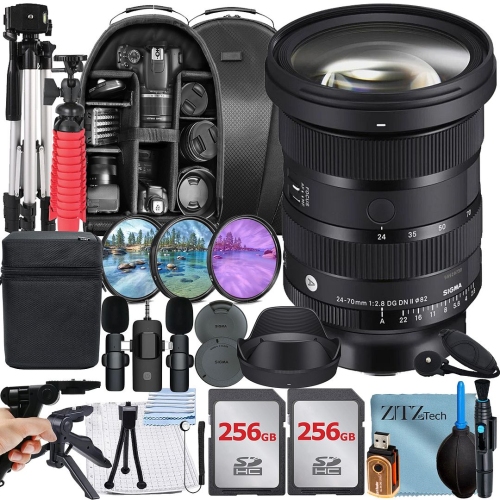
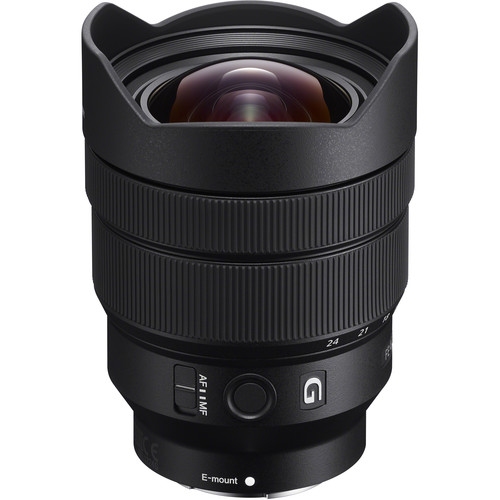
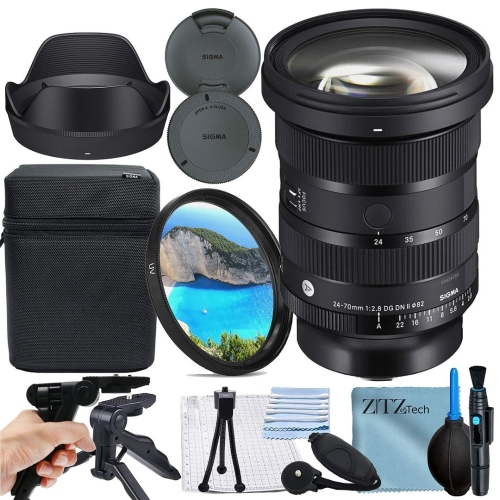
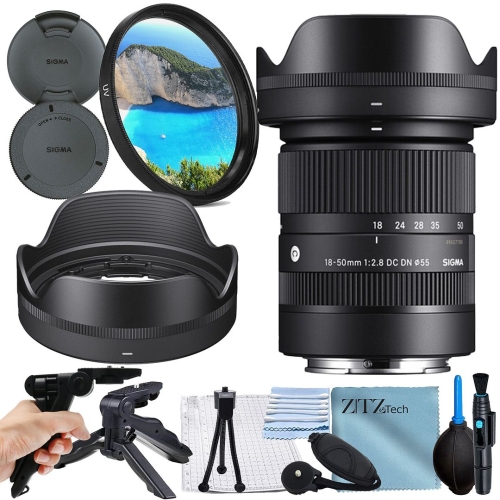
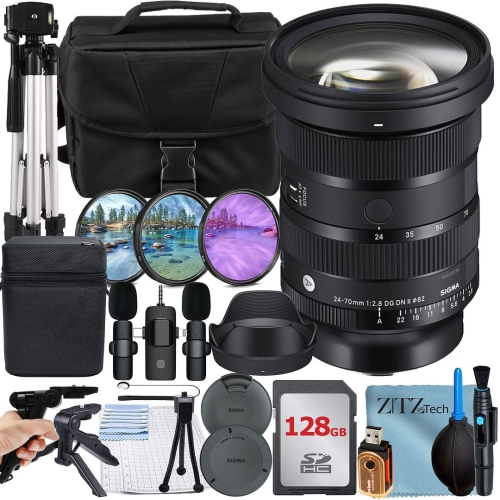
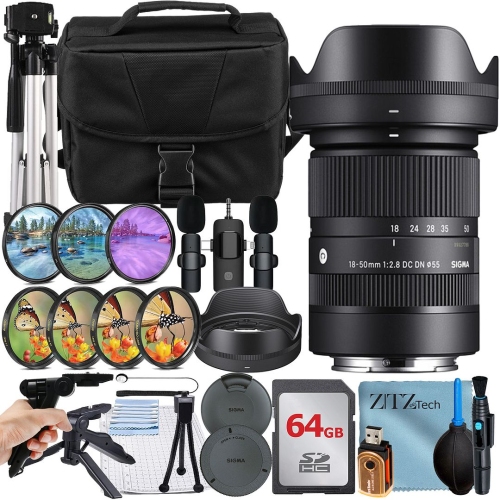
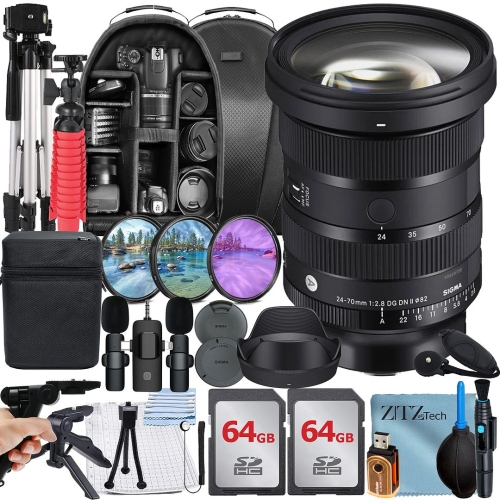
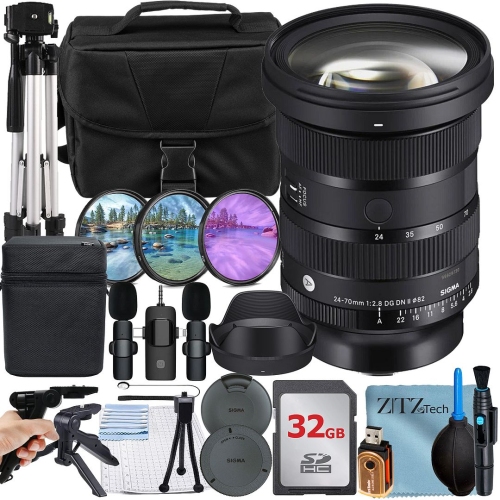
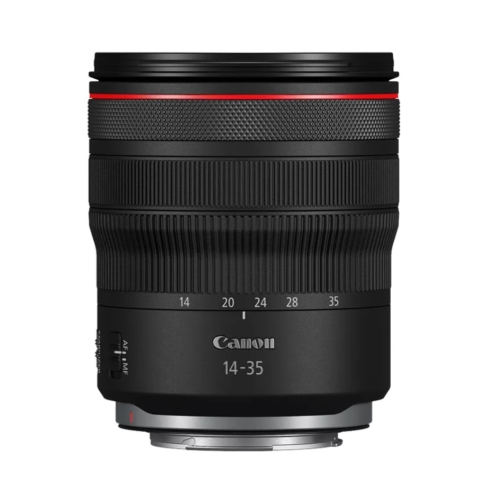
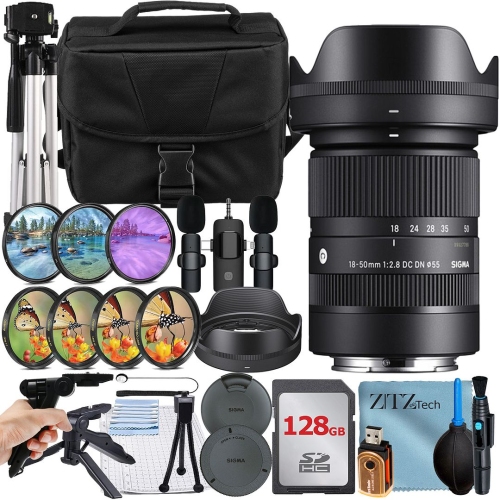
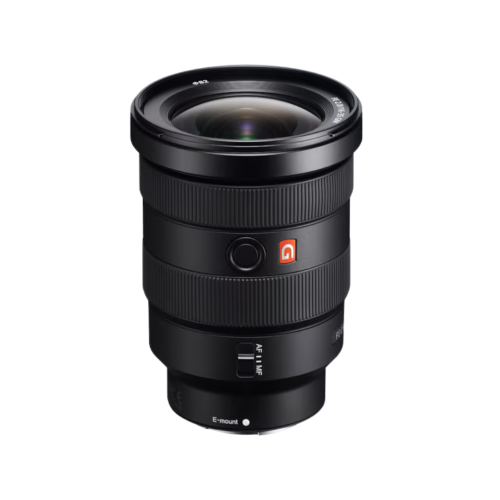
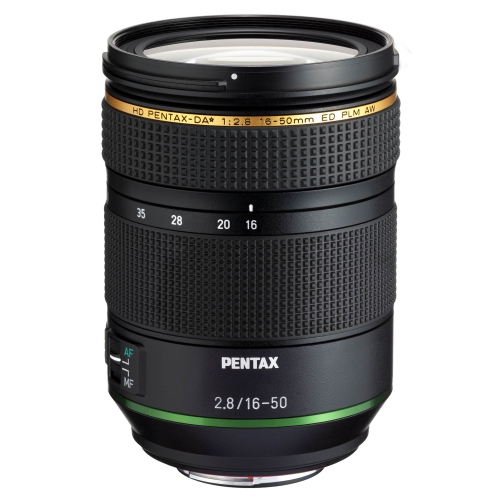
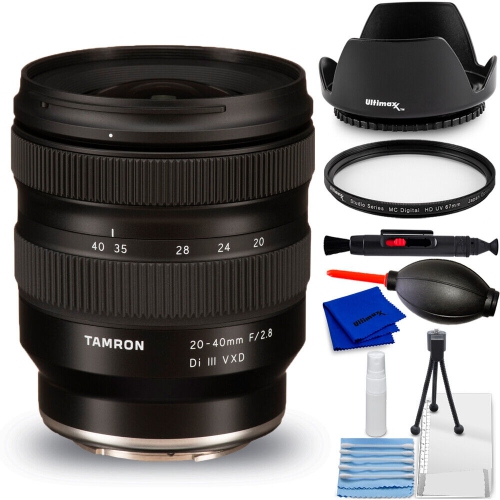
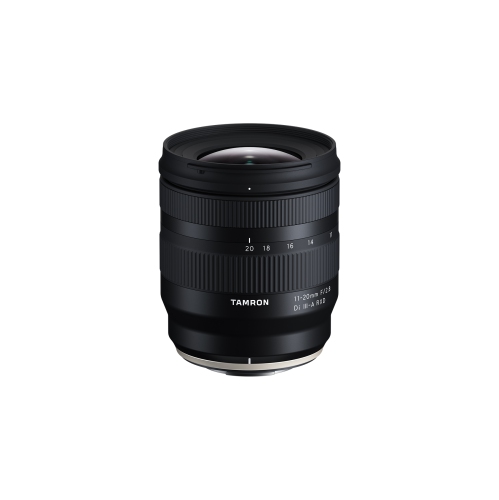
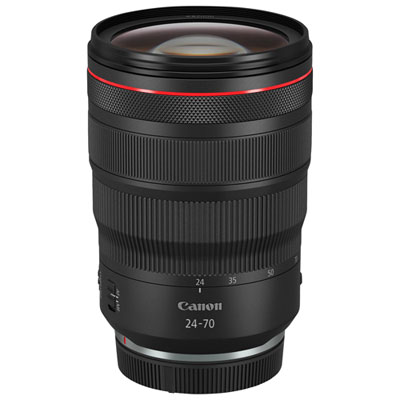
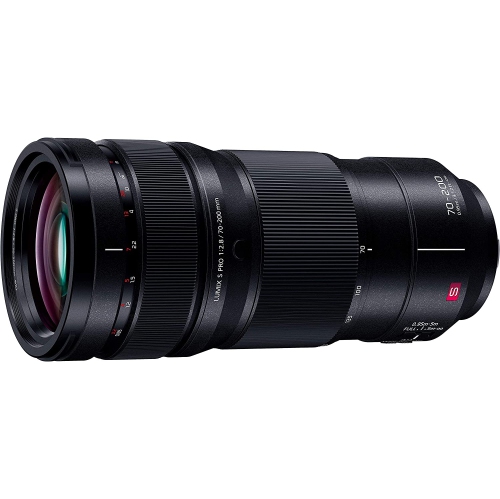
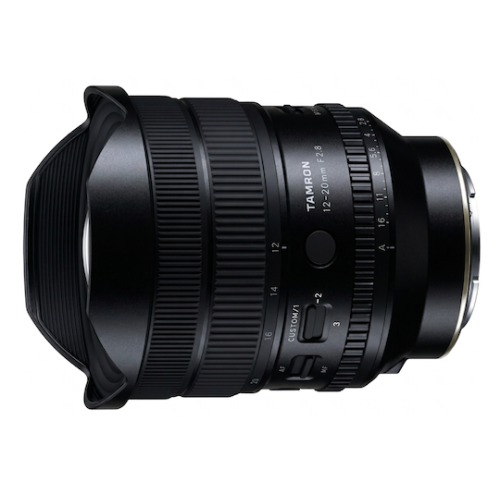
A constant aperture zoom lens maintains the same maximum aperture throughout its zoom range. For example, a lens with a constant f/2.8 maximum aperture lets you select f/2.8 at any focal length within that range.
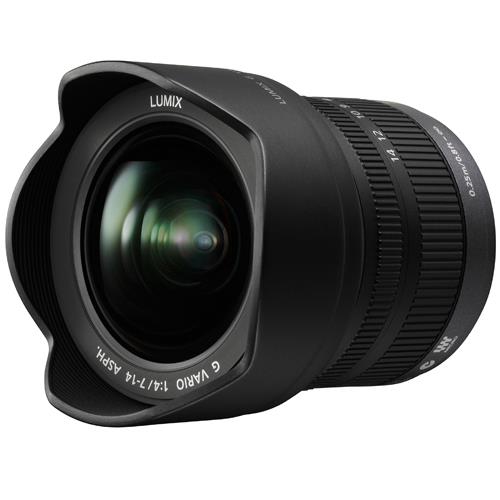
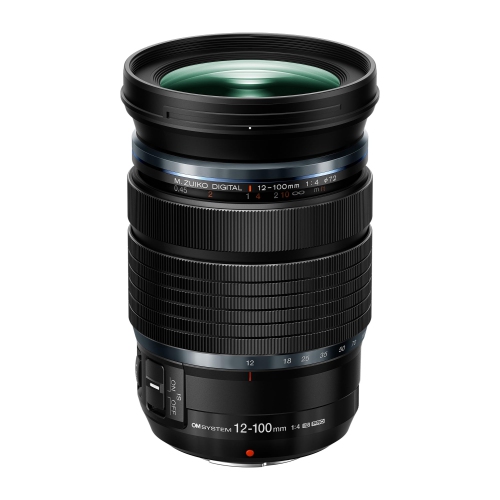
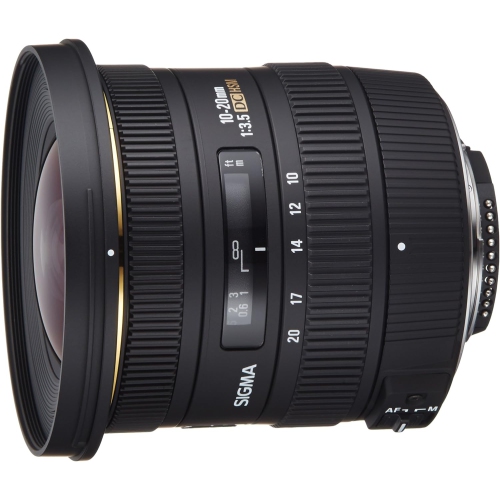
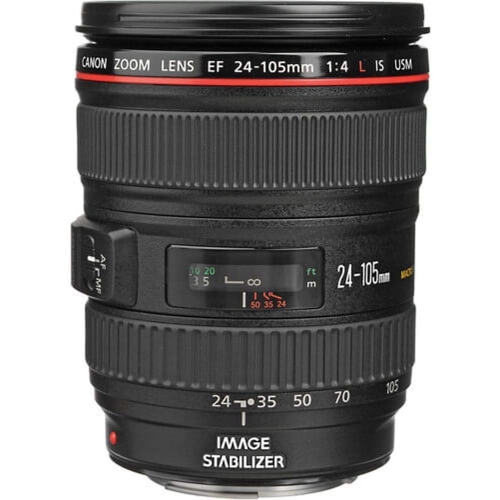
The difference is how the maximum aperture changes as you zoom. A constant aperture lens keeps the same maximum f-number throughout its focal length range. A variable aperture lens typically has a maximum aperture that becomes narrower as you zoom towards the telephoto end, often indicated by a marking such as f/3.5–5.6.
Yes. Constant aperture refers to the maximum aperture available throughout the zoom range, not a permanently fixed setting. You can select a narrower aperture, such as f/8 or f/11, using your camera controls or an aperture ring, depending on the lens.
No. A zoom lens lets you change focal length, while a prime lens has one fixed focal length. The word constant describes the zoom lens’s maximum aperture, not its focal length. Both types generally let you adjust the aperture.
Check the lens mount, supported camera system, and sensor coverage against your camera’s specifications. A matching brand name alone does not guarantee compatibility. If an adapter is required, confirm whether it supports features such as autofocus and electronic aperture control with your camera and lens combination.
Top selling and popular products
Discover more categories related to Constant Aperture Zoom Lenses
Some products may be subject to Environmental Handling Fees (EHF) depending on your province. Learn more about EHFs.