Zoom Lenses for Cameras
Capture every detail with precision and clarity using our extensive collection of zoom lenses for cameras. Whether you're a professional photographer seeking the perfect shot or an avid enthusiast looking to elevate your photography skills, zoom lenses offer versatility, exceptional image quality, and enhanced creative possibilities. Explore a wide selection of zoom lenses designed to fit various camera models and unlock the full potential of your photography adventures.
Sort
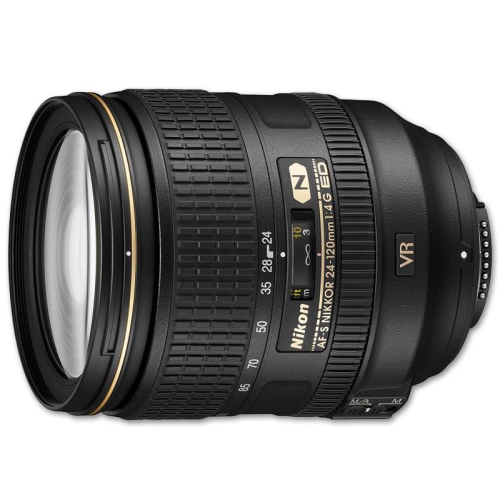
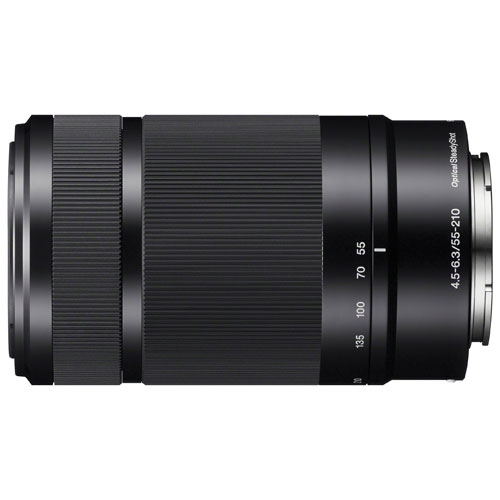
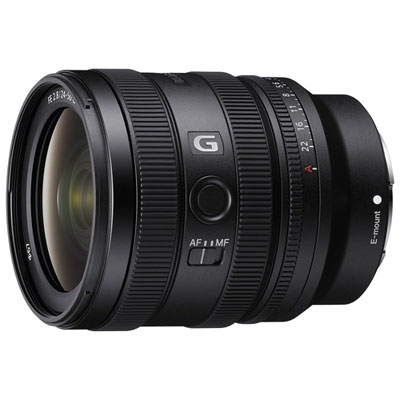
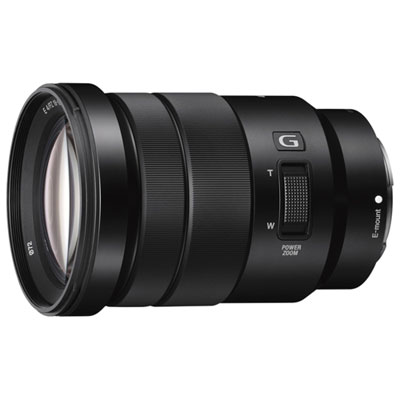

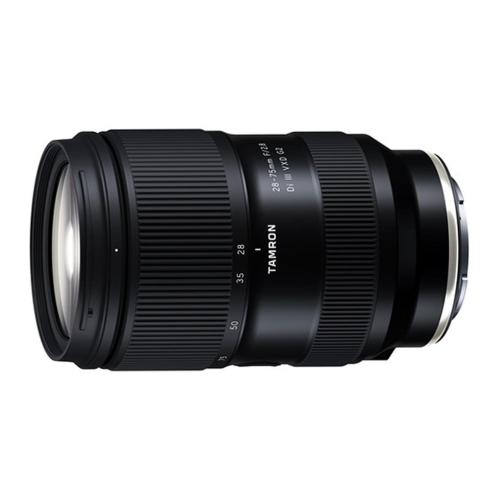
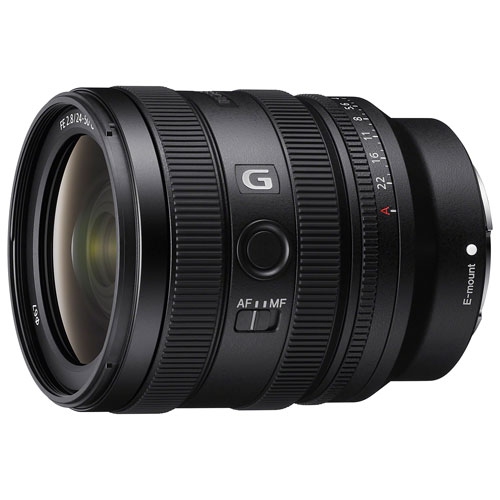
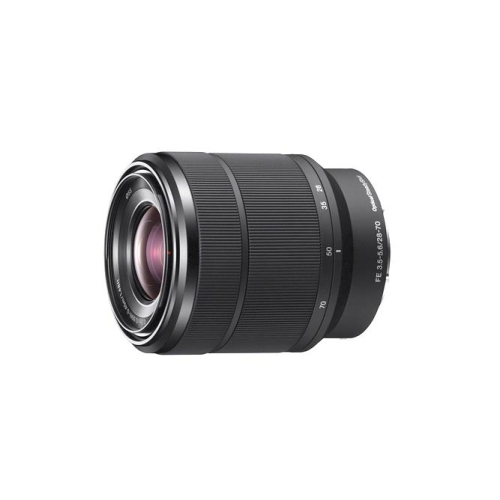

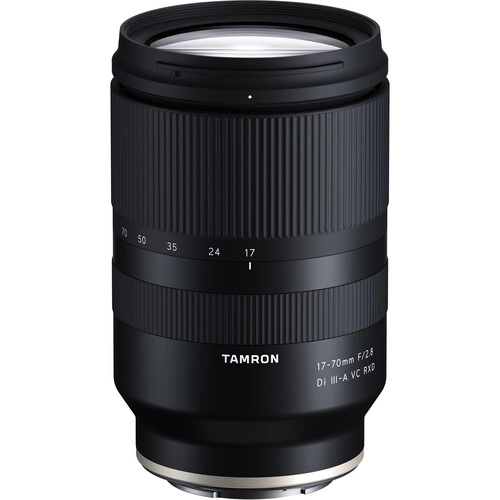
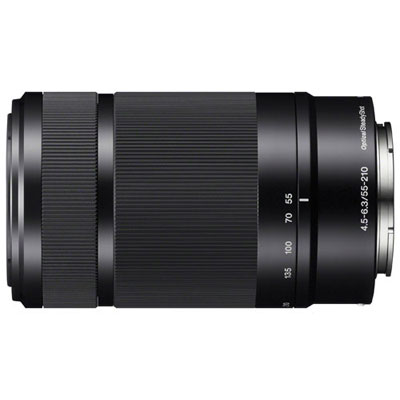
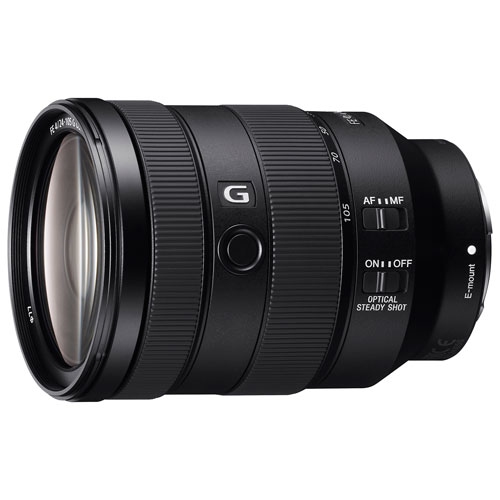

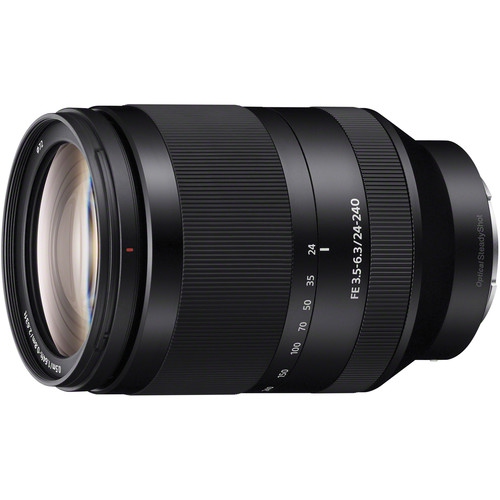
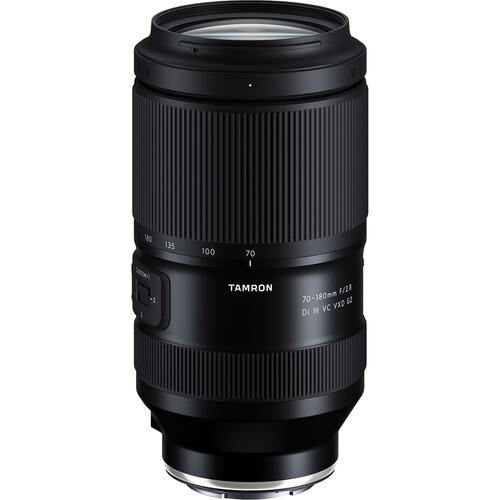
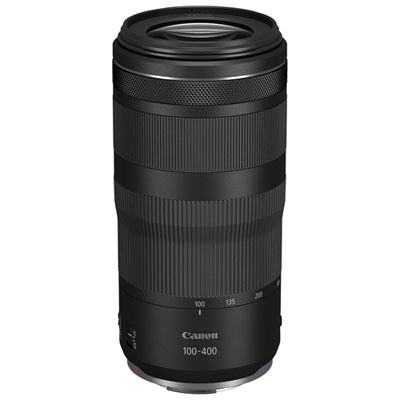
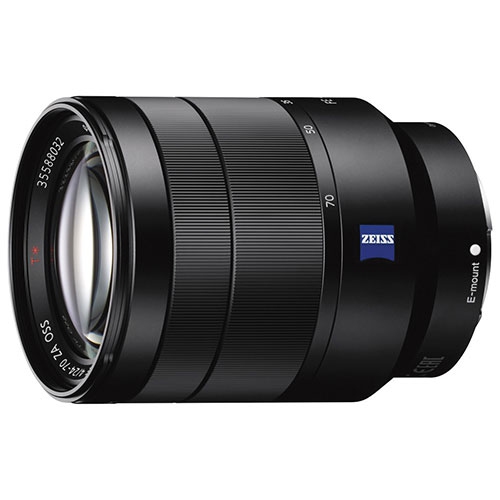
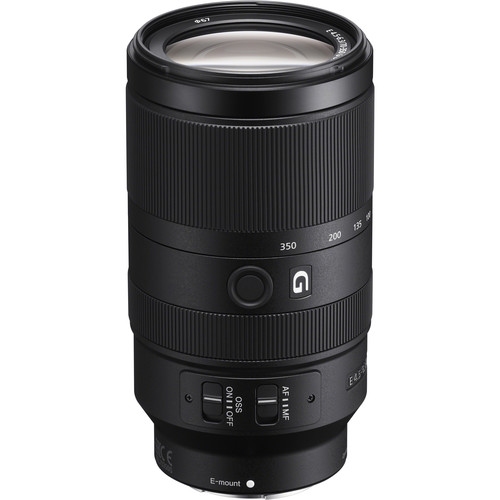
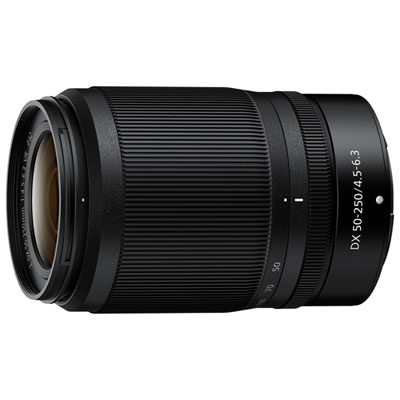
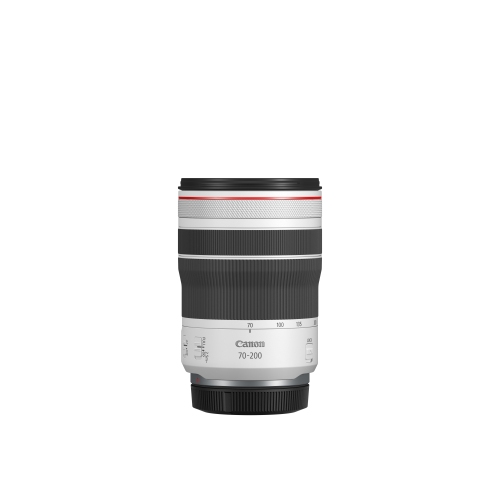
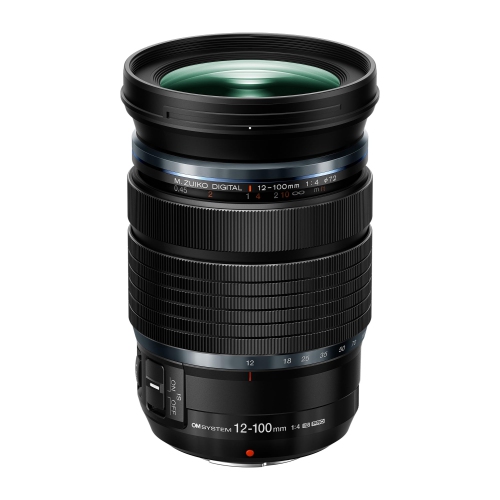
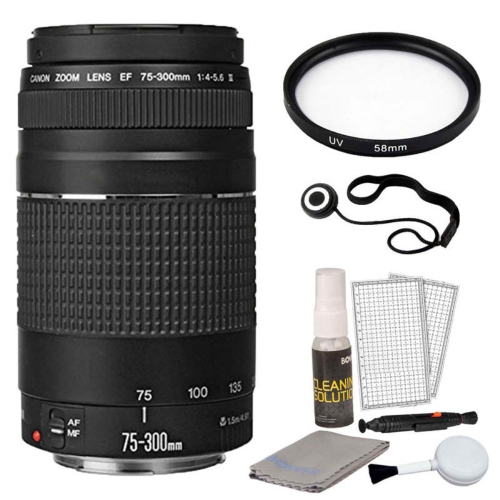
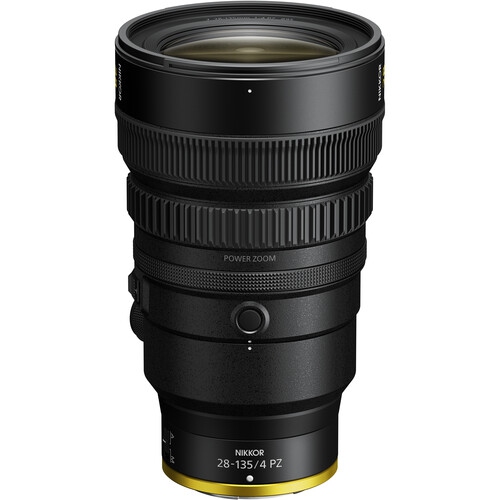
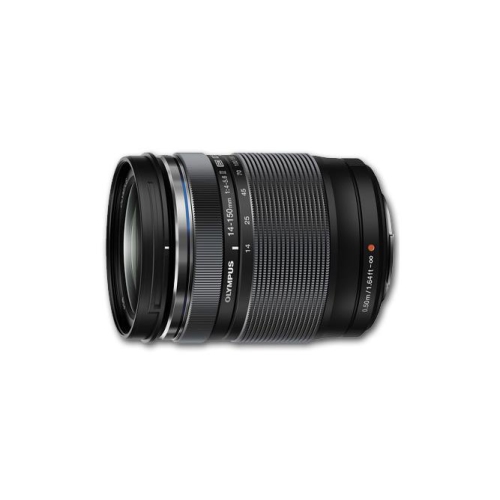
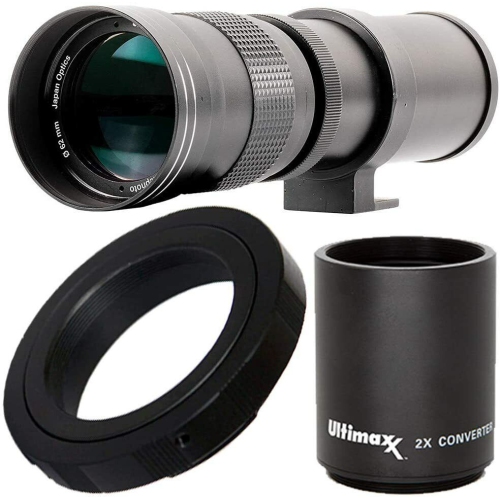
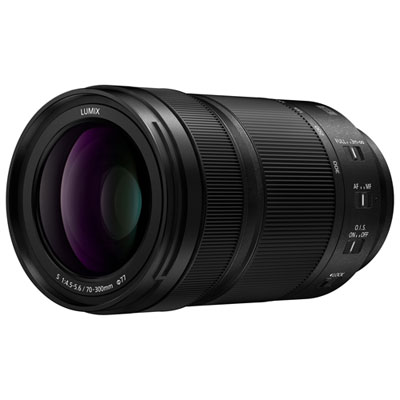

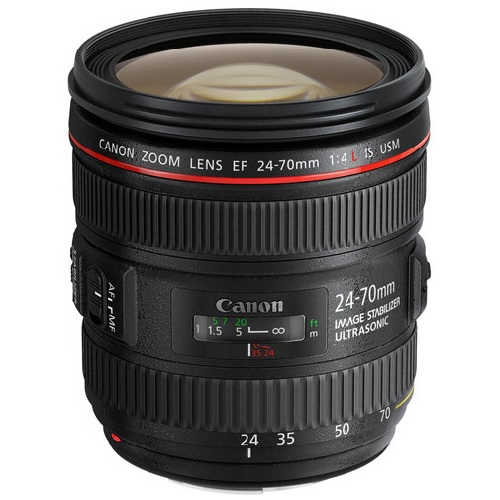

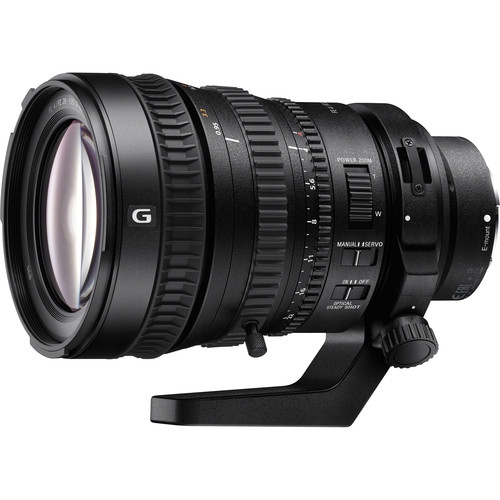
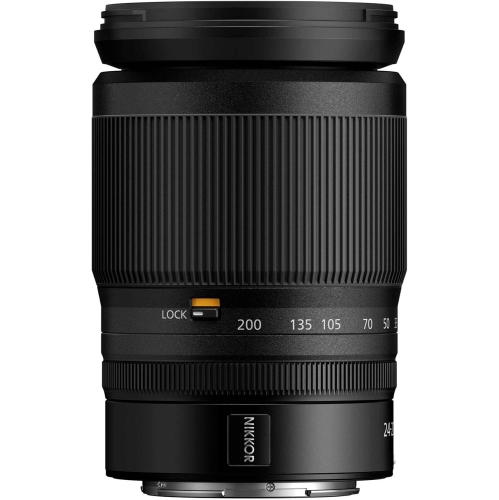

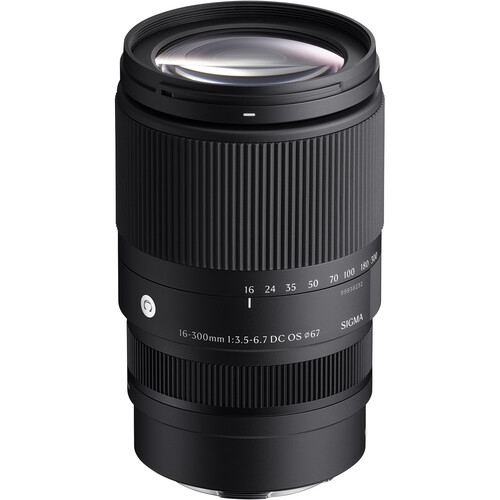
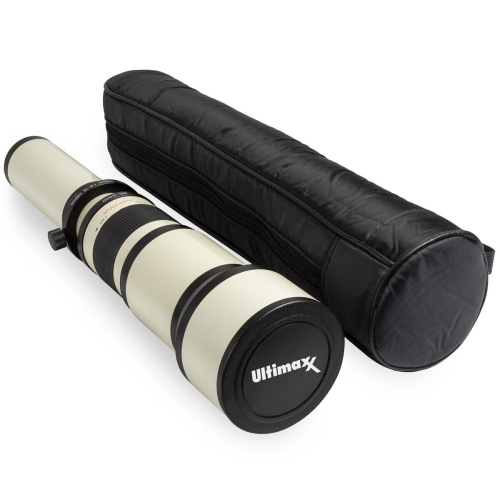
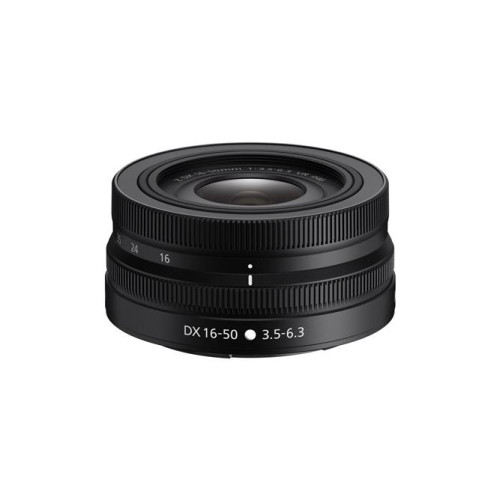
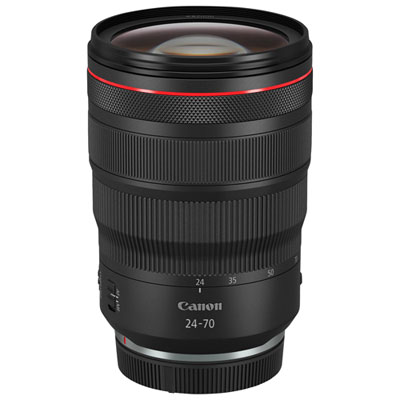
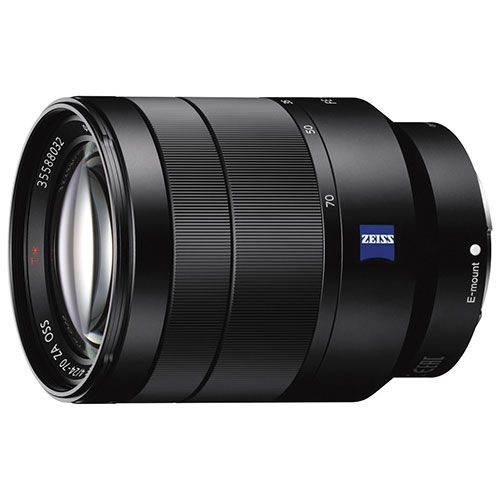

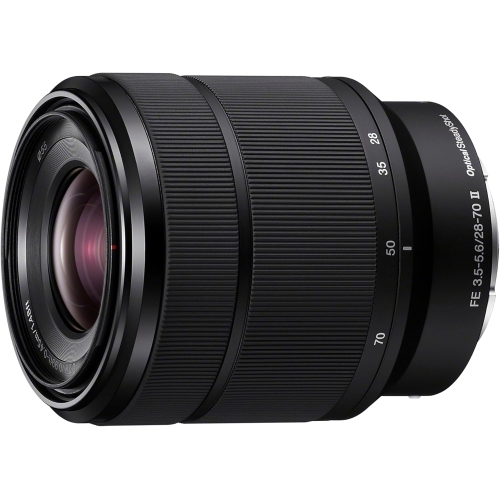
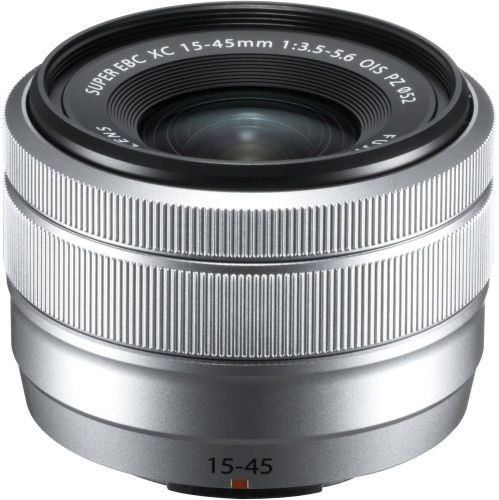
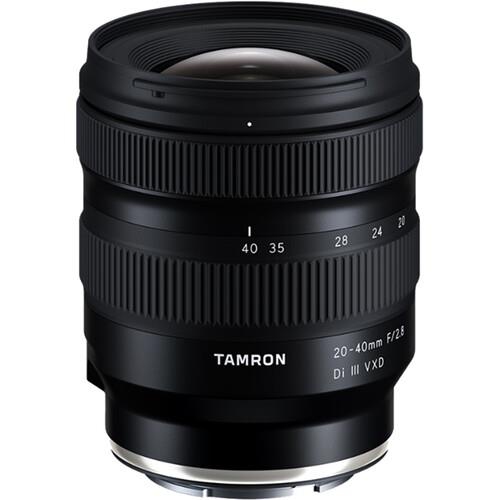
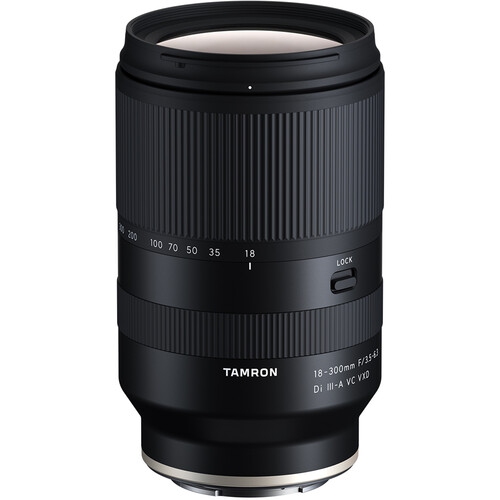

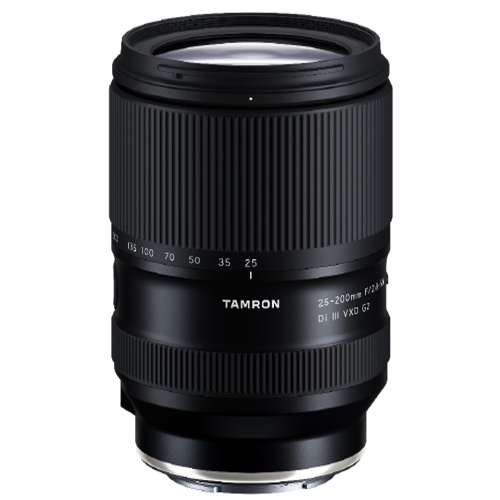
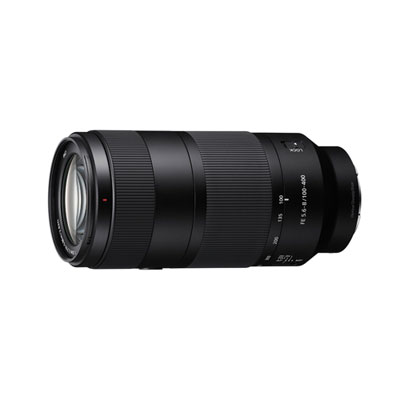
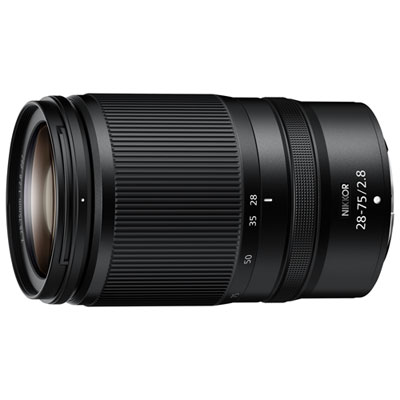
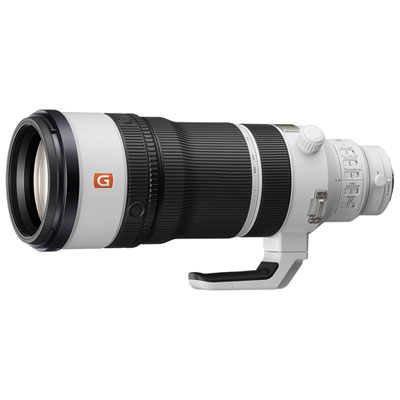
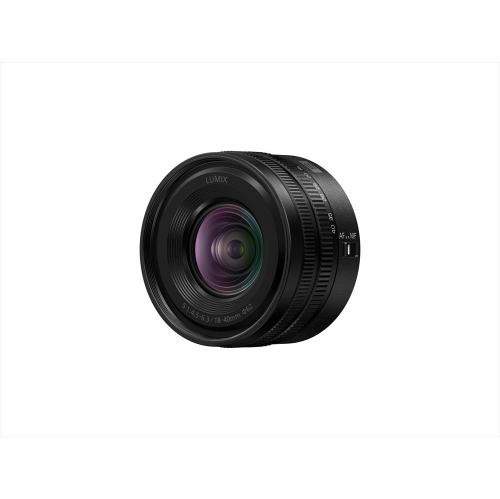
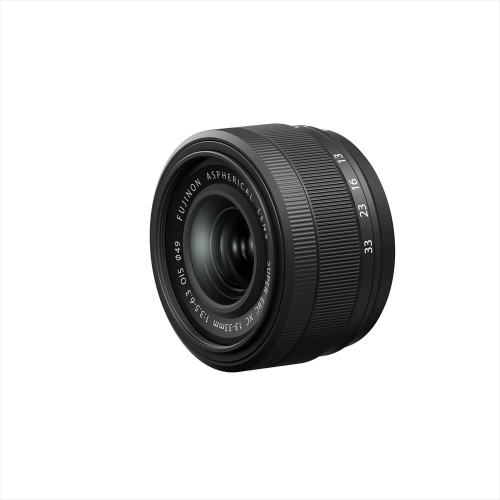
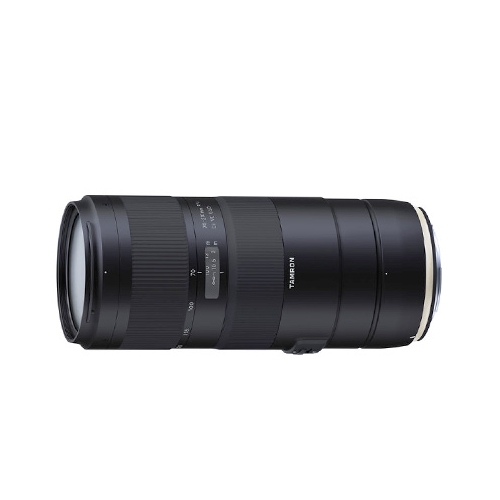


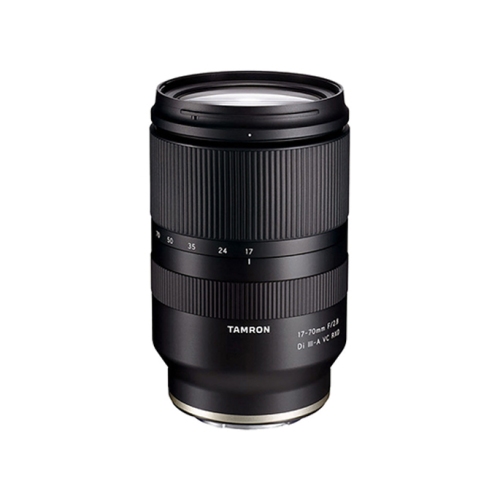
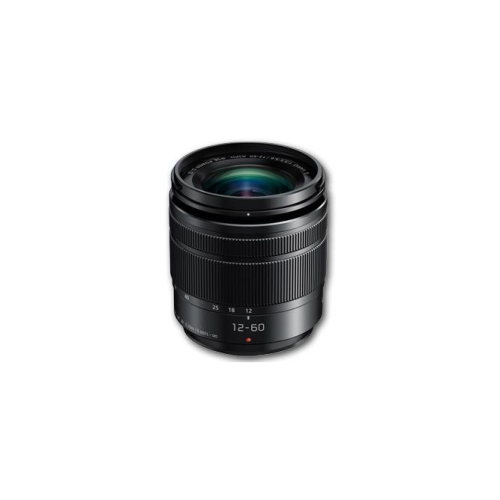

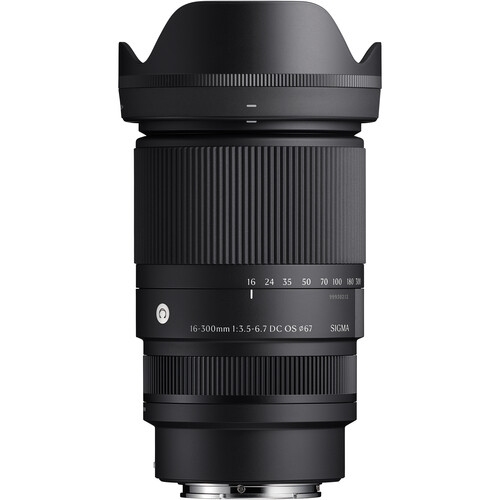


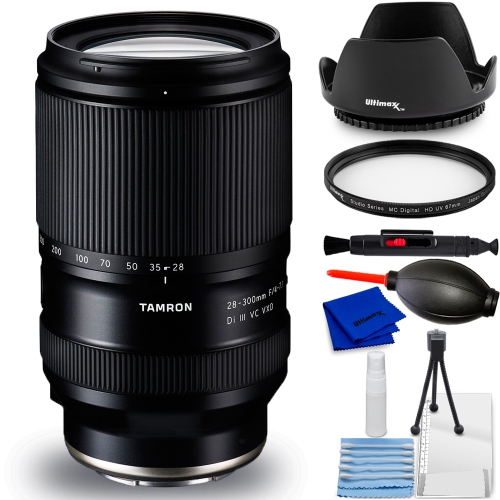
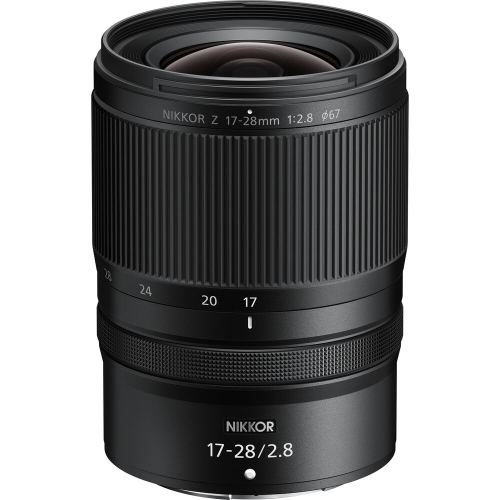
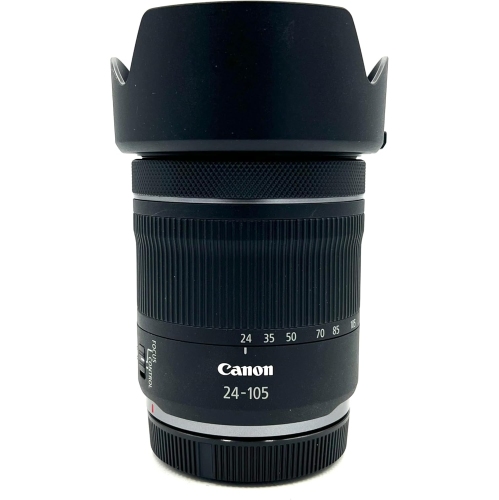
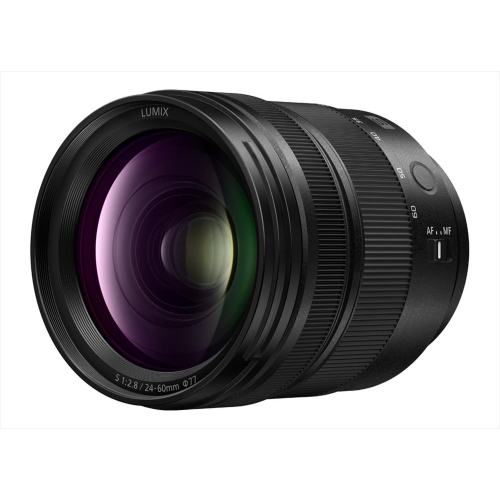
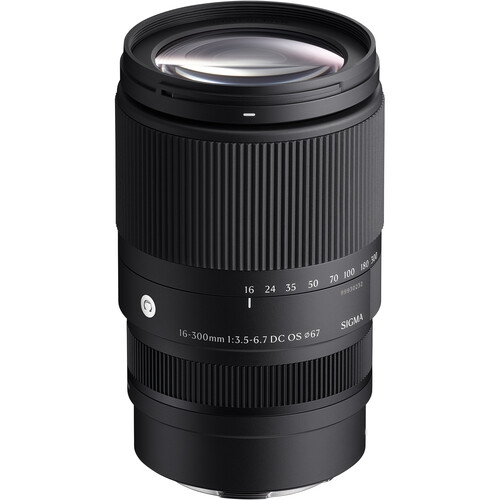
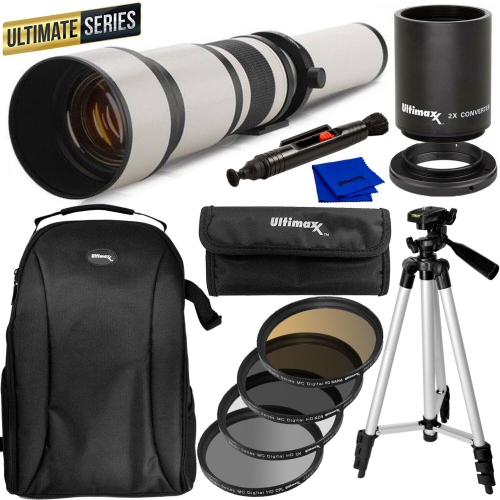
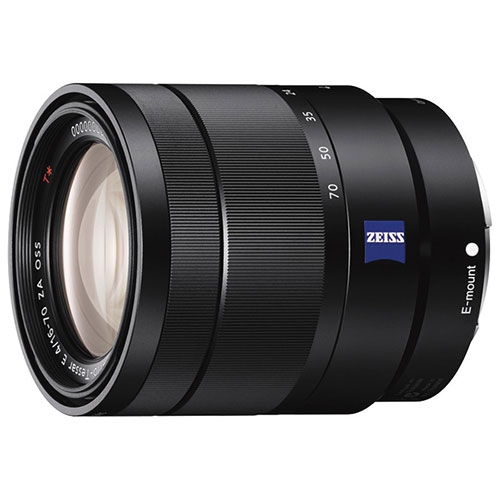
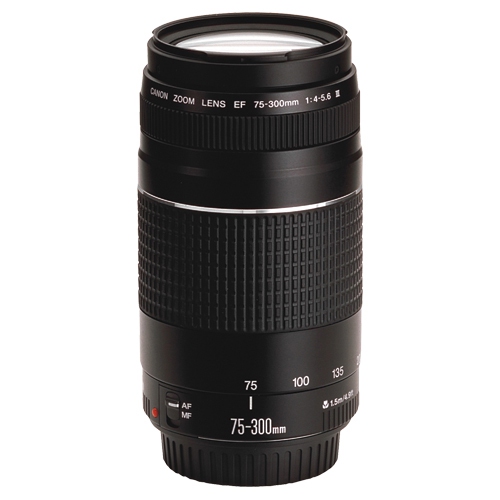
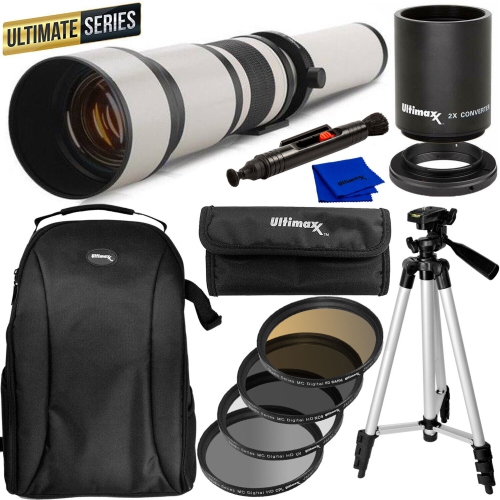

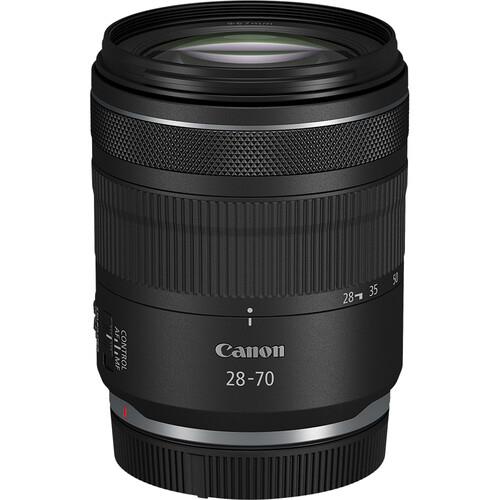
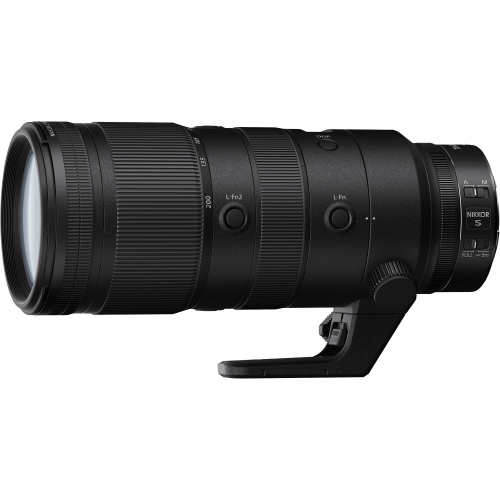
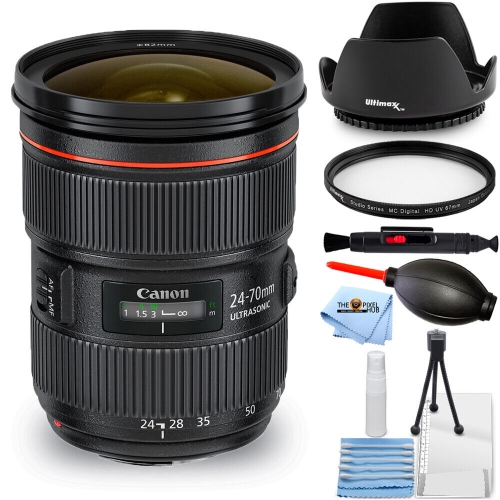
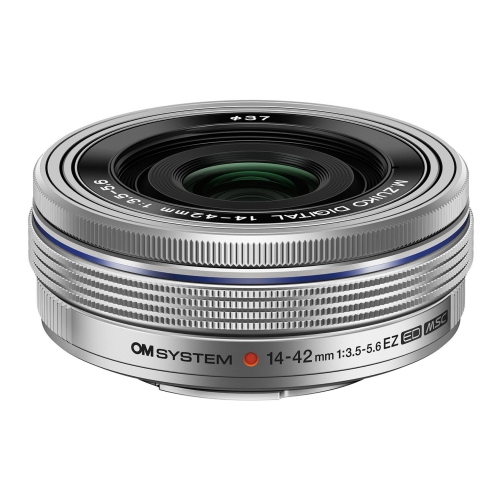

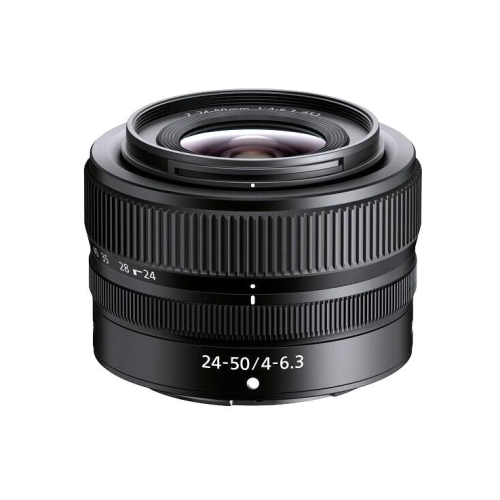

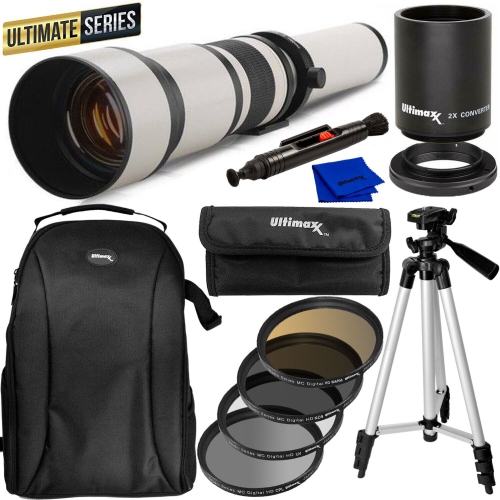
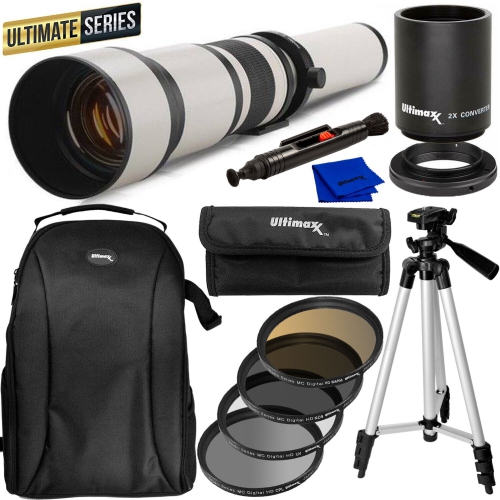
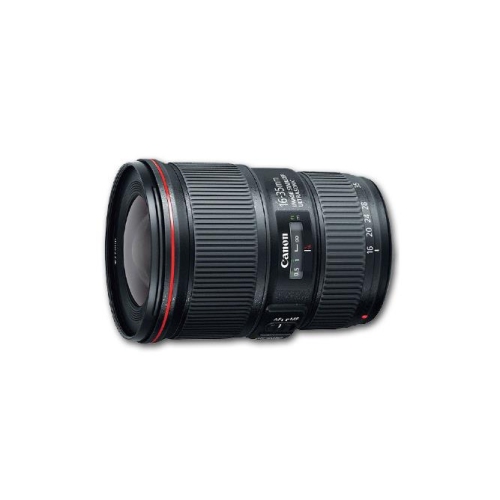
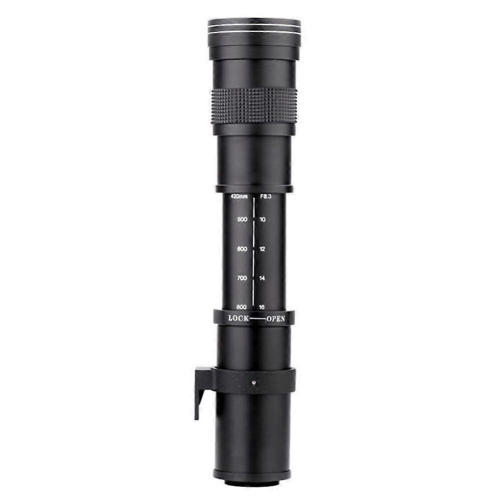
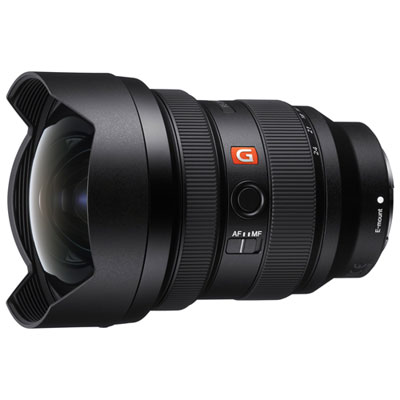
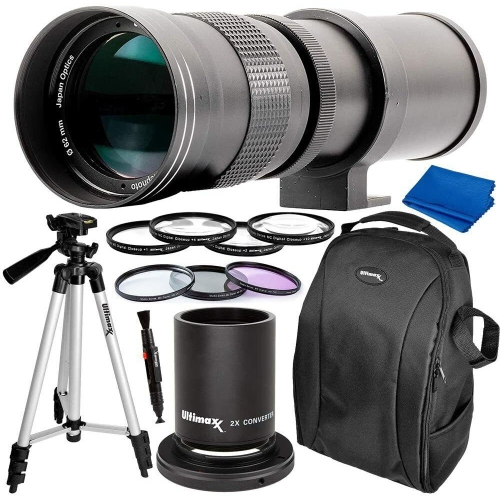
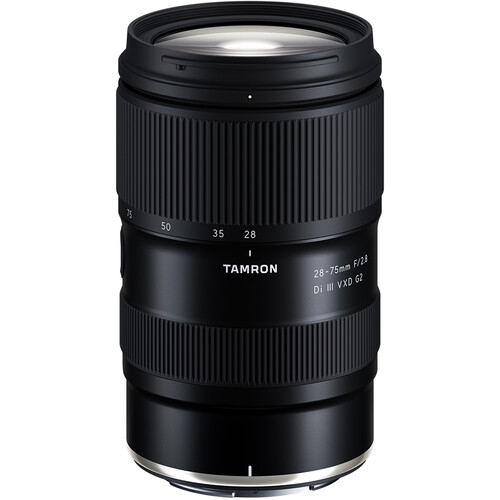


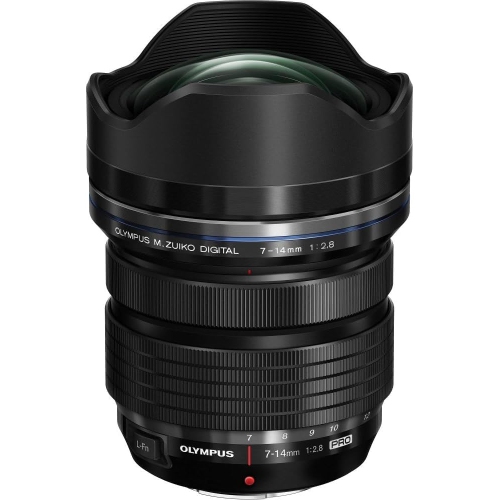
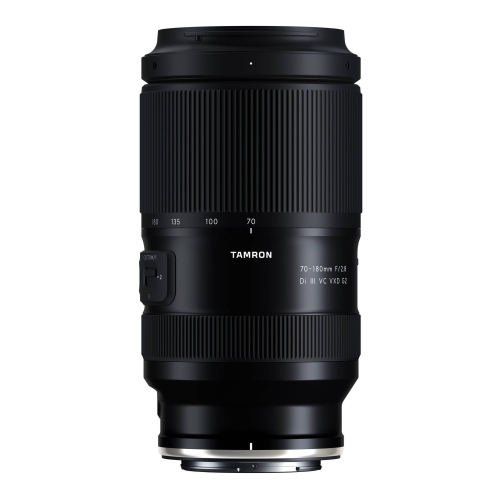

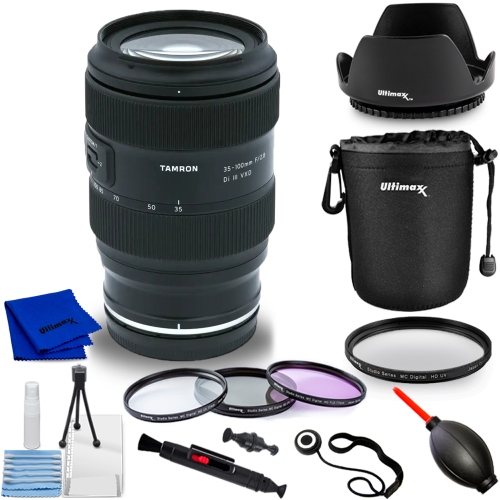
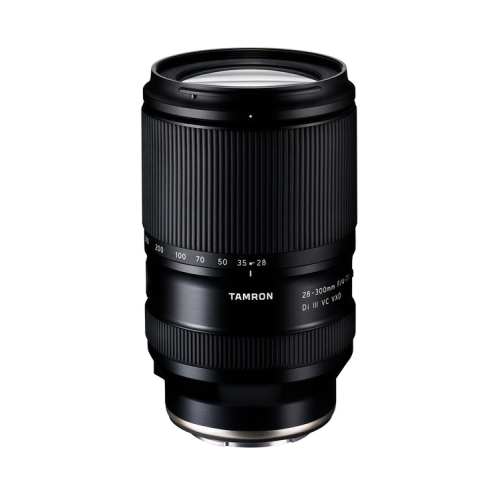
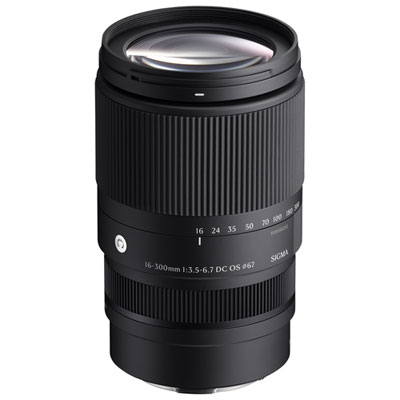

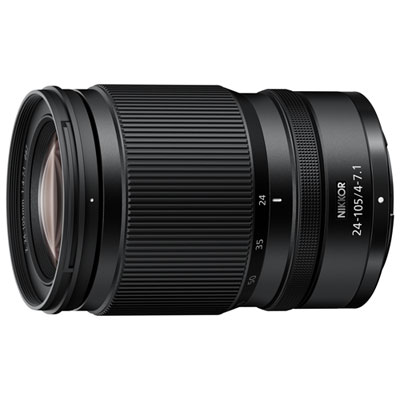
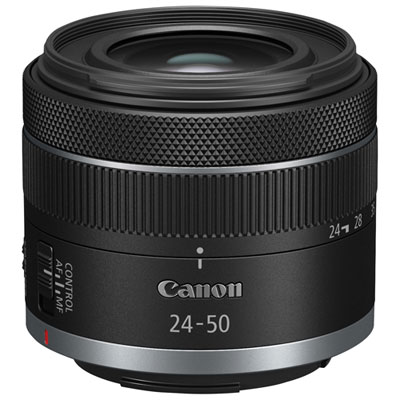
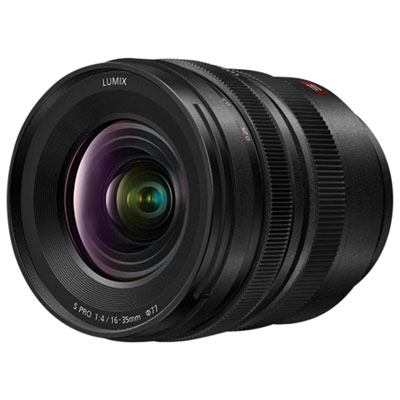
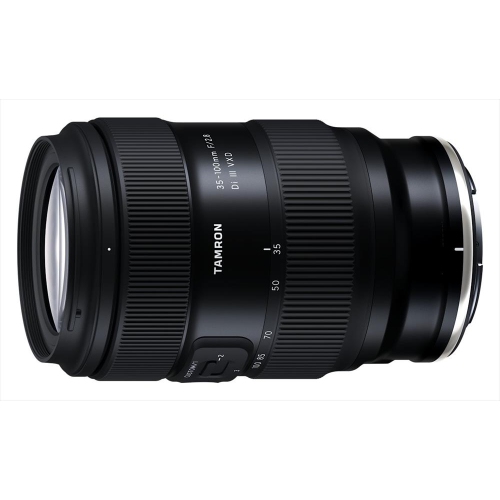
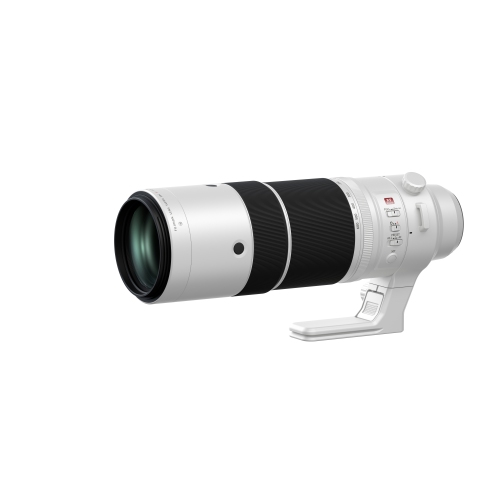
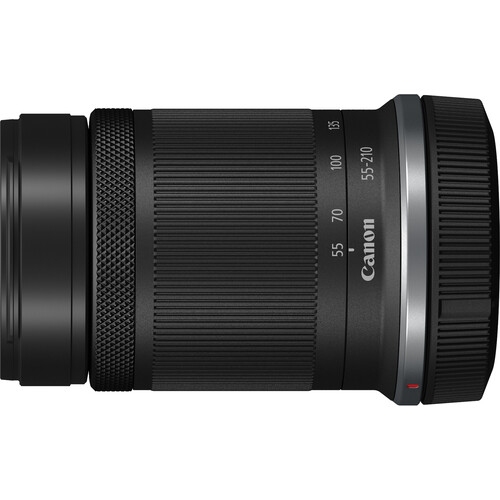
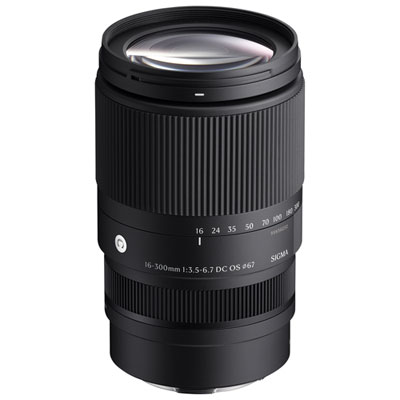
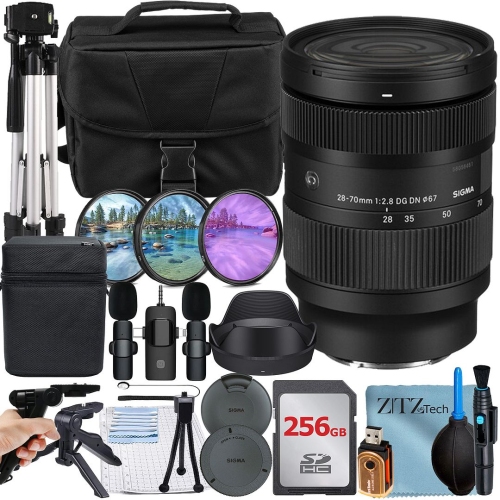
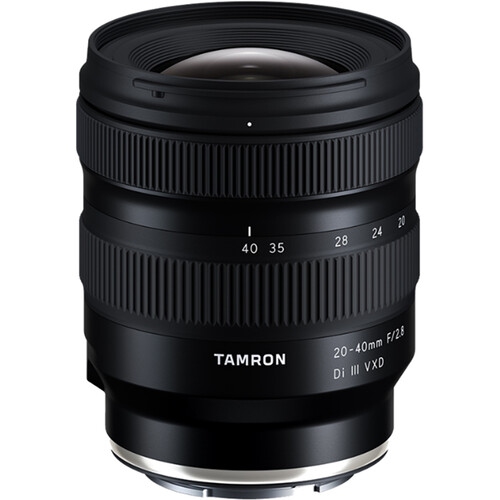
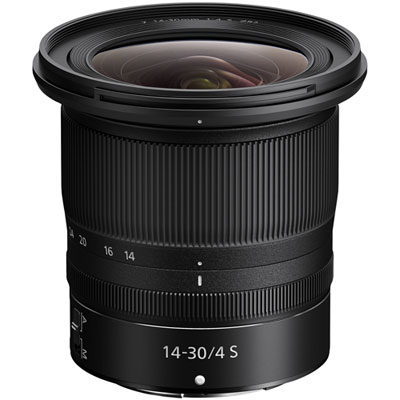
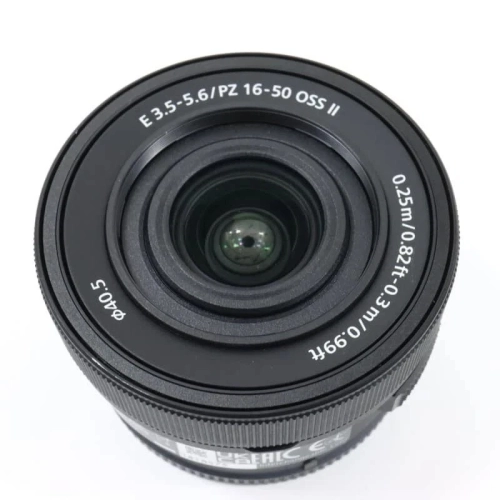
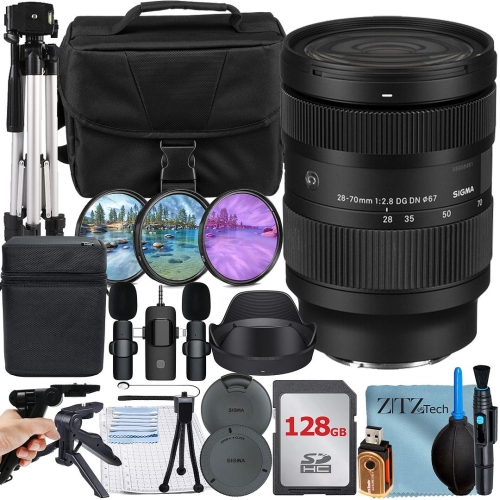
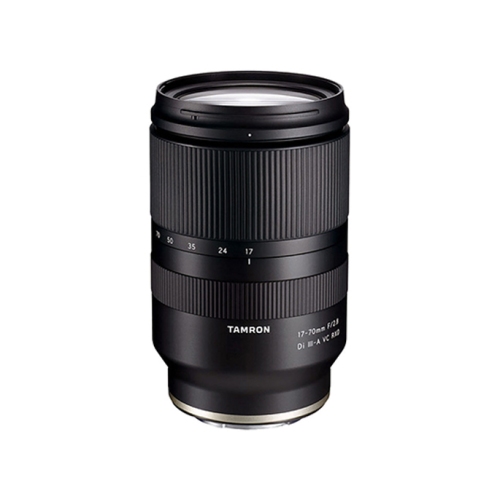
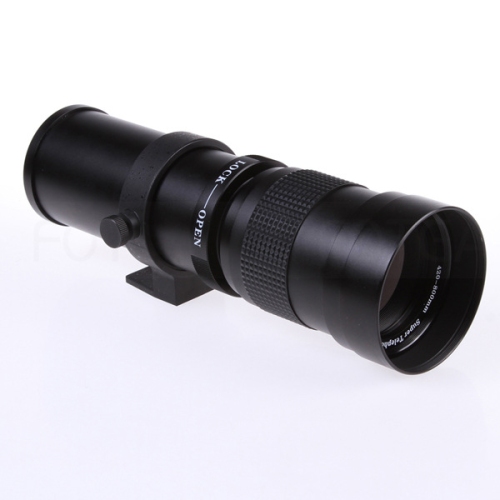

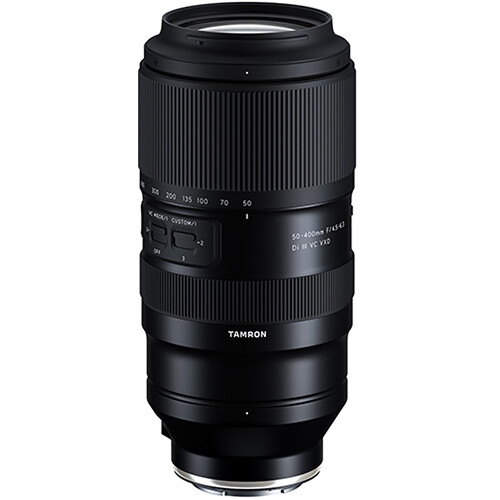
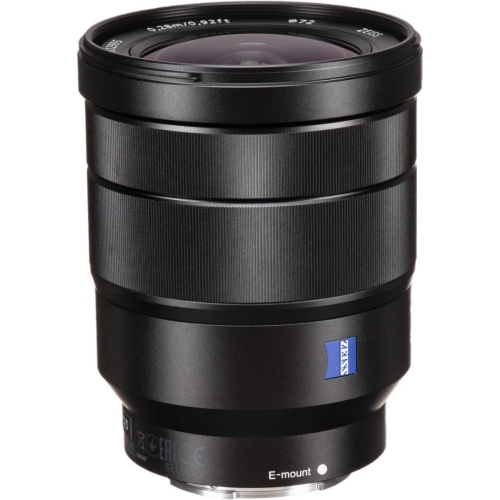
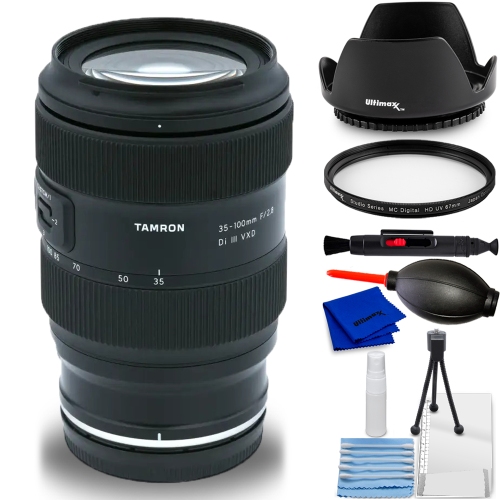

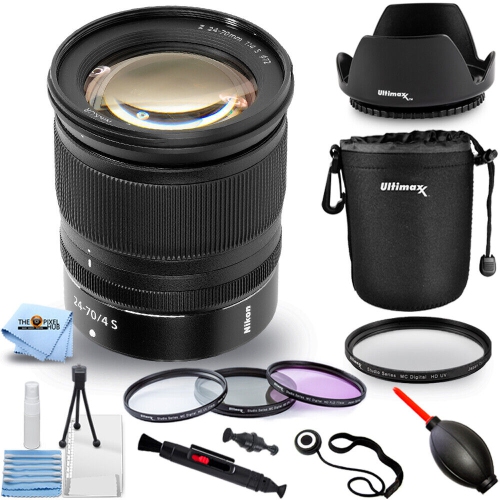
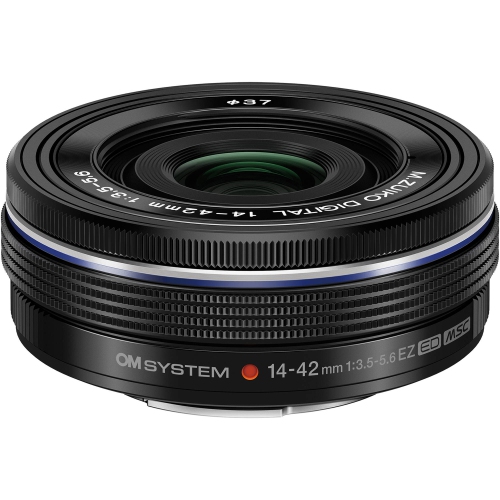
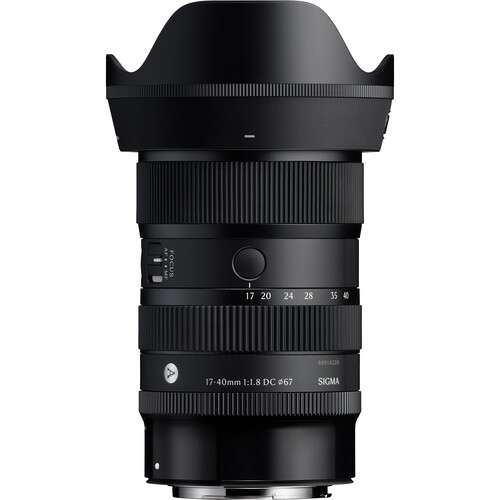
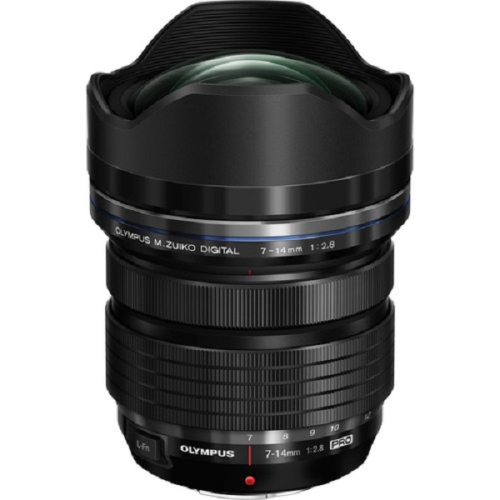
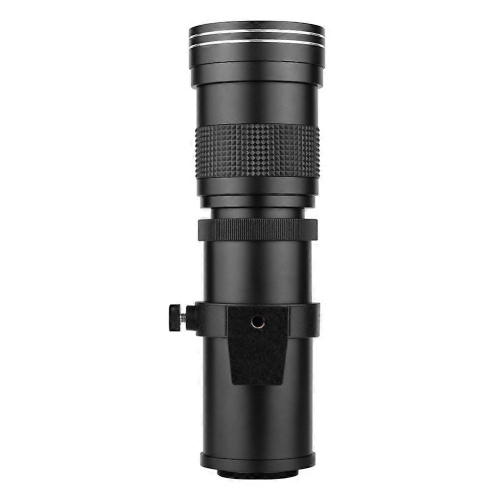
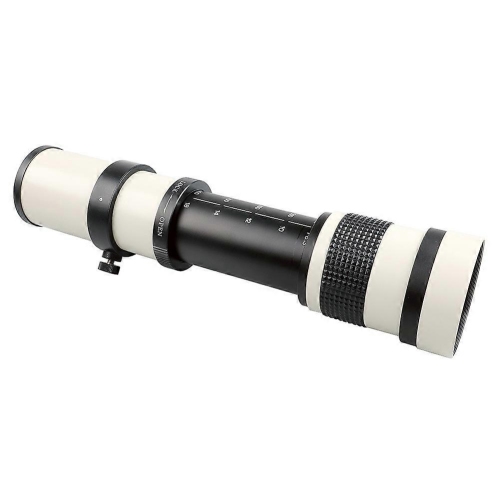
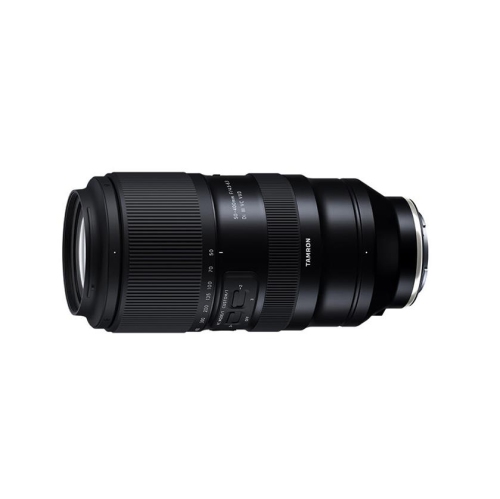
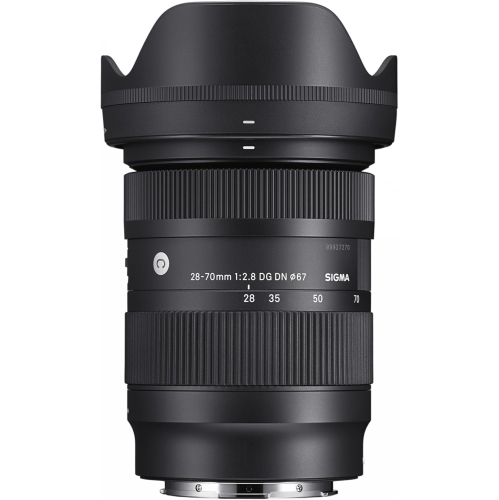
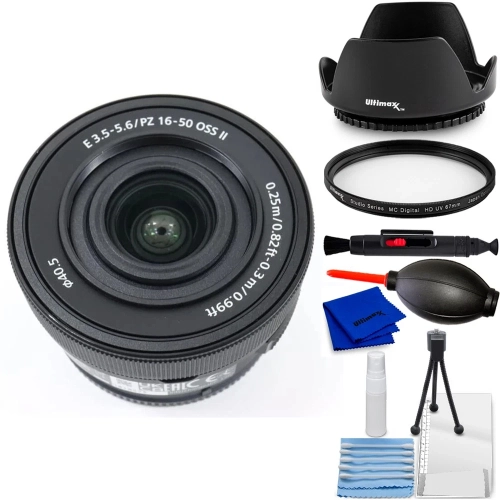
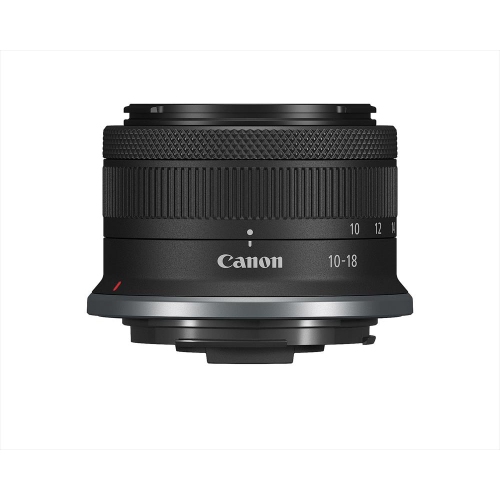
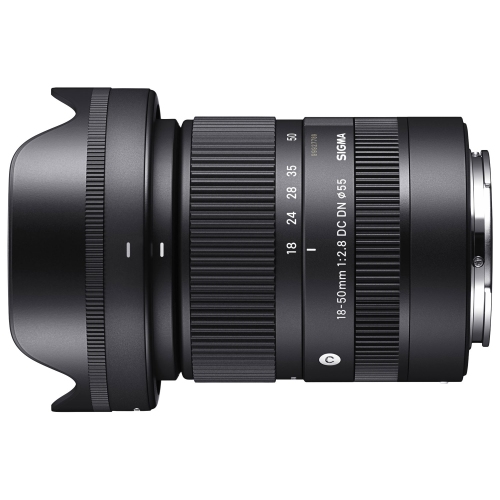
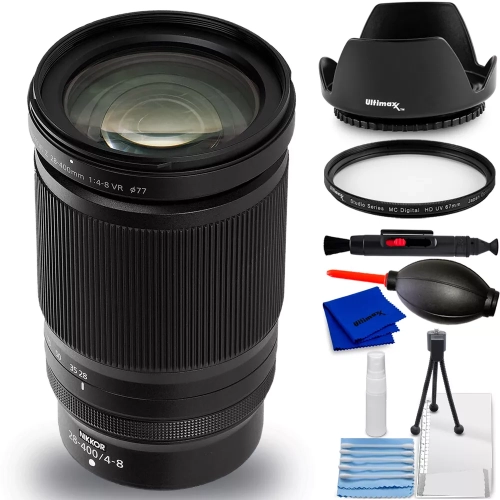
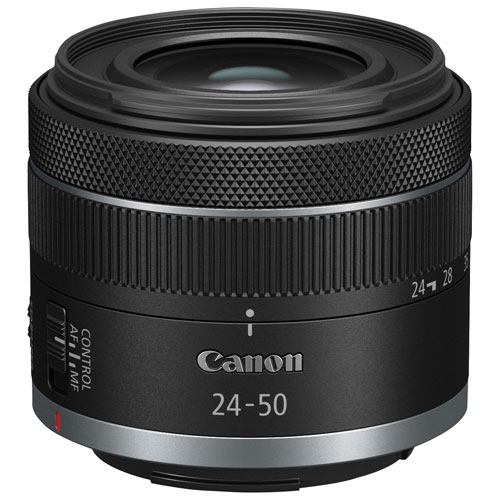
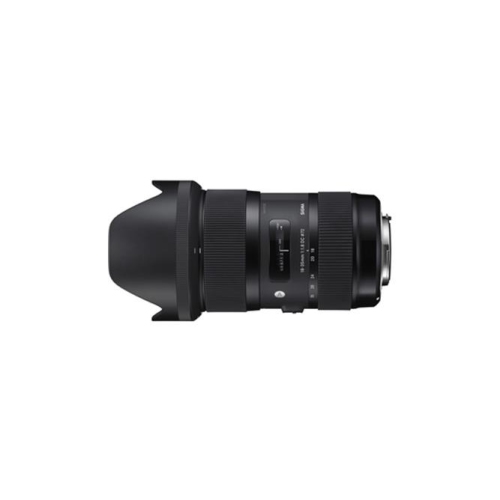
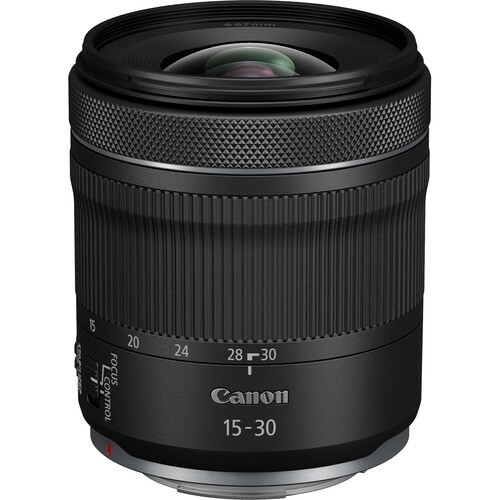
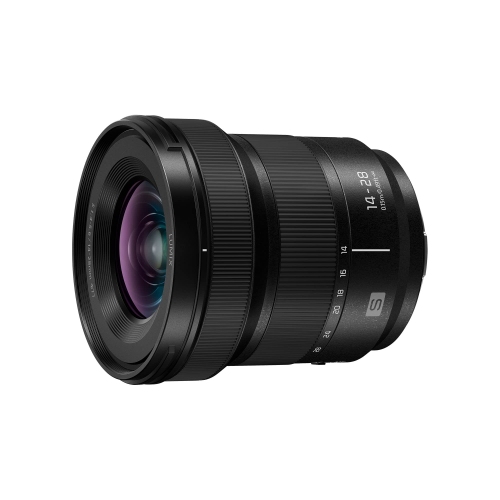
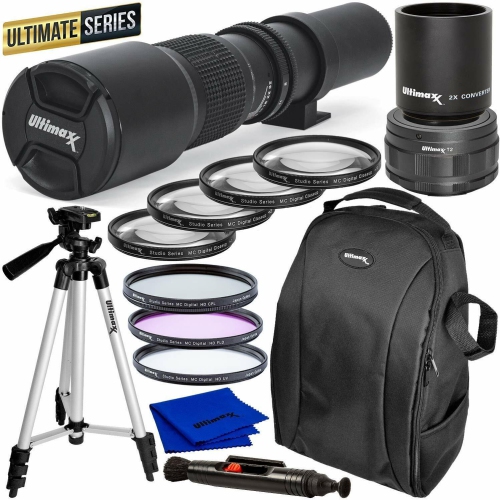
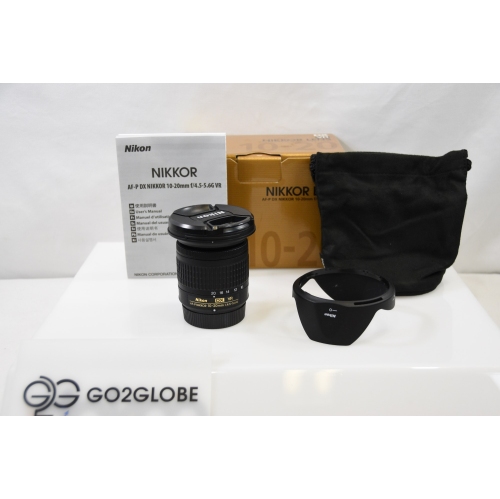
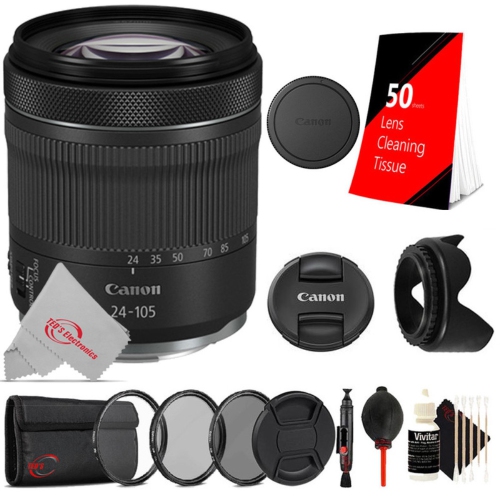
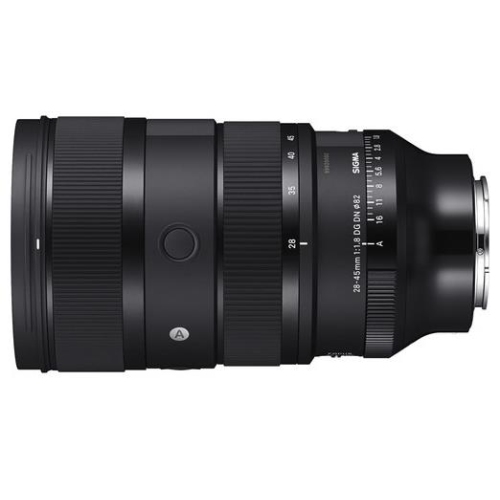
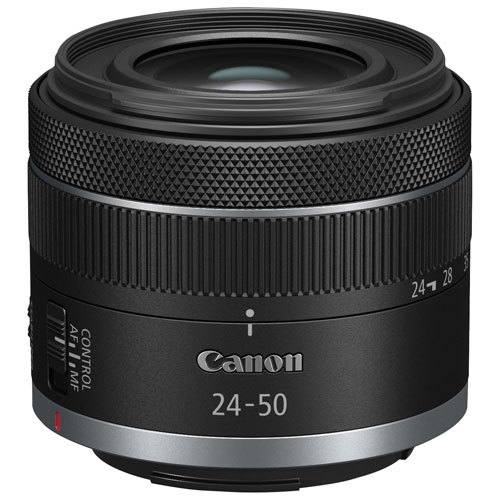
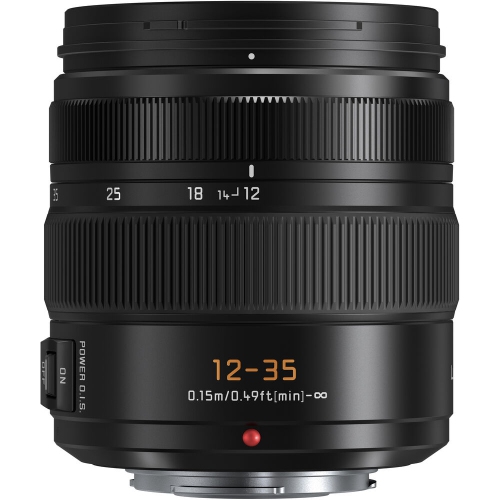
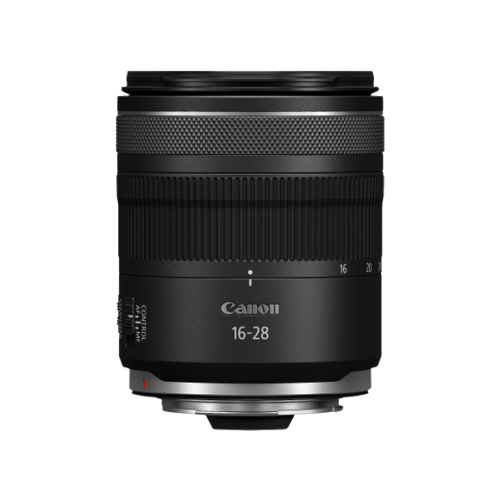
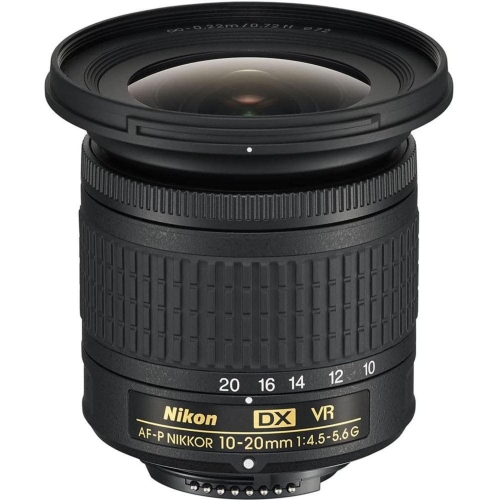
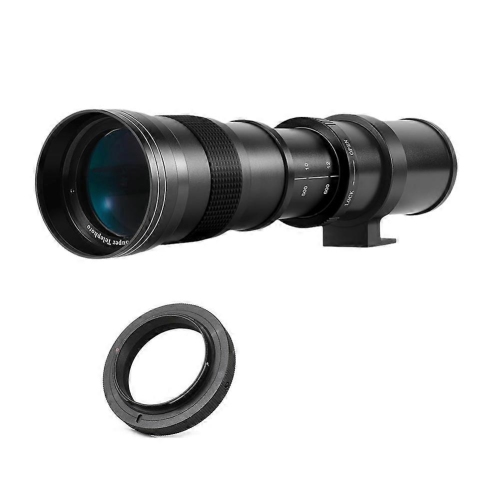
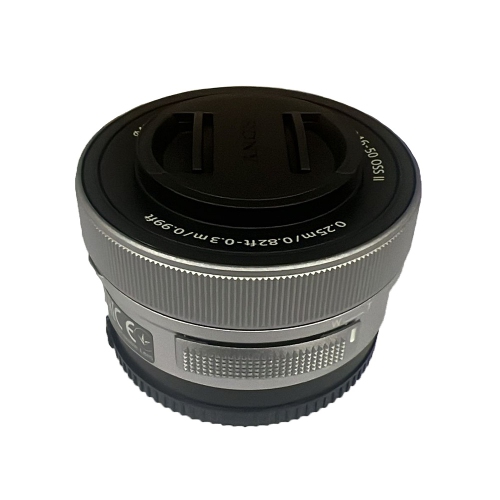
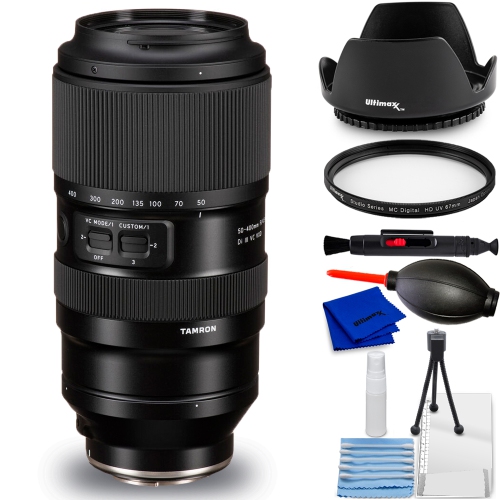
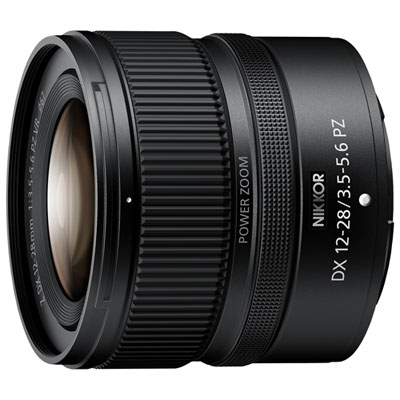
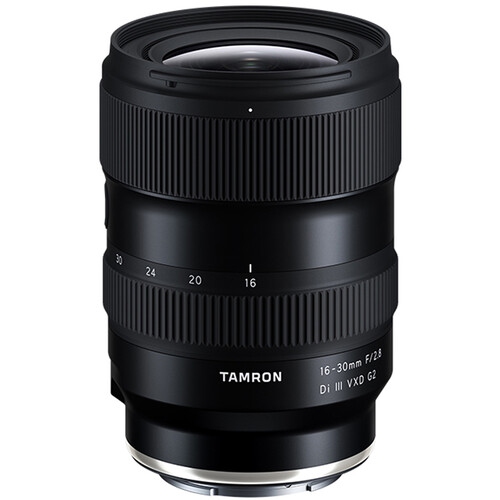


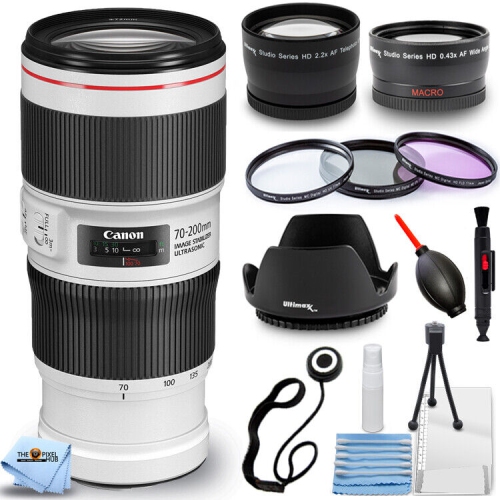
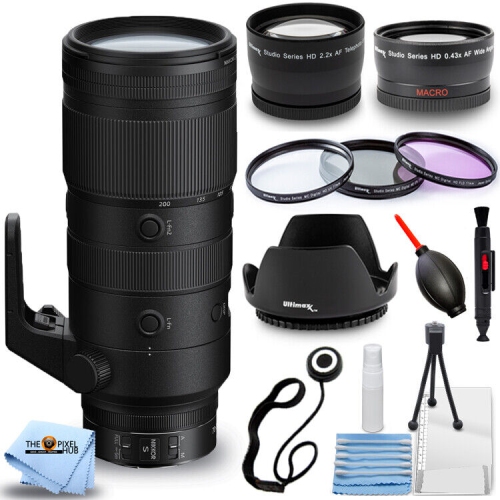
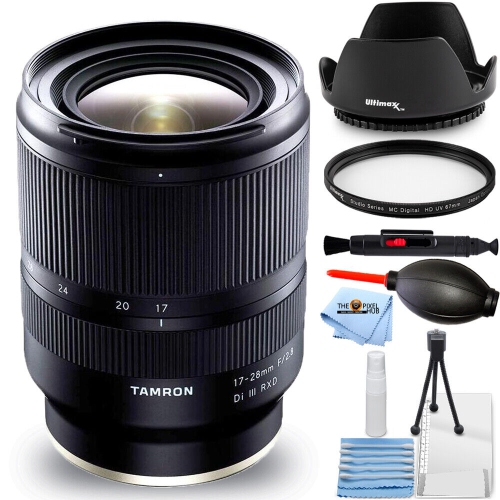
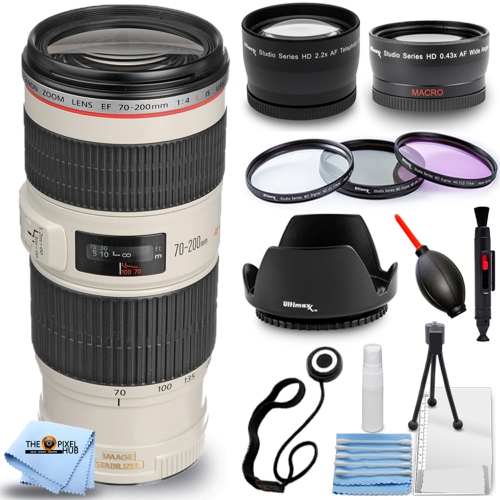
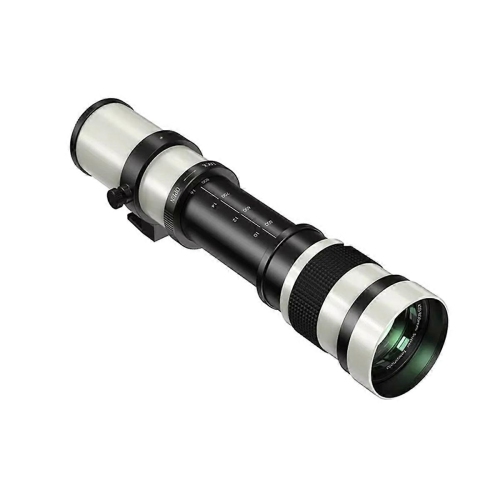
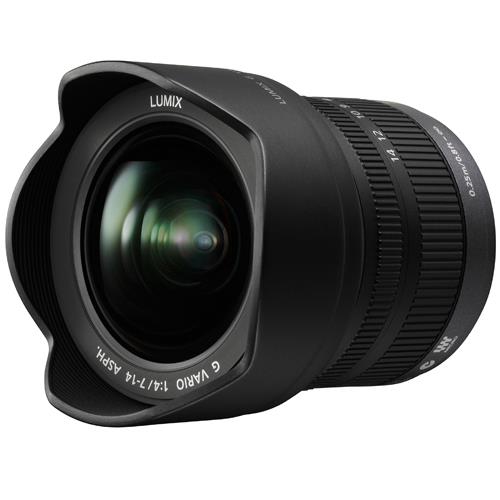
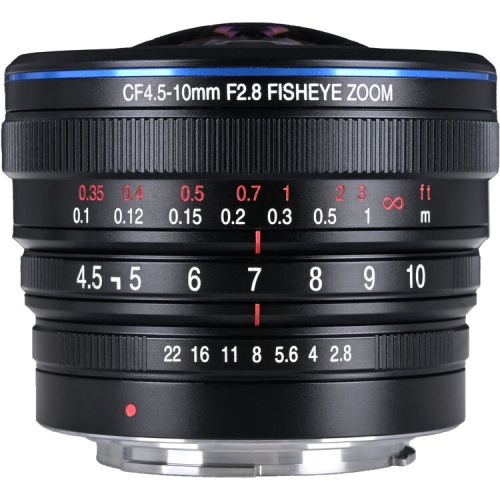
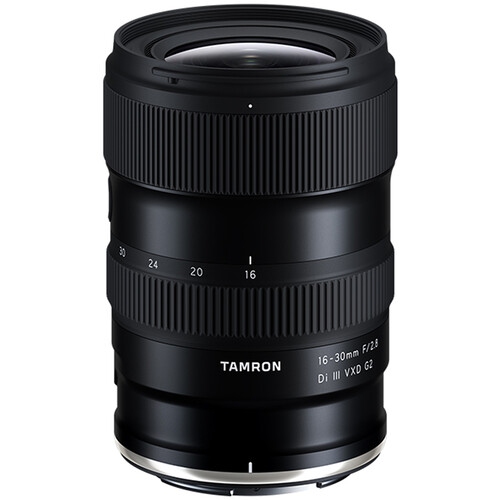
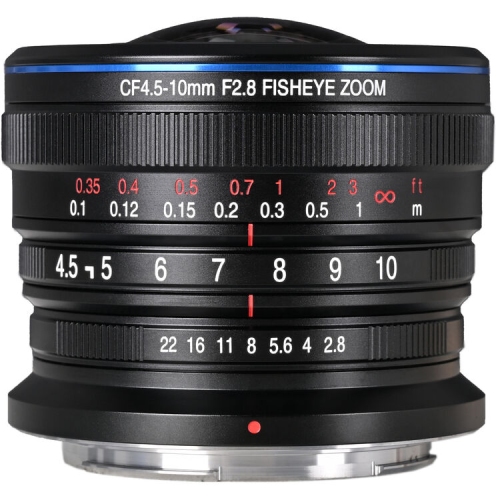
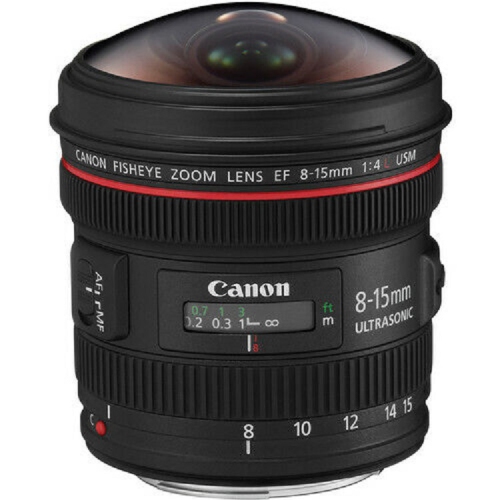
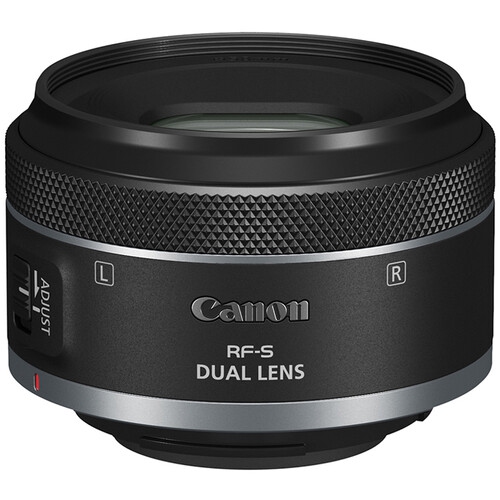
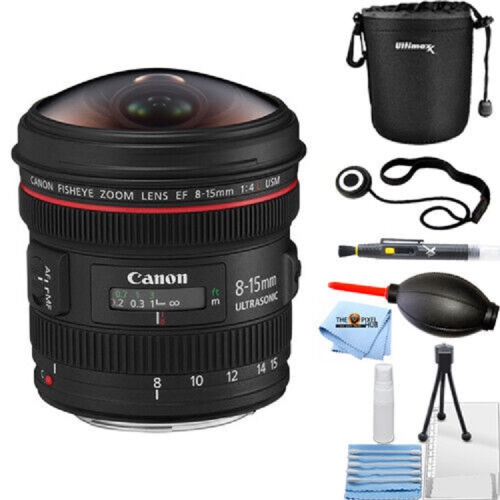
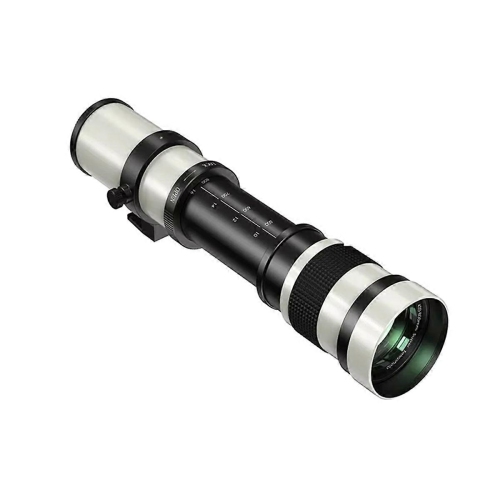
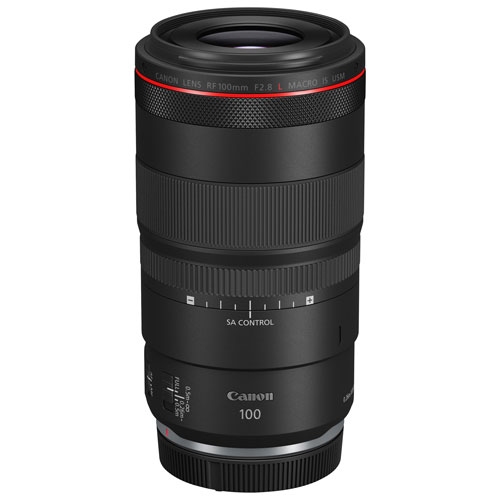
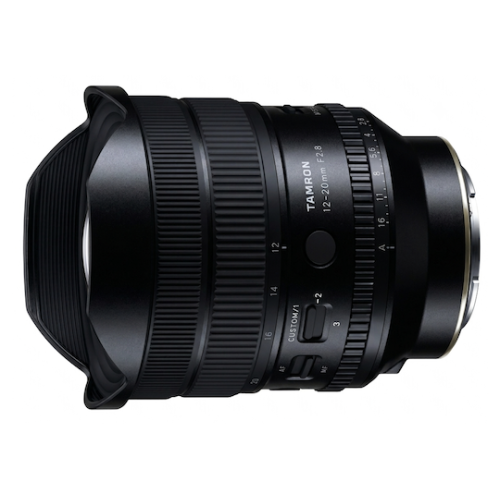

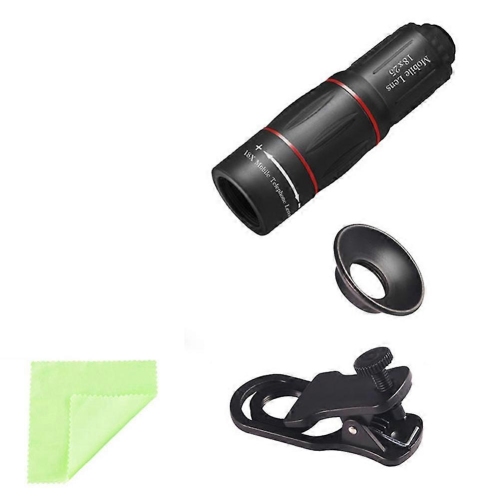
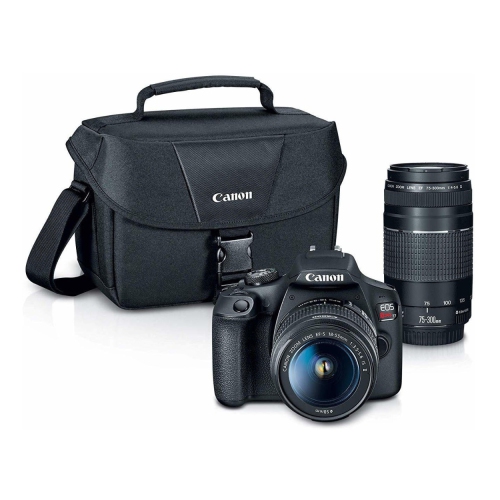
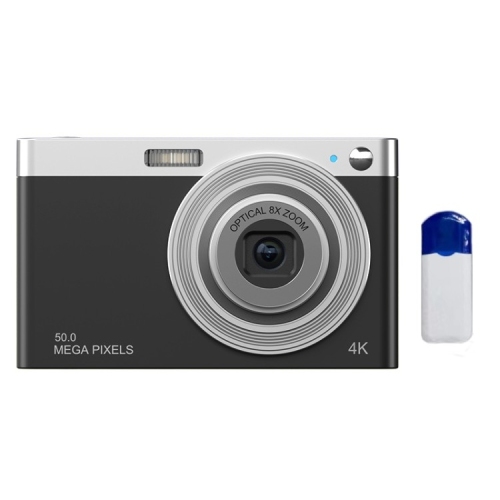
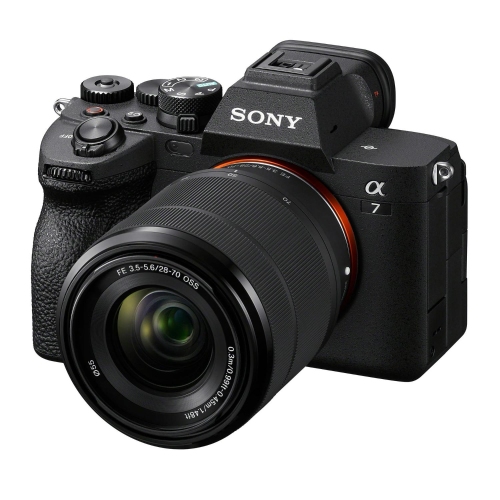
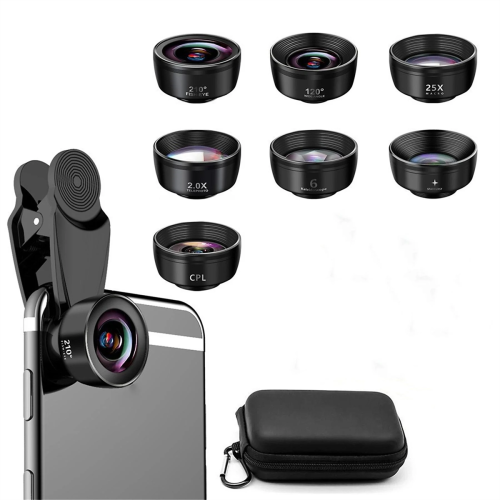
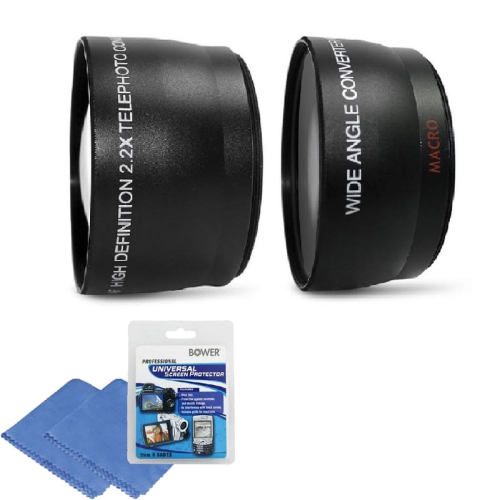
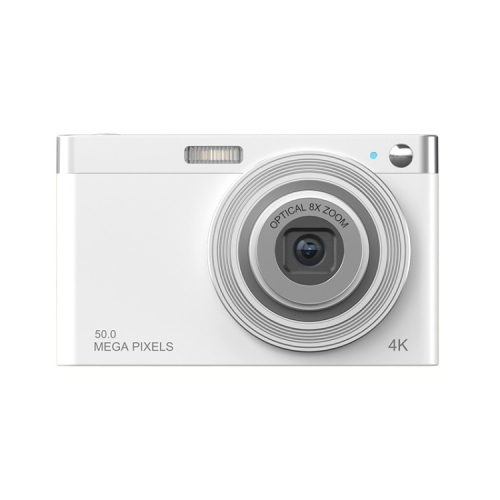
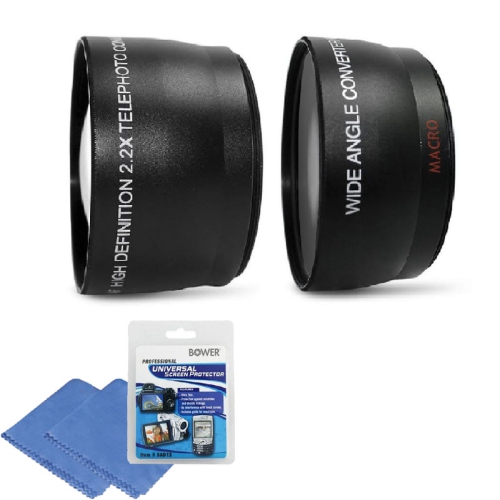
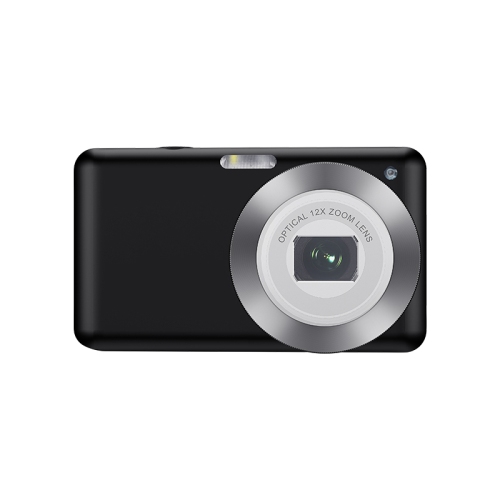
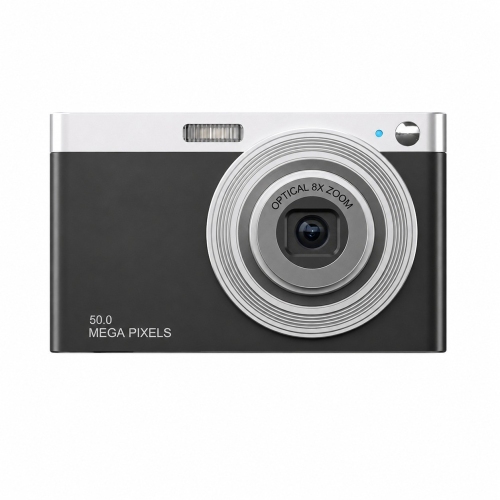
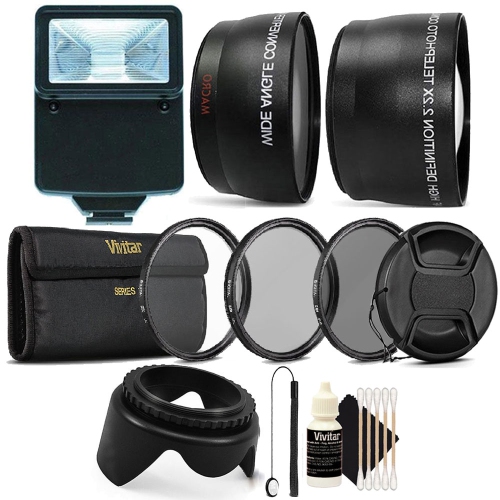
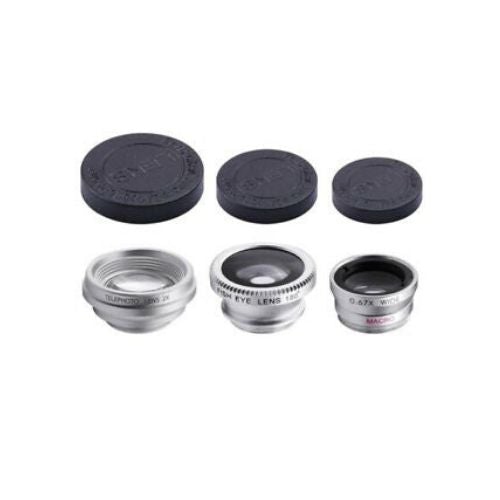
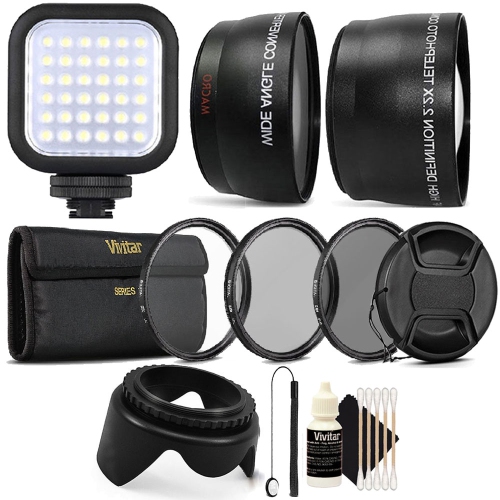
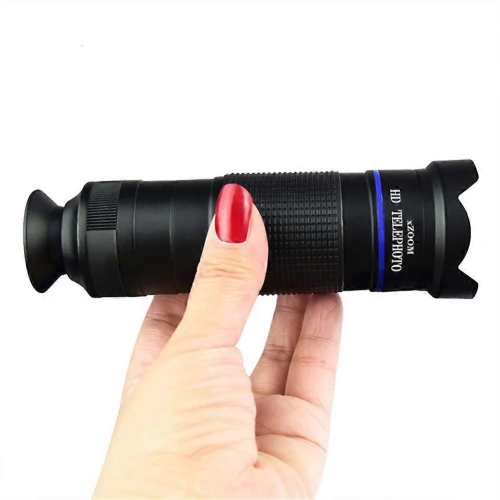
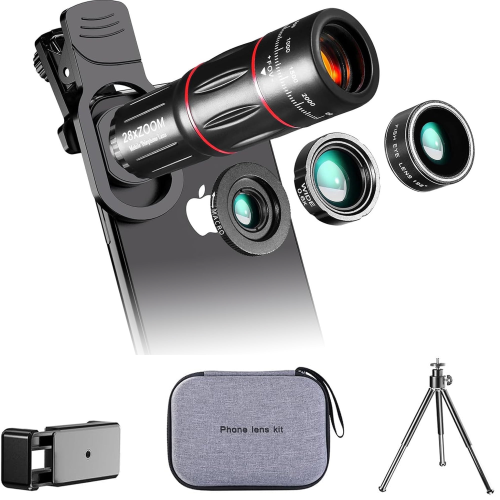
From broad scenes to details without changing lenses
Zoom lenses for cameras have a variable focal length, allowing photographers to change magnification and field of view without changing lenses or moving closer to a subject. A turn of the zoom ring can shift a composition from a broad scene to a tighter detail, making these lenses useful when space, timing, or access limits where a photographer can stand. Unlike digital zoom, which typically crops and enlarges an image, optical zoom changes the framing through the lens’s optical system. Different focal-length ranges suit different subjects: wide-angle zoom lenses take in interiors, architecture, and expansive landscapes; standard zoom lenses cover everyday scenes, group photos, and portraits; and telephoto zoom lenses bring distant athletes, performers, and wildlife into a larger part of the frame. An all-in-one zoom spans a broader range, offering flexibility for travel and family outings with fewer lens changes, though that convenience can involve trade-offs in aperture, size, or image quality. The focal-length markings, expressed in millimetres, describe the lens’s range rather than a fixed amount of reach across every camera. Sensor size also affects the field of view, so the same focal length frames a scene more tightly on a crop-sensor camera than on a full-frame camera. A zoom ratio describes the relationship between the shortest and longest focal lengths, not how suitable a lens is for distant subjects. Two lenses with the same zoom ratio can serve very different purposes if one starts at a wide angle and the other starts at a telephoto focal length. For everyday photography, the useful range is often the one that matches familiar situations: fitting everyone around a dining table into a frame, isolating a face against a busy background, or capturing action from the sidelines. Zooming changes what fits within the image, while changing the camera’s position changes perspective. That distinction matters for portraits and buildings, where a few steps can alter the relationship between foreground and background even when the subject stays the same size in the frame.
Camera compatibility is central to how a zoom lens fits and functions. The lens mount must match the camera system, and lenses designed for mirrorless cameras and DSLRs are not automatically interchangeable. An adapter may allow certain combinations, but autofocus, aperture control, stabilization, and other functions depend on the particular camera, lens, and adapter. Sensor coverage matters as well: a lens designed for a smaller sensor may not cover a full-frame sensor completely, or the camera may switch to a cropped recording area. Photographers comparing Zoom Lenses for Sony should consider the exact mount and sensor format rather than relying on the camera brand alone. Beyond compatibility, maximum aperture influences low-light flexibility, background blur, and the shutter speeds a photographer can use. A constant-aperture zoom maintains the same maximum aperture throughout its zoom range, which can simplify exposure control while reframing. A variable-aperture zoom has a smaller maximum opening toward its longer end and may offer a more compact design. A wider maximum aperture can help with indoor events or subject separation, but it does not guarantee a sharper image in every situation. Focus accuracy, shutter speed, and technique still matter. Optical image stabilization helps reduce blur from camera shake during handheld shooting, especially at longer focal lengths; it does not freeze a moving player or a bird in flight. Some cameras combine lens stabilization with in-body stabilization, while others support only certain combinations or modes. Autofocus performance is another practical consideration for children, pets, and fast-moving subjects. Quiet focusing is particularly useful for video when an on-camera microphone might pick up lens operation. For close details, minimum focusing distance and maximum magnification are more informative than the zoom range alone. A telephoto zoom can fill the frame with a distant subject without necessarily focusing closely enough for tiny objects. Product photography, flowers, and craft details therefore call for attention to close-focus specifications, not simply the longest focal-length number.
The feel and construction of a camera zoom lens can be as important as its specifications during a long shoot. Lens barrels commonly use engineered plastics, metal, or a combination of both, while optical elements are generally glass with coatings that help manage reflections and improve light transmission. Weight alone is not a reliable measure of durability or optical quality. A lighter lens may be easier to carry through a museum or hold during a school performance, while a larger lens may offer a wider aperture, extra reach, or controls suited to frequent use. Balance with the camera body affects comfort, particularly when shooting handheld for extended periods. Smooth zoom and focus rings, accessible switches, and a secure mount contribute to confident handling. Some zoom lenses extend as the focal length changes, while internal-zoom designs maintain their external length. That difference can affect packing space and balance on a video support. Larger telephoto lenses may include a tripod collar to support the setup nearer its centre of gravity. For video, focus breathing and the ability to maintain focus while zooming deserve attention, since neither behaviour is identical across lenses. Most still-photography zooms should not be assumed to hold focus perfectly throughout a zoom movement. Routine care helps protect both operation and image quality: front and rear caps shield exposed surfaces during storage, a padded compartment limits knocks, and a lens hood can reduce stray light while adding some protection against accidental contact. Loose dust is best removed with a suitable blower before fingerprints are gently cleaned with lens-safe materials. Filter diameter is separate from focal length, so protective filters and polarizers need to match the lens’s stated thread size. For beginners, a manageable standard zoom offers room to explore framing without carrying several lenses. Enthusiasts may favour a more specialized range for portraits, wildlife, sports, or architecture. A zoom lens can also make a thoughtful gift for someone developing an interest in photography, provided their camera mount, sensor format, and existing lenses are known. A complementary focal-length range often adds more creative possibilities than duplicating the coverage already in their camera bag.
Top selling and popular products
-
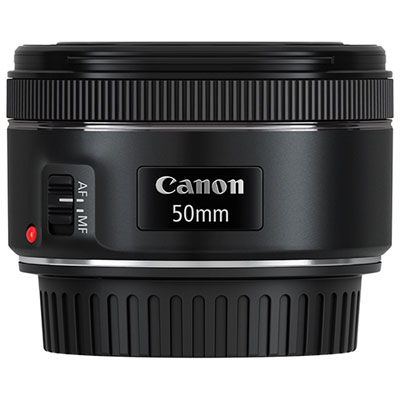 Your price for this item is $169.99
-
 Your price for this item is $329.99
-
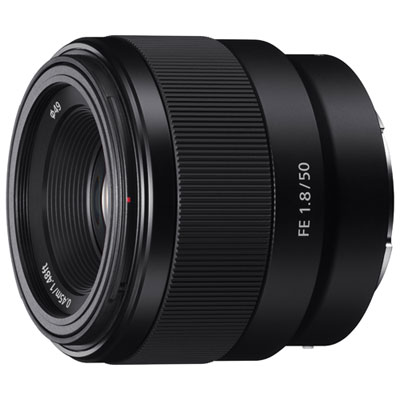 Your price for this item is $349.99
-
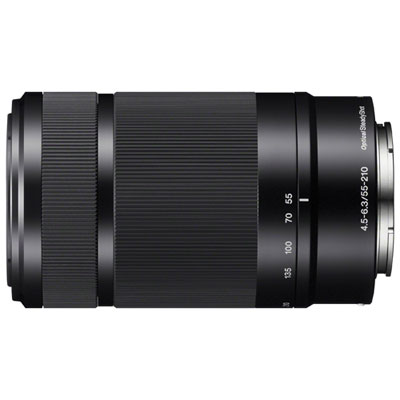 Your price for this item is $399.99
-
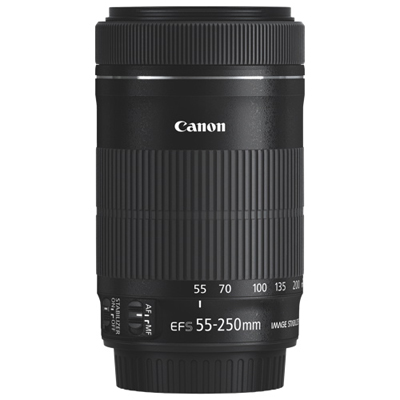 Your price for this item is $399.99
-
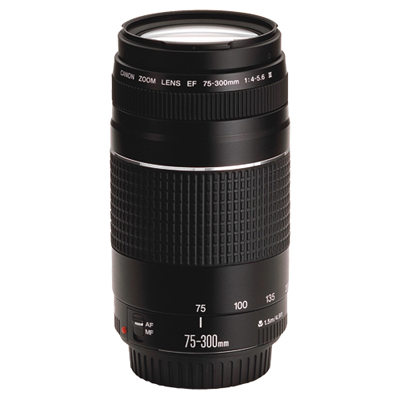 Your price for this item is $199.99
-
 Your price for this item is $174.99
-
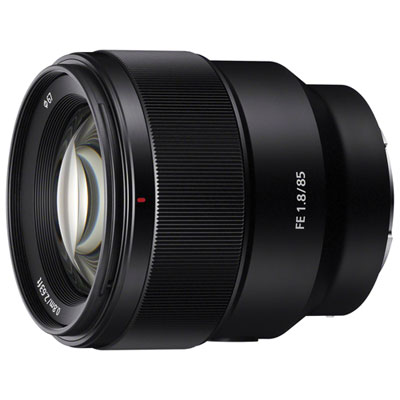 Your price for this item is $799.99
Discover more categories related to Zoom Lenses for Cameras
Top Collections:
Pokemon Centers, Best Cameras for Sports Photography, Kindle Devices, Samsung Galaxy Phones, Canon G7X Cameras, Pokémon 30th Celebration Cards, Refurbished Apple Laptops, iPhone 15 Apple, Laptops for Students, Budget Smartphones
Some products may be subject to Environmental Handling Fees
(EHF) depending on your province.
Learn more about EHFs.