Samsung Cooktops
Samsung has been making top-rated cooktops for years, and in that time, it's learned a thing or two about what makes a great cooktop. For starters, it knows that a great cooktop needs to be easy to use and clean. It also needs to be durable and energy-efficient. And finally, it should be able to withstand the wear and tear of everyday use without losing its cooking prowess.
Sort
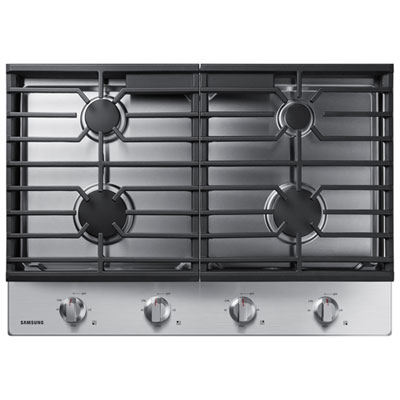
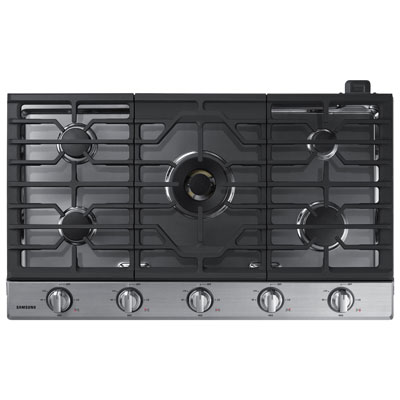

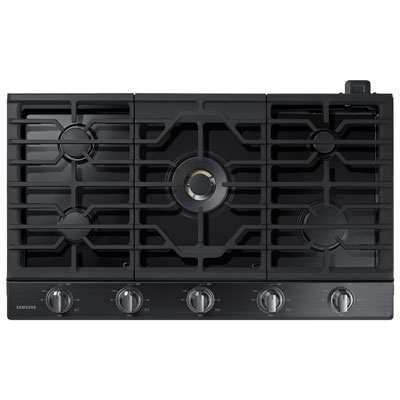

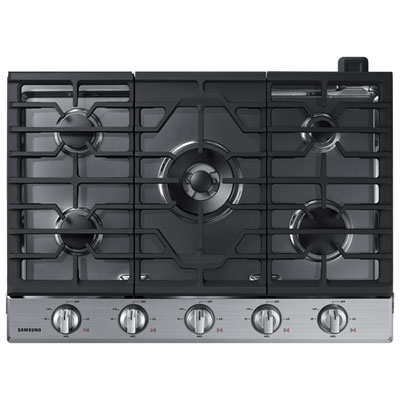
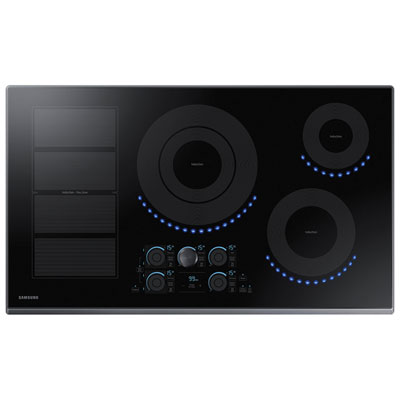
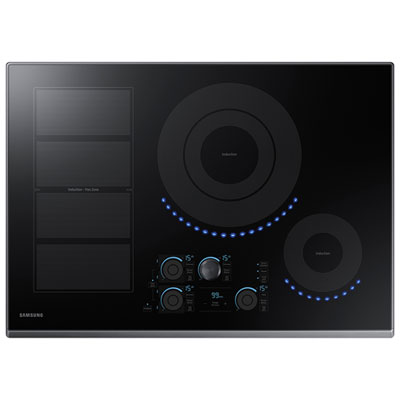


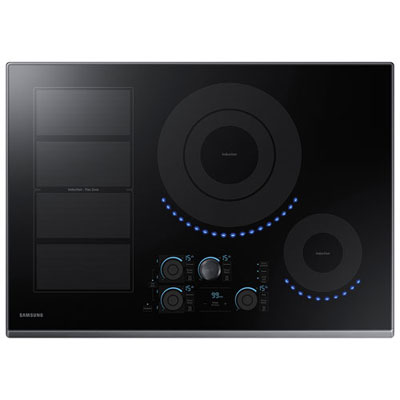
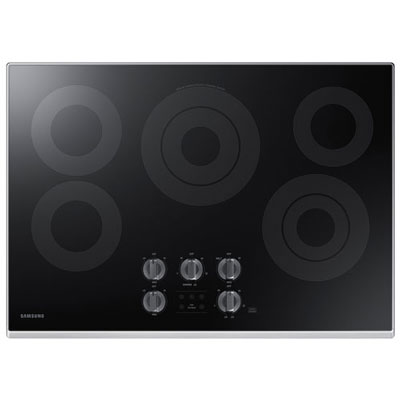



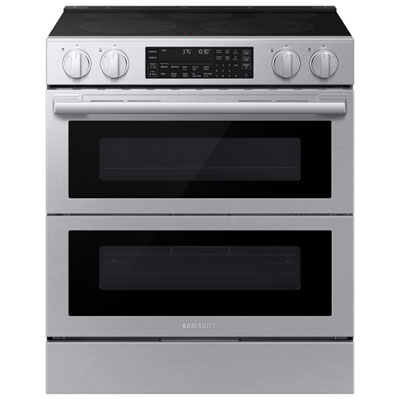
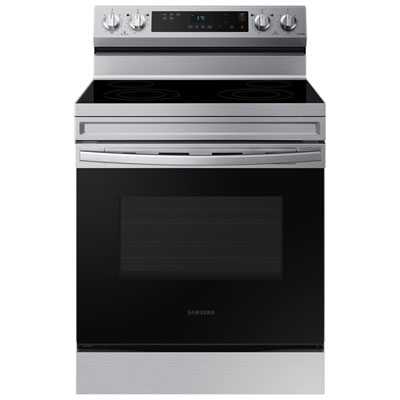
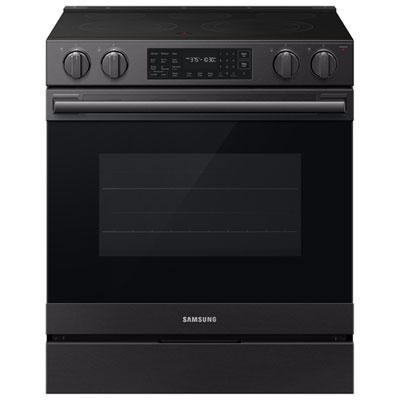

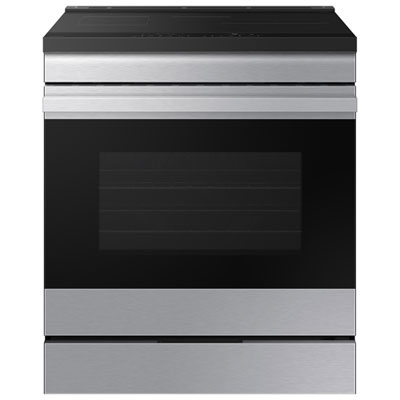
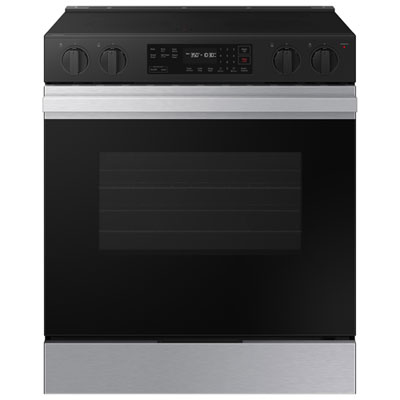

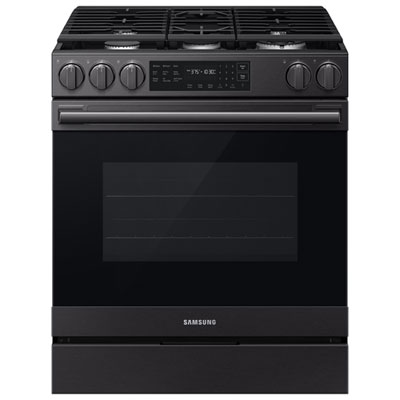
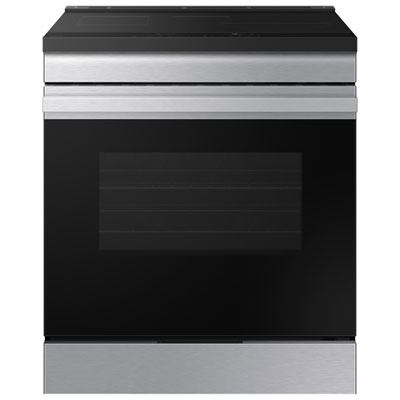
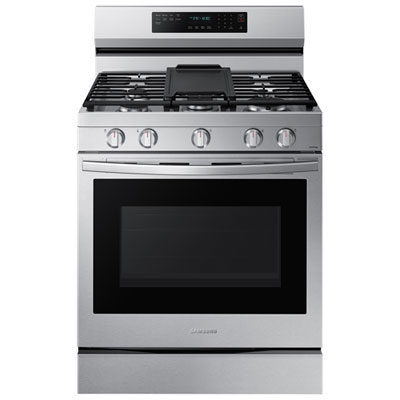


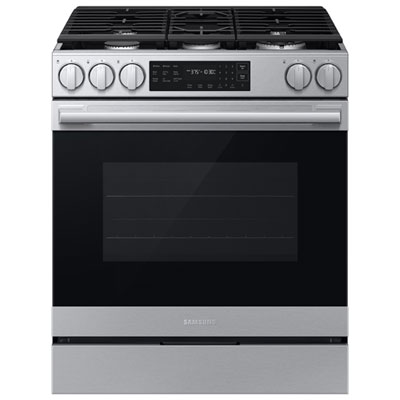
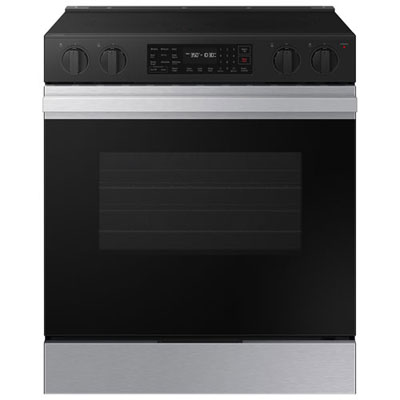

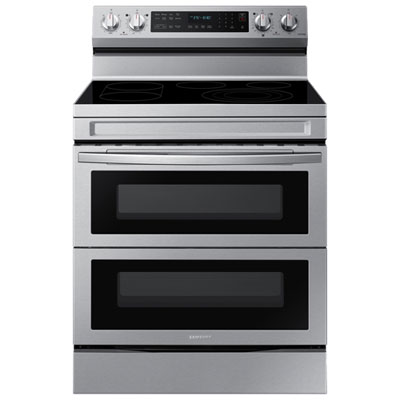
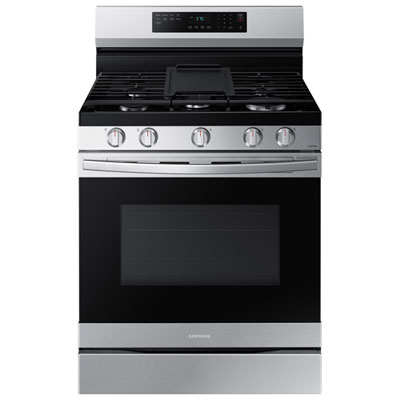
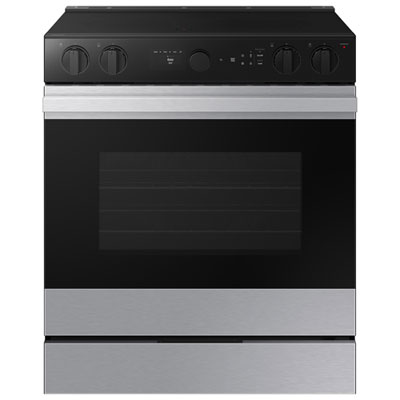
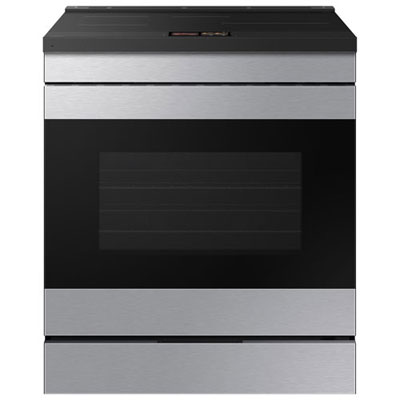


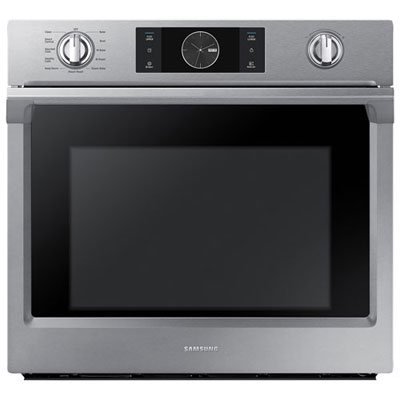

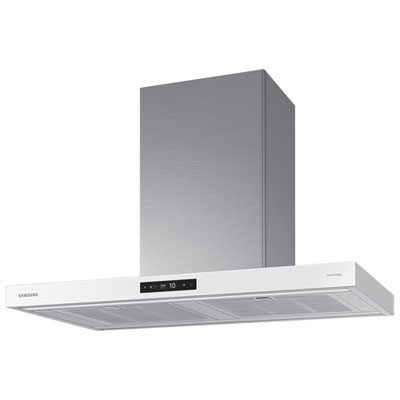

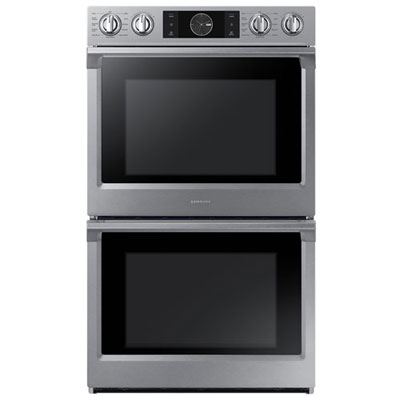

A separate cooking surface opens up kitchen possibilities
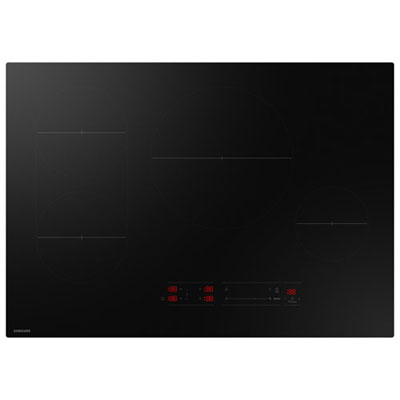
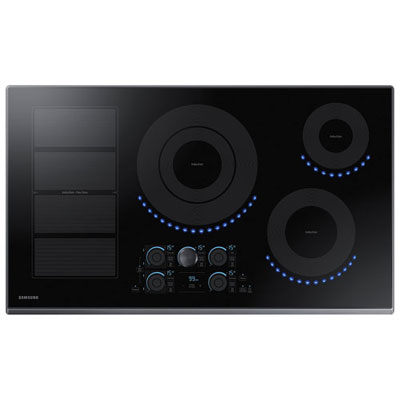
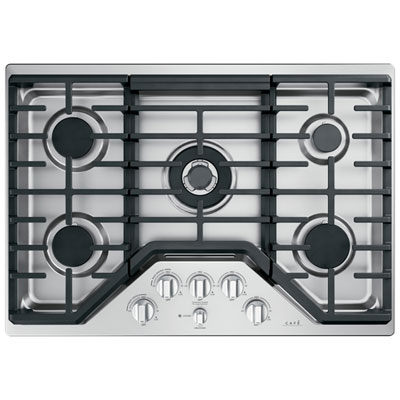
Cooktops bring the cooking surface into the countertop, keeping it separate from the oven and allowing more flexibility in a kitchen’s layout. A built-in cooktop can sit above suitable cabinetry or form part of an island, while a wall oven can be positioned elsewhere at a comfortable working height. Gas, radiant electric, and induction cooktops offer different ways to handle everyday meals, from gently thickening a sauce to boiling a large pot of pasta. Gas cooktops use an open flame, giving cooks a visible indication of the heat level and an immediate response when the flame is adjusted. Their raised grates support cookware above the burners, and burner sizes or outputs may vary to accommodate different tasks. Radiant electric cooktops heat through elements beneath a smooth ceramic-glass surface. They work with a broad range of flat-bottomed cookware, although the elements and glass retain heat after a setting is reduced or switched off. Induction cooktops use electromagnetic energy to heat compatible cookware directly, offering responsive adjustments and efficient heat transfer to the pan. A magnetic cookware base is essential; many stainless steel and cast iron pots are suitable, but aluminium, copper, and glass cookware generally need a specifically designed induction-compatible base. A magnet that holds firmly to the underside of a pan is a useful initial compatibility check, with the cookware manufacturer’s specifications providing further confirmation. The glass on an induction cooktop can still become hot from contact with heated cookware, so residual-heat indicators remain important. Common cooktop widths include 30-inch and 36-inch formats, but width alone does not determine how comfortably a cooking surface handles several pans. Burner spacing, control placement, and the arrangement of heating zones also affect daily use. A compact surface may suit a smaller kitchen or a household preparing simple meals, while a wider layout can provide more room for a frying pan, saucepan, and stockpot during a busy dinner preparation.
The fit of a built-in cooktop depends on more than its visible dimensions. Overall width and depth describe the surface above the counter, while the specified cutout dimensions determine the opening required below it. Even cooktops with the same nominal width can have different cutout requirements, making installation specifications particularly important when replacing an existing appliance. Countertop thickness, cabinet construction, space beneath the cooking surface, and clearances from walls or nearby cabinetry all affect placement. An island installation also needs suitable ventilation and properly routed electrical or gas connections. Gas cooktops require the correct fuel connection, and any conversion between natural gas and propane must be supported by the appliance and completed according to its instructions. Electric and induction cooktops need an electrical circuit that meets their stated requirements; an existing connection should not be assumed suitable simply because another cooktop occupied the same space. Qualified installation helps address these details, including any required permits and local requirements. If a cooktop will sit above a built-in oven, compatibility and the required separation between the appliances need to be confirmed. Beyond installation, materials and layout shape how the cooking surface feels to use. Ceramic glass offers a flat, streamlined appearance, while stainless steel surfaces and cast iron grates give gas cooktops a more substantial, textured finish. Continuous grates, where included, can make it easier to reposition a heavy pot without lifting it completely off the surface. Knob controls provide a physical adjustment point, while touch controls keep the surface uncluttered and may offer features such as a control lock. Heating-zone size matters when matching cookware to the surface: a small saucepan needs steady, controlled heat, whereas a wide sauté pan benefits from a suitably sized zone. Expandable elements or linked induction zones, where supported, can accommodate certain larger pans or griddles. The most useful arrangement is one that leaves room for the cookware used regularly without placing handles over neighbouring burners or crowding the controls.
Regular care helps preserve both the appearance and performance of a cooktop, particularly in a kitchen where the surface handles several meals a day. Ceramic-glass surfaces benefit from clean cookware bases, suitable non-abrasive cleaning products, and wiping methods recommended by the manufacturer. Sliding a heavy cast iron skillet across the glass can leave marks or scratches, so lifting it into position is a better habit. Sugar spills and melted plastic need special attention because they can damage the surface; the appliance’s cleaning instructions should determine when and how to remove them safely, rather than treating every spill in the same way. Residual-heat indicators help show when a surface is still hot, but they do not replace caution around recently used cookware. On gas cooktops, removable grates and burner caps make it possible to clean around the burners, provided the components are cooled, dried thoroughly, and returned to their correct positions. Blocked burner openings or incorrectly seated caps can affect the flame, making careful reassembly as important as cleaning. Stainless steel finishes should be wiped in the direction of the grain with an appropriate cleaner, without harsh scouring pads that can damage the finish. Durability also depends on everyday habits: avoiding dropped utensils, keeping oversized cookware within the appliance’s limits, and protecting controls from excessive spills. Features can add convenience when they support how a household cooks. Timers help track a simmering dish, hot-surface indicators provide a visible reminder after cooking, and control locks can reduce unintended changes to settings. Some connected cooktops support Wi-Fi monitoring or notifications through a compatible app, though functions vary and do not replace supervision at the cooking surface. For households comparing another appliance family, GE Cooktops provide another point of comparison for heating types, layouts, and finishes. Whether the kitchen is used for quick breakfasts, shared meal preparation, or several courses cooked together, a cooktop’s lasting usefulness comes from suitable installation, comfortable pan spacing, dependable heat control, and a surface that fits the household’s cleaning routine.
Top selling and popular products
-
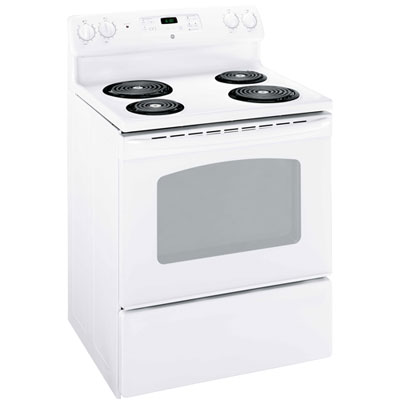 Your price for this item is $749.99
-
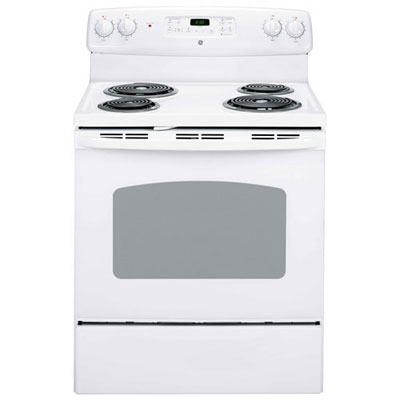 Your price for this item is $799.99
-
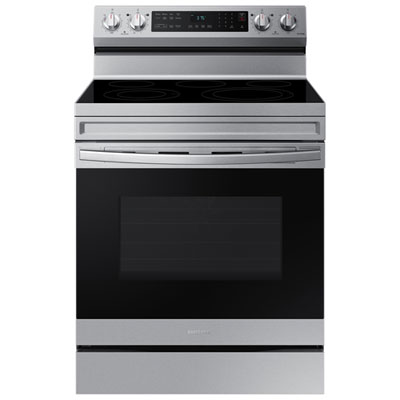 Your price for this item is $1199.99
-
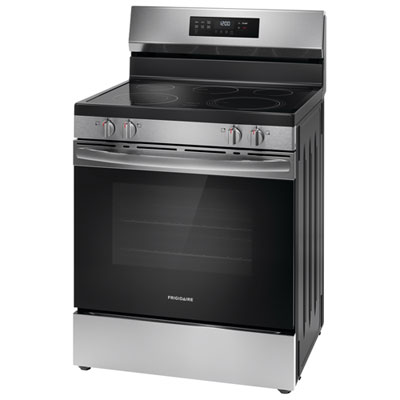 Your price for this item is $1199.99
-
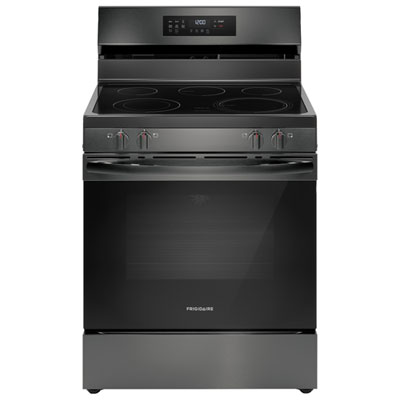 Your price for this item is $1399.99
-
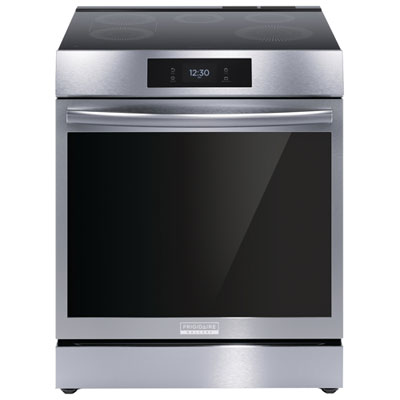 Your price for this item is $2199.99
-
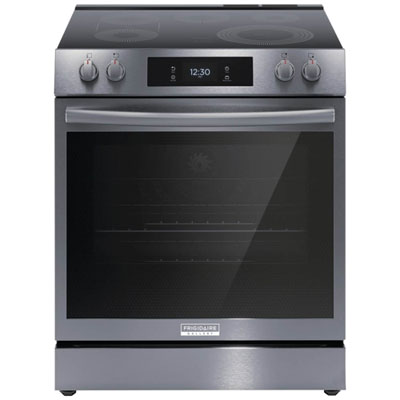 Your price for this item is $1899.99
-
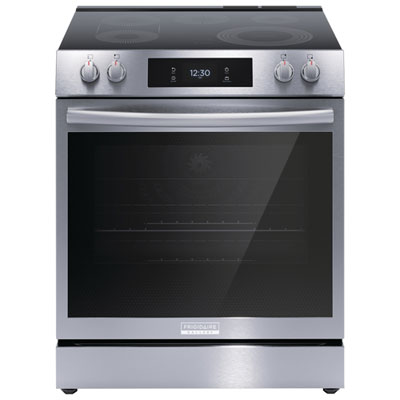 Your price for this item is $1799.99
Discover more categories related to Samsung Cooktops
Top Collections:
Best Black Friday Deals This Year, Best Black Friday Deals On Electronics, Kindle Devices, Pokemon Centers, Best Black Friday Deals On Apple Products, Best Cameras for Sports Photography, Dyson Airwrap, Pokémon 30th Celebration Cards, Apple iPhone 17 Pro, Canon G7X Cameras
Some products may be subject to Environmental Handling Fees
(EHF) depending on your province.
Learn more about EHFs.