High End Coolers
Coolers are a great way to keep your food and drinks cold while you're camping, tailgating, or just going out for a picnic. Here are some of the best high-end coolers available today.
Sort


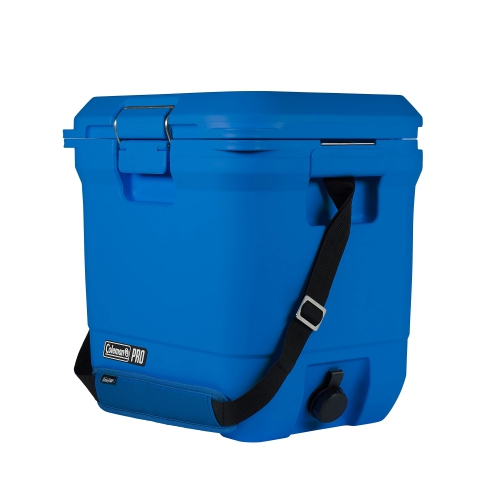


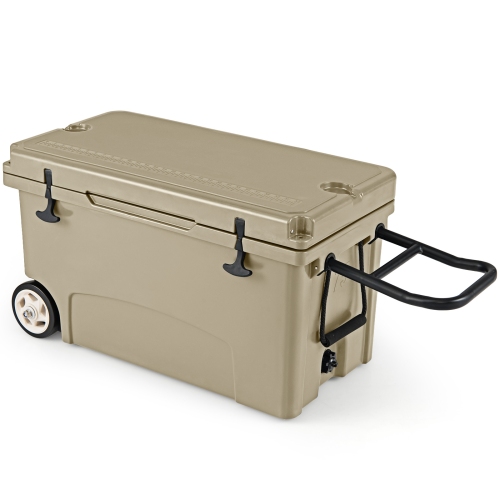
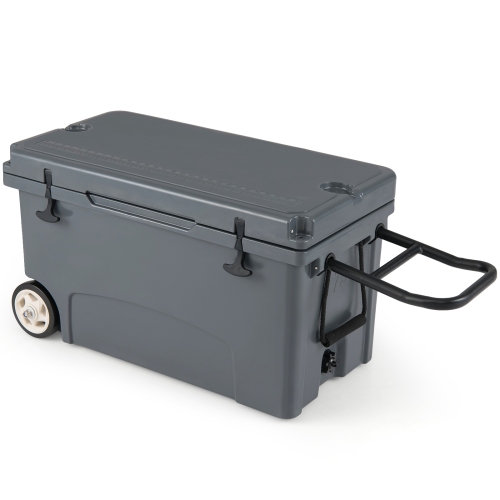
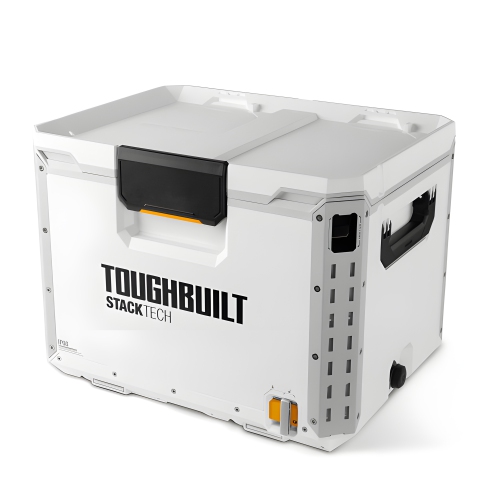
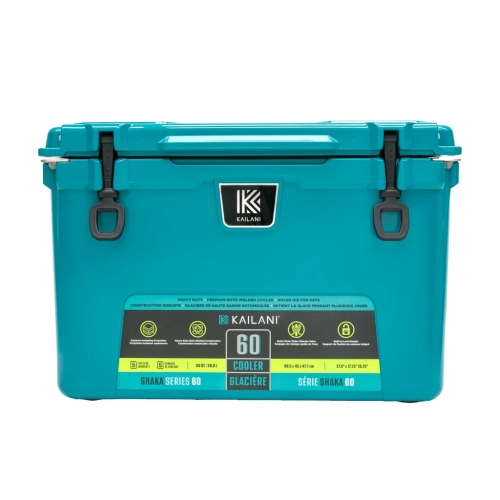
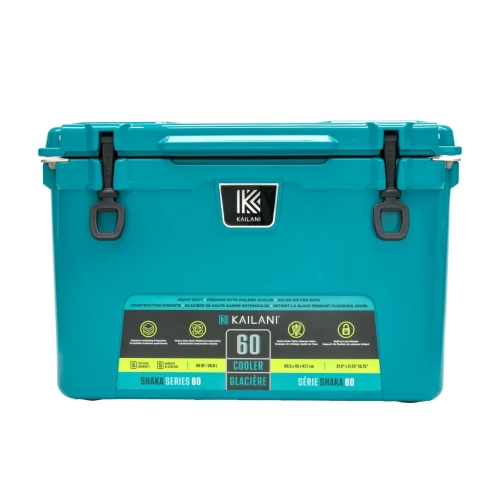
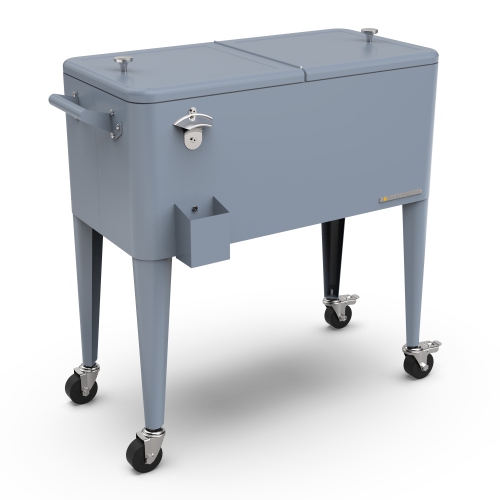
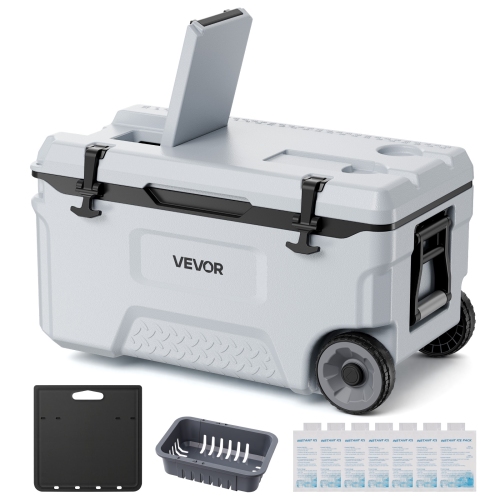
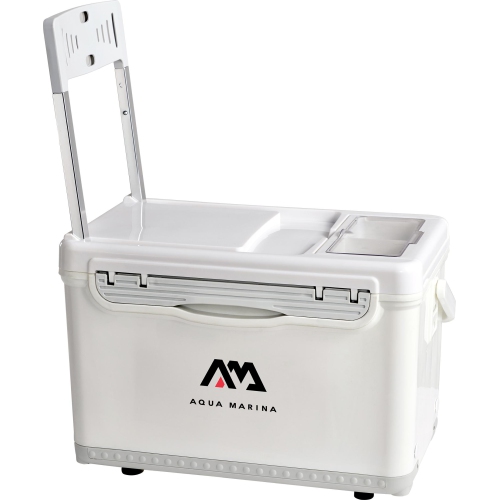
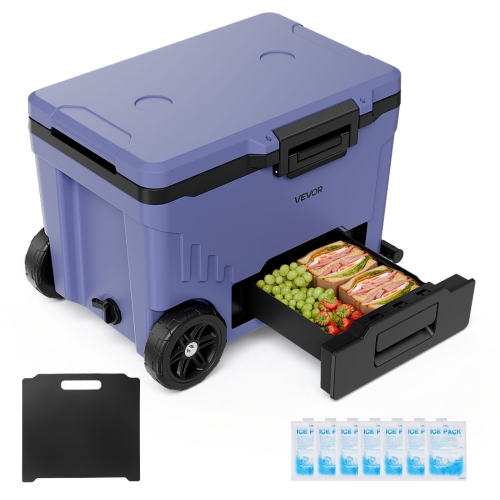

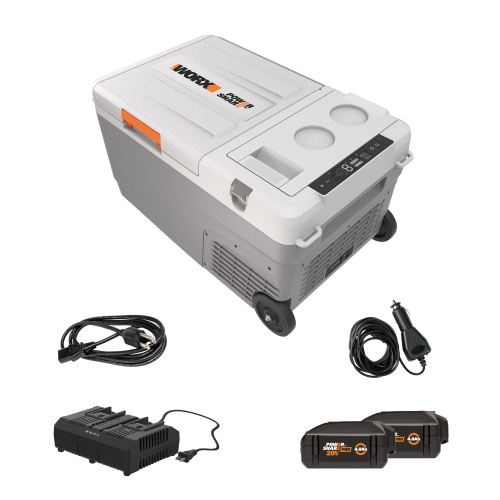
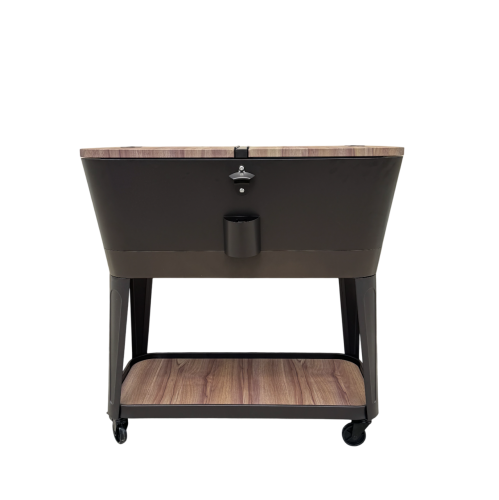
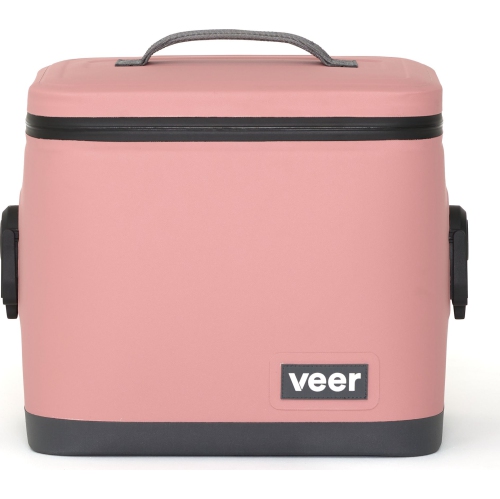
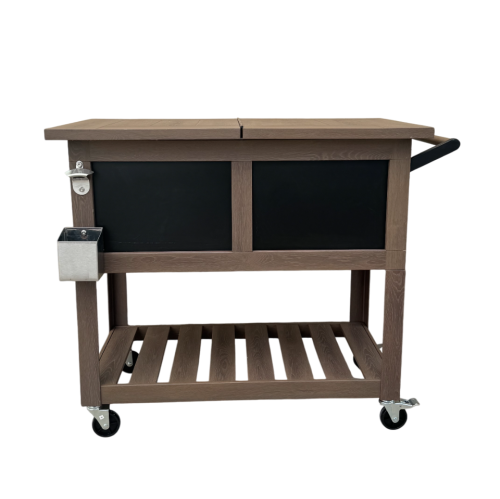
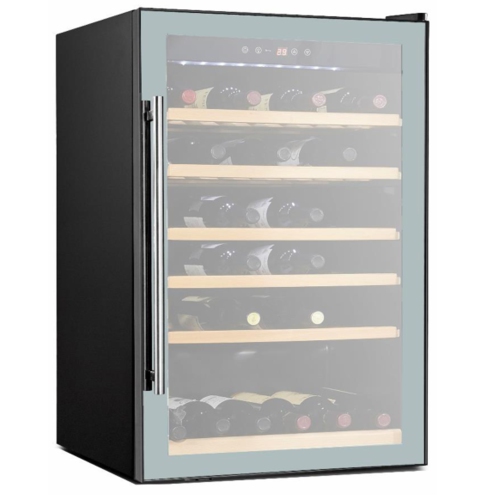

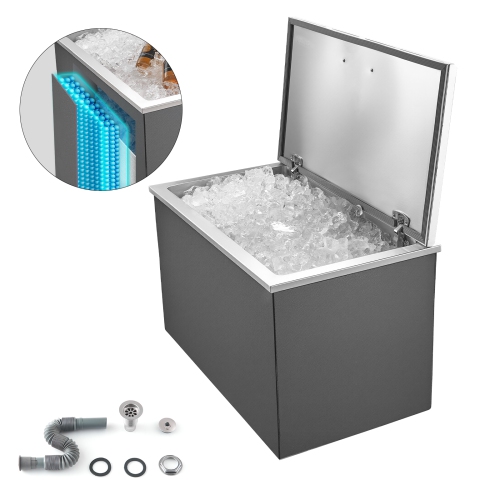
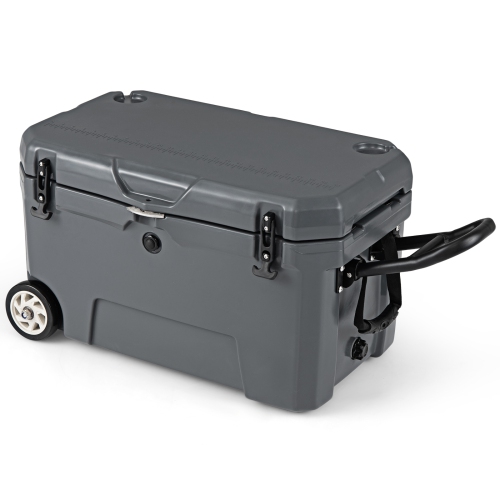
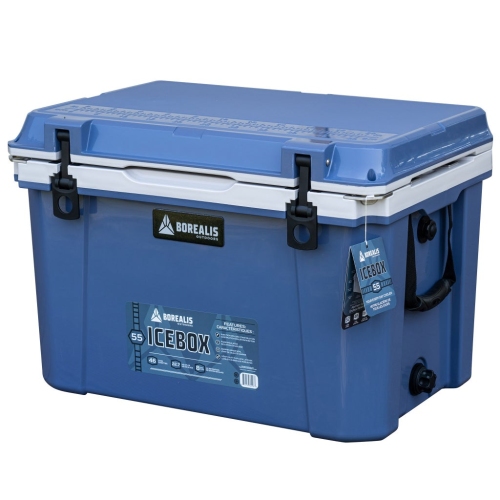
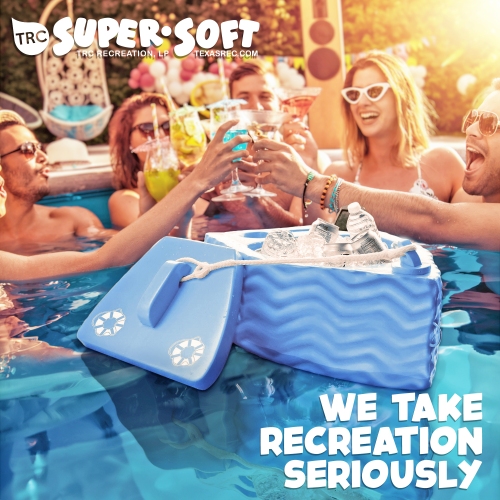

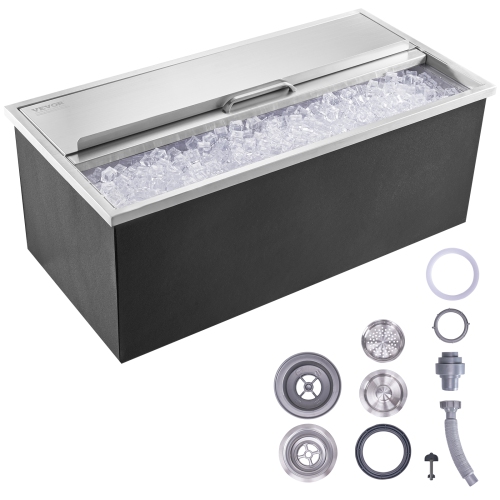

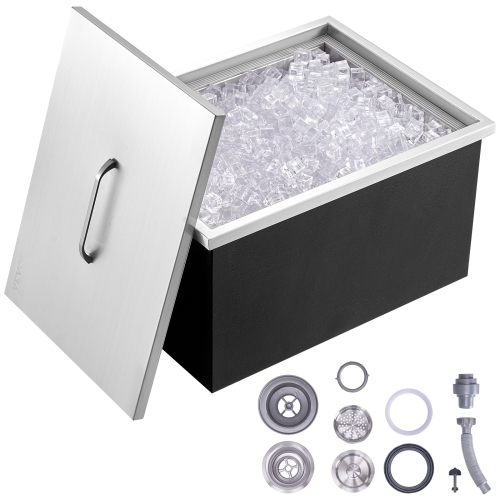
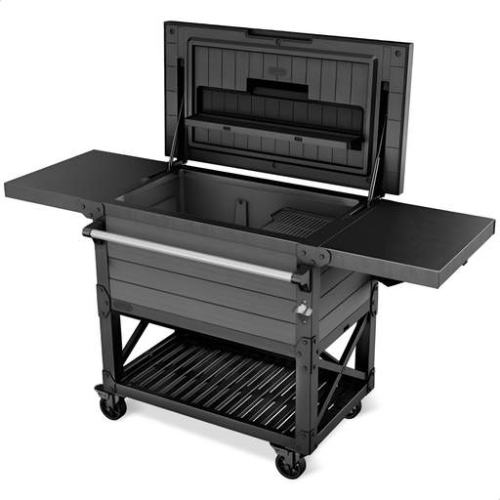
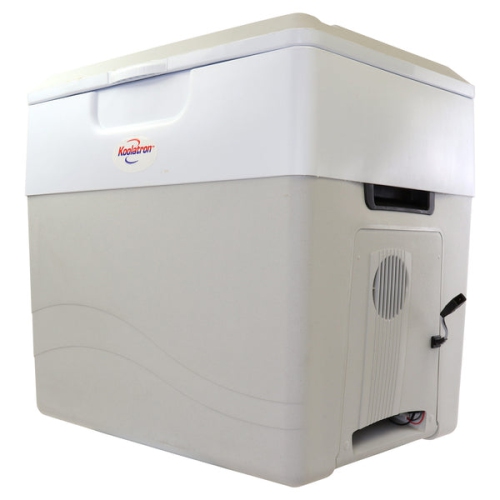
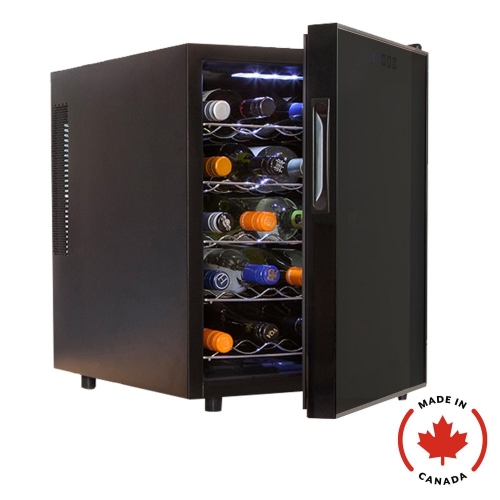
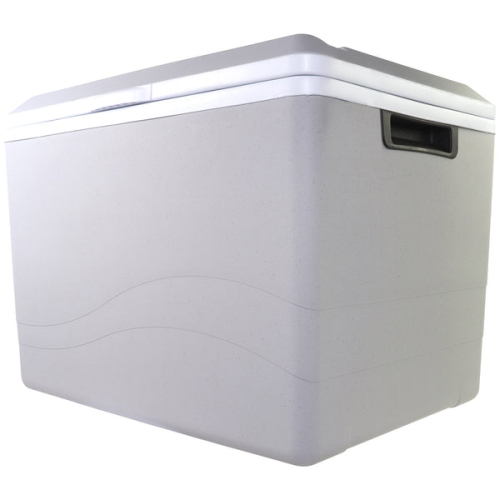
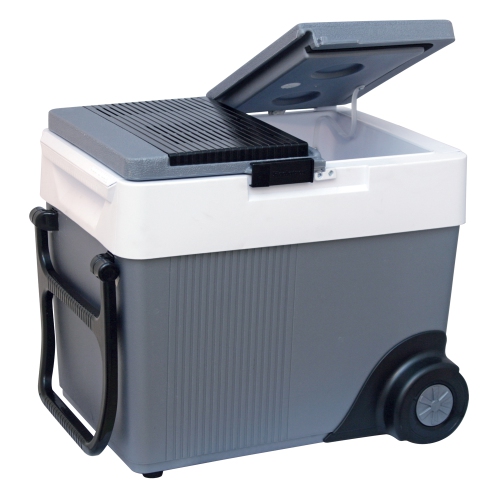
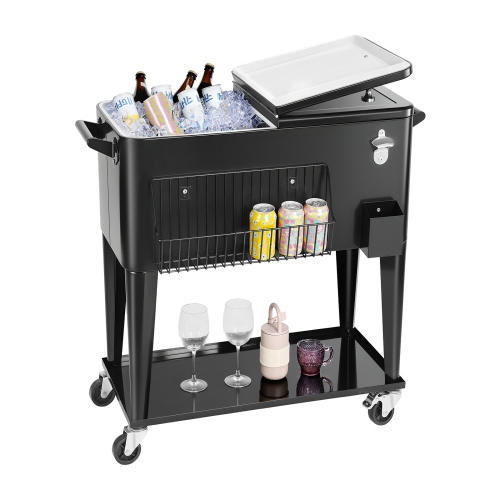
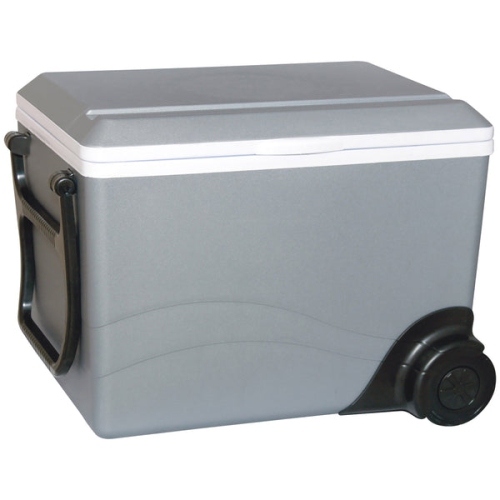
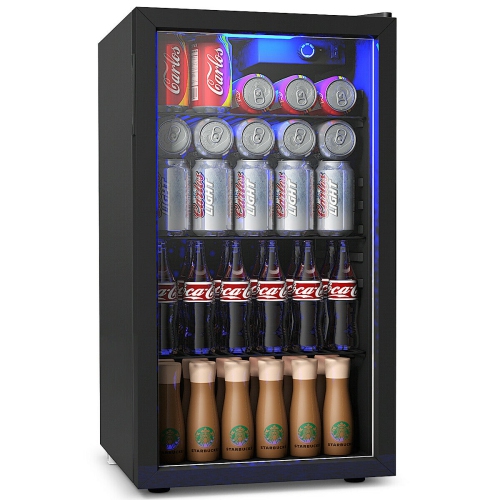
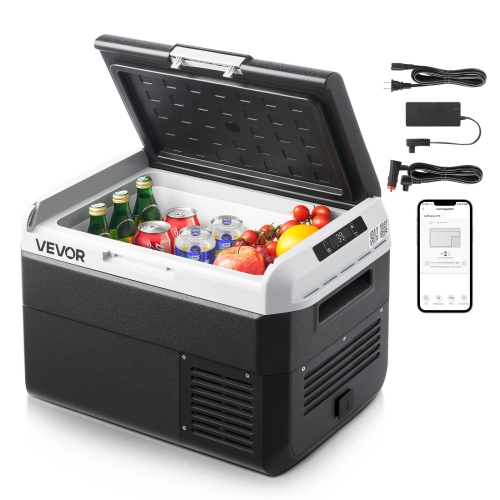
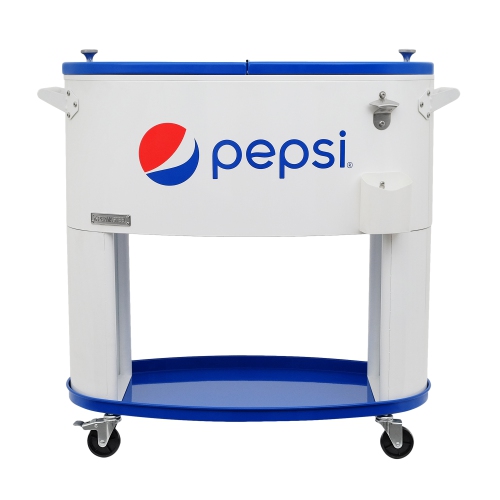
Why cooler performance goes beyond thick insulation
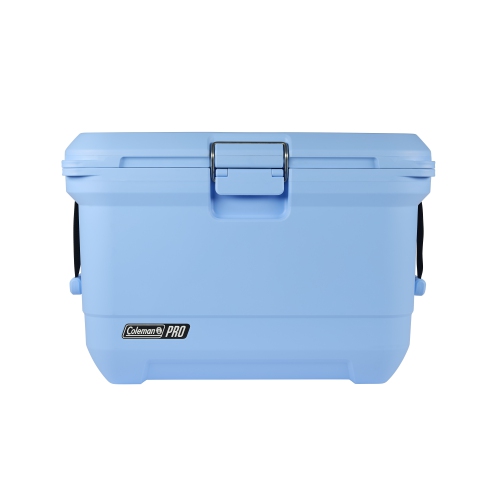
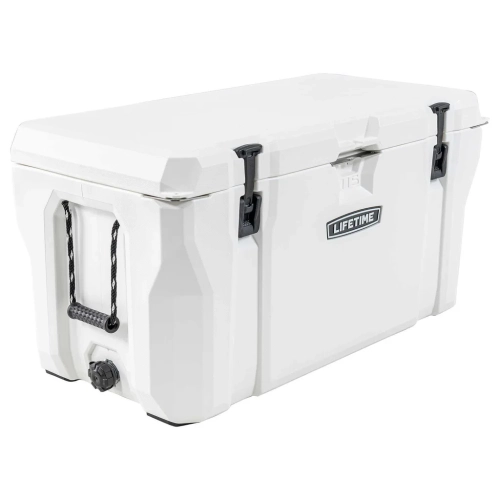
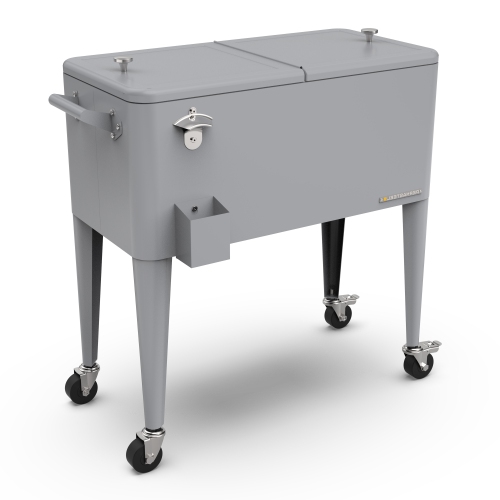
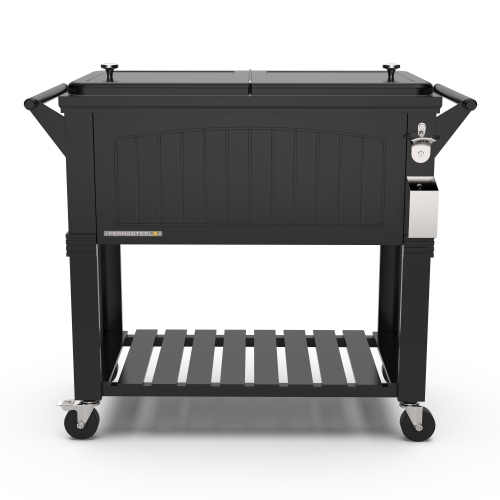
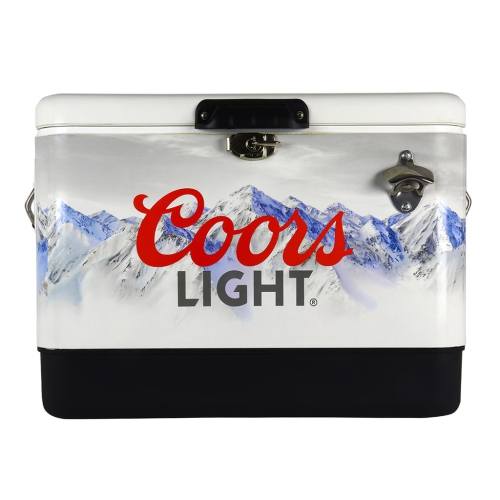
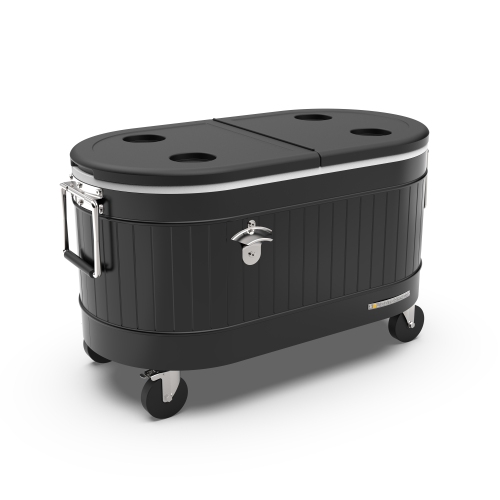
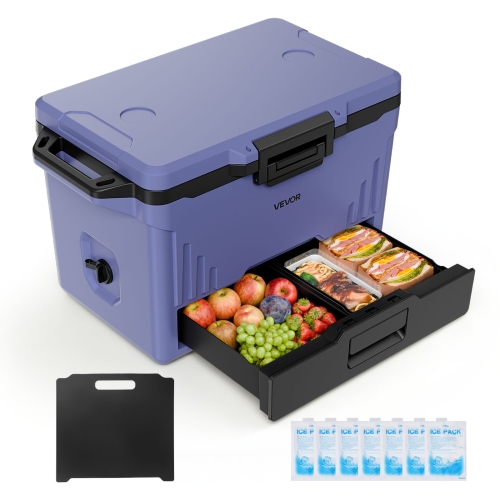
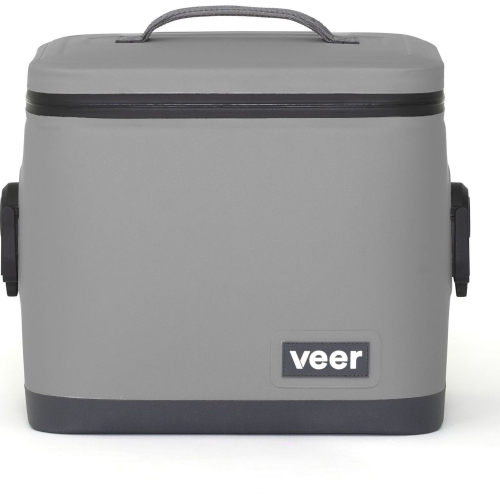
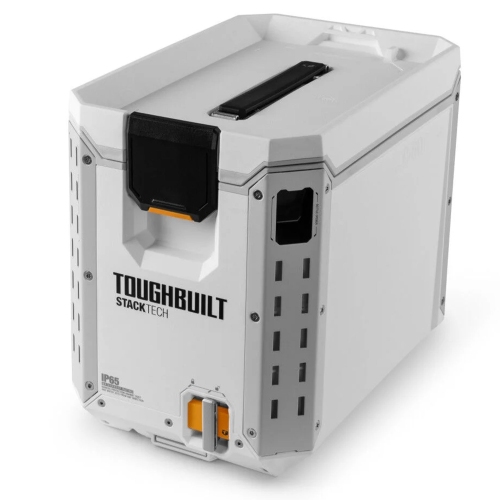
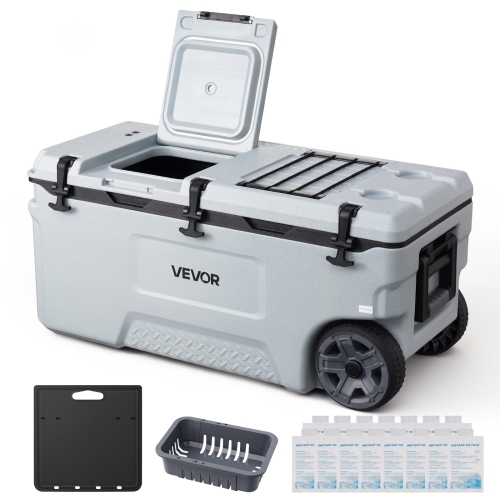
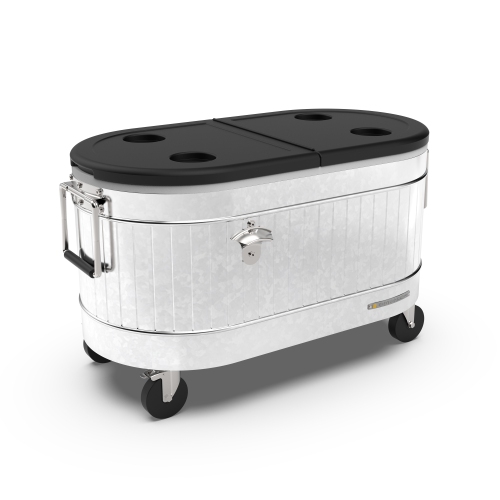
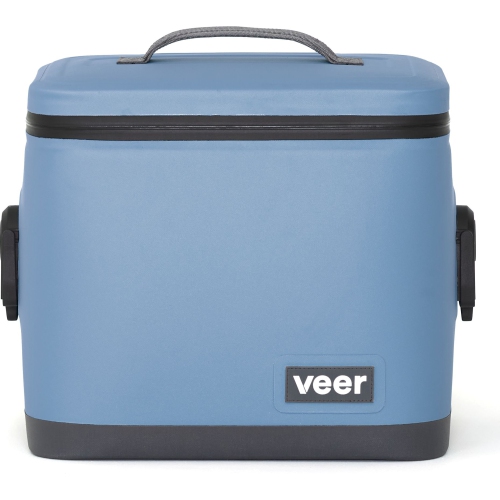
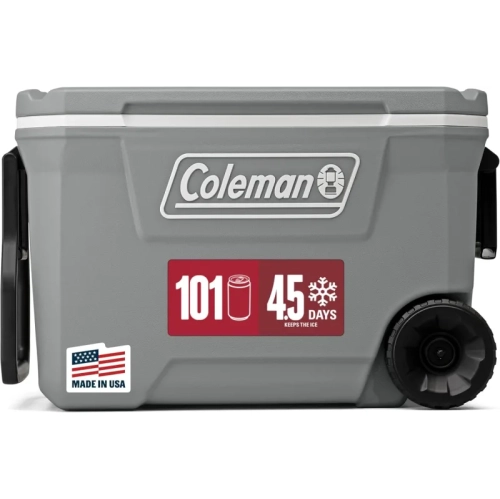
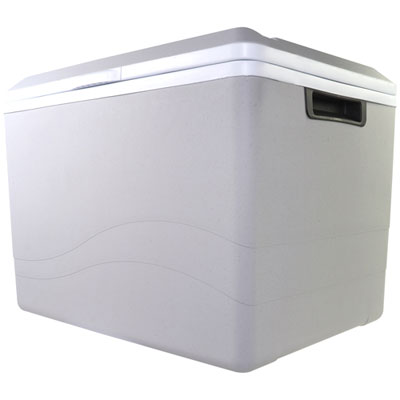
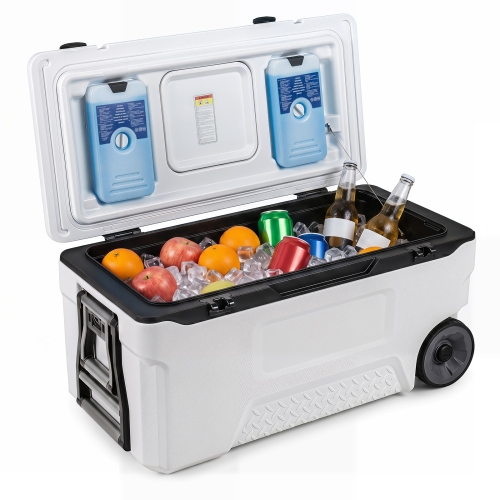
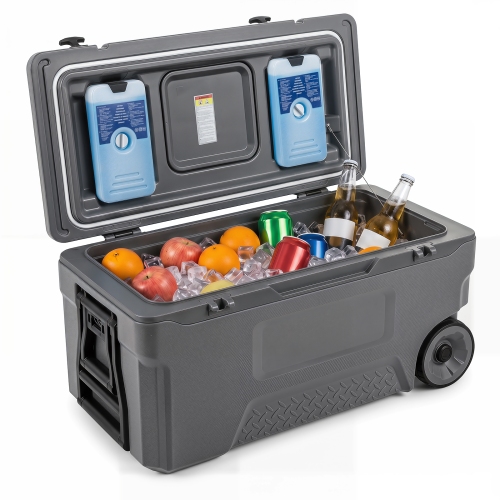
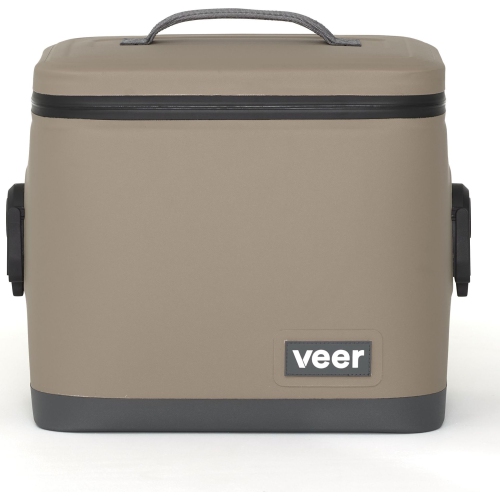
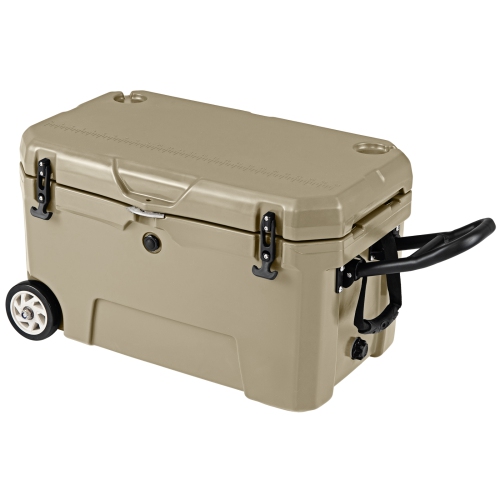
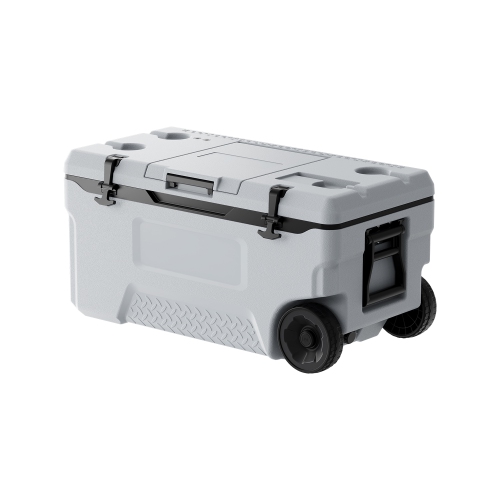
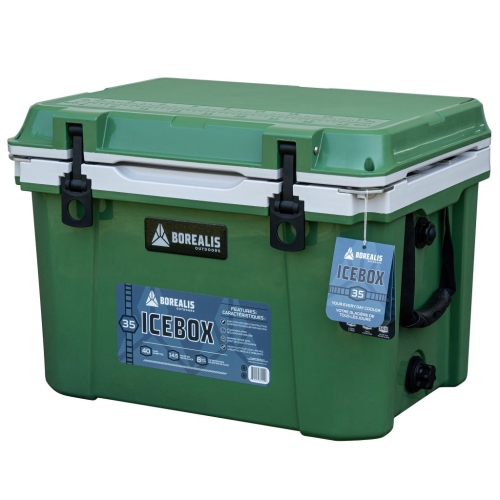
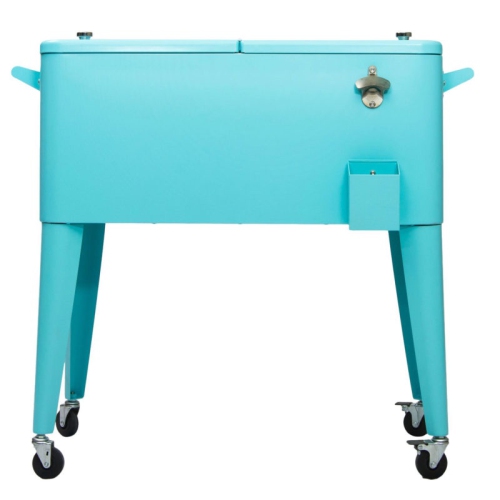
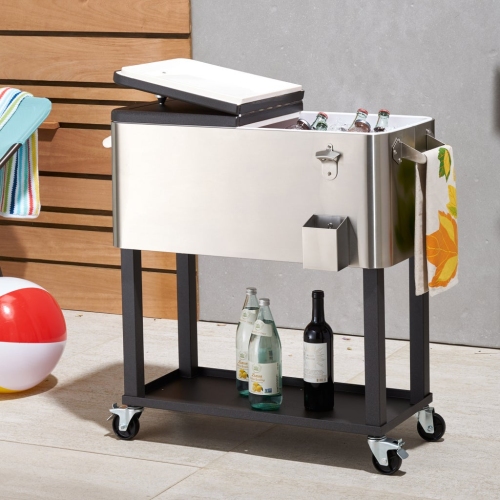
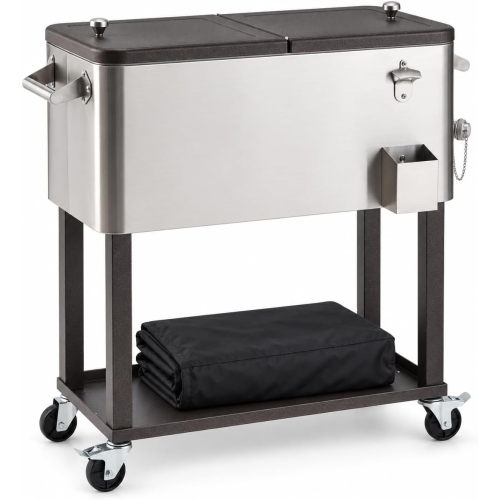
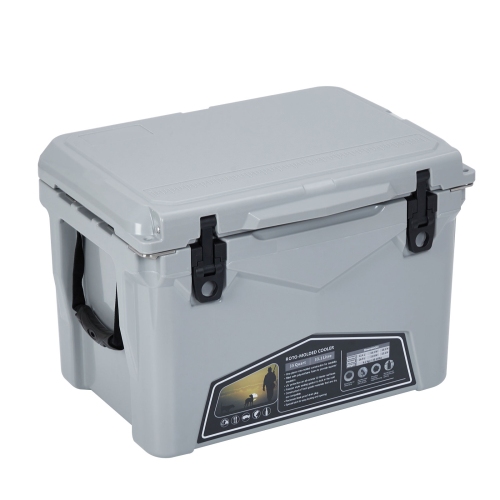
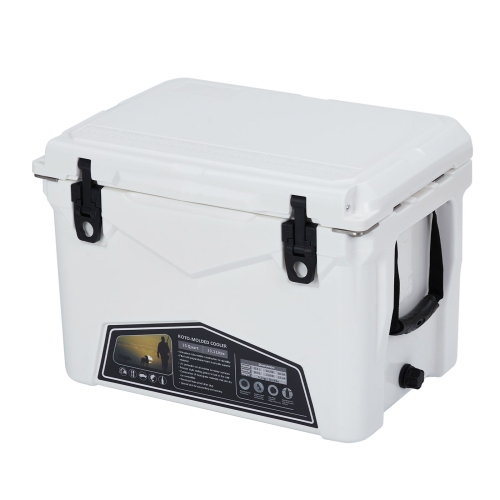
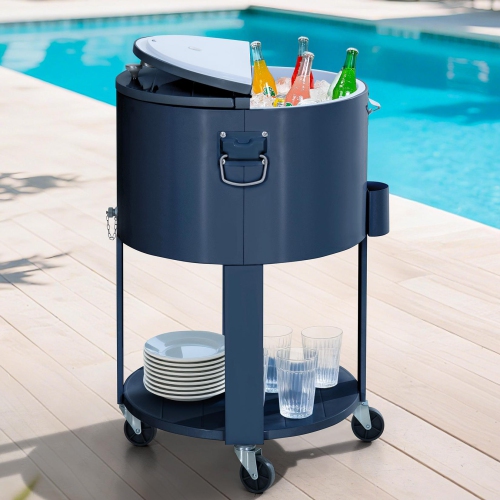
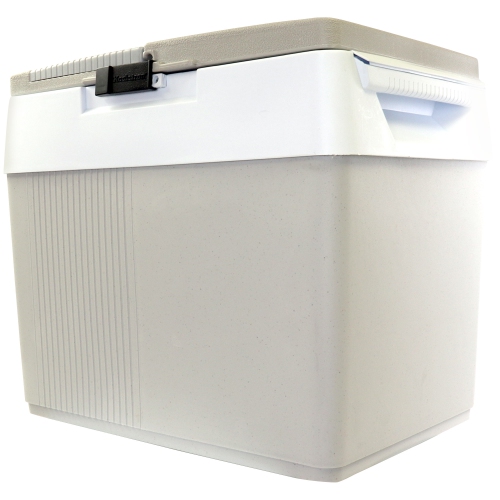
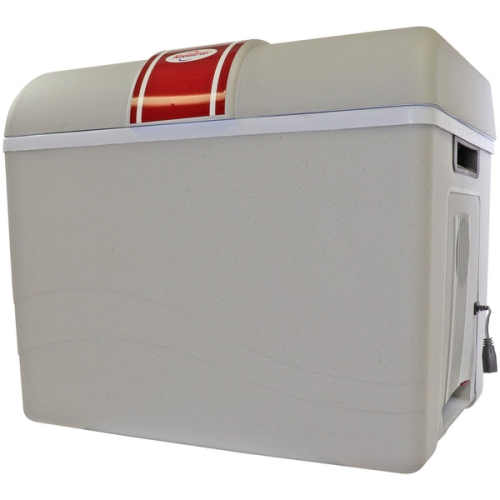
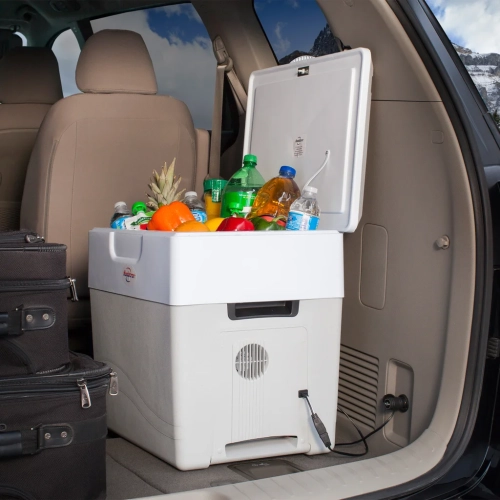
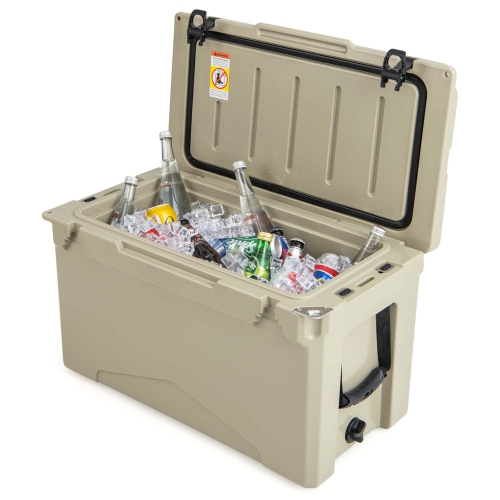
High-end coolers are insulated food and drink carriers designed for demanding use, with an emphasis on temperature retention, durable construction, and practical handling. They suit everything from a family picnic beside the lake to a long drive to the cottage, where chilled groceries need to arrive ready for the fridge. Compared with basic picnic coolers, premium designs often have thicker insulated walls, closely fitted lids, substantial hinges, and closures that help limit warm air entering the interior. Many hard-sided coolers use rotomoulded construction, a process that forms a tough, hollow plastic shell with relatively few joints. Other designs use different moulding methods to reduce weight, while metal-bodied options offer a distinctive finish and their own insulation systems. The construction method alone does not determine performance: insulation thickness, lid fit, packing, outdoor temperature, and how frequently the cooler is opened all affect how long the contents stay cold. Multi-day ice retention claims are best understood alongside the manufacturer’s test conditions rather than treated as a guarantee for every outing. A cooler resting in direct sunlight on a dock and opened repeatedly for drinks faces different demands from one kept shaded and closed during a road trip. High-end soft coolers serve a different purpose, pairing insulated walls with flexible shells that are easier to carry through a park or tuck into a crowded vehicle. Their appeal is portability rather than the rigid protection and larger capacity of a substantial ice chest. Across both styles, useful details can include comfortable handles, dependable closures, easy-to-clean interiors, and secure attachment points. For campers, boaters, anglers, and households that regularly carry food away from home, these details can matter as much as ice retention. During the cooler months, an insulated cooler can still be useful for transporting chilled food, although outdoor air is not a substitute for monitoring the temperature inside. The strongest fit is a cooler whose insulation, capacity, and carrying design match the way it will actually be used.
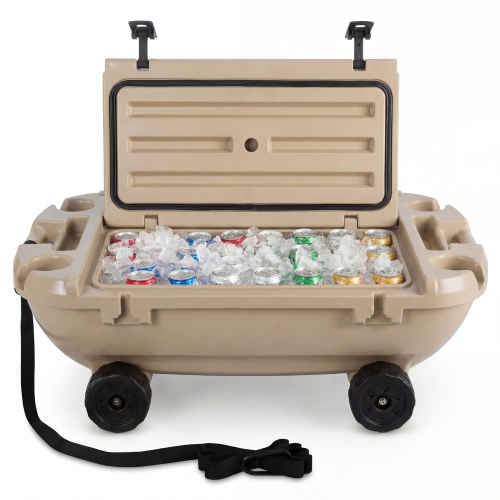
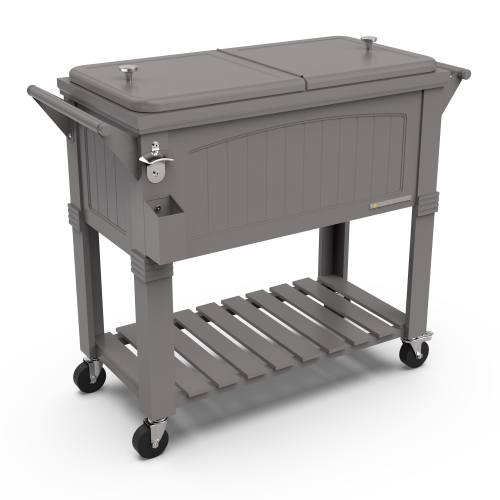
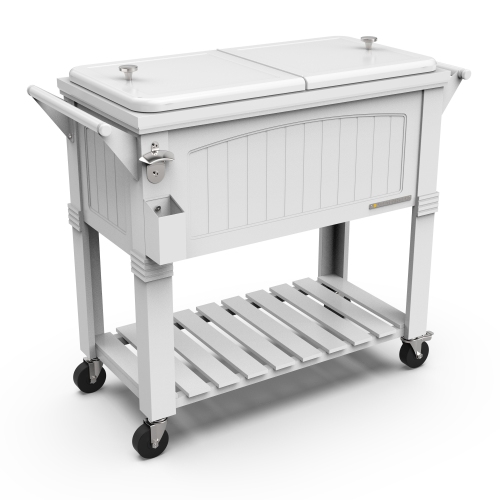
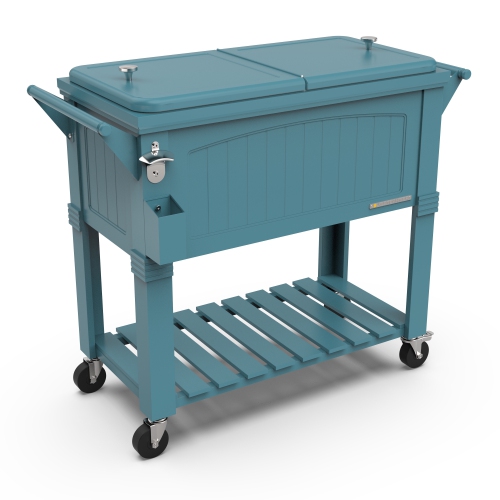
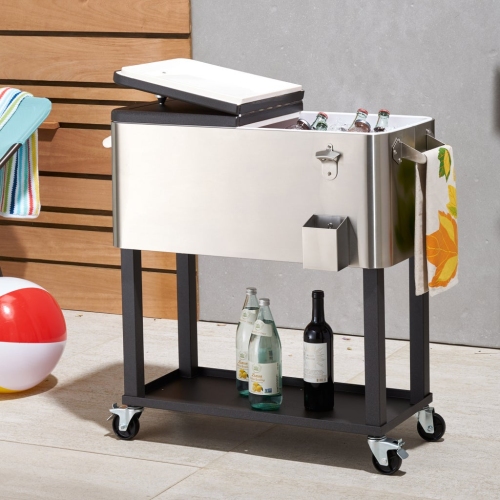
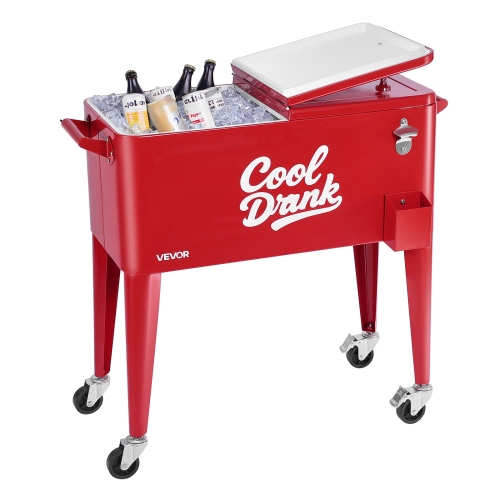
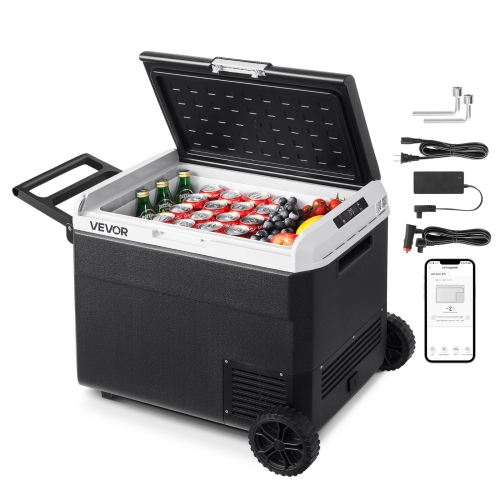
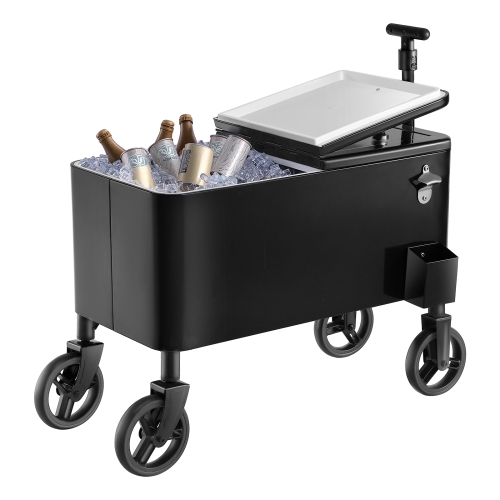
Capacity and physical fit shape everyday convenience more than an exterior photograph can suggest. Thick insulation takes up space, so a large-looking cooler may have a smaller usable interior than expected. Interior dimensions help establish whether upright bottles, reusable food containers, or a prepared meal in a covered dish will fit without awkward stacking. Stated can capacity also needs context, since some measurements include room for ice and others describe a tightly packed interior with little cooling space left over. For a weekend away, food, drinks, and ice all need room; for lunch at a lookout, a compact carrier may be more comfortable than a half-filled chest. When easy carrying matters more than capacity, Small Coolers offer a useful alternative for shorter outings and lighter loads. The cooler’s empty weight is only part of the picture, because ice and bottled drinks quickly add to the load. Broad handles, balanced lifting points, padded shoulder straps, and backpack-style harnesses each suit different distances and terrain. A wheeled cooler can make the trip from a parking area to a picnic shelter easier, but wheel size, ground clearance, and handle length affect how comfortably it moves over gravel or uneven paths. Steps, deep sand, and lifting into a vehicle may still require two people. Non-slip feet and designated tie-down points can be helpful on a boat or in a cargo area, provided the cooler is secured according to its instructions. A flat lid may offer convenient temporary space for setting down a cup, but sitting or standing on it is appropriate only when the manufacturer explicitly permits that use. For cabin weekends or shared meals outdoors, baskets and dividers can keep delicate food above meltwater and separate snacks from heavier containers. A dedicated drinks cooler can also reduce how often the food cooler is opened. As a gift for someone who spends time outdoors, a premium cooler feels most useful when its size, carrying style, and storage footprint suit that person’s vehicle, household, and favourite activities.
Durability in a high-end cooler involves more than a shell that resists bumps. Hinges, latches, handles, drain plugs, zippers, and seals are the parts handled repeatedly, often with wet hands or while unloading in poor weather. Sturdy hardware and replaceable components can support years of use, while a clearly described warranty helps establish what protection applies. Hard shells generally offer good resistance to abrasion and protect their contents from pressure, though textured finishes can hold dirt and metal surfaces may show scratches or dents. Soft-sided designs benefit from tough outer fabrics, reinforced bases, and well-finished seams; water-resistant fabric does not necessarily mean the entire bag is leakproof or suitable for submersion. Closure design matters here, especially if the cooler might tip in the back of a vehicle. Bear-resistant claims also require careful attention: only a cooler with an applicable certification, used with the specified locks or hardware, should be treated as bear-resistant, and local food-storage rules still apply. Day-to-day care is usually straightforward but makes a noticeable difference. Mild soap, water, and thorough rinsing help remove food residue, while complete air-drying before storage helps prevent lingering odours. Drain channels, lid seals, and the folds around soft-cooler closures deserve attention because moisture can remain in those areas after the main compartment looks dry. Abrasive cleaners, strong chemicals, and pressure washing may damage finishes or seals, so the manufacturer’s care directions remain important. Performance also depends on preparation: starting with chilled food and a pre-cooled interior reduces the heat the ice must absorb. Block ice tends to melt more slowly than small cubes, while cubes fit around containers; reusable ice packs offer another option where loose meltwater would be inconvenient. Perishable food should stay at $4°C or below, with a cooler thermometer providing a more dependable check than the presence of ice alone. Kept clean, packed thoughtfully, and used within its stated limits, a well-made cooler can make food transport less awkward, whether it is holding sandwiches for a trail stop or ingredients for a shared meal at the cottage.
Top selling and popular products
-
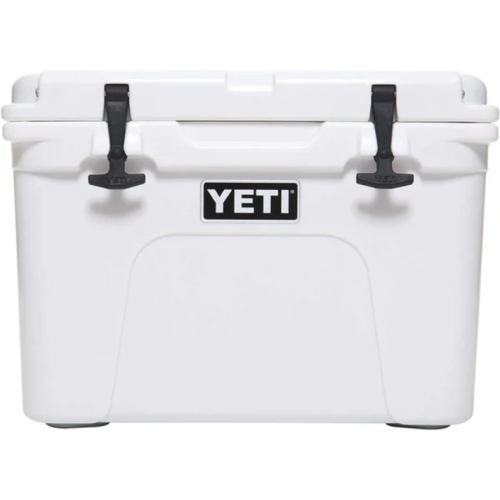 Your price for this item is $388.9
-
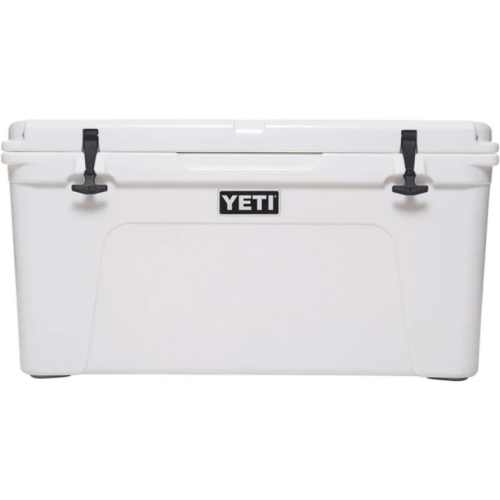 Your price for this item is $618.9
-
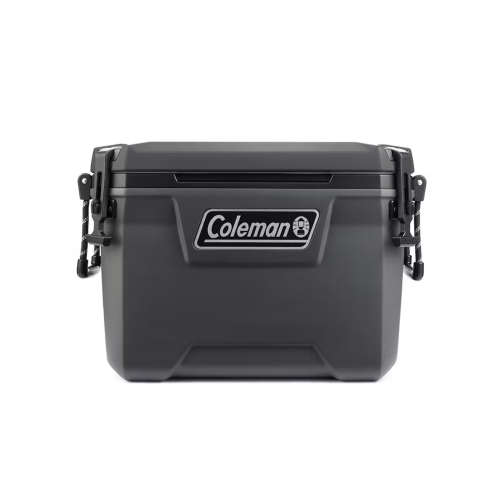 Your price for this item is $199
-
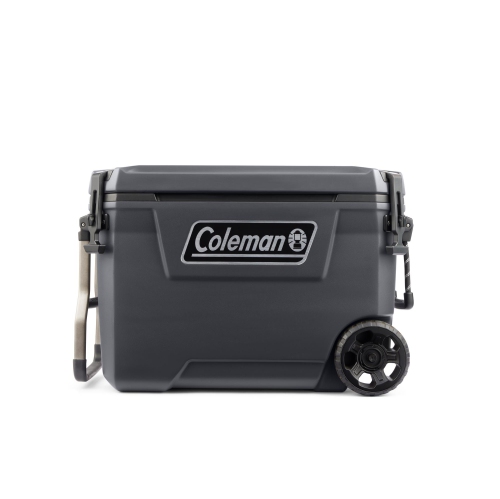 Your price for this item is $379.99
-
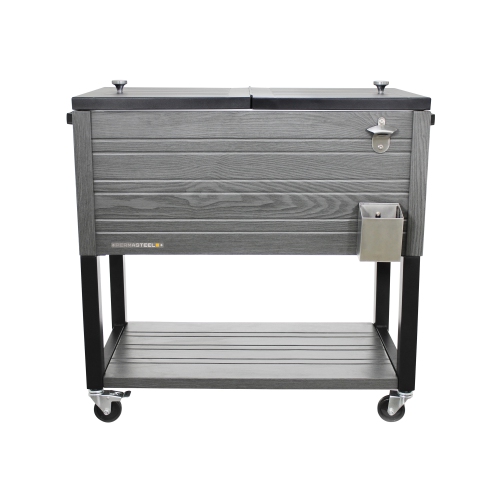 Your price for this item is $379.99
-
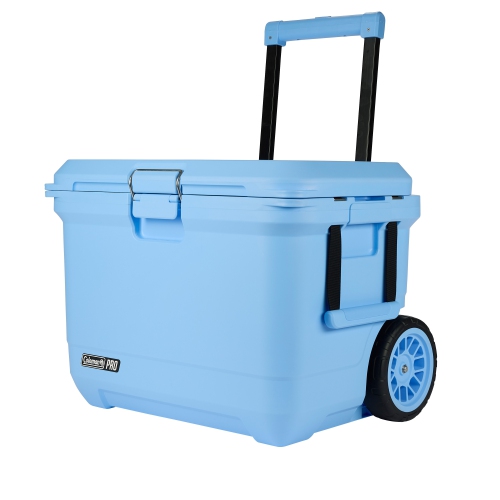 Your price for this item is $374.99
-
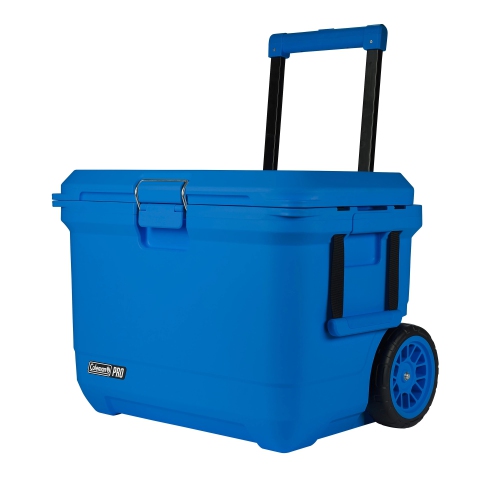 Your price for this item is $374.99
-
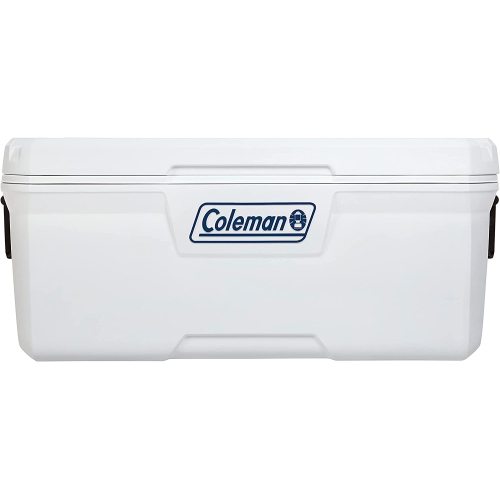 Your price for this item is $202.99
Discover more categories related to High End Coolers
Top Collections:
Best Black Friday Deals This Year, Best Black Friday Deals On Electronics, Kindle Devices, Pokemon Centers, Best Black Friday Deals On Apple Products, Best Cameras for Sports Photography, Dyson Airwrap, Pokémon 30th Celebration Cards, Apple iPhone 17 Pro, Canon G7X Cameras
Some products may be subject to Environmental Handling Fees
(EHF) depending on your province.
Learn more about EHFs.