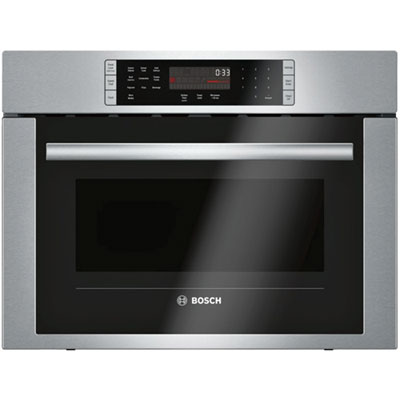
Cost of Built-in Microwaves

The cost of built-in microwaves varies by capacity and features, while installation and any required trim kit can add to the total. Compare models by price, size, and cooking functions to find an option that fits your kitchen and budget. Check your cabinet opening dimensions and confirm what’s included when comparing costs.
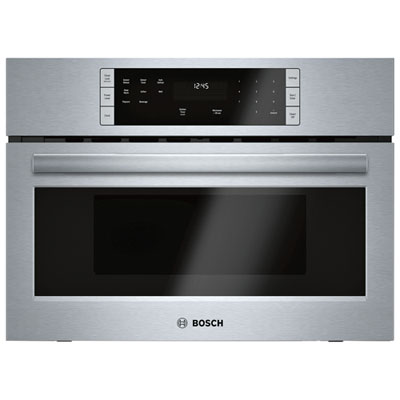
Sort

Why built-in microwave fit goes beyond cabinet dimensions

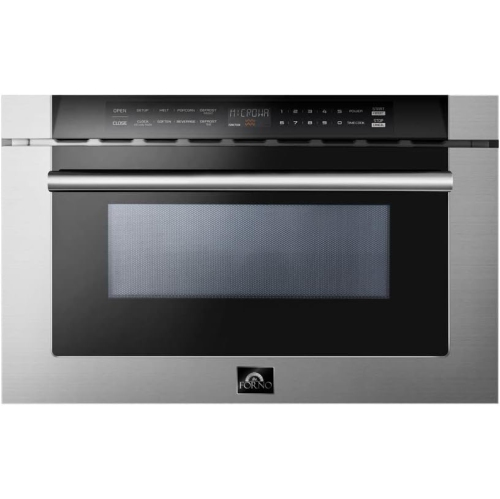
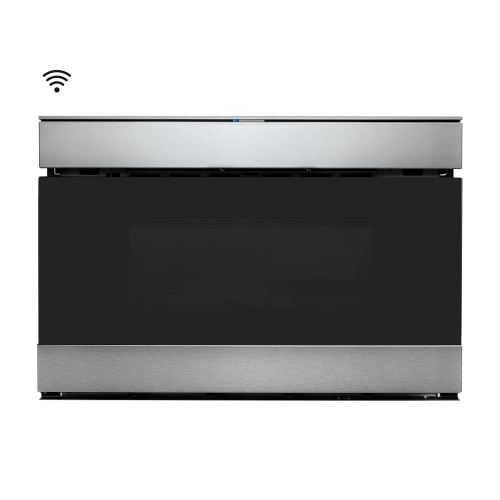
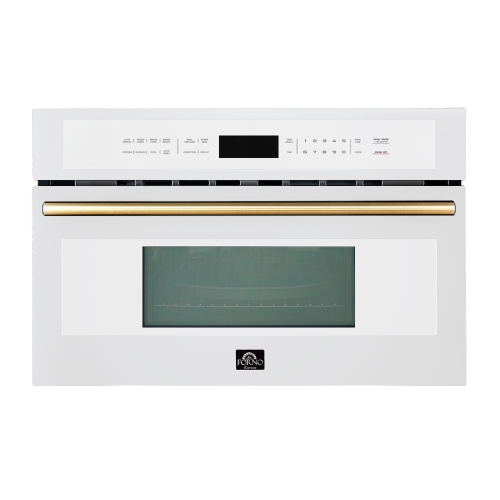
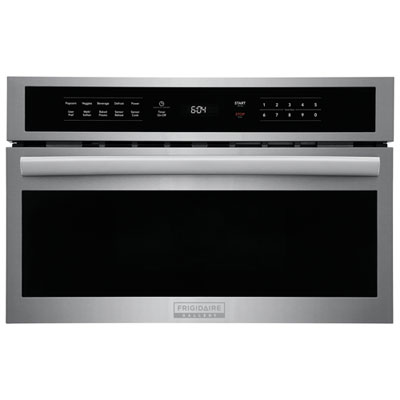
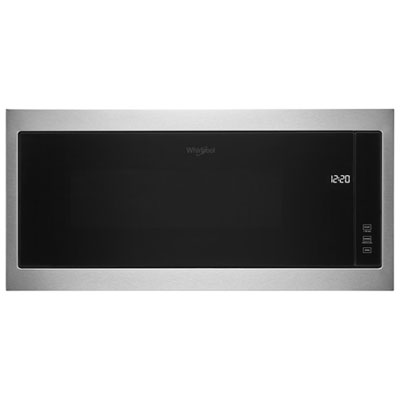
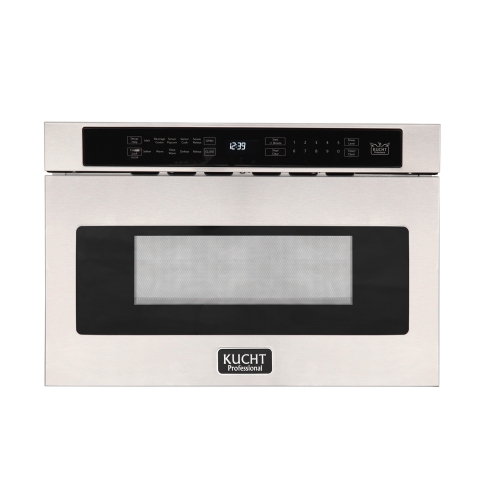
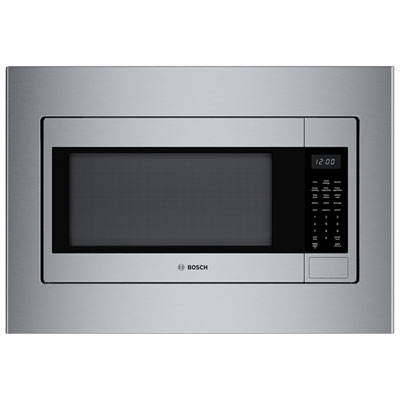
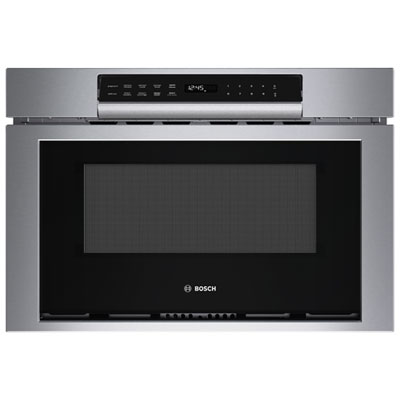
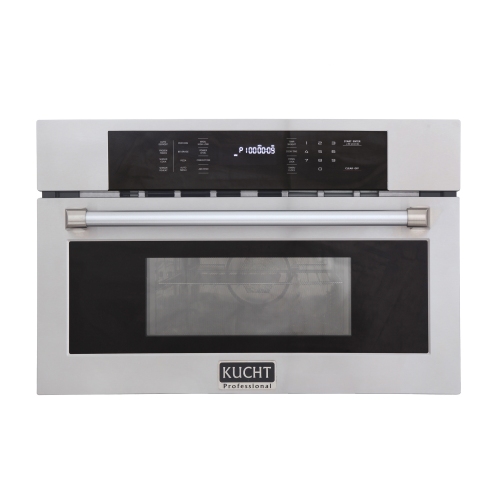
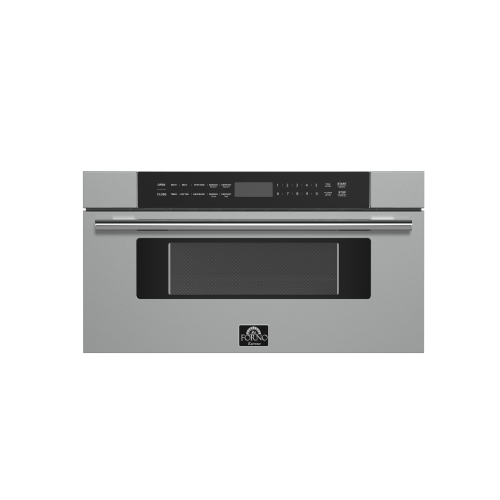
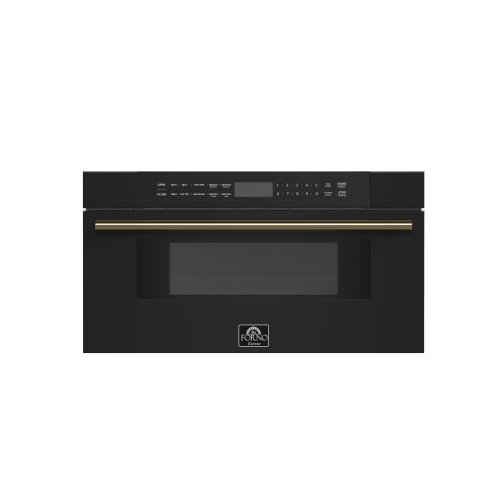
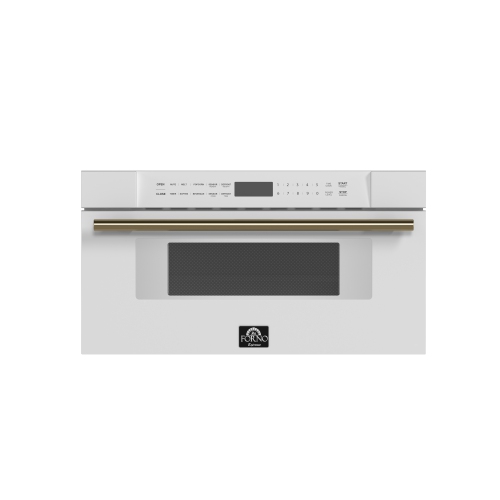
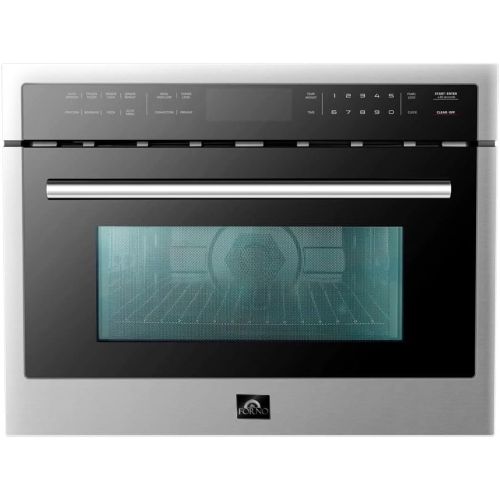
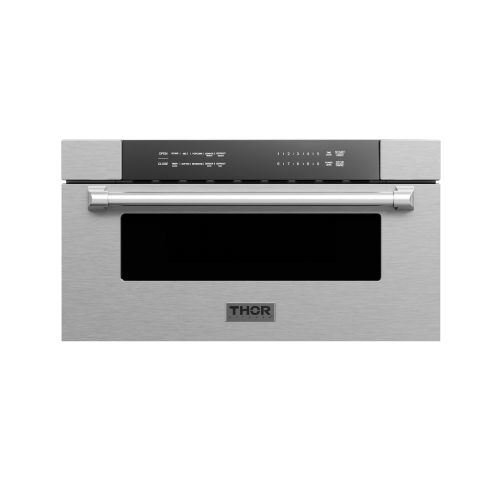
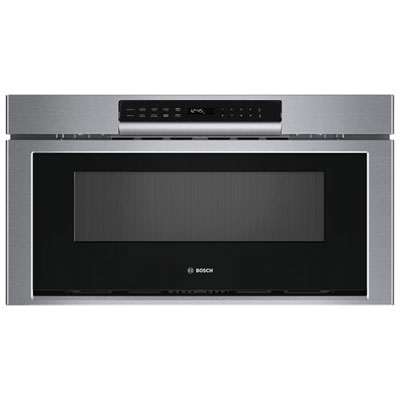
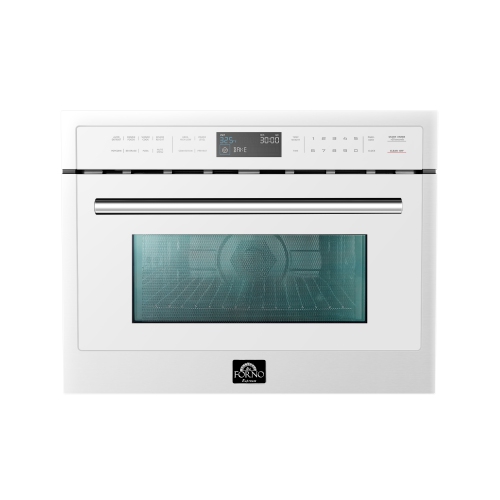
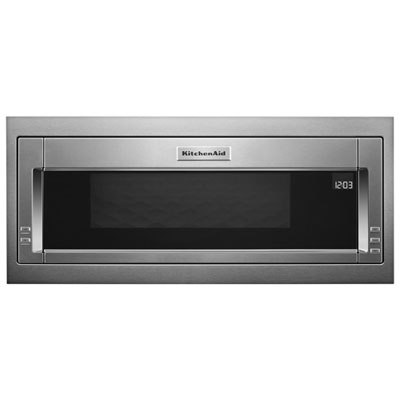
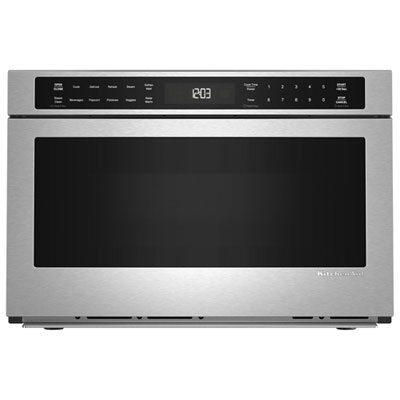
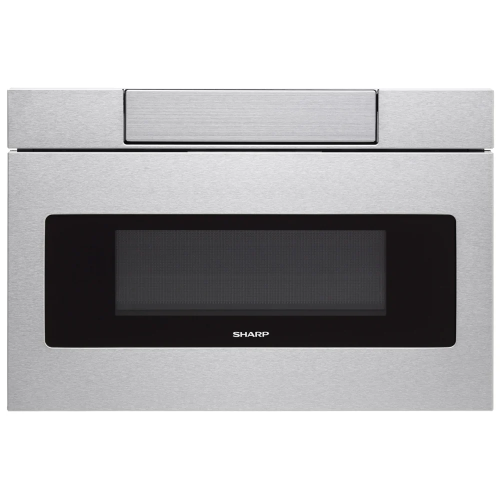
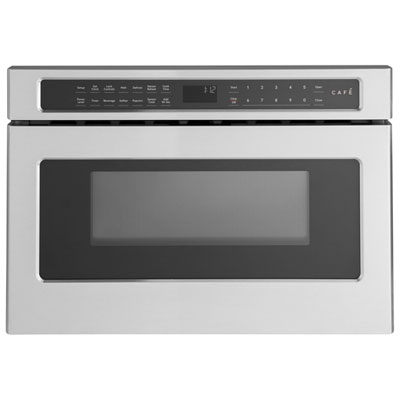
Built-in microwaves offer a fitted alternative to appliances that sit on a kitchen counter, with designs intended to sit within compatible cabinetry or a wall installation. Differences between them include the opening style, usable capacity, cooking functions, finish and installation requirements. A conventional built-in microwave may have a side-opening or drop-down door, while a microwave drawer opens horizontally and is generally positioned beneath a counter. Some countertop microwaves can be installed with a manufacturer-approved trim kit, but that does not mean every countertop model is suitable for an enclosed space. The appliance and trim kit must be approved for use together, with the specified clearances and airflow maintained. A microwave incorporated into a wall-oven combination is another distinct format, with different space and installation needs from a standalone unit. These distinctions matter when comparing appliances for an existing kitchen opening or planning cabinetry for a renovation. Stainless steel, dark finishes and simple glass fronts can complement surrounding appliances, although colours and surface textures may differ between appliance collections. Stainless steel provides a familiar kitchen finish, while fingerprint-resistant treatments can help reduce visible marks from frequent handling; cleaning requirements still depend on the particular surface. Inside, the useful shape of the cooking cavity matters as much as its stated capacity. A wide dinner plate, tall mug or rectangular casserole dish can each place different demands on the available space. Turntable diameter, interior height and door access help determine whether everyday dishes will fit comfortably. A larger cavity is not automatically the better match for every household, especially when most use involves reheating a single serving or preparing a small side dish. For a family kitchen, shared household or compact condo, the most useful configuration is one that suits familiar meals and dishes without making the appliance awkward to reach, load or clean.
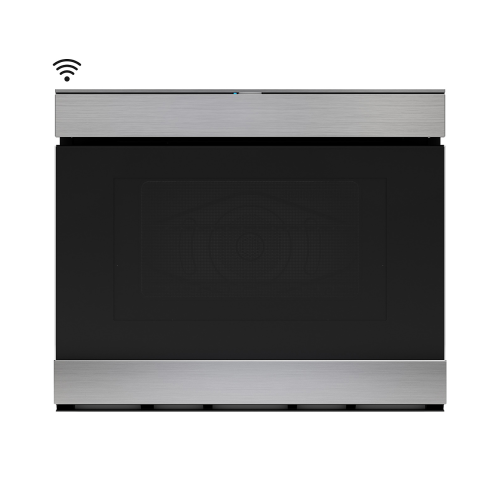
Cabinet fit is central to choosing a built-in microwave because the visible front dimensions do not describe the entire installation. The required cutout width, height and depth, ventilation clearances, support requirements and electrical connection all need to match the manufacturer’s specifications. An opening that looks suitable from the front may have insufficient depth behind it, or an outlet may occupy space needed by the appliance. Trim dimensions also matter: a replacement microwave can fit inside an existing opening yet leave a different border around the cabinet face. Trim kits are not universal accessories, and a close visual match does not establish compatibility. An installation may involve the microwave, its approved trim components and adjustments to cabinetry or electrical arrangements, depending on the format and the existing space. Keeping those elements distinct makes appliance comparisons more meaningful. Kitchens with limited cabinetry space may be suited to Small Built In Microwaves, provided the required clearances and useful interior dimensions work for the intended dishes. Compact exterior dimensions do not remove the need for proper ventilation. Door movement deserves attention as well: a side-opening door needs room beside it, a drop-down door projects forward, and a drawer needs unobstructed space to extend. Nearby cabinet handles, an adjacent wall or a narrow aisle can affect everyday access. Placement should allow a person to see and retrieve a bowl of soup without lifting hot food above a comfortable height. Lower installations can improve reach for some users, but bending, control visibility and access by young children also need consideration. A built-in microwave should not be assumed to provide the cooktop ventilation associated with an over-the-range appliance. These are different installation formats, and the kitchen’s ventilation arrangements must be addressed separately. Appropriate installation and qualified electrical work, where needed, help ensure the finished setup follows the appliance requirements rather than simply achieving a flush-looking front.

Cooking features become most useful when they match the tasks a household repeats. Straightforward controls, clearly labelled power settings and an easy-to-read display can make frequent reheating simpler than a long menu of functions that rarely gets used. Sensor cooking adjusts operation using feedback such as moisture released by food, but results still depend on the dish, portion and instructions for that setting. Adjustable power levels are useful for softening butter, warming a sauce or defrosting ingredients more gently than a full-power cycle. Some designs use inverter technology to modulate microwave output, while convection-equipped appliances add functions that differ from ordinary microwave reheating. Those additional functions require their own cookware and operating instructions; cookware suitable for one mode is not automatically suitable for another. A familiar scenario is warming a plate of leftovers while preparing vegetables elsewhere in the kitchen: accessible controls, enough space for the plate and a door that stays clear of the work area can matter more than an extensive preset menu. For batch cooking, a cavity that accepts the containers used for portioning meals can be particularly practical. Care also shapes the ownership experience. Food splashes are easier to remove before they harden, and a soft cloth with an appropriate cleaner helps protect interior surfaces, door finishes and control panels. Abrasive pads and harsh cleaners can damage some surfaces, so the appliance’s care instructions remain important. Turntables, support rings and removable trays should be cleaned and refitted as directed, while ventilation openings need to remain unobstructed. Door edges and seals should be kept clean and checked for damage rather than treated as ordinary decorative trim. A damaged door or latch warrants assessment by a qualified service provider. For long-term use, useful details include a sturdy handle, smoothly operating hinges or drawer runners, accessible cleaning surfaces and clear warranty terms. The strongest match brings together suitable cooking performance, comfortable access and a properly planned installation, giving the microwave a practical place in the kitchen’s daily routine.

FAQ

Some products may be subject to Environmental Handling Fees (EHF) depending on your province. Learn more about EHFs.