Cyber Monday Deals On Chairs
Looking to upgrade your seating options? Look no further than our incredible Cyber Monday deals on chairs. Whether you're in need of a comfortable office chair for long work days, a stylish accent chair to complete your living room, or a cozy recliner to unwind in after a busy day, we've got you covered. With exclusive discounts and unbeatable prices, now is the perfect time to find the perfect chair that suits your needs. Remember, our Low Price Guarantee means you can shop confidently knowing that you'll find the best price at Best Buy, all year round. We encourage you to check our website frequently for the most up-to-date information on our latest offers and savings opportunities.
Sort
Why chair comfort depends on more than looks
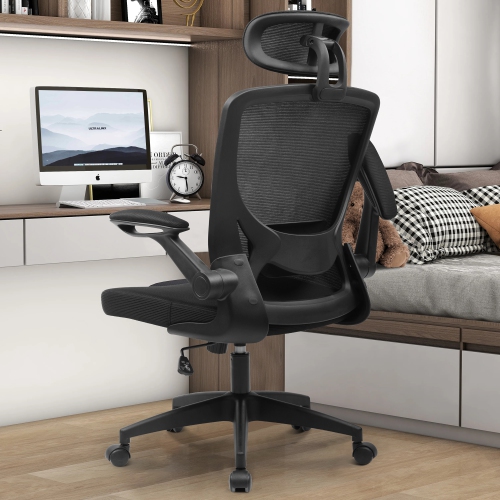
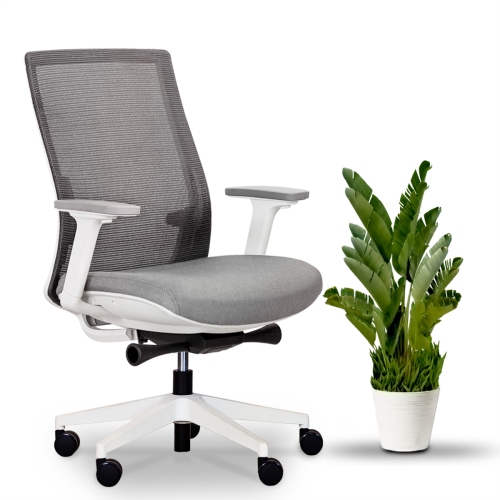
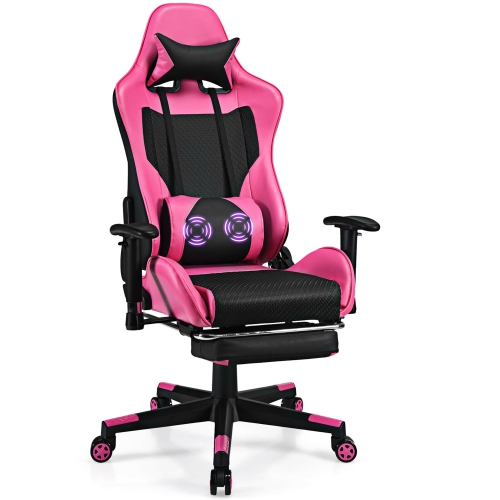
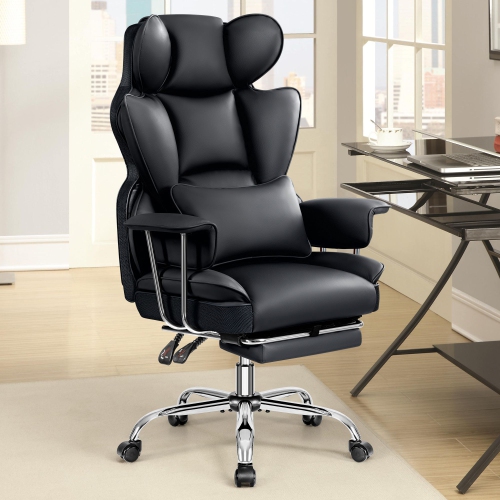
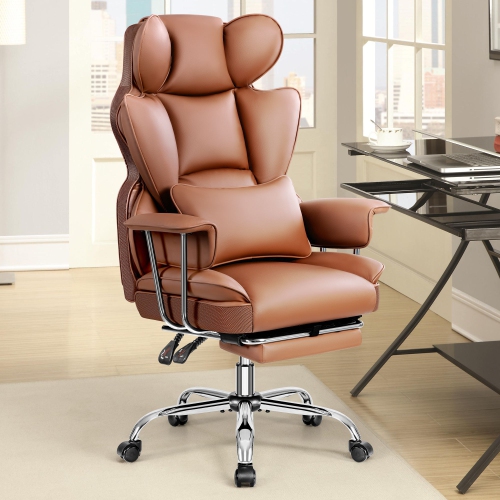
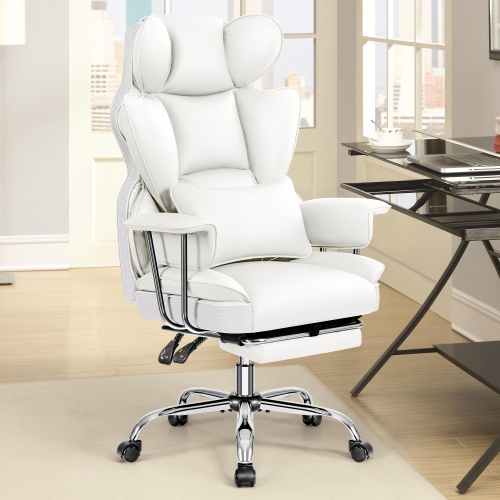
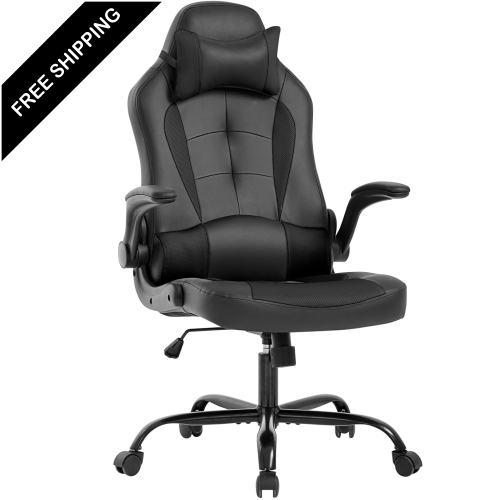
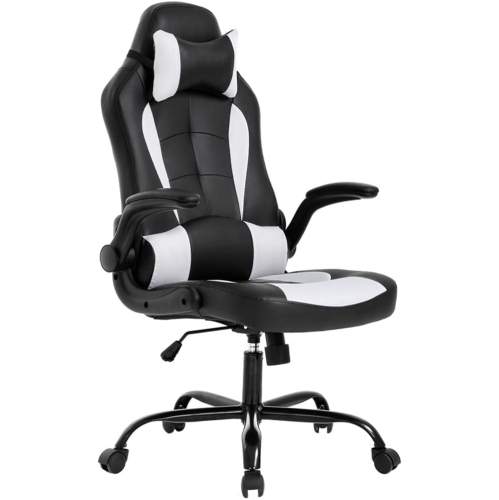
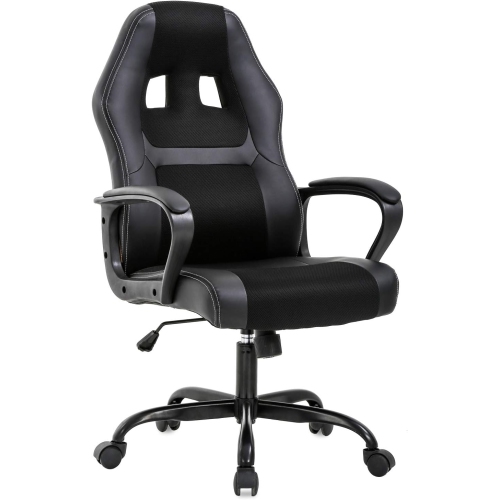
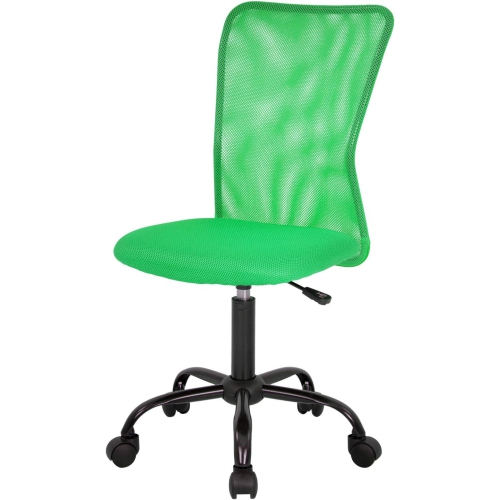
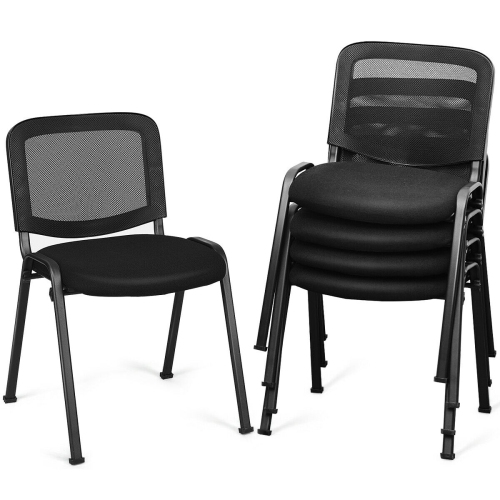
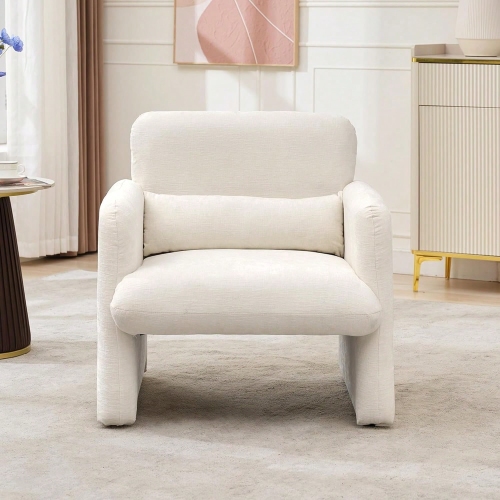
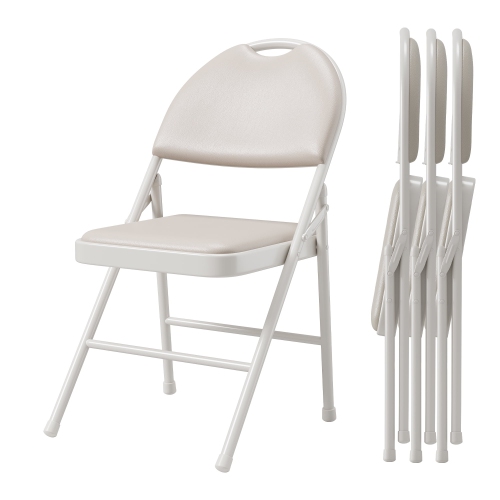
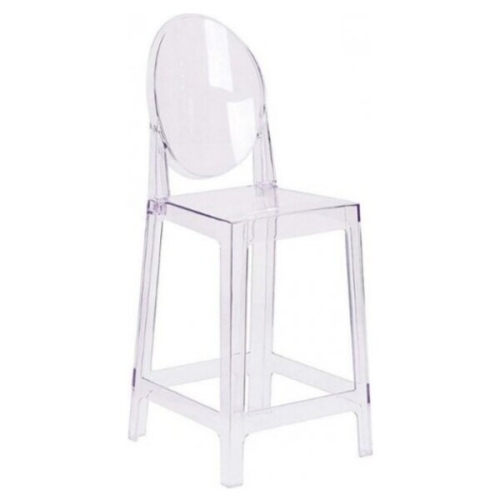
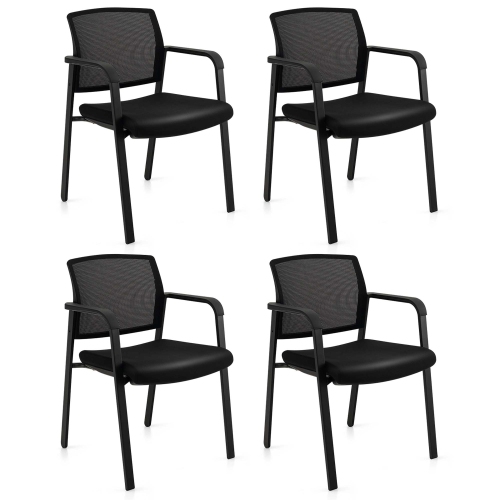
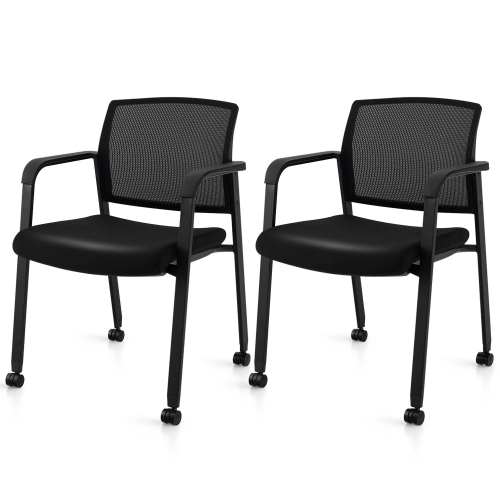
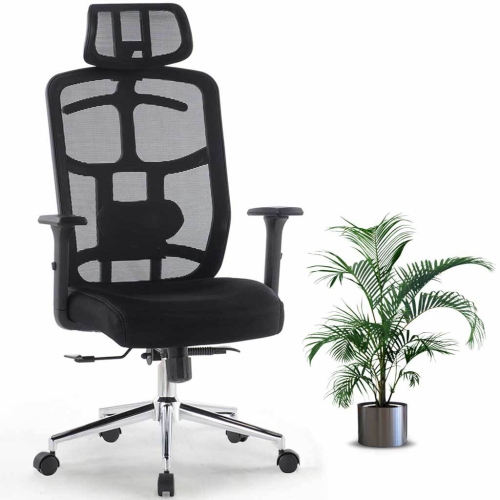
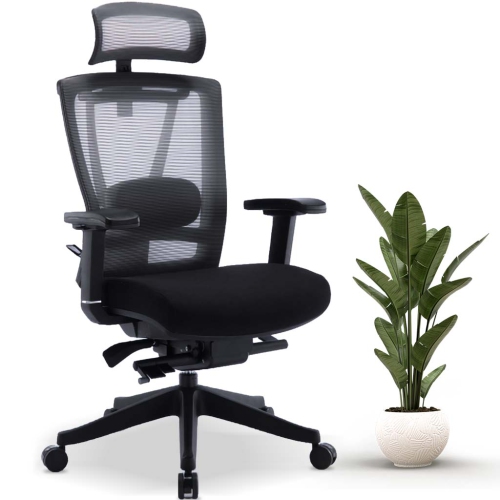
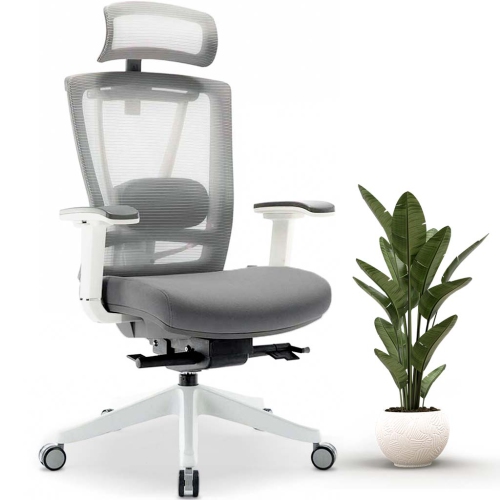
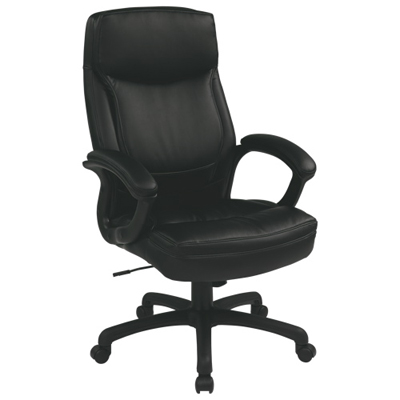
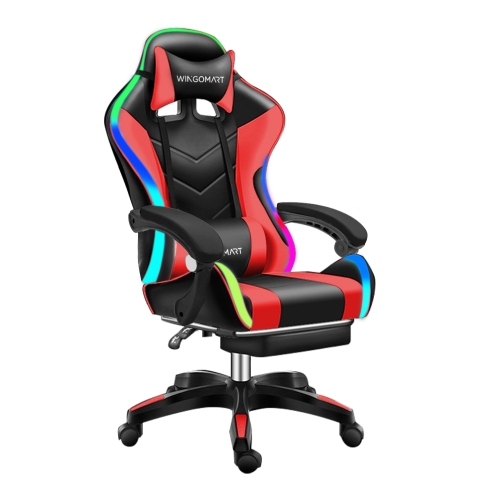
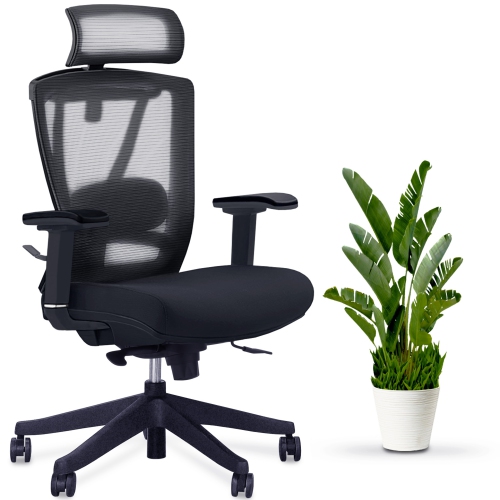
Chairs shape how a room feels and how comfortably it supports everyday life, from focused hours at a desk to a relaxed conversation around the dining table. For Cyber Monday chair shopping, the most useful distinctions are intended use, dimensions, adjustability, and upholstery: a chair for daily computer work has different demands from an occasional seat in a bedroom or living room. Office chairs typically emphasize movement and adjustable support, with features such as seat-height controls, backrest tilt, and adjustable armrests that help accommodate different desks and body proportions. Gaming chairs may include reclining backrests, head cushions, or adjustable lumbar support, although a sculpted silhouette alone does not establish how well a chair will fit. Dining chairs need to sit comfortably beneath a table, leave room for knees, and move easily enough for people to get in and out. Accent chairs bring another set of considerations, including the angle of the back, the depth of the cushion, and whether the arms suit reading, conversation, or simply taking a break. A deep lounge seat can feel inviting for someone who likes to curl up with a book, while a shallower seat with a more upright back may make sitting down and standing up easier. In a compact condo, a chair with slim arms or an open frame can preserve usable floor space without making the room feel crowded. In a shared family room, a wider upholstered chair may provide a comfortable spot for reading together, provided its stated capacity and intended use suit the household. Chairs can also be thoughtful gifts for students setting up a study space, someone furnishing a first apartment, or a relative refreshing a favourite reading corner. Because comfort is personal, a gift recipient’s height, room dimensions, and preferred sitting position matter more than a particular style. The strongest match is a chair that fits both the person and the daily routine, rather than one chosen only for how it looks in a photograph.
Fit becomes especially noticeable during longer periods of sitting. At a desk, a suitable seat height allows feet to rest on the floor or on a footrest, with shoulders relaxed and forearms positioned comfortably near the work surface. Seat depth matters just as much: a cushion that extends too far forward can press behind the knees, while one that is too short may leave the thighs feeling unsupported. Adjustable seat depth can help when more than one person uses the same workstation. Lumbar support should meet the lower back comfortably rather than force an exaggerated posture, and armrests need enough clearance to let the chair move close to the desk. A headrest may be useful when leaning back, but its position should suit the user’s height. No chair replaces regular movement, and even a well-fitted seat benefits from changes in position throughout the day. Beyond the desk, measurements help explain how a chair will function within a furnished room. Dining chair arms must clear the underside of the table, including any apron beneath the tabletop, while the seat needs sufficient space below the eating surface. Around a dining table, room to pull chairs back is as important as room to tuck them in. A swivel chair needs clearance through its turning path, and a reclining chair requires space for both the extended footrest and the moving back. Doorways, hallways, and stair turns also affect whether a larger chair can reach its intended room. Overall dimensions describe the space a chair occupies, but seat width, seat depth, and back height give a clearer picture of the sitting experience. For rooms taking shape around several pieces, Cyber Monday deals on furniture connects chair shopping with the tables, desks, and other furnishings that help define the layout. Matching every finish is not essential; repeating a wood tone, metal detail, or upholstery colour can give different pieces a considered relationship while allowing each chair to serve its own purpose.
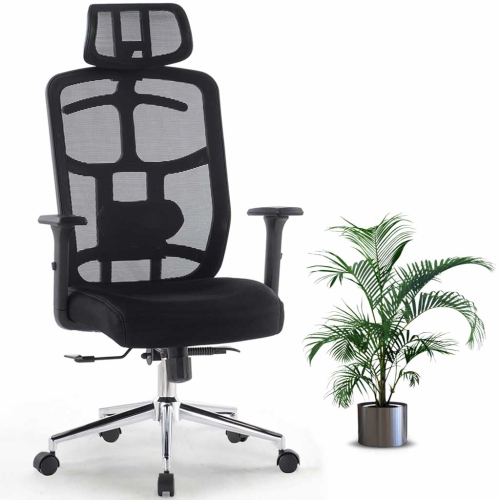
Materials influence a chair’s feel, appearance, and care requirements as much as its shape does. Mesh backs allow airflow and can feel less enclosed during extended desk sessions, while padded fabric upholstery offers a softer surface with a wide range of textures. Tightly woven fabrics may be easier to maintain in busy rooms than loosely textured upholstery, though cleaning methods and wear characteristics depend on the specific textile. Velvet brings a rich, directional surface that can show changes in the pile, and textured fabrics can make a simple silhouette feel more substantial. Leather develops creases and character with use and requires care suited to its finish; faux leather has different maintenance needs and should not automatically receive the same conditioners. Wood chairs offer visible grain and a firm sitting surface, sometimes paired with an upholstered seat for added cushioning. Metal frames can create a slender profile, while moulded seats often have fewer seams where crumbs can collect. Durability depends on the complete construction rather than the surface material alone. Frame joints, attachment points, cushion resilience, upholstery seams, and the stated weight capacity all contribute to how a chair handles regular use. A dining chair moved several times a day faces different wear from an accent chair used mainly by guests, and a desk chair’s casters and adjustment mechanisms need to suit repeated movement. Caster compatibility matters on different floor surfaces, while suitable furniture pads can help protect floors beneath stationary legs. Care is most straightforward when it follows the manufacturer’s directions: regular vacuuming with an appropriate attachment removes dust from upholstered seams, prompt blotting helps contain spills, and compatible cleaning products reduce the risk of damaging a finish. Direct sunlight can fade some fabrics and affect certain surfaces, making placement part of long-term care. Assembly requirements also deserve attention, particularly for chairs with multiple adjustment controls or reclining mechanisms. With suitable proportions, thoughtful construction, and manageable upkeep, a chair can settle naturally into everyday routines, whether that means concentrated study, shared meals, an evening game, or a quiet place to read.
Fit becomes especially noticeable during longer periods of sitting. At a desk, a suitable seat height allows feet to rest on the floor or on a footrest, with shoulders relaxed and forearms positioned comfortably near the work surface. Seat depth matters just as much: a cushion that extends too far forward can press behind the knees, while one that is too short may leave the thighs feeling unsupported. Adjustable seat depth can help when more than one person uses the same workstation. Lumbar support should meet the lower back comfortably rather than force an exaggerated posture, and armrests need enough clearance to let the chair move close to the desk. A headrest may be useful when leaning back, but its position should suit the user’s height. No chair replaces regular movement, and even a well-fitted seat benefits from changes in position throughout the day. Beyond the desk, measurements help explain how a chair will function within a furnished room. Dining chair arms must clear the underside of the table, including any apron beneath the tabletop, while the seat needs sufficient space below the eating surface. Around a dining table, room to pull chairs back is as important as room to tuck them in. A swivel chair needs clearance through its turning path, and a reclining chair requires space for both the extended footrest and the moving back. Doorways, hallways, and stair turns also affect whether a larger chair can reach its intended room. Overall dimensions describe the space a chair occupies, but seat width, seat depth, and back height give a clearer picture of the sitting experience. For rooms taking shape around several pieces, Cyber Monday deals on furniture connects chair shopping with the tables, desks, and other furnishings that help define the layout. Matching every finish is not essential; repeating a wood tone, metal detail, or upholstery colour can give different pieces a considered relationship while allowing each chair to serve its own purpose.
Materials influence a chair’s feel, appearance, and care requirements as much as its shape does. Mesh backs allow airflow and can feel less enclosed during extended desk sessions, while padded fabric upholstery offers a softer surface with a wide range of textures. Tightly woven fabrics may be easier to maintain in busy rooms than loosely textured upholstery, though cleaning methods and wear characteristics depend on the specific textile. Velvet brings a rich, directional surface that can show changes in the pile, and textured fabrics can make a simple silhouette feel more substantial. Leather develops creases and character with use and requires care suited to its finish; faux leather has different maintenance needs and should not automatically receive the same conditioners. Wood chairs offer visible grain and a firm sitting surface, sometimes paired with an upholstered seat for added cushioning. Metal frames can create a slender profile, while moulded seats often have fewer seams where crumbs can collect. Durability depends on the complete construction rather than the surface material alone. Frame joints, attachment points, cushion resilience, upholstery seams, and the stated weight capacity all contribute to how a chair handles regular use. A dining chair moved several times a day faces different wear from an accent chair used mainly by guests, and a desk chair’s casters and adjustment mechanisms need to suit repeated movement. Caster compatibility matters on different floor surfaces, while suitable furniture pads can help protect floors beneath stationary legs. Care is most straightforward when it follows the manufacturer’s directions: regular vacuuming with an appropriate attachment removes dust from upholstered seams, prompt blotting helps contain spills, and compatible cleaning products reduce the risk of damaging a finish. Direct sunlight can fade some fabrics and affect certain surfaces, making placement part of long-term care. Assembly requirements also deserve attention, particularly for chairs with multiple adjustment controls or reclining mechanisms. With suitable proportions, thoughtful construction, and manageable upkeep, a chair can settle naturally into everyday routines, whether that means concentrated study, shared meals, an evening game, or a quiet place to read.
Top selling and popular products
Top Collections:
Pokemon Centers, Budget 4K TVs, Kindle Devices, Canon G7X Cameras, Apple iPhones 16, iPhone 15 Apple, Laptops for Business Work, Flip Phones, Xiaomi Phones, Refurbished Apple Laptops
Some products may be subject to Environmental Handling Fees
(EHF) depending on your province.
Learn more about EHFs.