Cyber Monday Deals Coming Soon
Our Cyber Monday Sale returns in December 2026. In the meantime, shop our current top deals below.

Cyber Monday Deals On Furniture
Get ready to elevate your home decor with unbeatable savings on Cyber Monday! Best Buy Canada is your one-stop destination for incredible deals on furniture. Whether you're looking to revamp your living room, upgrade your bedroom, or spruce up your dining area, our Cyber Monday furniture deals have got you covered. Don't miss out on these exclusive online offers—shop the Cyber Monday furniture deals at Best Buy Canada today! Remember, our Low Price Guarantee means you can shop confidently knowing that you'll find the best price at Best Buy, all year round. We encourage you to check our website frequently for the most up-to-date information on our latest offers and savings opportunities.




Why furniture fit goes beyond room dimensions
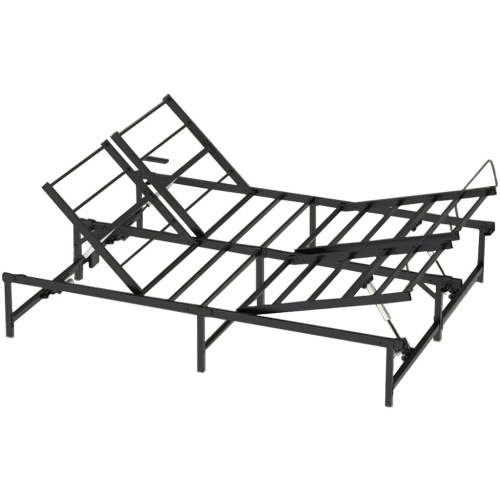
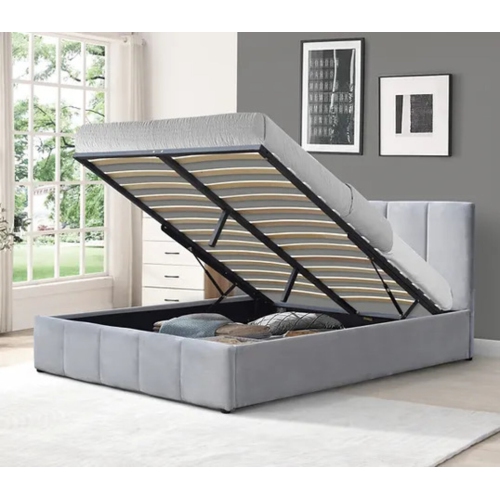
Bedroom furniture has to balance comfort, storage, and movement through a space that may serve several purposes. Bed frames should match the mattress size and the mattress manufacturer’s support requirements, including any guidance about slat spacing, centre supports, or the use of a foundation. The frame’s outer dimensions are just as important as its listed mattress size: an upholstered headboard or extended footboard can add length and width beyond the sleeping surface. A search for Cyber Monday deals on beds can take these details into account alongside room layout and everyday routines. Storage beds make use of the area beneath the mattress, but drawers need room to slide out, and lift-up designs need suitable overhead clearance and access. In a shared bedroom, leaving usable space on both sides of the bed makes getting in and out easier. Bedside furniture should sit at a comfortable height relative to the mattress, with enough surface area for the things used regularly rather than becoming an obstacle beside the bed. Dressers and wardrobes add storage where closets are limited, and their internal arrangement affects usefulness as much as their exterior dimensions. Deep drawers accommodate bulkier folded clothing, while smaller compartments help keep accessories organized. Drawer glides, handles, and door hinges should feel suited to repeated use, particularly in furniture opened several times a day. Tall storage furniture needs to be secured according to the manufacturer’s instructions, with appropriate hardware for the wall type. Finishes also deserve attention in bedrooms and multipurpose rooms. A smooth, sealed surface is generally straightforward to wipe down, while grooves, woven panels, and decorative trim can collect dust and require more detailed cleaning. Coordinated finishes create a consistent appearance, but furniture does not have to match exactly to work together. Similar proportions, complementary wood tones, or a repeated handle finish can connect pieces without making the room feel uniform. For guest rooms that double as workspaces, furniture with a modest footprint can preserve enough open space for both uses.
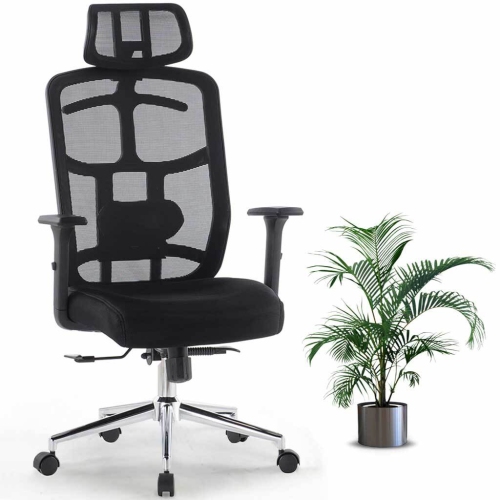
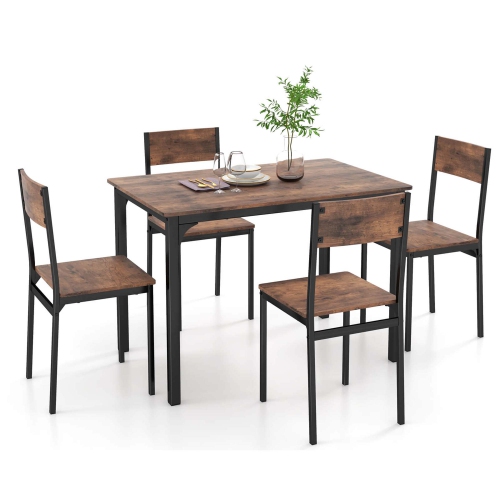
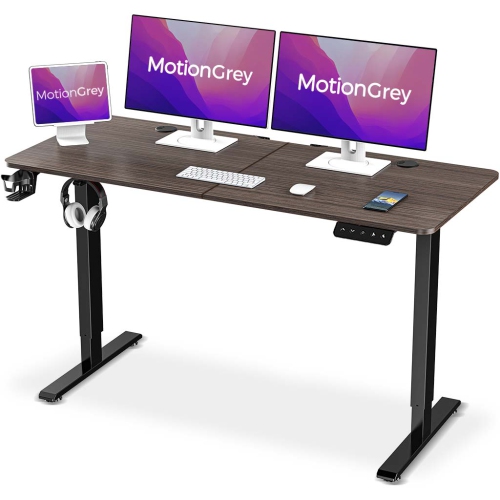
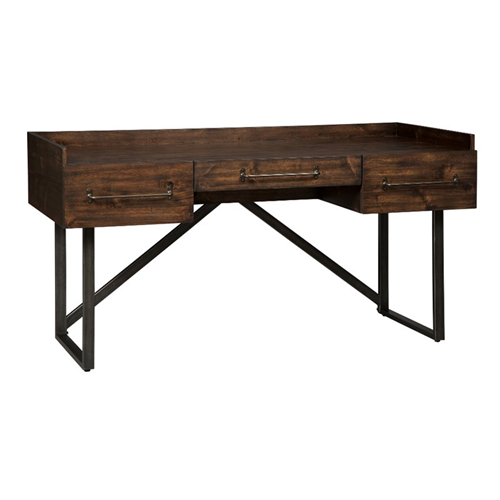
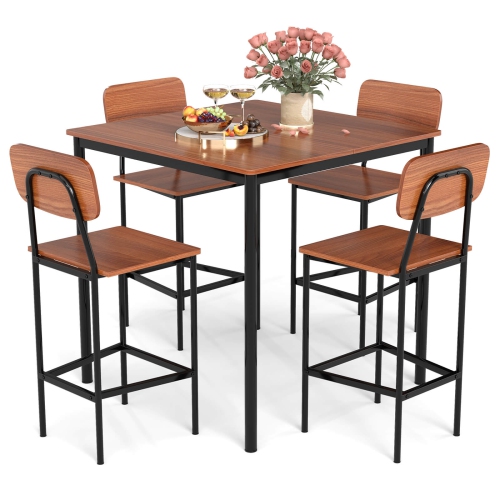
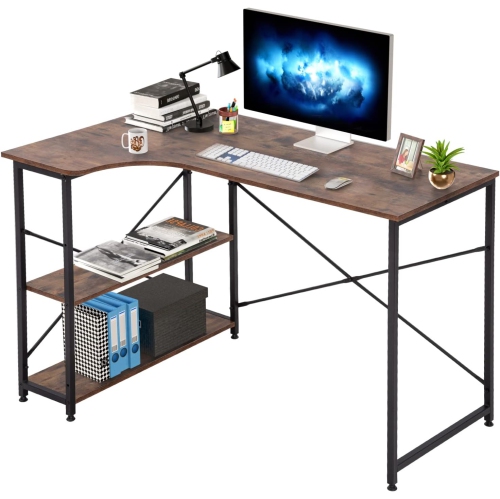
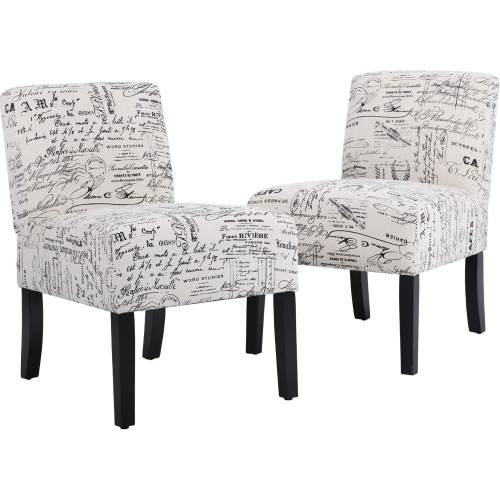
Dining and home office furniture bring another set of everyday needs into focus, especially in homes where one room handles meals, homework, and work calls. A dining table needs space not only for its top but also for chairs to pull out and people to pass behind them. Pedestal bases can change where chairs fit, while corner legs and crossbars may affect knee room. Extendable designs provide flexibility for larger gatherings, provided the room can accommodate the table when fully opened and there is a practical place to keep any separate leaves. Chair comfort depends on the relationship between seat height and tabletop height, as well as back support and the amount of time spent sitting. Upholstered seats add softness, while wipeable surfaces can be easier to maintain after everyday meals. Wood finishes, veneers, glass, and metal each respond differently to heat, moisture, and cleaning products; placemats, coasters, and prompt attention to spills help protect surfaces when used alongside the manufacturer’s care directions. For home offices, desk depth should allow a comfortable viewing distance from the screen while leaving space for a keyboard and the tasks performed throughout the day. Legroom, cable routing, and access to outlets can make a compact workstation more usable without increasing its footprint. An adjustable office chair can help accommodate different users, but the useful adjustments are those that suit the person’s height, posture, and desk setup. Storage close to the work surface keeps frequently used supplies accessible without crowding the desktop. Across dining, office, and occasional furniture, assembly requirements deserve attention before a room is rearranged. Component size, hardware, the recommended number of people for assembly, and the finished furniture’s weight can all affect placement. Following assembly directions, checking connections as recommended, and using floor protectors suited to the flooring help support dependable everyday use. Furniture that suits the room’s measurements, the household’s routines, and a realistic care routine is more likely to remain comfortable and useful as needs change.
Top selling and popular products
-
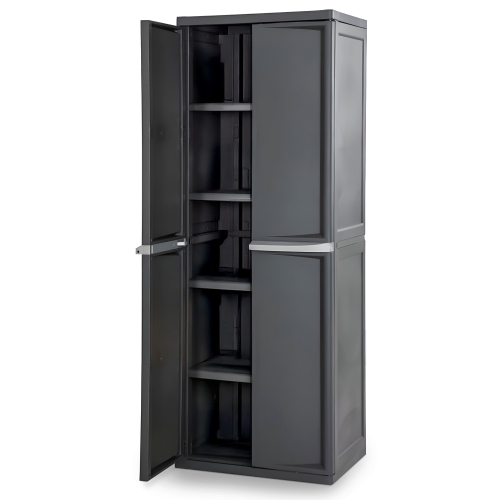 Your price for this item is $573.99
-
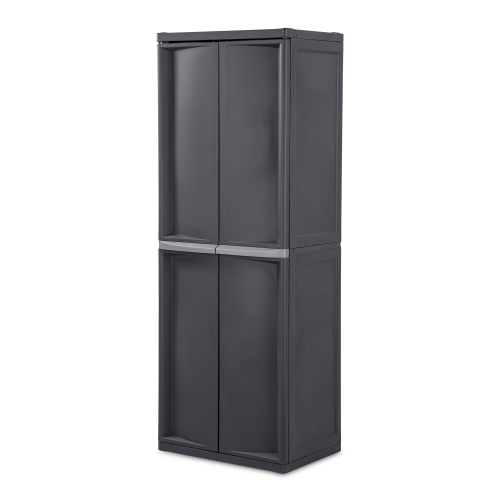 Your price for this item is $1128.99
-
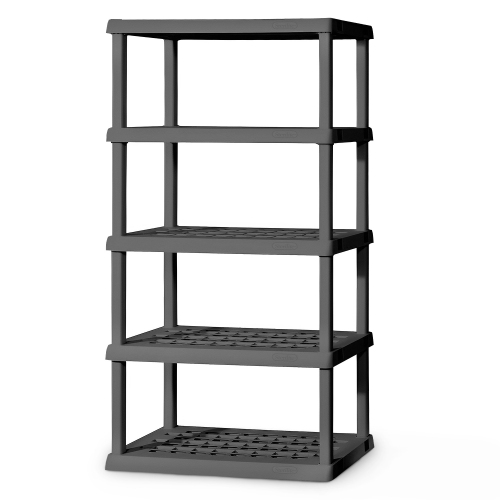 Your price for this item is $347.99
-
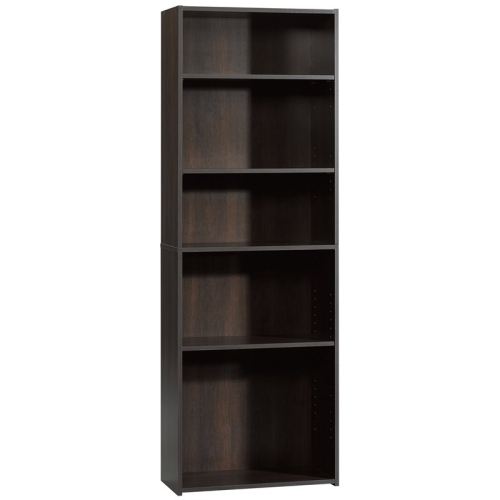 Your price for this item is $208.99
-
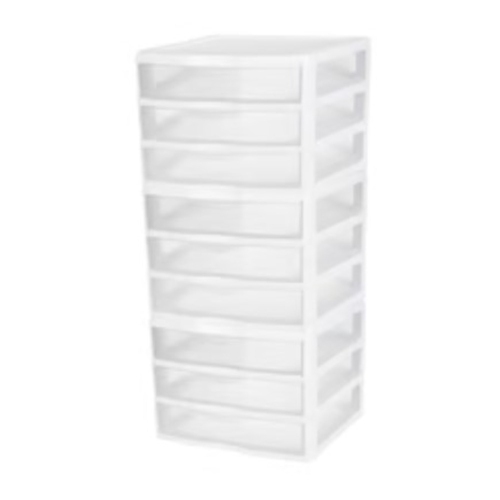 Your price for this item is $171.99
-
 Your price for this item is $483.99
-
 Your price for this item is $599
-
 Your price for this item is $723.99