Cyber Monday Deals Coming Soon
Our Cyber Monday Sale returns in December 2026. In the meantime, shop our current top deals below.

Cyber Monday Deals On Cookware
Get ready to upgrade your kitchen with incredible savings on cookware this Cyber Monday. Whether you're a seasoned chef or just starting out in the culinary world, our Cyber Monday deals on cookware are sure to impress. From non-stick frying pans to stainless steel pots and almost everything in between, you'll find a wide selection of quality cookware at unbeatable prices. Don't miss out on this opportunity to level up your cooking game and create delicious meals with ease. Shop now and make your kitchen dreams a reality without breaking the bank. Remember, our Low Price Guarantee means you can shop confidently knowing that you'll find the best price at Best Buy, all year round. We encourage you to check our website frequently for the most up-to-date information on our latest offers and savings opportunities.







How cookware materials shape your everyday cooking
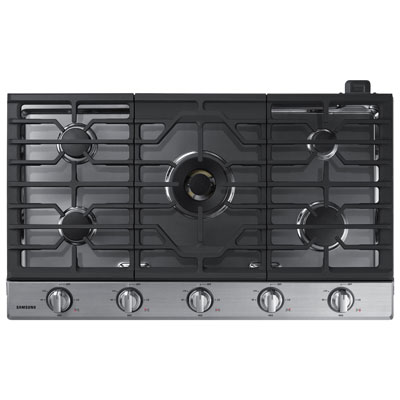
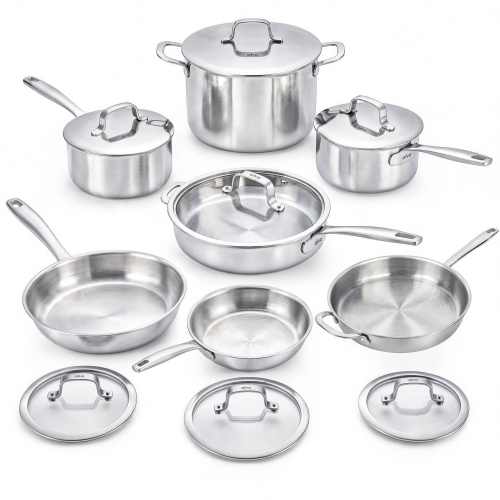
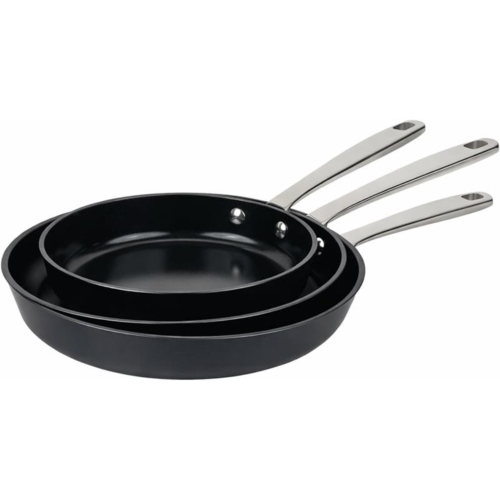
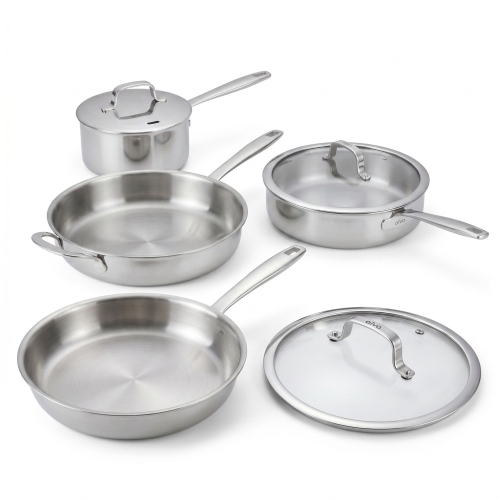
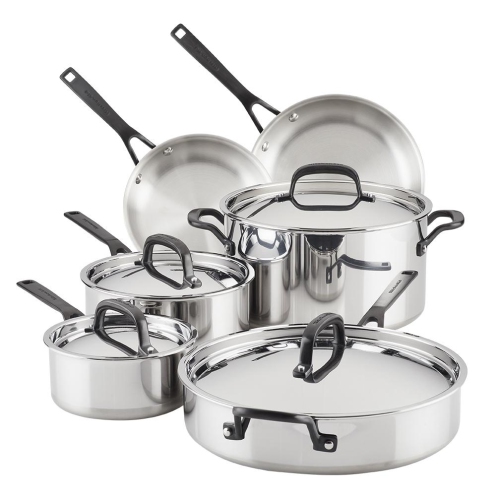
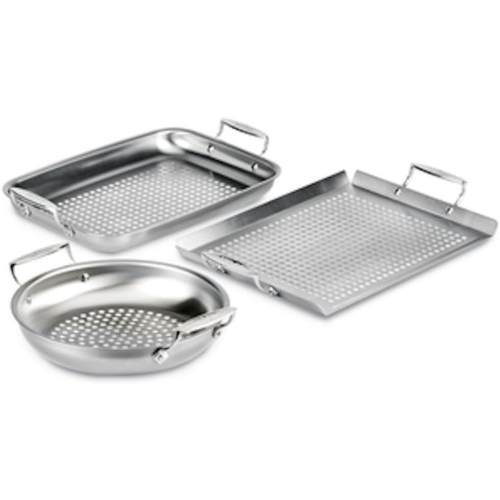
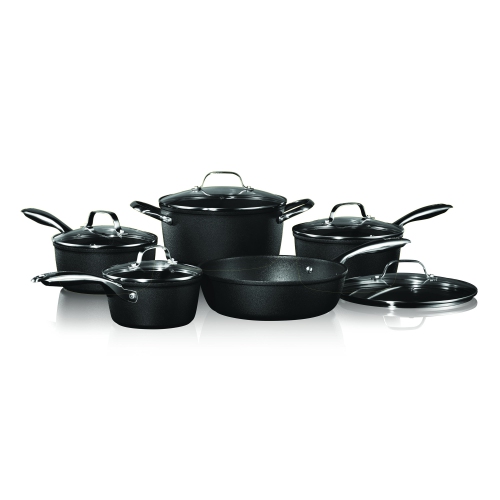
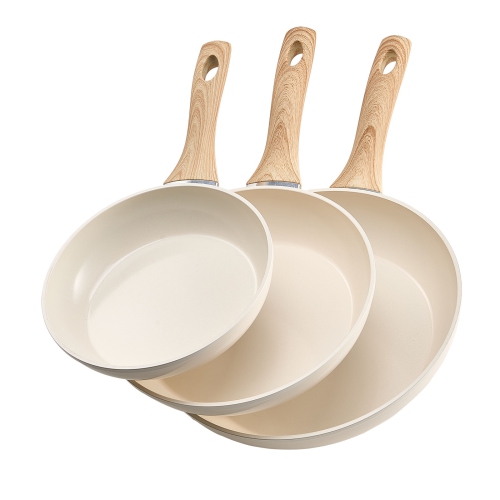
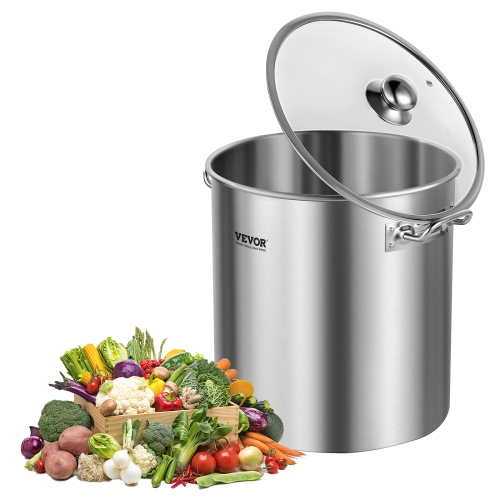
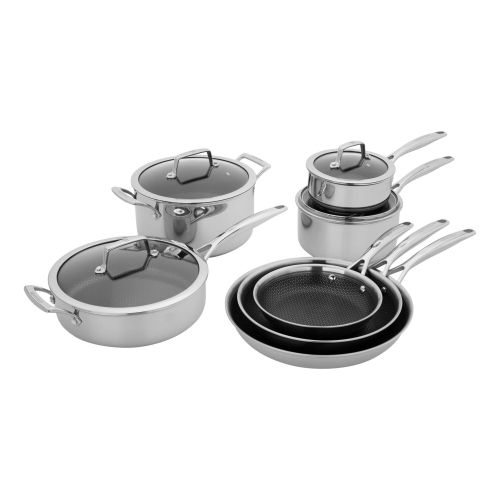
Shape, capacity, and fit often make as much difference as the cooking surface. A broad frying pan gives mushrooms or strips of meat room to brown rather than crowd together and steam, while a sauté pan’s taller sides help contain sauces and dishes that need stirring. A saucepan suits smaller amounts of grains, custard, or reheated soup; a deeper stockpot leaves space for pasta water and larger batches. Capacity should allow room for bubbling and stirring, not simply hold the ingredients up to the rim. For someone cooking alone, manageable dimensions may matter more than a large matching set, whereas a household preparing several dishes at once may benefit from a range of complementary sizes. Cookware sets can bring consistency to handles, lids, and storage, but the stated piece count may include lids and accessories rather than just cooking vessels. Individual pieces can fill a particular gap without duplicating shapes already used regularly. Compatibility is another essential distinction, especially in kitchens with induction cooking. Induction requires a suitable magnetic base, and the cookware’s stated compatibility is more reliable than assuming every stainless steel or aluminum pan will work. A magnet sticking firmly to the base is a useful initial check, but the appliance’s minimum pan size and the cookware manufacturer’s specifications still matter. Flat, stable bases are important on smooth glass surfaces, and lifting rather than dragging heavy cookware helps reduce the chance of scratches. For kitchens where the cooking appliance is also part of the plan, the relationship between cookware and cooktops includes burner dimensions, heating technology, and usable space between cooking zones. Handles need enough clearance that neighbouring pans do not interfere with one another. Oven suitability also belongs to the whole piece, including its lid, knobs, handles, and coating; a pan body’s heat tolerance does not automatically apply to every component. A secure lid, a comfortable grip, and a helper handle on a larger vessel can make moving a finished dish noticeably easier.
Daily care helps preserve both cooking performance and the feel of cookware over time. Durable construction does not make every surface tolerant of the same treatment, and a dishwasher-safe label does not mean handwashing has no benefit. Gentle washing can help protect finishes and coatings, particularly when the manufacturer advises it. Non-stick surfaces generally benefit from silicone, wood, or other approved utensils, along with soft cleaning tools that do not scratch the coating. Empty non-stick pans should not be left heating unattended, and cooking temperatures should stay within the manufacturer’s limits. Stainless steel can handle many everyday cooking tasks, but stuck-on food is often easier to loosen with soaking or gentle simmering than forceful scraping. Allowing a pan to cool before washing helps avoid the thermal shock that can contribute to warping or damage, especially when a very hot vessel meets cold water. Bare cast iron and carbon steel need thorough drying after cleaning and care that maintains their seasoning; prolonged soaking and extended contact with acidic food can be unsuitable for those surfaces. Enameled cookware needs different treatment, with non-abrasive cleaning and protection against chips rather than seasoning of the enamel itself. Storage deserves attention too. Protective layers between stacked pans can reduce rubbing, and enough room around lids helps prevent chips and bent rims. In a compact kitchen, nesting shapes may save cupboard space, though detachable handles and stacking arrangements should always be used as intended. These practical details also make cookware a personal gift rather than a purely decorative one. Someone setting up a first kitchen may appreciate versatile shapes that support several meals, while an enthusiastic home cook may value a material or capacity that complements an established routine. The recipient’s appliance type, lifting comfort, storage space, and willingness to maintain seasoning are all relevant. For shared households, clearly understood care requirements make everyday use easier. The best fit is cookware that feels comfortable when full, works with the kitchen’s heat source, and suits the food its owner actually enjoys making.
Top selling and popular products
-
 Your price for this item is $899
-
 Your price for this item is $189.99
-
 Your price for this item is $807.5
-
 Your price for this item is $1615
-
 Your price for this item is $129.99
-
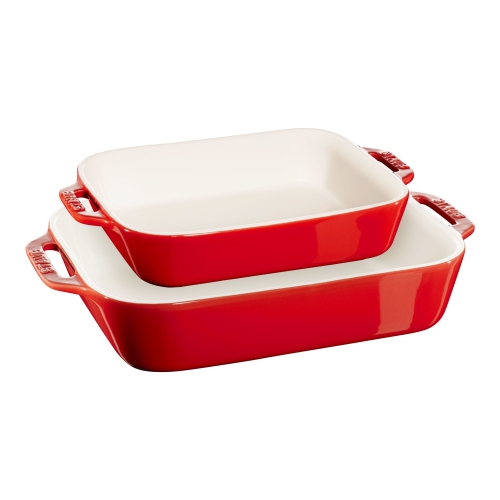 Your price for this item is $109.99
-
 Your price for this item is $239.99
-
 Your price for this item is $591