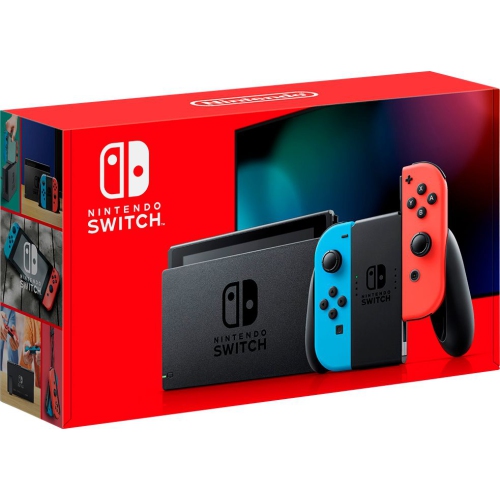
Cyber Monday Deals Coming Soon
Our Cyber Monday Sale returns in December 2026. In the meantime, shop our current top deals below.

Cyber Monday Deals On Nintendo Switch Games
Get ready to level up your gaming experience with incredible Cyber Monday deals on Nintendo Switch games. Whether you're a fan of action-packed adventures, thrilling sports simulations, or mind-bending puzzles, this is your chance to score amazing discounts on a wide selection of titles for the popular gaming console. From beloved classics to the latest releases, our Cyber Monday deals have something for almost every gamer. Don't miss out on this opportunity to expand your game library and embark on new virtual journeys. Get your thumbs ready and prepare for unbeatable savings on Nintendo Switch games this Cyber Monday at Best Buy. Remember, our Low Price Guarantee means you can shop confidently knowing that you'll find the best price at Best Buy, all year round. We encourage you to check our website frequently for the most up-to-date information on our latest offers and savings opportunities.
![NINTENDO Donkey Kong Bananza for Switch 2 [Videogames] Love the game kind of had a hard time finding it, but Best Buy had it got it for a great price love it](https://multimedia.bbycastatic.ca/multimedia/products/500x500/194/19432/19432914.jpeg)
![NINTENDO GAMES The Legend Of Zelda: Echoes Of Wisdom for Nintendo Switch [Videogames] [This review was collected as part of a promotion](https://multimedia.bbycastatic.ca/multimedia/products/500x500/194/19433/19433760.jpeg)
![NINTENDO Mario Kart World for Switch 2 [Videogames] Great game for Nintendo fans](https://multimedia.bbycastatic.ca/multimedia/products/500x500/194/19433/19433258.jpeg)
![NINTENDO GAMES Xenoblade Chronicles X: Definitive Edition for Nintendo Switch [Videogames] I love best buy](https://multimedia.bbycastatic.ca/multimedia/products/500x500/194/19433/19433771.jpeg)
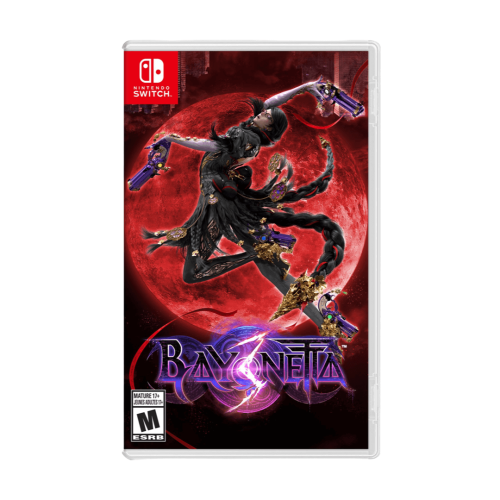
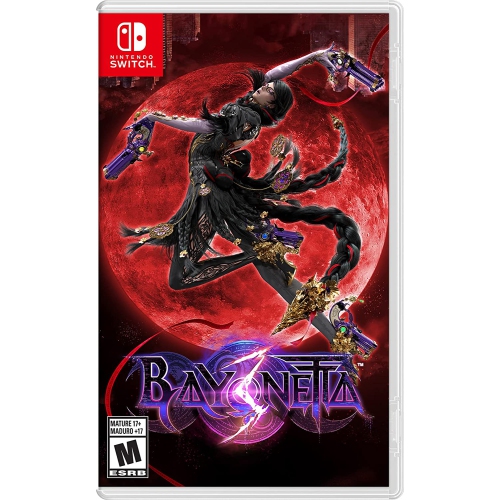
![NINTENDO GAMES Bayonetta 3 for Nintendo Switch [Videogames] Great game](https://multimedia.bbycastatic.ca/multimedia/products/500x500/176/17664/17664239.jpeg)
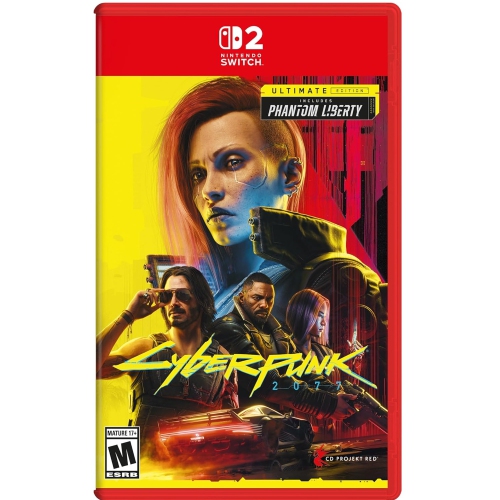
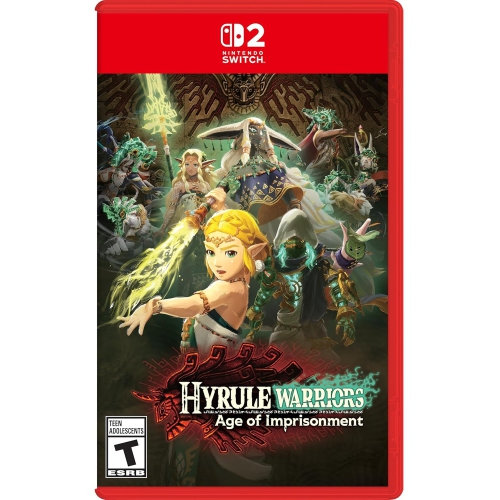
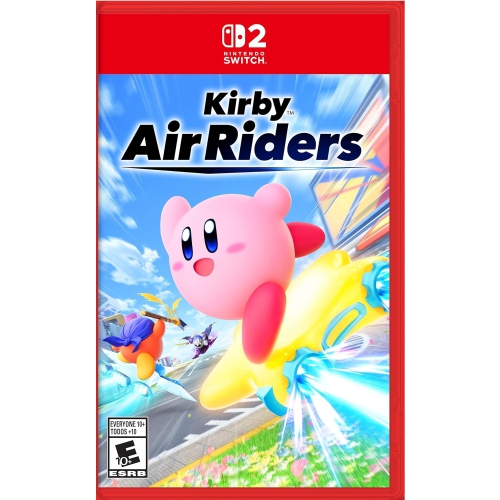
![NINTENDO GAMES The Legend Of Zelda: Tears Of The Kingdom - Nintendo Switch 2 Edition for Nintendo Switch 2 [Videogames] Best game ever play and the family like it alot love this](https://multimedia.bbycastatic.ca/multimedia/products/500x500/194/19433/19433330.jpeg)
![NINTENDO The Legend Of Zelda: Breath Of The Wild - Switch 2 Edition for Switch 2 [Videogames] Best buyer](https://multimedia.bbycastatic.ca/multimedia/products/500x500/194/19433/19433307.jpeg)
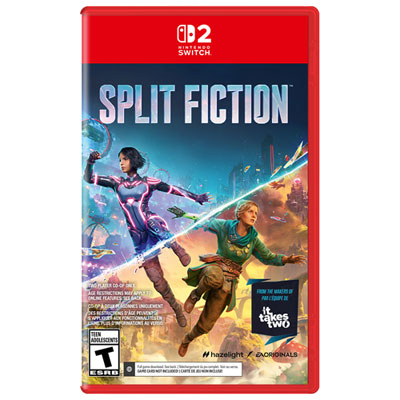
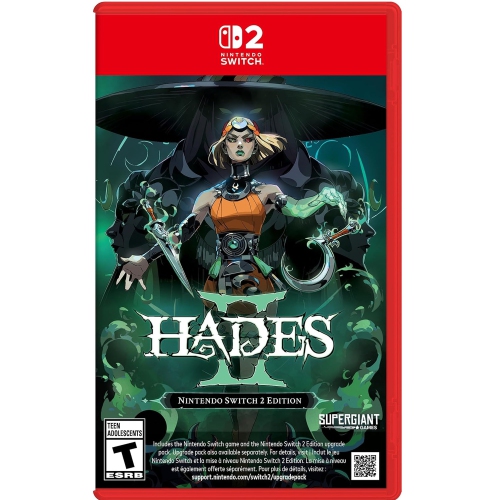
![CLEAR RIVER GAMES Gimmick - Collector's Edition [Nintendo Switch]](https://multimedia.bbycastatic.ca/multimedia/products/500x500/193/19384/19384089.jpeg)
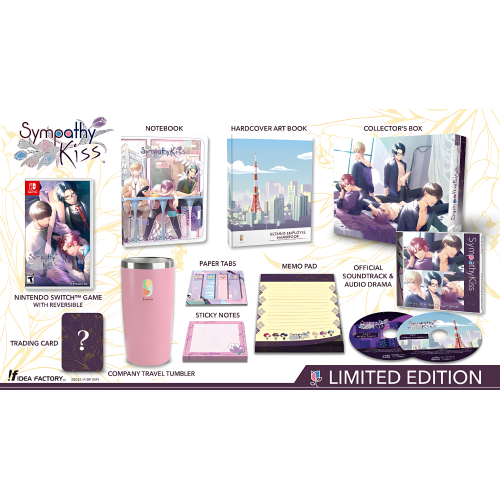
![NINTENDO Super Mario Bros. Wonder [ Switch]](https://multimedia.bbycastatic.ca/multimedia/products/500x500/192/19284/19284637.jpeg)
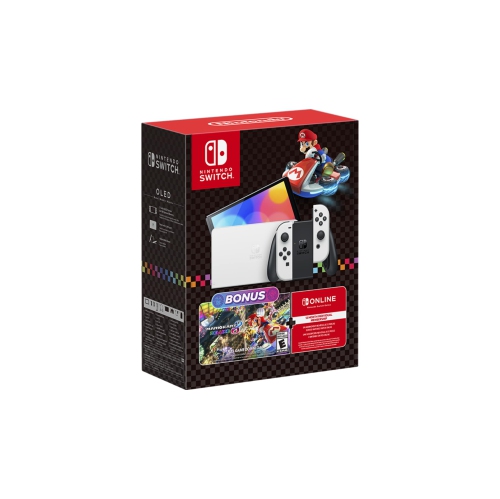
![NINTENDO Mario Kart 8 Deluxe [ Switch]](https://multimedia.bbycastatic.ca/multimedia/products/500x500/148/14828/14828092.jpeg)
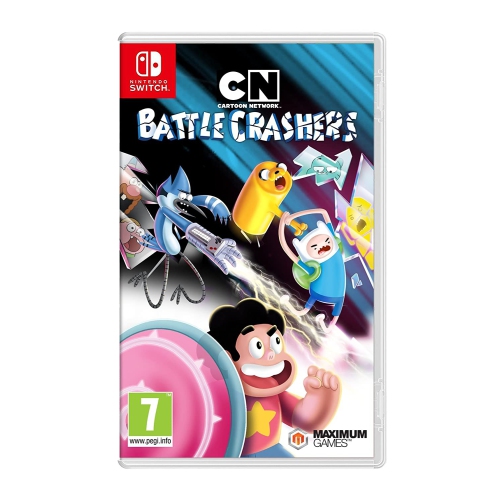
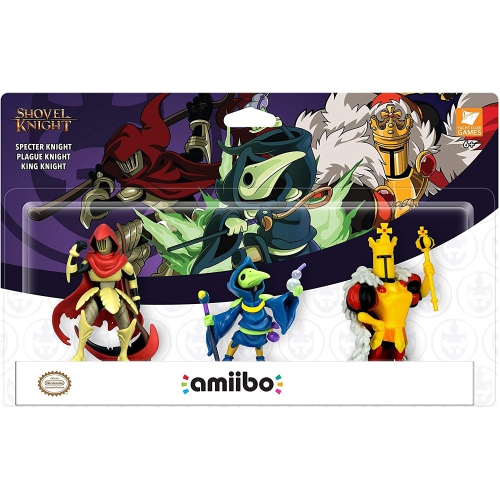

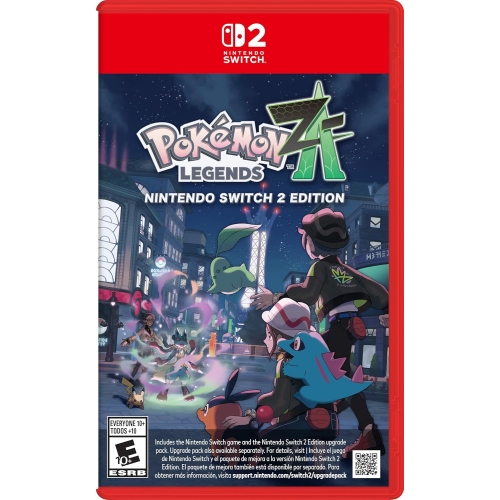
Switch games that fit the way you play
Physical and digital formats offer different ways to build and use a game library. A physical edition generally uses a compact game card that is inserted into the console, while a digital edition is downloaded to compatible storage and accessed through the associated account. The distinction matters for households that share games, players who travel, and anyone choosing a gift. A boxed game gives the recipient something to unwrap and, when the game is supplied on a card, something that can usually move between compatible consoles. Some boxed editions contain a download code instead, so the contents description matters more than the presence of a case. Digital games keep the library close at hand without changing cards, though account rules govern access and sharing. Downloads require an internet connection and sufficient storage, and physical games can also need space for updates or additional content. A card does not necessarily mean every feature works offline or that all game data is included in the box. The edition description helps distinguish a complete game from an expansion, additional content, or a package that requires a separately owned base game. For digital gifts, the redemption region and the recipient’s account need to match the stated requirements. Physical care is straightforward but worthwhile: game cards have small plastic housings and exposed contacts, so a fitted case helps protect them from dust, moisture, and loose objects inside a bag. Handling cards by their edges and putting them away after use reduces unnecessary wear and makes them easier to find. Their small size also means they should be kept out of reach of very young children. Packaging is useful beyond presentation, since it provides a place to store the card and often carries details about age ratings, supported play modes, and language options. For someone who carries several games between home and another household, keeping each card in a secure compartment is more practical than leaving it loose beside charging cables and other accessories.
Compatibility and play features shape the experience just as much as genre or format. Games made for a particular console family can have different requirements across models, especially when motion controls, detachable controllers, or television play are involved. Supported handheld, tabletop, and television modes should match how the recipient actually uses the system. A player who mainly uses a handheld screen may appreciate readable text and clear menus, while a group playing across a living room needs an interface that remains easy to follow from the sofa. Multiplayer descriptions deserve close attention because local play, local wireless play, and online play are not interchangeable. Local multiplayer may allow several people to share one console; local wireless play links nearby systems and may require a game copy for each participant. Online multiplayer connects players over the internet and may require a paid membership, an account, or other services. Even within a multiplayer game, some activities may support fewer players than others. Cooperative play can suit siblings or friends who prefer working towards a shared goal, while competitive modes put the emphasis on individual results. For younger recipients, an age rating and its content descriptors provide a clearer picture than cheerful artwork alone, and parental controls can help manage communication and play time. Accessibility features are equally personal: adjustable difficulty, subtitles, remappable controls, colour settings, and reduced reliance on rapid button presses can make a meaningful difference, but support varies by game. Language information is also worth checking, particularly for households that want English or French text, dialogue, or both. Replay value can come from branching stories, fresh puzzles, creative tools, or simply a multiplayer mode that stays enjoyable after many sessions. A satisfying addition to a game library does not have to be the longest or most complicated choice. It is the one whose pace, controls, themes, and practical requirements fit the person holding the controller, whether they have twenty minutes for a familiar challenge or an evening to explore somewhere new.
Top selling and popular products
-
![NINTENDO Super Smash Bros. Ultimate [ Switch]](https://multimedia.bbycastatic.ca/multimedia/products/500x500/166/16618/16618377.jpeg) Your price for this item is $89.95
Your price for this item is $89.95 -
![NINTENDO Animal Crossing: New Horizons [ Switch]](https://multimedia.bbycastatic.ca/multimedia/products/500x500/148/14828/14828033.jpeg) Your price for this item is $80.49
Your price for this item is $80.49 -
 Your price for this item is $84.99
 -
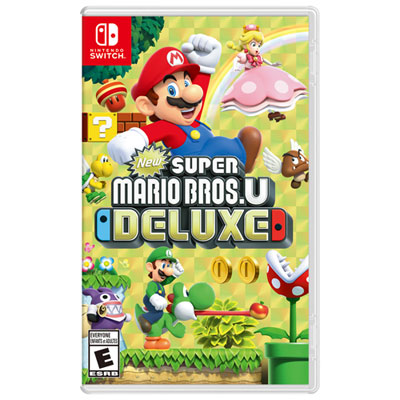
![NINTENDO GAMES New Super Mario Bros. U Deluxe for Nintendo Switch [Videogames]](https://multimedia.bbycastatic.ca/multimedia/products/500x500/176/17683/17683406.jpeg) Your price for this item is $71.75
Your price for this item is $71.75 -
 Your price for this item is $109.99
 -
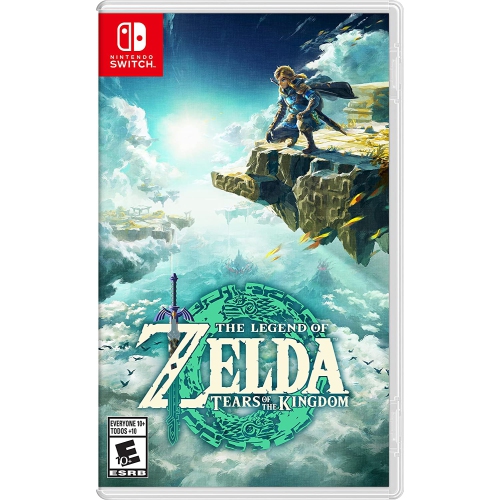
![NINTENDO GAMES The Legend Of Zelda: Tears Of The Kingdom for Nintendo Switch [Videogames]](https://multimedia.bbycastatic.ca/multimedia/products/500x500/176/17661/17661818.jpeg) Your price for this item is $99.99
Your price for this item is $99.99 -
 Your price for this item is $84.99
 -
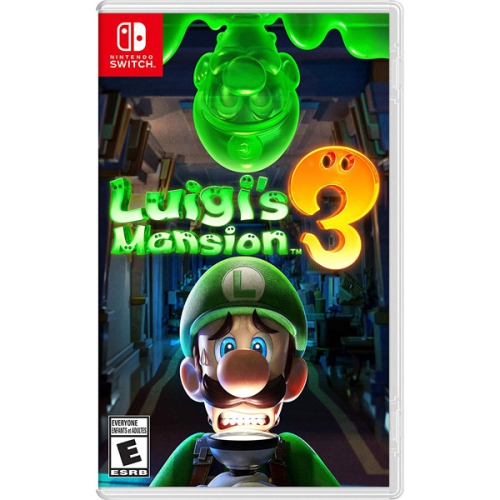 Your price for this item is $87.75