Dolby Atmos Home Theatres

Explore Dolby Atmos home theatres for immersive sound that adds a sense of height to movies, music, and games. Compare home theatre audio options with your room size, speaker placement, and TV connections in mind, and check compatibility with your playback devices and Dolby Atmos content.

Read More

Sort

Sound that moves above and around the action

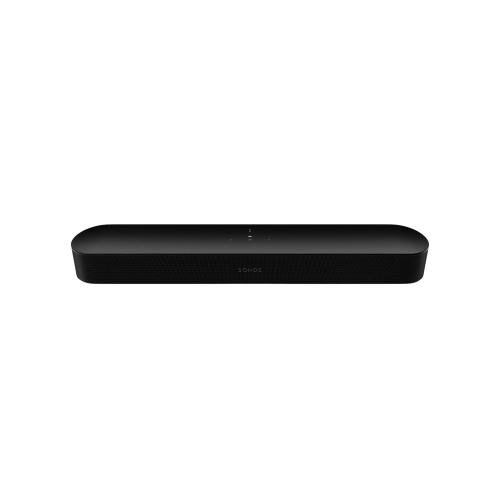
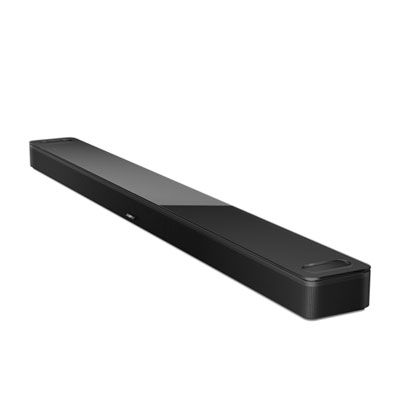
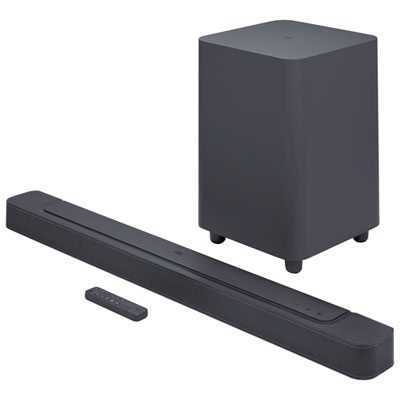
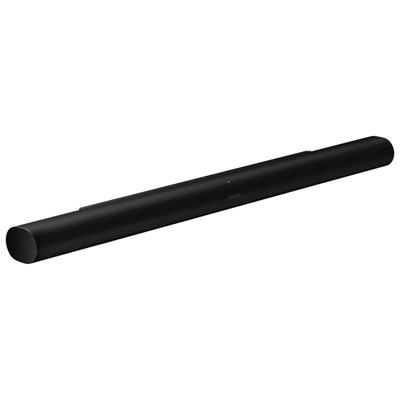
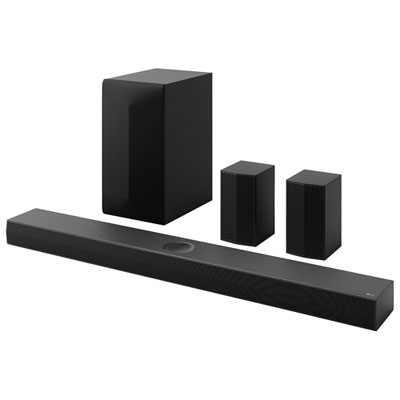
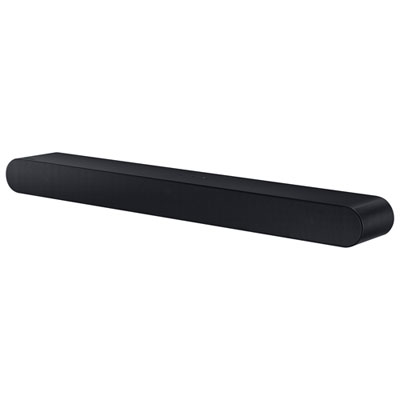
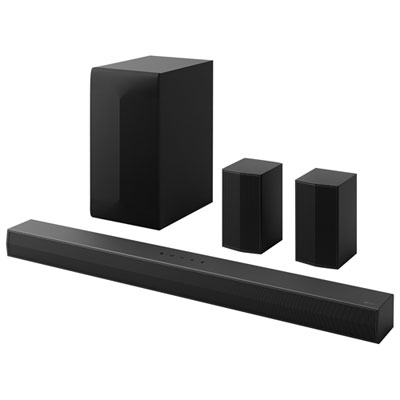
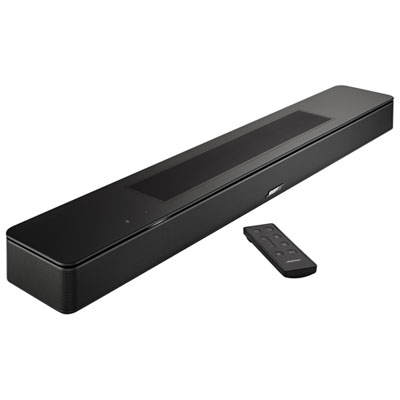
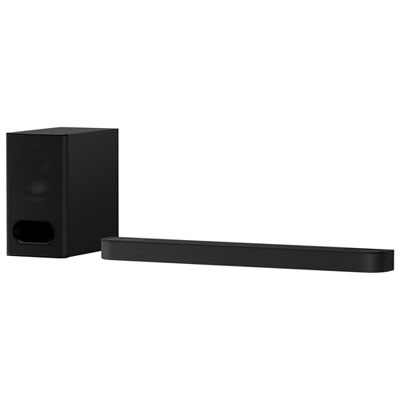
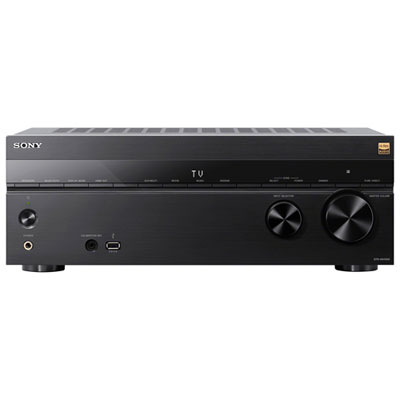
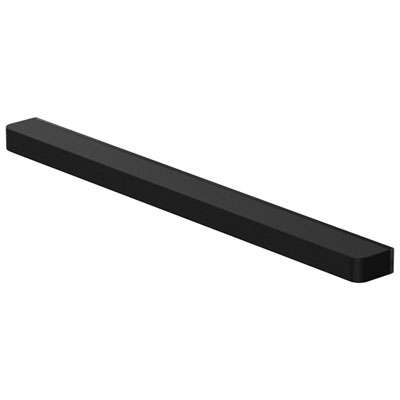
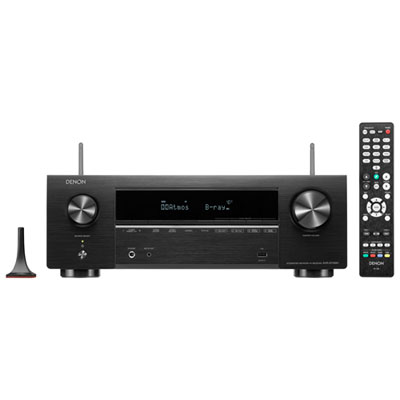
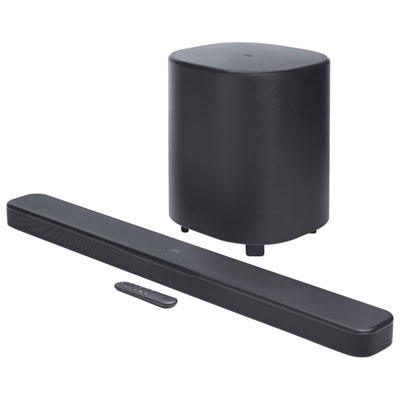
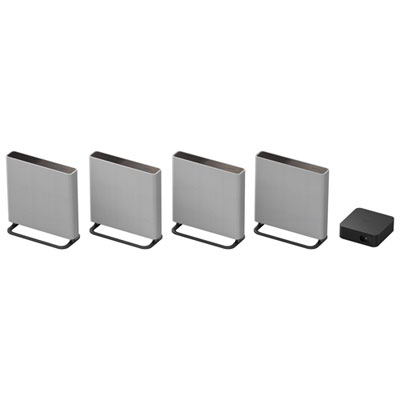
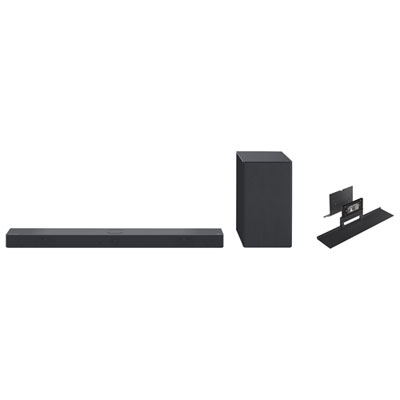
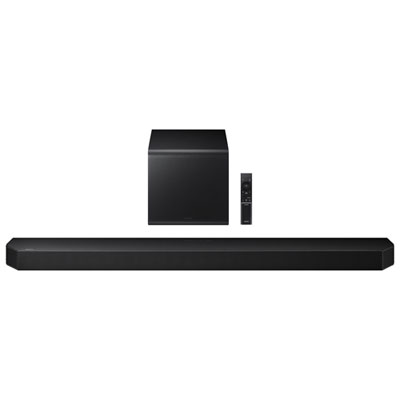
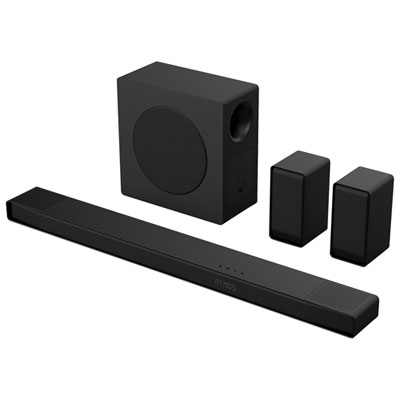
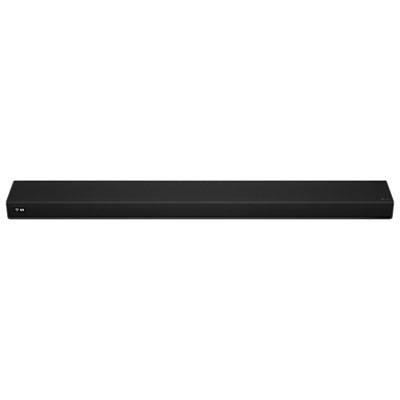
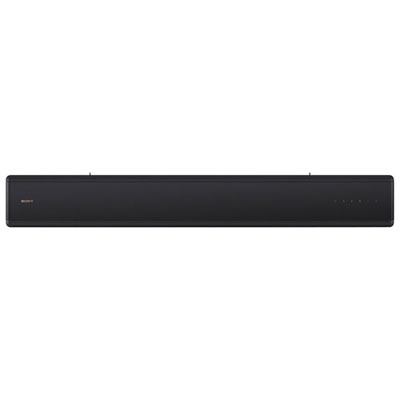
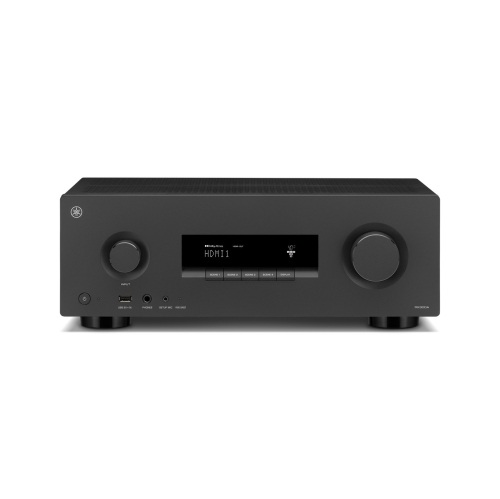
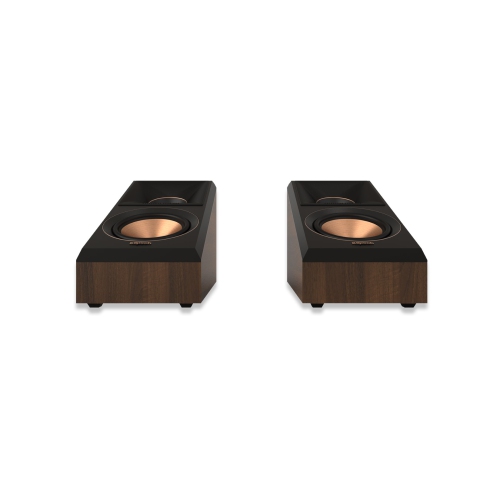
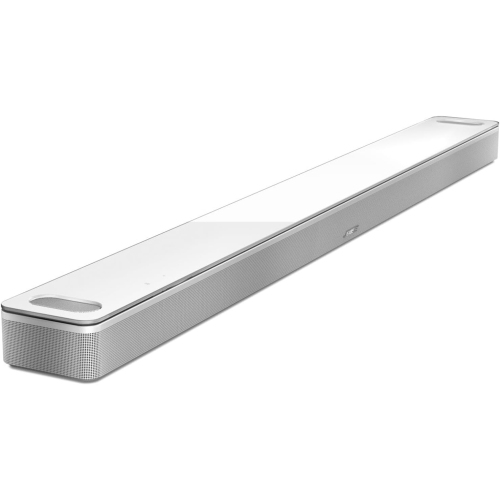
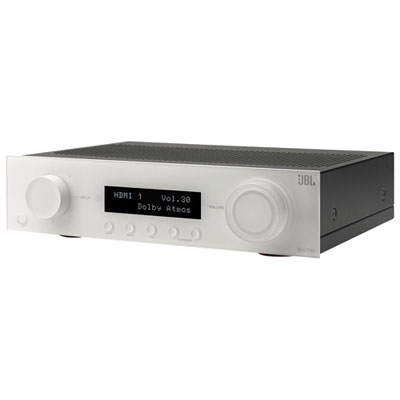
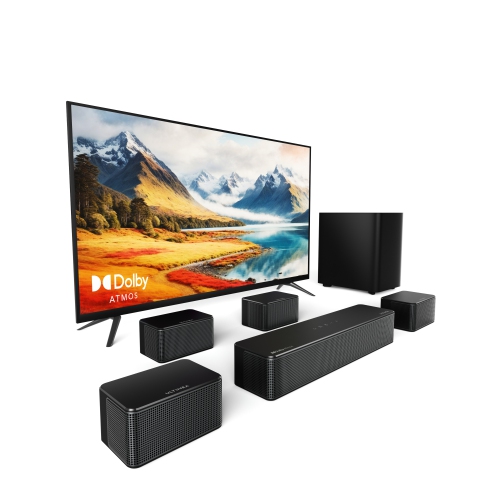
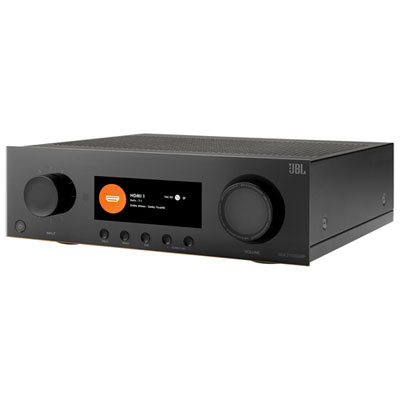
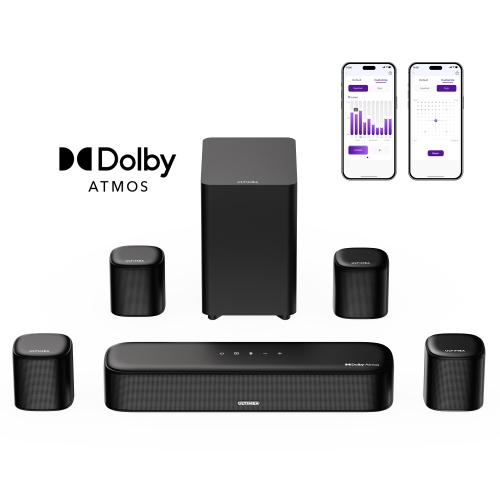
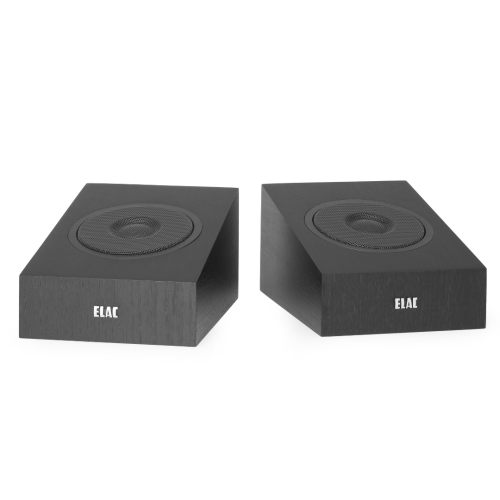
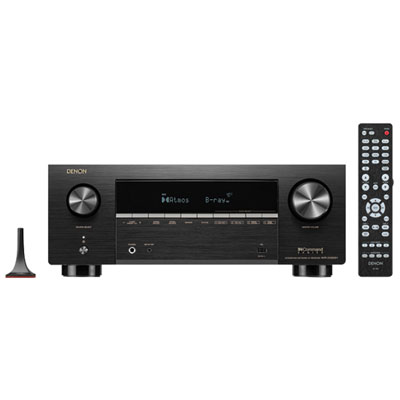
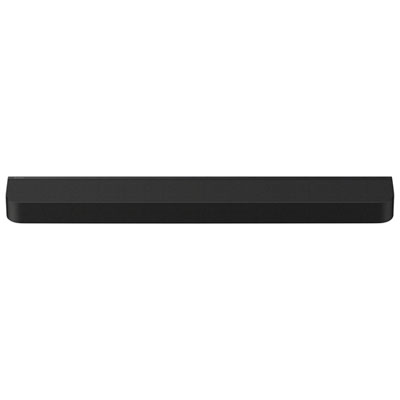
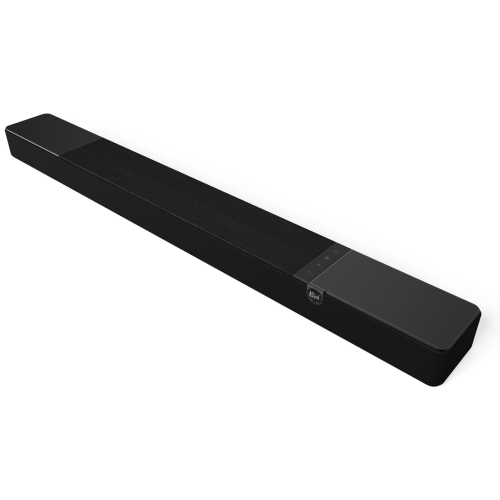
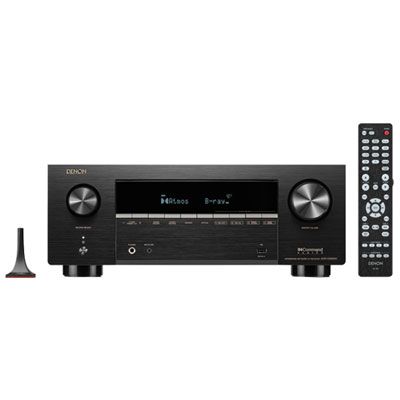
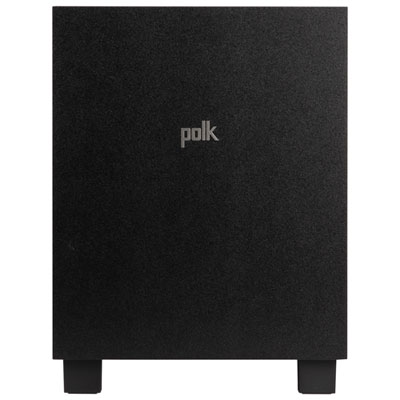
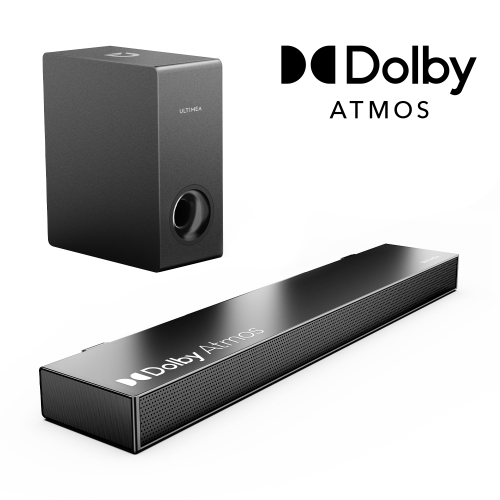
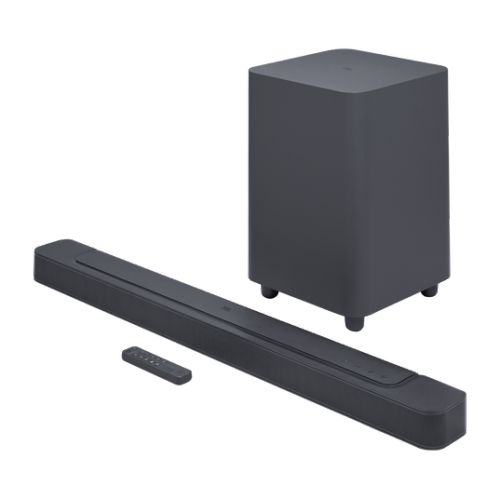
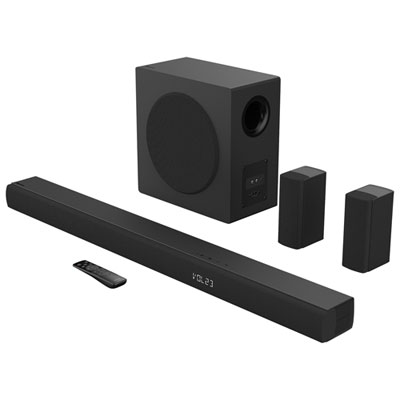
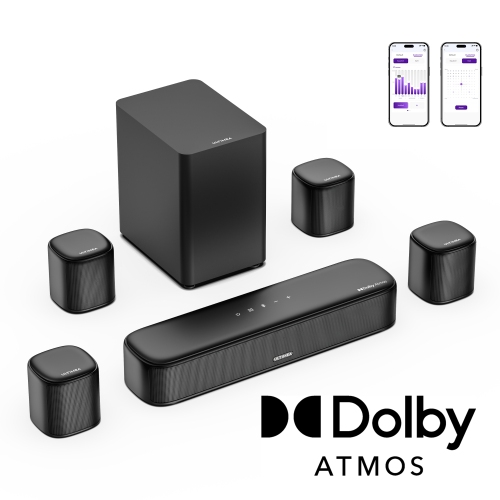
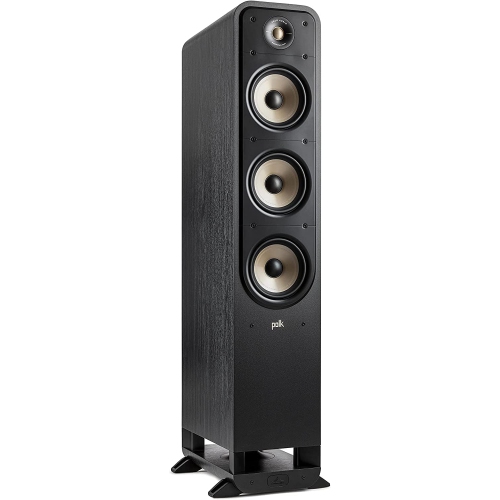
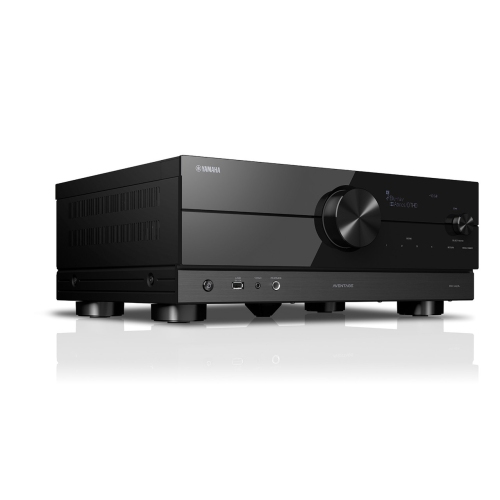
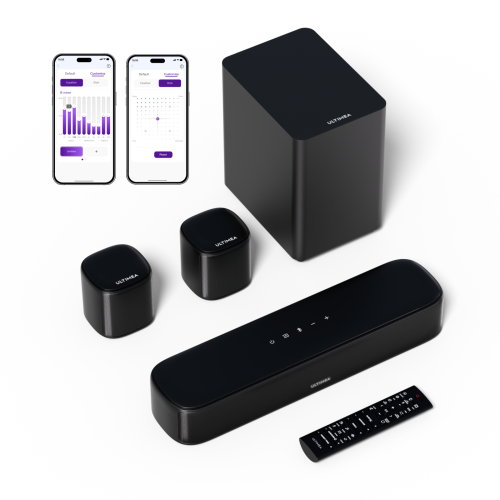
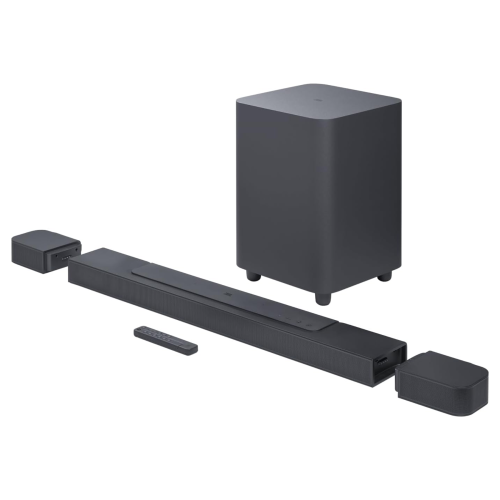
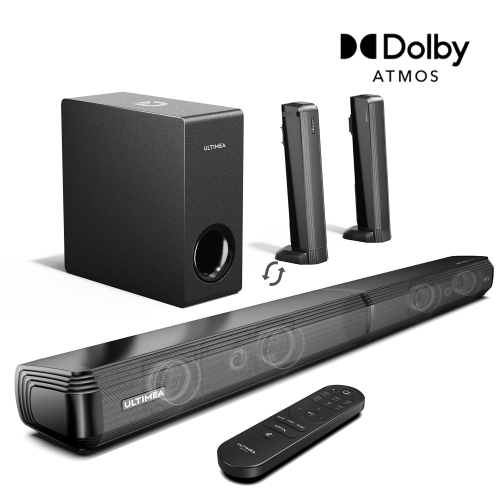
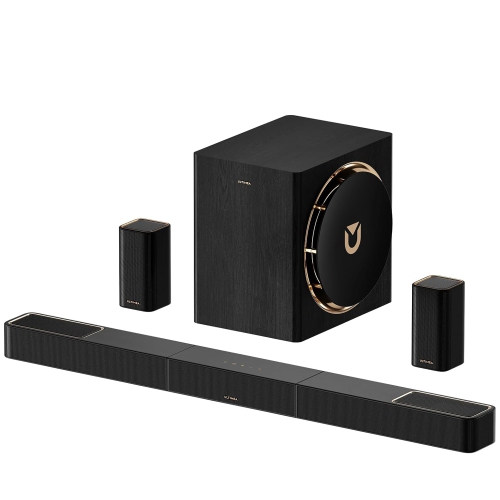
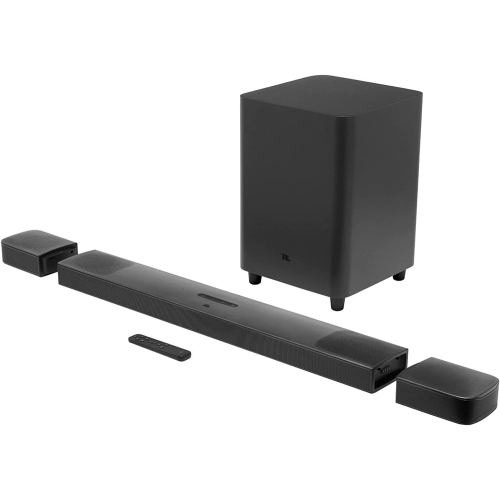
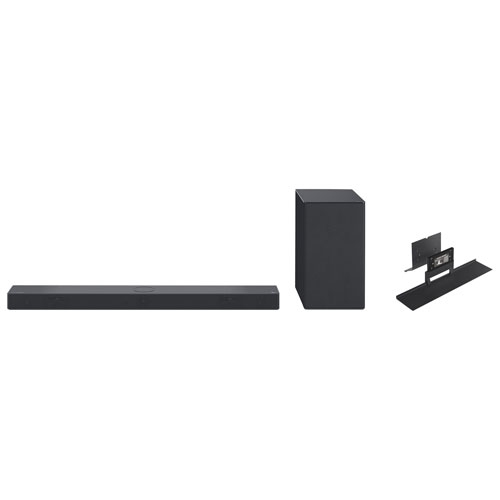
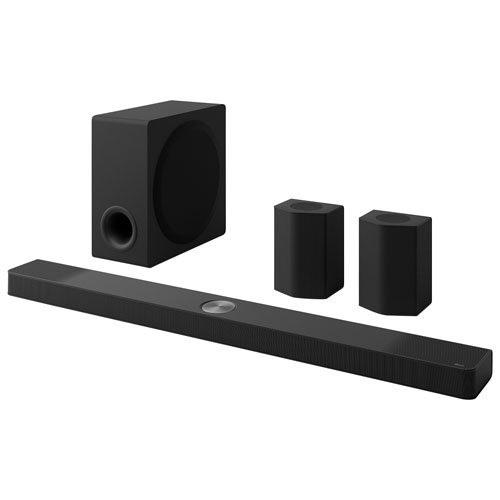
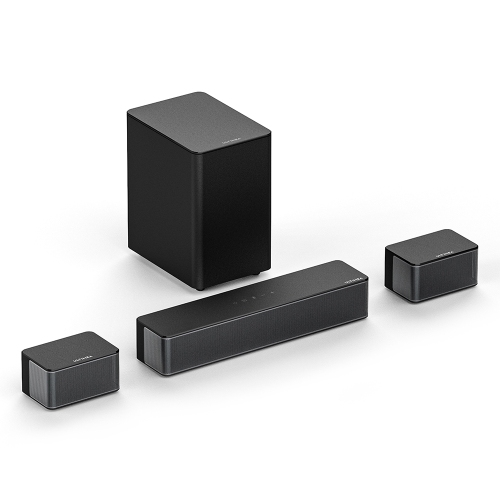
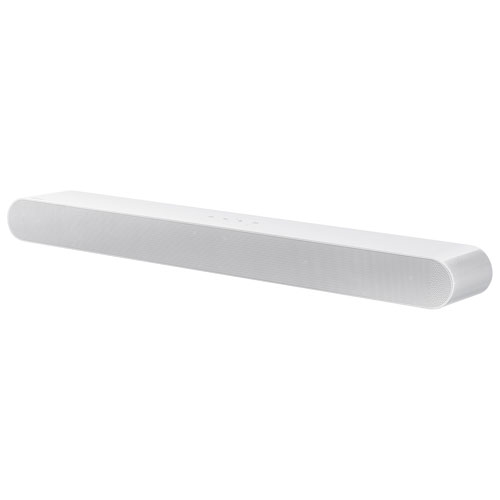
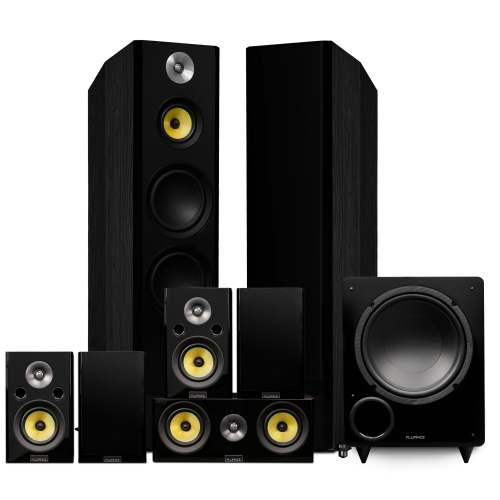
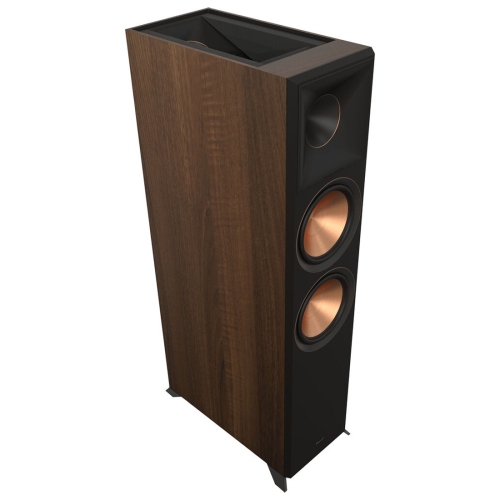
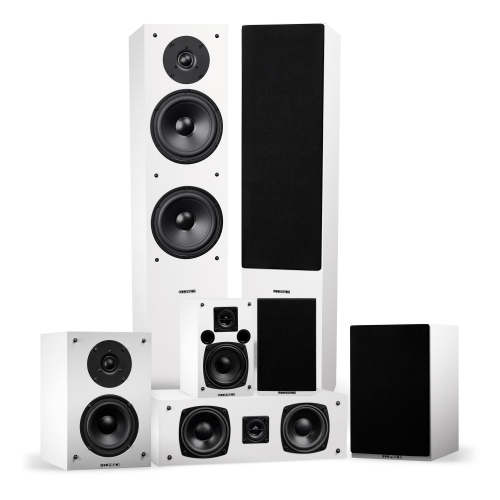
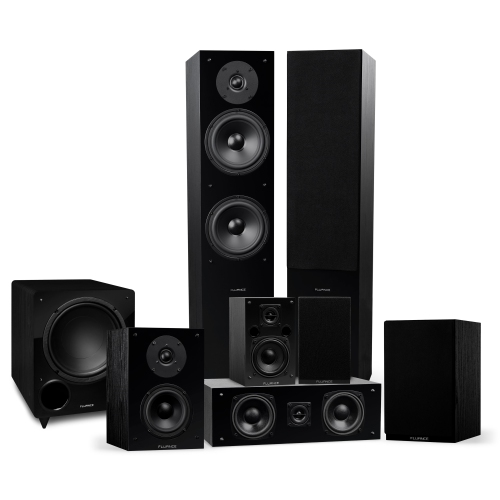
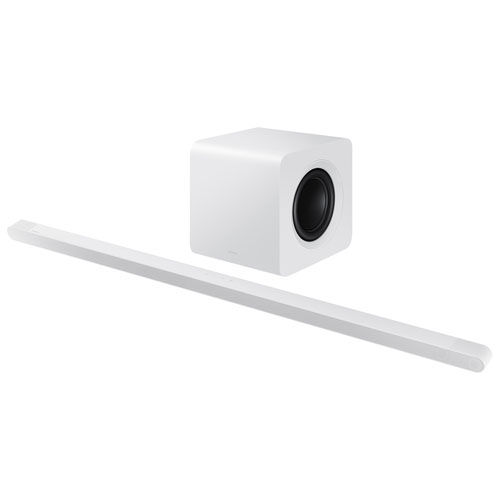
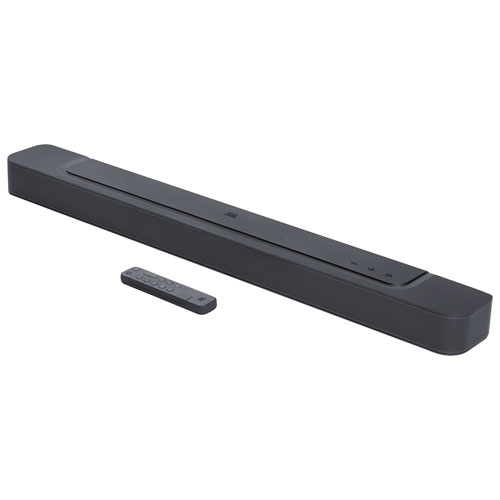
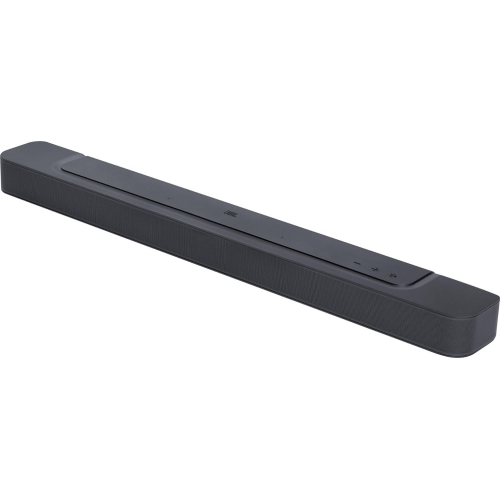
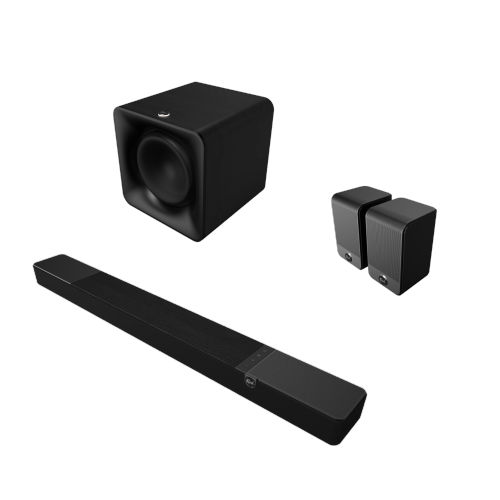
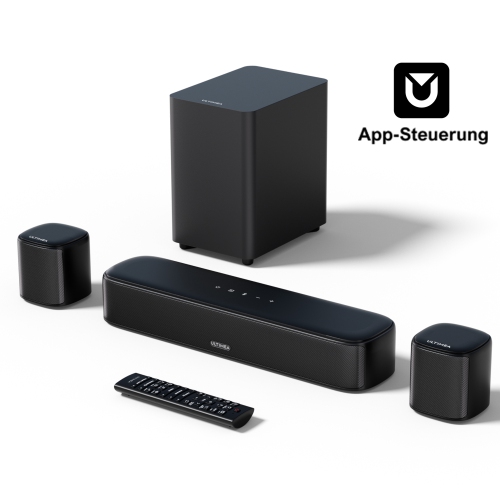
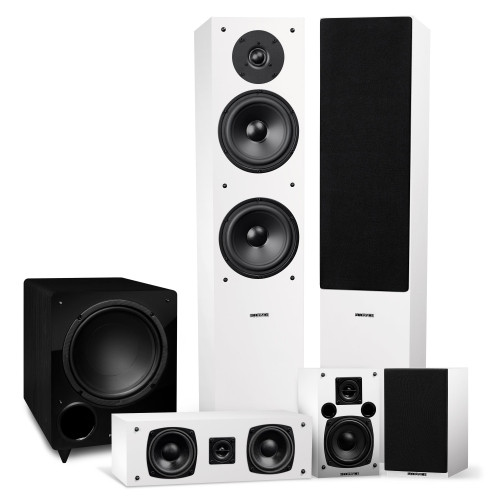
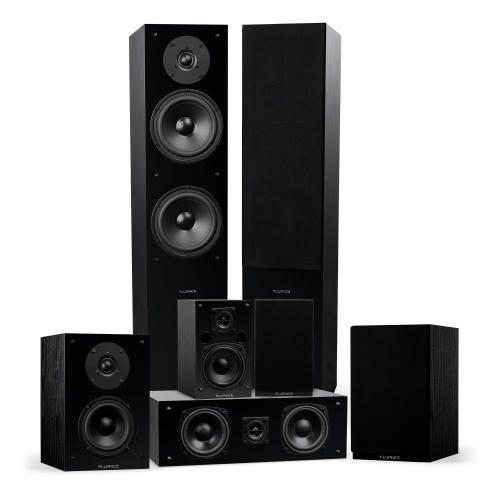
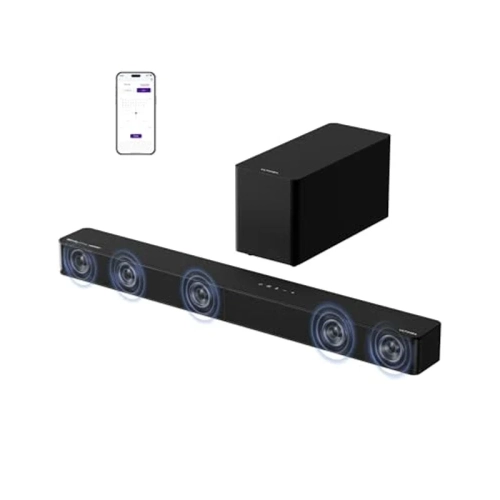
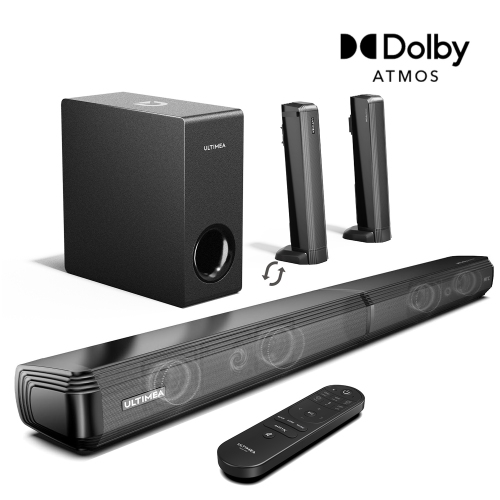
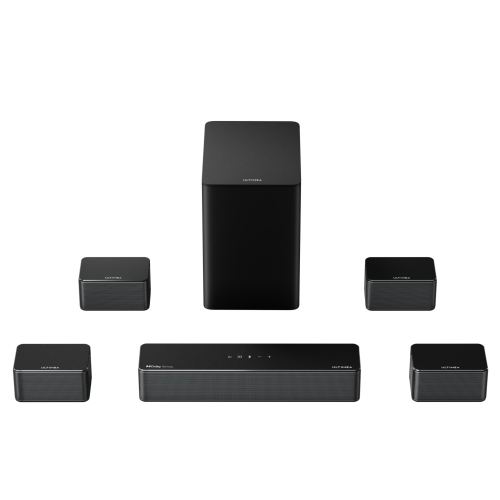
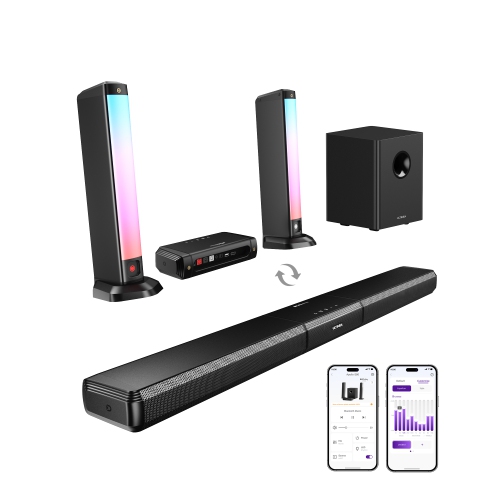
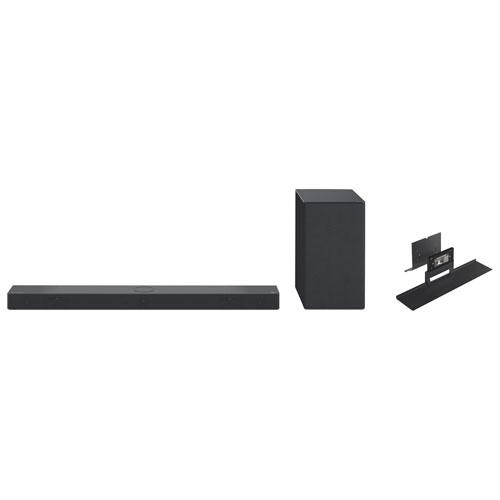
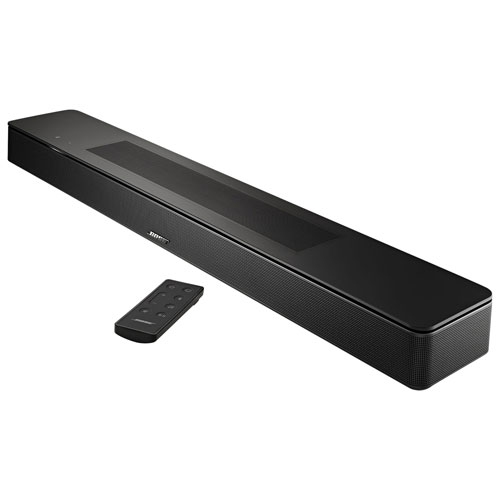
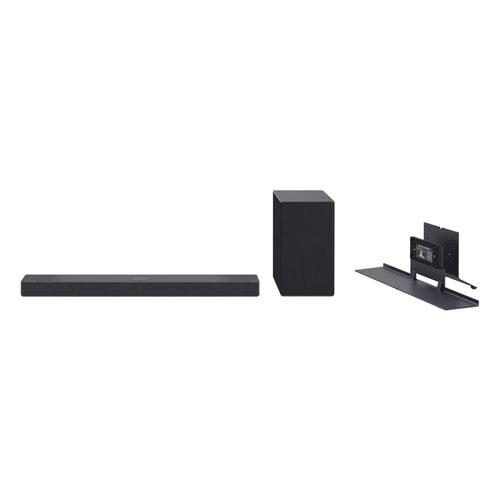
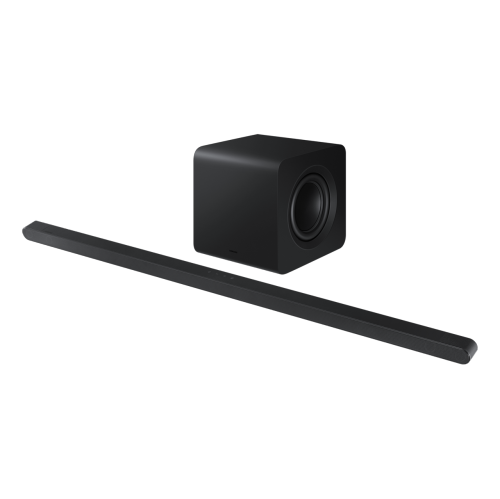
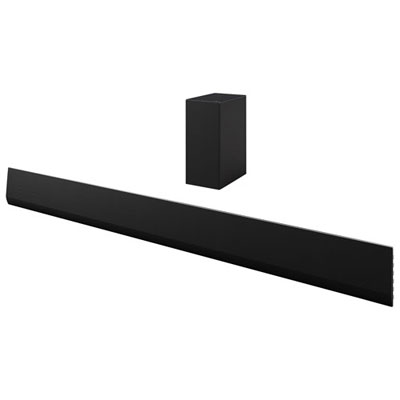
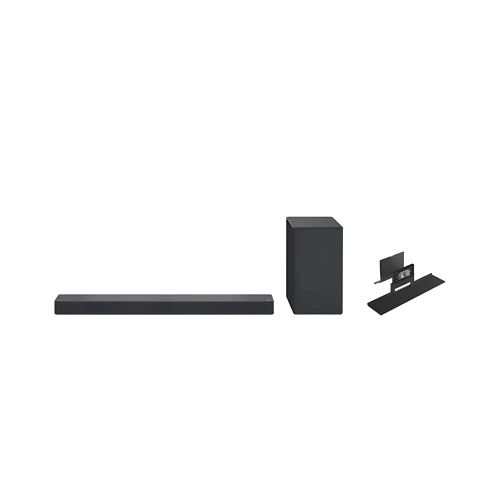
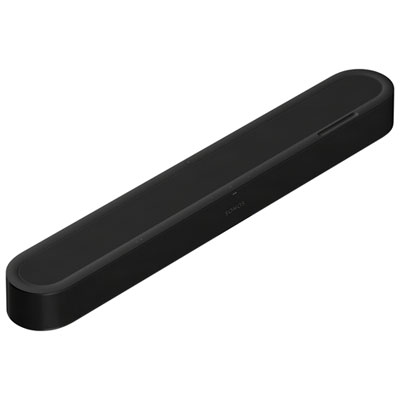
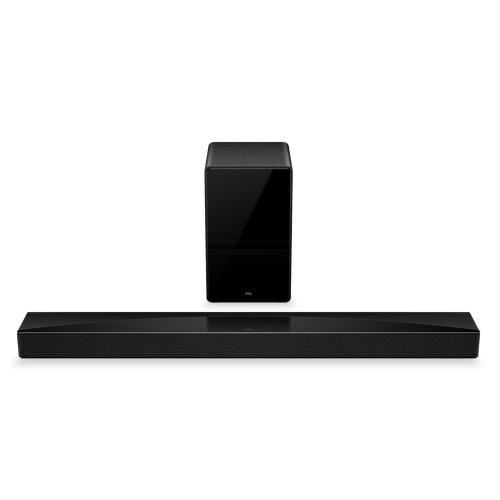
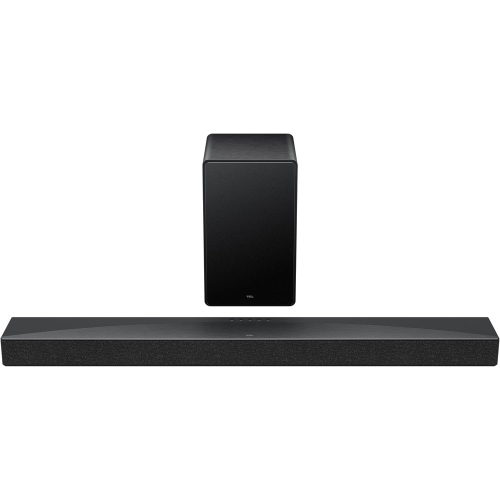
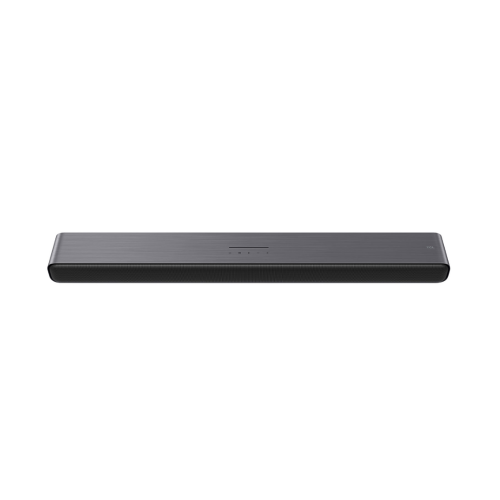
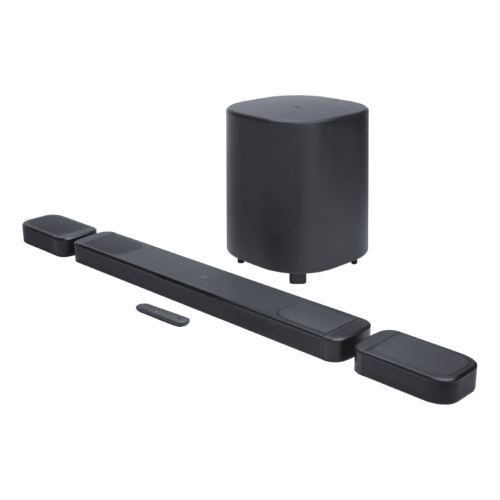
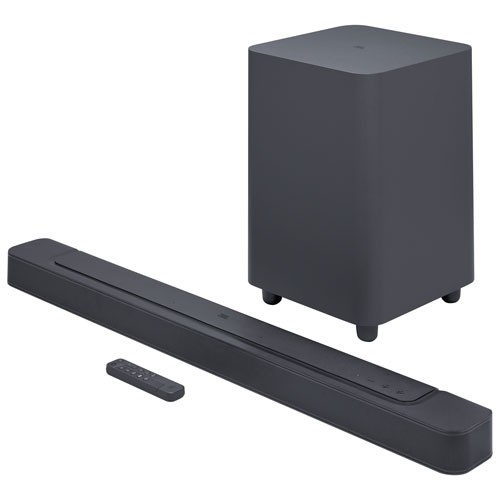
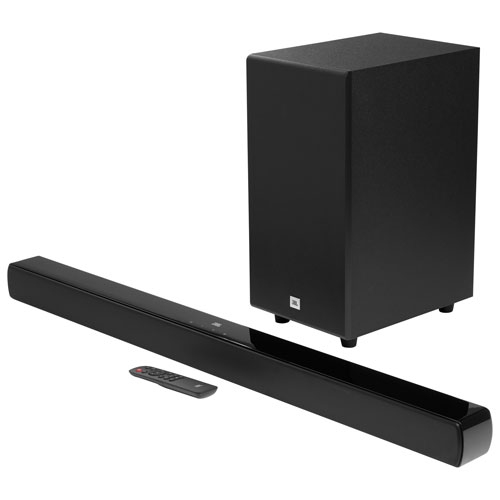
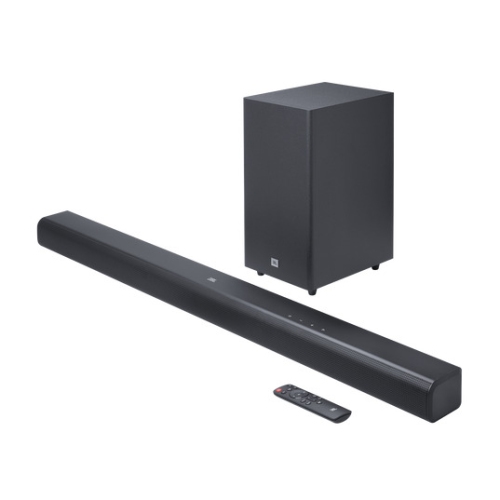
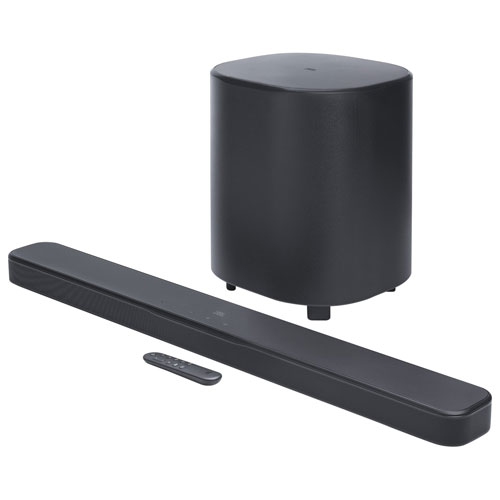
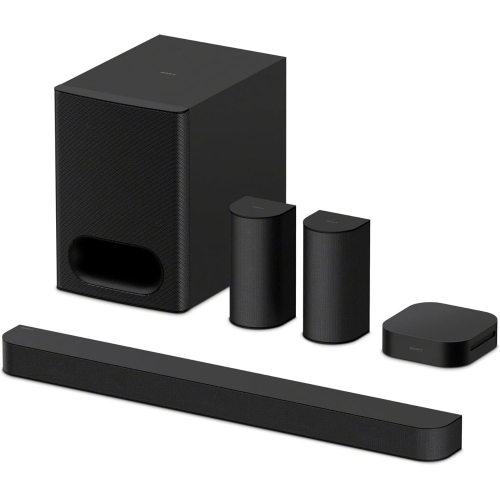
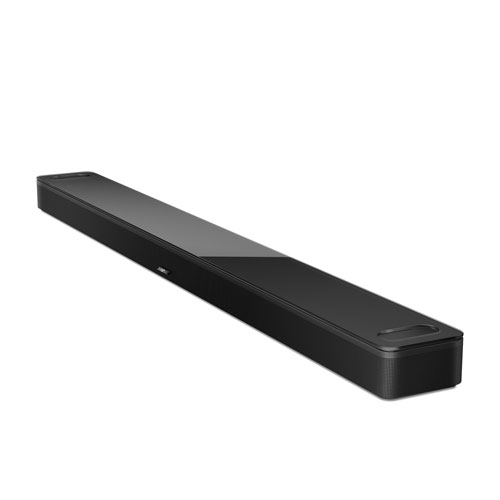
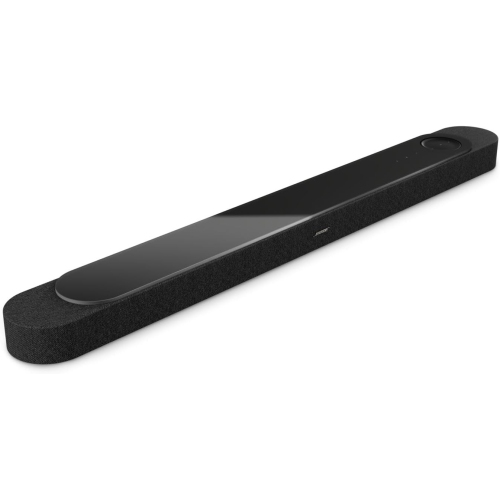
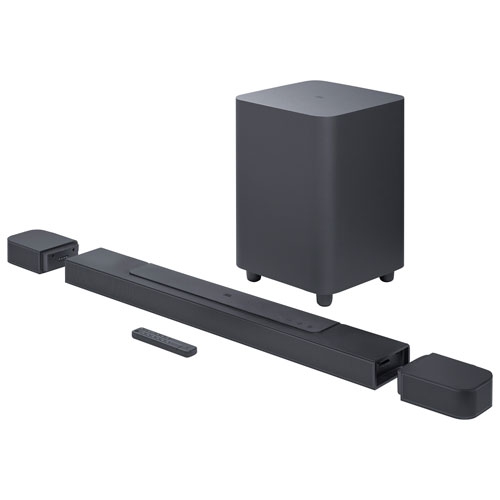
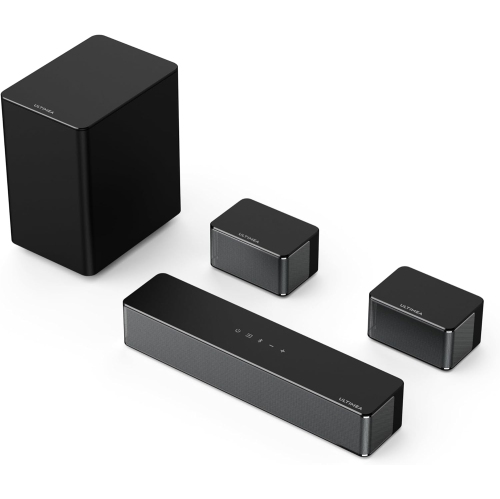
Dolby Atmos home theatres create a three-dimensional soundstage by adding a sense of height to the familiar front, centre, and surround positions of home theatre audio. In a compatible soundtrack, sounds can be placed and moved around the listening space, making a helicopter seem to pass overhead or footsteps travel across a balcony above the action. Dialogue typically remains anchored near the screen, while music, effects, and background details extend beyond it. The result depends on the soundtrack, speaker arrangement, and room acoustics rather than volume alone. Dolby Atmos soundbars offer a compact approach, combining multiple drivers in an enclosure that fits beneath a television. Some use upward-firing drivers to reflect sound from the ceiling, while others use virtual processing to suggest height without dedicated overhead speakers. Systems with separate surround speakers and a subwoofer can add more distinct rear effects and deeper bass. An AV receiver paired with individual speakers offers greater flexibility in speaker placement, with options for in-ceiling speakers, mounted height speakers, or upward-firing modules. Configuration numbers describe the channel arrangement: in a 5.1.2 system, five channels serve the ear-level soundstage, one serves the subwoofer channel, and two provide height information. A 7.1.4 arrangement expands that layout to seven ear-level channels and four height channels. These numbers describe audio roles, not necessarily the number of separate cabinets, since a soundbar can contain drivers for several channels. Larger configurations can create more precise movement around multiple seats, but a well-matched compact system can still provide an engaging experience in a smaller room. Speaker placement, clear dialogue, and balanced output matter more than simply having the highest channel count. For film fans, concert viewers, and players of compatible games, Dolby Atmos adds another dimension to familiar entertainment without requiring every sound to come from overhead. Quiet scenes can benefit too, with small details occupying distinct positions rather than blending into a single wall of sound.

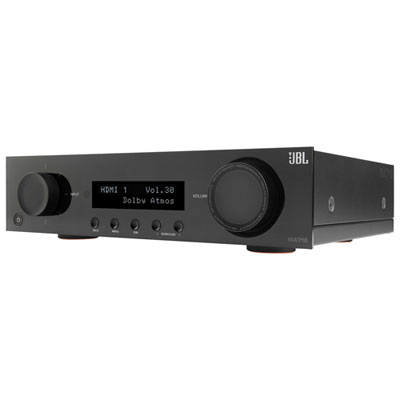
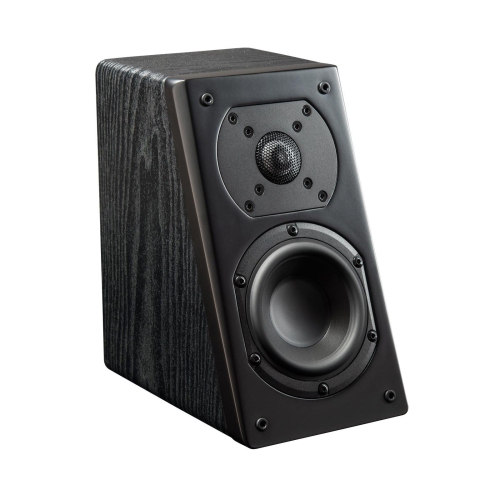
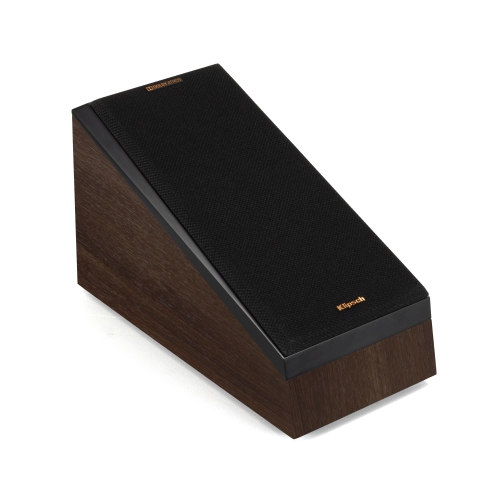
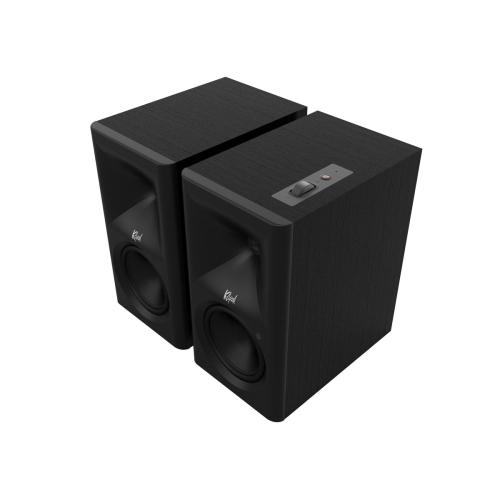
The physical fit of a Dolby Atmos home theatre matters as much as its channel layout. A soundbar needs enough space beneath the screen without blocking the picture, television feet, or remote-control sensor. Its upward-firing and side-firing drivers also need unobstructed paths, so a deep shelf or enclosed cabinet can limit the effects those drivers are designed to create. Upward-firing speakers generally work best with a flat, sound-reflective ceiling at a suitable height; vaulted ceilings, exposed beams, and sound-absorbing surfaces can make reflected height effects less predictable. Direct overhead speakers depend less on ceiling reflections, although installation requires suitable mounting locations and safe cable routing. Separate speakers need room around seating areas, and stands or wall brackets should suit their dimensions and weight. A subwoofer benefits from a position that delivers balanced bass at the seats, rather than simply fitting into the nearest empty corner. Thick rugs, upholstered seating, and curtains can help reduce excessive reflections in a room with many hard surfaces. Automatic room calibration, where included, can adjust speaker levels and timing to suit the space, but it cannot fully compensate for blocked drivers or awkward placement. Construction and finish also influence everyday ownership. Rigid speaker cabinets help control unwanted vibration, while fabric or metal grilles protect drivers from incidental contact. Durable finishes and stable supports are useful in shared family spaces, especially where children or pets may brush past equipment. Ventilation around a receiver helps heat escape, and cables routed away from walkways reduce the chance of snags. Routine care usually involves a soft, dry cloth and gentle dust removal, following the manufacturer’s directions rather than applying household cleaners to drivers or grilles. For apartments and multipurpose rooms, adjustable bass, dialogue enhancement, and night listening modes can make a system more practical. These features vary, but they can help preserve speech clarity and reduce sudden changes in loudness when listening at lower levels.
A complete Dolby Atmos experience also depends on the path between the entertainment source, television, and audio system. The programme or game must contain a compatible Dolby Atmos soundtrack, and the playback device and audio equipment must support its delivery. A 4K picture alone does not guarantee Dolby Atmos sound, and audio formats can differ between versions of the same title or between playback services. HDMI eARC is particularly useful when a television sends audio to a compatible soundbar or receiver because it supports high-bandwidth formats, including lossless Dolby TrueHD with Dolby Atmos from suitable sources. Standard HDMI ARC can carry Dolby Atmos delivered through Dolby Digital Plus on compatible equipment, a format used by many streaming services, but it does not carry every Atmos format. Optical connections do not carry Dolby Atmos. The HDMI ports, cable capabilities, and audio settings all play a part; eARC is a connection feature, not a separate type of soundtrack. For a coordinated screen-and-sound setup, TVs with Dolby Atmos Sound can complement compatible home theatre equipment, although support for built-in Atmos playback and support for passing particular formats to an external system are separate capabilities. Connecting a compatible media player directly to an AV receiver or soundbar with an appropriate HDMI input can provide another audio path where the television’s pass-through support is limited. Gamers may also need to consider whether the connection preserves the video features they use, such as high refresh rates and variable refresh rate support. Beyond film nights, an Atmos-capable system can suit compatible spatial music, concert recordings, and games with directional sound. It can also make a thoughtful gift for a home entertainment enthusiast when matched to their existing television, room, and preferred setup style. Expandable systems suit listeners who may add rear speakers later, while compact arrangements appeal to those who value fewer components. Across these uses, a satisfying Dolby Atmos home theatre balances convincing effects with intelligible dialogue, comfortable listening levels, and equipment that fits naturally into daily life.
Read More

FAQ

Some products may be subject to Environmental Handling Fees (EHF) depending on your province. Learn more about EHFs.