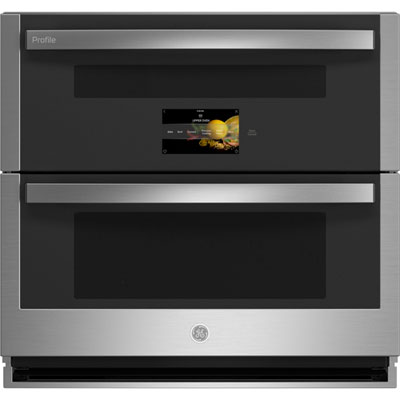
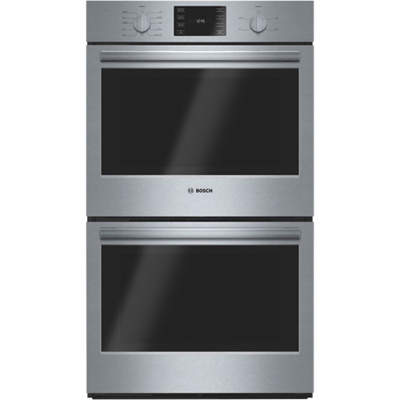
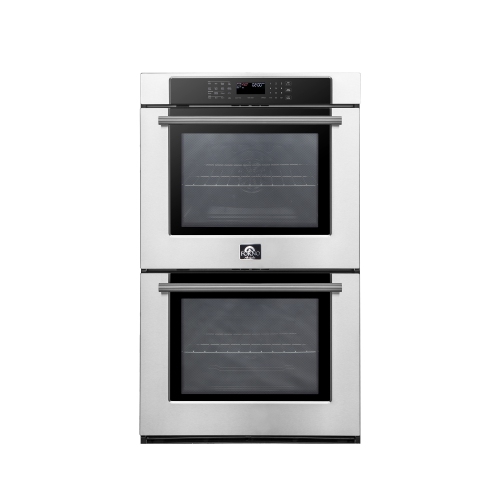
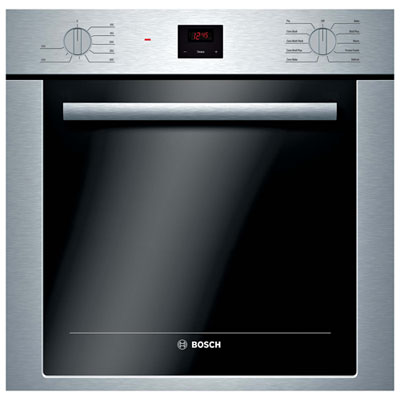
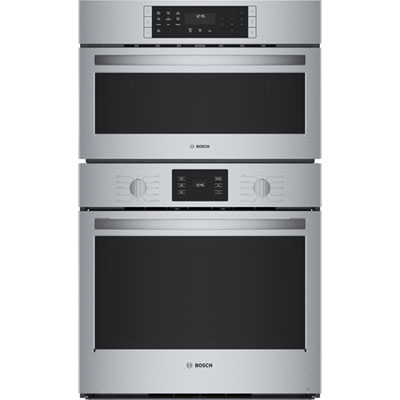
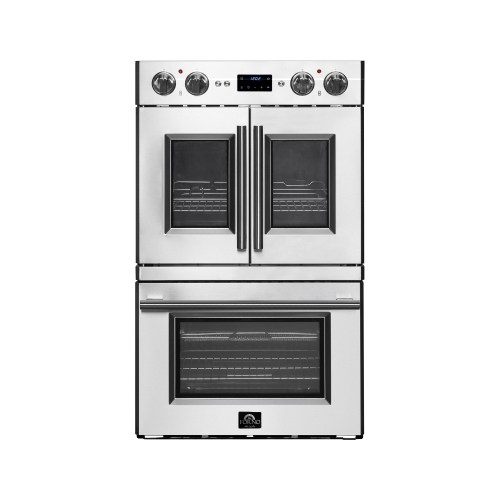
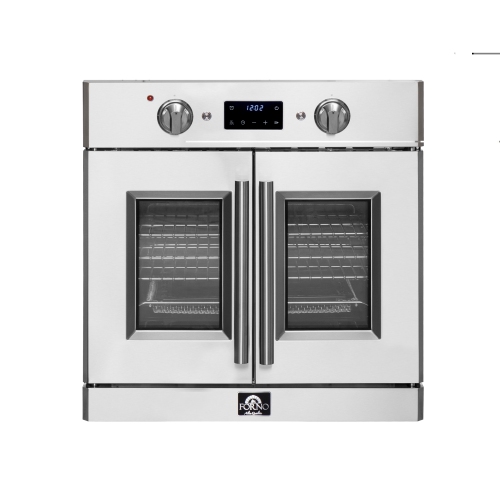
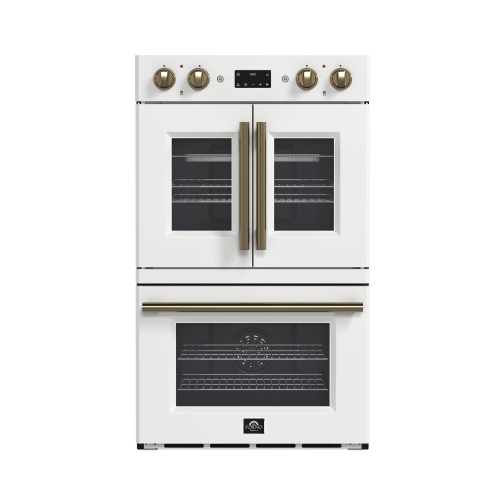
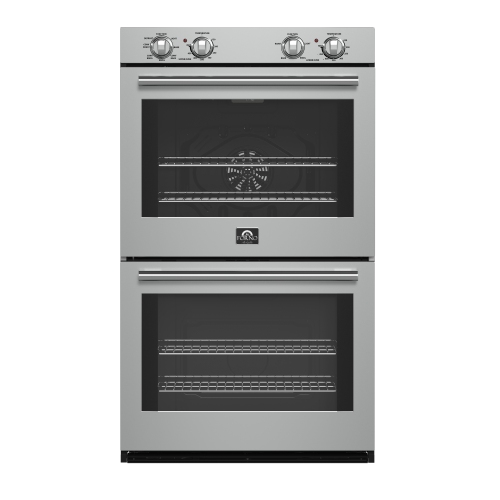
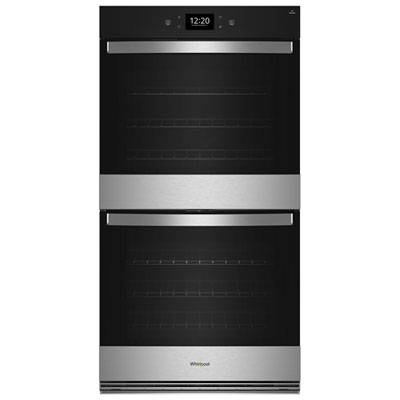
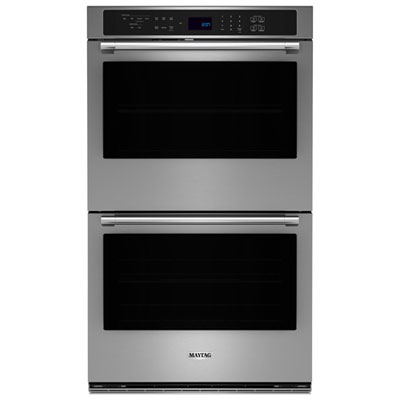
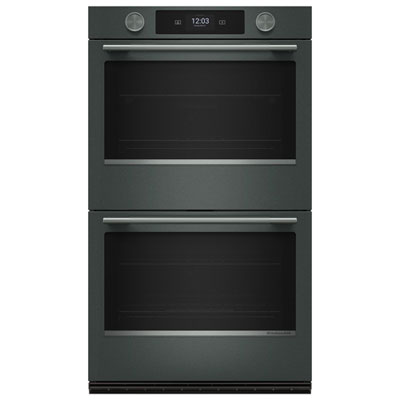
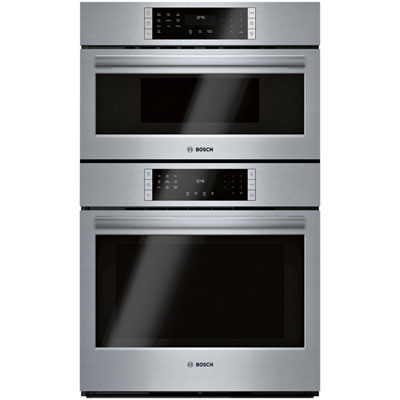
Double Convection Ovens

Double convection ovens offer two cooking spaces to help you prepare dishes at different temperatures, with fan-circulated heat for even cooking. Compare capacity, dimensions, cooking modes, and installation requirements to find an option that fits your kitchen and the way you cook.
Read More

Sort

Separate oven temperatures help dinner come together

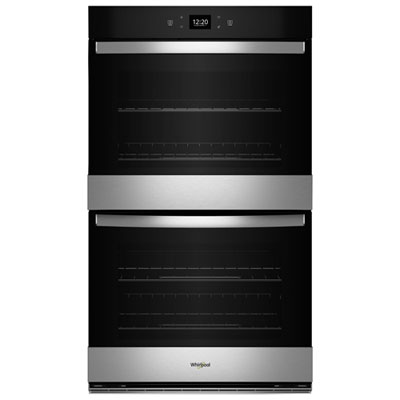
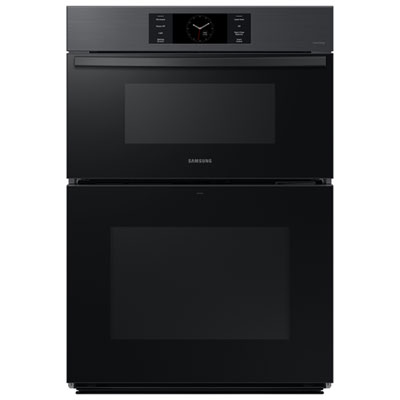
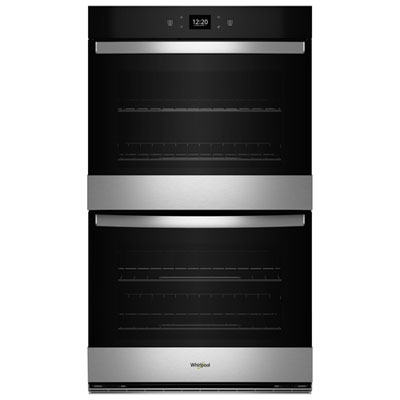
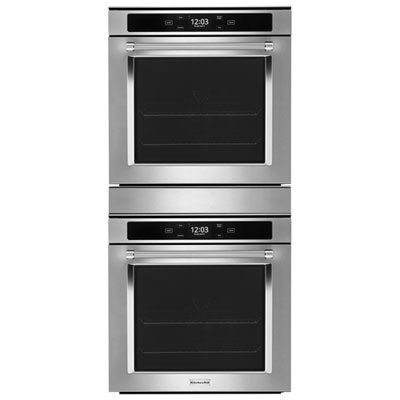
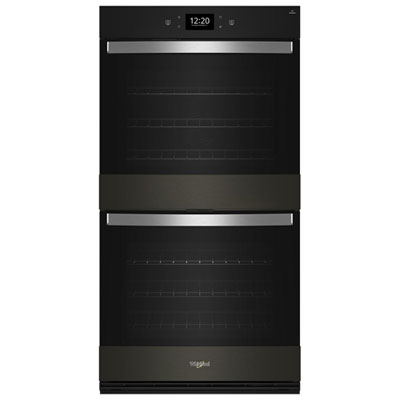
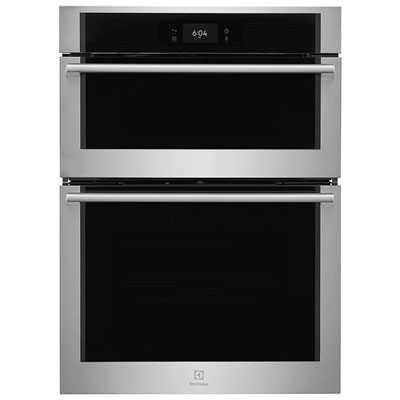
Double convection ovens combine two independently controlled oven cavities with fan-assisted heat circulation, allowing different dishes to cook at different temperatures at the same time. Convection fans move heated air around the food rather than relying on heat rising naturally through the cavity, helping support more consistent browning and even cooking across multiple rack positions. Depending on the recipe and cooking mode, convection may also shorten cooking times, although results still depend on the size of the dish, cookware, rack placement, and oven settings. For a household that regularly prepares several dishes together, two cavities mean a roast can cook in one oven while a tray of vegetables browns in the other, without either dish having to share the same temperature setting. Bakers gain room for batches of biscuits, bread, or pastries, while families with different meal schedules can prepare separate dishes without rearranging an entire dinner. True convection typically adds a heating element near the fan, while other convection systems circulate heat supplied by the oven’s main elements. Because double-oven configurations do not always offer identical functions in both cavities, the cooking modes listed for each compartment are an important distinction. Some layouts provide two similarly sized ovens; others pair a smaller cavity with a larger one. Equal-sized cavities offer flexibility for substantial dishes, while a compact upper oven can be useful for a casserole or a smaller batch of baking. Usable capacity matters more than a combined capacity figure alone: a roasting pan with tall handles, a wide baking sheet, and a deep covered pot each need adequate clearance. For frequent hosts, enthusiastic home bakers, and households that prepare meals ahead, the appeal is not simply having more oven space. It is having room to organize cooking around the food, whether that means keeping a delicate cake away from a hotter roasting setting or preparing several components of a meal so they are ready to serve together.

Kitchen layout determines how comfortably that extra cooking capacity fits into everyday life. Built-in double wall ovens create a dedicated baking and roasting area, often separate from the cooktop, while double-oven ranges combine two cavities beneath a cooking surface. A wall installation can position the upper cavity closer to a comfortable working height, although the lower oven still needs to be accessible when lifting a heavy covered dish. With a range, the lower cavity may sit quite close to the floor, making bending and reaching worth considering. Nominal appliance width is only part of the fit: cabinet cutout width, height, depth, surrounding clearances, and the space needed for an open door all affect installation. Handles can project beyond cabinet fronts, and an open oven door should not obstruct an adjacent dishwasher, narrow walkway, or nearby drawer. Built-in units also require cabinetry that supports their weight, along with the electrical connection and ventilation clearances specified by the manufacturer. These requirements make installation compatibility just as important as cooking capacity when replacing an existing appliance. Inside the kitchen, materials and finishes contribute to both appearance and upkeep. Stainless steel coordinates with many appliance finishes, while black, white, and other finishes can blend into cabinetry or create contrast. Fingerprint-resistant coatings may reduce visible smudges, though their care requirements differ from those of uncoated metal. Enamelled interiors provide a hard surface for regular cleaning, and sturdy racks, secure rack supports, and smooth door hinges help an oven feel dependable during frequent use. Clear displays, readable temperature settings, and straightforward controls are especially useful when two ovens are running simultaneously. Separate cavity indicators help make it obvious which oven is heating or timing a dish. On models with Wi-Fi connectivity, compatible remote alerts may provide convenient updates, but app functions and remote-operation requirements vary. Comfortable handles, well-lit interiors, and racks that slide smoothly can make a more noticeable daily difference than a long list of cooking modes that rarely get used.

Cooking features are most valuable when they suit the meals a household actually makes. A temperature probe can help monitor the centre of a roast without repeatedly opening the door, while telescopic racks bring a heavy pan forward with less reaching into the cavity. These are among the conveniences often associated with High End Convection Ovens, alongside specialized baking settings and more detailed cooking controls. Their usefulness depends on the configuration and the foods being prepared. Bread bakers may appreciate proofing settings, while households that frequently cook several trays of vegetables may place more value on rack flexibility and consistent airflow. Convection works best when heated air has room to circulate, so tightly packed cookware or oversized sheets can limit its benefits. Shallow roasting pans expose more of the food’s surface to moving air, while deeper covered cookware behaves differently and may not benefit as much from fan-assisted cooking. Recipes developed for conventional ovens may need a lower setting or an earlier check for doneness; automatic conversion features, where included, can simplify that adjustment. Care requirements deserve the same attention as cooking features. Removable racks and accessible interior surfaces make routine cleaning easier, and wiping up spills after the oven has cooled helps prevent residue from baking onto the enamel. Steam-cleaning and high-heat self-cleaning functions work differently and should be used according to the appliance instructions; racks and accessories may need to be removed before a cleaning cycle. Door seals, interior lights, fan openings, and control surfaces also benefit from care suited to their materials. Abrasive pads and unsuitable cleaners can damage finishes, while foil placed on the oven floor can interfere with heat circulation or harm the interior. With appropriate installation, sensible cookware placement, and regular cleaning, a double convection oven can support everything from a simple tray bake to a carefully timed meal with several dishes, giving busy kitchens greater flexibility without making every cooking task more complicated.
Read More

FAQ

Some products may be subject to Environmental Handling Fees (EHF) depending on your province. Learn more about EHFs.