Double Oven Gas Stoves

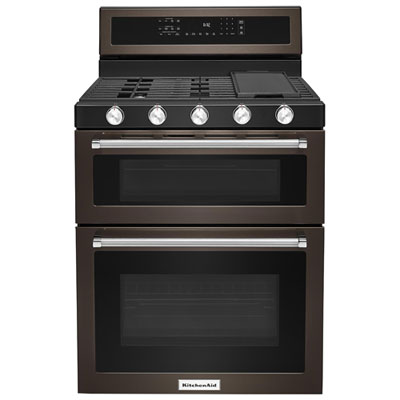
Double oven gas stoves combine a gas cooktop with two oven compartments, giving you flexibility to prepare dishes at different temperatures. Compare double oven gas ranges by width, oven capacity and cooking functions to find a fit for your kitchen and the meals you make most often.
Read More

Sort

Two oven temperatures for one well-timed meal

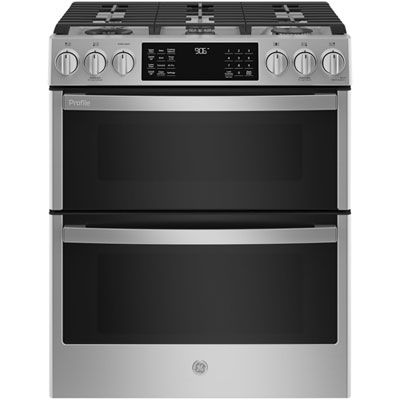
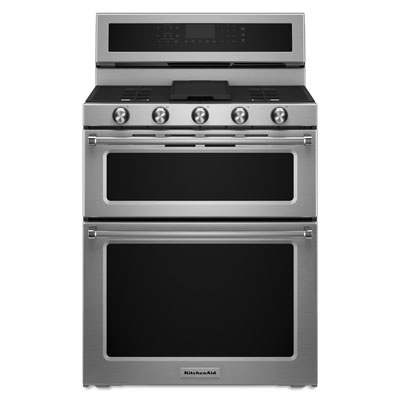
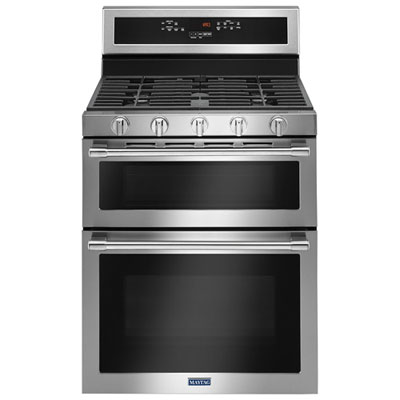
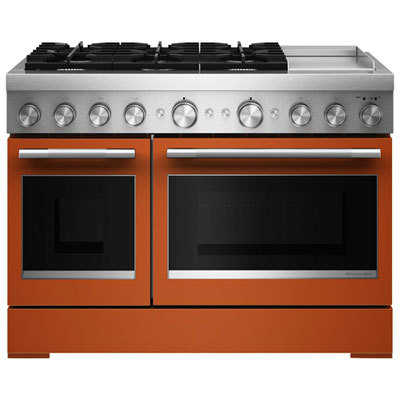
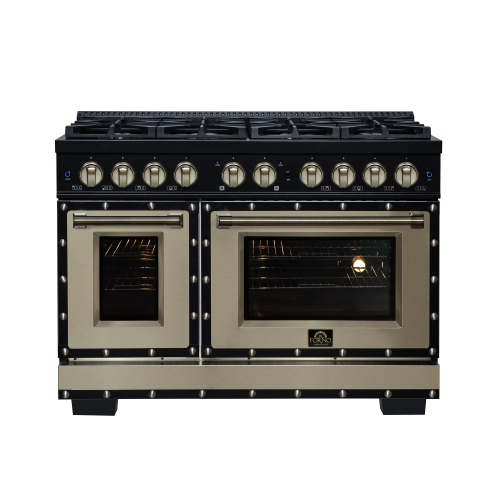
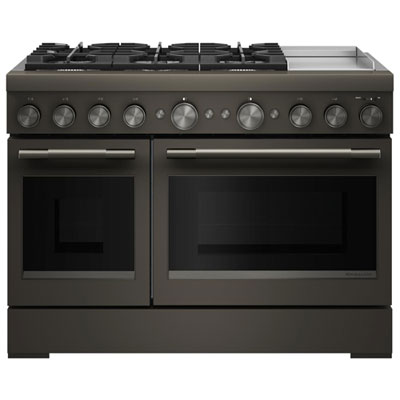
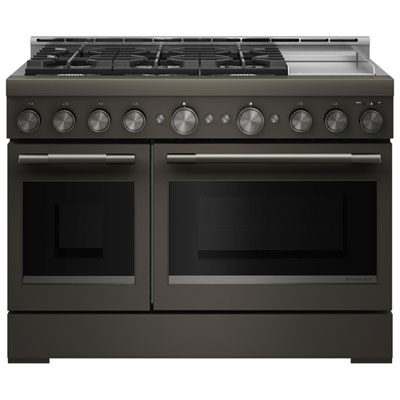
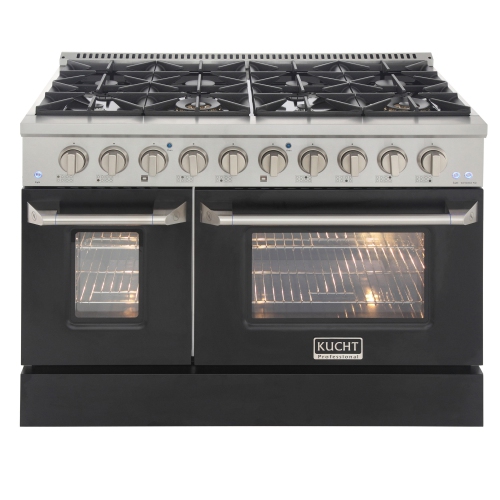
Double oven gas stoves combine the responsive heat of a gas cooktop with two oven cavities, giving busy kitchens more room to handle dishes with different cooking needs. A lasagna can bake in one oven while a tray of vegetables roasts in the other, without having to settle on a single temperature for both. For households that regularly prepare several components of a meal, that separation can be more useful than one large oven. It also suits enthusiastic bakers who want to bake a cake while keeping another dish warm, provided the selected range offers the appropriate settings. The layout matters as much as the combined capacity: many double oven ranges pair a smaller upper oven with a larger lower one, rather than dividing the space equally. A shallow cavity can be convenient for pizza, a sheet pan of biscuits, or a small casserole, while the larger cavity accommodates deeper cookware. Check individual oven dimensions and rack positions against the roasting pans, Dutch ovens, and baking sheets used most often. A generous total capacity does not necessarily mean that either compartment will fit an especially tall covered roaster. Cooking functions also vary between the two cavities. Convection, broiling, and other modes may be offered in only one, and a convection fan can change how heat circulates around food. On the cooktop, a useful burner arrangement balances a stronger flame for bringing a pot to the boil with gentler settings for sauces and slow simmering. Burner spacing deserves attention, especially when a wide skillet and a large pasta pot need to sit side by side. Continuous grates can make it easier to reposition heavy cookware without lifting it completely off the surface, although their weight and layout affect cleaning. For cooks who move between stovetop preparation and oven cooking throughout a meal, these practical details shape how comfortably the whole appliance works.

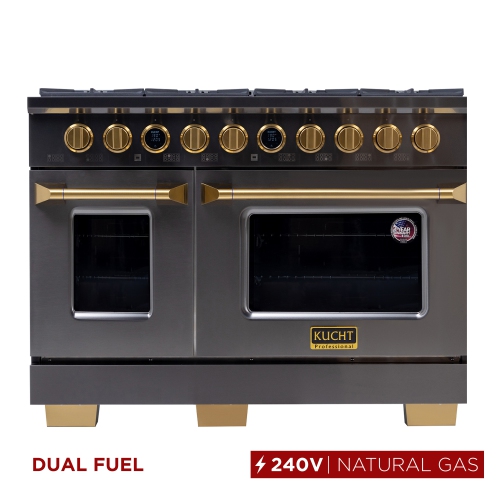
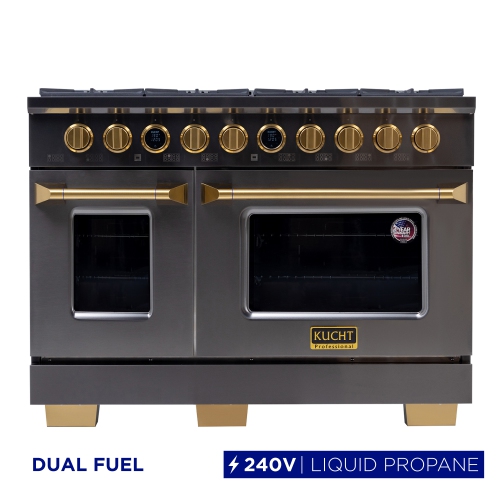
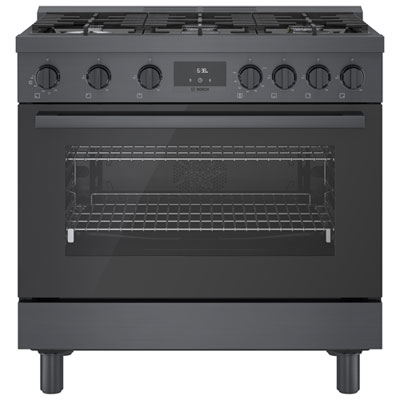
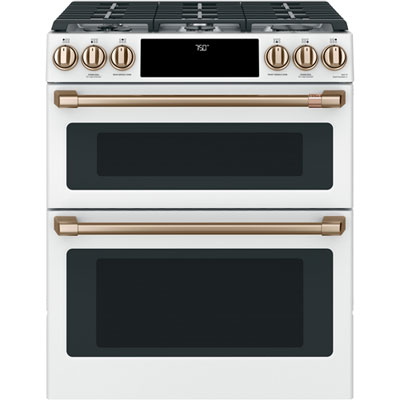
Fit involves more than matching the stated width of a double oven gas range to an opening between cabinets. A 30-inch range, for example, still needs its specified installation clearances, sufficient depth, and room for both oven doors to open without blocking a nearby island or walkway. Handles can project beyond the cabinet fronts, and the position of the gas connection may affect how closely the appliance sits against the wall. Freestanding designs commonly have a raised rear control panel, while slide-in designs often place controls at the front; the exact configuration should be checked against the surrounding counter and backsplash. Front controls can be easier to reach without leaning across cookware, but their position also matters in homes with young children. The lower oven generally requires more bending than an oven mounted higher in a wall, so consider the weight of a full roasting pan as well as the height of each rack. A double oven layout also often uses the space that might otherwise serve as a storage drawer. Gas supply, electrical requirements, ventilation, and any fuel conversion need to match the appliance specifications and local installation requirements. Ranges with gas cooktops are not all identical underneath: some use gas ovens, while dual-fuel designs combine gas burners with electric ovens and can require a different electrical connection. A qualified installer can confirm the appropriate connections, clearances, and anti-tip installation. Once those essentials are accounted for, finish and styling help the range settle into the kitchen. Stainless steel offers a metallic look that pairs with many appliance finishes, while White Double Oven Gas Ranges can complement painted cabinetry, pale countertops, or a kitchen with other white appliances. Look beyond the colour to the handle shape, control markings, window size, and trim, since these details influence both appearance and everyday usability.
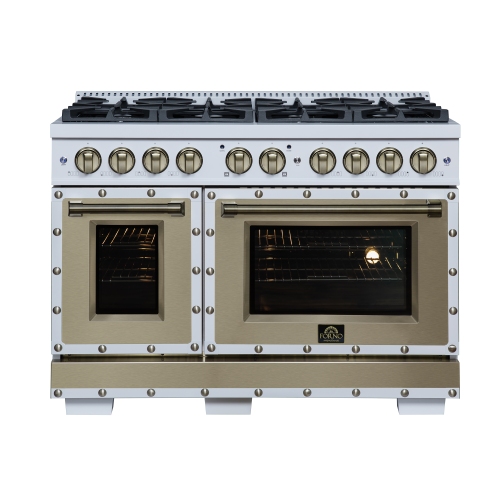
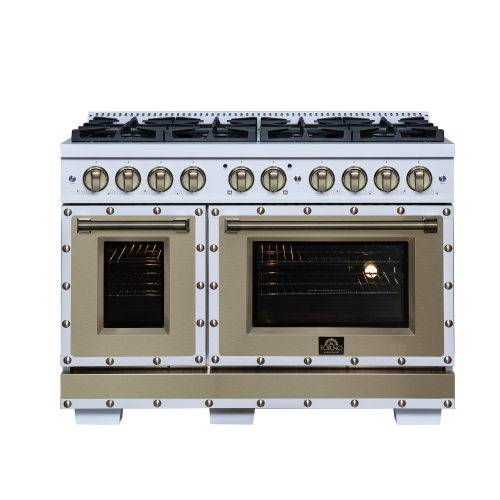
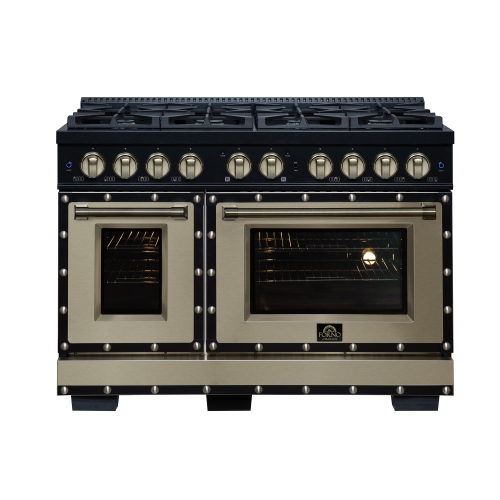
Materials and care requirements make a noticeable difference over years of cooking. Cast-iron grates provide sturdy support for cookware but can be heavy to lift into a sink, particularly when they span a large section of the cooktop. Porcelain-enamel surfaces offer a smooth finish, though abrasive pads and harsh cleaners can damage them. Stainless steel surfaces benefit from cleaning methods suited to their finish, and some coatings require different care from uncoated steel. Removable burner caps and accessible areas around the burners make routine spill cleanup more manageable. Once the cooktop has cooled, clearing away splashes before they harden helps prevent a small boilover from becoming a lengthy scrubbing job. Burner components need to be dry and correctly seated before use, following the appliance manual. Inside the ovens, removable racks and accessible corners are worth considering, particularly for frequent baking or roasting. Self-cleaning and steam-cleaning functions, where offered, have different operating instructions and limitations; neither should be assumed to remove every spill without preparation or follow-up. Oven racks, liners, and accessories also have specific care requirements, so their compatibility with any cleaning cycle matters. Beyond upkeep, the most useful features are often the ones that support familiar routines: clear controls for each cavity, readable displays, oven lights that reveal browning without opening the door, and racks that move smoothly under the weight of a filled baking dish. Separate timers can help track two dishes, but it is worth distinguishing a timer alert from a setting that actually stops cooking. Households preparing meals ahead may value space for several shallow dishes, while frequent hosts may place greater importance on fitting a large roast alongside side dishes. Matching cavity sizes, burner placement, and controls to those real cooking habits gives a double oven gas stove a clear purpose beyond its extra door.
Read More

FAQ

Some products may be subject to Environmental Handling Fees (EHF) depending on your province. Learn more about EHFs.