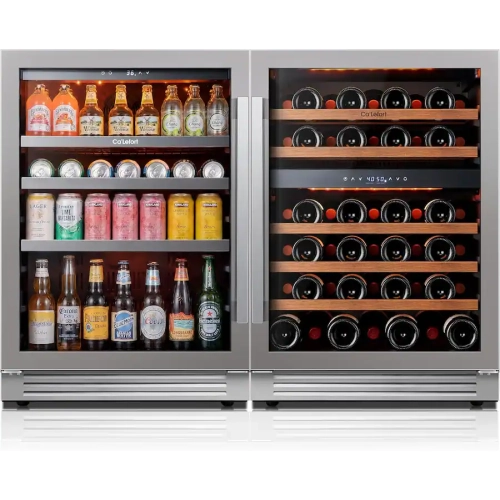
Double Wine Coolers

Double wine coolers offer dedicated storage for your wine collection, with bottle capacity, dimensions and temperature controls to consider as you compare models. Check that a wine fridge fits your available space, and look for separate cooling zones if you want to keep reds and whites at different temperatures.
Read More

Sort

Separate temperature zones for reds and whites

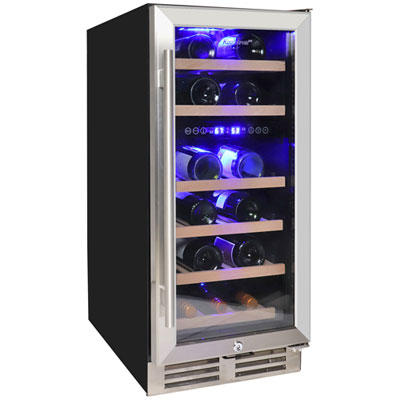
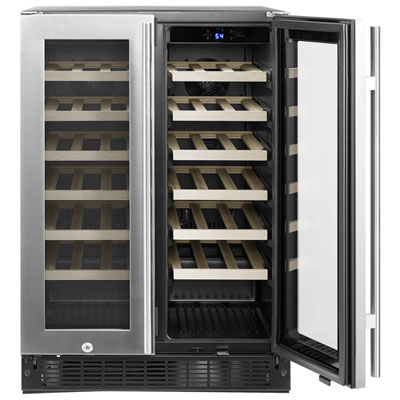
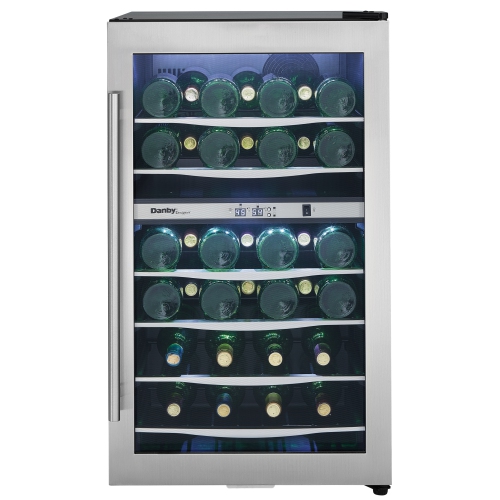
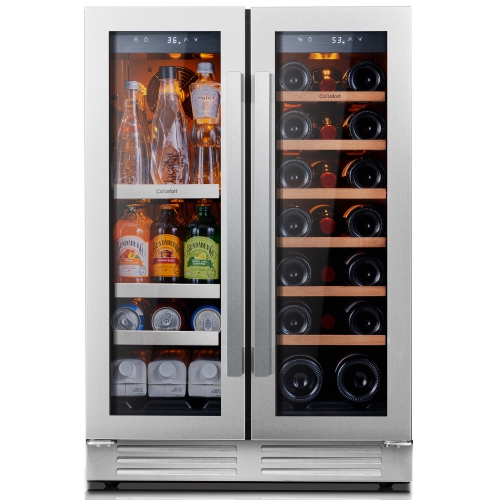
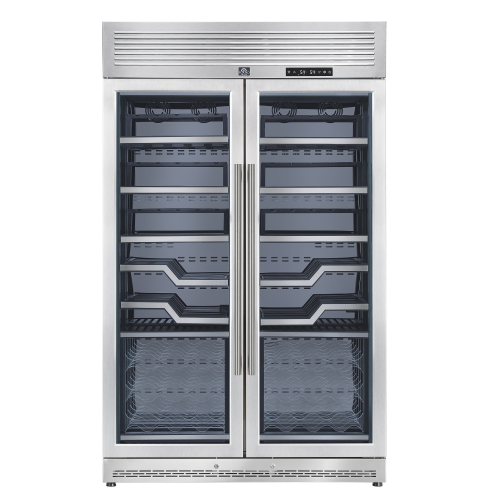
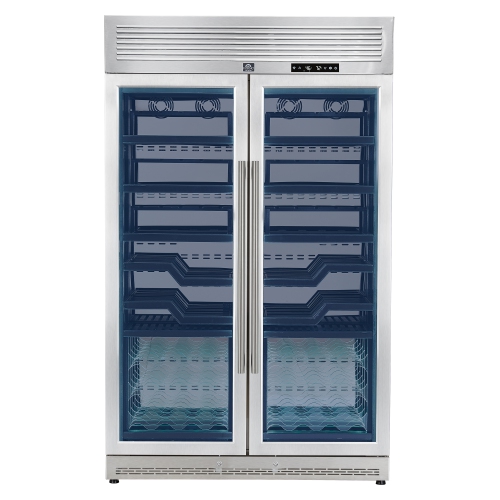
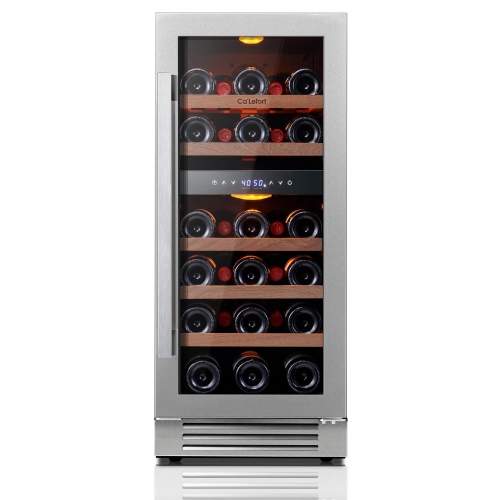
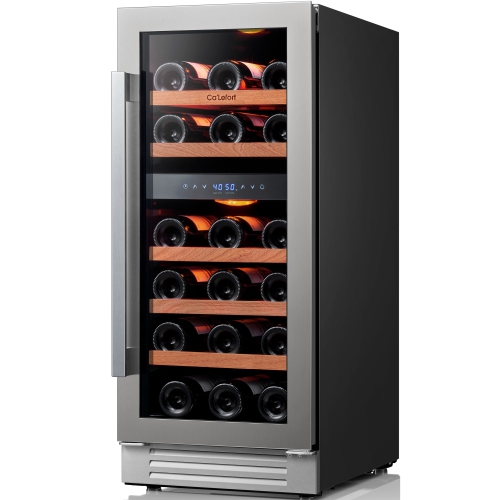
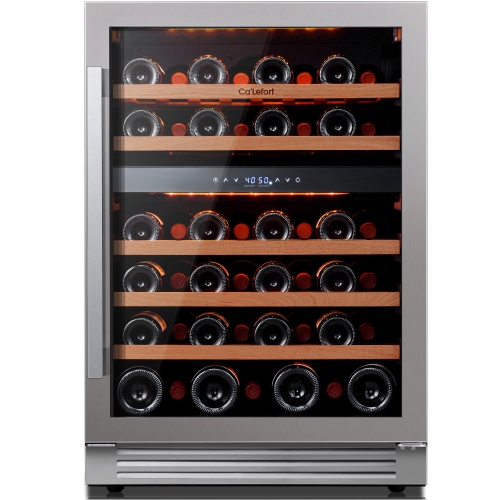
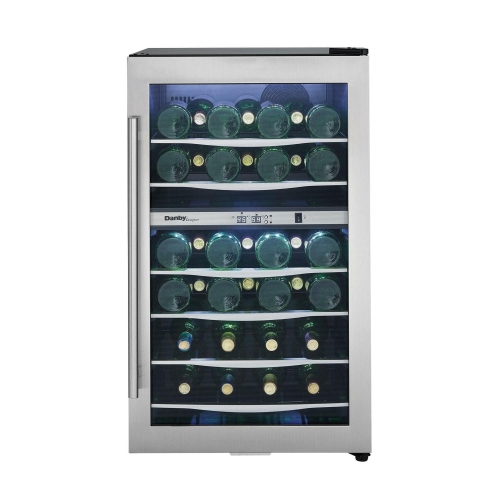
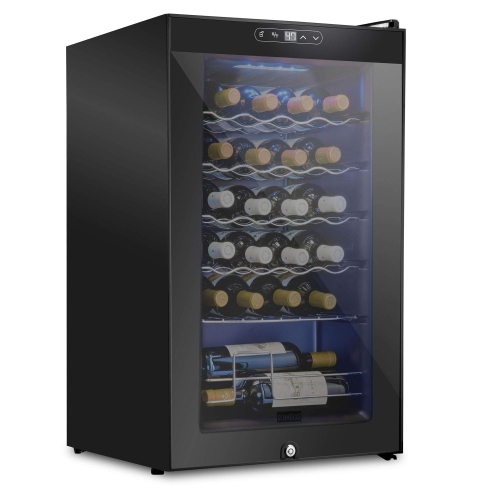
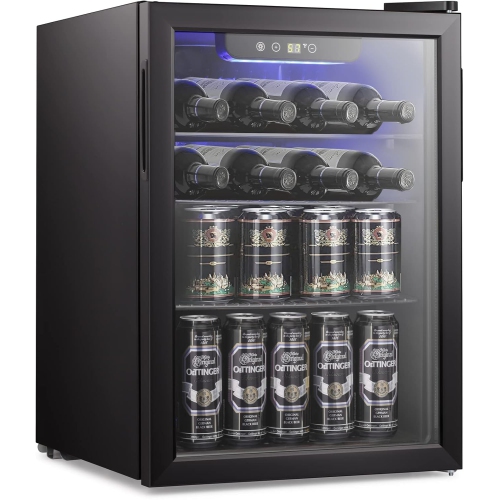
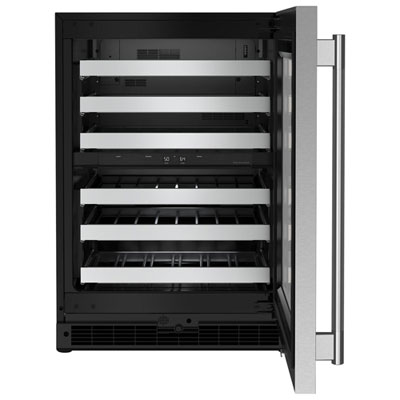
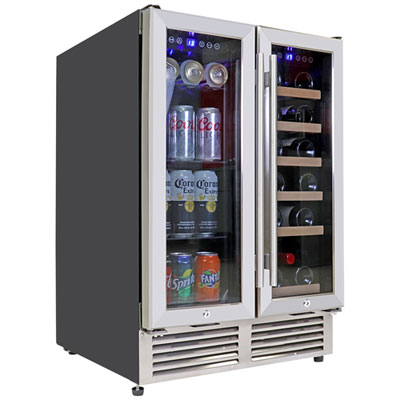
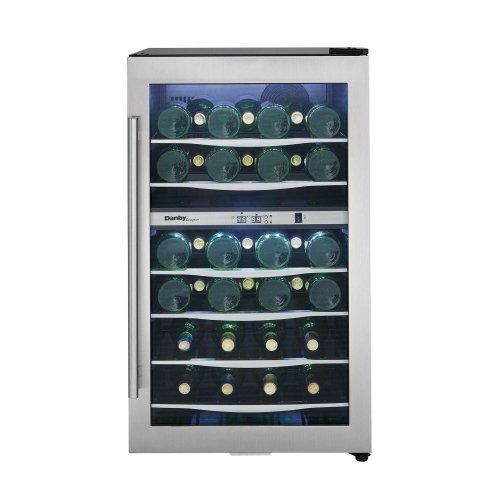
Dual-zone double wine coolers store and chill wine in two separately controlled temperature zones within a single appliance, allowing red and white wines to be kept at different temperatures. This makes them a practical addition to homes where a crisp white might accompany dinner while a red is saved for another occasion. The distinction is in the controls: two doors or two storage sections do not necessarily mean two independent temperature zones. Models described as dual-zone have separate settings, although the permitted temperature range and the relationship between the upper and lower compartments vary by design. Many white wines are served around 7°C to 12°C, while many reds are enjoyed around 12°C to 18°C, depending on the style and personal preference. A cooler with suitable settings can keep both ready to serve without taking up space in the kitchen refrigerator. Serving temperature and longer-term storage temperature are not quite the same, however. Reds and whites intended for extended storage often benefit from similar, stable cellar-like conditions rather than their individual serving temperatures. For households that open different styles regularly, separate zones offer flexibility without requiring two appliances. One section might hold lighter whites for meals, while the other keeps fuller-bodied reds slightly warmer. Sparkling wines may also suit a colder section if its operating range accommodates them. The layout matters as much as the controls: equally divided compartments suit a balanced mix, while an uneven split may work better for someone who keeps mostly one type of wine. Double wine coolers can serve occasional hosts, enthusiastic collectors, or couples with different preferences, giving each selection a dedicated place. Clear temperature displays and accessible controls make everyday adjustments straightforward, while interior lighting helps distinguish labels without leaving the door open for long. For a dinner gathering, having bottles organized by style means the next pour is easy to find without moving through a crowded refrigerator.
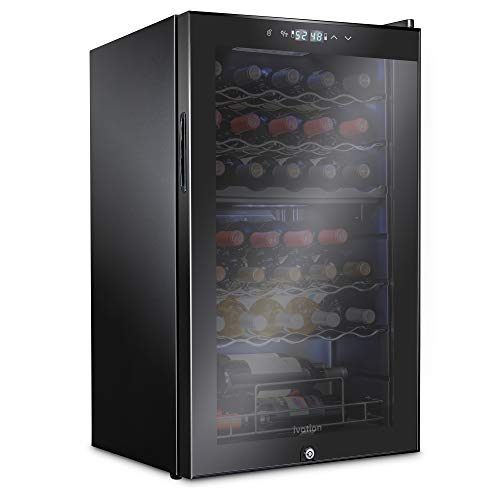
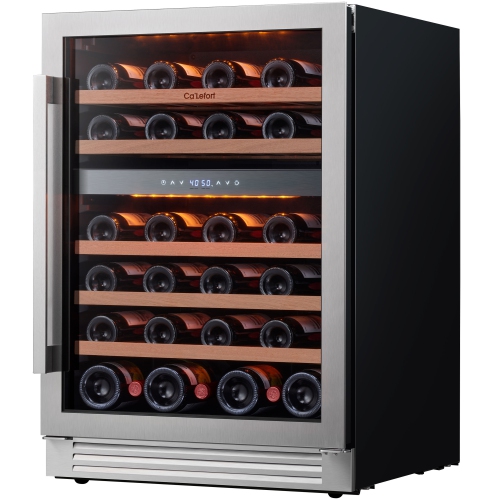
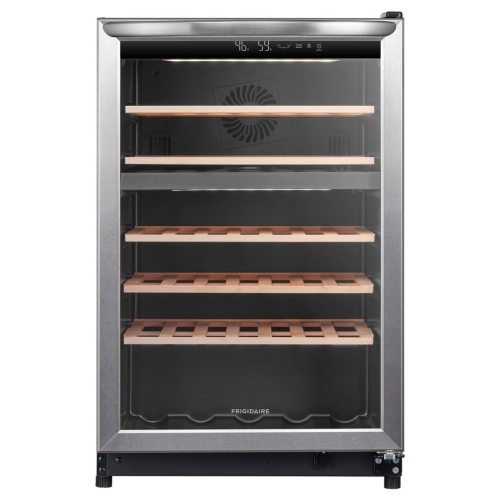
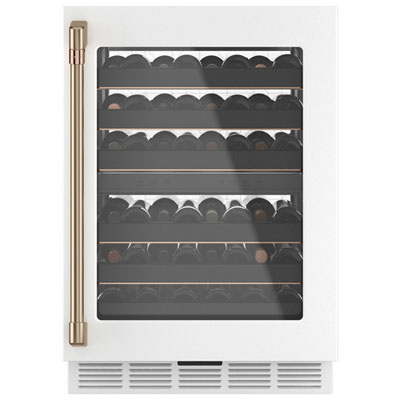
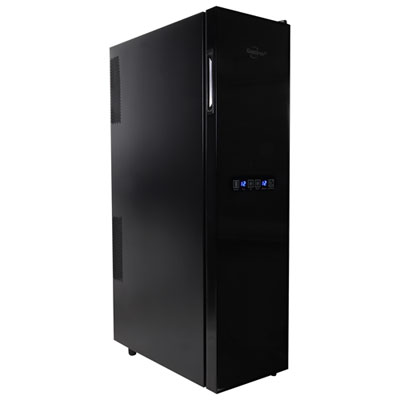
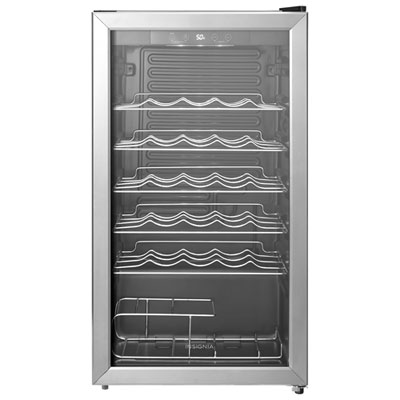
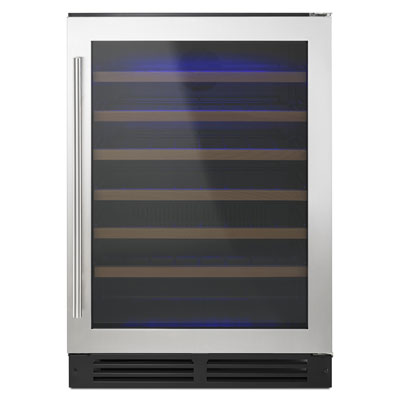
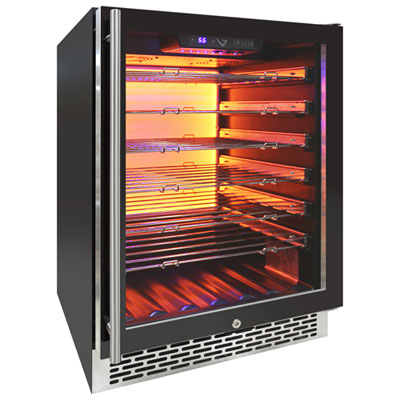
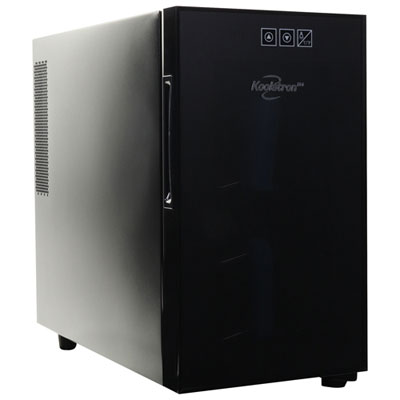
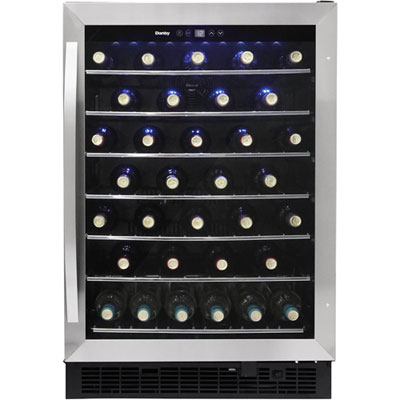
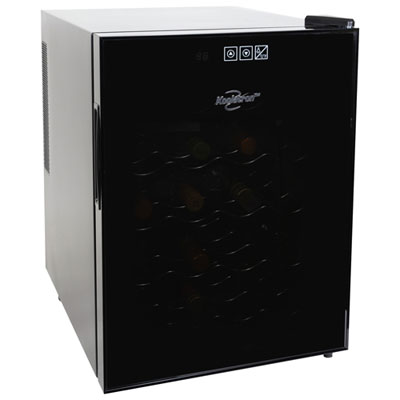
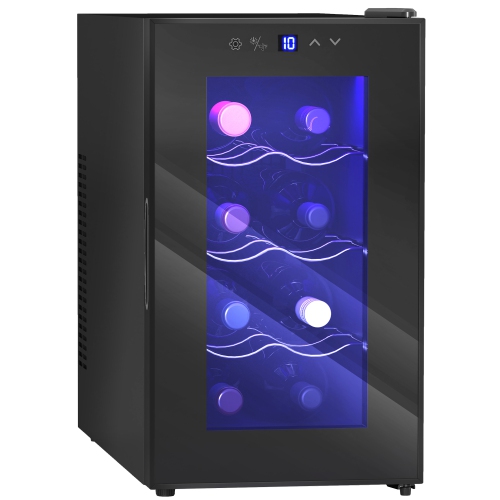
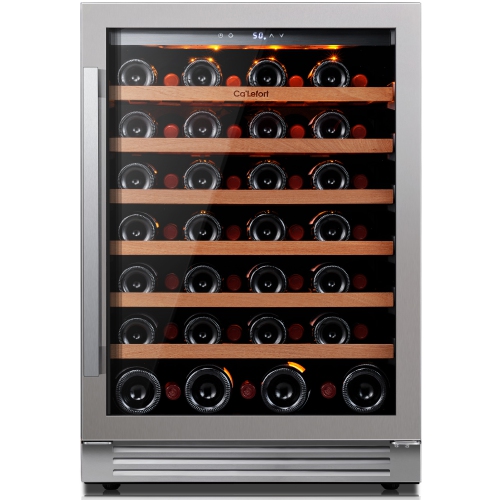
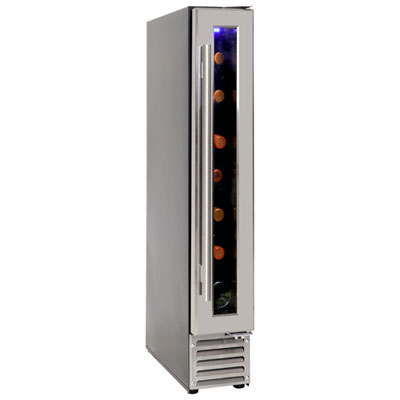
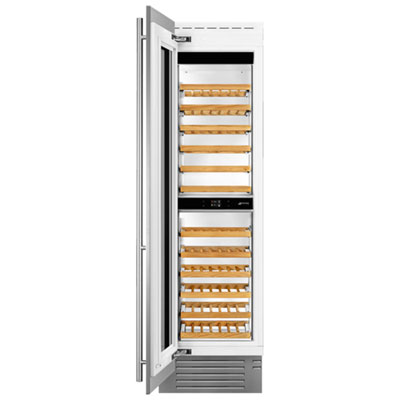
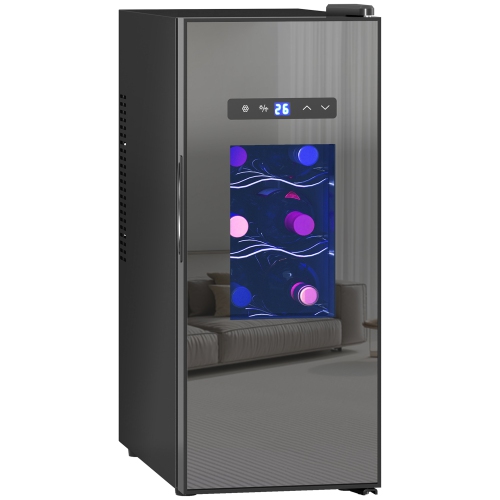
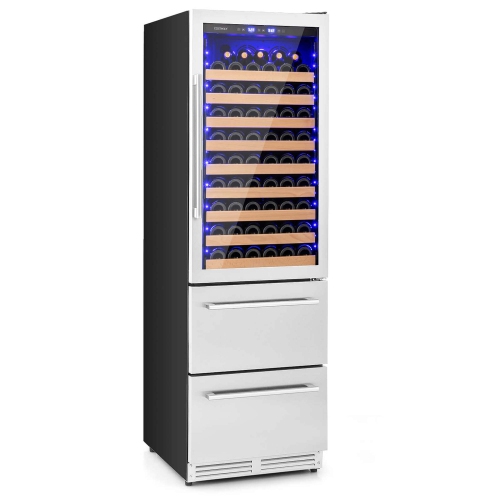
The physical fit of a double wine cooler depends on its installation type, dimensions, door movement, and ventilation requirements. Built-in designs are made for installation within cabinetry when fitted according to their specifications, often releasing heat through a front ventilation grille. Freestanding designs generally need open space around designated surfaces and should not be enclosed unless the manufacturer expressly permits it. A cooler that fits the width of a cabinet opening may still need additional depth for its plug, handle, and airflow, as well as room for the door to open far enough for shelves to slide out. In a kitchen, dining area, or home bar, these details affect how comfortably the appliance works alongside drawers, seating, and nearby cupboards. Bottle capacity also deserves a closer look. Published counts are commonly based on standard Bordeaux-style bottles, so wider Burgundy bottles, tall Riesling bottles, and broad sparkling-wine bottles can reduce the usable total. Adjustable or removable shelves help accommodate different shapes, though taking out a shelf usually means storing fewer bottles overall. Smooth shelf movement and secure bottle supports are especially useful when reaching for a bottle at the back without disturbing neighbouring labels. Depending on the design, interiors may use wood shelving, metal racks, or a combination of materials. Wood fronts provide a warmer visual detail, while metal racks offer a slimmer appearance; in either case, the shelf spacing and weight limits matter more than the finish alone. Exteriors range from stainless steel accents to dark cabinets and glass doors. A wine cooler in black can coordinate with dark cabinetry, contrast with pale counters, or sit discreetly beside other appliances. Glass doors make a collection visible, while models with specified UV-resistant glazing help limit light exposure. Direct sunlight is still best avoided. A reversible door, where offered, can make a narrow installation more workable, and adjustable feet help keep the cabinet level so the door closes properly and bottles rest securely.
Day-to-day satisfaction often comes down to sound, access, and how well the cooler maintains its storage conditions. Compressor-based cooling is common and can provide dependable performance across the appliance’s stated operating conditions, but it still produces some sound as the compressor and fans cycle. Thermoelectric designs use a different cooling method and can suit certain smaller collections, although their performance is more dependent on the surrounding room temperature. Neither type should be assumed silent, particularly in an open-plan living space or beside a quiet dining area. A designated indoor location within the manufacturer’s permitted ambient range helps the appliance work as intended; a garage or enclosed patio is not automatically suitable. For longer-term bottle storage, steady temperatures, limited light exposure, and minimal disturbance are more important than a bright display or an elaborate control panel. A wine cooler is not necessarily a humidity-controlled cellar, so bottles intended for extended ageing may call for more specialized storage conditions. Routine care is usually straightforward: spills can be wiped up promptly, shelves cleaned using suitable methods, and door seals kept free of residue so they close evenly. Ventilation openings need to remain unobstructed, and any accessible filters or other serviceable parts should be maintained according to the appliance instructions. Abrasive cleaners can scratch glass, coated surfaces, and metal finishes, while excess water around controls or electrical components should be avoided. Durable hinges, well-supported shelves, and replaceable seals can contribute to useful service over time, especially in a frequently used home bar. For someone furnishing a new home or marking a significant anniversary, a double wine cooler can be a thoughtful shared gift when the available space and installation needs are already understood. Its appeal is practical as well as visual: bottles no longer compete with groceries for room, different wine styles have separate settings, and a small collection stays easy to browse. The most useful arrangement is one that suits the household’s actual bottle shapes, preferred wines, and everyday routines rather than capacity alone.
Read More

FAQ

Some products may be subject to Environmental Handling Fees (EHF) depending on your province. Learn more about EHFs.