General Electric Dryers Electric
A dryer is a machine that removes moisture from clothing. Dryers are most often used in conjunction with a washer to remove water from clothing after washing. Here are some of the best GE electric dryers on the market.
Sort
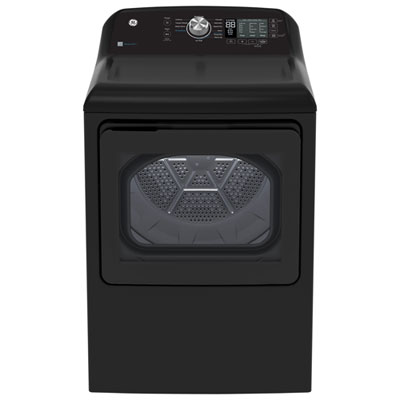
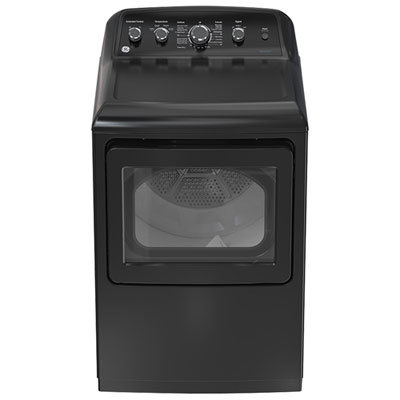
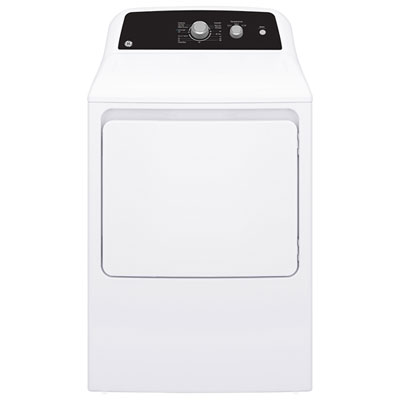
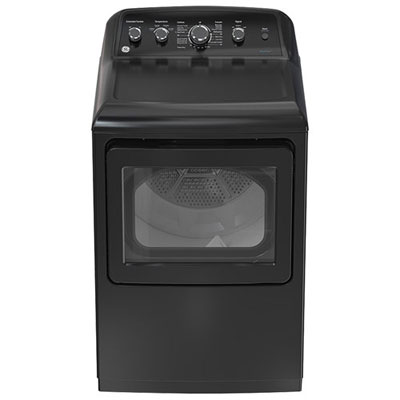
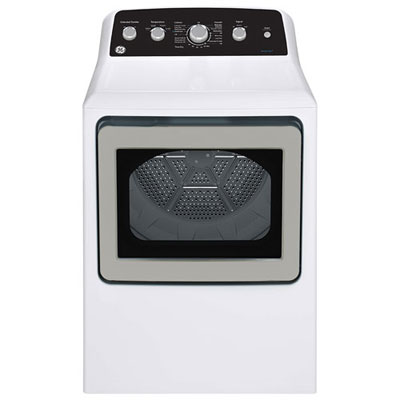
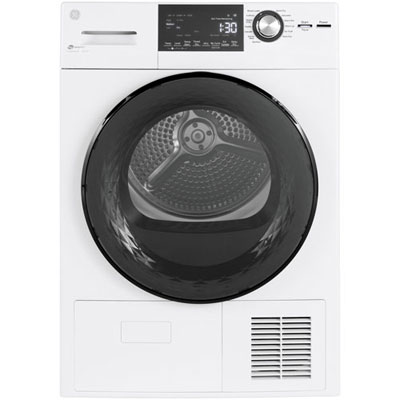
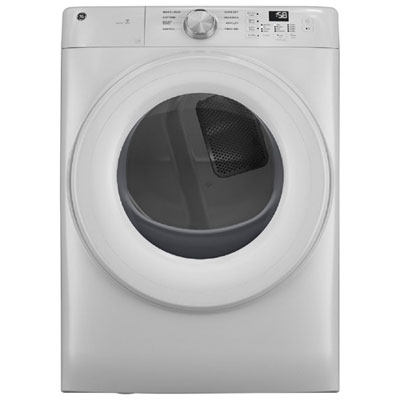
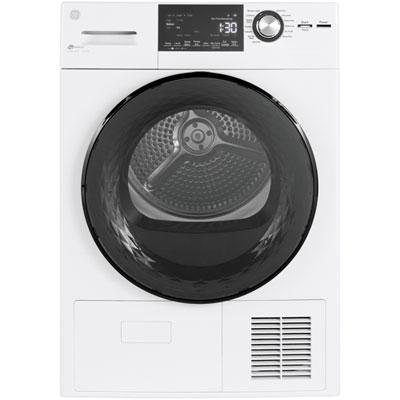
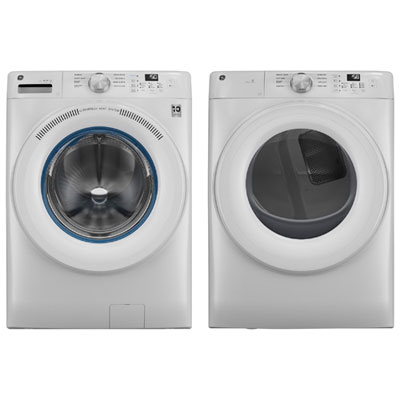
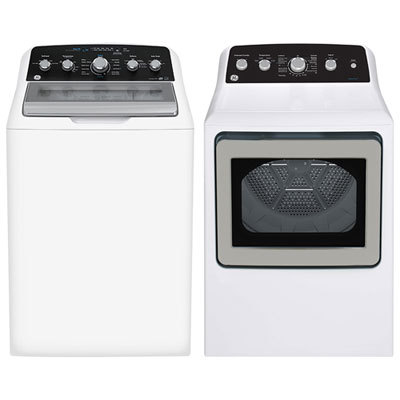
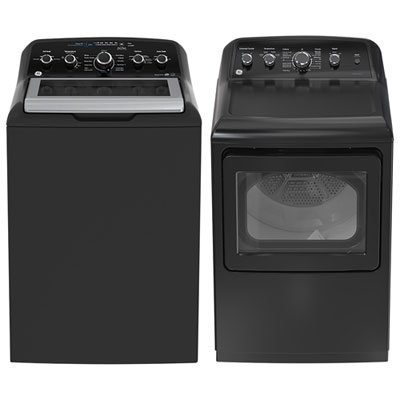
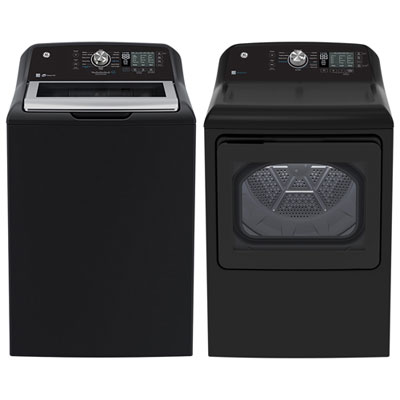
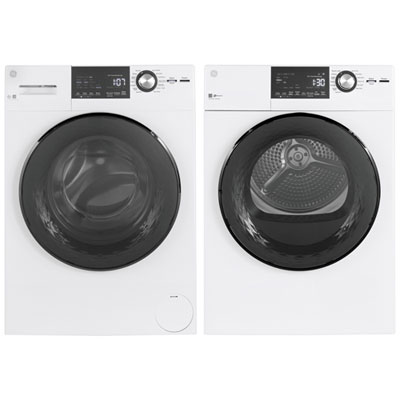
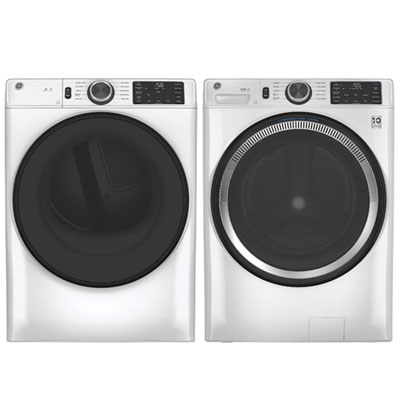
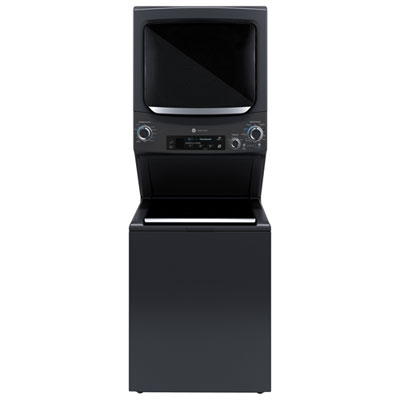
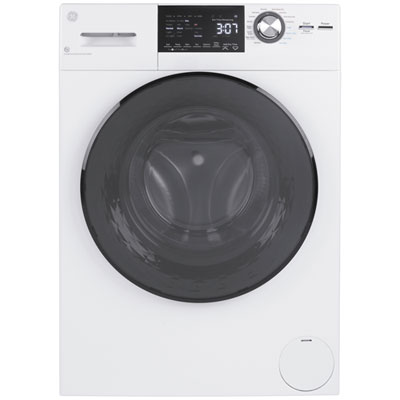
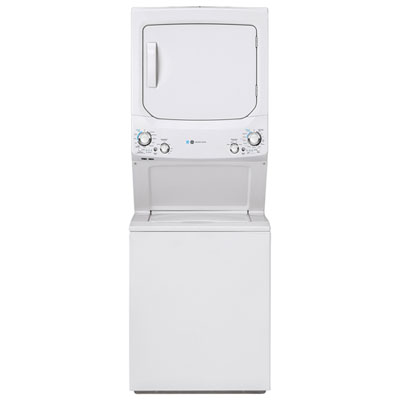
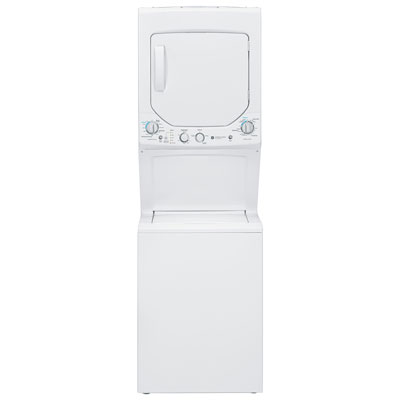
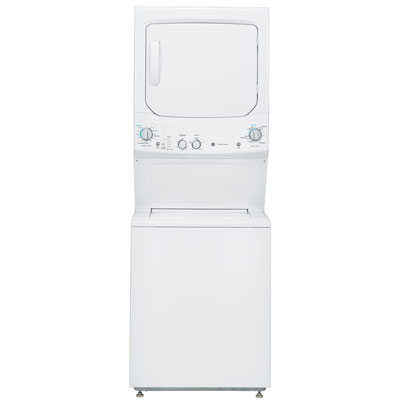
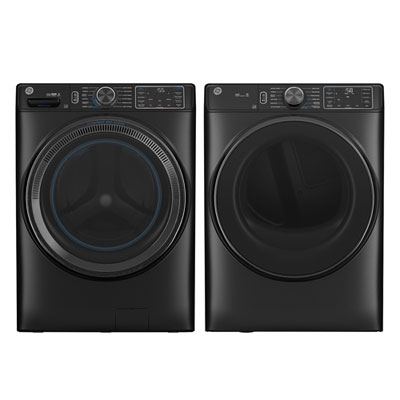
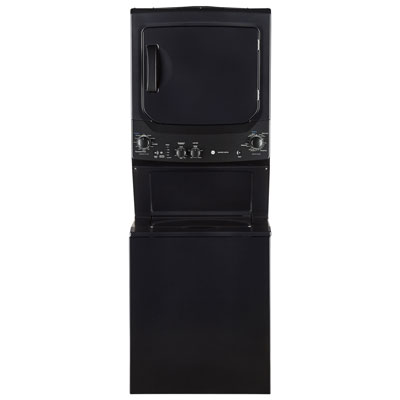
Capacity, cycles, and installation details for easier laundry days
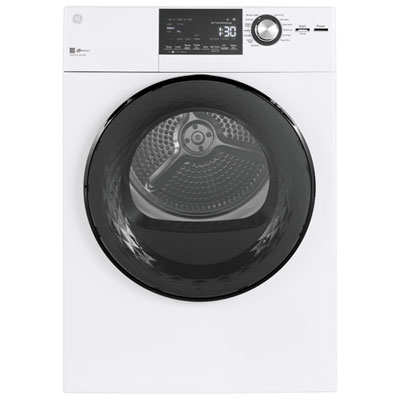
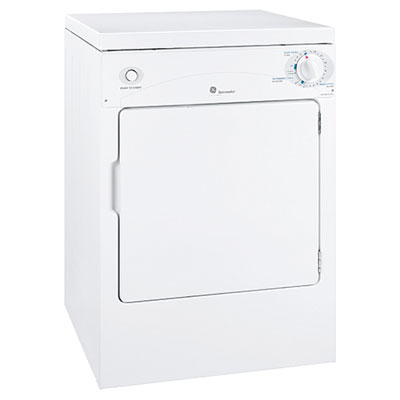
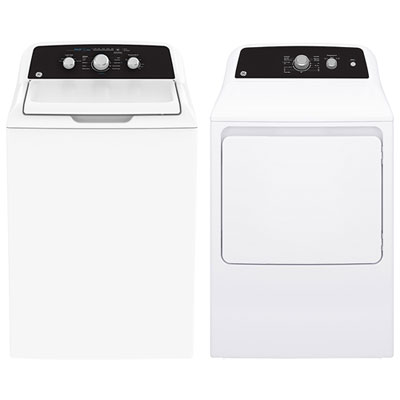
Electric dryers are a practical choice for households that want dependable laundry care without relying on a gas connection. These appliances use household electricity to generate heat, tumble clothing, and move moisture out through a vent or, in select designs, condense it inside the unit. When shopping for General Electric electric dryers, it helps to begin with the way your household handles laundry. A compact home with one or two residents may be well served by a straightforward dryer with a moderate drum capacity, while a busy family may appreciate a larger interior that can handle bulky loads, towels, bedding, and several outfits at once. Capacity is measured in cubic feet, and a drum in the range of approximately 7.2 to 7.8 cu. ft. is common among full-size electric dryers. More space can make it easier to tumble large items without packing them tightly, which helps warm air circulate through the load. For a coordinated laundry room, shoppers often pair an electric dryer with a matching washer, while a front-load design can be placed beside its companion or arranged in a compatible stacked configuration when floor space is limited. Before ordering, measure the available area carefully, including doorway clearance, the route into the room, the space needed to open the door, and the location of the electrical outlet and dryer vent. A vented model generally needs a clear, properly installed exhaust path, while a ventless condenser design may suit apartments, secondary laundry areas, or rooms where adding exterior venting is difficult. Checking installation requirements in advance can make delivery smoother and help ensure the dryer fits naturally into the room rather than leaving doors, shelves, or walkways obstructed.
The right cycle options can make an electric dryer feel much more useful from day to day. Sensor Dry technology monitors moisture levels and temperature during a cycle, then adjusts or stops the programme when fabrics reach the selected dryness. This can be especially helpful for mixed family laundry, where lighter shirts may dry sooner than denim or bath towels. Timed drying remains useful for a predictable load, such as a small batch of gym clothing or a few damp items that need finishing before heading out. Look for selectable settings that match the fabrics in your wardrobe, including low-heat options for delicate materials, higher heat for sturdy towels, and wrinkle-reducing cycles for clothing that may sit in the drum after the cycle ends. Steam functions can help refresh lightly worn garments, relax wrinkles, and make it easier to smooth shirts before work or school, while sanitize-oriented settings may use elevated temperatures to reduce common household bacteria on suitable fabrics. Always check garment care labels before choosing a high-heat or sanitizing cycle, since some materials require gentler treatment. A reversible door can improve access when the dryer sits beside a washer, counter, or wall, and an interior drum light is a small but welcome feature when socks or children’s clothing tend to hide in the corners. Filters, lint screens, controls, and cycle descriptions also deserve attention. A clearly marked control panel is convenient when laundry is being sorted quickly, and a notification feature can be useful for households that prefer to start a load and attend to other tasks elsewhere in the home. Shoppers interested in arranging a front-load laundry pair can browse GE Front Load Dryers for designs that support side-by-side or compatible stacked setups.
Electric dryers can fit a wide range of routines, from a first apartment to a large family laundry room, and they can be particularly helpful during the cooler months when outdoor drying is less convenient. They are also useful in homes where frequent washing is part of the day: parents may need a steady supply of school uniforms and sports clothing, pet owners may regularly wash blankets and covers, and hosts may want fresh towels ready for visiting friends or relatives. A larger drum can be handy for comforters and heavy winter layers, though it is still important not to overload the appliance. Leaving room for garments to lift and tumble helps prevent damp pockets and uneven drying. If you are replacing an older dryer, compare the controls and dimensions rather than assuming every full-size model will install the same way. Electrical requirements, vent placement, door swing, stacking compatibility, and the need for a suitable power cord can all affect the installation. Routine care is simple but worthwhile: clean the lint screen after each load, keep the exhaust path clear, wipe spills from the control area, and periodically inspect the vent for accumulated lint. Sort fabrics by weight and drying temperature, remove items promptly when the cycle ends, and give delicate pieces the care recommended on their labels. With the appropriate capacity, cycle selection, layout, and maintenance habits, an electric dryer can make laundry feel less like a recurring interruption and more like a dependable part of the household routine.
The right cycle options can make an electric dryer feel much more useful from day to day. Sensor Dry technology monitors moisture levels and temperature during a cycle, then adjusts or stops the programme when fabrics reach the selected dryness. This can be especially helpful for mixed family laundry, where lighter shirts may dry sooner than denim or bath towels. Timed drying remains useful for a predictable load, such as a small batch of gym clothing or a few damp items that need finishing before heading out. Look for selectable settings that match the fabrics in your wardrobe, including low-heat options for delicate materials, higher heat for sturdy towels, and wrinkle-reducing cycles for clothing that may sit in the drum after the cycle ends. Steam functions can help refresh lightly worn garments, relax wrinkles, and make it easier to smooth shirts before work or school, while sanitize-oriented settings may use elevated temperatures to reduce common household bacteria on suitable fabrics. Always check garment care labels before choosing a high-heat or sanitizing cycle, since some materials require gentler treatment. A reversible door can improve access when the dryer sits beside a washer, counter, or wall, and an interior drum light is a small but welcome feature when socks or children’s clothing tend to hide in the corners. Filters, lint screens, controls, and cycle descriptions also deserve attention. A clearly marked control panel is convenient when laundry is being sorted quickly, and a notification feature can be useful for households that prefer to start a load and attend to other tasks elsewhere in the home. Shoppers interested in arranging a front-load laundry pair can browse GE Front Load Dryers for designs that support side-by-side or compatible stacked setups.
Electric dryers can fit a wide range of routines, from a first apartment to a large family laundry room, and they can be particularly helpful during the cooler months when outdoor drying is less convenient. They are also useful in homes where frequent washing is part of the day: parents may need a steady supply of school uniforms and sports clothing, pet owners may regularly wash blankets and covers, and hosts may want fresh towels ready for visiting friends or relatives. A larger drum can be handy for comforters and heavy winter layers, though it is still important not to overload the appliance. Leaving room for garments to lift and tumble helps prevent damp pockets and uneven drying. If you are replacing an older dryer, compare the controls and dimensions rather than assuming every full-size model will install the same way. Electrical requirements, vent placement, door swing, stacking compatibility, and the need for a suitable power cord can all affect the installation. Routine care is simple but worthwhile: clean the lint screen after each load, keep the exhaust path clear, wipe spills from the control area, and periodically inspect the vent for accumulated lint. Sort fabrics by weight and drying temperature, remove items promptly when the cycle ends, and give delicate pieces the care recommended on their labels. With the appropriate capacity, cycle selection, layout, and maintenance habits, an electric dryer can make laundry feel less like a recurring interruption and more like a dependable part of the household routine.
Top selling and popular products
-
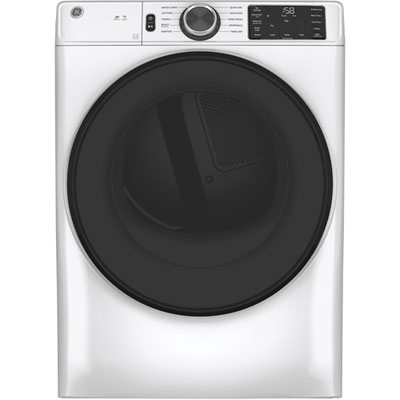 Your price for this item is $1199.99
 -
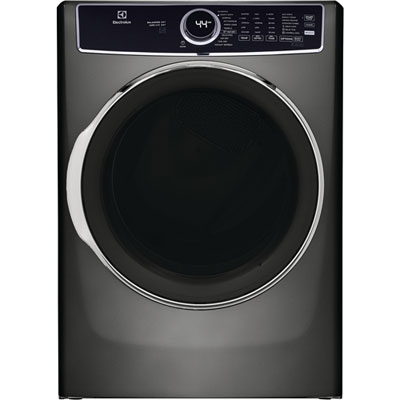 Your price for this item is $1192.99
 -
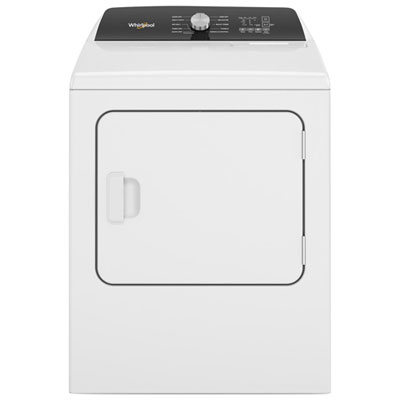 Your price for this item is $799.99
 -
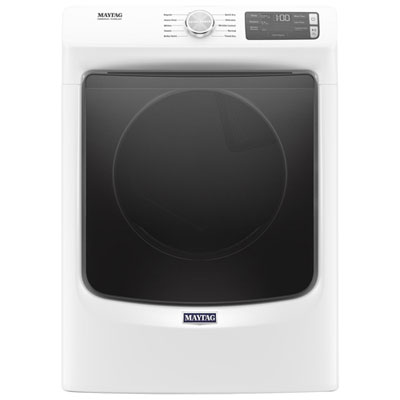 Your price for this item is $1099.99
 -
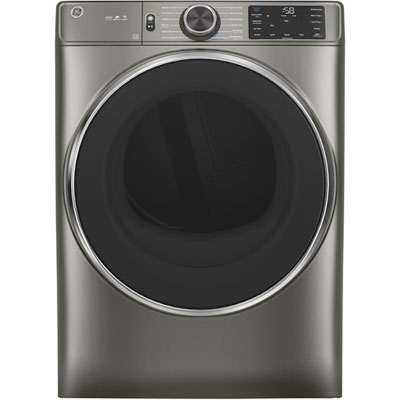 Your price for this item is $1949.99
 -
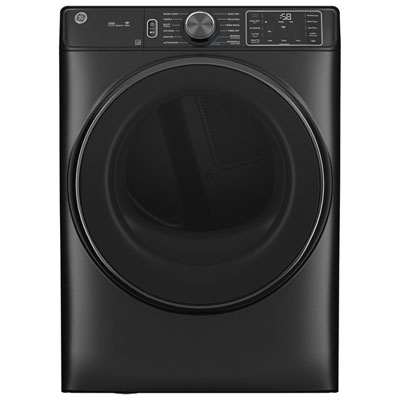 Your price for this item is $1449.99
 -
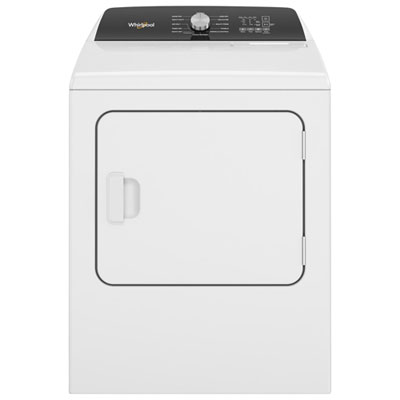 Your price for this item is $799.99
 -
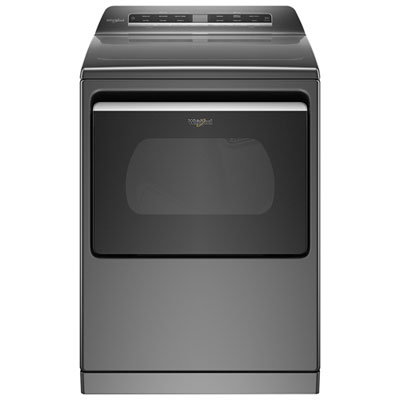 Your price for this item is $1149.97
Discover more categories related to General Electric Dryers Electric
Top Collections:
Pokemon Centers, Best Cameras for Sports Photography, Kindle Devices, Samsung Galaxy Phones, Canon G7X Cameras, Pokémon 30th Celebration Cards, Refurbished Apple Laptops, iPhone 15 Apple, Laptops for Students, Budget Smartphones
Some products may be subject to Environmental Handling Fees
(EHF) depending on your province.
Learn more about EHFs.