DSLR Cases for Backpacking

Find DSLR cases for backpacking that suit your camera setup and packing needs. Compare case dimensions, storage space, and carrying options, and check compatibility with your camera body and lens to choose a case that fits your gear without taking up more pack space than you need.
Sort

Camera protection that leaves room for trail essentials

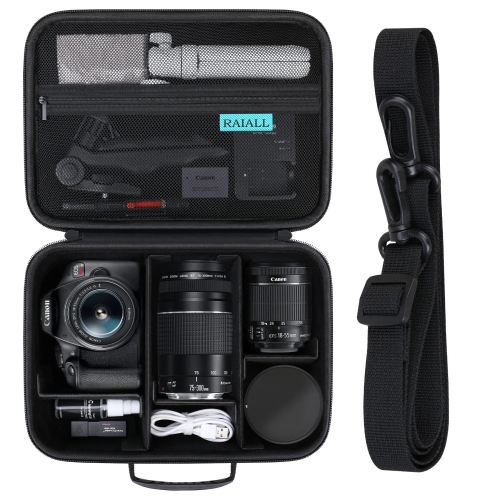
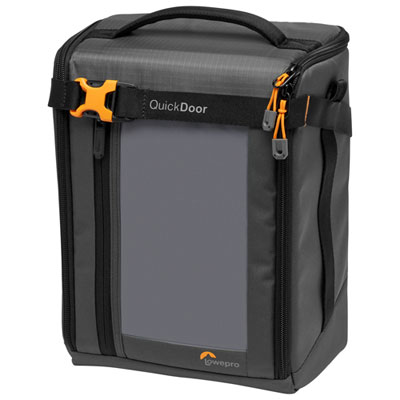
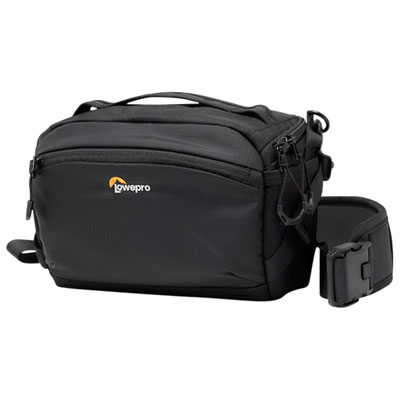
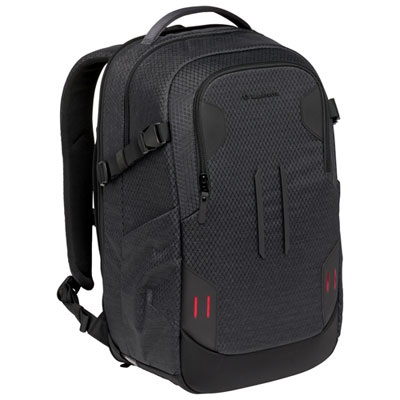
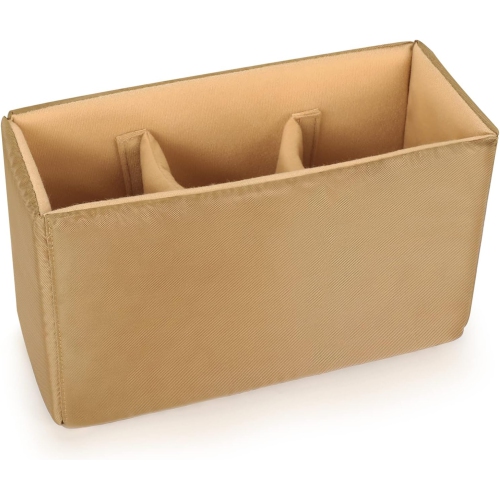
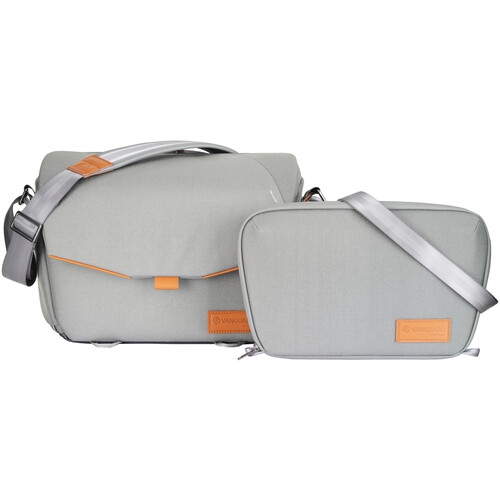
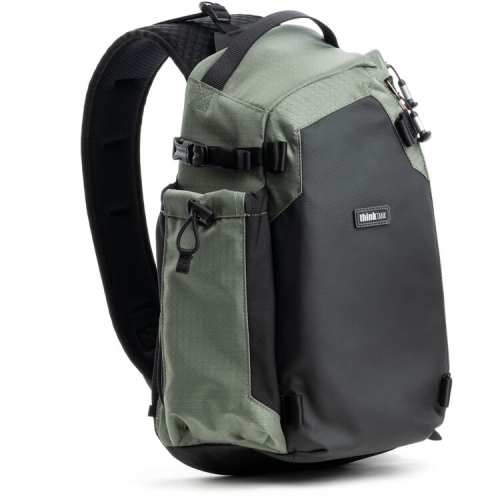
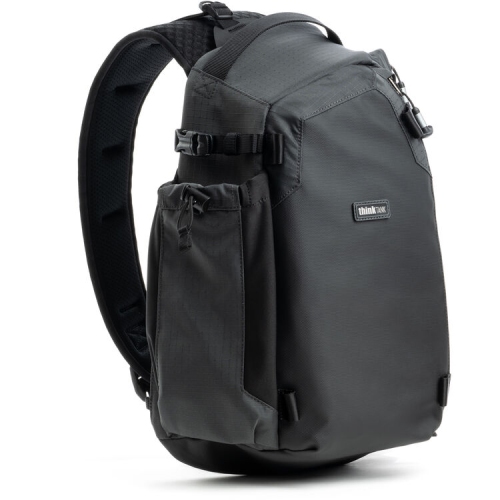
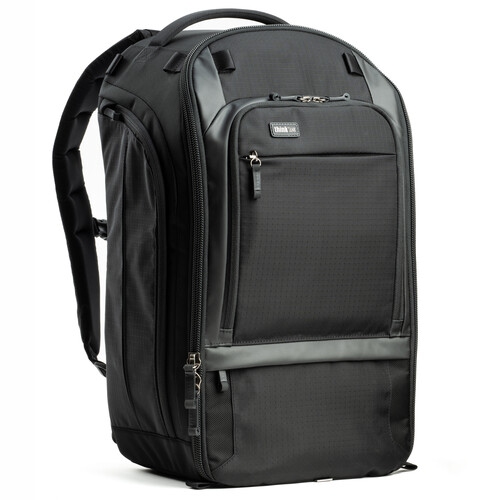
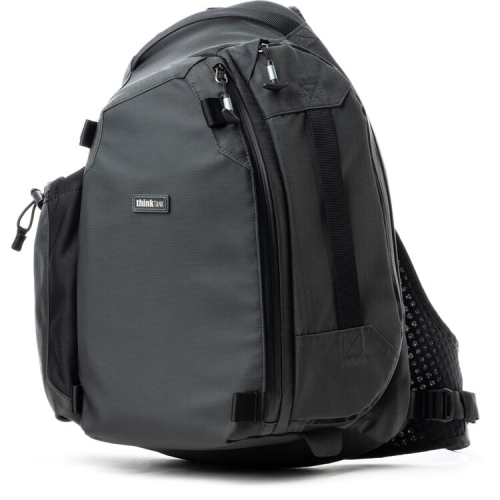
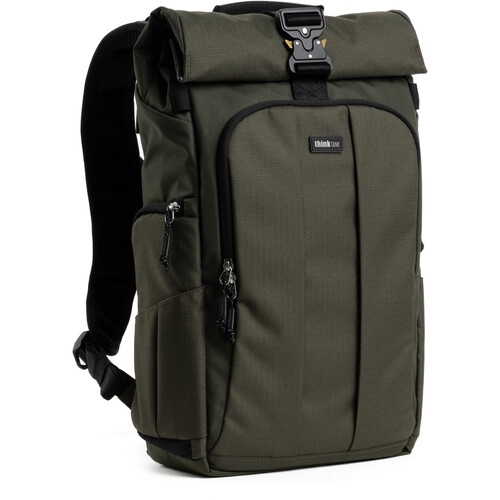
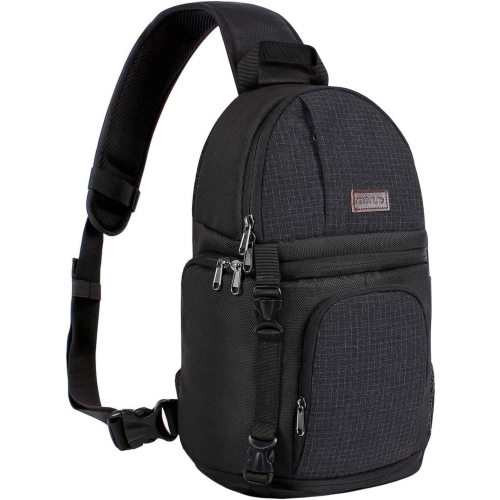
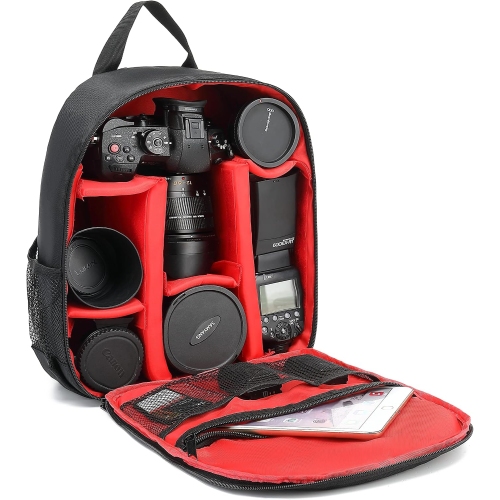
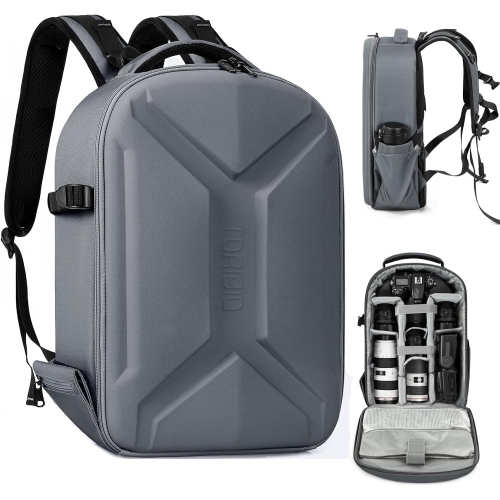
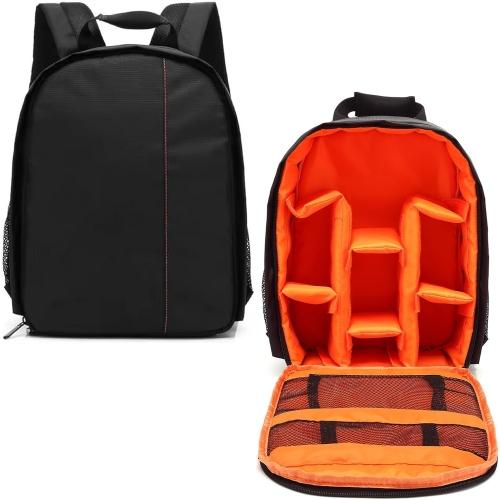
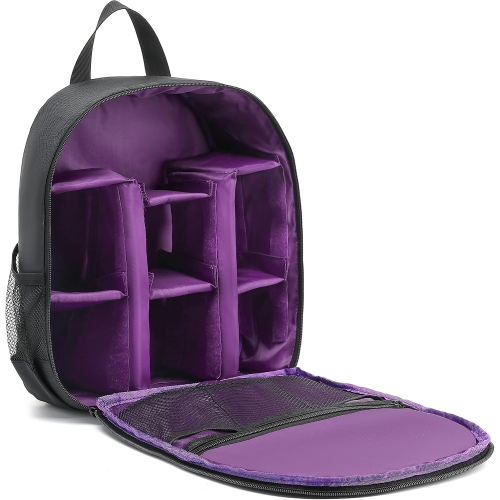
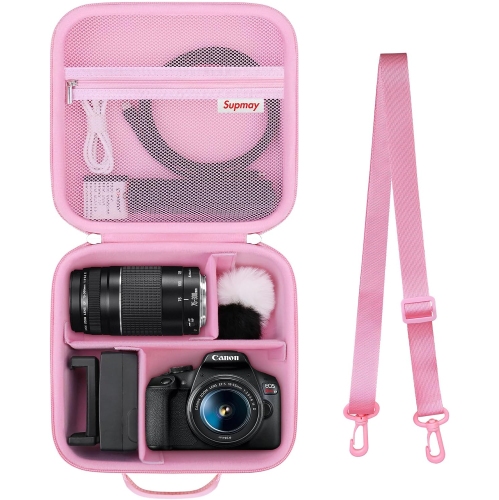
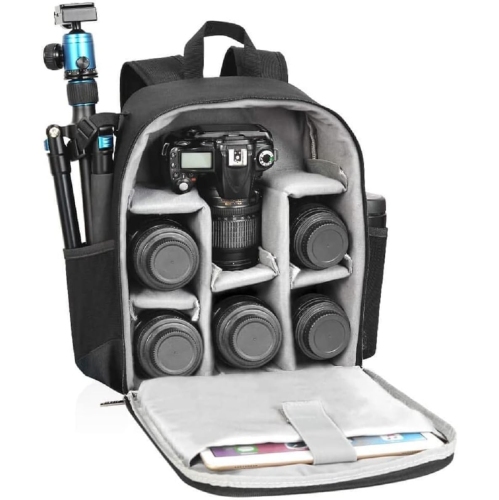
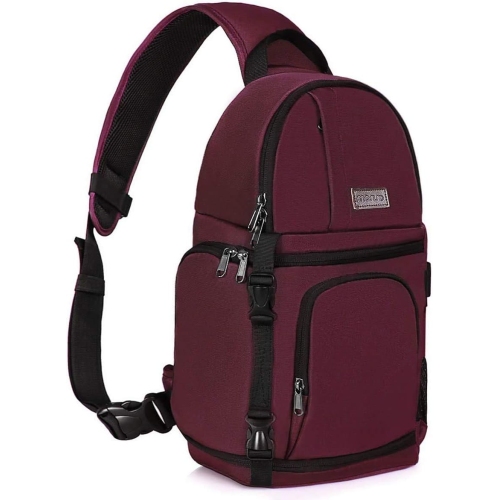
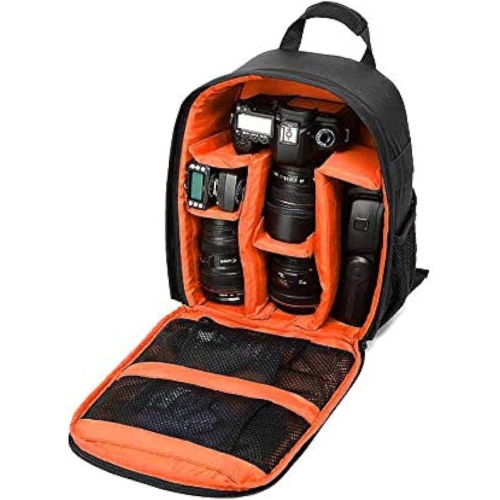
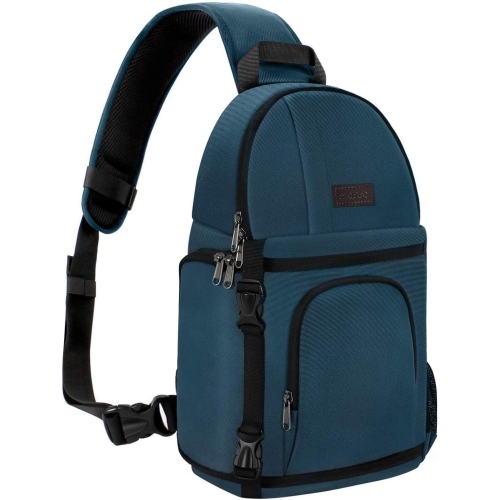
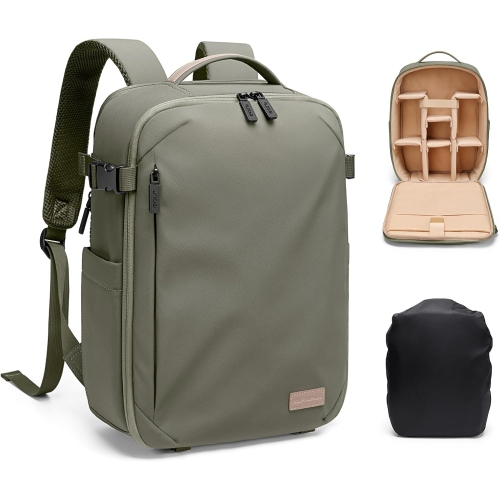
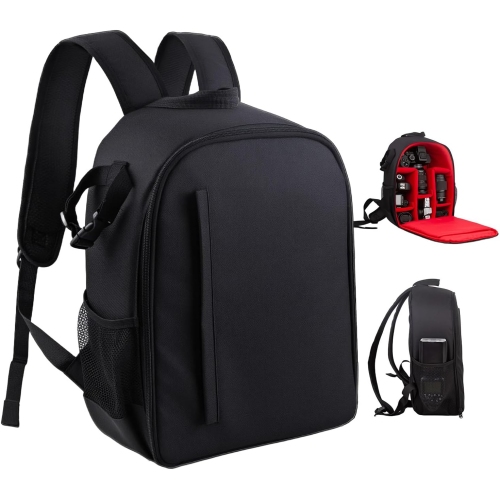
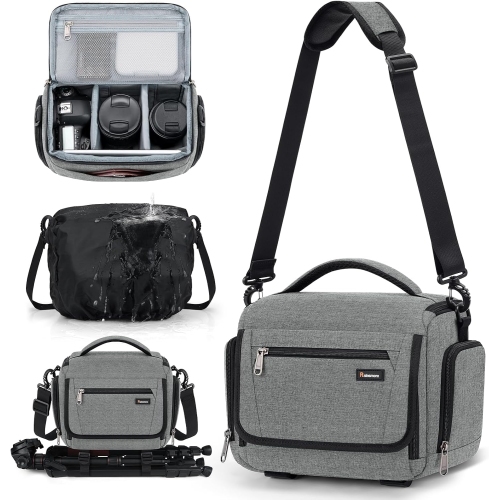
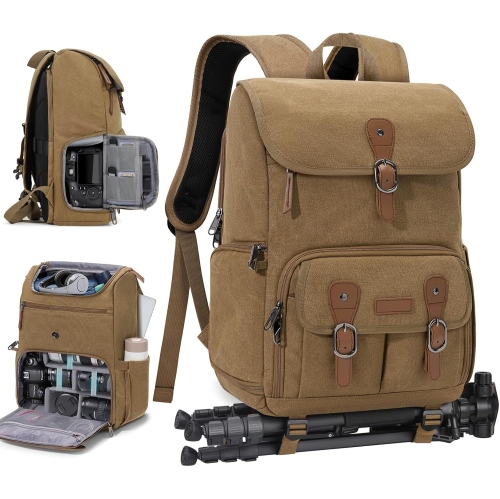
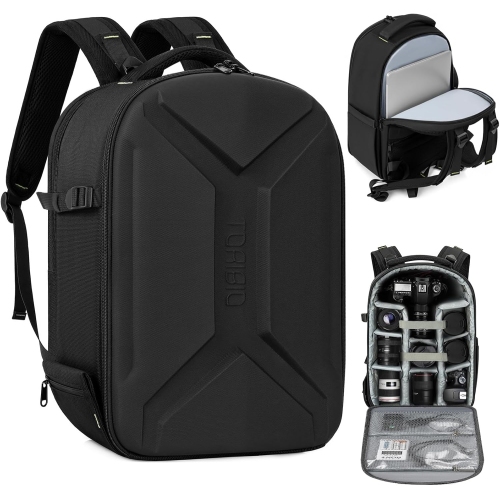
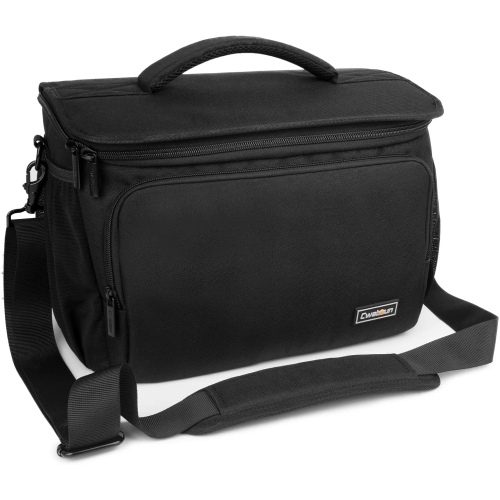
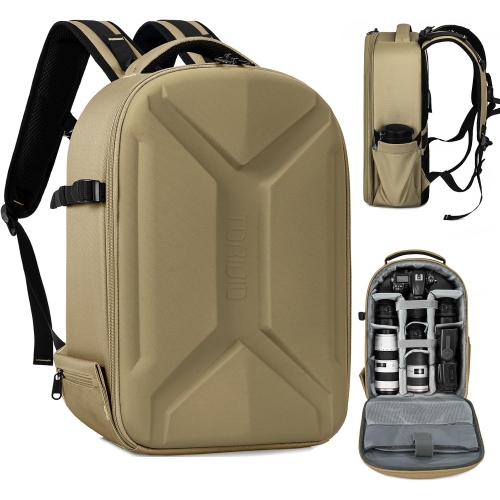
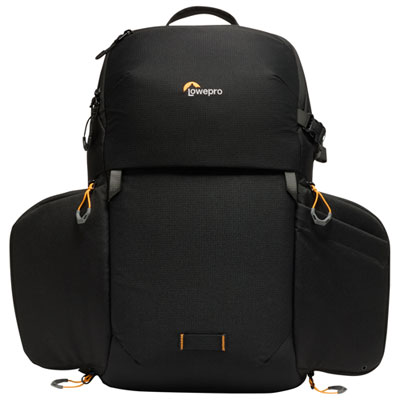
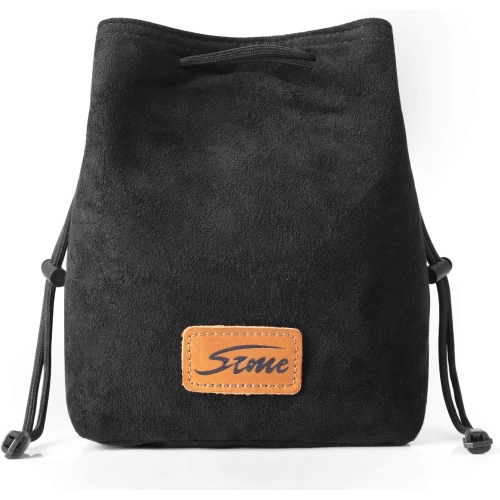
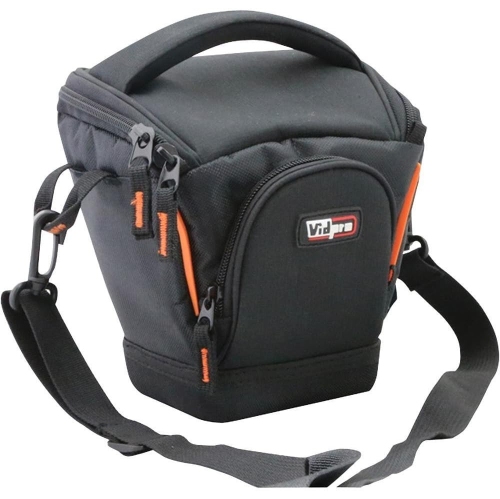
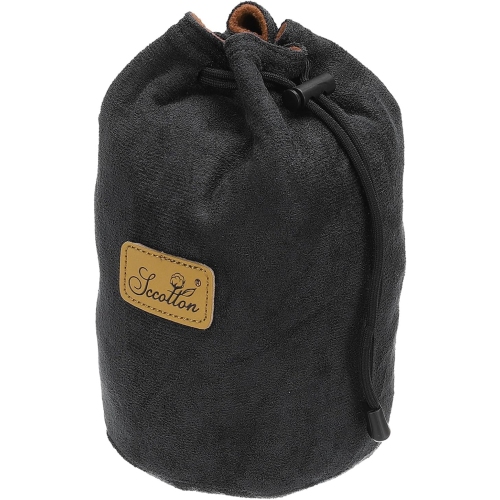
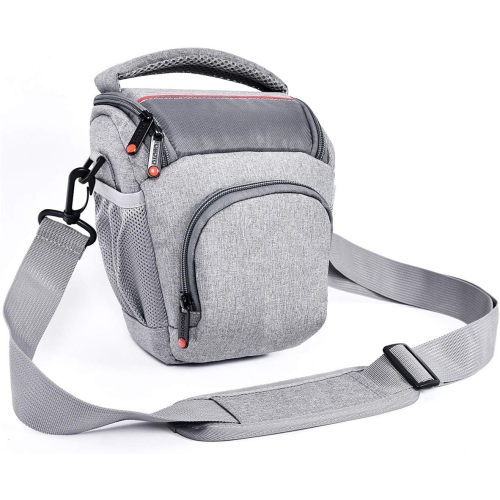
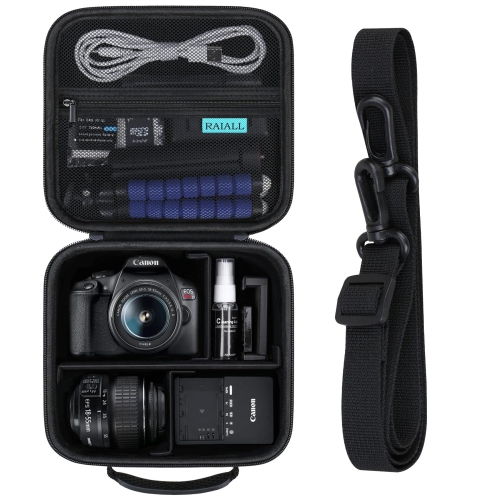
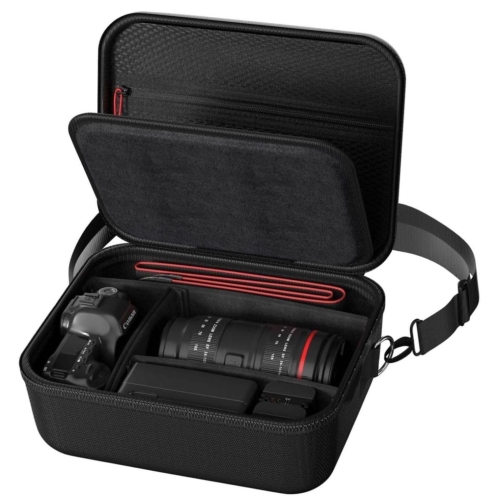
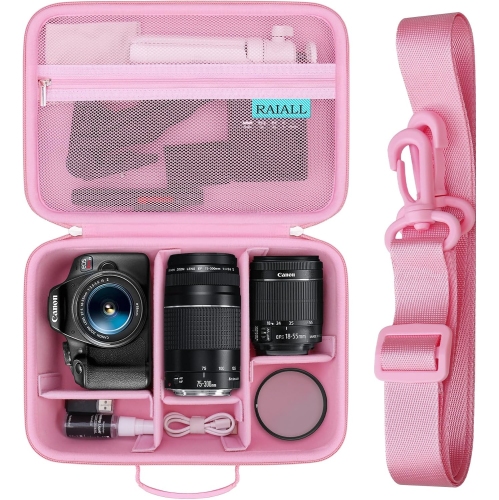
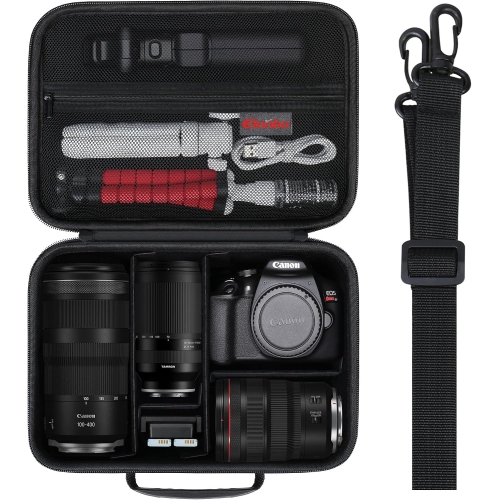
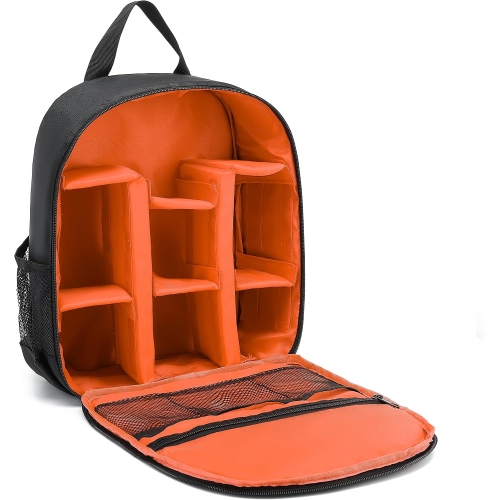
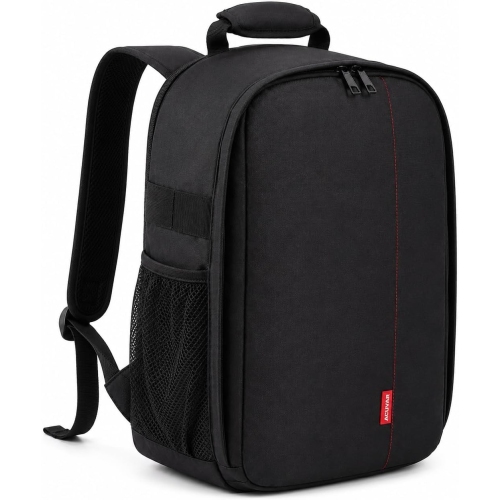
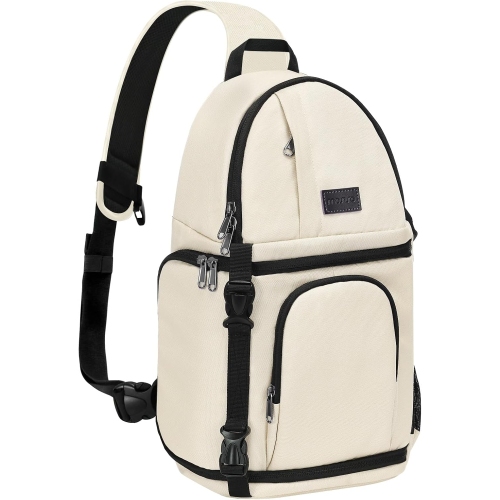
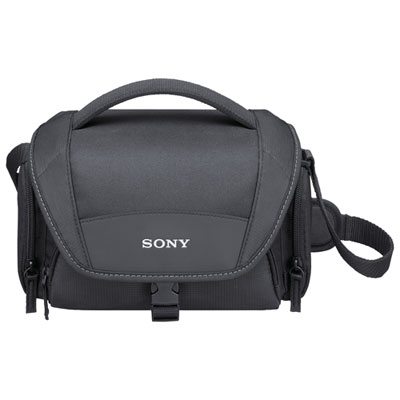
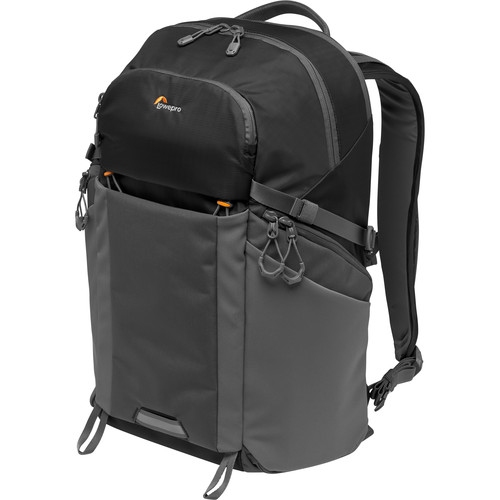
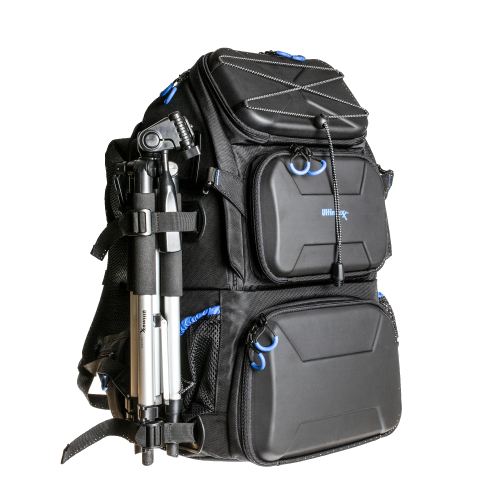
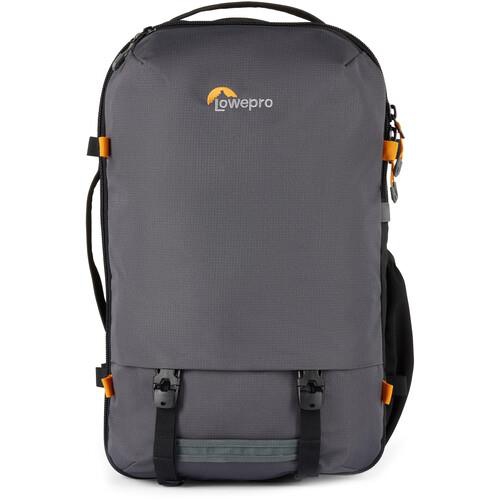
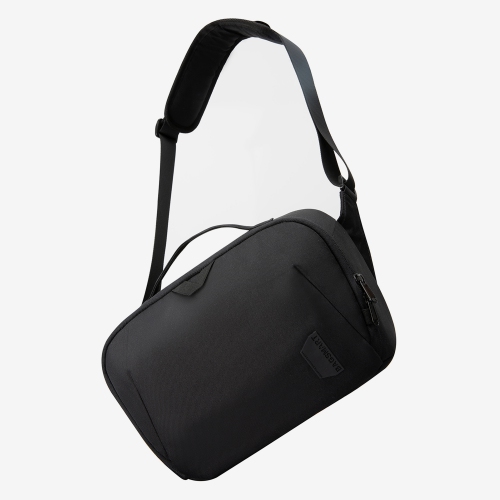
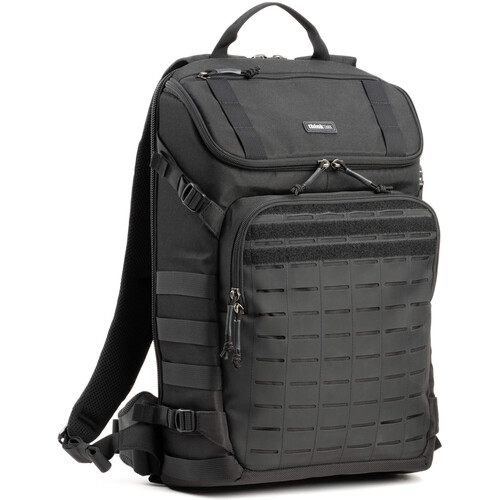
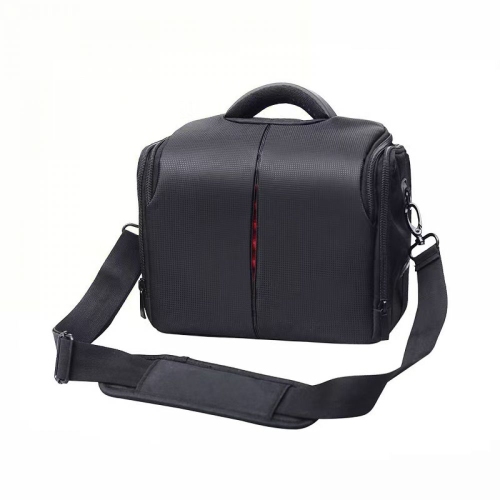
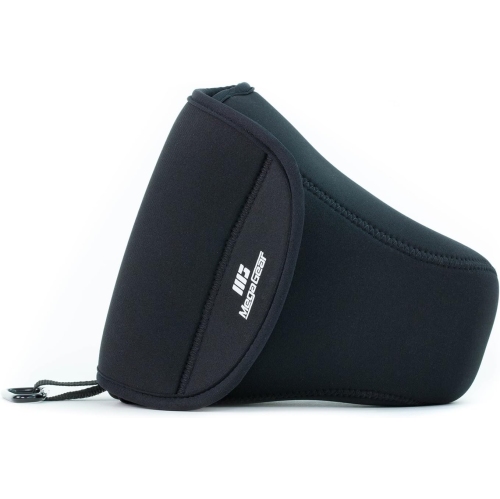
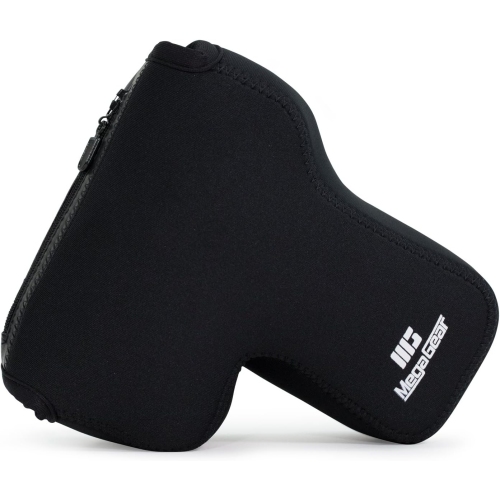
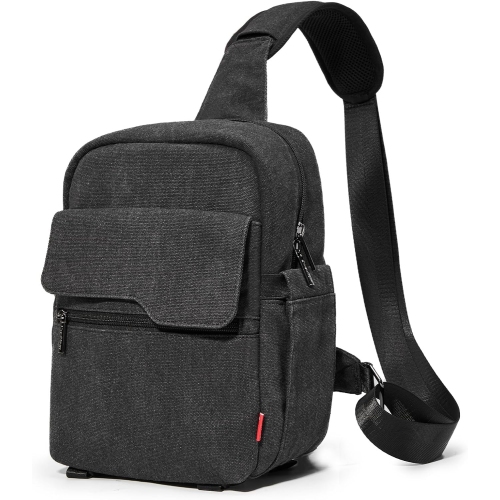
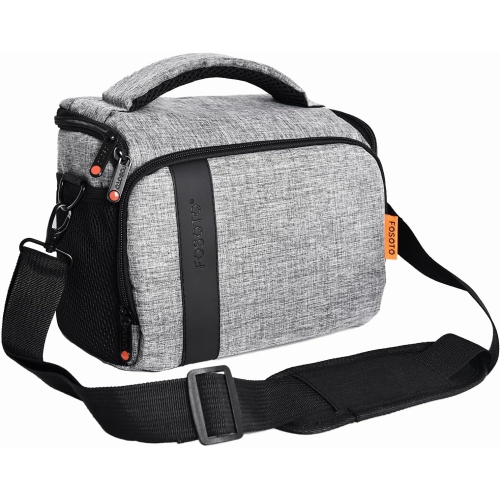
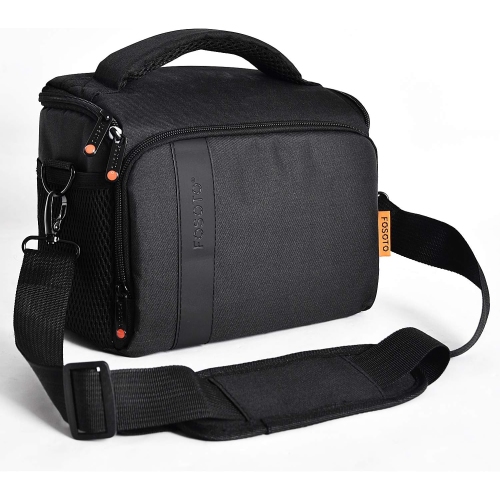
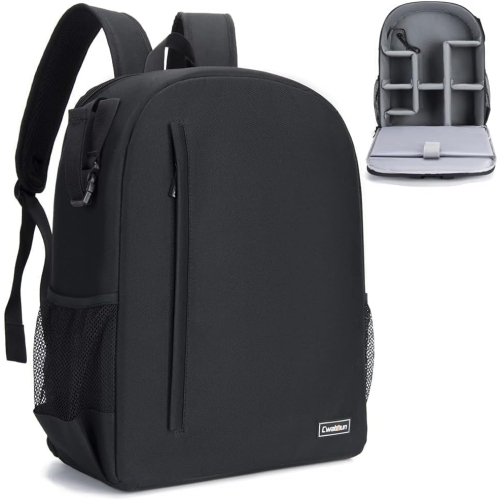
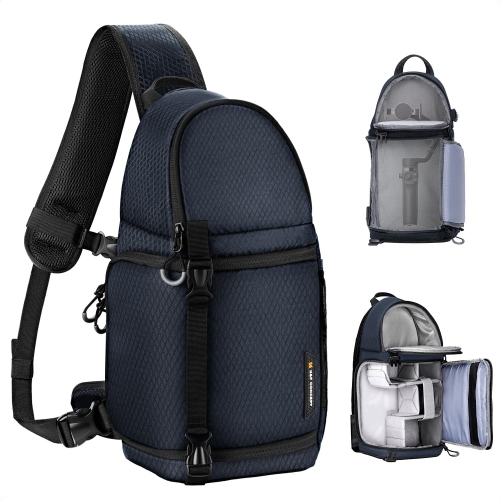
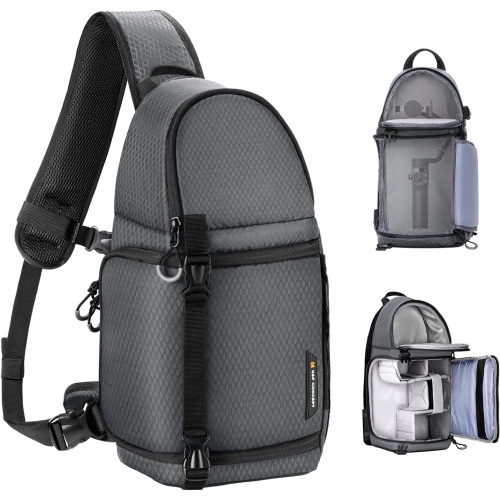
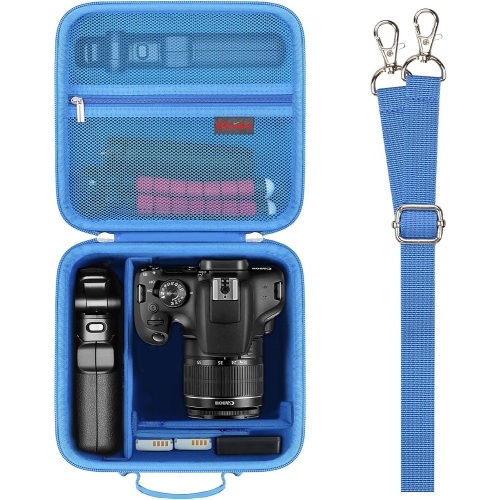
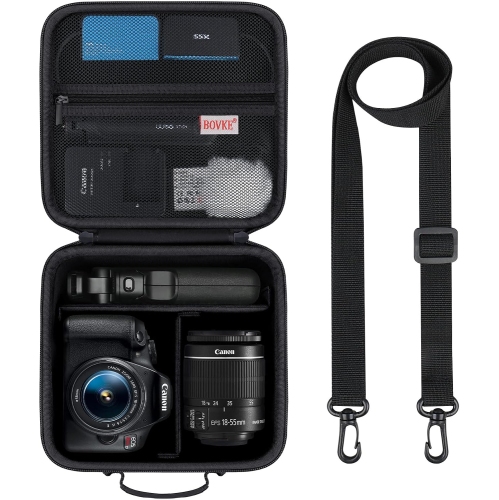
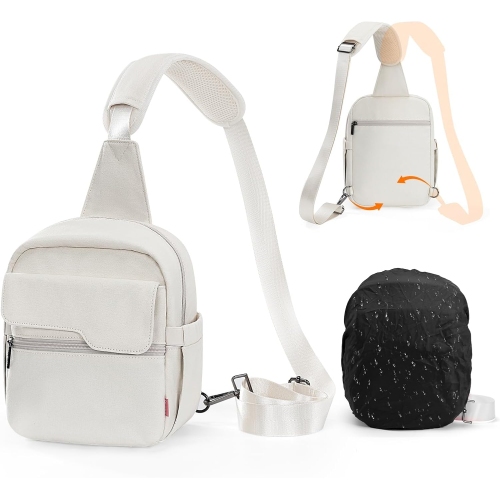
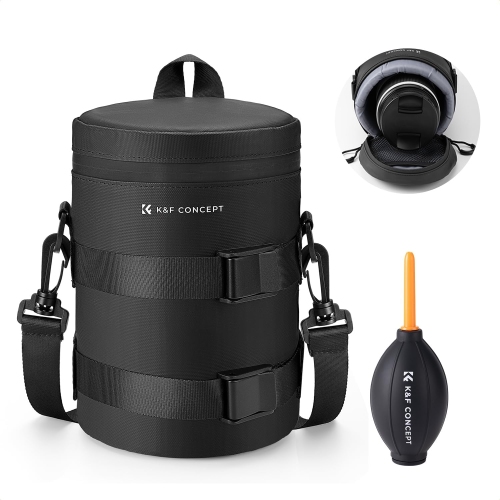
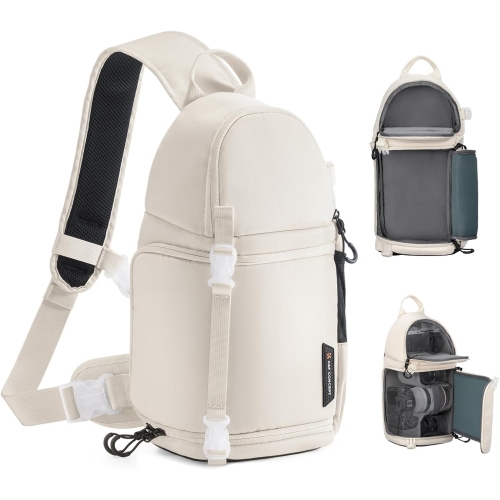
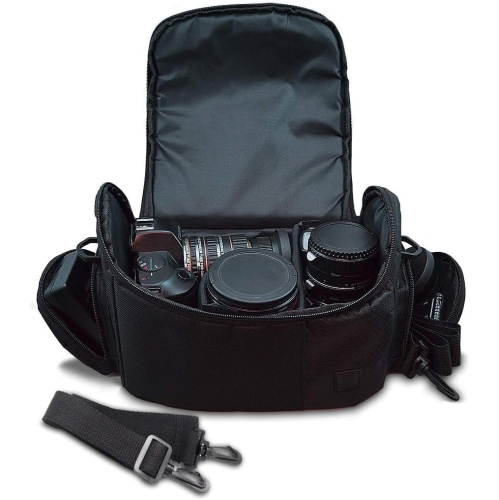
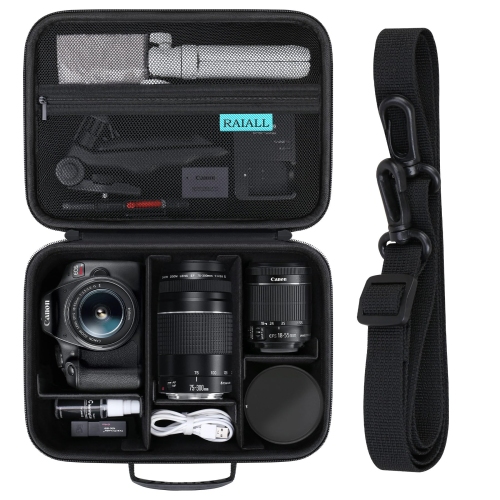
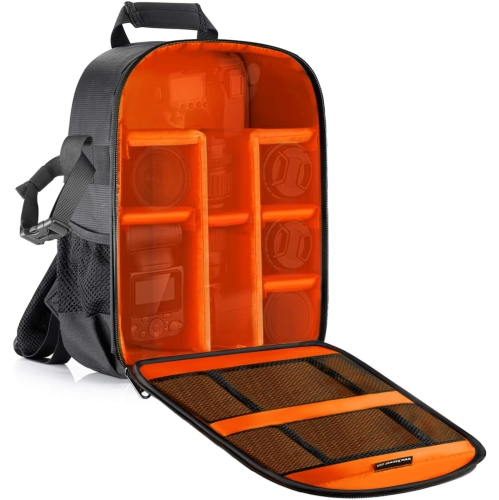
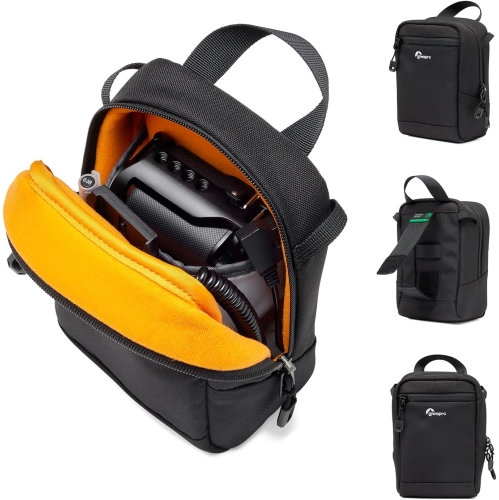
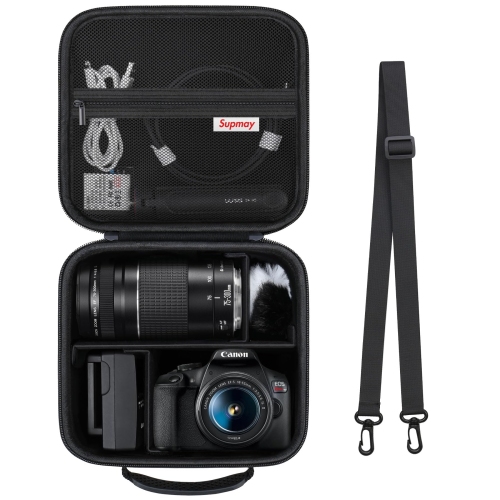
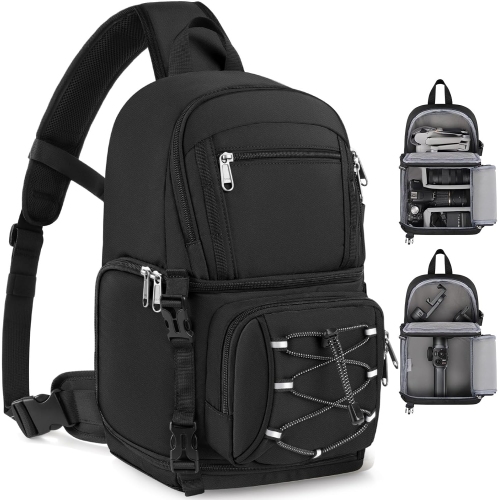
DSLR cases for backpacking keep camera equipment organized and cushioned without letting it take over the space needed for the rest of a trail kit. The most useful format depends on how the camera travels: a compact holster holds a camera with a lens attached, a padded pouch adds a protective layer inside a larger bag, and a removable camera insert creates a dedicated compartment within an existing backpack. These formats suit different shooting habits. A photographer who stops frequently to capture a winding trail may prefer an opening that reveals the camera grip immediately, while someone carrying equipment to a viewpoint may value a fully enclosed insert that stays tucked away until arrival. Fit matters more than the DSLR label alone. Camera bodies vary considerably in height and depth, especially with a battery grip, and the attached lens often determines the length of the case. Internal measurements need to accommodate the actual carrying configuration, including any lens hood, quick-release plate, or strap that remains attached. A case should hold the kit securely without pressing against controls, forcing the lens into the base, or requiring the zipper to be pulled tight around the equipment. Adjustable dividers can separate a spare lens from the camera body, while small accessory pockets keep memory cards and lens caps from settling beneath heavier gear. External dimensions deserve equal attention: a well-padded case still needs to pass through the backpack opening and sit comfortably among other essentials. Its position also affects access. A top-opening case works best when its lid remains reachable inside the pack, whereas a side-opening design needs a compatible access point to offer the same convenience. On a narrow stopping place, being able to retrieve the camera without unpacking lunch, clothing, and trail supplies makes the whole setup easier to manage. Keeping the camera compartment separate from food, loose tools, and hard-edged accessories also reduces unnecessary contact with the equipment.

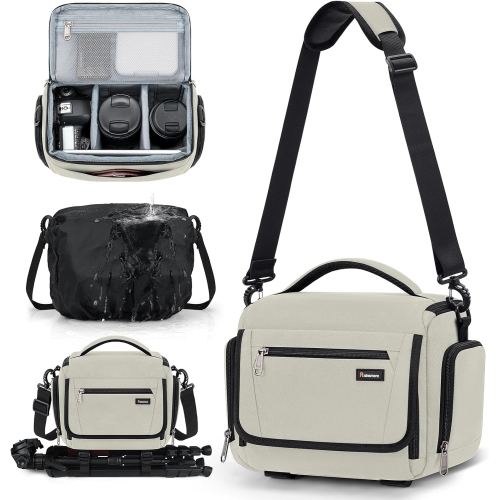
Materials and construction influence how a DSLR case handles repeated packing, movement, and contact with rough surfaces. Nylon and polyester shells are common choices, but fabric names alone do not tell the whole story; weave, thickness, reinforcement, and stitching all contribute to durability. A reinforced base is useful when a case is set down beside a pack, and a smooth lining helps avoid unnecessary friction against camera surfaces. Padding should cushion the base and sides, with enough structure to prevent the contents from shifting freely as the wearer steps over roots or climbs uneven ground. Soft-sided cases can fit efficiently into a backpack, while more structured designs hold their shape during loading and unloading. Neither format makes a camera immune to impact, and even a heavily padded case should not carry the weight of dense equipment stacked above it. Movable dividers are particularly useful when they support the camera body and separate lenses without creating pressure points. Secure attachment tabs help those dividers stay in place through repeated use. Closures also affect everyday handling: zipper pulls that are easy to grasp, a lid that opens clear of the grip, and an opening wide enough for a controlled lift all make access less awkward. For an externally attached case, mounting points and straps should be compatible with the backpack and suitable for the loaded weight. A loose pouch that swings with each step can interfere with balance or brush against nearby rock. Water-resistant fabric can help with incidental splashes, but it is not the same as a waterproof enclosure, and seams and zippers may offer different levels of protection from the main fabric. Dust protection matters too, particularly around openings and accessory pockets. Keeping the case closed between stops helps limit grit inside the lining, where it could transfer to the camera body, lens barrel, or cap.
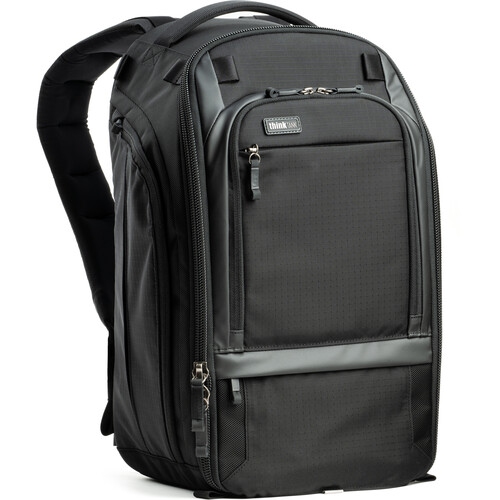
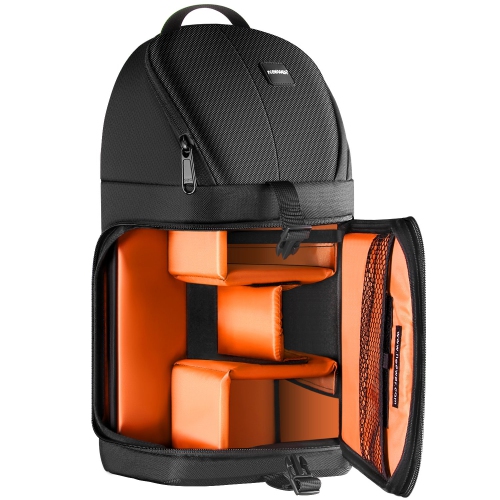
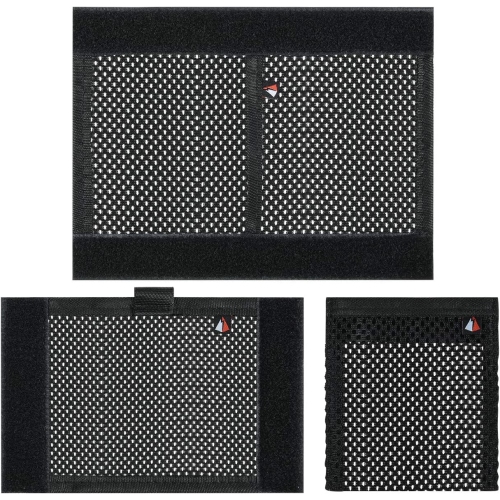
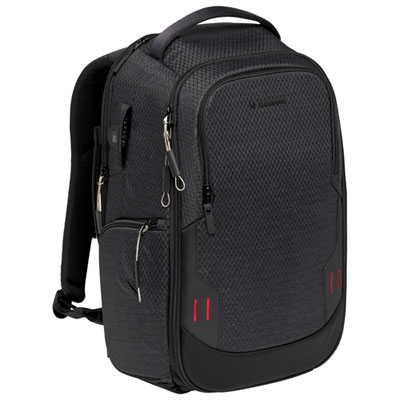
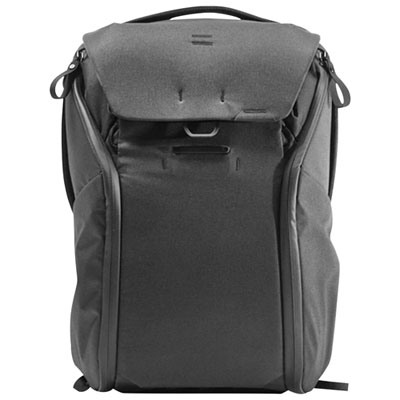
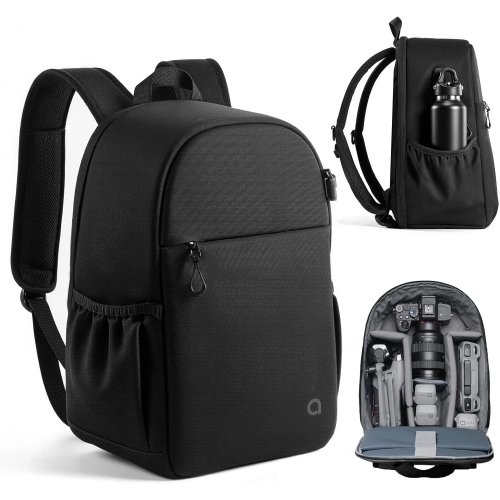
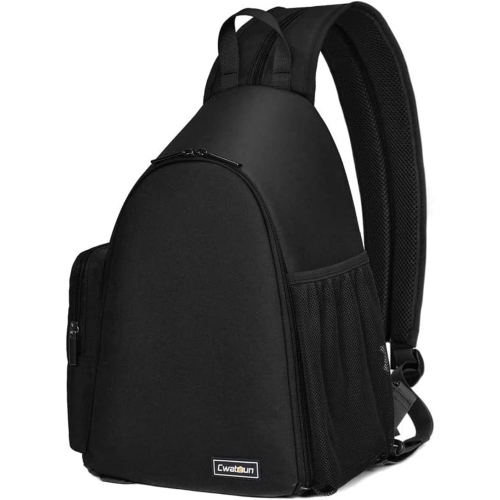
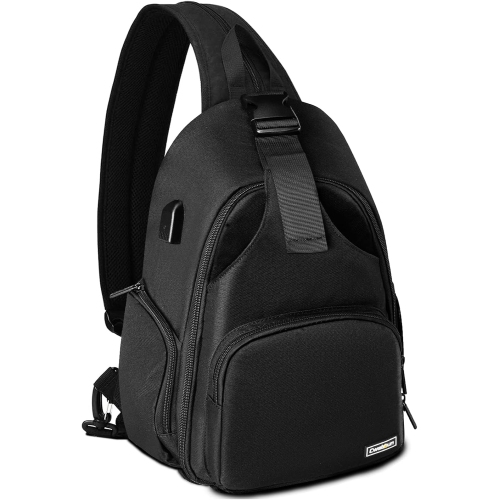
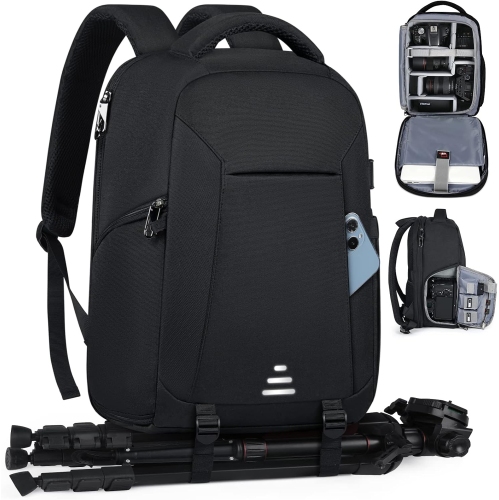
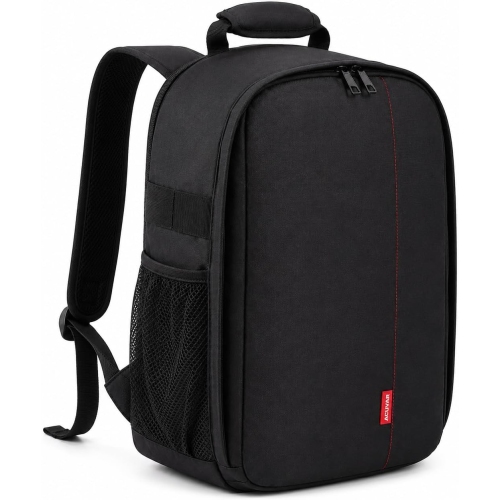
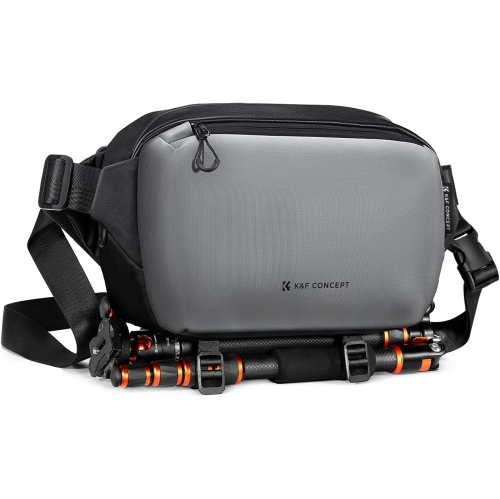
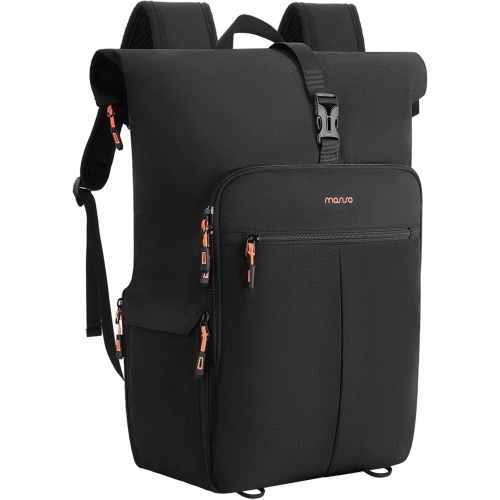
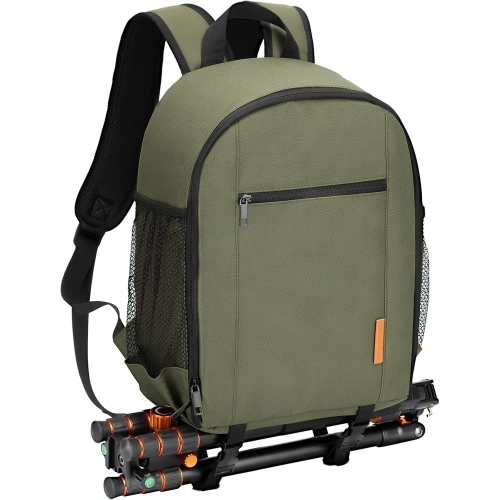
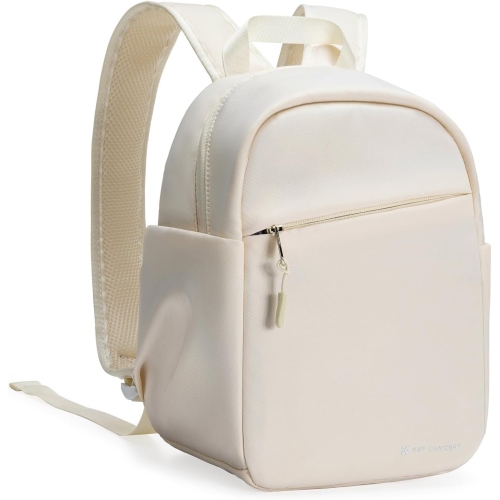
A comfortable carrying setup balances camera access with the demands of backpacking rather than treating the camera case as a separate piece of luggage. Compact DSLR cases suit photographers travelling with one body and a versatile lens, while larger inserts make sense when an additional lens genuinely supports the planned photography. Extra compartments are useful only when their contents justify the space and weight. A smaller kit can leave more room for essential trail supplies and make a full backpack easier to organize. Placing denser camera equipment close to the back and preventing it from shifting generally supports steadier carrying, although the final arrangement also depends on the backpack’s structure and fit. Shoulder or belt attachment can bring a camera within easier reach, but the case should not obstruct arm movement, interfere with the pack’s hip belt, or make it difficult to see the ground ahead. Photographers building a complete carrying setup can also explore Best Camera Backpacks to compare dedicated packs with a separate DSLR case inside an existing backpack. For landscape photographers, walking enthusiasts, and travellers documenting longer routes, a removable case offers flexibility between trail use and everyday transport. It can also make a thoughtful gift when the recipient’s camera dimensions, preferred lens, and existing backpack are known; those details are more useful than choosing by camera type alone. Routine care helps preserve that fit and function. Emptying accessory pockets, shaking out loose grit, and cleaning the exterior according to the care label keeps debris from building up around seams and closures. A lightly dampened cloth may suit some surfaces, while coated fabrics and removable padding can require different treatment. Cases should be fully dry before storage, with dividers checked for secure attachment and straps inspected for wear. These small habits help keep the carrying system dependable, so the camera is easier to pack, retrieve, and put away throughout the trip.

FAQ

Some products may be subject to Environmental Handling Fees (EHF) depending on your province. Learn more about EHFs.