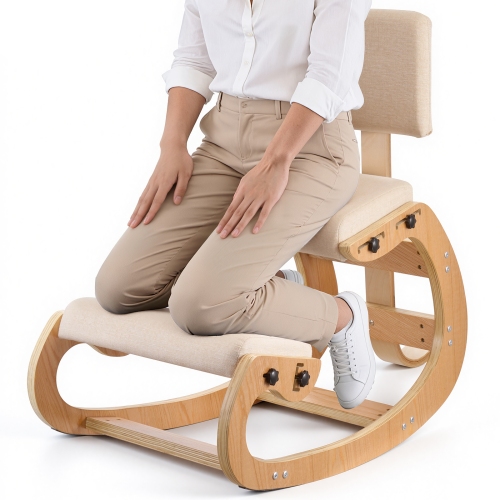
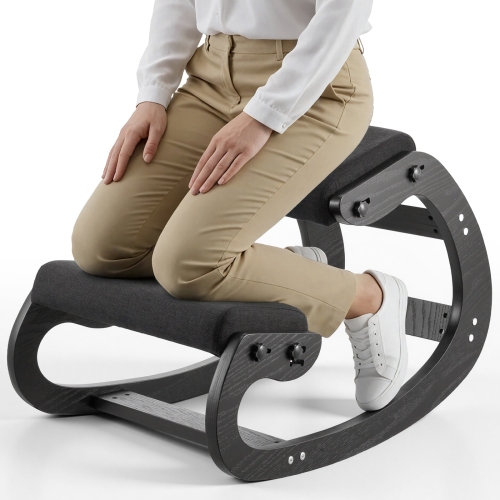
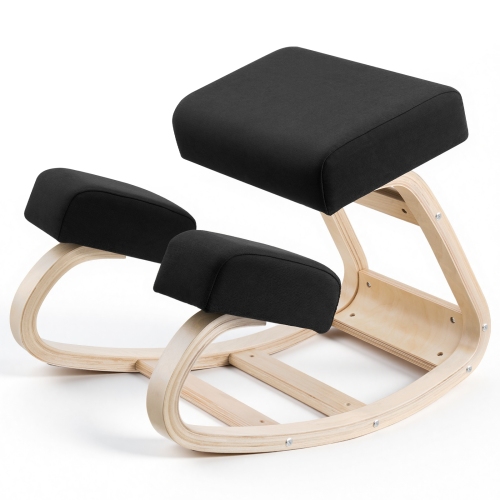
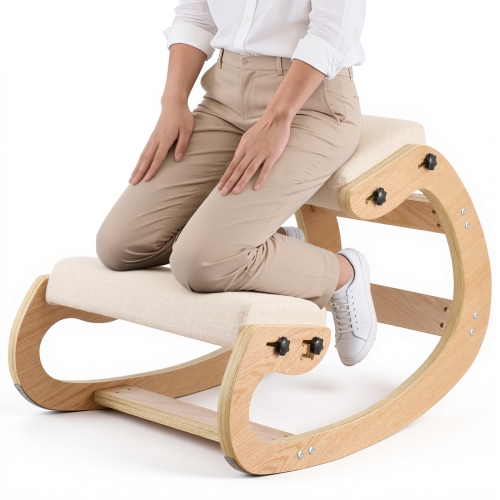
Ergonomic Active Sitting Stools

Ergonomic active sitting stools offer an alternative to traditional office chairs for those who prefer to shift position while seated. When comparing active seating options, consider seat height, base design and how much movement you prefer, along with how the stool will fit your desk and workspace.
Sort

A flexible perch for changing positions at your desk

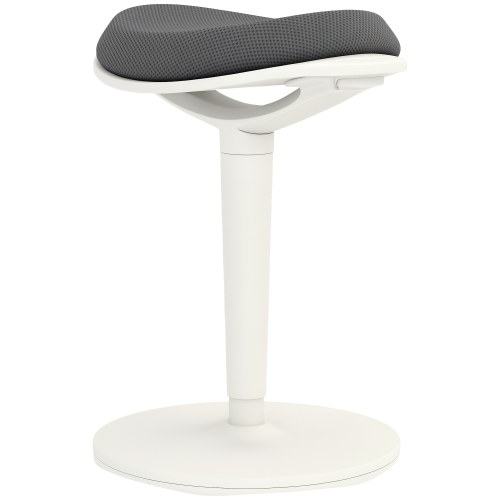
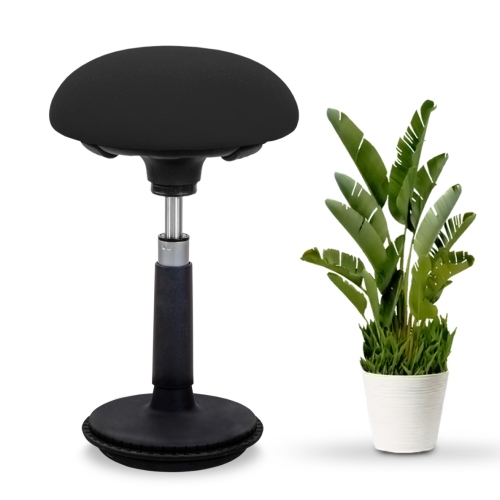
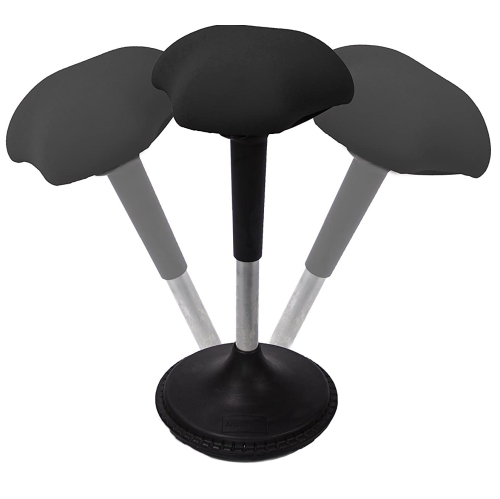
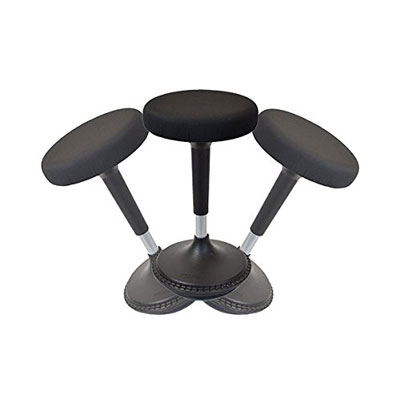
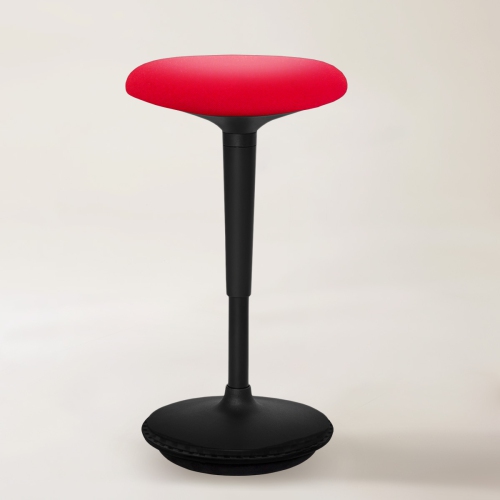
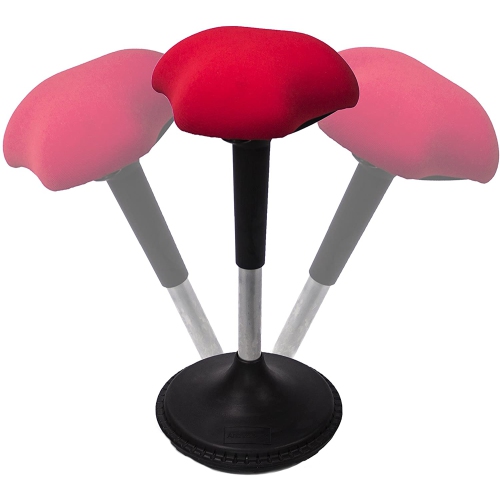
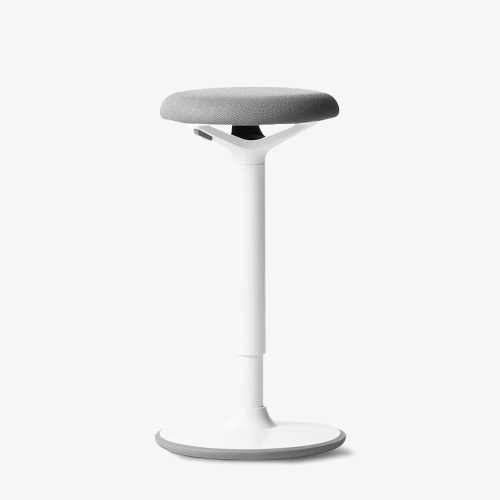
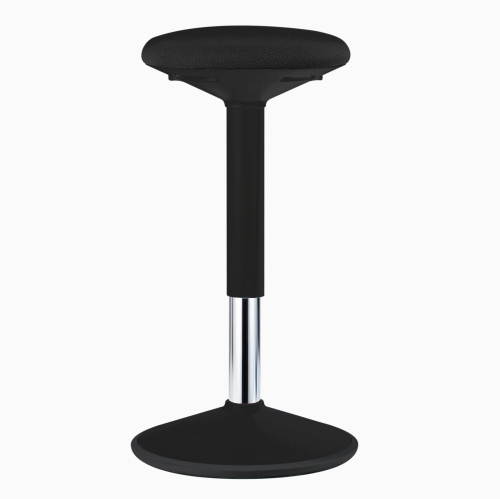
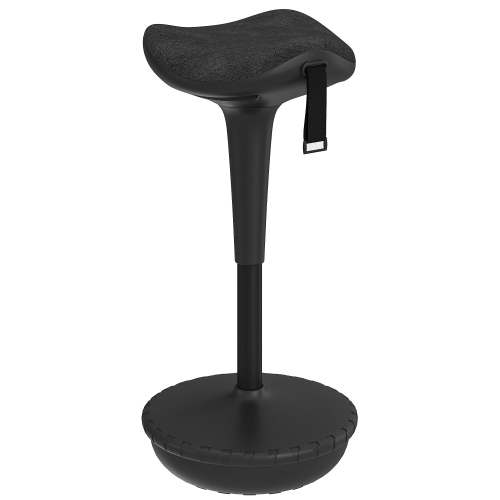
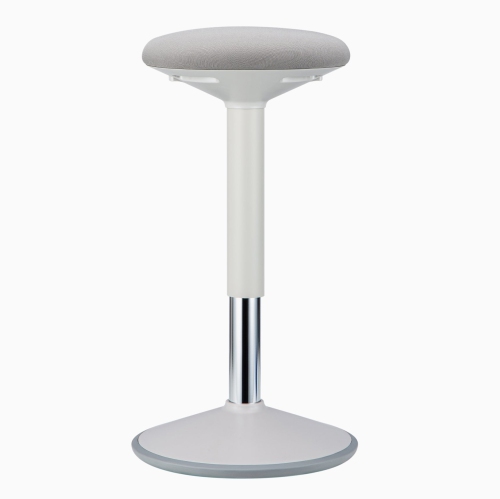
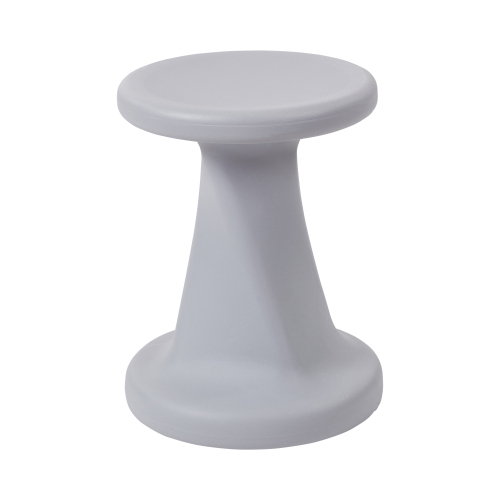
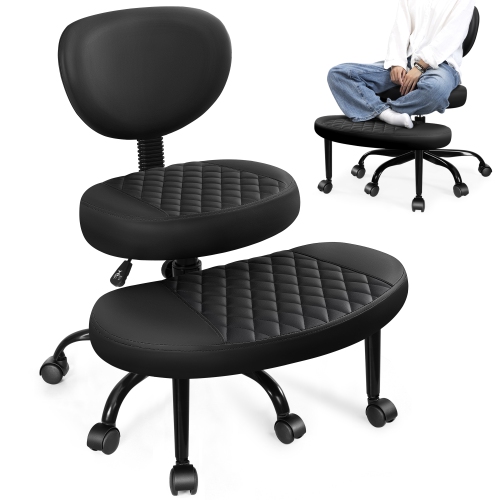
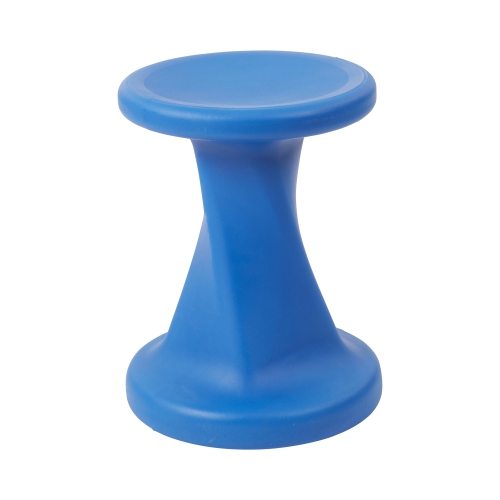
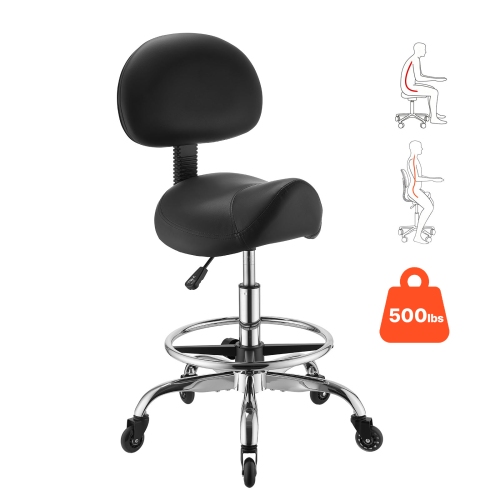
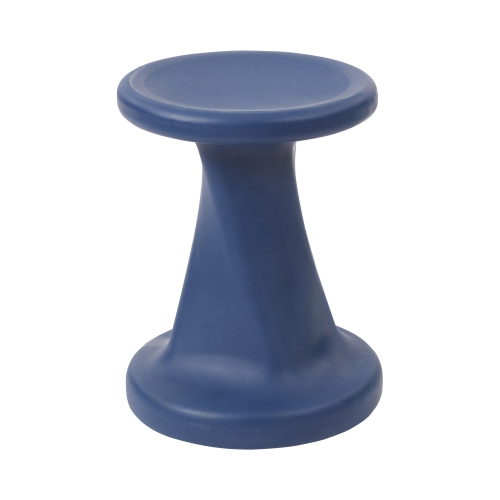
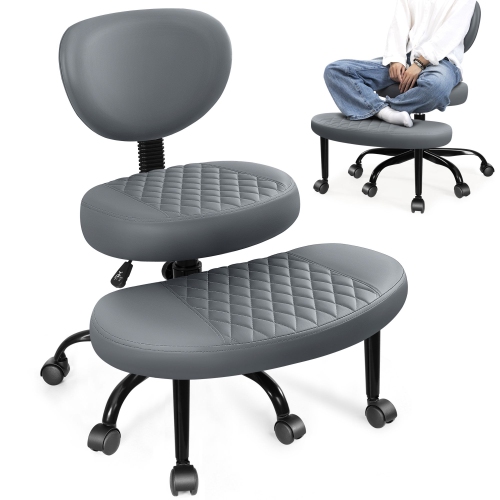
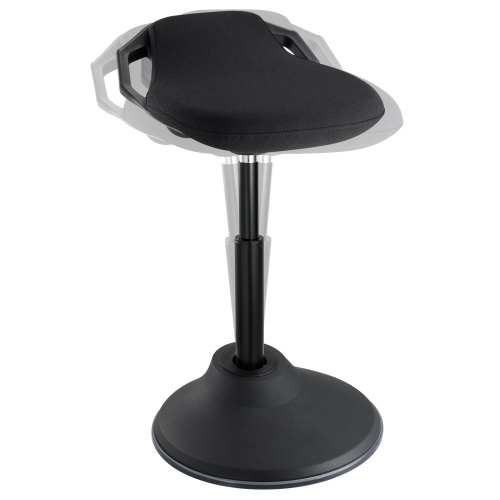
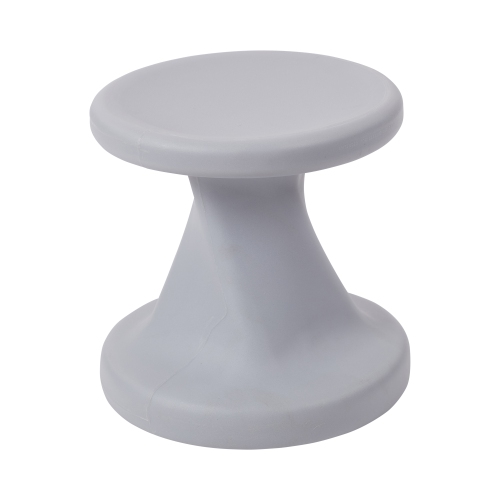
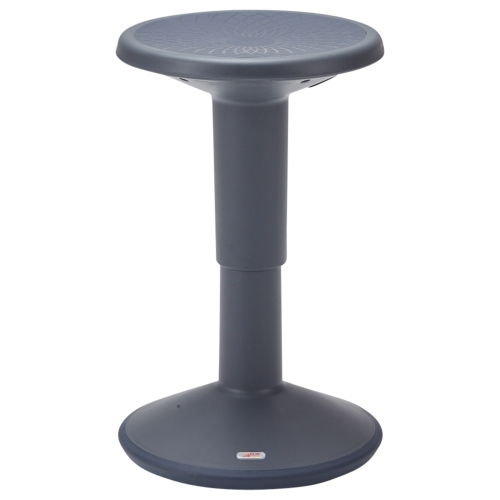
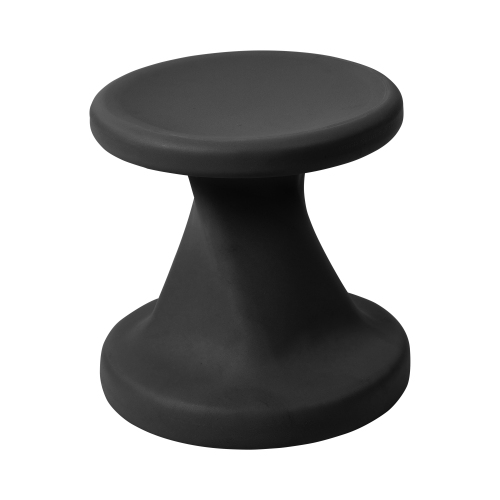
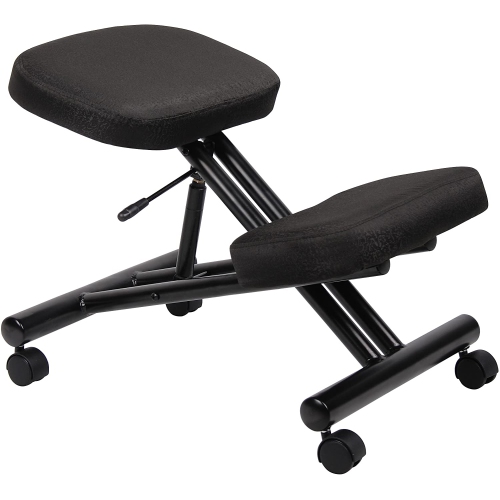
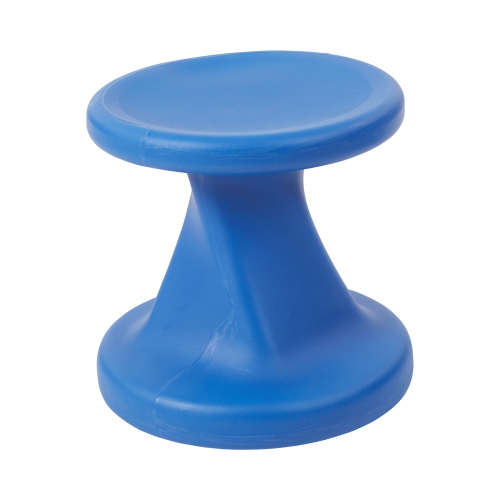
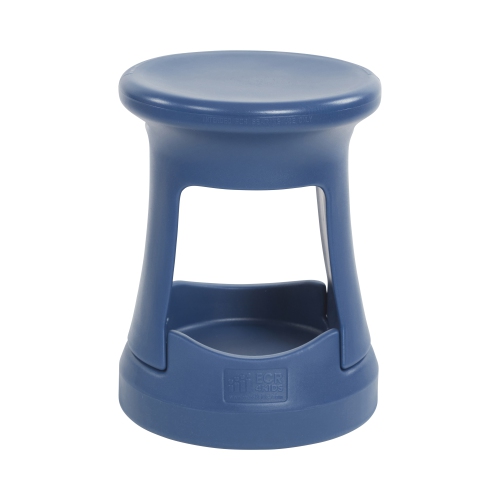
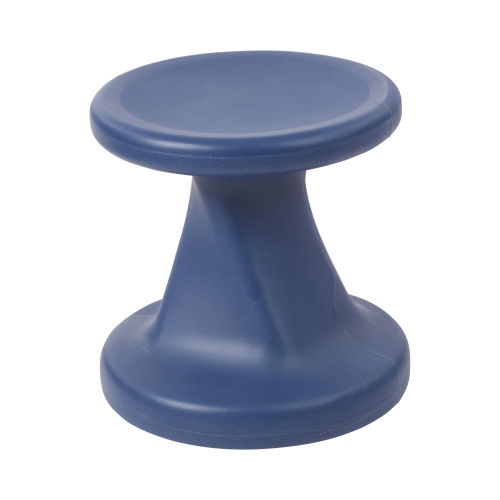
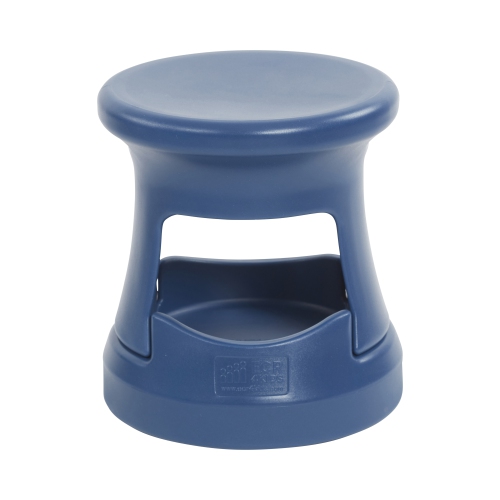
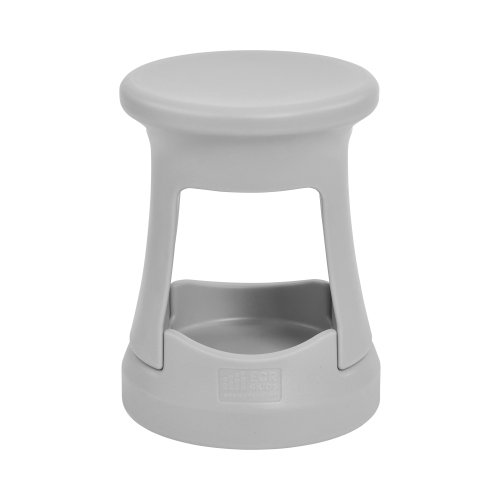
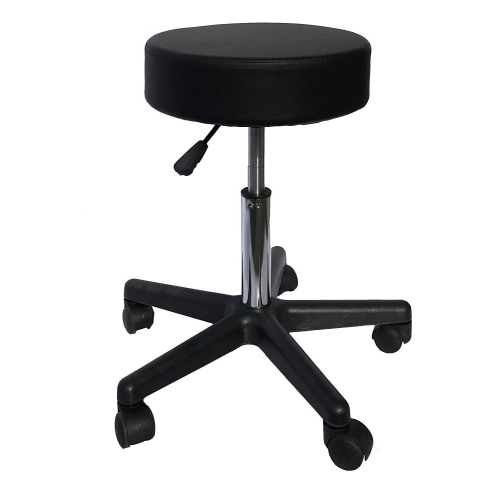
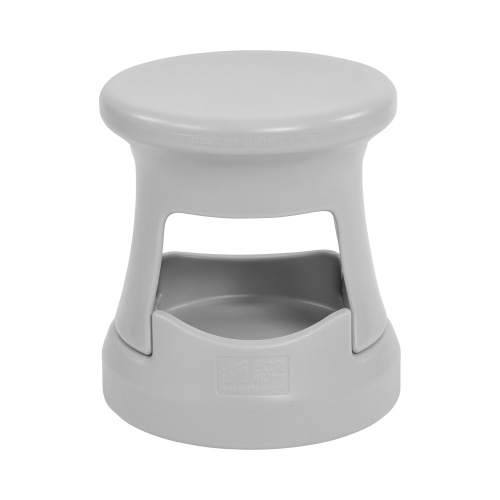
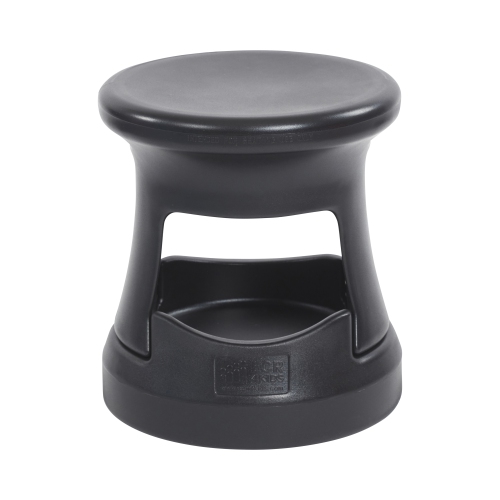
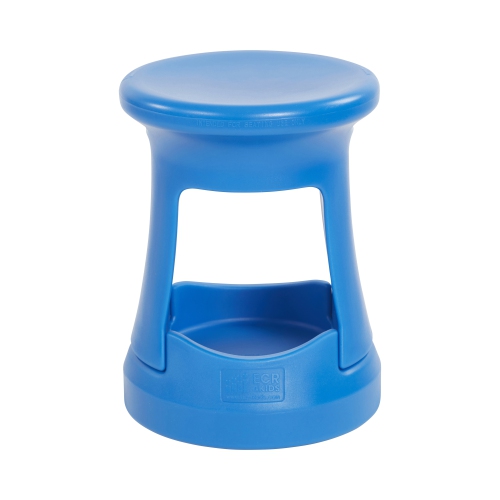
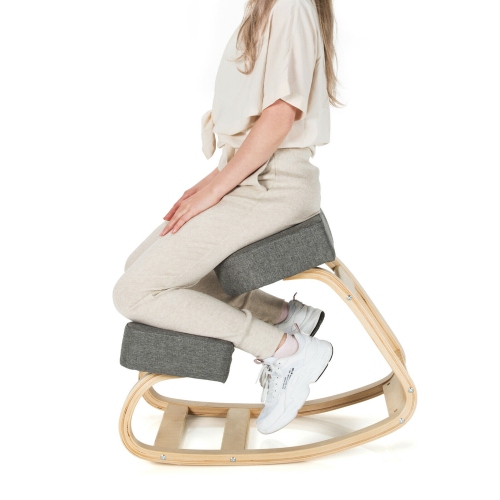
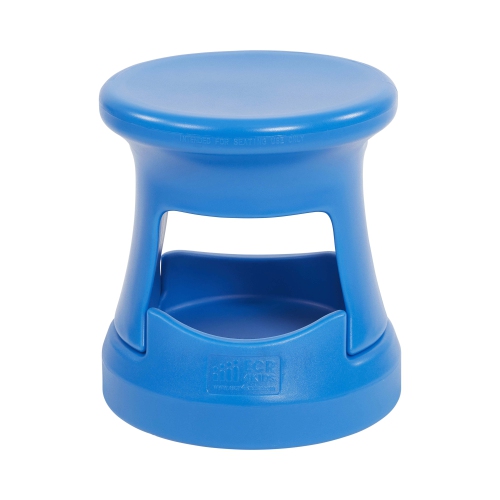
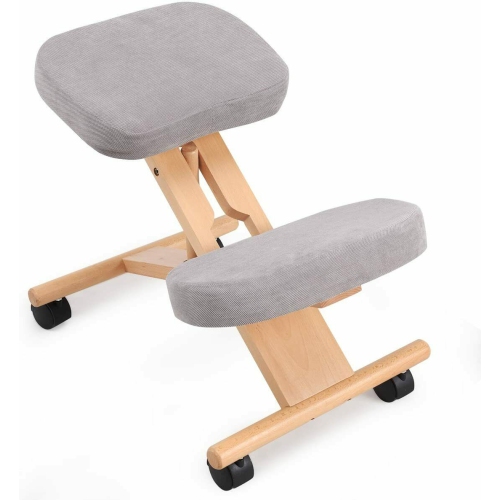
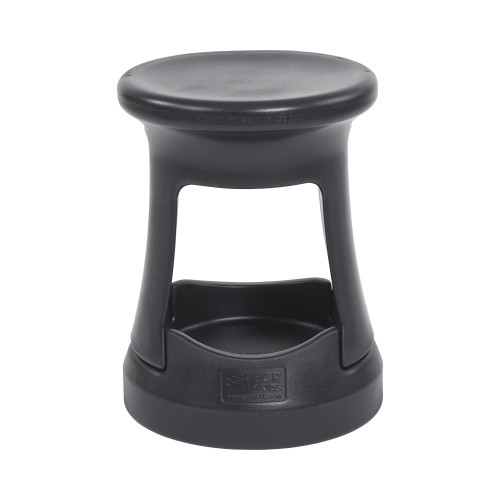
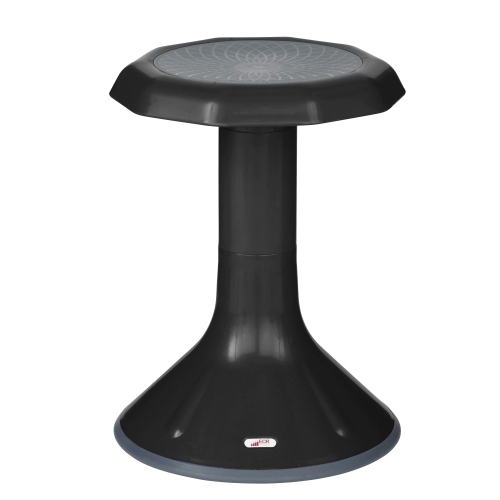
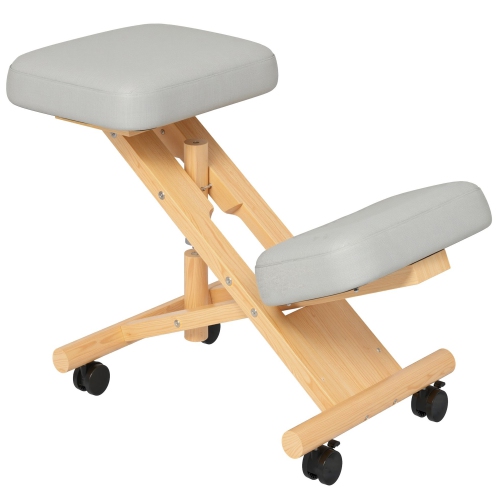
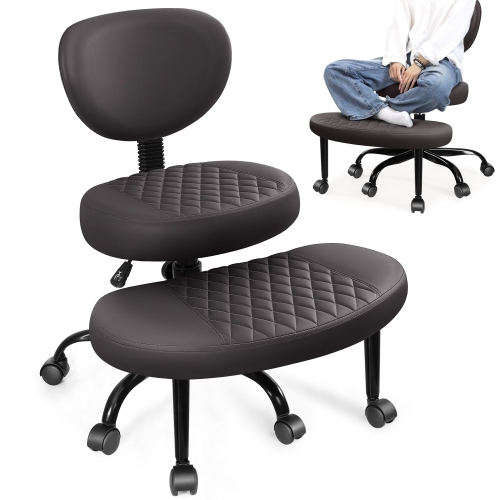
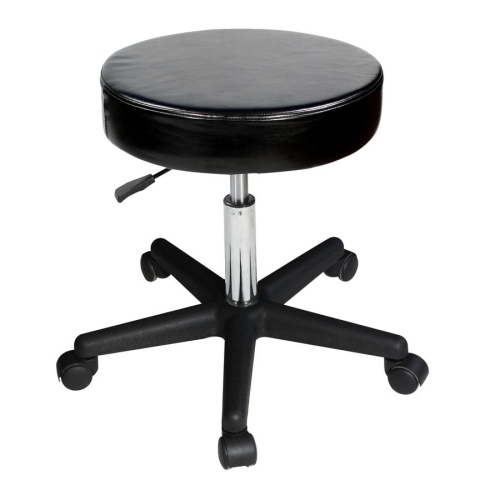
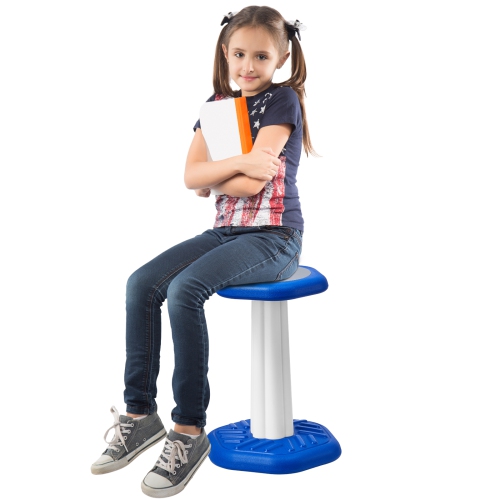
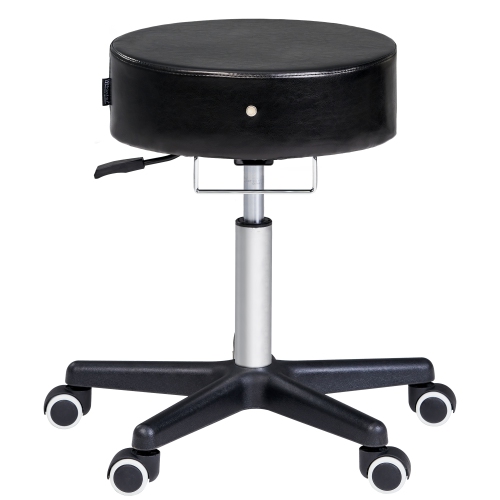
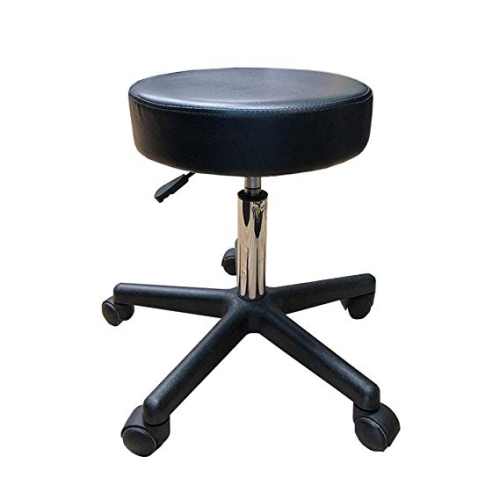
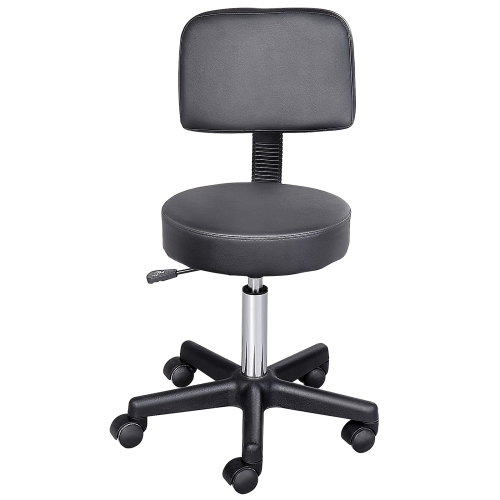
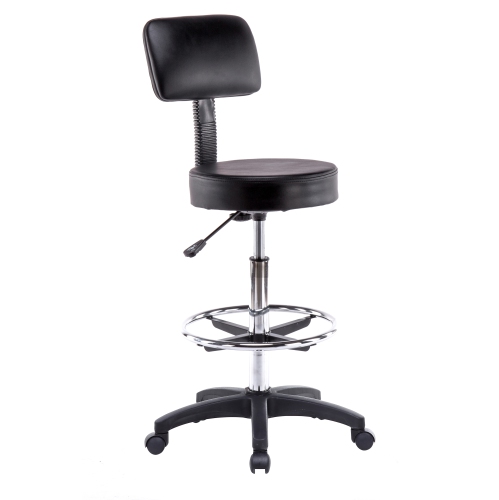
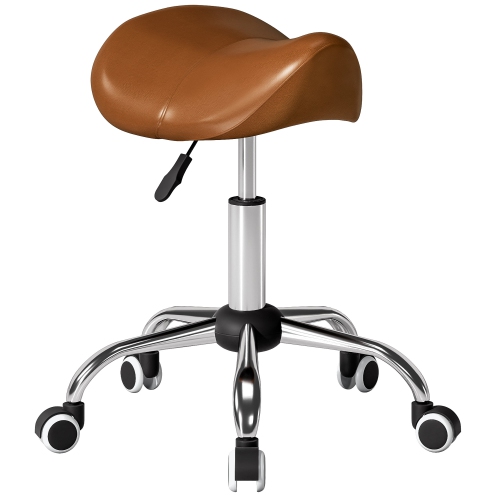
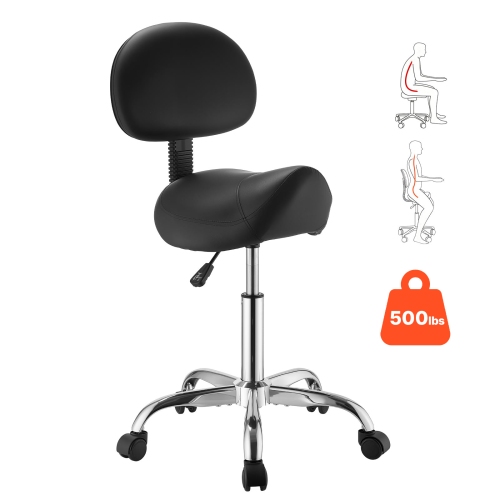
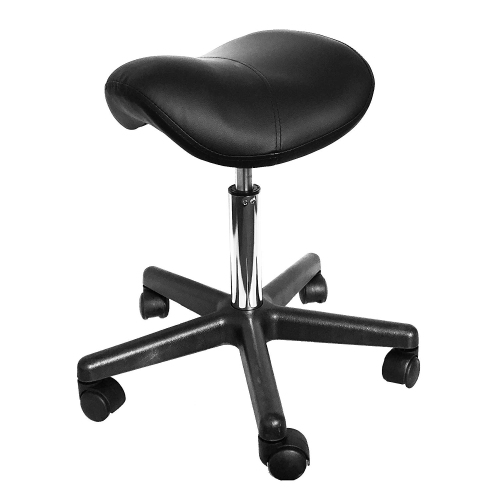
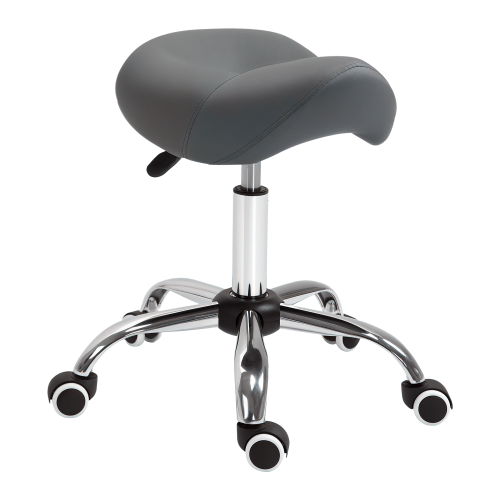
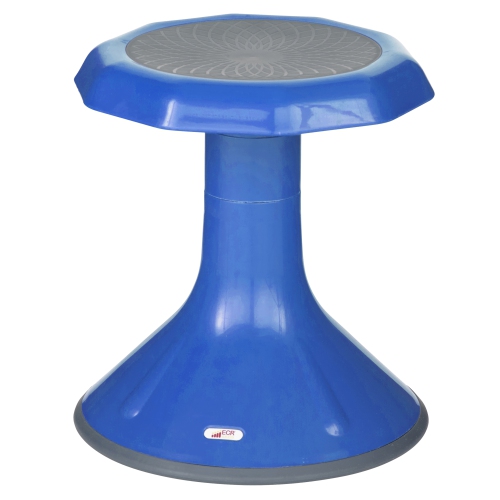
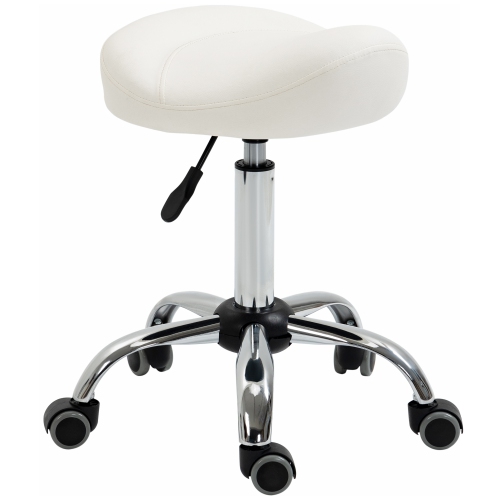
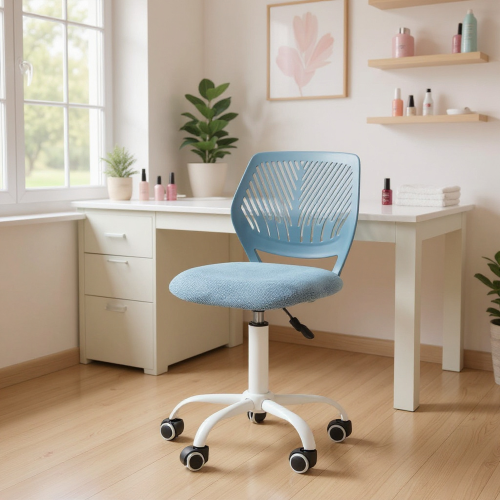
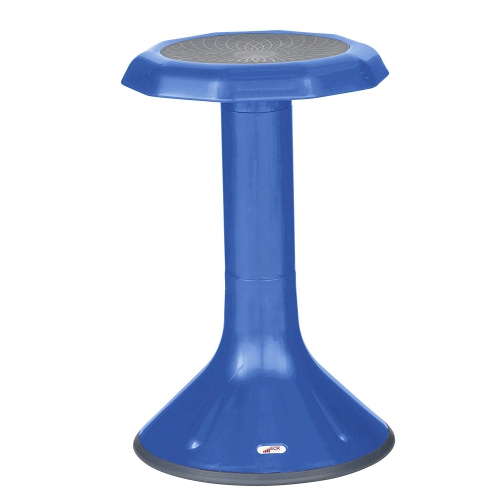
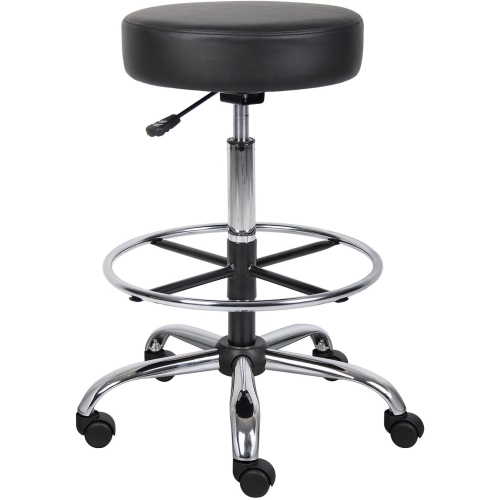
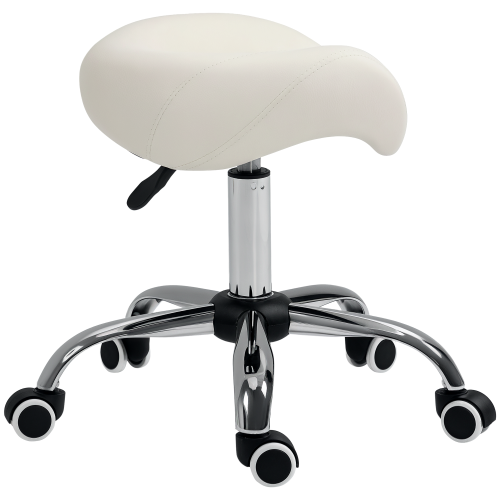
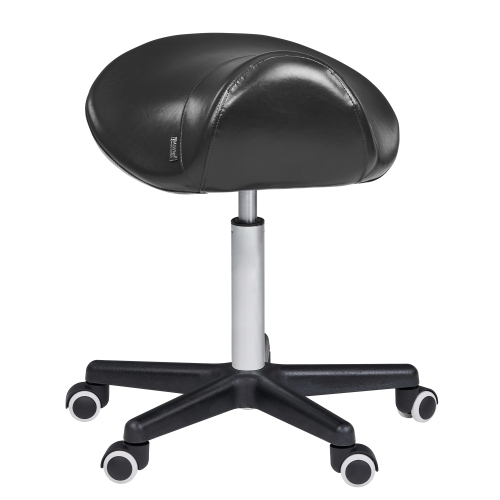
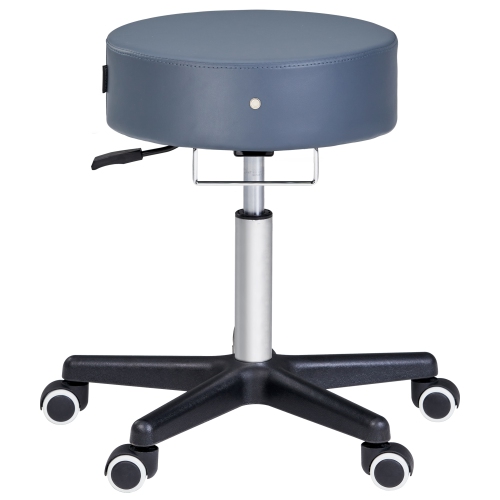
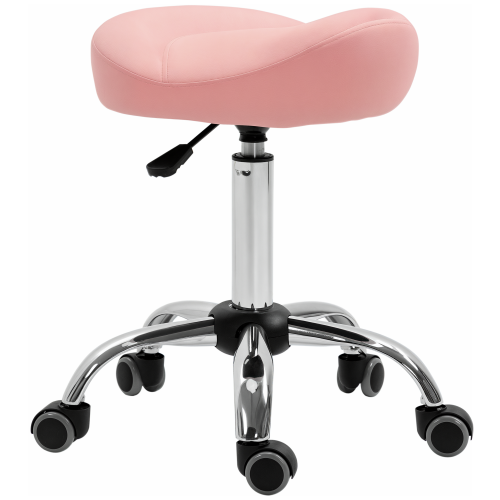
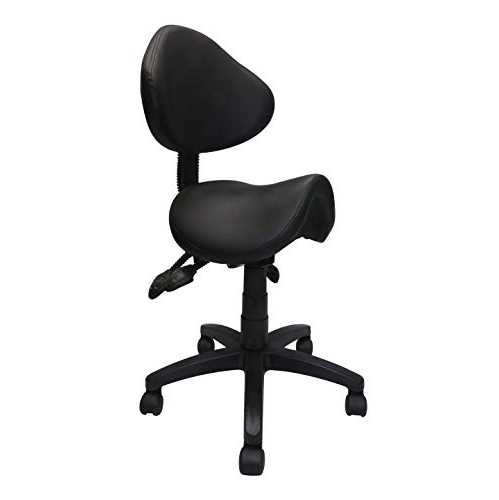
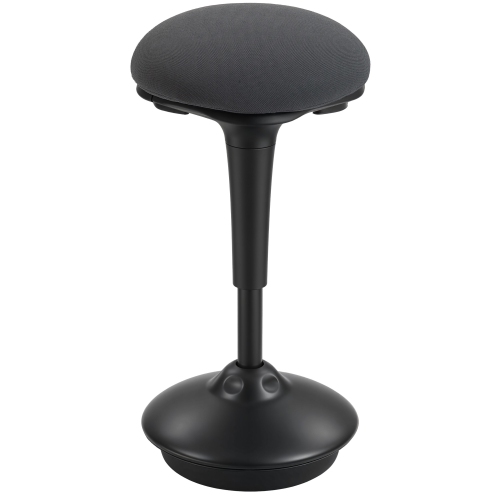
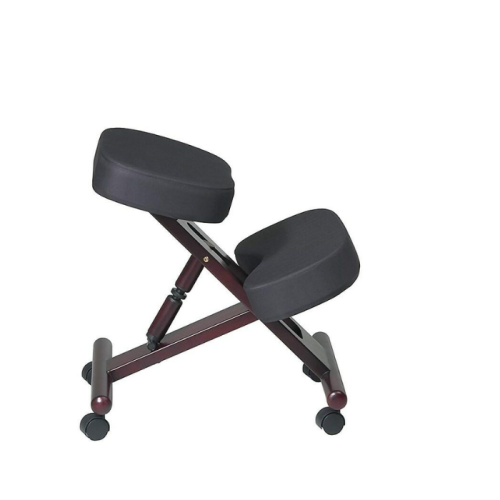
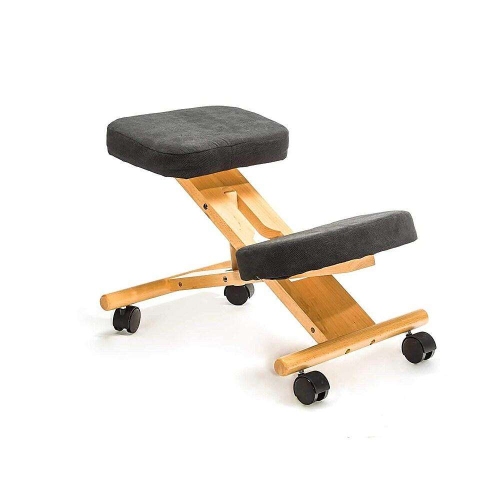
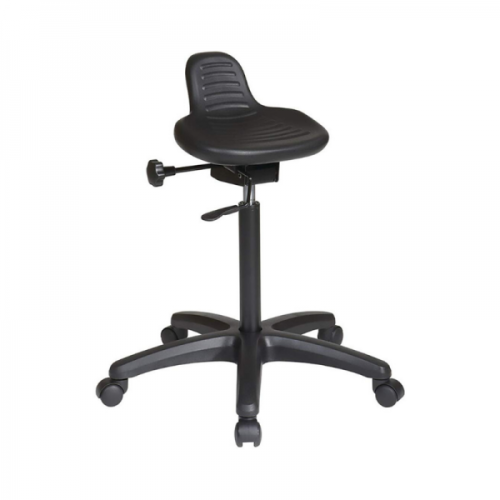
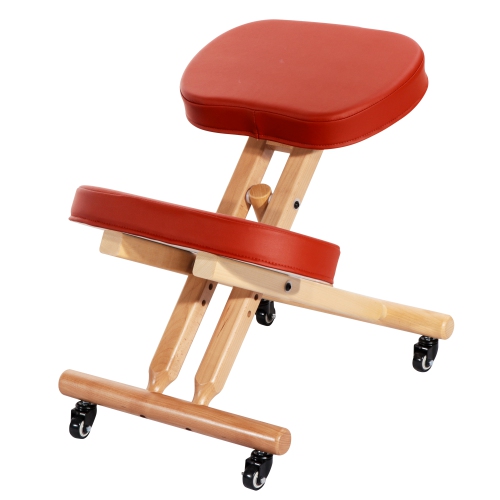
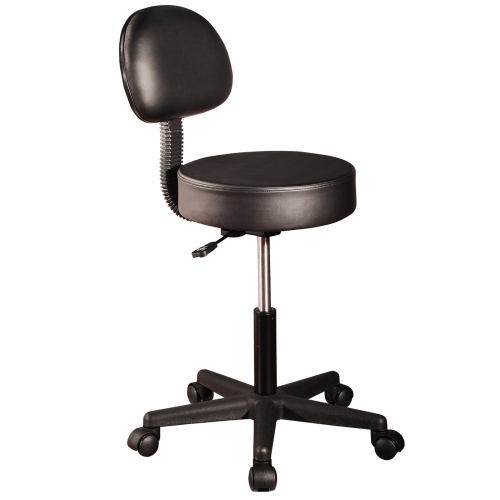
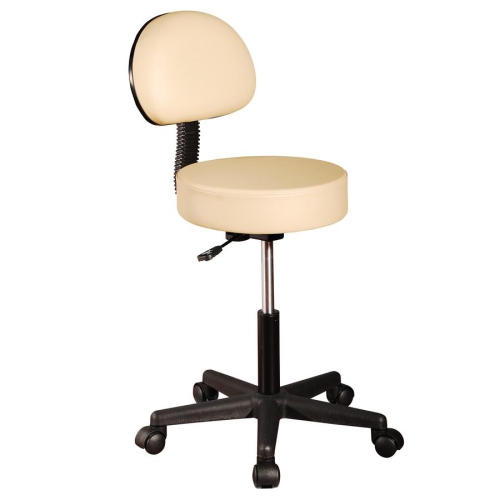
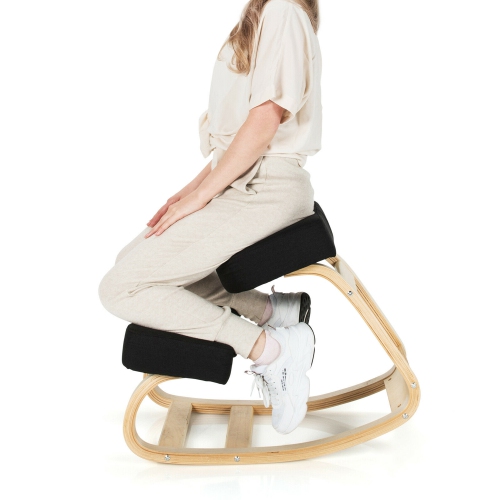
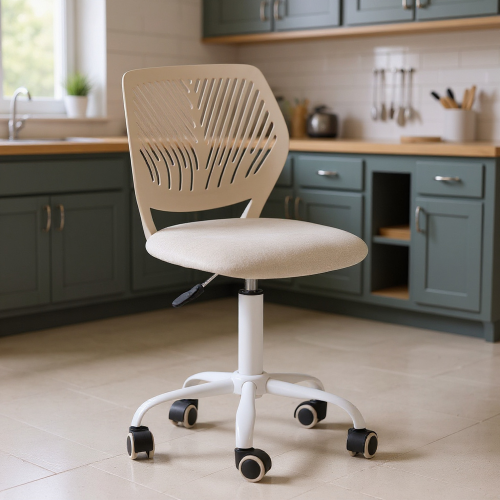
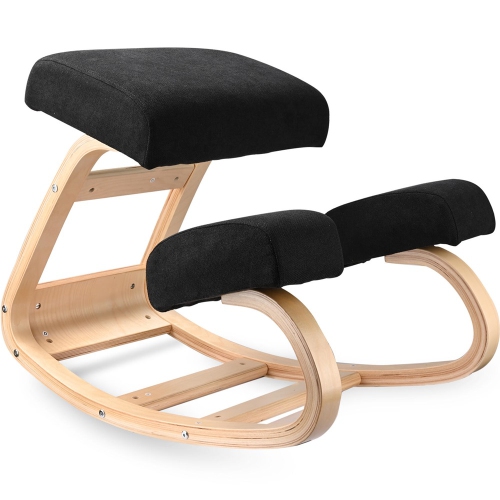
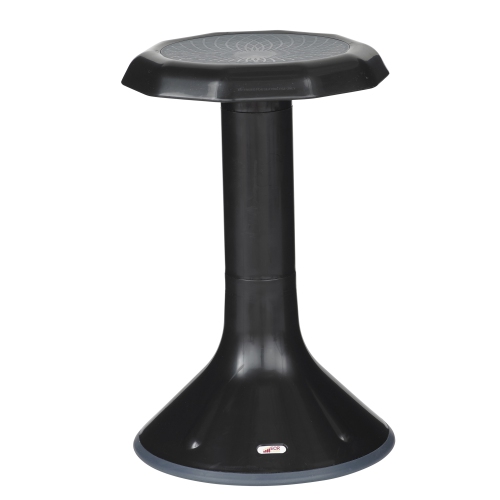
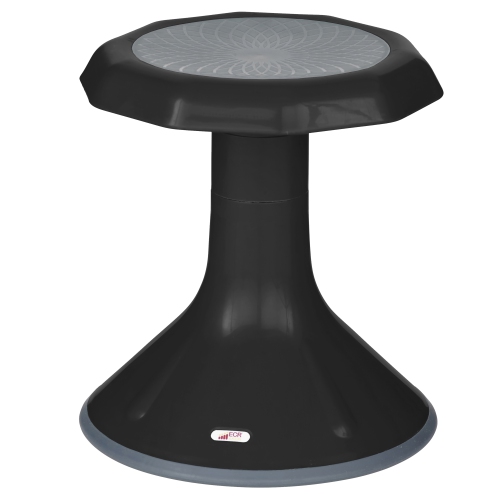
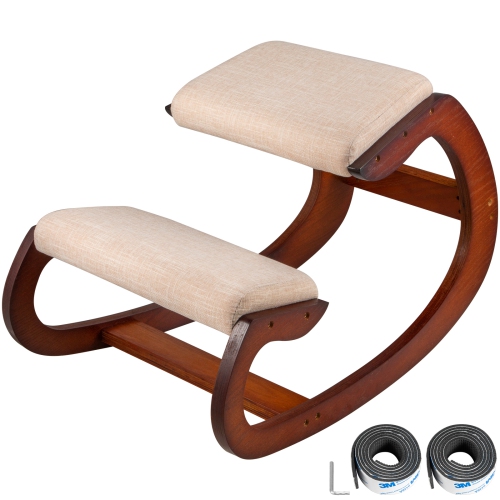
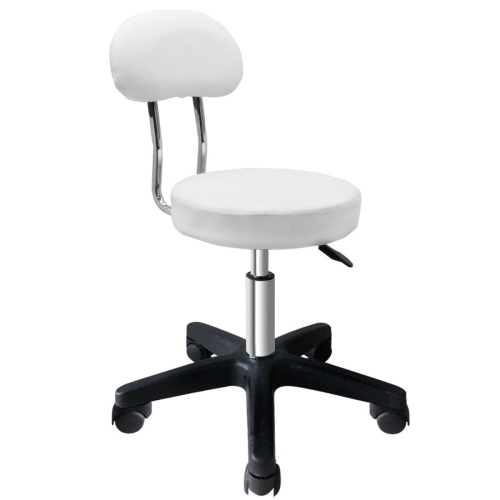
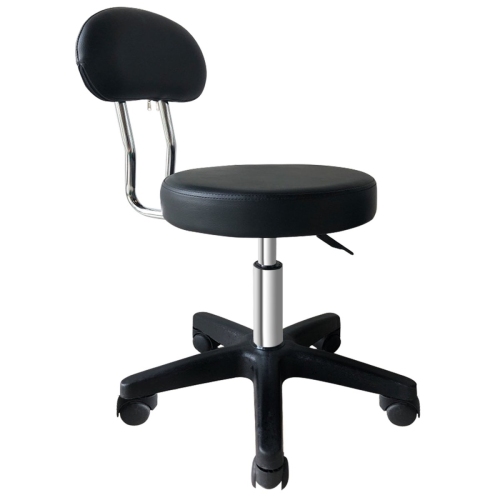
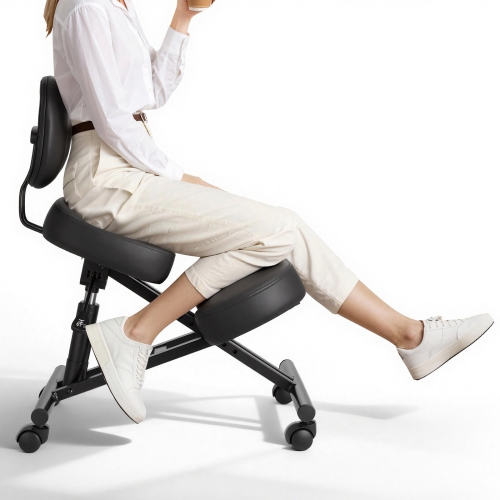
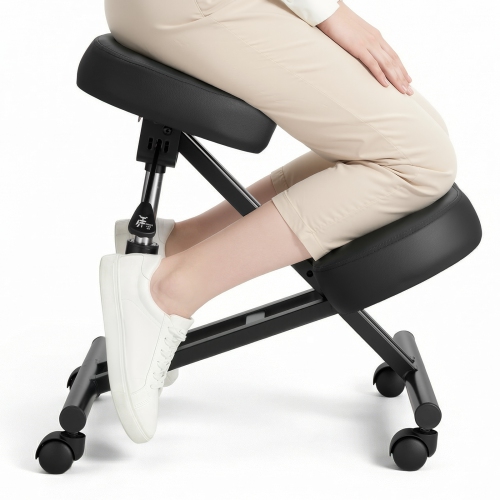
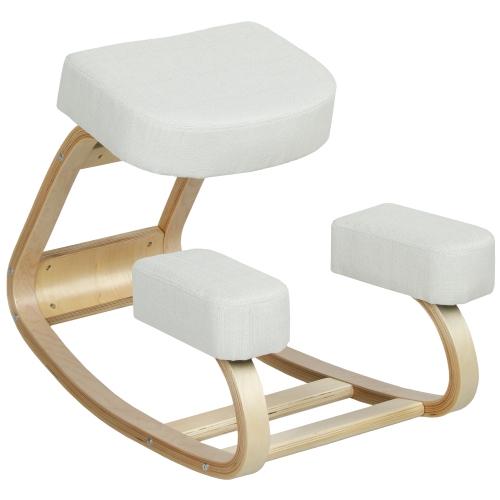
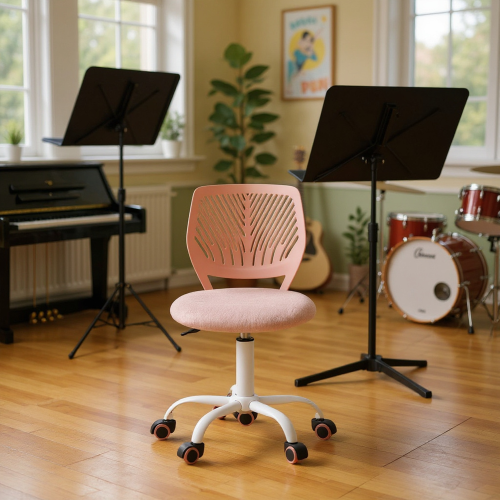
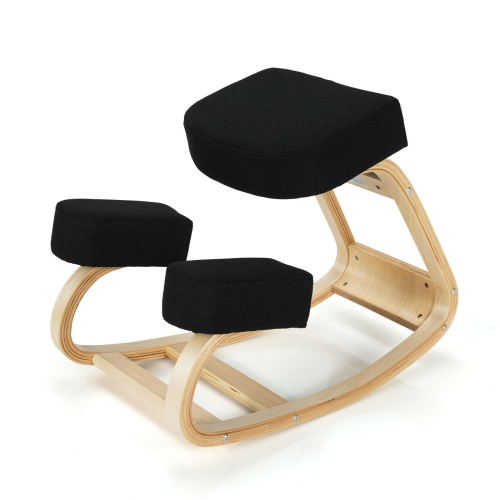
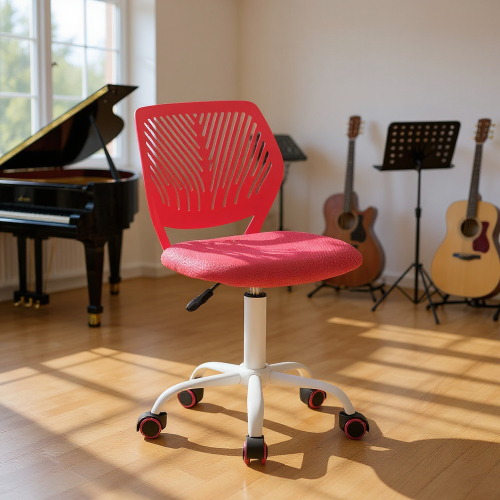
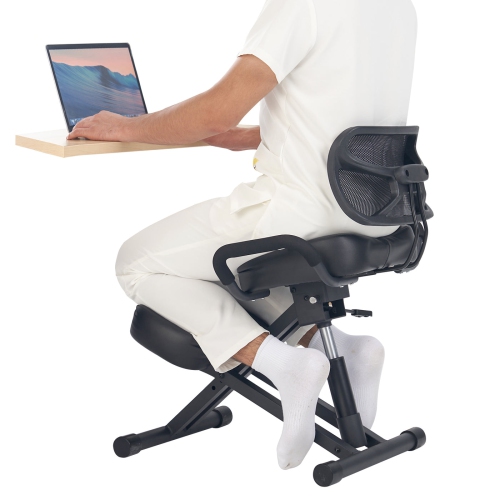
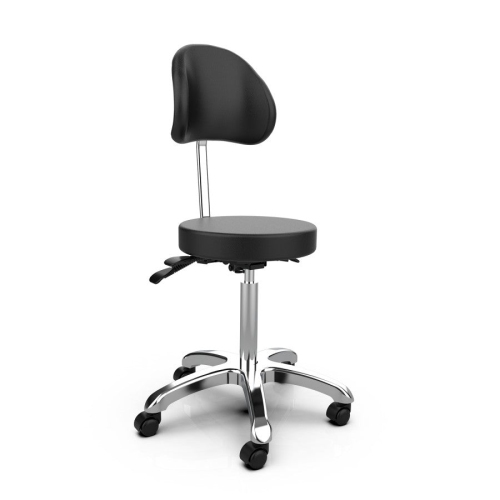
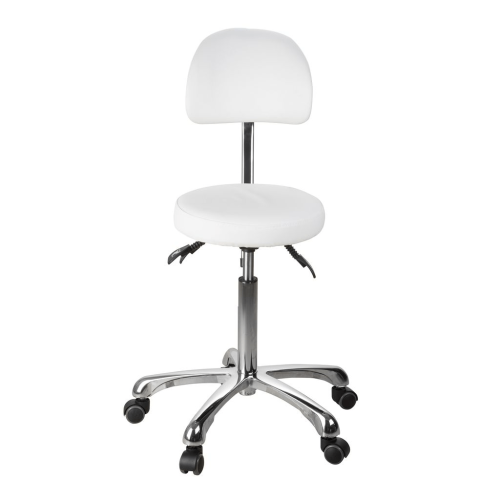
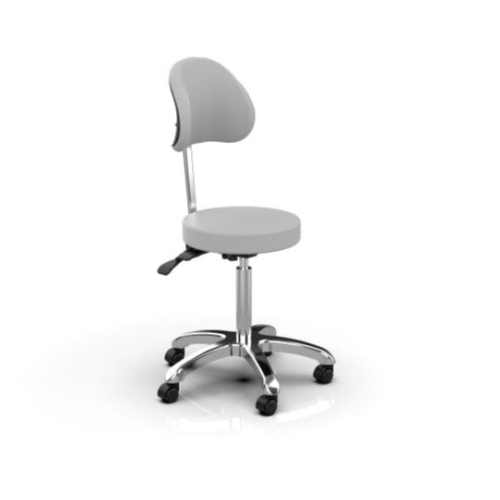
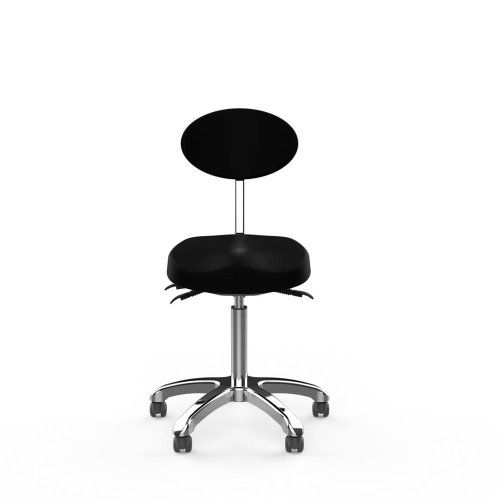
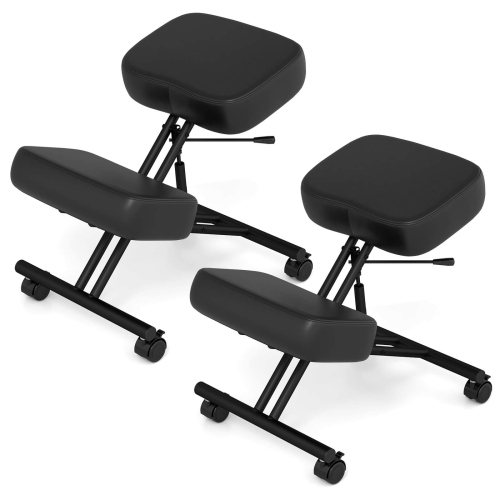
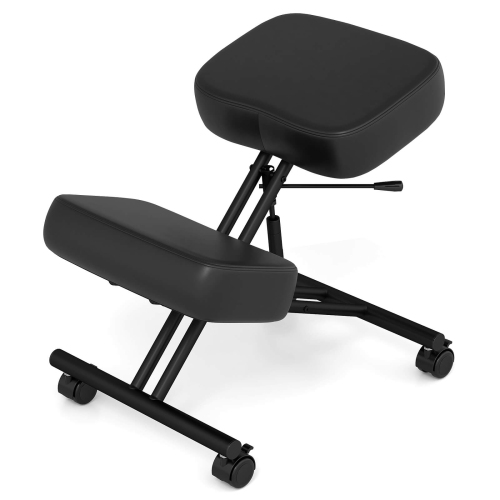
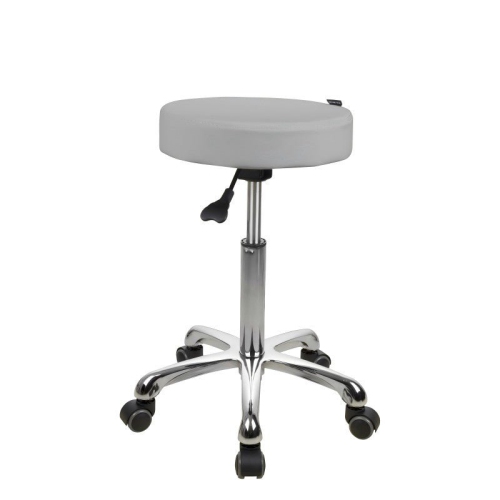
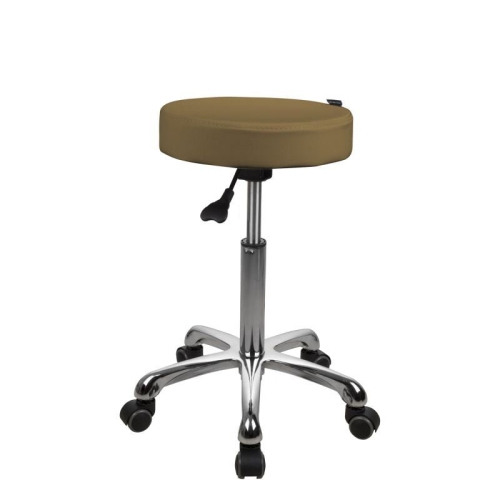
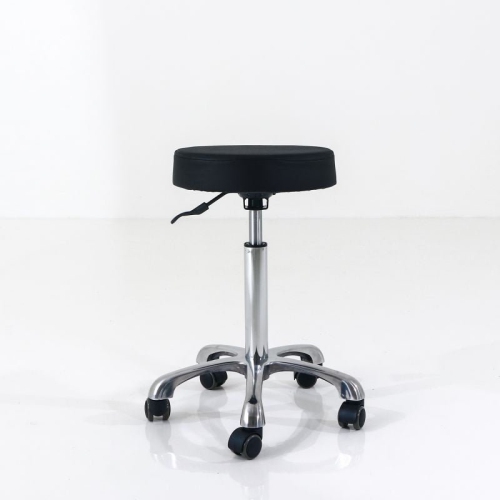
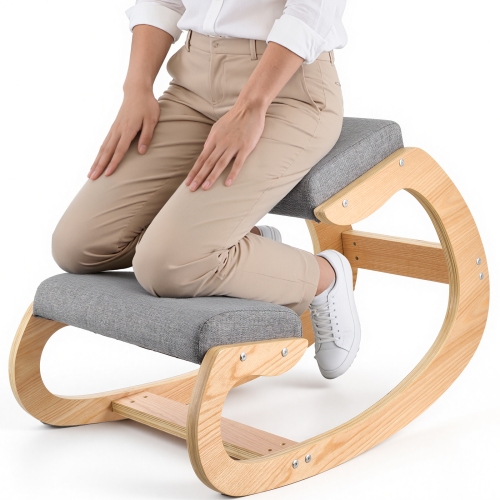
Ergonomic active sitting stools offer a different way to settle into work, with seating designed to allow small changes in position rather than hold the body in one fixed pose. Depending on the design, a stool may rock gently, tilt in several directions, swivel, or support a higher perch between sitting and standing. These movements can make it easier to shift weight while reading, typing, sketching, or taking a call. At a height-adjustable desk, a taller stool can provide a place to pause without lowering the work surface all the way to a conventional seated position. At a standard desk, a lower active stool can serve as an alternative seat for portions of the day. The appeal is often the freedom to change position: leaning slightly forward over a drawing, turning towards a nearby shelf, or returning to an upright perch between tasks. Different mechanisms produce noticeably different experiences, so a gently tilting base should not be expected to feel like a free-rolling drafting stool or a traditional stationary seat. Some designs return towards an upright position when unoccupied, while others rely on a broad base and a controlled range of movement. Backless shapes also leave more room around a workstation, which can be useful in a compact home office, study nook, or shared creative space. Students, remote workers, designers, and people who alternate between seated and standing tasks may appreciate this flexibility. Active seating is not necessarily intended to replace every other chair, particularly for tasks that call for substantial back support or long periods of stillness. It works best as one seating option within a varied routine that also includes standing, walking, and regular changes of position. Comfort remains personal, and the right amount of movement is the amount that feels controlled and suits the task.

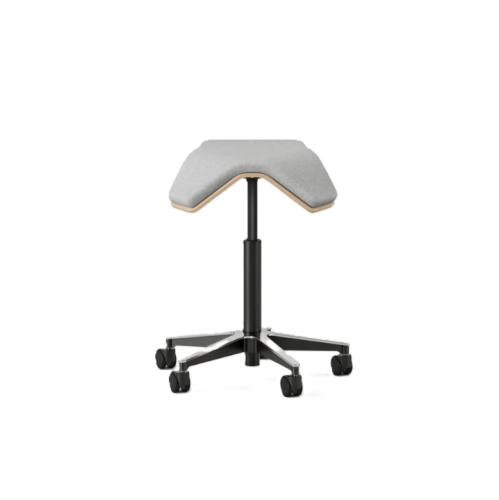
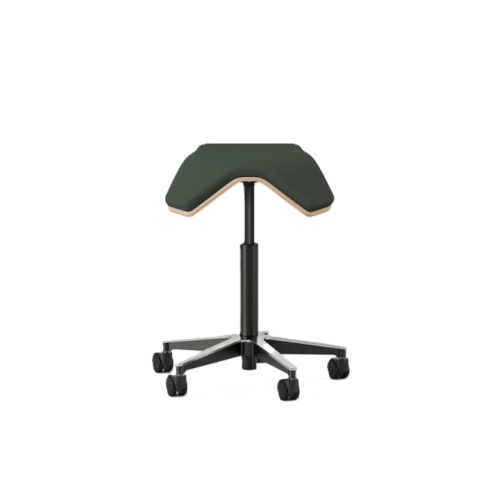
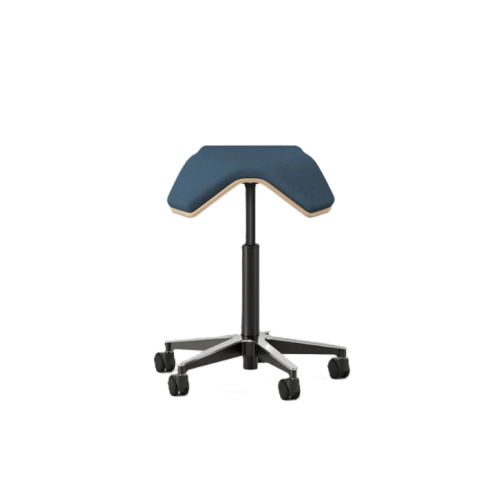
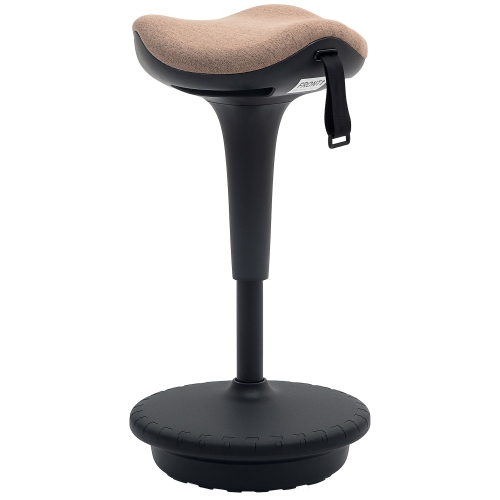
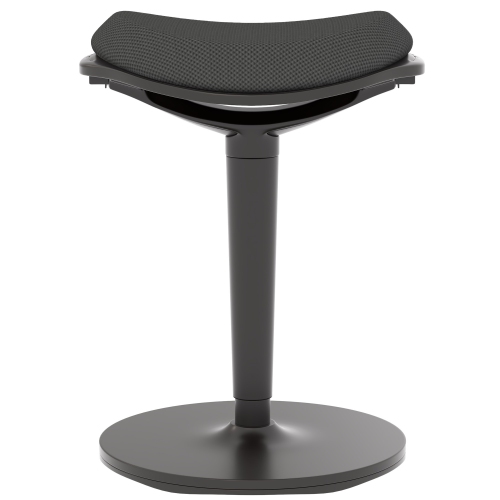
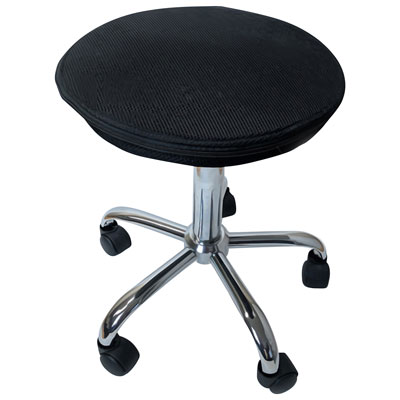
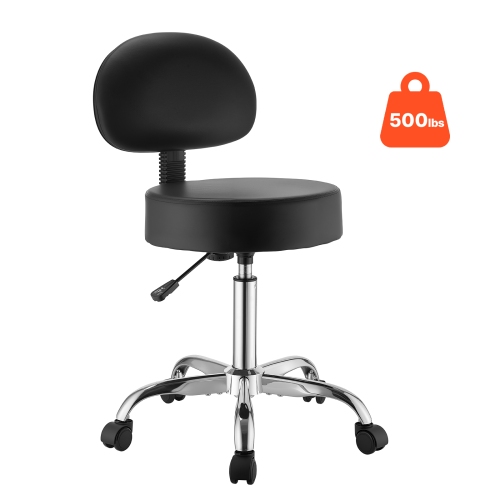
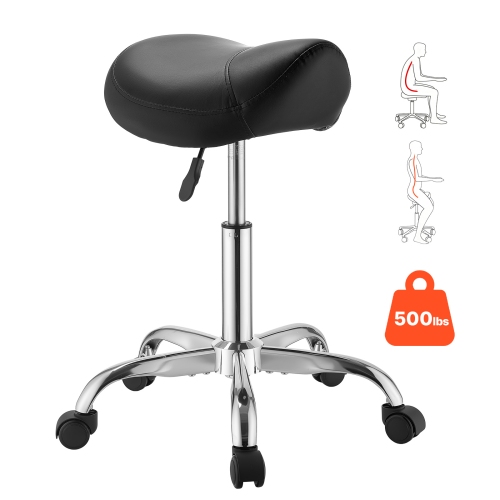
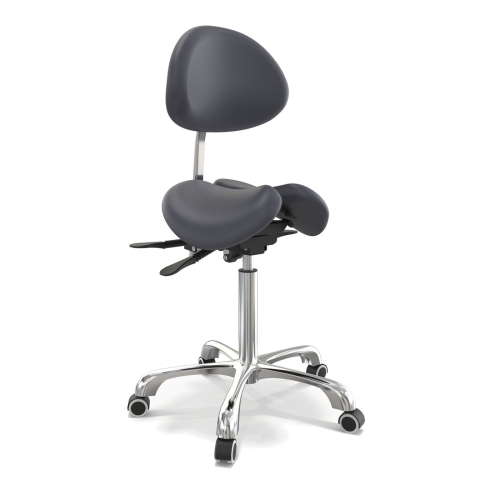
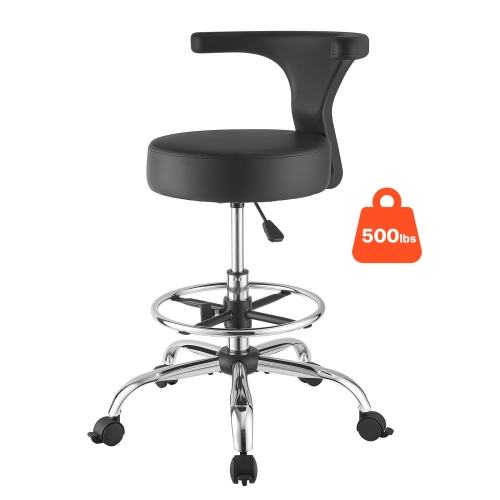
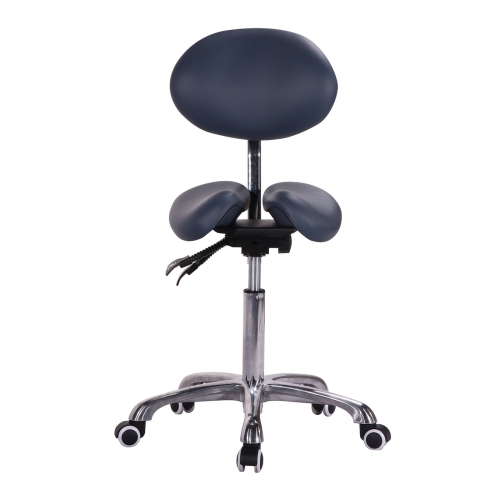
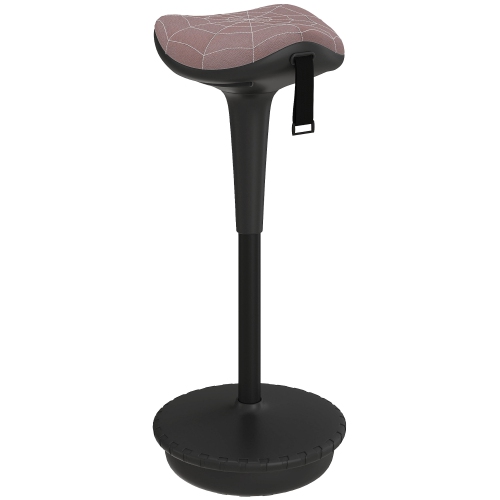
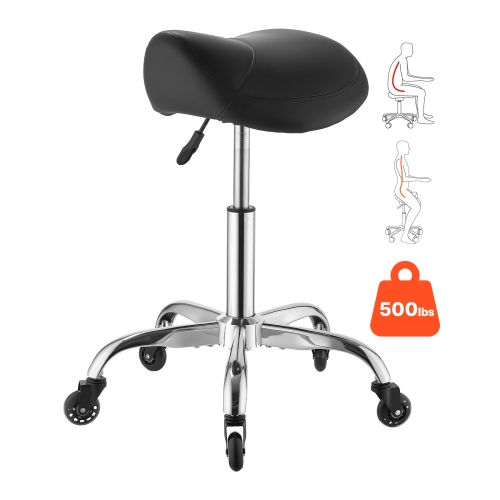
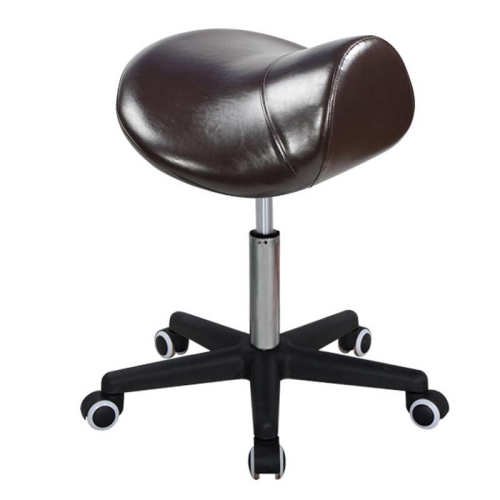
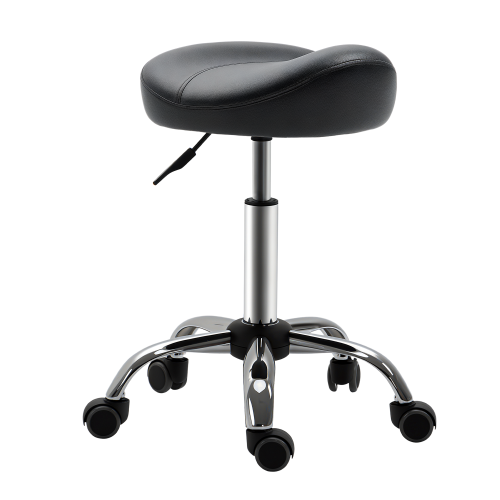
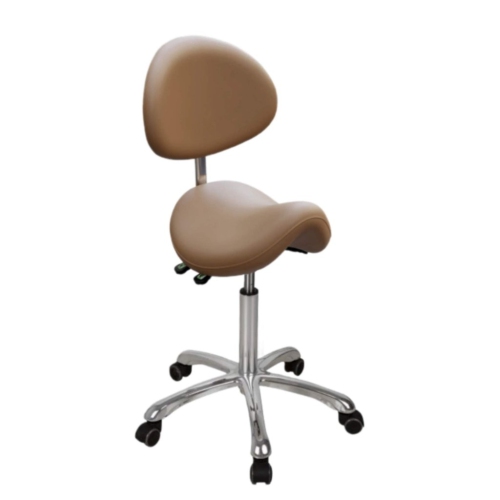
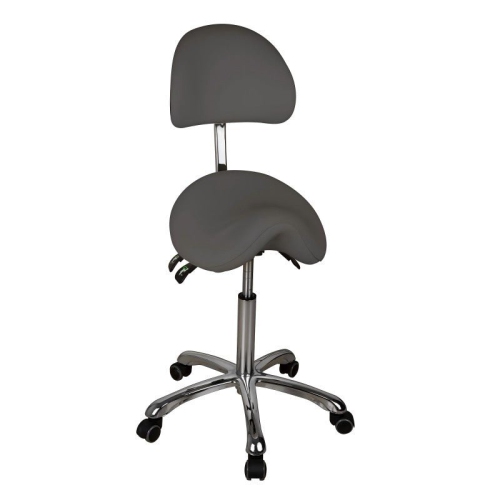
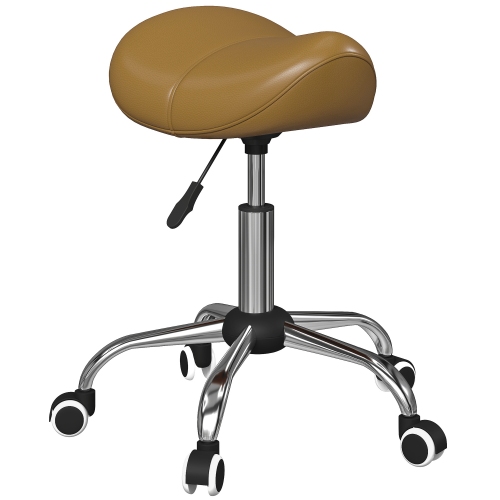
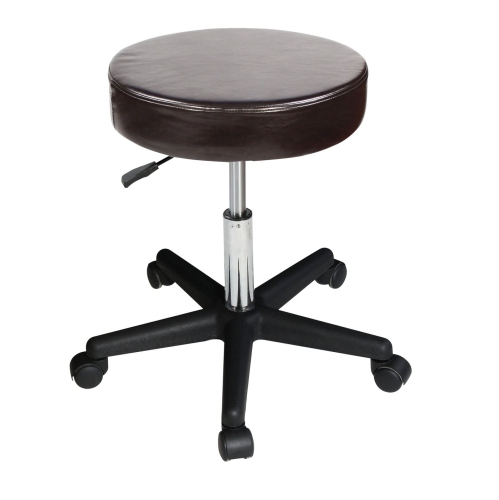
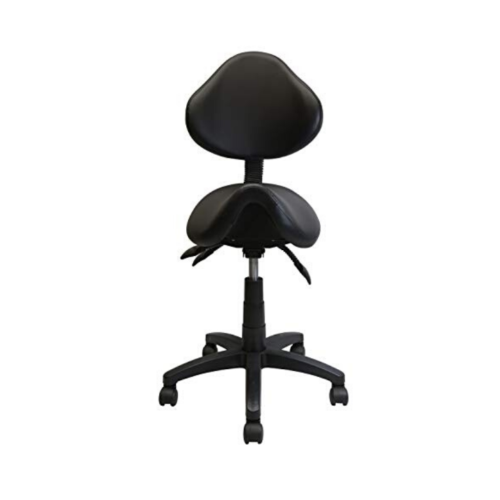
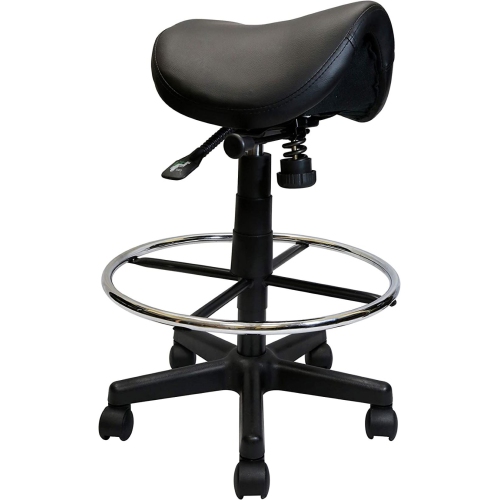
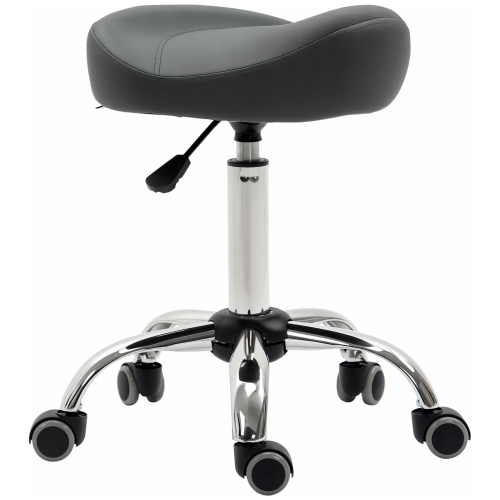
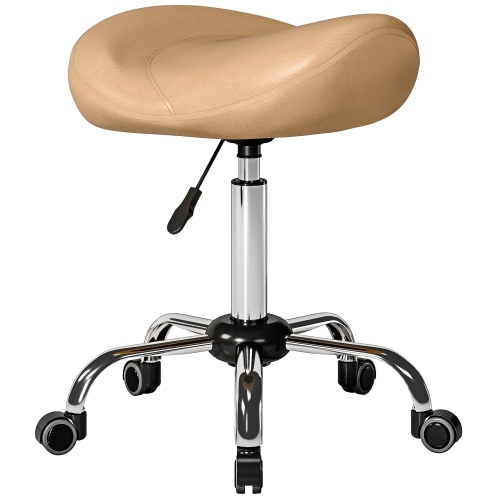
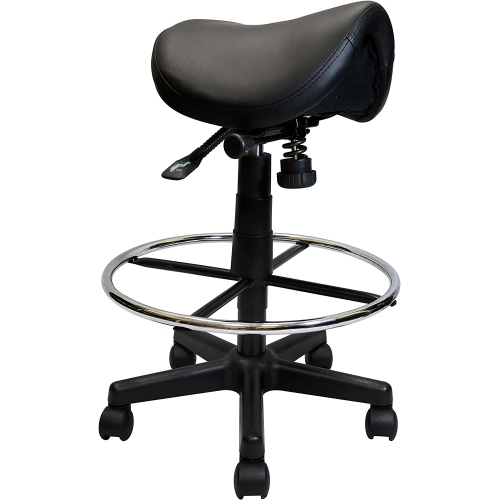
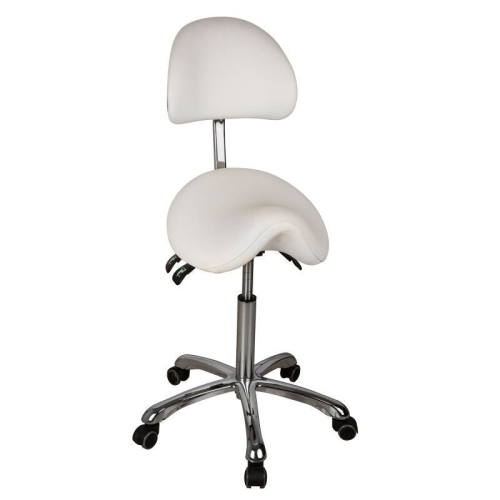
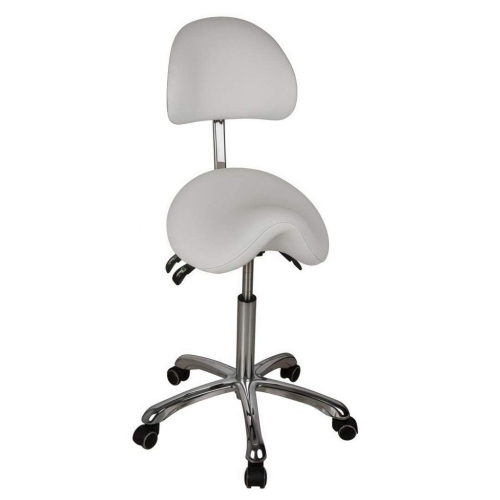
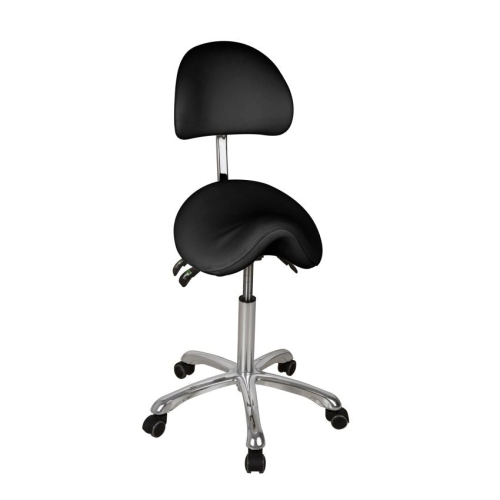
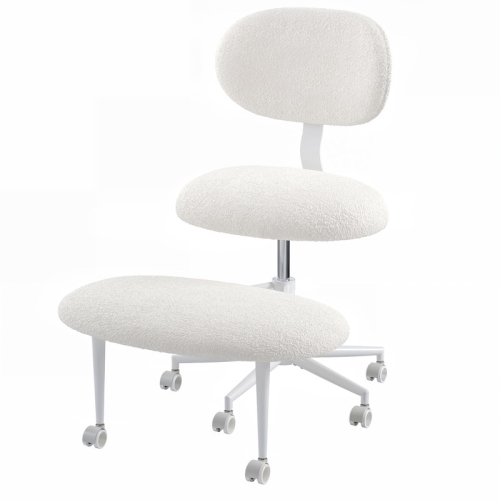
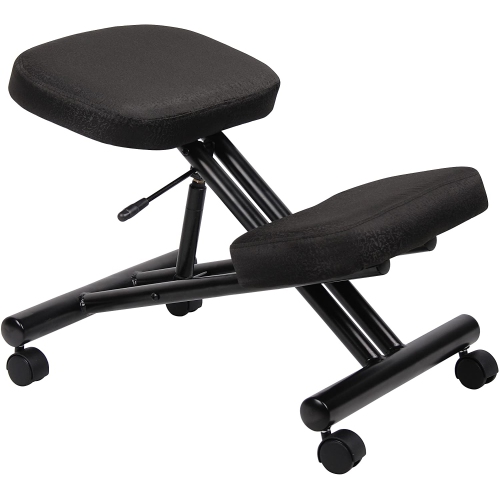
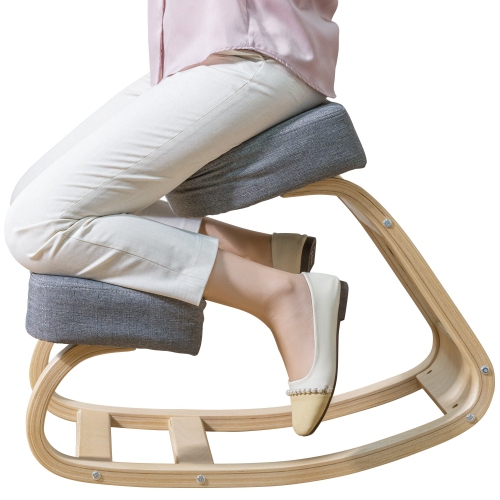
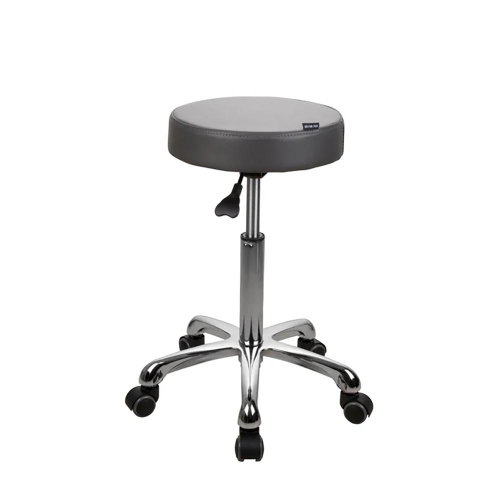
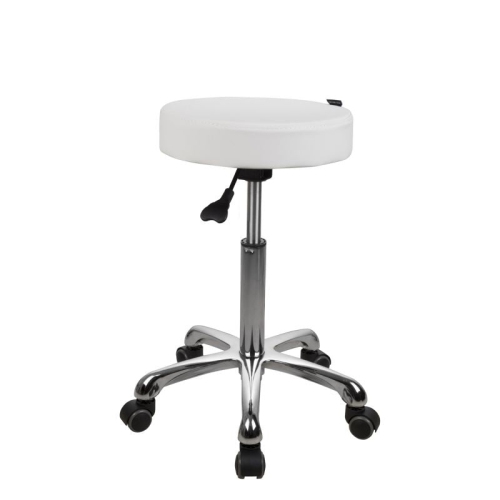
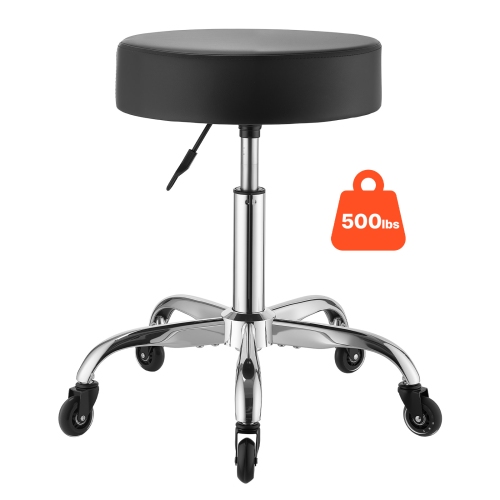
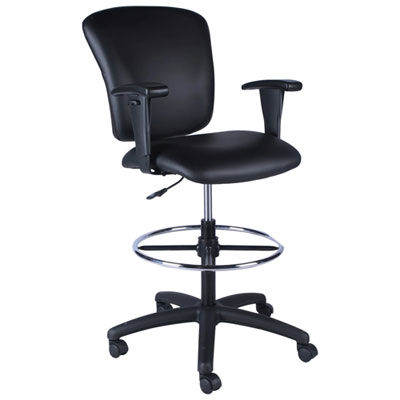
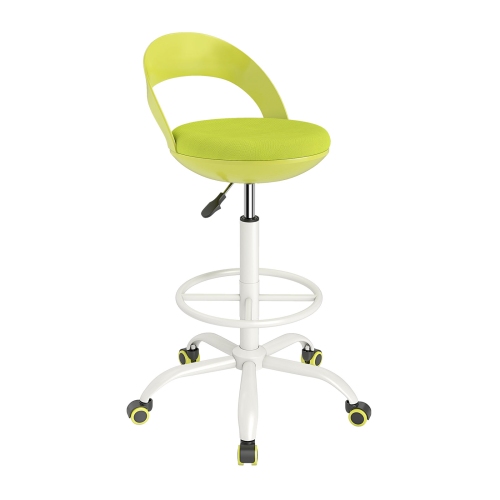
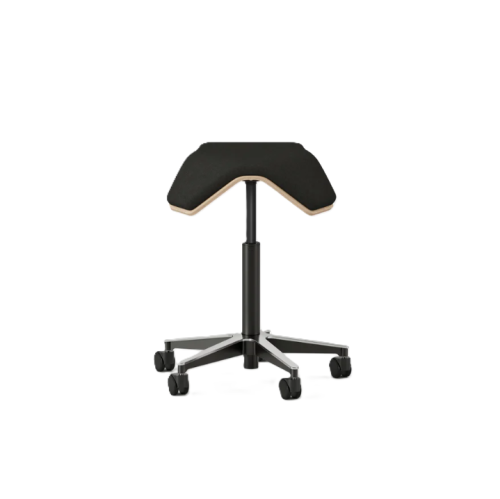
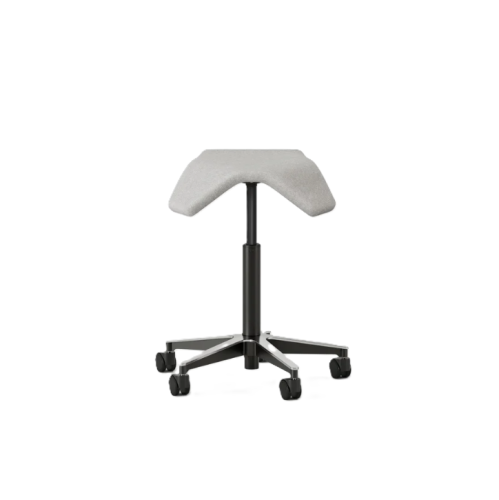
Fit matters as much as movement, especially when a stool will be used at different desk heights. The useful seat-height range needs to match both the user and the work surface; a tall perch that suits a standing desk may be too high for a conventional writing desk. At a lower seated height, stable foot contact helps support a balanced position, while elevated seating may require a properly positioned foot ring or another suitable foot support. A relaxed reach to the keyboard and enough clearance beneath the desktop are important, too. Seat shape changes the experience considerably. A broad, rounded seat provides room to adjust position, while a saddle-shaped seat supports a different sitting stance and may take some getting used to. Contoured edges can feel less intrusive beneath the thighs, and padding should offer enough give without making the user feel as though they are sinking into the seat. Seat dimensions, adjustment range, and the stated weight capacity deserve attention together rather than in isolation. The adjustment mechanism also affects everyday convenience: a reachable lever or button is particularly useful when more than one person shares the stool. Movement should remain predictable, with any tilt resistance or locking features used according to the design. A wide, stable base can take up more floor space than expected, especially beneath a narrow desk or beside a drawer unit. Rounded rocking bases need room to move without catching on cables, furniture legs, or the edge of a floor mat. Stationary feet, non-slip contact surfaces, and castors each suit different uses, but none should be assumed appropriate for every floor. Hard flooring, carpet, and protective mats can change how a base grips or rolls. For tasks involving a strong forward reach or forceful hand movements, a more stationary seat may be preferable to one that tilts freely. An active stool should feel like a controlled place to sit, not a balancing challenge that distracts from the work.

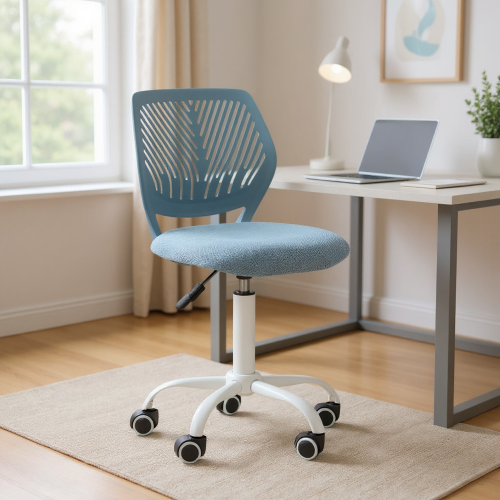
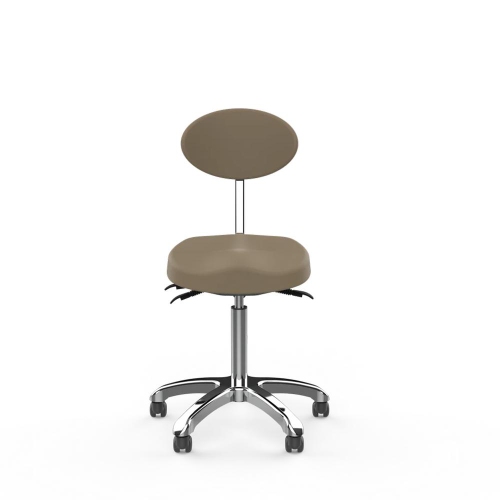
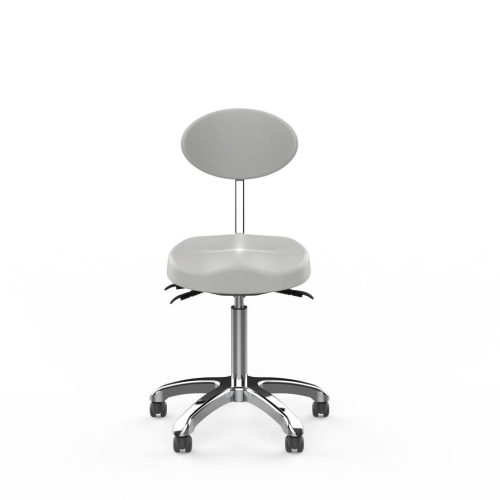
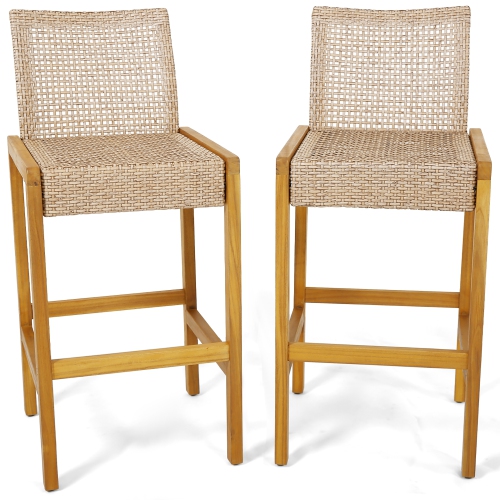
Materials and construction influence how an active sitting stool feels after the first few minutes and how well it holds up to repeated use. Metal support columns and reinforced bases can provide a solid structure, while moulded seat shells and polymer components may help keep the overall weight manageable. A lighter stool is easier to move between a desk and a project table, but portability should not come at the expense of a secure base. Upholstery brings its own practical differences. Woven fabric offers texture and a softer touch, though its seams and weave can collect crumbs or dust. Smooth vinyl and similar coverings may be easier to wipe after everyday spills, provided the cleaning method is suitable for the material. Breathable upholstery can be appealing for longer seated tasks, while a firmer, minimally padded seat may suit shorter periods of perching. In a busy household or shared workspace, durable stitching, neatly finished edges, and an adjustment mechanism that operates smoothly are worthwhile details. Routine care usually involves removing loose debris, wiping compatible surfaces with a soft cloth, and allowing damp upholstery to dry fully before use. Manufacturer care directions take priority, particularly for coated fabrics, moving joints, and floor-contact materials. Periodic checks for loose fasteners, worn contact pads, or changes in the height mechanism can help identify maintenance needs before they interrupt daily use. Appearance matters in a room used for more than work: a restrained colour, compact profile, or textured seat can sit comfortably alongside a desk, shelving, and living-room furniture. For seating intended primarily for a kitchen island or raised dining counter, Ergonomic Bar Stools serve a different purpose, with counter fit and everyday dining comfort taking priority over desk-based movement. An active sitting stool can also be a thoughtful gift for someone setting up a workspace, although personal preferences, body fit, and desk dimensions make it a choice best informed by the recipient’s needs. The most useful design is one that fits naturally into daily tasks, offers manageable movement, and remains comfortable to adjust and care for over time.

FAQ

Some products may be subject to Environmental Handling Fees (EHF) depending on your province. Learn more about EHFs.