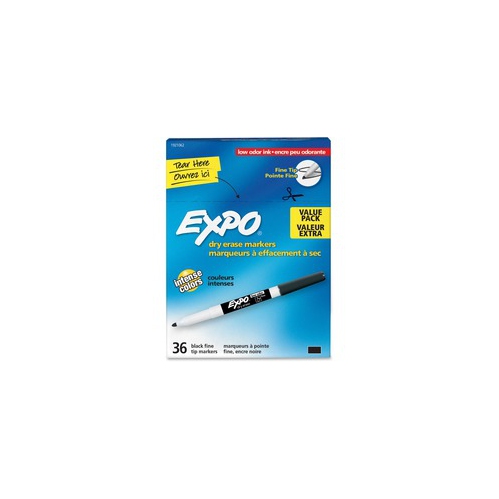
Expo Dry Erase Markers

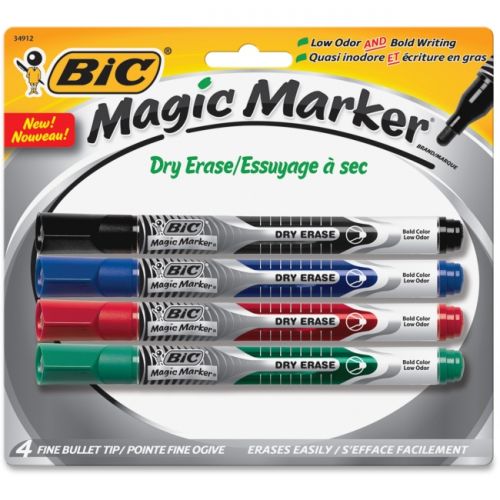
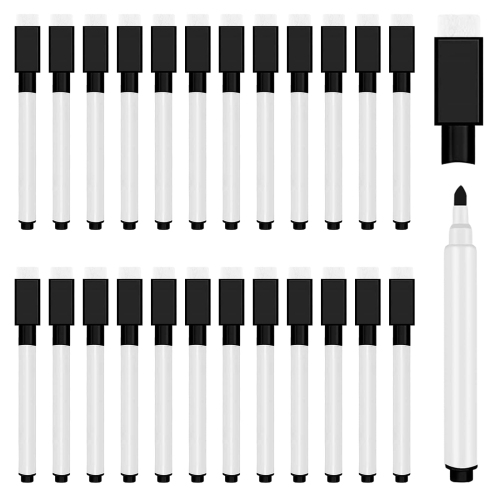
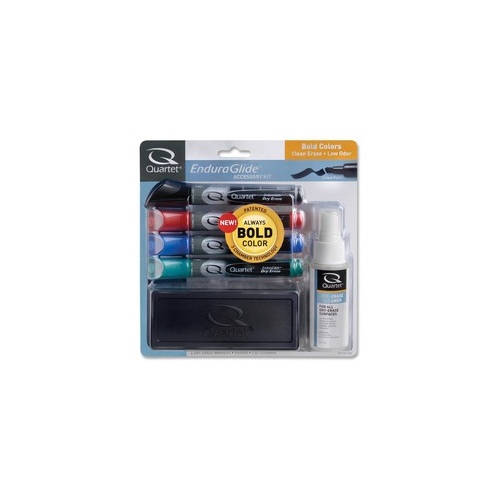
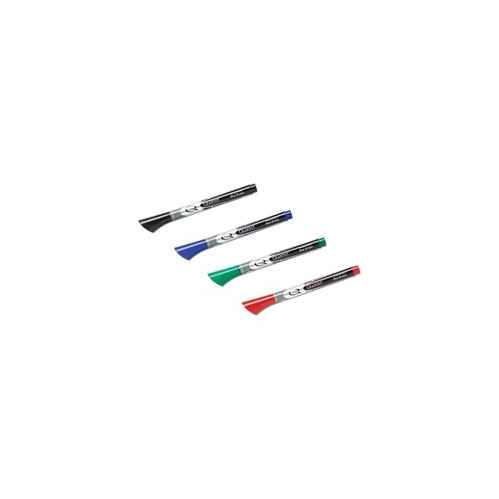
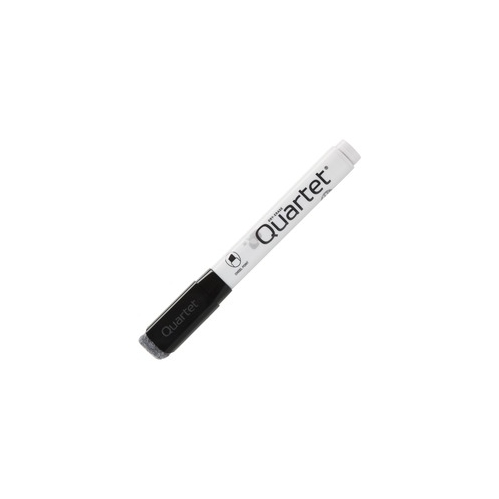
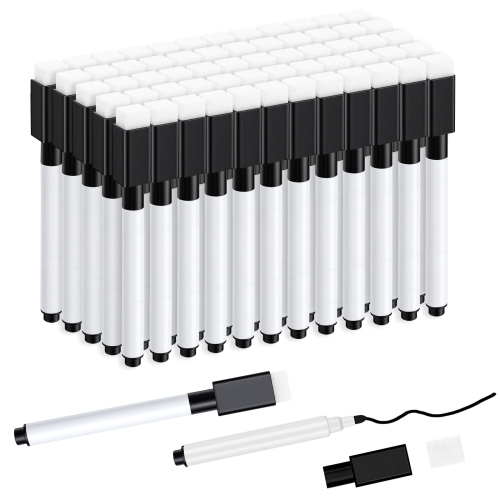
Find Expo dry erase markers for writing notes, planning schedules, and sharing ideas on whiteboards. Compare available colours, tip styles, and pack sizes to choose markers that suit your classroom, office, or home workspace.

Read More

Sort

Clearer whiteboard notes start with the right tip

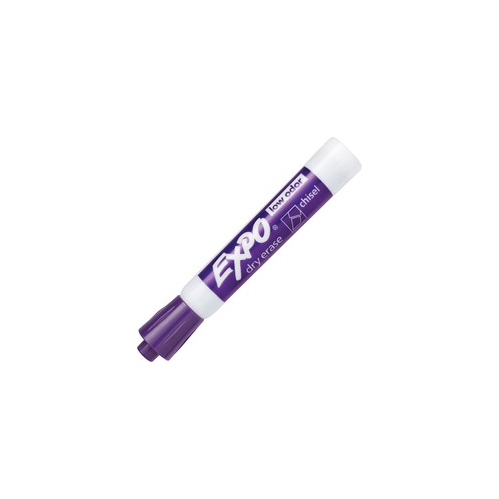
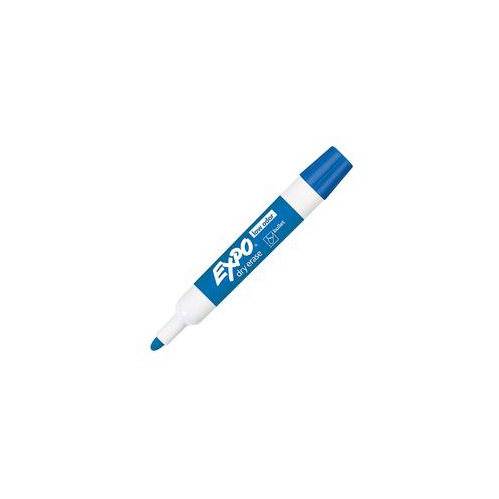
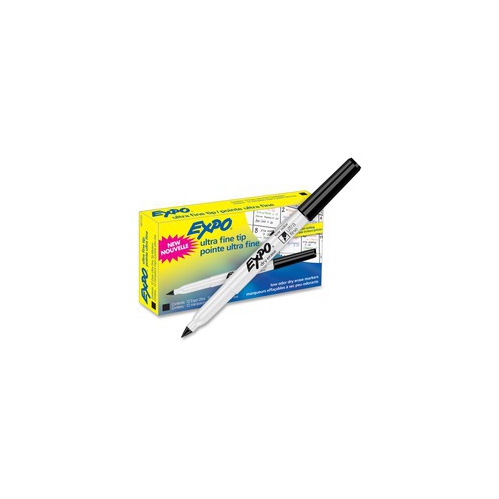
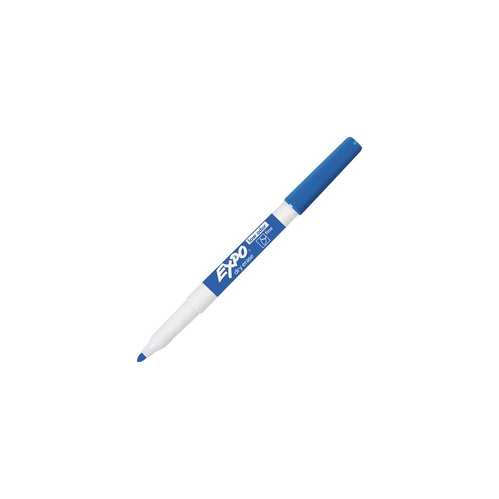
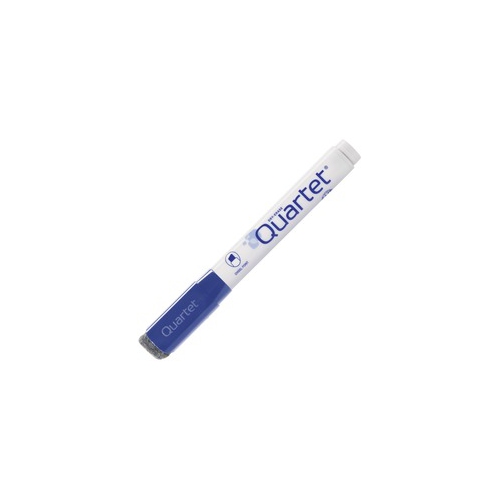
Dry erase markers make a whiteboard useful for everything from a quick reminder by the door to a full wall of project planning. Their appeal is the ability to put an idea where everyone can see it, then clear the space when plans change. In a classroom, that might mean working through a maths problem one step at a time; at home, it could be a shared meal plan, a practice schedule, or a list of errands. In an office, clear writing helps turn a conversation into visible tasks, deadlines, and decisions. The marker’s tip has a noticeable effect on how that information looks. Fine tips suit compact handwriting, calendar squares, and detailed diagrams, while broader tips create lines that are easier to read from farther away. Chisel tips offer some flexibility, producing different line widths depending on the angle of the nib. Bullet tips create a more consistent stroke, which can feel straightforward for everyday notes and labels. The most comfortable choice also depends on the person holding the marker. Barrel thickness, grip, and overall weight can affect control during a long lesson or planning session, while a cap that closes securely helps protect the tip between uses. Someone writing small labels on a desktop board has different needs from a presenter sketching a process across a large meeting-room surface. Ink formulation matters as well, particularly when several people are writing in the same room. Low-odour formulations may be preferable in shared spaces, although low odour does not mean odour-free, and any ventilation or use directions on the packaging still apply. For teachers, tutors, students, coaches, and people managing a busy household, the right combination of tip shape and comfortable handling can make routine writing clearer and less awkward. A smooth, visible line keeps attention on the message rather than on retracing faint letters or squeezing oversized writing into a narrow space.

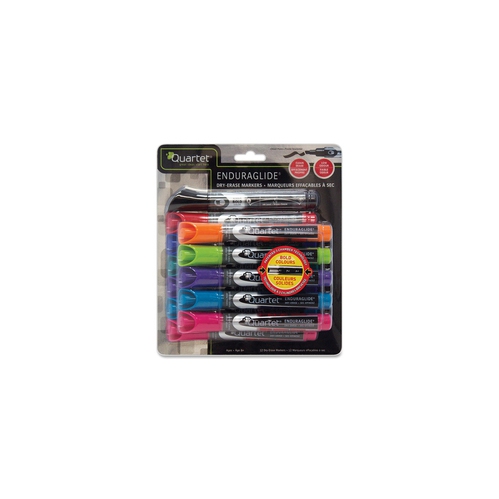
Colour adds another layer of usefulness when a board carries several kinds of information. A dark shade can handle the main text, with contrasting colours separating responsibilities, marking revisions, or drawing attention to a deadline. On a family calendar, different colours can distinguish people’s appointments; in a lesson, they can separate stages of a calculation or parts of a sentence. During a planning meeting, colour can distinguish an open question from an agreed action without crowding the board with extra words. Readability still depends on contrast, line width, viewing distance, and the surface itself. A colour that looks distinct at arm’s length may be harder to see from the back of a room, especially when the writing is small. Pairing colour with written labels or simple symbols also keeps the information understandable for people who do not distinguish every shade easily. The board deserves just as much attention as the ink. Smooth surfaces designed for dry erase writing allow compatible ink to wipe away, while scratched, worn, or unsuitable surfaces can retain marks. Shoppers considering Professional Dry Erase Boards alongside markers can consider the writing area, viewing distance, and surface compatibility together. Glass boards may call for markers specifically suited to glass, and clear or dark surfaces need an ink formulation that remains visible against the background. Not every marker intended for a standard whiteboard will give the same result elsewhere. Laminated charts and reusable practice sheets also vary in how well they release ink, so the surface maker’s recommendations are important. Dry erase, wet erase, and permanent markers serve different purposes, even when their barrels look similar. Keeping them clearly separated is particularly useful in classrooms and shared workspaces, where a marker may change hands several times during the day. A well-matched board and marker make it easier to keep diagrams crisp, notes legible, and revisions tidy without unnecessary scrubbing.
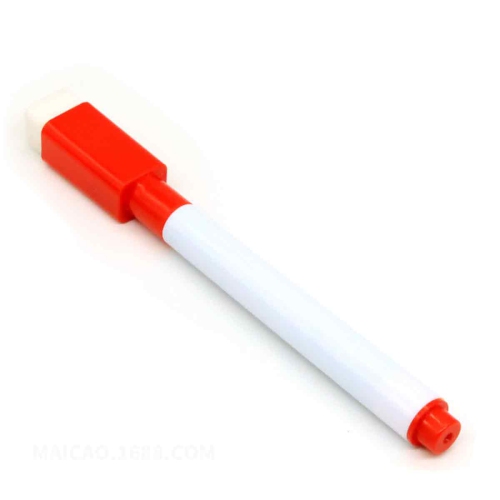
Everyday care has a direct effect on how consistently dry erase markers write. A cap left loose after a meeting can leave the next person with a dry tip, so a secure closure matters as much as convenient access. Storage directions can vary by marker design; following the packaging is more reliable than assuming every marker should stand upright or lie flat. A holder or tray keeps markers within reach and helps prevent them from rolling behind furniture, while separating capped markers from an eraser keeps the writing tools easier to find. For portable use, such as tutoring sessions or presentations in different rooms, a case helps keep caps from being knocked loose in a bag. Writing pressure matters too. A light, steady hand generally preserves the intended tip shape better than pressing hard to force a broader line. A worn or flattened nib can make lettering less precise even when ink remains. On the board, allowing fresh writing to dry before erasing can reduce smearing, and a clean eraser is less likely to spread old ink residue across a cleared area. When wiping no longer leaves the surface clean, a cleaner approved for that board is preferable to an abrasive pad or an untested household solution. Surface coatings differ, and harsh treatment can make future marks harder to remove. Removing notes when they are no longer needed also helps keep a board ready for the next task, particularly when the same space is used by several people. These practical details matter whether the markers are used for daily attendance, weekly planning, language practice, or occasional brainstorming. For someone setting up a study corner, starting a teaching role, or organizing a home office, dry erase supplies can also make a useful addition to a practical gift. The most thoughtful match reflects how the recipient writes: fine detail for close-up work, clear strokes for group discussions, and colours that help make a busy board easier to understand.
Read More

FAQ

Some products may be subject to Environmental Handling Fees (EHF) depending on your province. Learn more about EHFs.