Polarized Sunglasses for Driving
Enhance your driving experience with a pair of high-quality polarized sunglasses designed specifically for the road. Whether you're embarking on a long road trip or simply commuting to work, these sunglasses offer more than just style – they provide unparalleled clarity and protection. With their advanced polarized lenses, these sunglasses effectively reduce glare and enhance contrast, ensuring optimal visibility even in the brightest conditions. Say goodbye to squinting and eye strain, and say hello to a safer and more comfortable drive. Explore our wide selection of polarized sunglasses for driving and find the perfect pair that suits your style and needs.
Sort
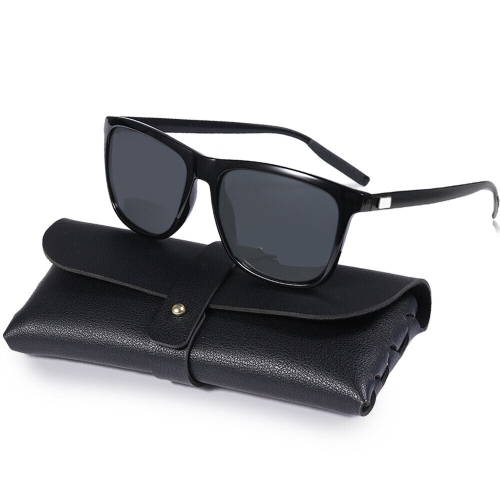

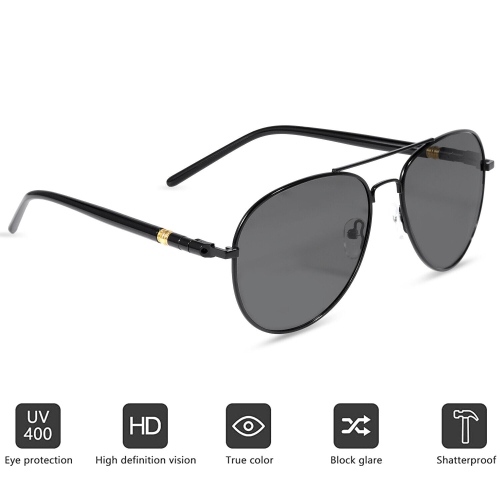

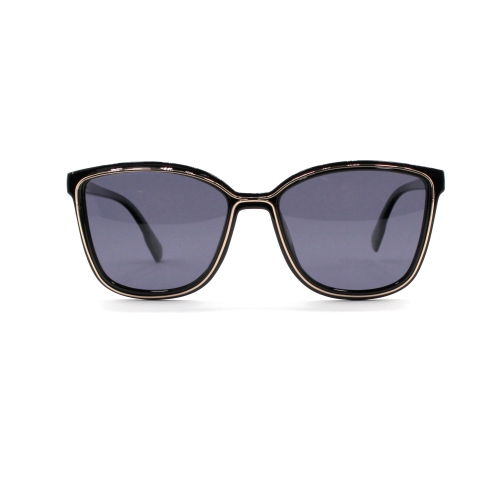
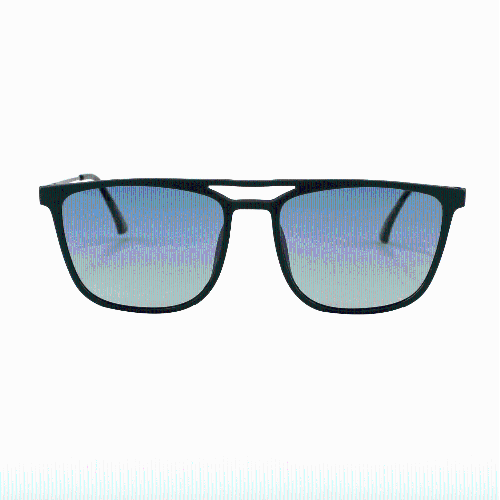
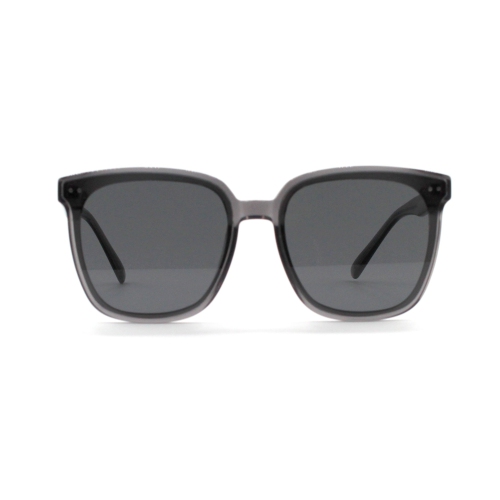
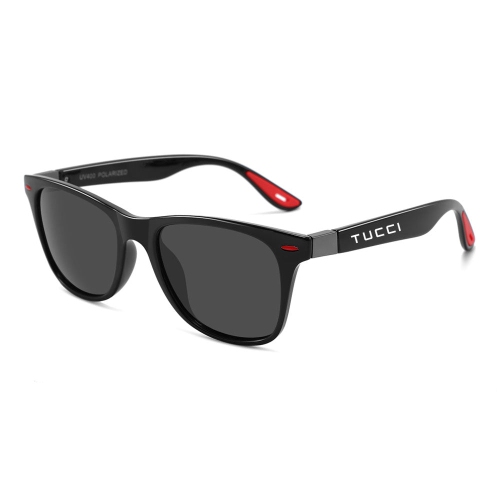
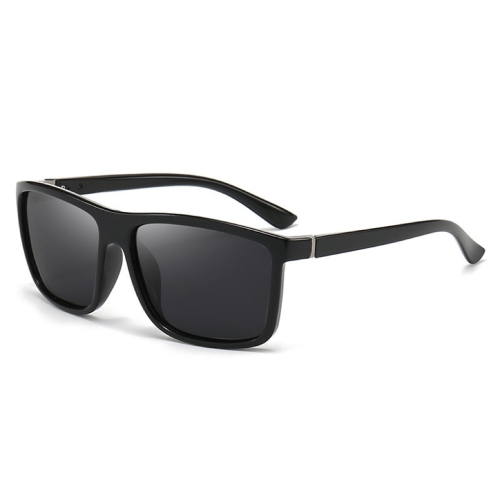
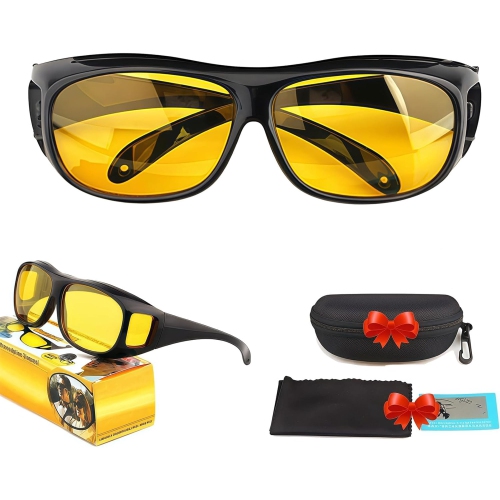
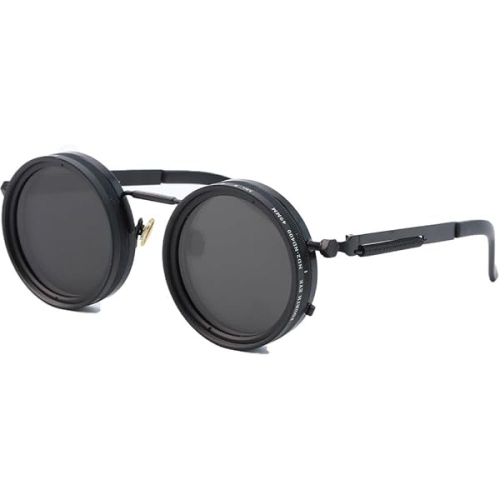
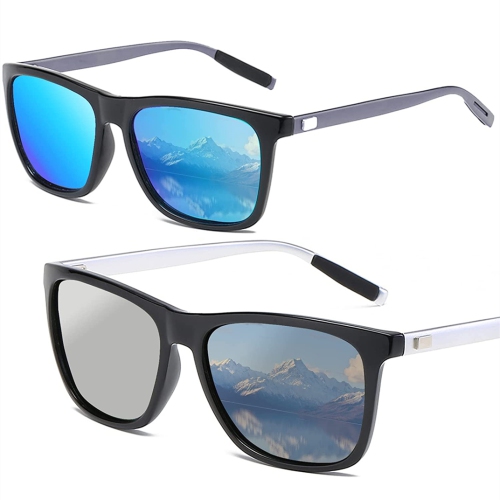
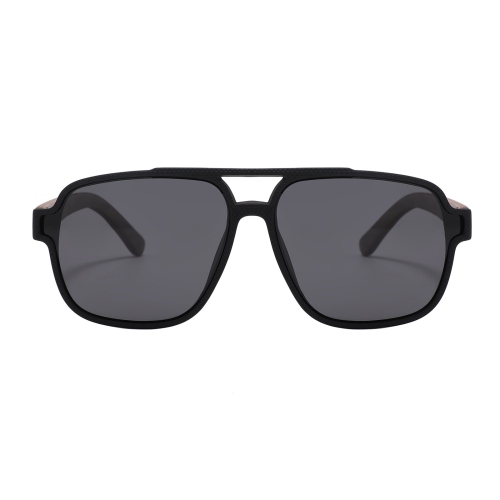
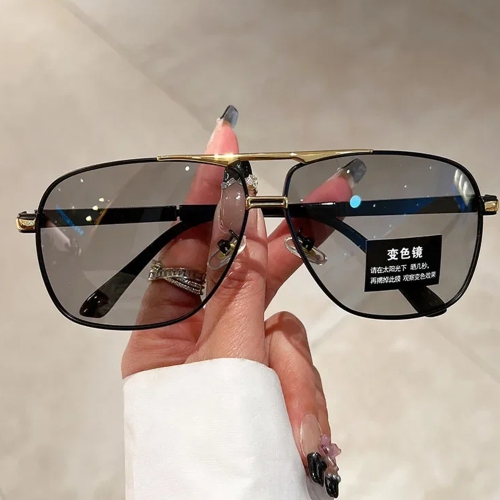
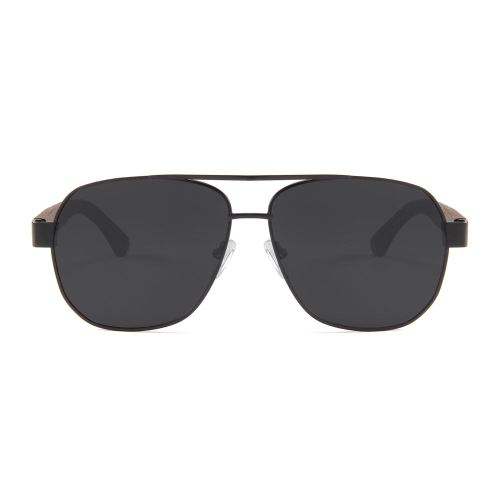
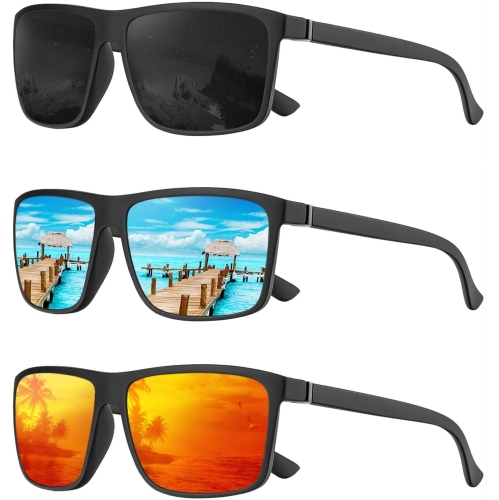
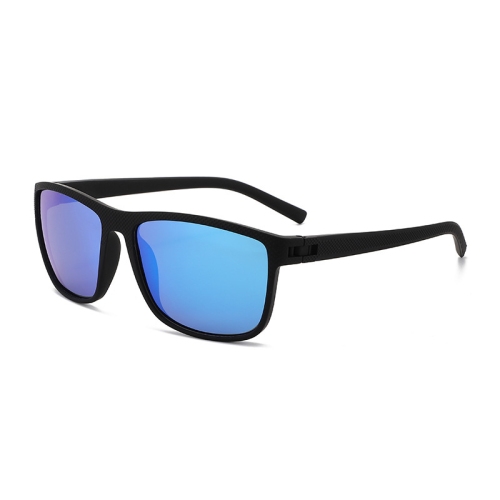
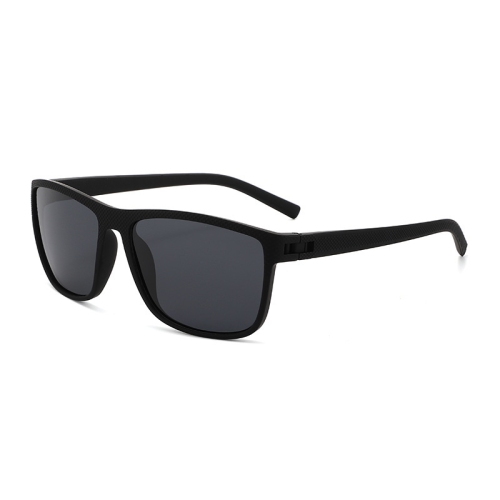
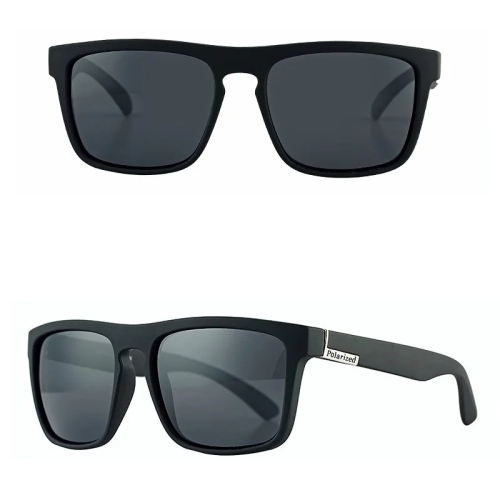
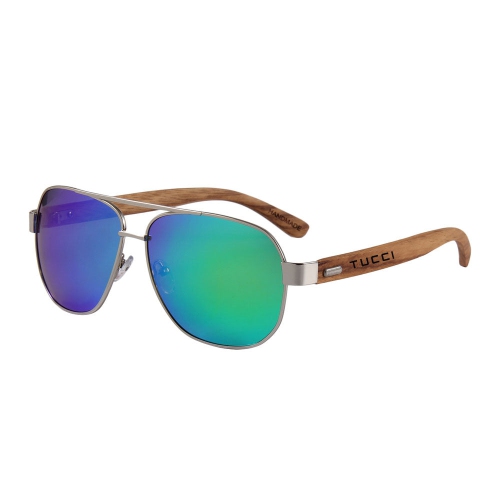
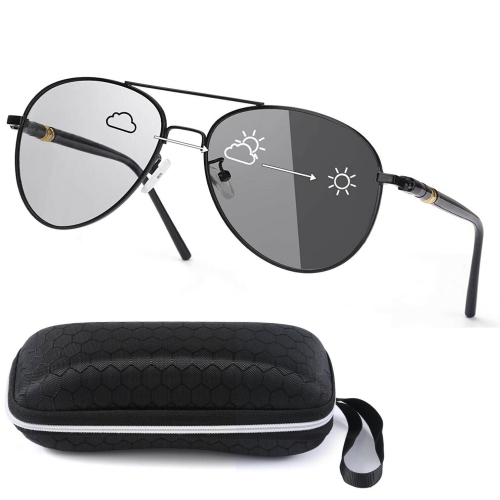
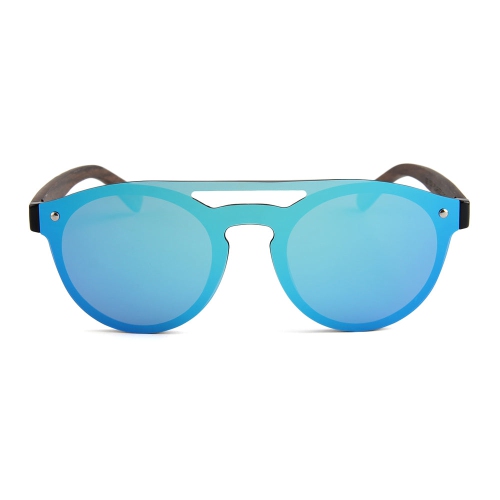
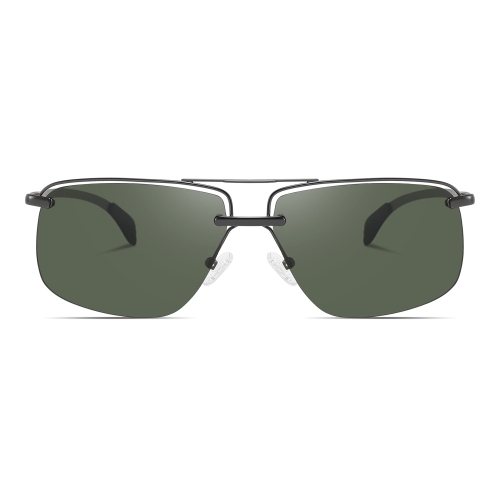
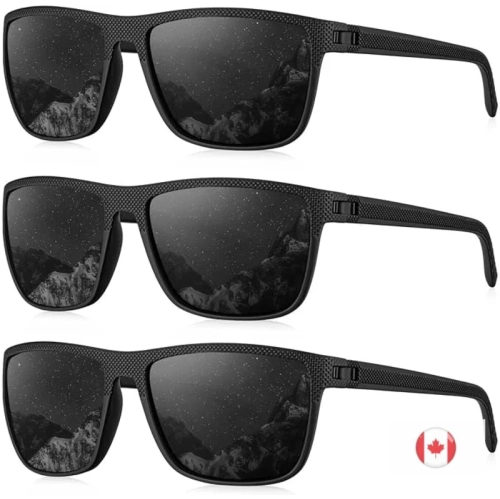
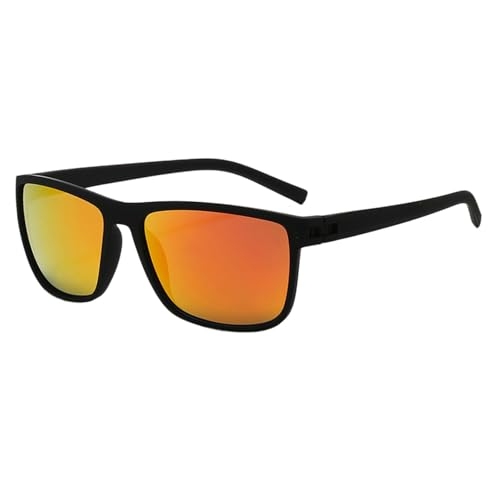
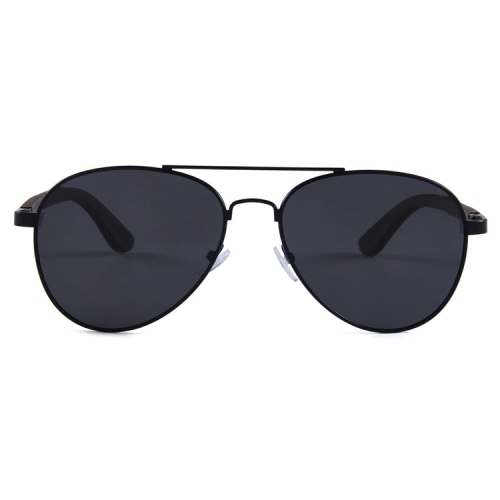
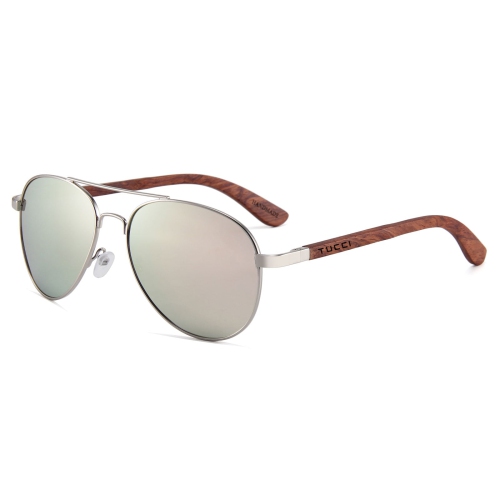
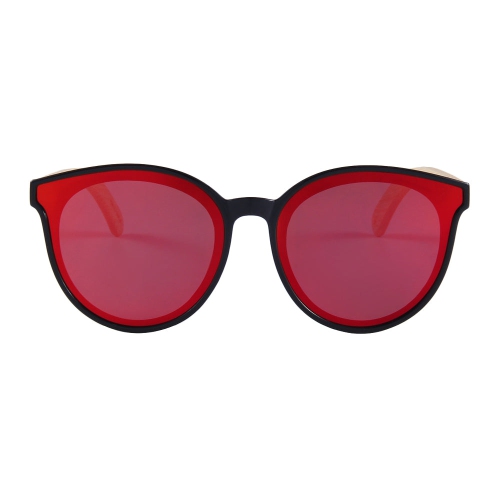
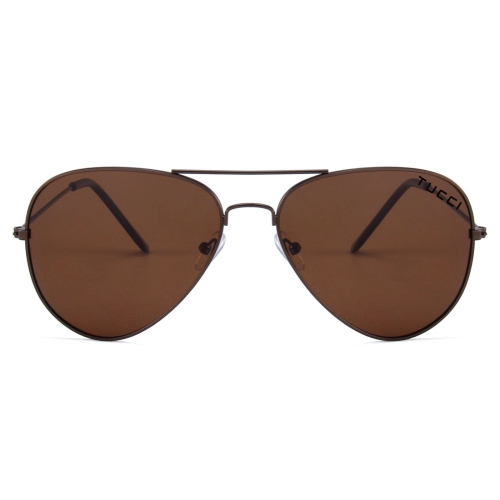
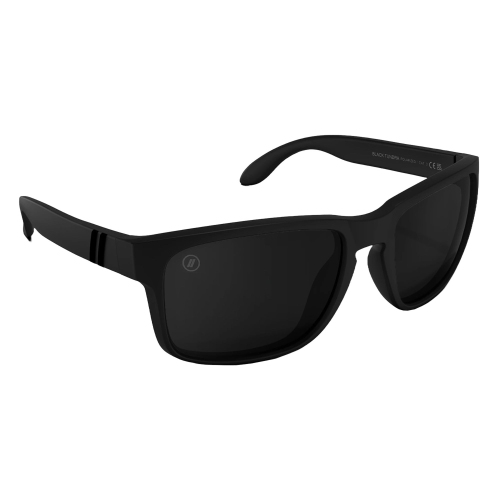
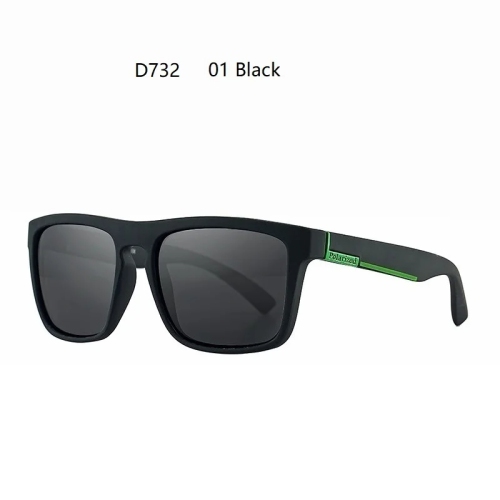
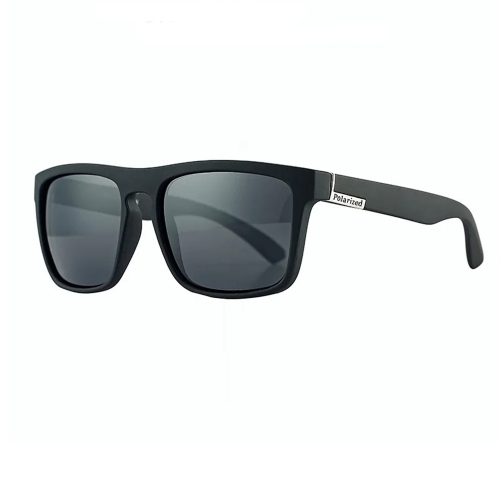
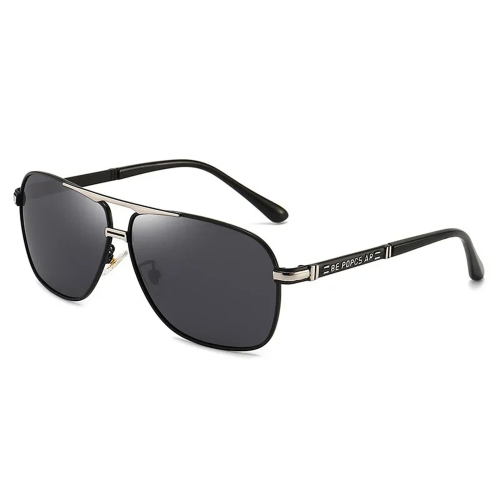
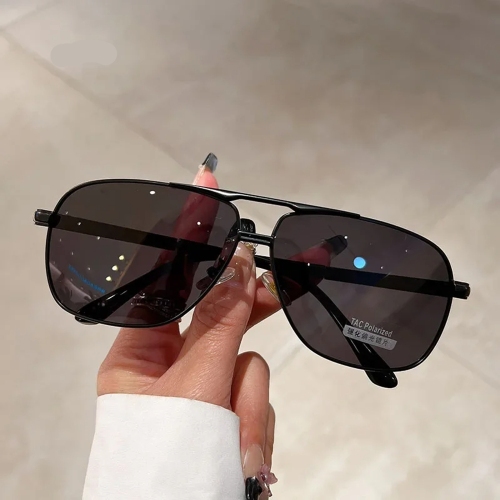
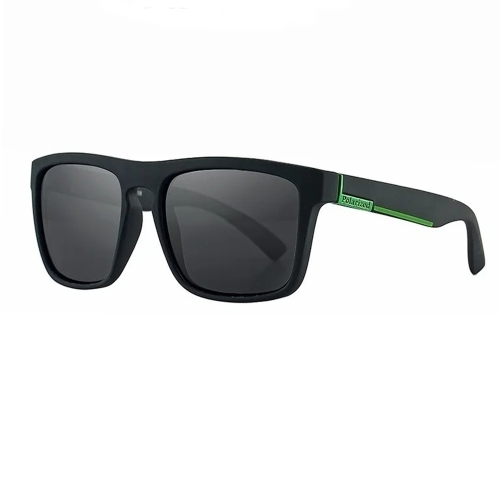
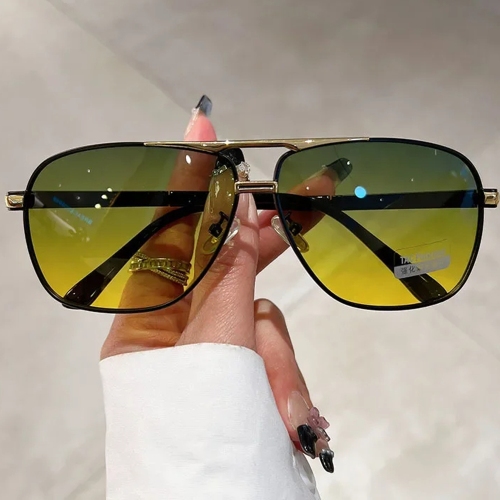
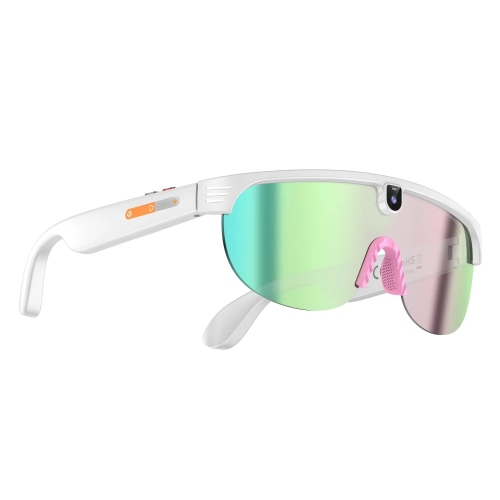
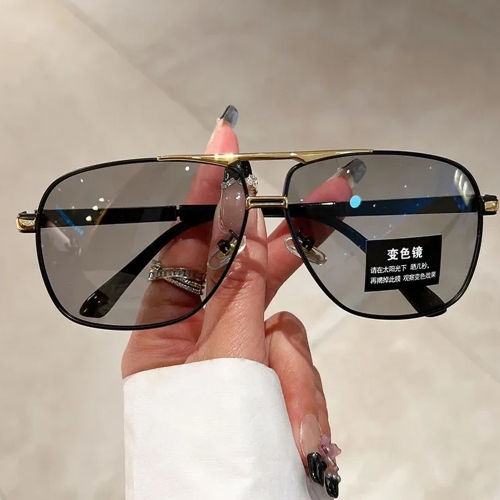
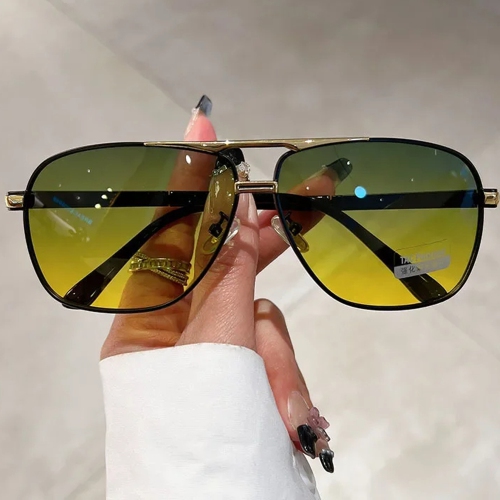
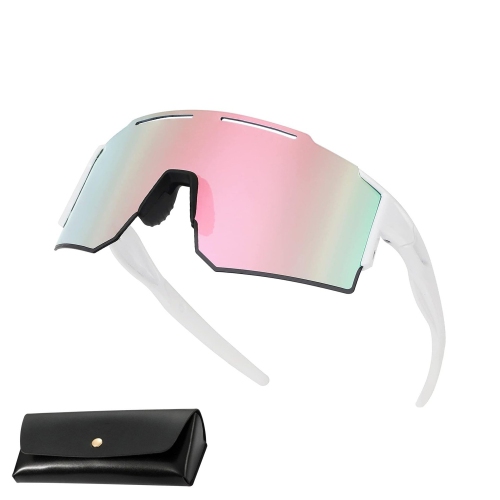
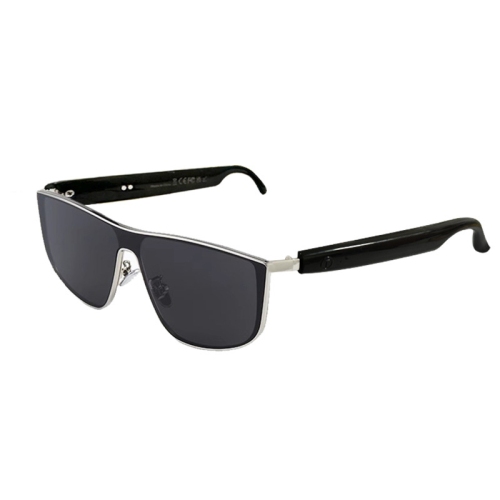


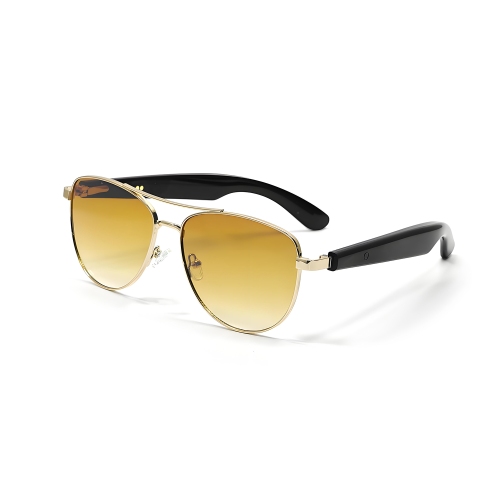

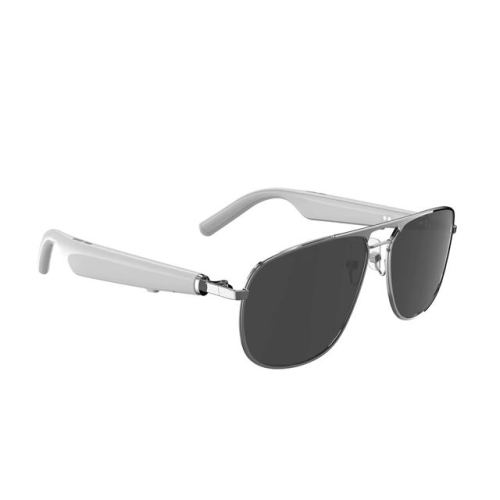
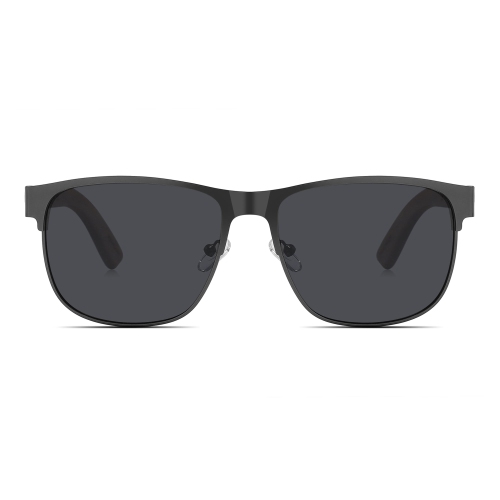

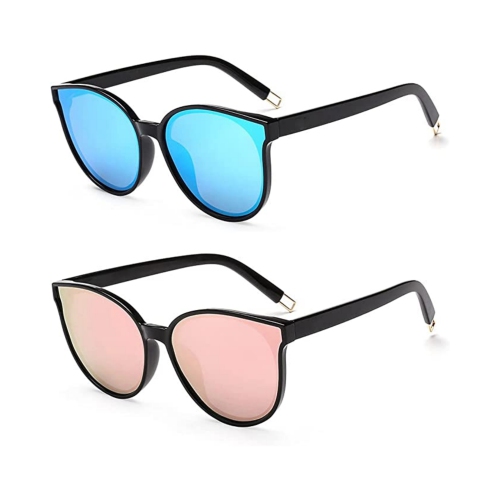
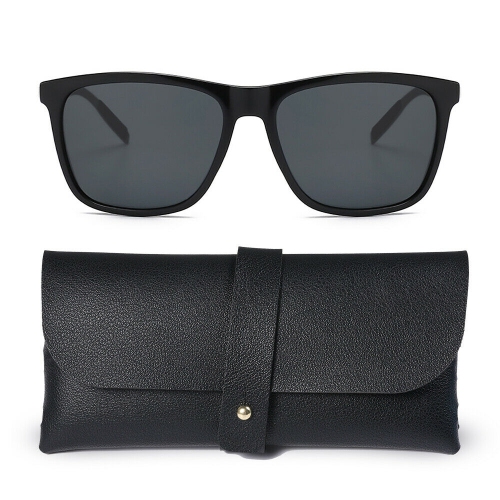

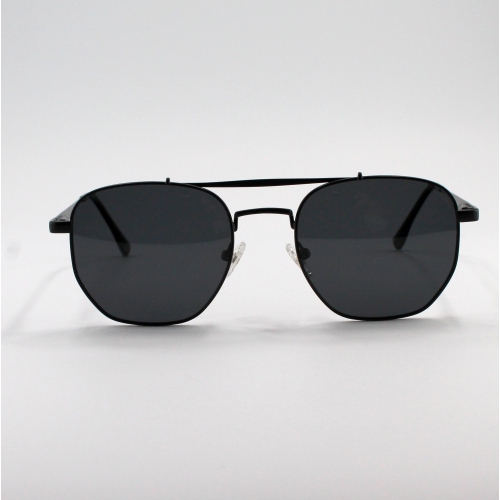
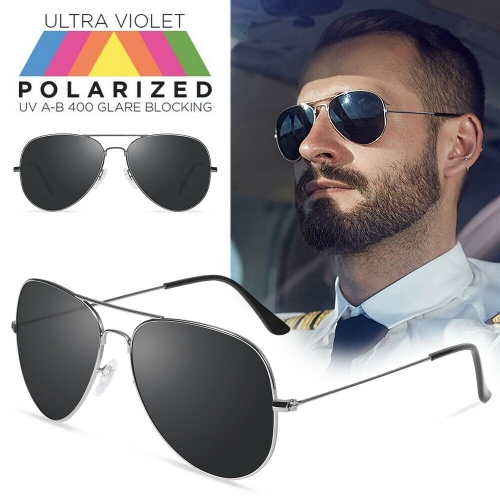
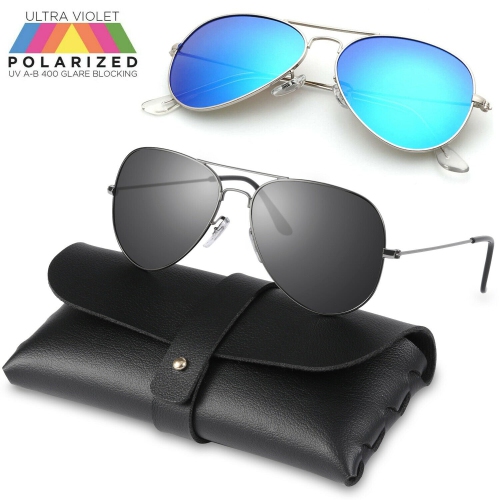
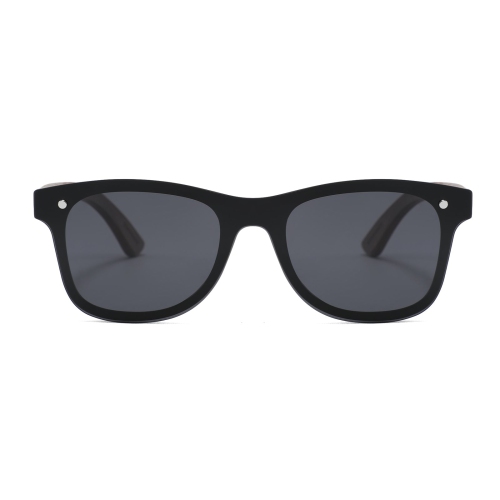
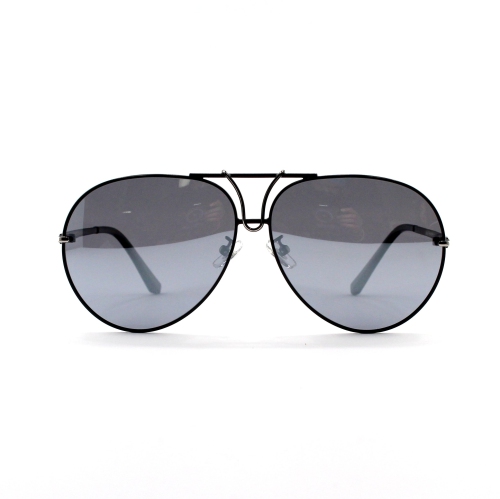
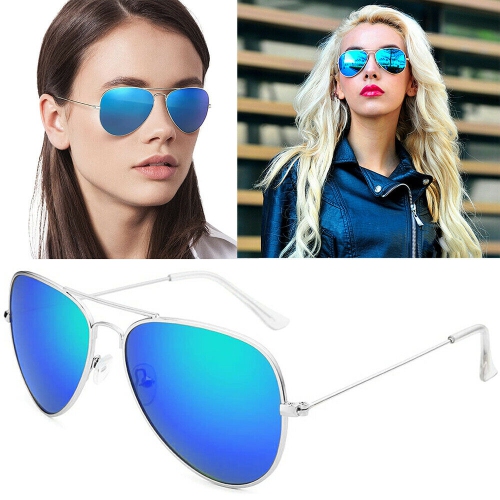
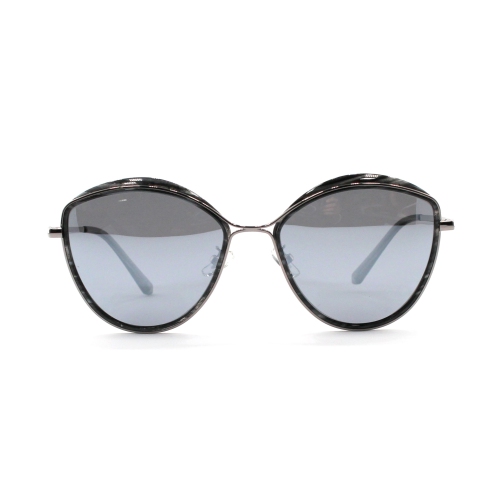
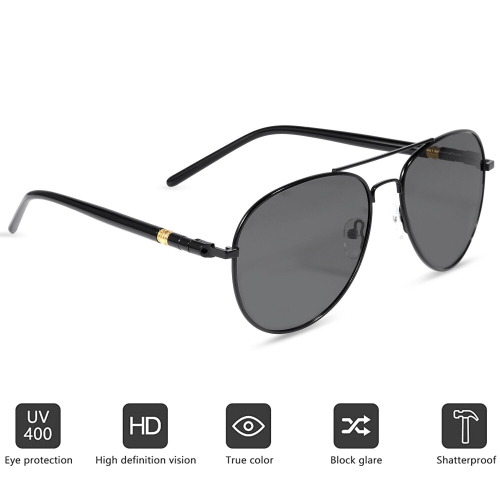
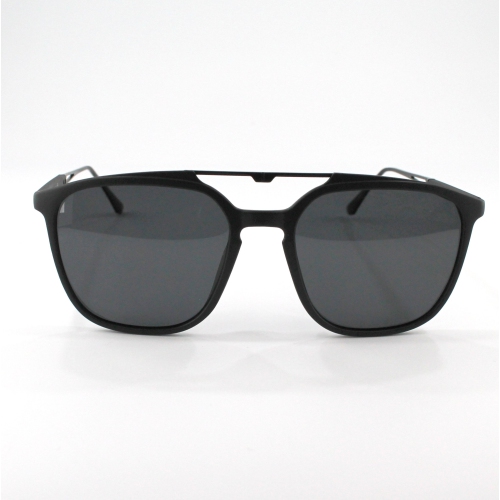
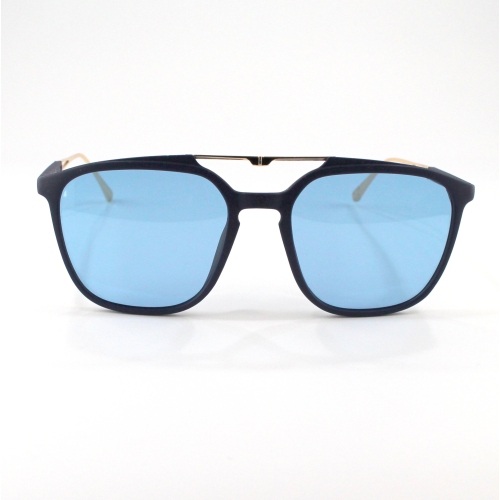
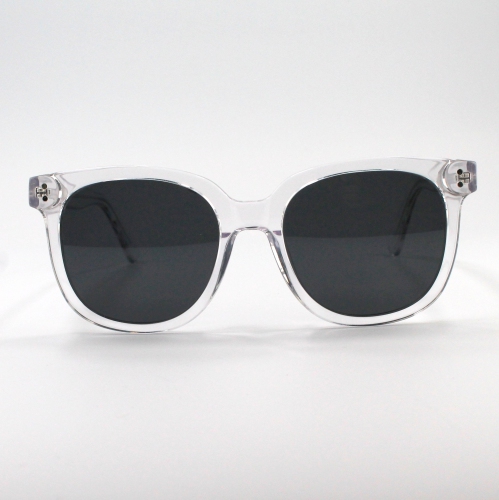
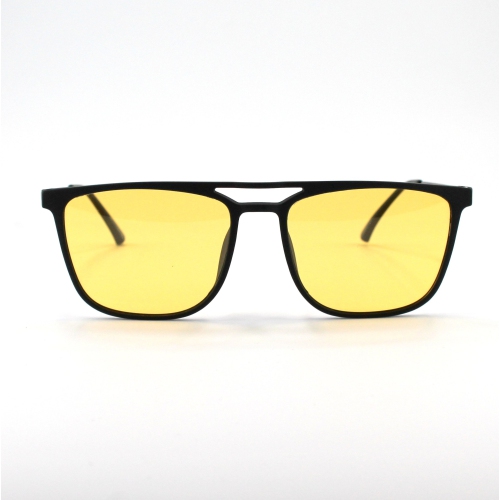

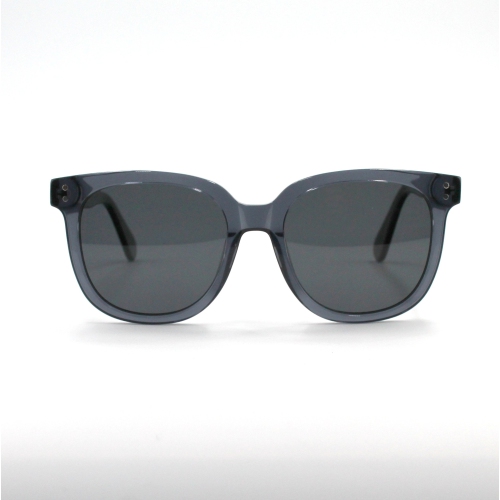
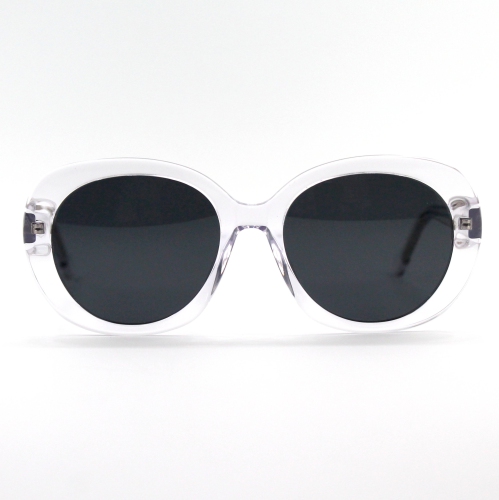
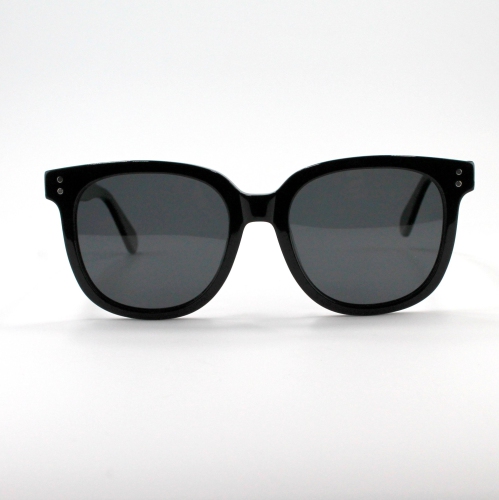
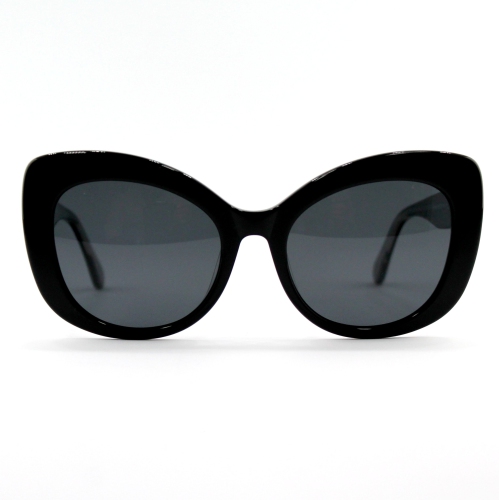
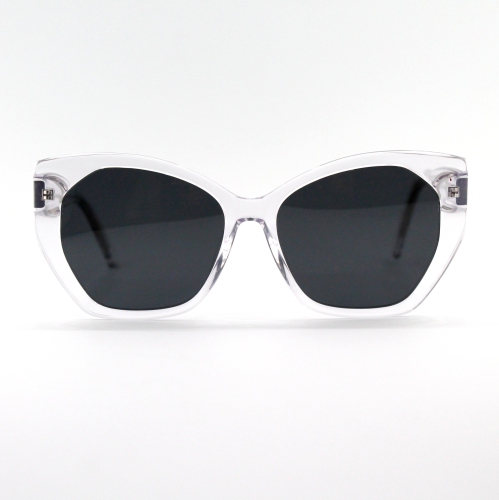
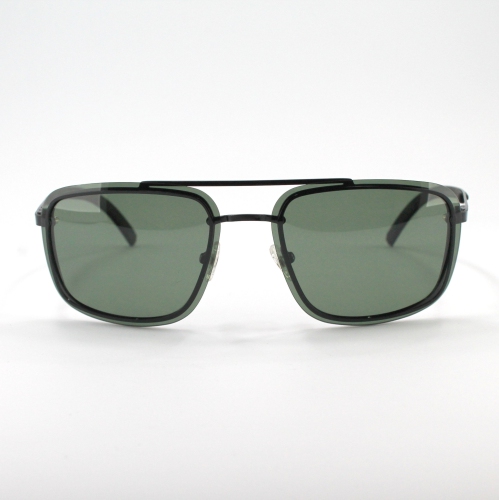
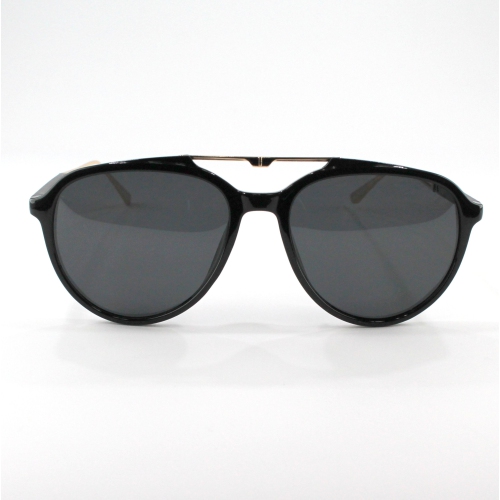
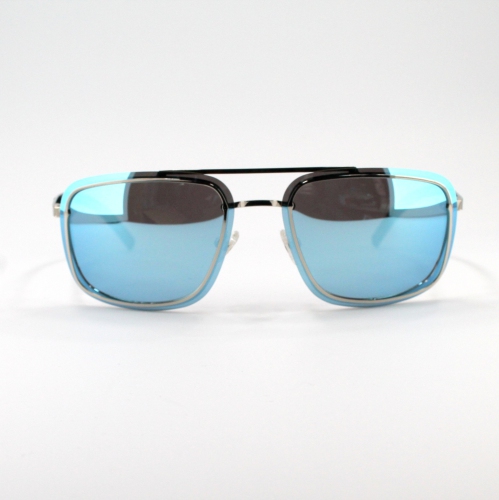
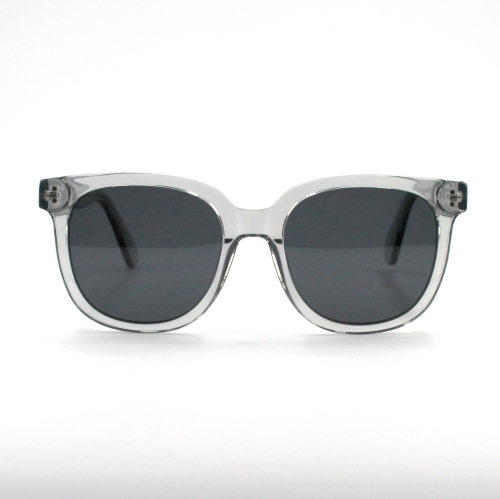
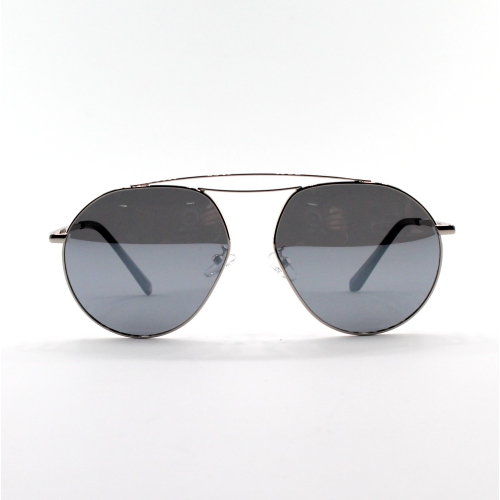
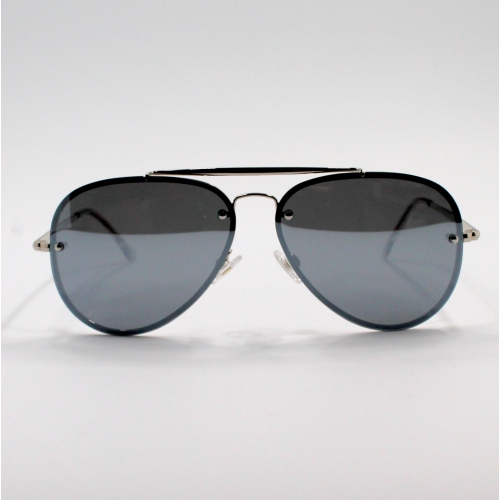
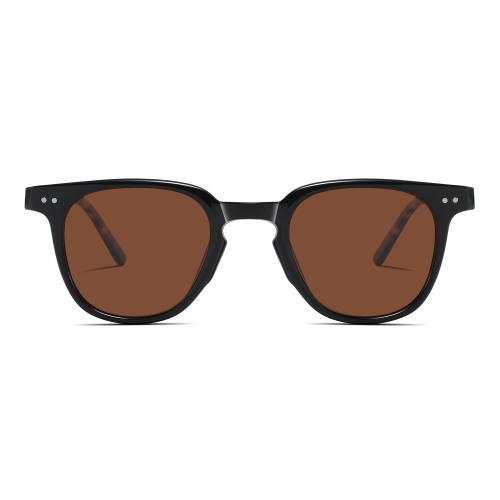
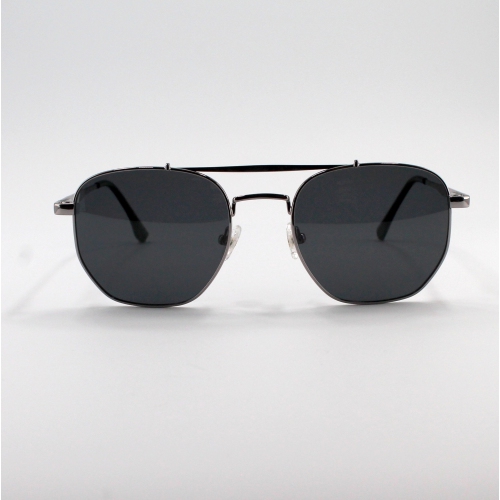
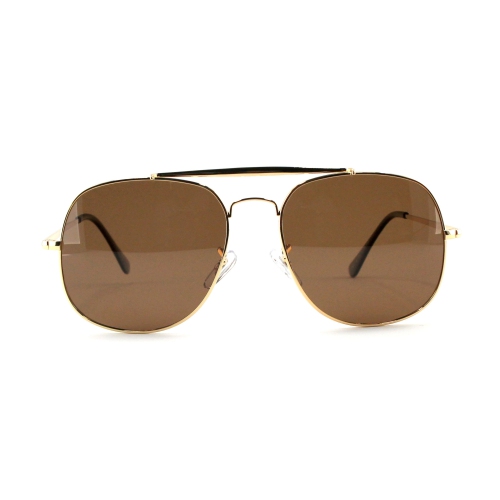
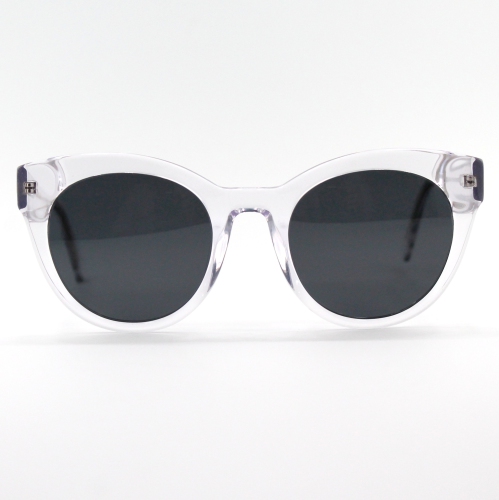
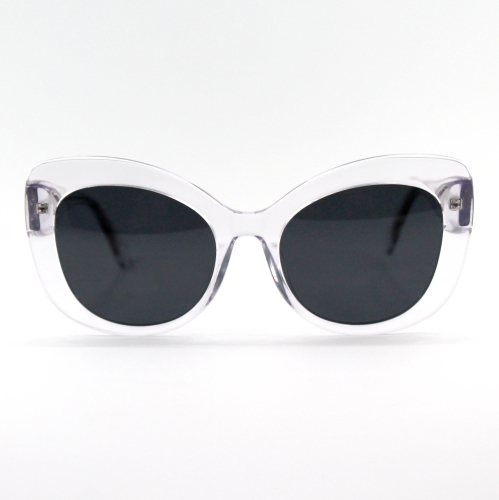
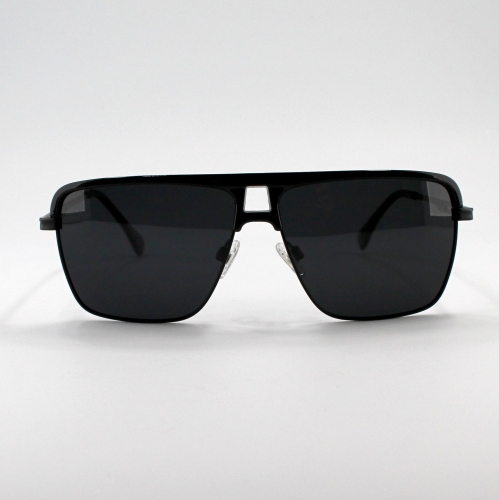
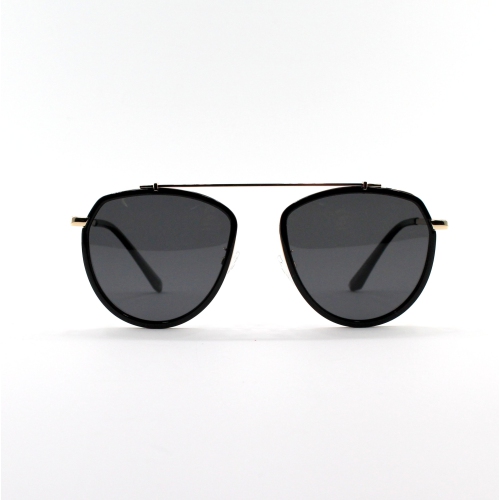
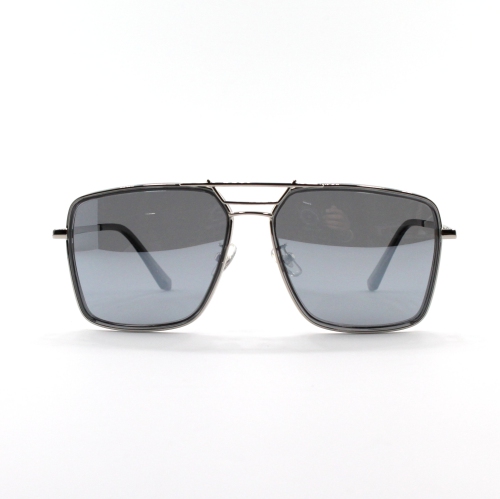
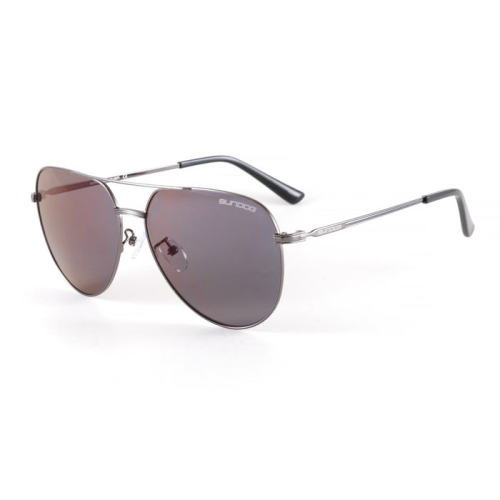
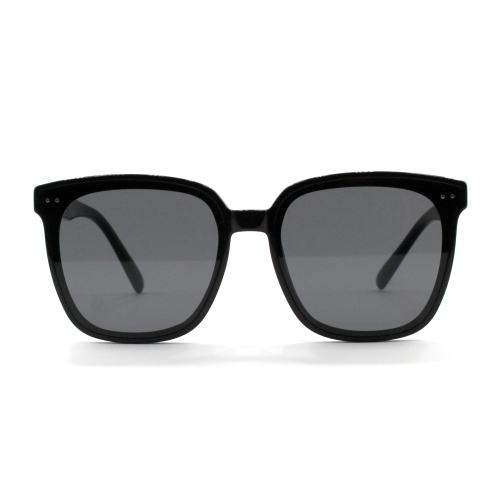
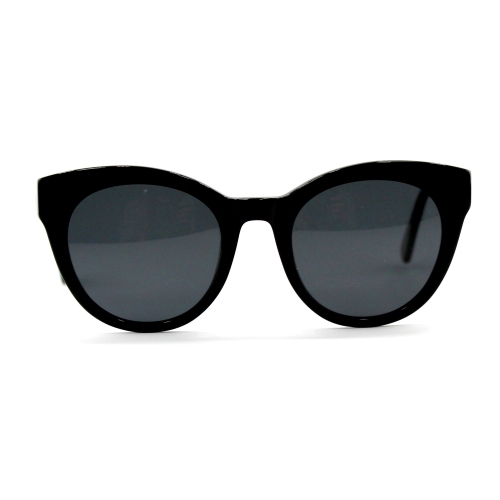
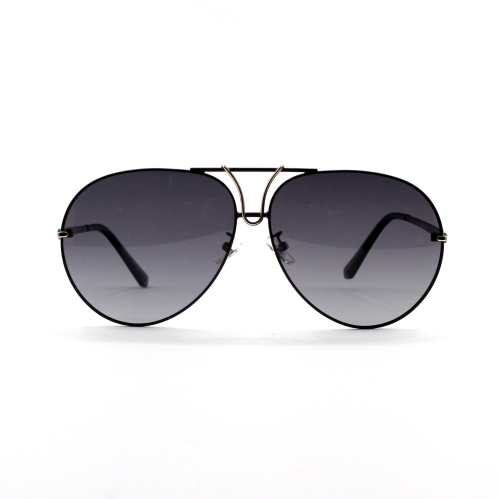
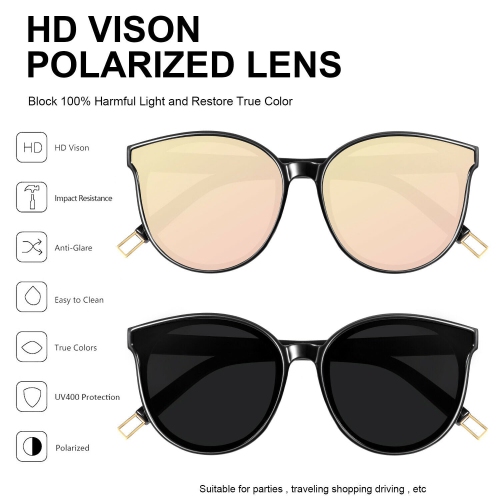
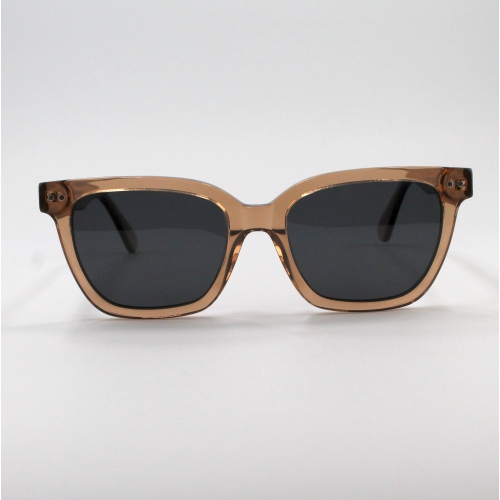
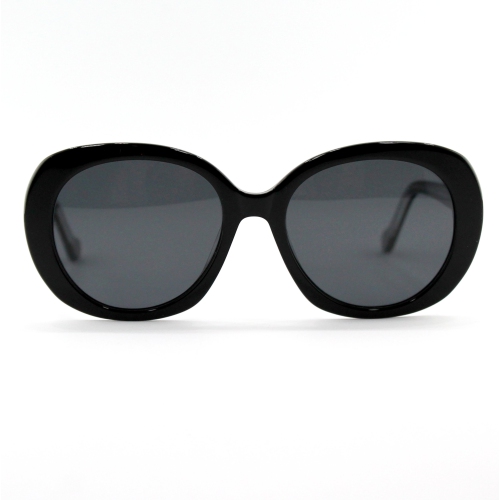
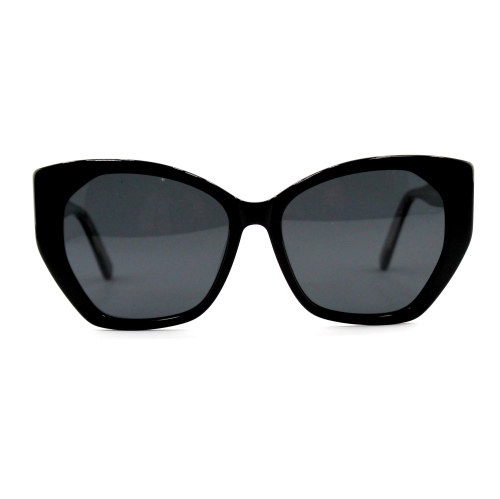
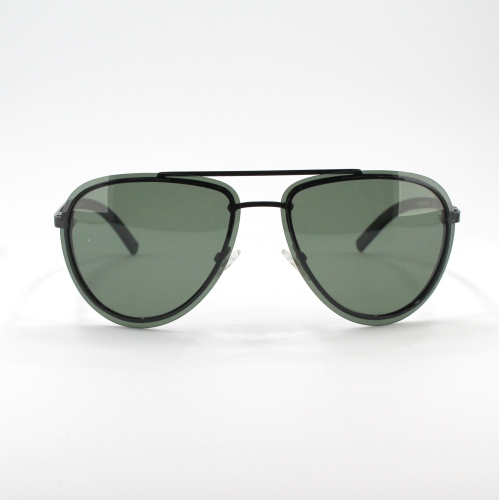
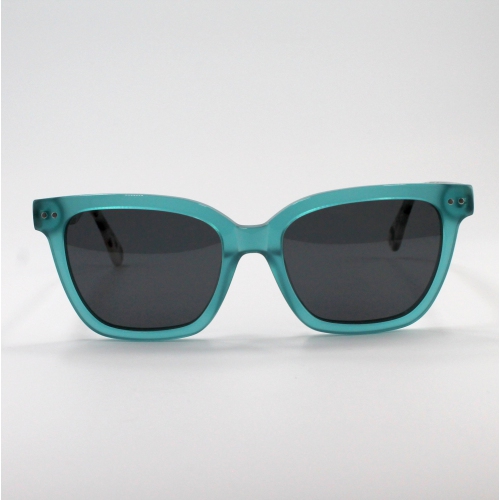
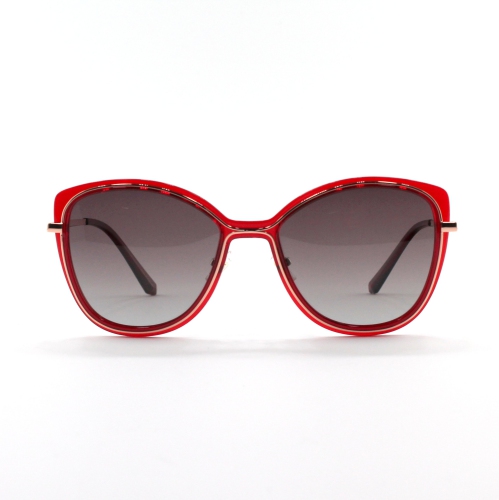
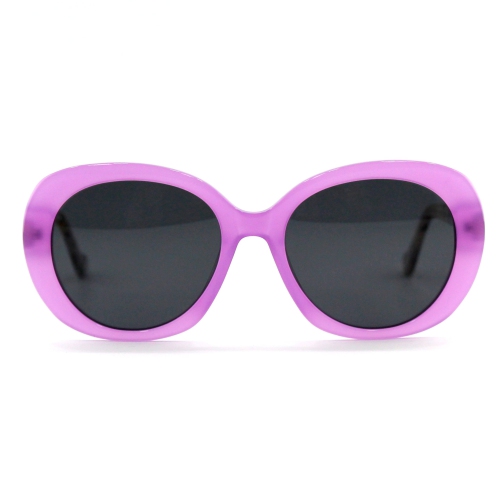
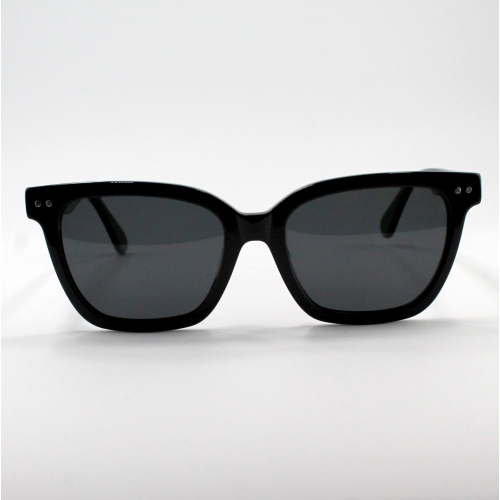
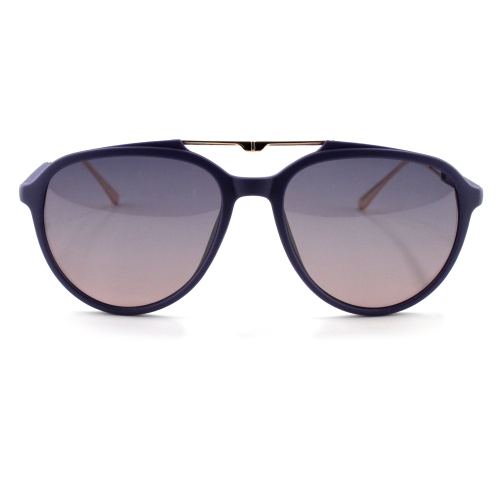

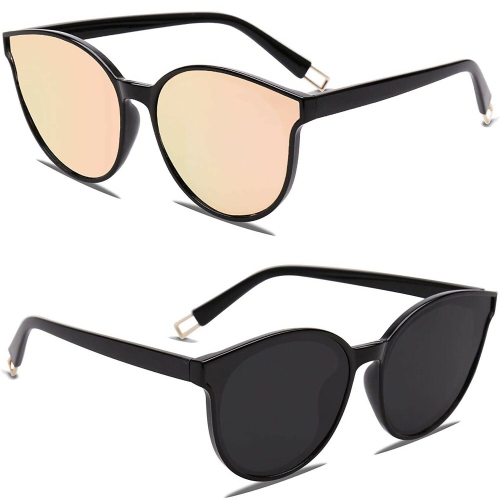
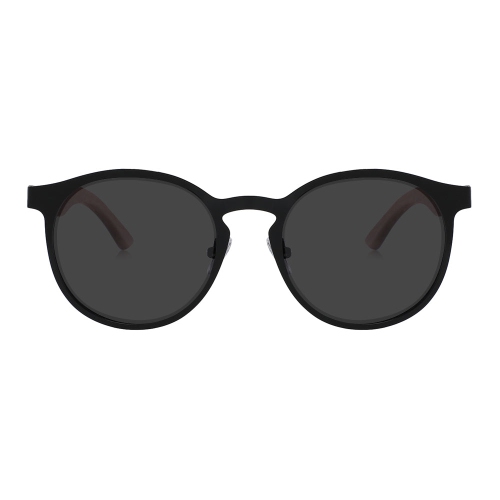
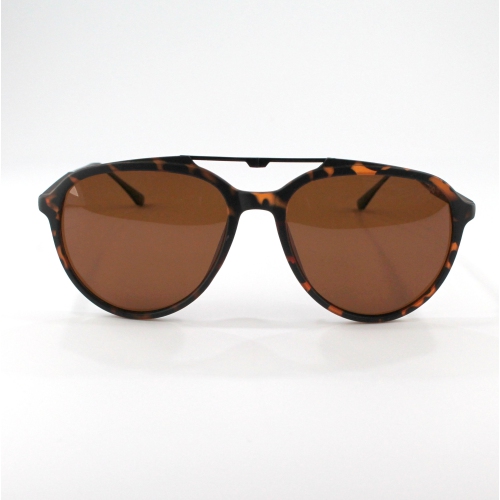
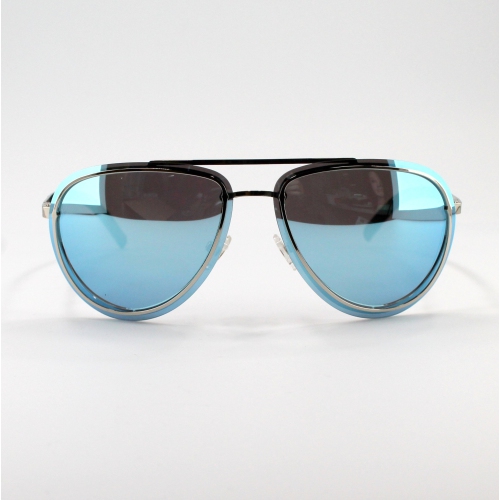
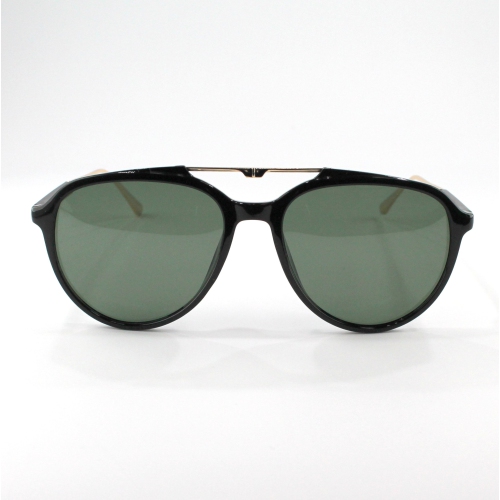
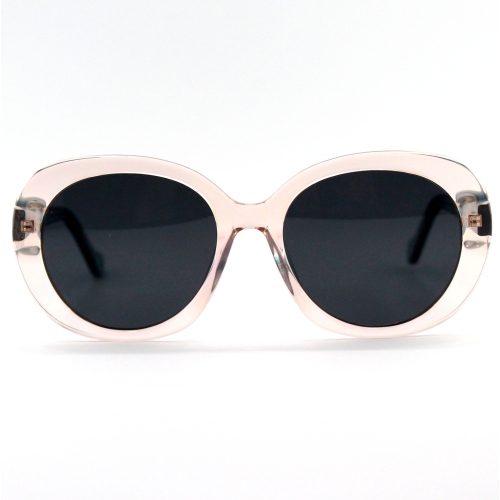
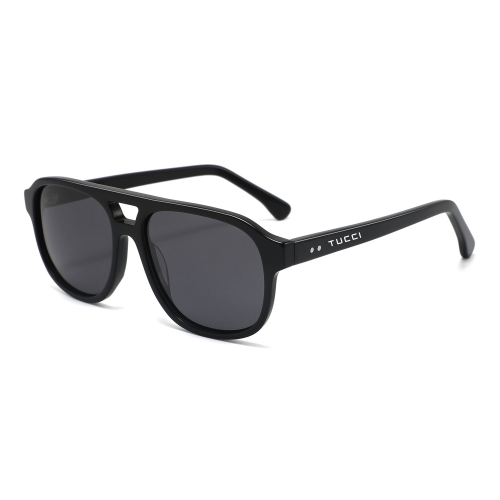
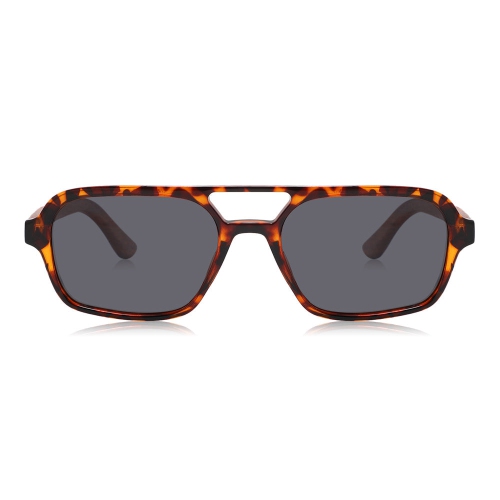
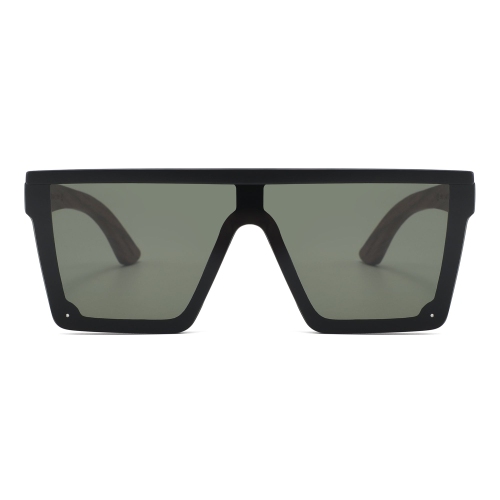
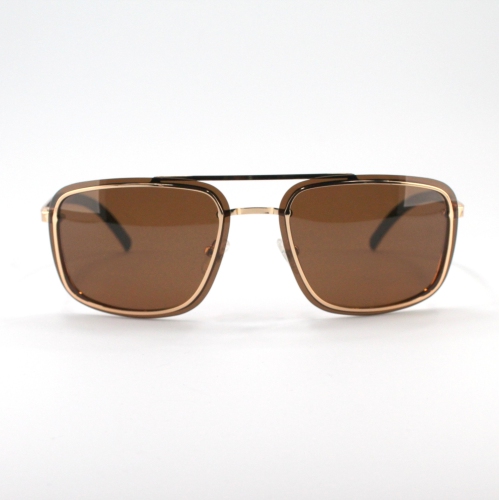
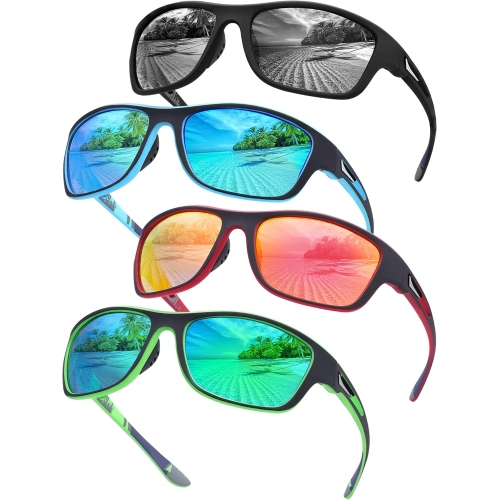
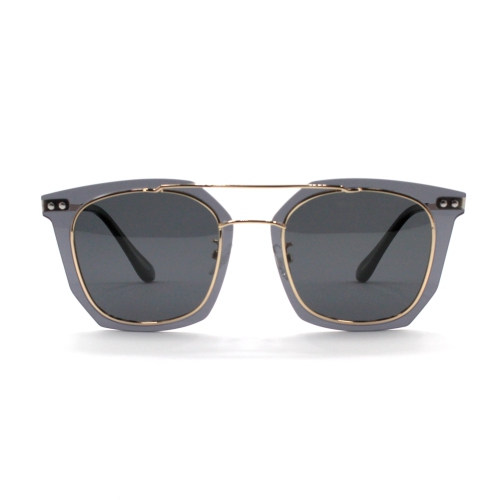
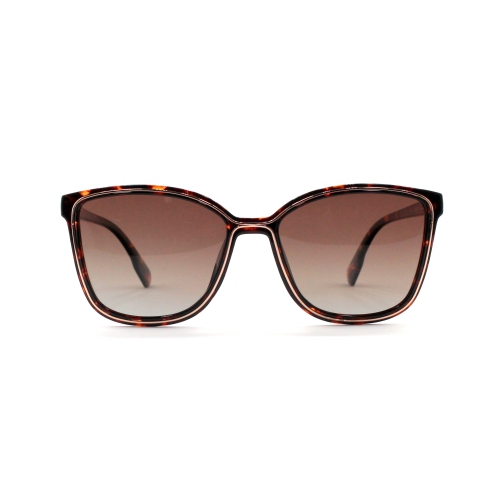
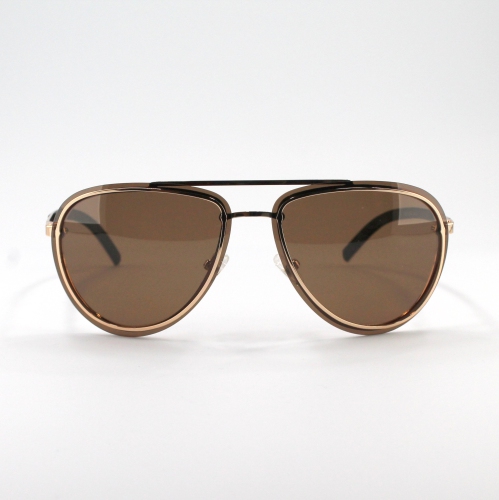
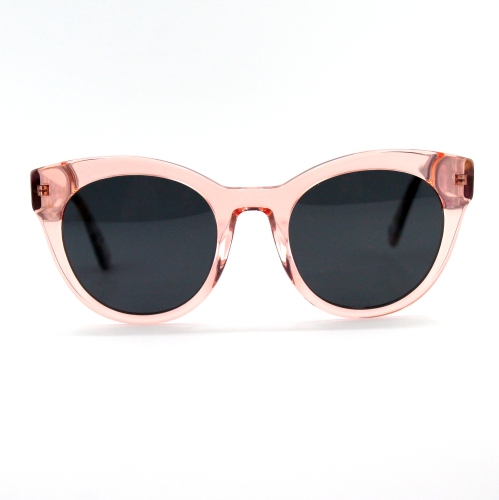
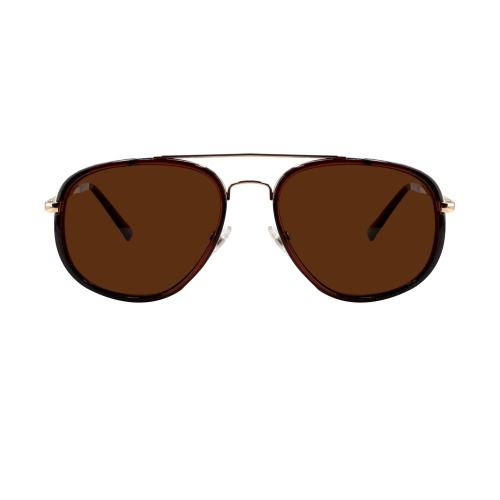

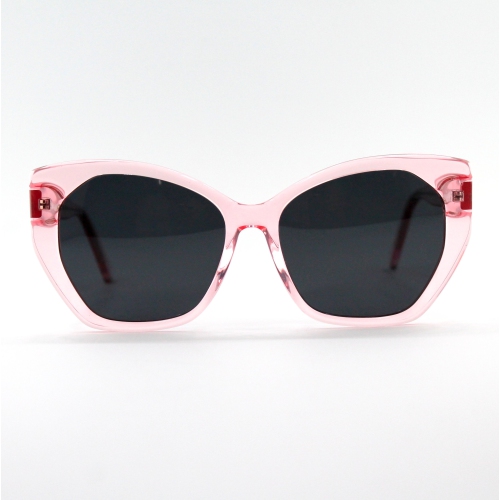

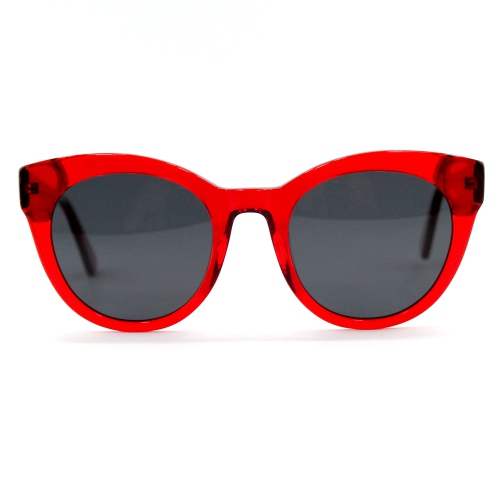

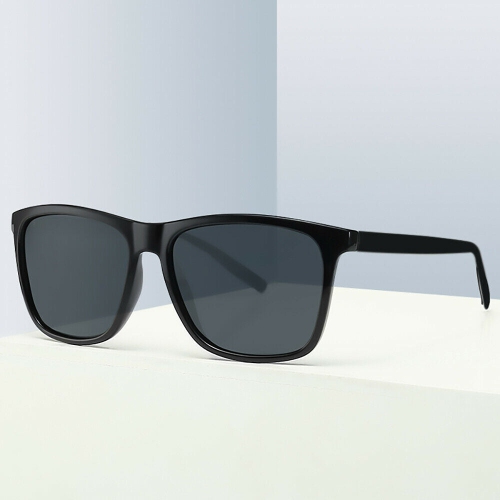

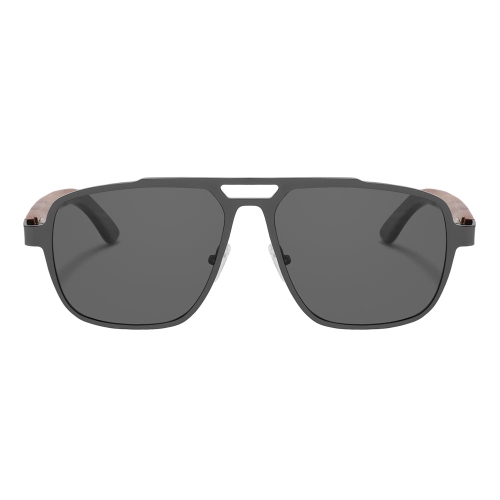
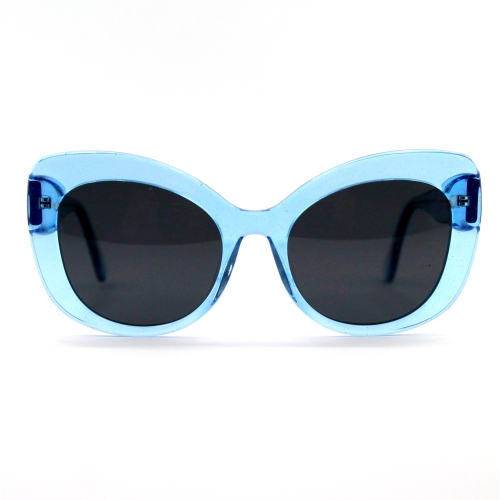
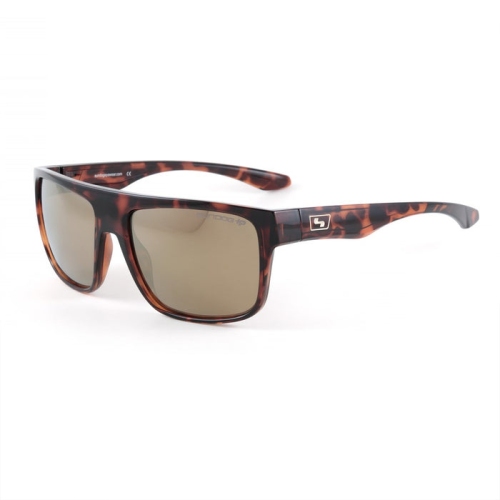
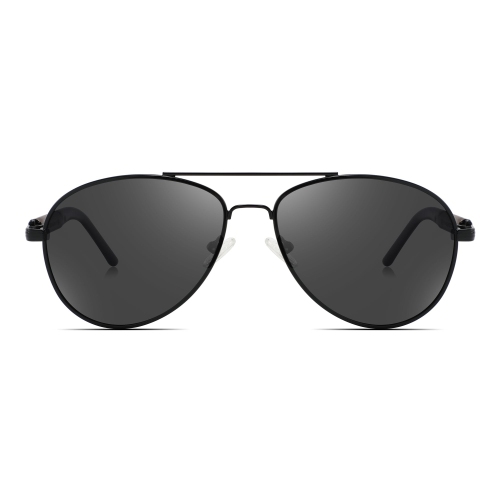
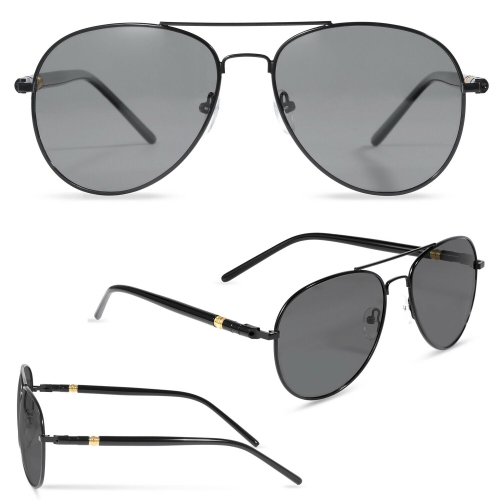
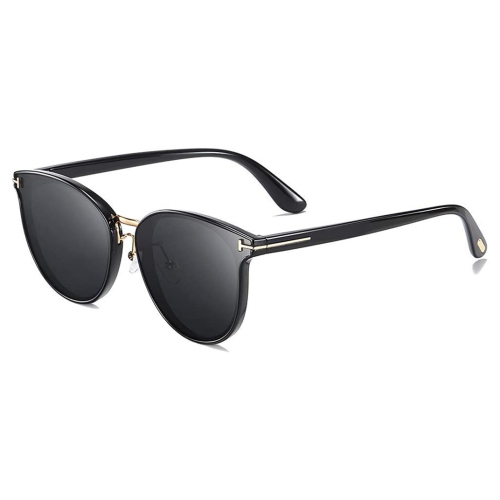

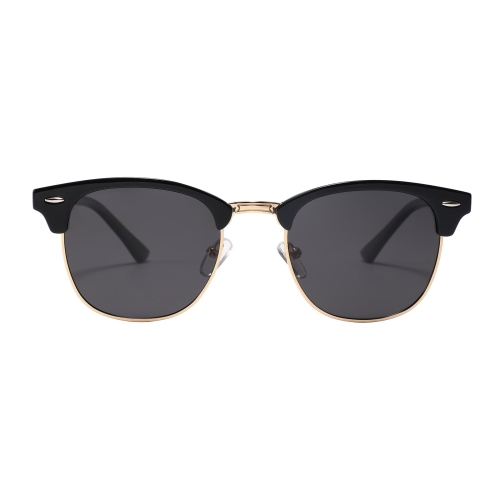
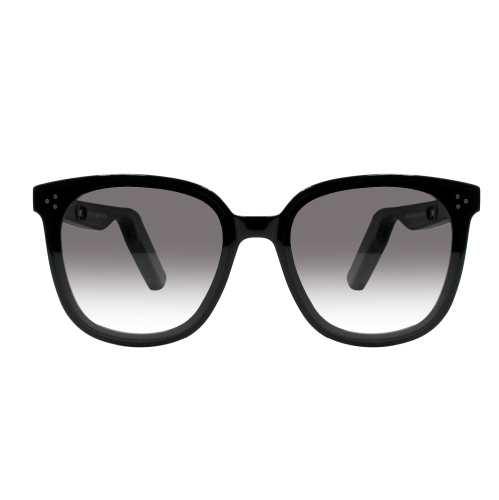
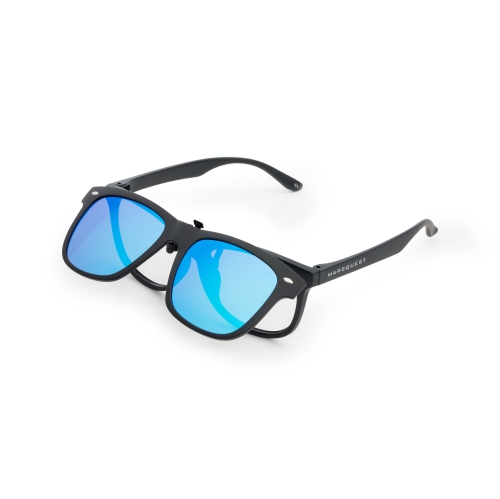
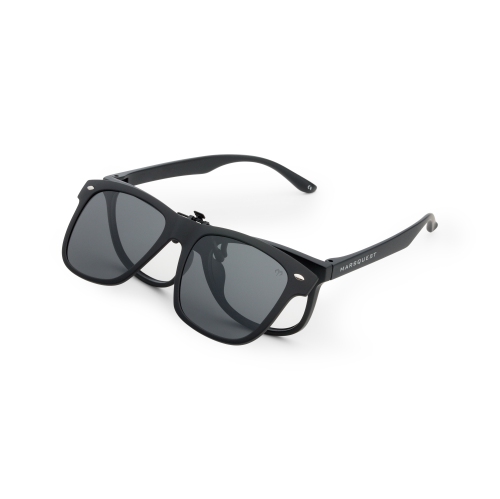
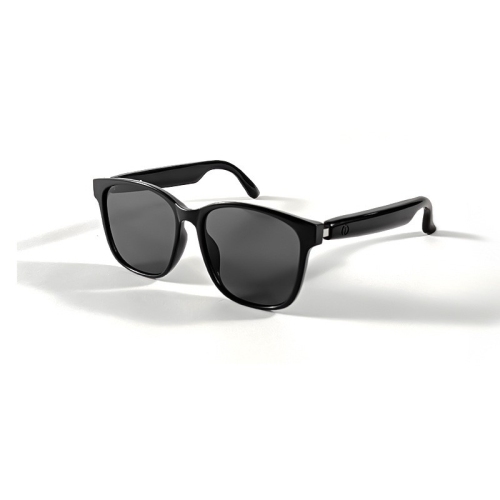
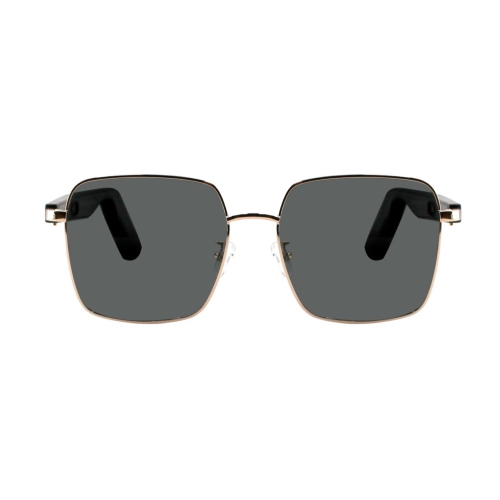
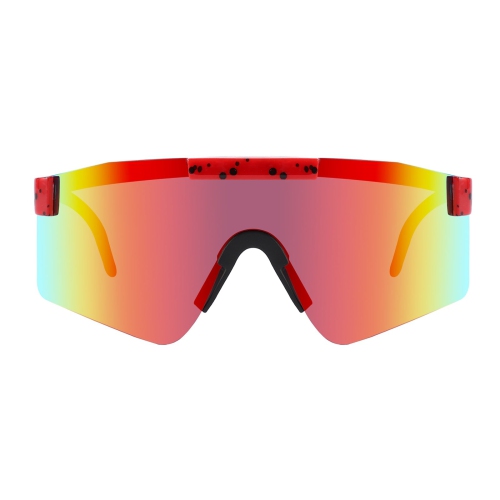


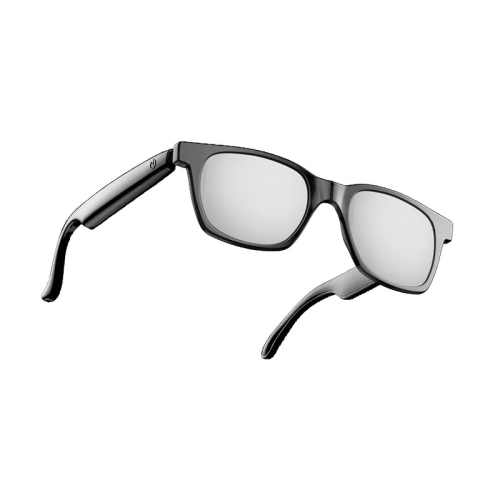
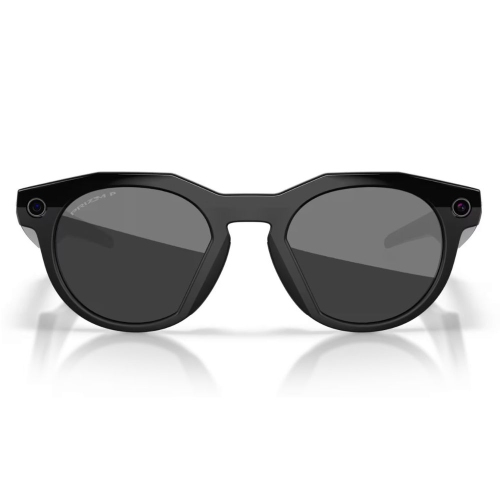
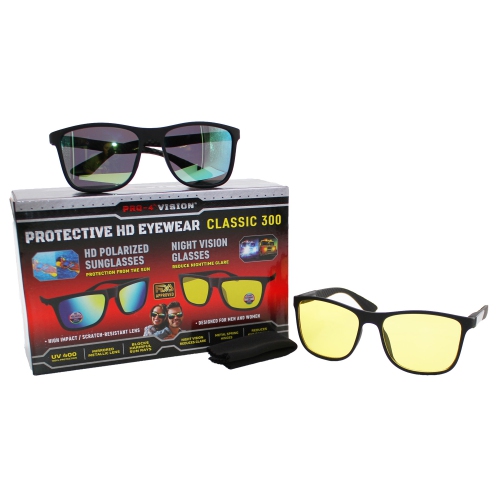

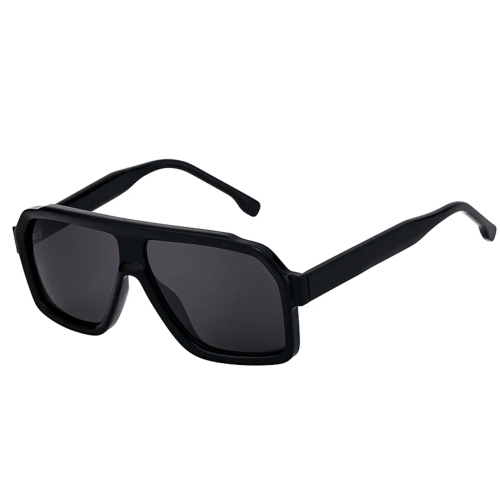
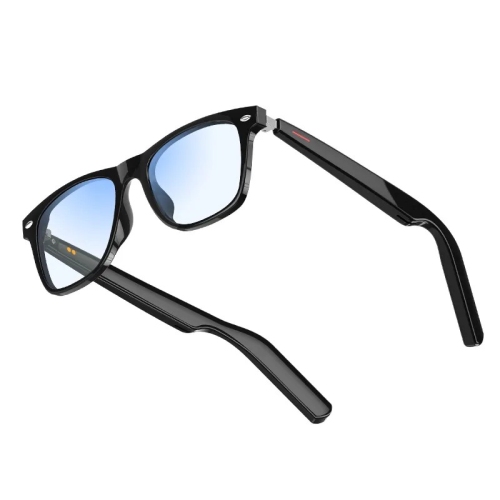
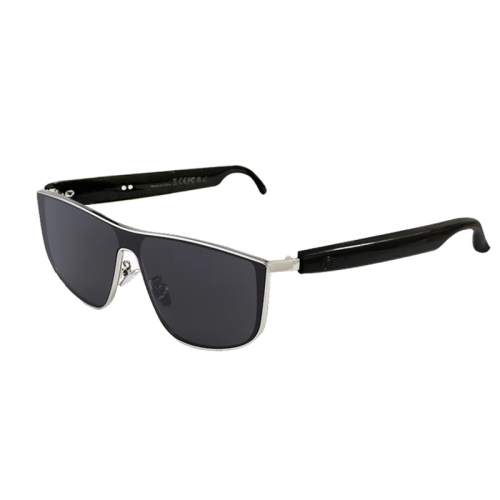
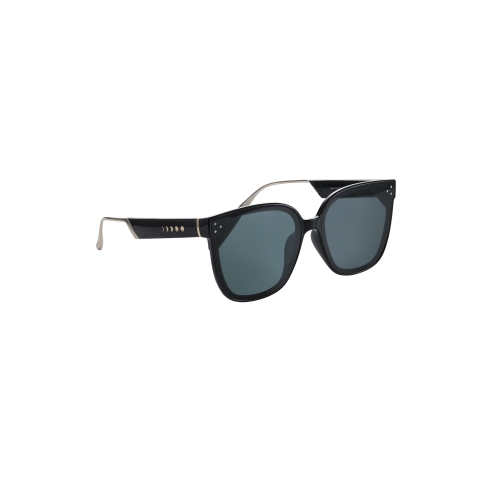


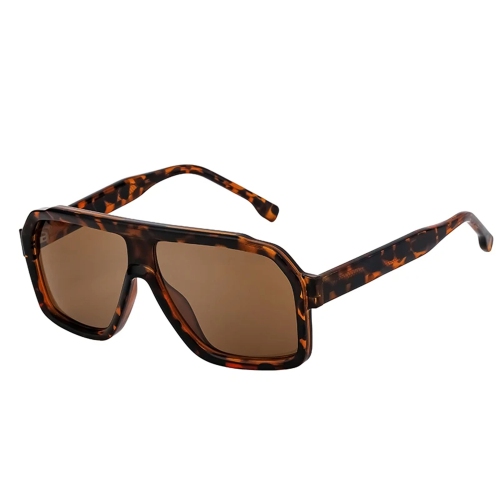


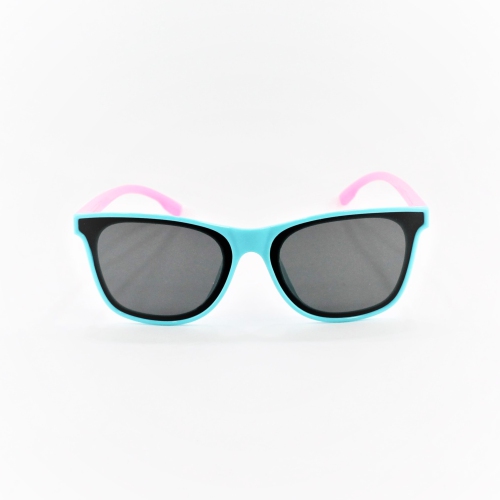

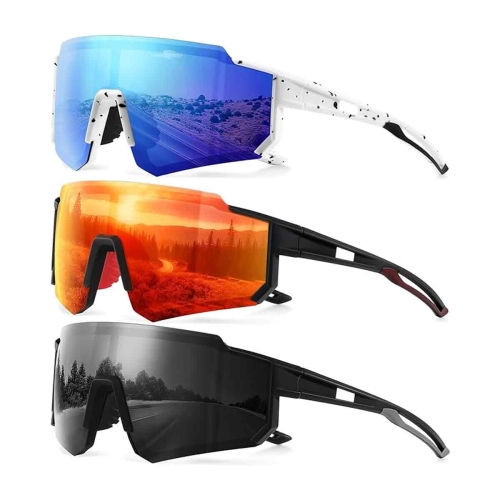
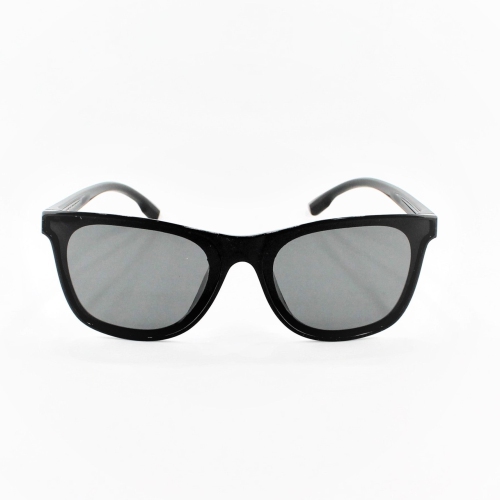
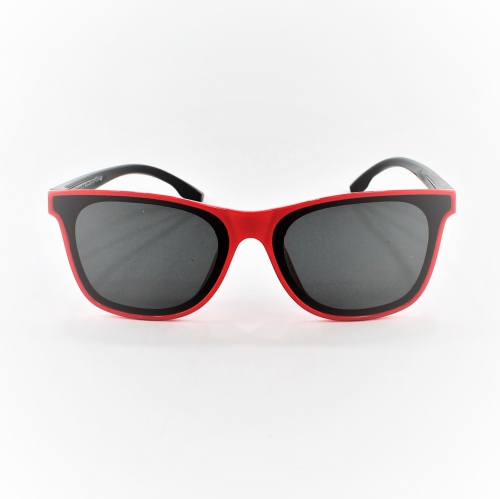

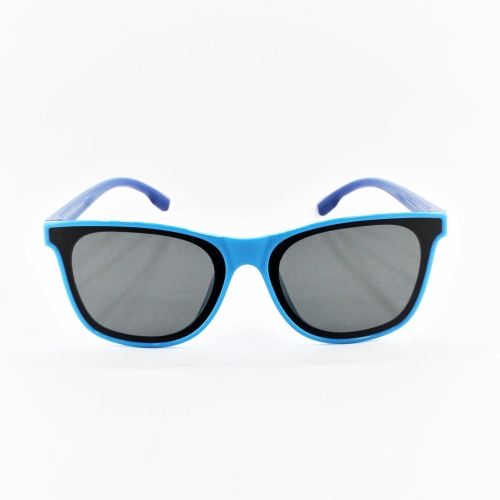

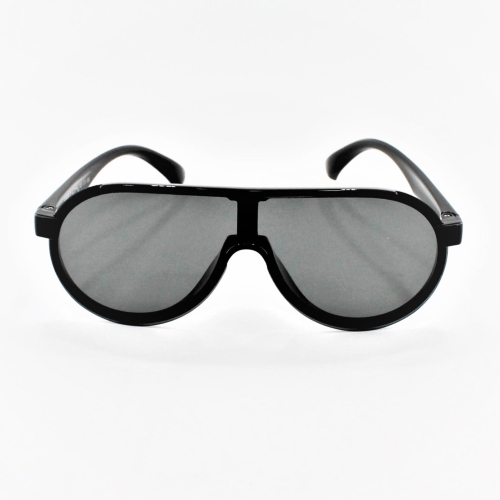
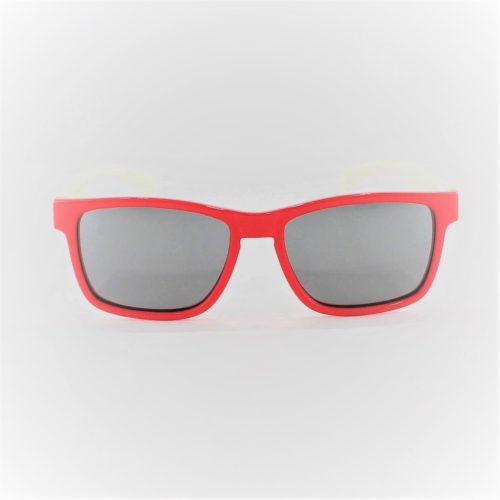
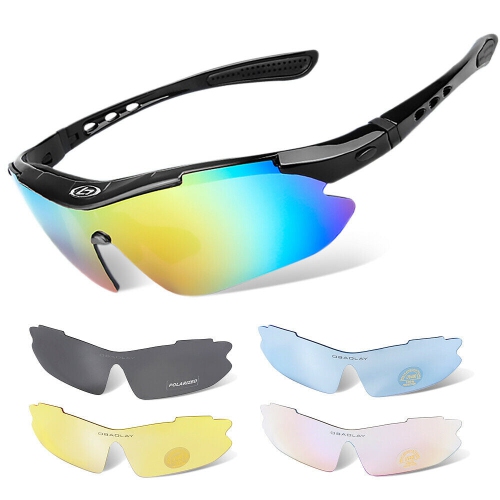
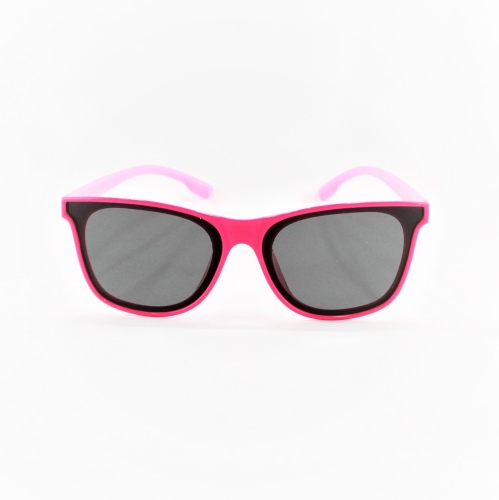

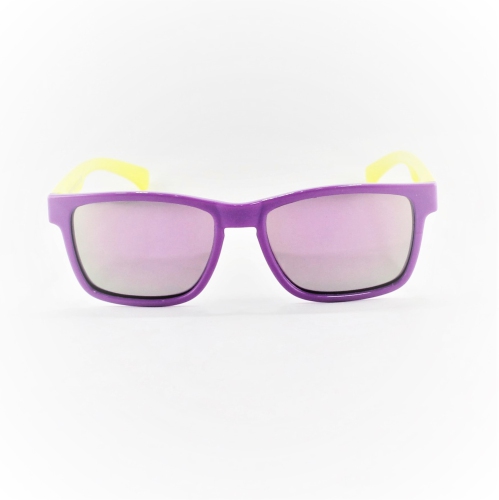
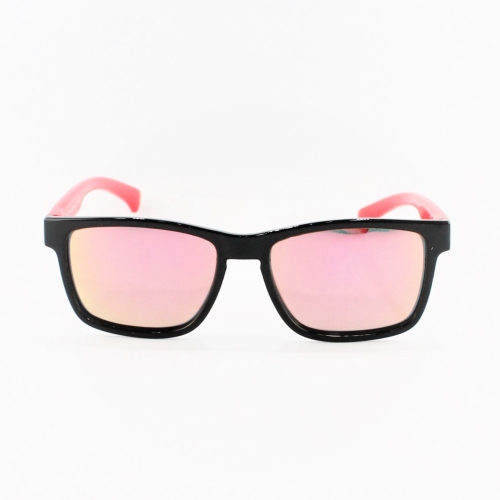
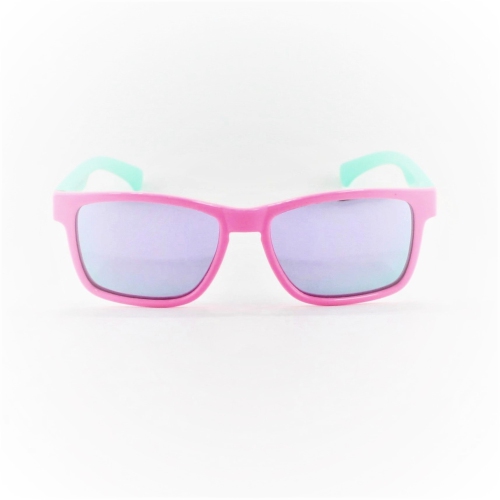
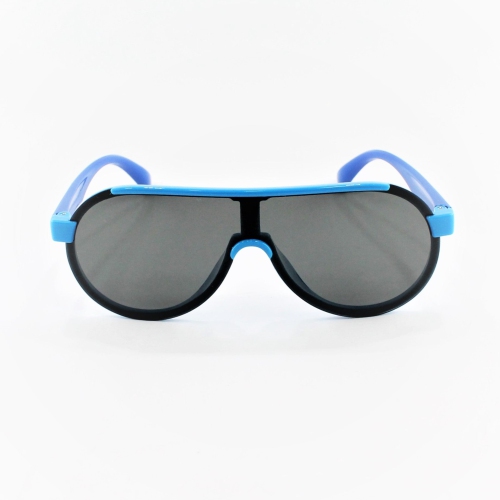
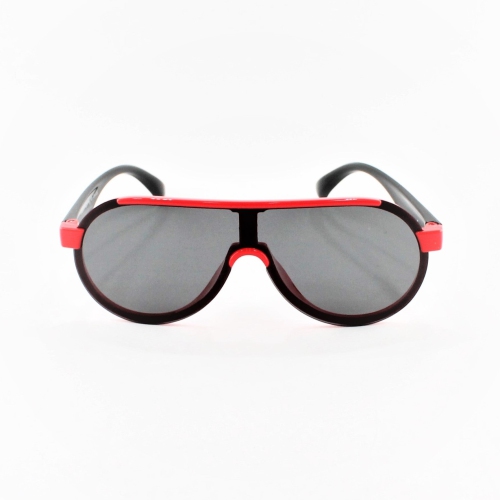

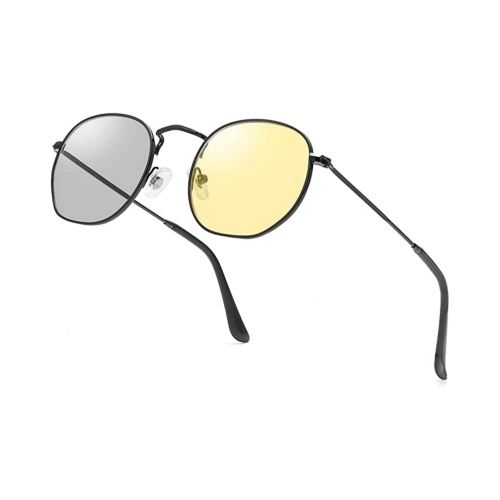
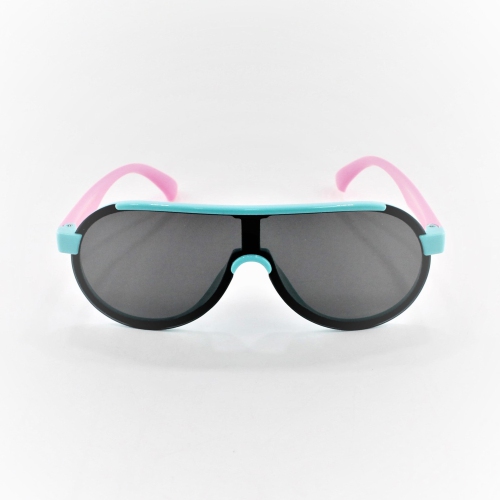
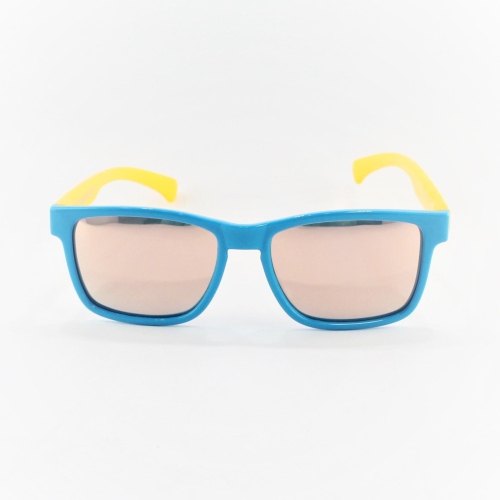
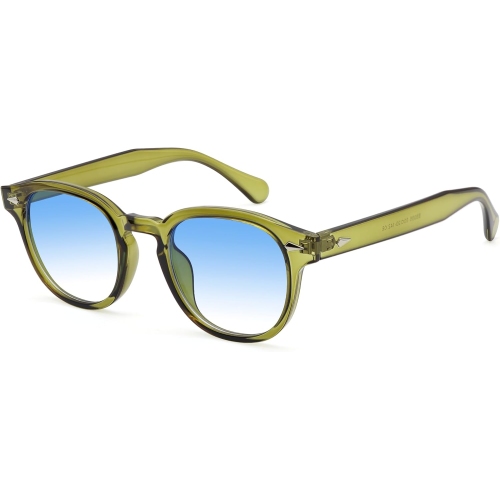
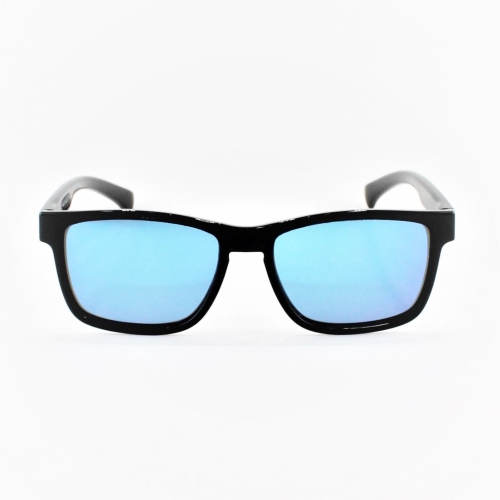
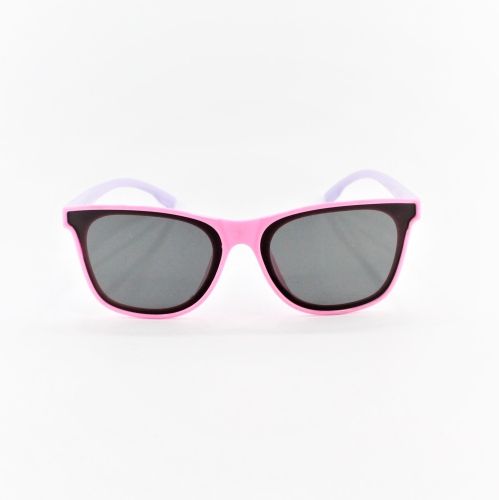


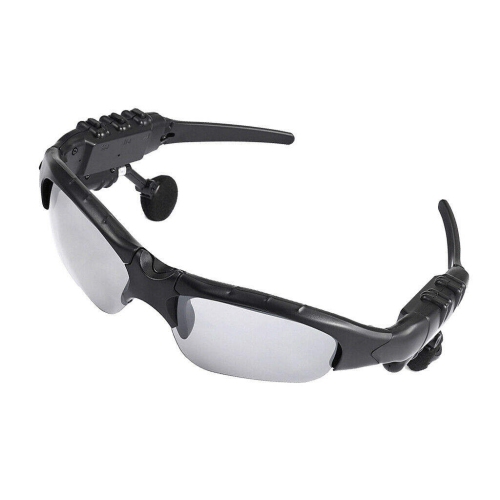


Less road glare without relying on very dark lenses
Polarized sunglasses for driving help reduce reflected glare during daytime travel, making bright stretches of road more comfortable to look at without relying on a very dark tint alone. Their lenses contain a filter that reduces horizontally polarized light, a common component of the glare bouncing off road surfaces, vehicle bonnets, and other broad, reflective surfaces. That distinction matters behind the wheel: ordinary tinted lenses reduce overall brightness, while polarized lenses also target a particular source of visual discomfort. On a long motorway journey or a commute with frequent turns towards the sun, less glare can mean less squinting and a more comfortable view of the road ahead. Polarization does not eliminate every reflection, guarantee sharper vision, or replace attentive driving, but it can make distracting patches of reflected light less intrusive. Lens colour also affects the view through the windscreen. Grey lenses generally preserve natural colour relationships while reducing brightness, making them a familiar choice for everyday driving. Brown and amber lenses can alter colour balance and may make some details appear more distinct, although that effect varies with the lens and the wearer. Green lenses offer another option for people who prefer their particular balance of colour and brightness. Any driving lens should allow traffic signals and signs to remain readily distinguishable. Polarization and ultraviolet protection are separate features, so a polarized label alone does not establish how much UV radiation a lens blocks. Look for clearly stated UV400 protection or protection against 100% of UVA and UVB rays rather than judging protection by lens darkness. Very dark lenses are not automatically better for the driver's seat, and category 4 lenses are unsuitable for driving. Polarized sunglasses belong in daytime use with adequate light; they should be removed when illumination drops, including at dusk and at night. A comfortable daytime tint should reduce excessive brightness without making shaded areas unnecessarily difficult to see.
Fit becomes especially noticeable after an hour behind the wheel, when a small pressure point at the nose or temple can turn into a persistent distraction. A well-fitting frame should stay in place when the wearer checks mirrors or turns to look over a shoulder, without pinching the bridge or pressing tightly behind the ears. Frame width, bridge shape, temple length, and lens height all contribute to that balance. Adjustable nose pads can help fine-tune how a frame sits, while a moulded bridge offers a simpler construction with fewer small parts. Neither design suits every face, and a frame that feels secure while standing may feel different when resting against a vehicle's head restraint. Slim temples can reduce pressure in that position, while a moderately curved frame can limit light entering from the sides. Heavy rims and oversized temples may obstruct peripheral vision, so coverage needs to be balanced with a clear side view for lane changes and junctions. Lens materials bring their own practical differences. Polycarbonate is lightweight and impact resistant, though its surface benefits from a scratch-resistant coating and careful handling. Other optical plastics can also provide a comfortable, lightweight lens, while glass generally offers good surface hardness but adds weight and can break on impact. No everyday sunglass lens should be treated as unbreakable or as a substitute for certified protective eyewear. Metal frames can offer a slim profile and adjustable components; acetate and other plastic frames provide different combinations of structure, weight, and flexibility. For drivers who wear prescription glasses, prescription polarized lenses can combine vision correction and glare reduction in one pair. Fit-over sunglasses and polarized clip-ons are alternatives, provided they sit securely, do not rub against the prescription lenses, and leave the driver's field of view unobstructed. Progressive lens wearers also need appropriate lens positioning for comfortable transitions between the road, mirrors, and instruments. These details matter as much for a short school run as for someone who spends much of the working day travelling between appointments.
Compatibility with the vehicle's displays is another important consideration for polarized driving sunglasses. Some instrument panels, navigation screens, and head-up displays can look dim, uneven, or nearly black through a polarizing filter, depending on the display design and viewing angle. Before driving, sit in the parked vehicle and check the speedometer, navigation map, centre display, and any head-up projection while wearing the glasses. Look from a normal seated position and with small head movements, since a screen that appears clear at one angle may become harder to read at another. Certain vehicle windows can also show patterns or colour effects through polarized lenses. If essential information becomes difficult to see, a different lens or non-polarized sunglasses may be more suitable for that vehicle. Light-adaptive lenses require a separate check: many depend mainly on UV exposure to darken, and a windscreen can block much of the UV that activates them. Their performance inside a vehicle therefore depends on the lens technology, not simply on a photochromic label. Day-to-day care helps preserve lens clarity and the comfort of the frame. Rinse away loose dust or grit before wiping, use a lens cleaner suitable for the coatings, and dry with a clean microfibre cloth rather than a shirt sleeve or paper towel. Store sunglasses in a protective case instead of leaving them lens-down in a cup holder or loose beside keys. Avoid prolonged exposure to heat on the dashboard, which can affect frames and lens coatings, and follow the manufacturer's cleaning directions. For someone who drives regularly, sunglasses can be a thoughtful gift when their fit preferences, prescription needs, and vehicle displays are known. Drivers who also spend time on the water may find Polarized Sunglasses for Boating relevant to a different use of glare-reducing lenses, although coverage and retention needs can differ. Behind the wheel, the most useful combination remains straightforward: comfortable fit, clearly stated UV protection, an appropriate daytime tint, and an unobstructed view of both the road and essential instruments.
Top selling and popular products
-
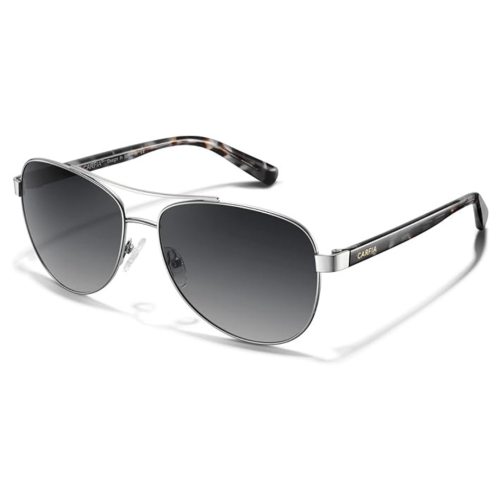 Your price for this item is $120
-
 Your price for this item is $120
-
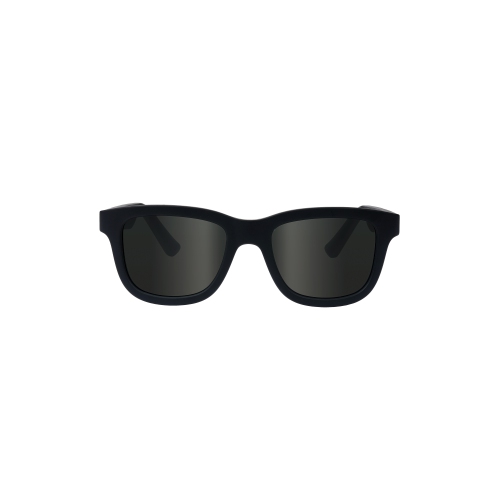 Your price for this item is $299
-
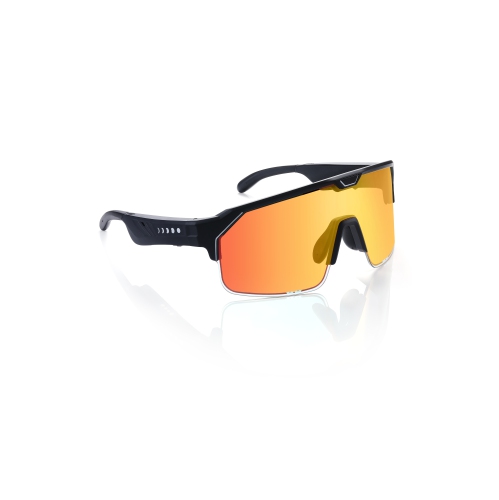 Your price for this item is $305
-
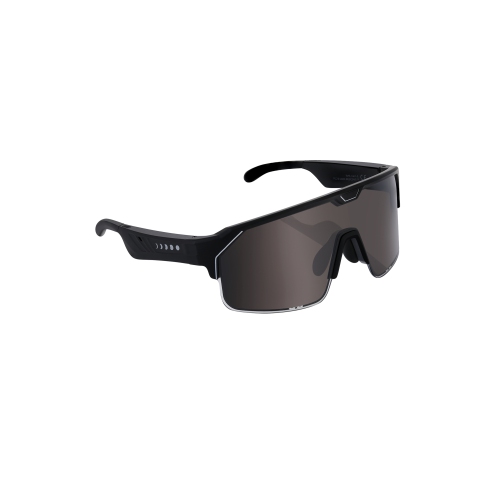 Your price for this item is $305
-
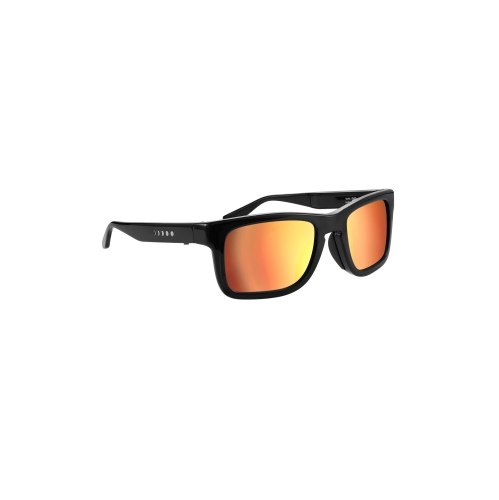 Your price for this item is $242
-
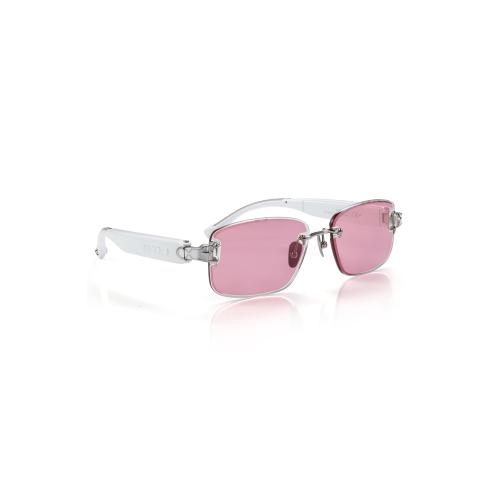 Your price for this item is $449.1
-
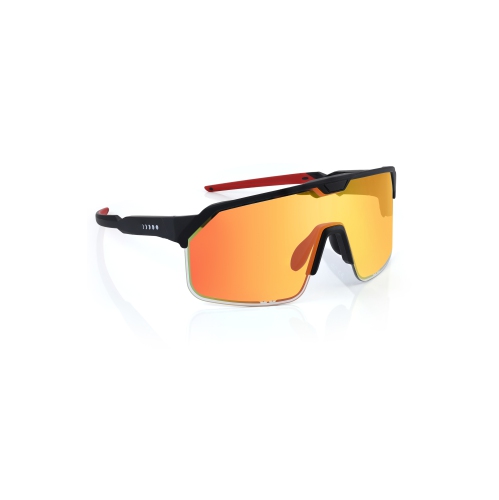 Your price for this item is $242.1
Discover more categories related to Polarized Sunglasses for Driving
Top Collections:
Pokemon Centers, Best Cameras for Sports Photography, Kindle Devices, Samsung Galaxy Phones, Canon G7X Cameras, Pokémon 30th Celebration Cards, Refurbished Apple Laptops, iPhone 15 Apple, Laptops for Students, Budget Smartphones
Some products may be subject to Environmental Handling Fees
(EHF) depending on your province.
Learn more about EHFs.