Sailing Gear
Gear up for your next sailing adventure with our wide selection of high-quality sailing gear. Whether you're a seasoned sailor or just getting started, we have everything you need to make the most of your time on the water. From waterproof jackets and durable sailing shoes to essential accessories like life jackets and navigation tools, our collection has been carefully curated to meet the needs of all sailors. Explore our range of sailing gear and get ready to set sail with confidence and style.
Sort
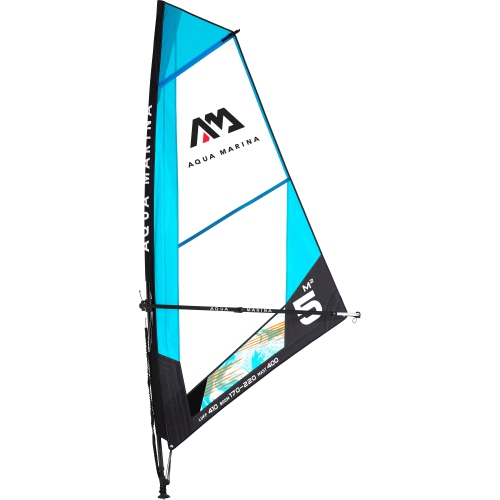
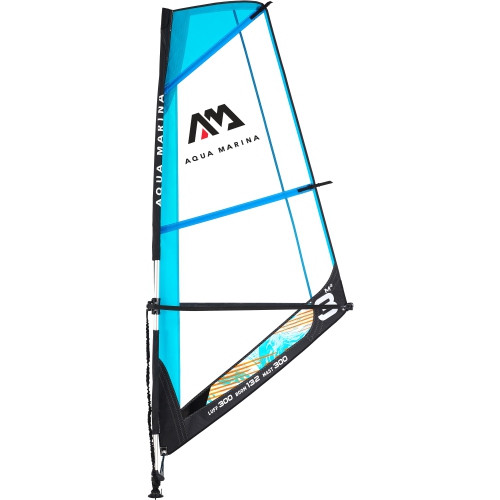
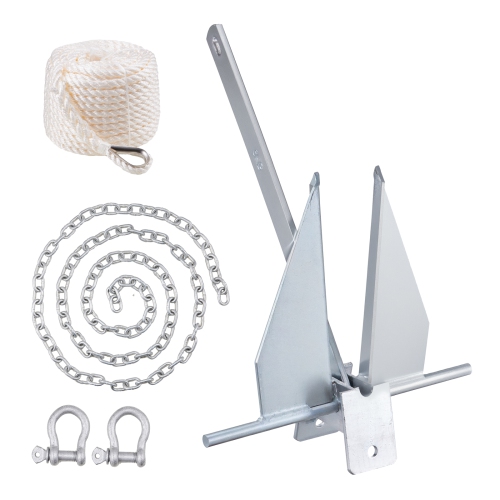
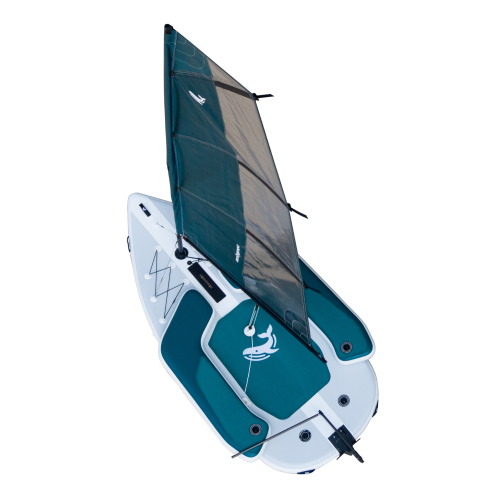



Thoughtful preparation for safer, more comfortable sailing
Sailing gear helps make time on the water safer, more comfortable and more enjoyable, whether you are spending a few hours on an inland lake, joining a coastal day sail or preparing for a longer offshore passage. The right equipment starts with personal safety. A properly fitted personal flotation device (PFD) should be selected for the wearer’s size, weight, activity and local boating requirements, with enough freedom of movement for handling lines, moving around the deck and sitting comfortably for extended periods. Foam PFDs provide dependable buoyancy and are ready to wear, while inflatable PFDs can offer a lower-profile fit when appropriate for the conditions and the wearer’s level of activity. Always check the product instructions, approval markings and maintenance requirements, and make sure every member of the crew knows how to wear and adjust their PFD correctly. For open-water sailing, emergency communication and location equipment can provide an important additional layer of preparedness. Marine radios, personal locator beacons and other emergency devices vary in range, power source, registration requirements and operating procedures, so consider where the boat will travel and who may need to use the equipment. A waterproof storage solution can keep instructions, batteries and essential communication devices protected from spray. Sailing gloves are another practical part of a well-equipped kit. Fingerless styles can preserve dexterity when tying knots or working with small fittings, while full-finger options offer more coverage in cooler conditions. Reinforced palms and secure wrist closures can help reduce rope burn, blisters and fatigue during repeated line handling. For anyone learning to sail, gloves are often one of the most immediately useful additions because even a relaxed outing can involve more pulling, gripping and bracing than expected.
Protection from wind, spray and changing temperatures is equally important. A sailing jacket should be windproof and waterproof, with a cut that allows room for technical layers underneath without becoming bulky at the shoulders or cuffs. Features such as adjustable hoods, high collars, sealed seams, storm flaps and secure pockets can help keep water out when spray comes over the bow or weather shifts during the day. Sailing bibs or salopettes extend that protection to the legs and torso, making them useful for wet decks, longer passages and cooler conditions. Look for adjustable shoulder straps, reinforced areas and ankle closures that work comfortably with deck shoes or boots. Layering is usually more versatile than relying on one heavy garment. Moisture-wicking base layers help move perspiration away from the skin, insulating mid-layers can add warmth when the wind picks up, and a waterproof outer layer provides a barrier against rain and spray. Lightweight shirts with quick-drying fabric are useful during warmer outings, while cotton can become cold and uncomfortable after it absorbs moisture. Sun protection also deserves attention, even when the air feels cool: long sleeves, a brimmed hat, sunglasses with a secure fit and sunscreen can help reduce exposure reflected from the water. Footwear should be designed for wet, moving surfaces rather than treated as ordinary casual shoes. Non-marking soles with dependable traction can help maintain footing on a damp deck, and a snug but comfortable fit reduces movement inside the shoe. Consider drainage, cushioning, heel support and compatibility with the boat’s deck surface. Dry bags and waterproof cases are useful for storing spare layers, towels, snacks, documents and electronics, with roll-top closures offering a practical way to seal out spray. Packing a small dry change of clothes can make a noticeable difference after an unexpected shower or a particularly wet crossing. During the warmer part of the season, breathable layers and sun protection may be the priority; as conditions turn cooler, add insulating layers, waterproof trousers, warmer gloves and extra dry storage without compromising mobility.
Sailing gear can be chosen according to the experience level, boat type and kind of outing, rather than purchased as one universal set. A beginner joining friends for an inshore afternoon may need a comfortable PFD, non-marking deck shoes, gloves, sun protection and a waterproof layer, while someone planning offshore travel may place greater emphasis on foul-weather clothing, redundant communication equipment, heavy-duty dry storage and accessories suited to prolonged exposure. Children need especially careful attention to fit, buoyancy rating and adjustability, and their gear should be checked regularly as they grow. Experienced sailors may appreciate replacement gloves, upgraded layers or compact equipment that solves a familiar onboard inconvenience. Sailing gear can also be a thoughtful gift for someone who spends weekends at a yacht club, takes sailing lessons, enjoys charter trips or is preparing for a first coastal adventure. Practical gifts are often the most welcome on the water because they can be used repeatedly and shared with the rest of the crew. Explore Sailing Gifts for ideas that suit new sailors and experienced skippers alike. Before purchasing, consider the wearer’s measurements, preferred fit, storage space and typical sailing environment. Check whether equipment is designed for inshore or offshore use, whether batteries or replacement parts are required, and whether care instructions call for rinsing, drying or regular inspection. Saltwater, spray, sunlight and frequent use can be demanding, so following the manufacturer’s care guidance helps keep gear ready for the next outing. A final check before leaving the dock should include PFD fit, radio or locator operation, weather-appropriate layers, footwear traction, glove condition, dry-bag closures and access to emergency supplies. With those essentials covered, sailors can focus on reading the wind, working with the crew and enjoying the changing light across the water from warm late-season days through the cooler months.
Protection from wind, spray and changing temperatures is equally important. A sailing jacket should be windproof and waterproof, with a cut that allows room for technical layers underneath without becoming bulky at the shoulders or cuffs. Features such as adjustable hoods, high collars, sealed seams, storm flaps and secure pockets can help keep water out when spray comes over the bow or weather shifts during the day. Sailing bibs or salopettes extend that protection to the legs and torso, making them useful for wet decks, longer passages and cooler conditions. Look for adjustable shoulder straps, reinforced areas and ankle closures that work comfortably with deck shoes or boots. Layering is usually more versatile than relying on one heavy garment. Moisture-wicking base layers help move perspiration away from the skin, insulating mid-layers can add warmth when the wind picks up, and a waterproof outer layer provides a barrier against rain and spray. Lightweight shirts with quick-drying fabric are useful during warmer outings, while cotton can become cold and uncomfortable after it absorbs moisture. Sun protection also deserves attention, even when the air feels cool: long sleeves, a brimmed hat, sunglasses with a secure fit and sunscreen can help reduce exposure reflected from the water. Footwear should be designed for wet, moving surfaces rather than treated as ordinary casual shoes. Non-marking soles with dependable traction can help maintain footing on a damp deck, and a snug but comfortable fit reduces movement inside the shoe. Consider drainage, cushioning, heel support and compatibility with the boat’s deck surface. Dry bags and waterproof cases are useful for storing spare layers, towels, snacks, documents and electronics, with roll-top closures offering a practical way to seal out spray. Packing a small dry change of clothes can make a noticeable difference after an unexpected shower or a particularly wet crossing. During the warmer part of the season, breathable layers and sun protection may be the priority; as conditions turn cooler, add insulating layers, waterproof trousers, warmer gloves and extra dry storage without compromising mobility.
Sailing gear can be chosen according to the experience level, boat type and kind of outing, rather than purchased as one universal set. A beginner joining friends for an inshore afternoon may need a comfortable PFD, non-marking deck shoes, gloves, sun protection and a waterproof layer, while someone planning offshore travel may place greater emphasis on foul-weather clothing, redundant communication equipment, heavy-duty dry storage and accessories suited to prolonged exposure. Children need especially careful attention to fit, buoyancy rating and adjustability, and their gear should be checked regularly as they grow. Experienced sailors may appreciate replacement gloves, upgraded layers or compact equipment that solves a familiar onboard inconvenience. Sailing gear can also be a thoughtful gift for someone who spends weekends at a yacht club, takes sailing lessons, enjoys charter trips or is preparing for a first coastal adventure. Practical gifts are often the most welcome on the water because they can be used repeatedly and shared with the rest of the crew. Explore Sailing Gifts for ideas that suit new sailors and experienced skippers alike. Before purchasing, consider the wearer’s measurements, preferred fit, storage space and typical sailing environment. Check whether equipment is designed for inshore or offshore use, whether batteries or replacement parts are required, and whether care instructions call for rinsing, drying or regular inspection. Saltwater, spray, sunlight and frequent use can be demanding, so following the manufacturer’s care guidance helps keep gear ready for the next outing. A final check before leaving the dock should include PFD fit, radio or locator operation, weather-appropriate layers, footwear traction, glove condition, dry-bag closures and access to emergency supplies. With those essentials covered, sailors can focus on reading the wind, working with the crew and enjoying the changing light across the water from warm late-season days through the cooler months.
Top selling and popular products
-
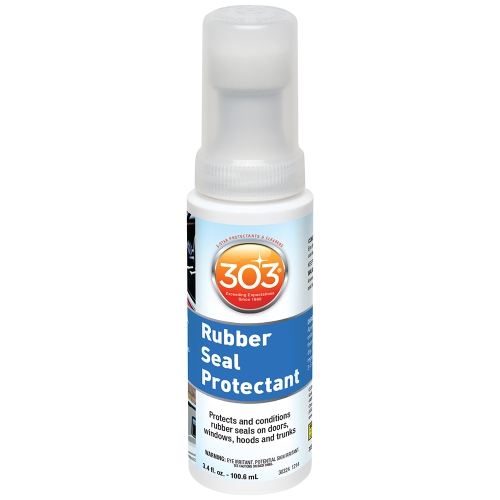 Your price for this item is $30.58
 -
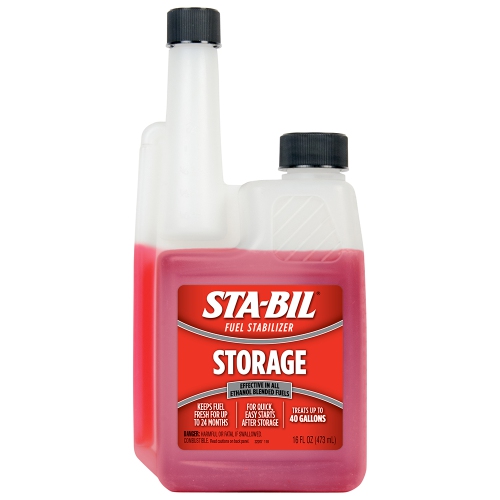 Your price for this item is $30.54
 -
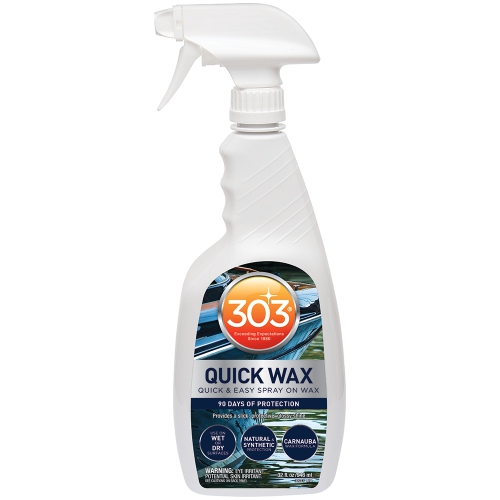 Your price for this item is $38.85
 -
 Your price for this item is $92.99
 -
 Your price for this item is $917.79
 -
 Your price for this item is $844.31
 -
 Your price for this item is $30.62
 -
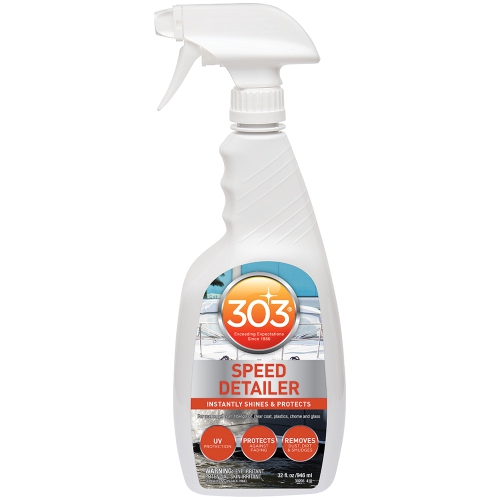 Your price for this item is $34.93
Discover more categories related to Sailing Gear
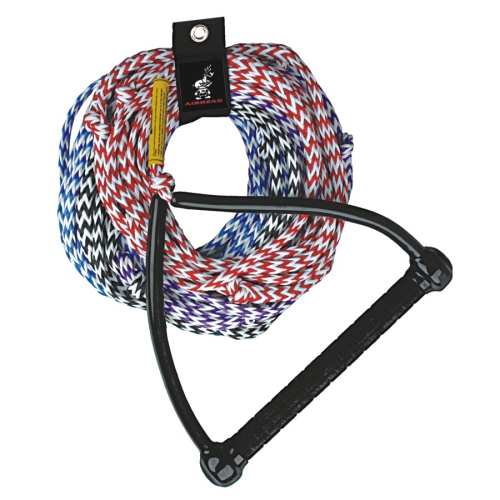
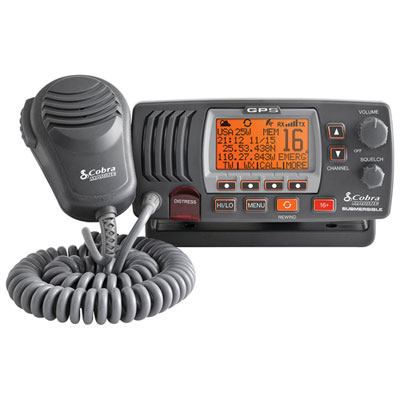
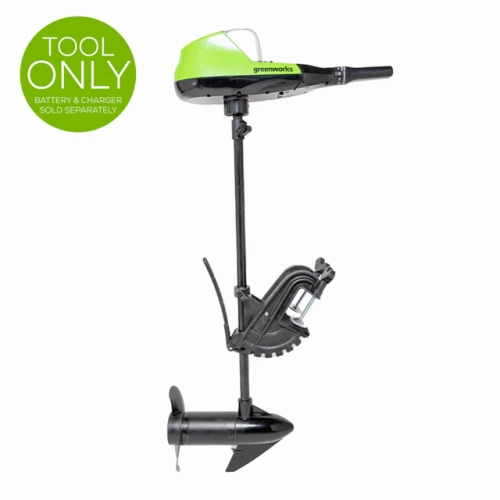
Top Collections:
Pokemon Centers, Kindle Devices, Best Budget Office Chairs, Apple iPhones 16, Canon G7X Cameras, iPhone 15 Apple, Alarm Clock, Refurbished Apple Laptops, Flip Phones, Best Laptops for Writers
Some products may be subject to Environmental Handling Fees
(EHF) depending on your province.
Learn more about EHFs.