Sailing Equipment
Looking to set sail on your next adventure? Look no further than our wide selection of sailing equipment. Whether you're a seasoned sailor or just starting out, we have everything you need to make your time on the water unforgettable. From essential safety gear to high-performance equipment, our collection is carefully curated to meet the needs of all sailors. So, grab your compass and get ready to explore the open seas with confidence and style.
Sort
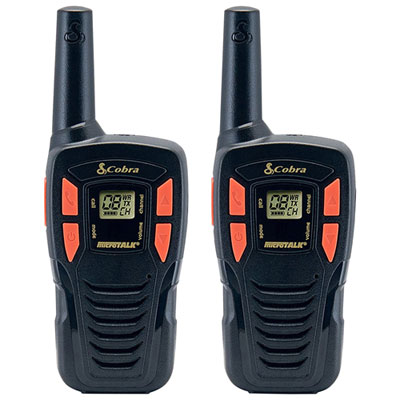
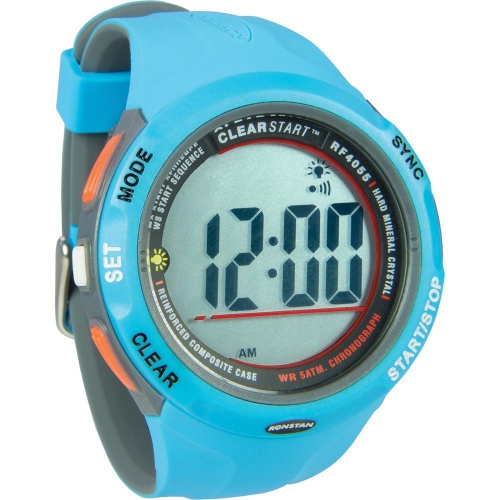
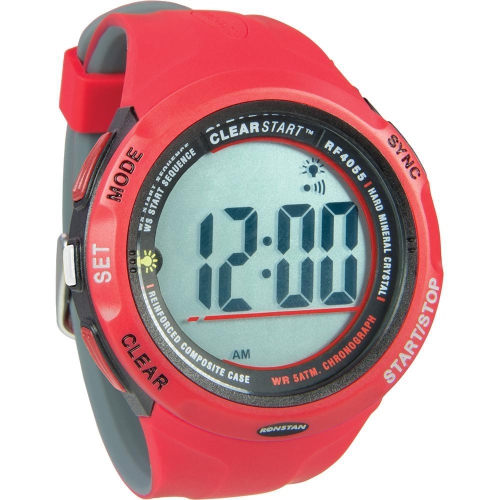
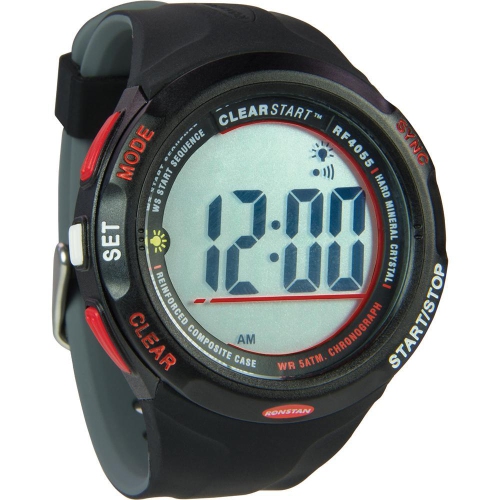
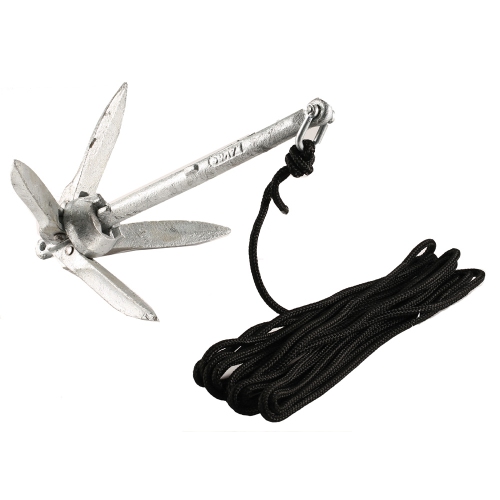
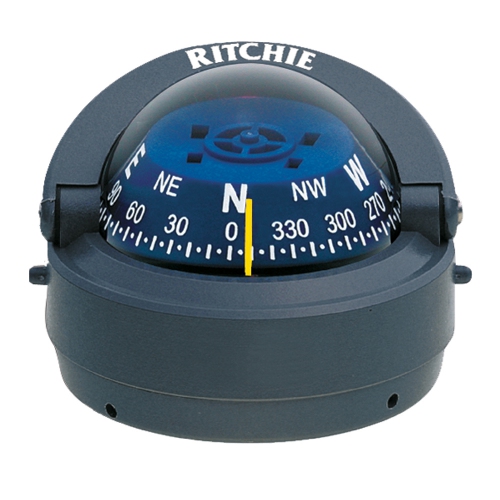
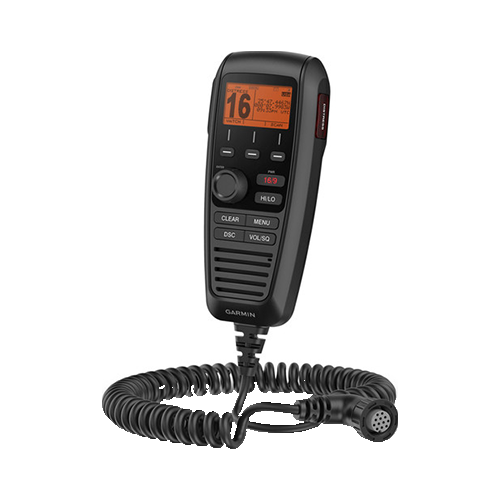
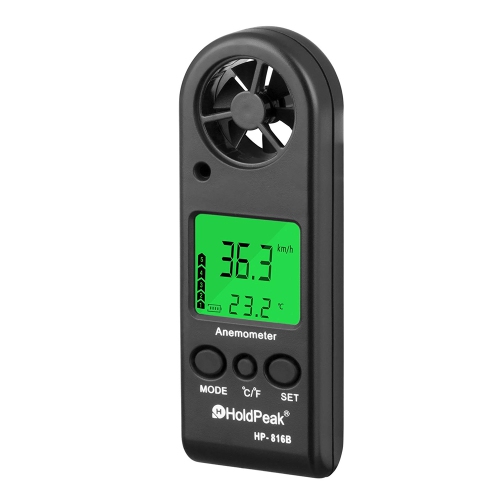

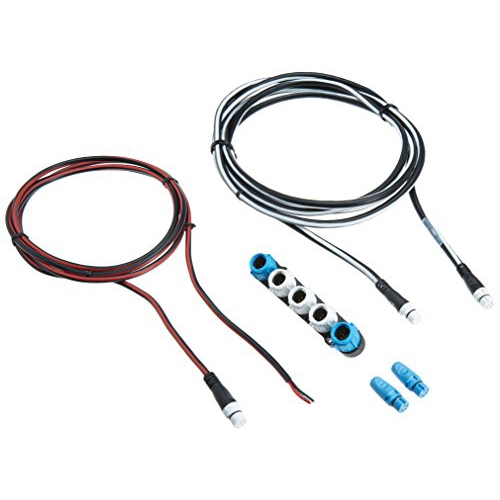
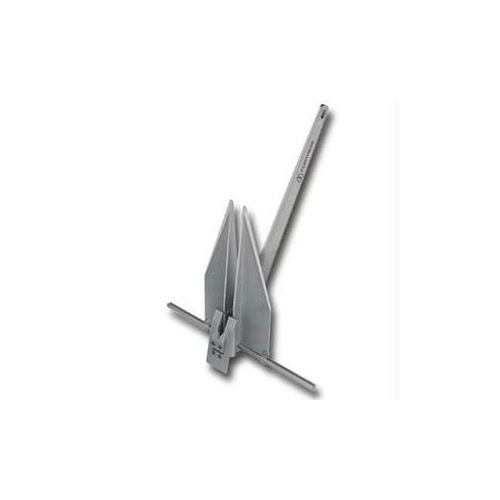
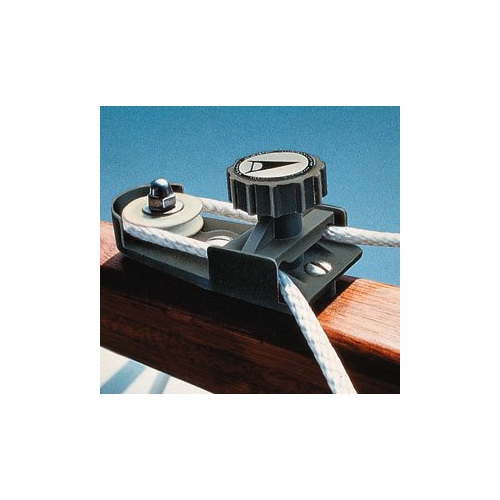
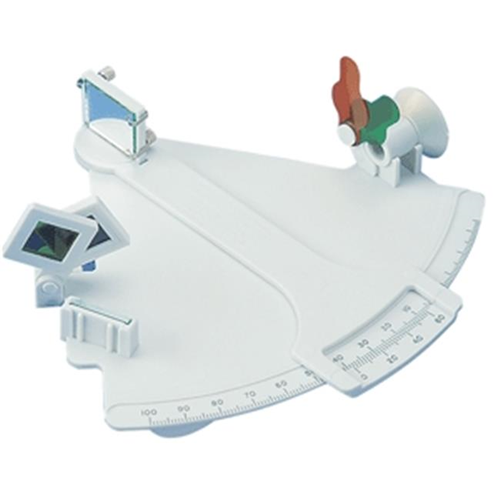
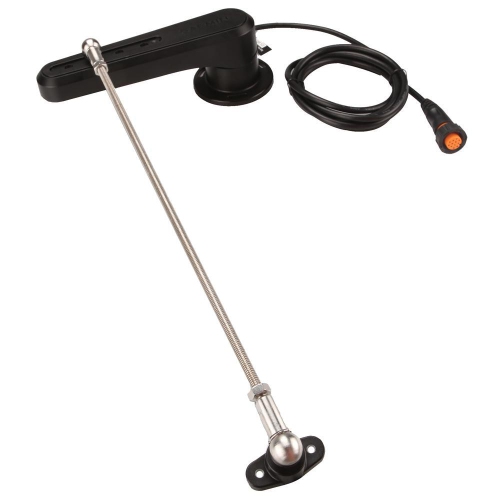
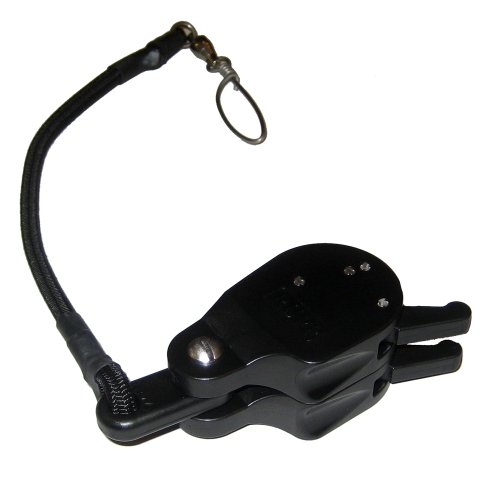
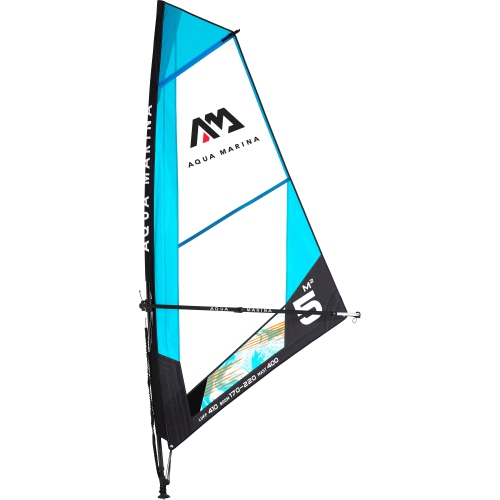
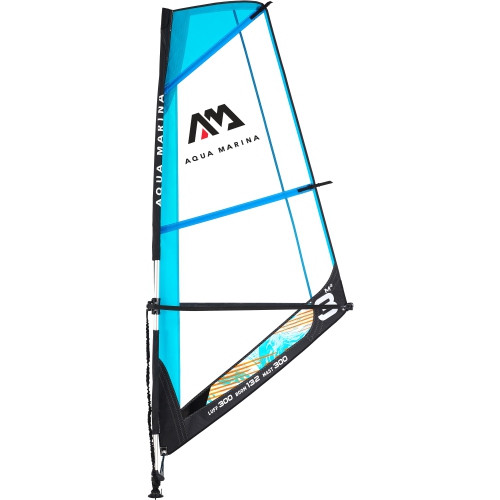
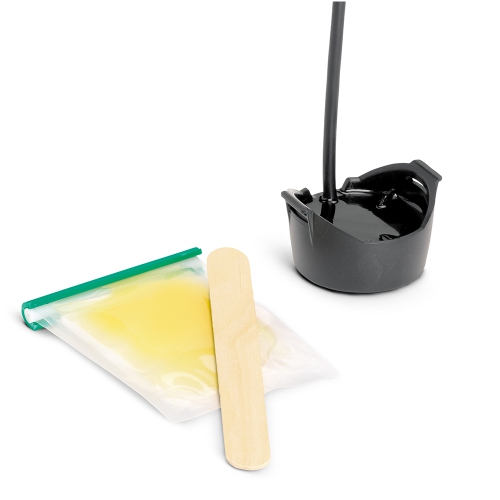
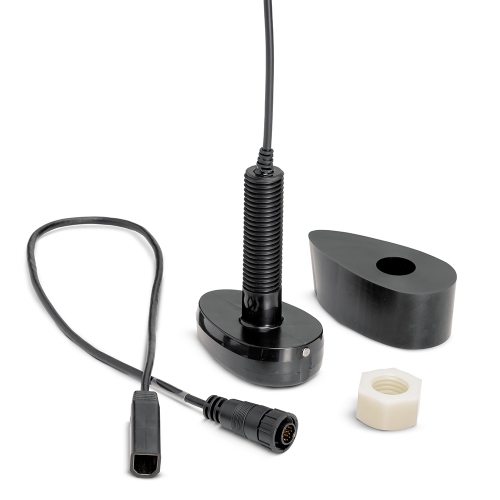
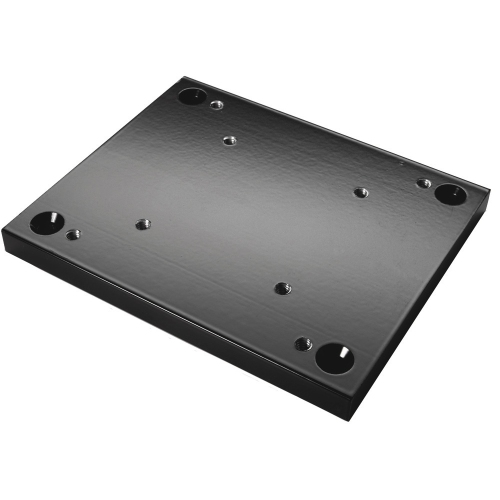
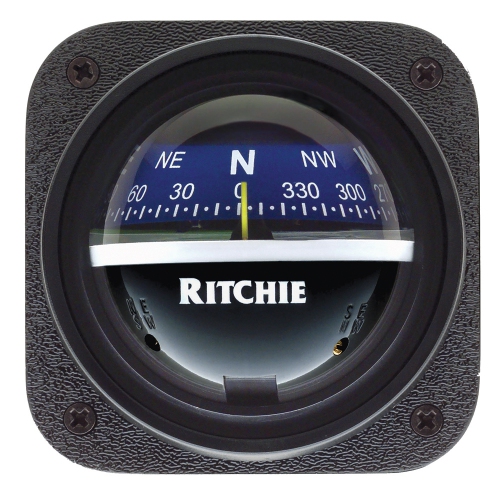

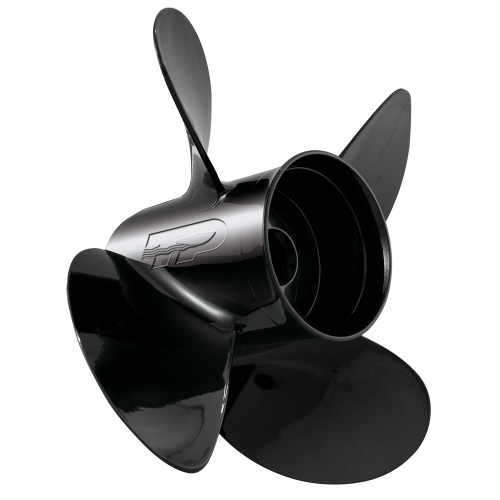

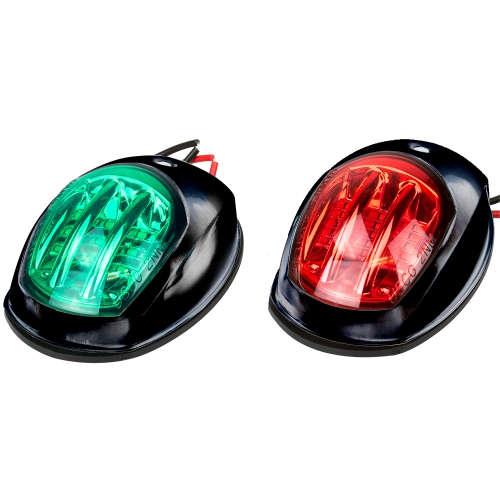
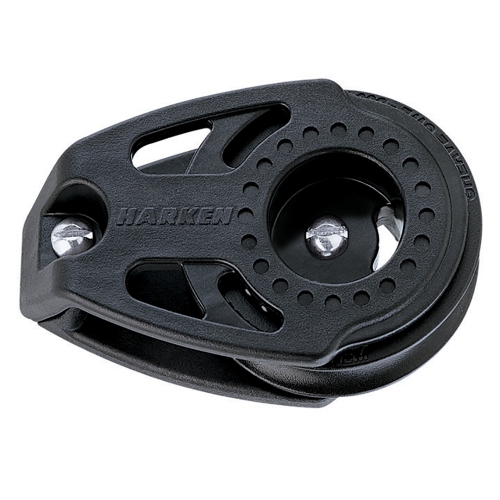
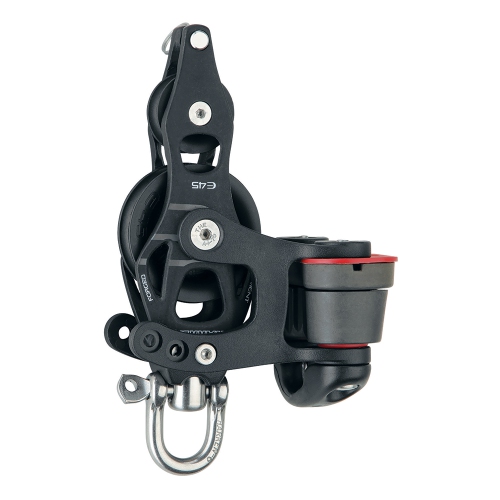

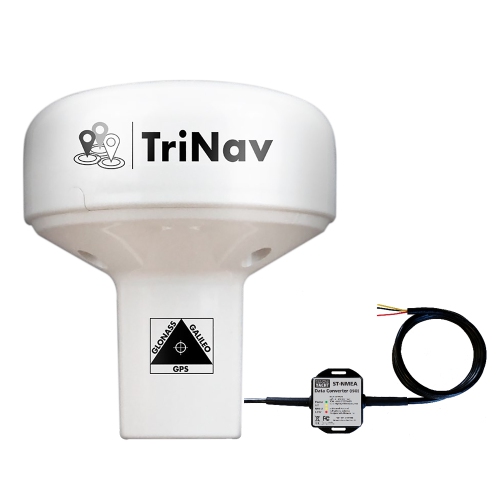

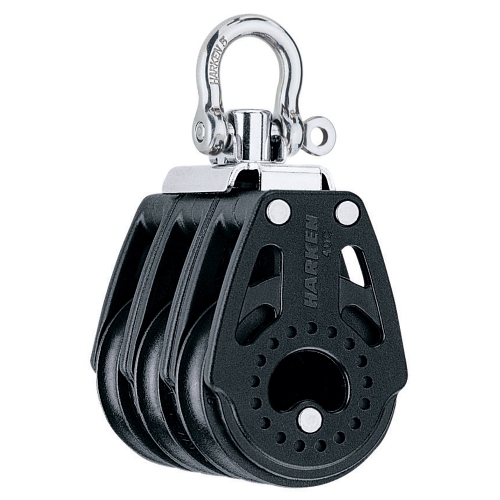
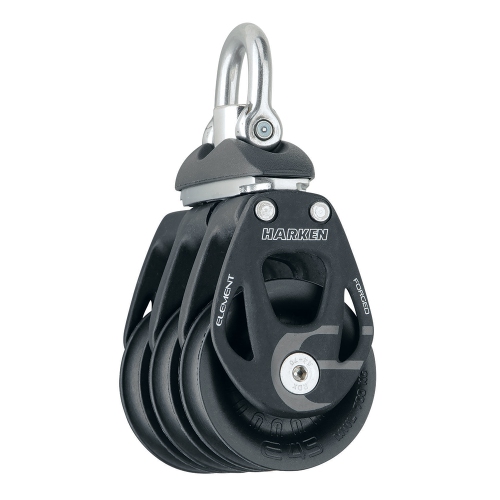
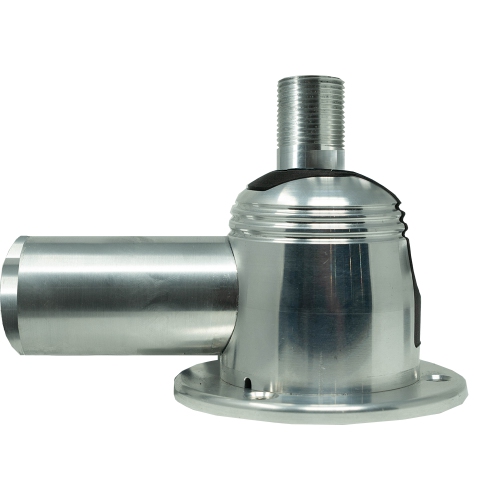


Practical layers and safety essentials for comfortable days aboard
Sailing equipment helps turn time on the water into a more comfortable, controlled, and enjoyable experience, whether you are learning the basics in a small dinghy, joining friends on a keelboat, or preparing for longer trips along the coast. The right gear should work with the realities of sailing: spray can arrive from any direction, wind can make a mild day feel cold, and a dry deck can become slippery within minutes. Waterproof and wind-resistant outer layers are a practical starting point, especially jackets with adjustable cuffs, protective collars, and room for comfortable layering underneath. Sailing bibs or waterproof trousers can help keep rain and spray from soaking through at the waist, while quick-drying base layers are useful when activity, sun, and changing wind cause temperatures to shift. Look for fabrics that move easily when you are stepping across a deck, crouching near a cockpit, or reaching for a line. A good fit matters as much as the material: sleeves should cover the wrists without restricting movement, trousers should allow bending, and outer layers should sit comfortably over the clothing you expect to wear beneath them. During the cooler months, layered clothing is often more useful than one very bulky garment, since you can adjust as the day changes. Gloves deserve equal attention. Sailing gloves can protect palms from friction when handling lines, while reinforced areas and secure wrist closures can make repeated tasks more comfortable. Fingerless designs provide dexterity for knots and small fittings, while full-finger coverage offers more warmth and protection when the wind picks up. Footwear should provide dependable traction on wet surfaces, with soles designed to grip without leaving marks on the deck. Choose shoes or boots that fit securely, dry reasonably quickly, and leave enough room for comfortable socks without slipping inside the footwear.
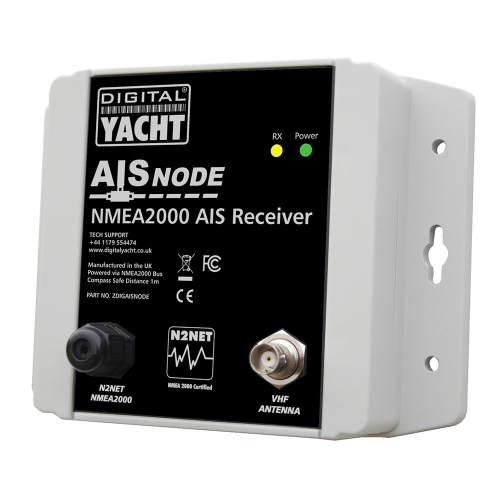
Safety equipment is central to every sailing setup. A properly fitted personal flotation device should be comfortable enough to wear throughout the outing, sit securely without riding up, and allow a full range of movement. Check the sizing guidance, closure system, buoyancy rating, and approval information before purchasing, and make sure each person on board has suitable flotation equipment rather than relying on one shared option. Children and less confident swimmers need especially careful fitting, with frequent checks as they grow or change layers. Visibility can also matter in low light, fog, spray, or busy waterways, so reflective details and bright colours may be useful additions depending on where and when you sail. Keep essential safety items easy to reach rather than buried beneath personal bags or spare clothing. Sailing accessories such as waterproof storage, dry bags, deck lights, whistles, and compact communication or navigation tools can help protect valuables and keep important items close at hand. When selecting storage, consider how it will be secured against wind and movement, whether the closure is simple to operate with wet hands, and whether the capacity matches the length of your outings. Those outfitting a boat may also want to explore related Sailing Parts for components and accessories that support regular maintenance or future upgrades. The best choices depend on the type of boat, the number of people aboard, the distance from shore, and the sort of sailing planned. A calm afternoon on an inland lake calls for different priorities than an exposed passage with stronger wind and heavier spray. Before setting out, inspect zippers, straps, soles, flotation devices, and closures for wear. Rinse salt or dirty water from gear after use when appropriate, allow clothing and bags to dry fully, and store everything where it will be ready for the next outing.
Sailing equipment can be a thoughtful gift for someone who spends weekends at a marina, belongs to a sailing club, enjoys lessons, or is preparing for a first trip with an experienced crew. Practical gifts are often especially appreciated because sailors tend to use their gear repeatedly and notice the difference when clothing stays dry, gloves prevent sore hands, or footwear remains steady on a moving deck. If you are buying for another person, start with items that do not depend on highly personal measurements, such as waterproof storage, sailing gloves, deck-friendly accessories, or layering pieces with a forgiving fit. For apparel and flotation devices, knowing the recipient’s measurements, preferred fit, and usual sailing style is important. A person who sails in sheltered waters may value lightweight layers and compact storage, while someone who spends long days offshore may prioritize greater coverage, insulation, visibility, and protection from spray. Beginners often benefit from versatile equipment that can serve them through lessons and casual outings, while experienced sailors may appreciate specialized additions that complement what they already own. Gift choices can also support the whole crew: extra gloves, clearly marked storage, spare warm layers, and dependable lights are useful additions for shared gear lockers. As weather becomes cooler, thoughtful layering and reliable protection become even more valuable, particularly when early departures begin with a crisp breeze and the deck remains damp from overnight conditions. With equipment selected for fit, comfort, safety, and the demands of the boat, sailors can spend less time dealing with wet clothing or uncomfortable gear and more time reading the wind, working with the crew, and enjoying the changing view from the water.
Safety equipment is central to every sailing setup. A properly fitted personal flotation device should be comfortable enough to wear throughout the outing, sit securely without riding up, and allow a full range of movement. Check the sizing guidance, closure system, buoyancy rating, and approval information before purchasing, and make sure each person on board has suitable flotation equipment rather than relying on one shared option. Children and less confident swimmers need especially careful fitting, with frequent checks as they grow or change layers. Visibility can also matter in low light, fog, spray, or busy waterways, so reflective details and bright colours may be useful additions depending on where and when you sail. Keep essential safety items easy to reach rather than buried beneath personal bags or spare clothing. Sailing accessories such as waterproof storage, dry bags, deck lights, whistles, and compact communication or navigation tools can help protect valuables and keep important items close at hand. When selecting storage, consider how it will be secured against wind and movement, whether the closure is simple to operate with wet hands, and whether the capacity matches the length of your outings. Those outfitting a boat may also want to explore related Sailing Parts for components and accessories that support regular maintenance or future upgrades. The best choices depend on the type of boat, the number of people aboard, the distance from shore, and the sort of sailing planned. A calm afternoon on an inland lake calls for different priorities than an exposed passage with stronger wind and heavier spray. Before setting out, inspect zippers, straps, soles, flotation devices, and closures for wear. Rinse salt or dirty water from gear after use when appropriate, allow clothing and bags to dry fully, and store everything where it will be ready for the next outing.
Sailing equipment can be a thoughtful gift for someone who spends weekends at a marina, belongs to a sailing club, enjoys lessons, or is preparing for a first trip with an experienced crew. Practical gifts are often especially appreciated because sailors tend to use their gear repeatedly and notice the difference when clothing stays dry, gloves prevent sore hands, or footwear remains steady on a moving deck. If you are buying for another person, start with items that do not depend on highly personal measurements, such as waterproof storage, sailing gloves, deck-friendly accessories, or layering pieces with a forgiving fit. For apparel and flotation devices, knowing the recipient’s measurements, preferred fit, and usual sailing style is important. A person who sails in sheltered waters may value lightweight layers and compact storage, while someone who spends long days offshore may prioritize greater coverage, insulation, visibility, and protection from spray. Beginners often benefit from versatile equipment that can serve them through lessons and casual outings, while experienced sailors may appreciate specialized additions that complement what they already own. Gift choices can also support the whole crew: extra gloves, clearly marked storage, spare warm layers, and dependable lights are useful additions for shared gear lockers. As weather becomes cooler, thoughtful layering and reliable protection become even more valuable, particularly when early departures begin with a crisp breeze and the deck remains damp from overnight conditions. With equipment selected for fit, comfort, safety, and the demands of the boat, sailors can spend less time dealing with wet clothing or uncomfortable gear and more time reading the wind, working with the crew, and enjoying the changing view from the water.
Top selling and popular products
-
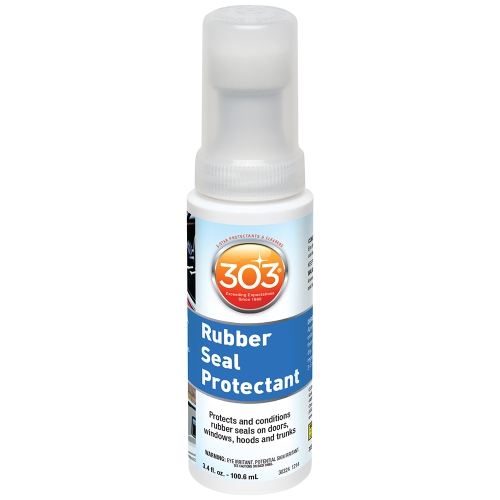 Your price for this item is $30.58
 -
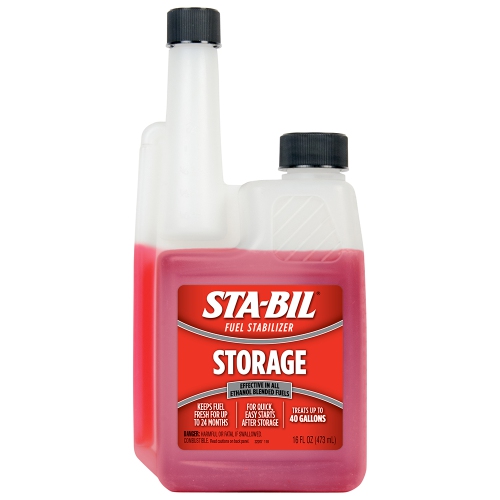 Your price for this item is $30.54
 -
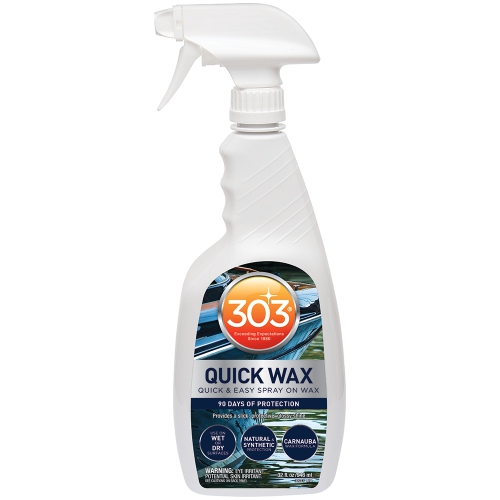 Your price for this item is $38.85
 -
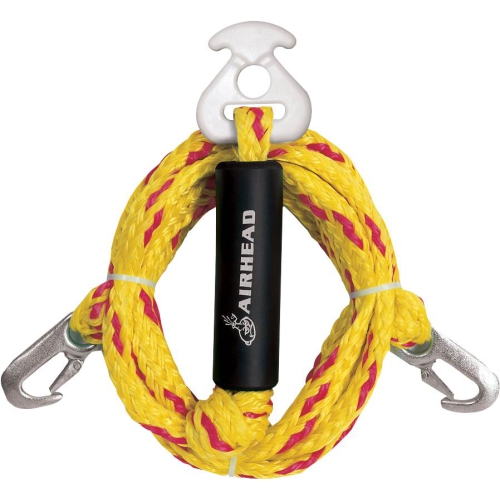 Your price for this item is $92.99
 -
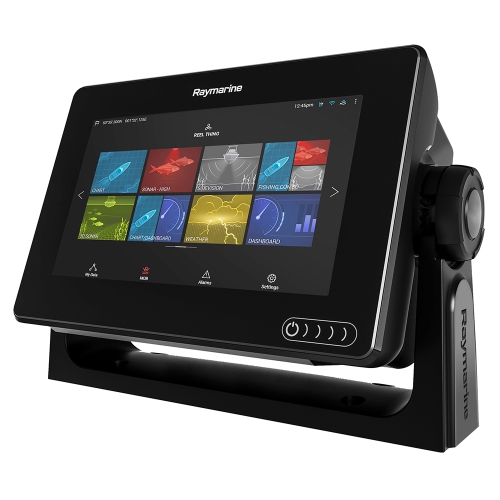 Your price for this item is $917.79
 -
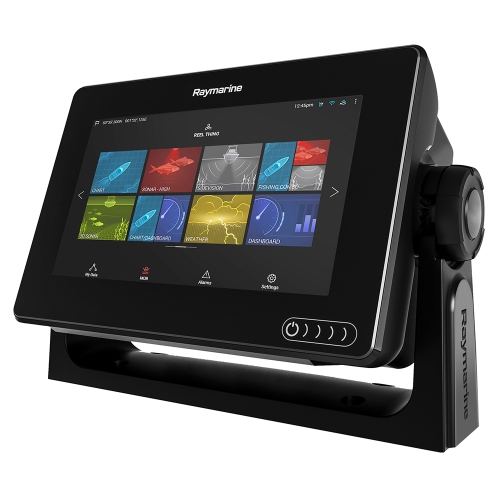 Your price for this item is $844.31
 -
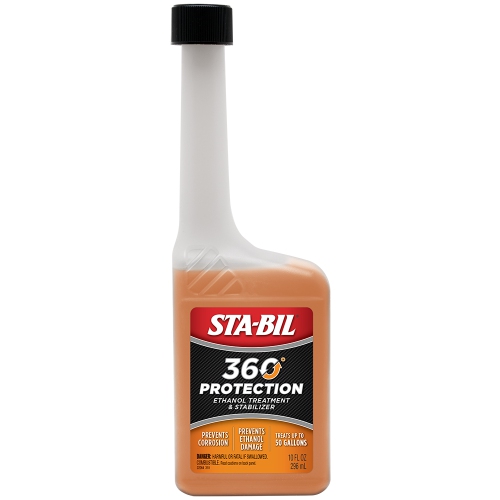 Your price for this item is $30.62
 -
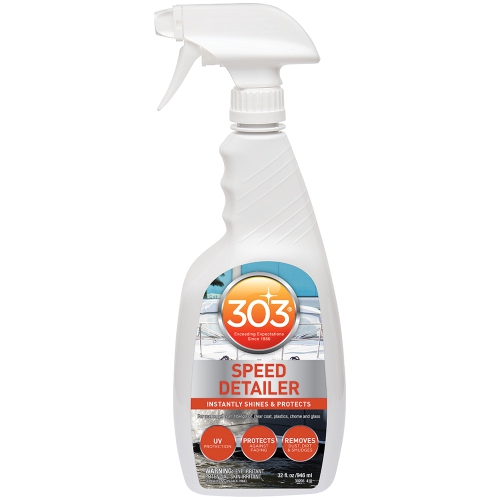 Your price for this item is $34.93
Discover more categories related to Sailing Equipment
Top Collections:
Pokemon Centers, Kindle Devices, Best Budget Office Chairs, Apple iPhones 16, Canon G7X Cameras, iPhone 15 Apple, Alarm Clock, Refurbished Apple Laptops, Flip Phones, Best Laptops for Writers
Some products may be subject to Environmental Handling Fees
(EHF) depending on your province.
Learn more about EHFs.