Sailing Parts
Whether you're a seasoned sailor or just dipping your toes into the world of sailing, having the right parts and accessories can make all the difference in your nautical adventures. Our collection of sailing parts is carefully curated to provide you with everything you need to enhance your sailing experience. From essential components to handy upgrades, we've got you covered. Explore our selection of top-quality sailing parts and gear to set sail with confidence and style.
Sort
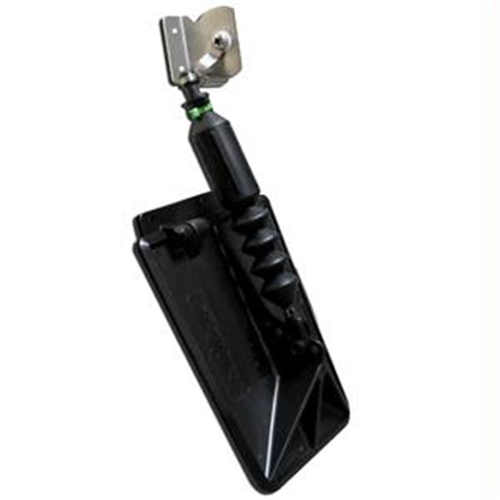
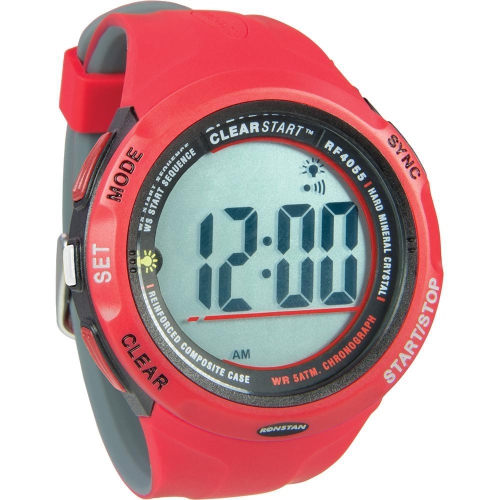
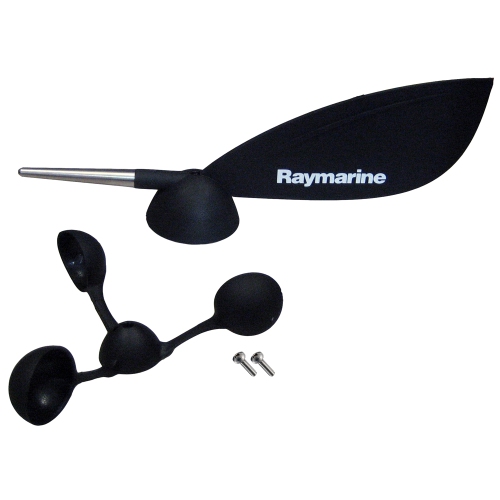
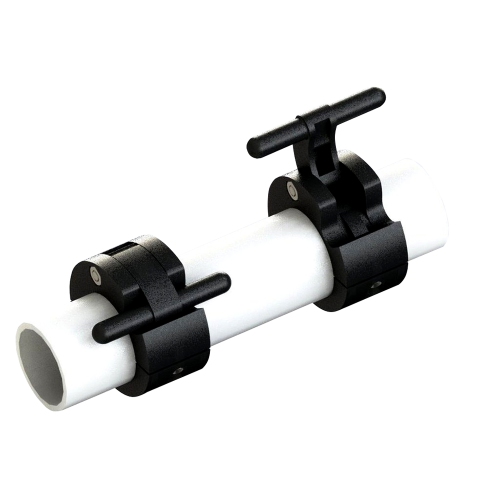
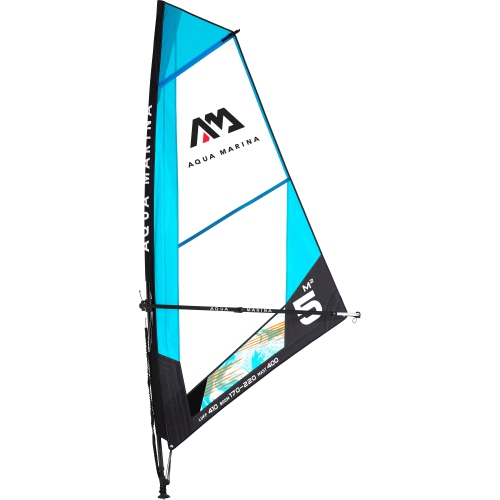
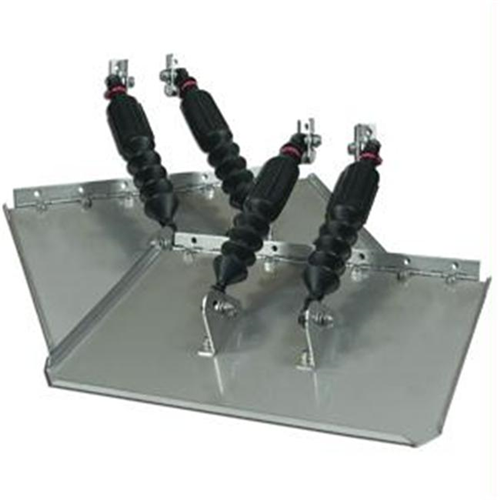
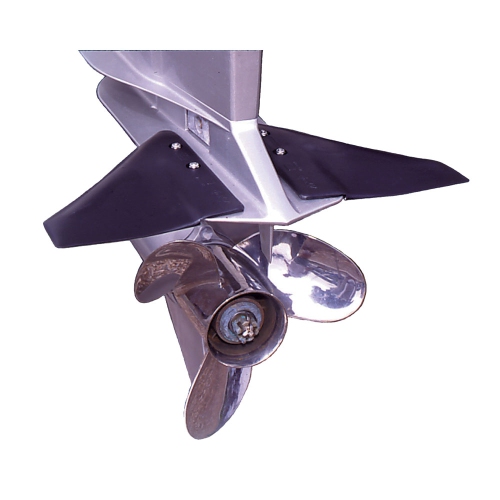
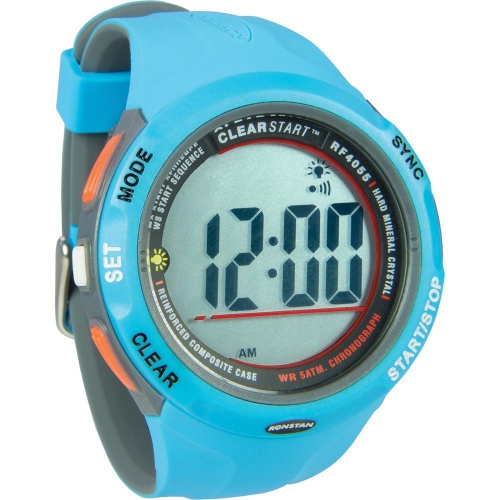
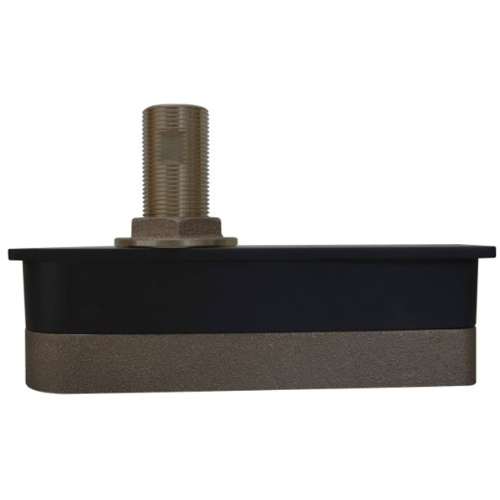
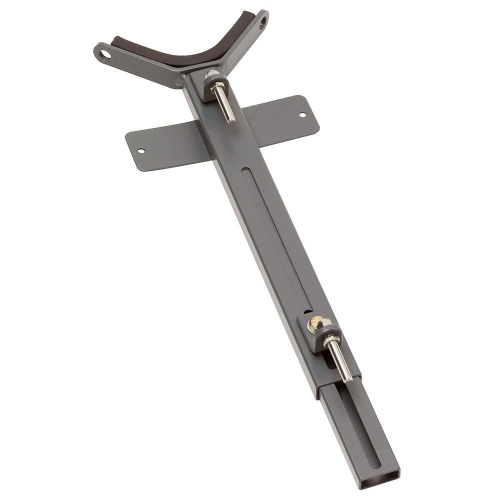

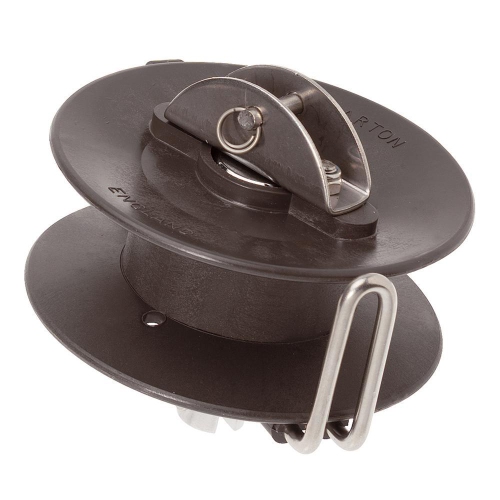
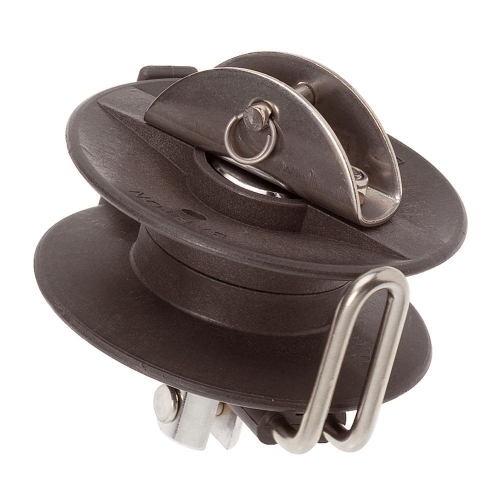
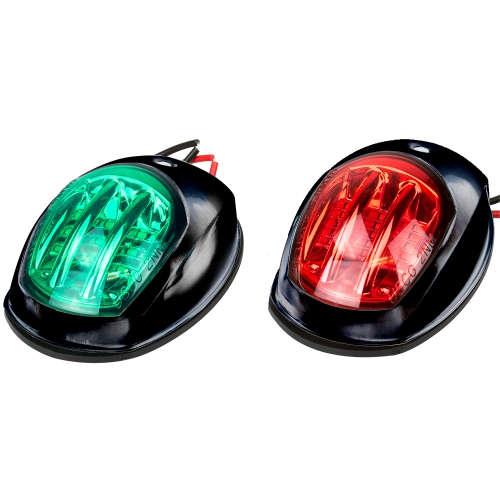
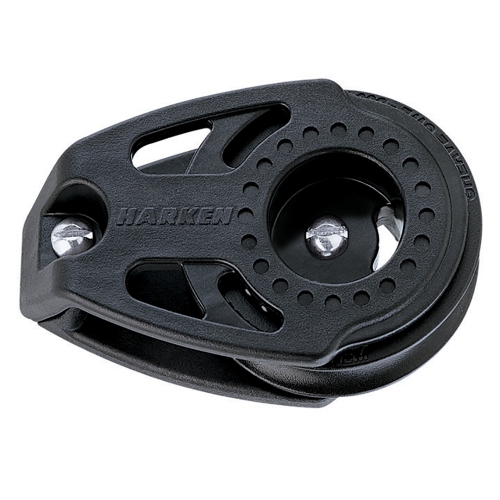
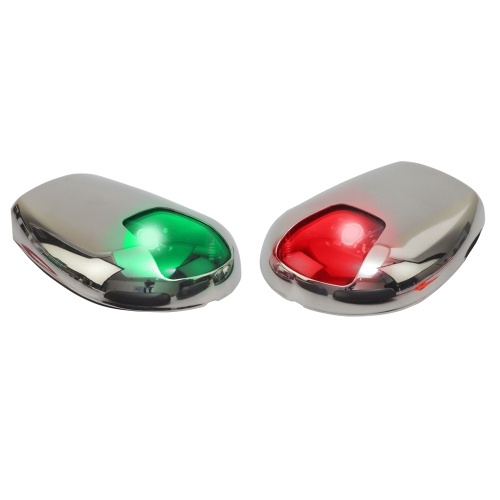

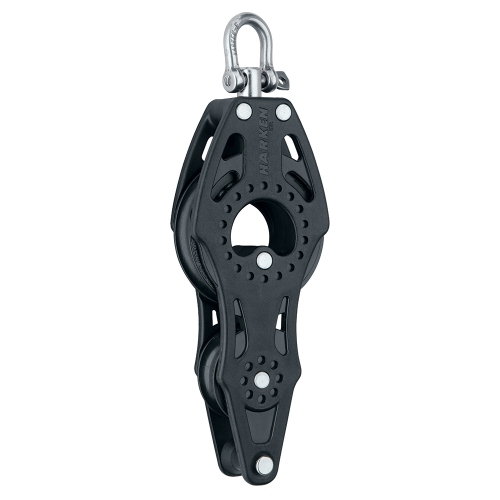
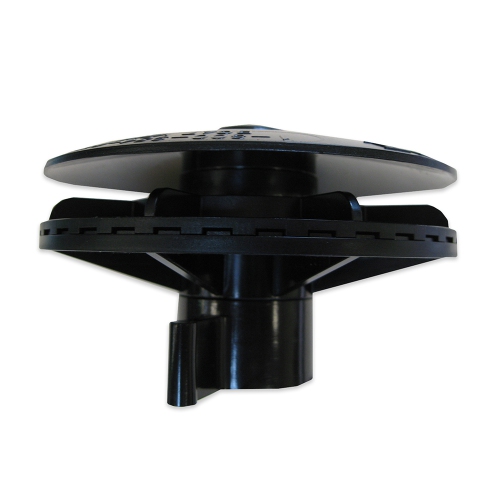
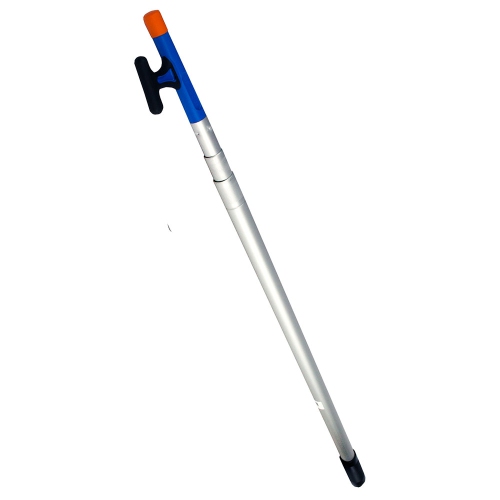

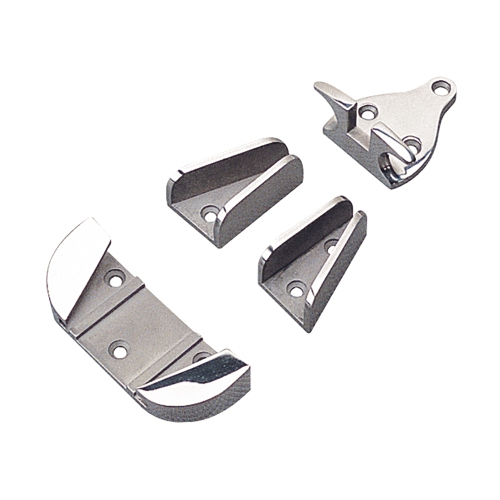
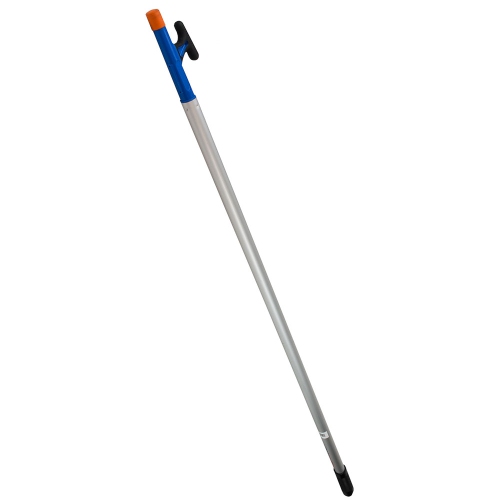
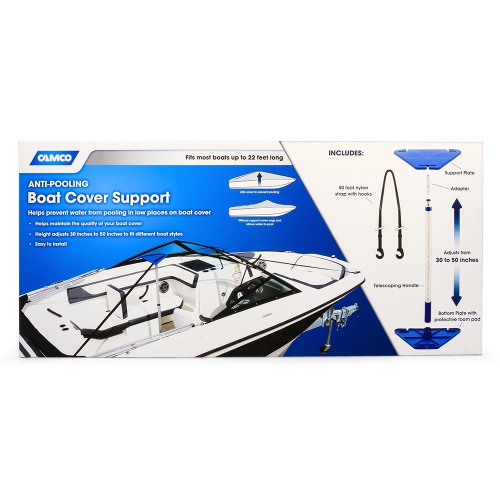
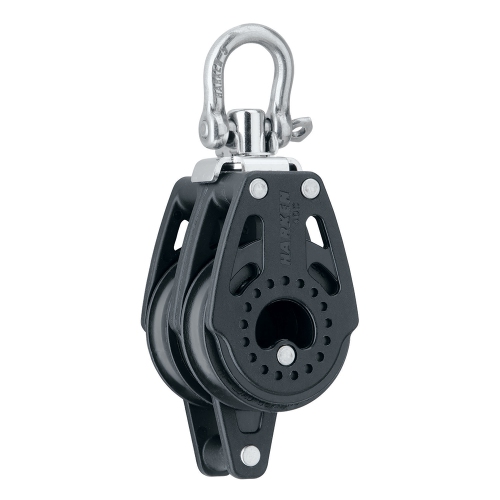

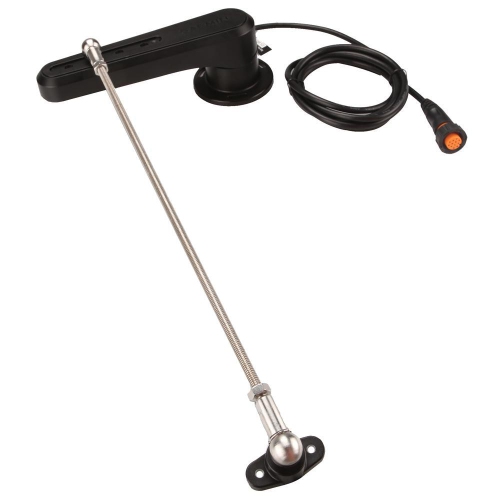
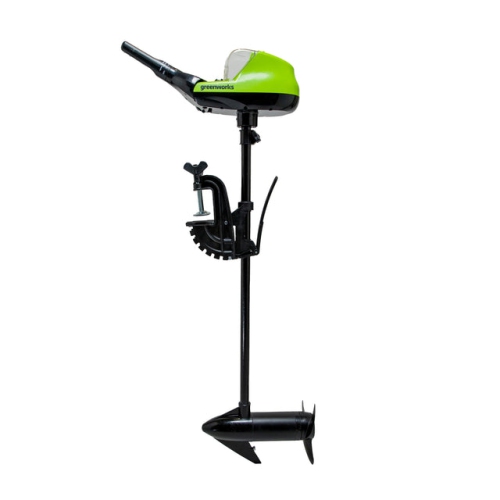

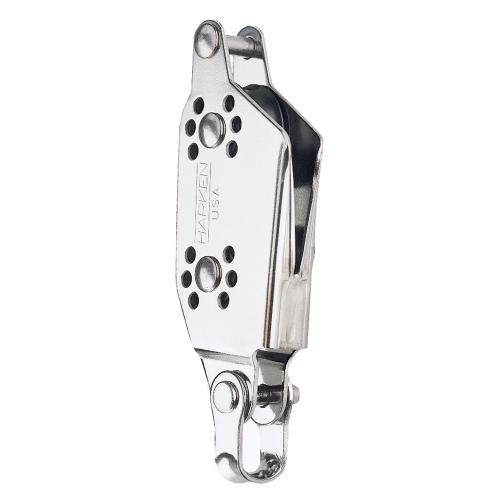
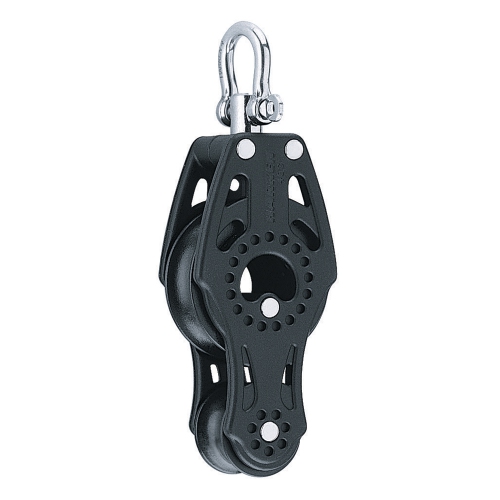
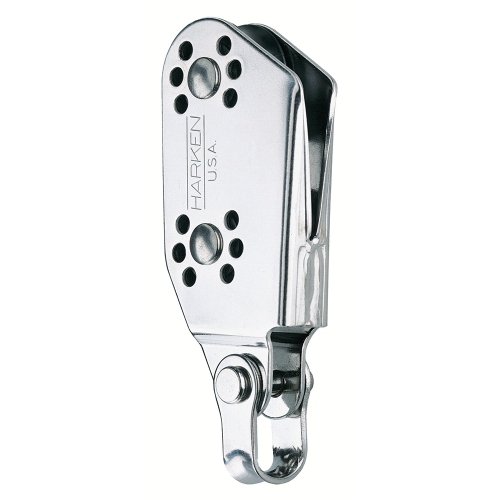
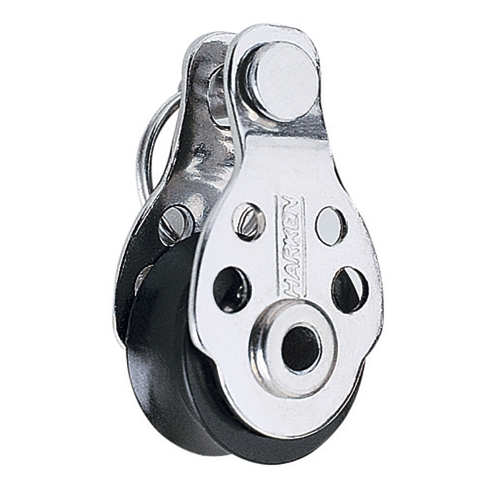

How rigging, compatibility and seasonal care support smoother sailing
Sailing parts help keep a sailboat supported, steerable and responsive, whether you are preparing a small dinghy for a quiet afternoon on the lake or maintaining a larger keelboat for longer trips on open water. The main parts of a sailboat include the hull, keel or centreboard, rudder, mast, boom, sails and the hardware that connects and controls them. The hull is the boat’s main body, providing buoyancy and carrying the crew, while the keel or centreboard extends below the hull to reduce sideways drift and improve stability. A rudder, operated by a tiller or wheel, directs the boat through the water. Above deck, the mast supports the sails and the boom controls the lower edge of the mainsail. The mainsail is typically the principal sail behind the mast, while the jib is set forward to help balance the sail plan and make the most of the wind. When choosing replacement sailing parts, start by identifying the boat’s make, model, class and intended use. Parts that look similar may differ in length, diameter, attachment style, breaking load or compatibility with a particular rig, so checking the manufacturer’s specifications and comparing the original component with the replacement is an important part of the process. It is also helpful to consider whether the boat is used for casual recreation, racing, instruction or regular coastal sailing, as each activity can place different demands on hardware and rigging. A well-matched part should work naturally with the rest of the system, fit securely and remain easy to inspect before and after time on the water.
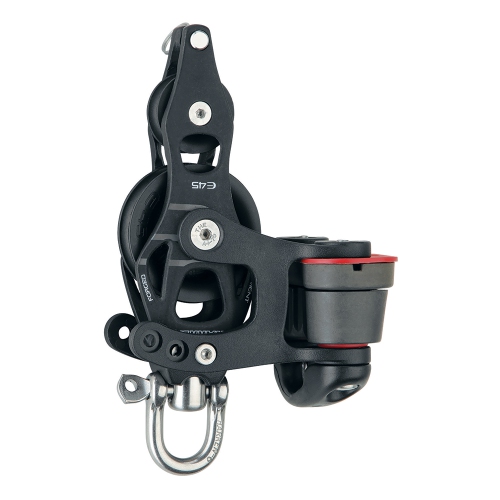
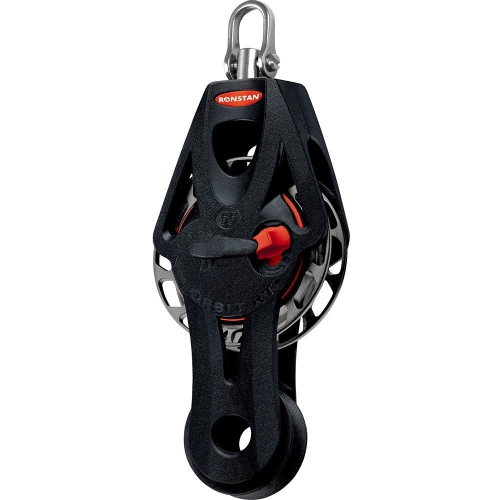
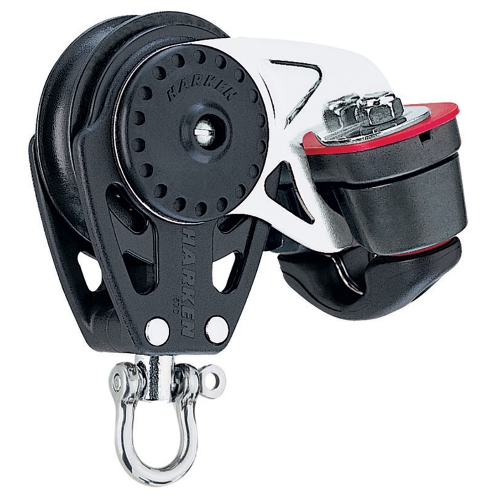
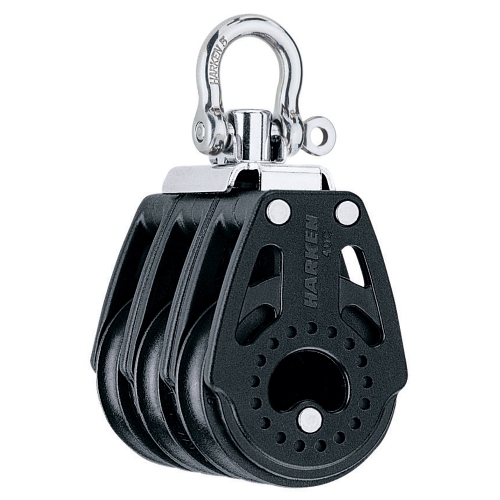
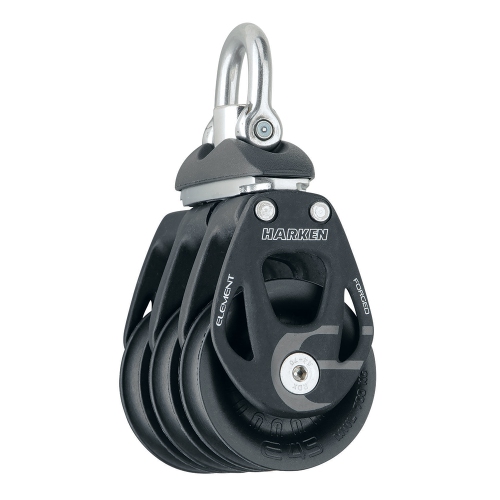
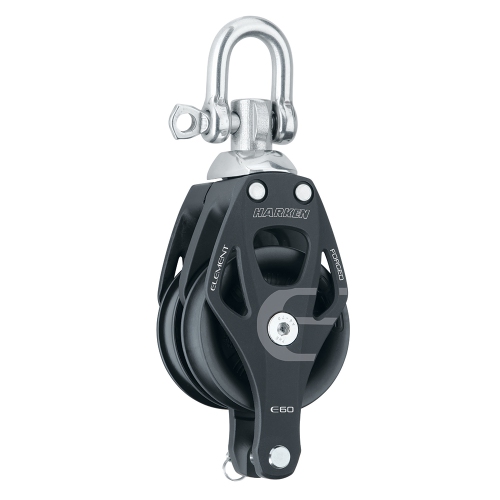
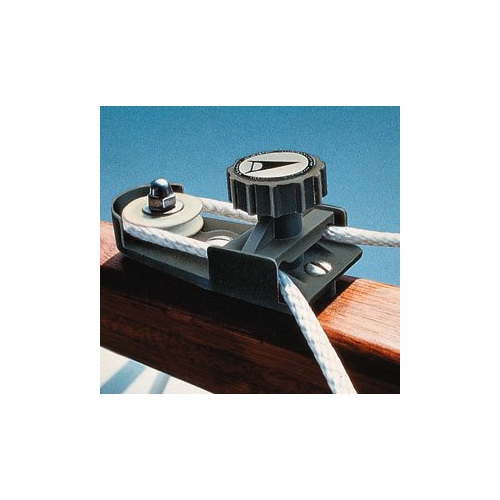
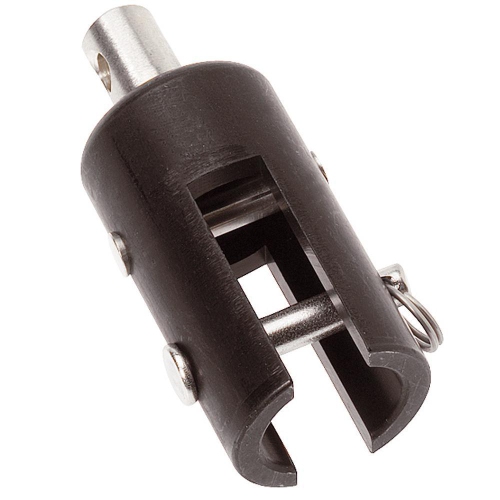
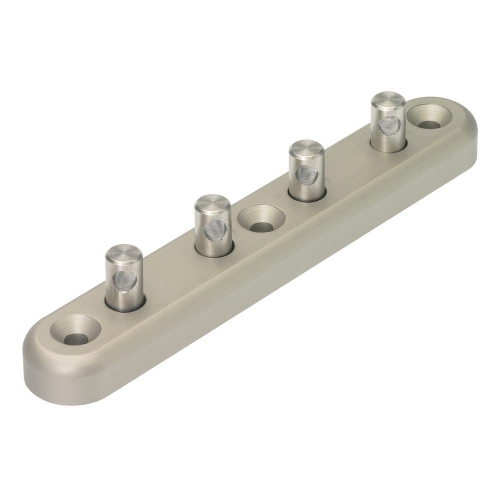
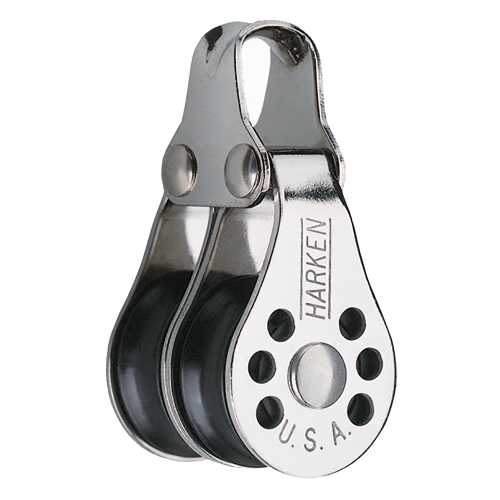
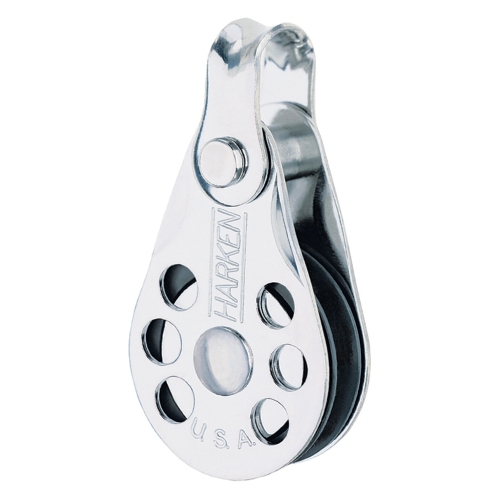
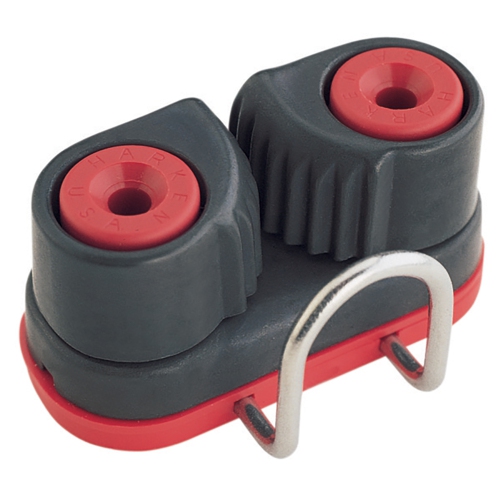
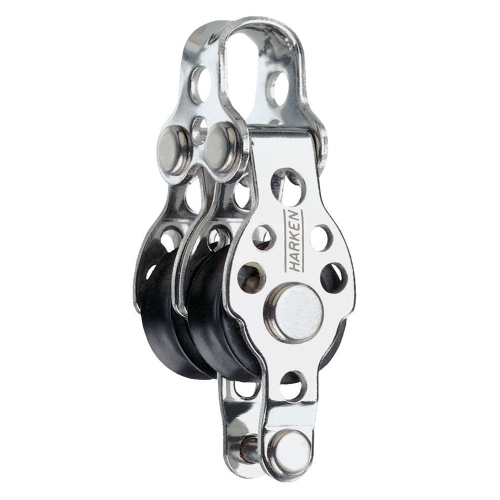
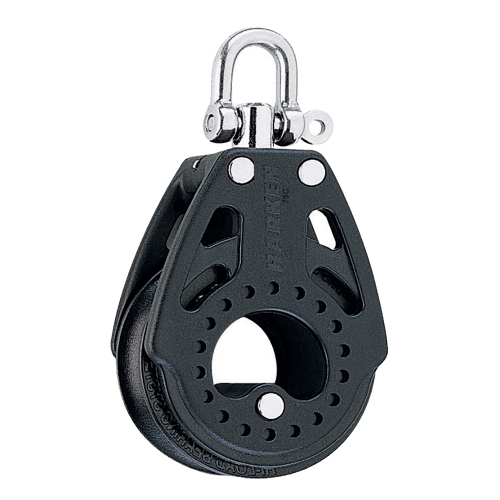
Rigging and deck hardware make it possible to raise, adjust and secure the sails. Standing rigging consists of fixed wires, stays and shrouds that support the mast and help maintain its position under sail. Running rigging includes the active ropes and lines used to raise sails and control their shape, including halyards for lifting sails and sheets for trimming them. Blocks are pulley-like components that change the direction of a line or provide mechanical advantage, allowing a sailor to manage tension with less effort. Cleats hold lines in place once they have been adjusted, while shackles and other connectors attach sails, blocks and lines to points on the boat. Other useful sailing parts may include fasteners, fittings, line guides, adjusters and replacement components for steering or sail-control systems. Before purchasing, inspect the existing setup for chafe, corrosion, cracking, distortion, loose connections and signs of ultraviolet exposure. Measure carefully and note how a part is attached, including the size of any pin, bolt, eye, hole or line it must accommodate. The working load matters as well: hardware used on a heavily loaded control line needs to be selected for the forces it may experience, not simply for its appearance or physical size. Materials and construction can also influence performance, maintenance and service life in a marine setting, where salt spray, moisture and changing temperatures are common. For sailors who spend the cooler months ashore, this is a practical time to sort through spare parts, label lines and fittings, and replace worn components before the next period of warm-weather use. A thoughtful inspection can turn a frustrating day of troubleshooting into a smooth launch, with each line running cleanly and each control responding as expected.
Sailing parts are useful for experienced sailors, boat owners, sailing instructors, clubs and families who share time on the water. They can also make considerate gifts for someone who enjoys maintaining a sailboat, learning basic rigging skills or preparing a boat for a new season. A replacement connector or line-control component may be especially welcome when it matches a known need, while a general-purpose maintenance item can complement a sailor’s onboard spares kit. Gift shoppers should confirm the recipient’s boat type and the exact part required before choosing a component, since sailboats vary widely in their fittings and rigging arrangements. For a first-time buyer, the most reliable information usually comes from the boat’s manual, an existing part, a sailmaker, a marine technician or an experienced member of the local sailing community. Keeping a few compatible spares aboard can be valuable during an outing, particularly for small items that are difficult to improvise on the water. Store replacement lines and hardware clean and dry, rinse salt residue from suitable components after use, and follow the care instructions supplied with each part. Sailors who are updating their equipment may also find related apparel and accessories through Sailing Gear, helping them prepare for time on deck in changing conditions. Whether the goal is repairing a dependable training boat, fine-tuning a racing setup or getting a family sailboat ready for relaxed weekend outings, selecting compatible sailing parts supports safer handling, easier adjustments and more confidence at the helm.
Rigging and deck hardware make it possible to raise, adjust and secure the sails. Standing rigging consists of fixed wires, stays and shrouds that support the mast and help maintain its position under sail. Running rigging includes the active ropes and lines used to raise sails and control their shape, including halyards for lifting sails and sheets for trimming them. Blocks are pulley-like components that change the direction of a line or provide mechanical advantage, allowing a sailor to manage tension with less effort. Cleats hold lines in place once they have been adjusted, while shackles and other connectors attach sails, blocks and lines to points on the boat. Other useful sailing parts may include fasteners, fittings, line guides, adjusters and replacement components for steering or sail-control systems. Before purchasing, inspect the existing setup for chafe, corrosion, cracking, distortion, loose connections and signs of ultraviolet exposure. Measure carefully and note how a part is attached, including the size of any pin, bolt, eye, hole or line it must accommodate. The working load matters as well: hardware used on a heavily loaded control line needs to be selected for the forces it may experience, not simply for its appearance or physical size. Materials and construction can also influence performance, maintenance and service life in a marine setting, where salt spray, moisture and changing temperatures are common. For sailors who spend the cooler months ashore, this is a practical time to sort through spare parts, label lines and fittings, and replace worn components before the next period of warm-weather use. A thoughtful inspection can turn a frustrating day of troubleshooting into a smooth launch, with each line running cleanly and each control responding as expected.
Sailing parts are useful for experienced sailors, boat owners, sailing instructors, clubs and families who share time on the water. They can also make considerate gifts for someone who enjoys maintaining a sailboat, learning basic rigging skills or preparing a boat for a new season. A replacement connector or line-control component may be especially welcome when it matches a known need, while a general-purpose maintenance item can complement a sailor’s onboard spares kit. Gift shoppers should confirm the recipient’s boat type and the exact part required before choosing a component, since sailboats vary widely in their fittings and rigging arrangements. For a first-time buyer, the most reliable information usually comes from the boat’s manual, an existing part, a sailmaker, a marine technician or an experienced member of the local sailing community. Keeping a few compatible spares aboard can be valuable during an outing, particularly for small items that are difficult to improvise on the water. Store replacement lines and hardware clean and dry, rinse salt residue from suitable components after use, and follow the care instructions supplied with each part. Sailors who are updating their equipment may also find related apparel and accessories through Sailing Gear, helping them prepare for time on deck in changing conditions. Whether the goal is repairing a dependable training boat, fine-tuning a racing setup or getting a family sailboat ready for relaxed weekend outings, selecting compatible sailing parts supports safer handling, easier adjustments and more confidence at the helm.
Top selling and popular products
-
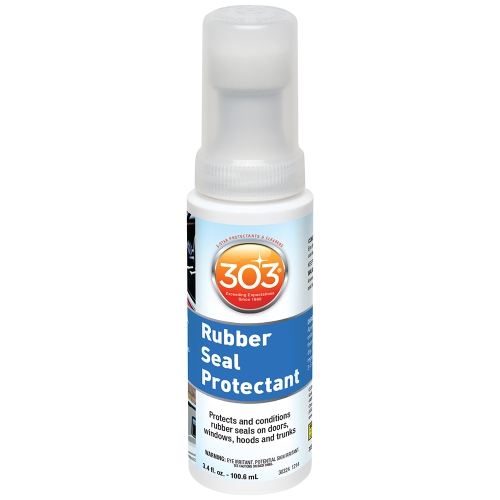 Your price for this item is $30.58
 -
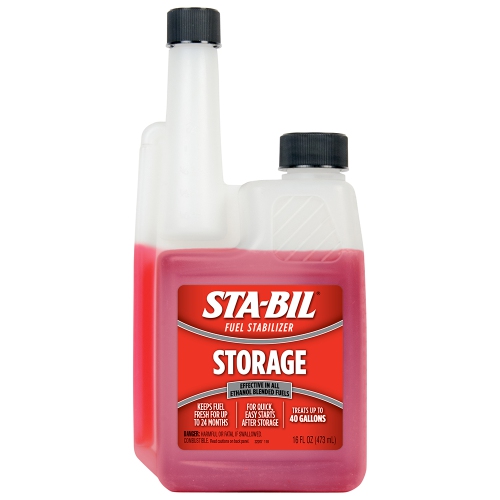 Your price for this item is $30.54
 -
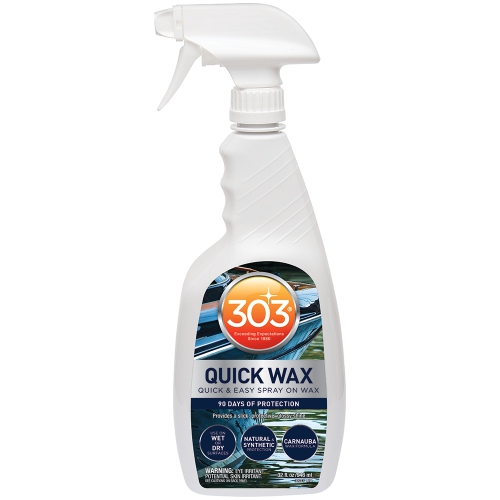 Your price for this item is $38.85
 -
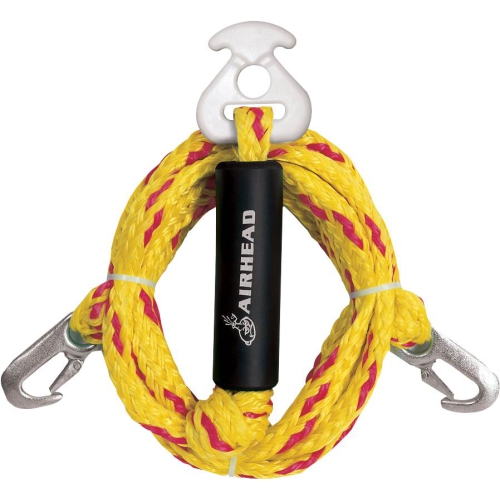 Your price for this item is $92.99
 -
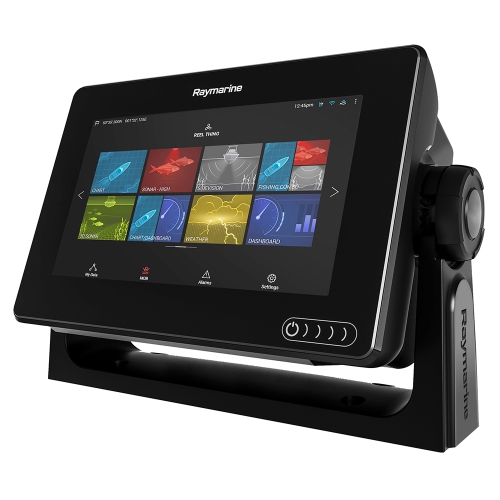 Your price for this item is $917.79
 -
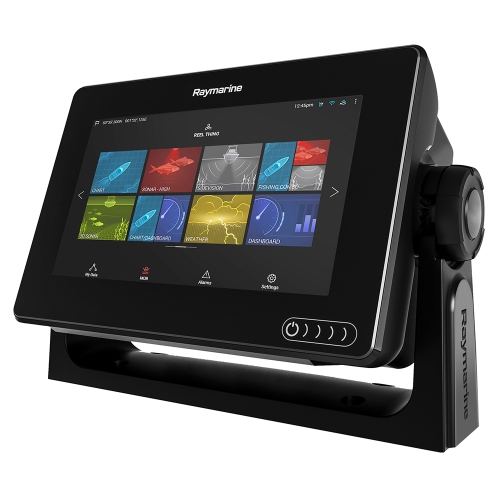 Your price for this item is $844.31
 -
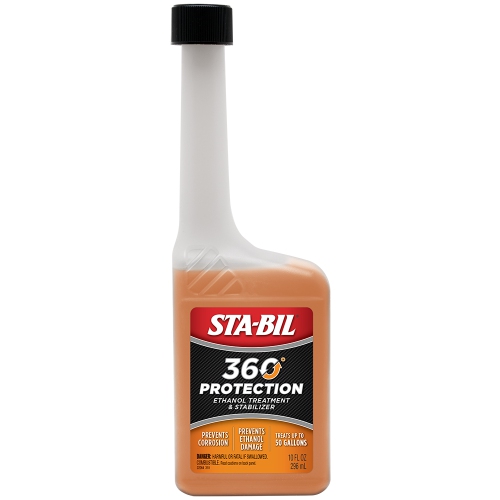 Your price for this item is $30.62
 -
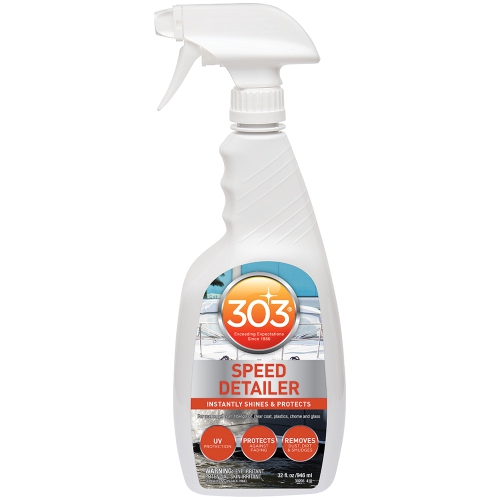 Your price for this item is $34.93
Discover more categories related to Sailing Parts
Top Collections:
Pokemon Centers, Kindle Devices, Best Budget Office Chairs, Apple iPhones 16, Canon G7X Cameras, iPhone 15 Apple, Alarm Clock, Refurbished Apple Laptops, Flip Phones, Best Laptops for Writers
Some products may be subject to Environmental Handling Fees
(EHF) depending on your province.
Learn more about EHFs.