Household Meat Grinders
A meat grinder is a kitchen appliance used to grind various types of food, such as beef, pork, and chicken to help you make homemade products. These will help you make your homemade cooking a lot easier and faster. Here are some household meat grinders available today.
Sort
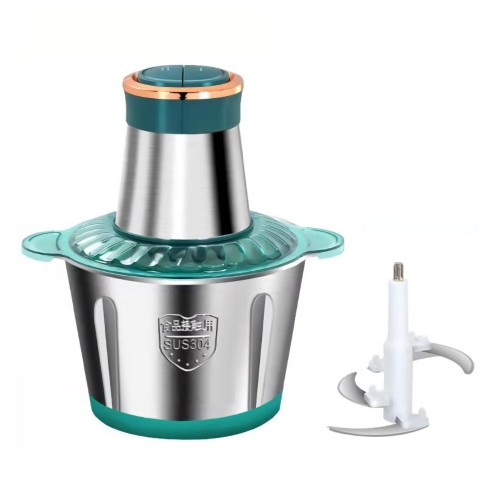

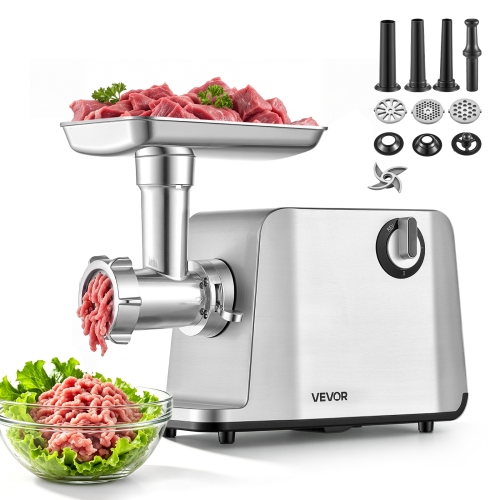
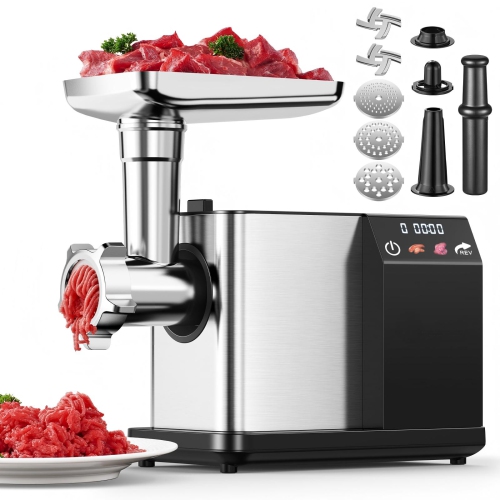
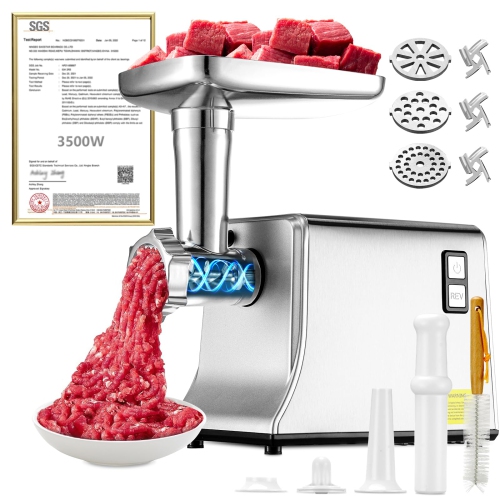
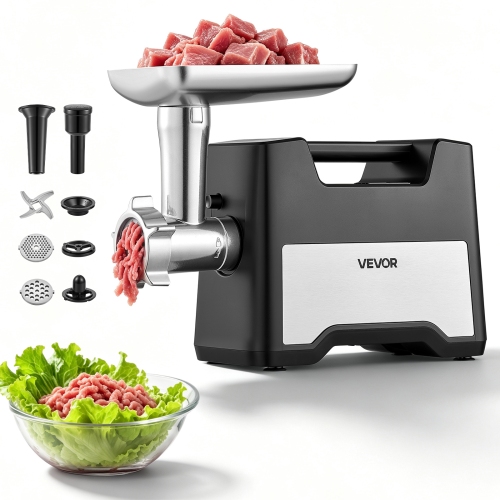
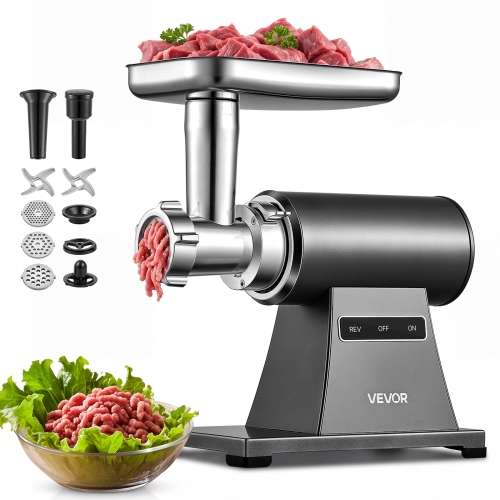

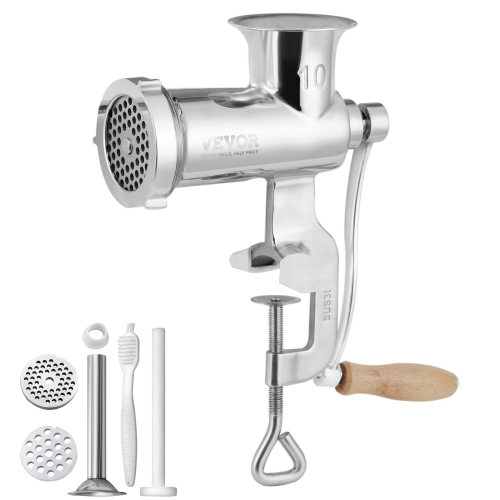
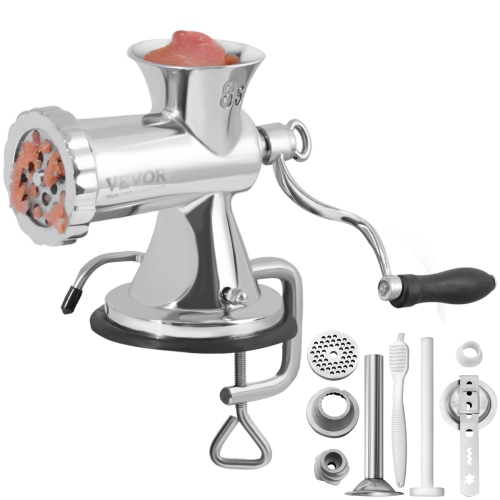
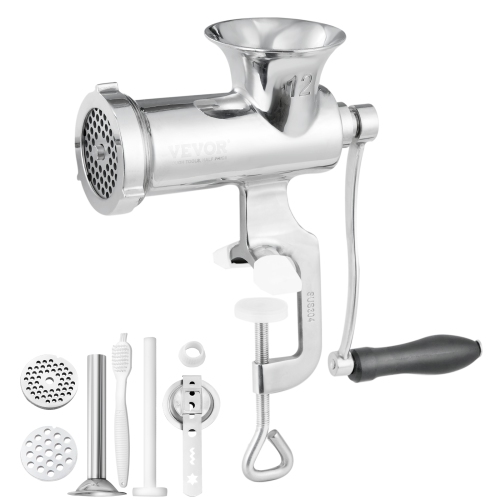
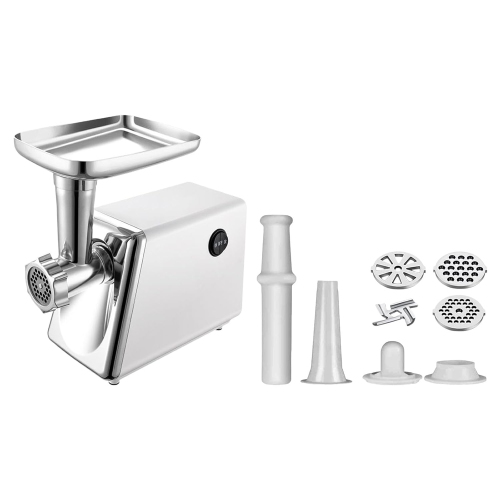
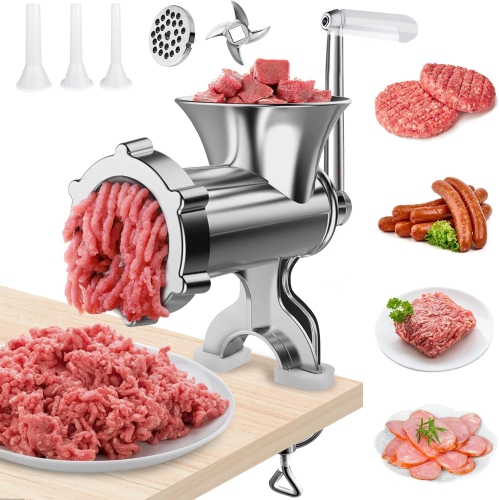
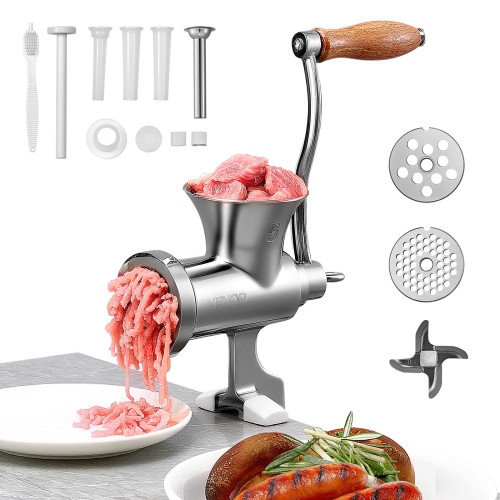
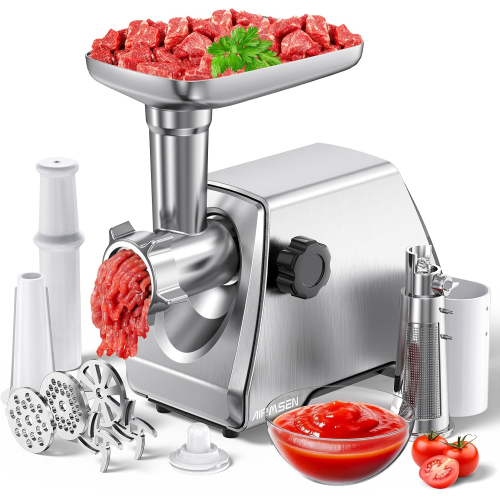


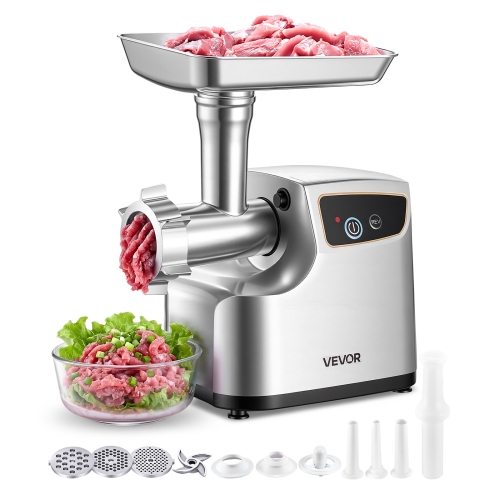
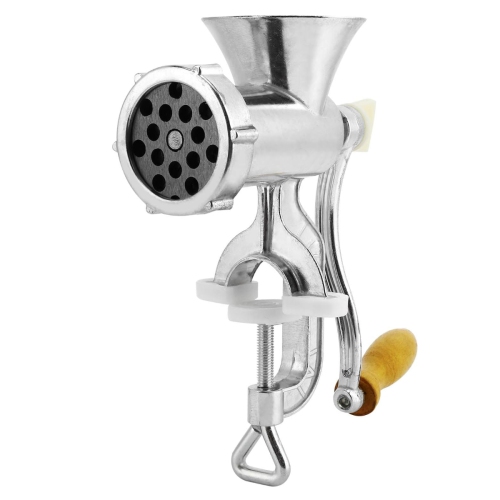
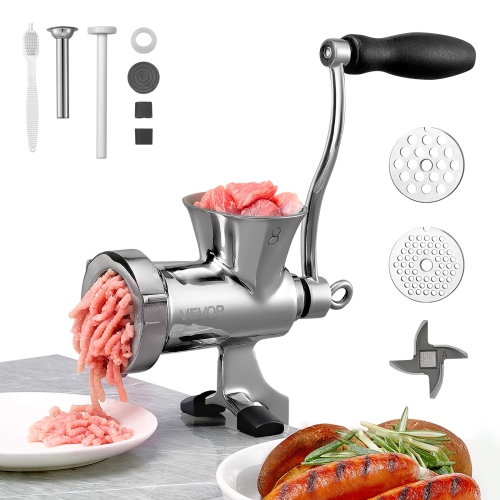
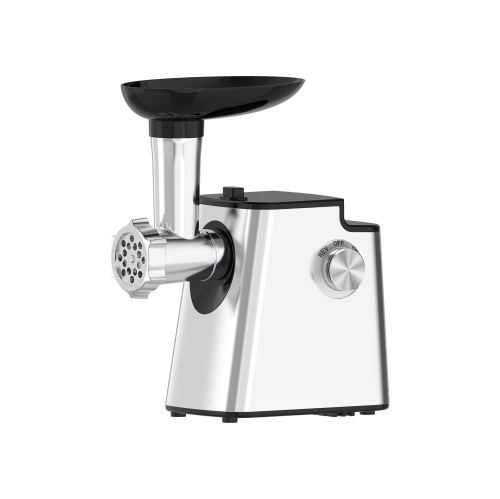
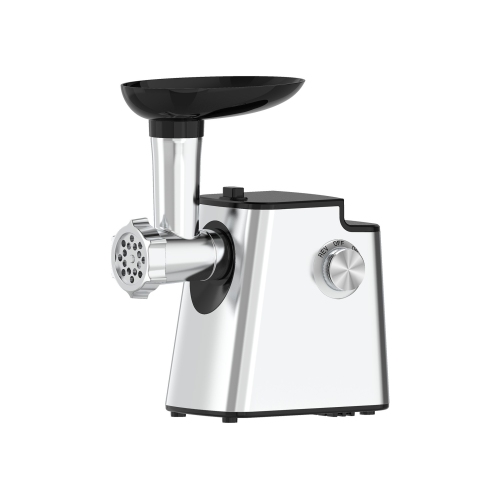
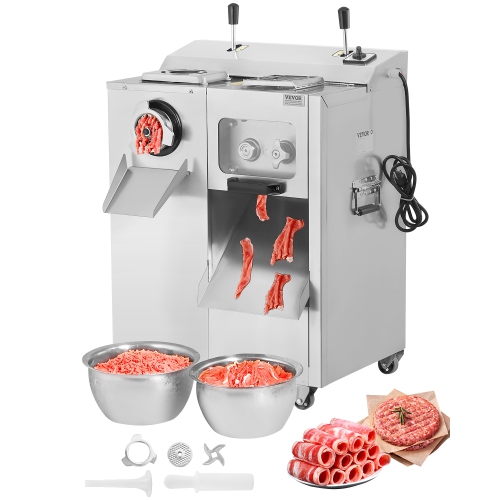
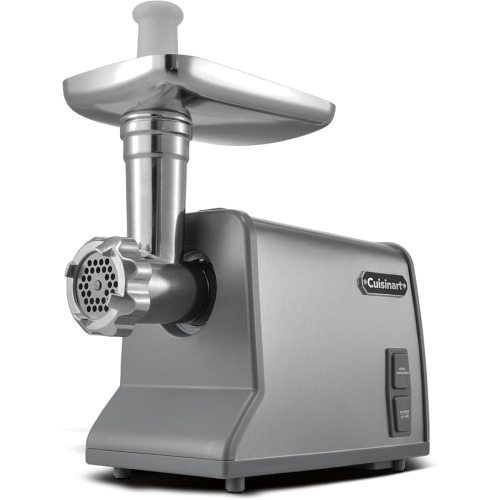
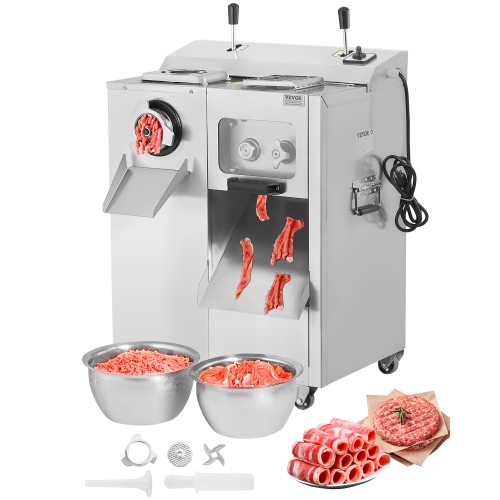
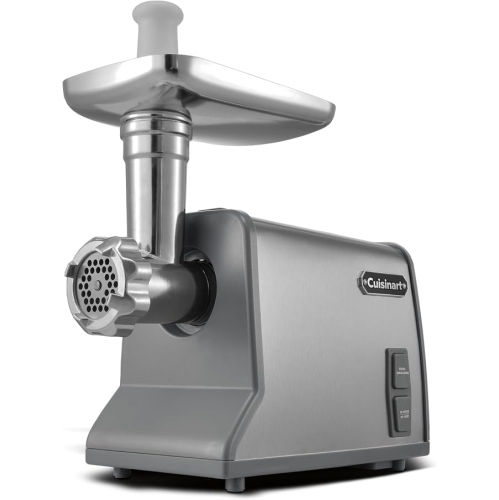
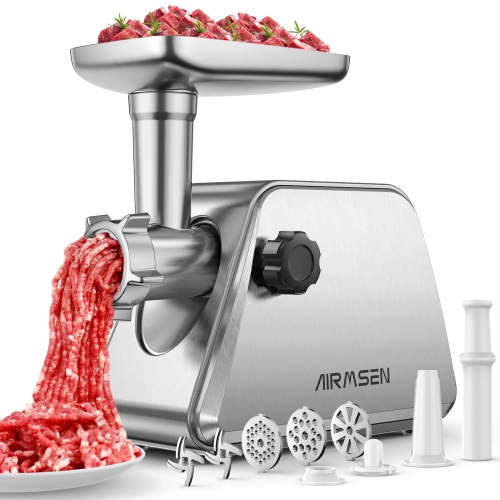

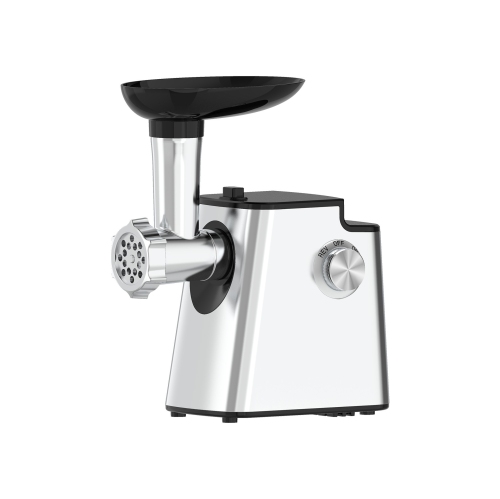

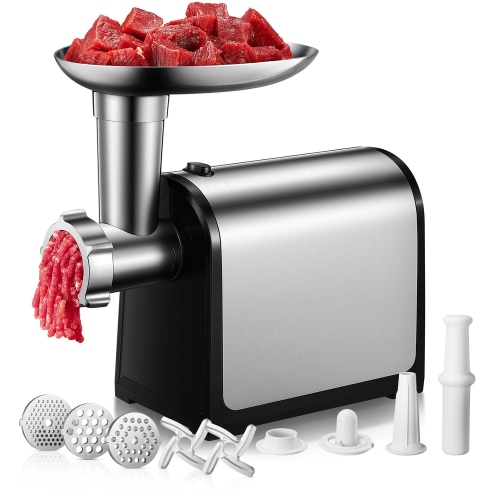
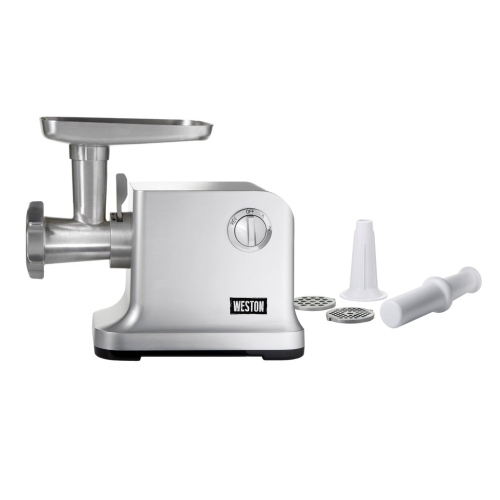
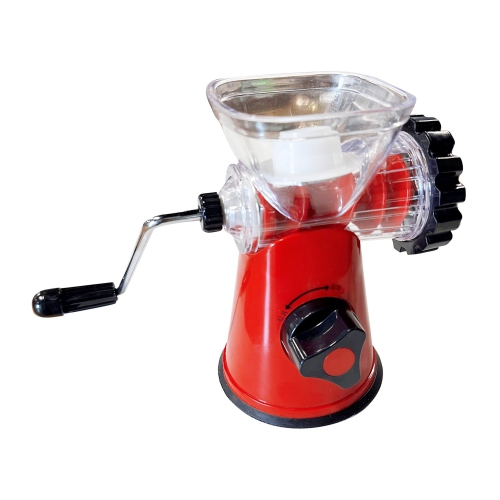
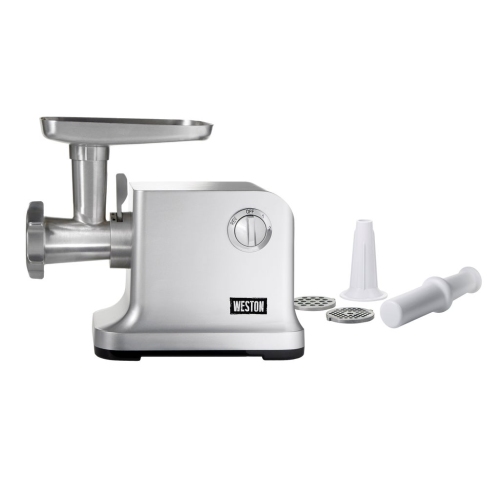
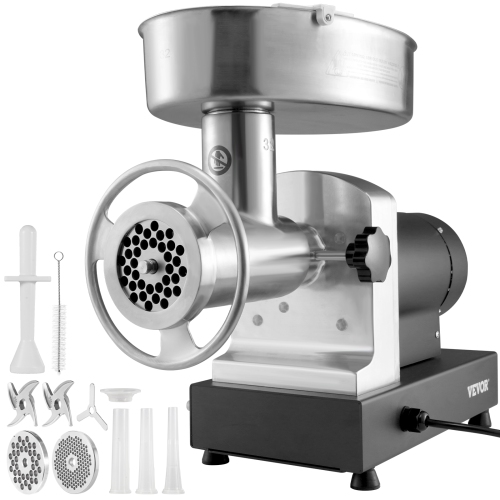
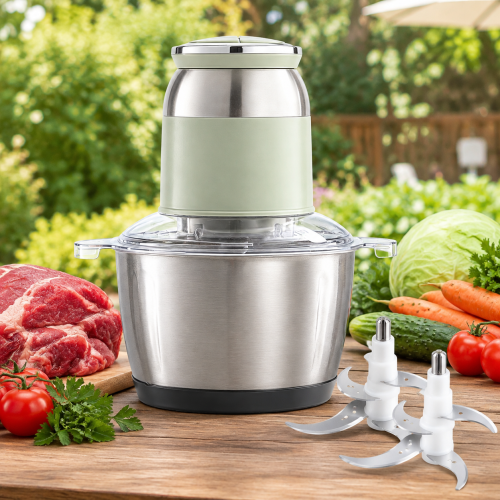


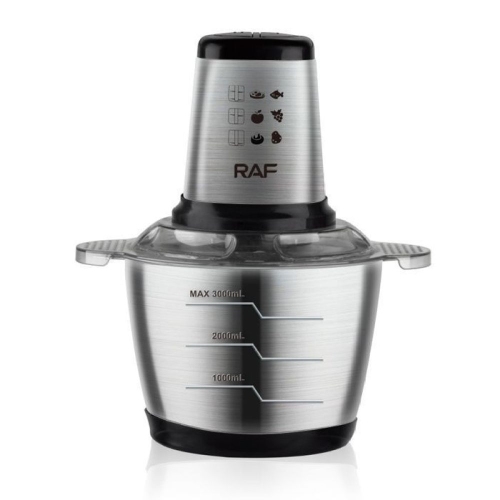
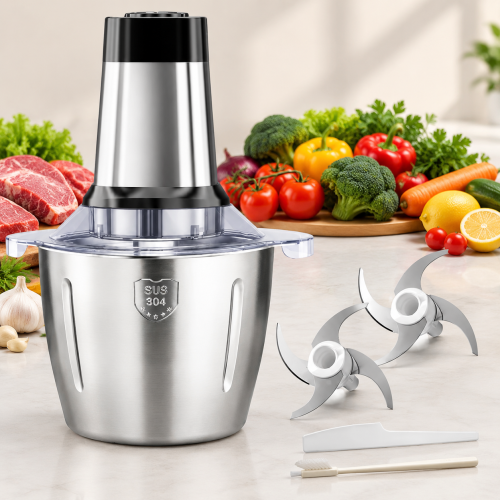

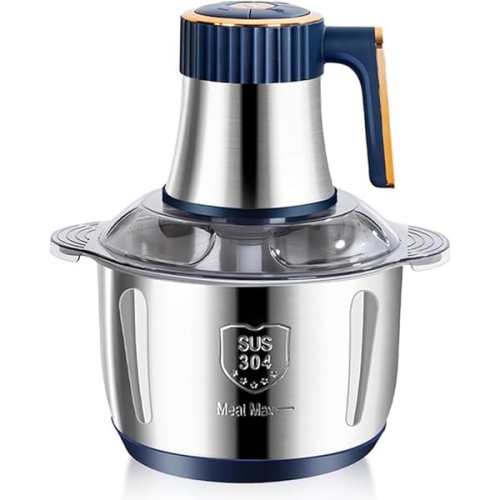
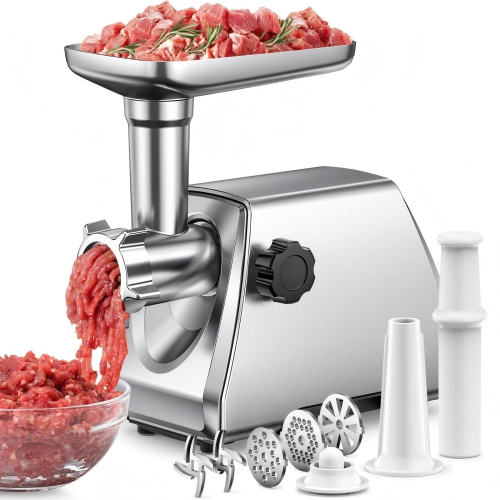
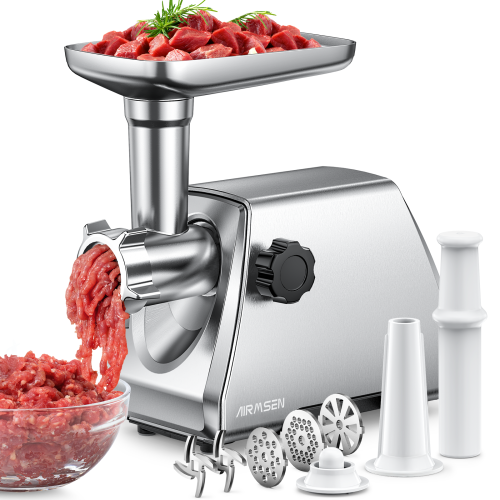
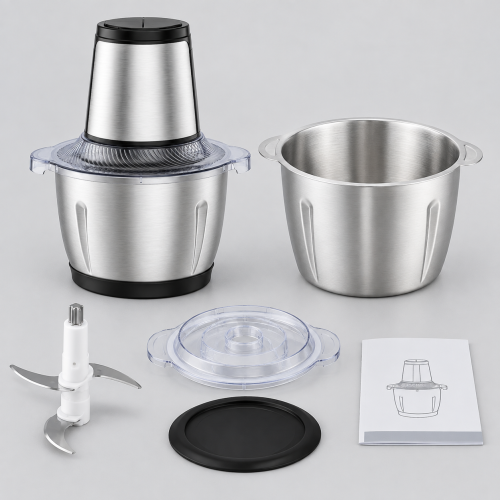
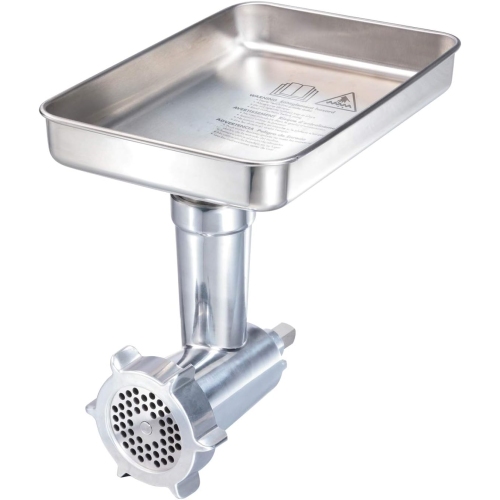

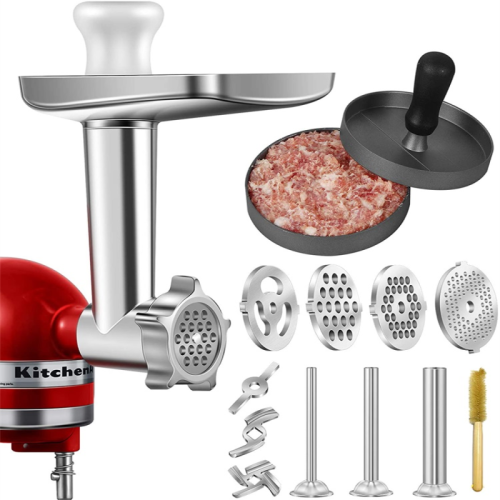
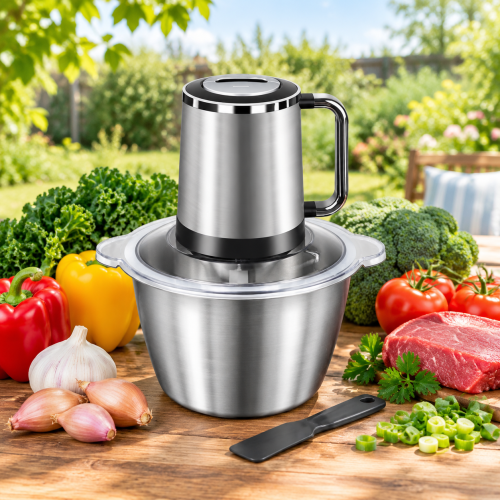
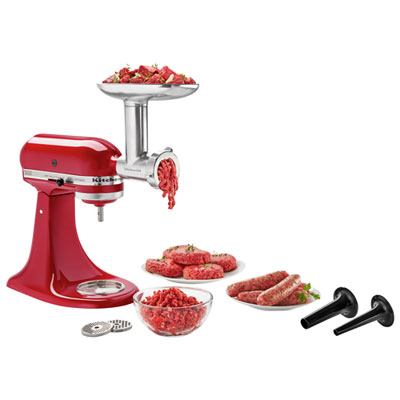
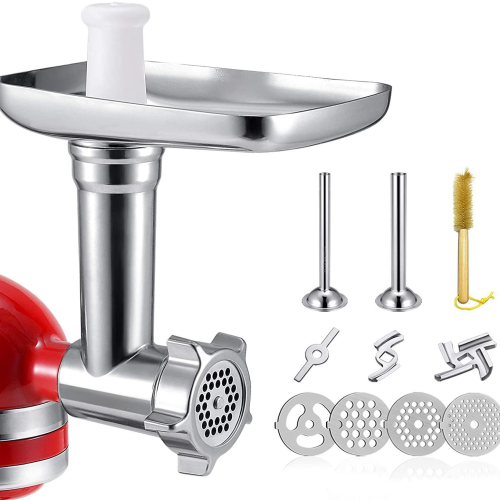
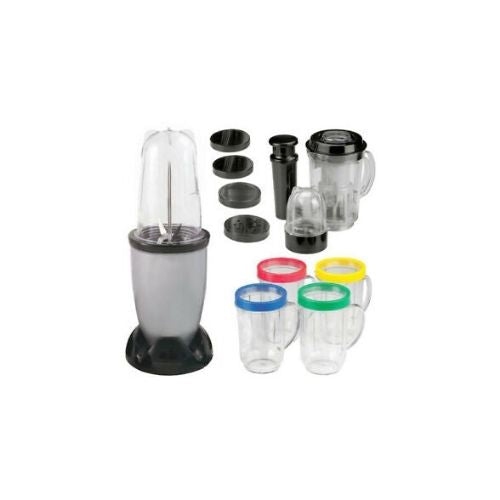
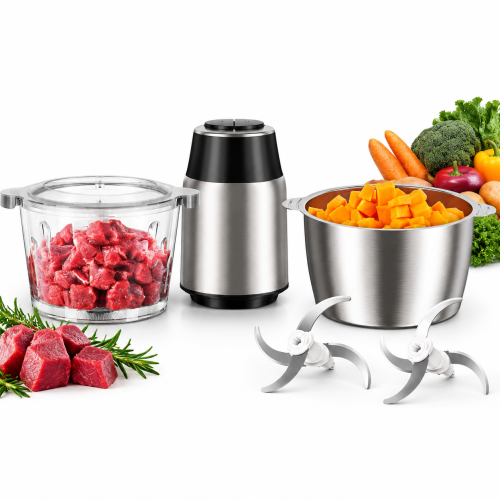

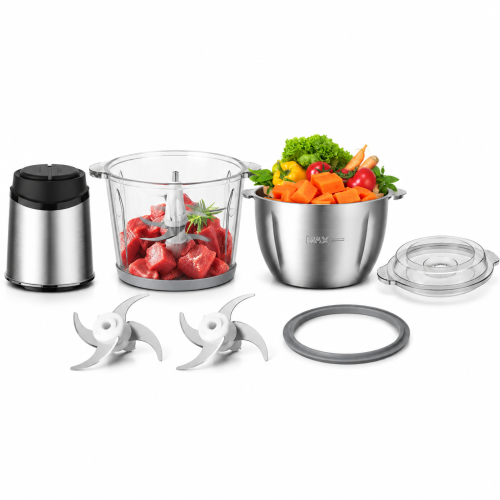
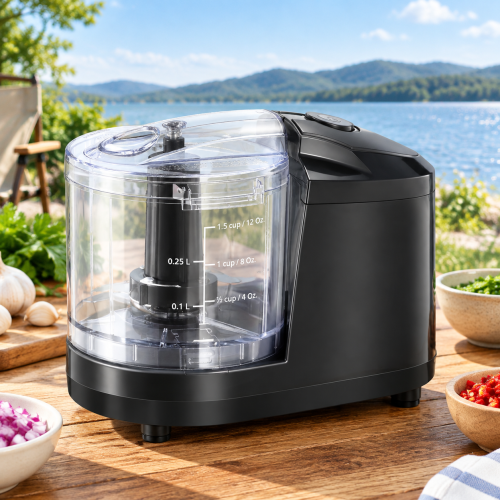
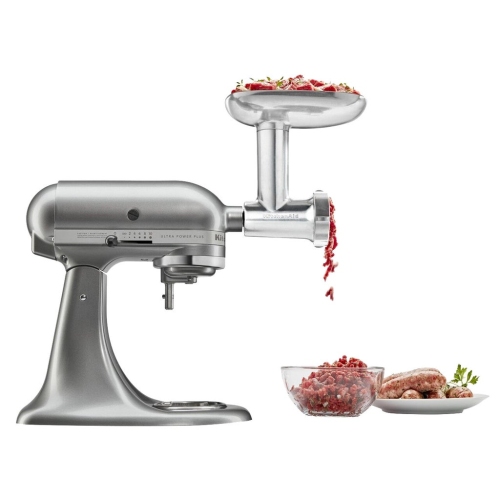
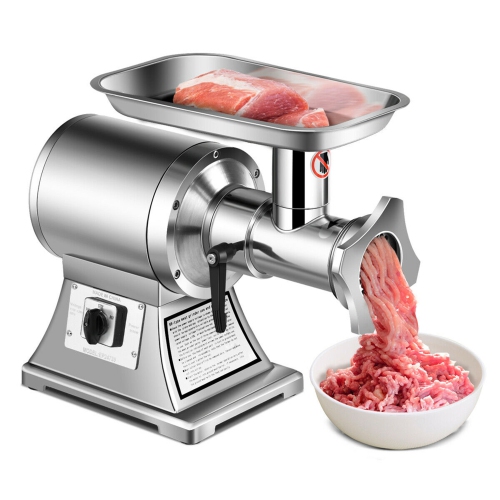
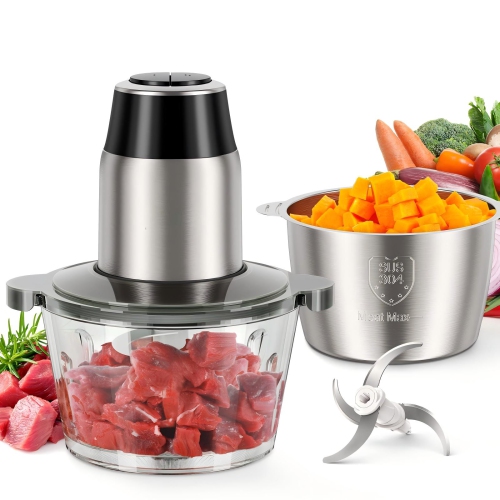

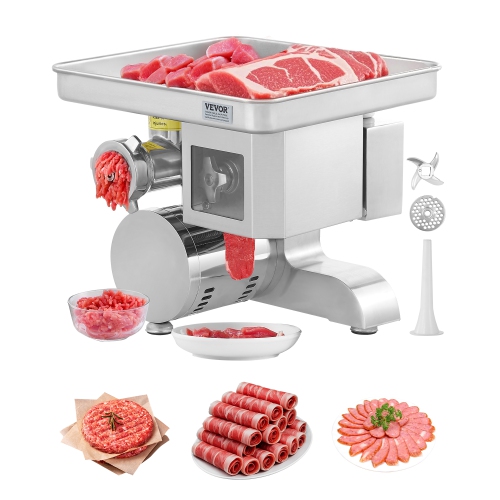
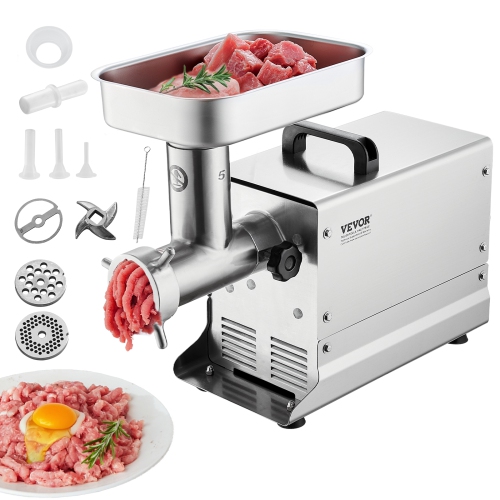
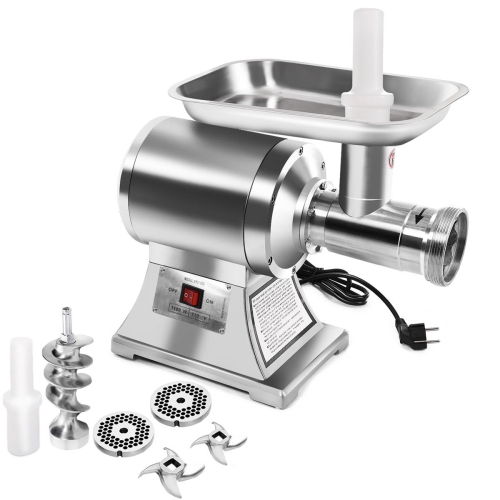

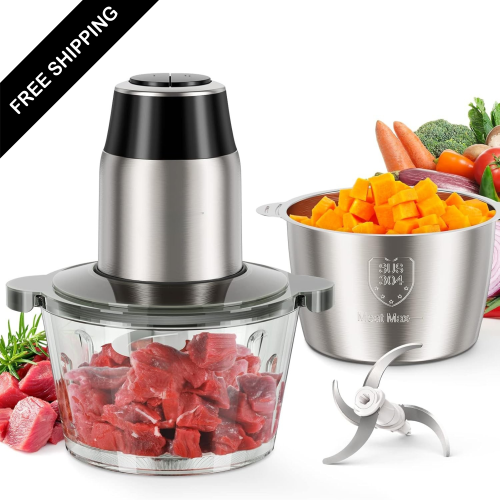
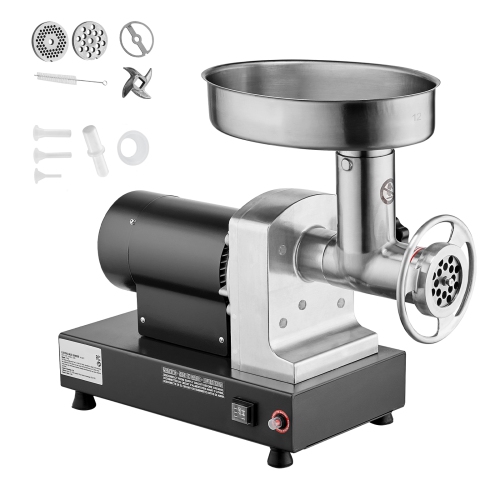
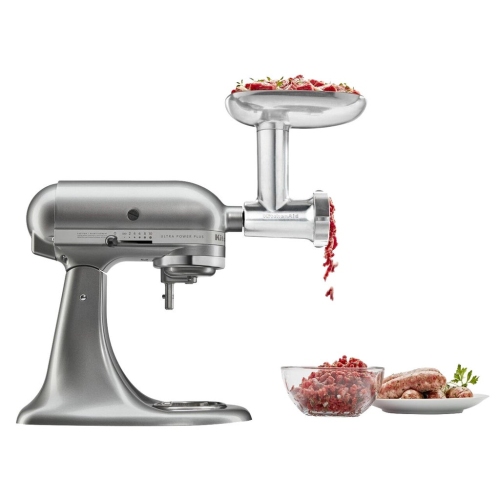
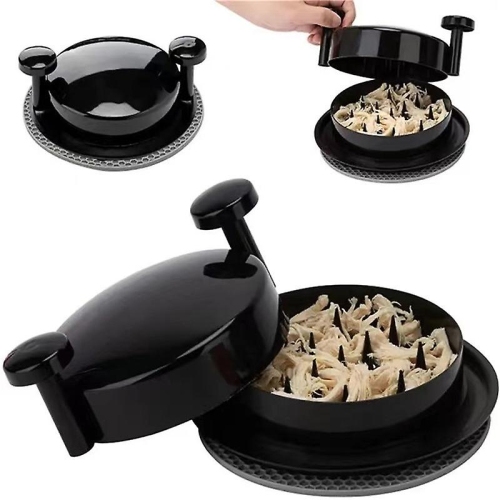
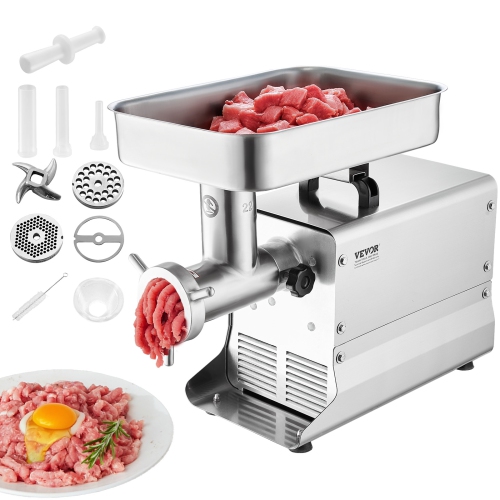
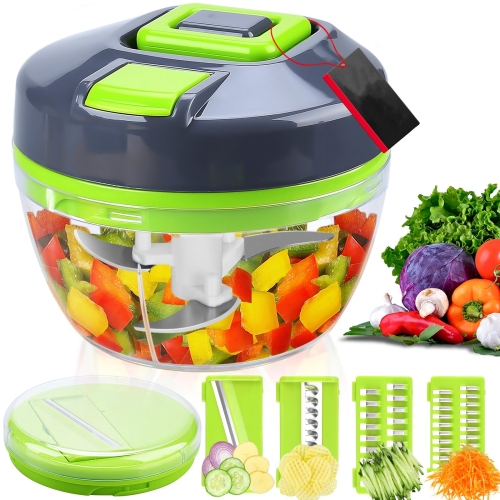
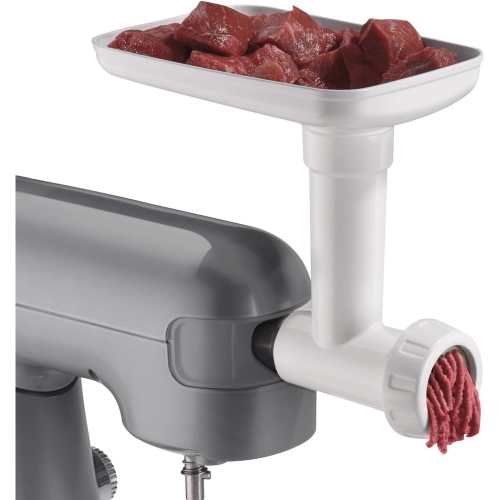
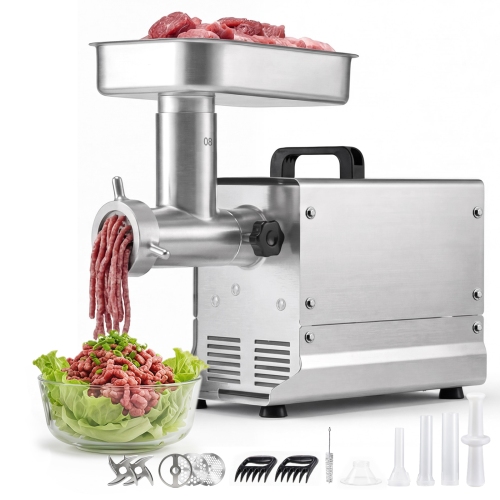
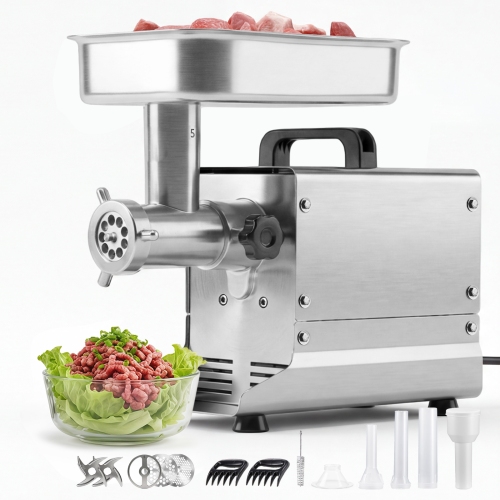
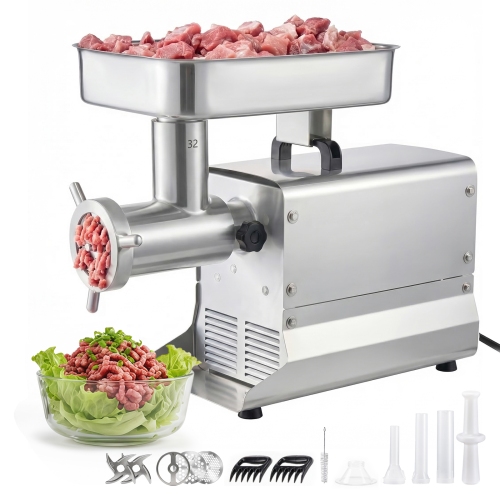
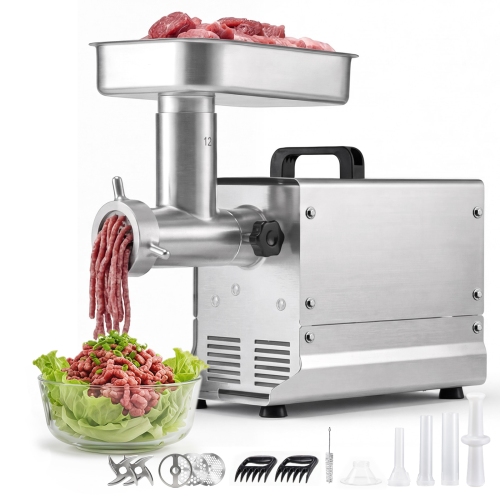
Freshly ground meat with texture tailored to your recipes
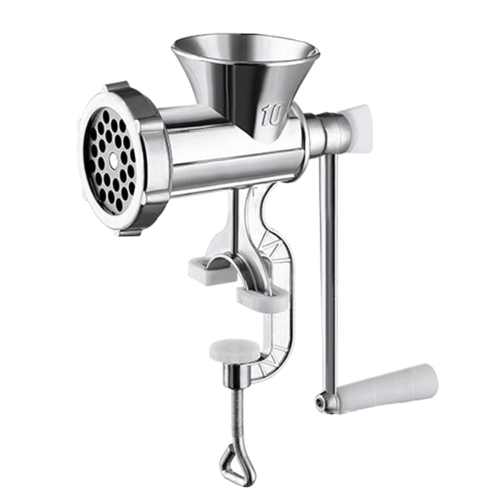
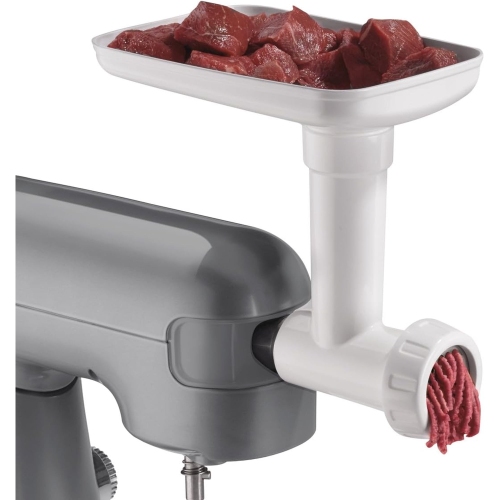
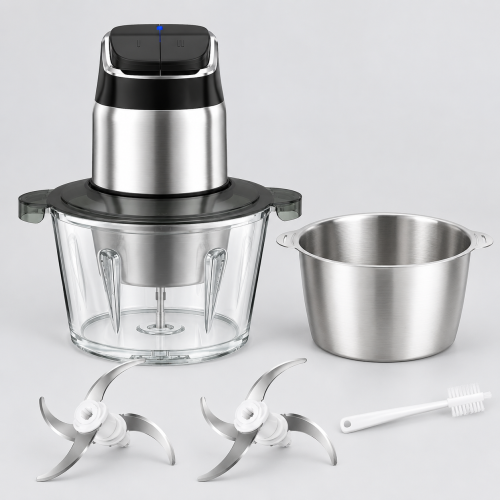
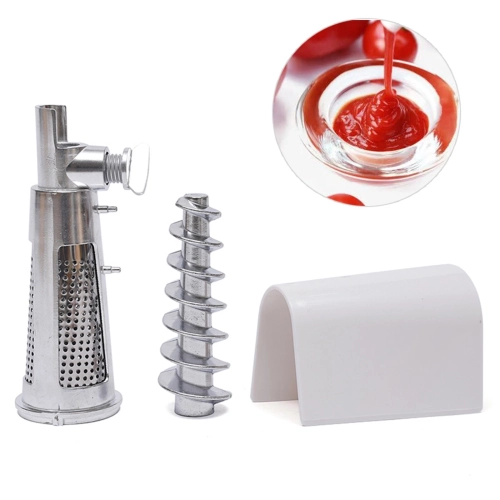
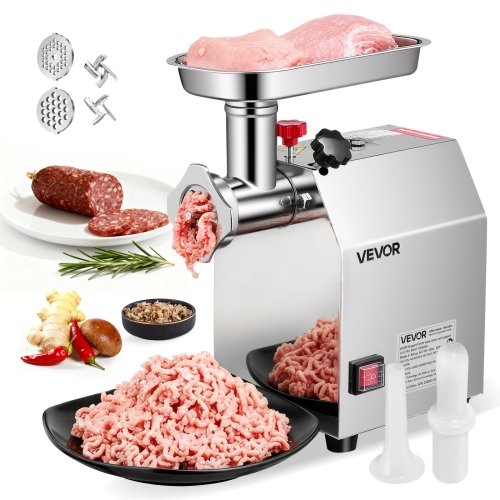
Household meat grinders are kitchen appliances that turn cuts of meat into mince for burgers, meatballs, sausages, dumplings, meat sauces, and other home-cooked dishes. They typically use an auger to move meat towards a cutting blade and through a perforated plate, with the plate’s hole size helping determine the texture. The main options include manual grinders operated by a handle, electric grinders with a built-in motor, and grinding attachments designed for compatible stand mixers. Each suits a different kitchen routine, from preparing enough beef for a few burgers to processing several batches for family meals. Grinding at home gives cooks control over the cuts, fat proportions, and seasonings that go into a recipe. A coarser grind can give a burger a more distinct texture, while a finer grind works well in fillings where the meat needs to blend evenly with other ingredients. Beef, pork, lamb, and boneless poultry are common choices, provided the appliance is designed to handle them and the meat is properly prepared. Some grinders also support sausage-making with the appropriate stuffing attachments, although grinding and stuffing are separate tasks with different setup requirements. For occasional use and modest portions, Hand Crank Meat Grinders provide a manually powered option without needing an electrical outlet. Electric models reduce the effort involved in turning the auger and can make repeated batches more manageable. Stand mixer attachments can suit kitchens where a compatible mixer already has a permanent place on the counter, though compatibility needs to match the mixer’s exact requirements. These appliances appeal to enthusiastic home cooks, households that prepare meals in batches, and anyone who enjoys adjusting familiar recipes. They can also make a thoughtful gift for someone who regularly makes burgers, dumplings, or sausages and has the workspace and interest to use and care for the equipment.
Materials and construction affect how a household meat grinder feels in use and how it holds up to repeated assembly, grinding, and cleaning. Stainless steel cutting components are valued for their durability and resistance to corrosion, while grinder bodies and food-contact parts may also use cast metal, coated metal, or food-safe plastic. The care requirements depend on the actual material: a metal finish that looks similar to stainless steel may still require handwashing and immediate drying. A stable base, secure locking points, and well-fitted parts help the grinder stay steady as meat moves through it. For manual models, the clamp opening and the shape of the counter edge matter as much as the appliance’s overall dimensions. A thick worktop, rounded edge, or deep underside lip may prevent a clamp from fastening securely. Electric grinders need a level surface, suitable outlet access, and enough clearance for the feed tray, food pusher, and a bowl beneath the outlet. Storage space also includes the parts that come off after use, not just the motor housing. Grinding plates with different hole sizes offer useful flexibility, but the blade and plates must be compatible with the grinder and assembled in the correct orientation. Poorly fitted or worn cutting parts can smear meat rather than produce a clean, even grind. Motor wattage alone does not establish grinding performance; rated throughput, permitted operating time, and the manufacturer’s guidance on meat preparation provide a fuller picture. A compact grinder may be comfortable for a single recipe but require pauses during larger jobs. Larger feed trays can reduce the need for frequent refilling, though meat still needs to be cut to fit the feed tube. Controls that are easy to reach, secure attachments, and removable food-contact parts contribute to everyday practicality. A reverse function may help with minor blockages when used as directed, but it does not replace trimming tough connective tissue or stopping the appliance when a jam needs attention.
Careful preparation makes a noticeable difference to both texture and cleanup. Meat that is well chilled and firm generally cuts more cleanly than meat that has become warm and soft, particularly when it contains a higher proportion of fat. Keeping meat refrigerated until preparation and working in manageable portions helps limit the time it spends on the counter. Bones, hard cartilage, and thick sinew should be removed unless the manufacturer expressly permits the material being processed; ordinary household meat grinders should not be assumed to handle bones. Pieces cut to suit the feed opening are easier to feed at a steady pace without forcing the machine. For a batch of meatballs, this might mean preparing evenly sized strips of beef and pork before assembling the grinder, then collecting the mince in a clean bowl ready for mixing. The supplied food pusher keeps hands away from the feed mechanism, and fingers or improvised utensils should never be used to push ingredients towards the auger. Electric grinders need to be switched off and unplugged before disassembly or clearing a blockage, following the manufacturer’s procedure. Once grinding is finished, prompt cleaning helps prevent meat residue from drying inside the feed tube, around the auger, or in the plate openings. Removable parts need to be washed as directed, rinsed, and dried thoroughly, while motor housings should be cleaned without immersion. Dishwasher use is appropriate only for components specifically identified as dishwasher-safe. Some cutting parts require a light coating of food-grade oil before storage, depending on their material and care instructions. Keeping plates and blades protected from knocks and moisture helps preserve their condition between uses. Raw ground meat also requires careful handling: clean work surfaces and utensils, separation from ready-to-eat foods, prompt refrigeration or freezing, and cooking to the appropriate safe internal temperature checked with a food thermometer. With suitable capacity, compatible parts, and a manageable cleaning routine, a household meat grinder can fit naturally into regular meal preparation, whether the task is a small bowl of dumpling filling or several portions of mince for planned meals.
Top selling and popular products
-
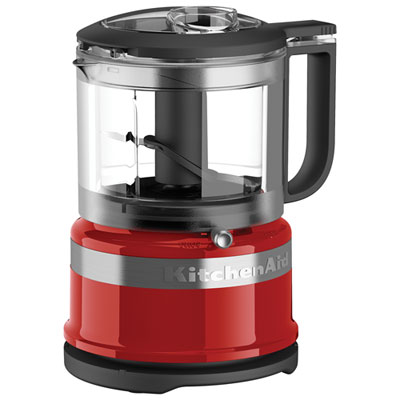 Your price for this item is $49.98
-
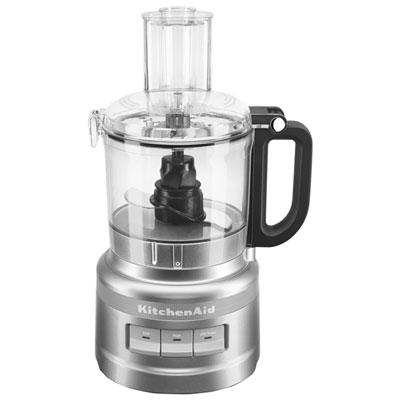 Your price for this item is $124.98
-
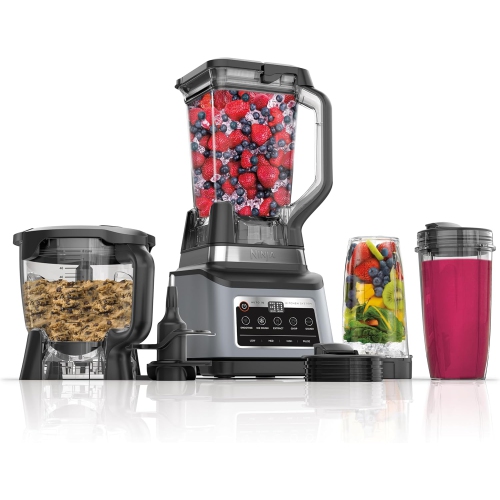 Your price for this item is $144.99
-
 Your price for this item is $317.89
-
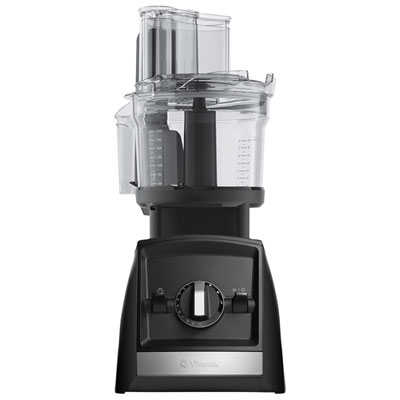 Your price for this item is $349.99
-
 Your price for this item is $204.72
-
 Your price for this item is $79.99
-
 Your price for this item is $79.16
Discover more categories related to Household Meat Grinders
Top Collections:
Best Black Friday Deals This Year, Best Black Friday Deals On Electronics, Kindle Devices, Pokemon Centers, Best Black Friday Deals On Apple Products, Best Cameras for Sports Photography, Dyson Airwrap, Pokémon 30th Celebration Cards, Apple iPhone 17 Pro, Canon G7X Cameras
Some products may be subject to Environmental Handling Fees
(EHF) depending on your province.
Learn more about EHFs.