FPV Drone Kits
Discover the exciting world of aerial exploration with FPV drone kits, designed for enthusiasts and beginners alike. Whether you’re looking to capture breathtaking footage or experience immersive first-person flying, these kits provide everything needed to get started. Explore a wide selection of FPV drone kits at Best Buy Canada and find the perfect set to elevate your adventures in the sky.
Sort
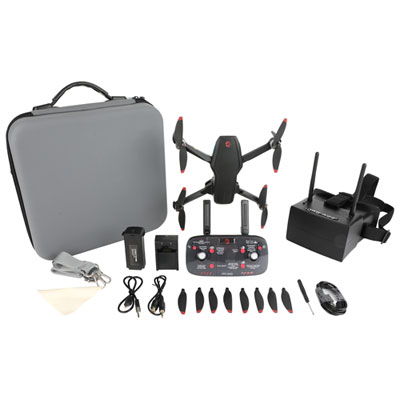
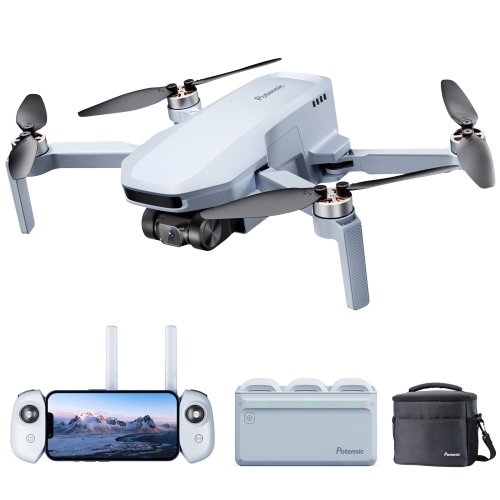
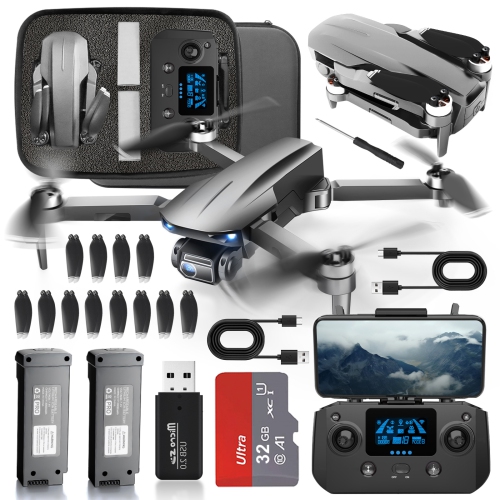
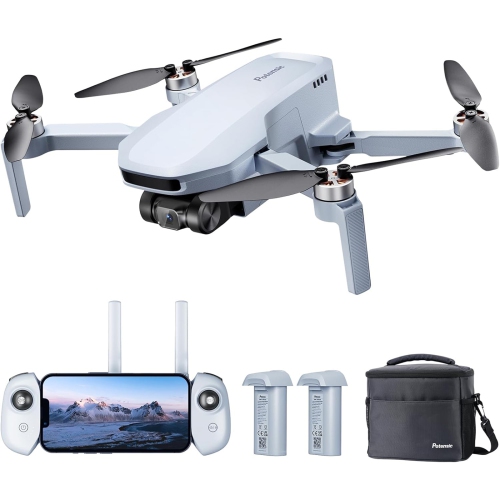
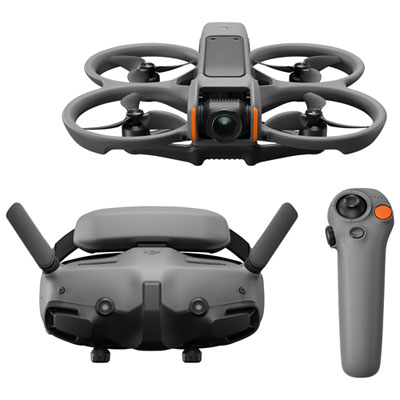
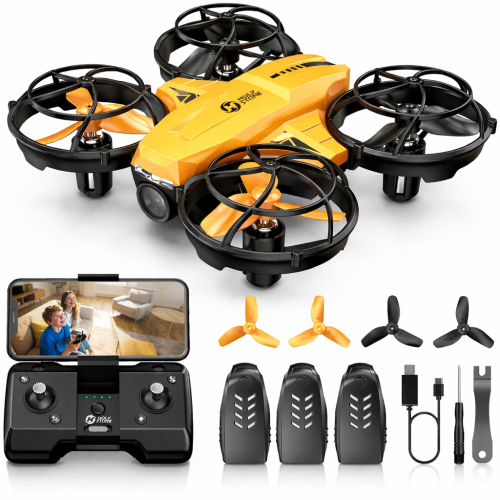
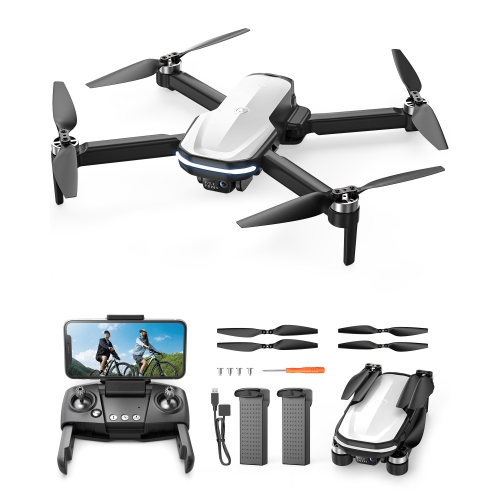
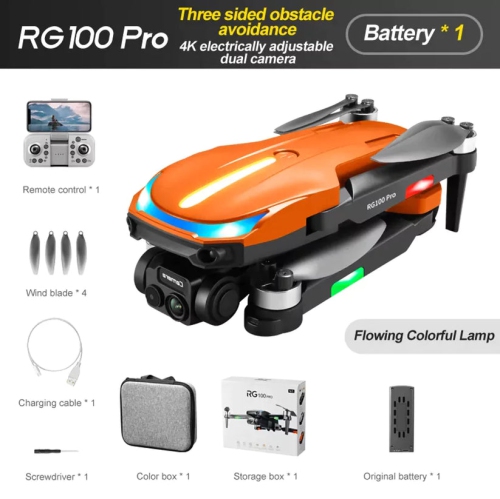
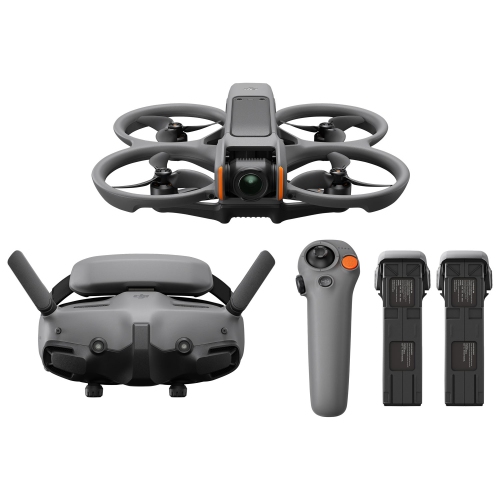
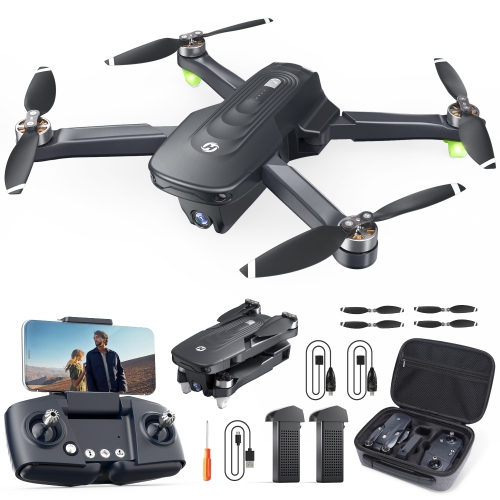
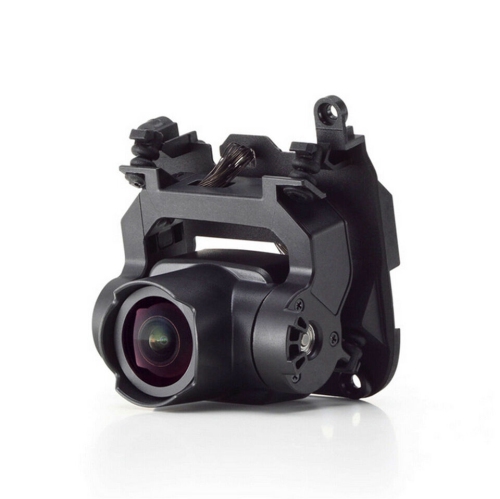
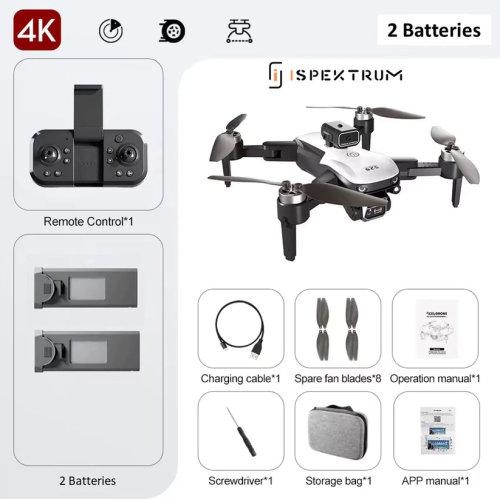
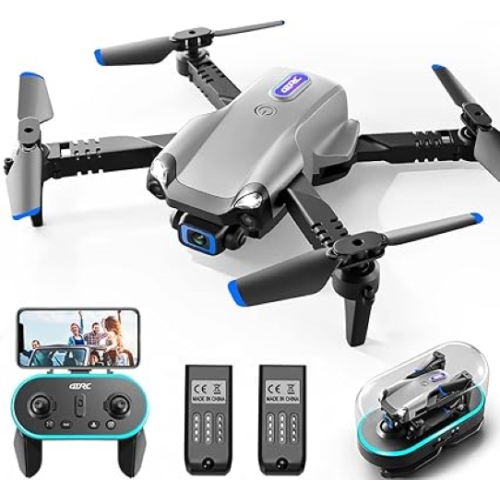
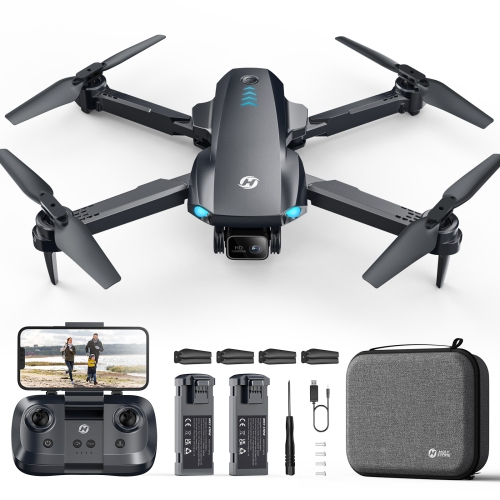
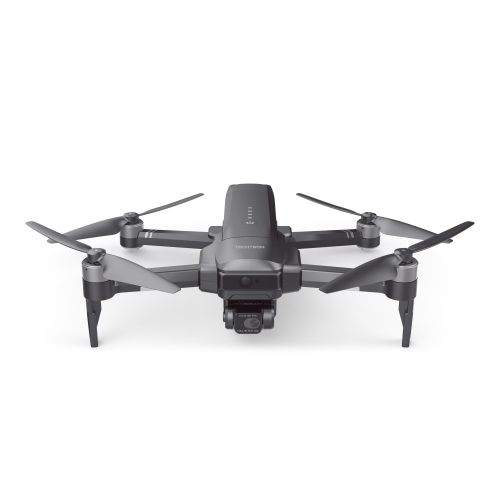
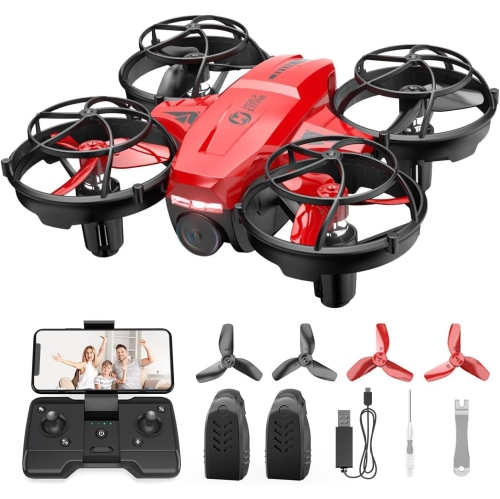
Immersive flying experiences for beginners and seasoned pilots
FPV drone kits bring the experience of flight directly into the pilot’s view. FPV stands for first person view, meaning a camera mounted on the drone sends a live video feed to goggles worn by the pilot. Instead of watching the aircraft from the ground, you see the world from above as the drone banks around a tree, skims across an open field, or moves smoothly through a carefully planned route. An FPV kit can be an exciting choice for newcomers, hobbyists, content creators, and experienced pilots who want to build or refine their setup. Ready-to-fly bundles are generally the simplest place to begin because they commonly include the drone, goggles, remote controller, batteries, charger, and other essential accessories in one package. This makes them well suited to someone who wants to spend less time matching components and more time learning how to fly. They can also be thoughtful gifts for an older child, teenager, or adult who enjoys technology, gaming, photography, or hands-on hobbies, provided the recipient is ready to follow local flying rules and practise in an appropriate space. A kit can turn a clear afternoon into an absorbing activity: first checking the battery, then putting on the goggles, and finally learning to hold a steady hover while the live view shifts gently with every movement of the controls. For shoppers comparing FPV drone kits, it helps to think about the intended experience before focusing on individual features. Small micro drones with approximately 1- or 2-inch propellers are often easier to manage in tight areas and may be suitable for indoor practice when conditions are safe, while larger drones with 3- to 5-inch propellers typically provide more power, speed, and stability outdoors. Indoor flight still requires generous clearance, careful supervision, and protection from people, pets, furniture, and fragile objects. Outdoor pilots should look for a wide, open area away from roads, buildings, power lines, airports, and other hazards. During the warmer season, an open park or private field can provide room to practise; during cooler months, a simulator or a suitable indoor micro drone can help maintain skills when wind, rain, or snow make outdoor flying less practical.
FPV kits are available in several levels of readiness, so the right choice depends on how much involvement the pilot wants before the first flight. A ready-to-fly kit is typically assembled and configured, although the user may still need to charge batteries, install an app or firmware update, bind the controller, and complete basic safety checks. A bind-and-fly or similar partially prepared setup may include the aircraft but require a compatible controller, goggles, or receiver, making it important to confirm exactly what is included before purchasing. DIY and build-focused kits take a more hands-on approach. They may involve selecting or assembling a frame, motors, electronic speed controllers, flight controller, video transmitter, camera, receiver, antenna, battery connector, and other parts. Building a drone can be rewarding for anyone who likes electronics, soldering, troubleshooting, and gradual upgrades, while also making it easier to understand how each part affects performance. It does require more research and patience, and replacement parts must be compatible with the frame size, mounting pattern, battery type, radio system, and video system. A beginner who is unsure about technical assembly may prefer a complete bundle with established compatibility, while an experienced pilot may value the flexibility of choosing individual components. Video transmission is another major consideration. Analog systems are often more affordable and can offer low-latency video, though the image may appear less detailed or more affected by interference. Digital systems generally provide a sharper, more immersive view and can make it easier to identify obstacles or frame footage, but they may add cost and require matching goggles, cameras, and transmitters. A kit intended for racing usually emphasizes quick response, acceleration, agility, and easy access to replaceable parts. A cinewhoop-style setup is designed for smoother, more controlled footage and often includes propeller guards that can provide additional protection in close surroundings, although it may be less nimble than a racing-focused drone. Pilots interested in recording aerial video should also consider camera quality, onboard recording, stabilisation, storage, and the amount of post-production they expect to do.
Before ordering, review the complete kit contents and plan for the practical accessories that make regular flying easier. Extra propellers are useful because even a gentle contact with a branch or wall can bend a blade, and spare batteries extend a flying session when one pack needs to recharge. Check whether the package includes a charger, charging cable, battery, carrying case, propeller tools, and replacement hardware, as these details vary. Battery type, flight time, charging time, and safe storage requirements are especially important; advertised flight times are usually measured in ideal conditions and may be shorter during energetic manoeuvres, cold weather, or windy conditions. A comfortable fit matters with goggles, particularly for pilots who wear glasses, and controller layout can influence how quickly a new user develops confidence. Practising on a flight simulator before taking off can help a beginner learn throttle control, turns, orientation, and emergency responses without risking the drone. It is also wise to start in a spacious area, keep the aircraft within sight where required, and avoid flying over people or near wildlife. In Canada, drone pilots should review the latest Transport Canada requirements before flying. Drones weighing 250 g or more generally require registration, and the pilot may need an appropriate certificate depending on the operation; additional rules apply to where and how a drone can be flown. Requirements can also differ for recreational, commercial, advanced, or special operations, so checking official guidance is part of responsible preparation. For a broader selection across different styles and levels of readiness, browse Drone Kits and compare the intended flying environment, included equipment, repairability, video system, and pilot experience. The best FPV drone kit is one that matches the user’s comfort level and gives them a clear path from first hover to confident, controlled flight.
FPV kits are available in several levels of readiness, so the right choice depends on how much involvement the pilot wants before the first flight. A ready-to-fly kit is typically assembled and configured, although the user may still need to charge batteries, install an app or firmware update, bind the controller, and complete basic safety checks. A bind-and-fly or similar partially prepared setup may include the aircraft but require a compatible controller, goggles, or receiver, making it important to confirm exactly what is included before purchasing. DIY and build-focused kits take a more hands-on approach. They may involve selecting or assembling a frame, motors, electronic speed controllers, flight controller, video transmitter, camera, receiver, antenna, battery connector, and other parts. Building a drone can be rewarding for anyone who likes electronics, soldering, troubleshooting, and gradual upgrades, while also making it easier to understand how each part affects performance. It does require more research and patience, and replacement parts must be compatible with the frame size, mounting pattern, battery type, radio system, and video system. A beginner who is unsure about technical assembly may prefer a complete bundle with established compatibility, while an experienced pilot may value the flexibility of choosing individual components. Video transmission is another major consideration. Analog systems are often more affordable and can offer low-latency video, though the image may appear less detailed or more affected by interference. Digital systems generally provide a sharper, more immersive view and can make it easier to identify obstacles or frame footage, but they may add cost and require matching goggles, cameras, and transmitters. A kit intended for racing usually emphasizes quick response, acceleration, agility, and easy access to replaceable parts. A cinewhoop-style setup is designed for smoother, more controlled footage and often includes propeller guards that can provide additional protection in close surroundings, although it may be less nimble than a racing-focused drone. Pilots interested in recording aerial video should also consider camera quality, onboard recording, stabilisation, storage, and the amount of post-production they expect to do.
Before ordering, review the complete kit contents and plan for the practical accessories that make regular flying easier. Extra propellers are useful because even a gentle contact with a branch or wall can bend a blade, and spare batteries extend a flying session when one pack needs to recharge. Check whether the package includes a charger, charging cable, battery, carrying case, propeller tools, and replacement hardware, as these details vary. Battery type, flight time, charging time, and safe storage requirements are especially important; advertised flight times are usually measured in ideal conditions and may be shorter during energetic manoeuvres, cold weather, or windy conditions. A comfortable fit matters with goggles, particularly for pilots who wear glasses, and controller layout can influence how quickly a new user develops confidence. Practising on a flight simulator before taking off can help a beginner learn throttle control, turns, orientation, and emergency responses without risking the drone. It is also wise to start in a spacious area, keep the aircraft within sight where required, and avoid flying over people or near wildlife. In Canada, drone pilots should review the latest Transport Canada requirements before flying. Drones weighing 250 g or more generally require registration, and the pilot may need an appropriate certificate depending on the operation; additional rules apply to where and how a drone can be flown. Requirements can also differ for recreational, commercial, advanced, or special operations, so checking official guidance is part of responsible preparation. For a broader selection across different styles and levels of readiness, browse Drone Kits and compare the intended flying environment, included equipment, repairability, video system, and pilot experience. The best FPV drone kit is one that matches the user’s comfort level and gives them a clear path from first hover to confident, controlled flight.
Top selling and popular products
-
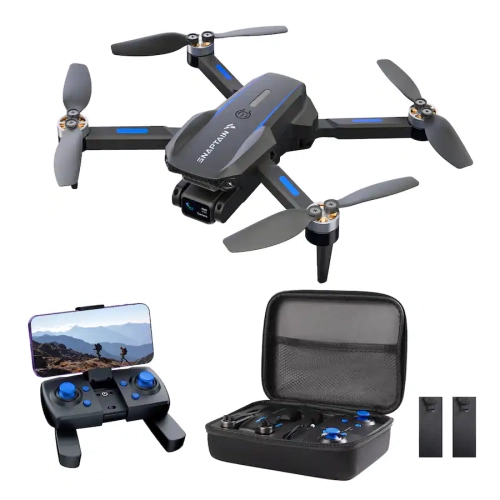 Your price for this item is $109.98
 -
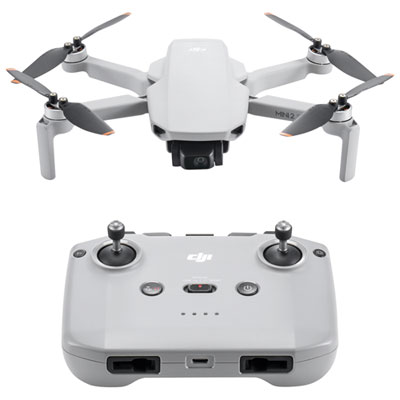 Your price for this item is $359.99
 -
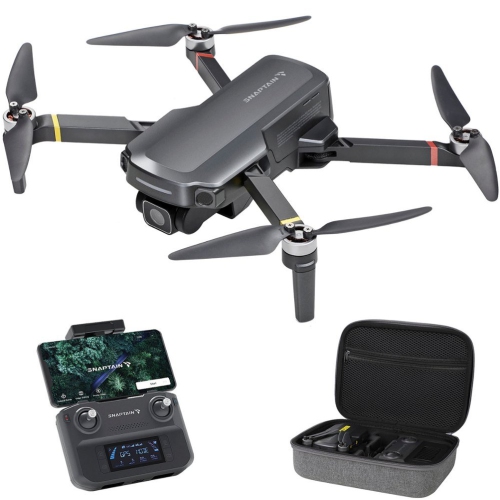 Your price for this item is $279.9
 -
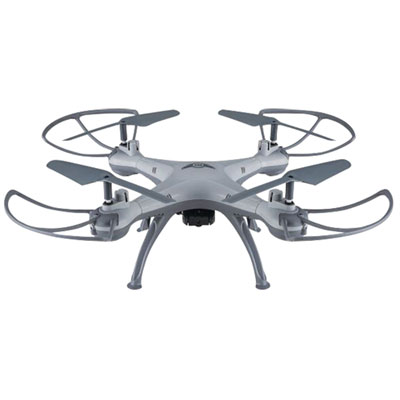 Your price for this item is $49.99
 -
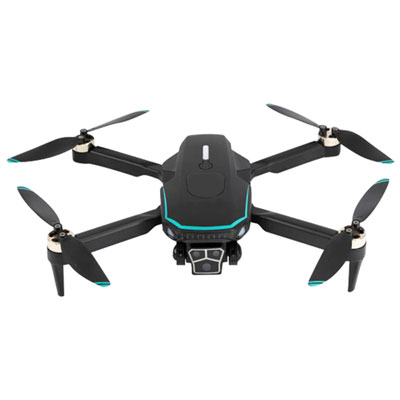 Your price for this item is $79.99
 -
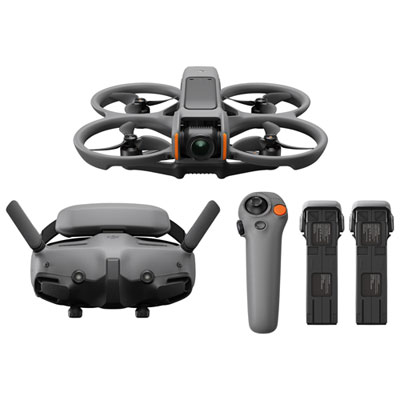 Your price for this item is $1279.99
 -
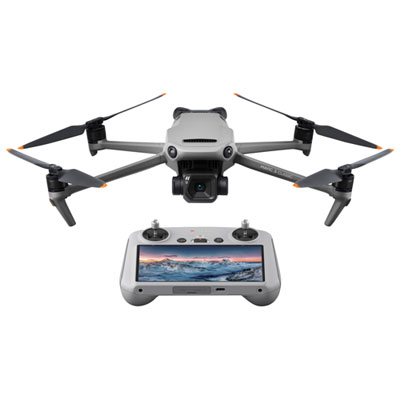 Your price for this item is $1759.99
 -
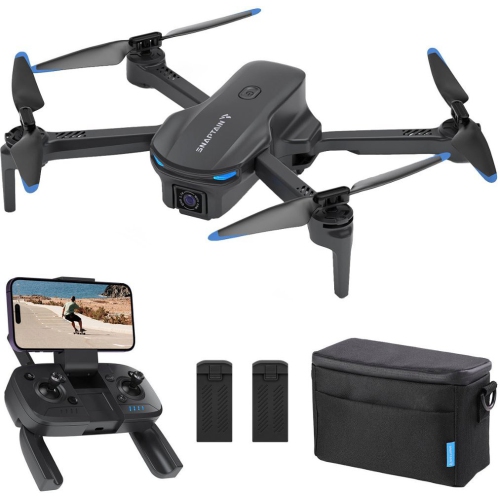 Your price for this item is $189.9
Discover more categories related to FPV Drone Kits

Top Collections:
Pokemon Centers, Kindle Devices, Best Budget Office Chairs, Apple iPhones 16, Best Laptops for Writers, iPhone 15 Apple, Canon G7X Cameras, Refurbished Apple Laptops, Alarm Clock, Motorola Razr Phones
Some products may be subject to Environmental Handling Fees
(EHF) depending on your province.
Learn more about EHFs.