FPV Drones With Camera
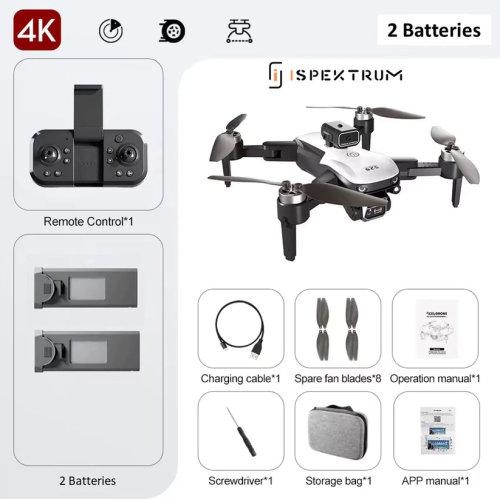
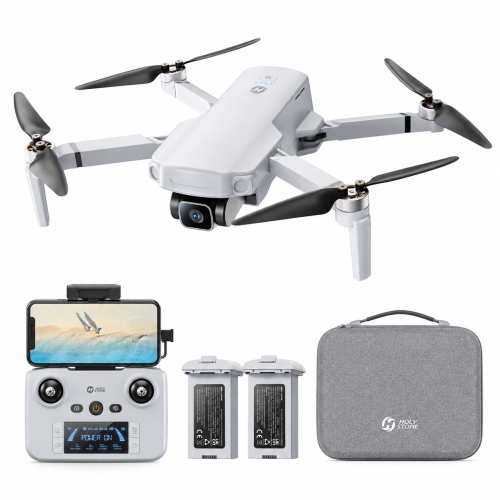
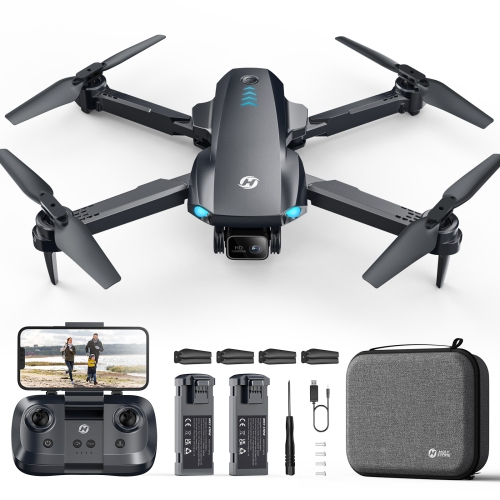
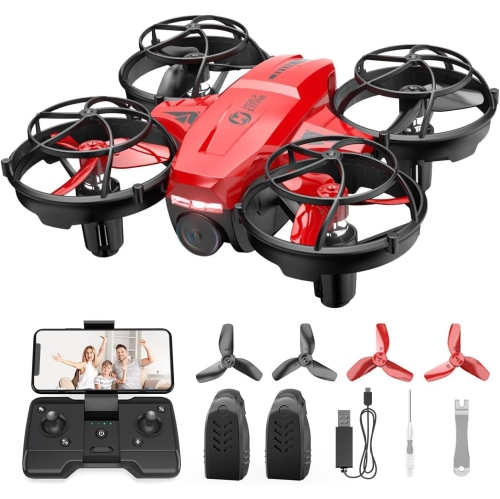
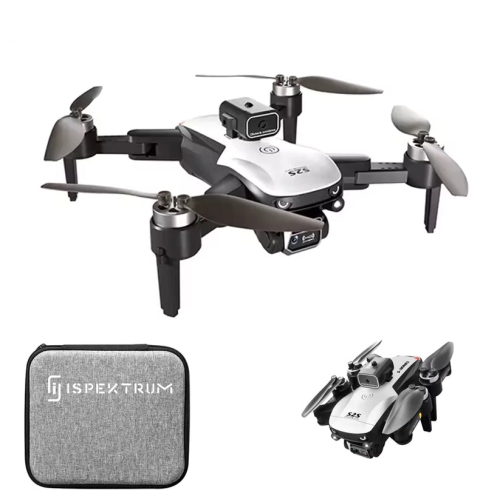
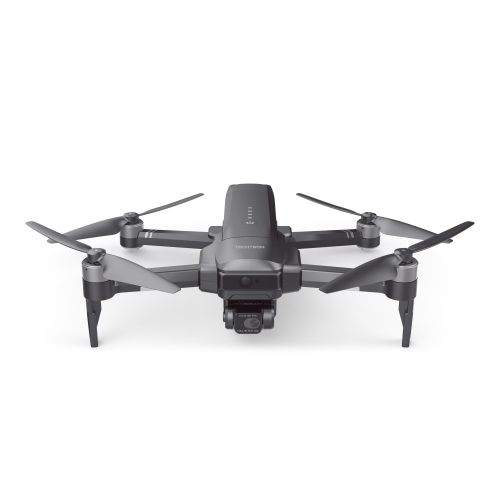
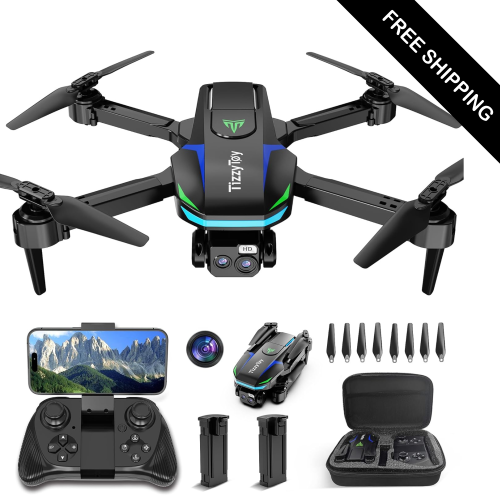
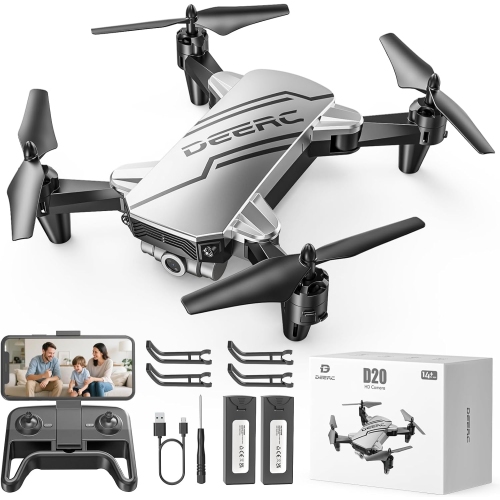
Capture breathtaking aerial footage and experience the thrill of flying with our selection of FPV drones with cameras. Whether you're an aspiring filmmaker, an adrenaline junkie, or simply a tech enthusiast, these high-performance drones are designed to take your aerial photography and videography to new heights. Equipped with advanced features such as live video streaming and precise flight controls, our FPV drones allow you to immerse yourself in the action and capture stunning images from unique perspectives.
Sort

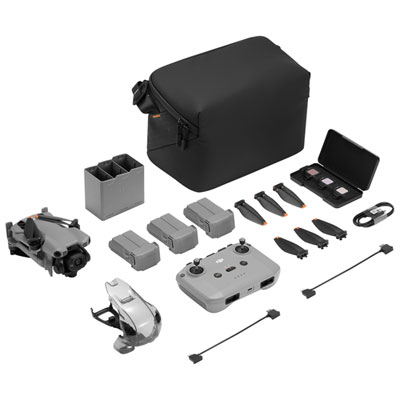
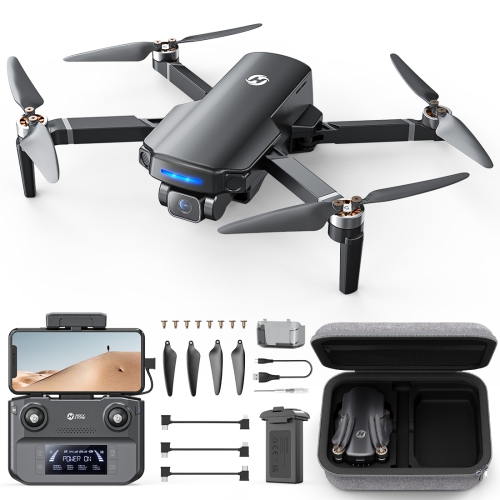
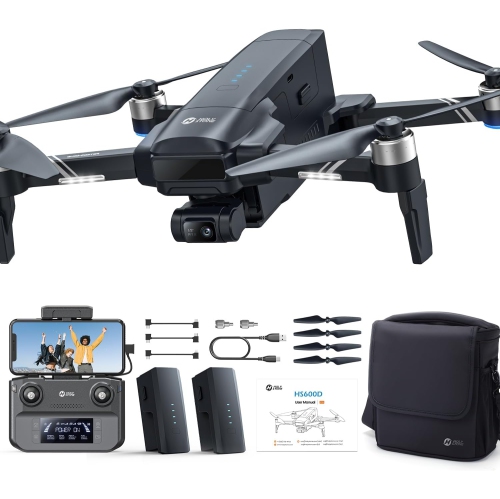
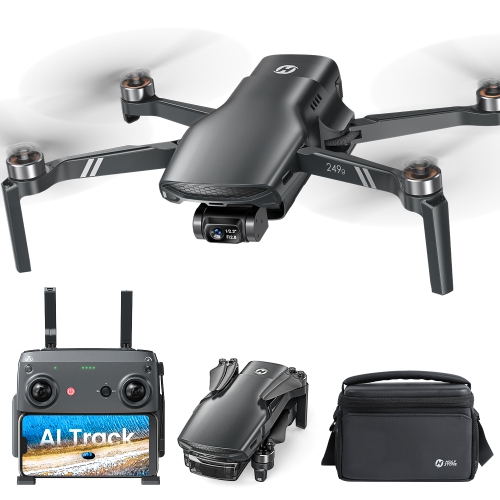
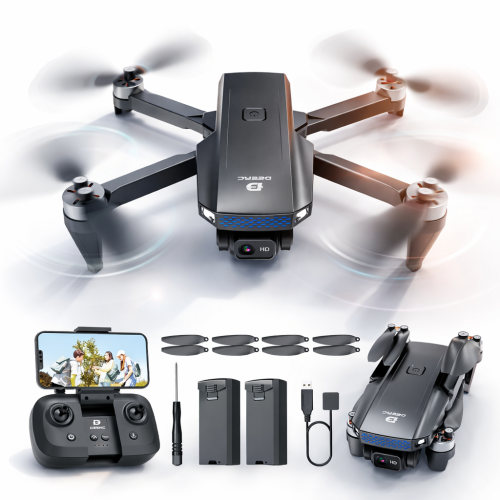
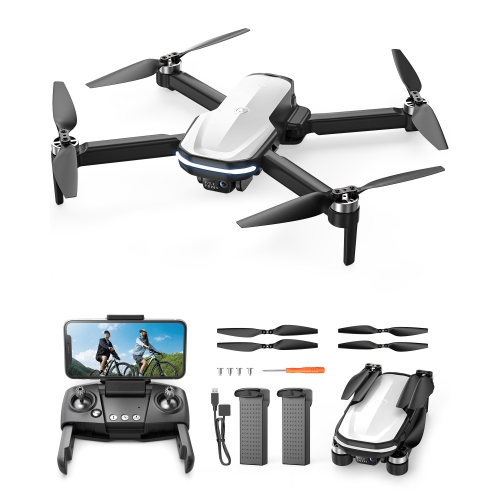
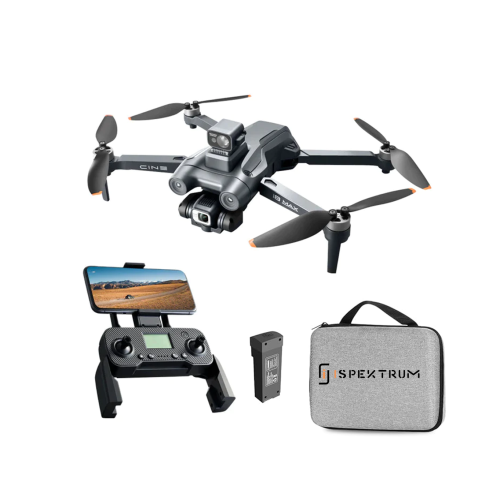
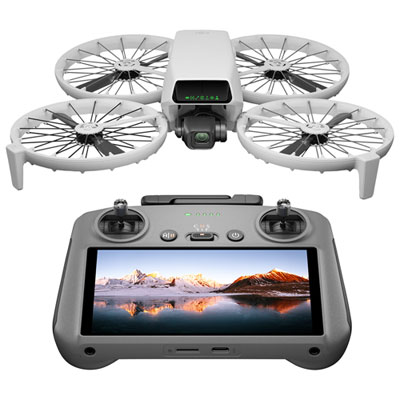
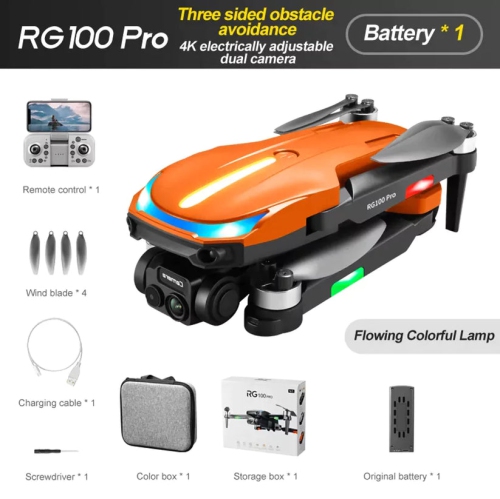
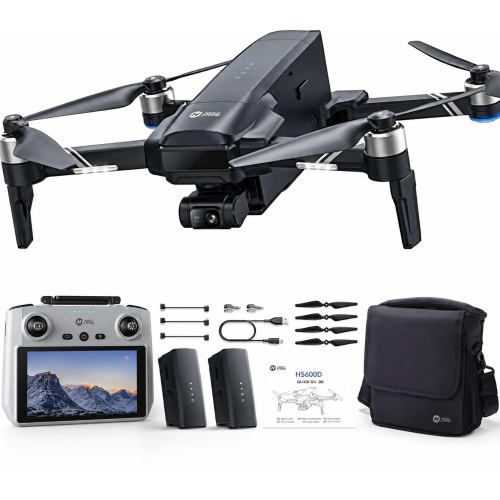
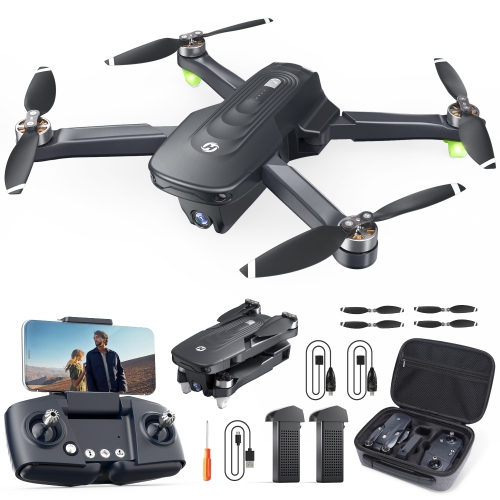
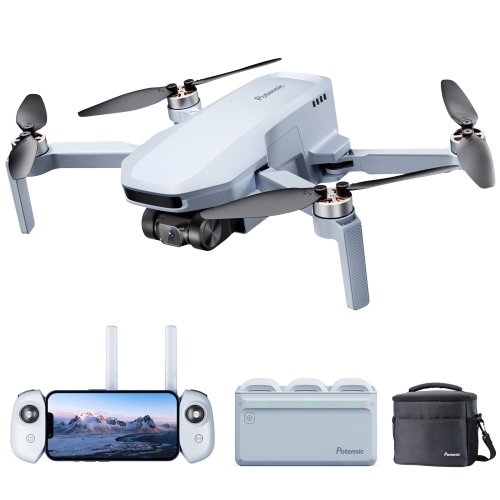
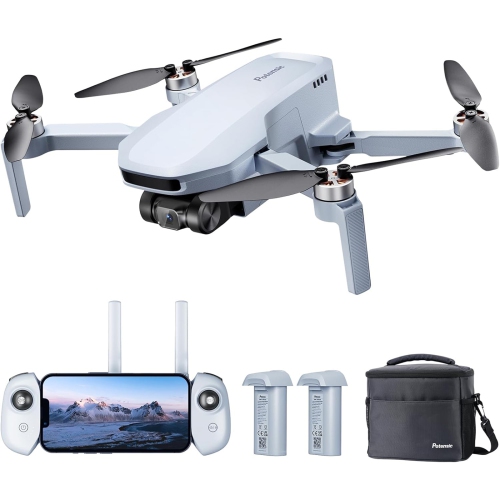
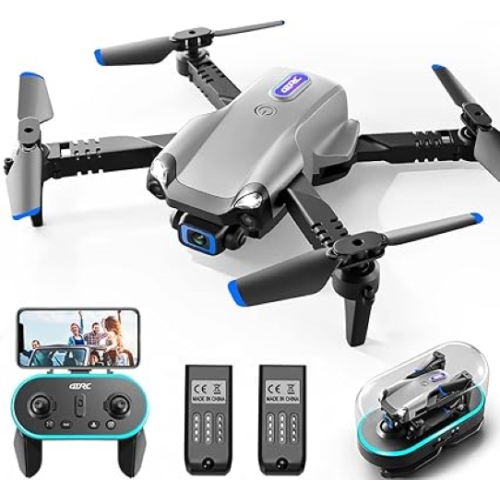
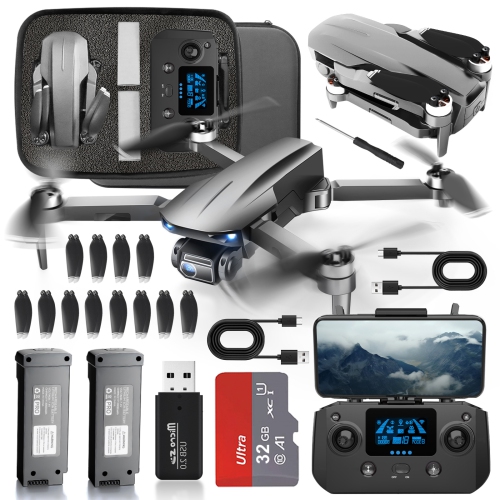
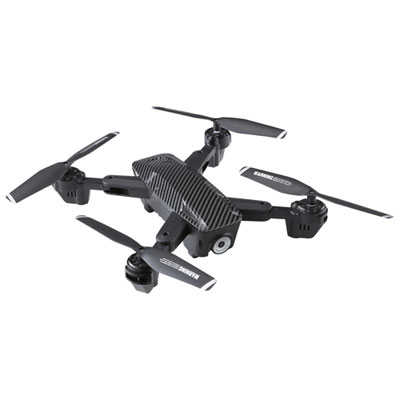
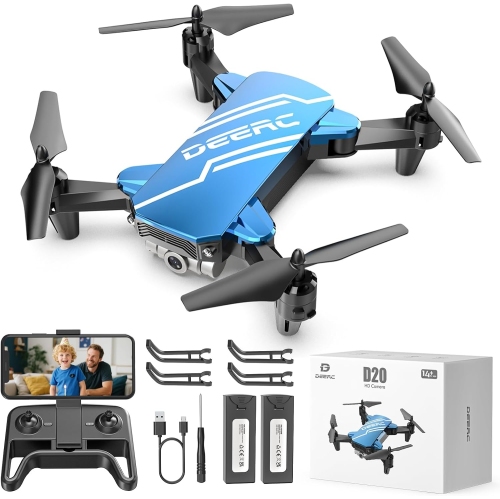
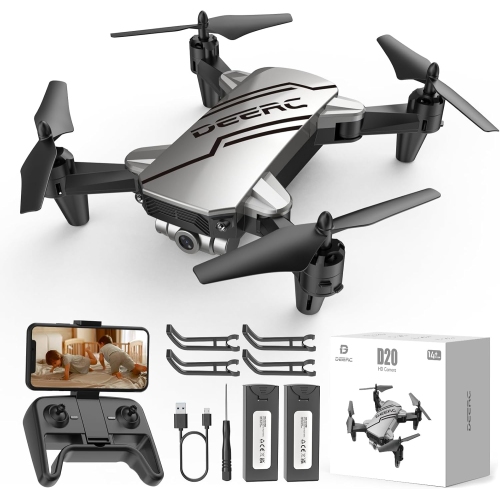
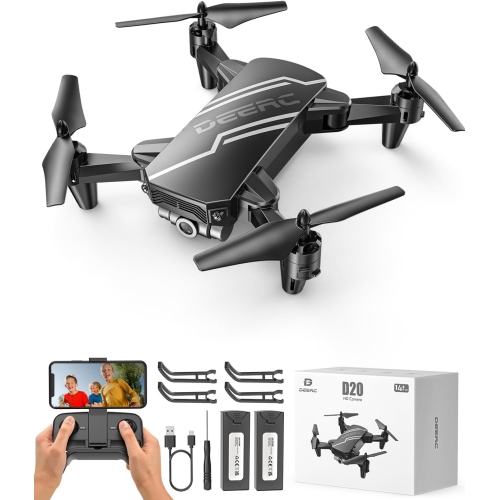
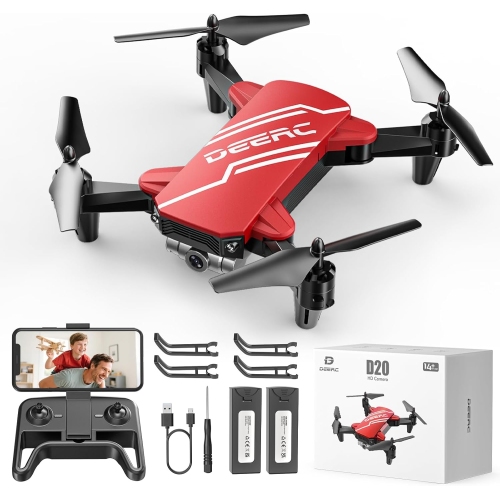
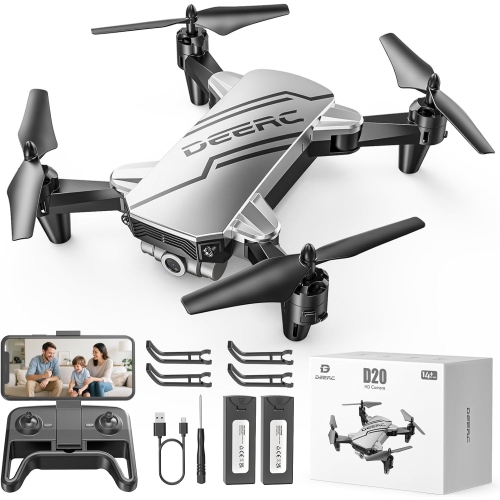
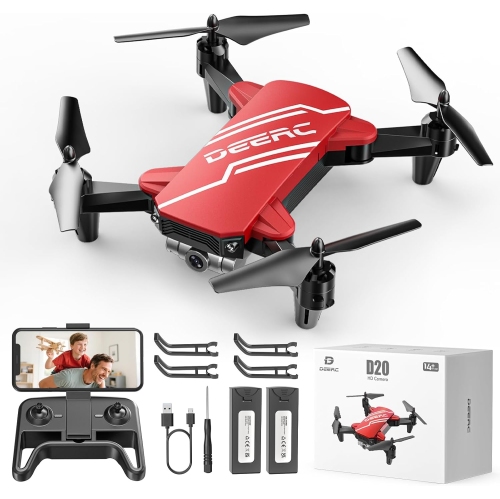
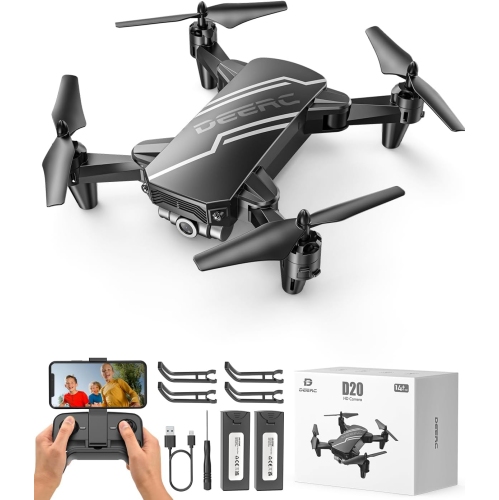
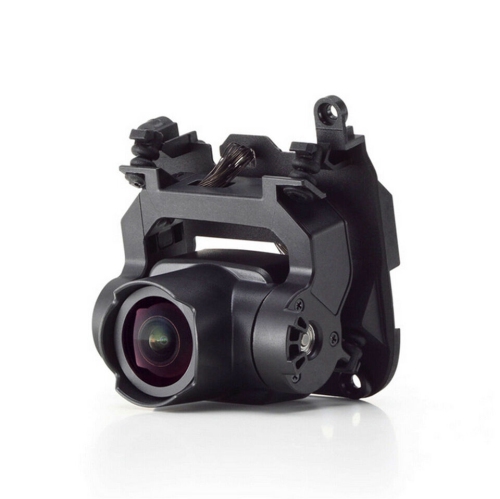
How live video shapes the feel of flight
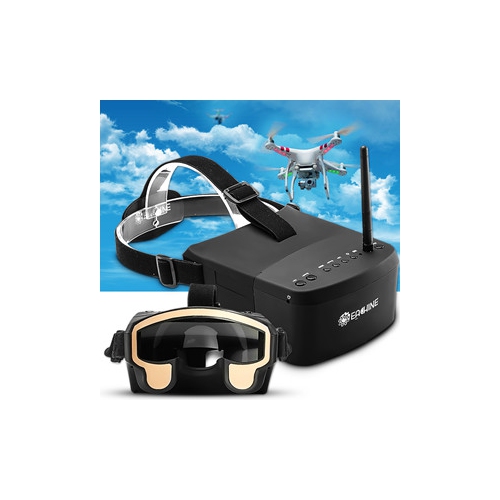
FPV drones with cameras combine remote-controlled flight with a live view from the aircraft, giving pilots a perspective that feels closer to sitting in the cockpit than watching from the ground. FPV stands for first-person view: an onboard camera sends video through a transmitter to compatible goggles, a monitor, or another supported display. That live feed helps the pilot judge direction, height, and the space around the drone, while compatible recording features capture footage for later viewing or editing. The image used for piloting is not necessarily the same quality as the saved video, so live-feed resolution and recording resolution describe different capabilities. For responsive flying, latency—the delay between the camera capturing a scene and that scene appearing on the display—matters alongside image clarity. Lower latency helps the view keep pace with quick turns and corrections, particularly when flying through gates on a designated racing course. Analog video systems generally provide a standard-definition picture with low delay, and interference may appear as static. Digital systems can deliver a sharper image that makes details such as course markers and small branches easier to distinguish, although latency and signal behaviour vary by system. Neither format is automatically compatible with the other; the camera, transmitter, receiver, and display need to work together. Lens field of view also shapes the flying experience. A wider view shows more of the surroundings but can make objects appear smaller and introduce distortion near the edges. A narrower view changes the sense of distance and leaves less peripheral detail visible. Aspect ratios such as 4:3 and 16:9 affect the shape of the picture, but the amount of sky, ground, or side-to-side detail shown depends on the camera sensor, lens, and any cropping. A camera and display that support the same intended aspect ratio help avoid an image that looks stretched or cuts off useful visual information.
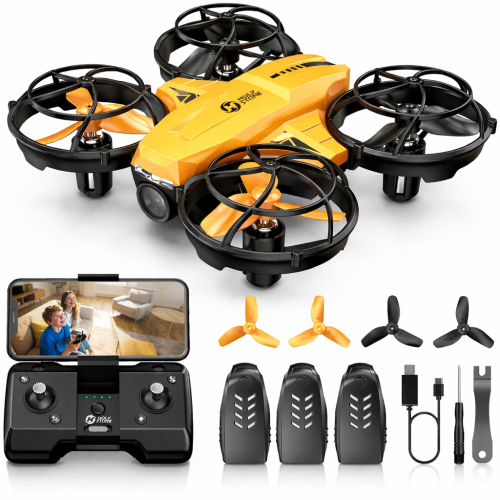
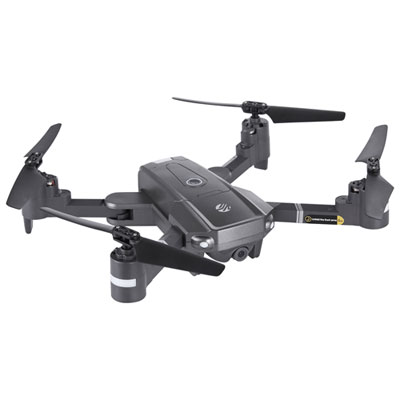
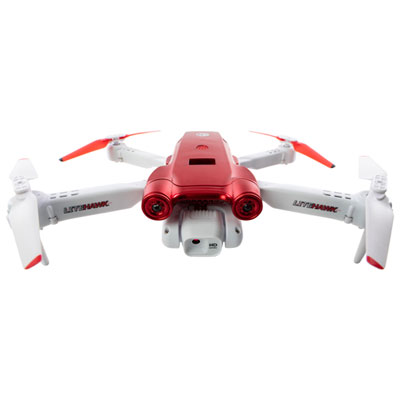
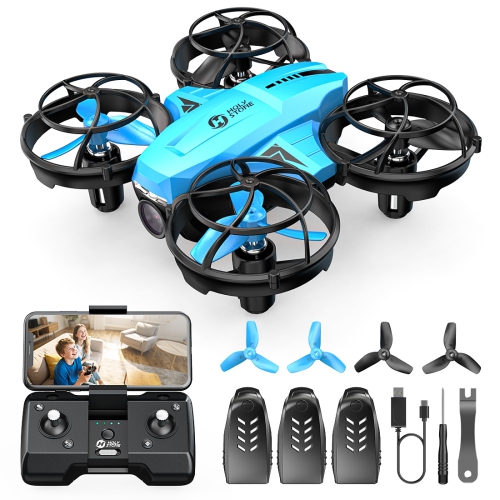
Different FPV drone designs suit different kinds of flying, from small, guarded aircraft used in suitable indoor spaces to open-propeller designs intended for dedicated outdoor flying areas. Compact drones with propeller guards can be useful for practising measured turns and learning how small stick movements affect direction, though guards do not make contact with people or belongings safe. Racing-focused designs emphasize quick response and a clear piloting view, while freestyle aircraft are built around agile movement and the demands of repeated manoeuvres. Camera-focused designs may place more emphasis on stable footage, controlled flight paths, and space for recording equipment. For a hobbyist interested in sweeping aerial sequences, image stabilization and vibration control can matter as much as the maximum video resolution. A rigid camera mount can transmit motor vibration into the picture, while a suitable damped mounting arrangement can help reduce visible shake. Some drones use one camera for both the live view and recording; others carry separate recording equipment, which adds weight and changes handling. Frame materials and construction influence how the aircraft feels and how it stands up to use. Carbon fibre frames are common in performance-oriented designs because they combine stiffness with relatively low weight, while moulded plastics are often used for protective shells and propeller guards. Durability still depends on the complete design, including arm thickness, motor protection, camera placement, and the way components are secured. Replaceable propellers, accessible fasteners, and repairable frame sections can make routine upkeep more manageable after a rough landing. Size affects more than portability: a larger aircraft needs more clearance, while a smaller one may be easier to carry but offer less room for extra equipment. Published flight times are useful reference points rather than promises, since battery condition, payload, speed, and flying style all affect time in the air. These differences make FPV drones appealing to hands-on hobbyists, racing enthusiasts, and video creators, with the best match depending on whether the priority is learning control, practising agility, or capturing fluid movement.
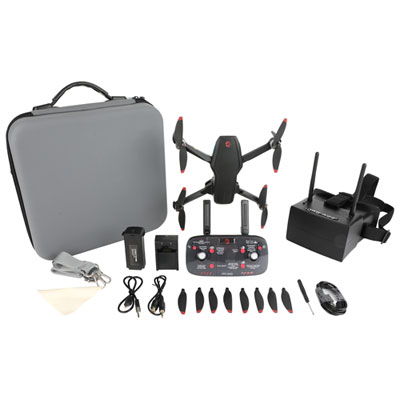
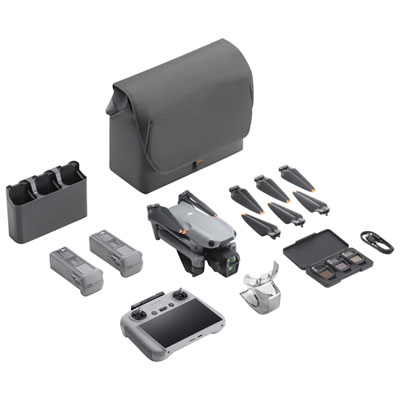
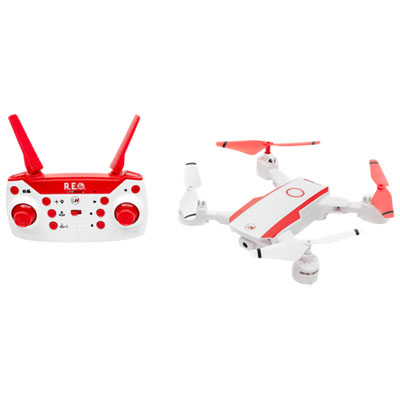
The experience also depends on the equipment surrounding the drone, especially the controller, display, batteries, and charging setup. A package described as ready to fly may include several of these essentials, while other configurations require a compatible radio controller, goggles, or additional components. Compatibility involves more than matching connectors: control protocols, video formats, supported frequencies, power requirements, and mounting dimensions can all affect whether parts work together. For separate camera components, FPV Cameras are relevant to custom builds and supported replacements, where camera size and video-system compatibility are especially important. Goggles deserve attention to fit as well as display specifications. An adjustable strap, comfortable face padding, and suitable optical adjustments can make the image easier to view, particularly for someone who wears glasses. Controller grip and stick spacing also affect comfort during precise movements. For newer pilots, assisted flight modes can offer a more approachable starting point, while manual modes require substantially more practice and may not provide automatic levelling. Simulator support can be valuable for practising controls without putting an aircraft in the air. As a gift, an FPV drone is most suitable when it matches the recipient’s experience and existing equipment, rather than simply offering the highest resolution or fastest flight capability. Ongoing care includes checking propellers for chips or cracks, keeping the camera lens clean with appropriate lens-care materials, and inspecting antennas, wiring, and fasteners after impacts. Batteries need the correct charger and manufacturer-specified charging and storage practices; damaged or swollen packs should not be used. Transporting the aircraft with its camera and propellers protected helps prevent avoidable damage between flights. In Canada, drone weight, the type of operation, and the flight location affect registration, pilot certification, and other requirements. For typical visual-line-of-sight FPV operations, goggles do not replace the need to keep the aircraft in direct sight, and a visual observer may be required. Appropriate flying space, permission where needed, and respect for people’s privacy remain part of responsible ownership.
Different FPV drone designs suit different kinds of flying, from small, guarded aircraft used in suitable indoor spaces to open-propeller designs intended for dedicated outdoor flying areas. Compact drones with propeller guards can be useful for practising measured turns and learning how small stick movements affect direction, though guards do not make contact with people or belongings safe. Racing-focused designs emphasize quick response and a clear piloting view, while freestyle aircraft are built around agile movement and the demands of repeated manoeuvres. Camera-focused designs may place more emphasis on stable footage, controlled flight paths, and space for recording equipment. For a hobbyist interested in sweeping aerial sequences, image stabilization and vibration control can matter as much as the maximum video resolution. A rigid camera mount can transmit motor vibration into the picture, while a suitable damped mounting arrangement can help reduce visible shake. Some drones use one camera for both the live view and recording; others carry separate recording equipment, which adds weight and changes handling. Frame materials and construction influence how the aircraft feels and how it stands up to use. Carbon fibre frames are common in performance-oriented designs because they combine stiffness with relatively low weight, while moulded plastics are often used for protective shells and propeller guards. Durability still depends on the complete design, including arm thickness, motor protection, camera placement, and the way components are secured. Replaceable propellers, accessible fasteners, and repairable frame sections can make routine upkeep more manageable after a rough landing. Size affects more than portability: a larger aircraft needs more clearance, while a smaller one may be easier to carry but offer less room for extra equipment. Published flight times are useful reference points rather than promises, since battery condition, payload, speed, and flying style all affect time in the air. These differences make FPV drones appealing to hands-on hobbyists, racing enthusiasts, and video creators, with the best match depending on whether the priority is learning control, practising agility, or capturing fluid movement.
The experience also depends on the equipment surrounding the drone, especially the controller, display, batteries, and charging setup. A package described as ready to fly may include several of these essentials, while other configurations require a compatible radio controller, goggles, or additional components. Compatibility involves more than matching connectors: control protocols, video formats, supported frequencies, power requirements, and mounting dimensions can all affect whether parts work together. For separate camera components, FPV Cameras are relevant to custom builds and supported replacements, where camera size and video-system compatibility are especially important. Goggles deserve attention to fit as well as display specifications. An adjustable strap, comfortable face padding, and suitable optical adjustments can make the image easier to view, particularly for someone who wears glasses. Controller grip and stick spacing also affect comfort during precise movements. For newer pilots, assisted flight modes can offer a more approachable starting point, while manual modes require substantially more practice and may not provide automatic levelling. Simulator support can be valuable for practising controls without putting an aircraft in the air. As a gift, an FPV drone is most suitable when it matches the recipient’s experience and existing equipment, rather than simply offering the highest resolution or fastest flight capability. Ongoing care includes checking propellers for chips or cracks, keeping the camera lens clean with appropriate lens-care materials, and inspecting antennas, wiring, and fasteners after impacts. Batteries need the correct charger and manufacturer-specified charging and storage practices; damaged or swollen packs should not be used. Transporting the aircraft with its camera and propellers protected helps prevent avoidable damage between flights. In Canada, drone weight, the type of operation, and the flight location affect registration, pilot certification, and other requirements. For typical visual-line-of-sight FPV operations, goggles do not replace the need to keep the aircraft in direct sight, and a visual observer may be required. Appropriate flying space, permission where needed, and respect for people’s privacy remain part of responsible ownership.
Top selling and popular products
-
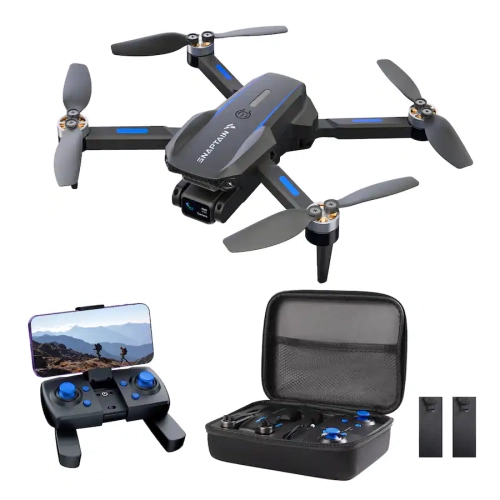 Your price for this item is $109.98
 -
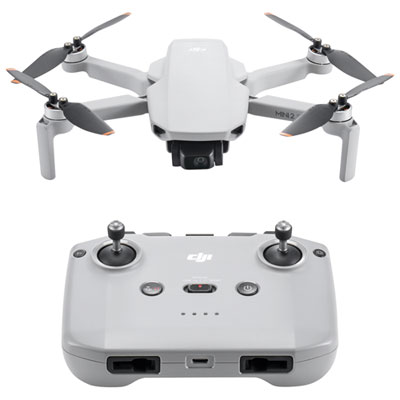 Your price for this item is $359.99
 -
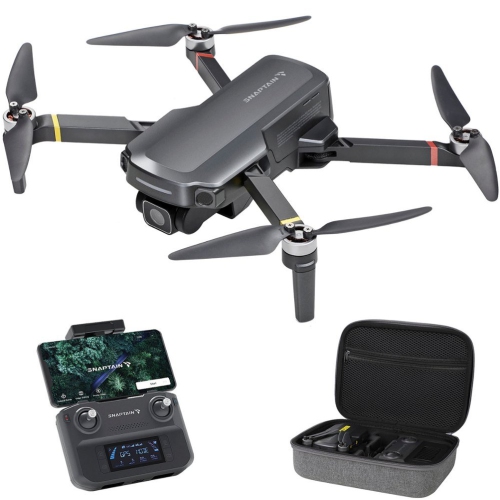 Your price for this item is $279.9
 -
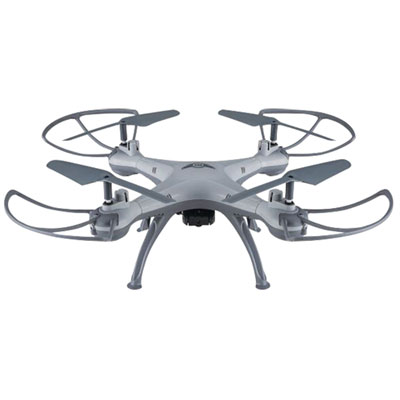 Your price for this item is $49.99
 -
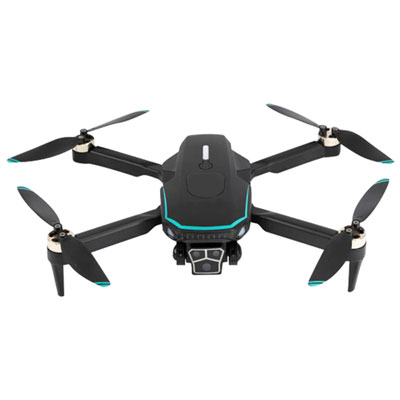 Your price for this item is $79.99
 -
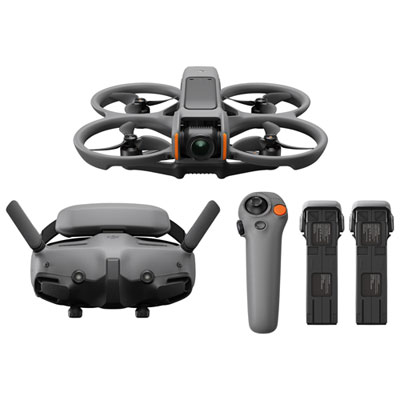 Your price for this item is $1279.99
 -
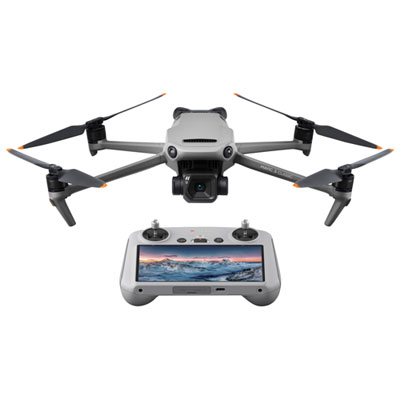 Your price for this item is $1759.99
 -
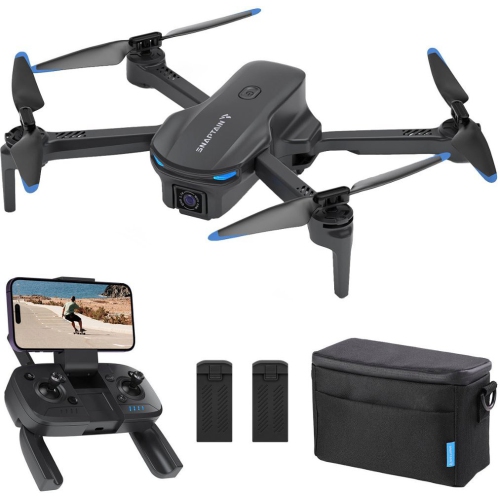 Your price for this item is $189.9
Discover more categories related to FPV Drones With Camera
Top Collections:
Pokemon Centers, Kindle Devices, Best Budget Office Chairs, Apple iPhones 16, Best Laptops for Writers, iPhone 15 Apple, Canon G7X Cameras, Refurbished Apple Laptops, Alarm Clock, Motorola Razr Phones
Some products may be subject to Environmental Handling Fees
(EHF) depending on your province.
Learn more about EHFs.