Blue Dressers
A dresser is a classic piece of furniture that can be used to store clothes, linens, and other items. A blue dresser is a great way to add a pop of color to your room. Here are our top picks for you.
Sort

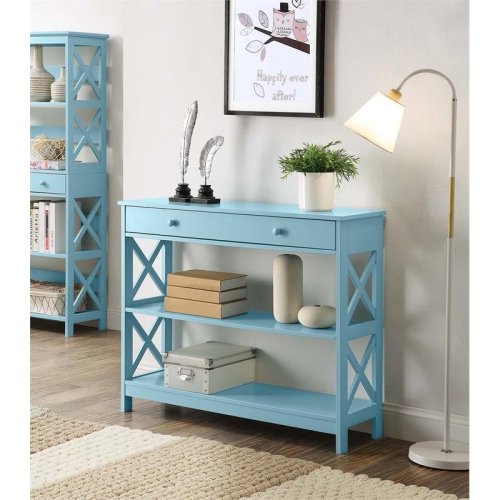
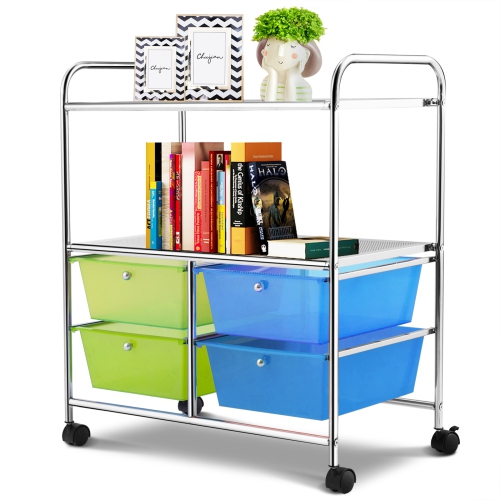
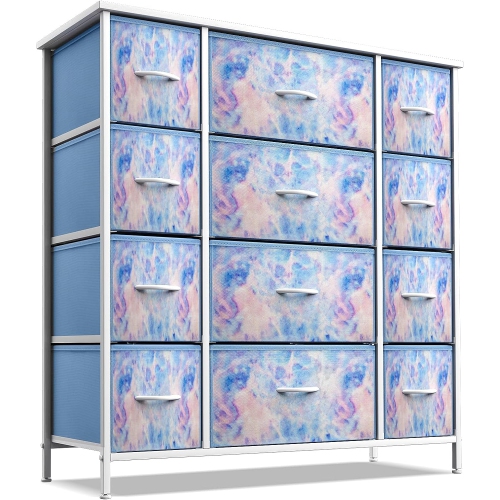
How colour, size and storage shape the right choice
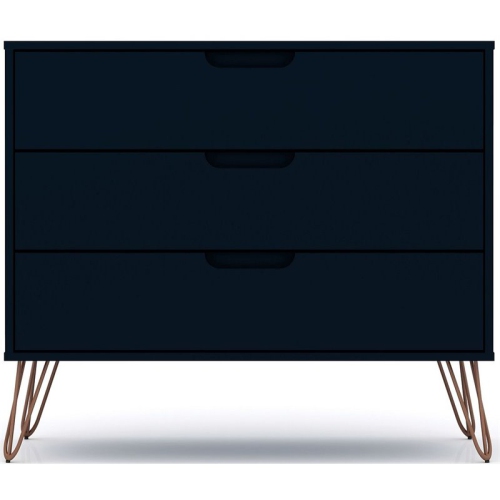
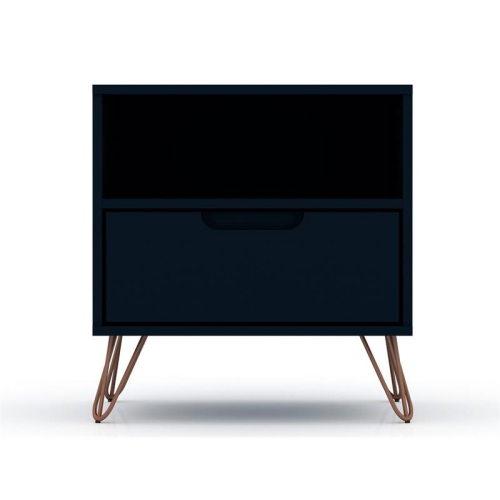
Blue dressers bring practical storage and a confident touch of colour to bedrooms, guest rooms, nurseries, dressing areas and other spaces where clothing and everyday essentials need a dedicated home. Depending on the finish, blue can feel deep and sophisticated, soft and airy, or lively and expressive. Navy blue dressers create a grounded look that pairs well with white bedding, warm wood tones, cream walls and metallic accents such as brass or gold-coloured hardware. Light blue and sky-blue dressers can brighten a smaller room, complement a coastal-inspired space or add a gentle finish to a nursery or child’s bedroom. Teal and blue-green shades offer a more distinctive appearance, especially when used alongside neutral furniture and natural-looking textiles. When comparing blue dressers, consider the room’s existing colours in both daylight and artificial light, since a painted finish can appear cooler, darker or more vibrant depending on the surroundings. A dresser with a smooth, simple front suits minimalist and contemporary rooms, while fluted or textured drawer fronts can act as a decorative focal point. Hardware also influences the overall character: slim metal pulls provide a modern look, rounded knobs can feel more traditional, and pull-free fronts create a streamlined appearance. For a coordinated bedroom, match the blue tone to accents such as cushions, curtains, lampshades or artwork rather than trying to make every item the exact same shade. Blue dressers can also be paired with contrasting pieces, including warm brown furniture, for a layered and inviting arrangement. If you prefer that richer, earthy look in another colour family, browse Brown Dressers for additional bedroom storage options.
The right size and drawer arrangement depend on what you plan to store and how much floor space is available. A compact three- or four-drawer chest is well suited to a smaller bedroom, apartment, nursery or guest room, and its vertical shape can provide useful storage without taking up much wall width. These taller designs are convenient for folded shirts, children’s clothing, sleepwear, linens and accessories, although the upper drawers may be less accessible for young children. A wider six-drawer double dresser offers more generous capacity and keeps frequently used items within easy reach. The broad top can hold a mirror, table lamp, framed photographs, a jewellery tray or decorative storage baskets, provided the surface does not become crowded. Before choosing a dresser, measure the wall, doorway, stairwell and any tight turns along the delivery route. Leave enough clearance for drawers to open fully, and check the listed width, height and depth in inches rather than relying on a photograph for scale. Drawer depth, interior capacity and the smoothness of the drawer glides are also important, particularly when the dresser will hold heavier clothing or be used every day. Construction may include solid wood, engineered wood, particleboard or combinations of materials, often with painted, laminated or wrapped finishes. Each option can offer a different balance of appearance, weight, durability and care requirements, so review the specifications and assembly information before making a decision. Look for stable legs or a sturdy base, reinforced drawer boxes, dependable hardware and an anti-tip kit. Secure the dresser according to the manufacturer’s instructions, especially in a child’s room or any household where drawers may be opened by curious young children. A low, wide dresser may provide a steady visual anchor, while a taller chest can make better use of limited vertical space.
Blue dressers are useful for anyone refreshing a bedroom, furnishing a first home, organizing a guest room or preparing a nursery before a new arrival. They can also make a thoughtful housewarming or wedding gift when the recipient’s style and available space are known, since a dresser combines an everyday function with a noticeable design statement. For a child’s room, a lighter blue finish can grow with the space when paired with simple hardware and adaptable décor; in a teenager’s room, a navy or teal dresser can add personality without requiring a complete redesign. In a guest bedroom, a compact chest gives visitors a place to unpack while keeping spare bedding and towels close at hand. In a primary bedroom, a double dresser can help separate clothing by person, category or season, reducing the need to search through an overfilled closet. During the warmer months, its drawers can hold lighter garments, swimwear and accessories, while during cooler months the same storage can accommodate sweaters, heavier sleepwear and extra blankets. To keep the finish looking its best, dust with a soft cloth, wipe spills promptly and follow the care instructions for painted or laminated surfaces. Avoid overloading drawers, distribute heavier items evenly and close each drawer fully to help maintain smooth operation. Before ordering, compare the colour, dimensions, storage layout, materials, assembly requirements, warranty information and delivery details together rather than judging the dresser by appearance alone. A well-chosen blue dresser should fit comfortably in the room, support the way clothing is organized and contribute to the atmosphere you want to create, whether that means a calm sky-blue retreat, a polished navy bedroom or a bold teal statement piece.
The right size and drawer arrangement depend on what you plan to store and how much floor space is available. A compact three- or four-drawer chest is well suited to a smaller bedroom, apartment, nursery or guest room, and its vertical shape can provide useful storage without taking up much wall width. These taller designs are convenient for folded shirts, children’s clothing, sleepwear, linens and accessories, although the upper drawers may be less accessible for young children. A wider six-drawer double dresser offers more generous capacity and keeps frequently used items within easy reach. The broad top can hold a mirror, table lamp, framed photographs, a jewellery tray or decorative storage baskets, provided the surface does not become crowded. Before choosing a dresser, measure the wall, doorway, stairwell and any tight turns along the delivery route. Leave enough clearance for drawers to open fully, and check the listed width, height and depth in inches rather than relying on a photograph for scale. Drawer depth, interior capacity and the smoothness of the drawer glides are also important, particularly when the dresser will hold heavier clothing or be used every day. Construction may include solid wood, engineered wood, particleboard or combinations of materials, often with painted, laminated or wrapped finishes. Each option can offer a different balance of appearance, weight, durability and care requirements, so review the specifications and assembly information before making a decision. Look for stable legs or a sturdy base, reinforced drawer boxes, dependable hardware and an anti-tip kit. Secure the dresser according to the manufacturer’s instructions, especially in a child’s room or any household where drawers may be opened by curious young children. A low, wide dresser may provide a steady visual anchor, while a taller chest can make better use of limited vertical space.
Blue dressers are useful for anyone refreshing a bedroom, furnishing a first home, organizing a guest room or preparing a nursery before a new arrival. They can also make a thoughtful housewarming or wedding gift when the recipient’s style and available space are known, since a dresser combines an everyday function with a noticeable design statement. For a child’s room, a lighter blue finish can grow with the space when paired with simple hardware and adaptable décor; in a teenager’s room, a navy or teal dresser can add personality without requiring a complete redesign. In a guest bedroom, a compact chest gives visitors a place to unpack while keeping spare bedding and towels close at hand. In a primary bedroom, a double dresser can help separate clothing by person, category or season, reducing the need to search through an overfilled closet. During the warmer months, its drawers can hold lighter garments, swimwear and accessories, while during cooler months the same storage can accommodate sweaters, heavier sleepwear and extra blankets. To keep the finish looking its best, dust with a soft cloth, wipe spills promptly and follow the care instructions for painted or laminated surfaces. Avoid overloading drawers, distribute heavier items evenly and close each drawer fully to help maintain smooth operation. Before ordering, compare the colour, dimensions, storage layout, materials, assembly requirements, warranty information and delivery details together rather than judging the dresser by appearance alone. A well-chosen blue dresser should fit comfortably in the room, support the way clothing is organized and contribute to the atmosphere you want to create, whether that means a calm sky-blue retreat, a polished navy bedroom or a bold teal statement piece.
Top selling and popular products
-
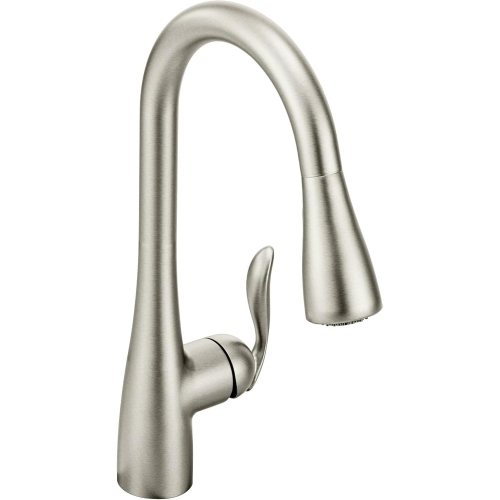 Your price for this item is $426.55
 -
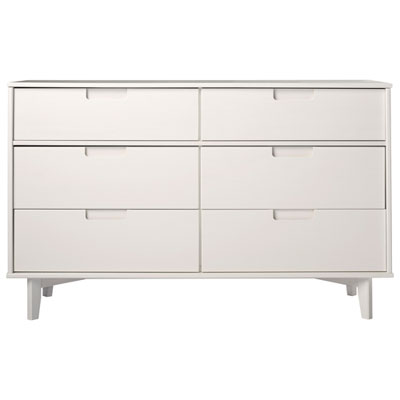 Your price for this item is $569.99
 -
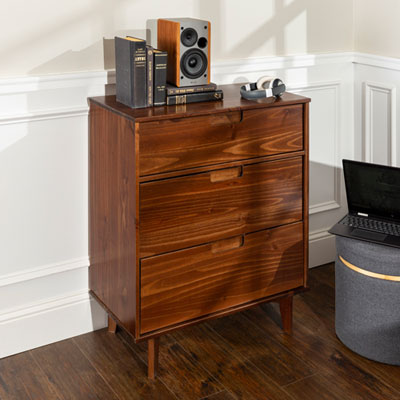 Your price for this item is $364.99
 -
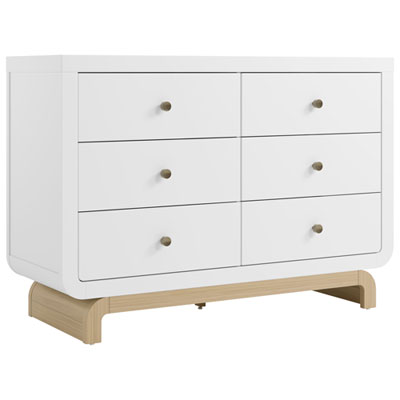 Your price for this item is $899.99
 -
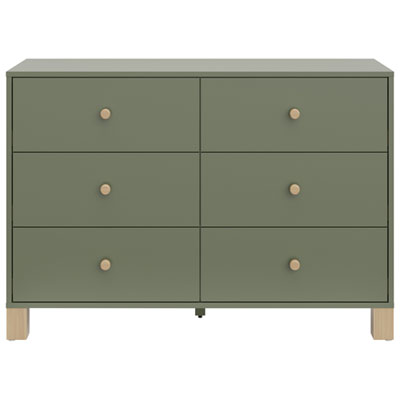 Your price for this item is $639.98
 -
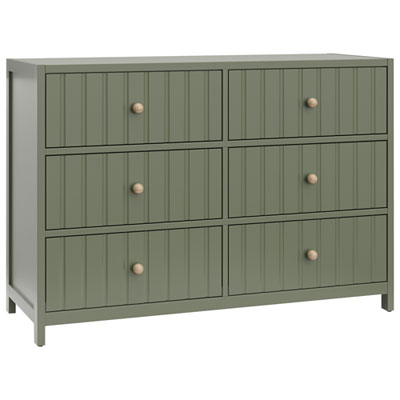 Your price for this item is $699.99
 -
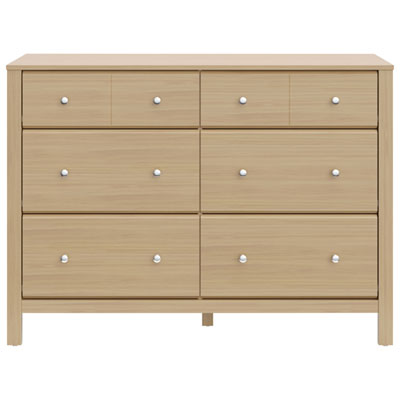 Your price for this item is $399.99
 -
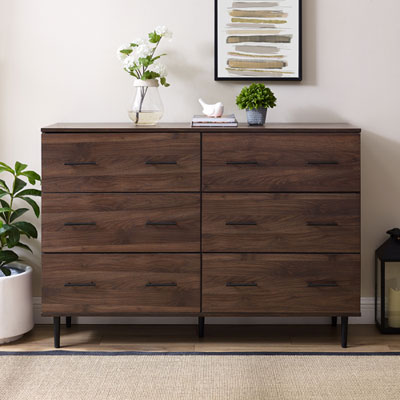 Your price for this item is $886.99
Discover more categories related to Blue Dressers

Top Collections:
Best Laptops for Video Editing, Pokemon Centers, Samsung Z Fold, Kindle Devices, Best Cell Phones Under $300, Best Laptops for Writers, Best Budget Office Chairs, Best Cell Phones Under $500, Best Laptop Computers for Students, iPhone 15 Apple
Some products may be subject to Environmental Handling Fees
(EHF) depending on your province.
Learn more about EHFs.