High Quality Shoe Cabinets
A shoe cabinet is a must-have for any home. It's the perfect place to store your shoes and other accessories, and it can also be a great way to display your favorite items. Here are some of the best high-quality shoe cabinets on the market today.
Sort
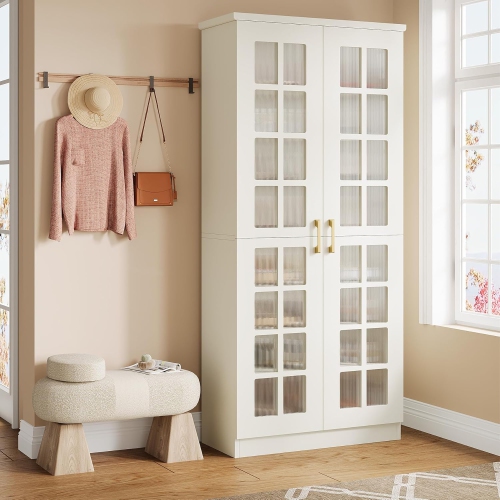
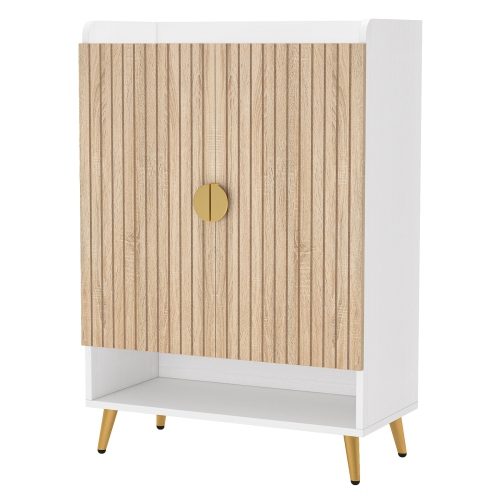
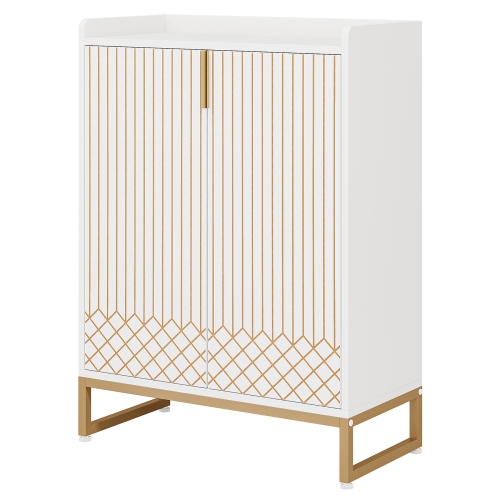
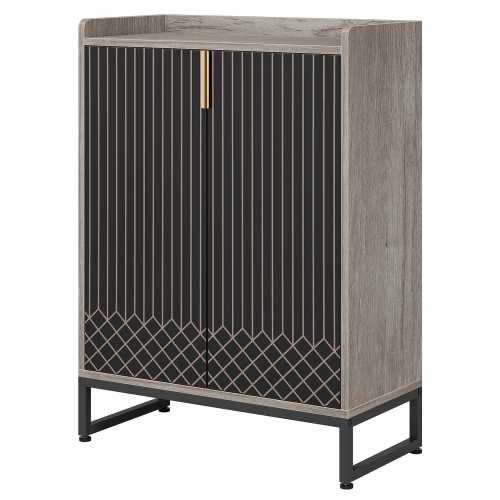
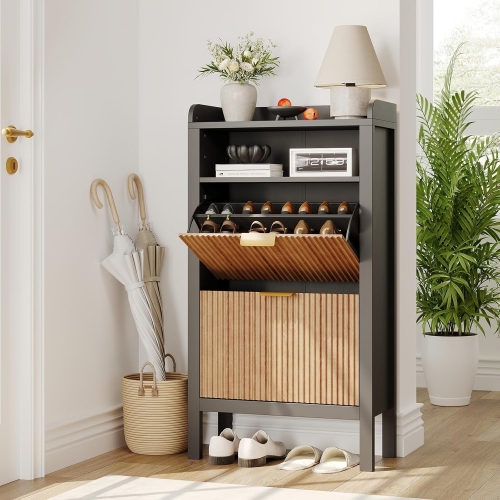
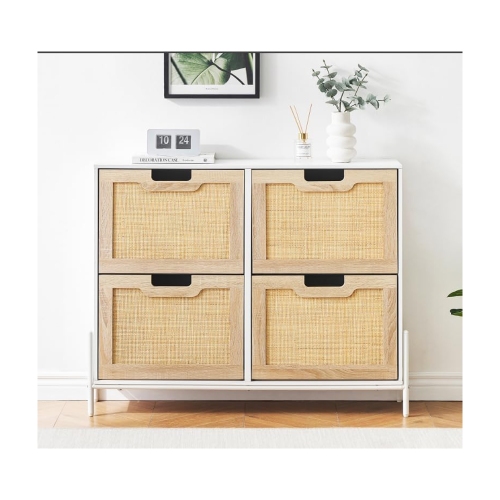
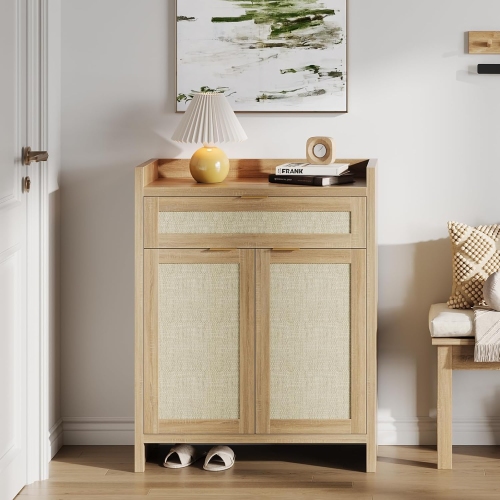
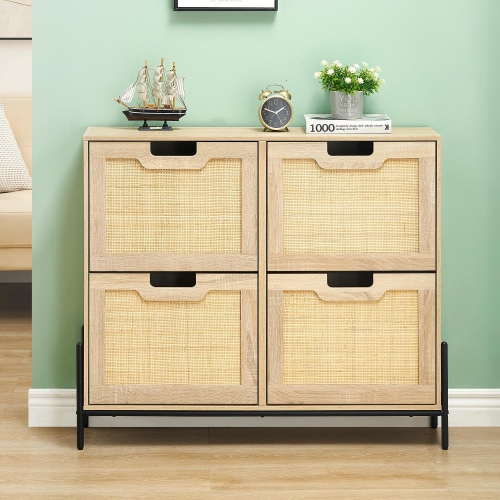
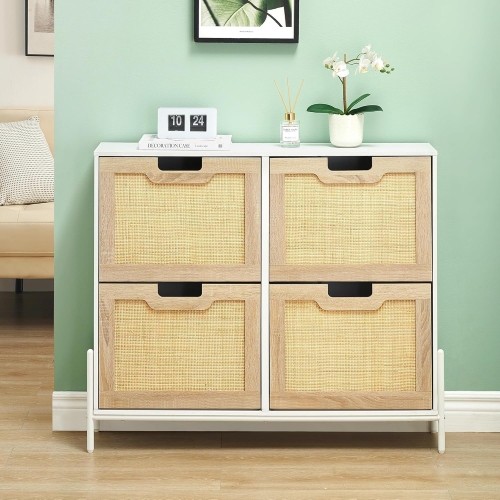
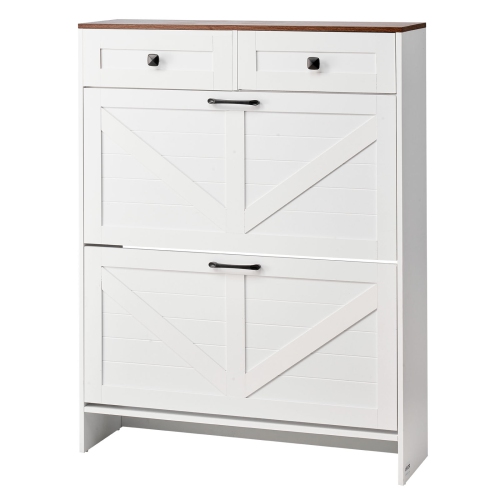
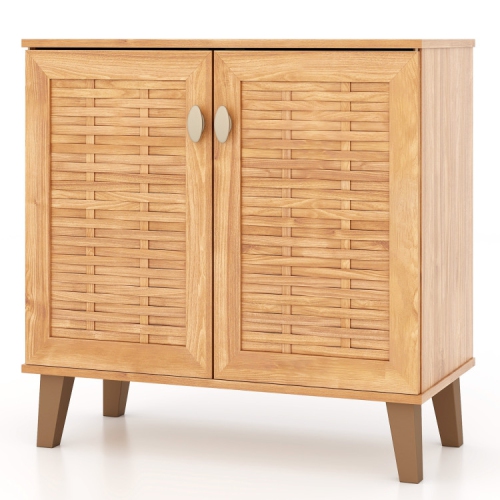
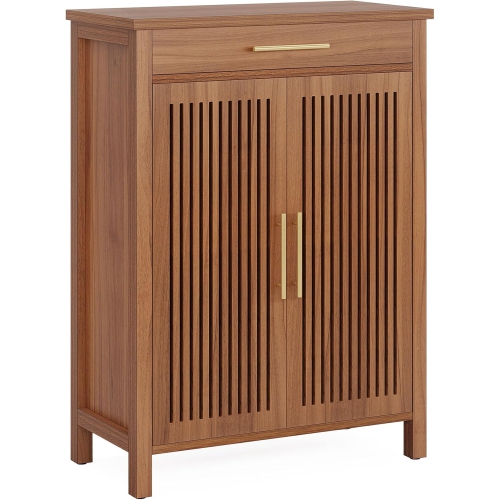

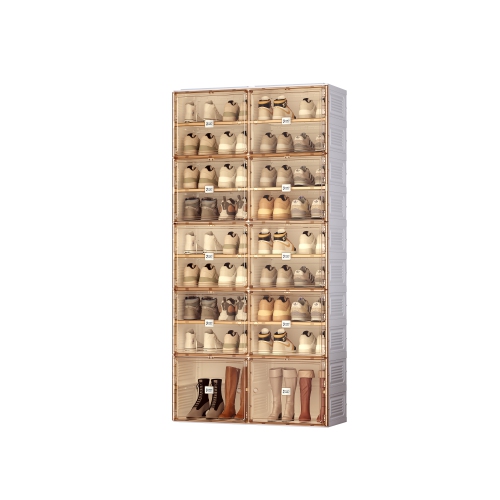
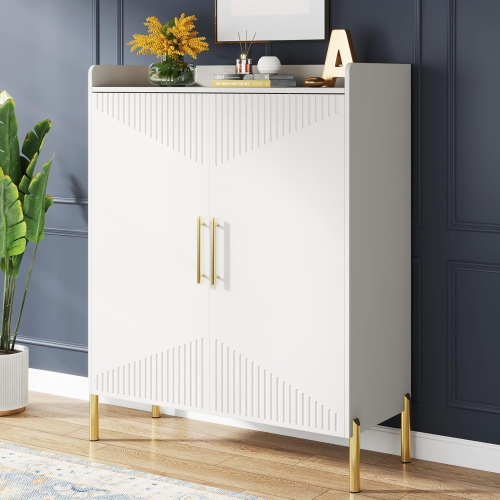
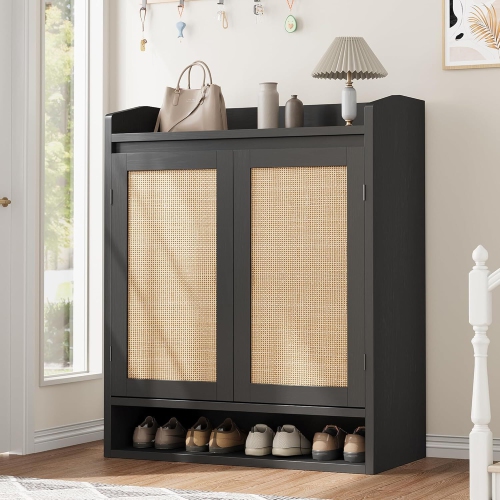
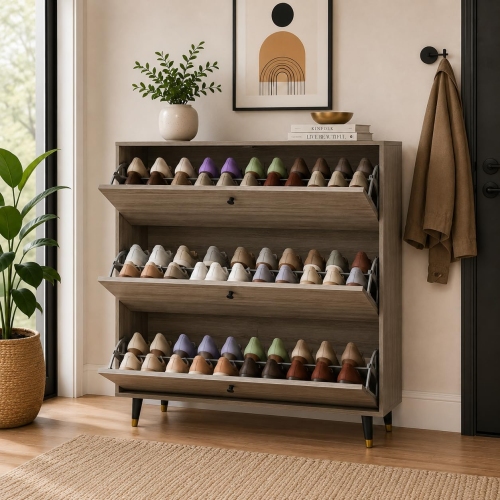
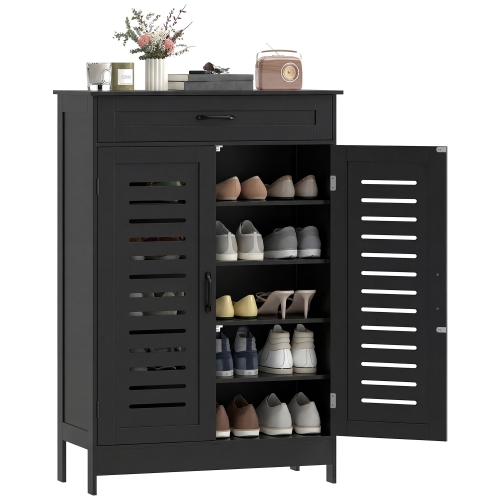
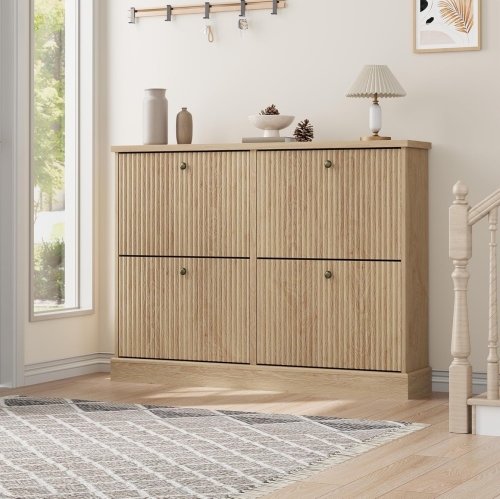
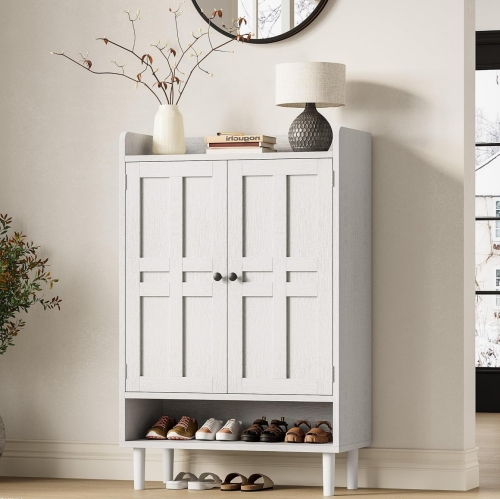
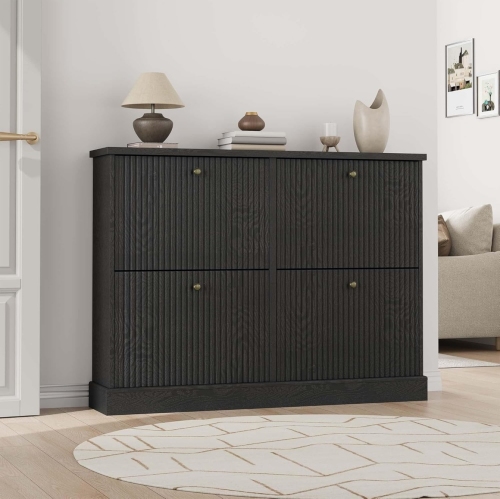

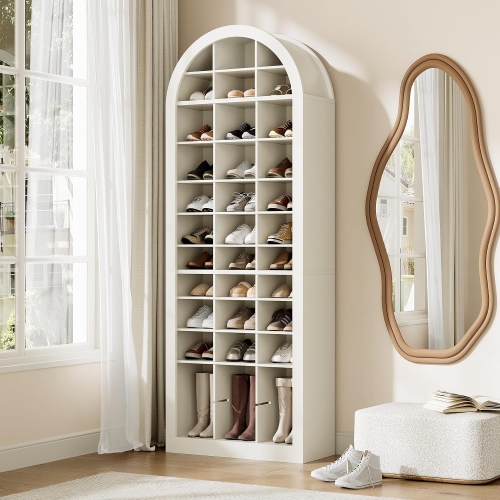
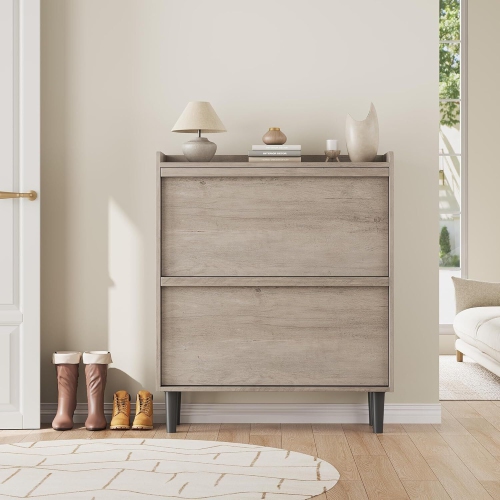
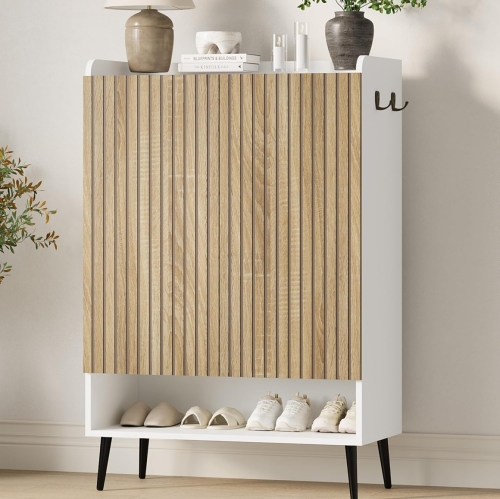
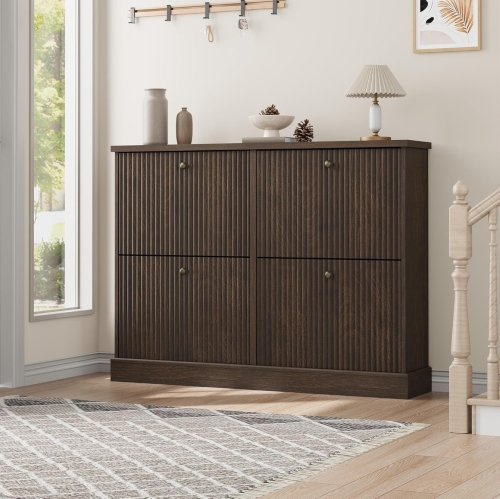
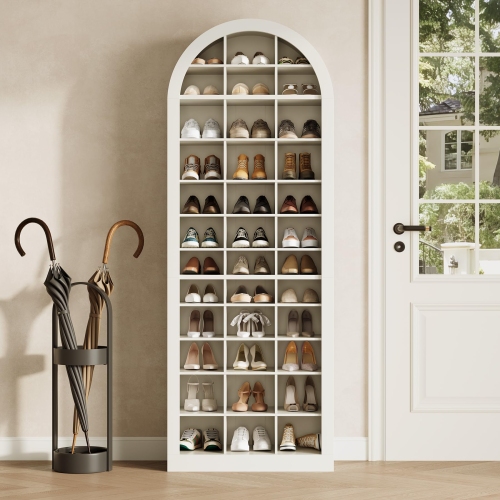
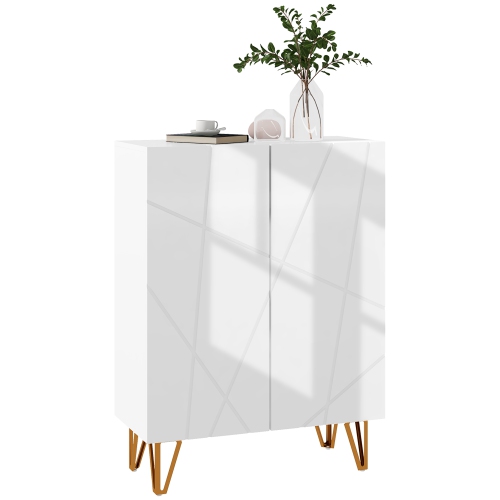
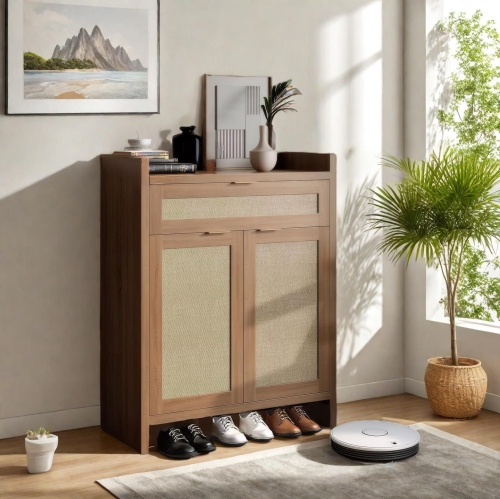
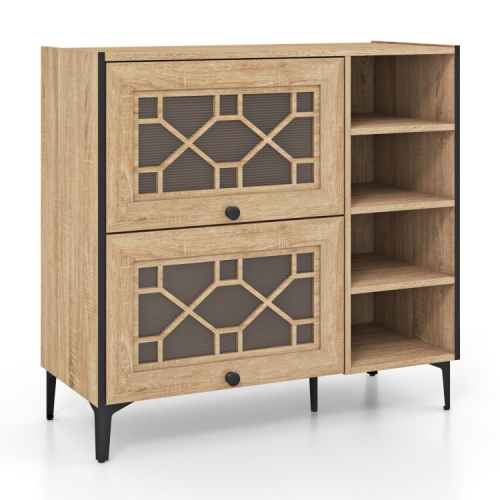
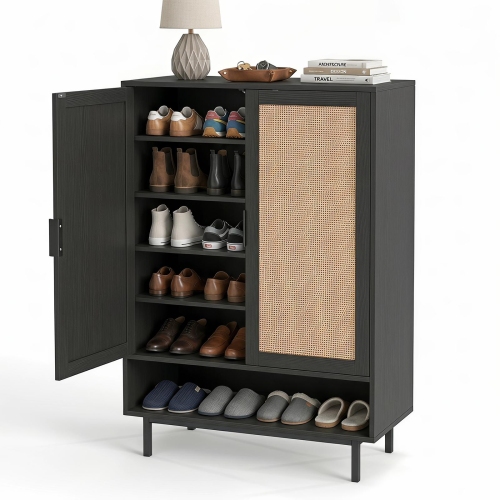
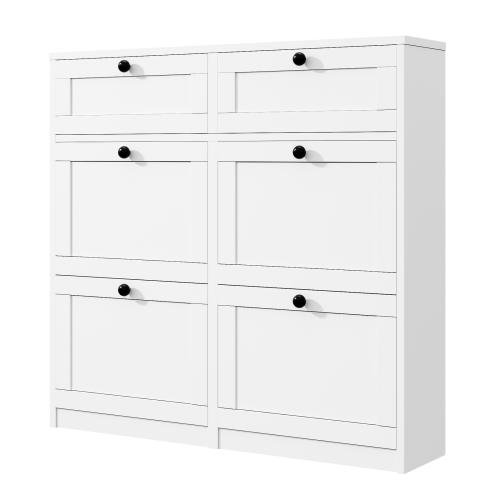
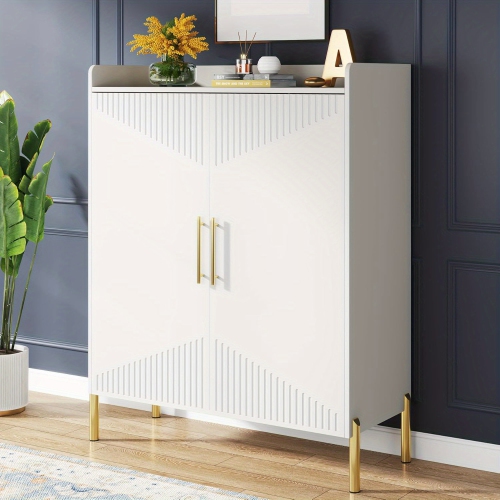
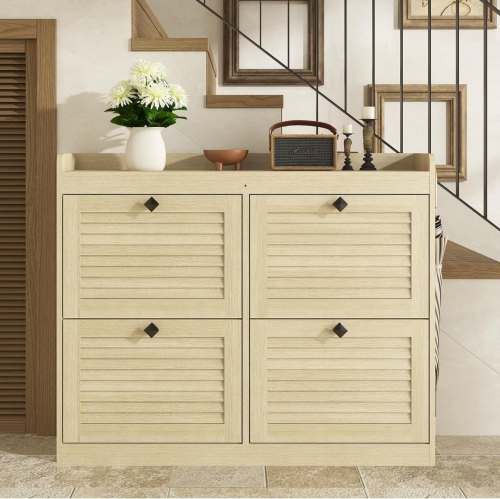
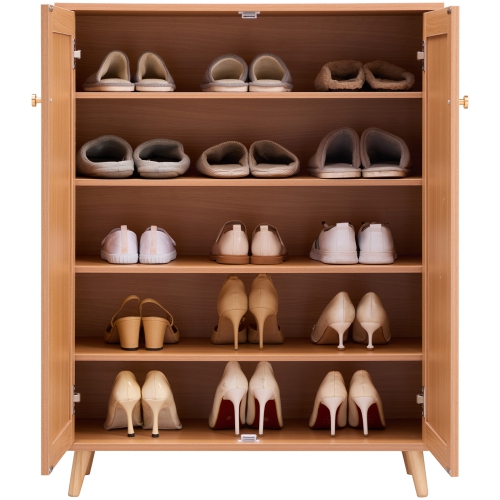
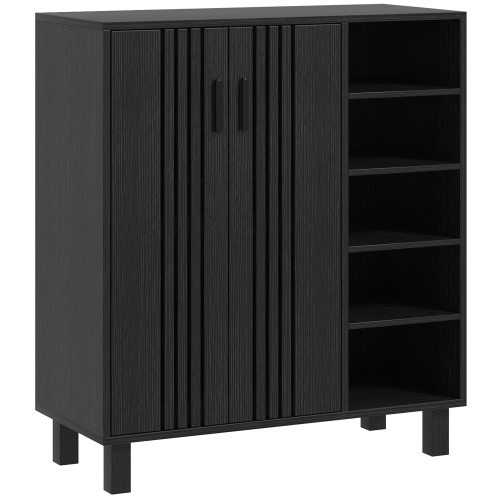
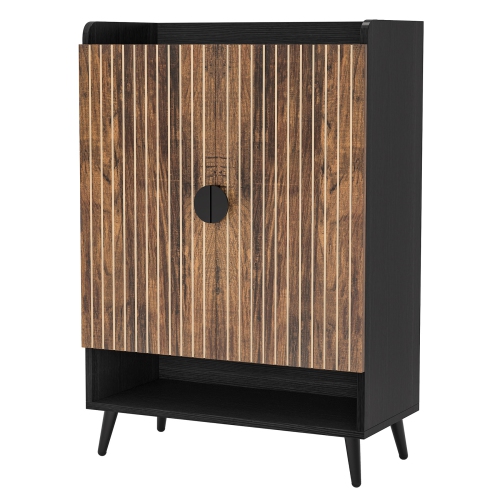
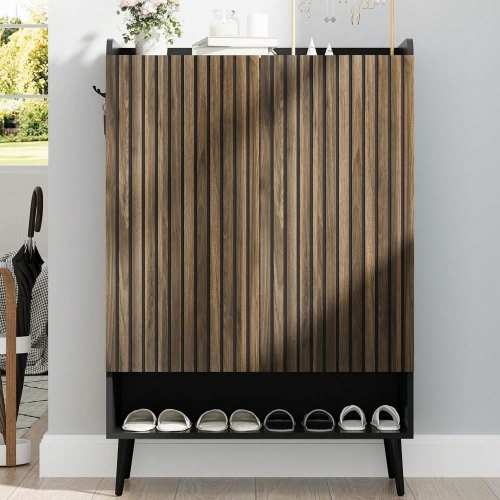
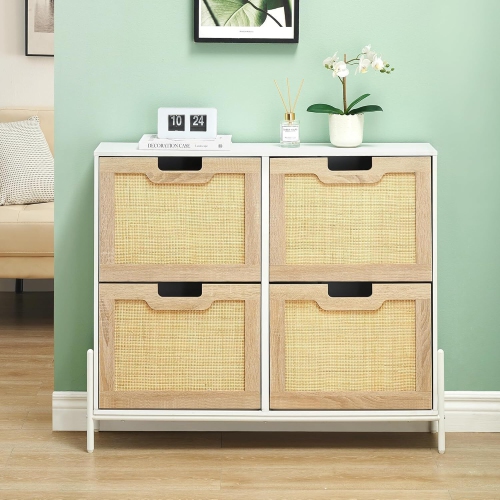
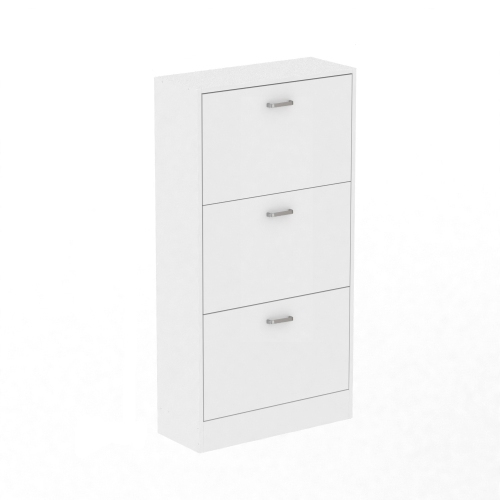
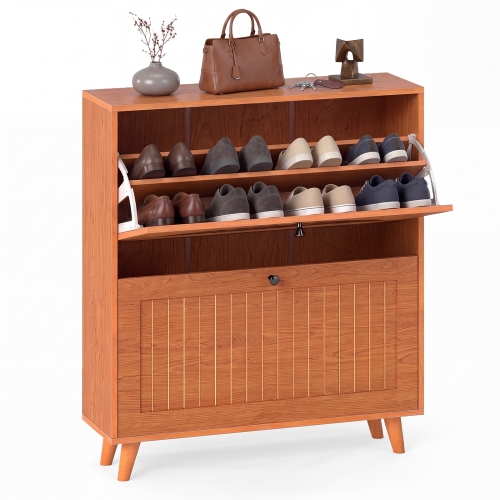
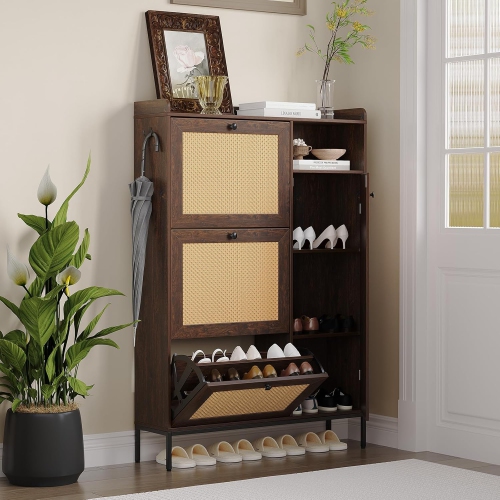
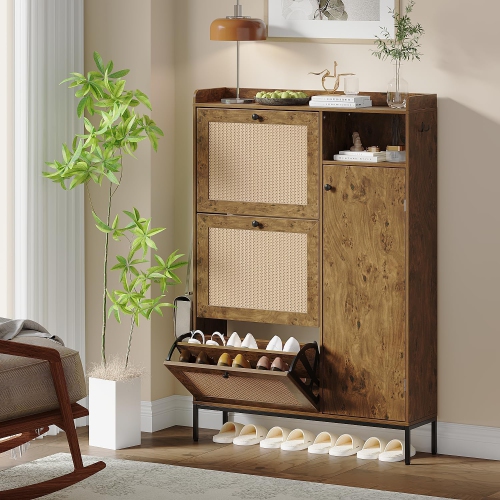
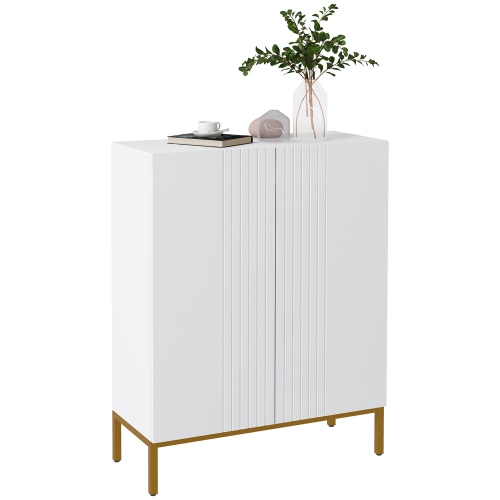
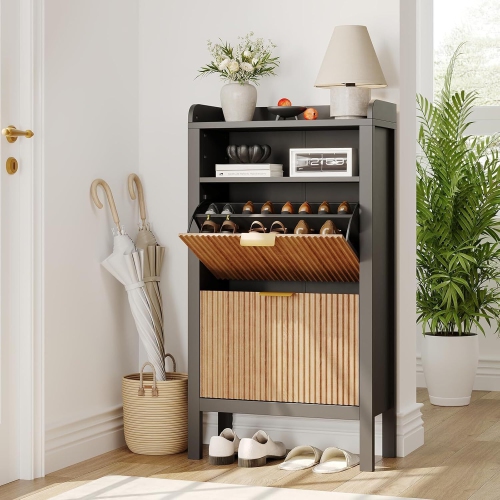
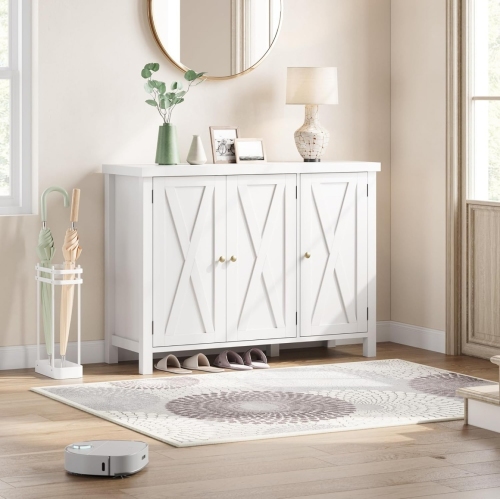
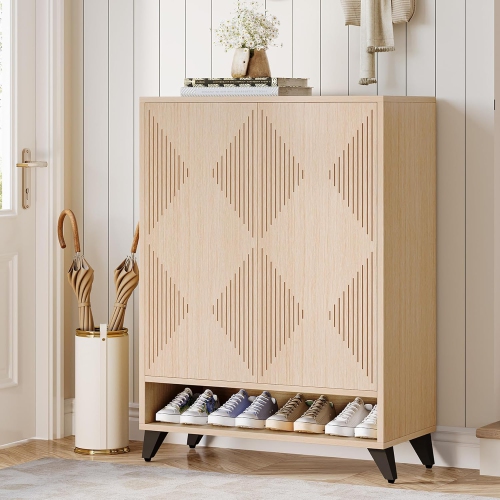
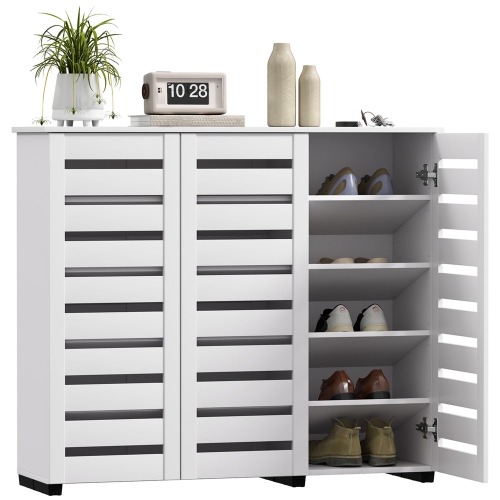
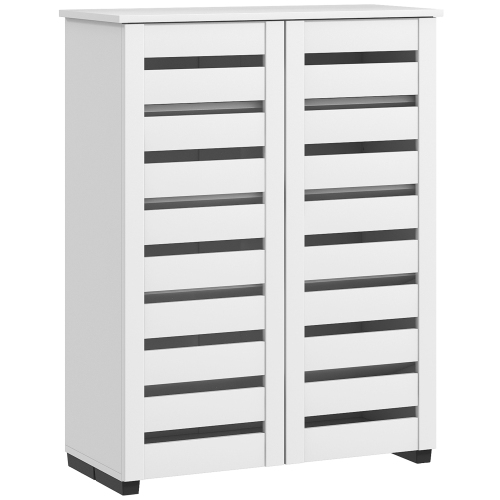
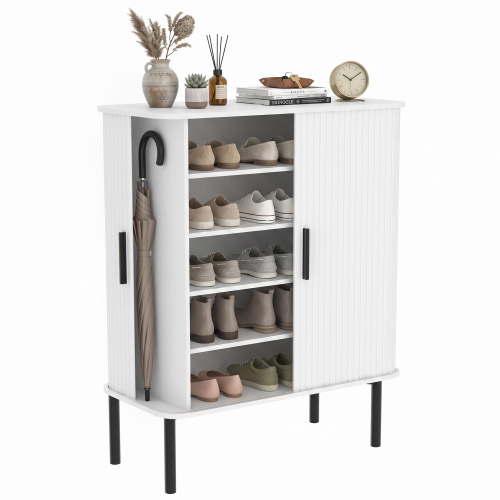
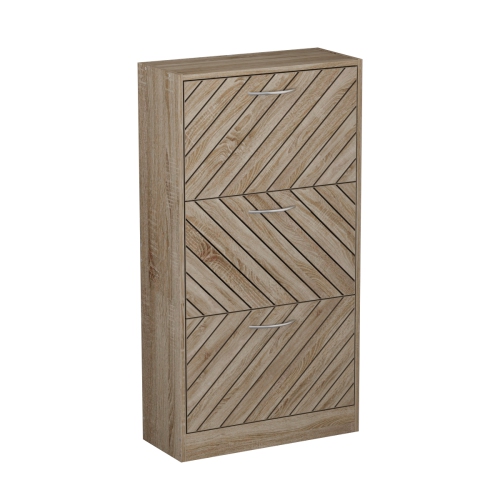
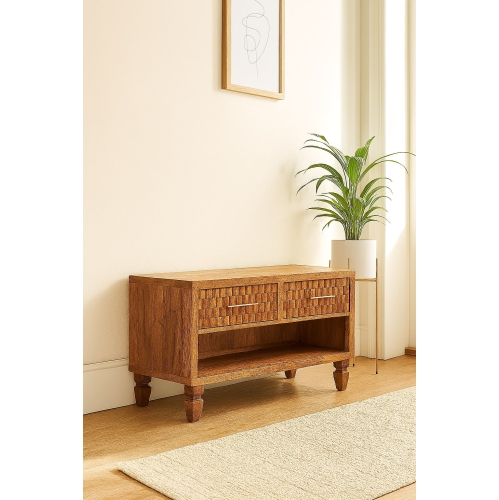
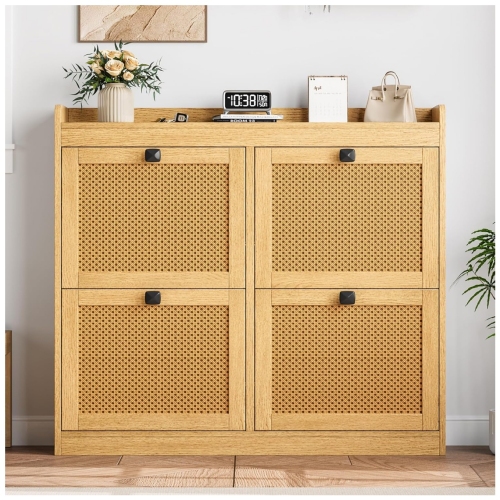
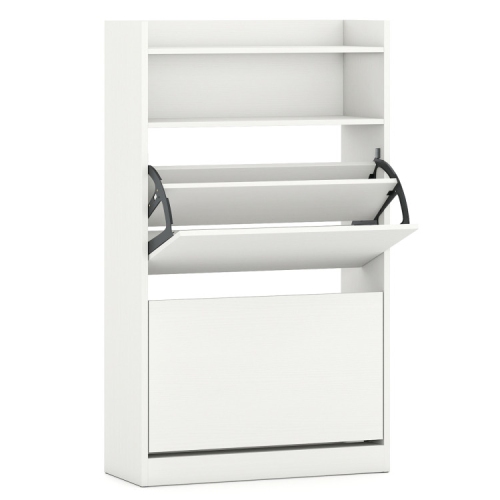
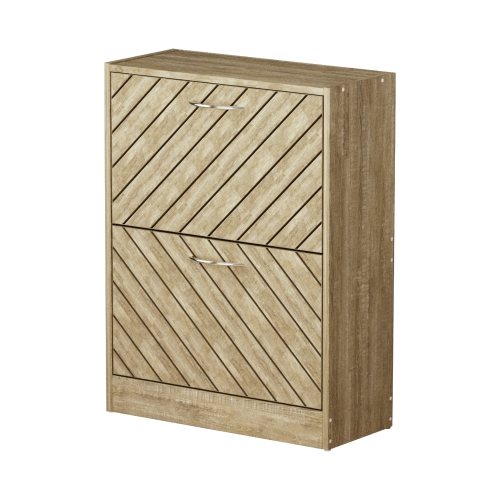
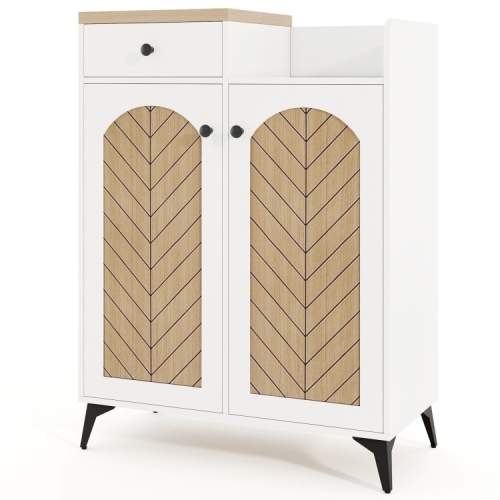
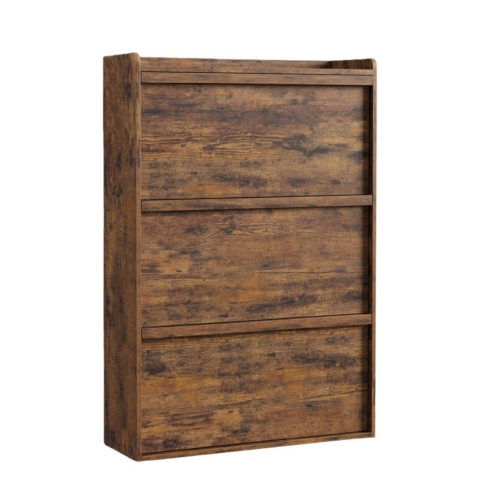
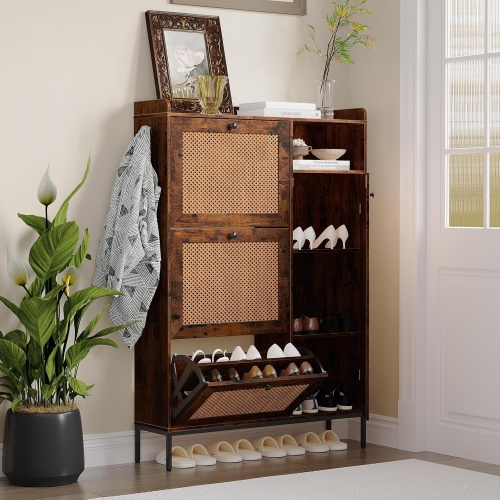
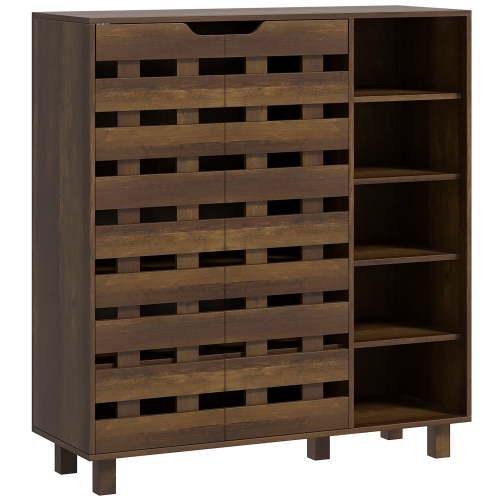


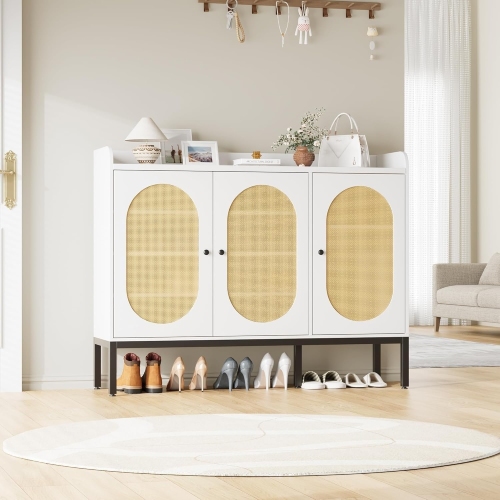
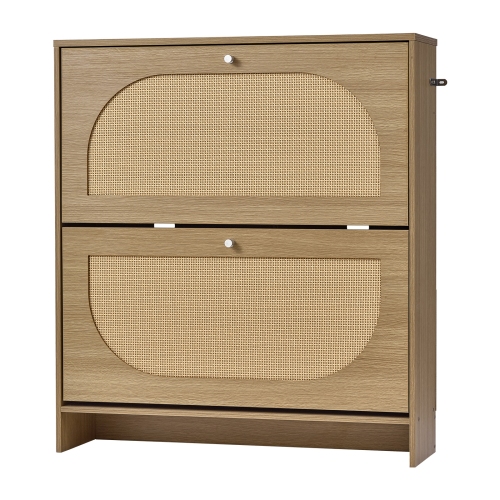
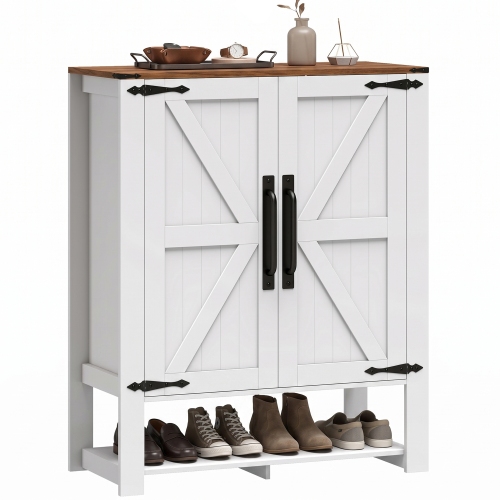
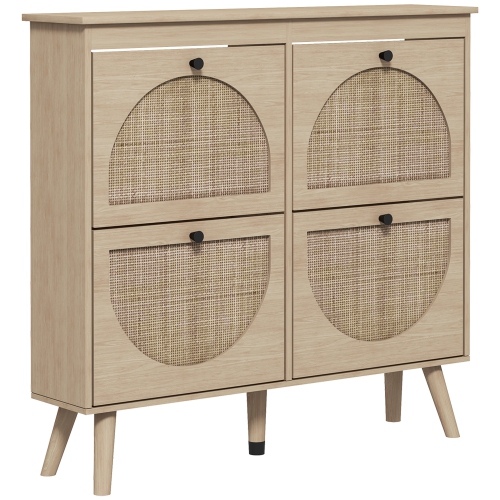
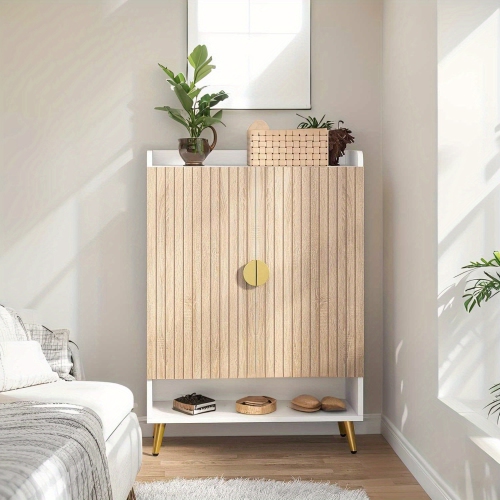
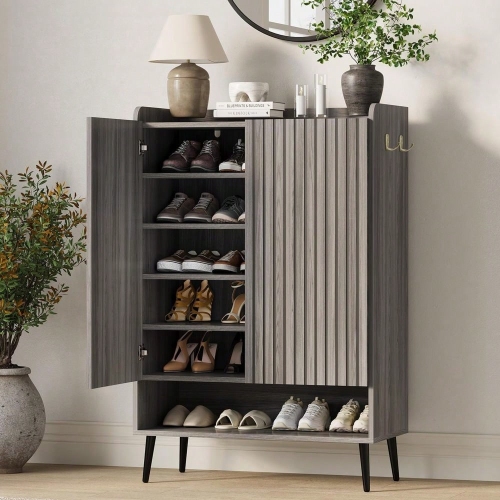
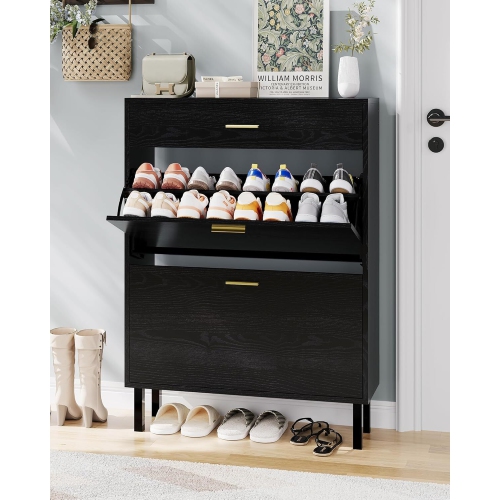
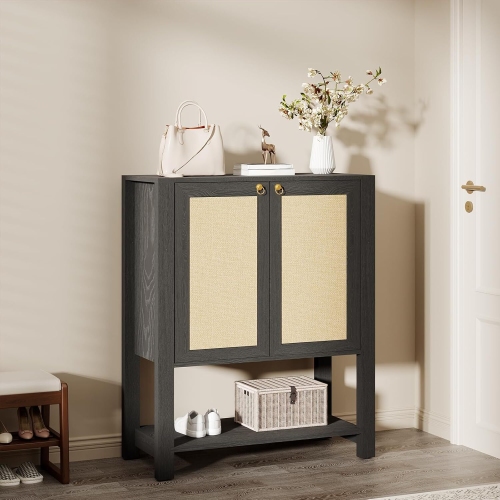
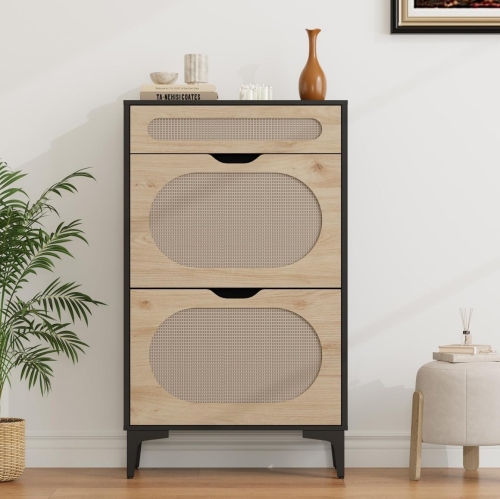
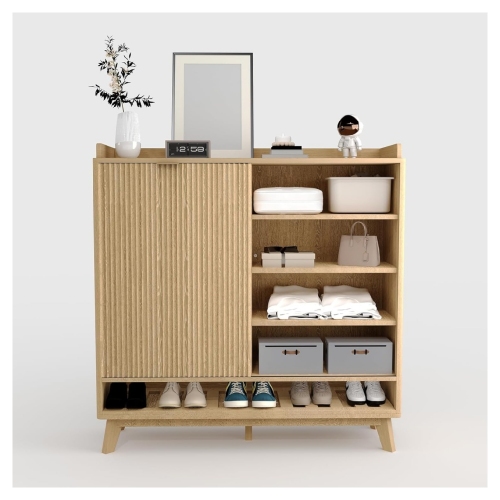
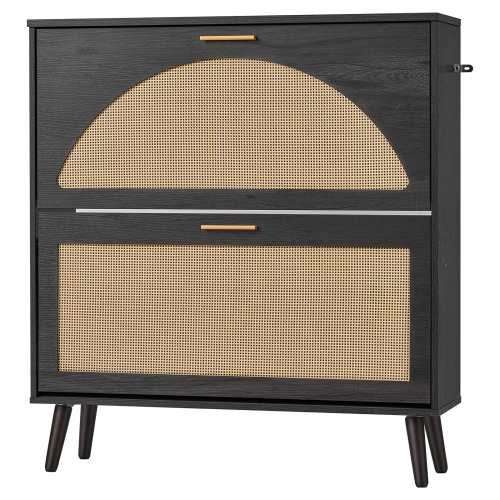
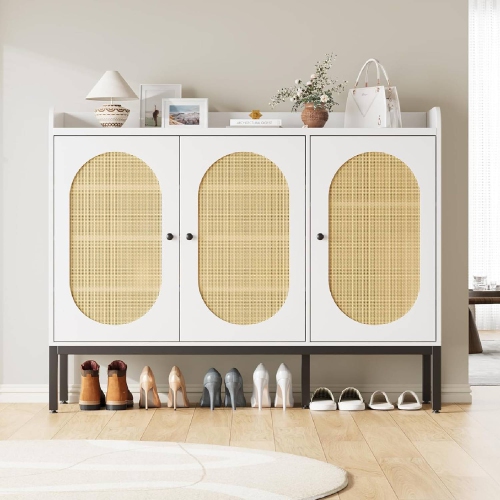
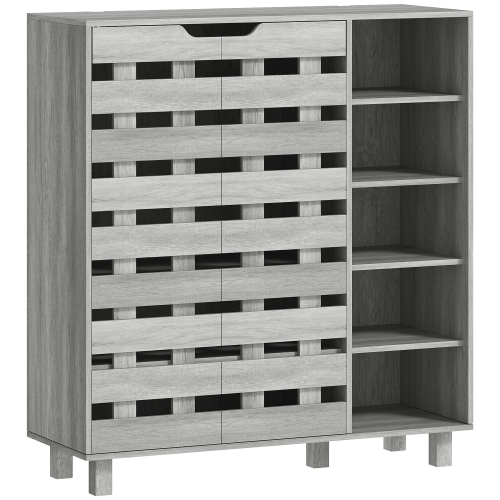
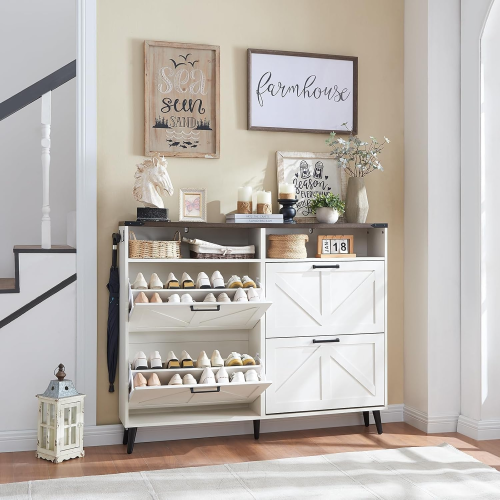
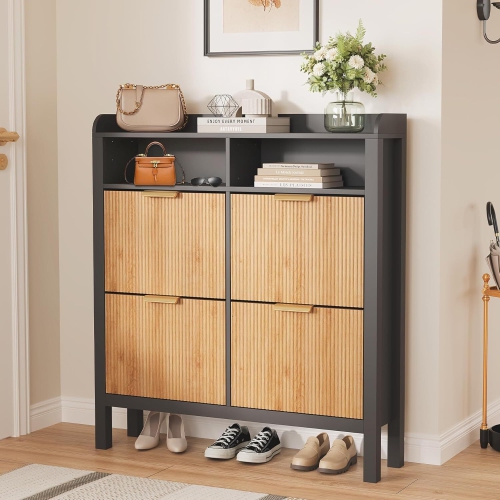
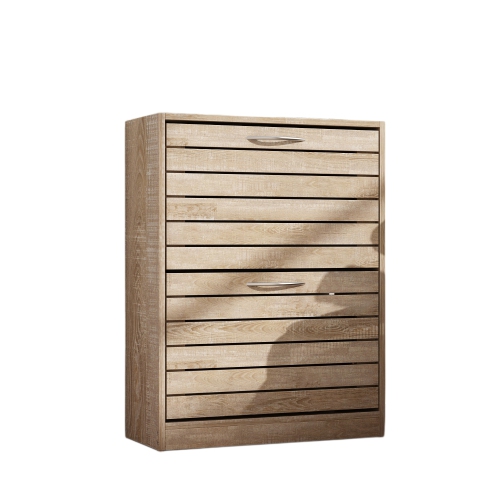
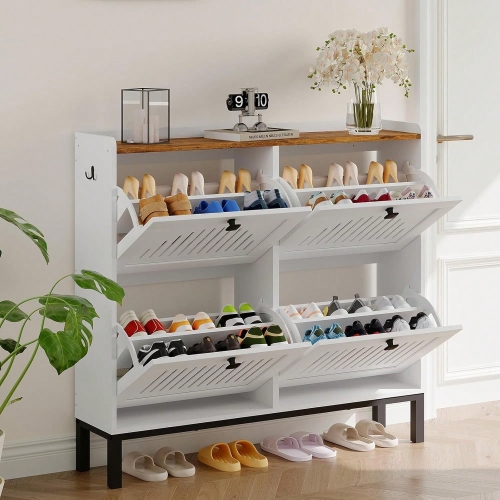
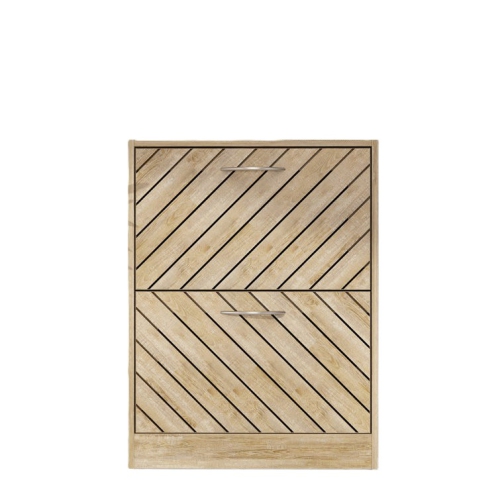
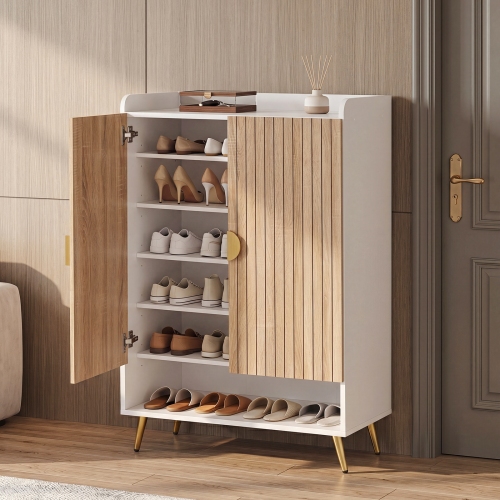
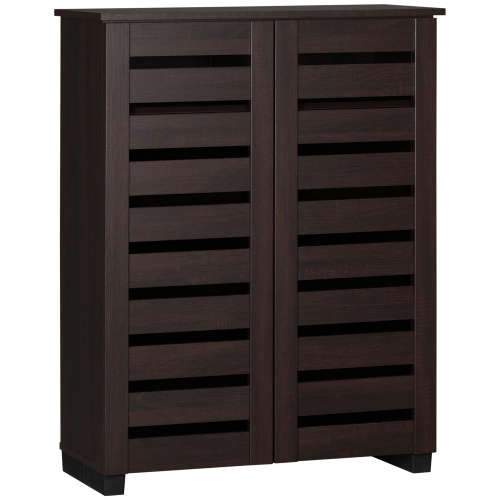
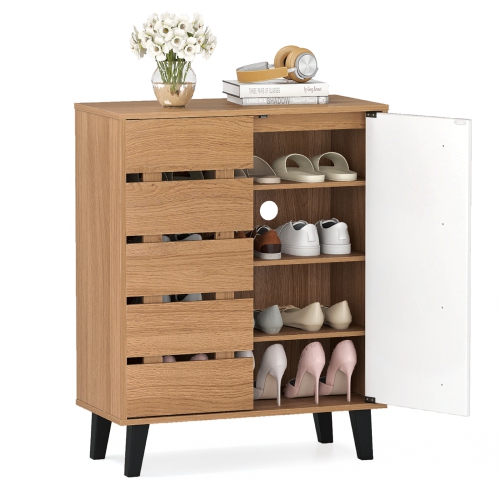
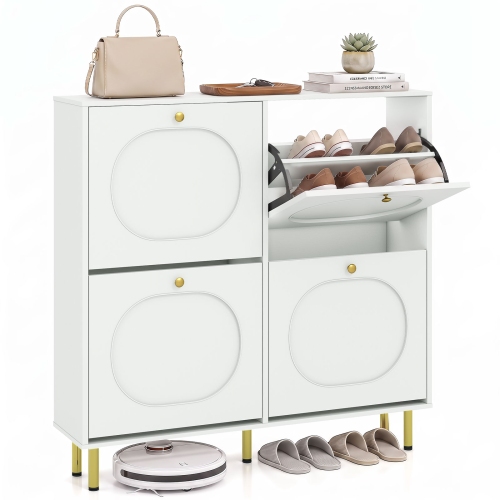
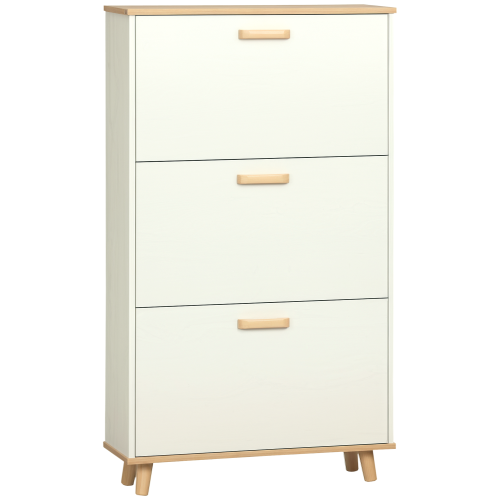
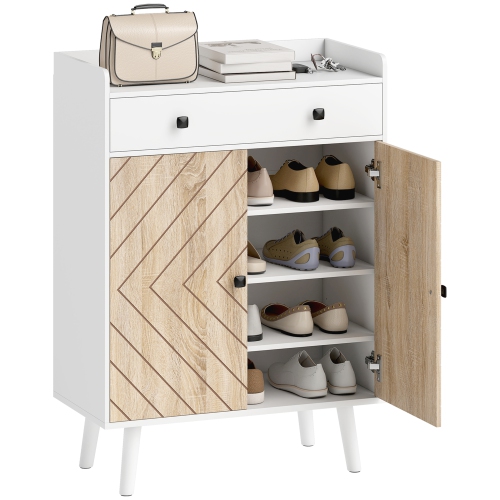
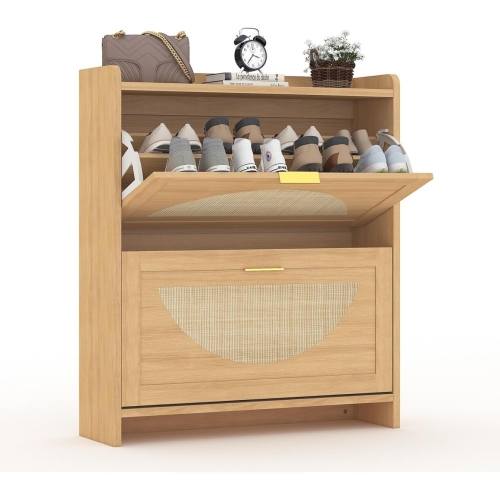
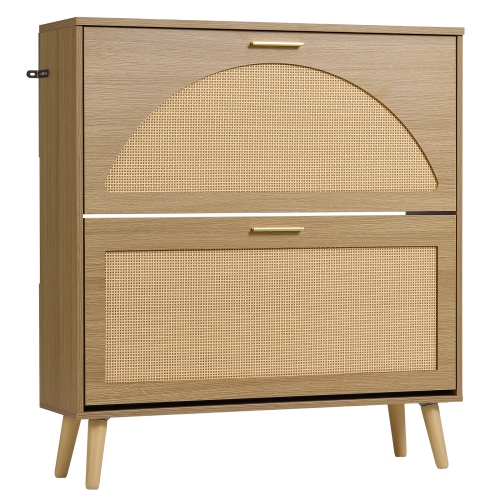
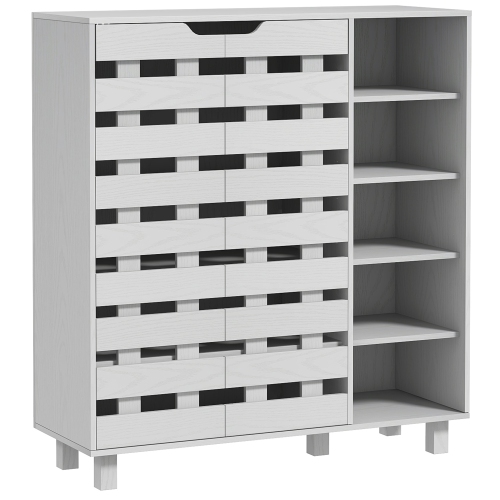
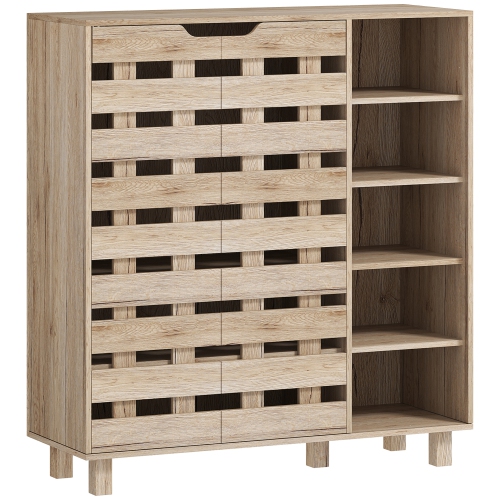
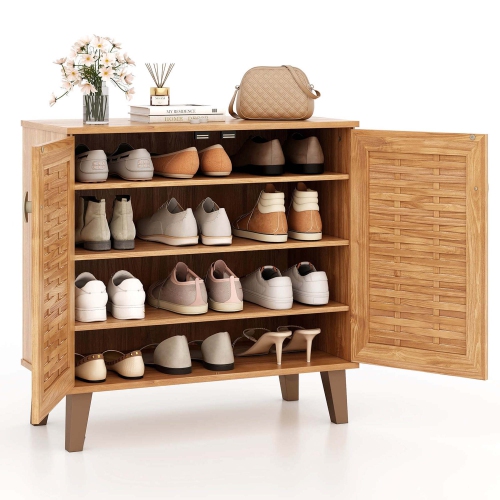
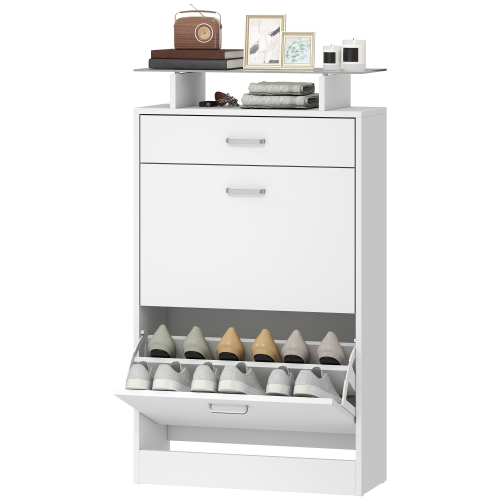

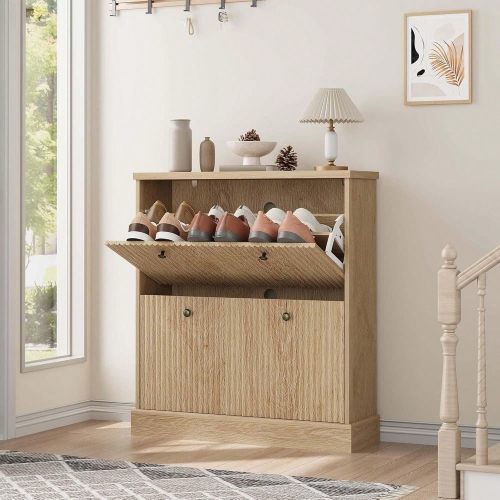
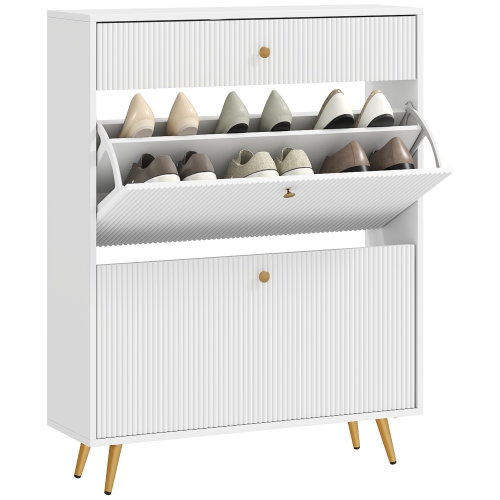
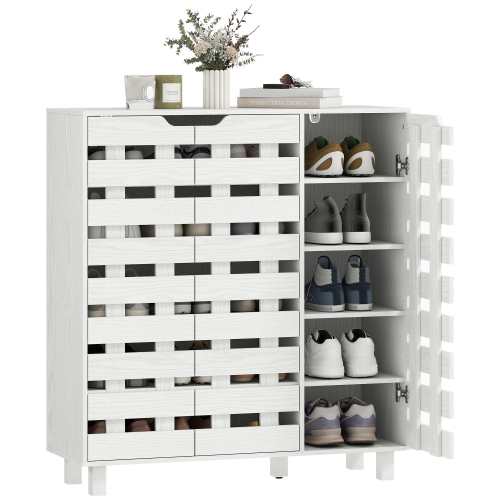
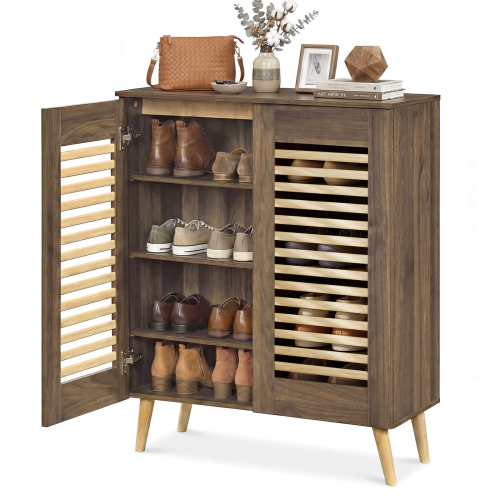
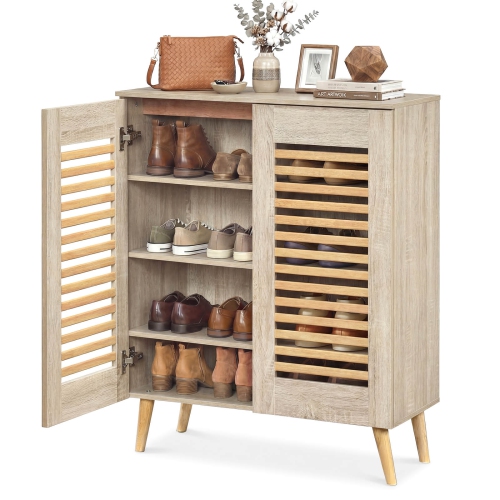
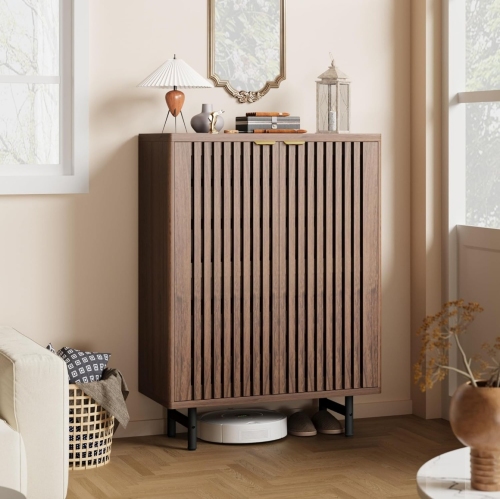
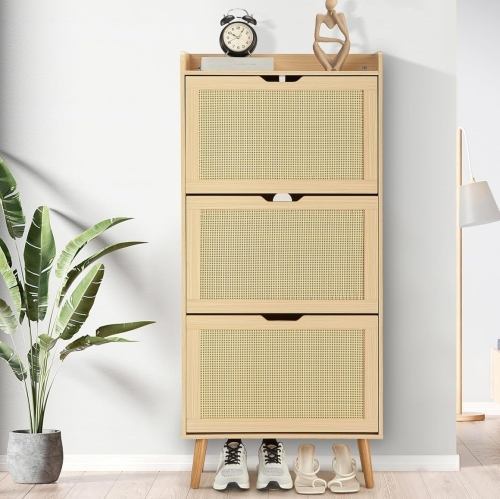
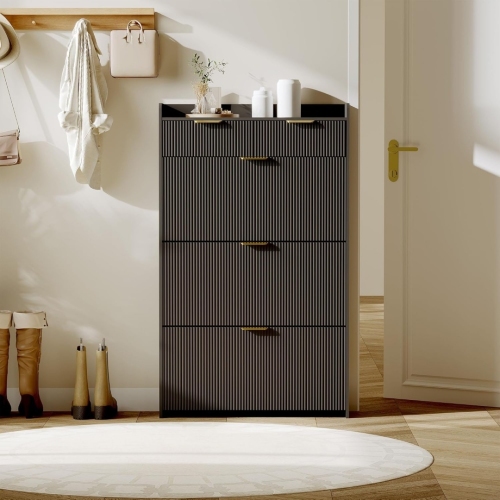
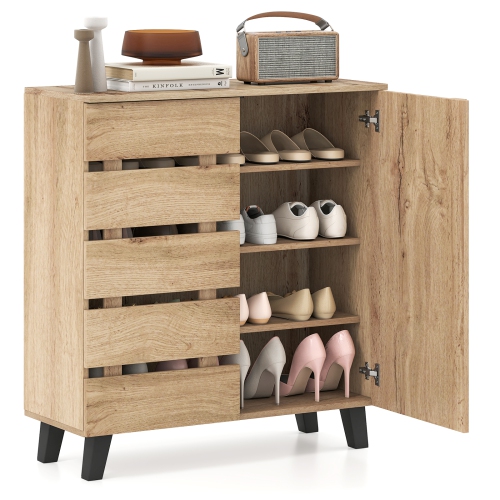
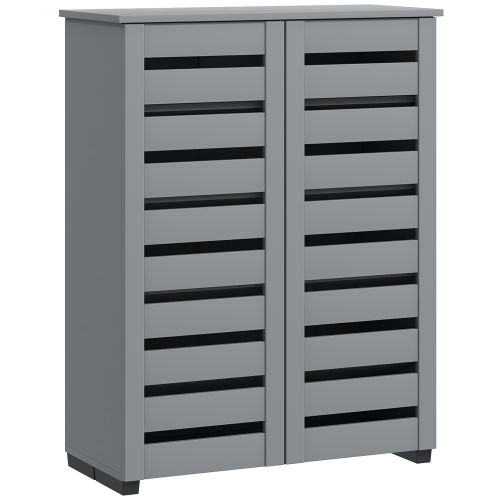
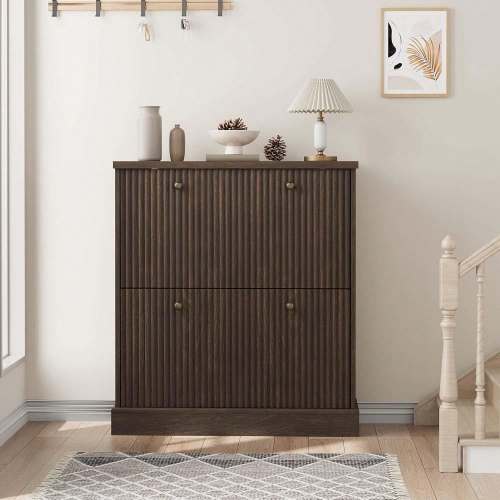
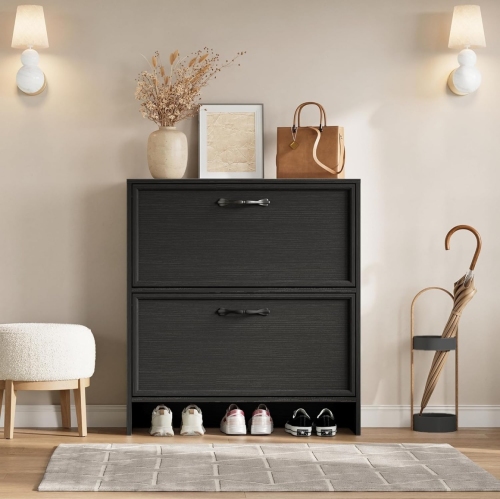
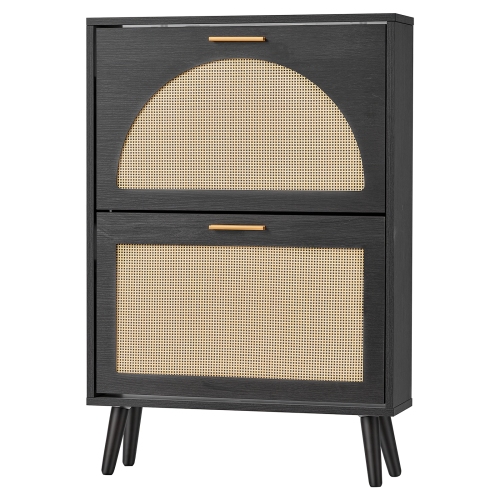
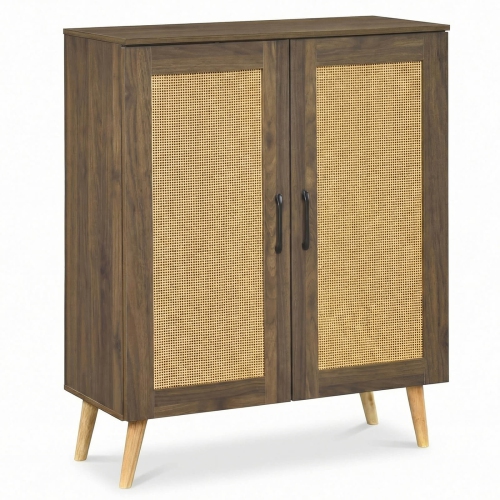
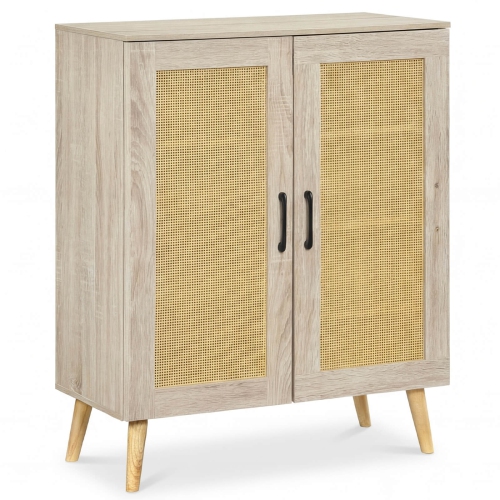
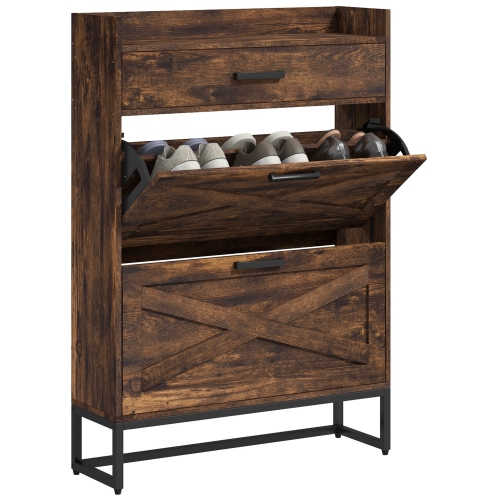
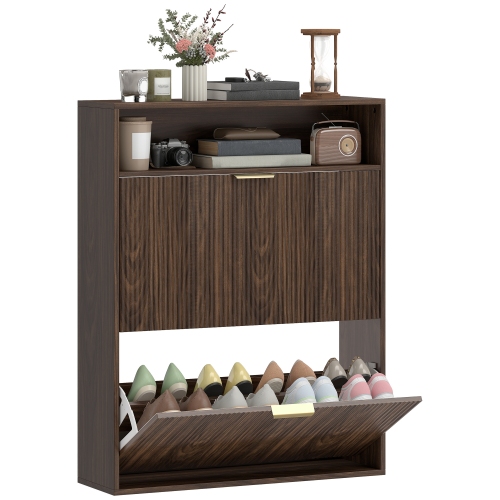
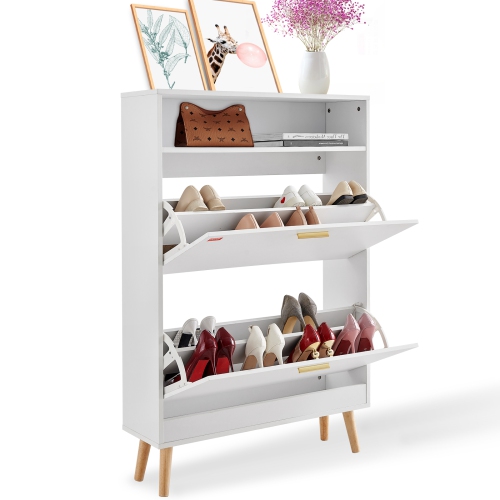
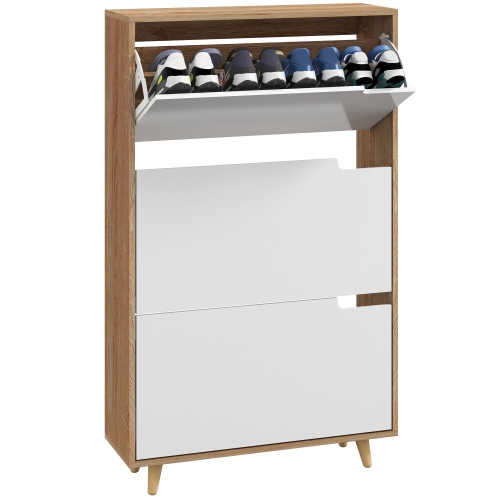
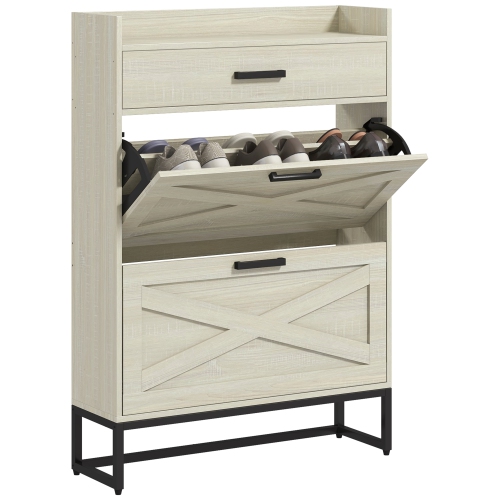
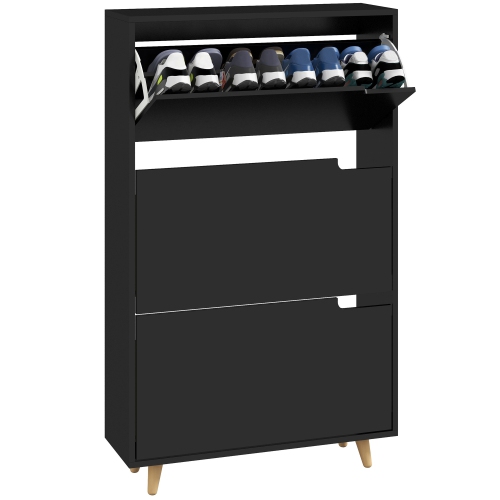

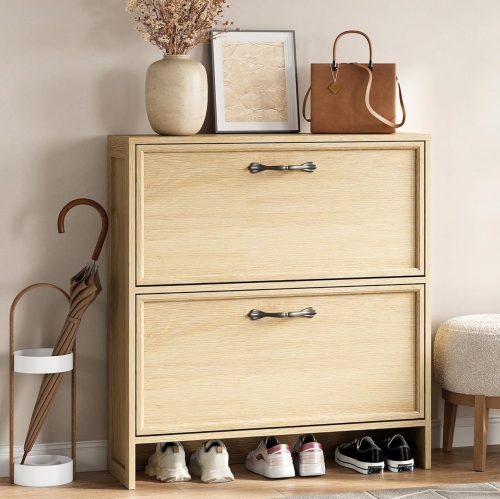
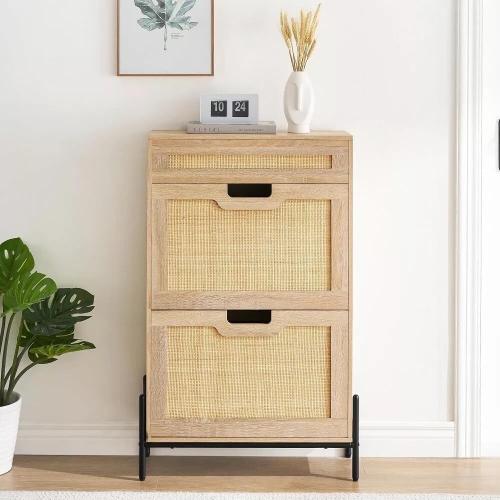
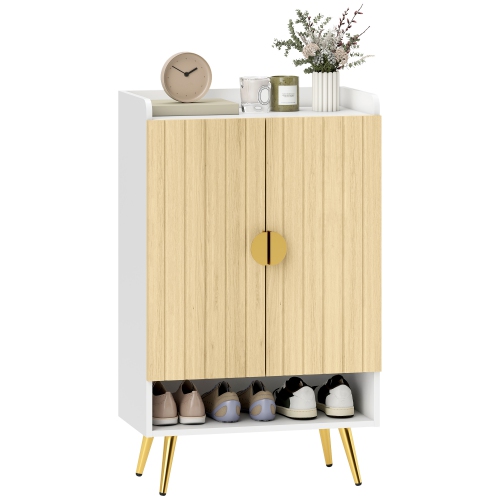
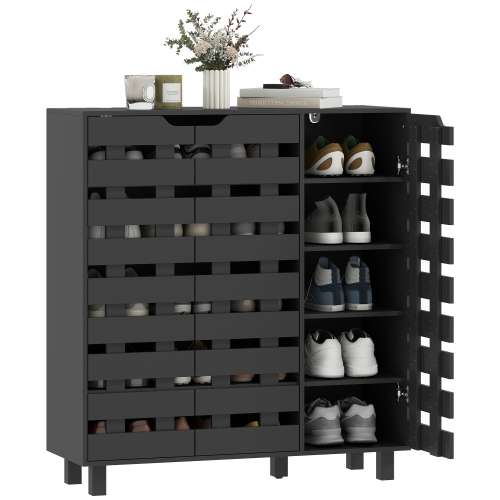

Why shoe cabinet quality goes beyond the surface
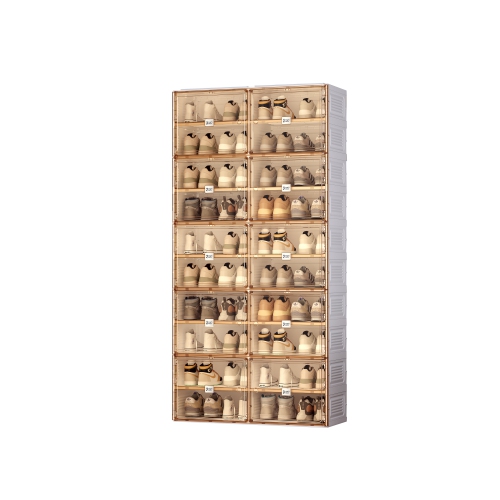
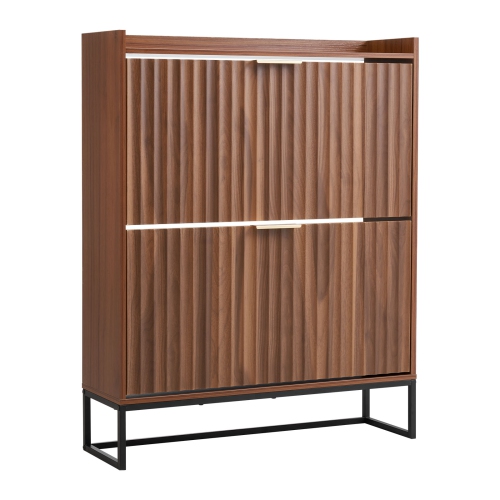
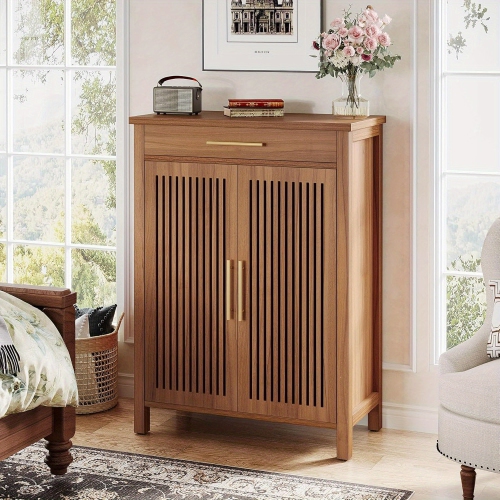
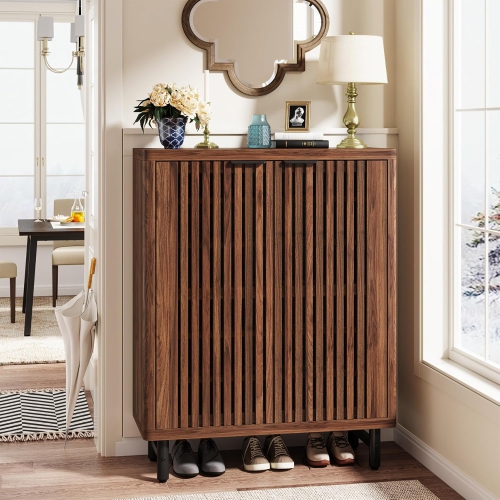
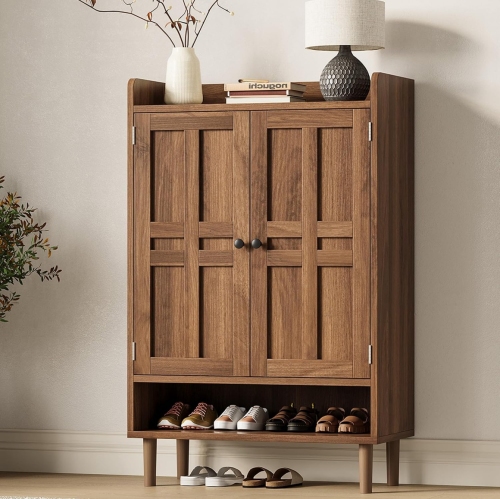
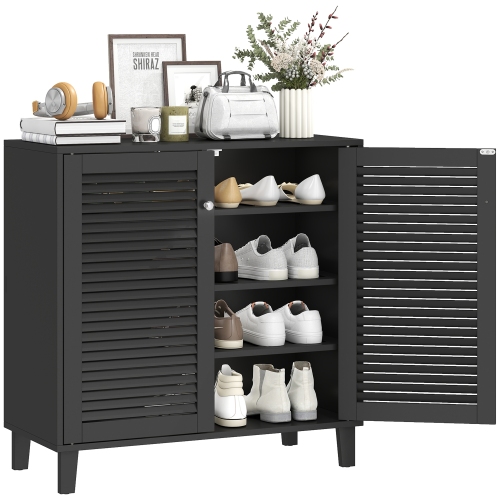
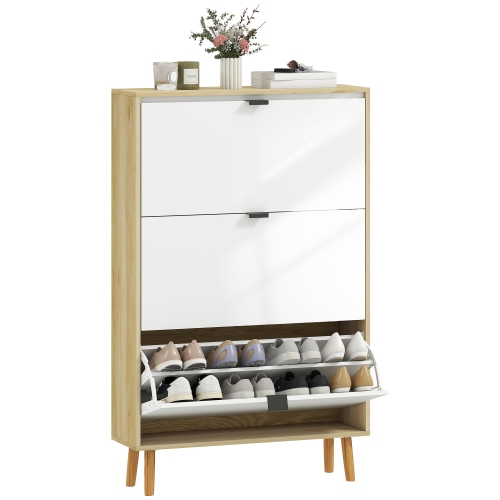
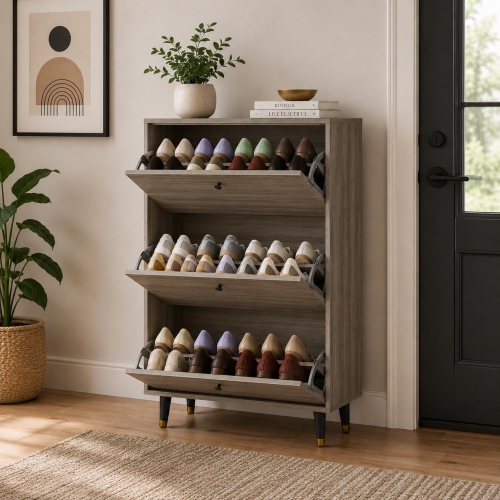
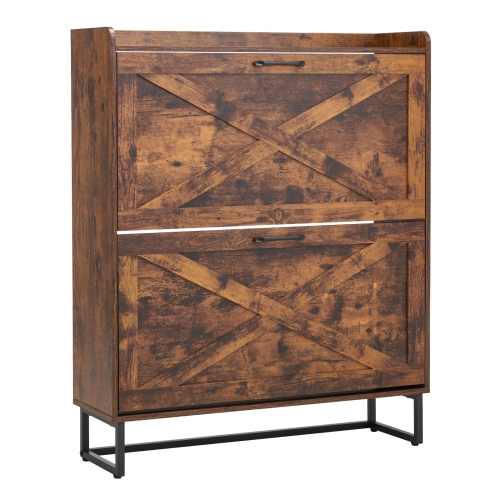
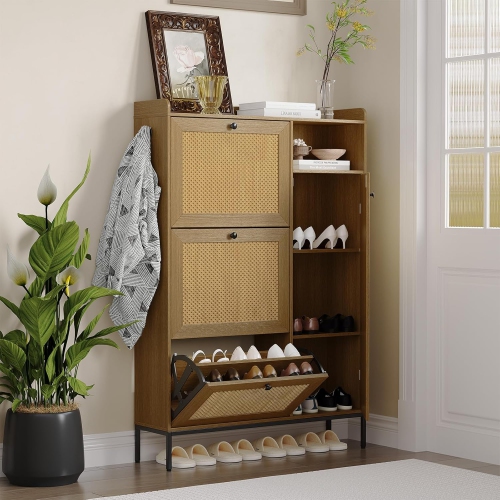
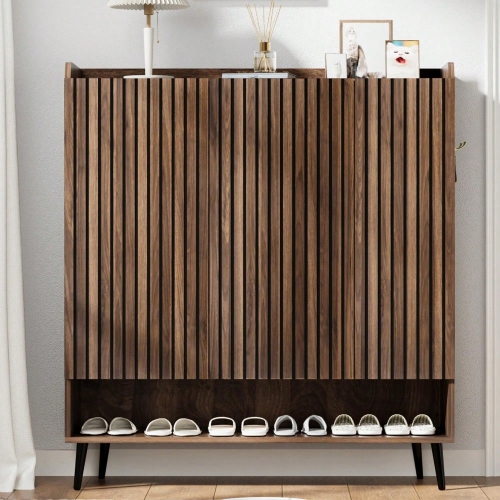
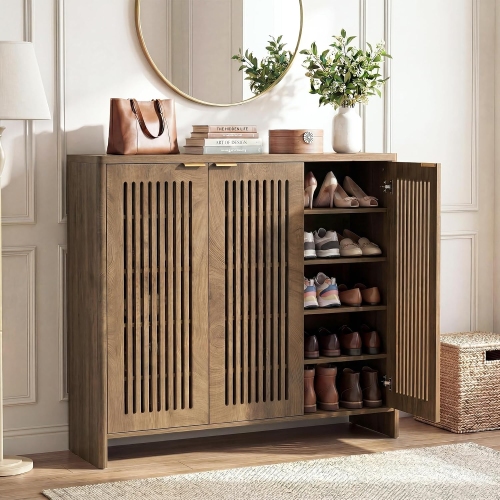
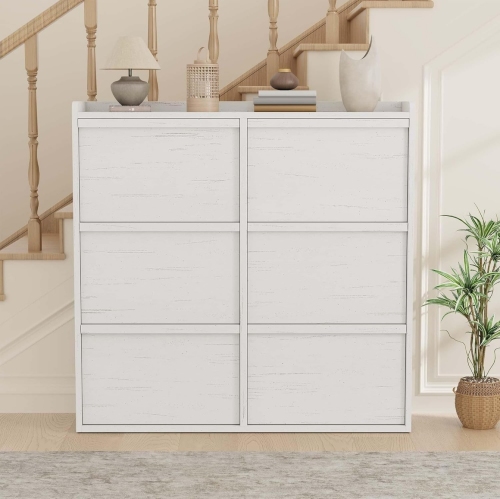
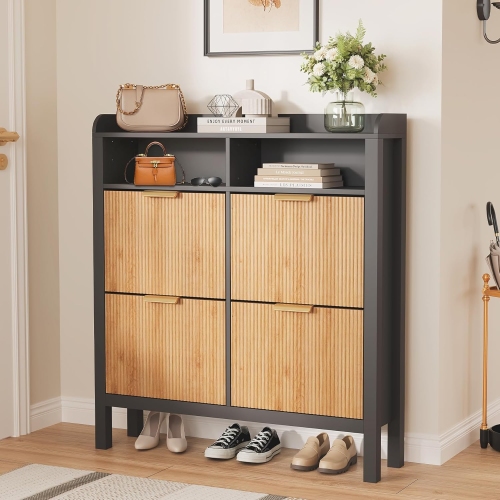
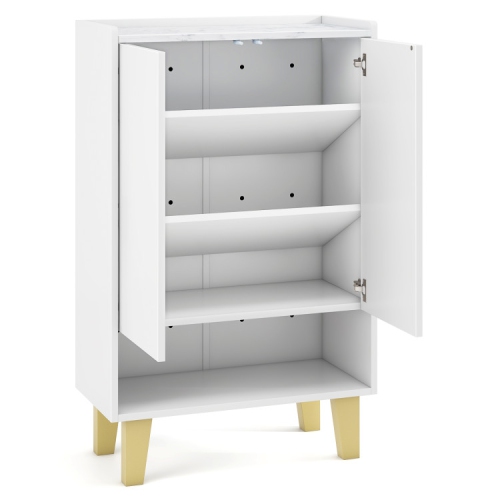
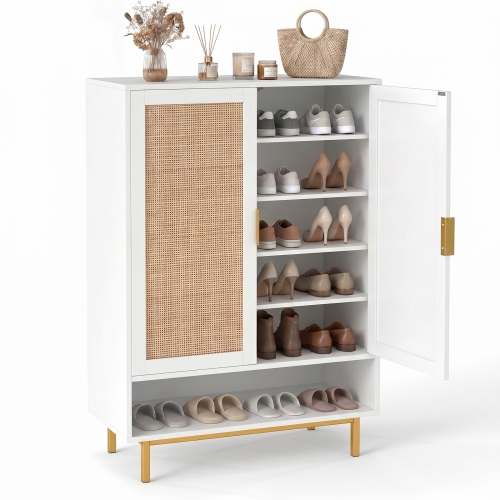
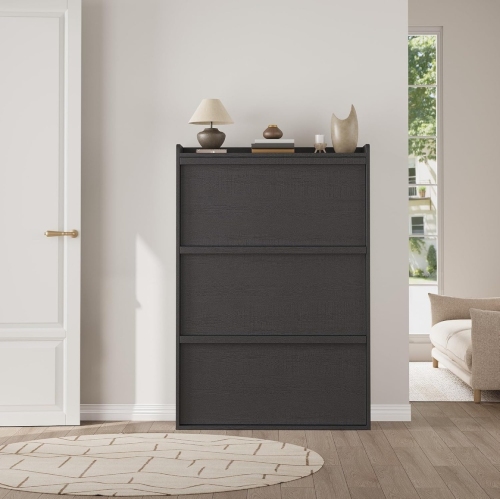
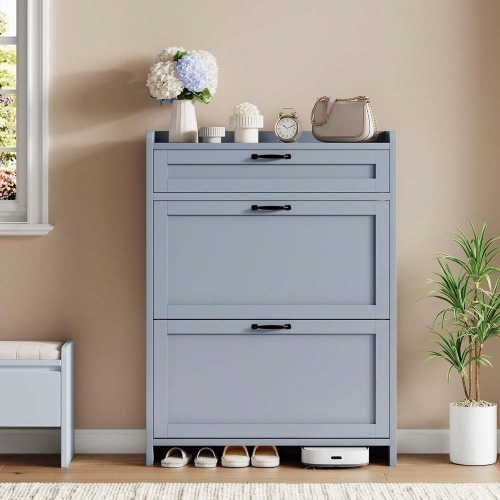
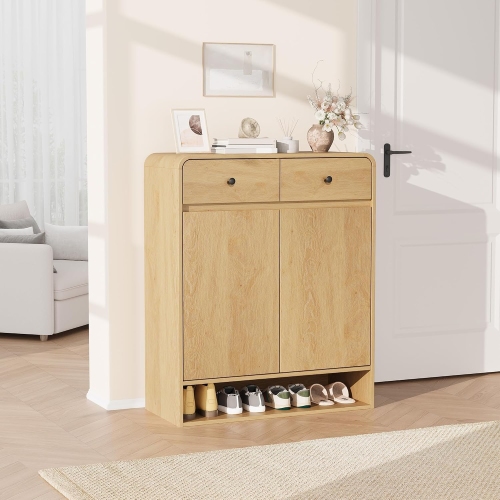
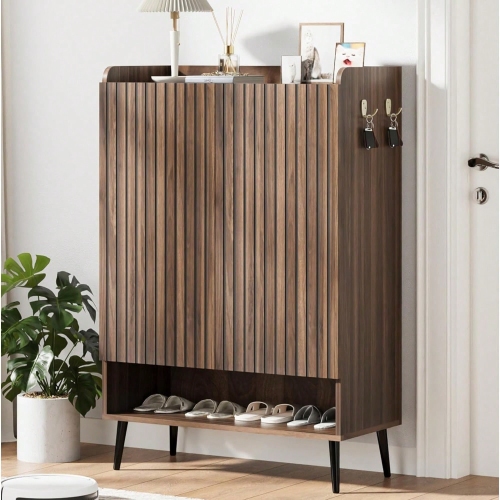
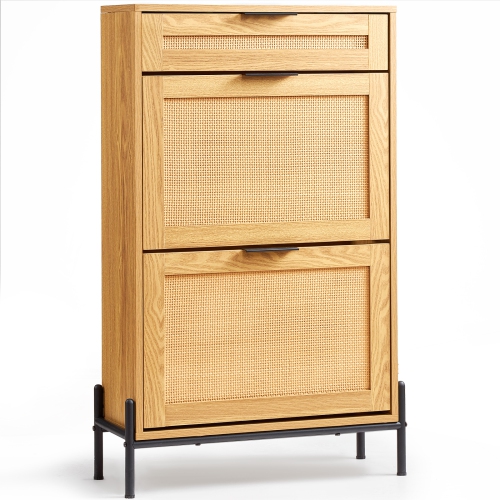
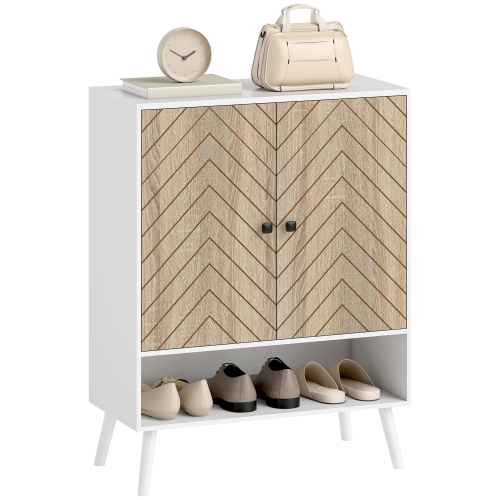
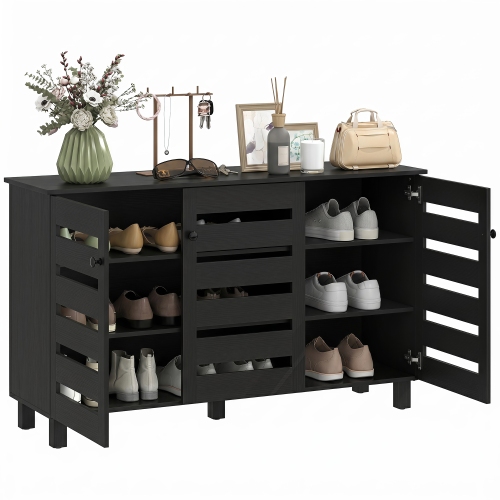
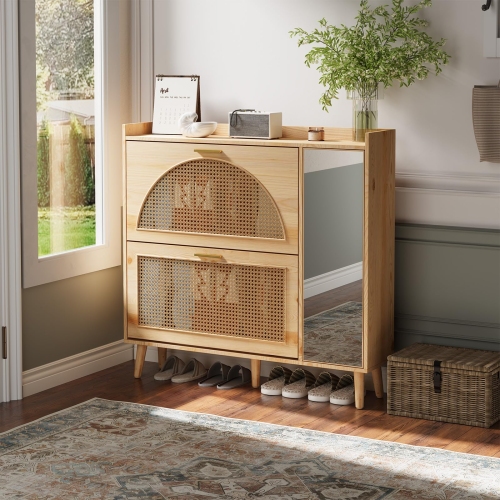
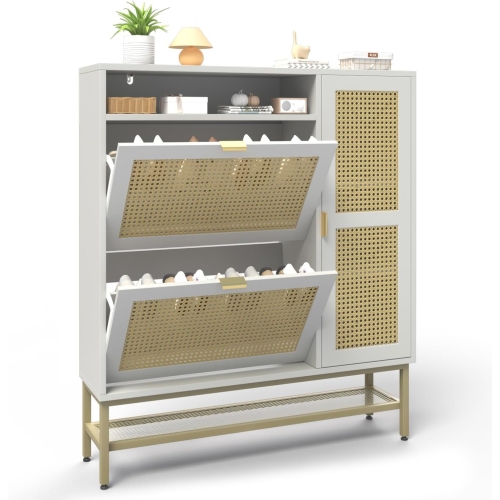
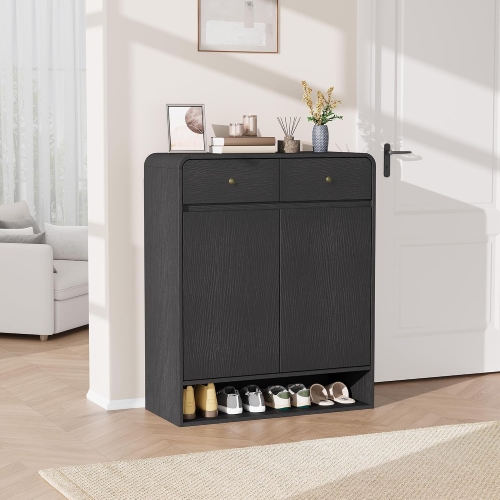
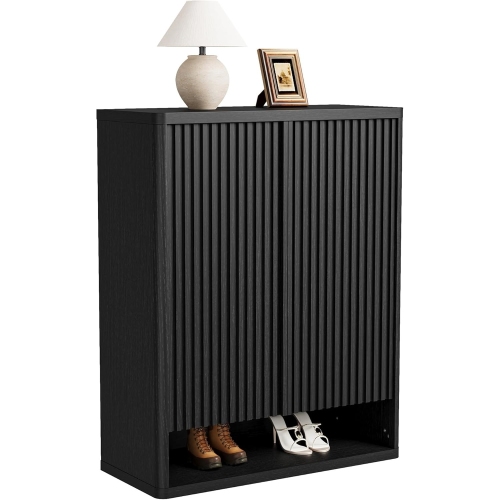
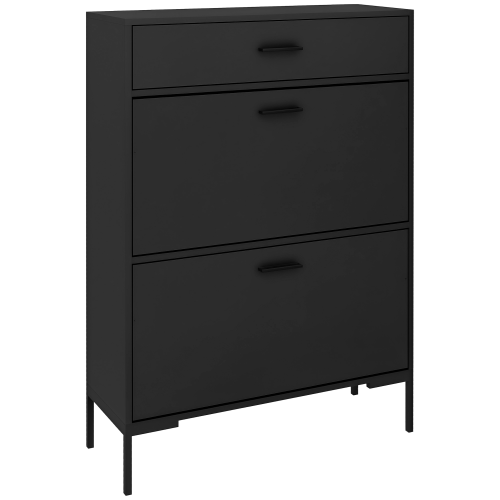
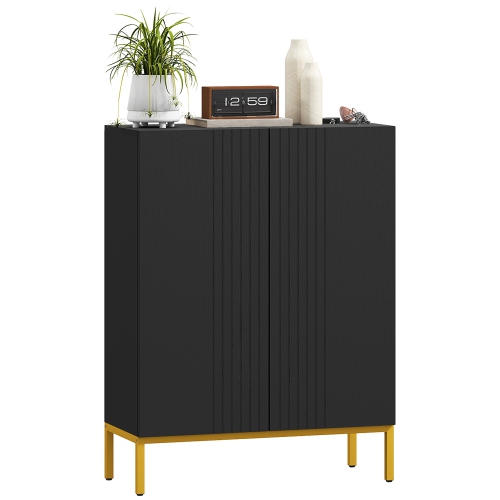
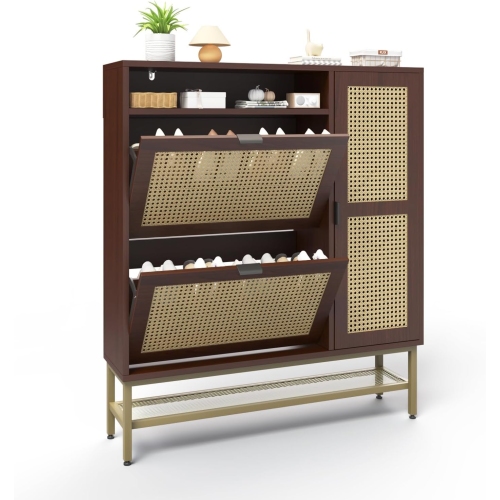
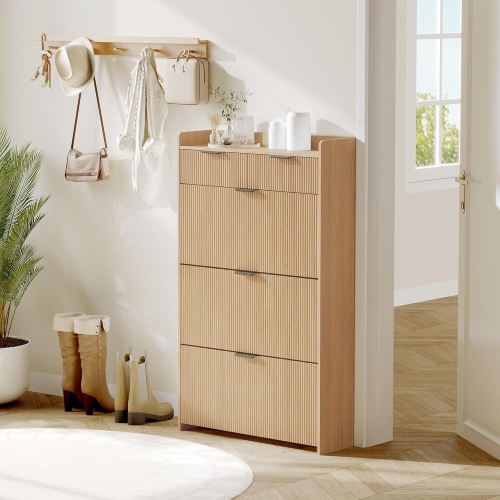
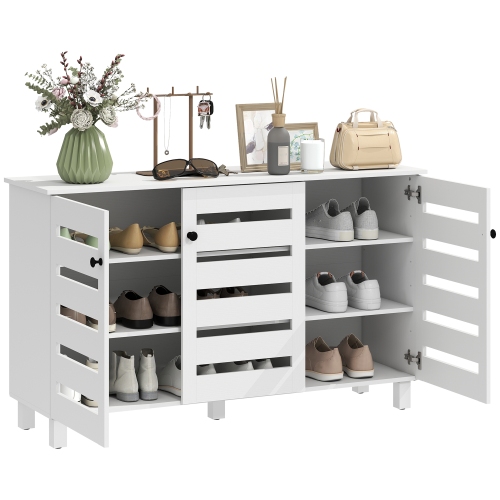
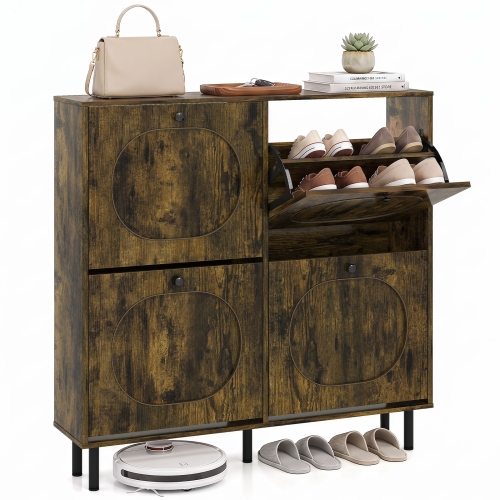
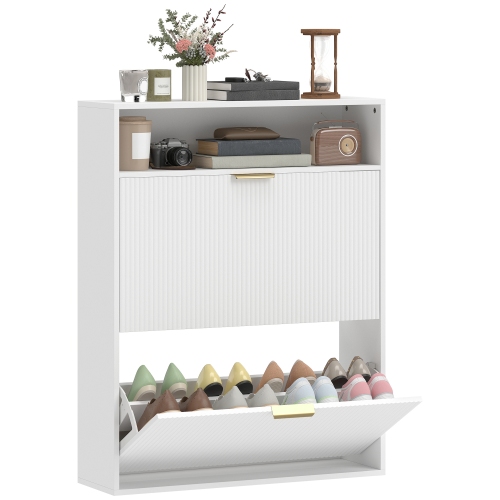
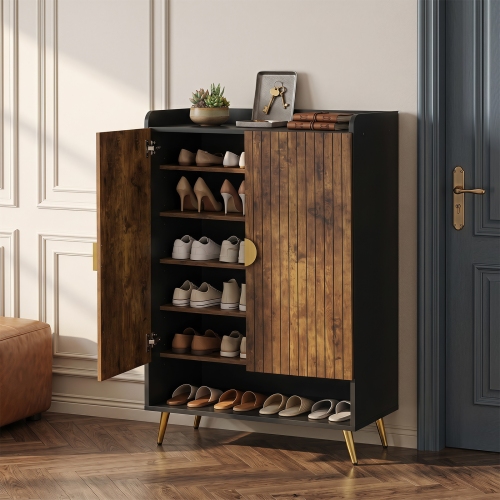
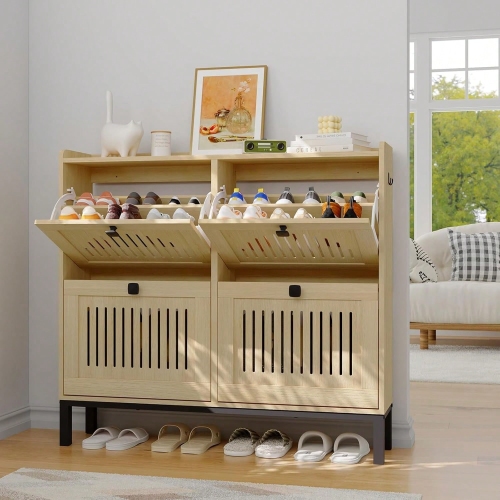
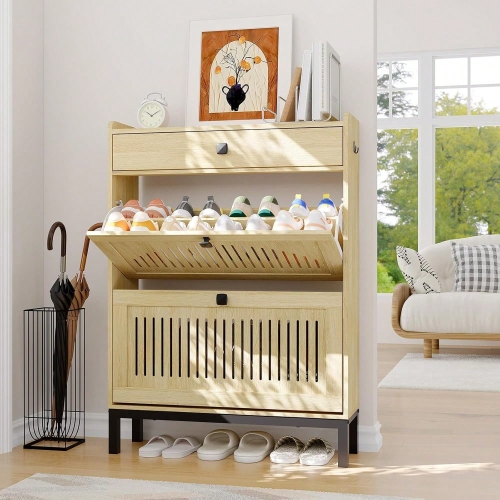
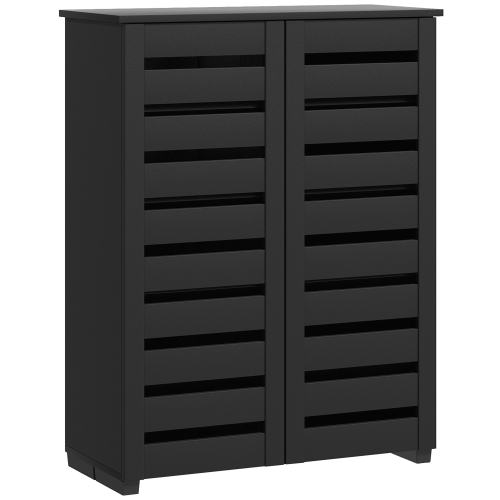
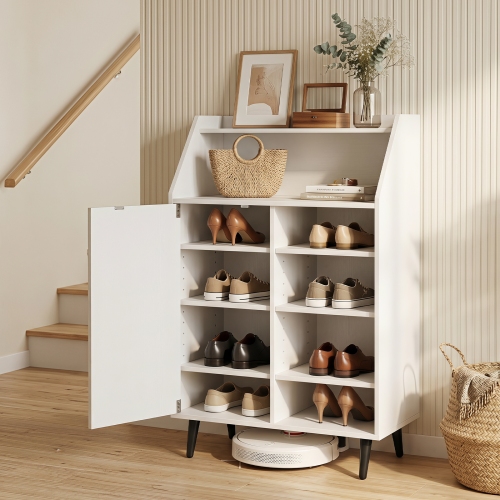
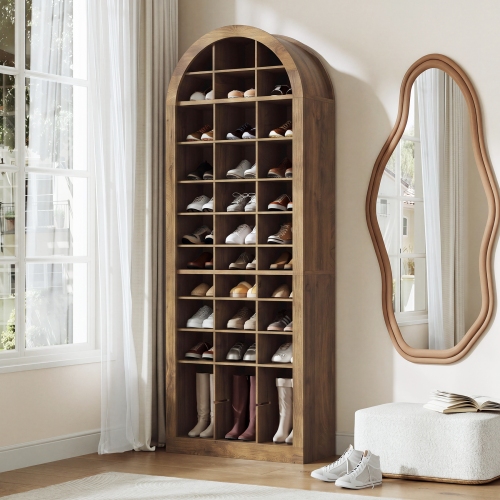
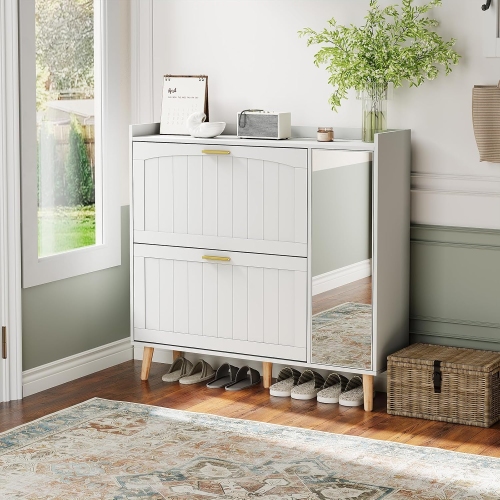
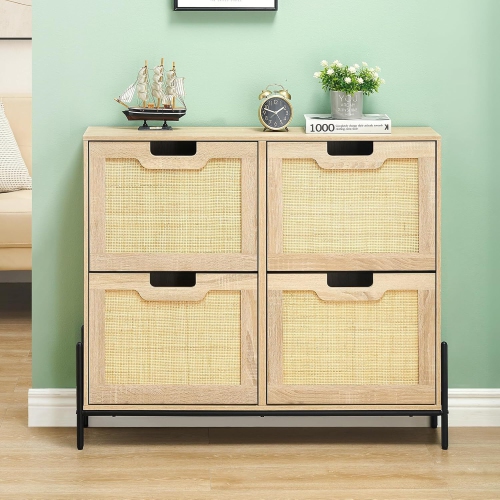
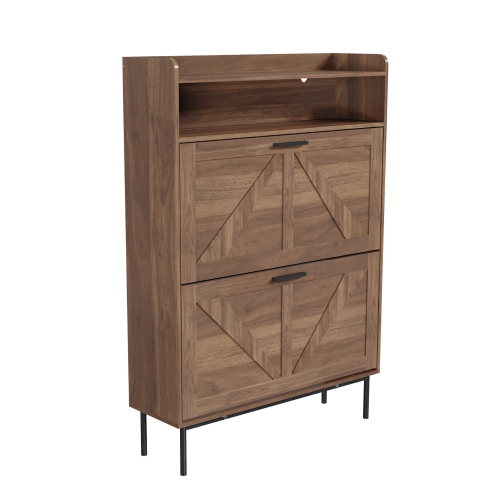
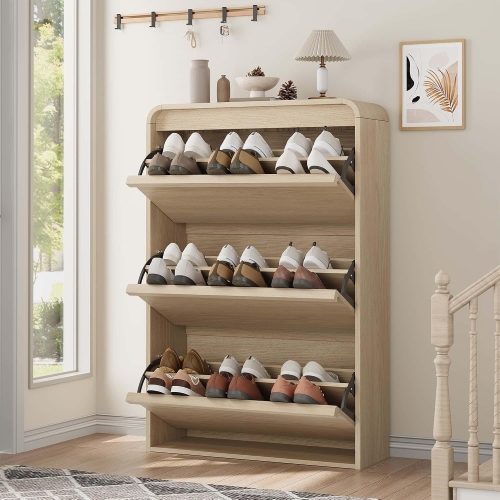
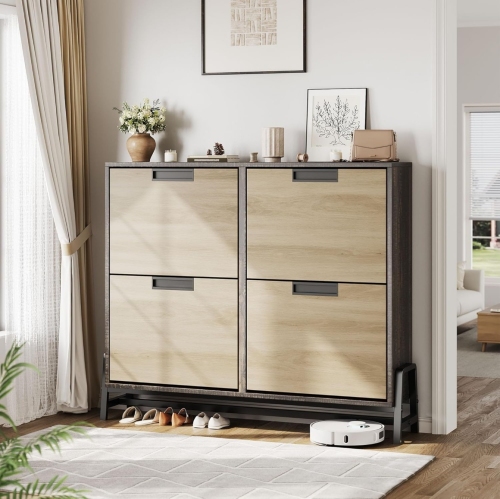
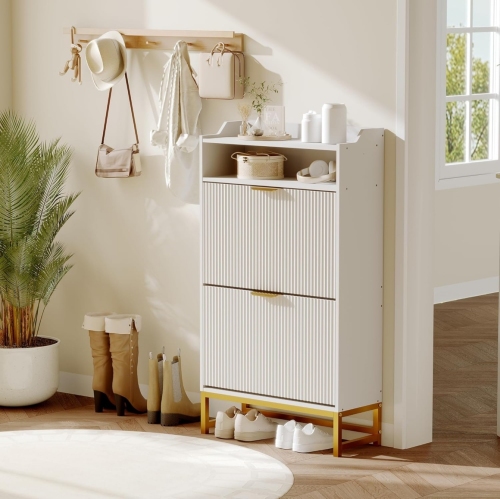
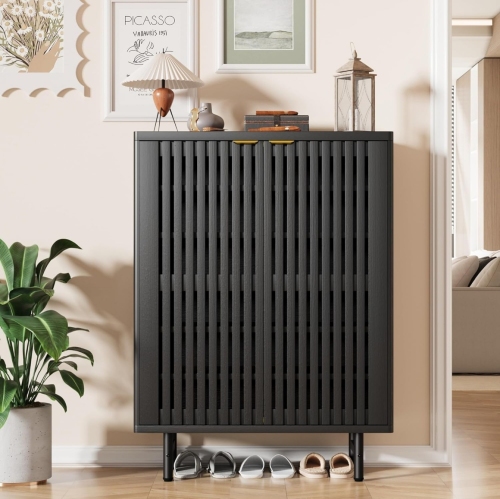
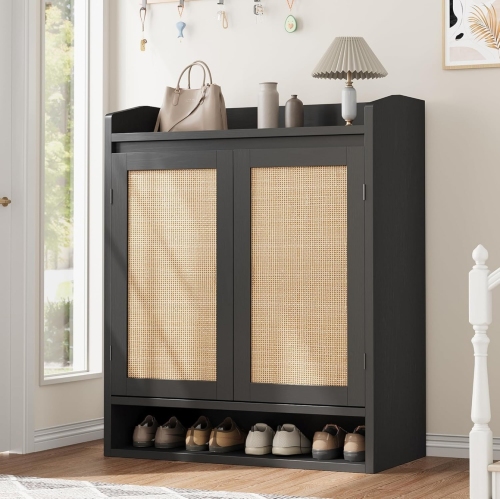
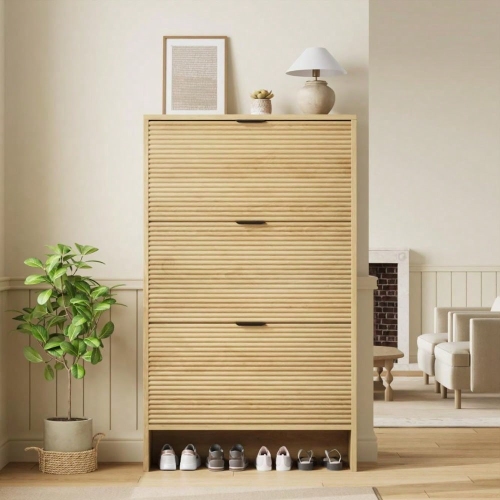
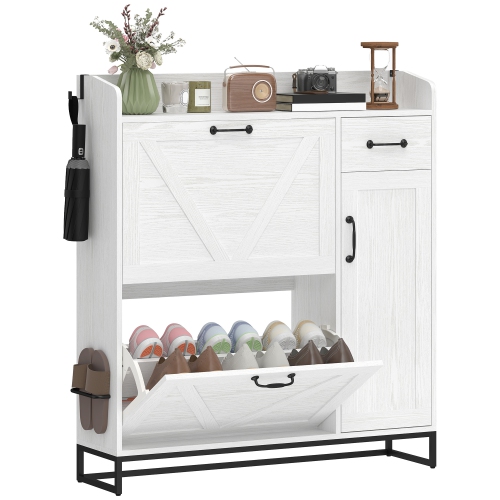
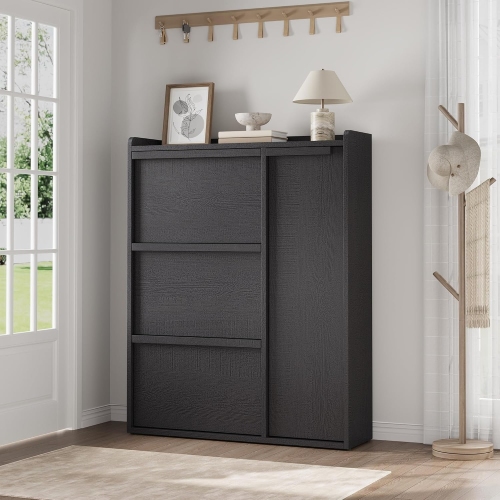
High-quality shoe cabinets combine sturdy construction, practical interior space and a finish that suits the rest of the home. Unlike open shoe racks, enclosed cabinets keep footwear out of sight, giving an entrance, hallway or dressing area a more settled appearance. Quality depends on more than the material named in a description: the strength of the frame, the fit of the doors, the support beneath each shelf and the reliability of moving parts all contribute to how a cabinet holds up to daily use. Solid wood offers natural grain and character, with individual boards bringing subtle variations in colour and texture. Its care requirements depend on the wood and finish, and changes in indoor humidity can affect its dimensions. Engineered wood includes several different materials, such as plywood, medium-density fibreboard and particleboard, so the construction details matter as much as the category. A well-assembled engineered wood cabinet can provide a smooth, consistent appearance, while properly finished edges help protect areas that receive frequent handling. Wood veneer adds a thin layer of real wood over a supporting core; laminate and other surface finishes offer different looks and cleaning requirements. Metal frames, legs or doors can also be useful where a crisp profile or a firmer structural feel is preferred. Across these materials, neatly aligned panels, secure joints and well-supported shelves are useful signs of thoughtful construction. Hinges should support the doors without obvious sagging, and drawers or tilt-out compartments should move smoothly without catching against adjacent panels. Soft-close hardware can reduce abrupt closing, although its presence alone does not establish the quality of the whole cabinet. Interior surfaces deserve attention, too: smooth edges are less likely to snag laces or scuff footwear during everyday handling. A properly secured back panel can help keep a cabinet square, while sturdy shelf supports reduce unwanted movement as shoes are taken out and returned. The strongest overall choice balances these details with the amount and type of footwear it needs to hold.
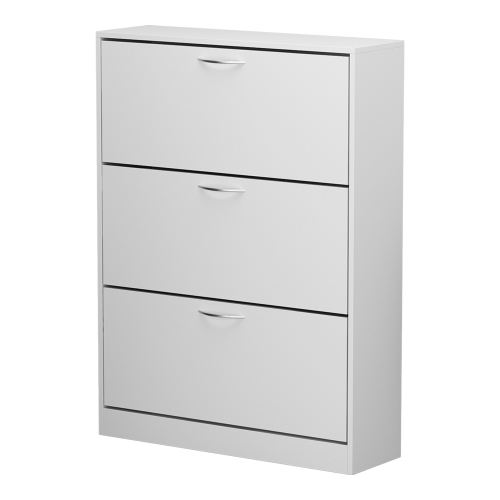
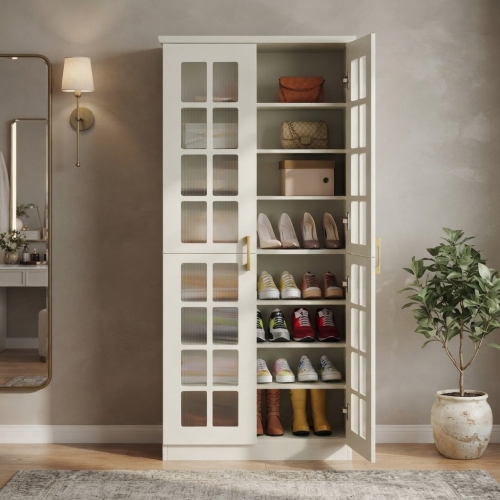
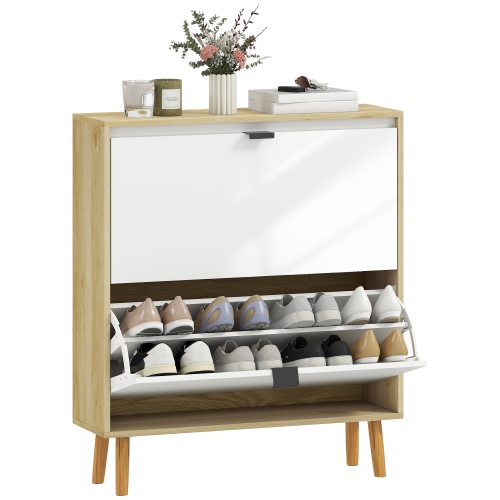
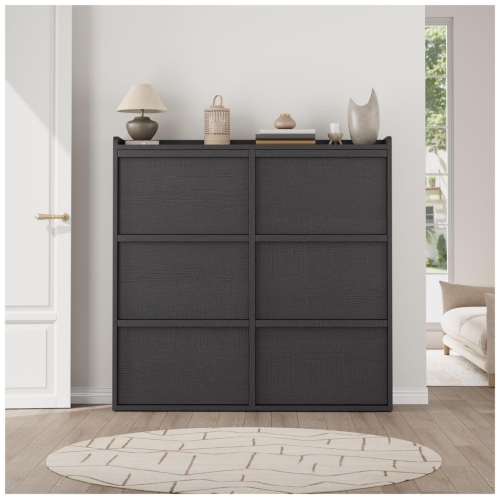
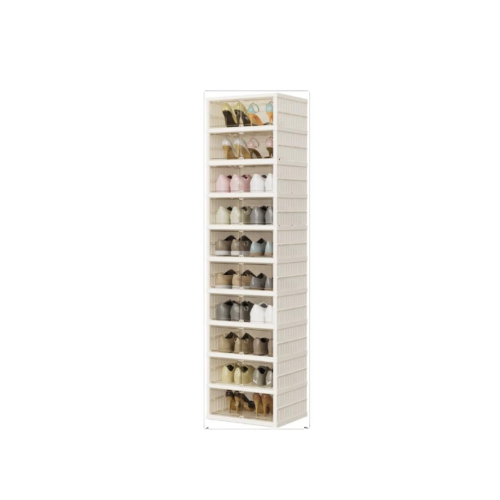
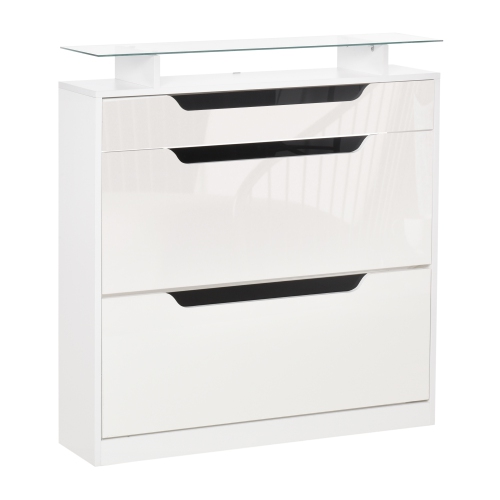
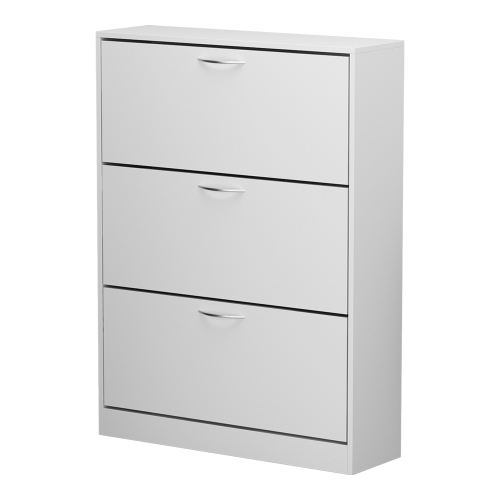
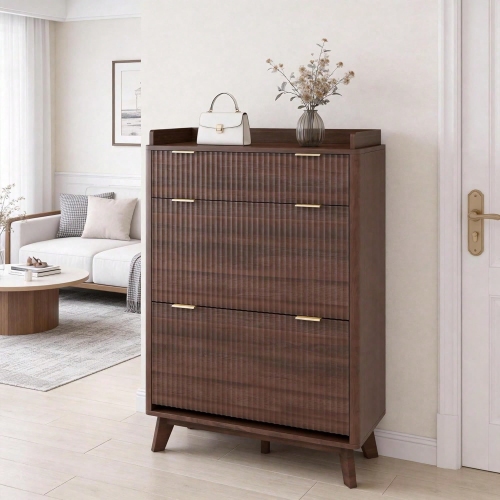
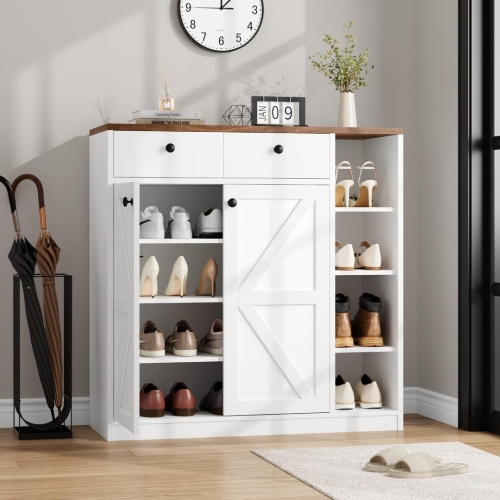
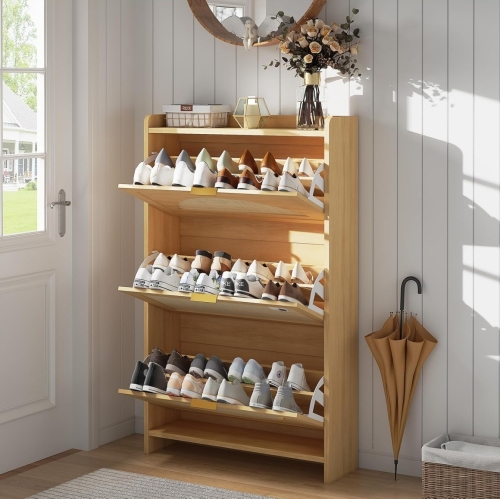
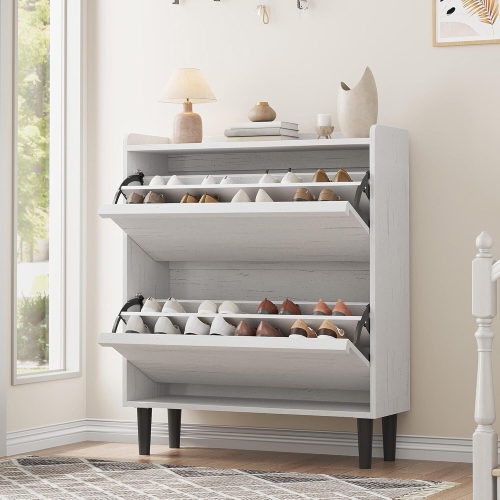
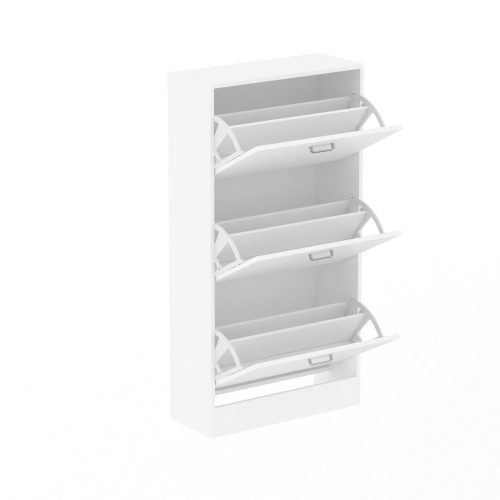
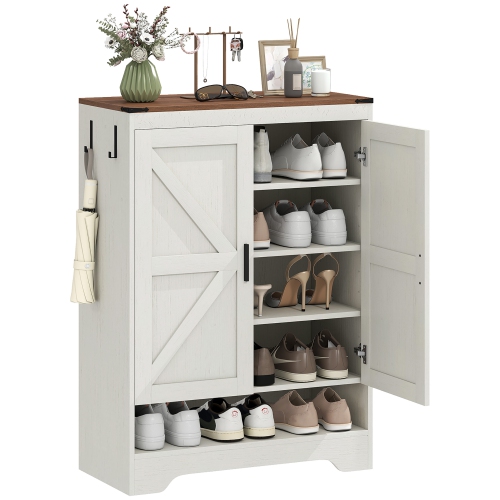
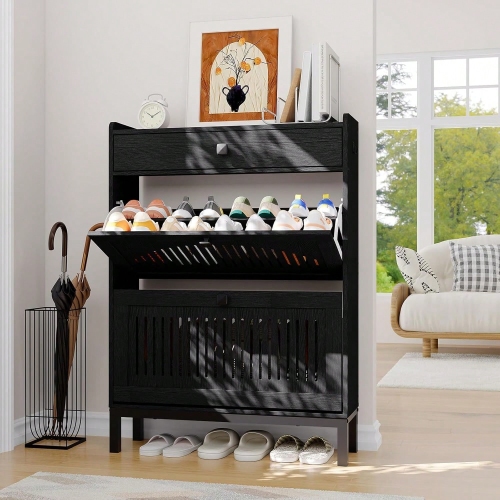
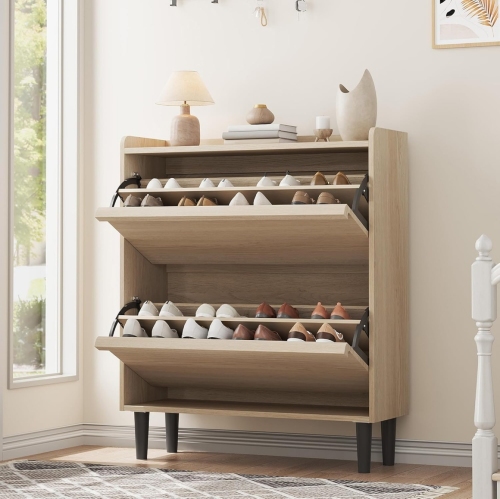
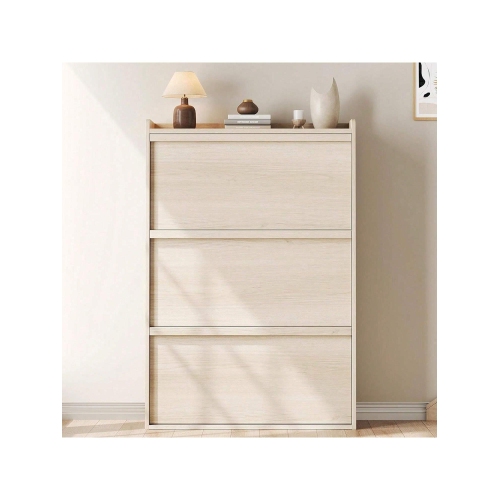
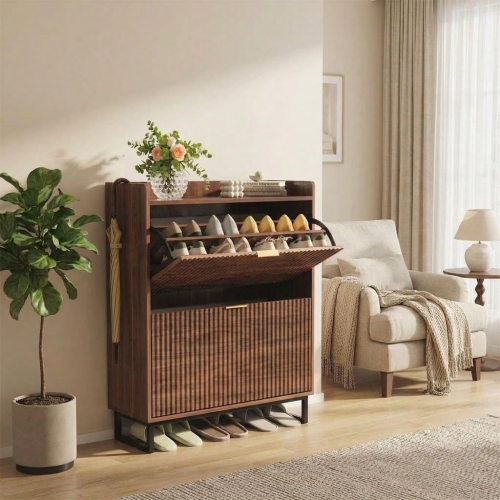
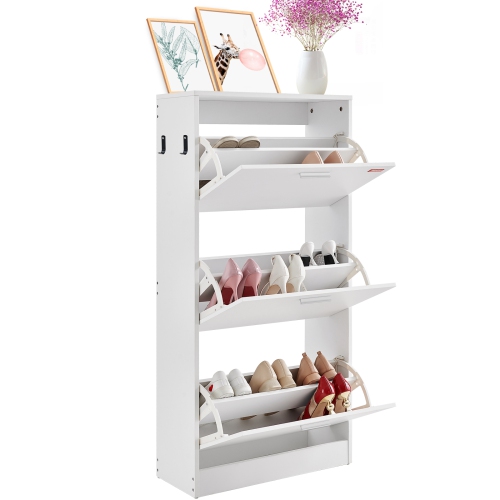
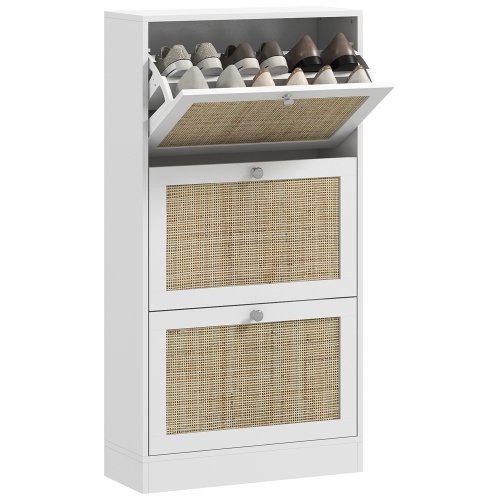
The right fit involves both the cabinet’s exterior dimensions and its usable storage space. A shallow cabinet can leave more room to walk through a narrow entrance, but its compartments may not accommodate larger shoes or bulky footwear as easily as a deeper design. Tilt-out fronts keep the silhouette compact and present shoes at an angle, making them useful where a conventional door would project too far into a passage. Their suitability still depends on the depth of each compartment, the height between dividers and any stated footwear size limits. Hinged-door cabinets often provide more flexibility for adjustable shelves, while sliding doors avoid a swinging door’s clearance requirements but expose only part of the interior at a time. Published pair capacities are best treated as a general reference rather than a guarantee that every household’s footwear will fit equally well. Several pairs of children’s shoes occupy space differently from adult trainers, high-top shoes or ankle boots. Taller boots may need a dedicated section or removable shelving, and delicate footwear benefits from enough room to avoid being compressed against neighbouring pairs. In a busy family entrance, lower shelves can give children a reachable place for everyday shoes, with separate sections helping household members keep their belongings organized. For someone with limited bending reach, frequently used footwear may be easier to access at a comfortable height rather than near the floor. The surrounding room matters just as much as the interior layout. Baseboard trim can prevent a cabinet from sitting flush against the wall, and handles, open doors and extended compartments all add to its working footprint. Clearance around nearby doors, light switches and floor vents helps the cabinet function without making the entrance awkward to use. Tall or narrow furniture also needs the stability measures specified by its manufacturer, including any required wall attachment using hardware appropriate for the wall. A cabinet top should not be treated as seating unless the furniture is expressly designed for that purpose; a separate seat can provide a convenient place to put on shoes without placing unintended weight on the storage unit.
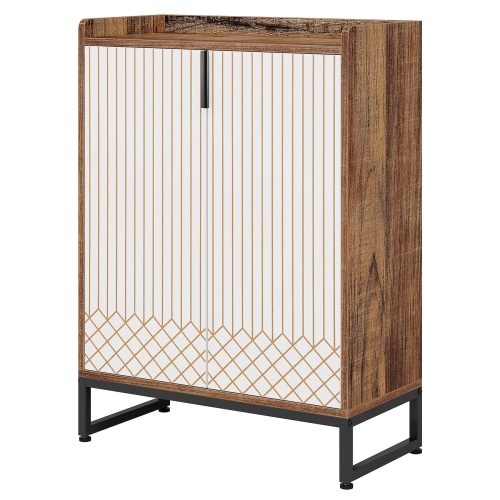
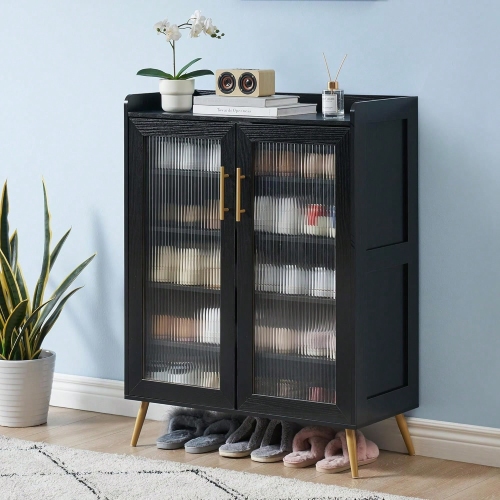
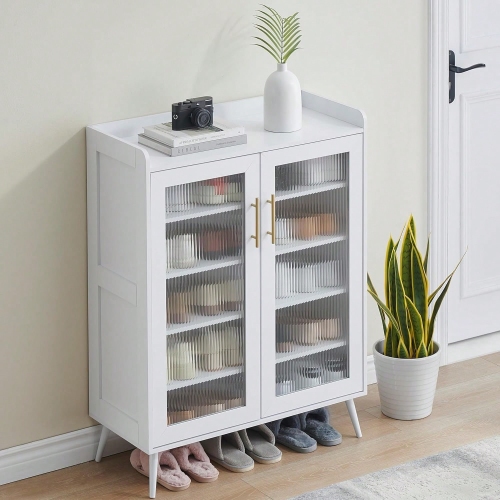
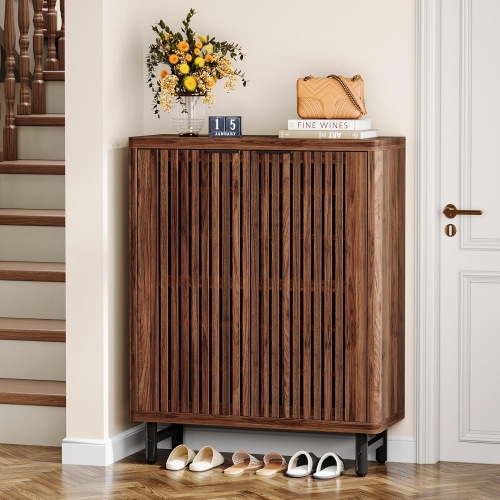
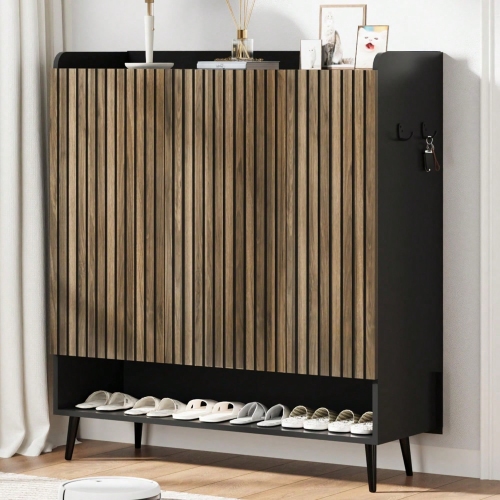
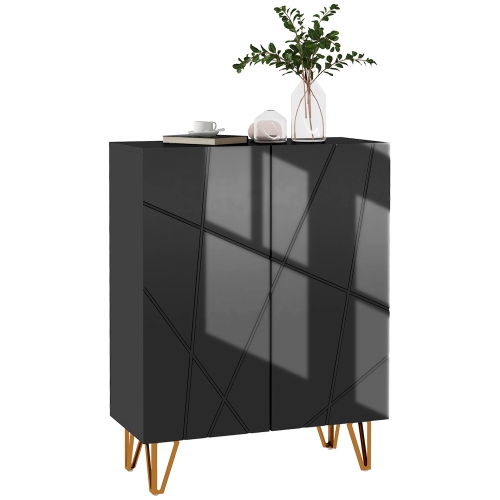
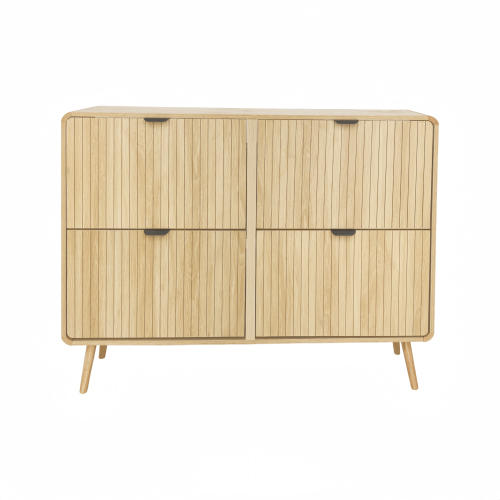
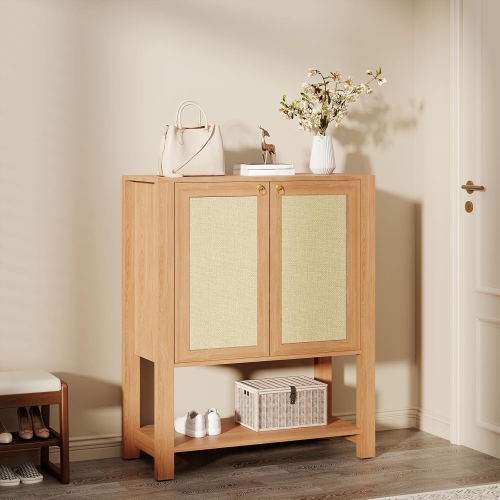
A shoe cabinet also plays a visible role in the home, especially when it sits beside the front door or along a frequently used hallway. Flat fronts, restrained handles and slim legs create a lighter visual profile, while framed doors and prominent wood grain bring more texture to the space. For interiors with clean lines, Modern Shoe Cabinets offer a related style direction, with the most suitable proportions depending on the surrounding furniture and available floor space. Lighter finishes can sit quietly against pale walls, while darker tones provide contrast; coordinating with nearby trim, flooring or a hallway console can make the cabinet feel like part of the room rather than an added storage box. A usable top surface can hold a small tray for keys, provided the load stays within the manufacturer’s limits and does not interfere with opening the cabinet. Inside, ventilation gaps or purpose-designed openings allow some air movement, but enclosed storage is not a substitute for cleaning and drying footwear. Letting shoes dry before putting them away helps avoid trapping moisture, and removable liners or trays can make loose dirt easier to manage when they are compatible with the cabinet’s design. Routine care is generally straightforward: dust shelves and corners, wipe marks with a cloth suitable for the finish, and dry any cleaned surfaces promptly. Excess water, abrasive pads and unsuitable cleaners can damage wood finishes, coated panels or metal surfaces, so the manufacturer’s care directions remain important. Checking handles, hinges and accessible fasteners occasionally can help address looseness before it becomes a larger problem. Adjustable shelves can extend the cabinet’s usefulness as footwear needs change, whether it serves one person in a compact apartment, a couple sharing an entrance or a household with children. Thoughtfully matched capacity, accessible compartments and dependable construction make a high-quality shoe cabinet useful furniture rather than simply a place to hide shoes.
Top selling and popular products
-
 Your price for this item is $95.99
-
 Your price for this item is $84.99
-
 Your price for this item is $164.99
-
 Your price for this item is $271.99
-
 Your price for this item is $144.99
-
 Your price for this item is $82.99
-
 Your price for this item is $88.99
-
 Your price for this item is $689.99
Discover more categories related to High Quality Shoe Cabinets
Top Collections:
Best Black Friday Deals This Year, Best Black Friday Deals On Electronics, Kindle Devices, Dyson Airwrap, Best Cameras for Sports Photography, Best Budget Office Chairs, Canon G7X Cameras, PS5 Pro Consoles, Best Black Friday Deals On Apple Products, XBOX One S Consoles
Some products may be subject to Environmental Handling Fees
(EHF) depending on your province.
Learn more about EHFs.