Sofa Beds
Transform your living space with the ultimate blend of style and functionality by exploring our diverse selection of sofa beds. Perfect for accommodating guests or maximizing small spaces, a sofa bed effortlessly transitions from a comfortable seating area to a cozy sleeping solution. Whether you're looking to enhance your living room or create a versatile guest room, our range offers various designs, materials, and colors to complement any decor. Discover the perfect sofa bed to suit your lifestyle and enjoy the convenience of seamless adaptability in your home.
Sort
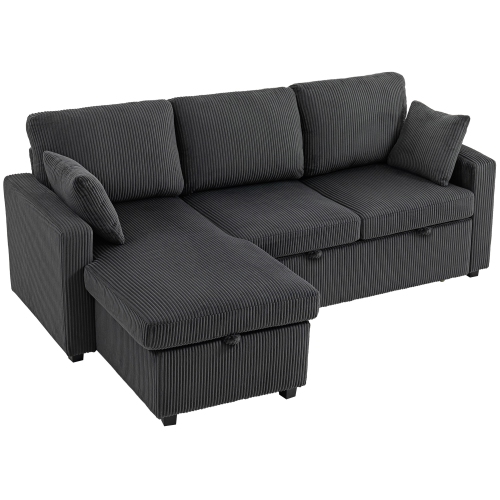
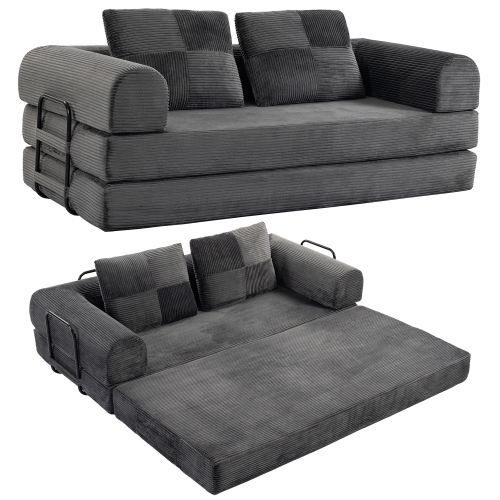
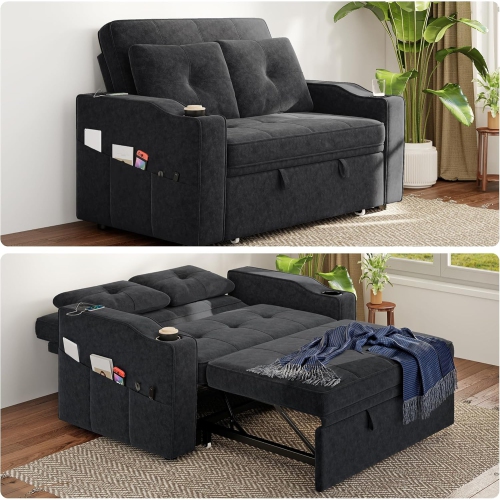
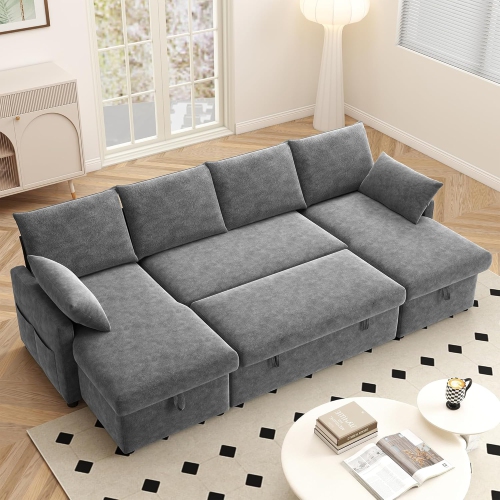
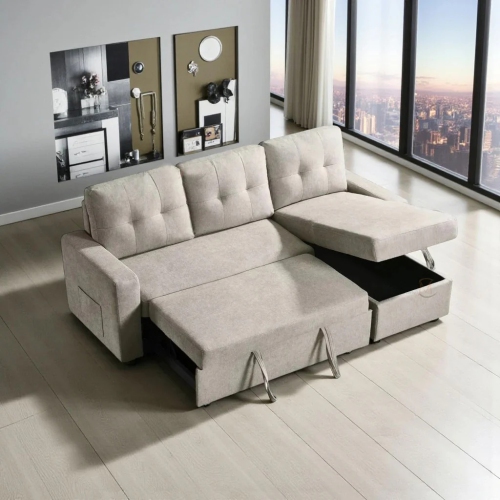
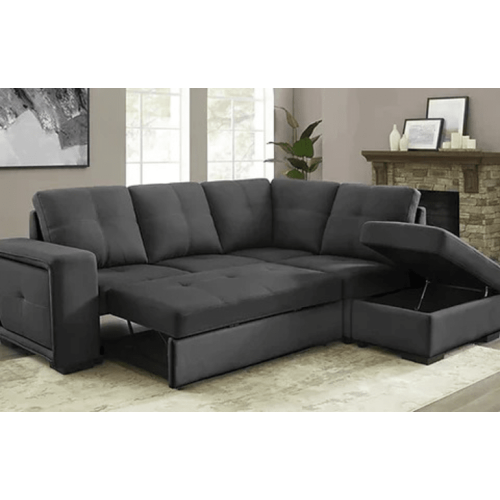
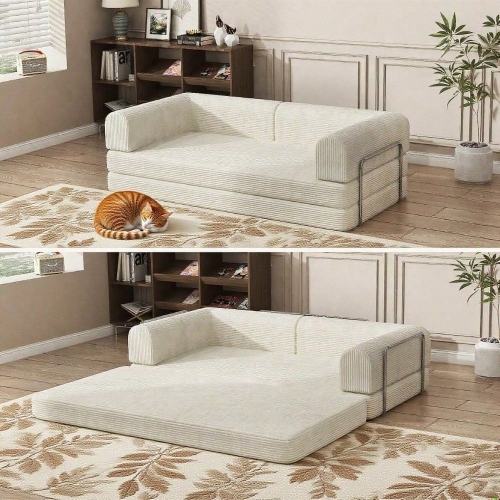
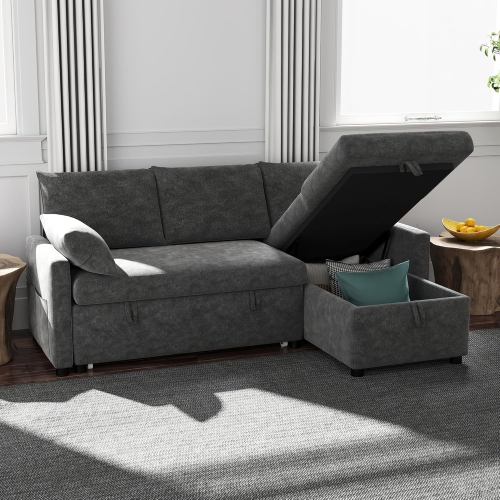
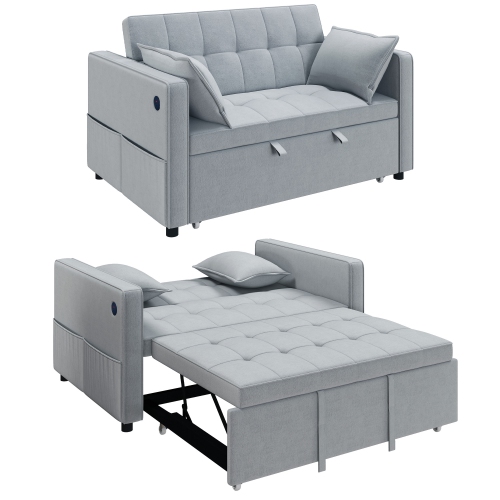

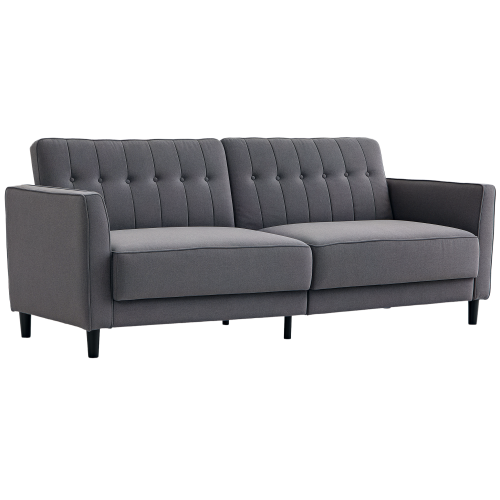
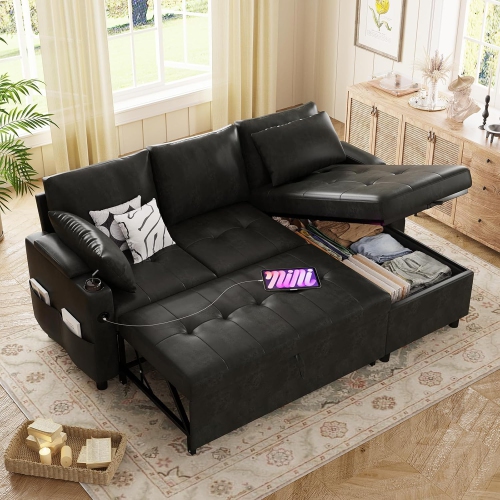
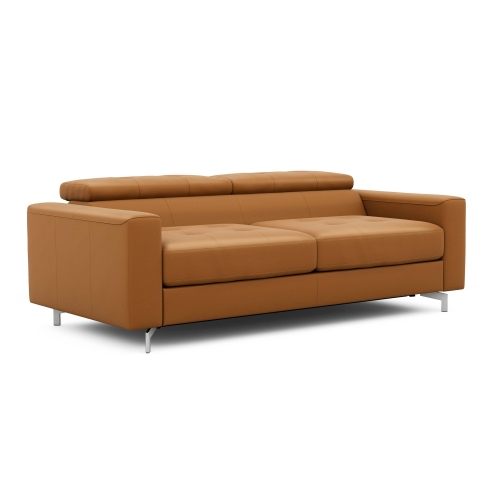
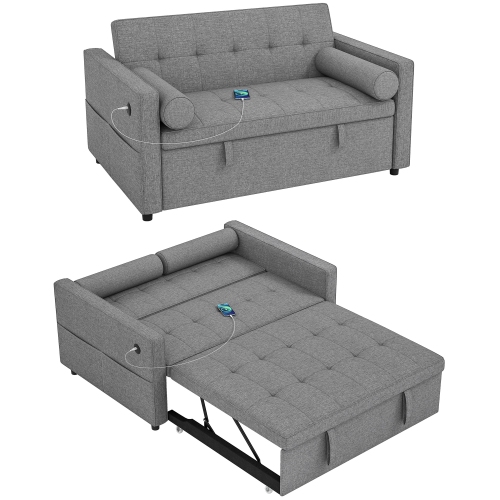
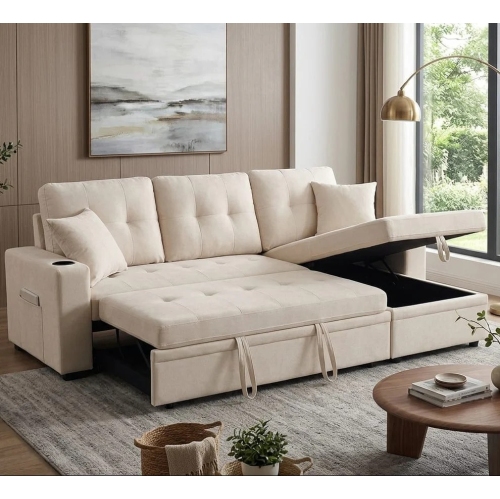
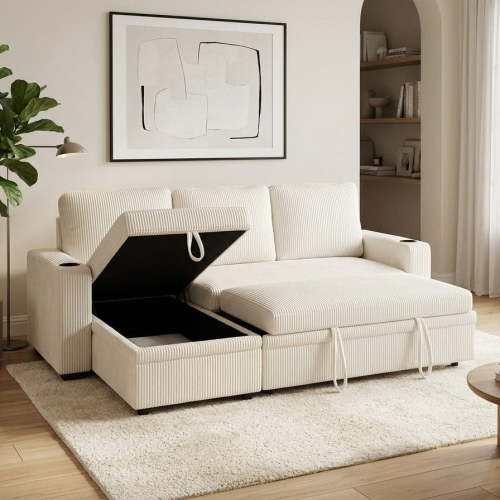
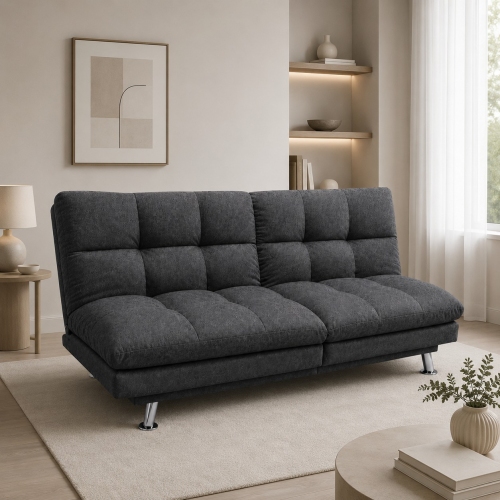
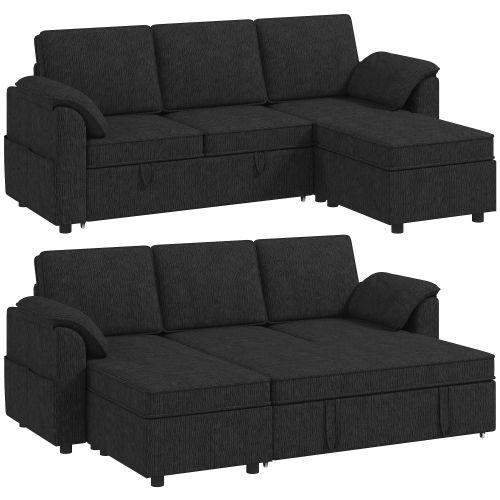

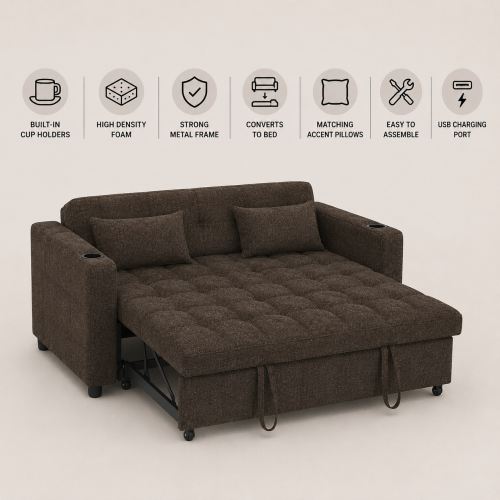
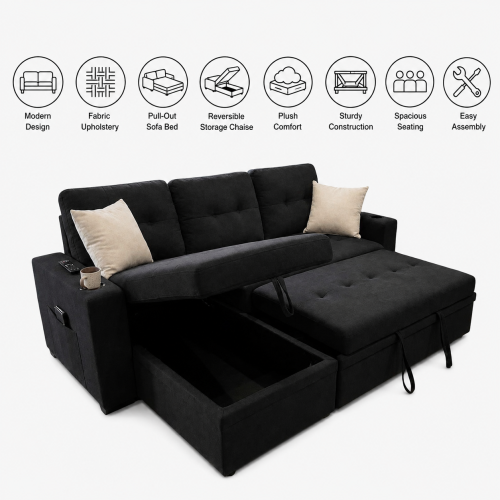
Everyday seating that makes room for overnight guests
Sofa beds combine everyday seating with a sleeping surface that opens, unfolds or pulls out when needed. Also called sleeper sofas, they make practical use of space in living rooms, studio apartments, guest rooms and home offices where a separate bed would take up too much floor space. A sofa bed can provide a place to read or watch television most days, then accommodate an overnight visitor without permanently turning the room into a bedroom. The way it converts makes a meaningful difference to both seating and sleeping comfort. Pull-out sofa beds typically conceal a folded mattress and supporting frame beneath the seat cushions, giving the sleeping area a separate surface from the sofa upholstery. Convertible sofa beds use the seat and backrest to form a flatter platform, often through a reclining or click-clack mechanism. Futon-style designs generally use a folding frame and a mattress that serves as both the seat and the bed. Sectional sofa beds combine more expansive seating with a sleeper function; some use an extension that rises beside the seat, while others contain a separate pull-out mattress. Certain chaise designs also include storage for bedding, although that feature depends on the construction. Twin, full and queen labels help describe intended sleeping capacity, but the actual sleeping dimensions matter more than the name alone. A compact sleeper may suit one overnight guest, while two adults generally need more width and enough length to stretch out comfortably. The sleeping surface also deserves attention: upholstery seams, cushion gaps and differences in firmness can feel more noticeable when lying down than when sitting. For occasional visits, a straightforward convertible design may meet the room’s needs. Frequent overnight use places greater importance on mattress support, a level sleeping surface and a mechanism that is comfortable to operate regularly. A sofa bed intended for nightly sleeping needs especially careful assessment of its mattress, support system and suitability for that use.
A good fit accounts for the sofa bed in both its closed and fully extended positions. The sofa’s width alone does not reveal how much space it needs once the mattress is unfolded or the backrest is lowered. In a small apartment, an open sleeper can reach into the path between the living area and kitchen; in a home office, it may compete with a desk chair or cabinet doors. Measuring the complete sleeping footprint helps preserve usable walking space and shows whether a coffee table will need to move each time the bed opens. Some folding backrests also need clearance behind the sofa, so positioning them directly against a wall may not work. Arm width and seat depth affect how roomy the sofa feels without necessarily increasing the sleeping area. Slim arms can leave more usable seating within a compact footprint, while broader arms may offer a comfortable place to lean. A chaise adds lounging space but also affects the room’s layout, particularly when its orientation cannot be reversed. Delivery access matters just as much as the final position: doorways, stair turns, lifts and corridors all need to accommodate the packaged sections or assembled frame. Removable legs and sectional construction can make access easier, but those details need confirmation for the design being considered. Once the dimensions work, construction becomes central to long-term satisfaction. Frame materials, secure joints, supportive seating and a stable sleeper mechanism all contribute to how the furniture handles repeated use. Solid wood, plywood and metal may appear in different parts of the structure, and the overall build matters more than any one material label. A mechanism should move as intended without forcing, and its operating instructions should make the opening sequence clear. Seat comfort deserves equal attention because the sofa may spend far more hours supporting conversation, reading and television viewing than overnight sleep. Seat height, cushion firmness and back support should suit the people who will use it most.
Upholstery shapes the appearance, feel and upkeep of a sofa bed. Woven fabrics can bring texture to a room, while smoother upholstery creates a different look and may make some surface messes easier to wipe away, depending on the material and care instructions. Tightly woven fabric can be useful in a busy household, though no upholstery is immune to snags, abrasion or stains. Homes with pets may benefit from a texture that does not readily catch claws and a colour that makes shed hair less noticeable. Leather and leather-look materials have distinct care needs, so they should not be treated as interchangeable. Likewise, a removable cushion cover is not necessarily machine washable; the care label determines the appropriate cleaning method. Regular vacuuming with a suitable upholstery attachment helps remove crumbs and grit from seams and beneath cushions, while prompt attention to spills can reduce the chance of a lasting mark. Cleaning products should be appropriate for the fabric and tested in an inconspicuous area before wider use. Where the design allows, rotating cushions can help distribute everyday wear. Bedding also needs to work with the sleeper’s actual measurements and mattress depth, since standard sheet sizing does not guarantee a secure fit on every sofa bed. A mattress protector can help keep a separate sleeper mattress clean, and bedding should be removed before folding unless the manufacturer explicitly permits otherwise. Pillows and blankets need a home when the sofa is closed, whether that is a built-in compartment, a nearby cabinet or an ottoman intended for storage. Style can remain consistent with the rest of the room: a low-profile silhouette, tailored upholstery or a sectional arrangement can each support a different layout. For coordinating seating, Furniture Sofas provides a broader point of comparison for shapes and proportions. The most useful sofa bed feels at home in its everyday role while making the transition to overnight accommodation manageable, comfortable and easy to maintain.
Top selling and popular products
-
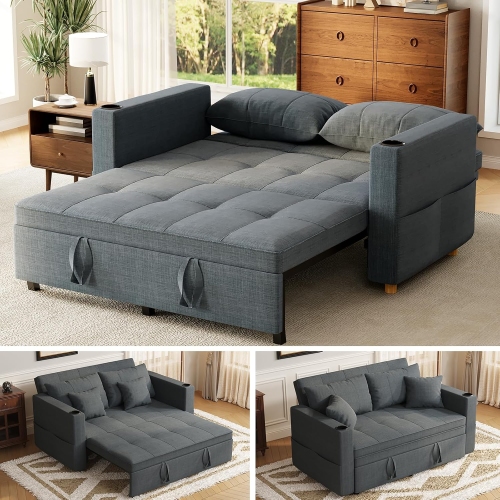 Your price for this item is $549.99
-
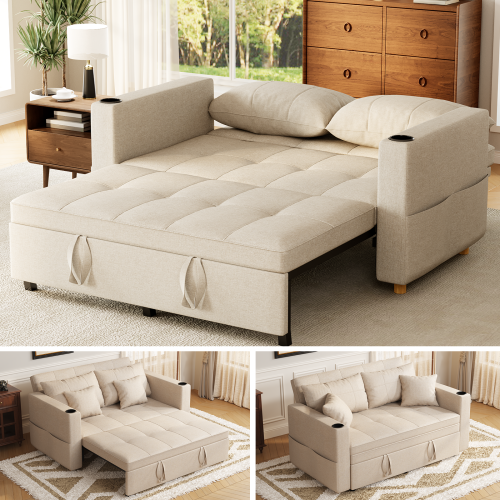 Your price for this item is $559.99
-
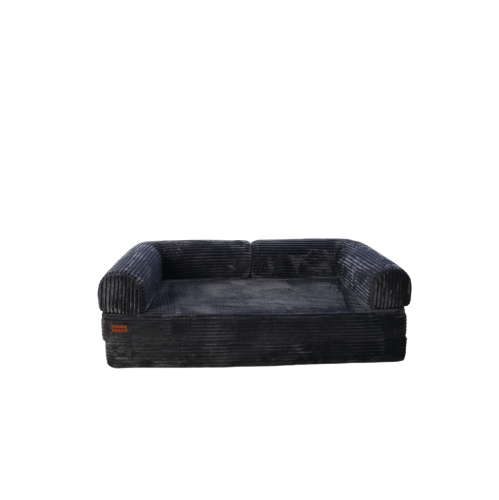 Your price for this item is $599.97
-
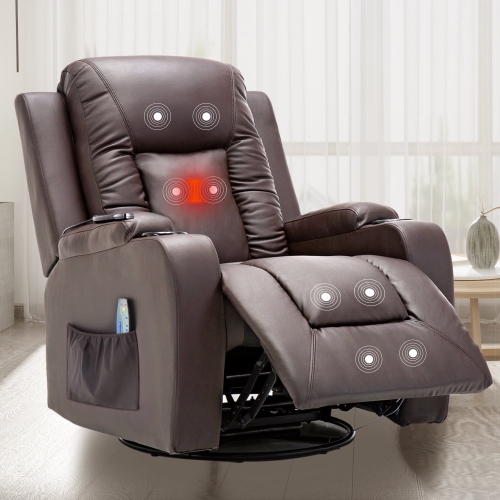 Your price for this item is $599.99
-
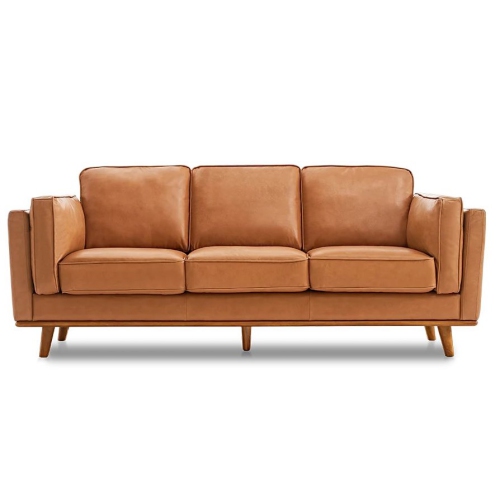 Your price for this item is $1949.99
-
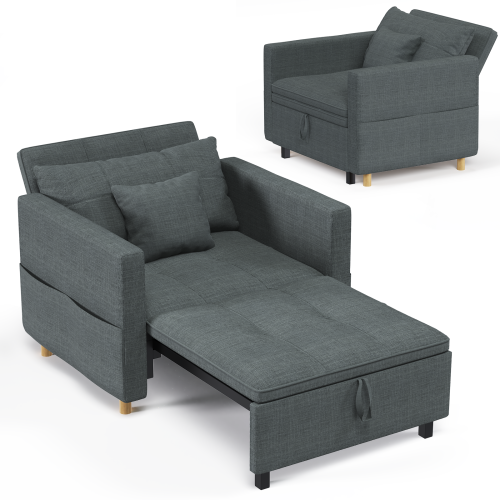 Your price for this item is $299.99
-
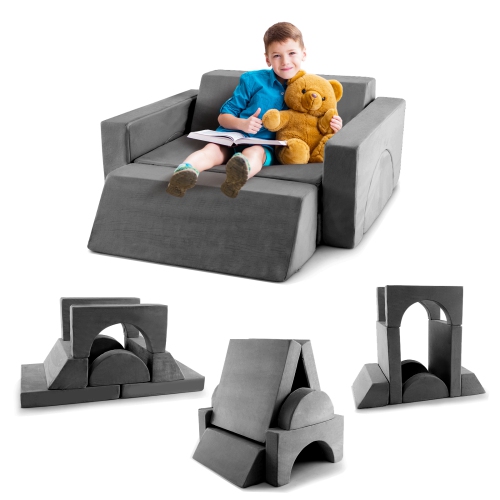 Your price for this item is $167.99
-
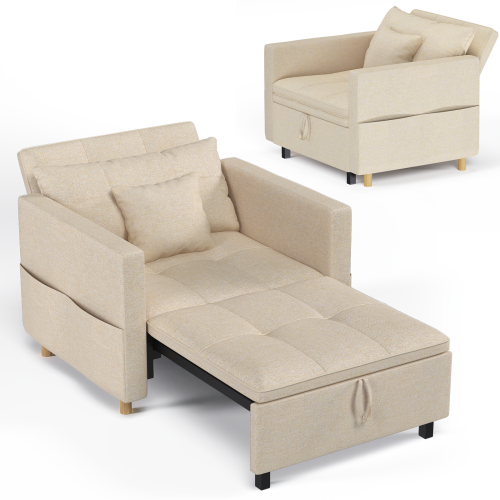 Your price for this item is $299.99
Discover more categories related to Sofa Beds
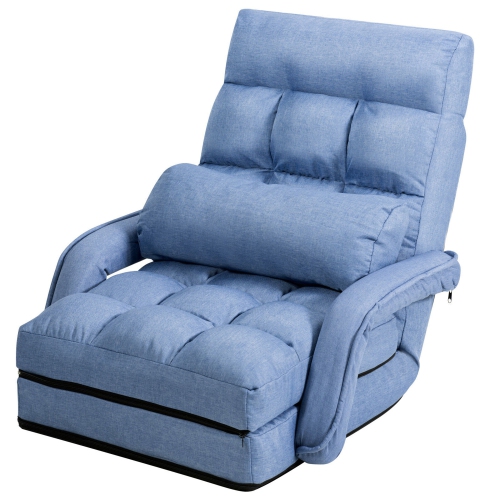
Top Collections:
Best Black Friday Deals This Year, Best Black Friday Deals On Electronics, Kindle Devices, Best Black Friday Deals On Apple Products, Best Budget Office Chairs, Best Cameras for Sports Photography, Dyson Airwrap, Canon G7X Cameras, Best Laptops for Writers, Samsung Galaxy Phones
Some products may be subject to Environmental Handling Fees
(EHF) depending on your province.
Learn more about EHFs.