Wooden Tables
A wooden table is a great addition to any home. Not only does it add a rustic feel, but it also provides a surface on which to eat, entertain, and work. Whether you're looking for a rustic look or want something that will last for years, these are some of the best options available.
Sort
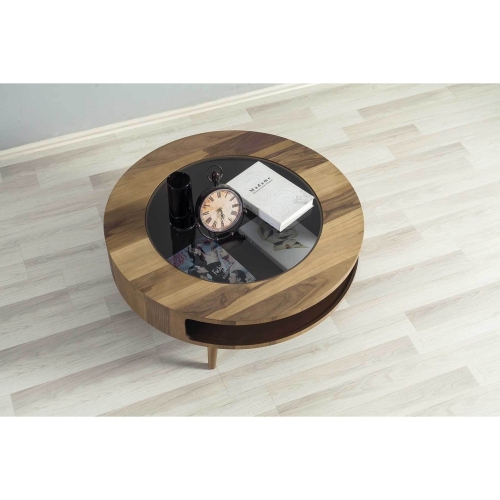


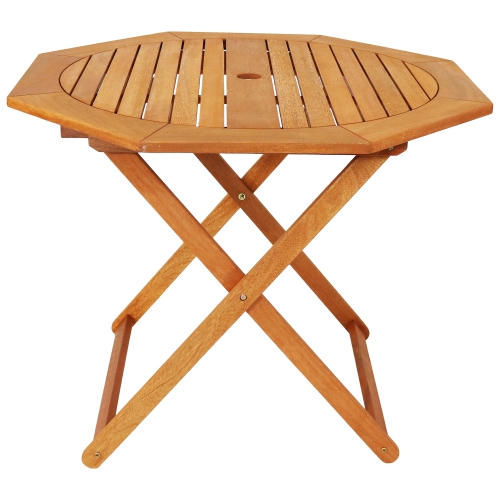


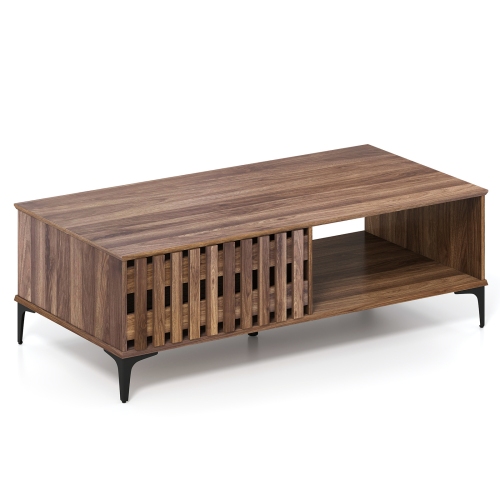


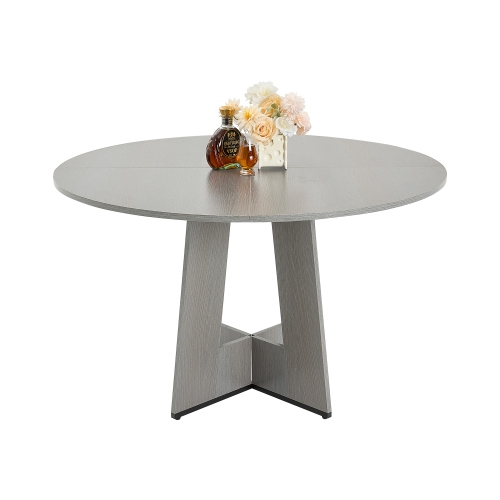













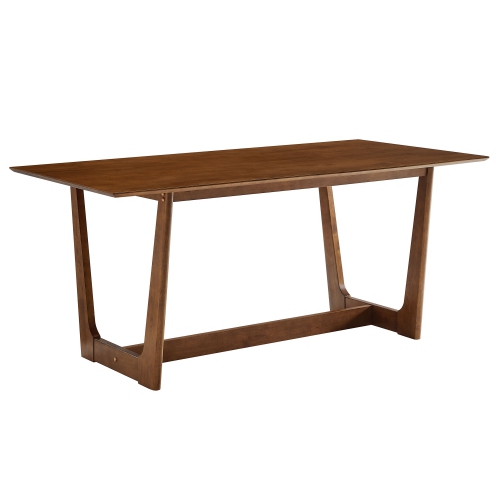


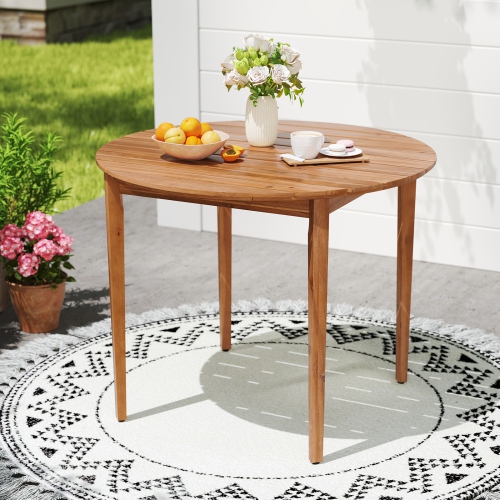
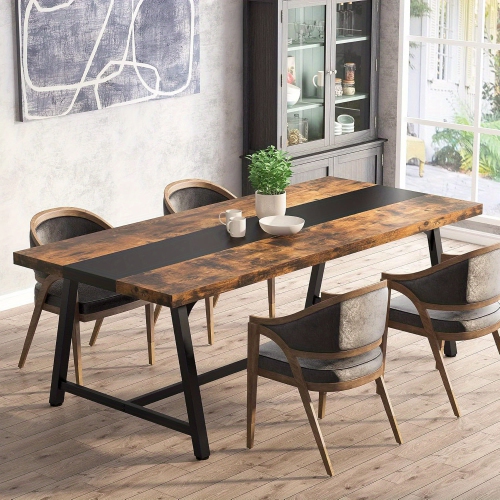
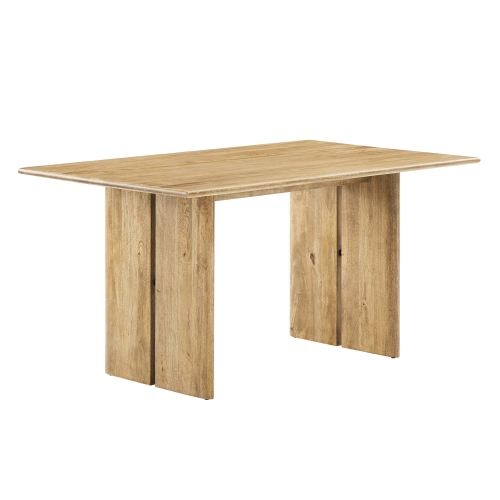
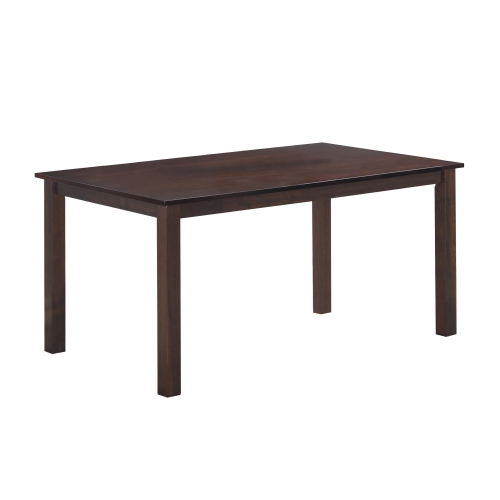

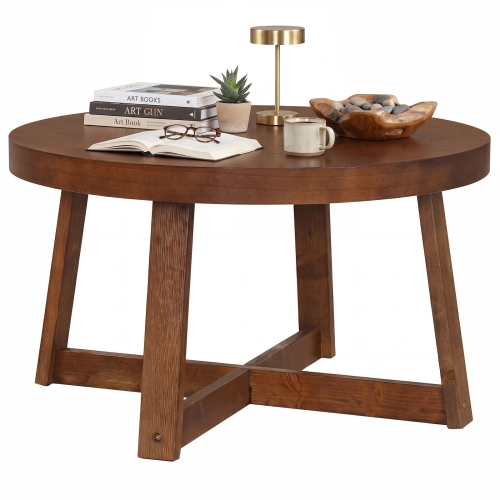
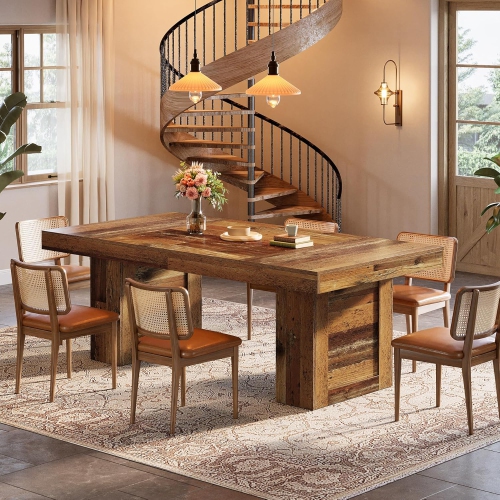

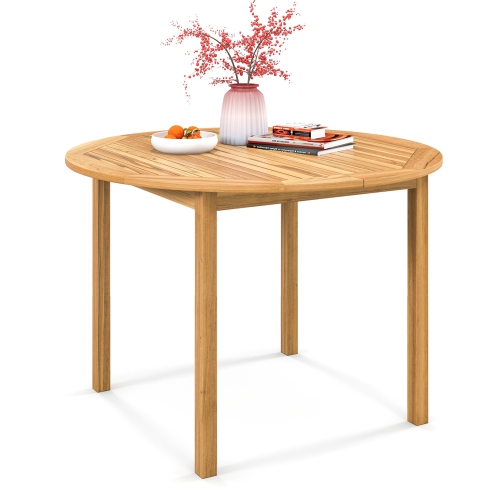





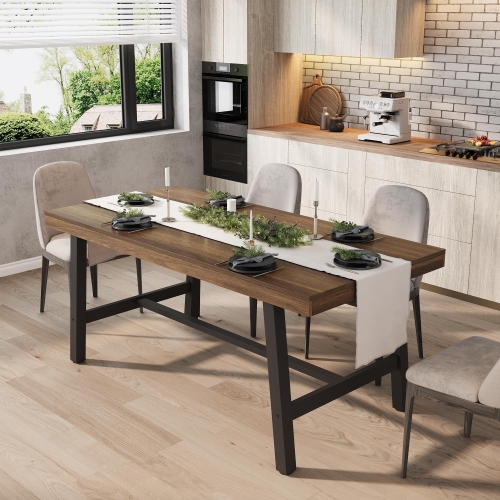


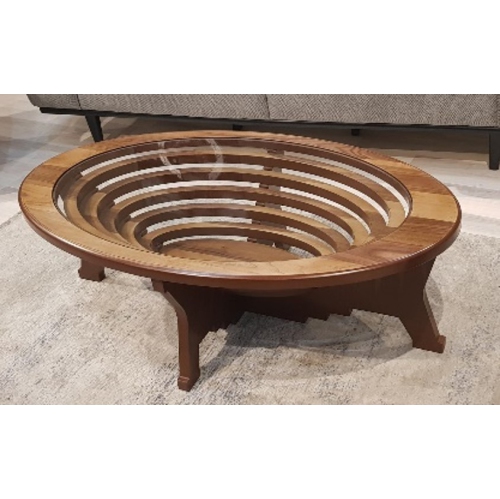

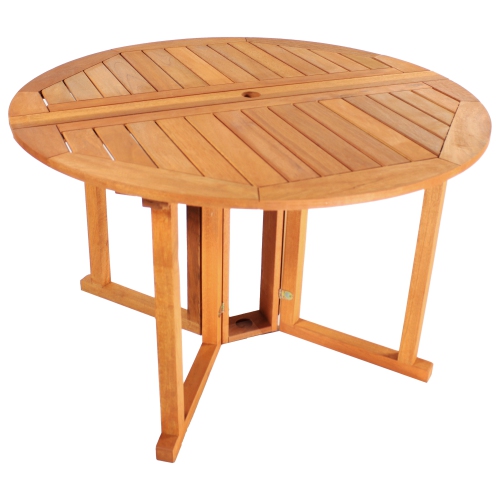

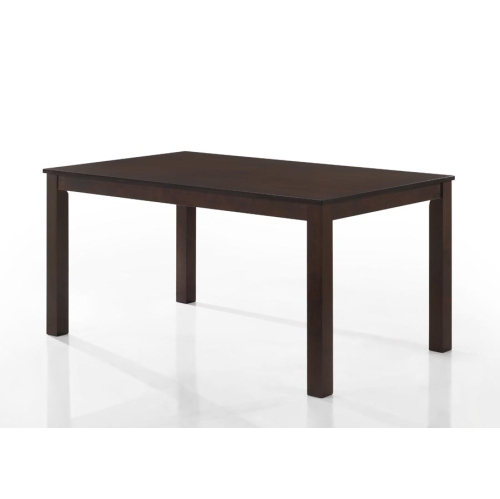
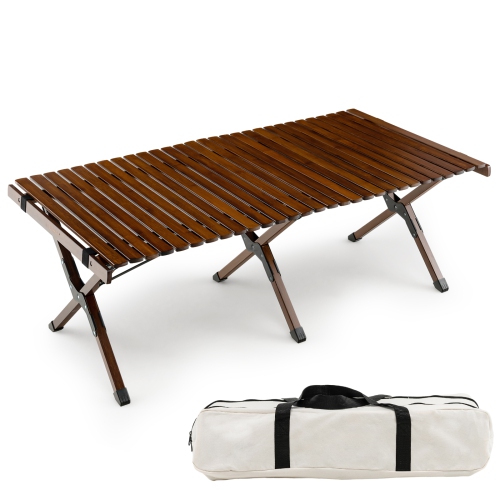
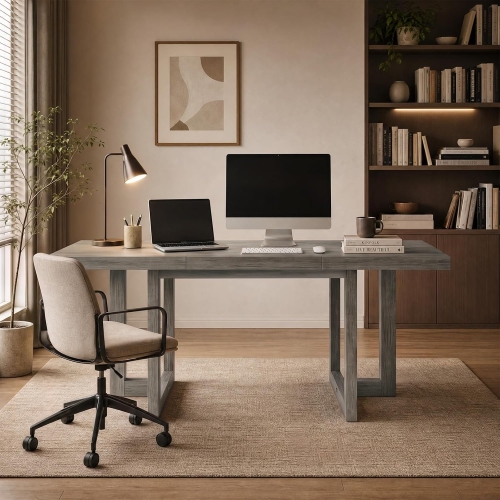


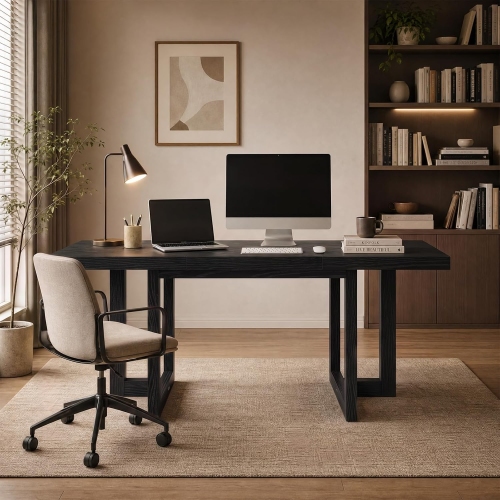
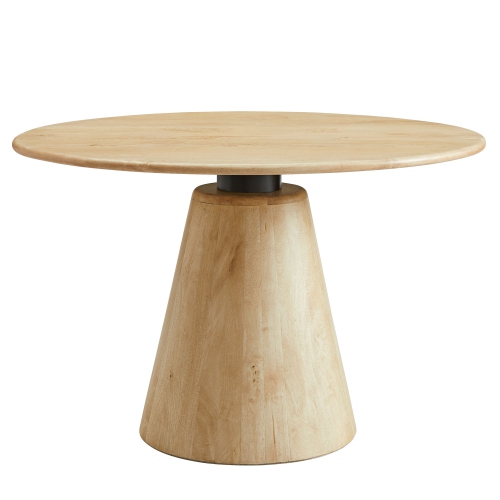
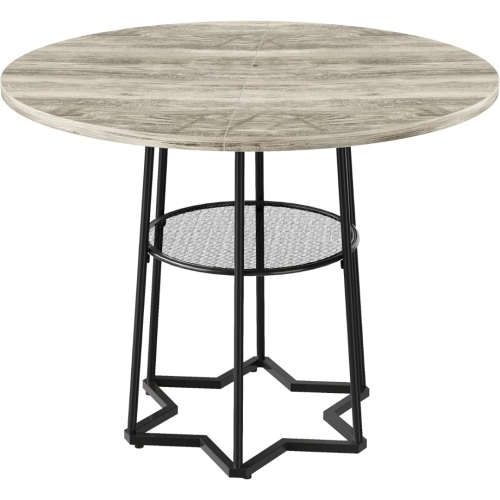
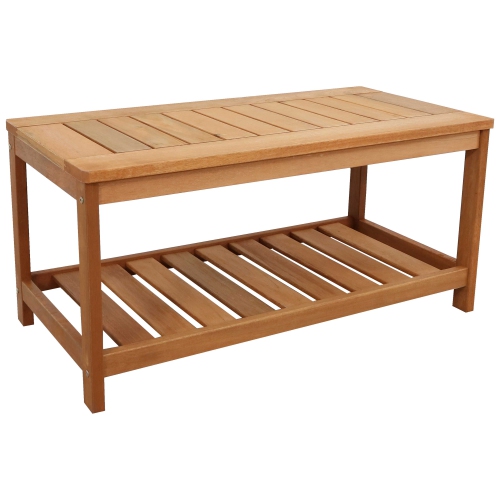
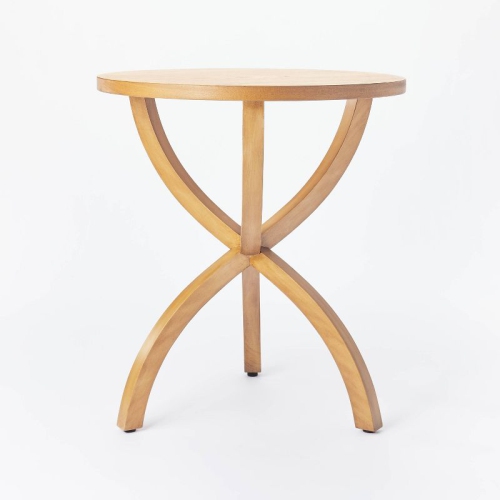


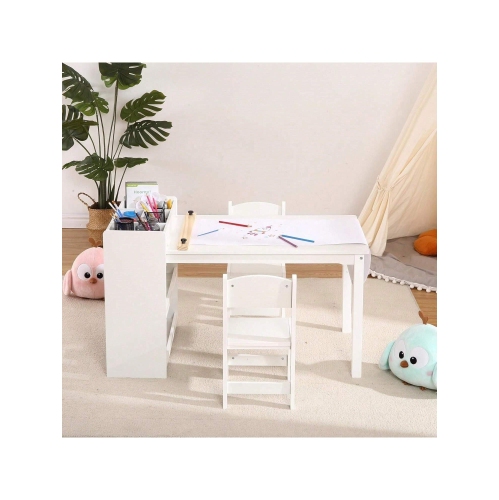
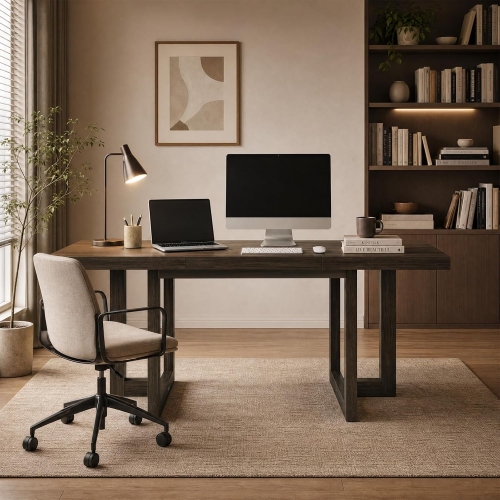


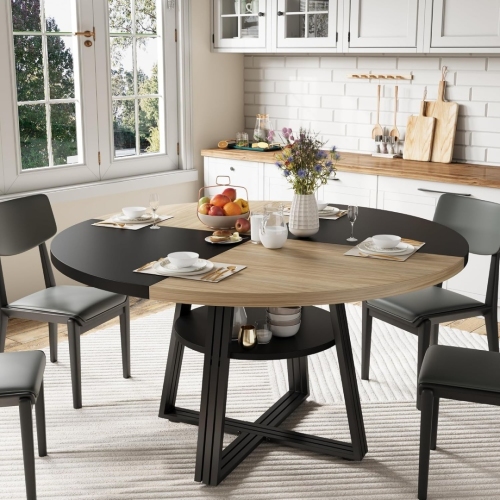

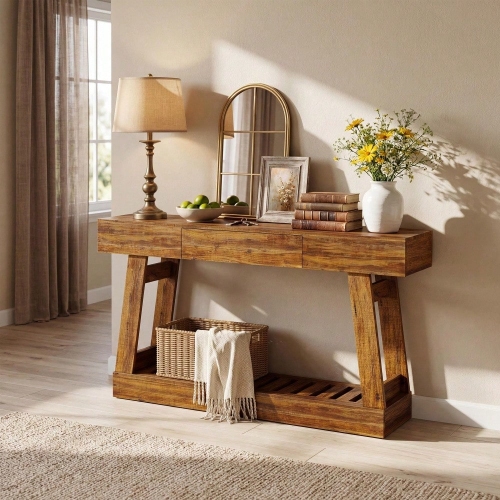


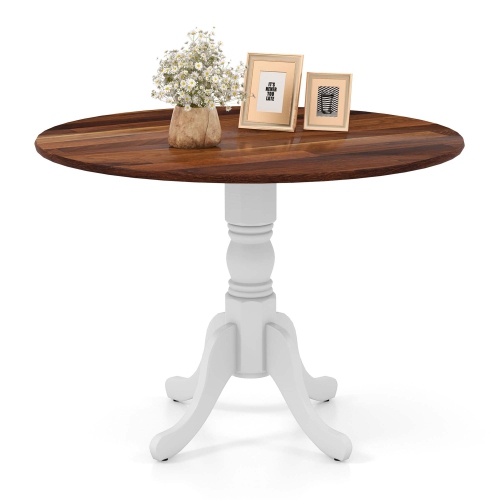

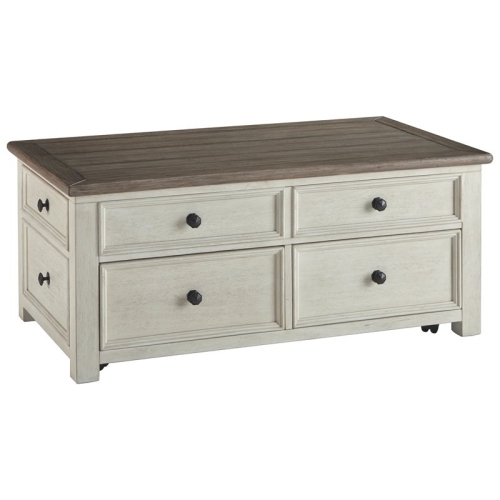

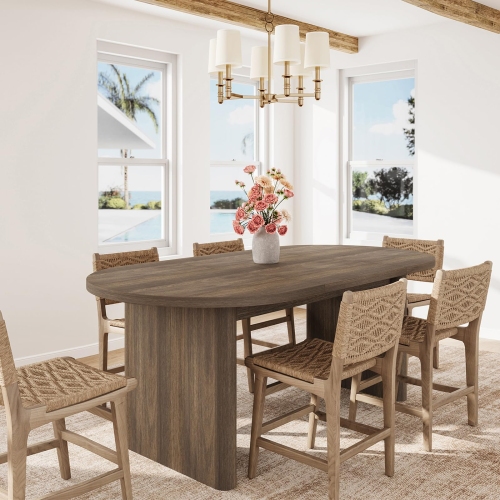

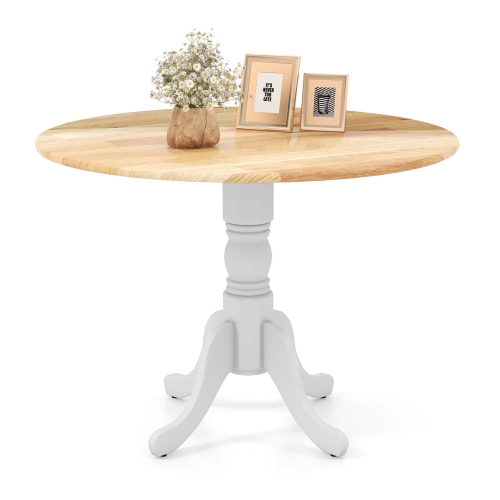


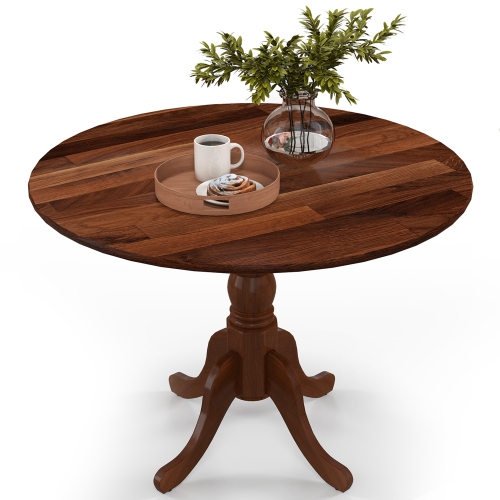






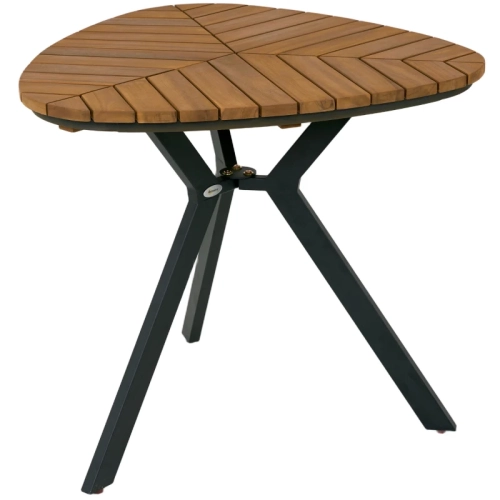


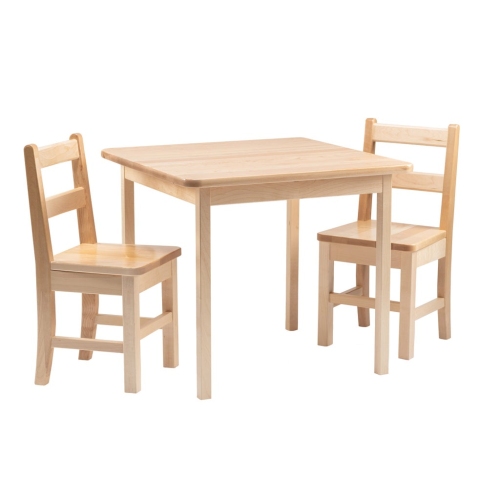


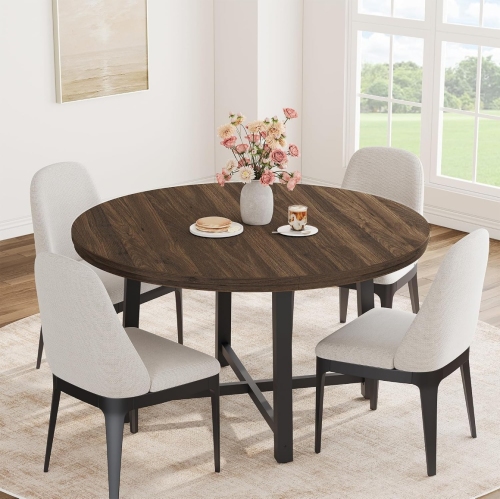


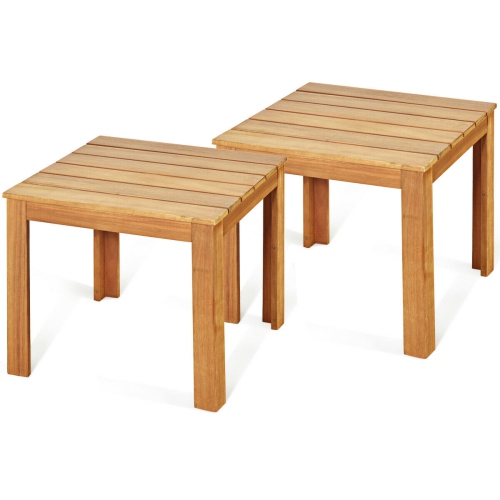
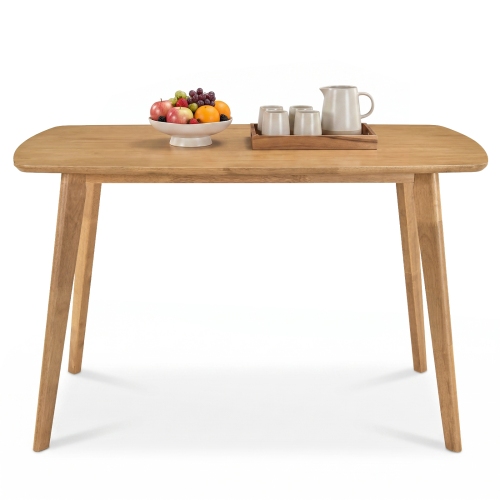


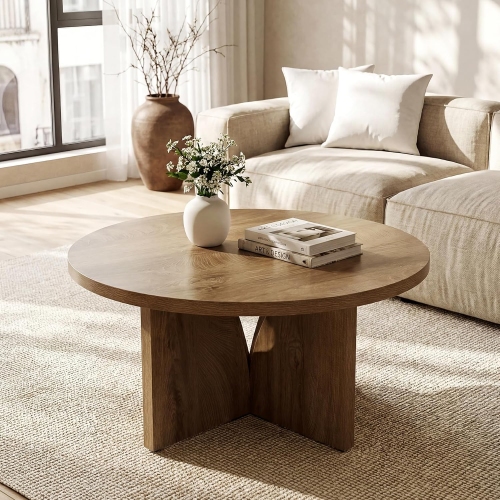
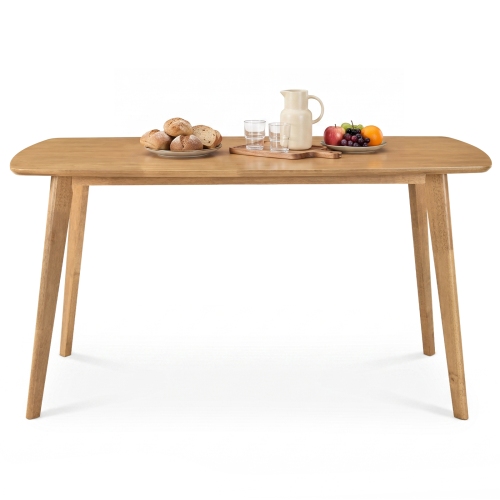


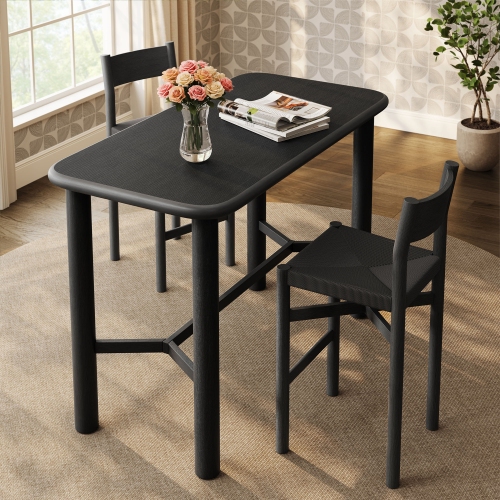
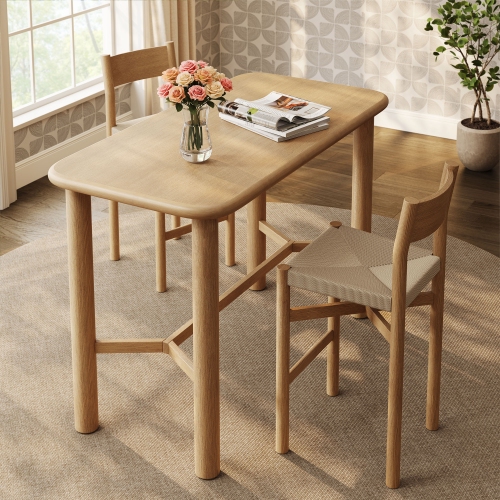
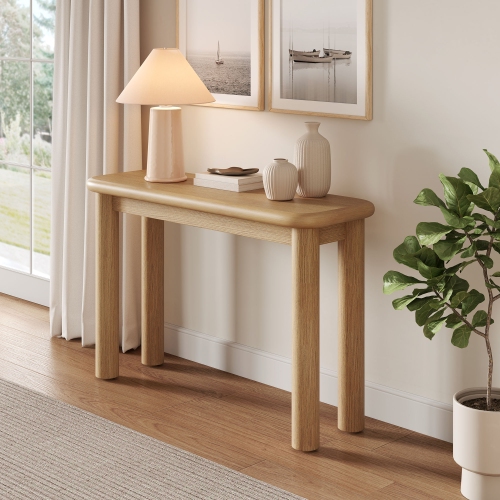
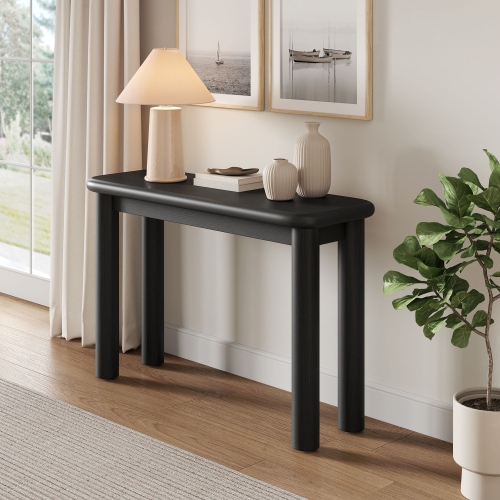

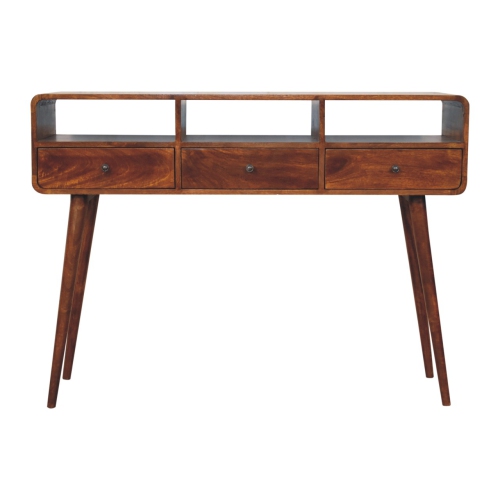
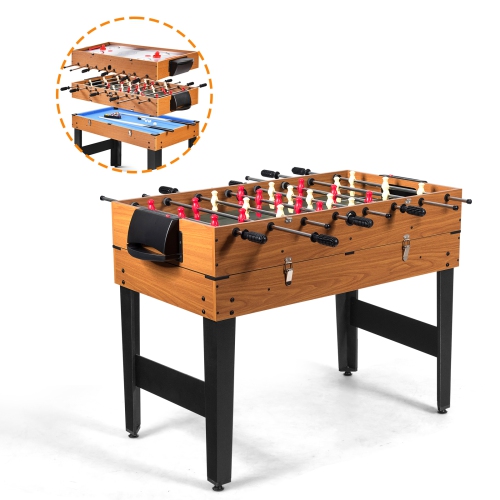
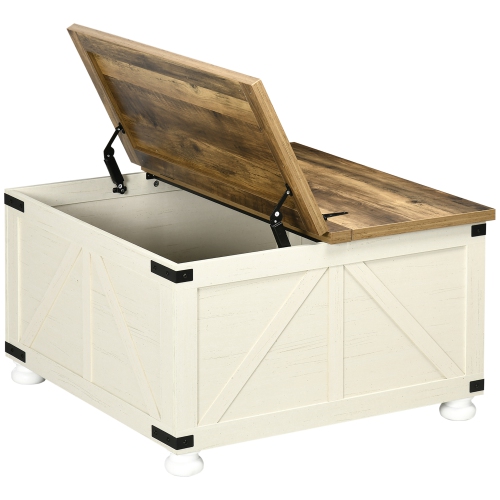
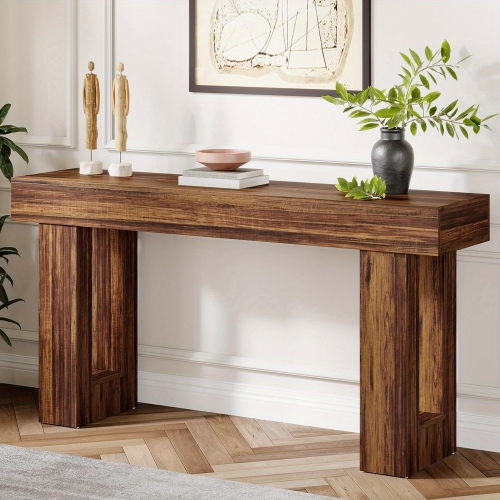


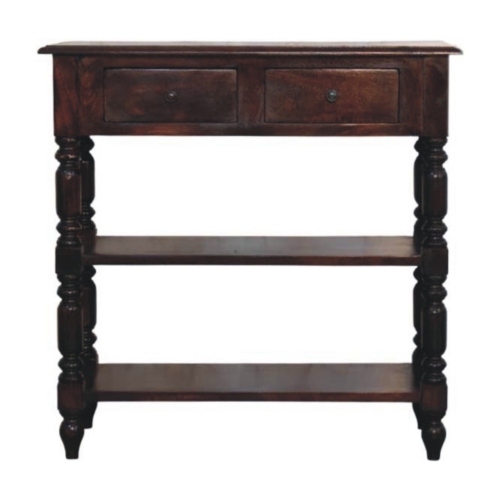

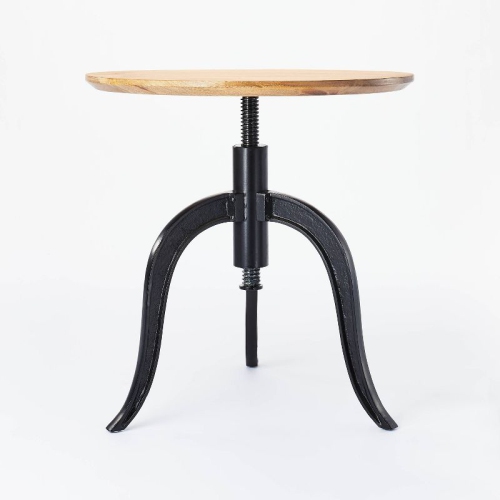

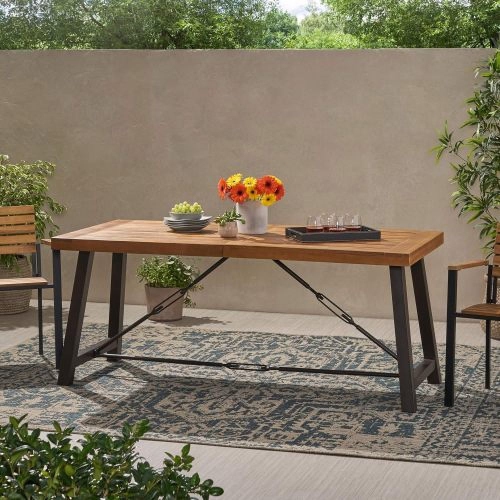
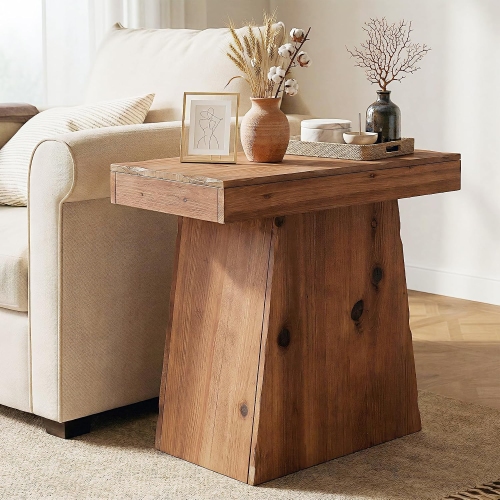

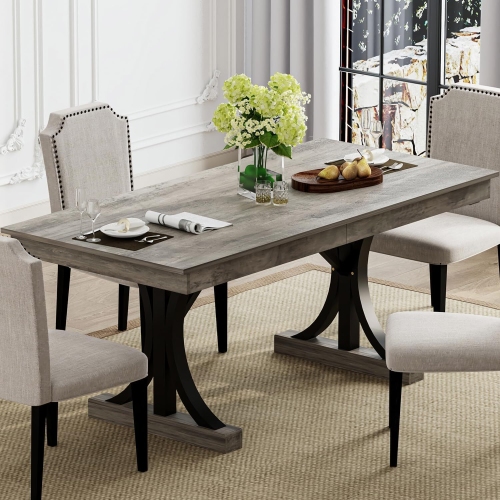

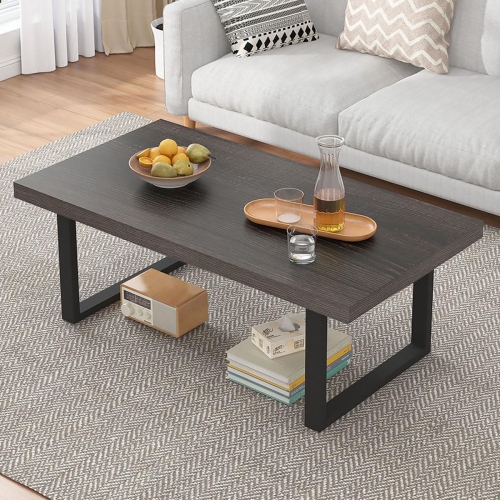
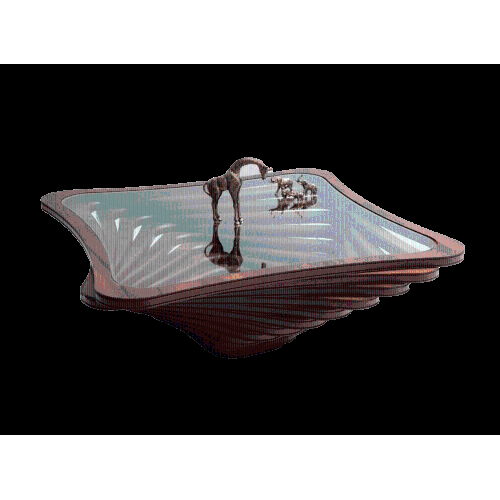


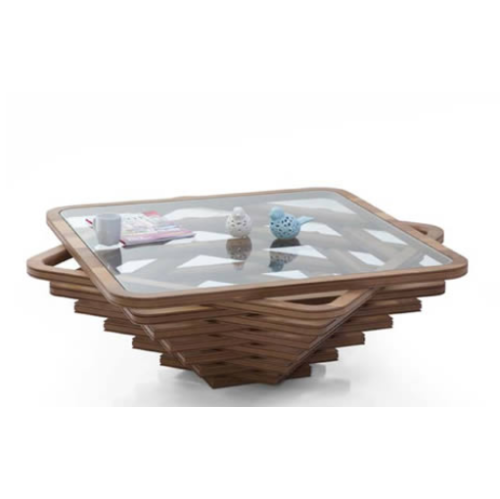
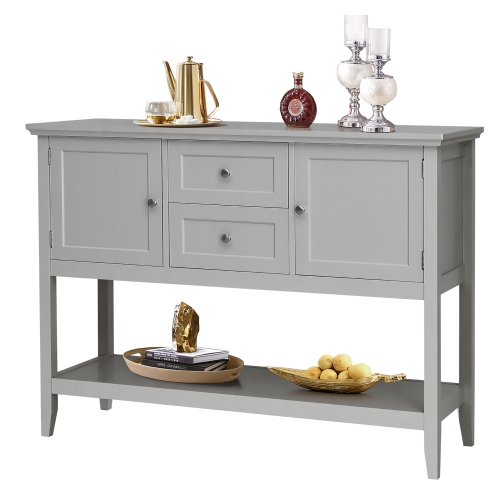


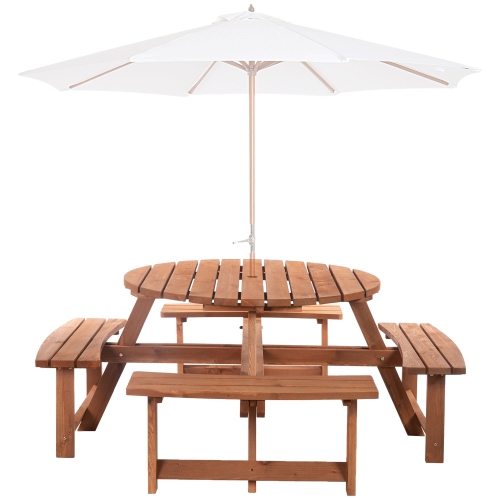
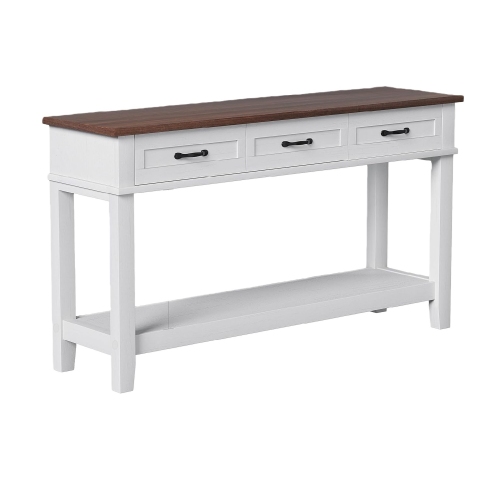

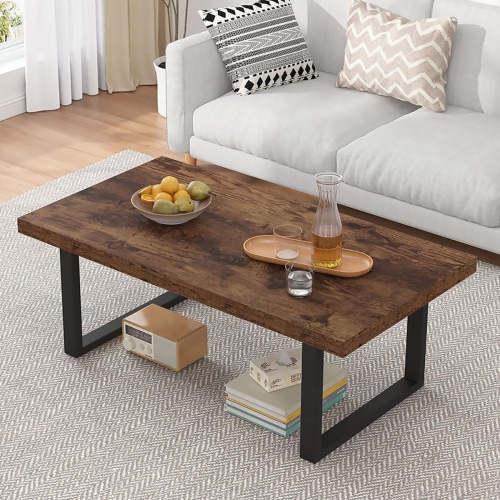

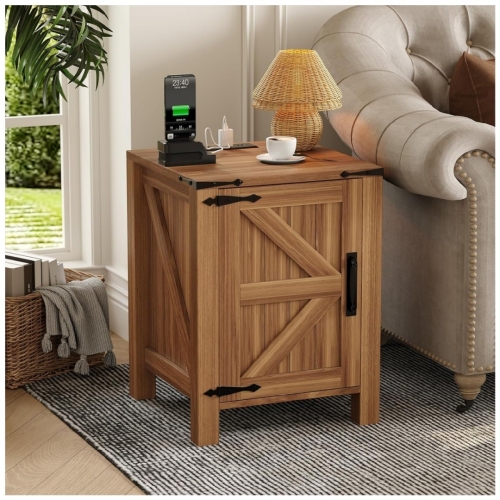

How wood type, shape and size shape table choices
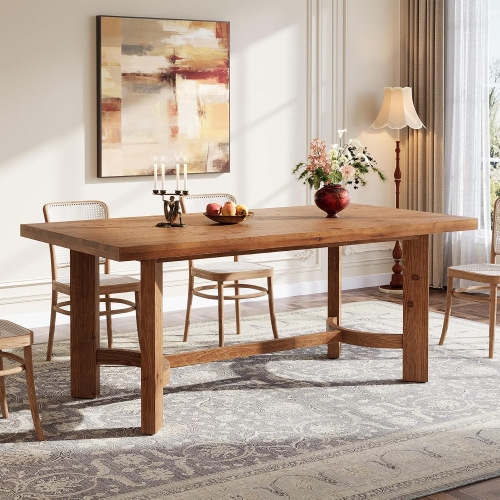
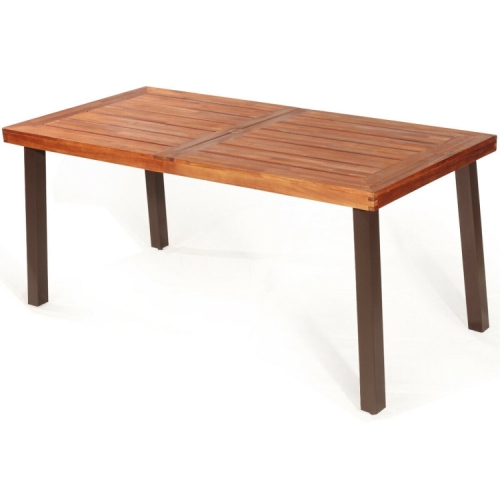
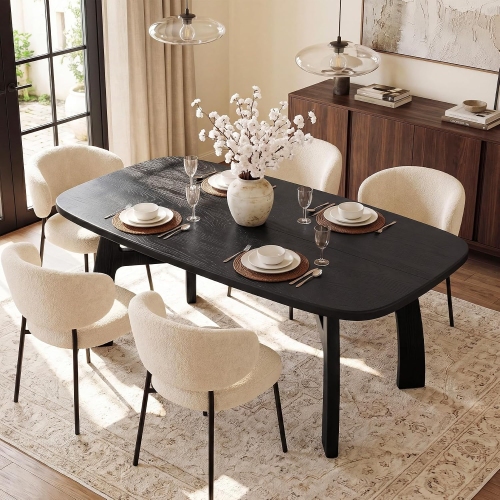
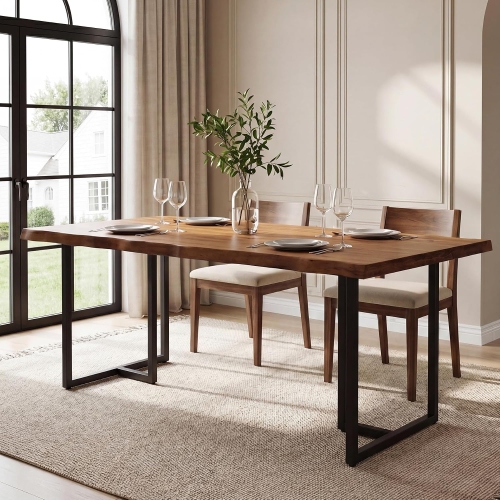
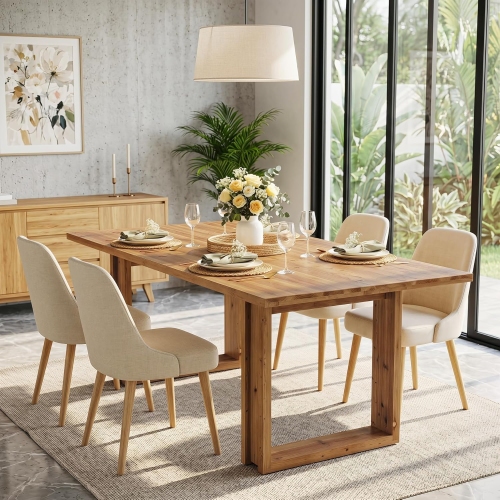
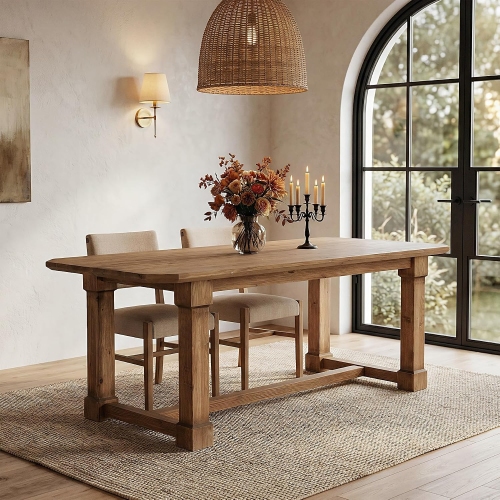
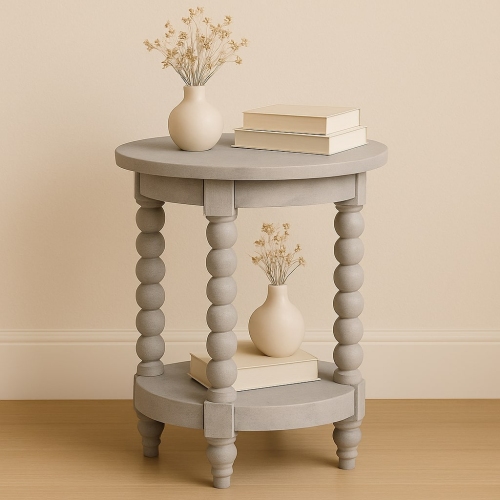
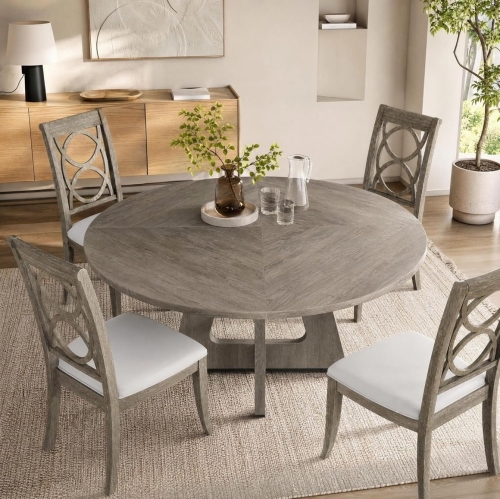
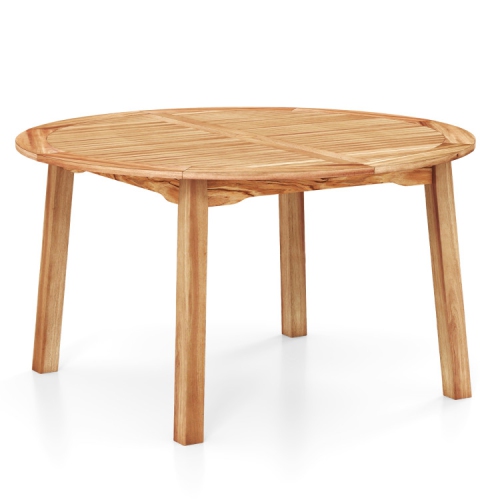
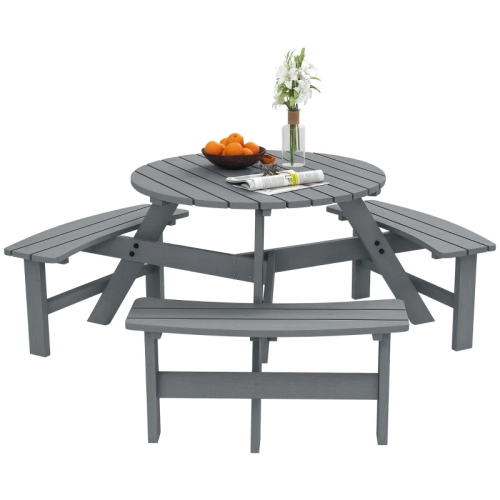
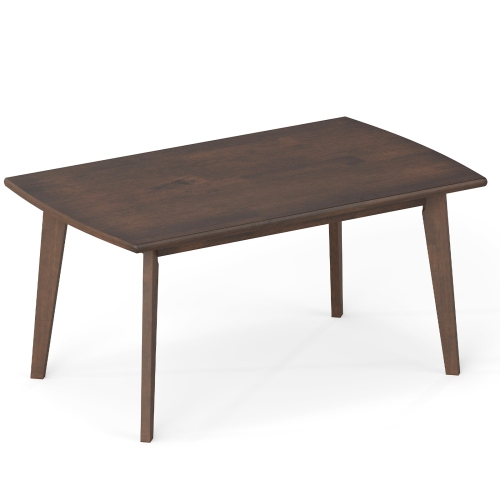
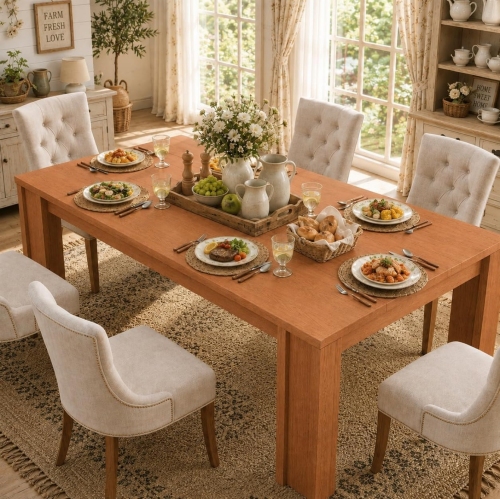
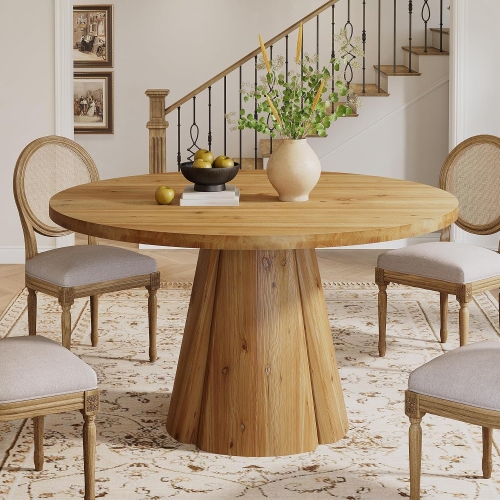
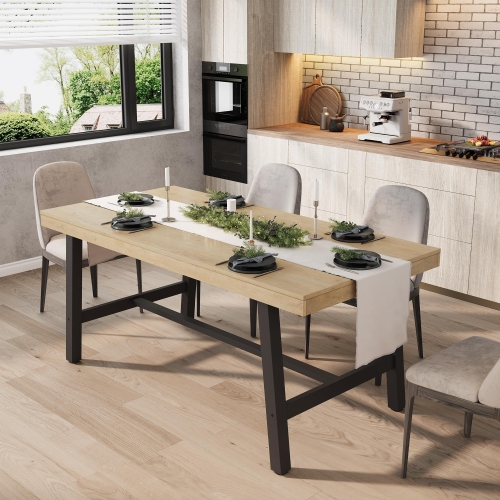
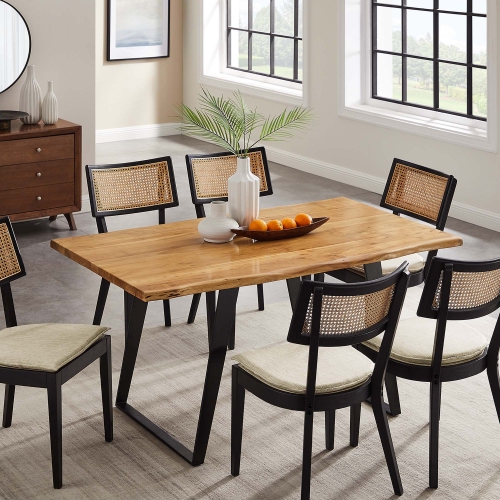
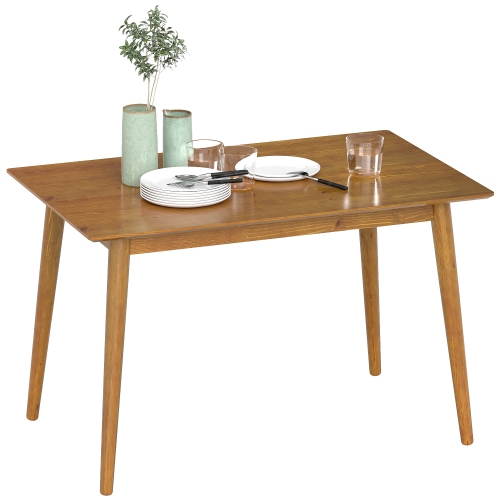
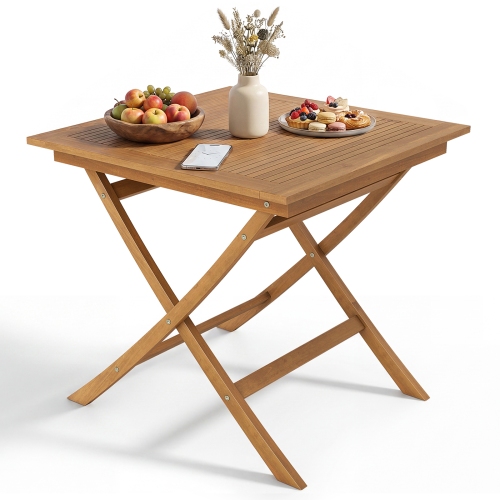
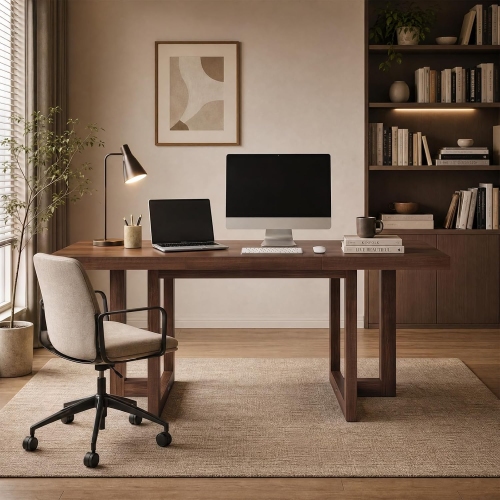
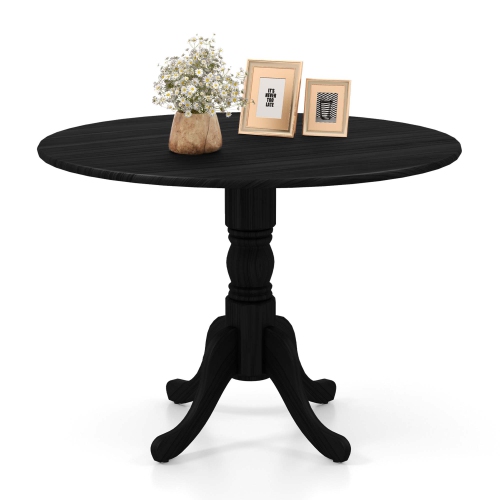
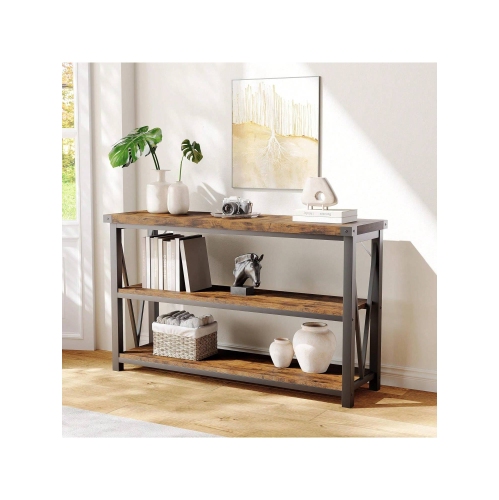
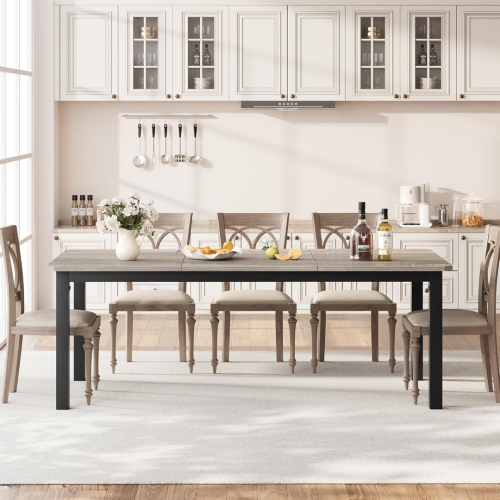
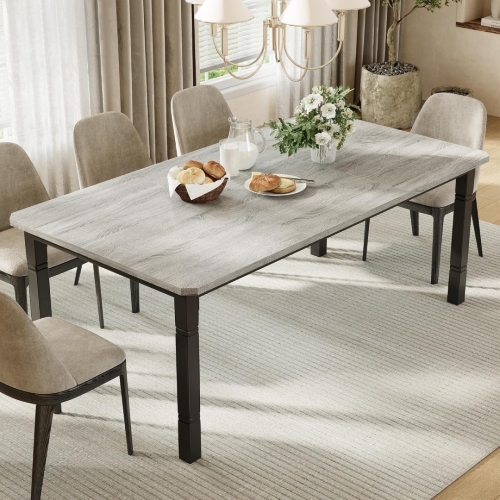
Wooden tables bring warmth, texture and a sense of permanence to a room, whether they anchor a busy dining area, provide a practical work surface or add a useful landing spot beside a sofa. Their visible grain can make a space feel more welcoming, while the wide range of shapes, finishes and sizes makes it easier to find a table that suits both everyday routines and occasional entertaining. A dining table is often the centre of a home: it may hold a quick breakfast before school, a laptop during a workday or a spread of dishes shared with friends during the cooler months. A smaller side table can keep a reading lamp, mug and book within reach, while a console table can organize an entryway with space for keys, mail and decorative pieces. When browsing wooden tables, consider how the surface will be used, who will gather around it and how much room is available for chairs and comfortable movement. Rectangular tables are a familiar choice for dining rooms because they fit naturally along a wall and can seat more people, while square tables suit balanced layouts and compact dining areas. Round tables are especially helpful in tighter spaces, with no sharp corners to navigate and a shape that encourages conversation. Oval tables offer a similar softer outline while providing more seating length. Measure the room rather than relying on appearance alone, leaving enough clearance to pull out chairs without blocking a walkway. A table that looks modest in a large showroom can feel surprisingly imposing in a smaller apartment, especially once chairs, lighting and nearby storage are in place.
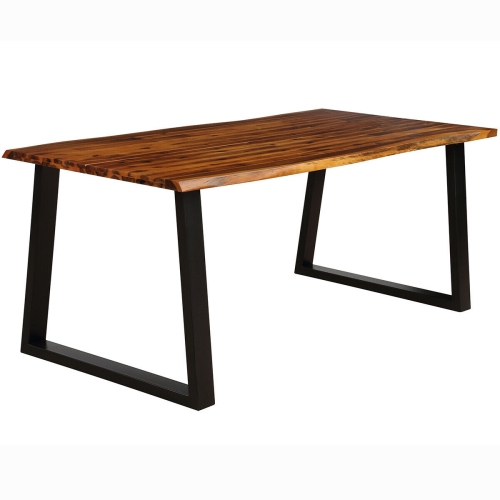
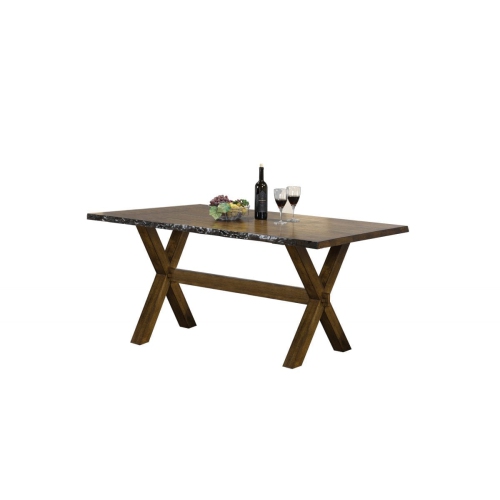
Wood type and construction also influence the look, feel and day-to-day performance of a table. Oak is valued for its pronounced grain and dependable strength, making it a practical choice for family dining and frequent use. Pine is a softer wood with a warm, rustic appearance and visible knots or grain patterns; small marks may become part of its character over time, although it benefits from thoughtful care. Acacia often has rich variation in tone and grain, giving each surface a distinctive appearance, while teak is naturally well suited to areas where occasional moisture may be present when the table has been designed and finished for that setting. The word “wooden” can describe several constructions, so check whether a table is made from solid wood, a wood veneer over a manufactured core or a combination of materials. Solid wood can often be refinished depending on the finish and design, whereas veneer delivers a genuine wood surface with a stable structure and can be easier to position in a home where changes in humidity are common. Look closely at the legs, joinery and underside, as these details can reveal how a table is built and how well it may withstand regular movement. Extendable designs are useful when a household needs a compact footprint most of the time but extra room for visitors during shared meals. A sturdy pedestal can provide more legroom than four corner legs, while trestle-style supports can create a relaxed farmhouse feel and accommodate different chair arrangements. For a home office, pay attention to height, knee clearance and cable organization; for a craft area, a generous surface and easy-to-clean finish may matter more than formal styling. Wooden tables can also make thoughtful housewarming or wedding gifts when the recipient’s available space, preferred décor and entertaining habits are understood. A smaller occasional table may be easier to give than a full dining set, especially for someone furnishing a first apartment or refreshing a reading corner.
Before placing a wooden table in your home, compare its overall dimensions with the room, not just the tabletop measurement. Account for the apron beneath the top, the footprint of the legs and the space needed for chairs to slide back. Consider the table’s height alongside the chairs you already own, since even a small mismatch can make long meals or extended work sessions uncomfortable. Finish and colour are equally important: pale wood can brighten a compact room, medium tones pair easily with a range of upholstery and flooring, and deeper finishes can add definition to an open-plan space. Natural variation is part of the appeal of wood, so grain direction, knots and tonal differences may make a tabletop look slightly different from online images or showroom lighting. To keep the surface looking its best, wipe spills promptly with a soft, slightly damp cloth and follow the manufacturer’s care instructions rather than applying abrasive cleaners or excessive water. Use coasters, placemats or trivets when appropriate, particularly beneath hot dishes, damp glasses and objects that could scratch the finish. Avoid dragging heavy items across the surface, and lift the table when moving it so the joints and legs are not strained. During seasonal changes, indoor heating and fluctuating humidity can affect wood, so placing the table away from direct heat sources and allowing it to acclimatize can help maintain its appearance. Those seeking a broad range of grain patterns, silhouettes and finishes can also explore Natural Wood Tables when comparing options for dining rooms, living rooms, offices and entryways. With the right proportions, construction and care routine, a wooden table can settle naturally into daily life, from quiet morning coffee to lively gatherings when family and friends have a little more time indoors.
Top selling and popular products
-
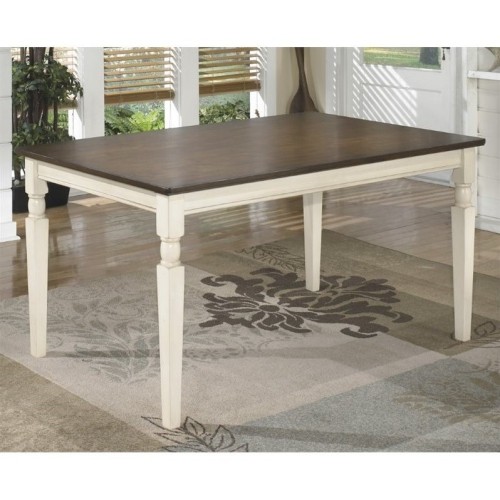 Your price for this item is $399
-
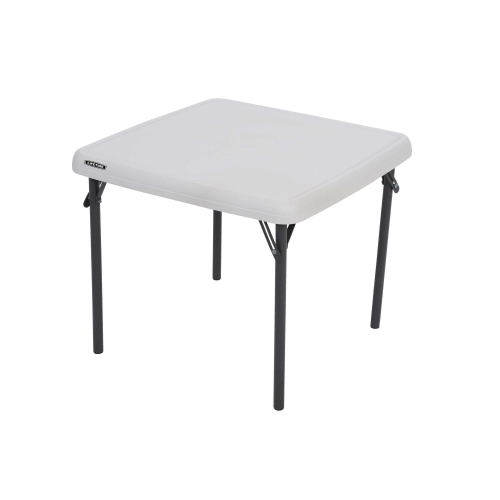 Your price for this item is $71.99
-
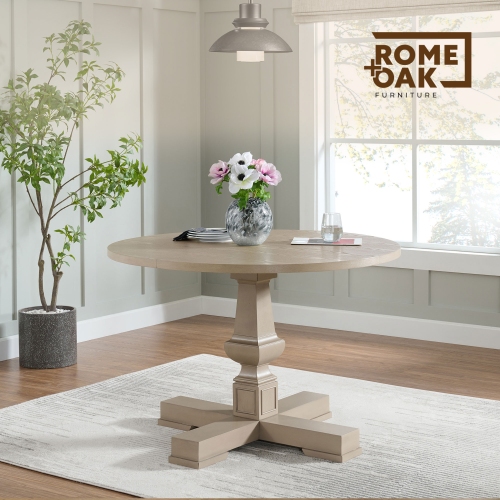 Your price for this item is $763.99
-
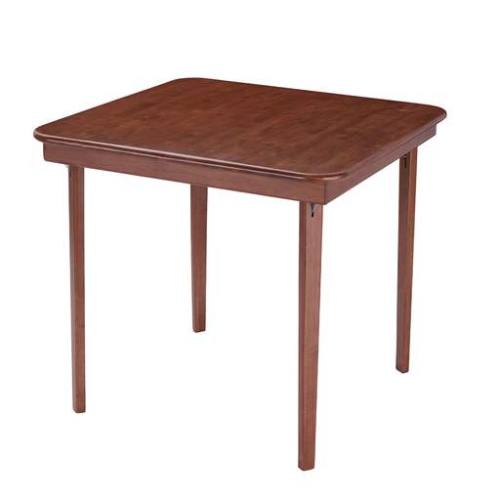 Your price for this item is $323.99
-
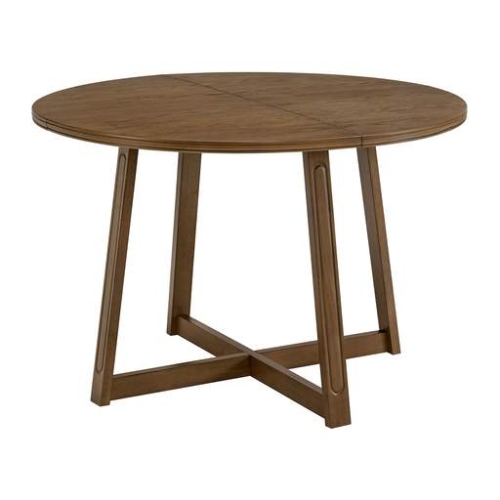 Your price for this item is $627.99
-
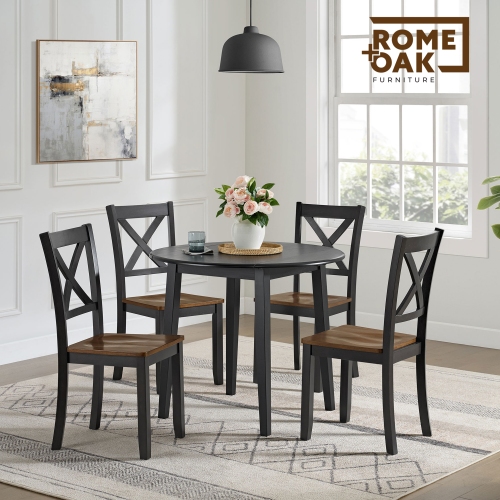 Your price for this item is $304.99
-
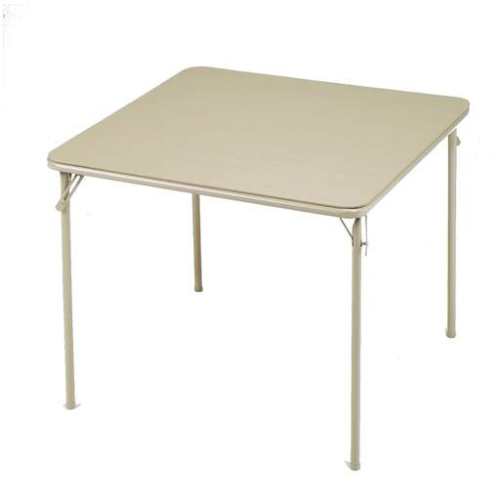 Your price for this item is $190.99
-
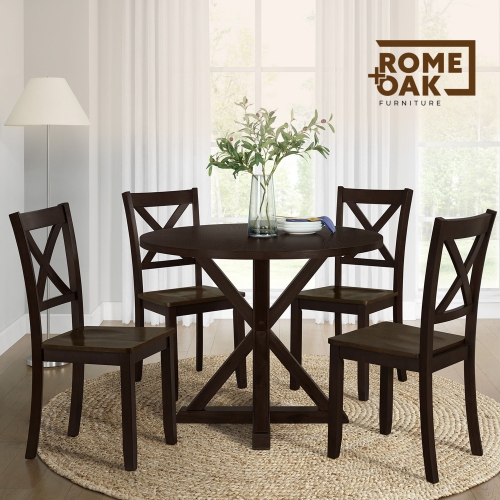 Your price for this item is $651.99
Discover more categories related to Wooden Tables
Top Collections:
Pokemon Centers, Best Cameras for Sports Photography, Kindle Devices, Samsung Galaxy Phones, Canon G7X Cameras, Pokémon 30th Celebration Cards, Refurbished Apple Laptops, iPhone 15 Apple, Laptops for Students, Budget Smartphones
Some products may be subject to Environmental Handling Fees
(EHF) depending on your province.
Learn more about EHFs.