Small Modern Dressers
A small modern dresser is a great way to add storage and style to a bedroom, bathroom, or any other room in the house. A small modern dresser can be used to store clothes and other items, but it's also a stylish way to add some personality to a room. Here are some of the best options for small modern dressers available today.
Sort
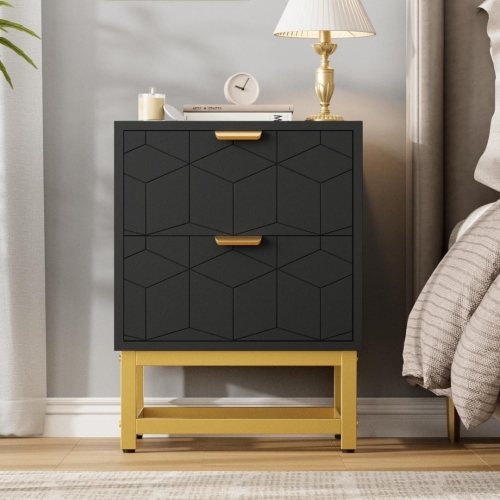
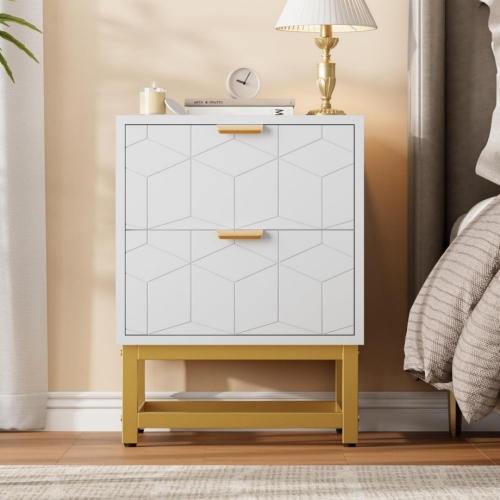


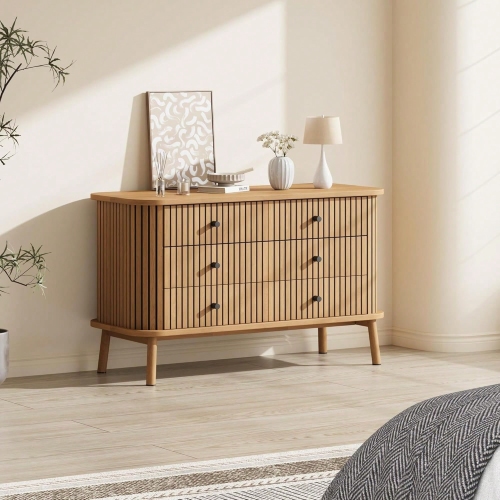
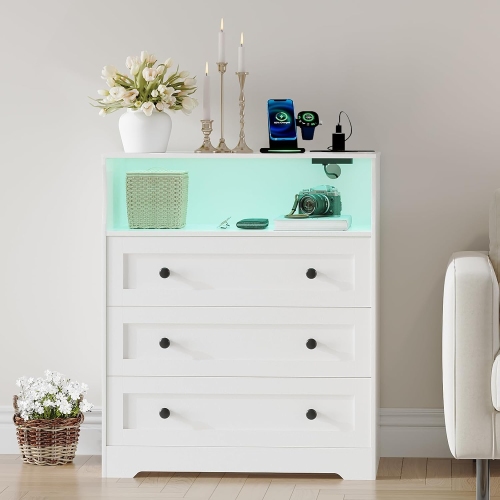
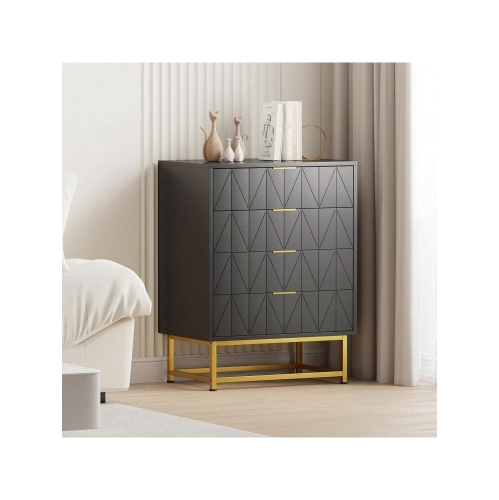

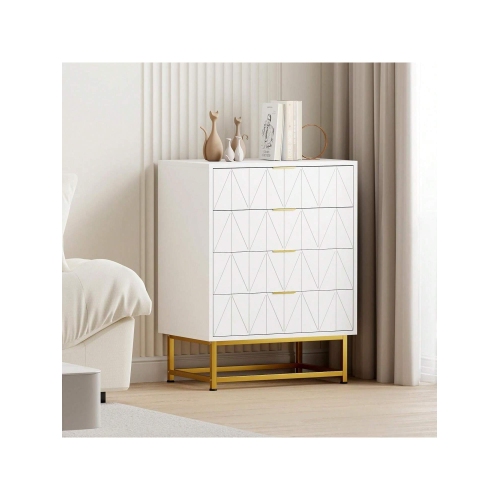
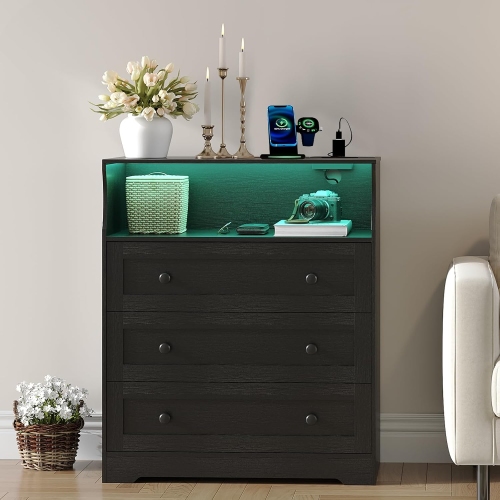

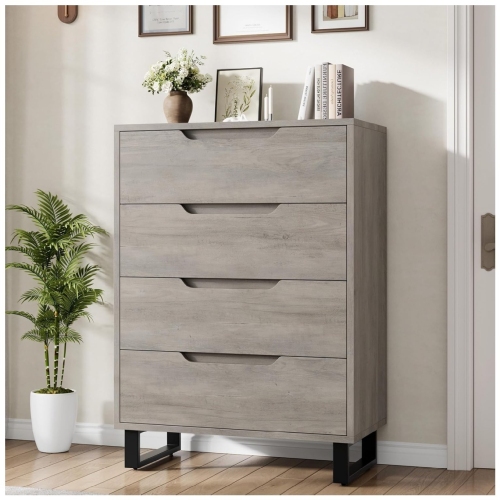
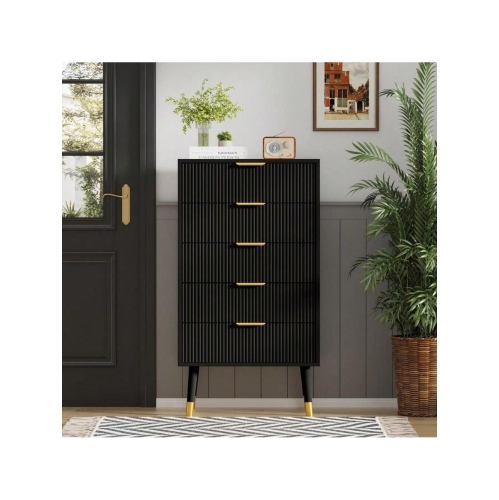


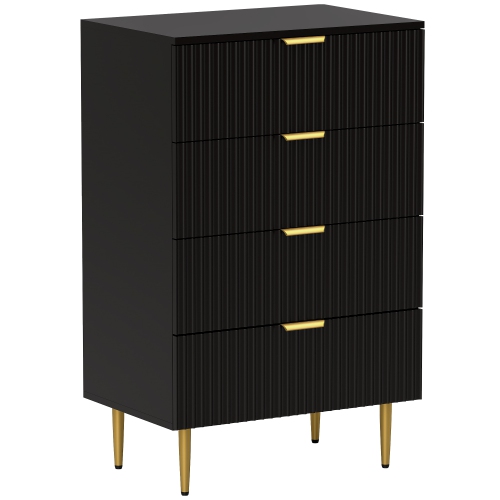

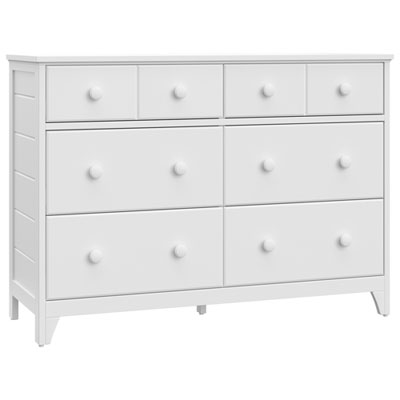
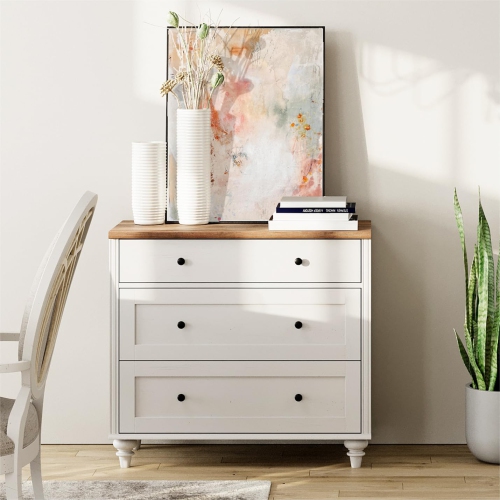
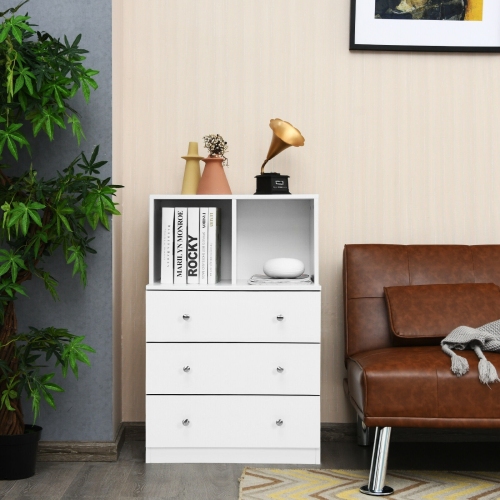


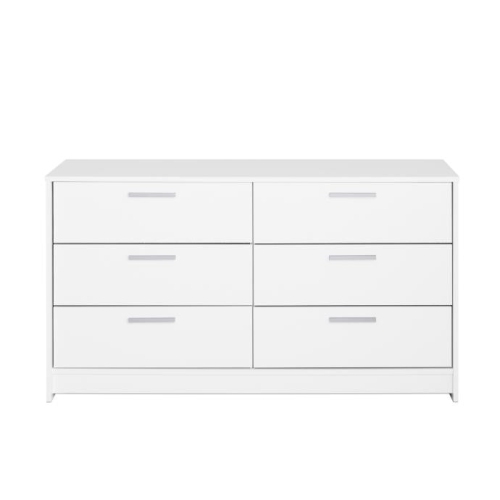
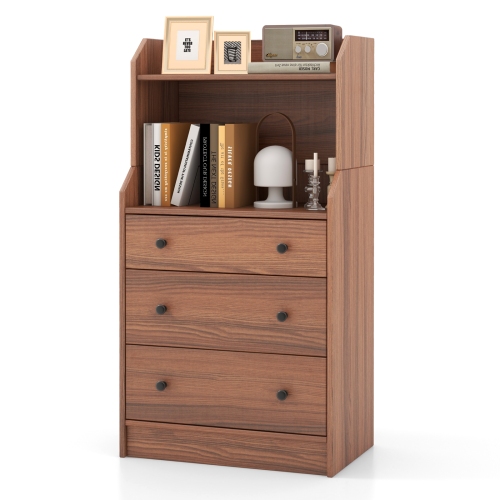


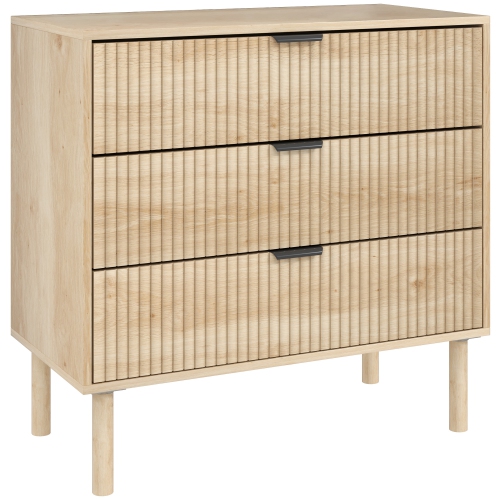


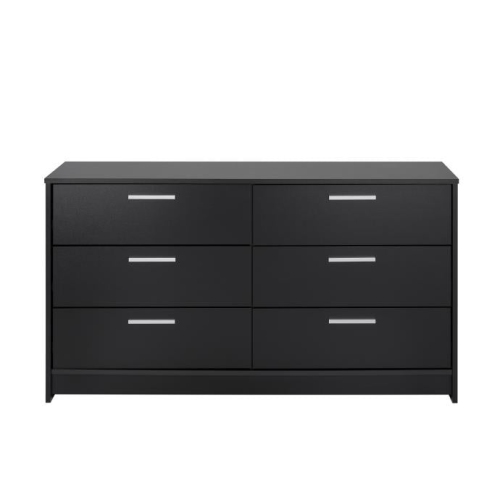
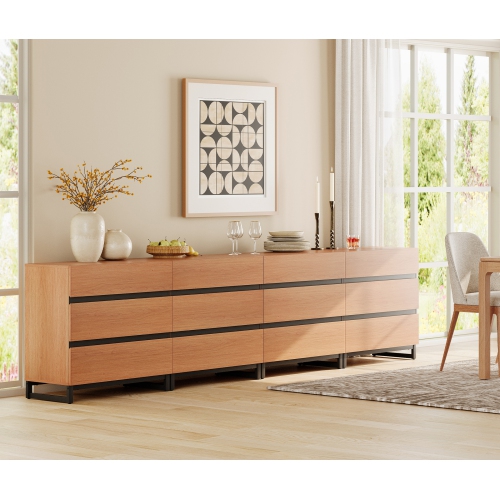
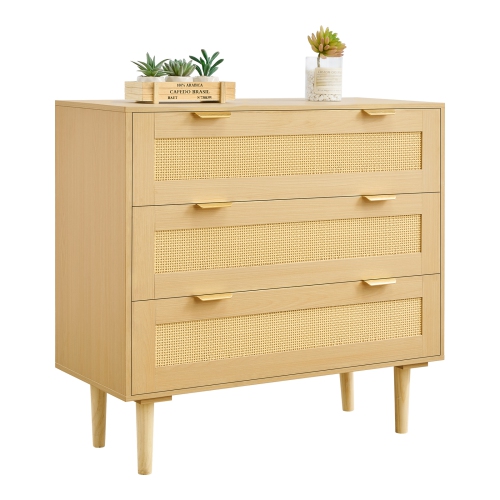


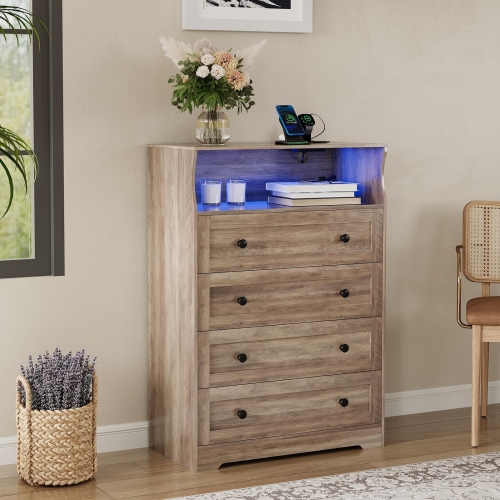

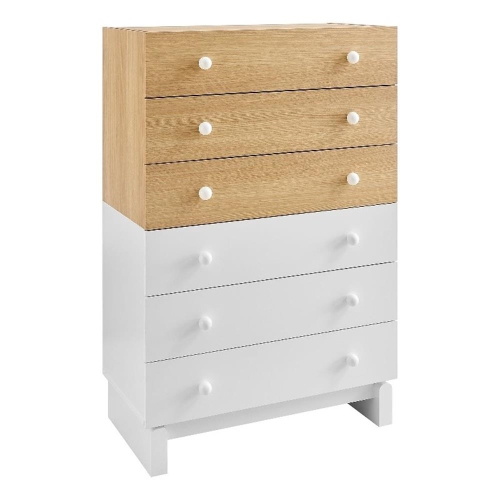
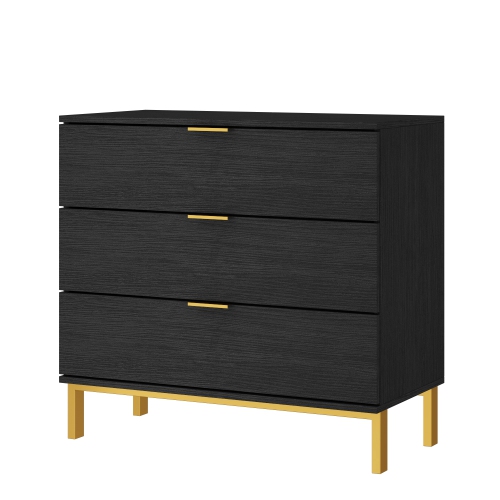

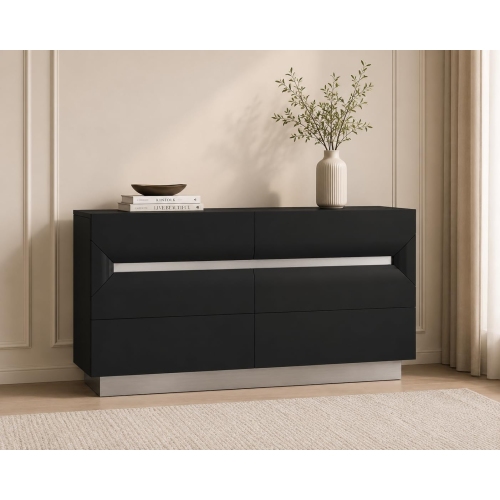
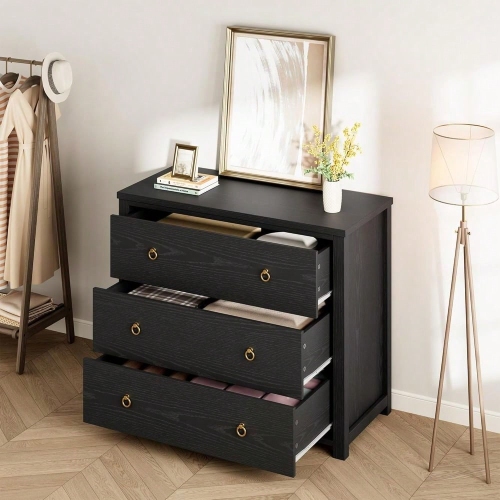
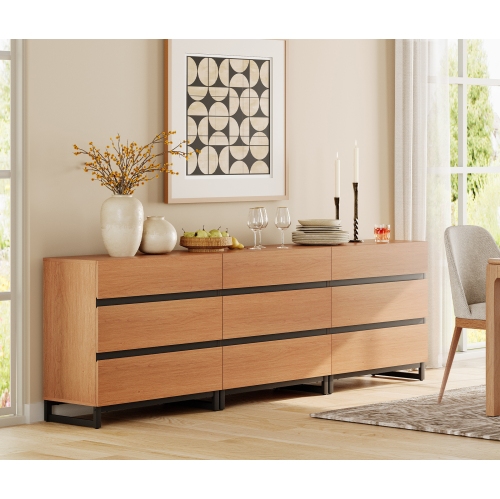

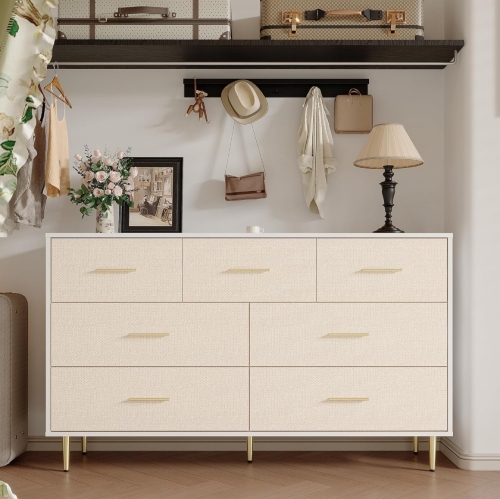

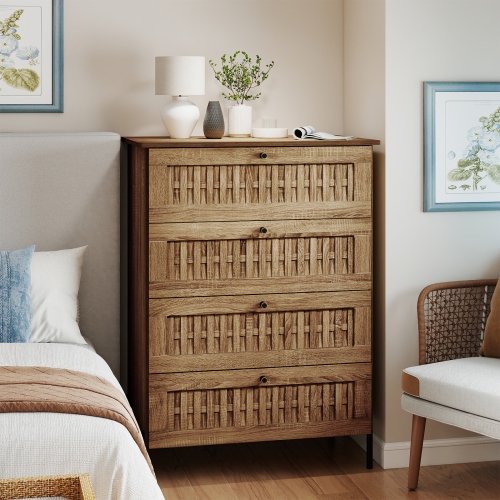
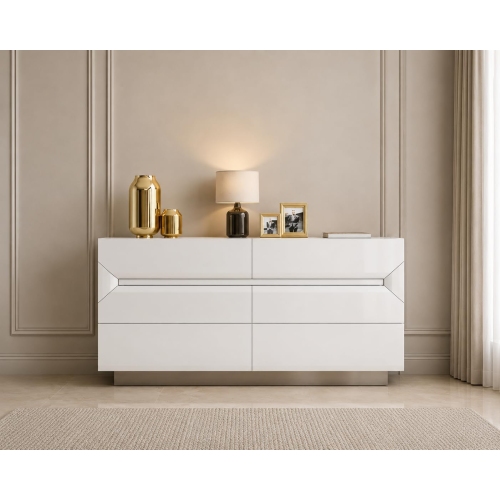

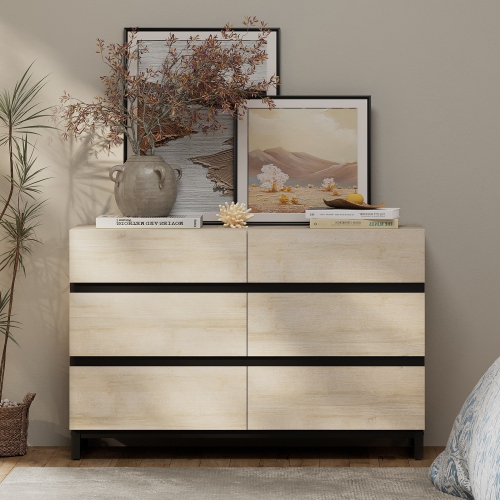

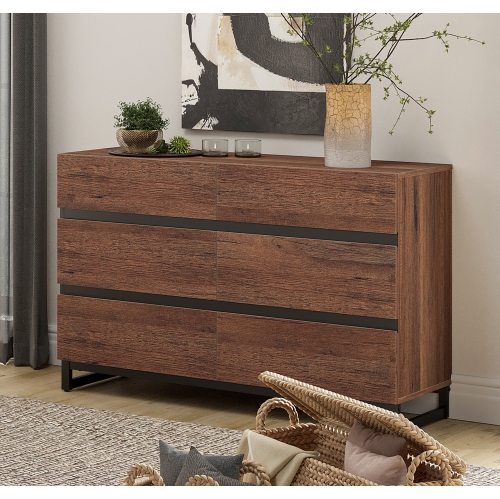


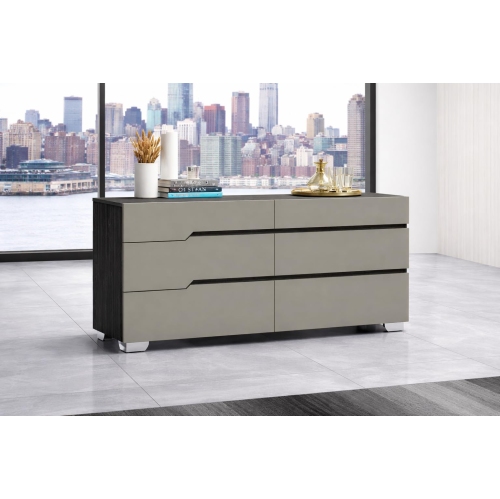

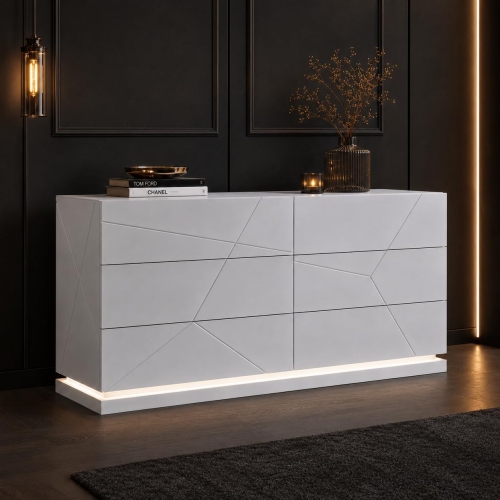

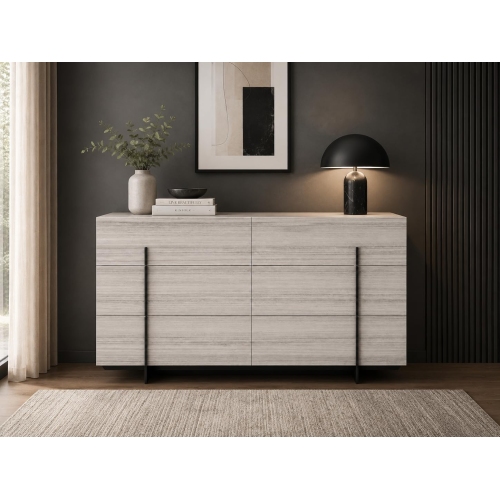
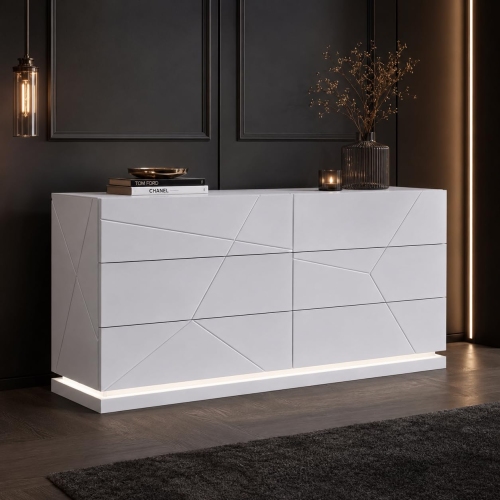
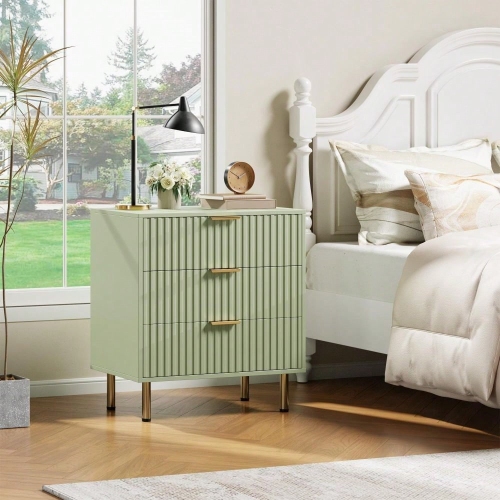
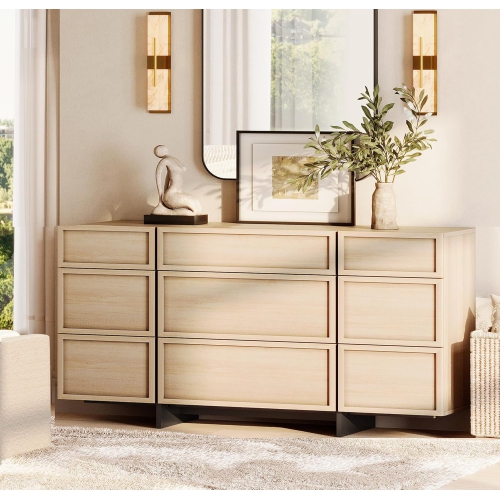

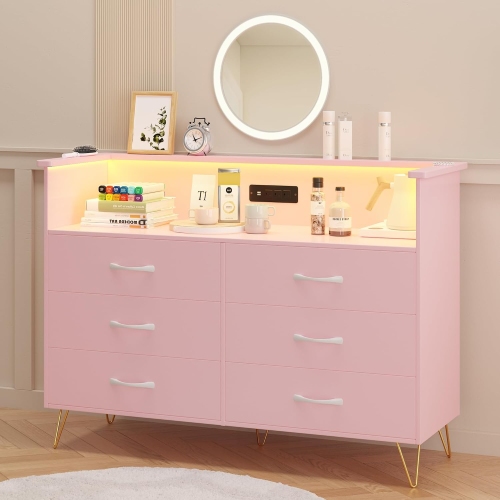

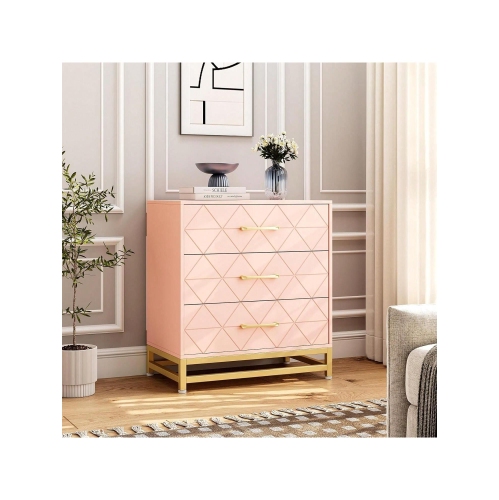


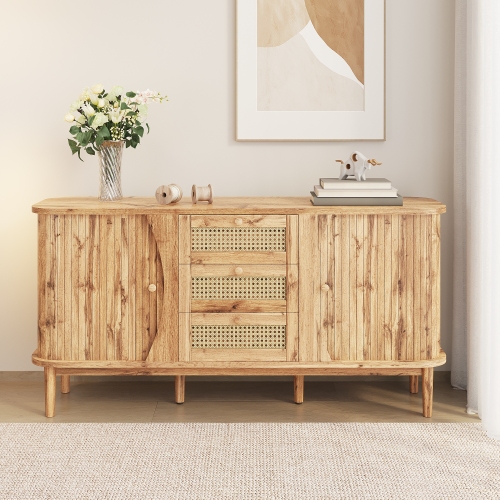

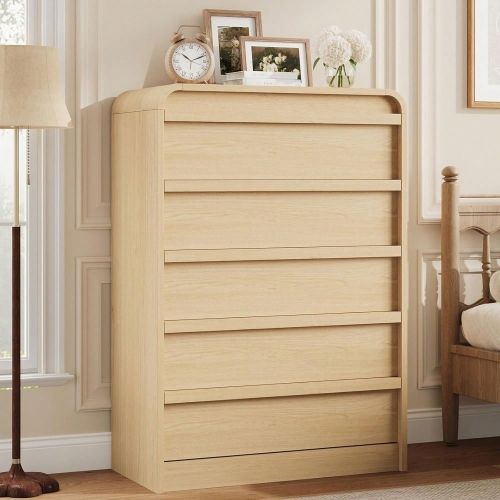
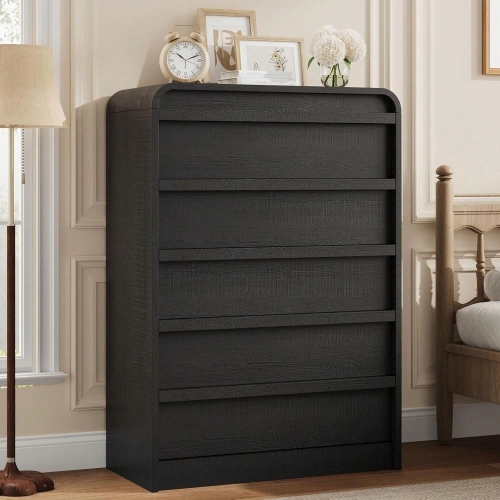


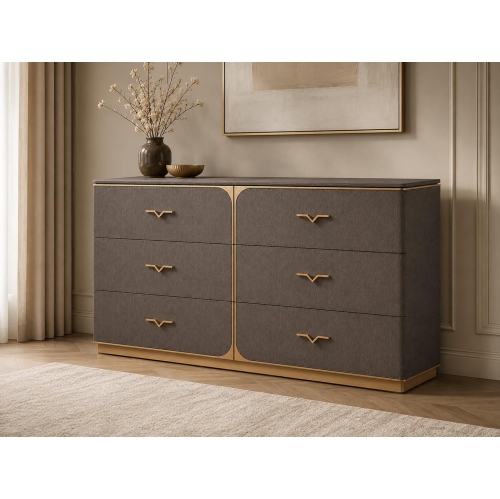


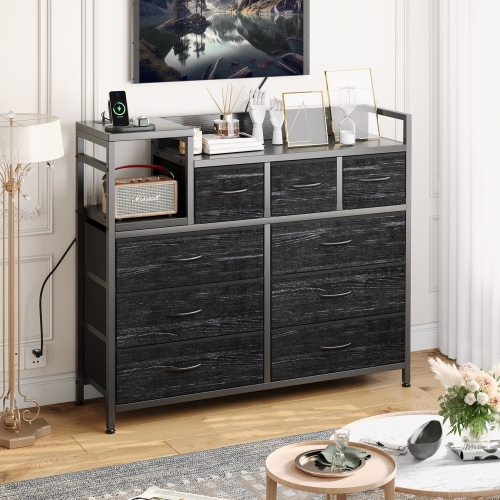
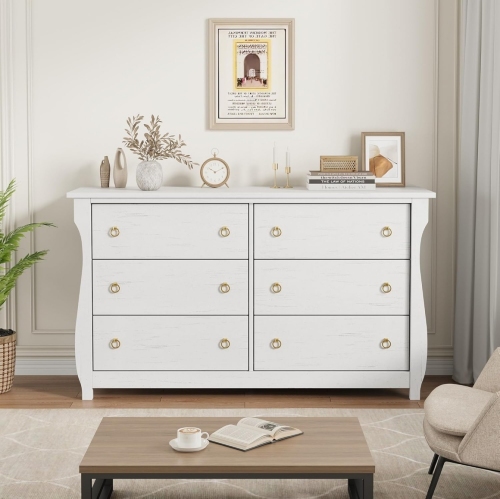


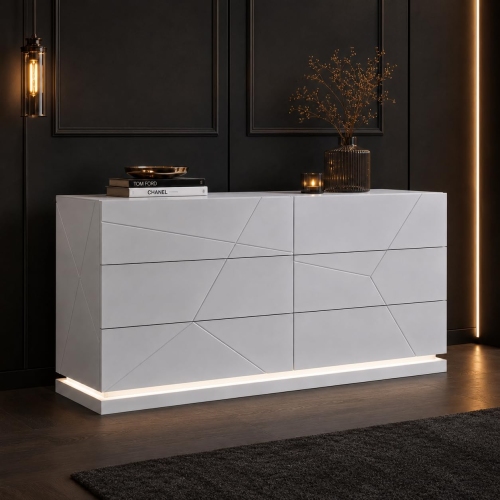

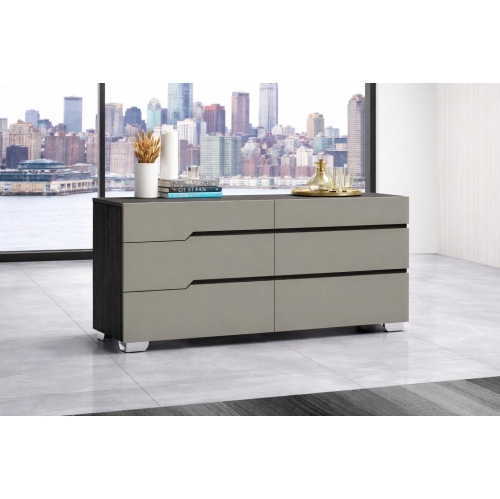
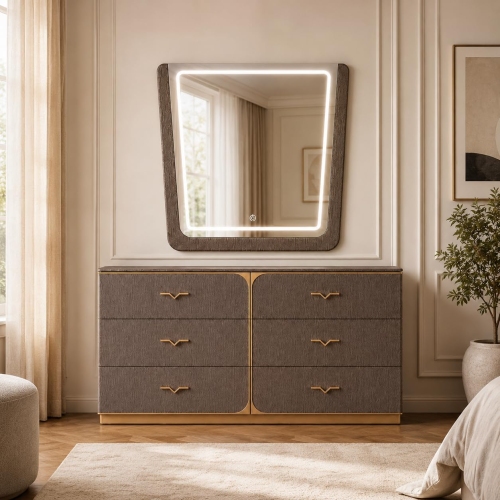
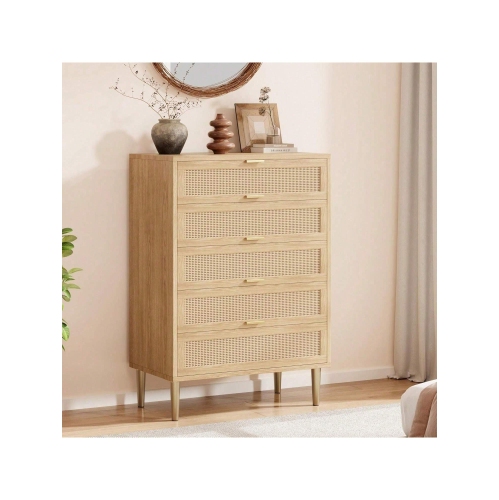

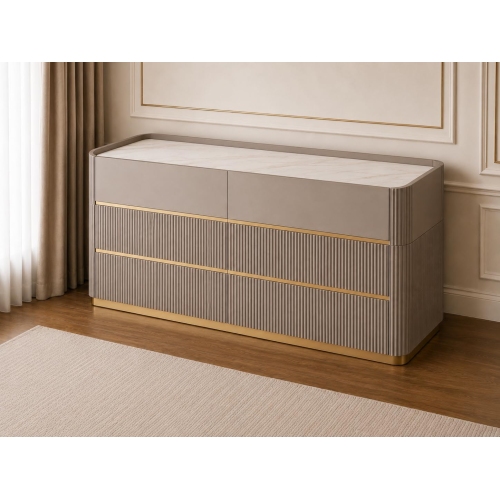

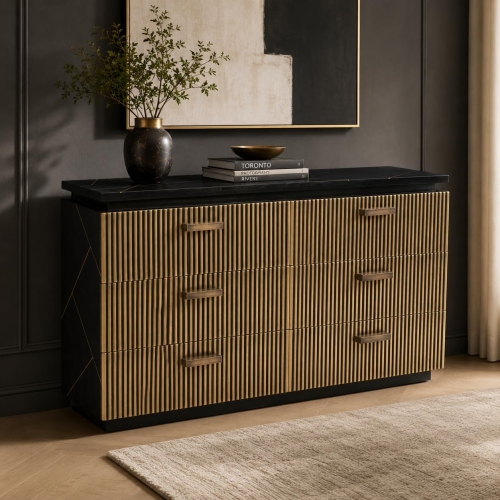
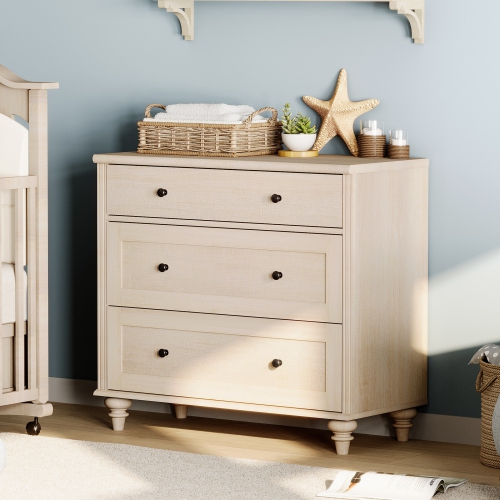
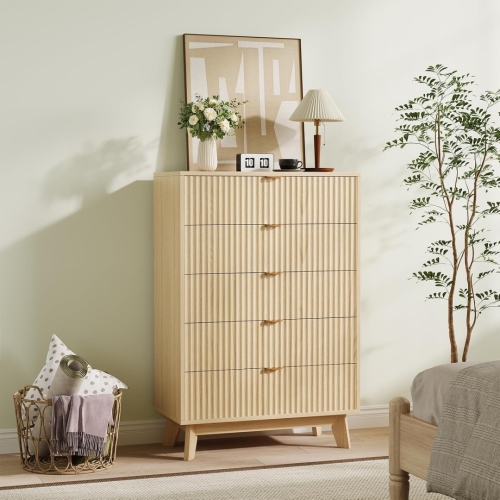



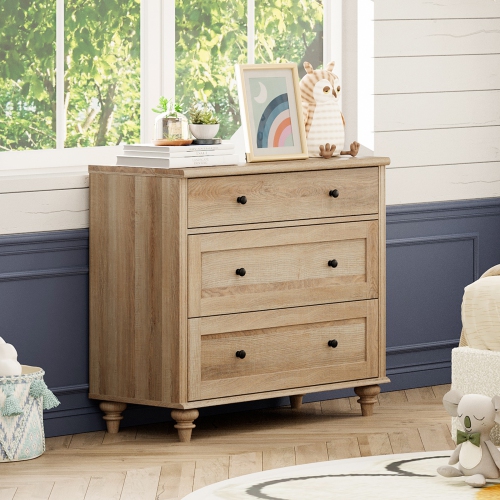


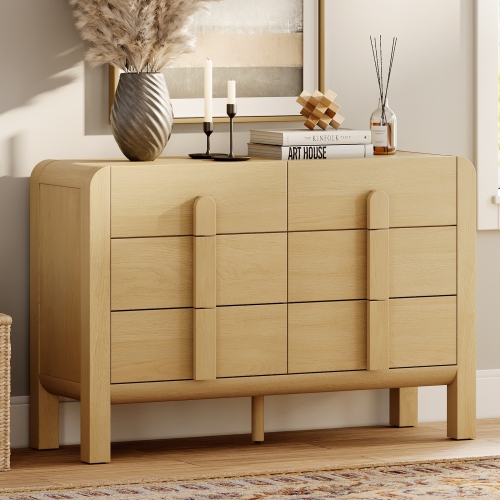
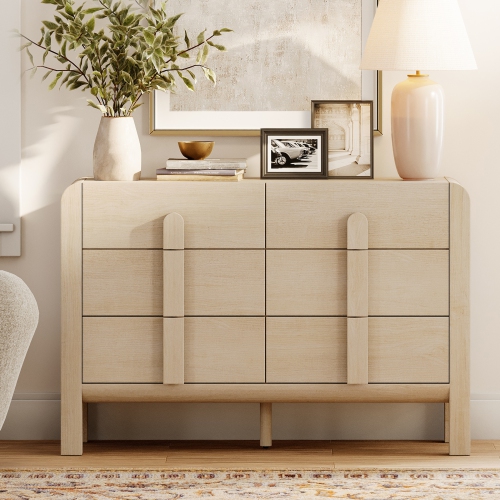
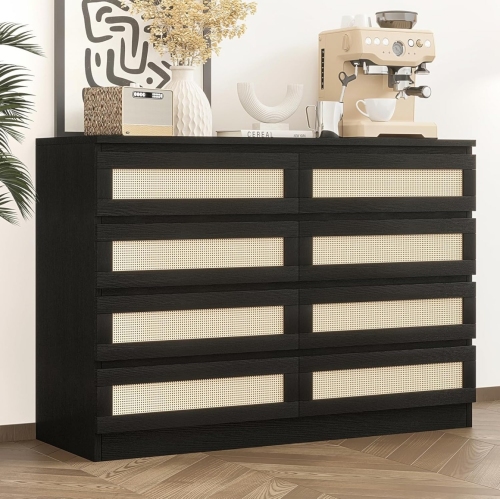






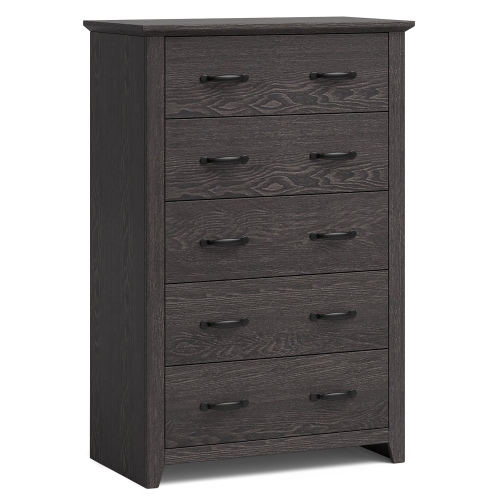
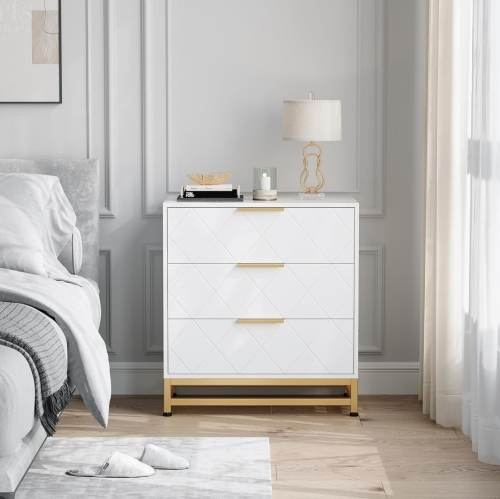
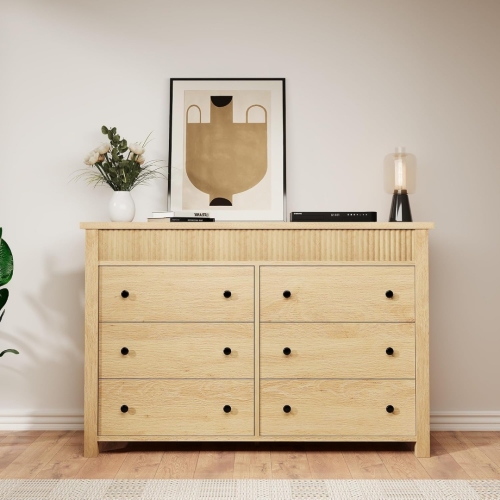
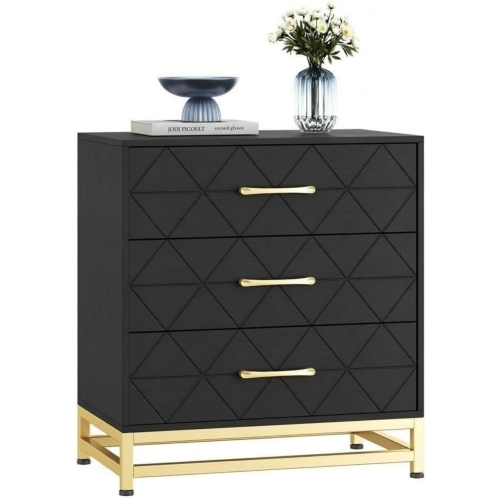
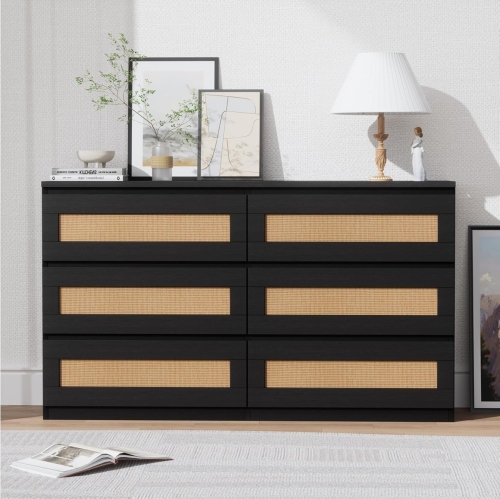
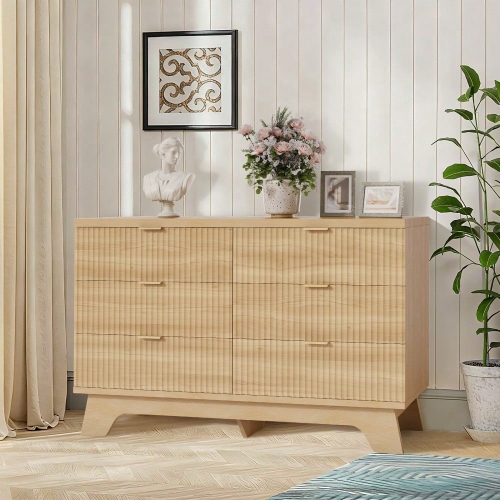
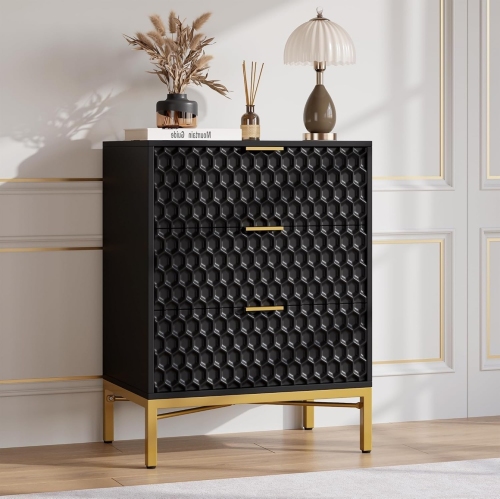
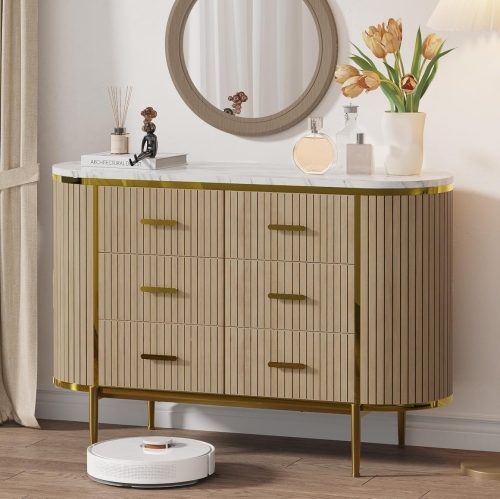


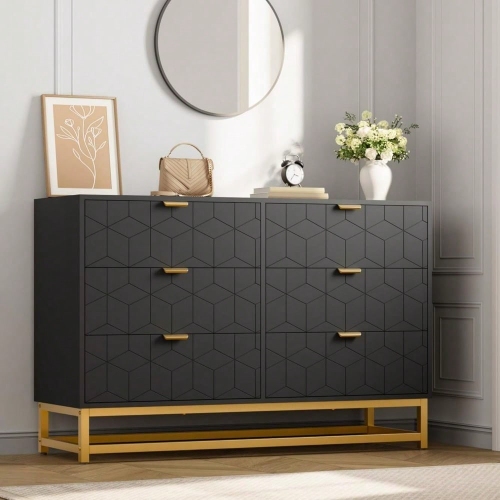

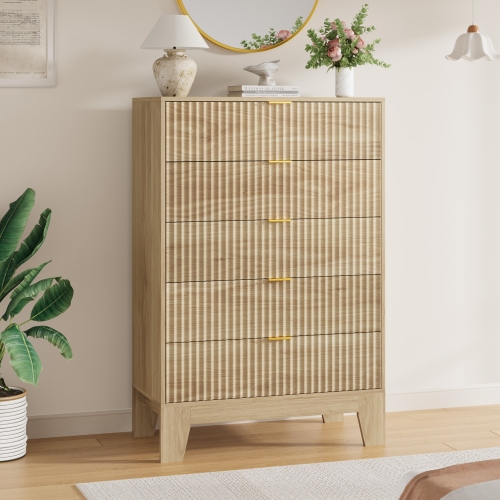
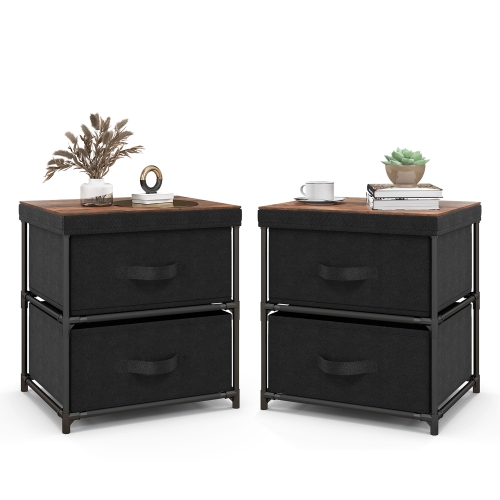
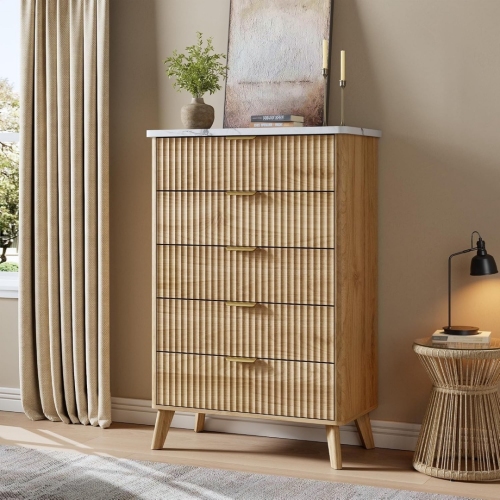
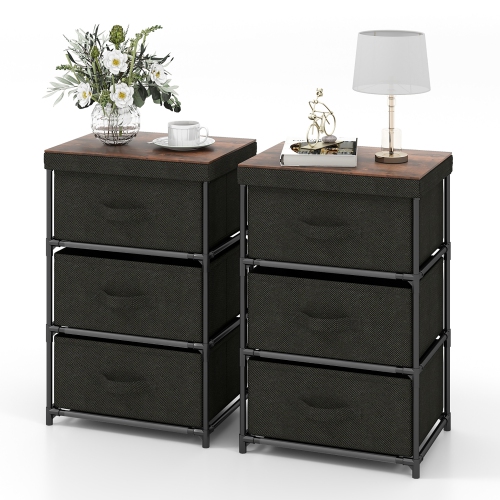
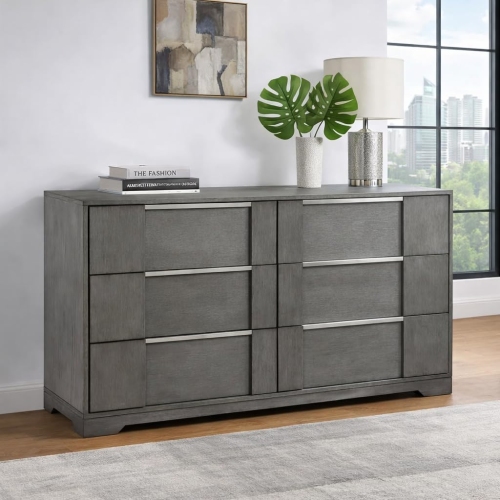

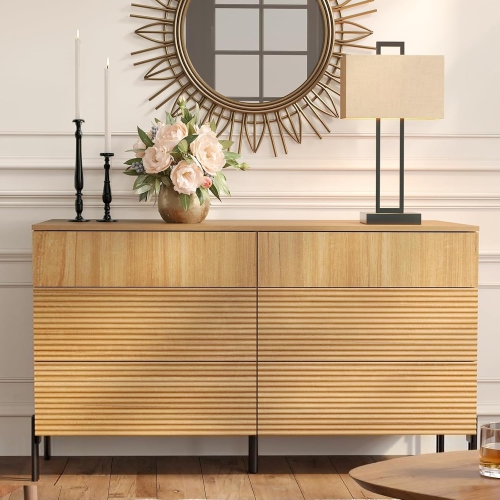

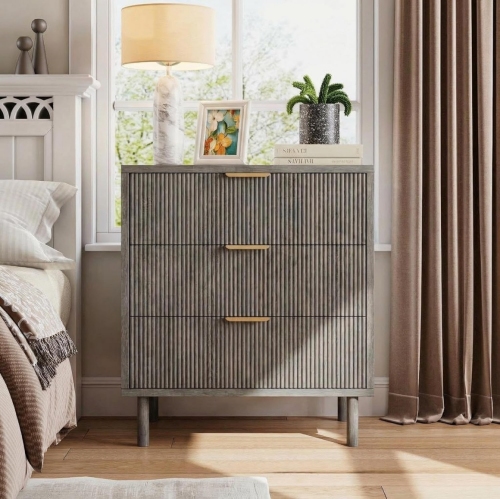
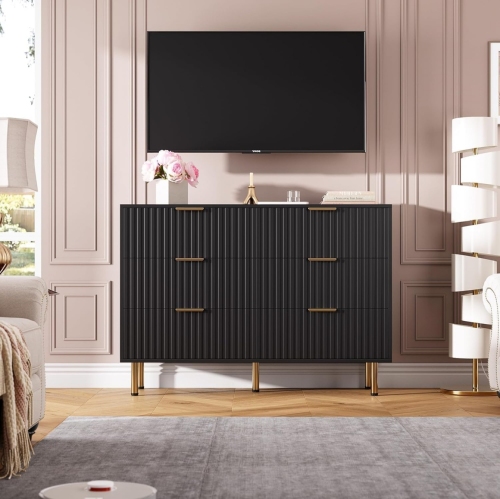

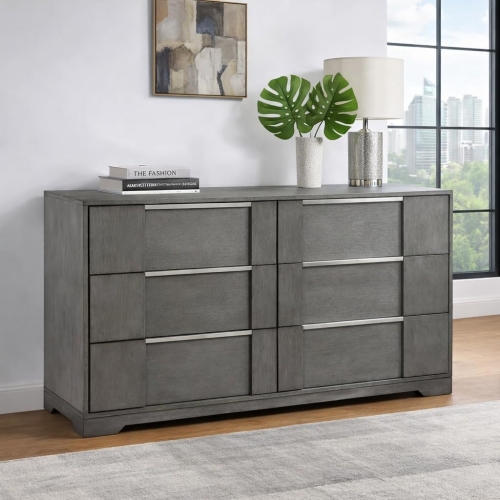

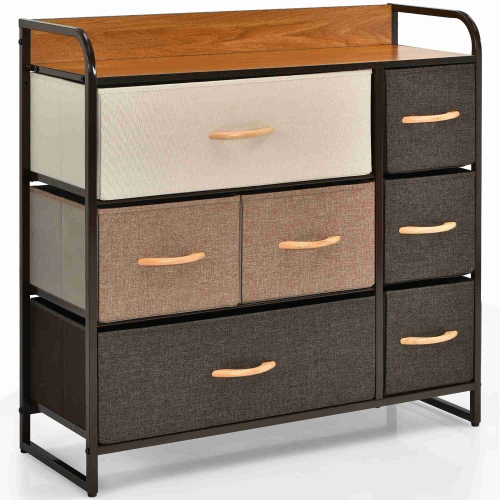

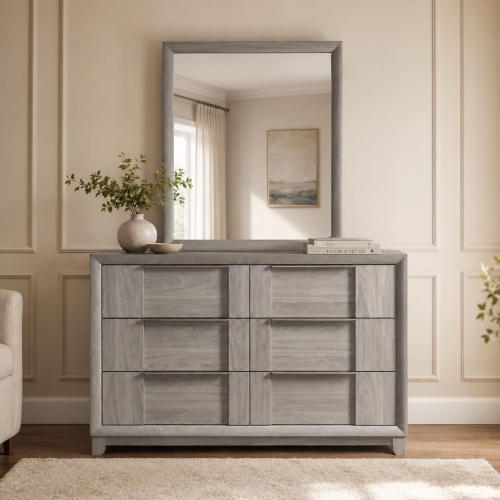

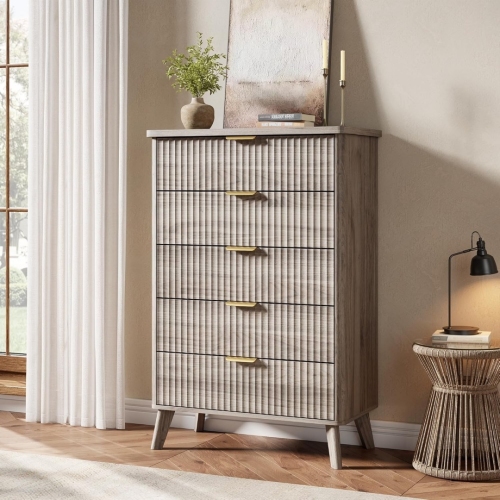

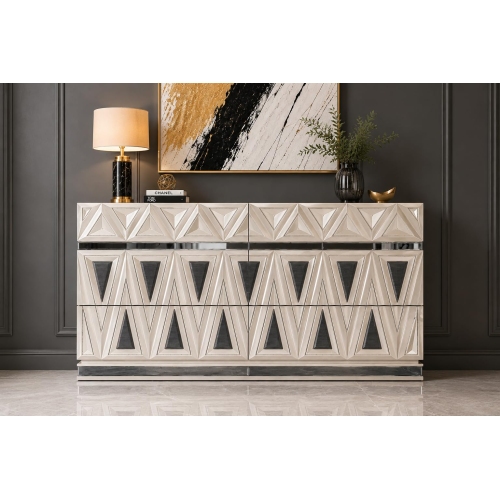
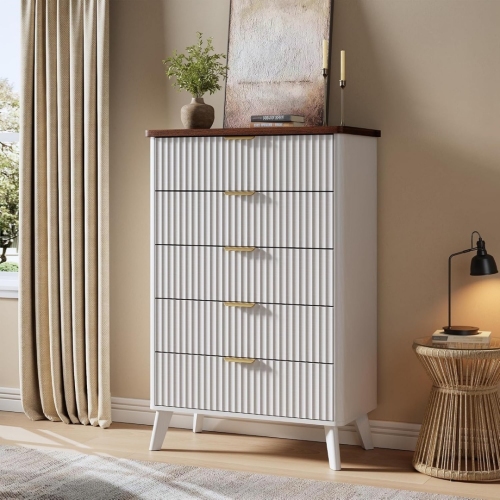

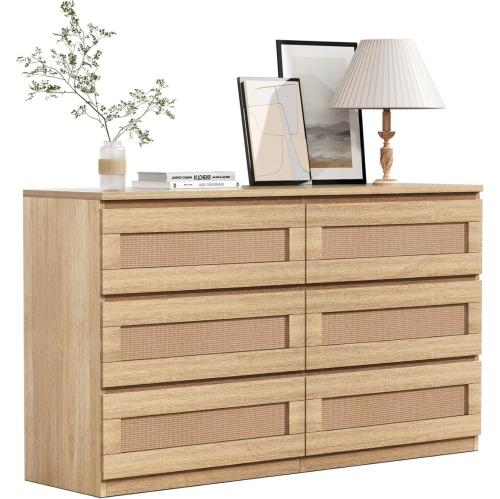




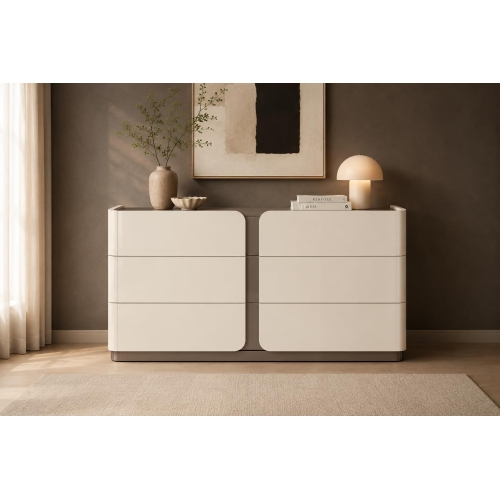


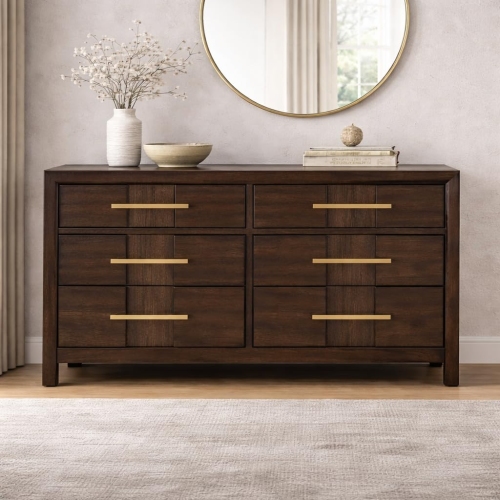


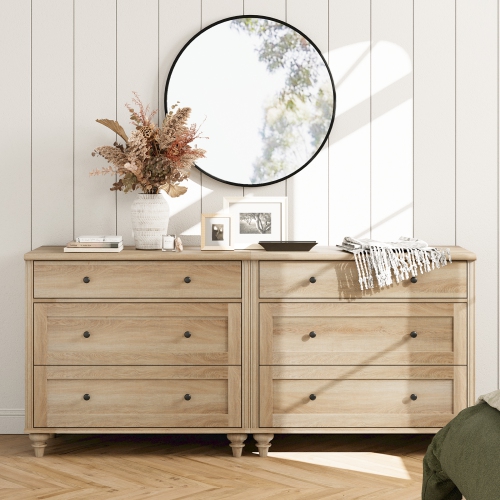
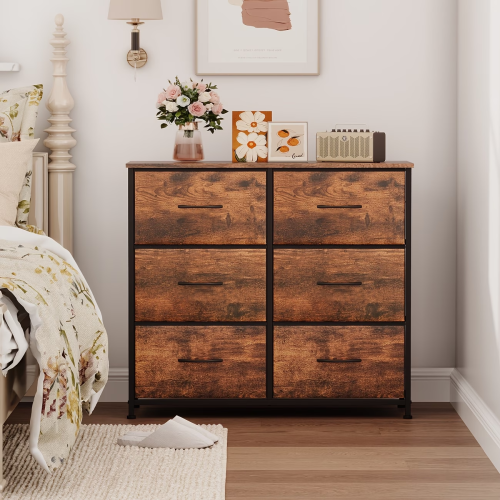
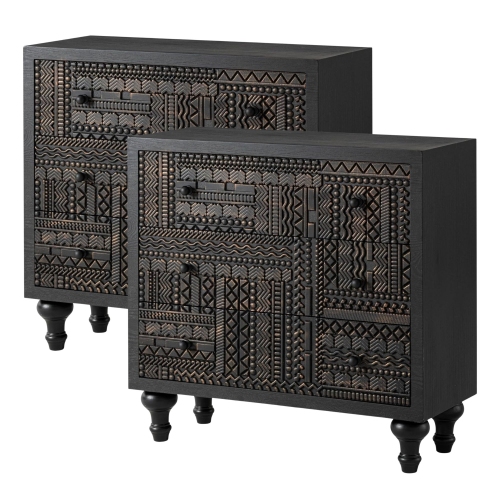
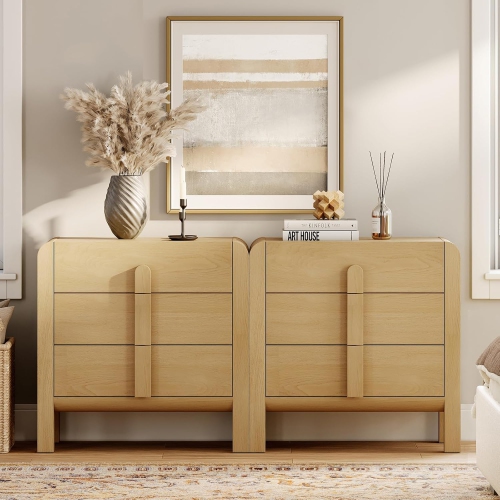
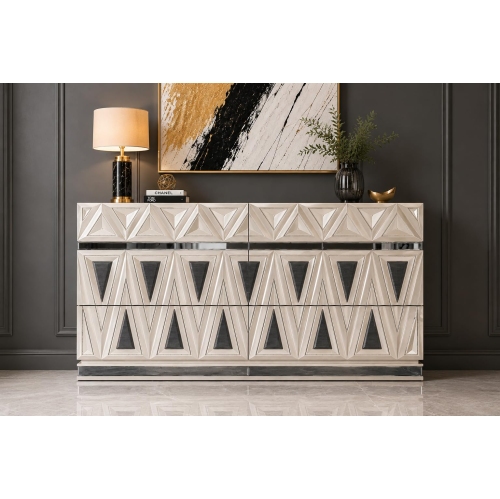
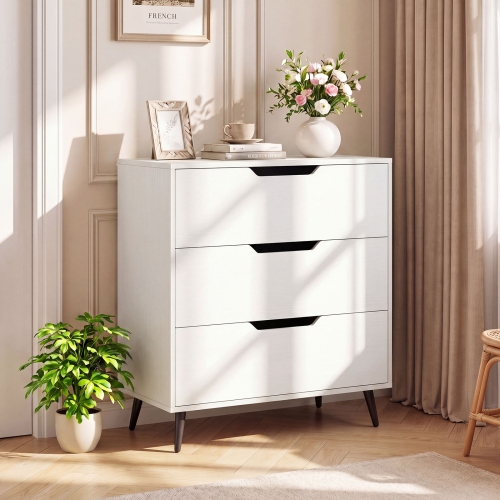
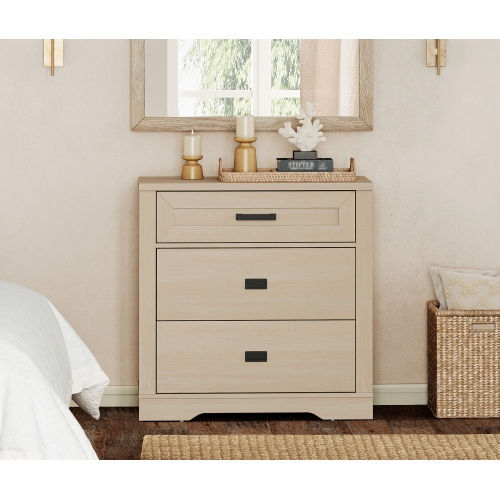
Drawer storage that leaves room for everyday life
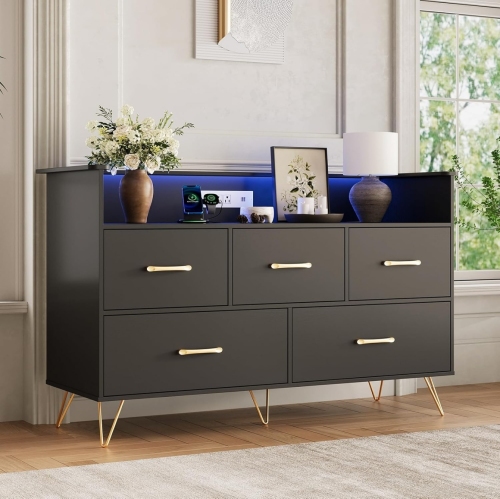
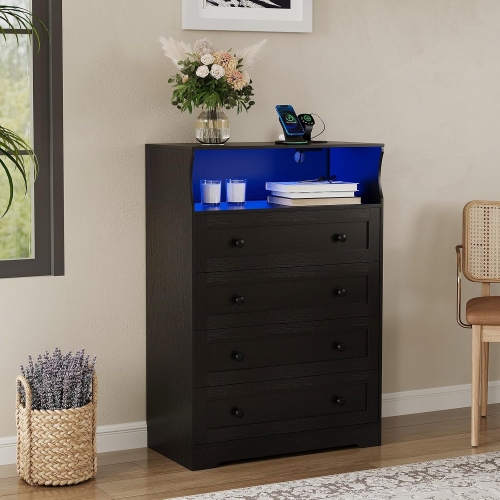
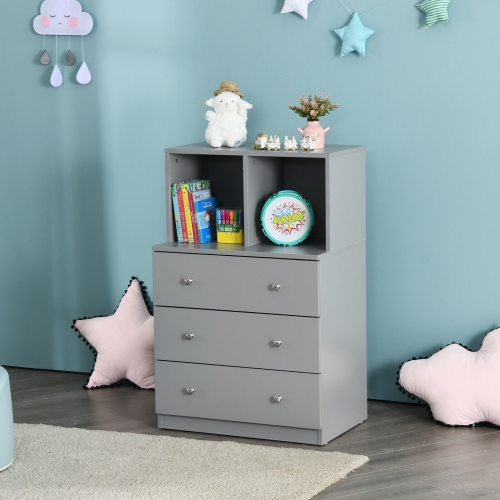
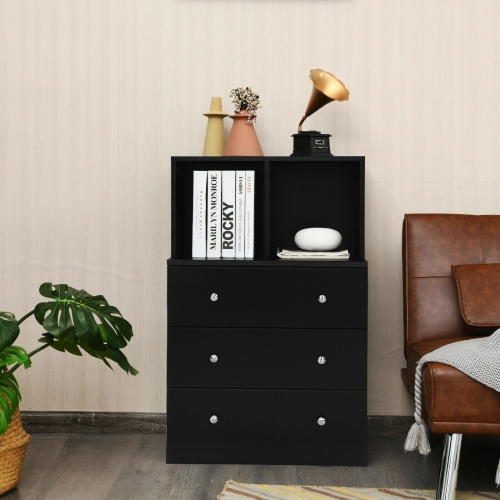
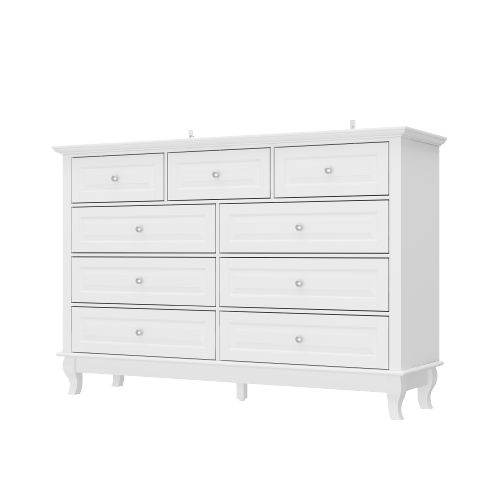
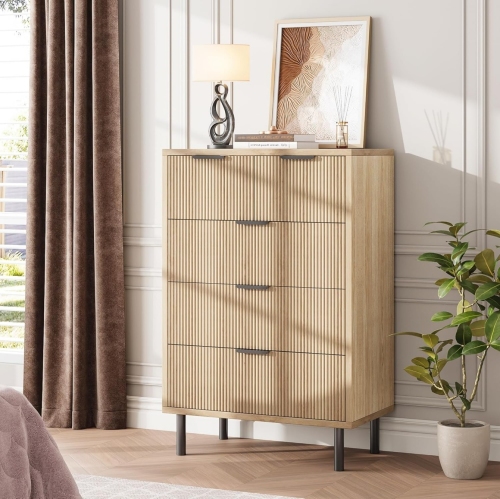
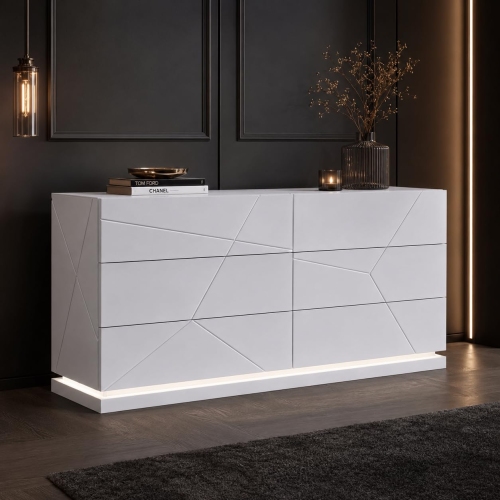
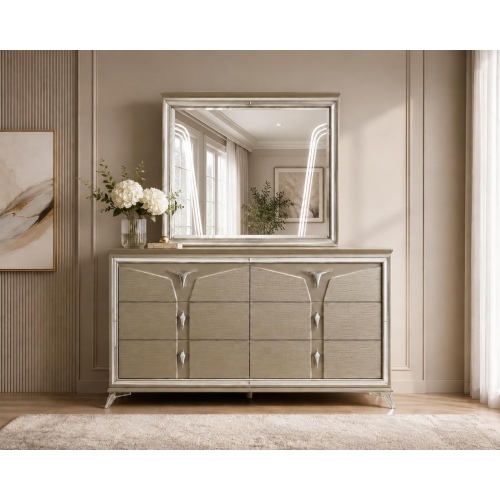
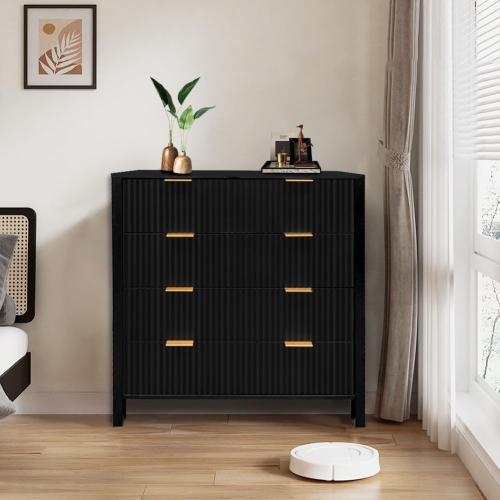
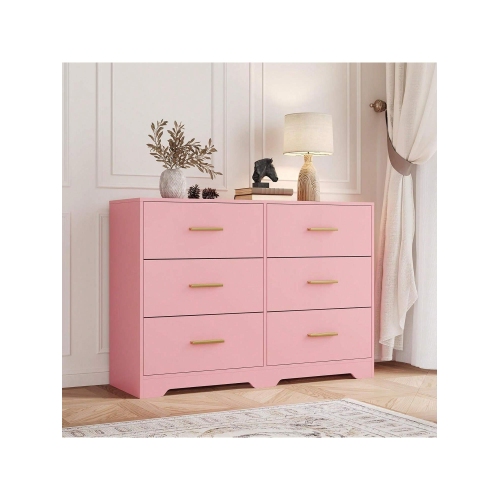
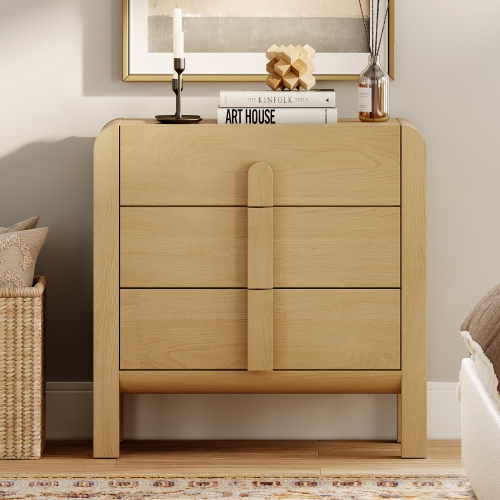
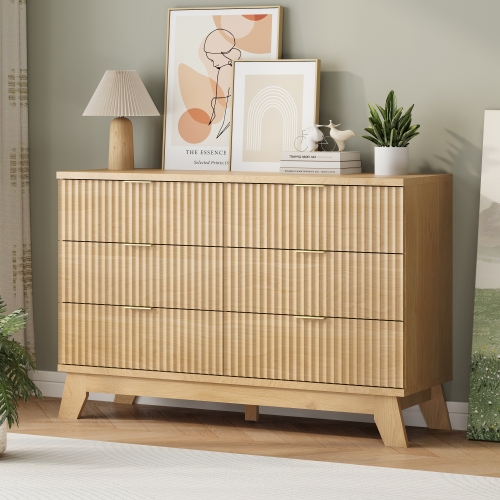
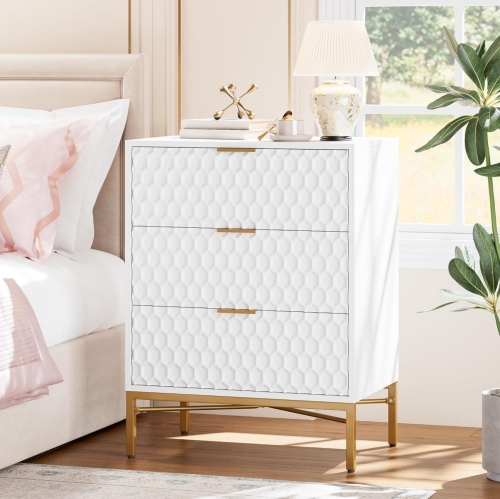
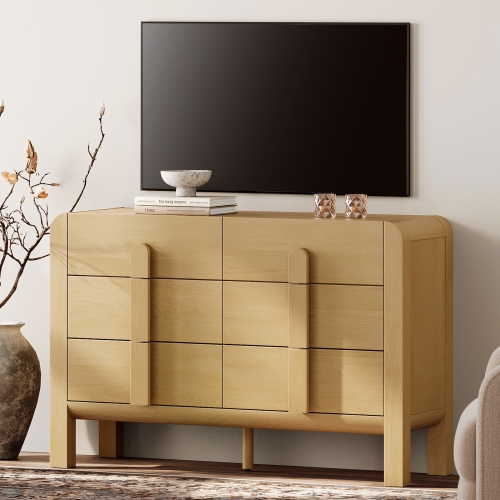
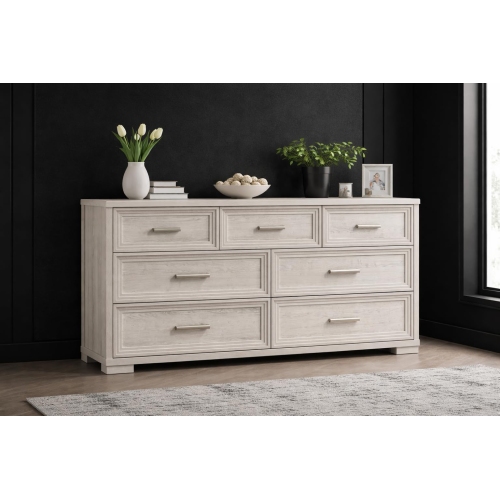
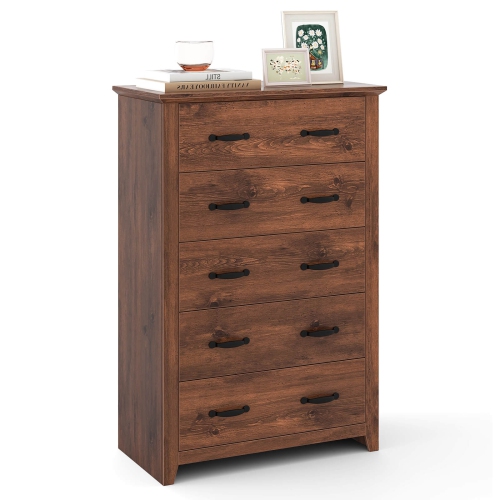
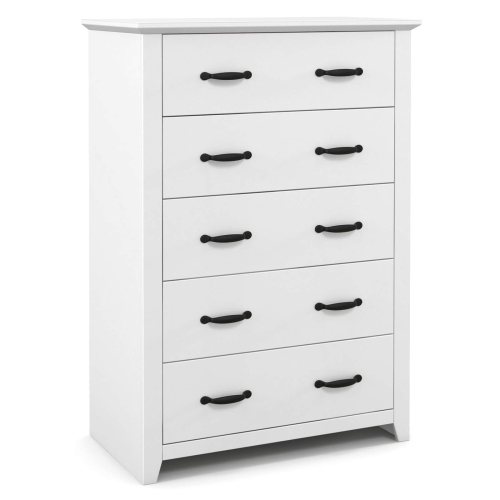
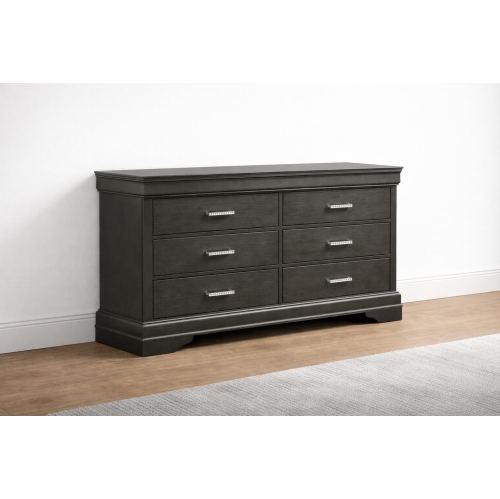
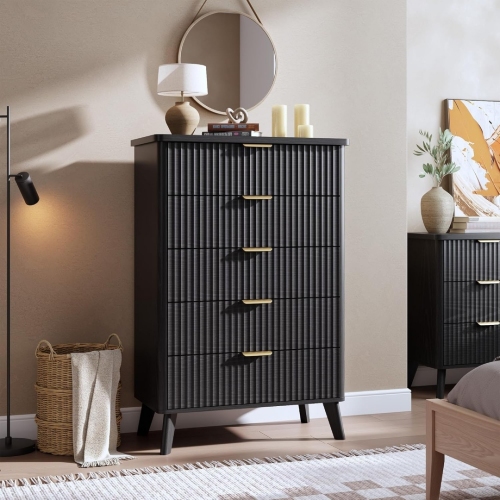
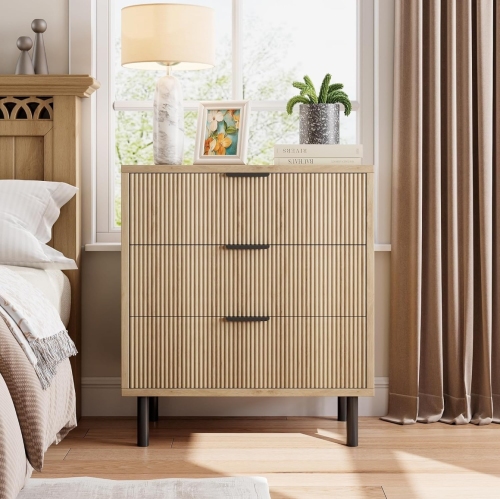
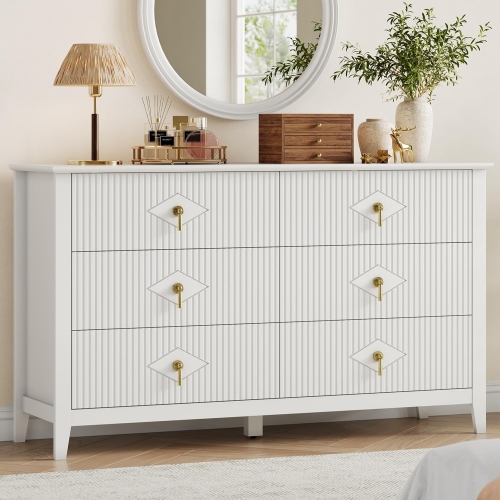
Small modern dressers bring drawer storage into rooms where every piece of furniture needs to earn its place. Defined by compact proportions, clean lines, and practical layouts, they offer a home for clothing and everyday essentials without the footprint of a full-width bedroom dresser. There is no single size that makes a dresser small: width, depth, and height work together to determine how comfortably it fits. A narrow chest uses vertical space beside a wardrobe, while a low, compact dresser can sit beneath a window without dominating the wall. Shallow designs may suit bedrooms where the gap between the bed and storage furniture is limited, although their drawers will generally hold less than deeper alternatives. The space needed to open each drawer matters just as much as the closed dimensions, particularly when a bed frame, doorway, or closet is nearby. In a studio apartment, a compact dresser can keep folded clothes separate from living room belongings; in a guest bedroom, a few accessible drawers give visitors somewhere to unpack instead of living out of a suitcase. A small three-drawer design may also serve as a generous bedside companion when its height suits the mattress and there is enough room to move around it. Taller chests can provide more storage within a narrow footprint, but their upper drawers need to remain comfortable to reach. Baseboards, wall outlets, and drawer pulls can all affect the final placement, so the usable space is sometimes smaller than the empty stretch of wall suggests. For shared bedrooms, two compact dressers can give each person a distinct storage area where one wider piece would be awkward. The most useful fit leaves room for daily routines: opening a closet, carrying a laundry basket, making the bed, and walking past an open drawer without squeezing sideways. Compact storage feels more successful when it supports those ordinary movements rather than simply fitting into the room on paper.
Materials and construction influence how a small modern dresser looks, feels, and stands up to regular use. Solid wood can show natural grain variations and may develop small marks over time, while its response to moisture means spills should be wiped up promptly. Engineered wood is common in streamlined furniture and can provide a consistent surface for painted finishes, laminates, or wood veneers. These materials are not interchangeable: a wood veneer is a thin layer of real wood over a core, whereas laminate creates a finished surface with different care requirements. Durability depends on the complete construction, including the quality of joints, drawer bottoms, edge finishing, and hardware, rather than on a material name alone. Metal legs and handles can add crisp contrast, but a sturdy base and securely attached fittings matter more than appearance. Drawers that travel smoothly and stay aligned make a noticeable difference when getting dressed each morning. Soft-close mechanisms can reduce abrupt closing where included, while drawer stops help limit unintended removal; the exact features depend on the design. Interior drawer measurements are especially useful for judging capacity, since thick frames and hardware can take up space behind an apparently generous front. Shallow drawers suit socks, underwear, and small accessories, while deeper drawers can accommodate folded trousers, sleepwear, or knitwear without compressing everything into a tight stack. Dividers help keep smaller belongings organized, provided they fit without obstructing the drawer mechanism. A balanced layout might place frequently worn clothing within easy reach and less-used pieces below. For someone working with a small wardrobe, several modest drawers may be more practical than one deep compartment where clothing disappears beneath other layers. Manufacturer weight limits apply to drawer contents and the top surface, so a compact dresser should not be treated as unlimited storage. Keeping drawers comfortably filled rather than tightly packed also reduces the temptation to force them shut and makes it easier to see what is inside.
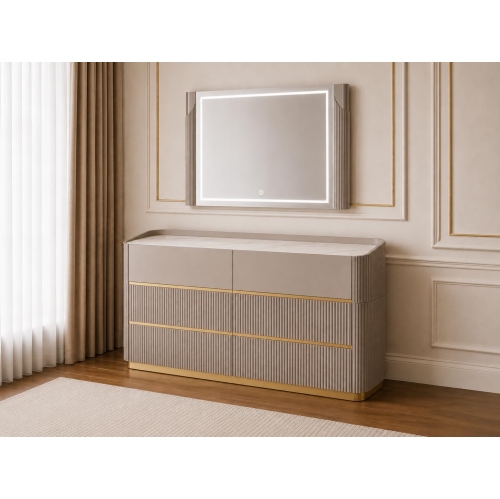
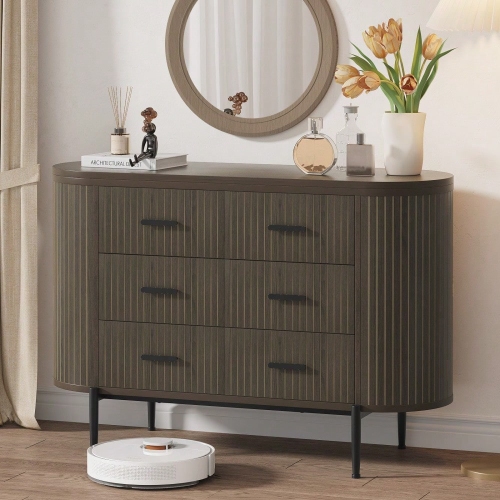
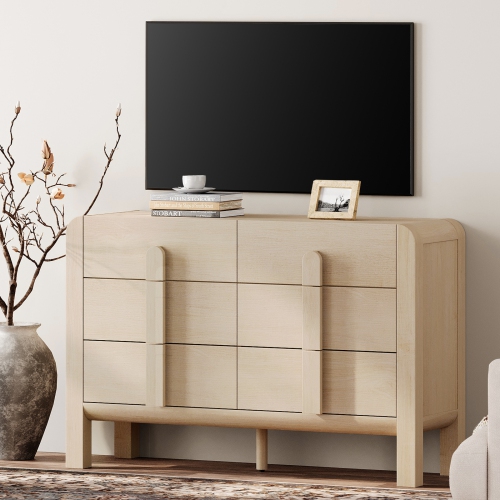
The modern look can be quiet and minimal or more textured, depending on the finish and detailing. Flat drawer fronts, recessed pulls, and simple handles create an understated profile, while fluted panels introduce depth without requiring extra floor space. Light wood tones can sit comfortably beside pale bedding and woven textiles; darker finishes can give a compact piece definition against a light wall. White, grey, and black offer other ways to coordinate with existing furniture without matching every surface exactly. Raised legs expose more of the floor and can make a small room feel less crowded, although cleaning access depends on the actual clearance beneath the base. A robot vacuum needs sufficient height and room between the legs, not just an elevated silhouette. A plinth base gives a more grounded appearance and leaves less open space underneath. Within the broader range of Modern Dressers, compact proportions are particularly useful when drawer storage needs to sit alongside an existing bed, desk, or wardrobe. Keeping the top lightly arranged, perhaps with a shallow jewellery tray and a small lamp, preserves a useful landing spot without creating visual clutter. Surface protection matters: felt pads beneath accessories and prompt attention to spills can help prevent avoidable marks. Routine care should follow the manufacturer's directions, with a soft cloth and suitable cleaning products rather than abrasive scrubbing or excess water. Safe installation is equally important, especially for tall, narrow furniture. Dressers should be assembled correctly, placed on a firm, level surface, and secured to the wall using appropriate anti-tip hardware and the manufacturer's instructions. Wall fasteners need to suit the wall construction, and anchoring remains important even when a dresser appears stable. Children should never climb drawers or use them as steps. With thoughtful placement, suitable storage capacity, and regular care, a small modern dresser can remain a useful part of a bedroom as clothing collections, room layouts, and everyday needs change.
Top selling and popular products
-
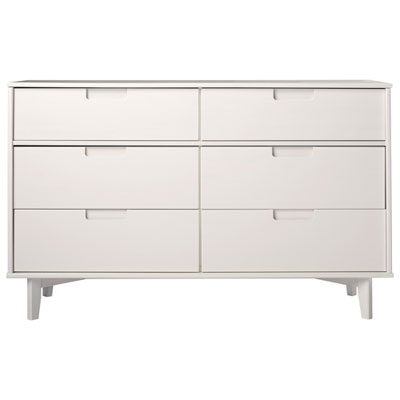 Your price for this item is $569.99
-
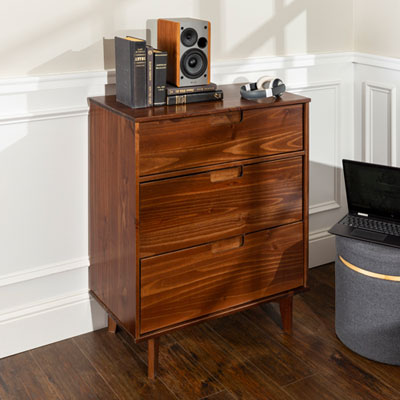 Your price for this item is $364.99
-
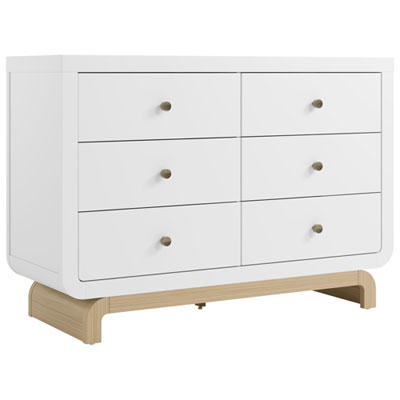 Your price for this item is $899.99
-
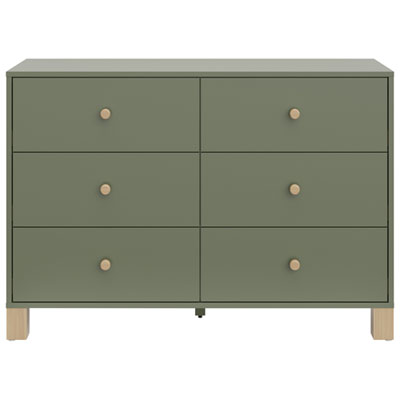 Your price for this item is $699.99
-
 Your price for this item is $699.99
-
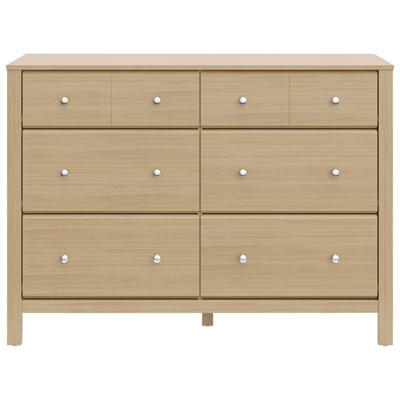 Your price for this item is $399.99
-
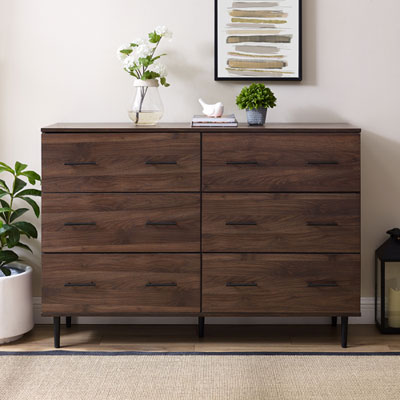 Your price for this item is $886.99
-
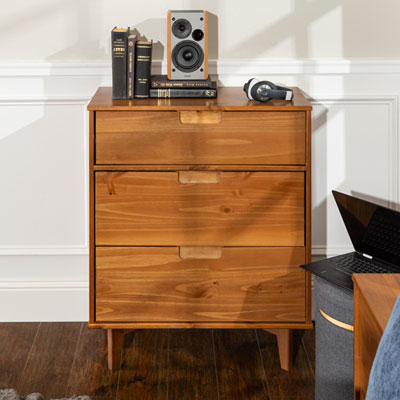 Your price for this item is $364.99
Discover more categories related to Small Modern Dressers

Top Collections:
Pokemon Centers, Best Budget Office Chairs, Kindle Devices, Best Cameras for Sports Photography, Pokémon 30th Celebration Cards, Best Laptops for Writers, Canon G7X Cameras, iPhone 15 Apple, Best Cell Phones Under $300, Apple iPhones 16
Some products may be subject to Environmental Handling Fees
(EHF) depending on your province.
Learn more about EHFs.