Contemporary Dressers Furniture
A dresser is a piece of furniture with drawers used for storing clothing. Dressers are usually made from wood or wood-based products, but can also be made from other materials such as metal or plastic. Dressers are usually made to store clothes in a bedroom, but they can also be used in other rooms of the house. Here are some contemporary options on the market.
Sort
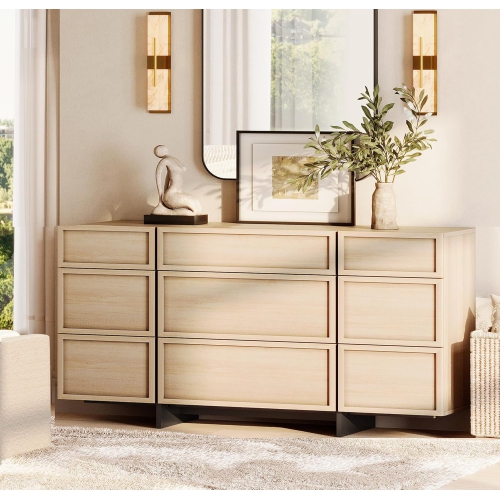
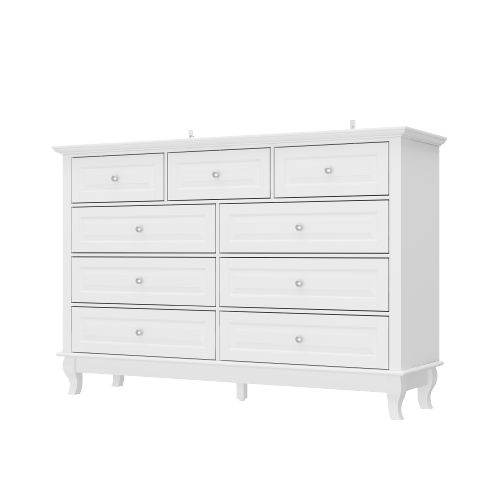

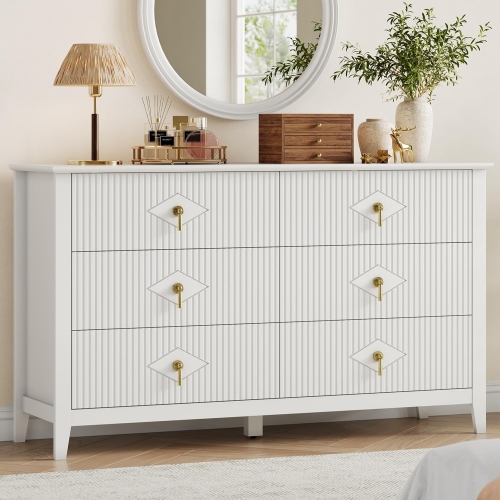
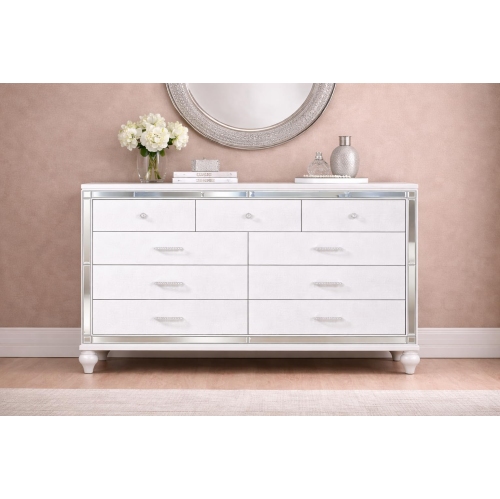
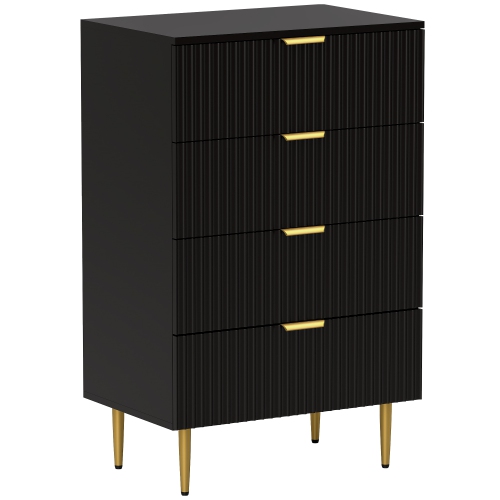

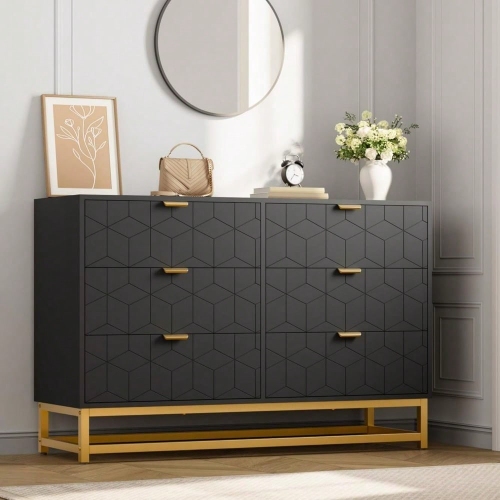
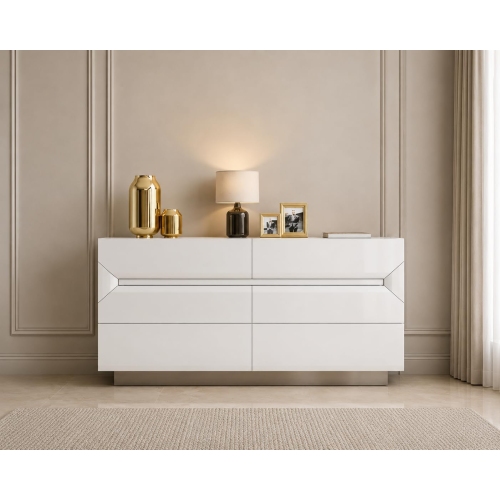

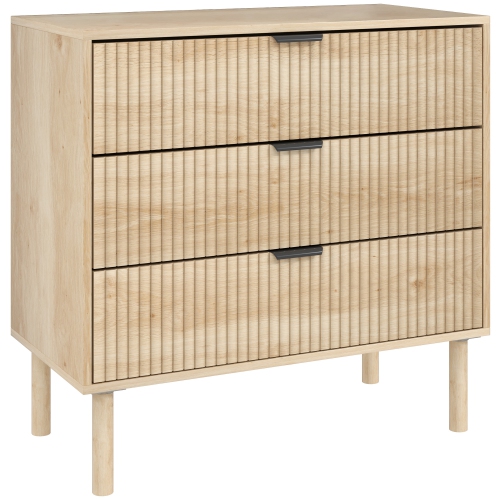


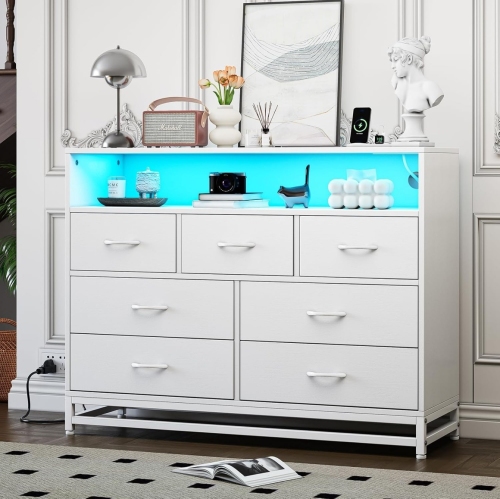

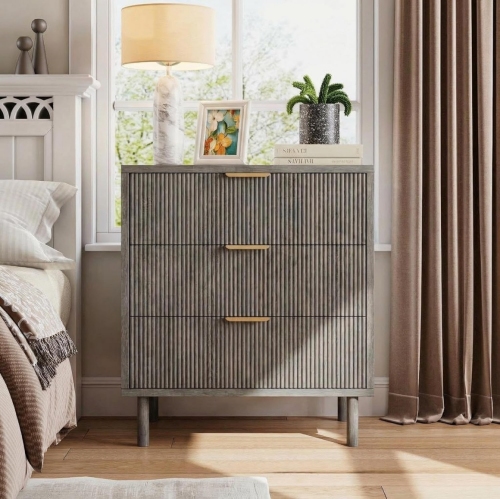

Streamlined storage that keeps bedroom routines running smoothly
Contemporary dressers bring a polished, practical presence to the bedroom, combining streamlined silhouettes with storage that helps keep everyday routines running smoothly. Unlike ornate traditional designs, contemporary styles often focus on clean lines, balanced proportions, understated hardware, and finishes that work comfortably with a range of décor. Warm wood tones can add depth and softness to a room, while white, black, grey, and other neutral finishes create a calm backdrop for colourful bedding, artwork, or accent lighting. Some designs have a low, wide profile that emphasizes a modern horizontal line, while others use a taller, narrower shape to make the most of limited floor space. Drawer fronts may be flat and minimalist, subtly grooved, or finished with integrated pulls for a seamless appearance. When choosing a dresser, begin with the available wall width, the height of nearby furniture, and the space needed to open each drawer fully. Measure the room carefully, including baseboards, door swings, trim, and the path from the entrance to the final location. A dresser should have enough clearance for comfortable movement, particularly in a shared bedroom or a room where a chair, bench, hamper, or bed sits nearby. For compact rooms, Small Modern Dressers can provide useful storage without overwhelming the layout. A wider double dresser can serve as a substantial focal point beneath a mirror or wall-mounted television, while a smaller chest can fit beside a bed, in a guest room, or along an otherwise unused hallway wall. Consider the dresser’s visual weight as well as its measurements: a dark finish may feel bold and grounded, while a lighter finish can help a smaller room appear more open. Matching or coordinating the dresser with existing nightstands is not essential, but repeating one finish, shape, or hardware detail can make the room feel intentionally put together.
Storage capacity is another important consideration, especially when the dresser will hold more than folded clothing. Before choosing a configuration, think about what belongs in each drawer: bulky sweaters need more height, while socks, accessories, sleepwear, and smaller garments are easier to organize in shallower compartments. A six-drawer double dresser can provide room for two people or for separate categories of clothing, whereas a four-drawer design may be easier to place in a smaller bedroom or apartment. Deep drawers are useful for heavier garments and spare linens, but they can become difficult to manage if items are stacked too high. Smooth-gliding drawers, sturdy drawer boxes, and dependable hardware make frequent use more pleasant, while soft-close mechanisms can reduce noise in sleeping areas. Check whether drawers extend far enough to make the back easy to reach, and look for a stable frame that does not wobble when drawers are opened. The top surface also deserves attention. It may hold a mirror, lamp, jewellery tray, framed photographs, books, or a small catchall for keys and personal items, so leave enough room for practical use rather than filling every available centimetre. A dresser can also support a changing area in a nursery when paired with an appropriately secured changing pad, or provide concealed storage for towels and bedding in a guest room. In a dressing room, it can organize seasonal clothing and accessories; in a teenager’s room, it can help separate school clothes, sports gear, and everyday essentials. For an apartment or condo, a contemporary dresser can add much-needed storage while keeping the room visually uncluttered. Its clean design may also transition easily if the furniture moves to another space later, making it a practical choice for first homes, rental spaces, and growing families.
The best contemporary dresser is one that suits both the room and the habits of the people using it. A busy household may benefit from generous drawers, durable surfaces, and hardware that can withstand frequent opening and closing. Someone furnishing a first apartment may prefer a compact design with a versatile finish that works through several décor changes. A guest-room dresser can offer visitors a place to unpack without taking up the entire room, while a dresser in a child’s or teenager’s bedroom can make it easier to build simple organizing habits. These pieces can also make thoughtful gifts for a housewarming, wedding, graduation, or move into a new home, particularly when the recipient is furnishing a bedroom from the ground up. Neutral colours and simple profiles are generally easy to coordinate, but it is still worth considering the recipient’s space, preferred materials, and available wall width before making a selection. During the cooler months, a well-organized dresser becomes especially useful for heavier knitwear, layered outfits, scarves, and extra bedding. Use drawer dividers or small fabric bins to keep smaller items from shifting, fold bulky pieces loosely to preserve drawer space, and avoid placing damp clothing directly inside enclosed storage. Keep the top surface clear enough for regular dusting, use coasters or protective mats beneath décor, and follow the care instructions for the finish to help maintain its appearance. Secure taller or heavier dressers to the wall using the included anti-tip hardware, and position the unit on a level surface away from heat sources or areas exposed to moisture. With the right proportions, thoughtful storage, and a finish that complements the room, contemporary dresser furniture can make a bedroom feel calmer, more functional, and easier to enjoy from morning routines through quiet evenings.
Top selling and popular products
-
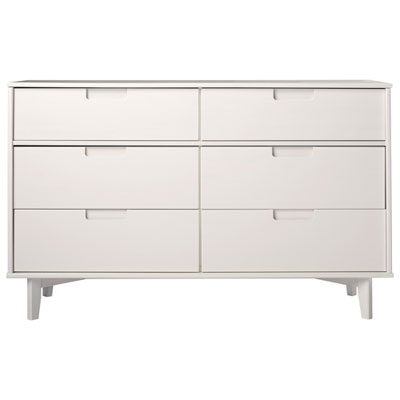 Your price for this item is $569.99
-
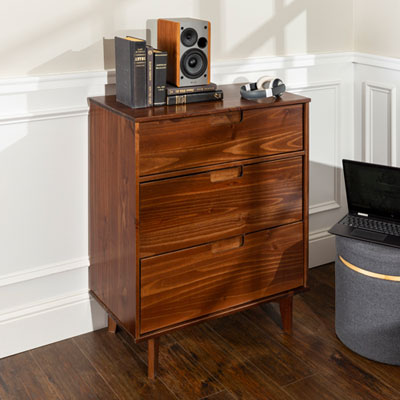 Your price for this item is $364.99
-
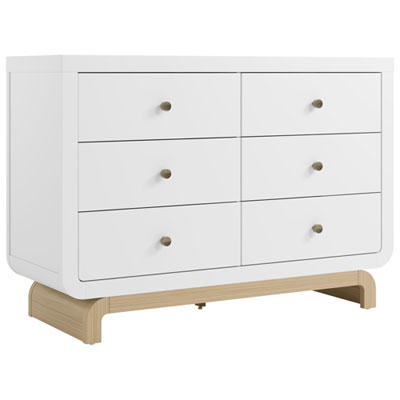 Your price for this item is $899.99
-
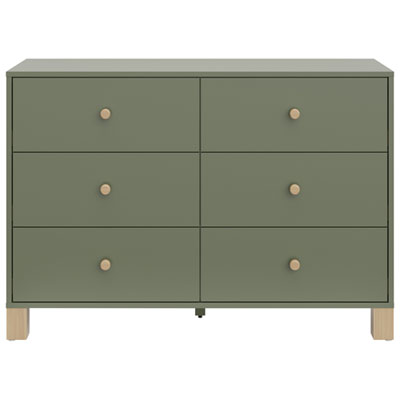 Your price for this item is $699.99
-
 Your price for this item is $699.99
-
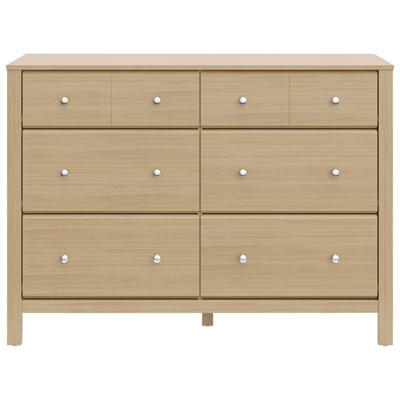 Your price for this item is $399.99
-
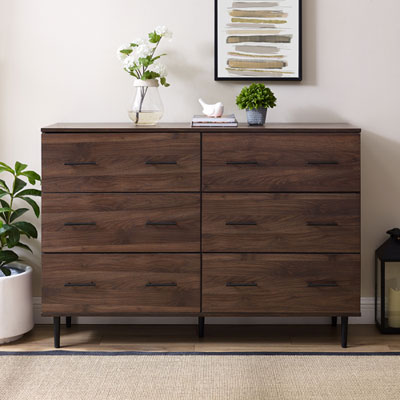 Your price for this item is $886.99
-
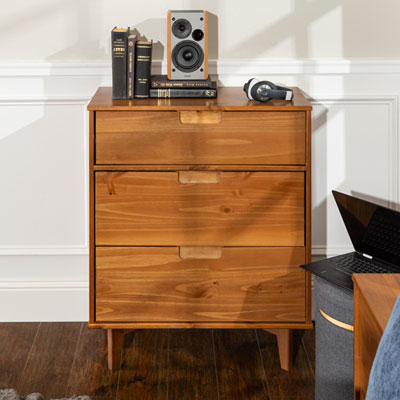 Your price for this item is $364.99
Discover more categories related to Contemporary Dressers Furniture


Top Collections:
Pokemon Centers, Best Budget Office Chairs, Kindle Devices, Best Cameras for Sports Photography, Pokémon 30th Celebration Cards, Best Laptops for Writers, Canon G7X Cameras, iPhone 15 Apple, Best Cell Phones Under $300, Apple iPhones 16
Some products may be subject to Environmental Handling Fees
(EHF) depending on your province.
Learn more about EHFs.