Board Games for Adults and Teens
Board Games for Adults and Teens offer a fantastic way to bring friends and family together for hours of engaging entertainment. Whether you're planning a game night, looking for a fun activity to enjoy at gatherings, or simply want a new challenge, you'll find an exciting selection designed to suit every taste and skill level. Discover classic favorites and modern hits that spark laughter, strategy, and friendly competition with Board Games for Adults and Teens. Find the perfect addition to your collection and make every get-together memorable.
Sort










What makes a game click with your group
Board games for adults and teens combine approachable rules with enough strategy, teamwork, or humour to keep different ages engaged at the same table. The right match depends on the number of players, the time available, and how the group likes to interact. Quick party games suit lively gatherings where conversation and laughter matter more than careful planning, while strategy games give players room to build resources, claim territory, or work towards longer-term goals. Cooperative games put everyone on the same side, often asking the group to solve a puzzle or overcome a shared challenge before time or turns run out. Competitive games can range from friendly races to thoughtful contests in which every move changes someone else’s options. For a mixed group of teens and adults, clear turn structure and manageable reading demands can make the first session feel welcoming without making the game feel simplistic. Age recommendations are useful starting points, but reading ability, attention span, and previous experience also influence how comfortable a game feels. A teen who enjoys planning several moves ahead may prefer a more involved game, while adults looking for a relaxed evening may appreciate something that takes only a few minutes to explain. Player counts deserve attention, too: a game built around direct competition between two people offers a different experience from one that depends on a full table trading clues or negotiating. Playing time usually describes the game itself, so learning the rules, setting out pieces, and packing everything away can add to the session. Short rounds work well when someone may need to leave early, whereas a longer game gives a regular group time to settle into its decisions. Familiar interests can help draw new players in, whether that means solving mysteries, building imagined cities, exploring maps, or making connections between words and pictures. A theme creates the initial interest; the rhythm of play, the choices available, and the way players interact are what make a game worth returning to.
The physical design of a board game shapes how it feels to use and how well it holds up to repeated play. Common materials include printed cardstock, layered cardboard boards and tiles, wooden pieces, and moulded plastic components. Each serves a different purpose: cards carry information that changes from hand to hand, sturdy tiles create a playing area, and shaped tokens make positions or resources easy to track. Smooth card edges, legible printing, and boards that lie flat help keep attention on the game rather than on handling its parts. Games with many pieces can need a generous stretch of table, especially when each player has a separate board or display. A compact box does not always mean a small playing area, and a large board may leave little room for cards, reference sheets, or snacks. Component size and visual contrast also matter for comfort. Distinct shapes, symbols, and text can make information easier to follow than colour alone, while larger pieces may be easier to pick up and move. Word-heavy games place more emphasis on reading and language familiarity; games centred on patterns, spatial choices, or matching symbols can offer a different kind of challenge. For repeated use, storage is part of durability. Compartments, small bags, or suitable organizers help keep decks separate and prevent tiny pieces from disappearing into the bottom of the box. Cards that are shuffled frequently may benefit from correctly sized sleeves, provided they still fit the storage space. Care should follow the manufacturer’s directions, particularly where printed surfaces or electronic components are involved. Clean, dry hands and drinks placed away from the playing area help protect paper-based components from stains and warping. After a session, separating mixed decks and checking that pieces are accounted for makes the next setup smoother. Keeping the box flat in a dry place, away from direct sunlight and excess weight, can help protect both its contents and its shape.
Board games also make thoughtful gifts for teens, adults, couples, families, and friends when the choice reflects how the recipient actually spends time. A frequent host may appreciate a game that accommodates a larger group and keeps everyone involved between turns, while two people who regularly play together may get more use from a design made specifically for pairs. For someone new to the hobby, a concise rulebook, useful reference cards, and a forgiving first play can matter more than a long list of features. Experienced players may enjoy layered decisions, changing objectives, or several paths to a win. For gatherings made up entirely of grownups, the Board Games for Adults collection offers a related place to explore games suited to adult groups. When teens are joining in, age guidance, subject matter, and the demands of play remain important, even when the rules are easy to learn. A lively guessing game can bring a birthday gathering together, while a quieter cooperative challenge may suit an evening with a smaller circle of friends. Games that avoid early elimination help everyone stay part of the occasion rather than watching from the sidelines. Team formats can pair a newcomer with someone more familiar with the rules, although the most enjoyable teamwork leaves space for both people to contribute. Replay value can come from shuffled cards, variable layouts, different roles, or simply the changing decisions of the people at the table. Some games unfold across linked sessions, making them better suited to a group that can meet regularly; others start fresh every time and fit easily into casual visits. A satisfying collection does not need to focus on one style. A short opener, a more thoughtful centrepiece, and an easygoing game for conversation can serve quite different occasions. Ultimately, the most useful board games are the ones whose pace, complexity, and social feel match the people who will gather to play them.
Top selling and popular products
-
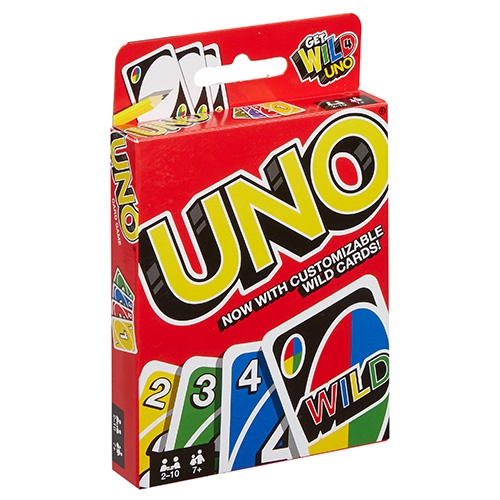 Your price for this item is $14.99
-
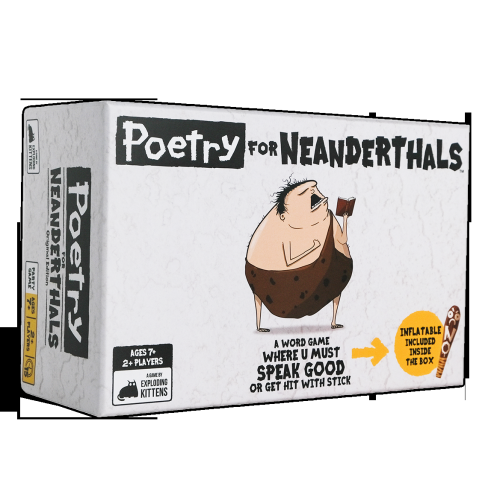 Your price for this item is $34.99
-
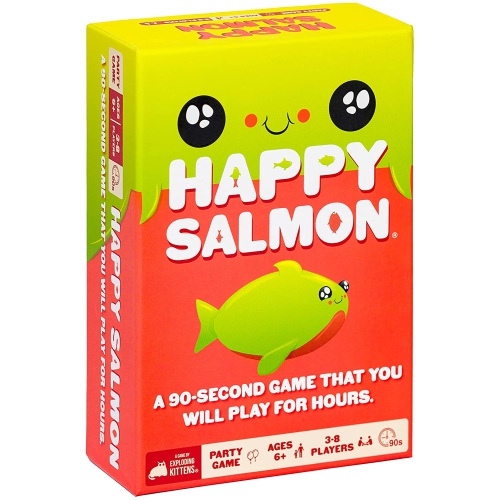 Your price for this item is $21.99
-
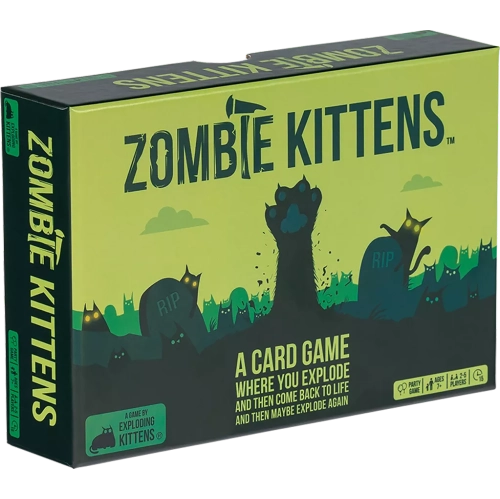 Your price for this item is $34.99
-
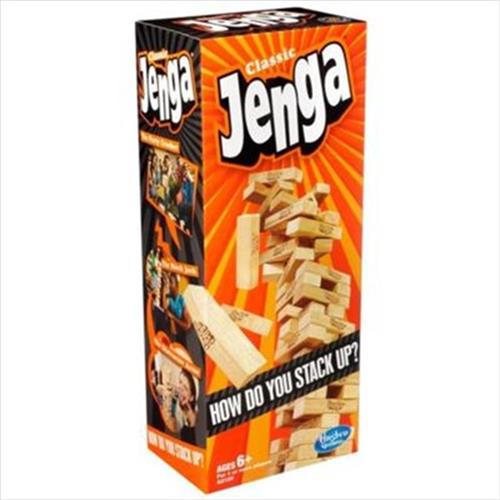 Your price for this item is $24.99
-
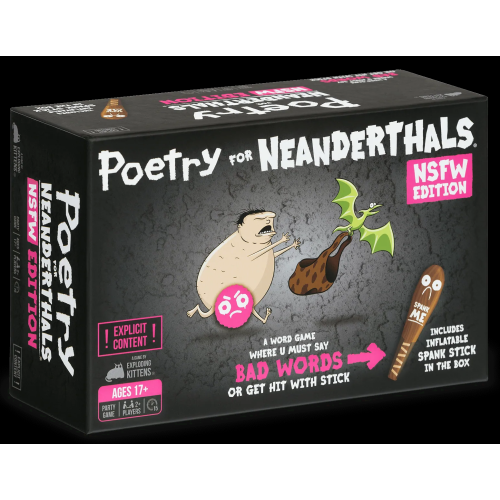 Your price for this item is $31.99
-
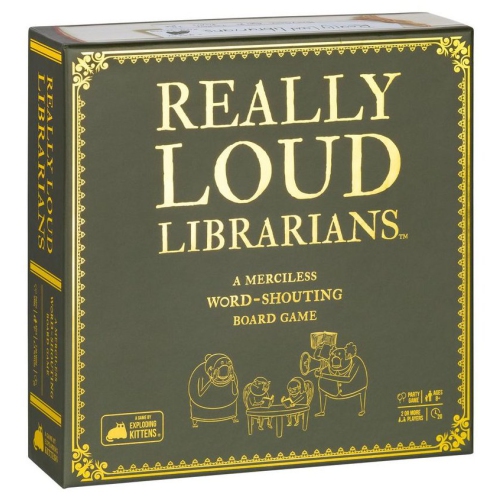 Your price for this item is $29.99
-
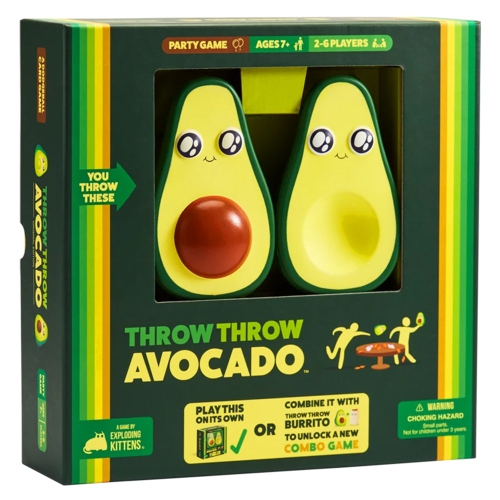 Your price for this item is $44.99
Discover more categories related to Board Games for Adults and Teens

Top Collections:
Pokemon Centers, Kindle Devices, Best Black Friday Deals This Year, Pokémon 30th Celebration Cards, Best Black Friday Deals On Electronics, Best Cameras for Sports Photography, Best Black Friday Deals On Apple Products, Canon G7X Cameras, iPhone 15 Apple, Candle Warmer Lights
Some products may be subject to Environmental Handling Fees
(EHF) depending on your province.
Learn more about EHFs.