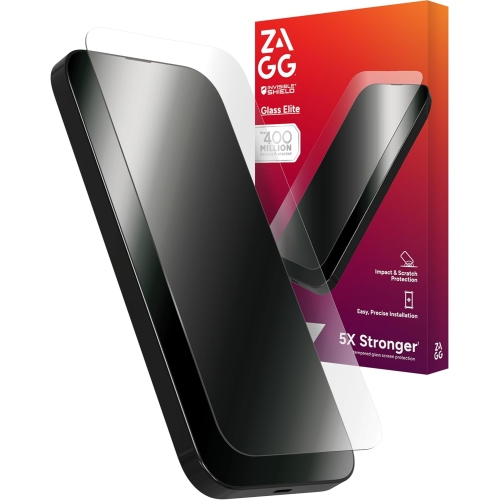
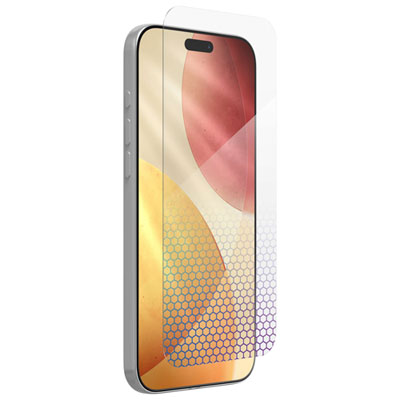
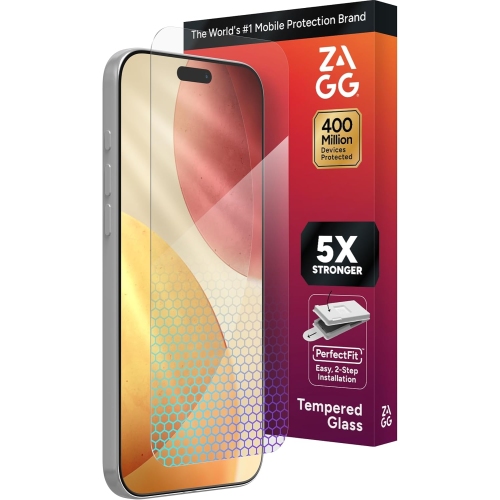
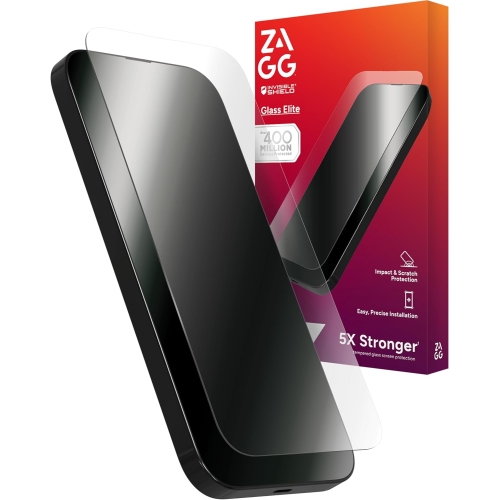
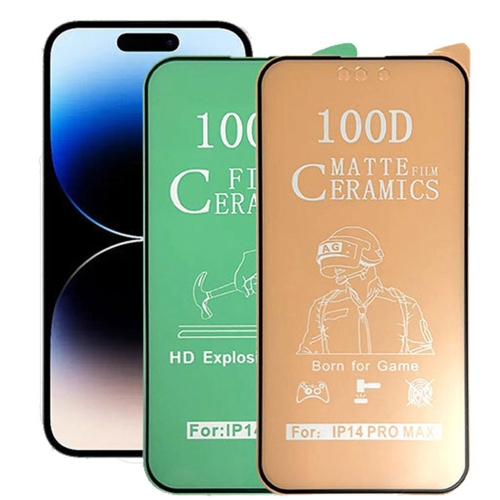
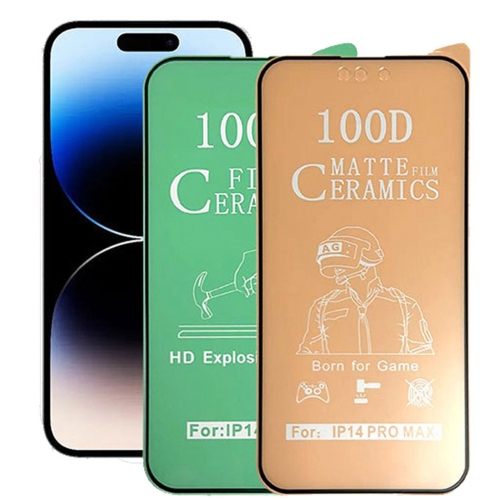
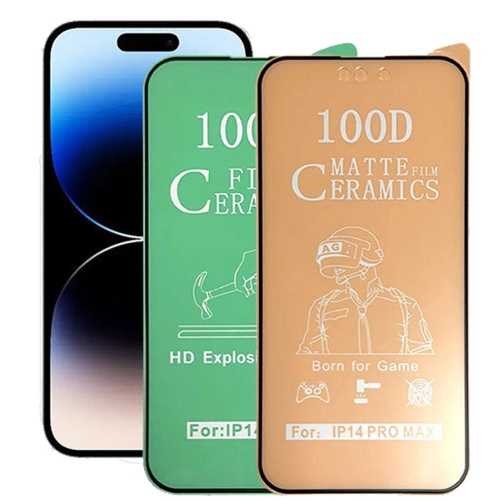
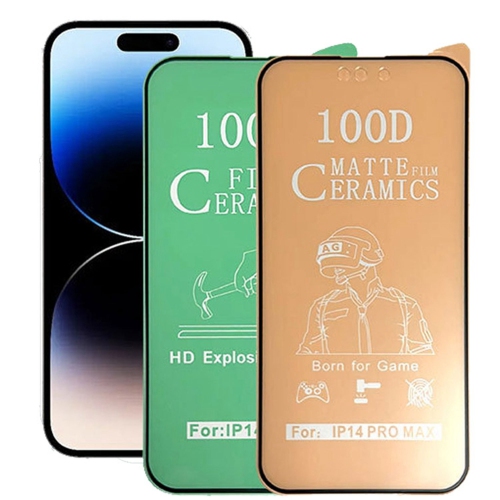
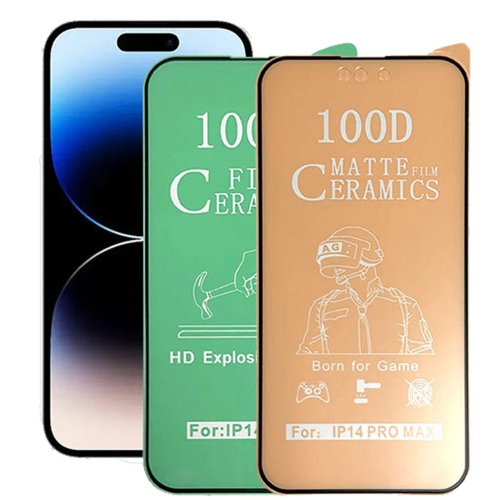
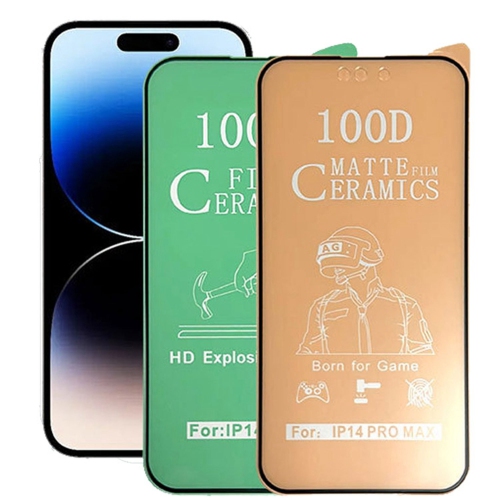
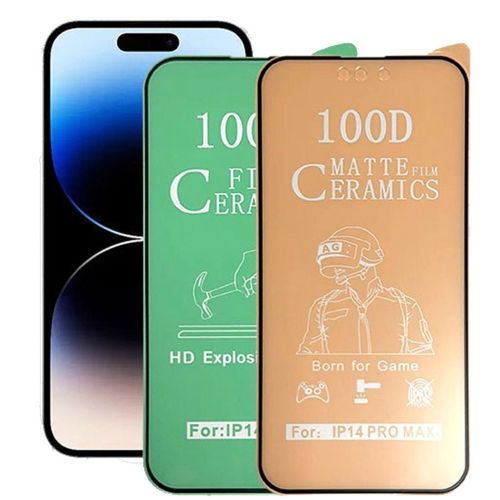
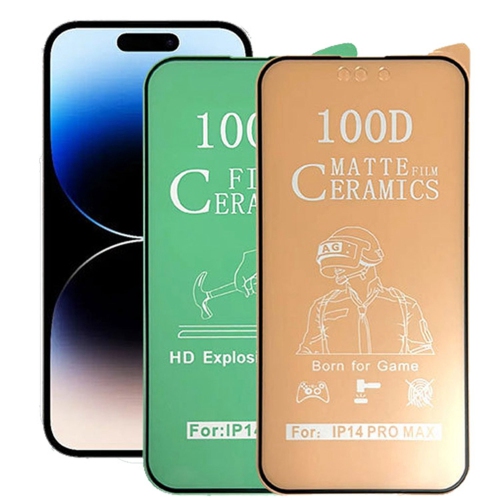
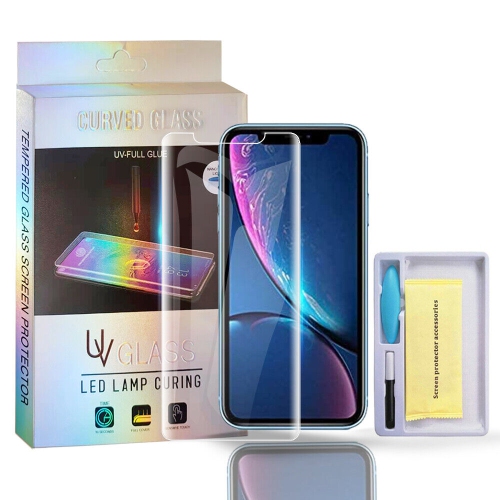
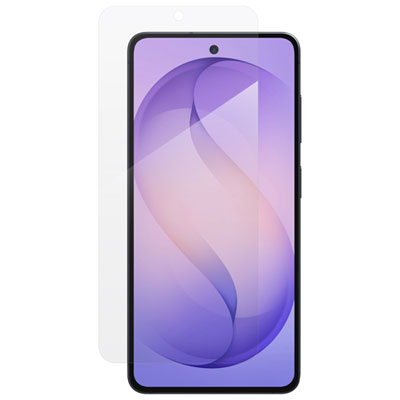
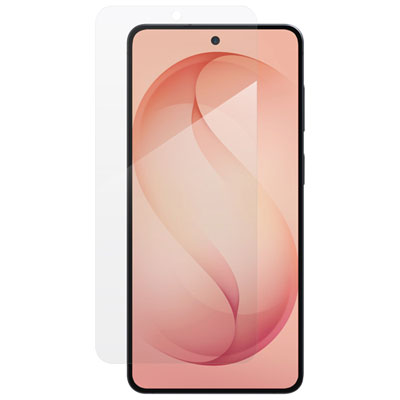
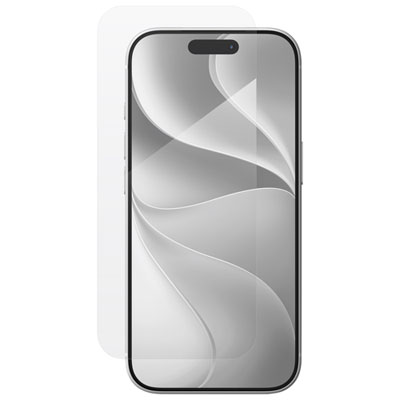
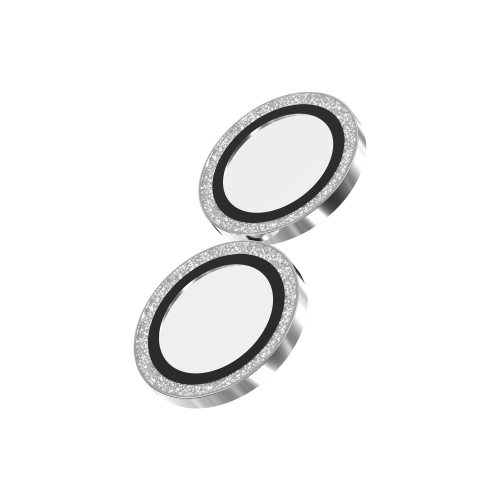
Glass Elite Screen Protectors

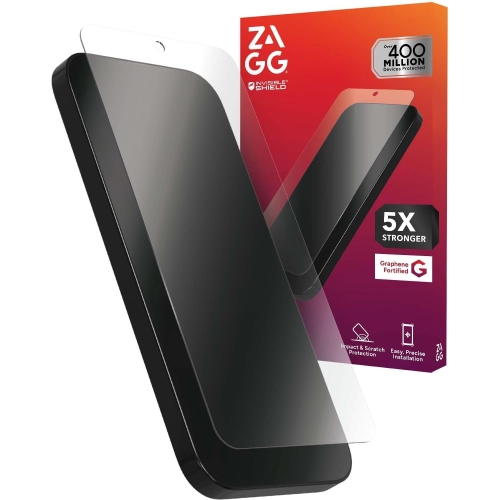
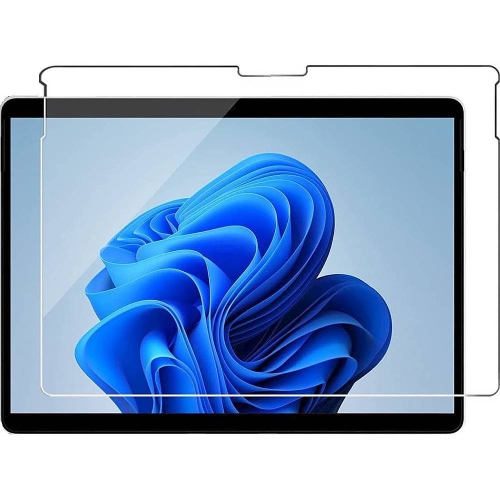
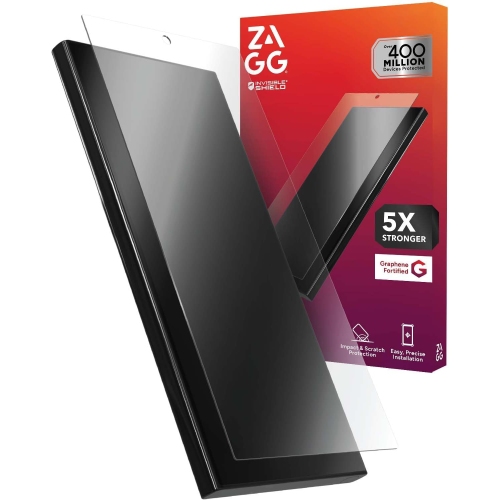
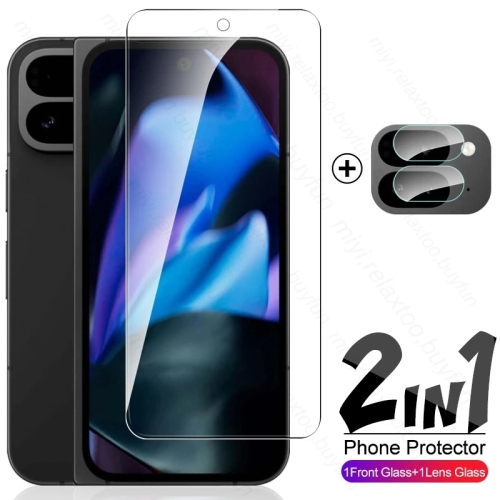
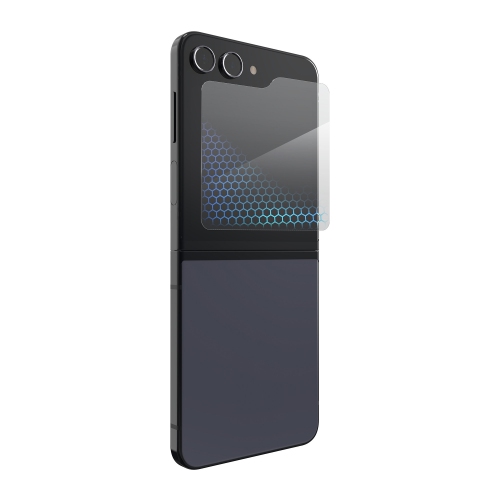
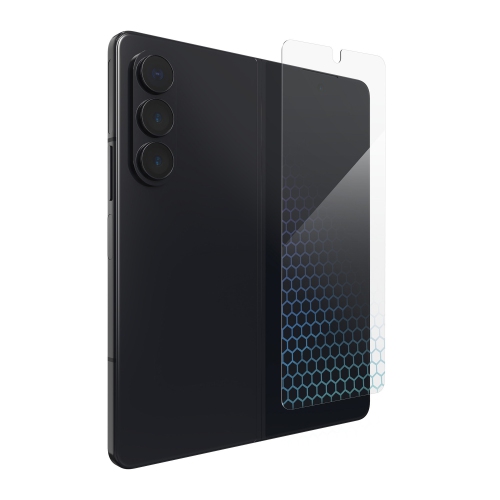
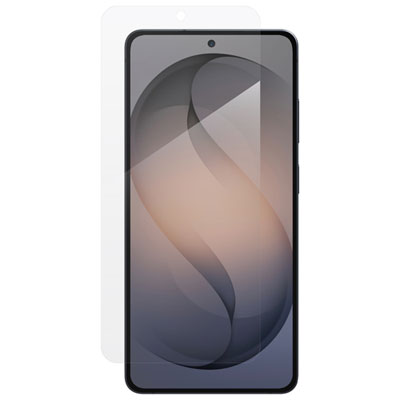
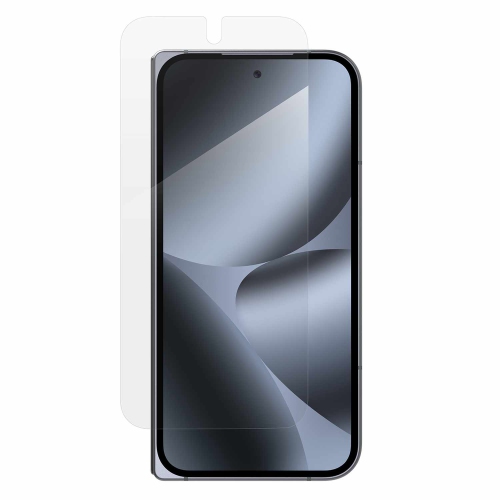
Browse Glass Elite screen protectors with your device’s exact model in mind. Compare options by checking each listing for device compatibility, screen coverage, and installation details, and confirm case compatibility if you plan to use both together.
Sort

Why screen protection depends on more than glass

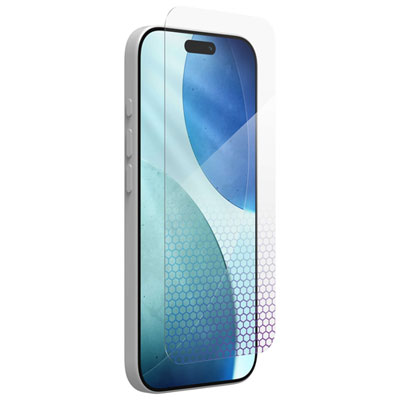
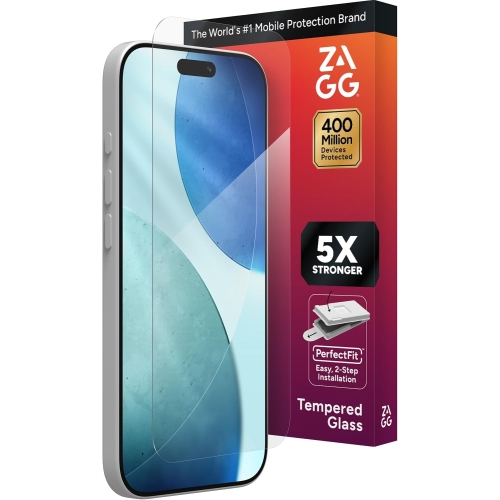
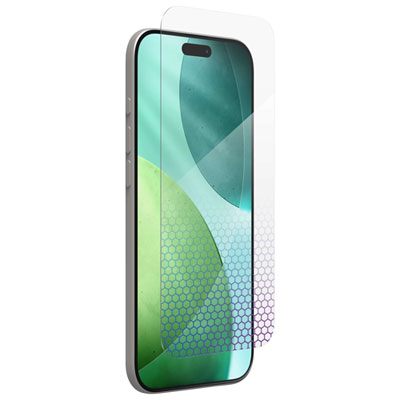
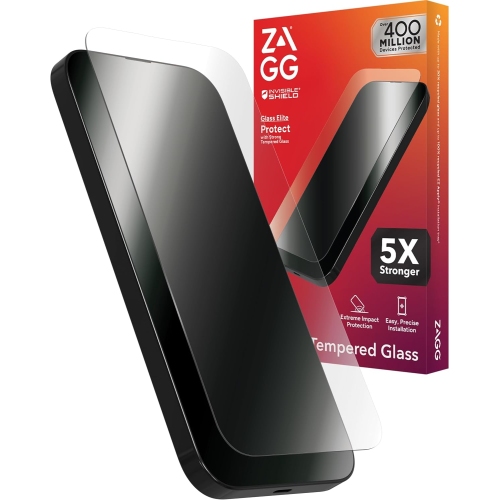
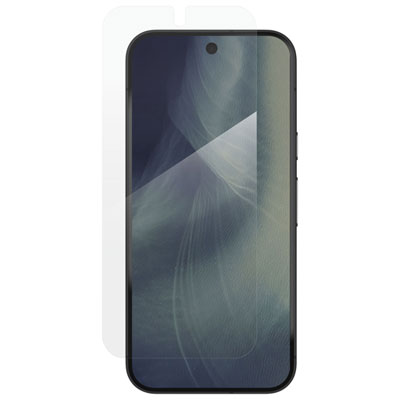
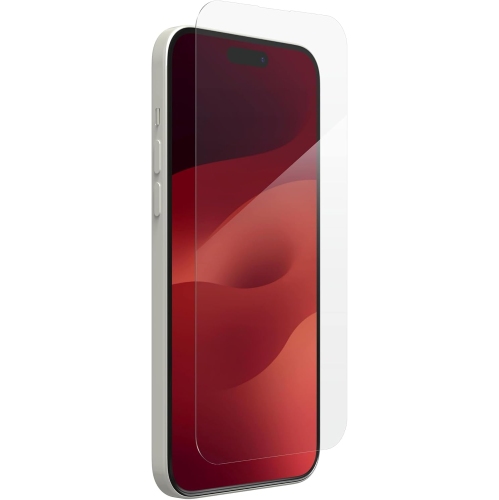
Strengthened glass screen protectors add a thin, transparent barrier between a phone’s display and the surfaces it encounters throughout the day. Their purpose is to help limit scratches, scuffs, and some impact damage without hiding the screen or changing the familiar feel of glass beneath a fingertip. Tempered glass and chemically strengthened aluminosilicate glass are materials used in this category, with their performance influenced by the glass formulation, strengthening process, thickness, and edge design. Aluminosilicate glass contains aluminium oxide as part of its composition and can undergo chemical strengthening to improve its resistance to damage. These material differences matter, but no glass protector makes a display unbreakable. A phone landing face down on a smooth floor experiences a different impact from one striking the corner of a stone step, and the angle of contact can matter as much as the height of a fall. A protector works best as one part of everyday device protection, alongside a properly fitted case with a raised edge around the display. Clear glass is a practical choice for people who want photos, maps, messages, and videos to remain easy to see without adding a textured surface. Optical clarity, low distortion, and a smooth finish are especially noticeable when reading small text or scrolling through detailed images. Many designs also include an oleophobic coating, which helps reduce the grip of oils from fingers and makes smudges easier to wipe away. That coating does not eliminate fingerprints, but it can make the screen feel cleaner during frequent use. Scratch resistance and impact resistance are separate qualities: a hardness rating alone does not explain how a protector will perform in a drop. Claims about extra strength are most useful when the comparison material and testing conditions are clearly identified. For everyday use, the balance of clarity, coverage, surface feel, and compatibility is more meaningful than any single strength claim.

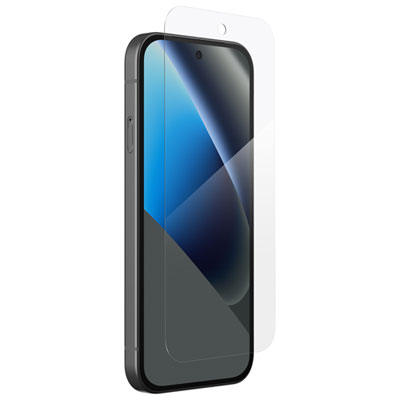
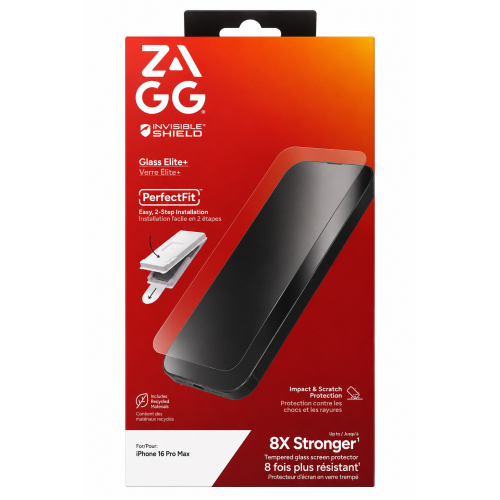
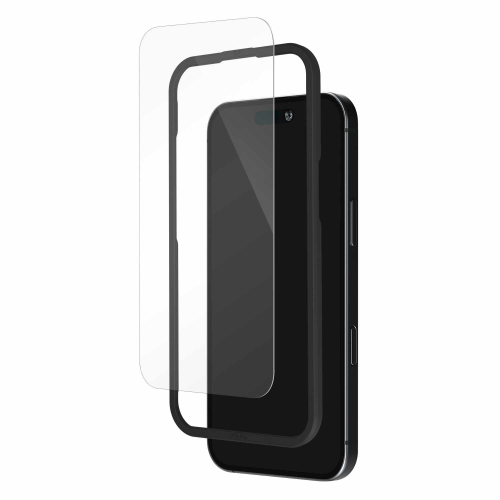
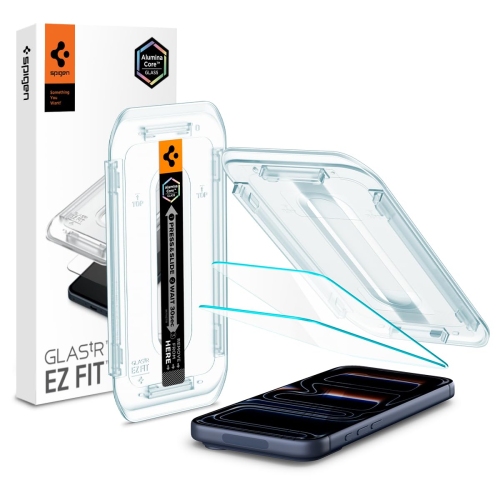
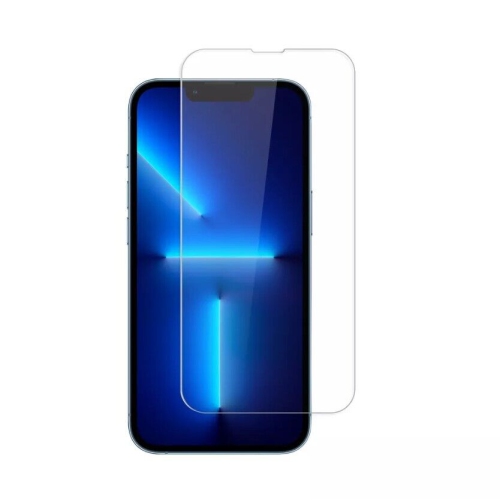
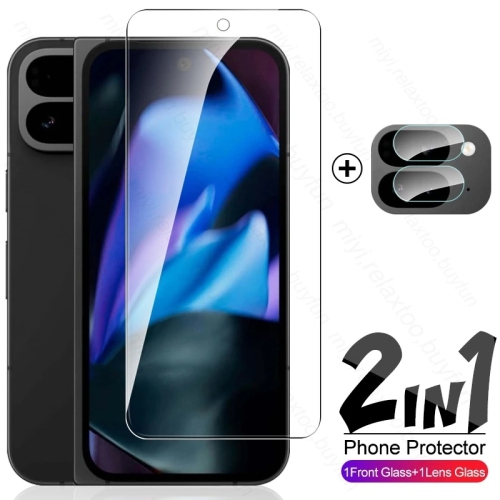
Fit is central to how well a glass screen protector performs. A phone’s model name, generation, and display shape determine the correct dimensions, and two phones with similar screen sizes may still need different protectors. Small differences in the position of the front camera, earpiece, sensors, or curved edges can affect both coverage and function. A well-matched protector sits evenly across its intended area without covering components that need an unobstructed view. Some designs extend close to the edge of the display, while others leave a narrow border to accommodate a case. That border is not necessarily a gap in the design; it can prevent the case rim from pushing against the glass and lifting it over time. Edge-to-edge coverage also needs to suit the screen’s shape, since a flat sheet of glass cannot follow every curved display in the same way. Adhesive coverage and alignment influence the finished result as much as the glass itself. A tiny speck of dust can leave a visible raised spot, while an off-centre fit may catch against the case or interfere with a cutout. Included alignment frames, positioning tabs, and cleaning accessories can make fitting easier, particularly for someone who finds it difficult to place a thin sheet accurately by hand. A clean, well-lit surface makes small particles easier to spot before the adhesive touches the display. Once fitted correctly, a compatible protector should allow comfortable tapping, typing, and swiping without requiring noticeably heavier pressure. People who use an in-display fingerprint reader need a design that specifically supports their device’s sensor, since added glass and adhesive can affect recognition. Some phones may require fingerprints to be registered again after installation, according to the device and protector instructions. For mobile games, handwritten notes, or frequent messaging, the smoothness of the surface and the consistency of touch response can be just as important as protection. Accessories should work together rather than compete for space: a secure case, unobstructed sensors, and a flat, stable protector make the phone easier to use throughout the day.

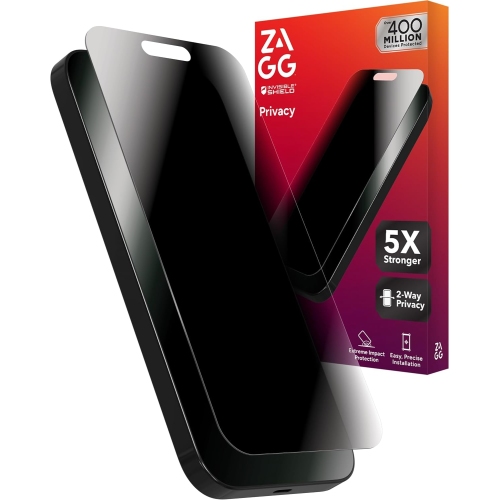
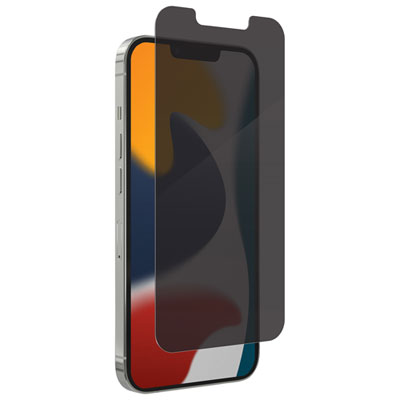
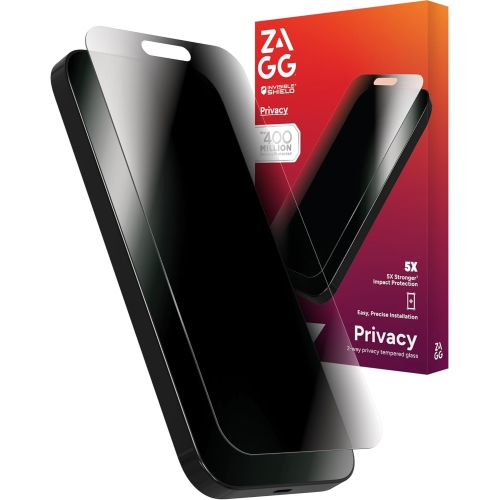
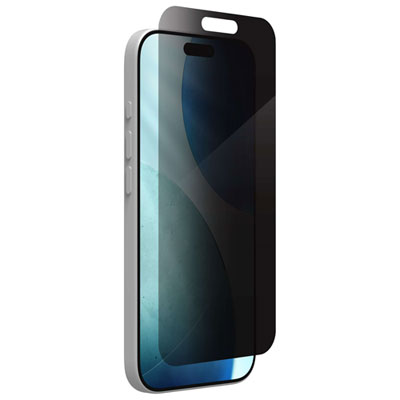
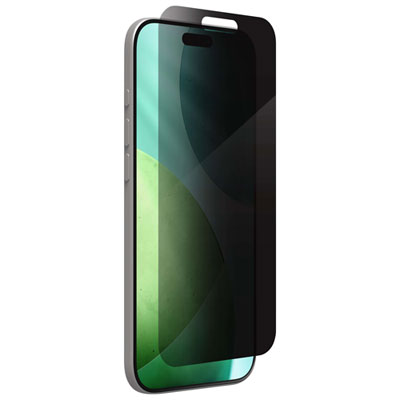
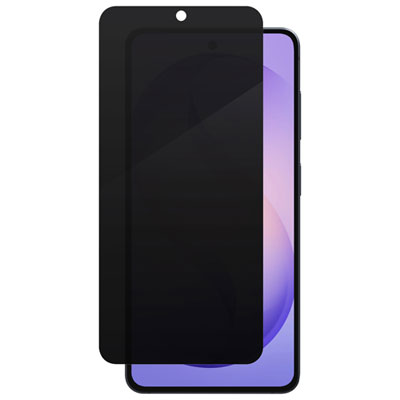
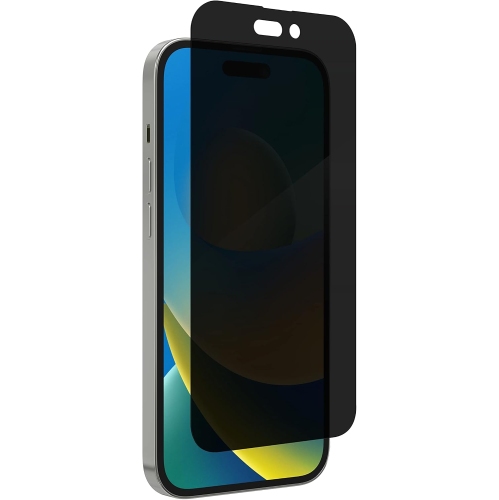
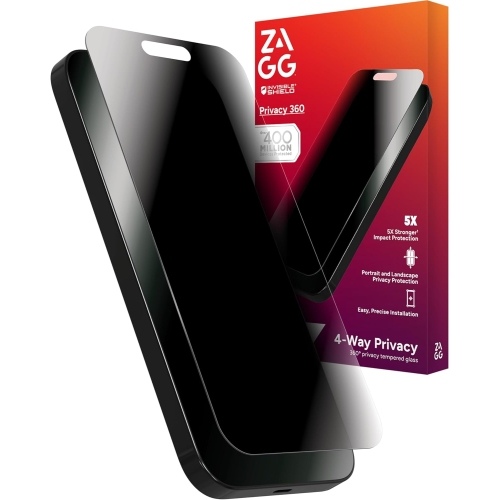
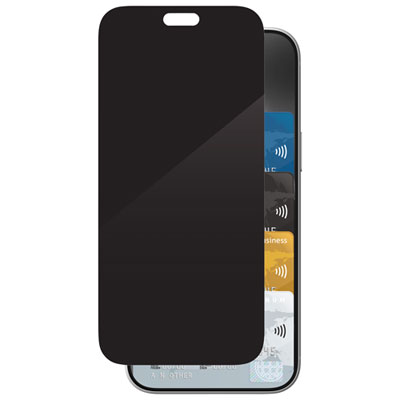
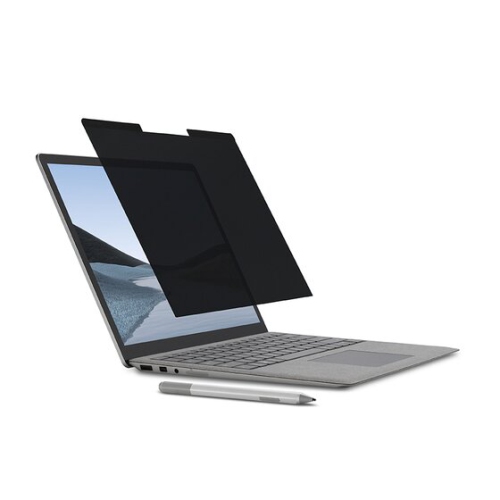
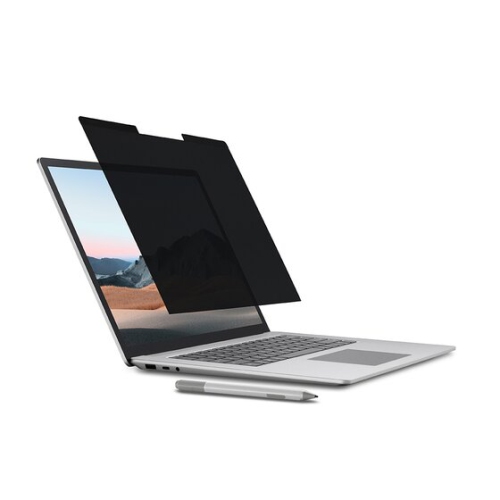
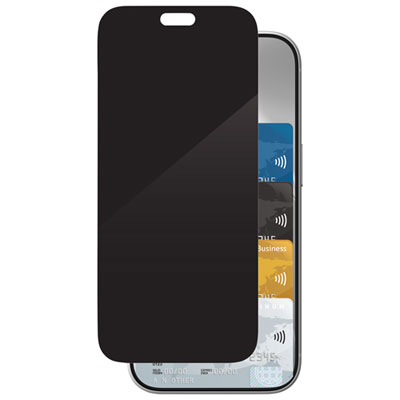
Daily care helps preserve both visibility and the comfortable feel of a glass screen protector. A soft, clean microfibre cloth lifts ordinary fingerprints without the rough contact of a paper towel or clothing seam. Grit should be removed gently rather than rubbed across the surface, and any cleaning liquid should be suitable for the protector’s coating and the phone itself. Spraying liquid directly onto the device can allow moisture to collect near openings, so care instructions matter even when the glass looks easy to wipe clean. Keeping a phone in a separate pocket or bag compartment also reduces contact with hard objects and trapped particles. Over time, a worn coating may leave the surface feeling less slippery or make fingerprints more noticeable, even when the glass remains intact. Chips, spreading cracks, and lifting edges are different concerns: damaged glass can feel sharp, catch on fabric, or stop sitting securely against the screen. Replacing a damaged protector restores a smooth contact surface, although removing it may reveal damage to the display underneath. Beyond clear protection, viewing preferences can influence the choice. Privacy Screen Protectors limit side-angle visibility on compatible devices, which can be useful when reading messages on public transit or checking personal details in a shared space. The trade-off may include a darker-looking display or a narrower comfortable viewing angle, depending on the design. Privacy filtering does not replace a screen lock or careful handling of sensitive information. Clear glass remains useful when sharing photos or showing directions to someone beside the phone. A correctly matched protector can also be a thoughtful addition to a phone-related gift for a student, commuter, frequent traveller, or family member who relies on their device throughout the day. Knowing the recipient’s exact phone model and case style makes that accessory more useful than choosing by screen size alone.
FAQ

Some products may be subject to Environmental Handling Fees (EHF) depending on your province. Learn more about EHFs.