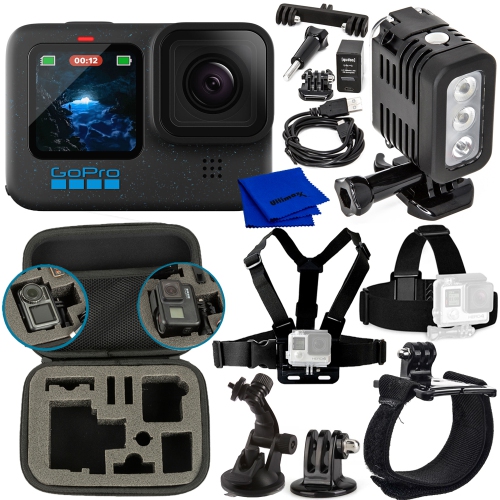
GoPro Underwater Housings

Find GoPro underwater housings designed to protect compatible action cameras while filming below the surface. Compare protective cases by camera model compatibility, stated depth rating, and access to controls to choose a housing suited to your setup and planned water activities.
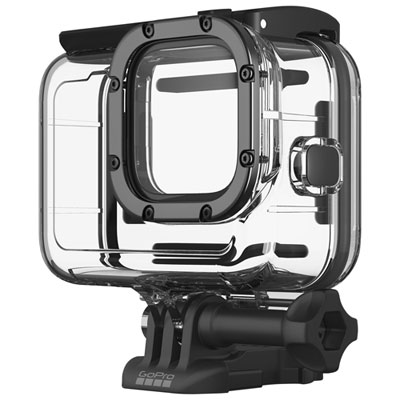
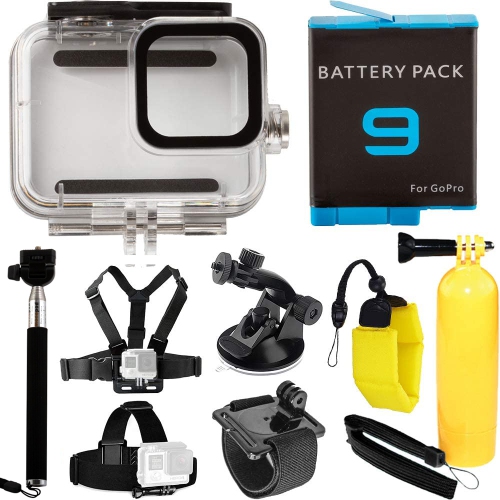
Sort

Underwater camera protection starts with the right fit

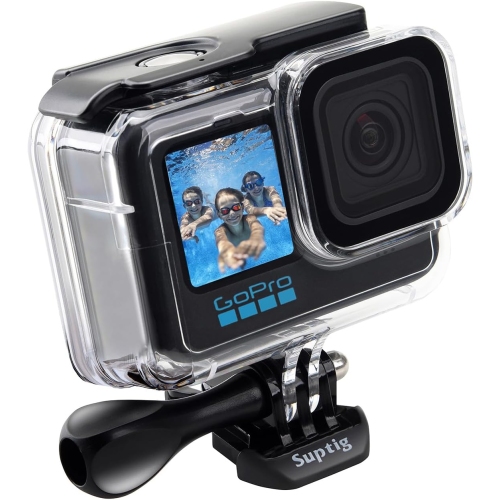
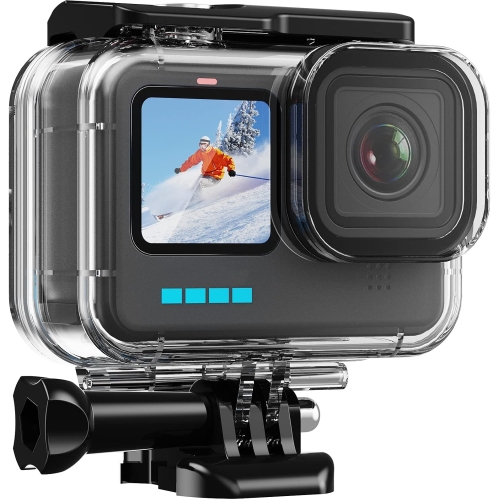
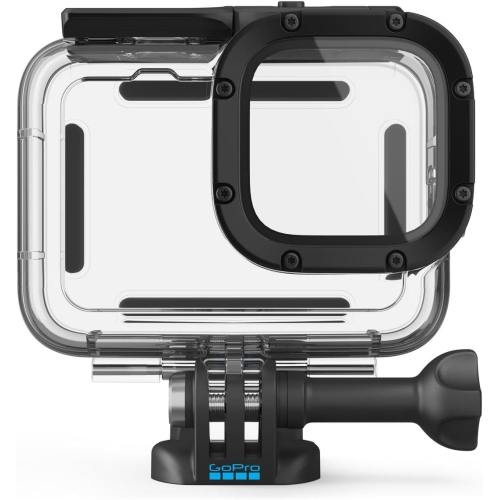
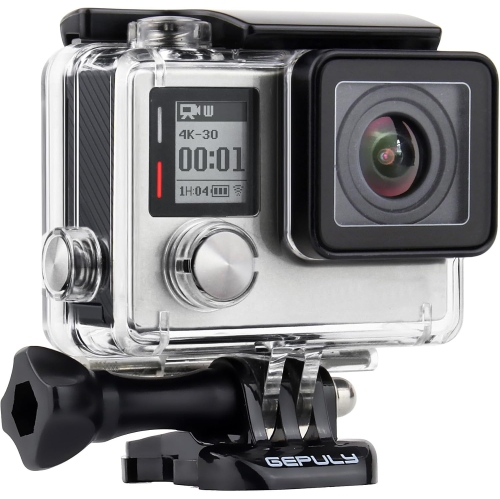
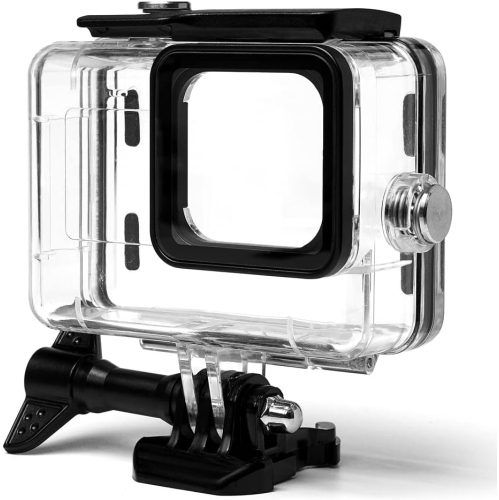
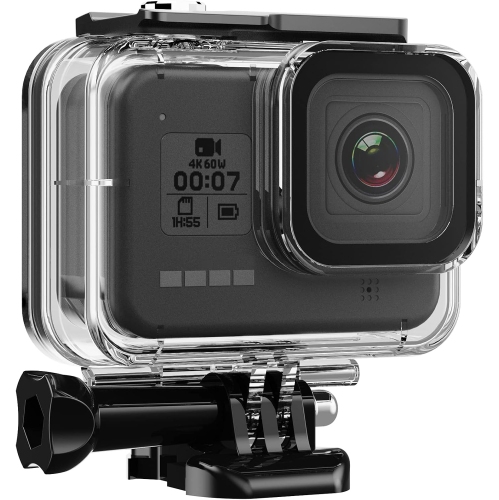
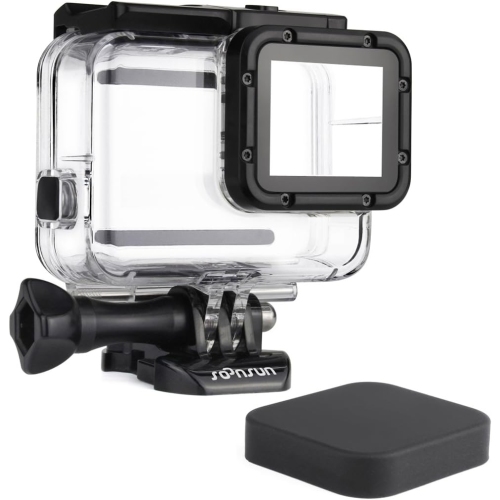
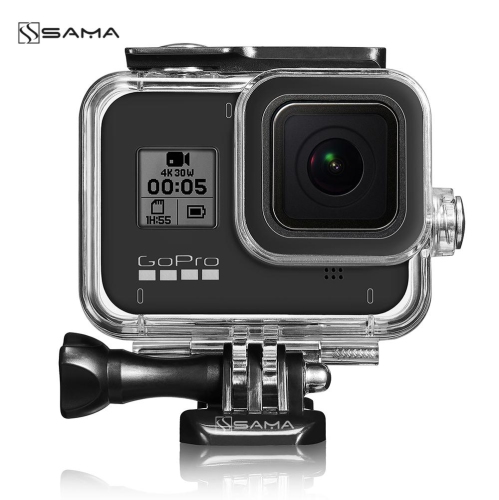
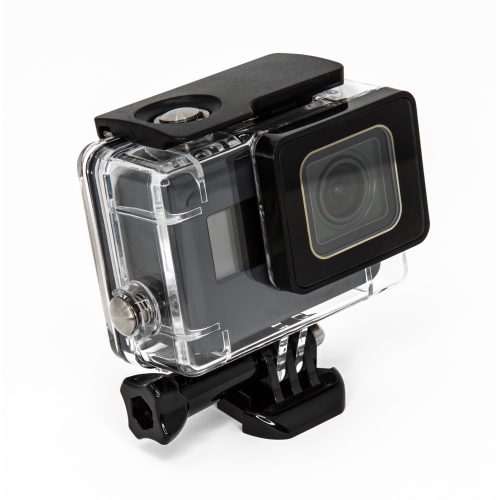
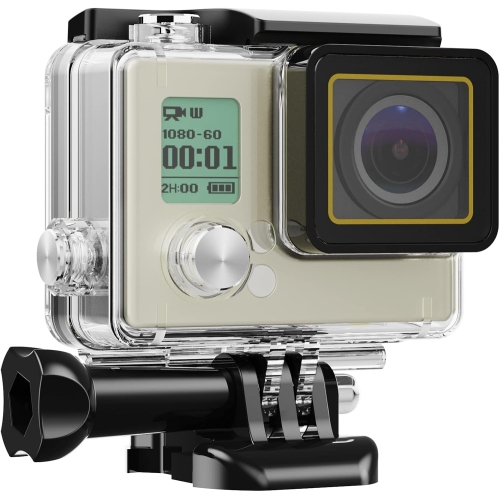
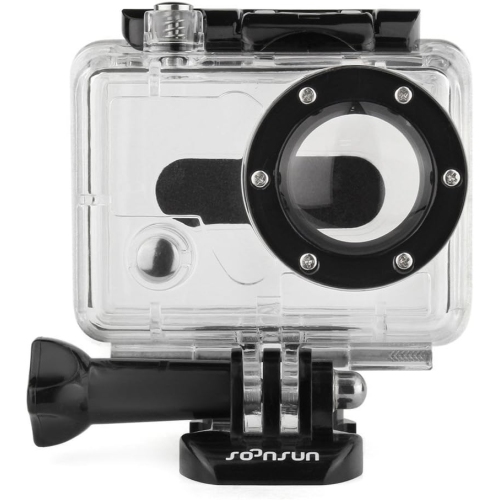
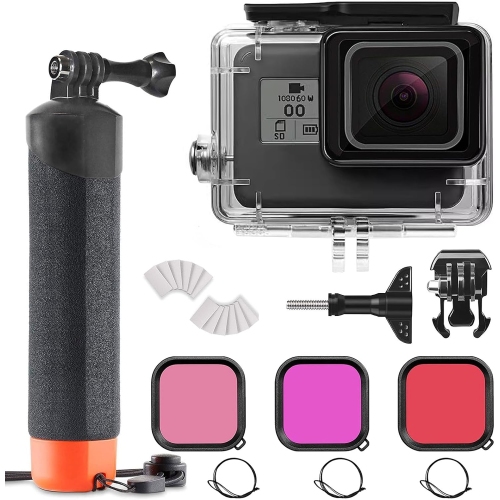
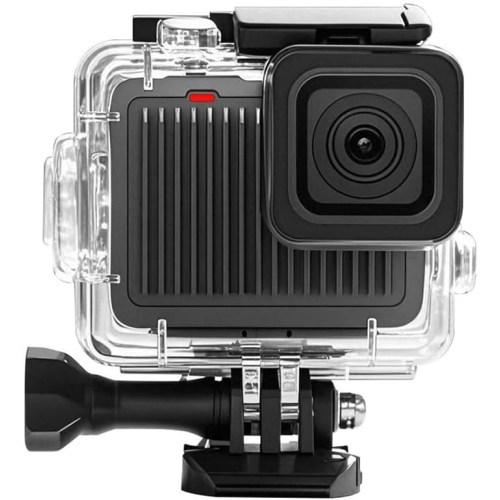
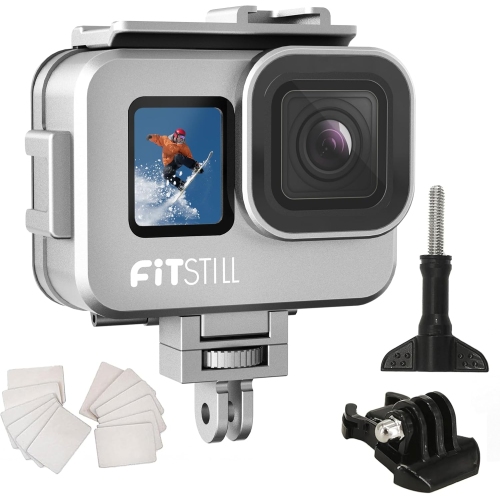
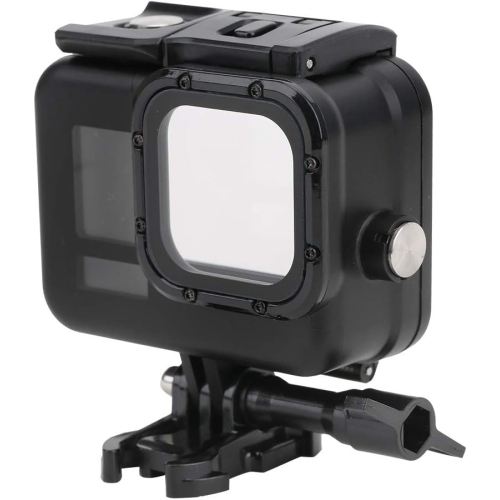
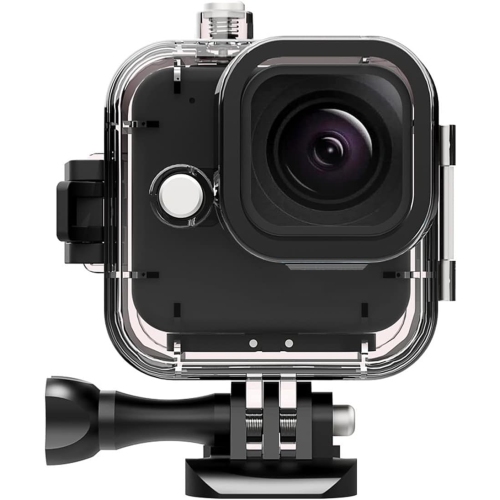
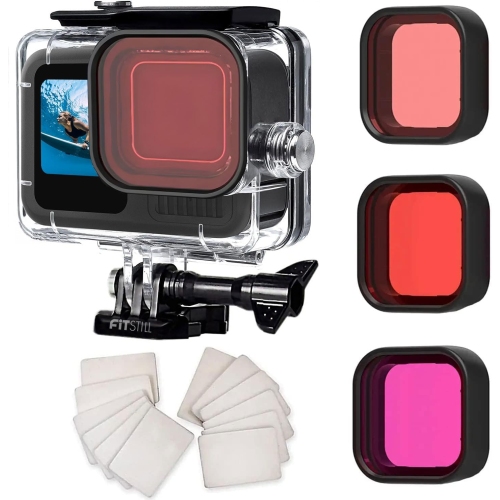
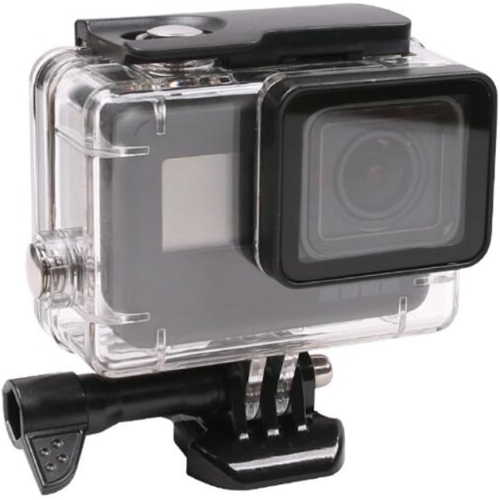
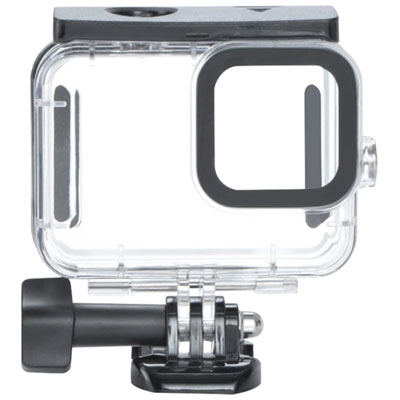
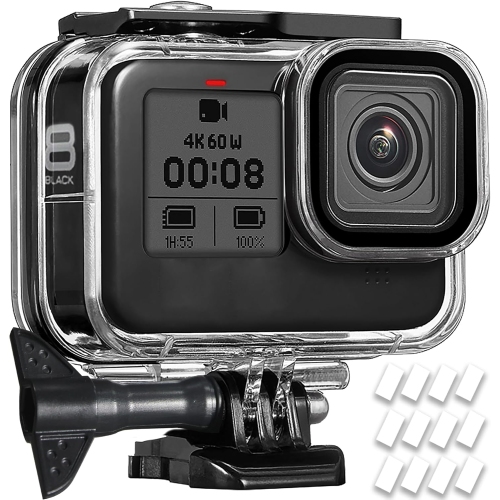
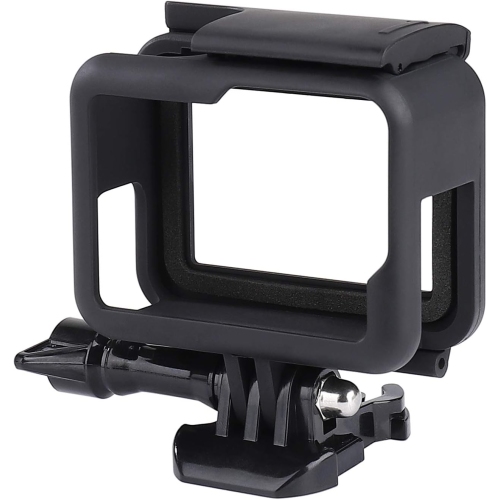
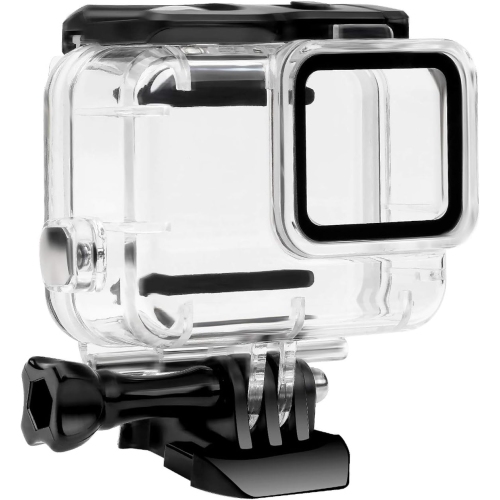
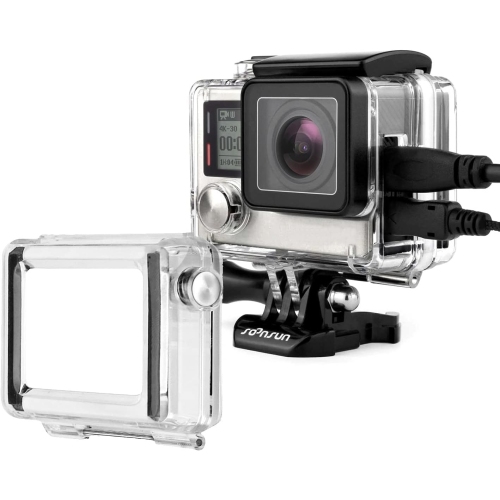
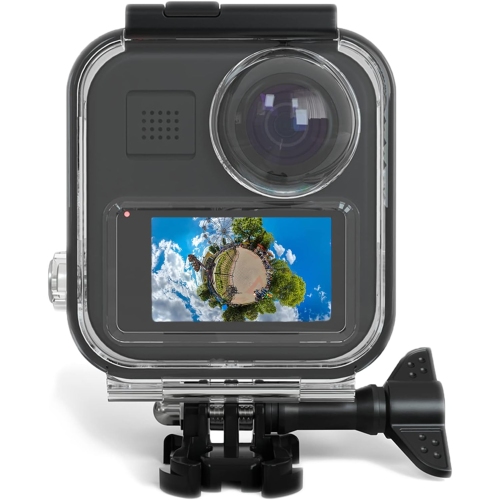
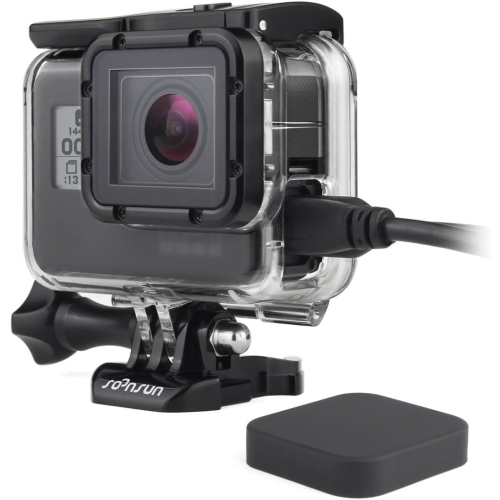
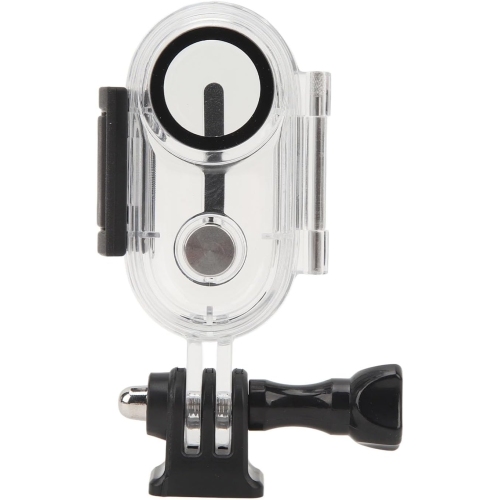
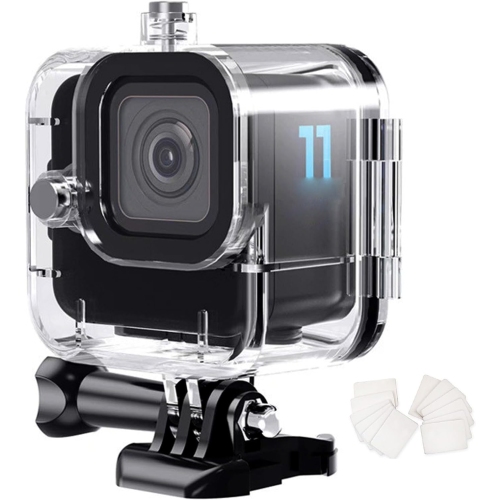
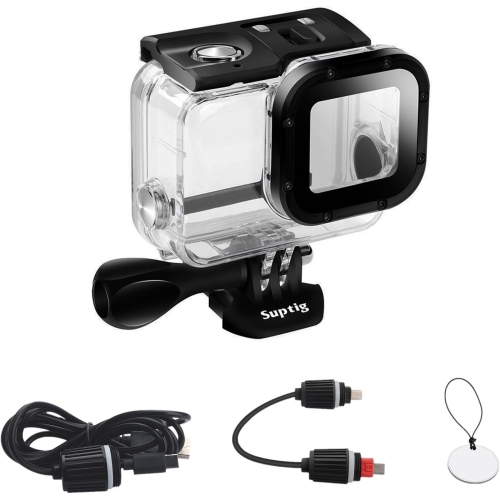
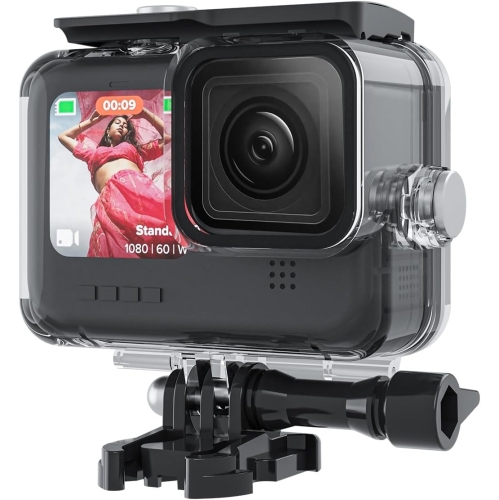
Underwater camera housings add a protective outer shell around compatible action cameras, helping keep water away from the camera while preserving access to essential recording controls. They suit everything from filming a first snorkelling outing to capturing a scuba descent beside a rocky wall, where trailing bubbles and passing fish can become part of the footage. Although some action cameras are waterproof without an additional case, their permitted depth and conditions of use vary. A dedicated underwater housing can support deeper use when its stated rating allows, while also providing a physical barrier against incidental contact with equipment or rough surfaces. Exact compatibility is central to that protection. Cameras that look similar can have different body dimensions, lens positions, button layouts, and mounting requirements, so a housing needs to match the camera generation and configuration specified by its manufacturer. A snug fit keeps the lens aligned with the viewing window and allows external buttons to reach the camera’s controls without forcing them. Camera skins, attached accessories, and some lens covers may affect that fit, depending on the design. Rigid housings often combine a transparent polycarbonate body with a separate lens window, a hinged or removable back door, and a secure closing mechanism. Glass and acrylic windows have different care requirements, while the shell itself needs enough rigidity to maintain its shape under the conditions for which it is rated. The seal around the opening is just as important as the outer body: a precisely seated gasket creates the barrier that helps prevent water entry. For snorkellers, divers, paddlers, and people recording activity around a pool, these details make an underwater housing more than a splash cover. It is a purpose-built accessory whose fit, closure, and depth rating need to suit the way the camera will be used. A shallow swim and a deeper dive place different demands on the enclosure, even when the camera inside is the same.
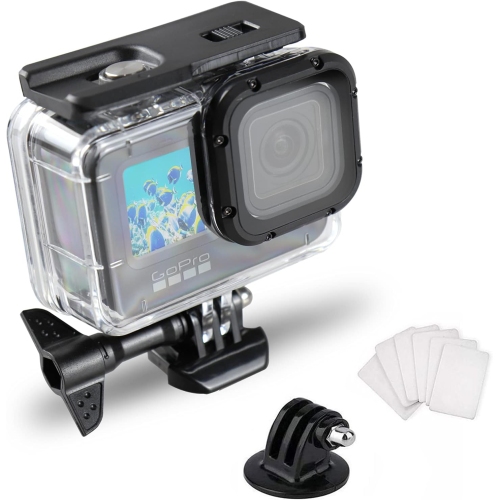
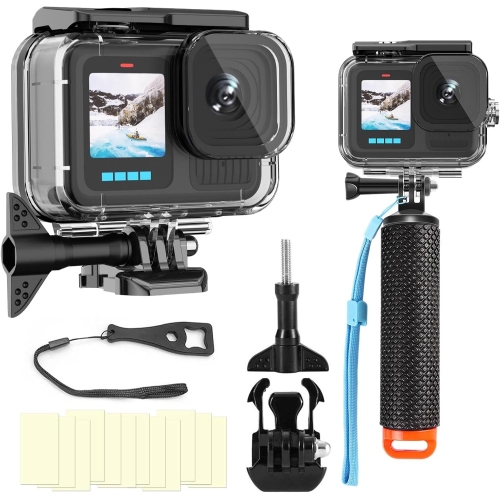
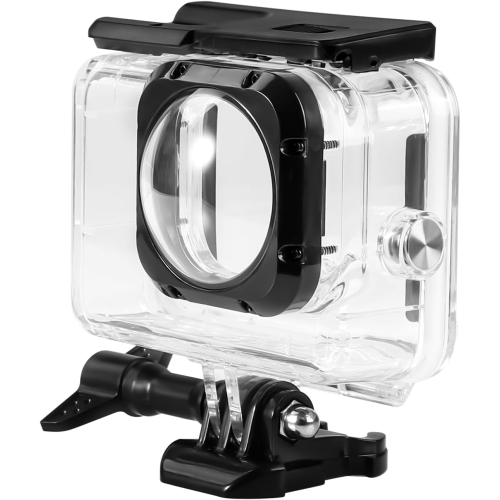
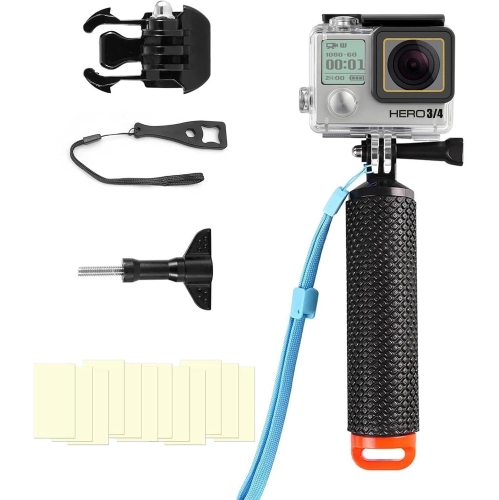
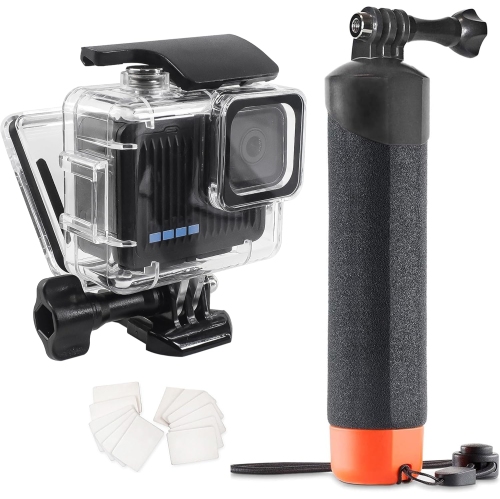
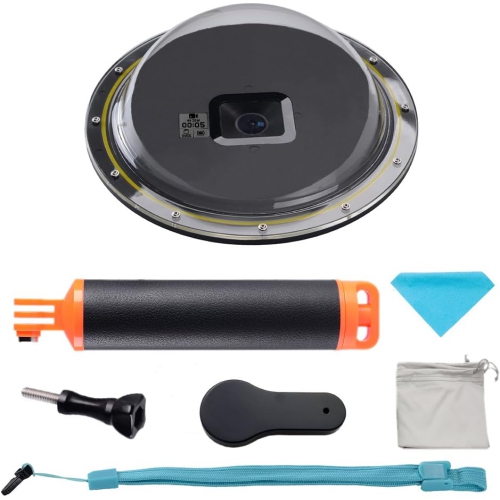
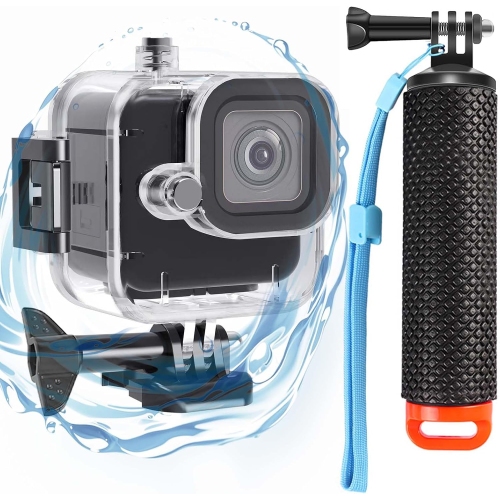
The most useful housing features are often the ones that become noticeable once hands are wet and attention is divided between recording and the activity itself. Raised external buttons can make starting and stopping a clip easier, while a clearly visible latch helps the user confirm that the enclosure is properly closed. Button spacing and resistance matter for someone operating a camera with diving gloves, as does enough clearance around the mount to adjust the shooting angle. A housing generally limits direct access to the touchscreen, so selecting recording settings before closing the case can reduce interruptions in the water. Wireless connections should not be relied on for underwater camera control, and a sealed enclosure can change how audio is captured. Its main purpose is protecting the camera, rather than preserving the same sound or handling experience as an uncovered device. Image quality also depends on what sits in front of the lens. A clean, unscratched viewing window helps preserve contrast and detail, whether the subject is a swimmer crossing bright pool tiles or a fish moving through a patch of sunlight. Lens-port design can affect the field of view and how nearby subjects appear underwater; an ordinary flat window is not interchangeable with a specialized dome attachment intended for a different shooting effect. Clear space around the lens also helps avoid unwanted edges appearing in wide-angle footage. Mounting compatibility deserves similar attention. The housing’s attachment point must work with the intended grip, tray, or camera mount, and the combined setup should remain manageable in the water. A floating grip may help with retrieval, but buoyancy depends on the weight of the complete assembly rather than the grip alone. For divers trying to hold a steady frame, a secure, comfortable setup can be more useful than a collection of attachments. The goal is a camera that remains straightforward to operate without distracting from the surroundings or the activity being recorded.
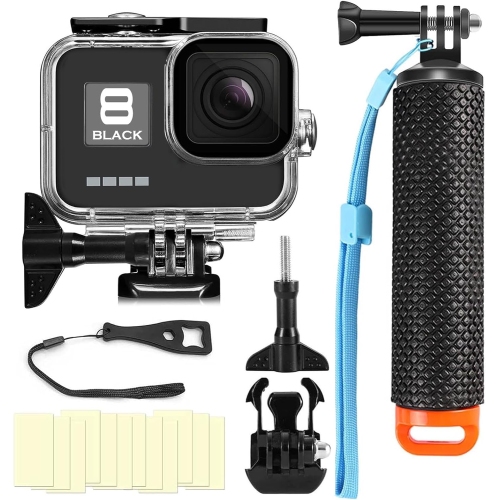
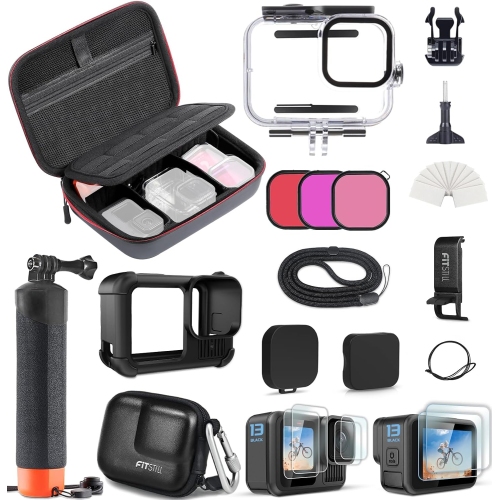
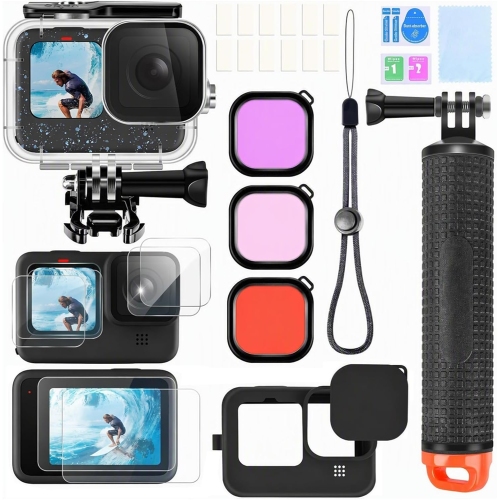
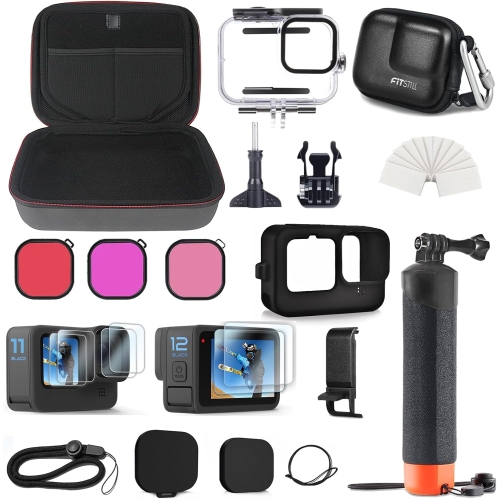
Care between outings has a direct effect on how well an underwater housing continues to perform. Sand, salt residue, hair, and lint can interfere with a seal, even when the case appears firmly latched. The sealing surface and gasket need to remain clean and correctly seated, with any lubricant used only as directed by the housing manufacturer. More lubricant does not compensate for a damaged gasket, and household oils or cleaning products may be unsuitable for the materials. After exposure to salt water or pool water, rinsing the closed housing with fresh water helps remove residue from the shell, latch, and external controls. The outside should be dry before the case is opened so that droplets do not fall onto the camera. Thorough drying before storage also helps keep moisture from remaining around hinges and recesses. Lens windows benefit from gentle cleaning with suitable materials rather than a quick wipe with a gritty towel, which can leave fine scratches that become visible as glare in footage. Approved moisture-absorbing inserts may help reduce internal fogging where the housing design supports them, but they must not obstruct the seal or controls. Storage with the lens protected from loose equipment helps preserve optical clarity, while periodic checks for cracks, worn closures, or damaged seals can reveal issues before another outing. For someone assembling a camera setup from the beginning, GoPro Waterproof Camera Sets provide a related category to explore, with the included components and depth ratings worth checking against the intended use. An underwater housing can also make a thoughtful gift for a keen snorkeller, certified diver, or action-camera owner who enjoys filming on the water. Knowing the recipient’s exact camera model is essential to making that gift useful. With the right fit and attentive care, a housing becomes a practical part of a recording setup, helping capture the small details beneath the surface while keeping the camera enclosed and protected within its stated limits.

FAQ

Some products may be subject to Environmental Handling Fees (EHF) depending on your province. Learn more about EHFs.