Electric Mini Mixers
An electric mini mixer is a small, hand-held device that allows you to mix ingredients in a bowl. These are great tools for making cocktails, whip cream, or even just mixing up a quick batch of homemade baked food. These are durable and easy to use perfect for beginners. Here are some of the best options available today.
Sort































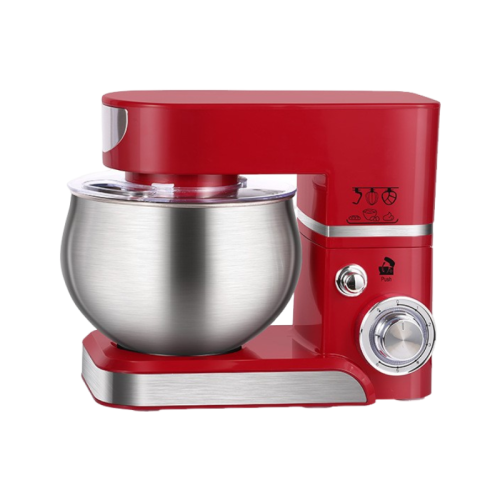
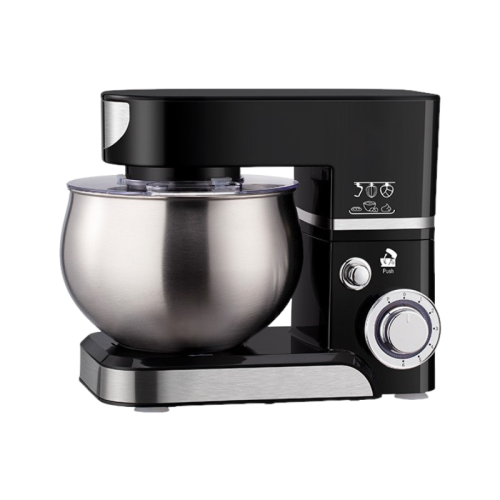
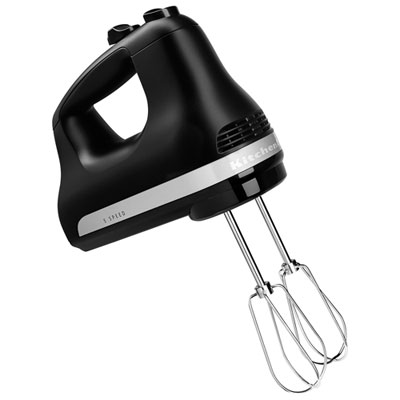
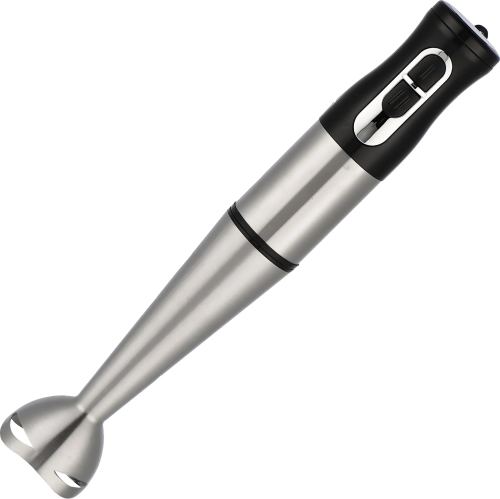

Why small mixing jobs need the right attachment
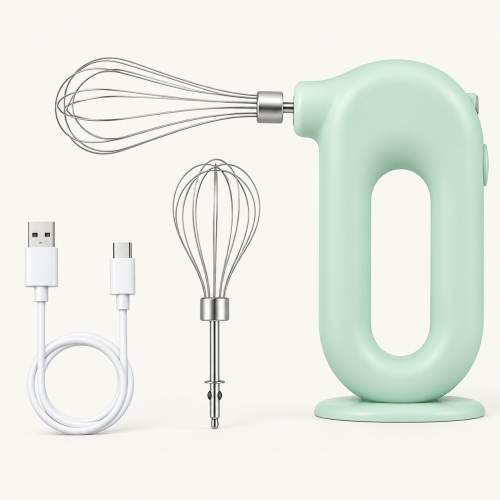
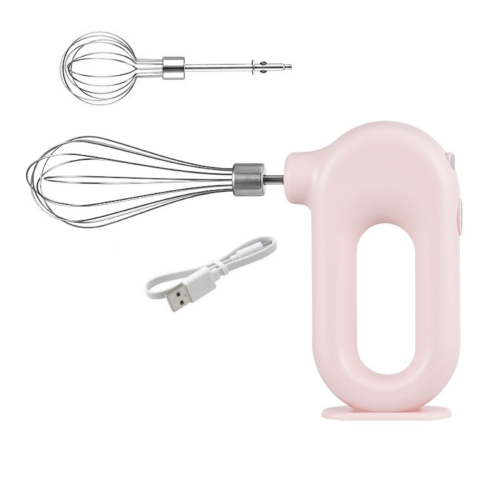
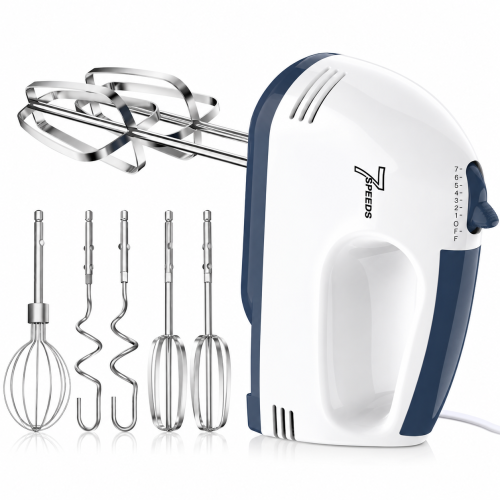
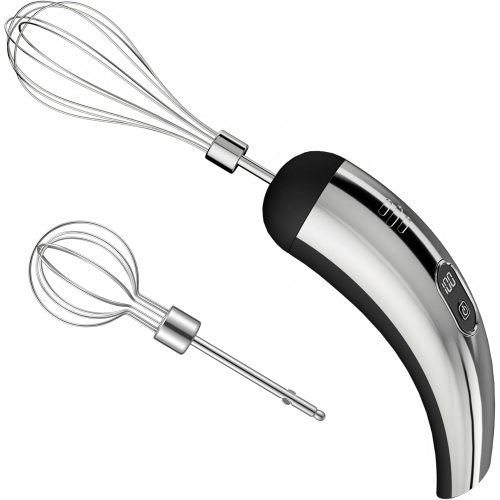
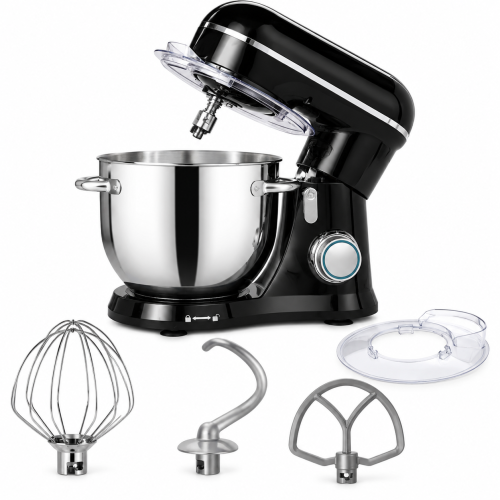
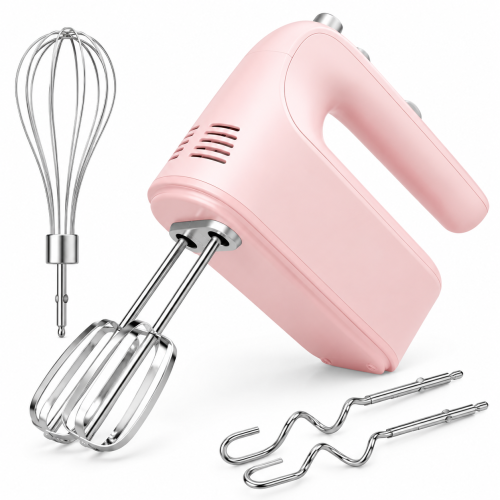
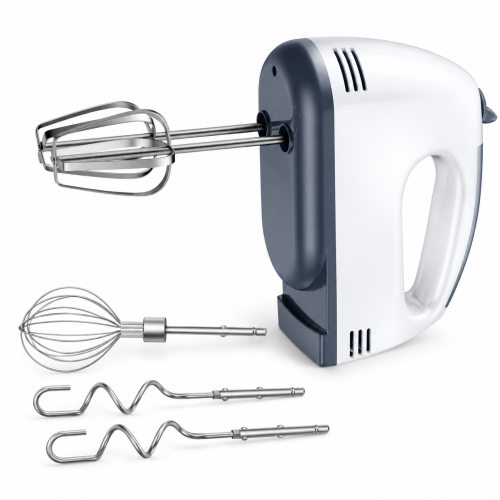
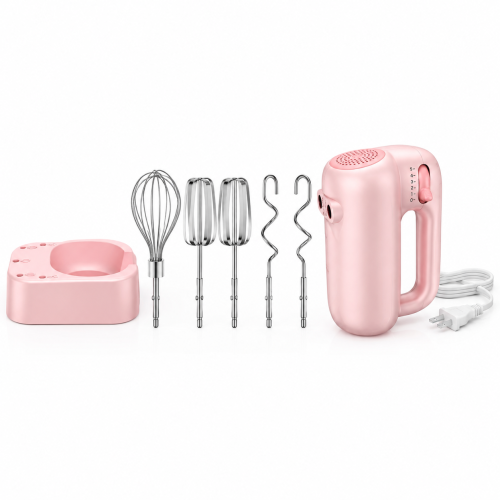
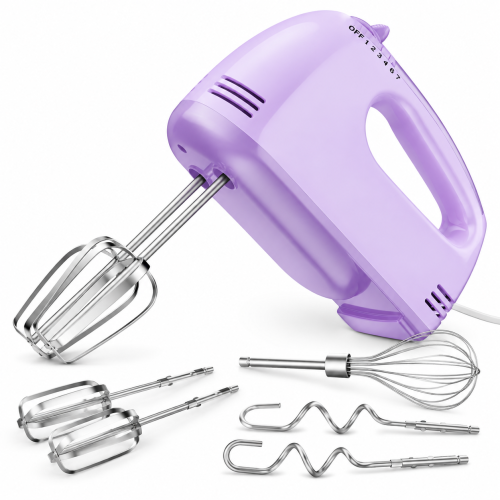
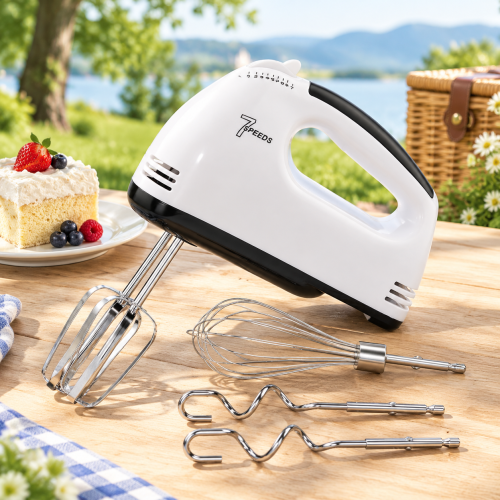
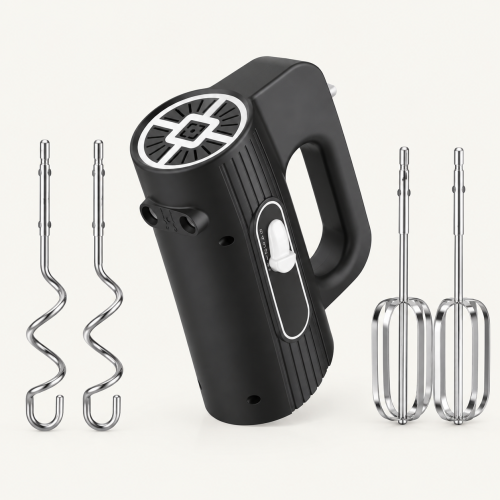
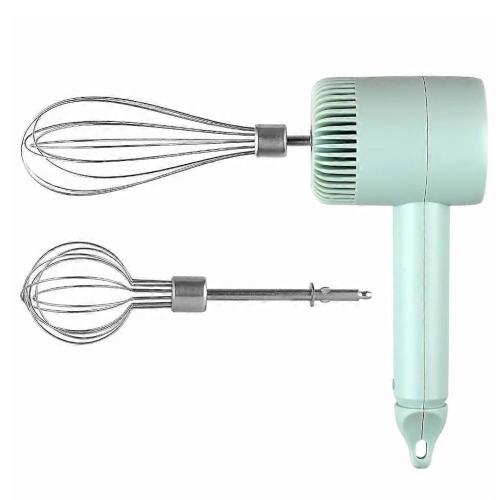
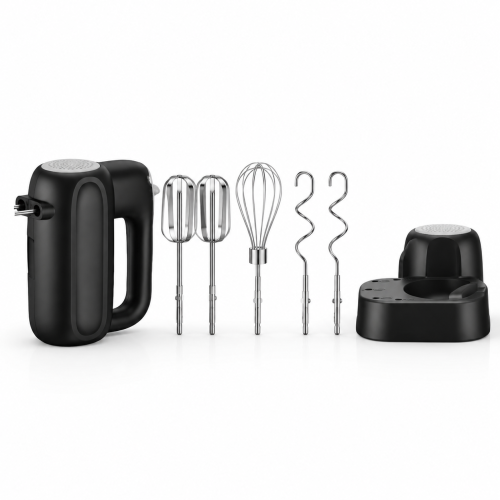
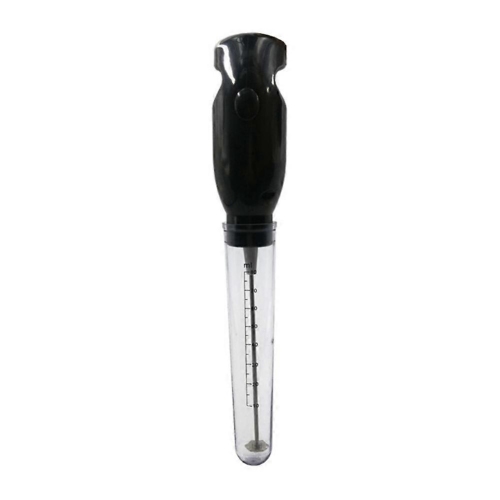
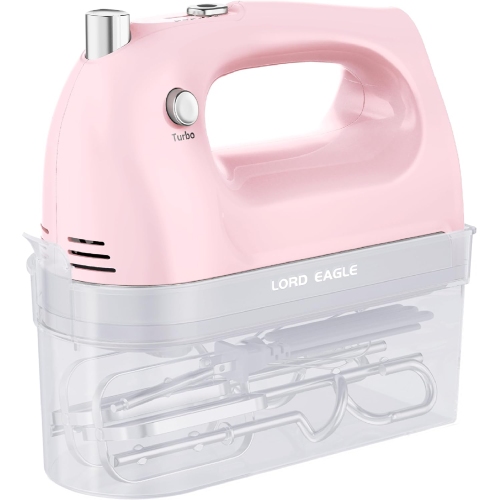
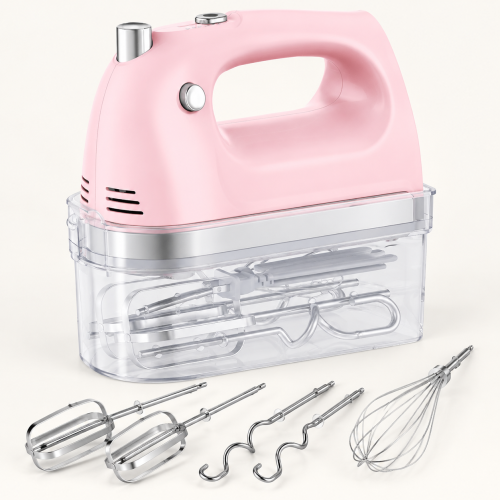
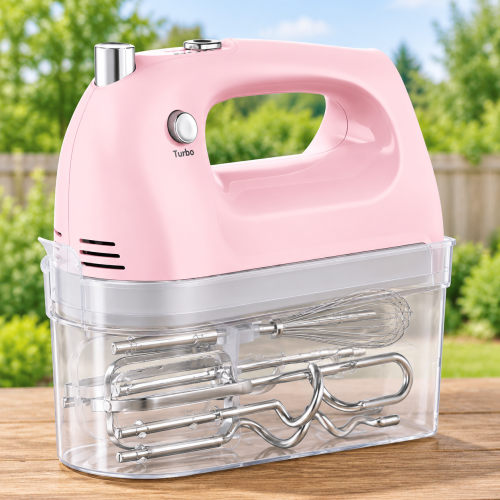
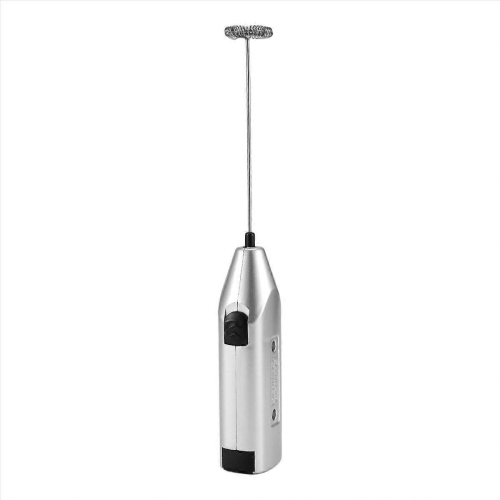
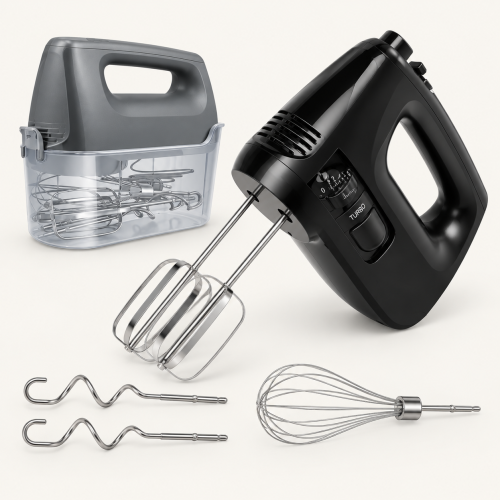
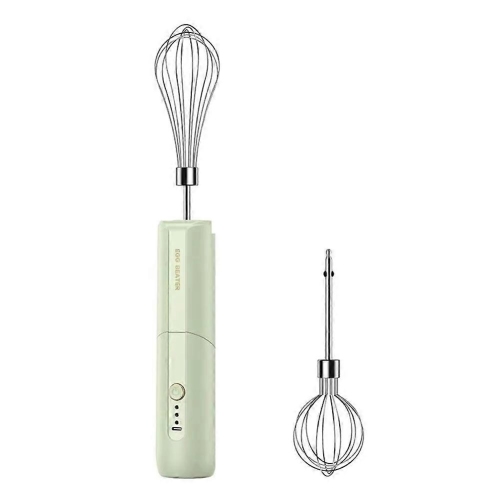
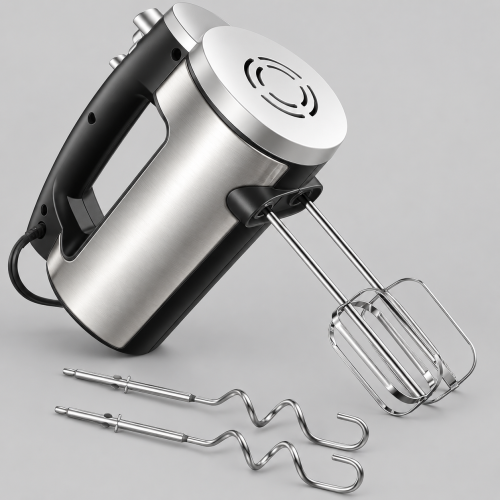
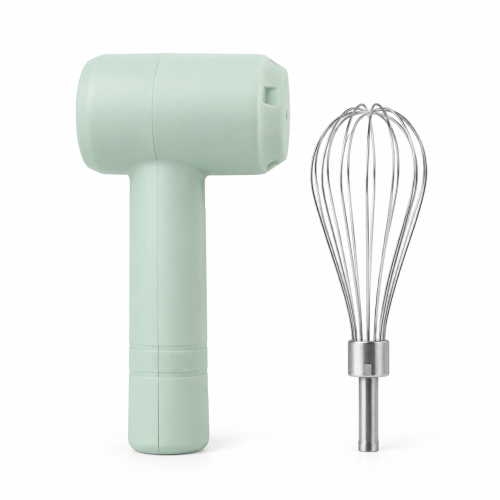
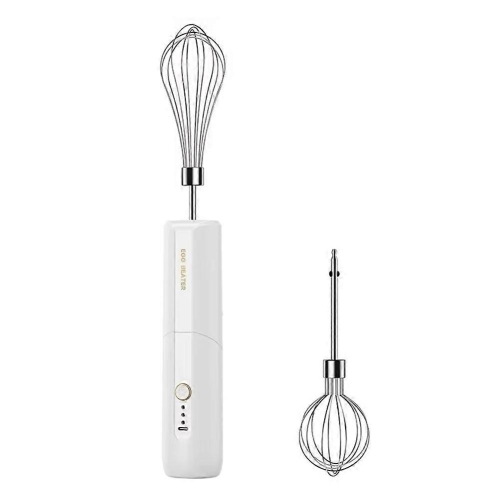
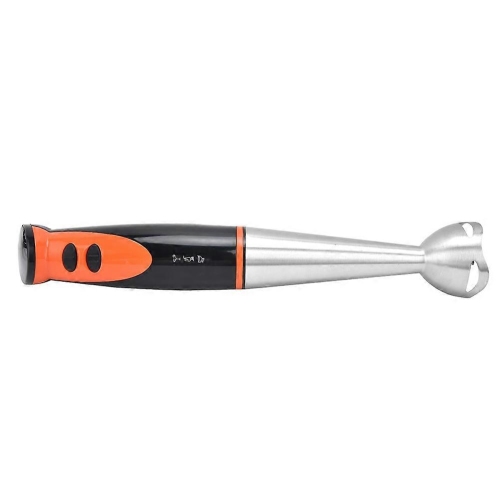
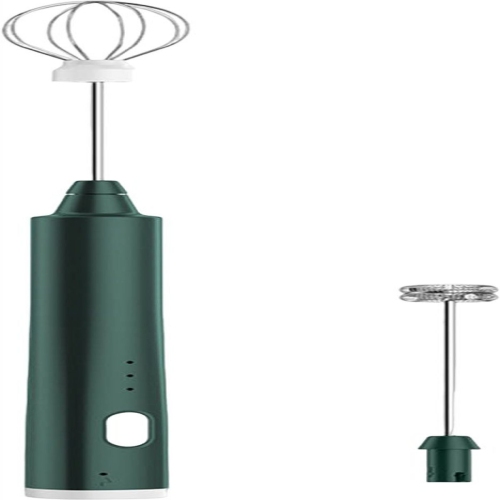
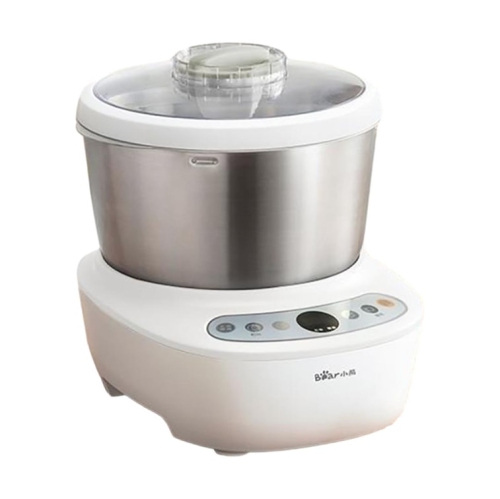
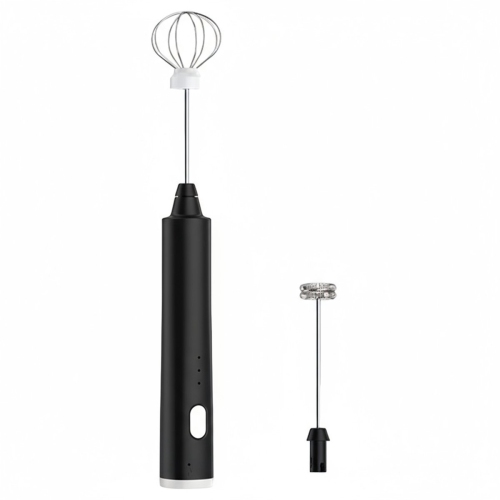
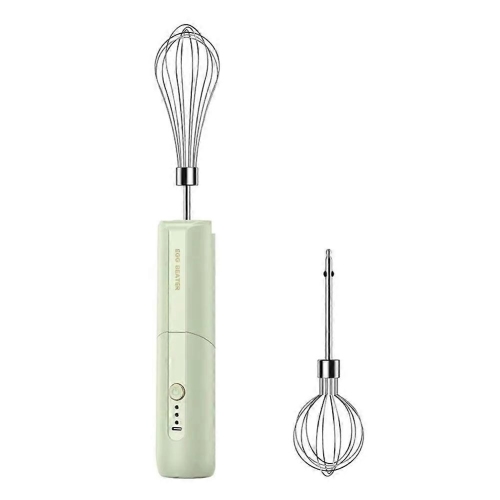
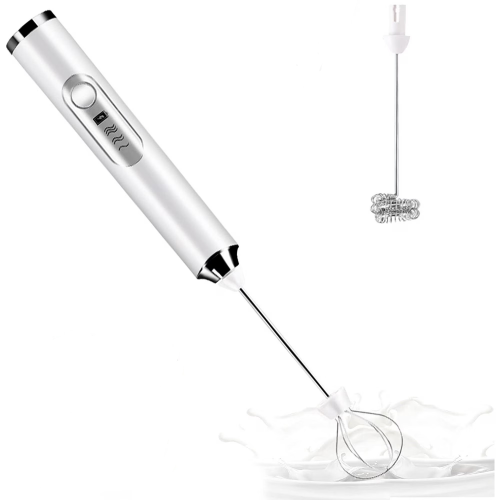
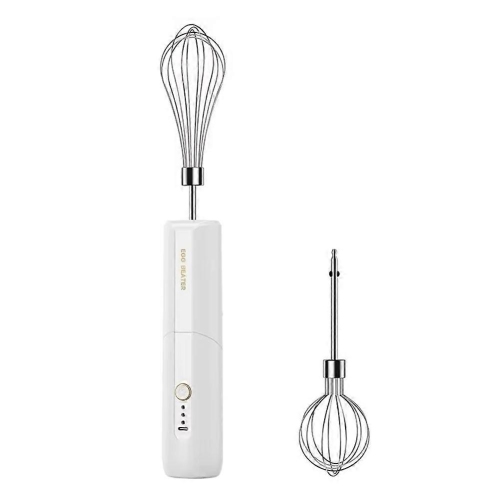
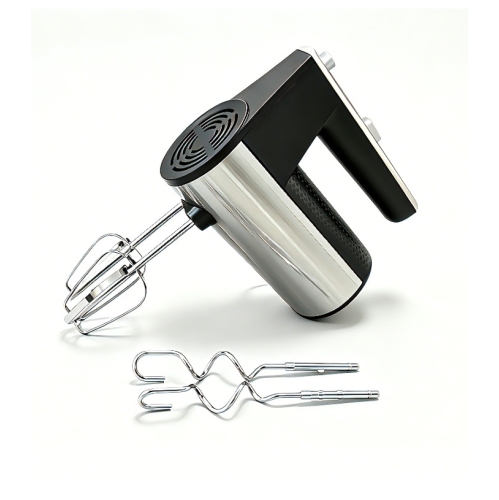
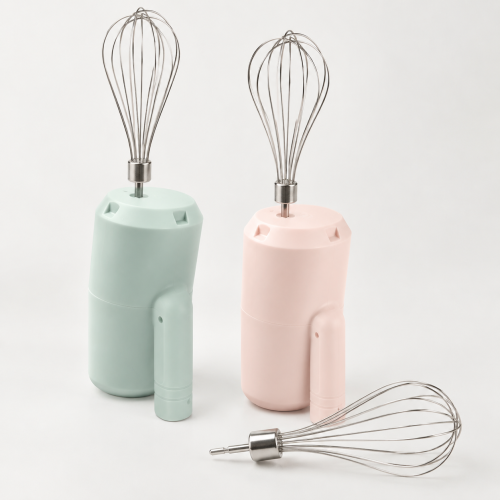
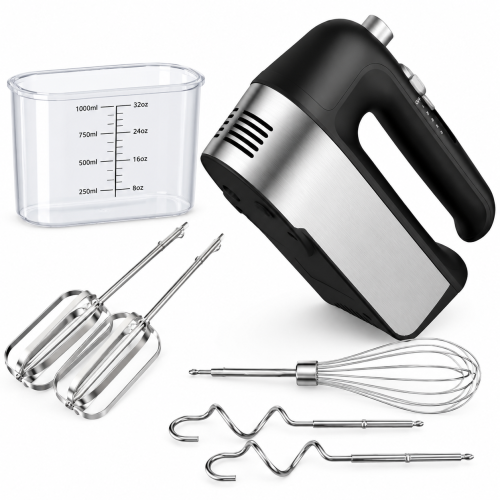
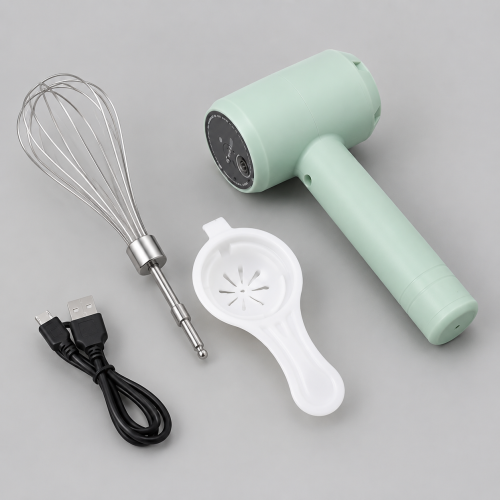
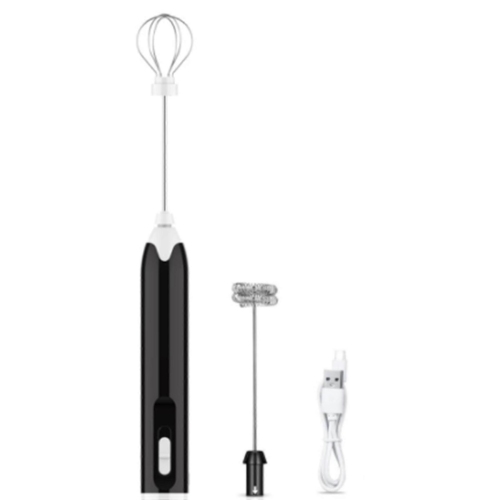
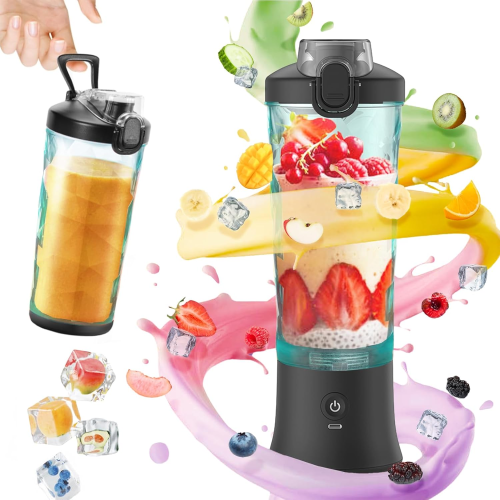
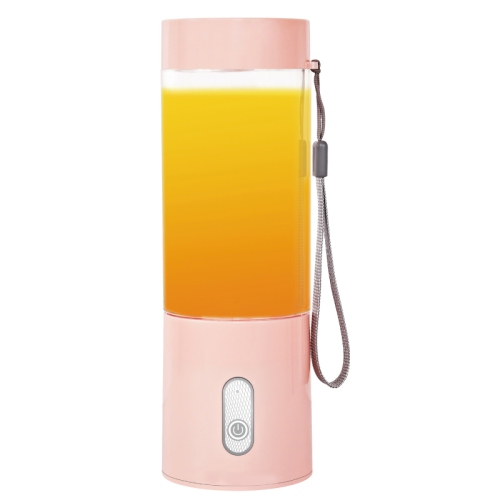
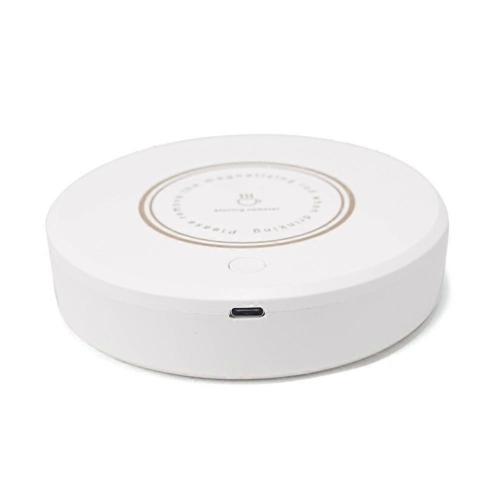
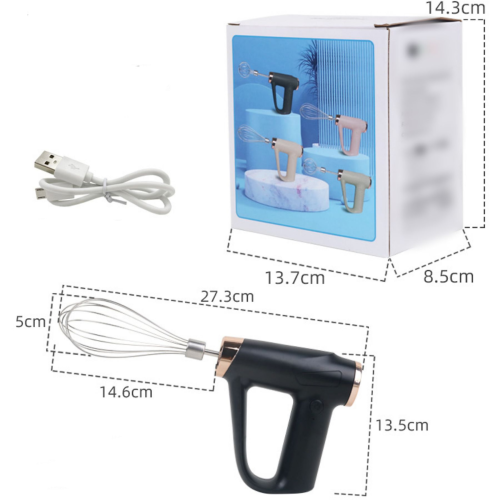
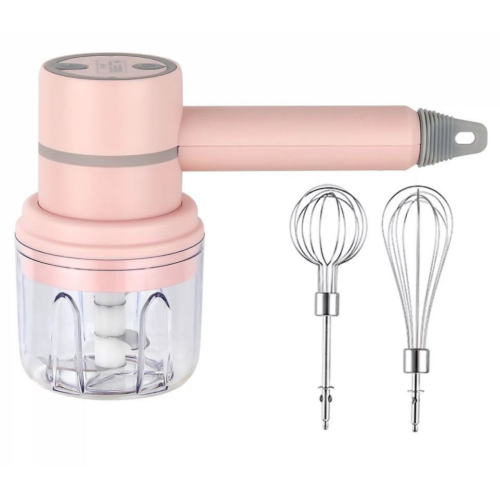
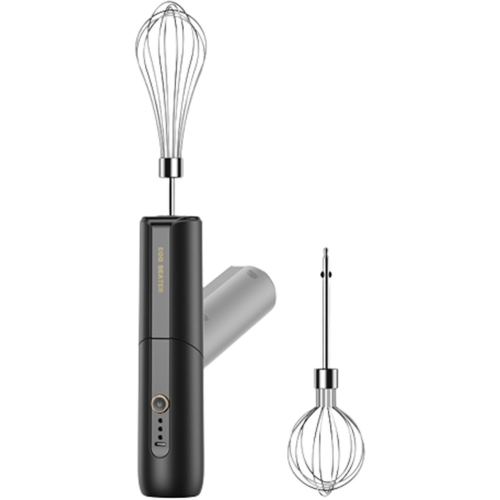
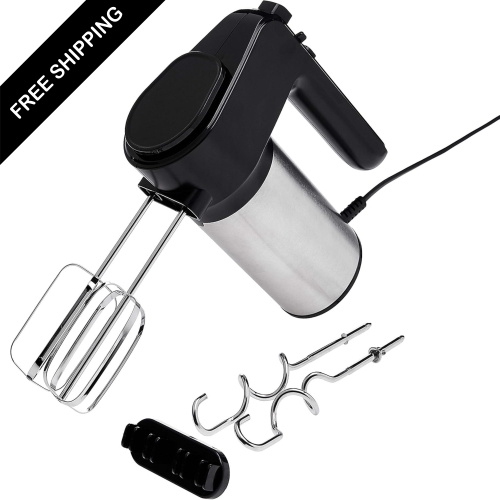
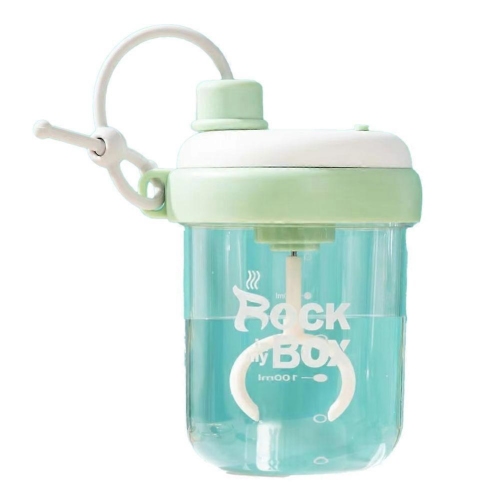
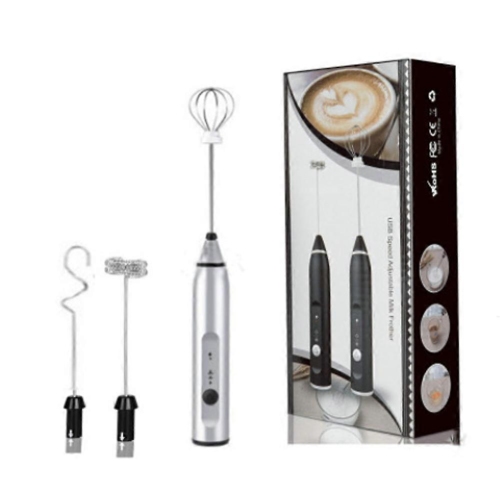
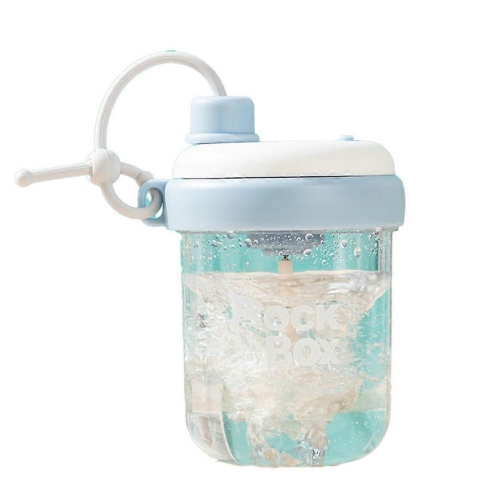
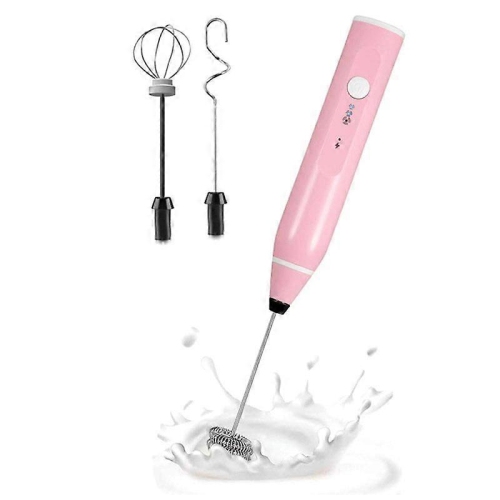
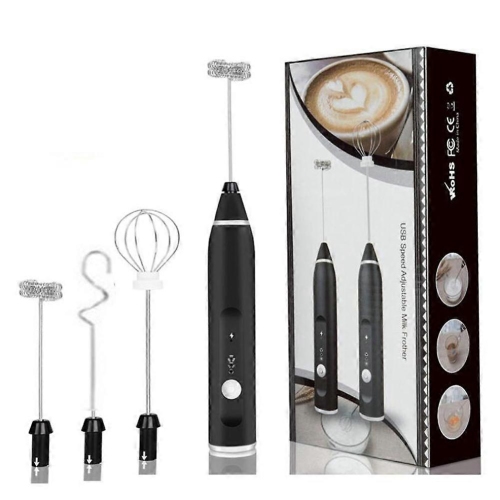
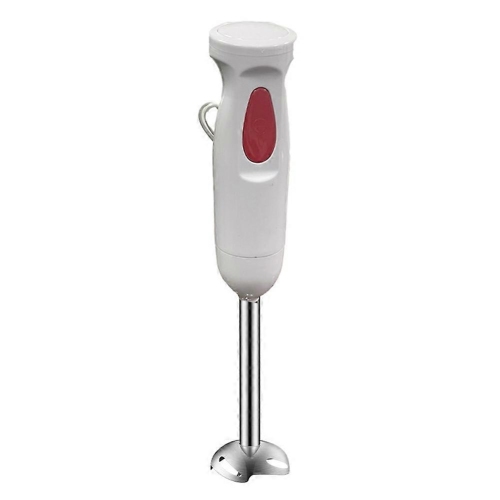
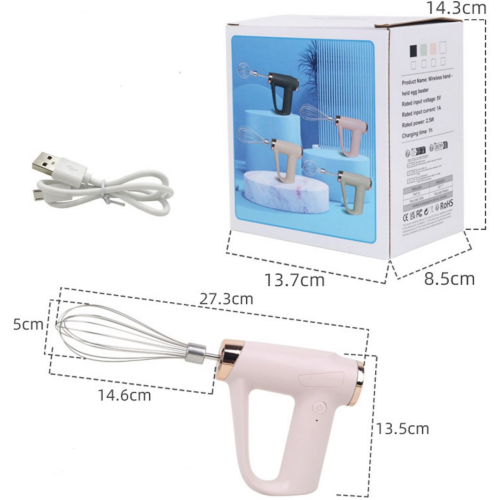
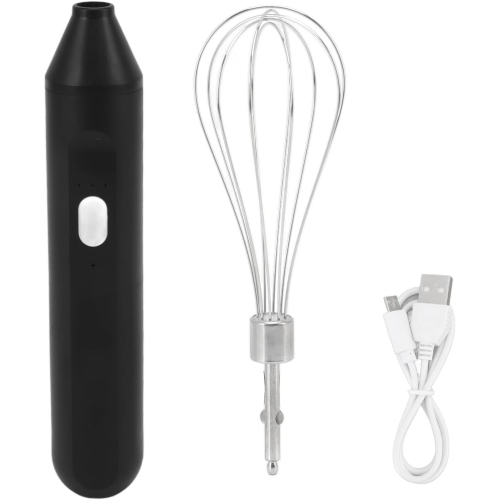
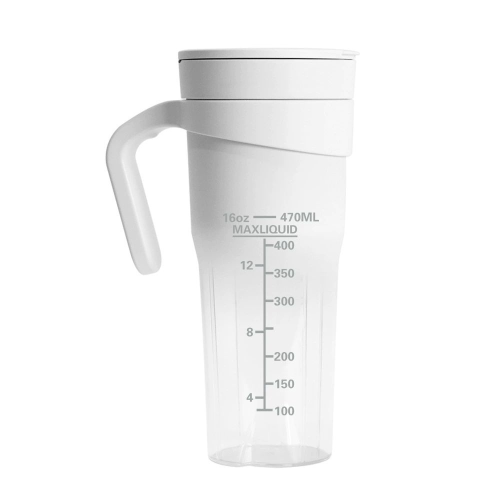
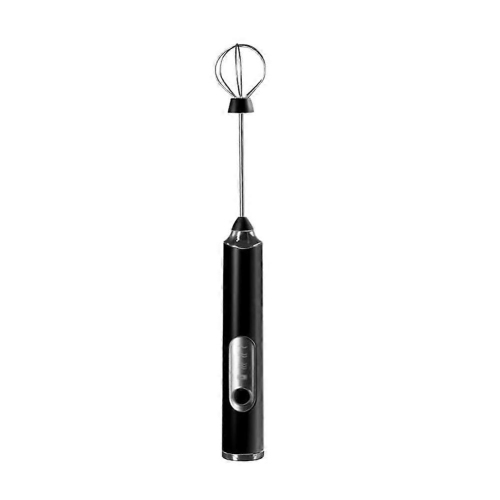
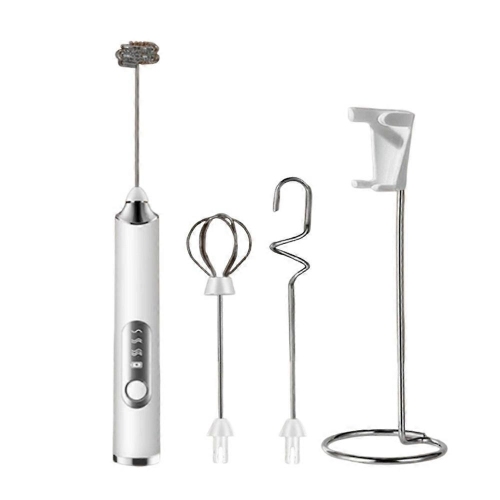
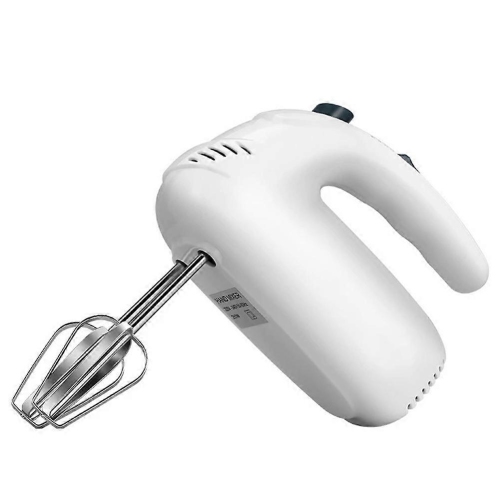
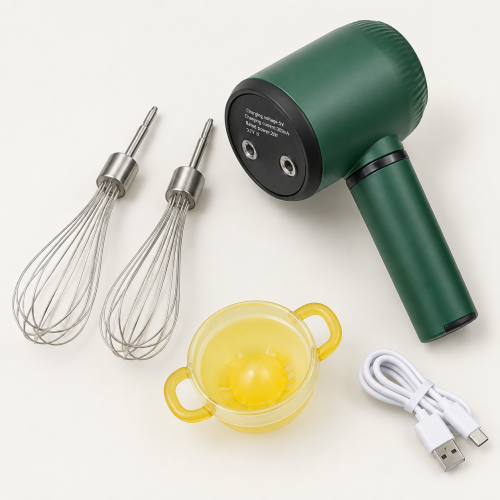
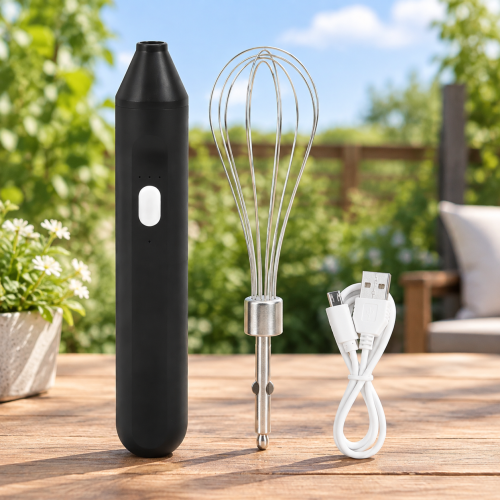
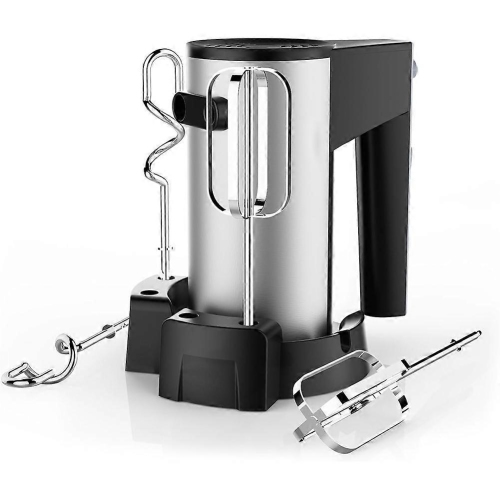
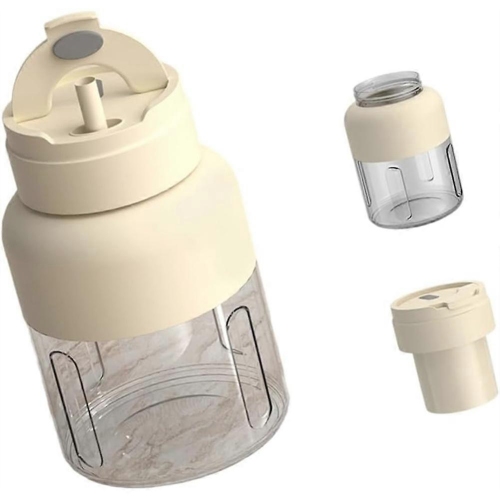
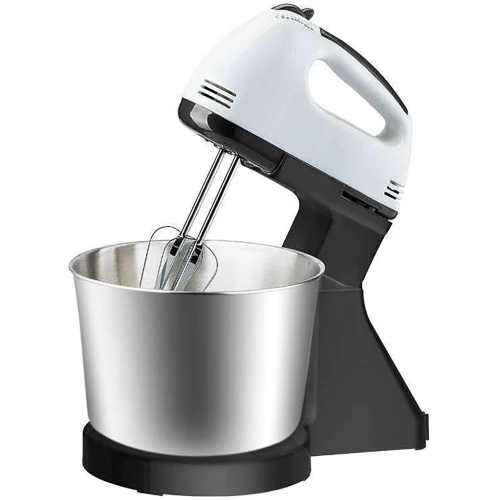
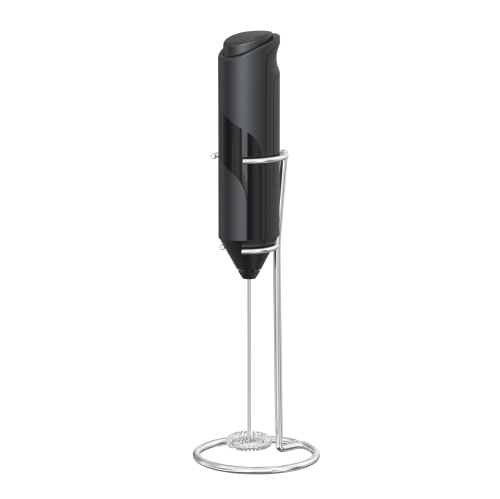
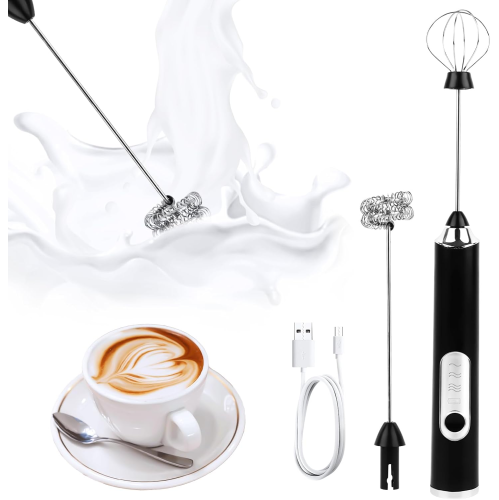
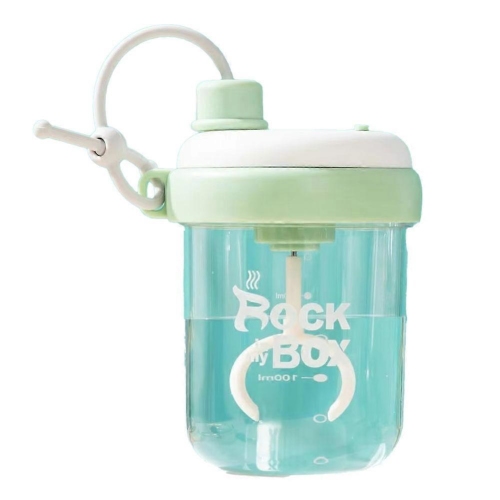
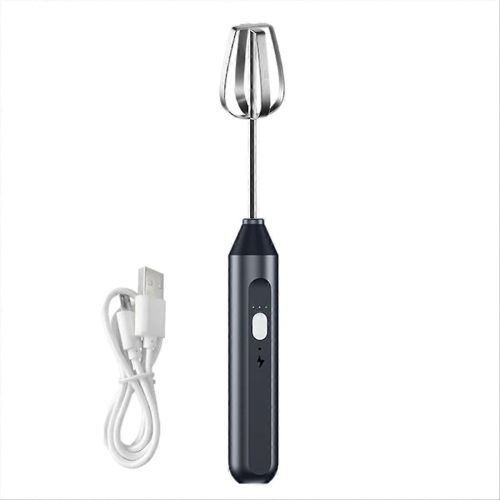
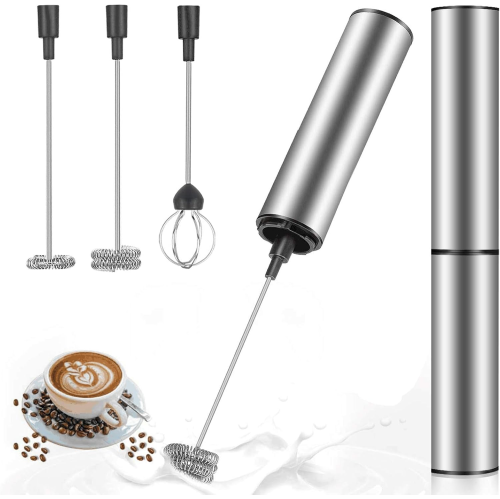
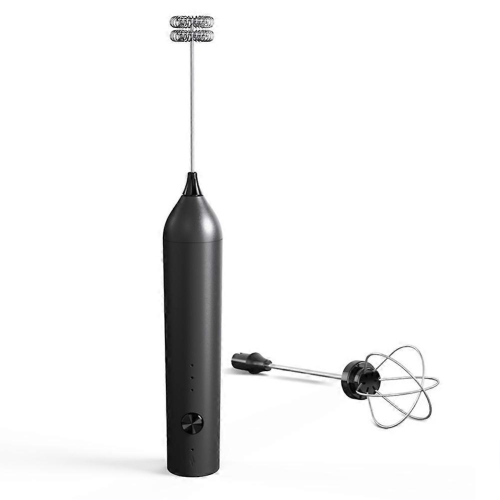
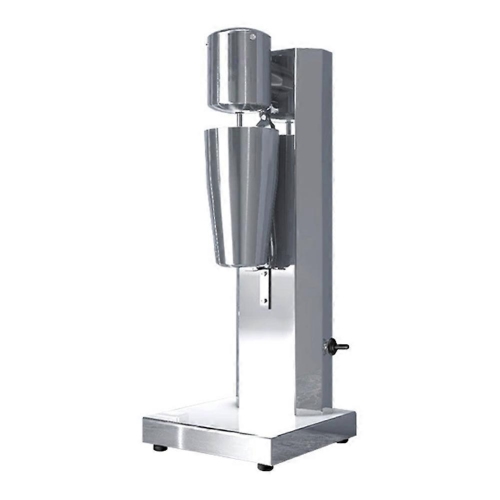
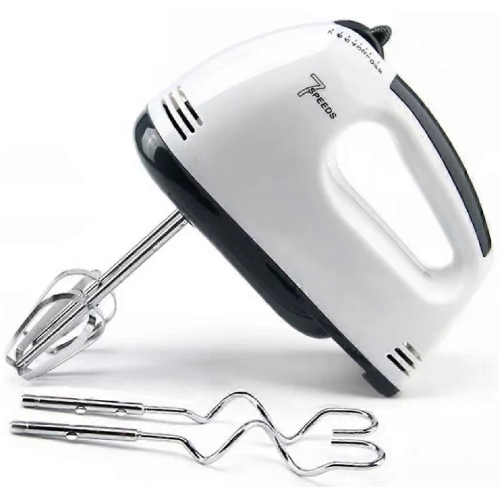
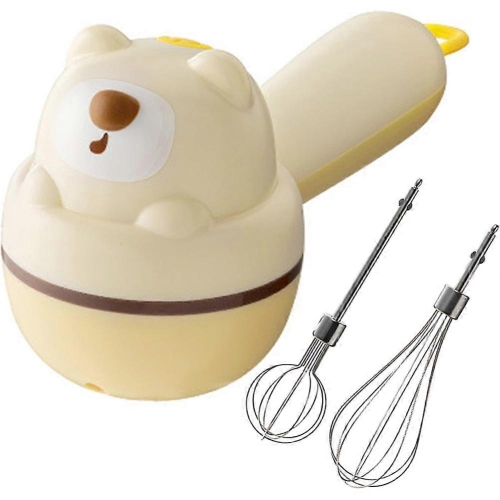
Electric mini mixers are small powered kitchen tools made for stirring, whisking, frothing, and other light mixing tasks. Their compact size suits everyday jobs that do not call for a full-size appliance, from blending cocoa into milk to whisking an egg for an omelette. The category includes slim handheld beverage frothers, cordless mini mixers with interchangeable attachments, and compact hand mixers fitted with detachable beaters. Although these tools share a small footprint, their capabilities differ. A wand frother typically uses a small wire coil to draw air into liquid, making it useful for finishing a coffee with milk foam or mixing a powdered drink. A miniature whisk attachment can suit eggs, dressings, and small portions of cream when the appliance is designed for those uses. A compact beater-style mixer offers a different mixing action and may handle light batters, but it should not be assumed to have the power or capacity of a larger hand mixer. For a mug of matcha, a quick vinaigrette, or a single serving of a powdered supplement, a slim tool can be easier to handle and clean than a larger appliance. It also leaves more room on a crowded kitchen counter. Electric mini mixers can be useful in apartments, shared kitchens, office kitchenettes, and homes where small portions are common. They suit people who enjoy making café-style drinks, cooks who frequently prepare sauces, and anyone who would rather whisk a little at a time than bring out a large mixing bowl. They can also make practical housewarming gifts for someone setting up a coffee station or a first kitchen. For a broader look at small-format mixing appliances, Compact Mixers includes related options for different preparation tasks. The most useful distinction is not simply how small a mixer is, but whether its attachment, power source, and intended workload match what will go into the cup or bowl.
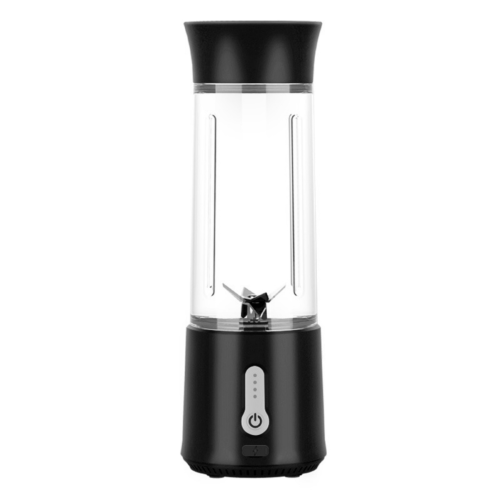
Materials, grip, and attachment shape all influence how an electric mini mixer feels during use. Stainless steel is common in whisk shafts and mixing heads because it stands up well to routine contact with food and repeated cleaning, though the care directions still matter. Plastic housings keep many handheld tools light, while the shape and finish of the handle affect how securely they sit in the hand. A comfortable grip is particularly helpful when holding a frother upright in a narrow mug or moving a beater through a small bowl. Button placement deserves attention as well: a press-and-hold control allows the motor to stop when released, while a locking switch can reduce the need to keep a finger pressed down. The attachment must fit both the recipe and the vessel. A long, narrow shaft can reach into a tall drink container, but the head needs enough clearance to rotate without striking the sides or bottom. Wider beaters generally need a bowl with more working space. Variable speed can help manage splashing and give better control over delicate mixtures, though not every mini mixer offers it. Cordless designs may run on replaceable batteries or an internal rechargeable battery; rechargeable versions also differ in their charging connection and whether a separate power adapter is needed. A corded compact mixer removes the need to monitor battery charge but requires access to an outlet and space for the cord. Motor strength, attachment design, and permitted running time matter more than size alone. A tool intended for drinks is not a substitute for a blender that crushes ice or processes fruit, and a small whisk should not be pushed through bread dough or thick cookie mixtures. Secure attachment connections, a straight shaft, and clear cleaning and operating directions are useful details when judging suitability for frequent use. A storage stand, protective cover, or dedicated drawer space can help keep a delicate whisk head from being bent between uses.
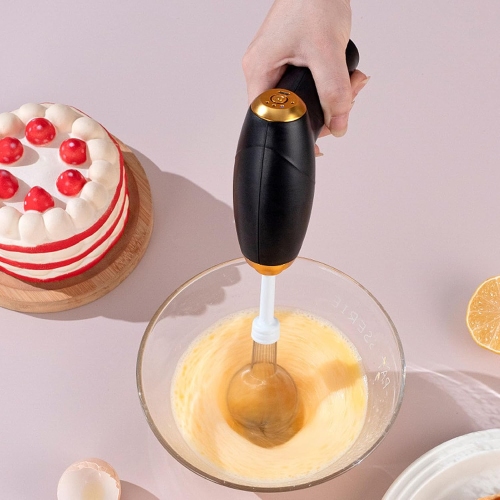
Good results with electric mini mixers depend as much on the container and technique as on the tool itself. A mug filled nearly to the rim leaves little room for milk to expand into foam, so a taller vessel with extra space is often more manageable. With a wand frother, placing the mixing head in the liquid before switching it on helps limit splashes; stopping the motor before lifting it out helps keep droplets off the counter. Follow the appliance directions for positioning the head, since frothing near the surface and stirring deeper in the liquid produce different results. Milk foam also varies with the type of milk or plant-based beverage used, so the same mixer may produce a thick cap with one drink and a lighter layer of bubbles with another. Fine powders can benefit from being mixed with a small amount of liquid first, then diluted to the desired consistency, provided this method suits the ingredients. For dressings, a narrow container can keep a small quantity around the whisk rather than spreading it across the base of a large bowl. Egg mixtures and light batters call for an attachment rated for food preparation beyond beverages, along with a bowl deep enough to contain movement. Care is usually straightforward, but the motor housing and battery compartment need protection from water. Detachable food-contact parts should be removed and washed according to their instructions; dishwasher cleaning is appropriate only when expressly permitted. Fixed shafts and whisk heads may require careful hand-cleaning while keeping the handle dry. Cleaning soon after use prevents milk, egg, or batter from drying into small gaps, and thorough drying before storage helps keep attachments in good condition. Avoid bending wire loops or forcing an attachment into its socket, and stop using the mixer if the shaft wobbles or a connection becomes loose. With a suitable attachment, a comfortable handle, and a workload within its limits, an electric mini mixer can become a convenient everyday tool for small kitchen tasks.
Top selling and popular products
-
 Your price for this item is $59.99
-
 Your price for this item is $59.99
-
 Your price for this item is $99.99
-
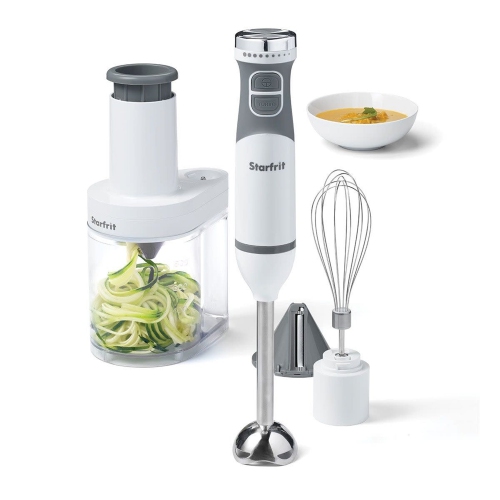 Your price for this item is $49.99
-
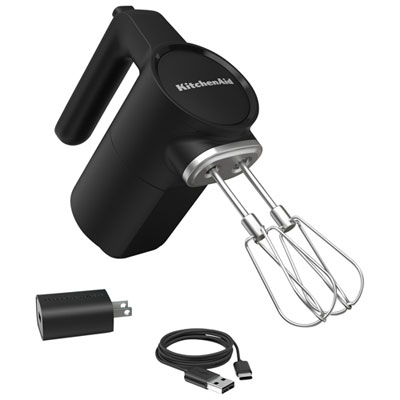 Your price for this item is $109.98
-
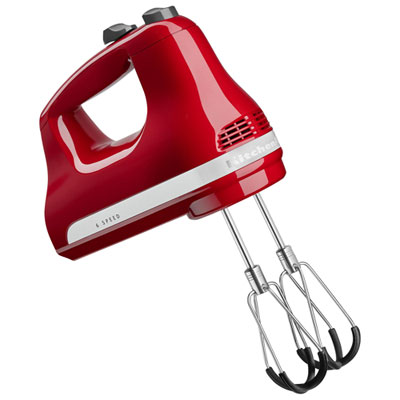 Your price for this item is $74.99
-
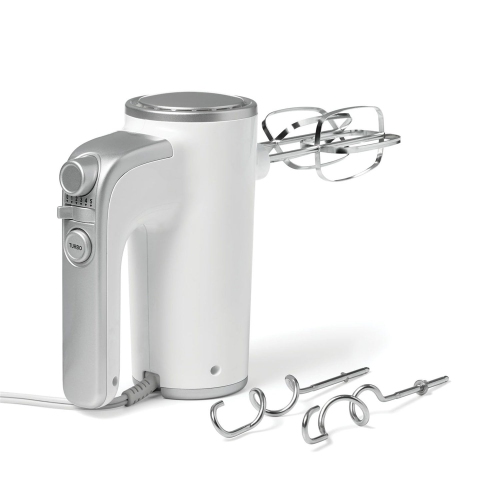 Your price for this item is $29.99
-
 Your price for this item is $57.99
Discover more categories related to Electric Mini Mixers
Top Collections:
Pokemon Centers, Best Cameras for Sports Photography, Kindle Devices, Samsung Galaxy Phones, Canon G7X Cameras, Pokémon 30th Celebration Cards, Refurbished Apple Laptops, iPhone 15 Apple, Laptops for Students, Budget Smartphones
Some products may be subject to Environmental Handling Fees
(EHF) depending on your province.
Learn more about EHFs.