Bicycle Headphones
Experience the perfect fusion of music and cycling with our collection of bicycle headphones. Designed for avid cyclists, these headphones are engineered to deliver exceptional sound quality while keeping you safe on the road. Whether you're commuting to work, embarking on a long-distance ride, or simply enjoying a leisurely bike trip, our range of bicycle headphones will enhance your cycling experience like never before. With features like sweat resistance, secure fit, and superior sound isolation, these headphones ensure that you stay focused, motivated, and entertained throughout your journey. Explore our selection today and elevate your cycling adventures to a whole new level.
Sort


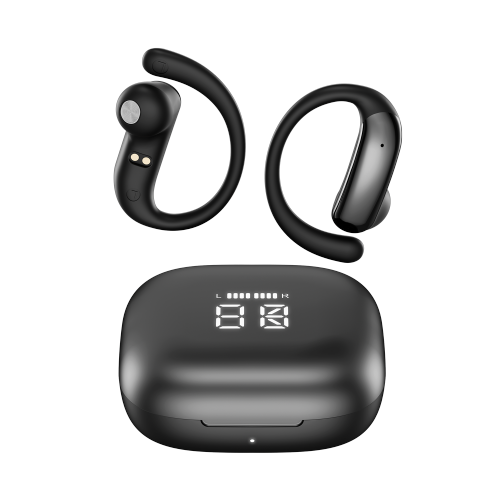
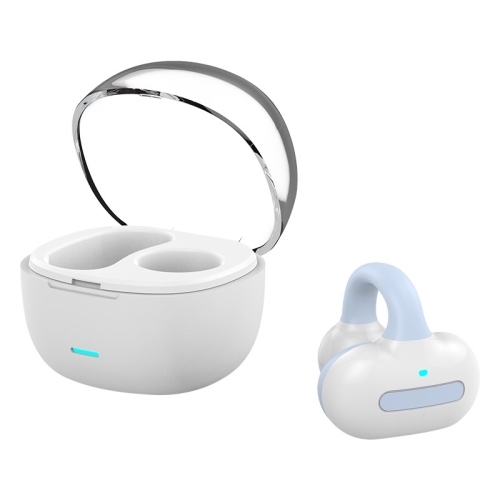
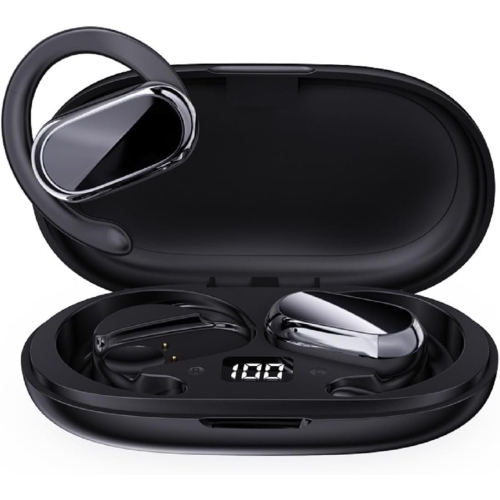



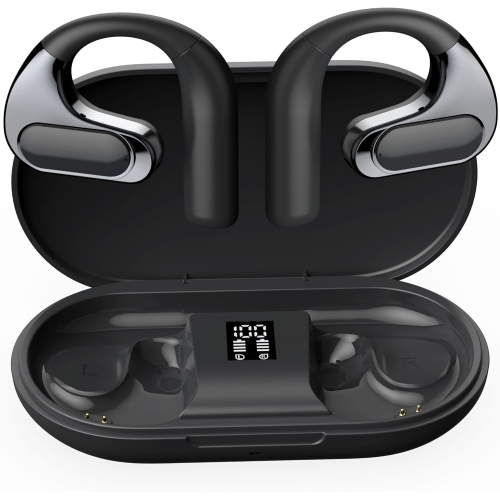


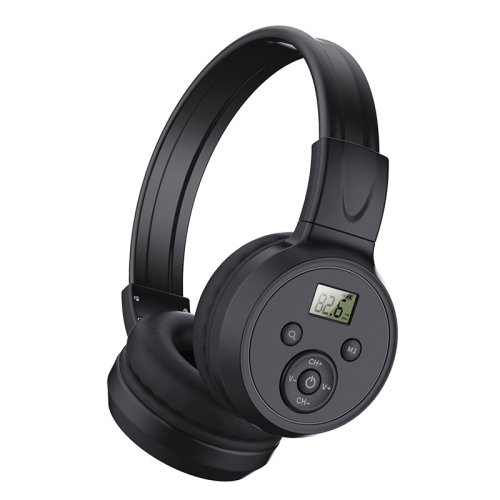
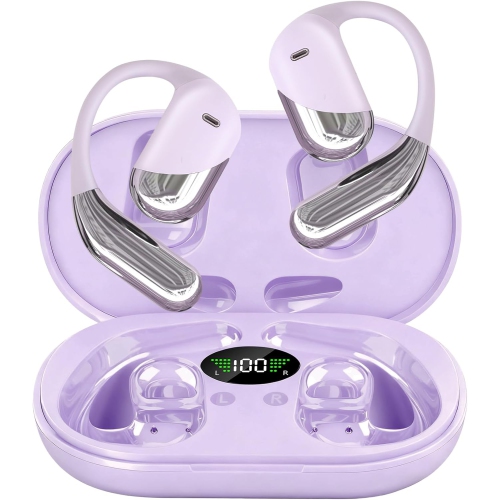
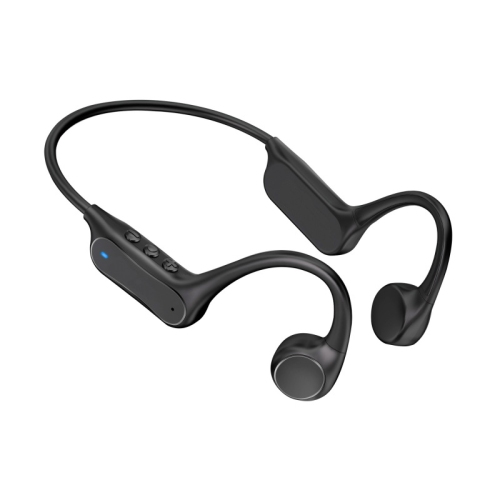
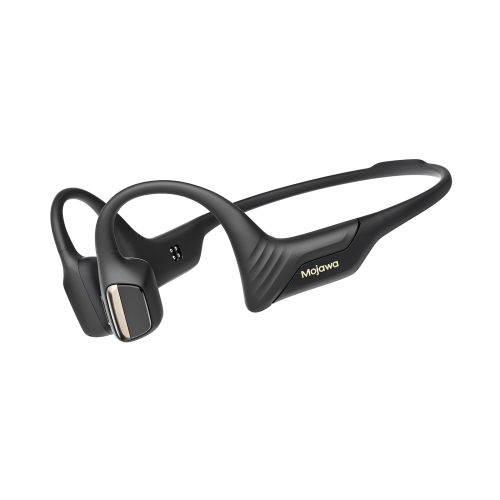

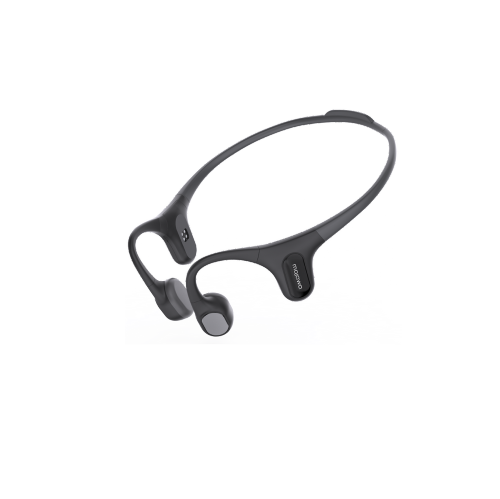
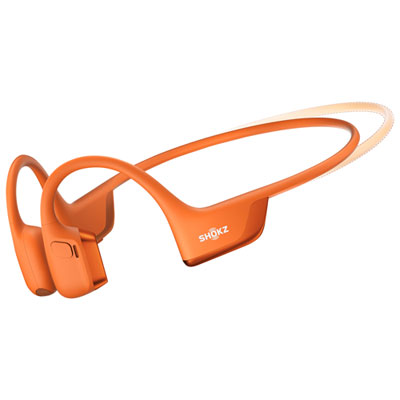
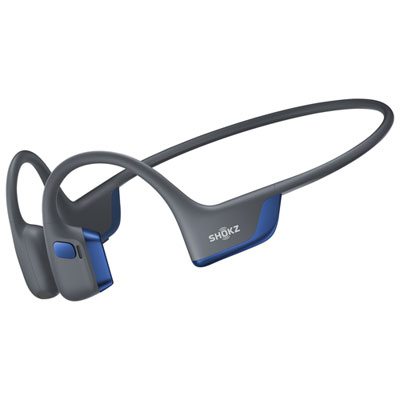
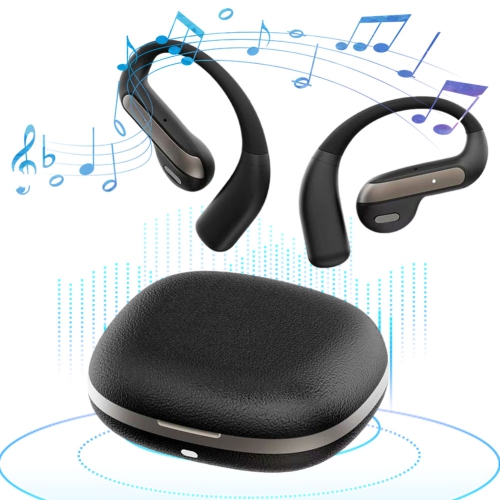

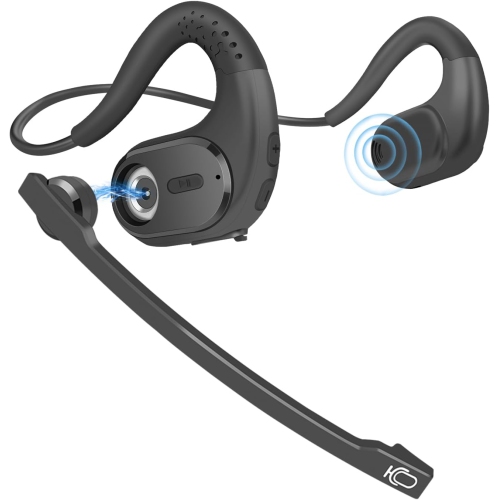
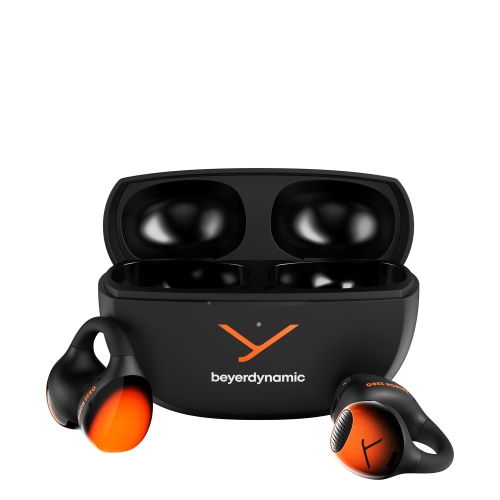


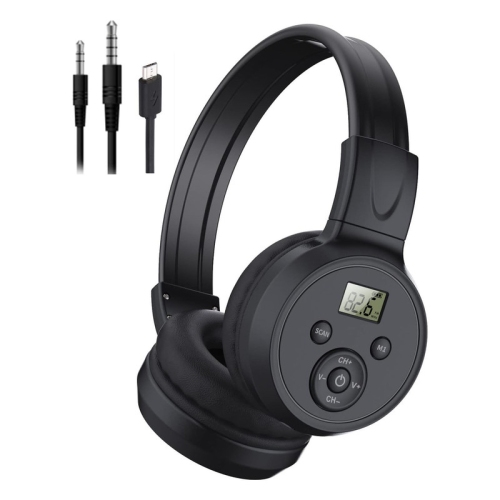
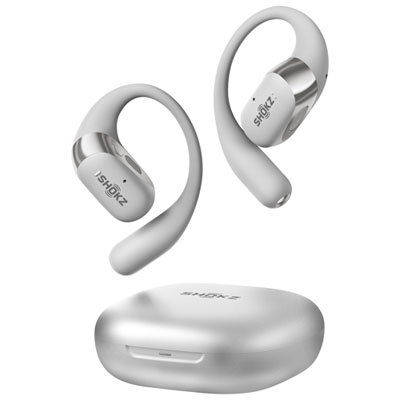
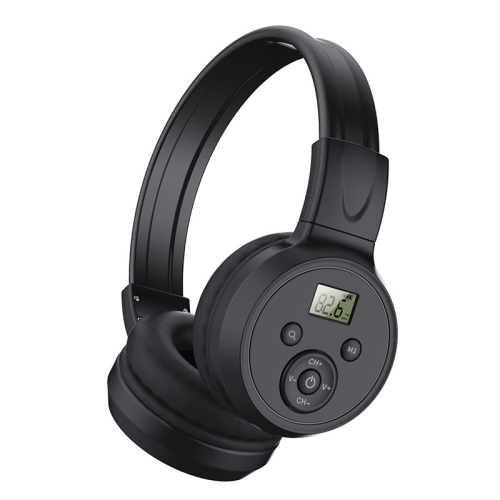
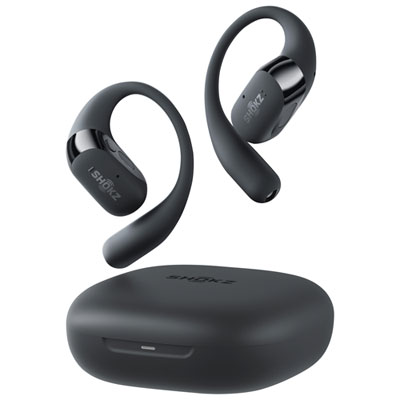
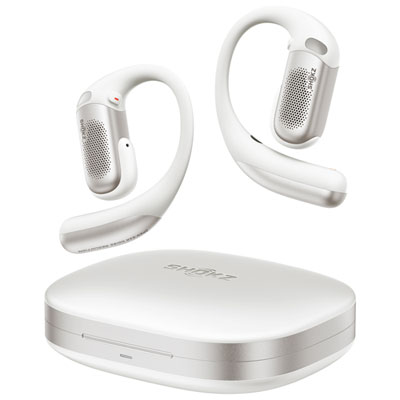
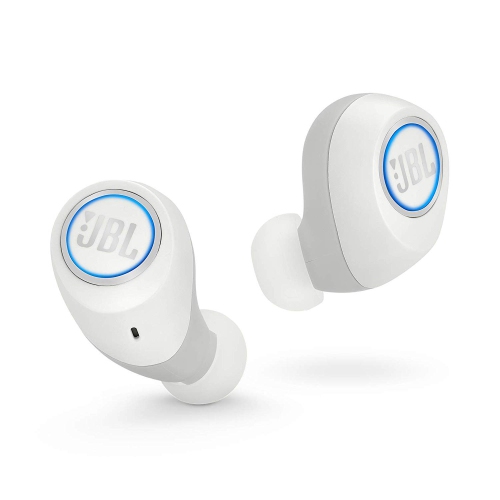
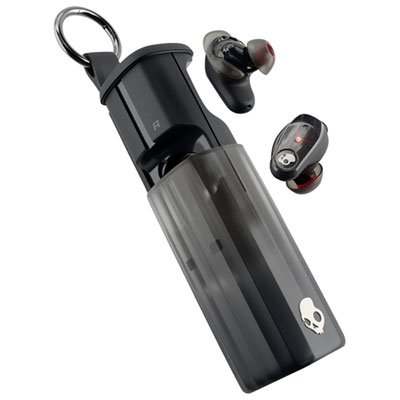
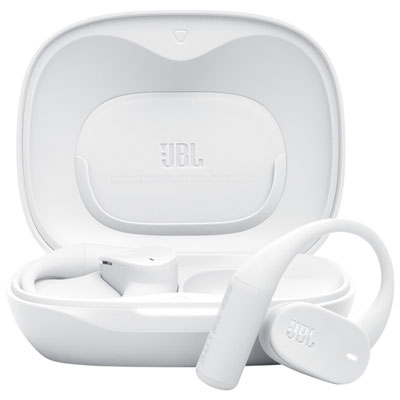
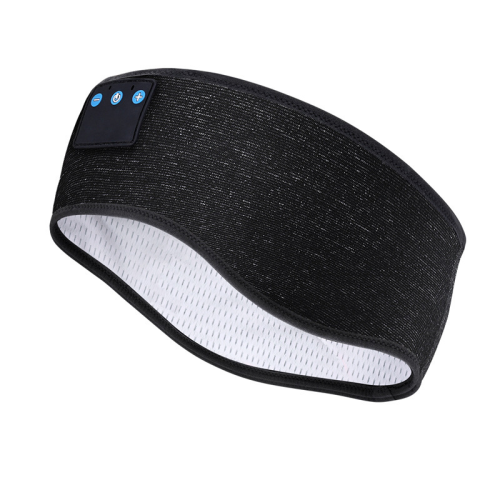
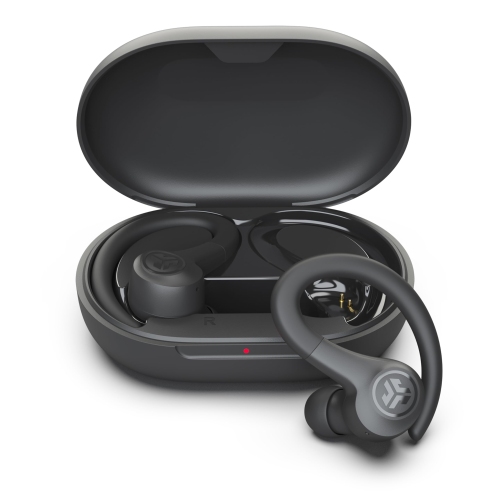
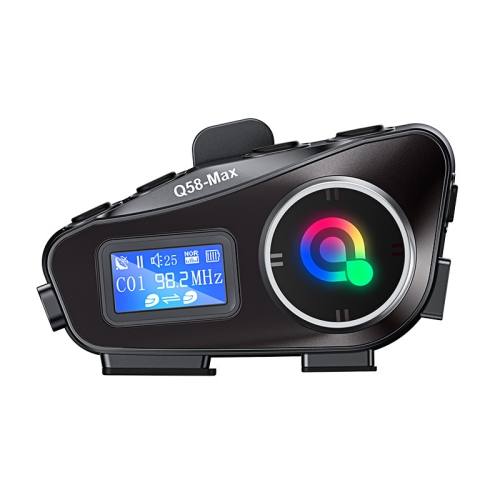

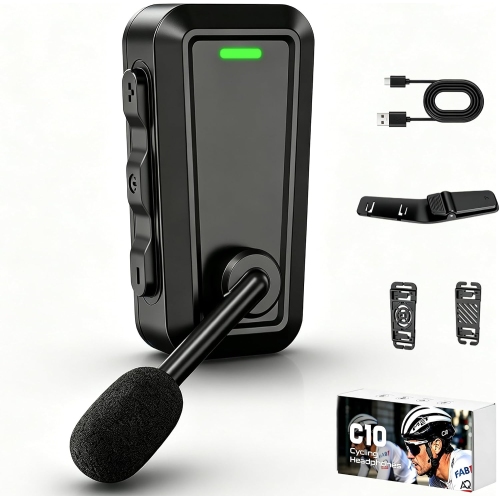
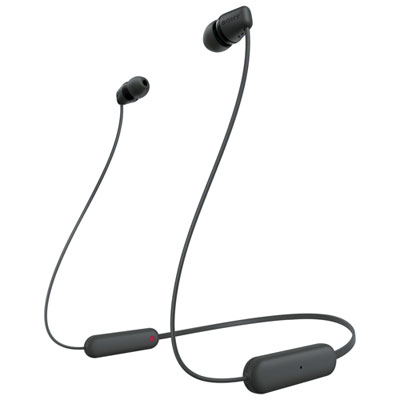
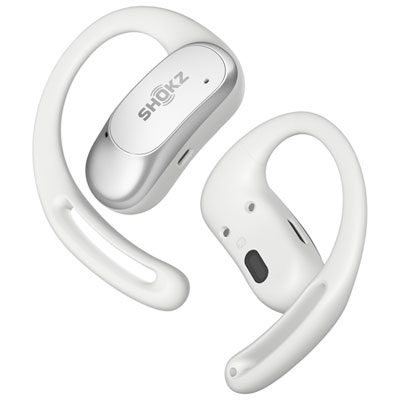
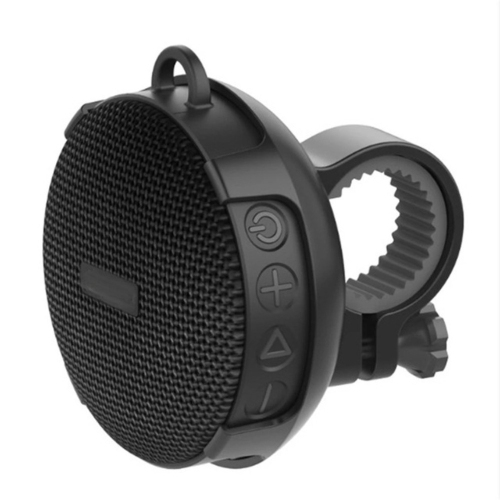
Why open-ear listening and helmet fit matter
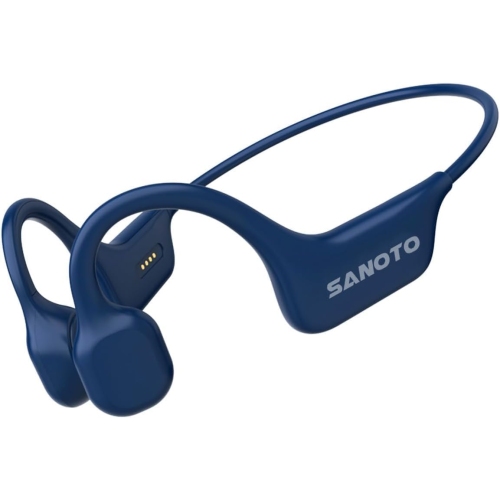
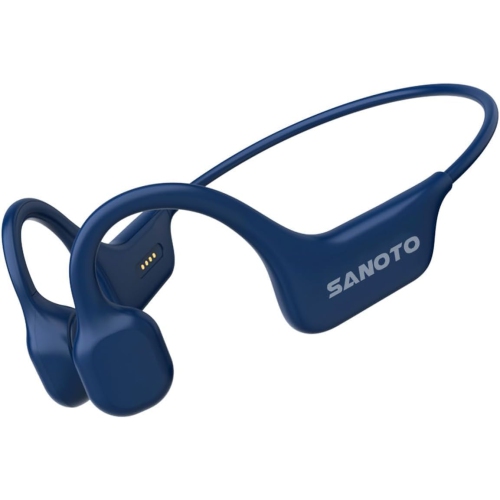
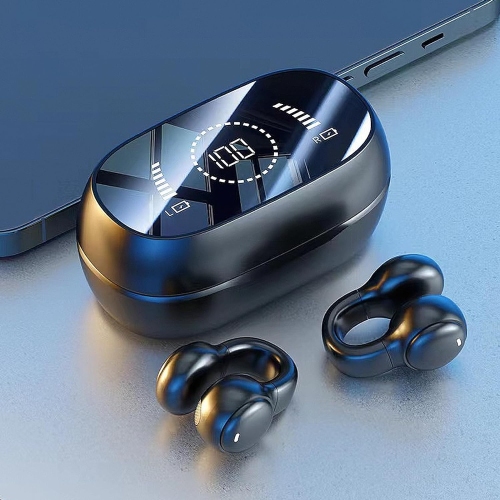
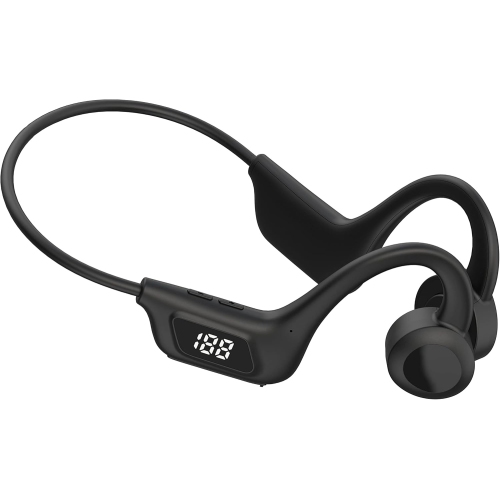
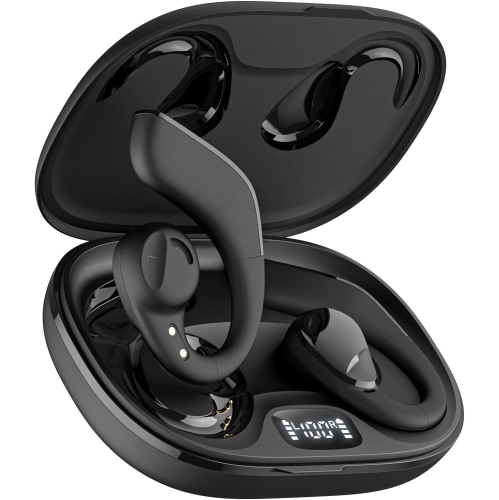
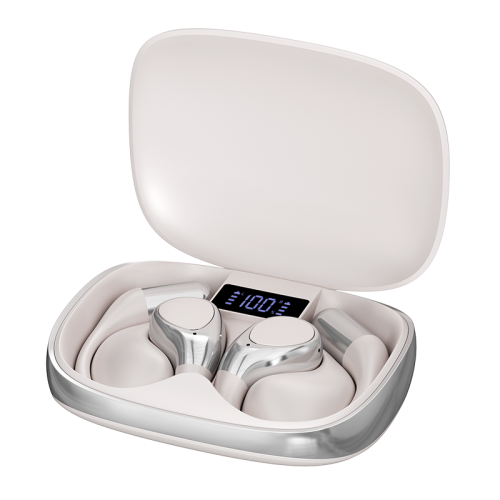
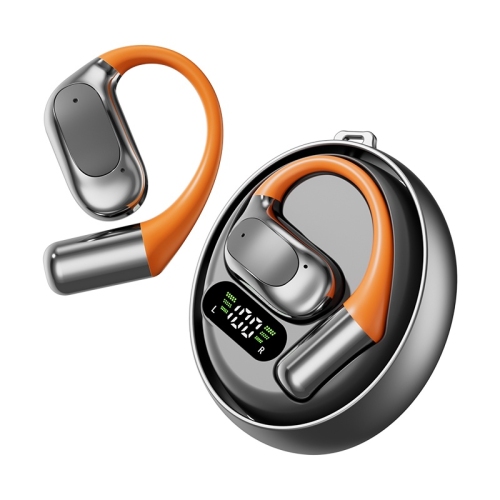
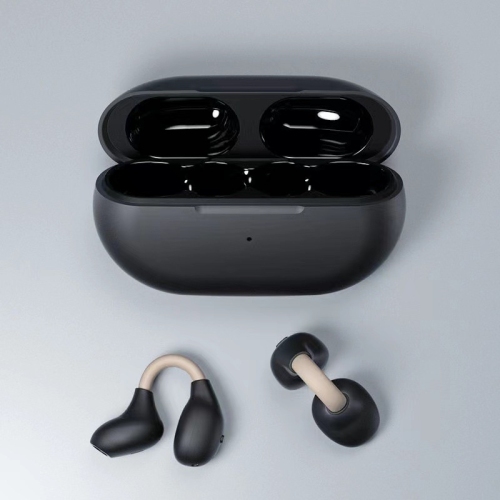
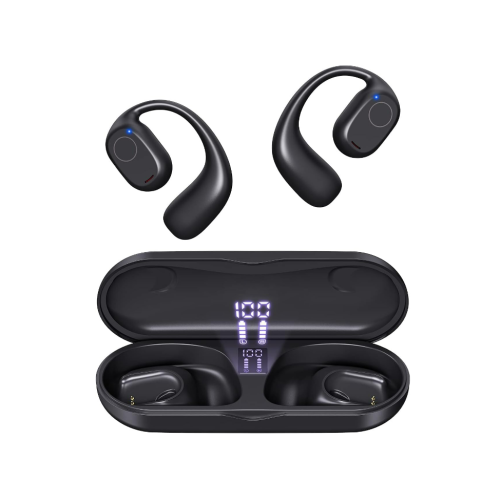
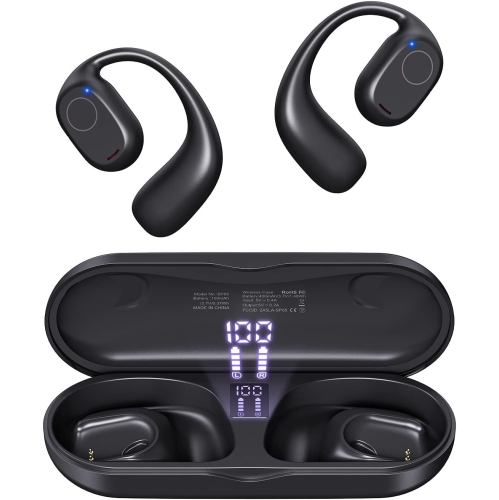
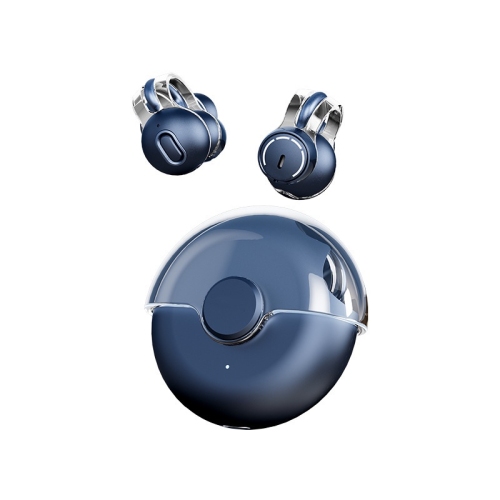
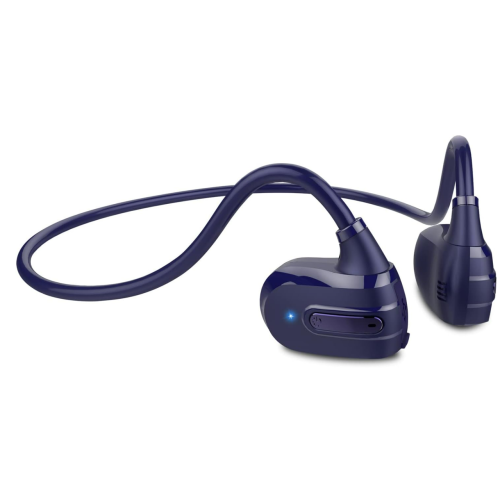
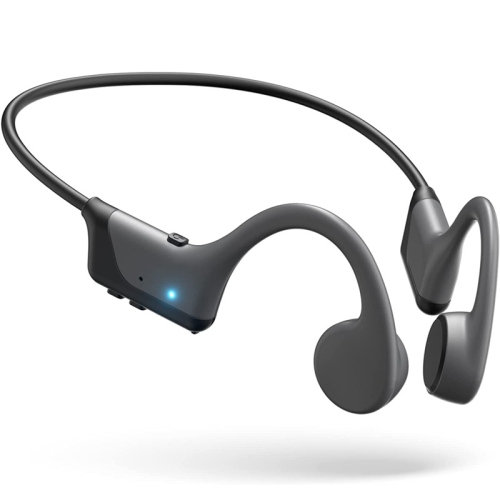
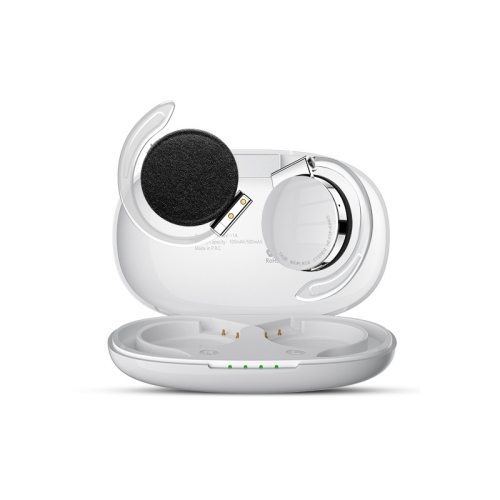
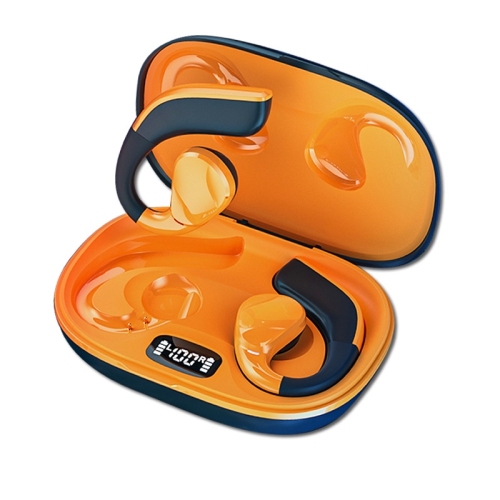
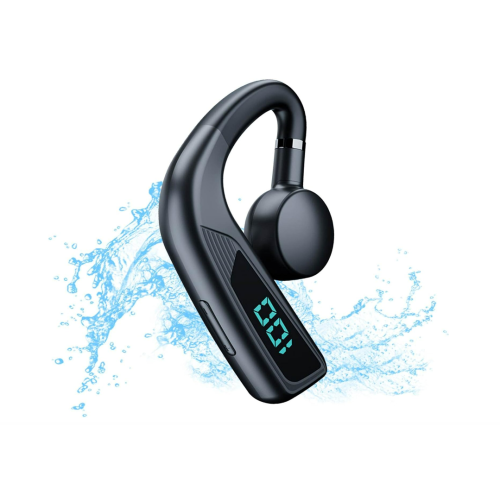
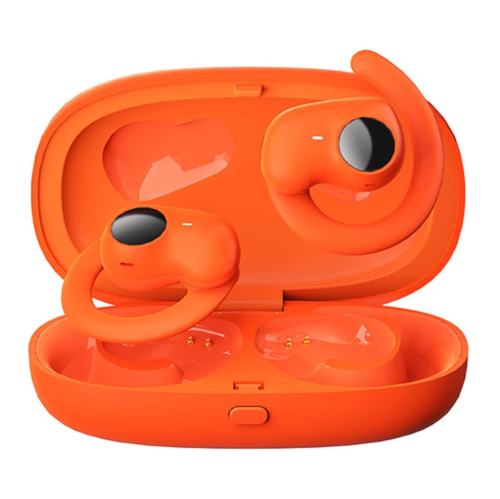
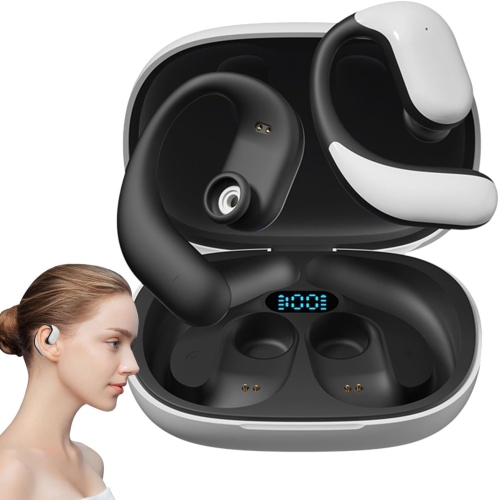
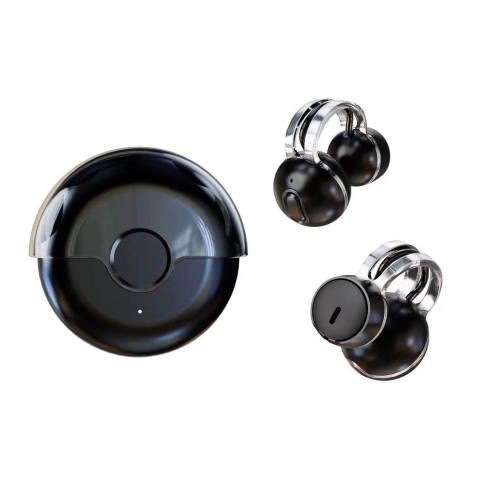
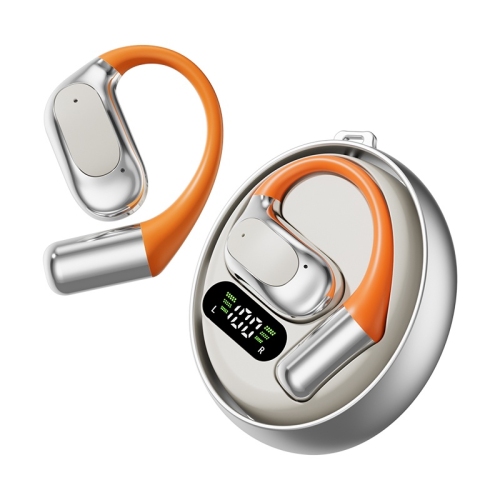
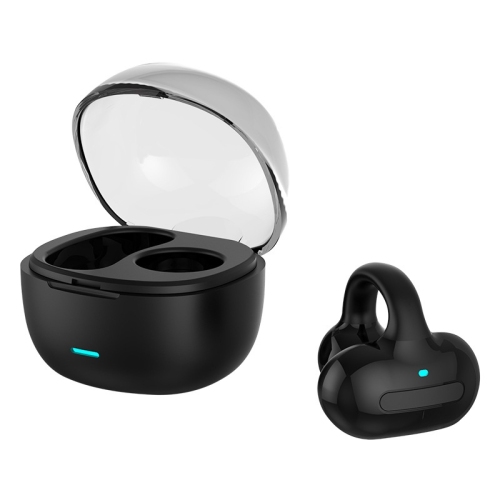
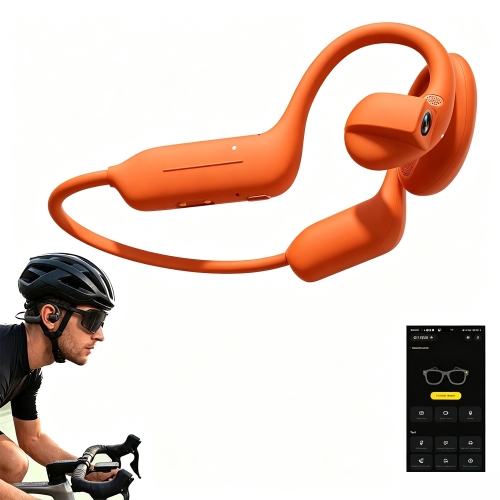
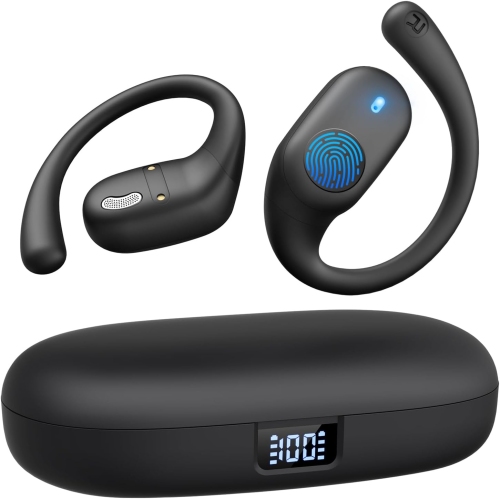
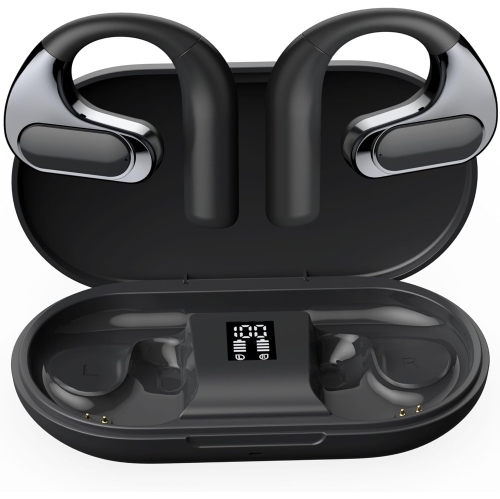
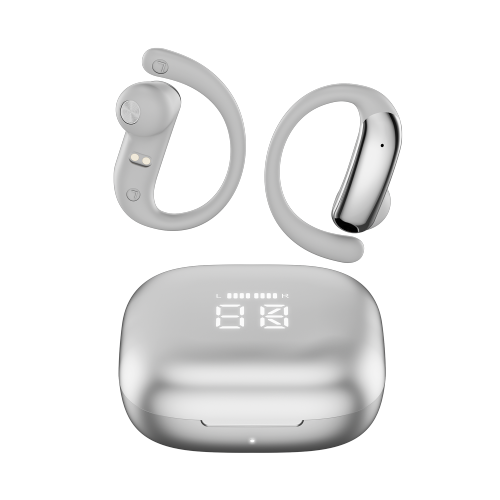
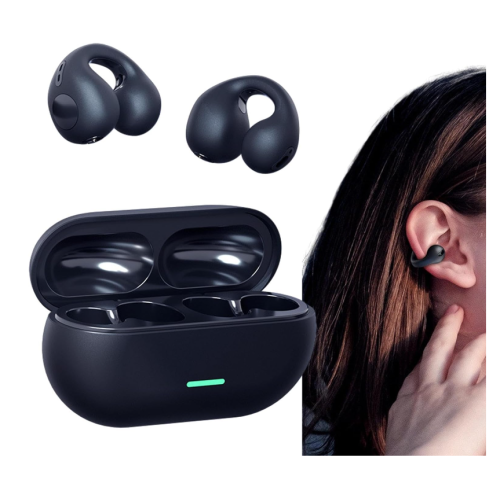
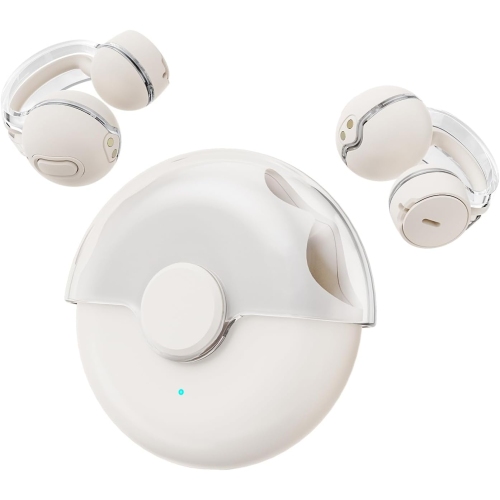
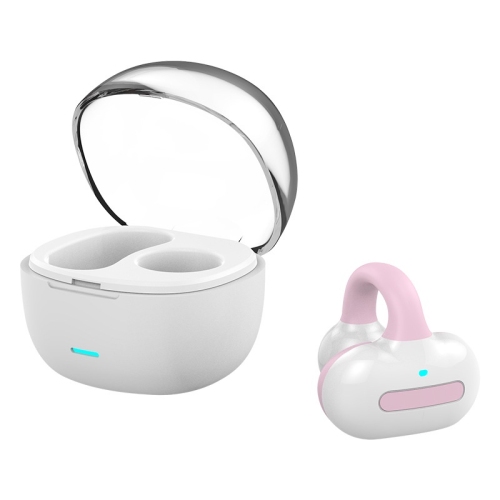
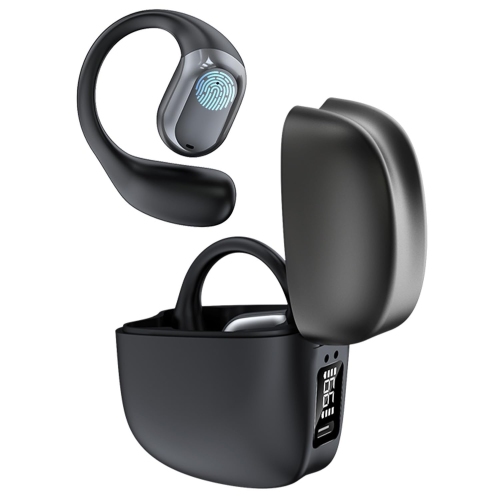
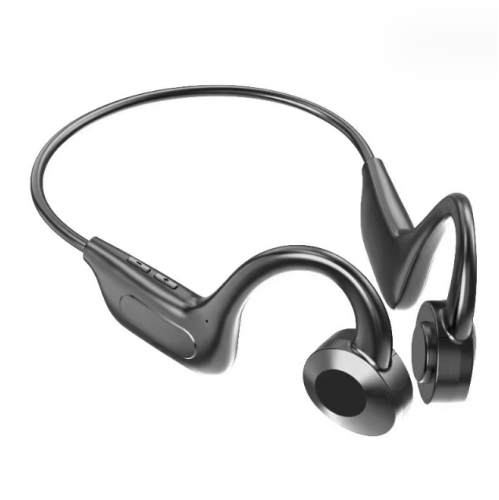
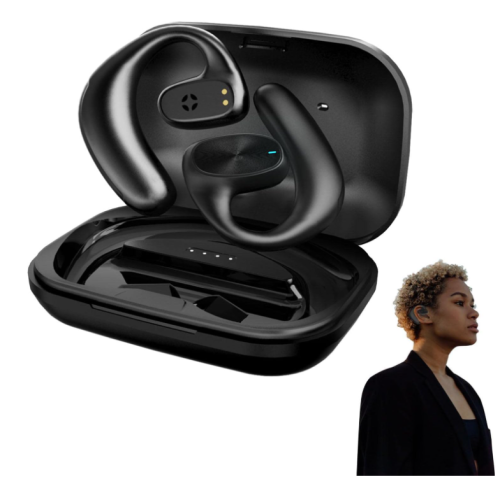
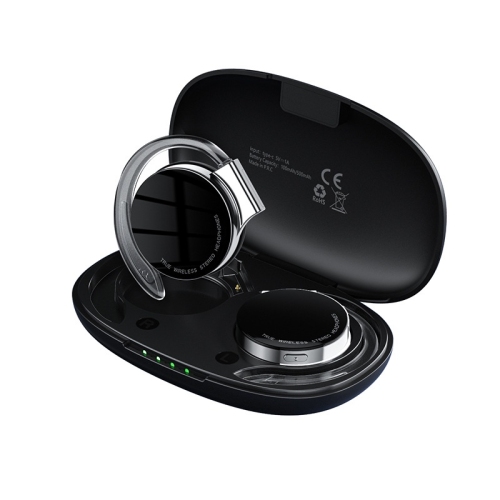
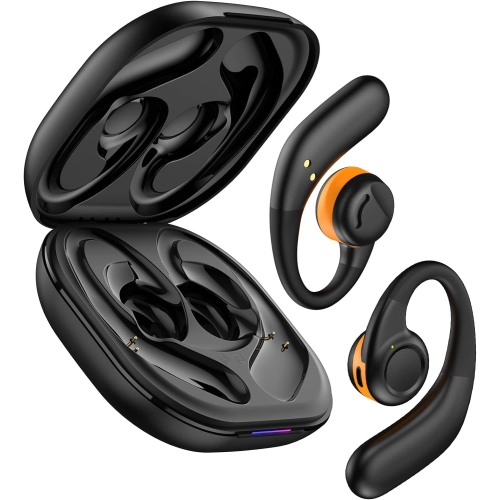
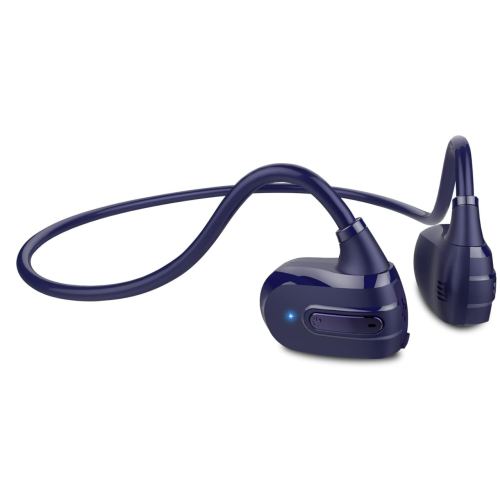
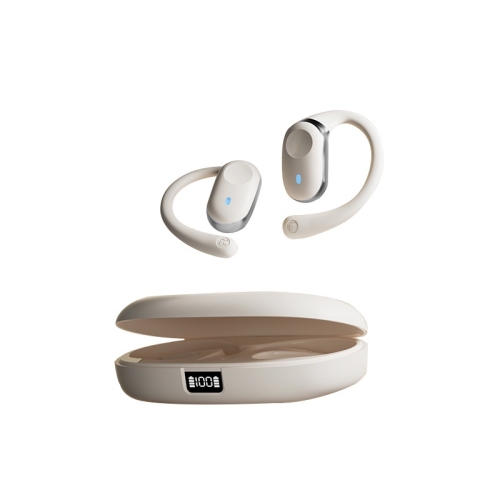
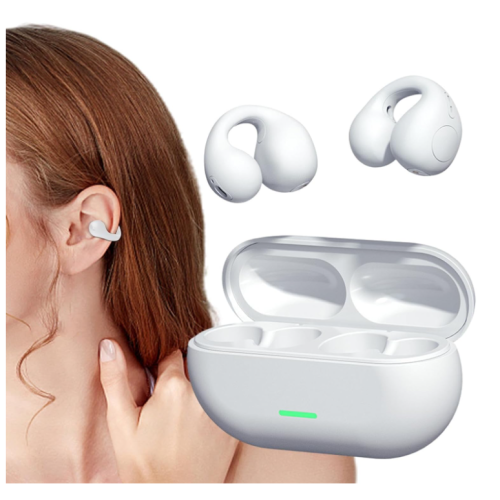
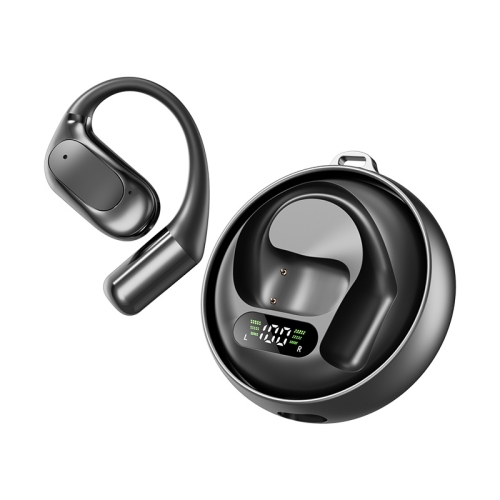
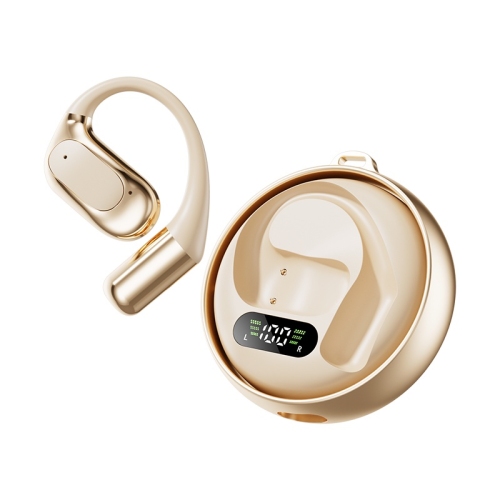
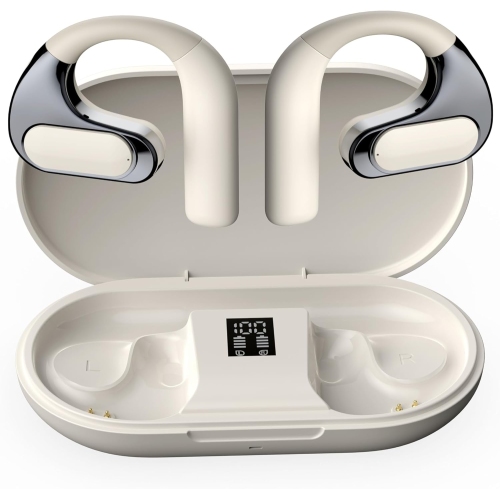
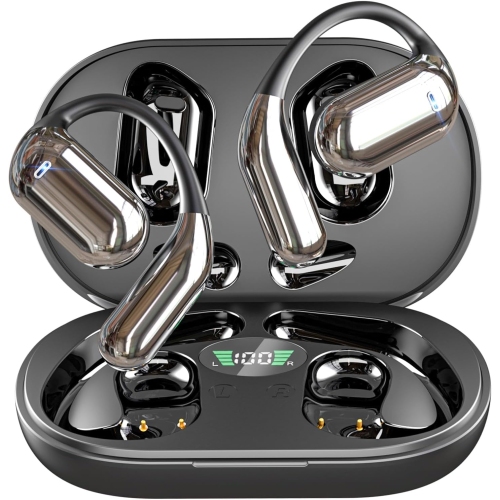
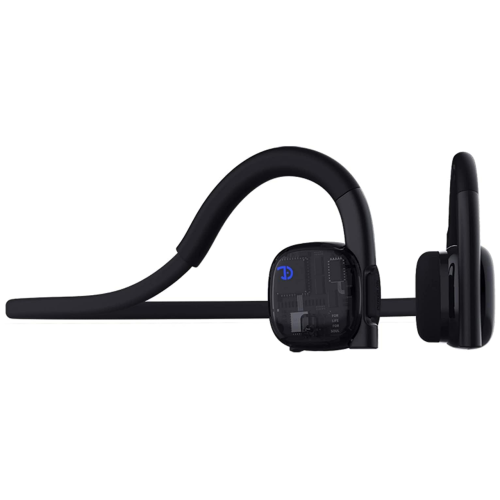
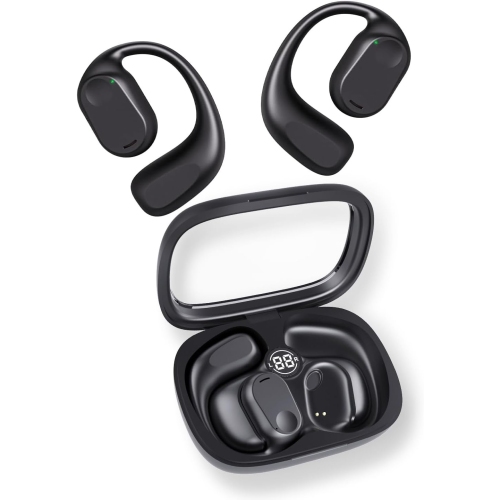
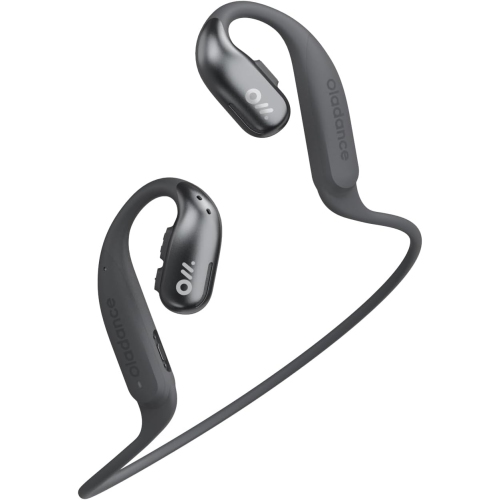
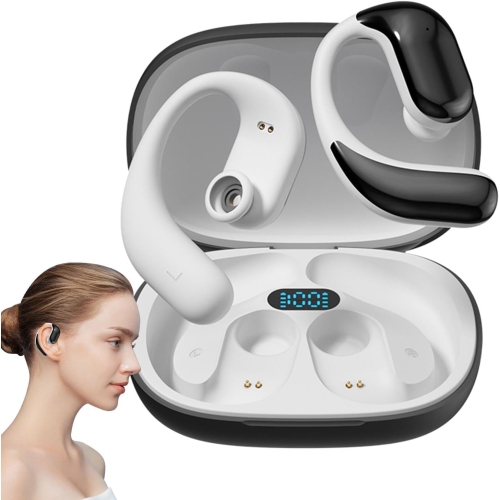
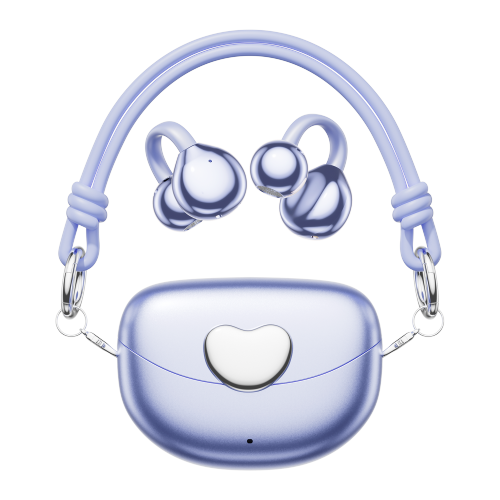
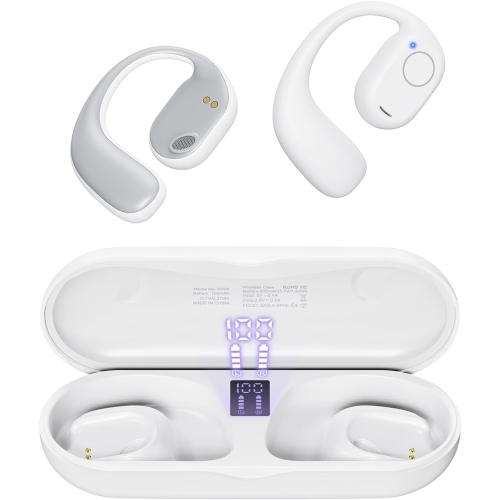
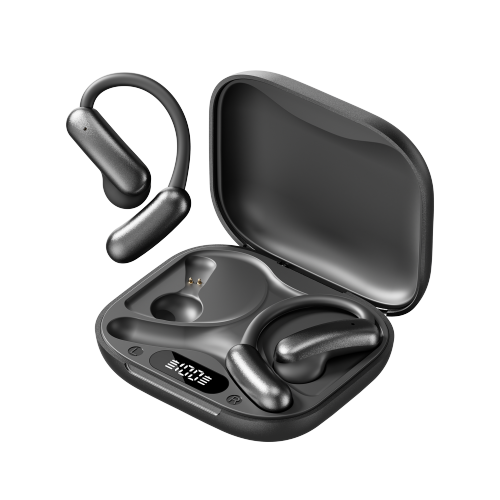
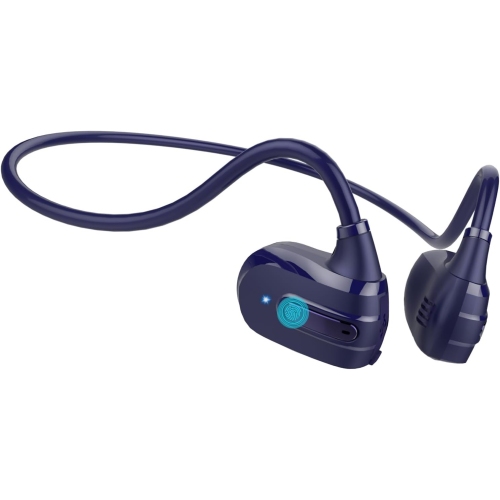
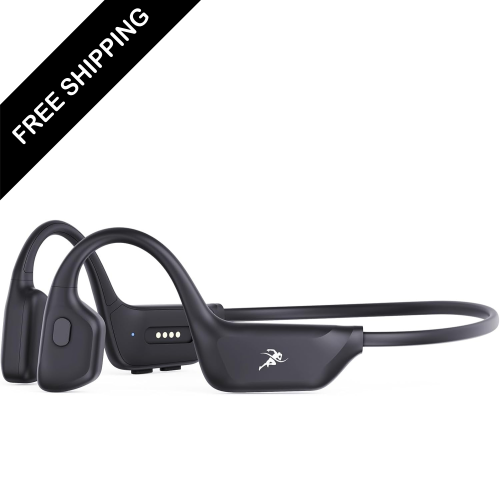
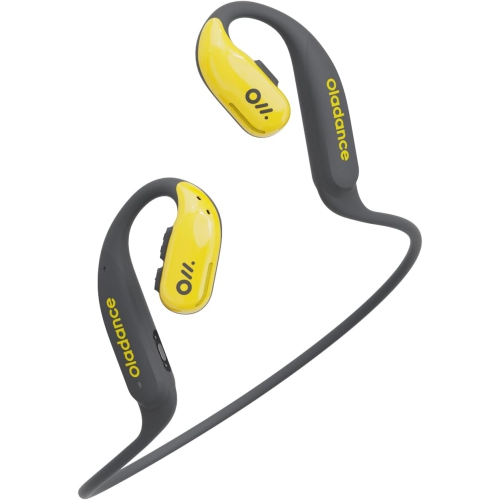
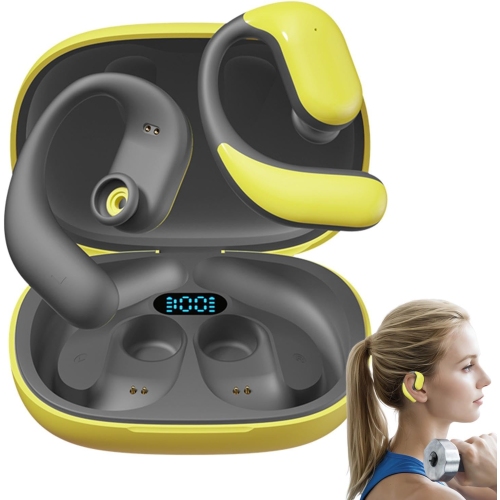
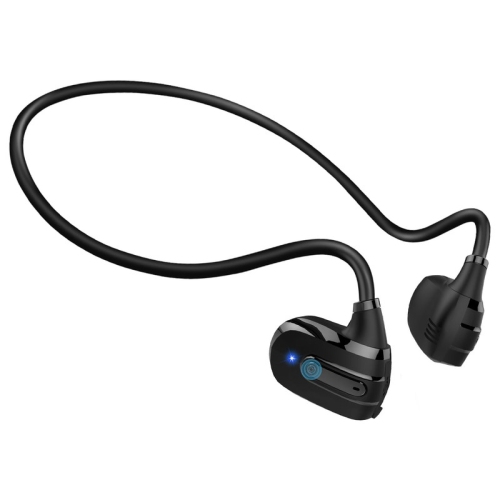
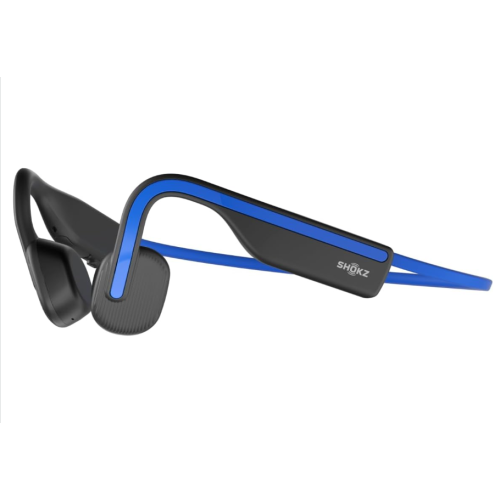
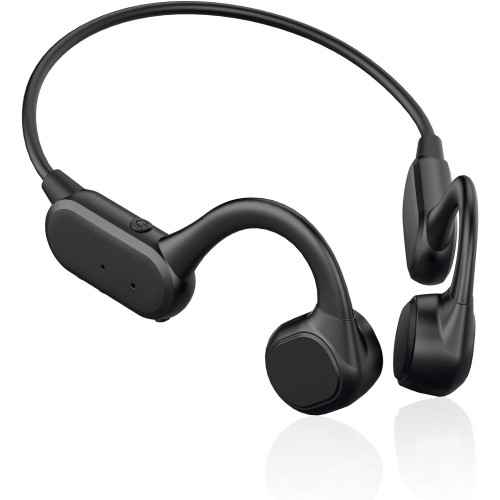
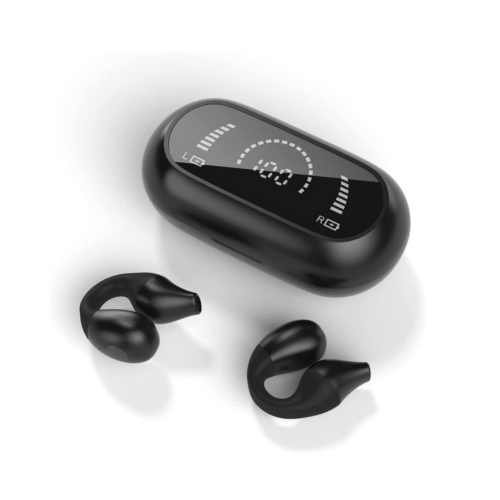
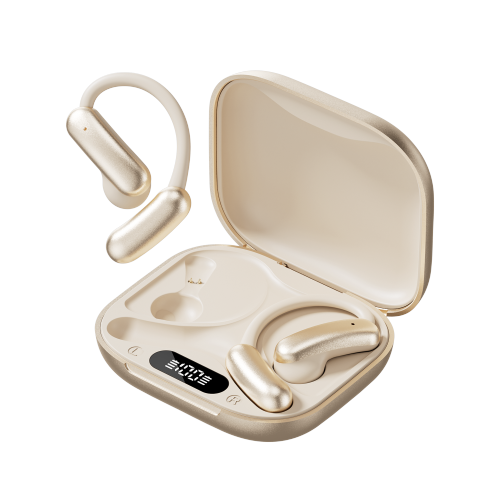
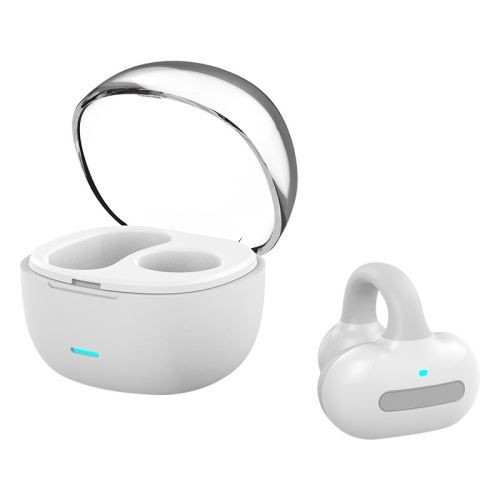
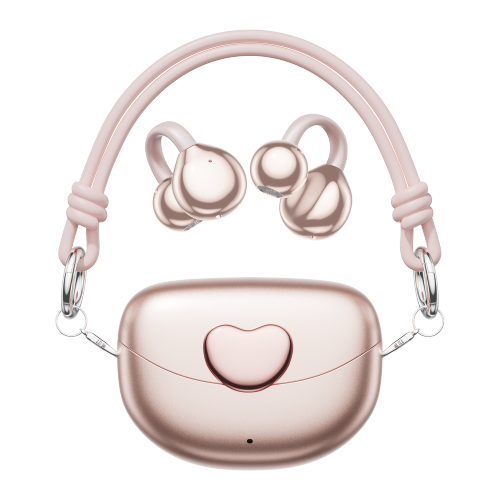
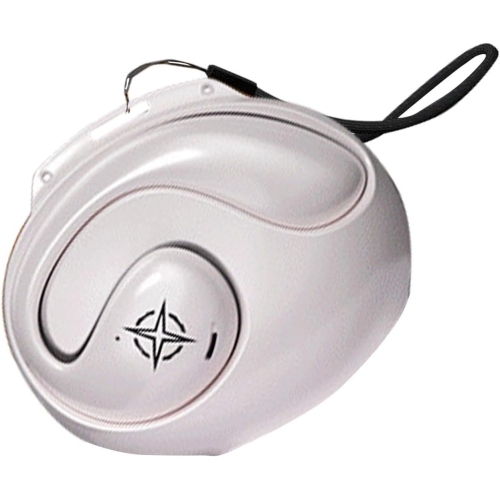
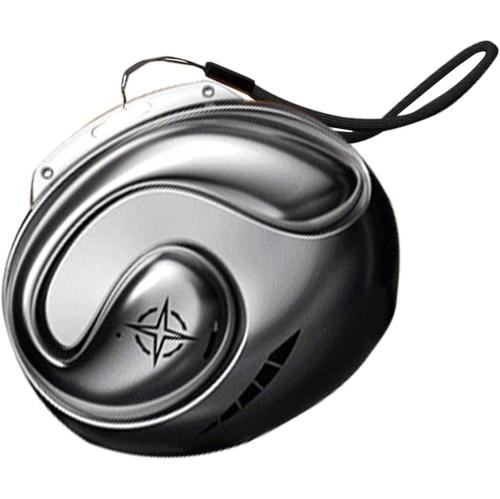
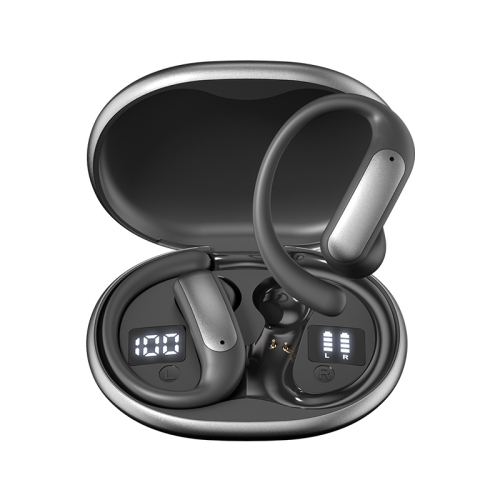
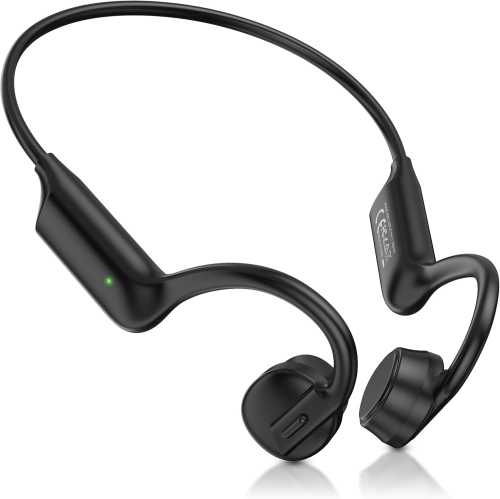
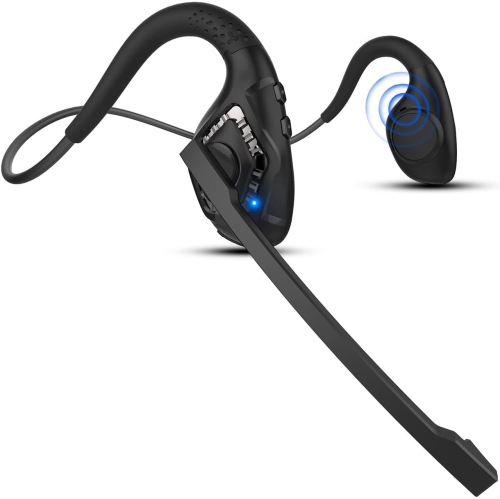
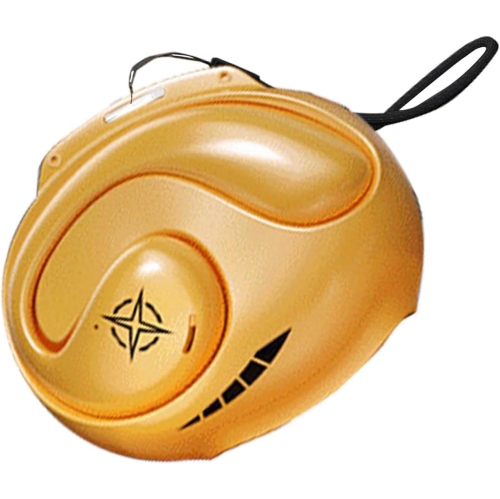
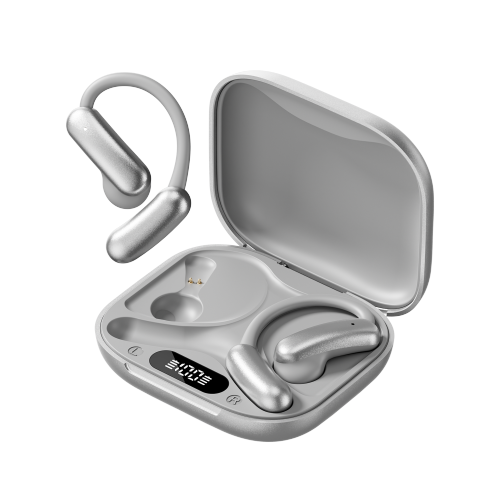
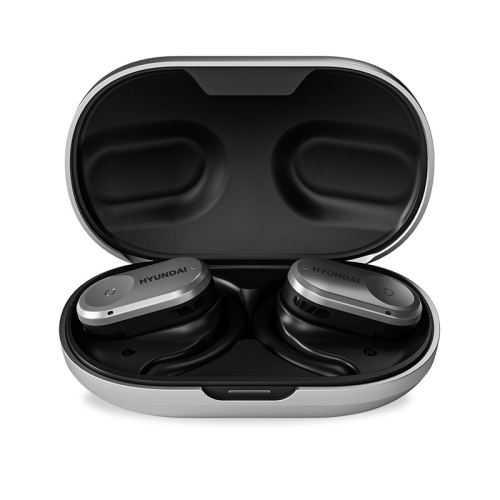
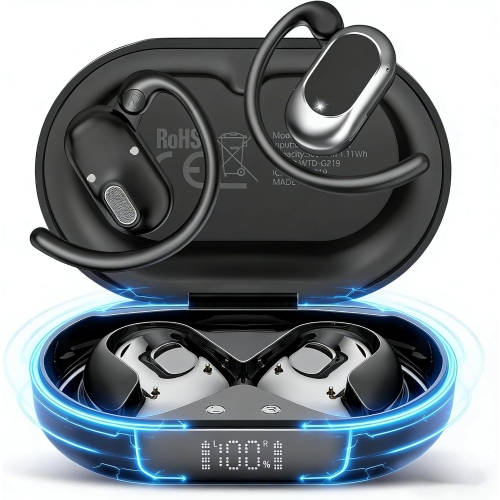
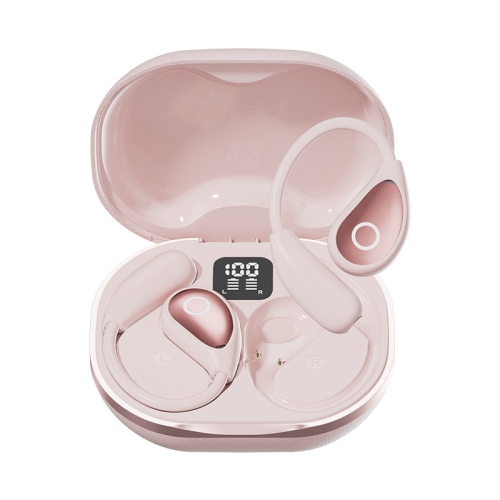
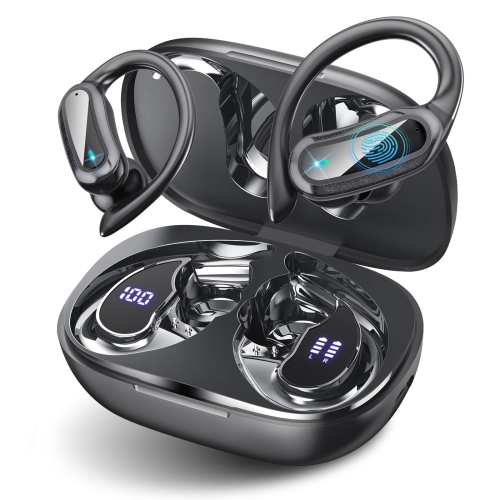
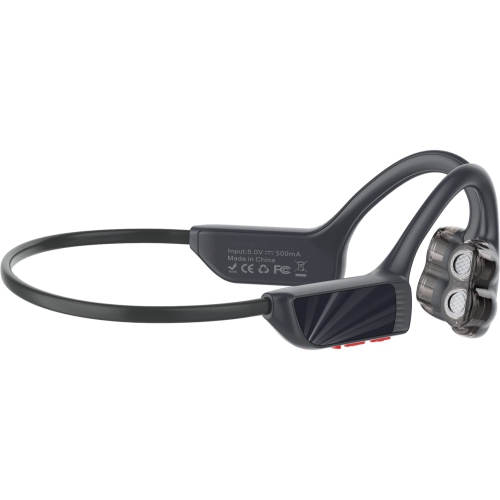
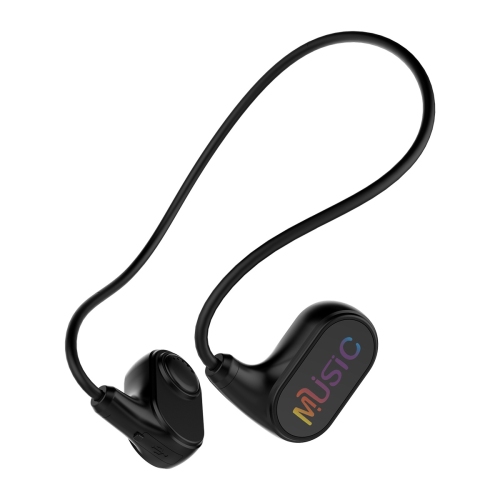
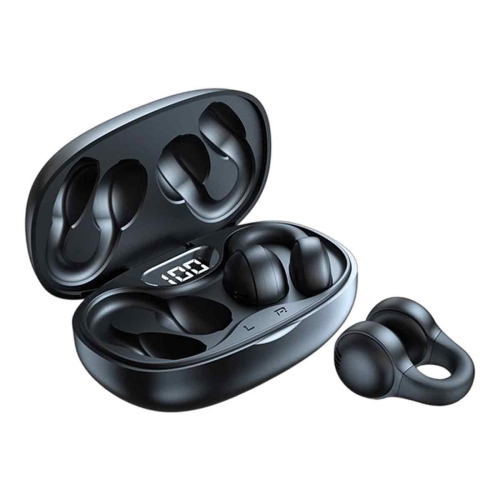
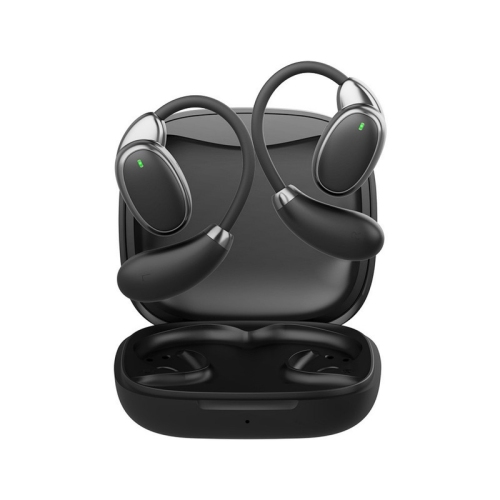
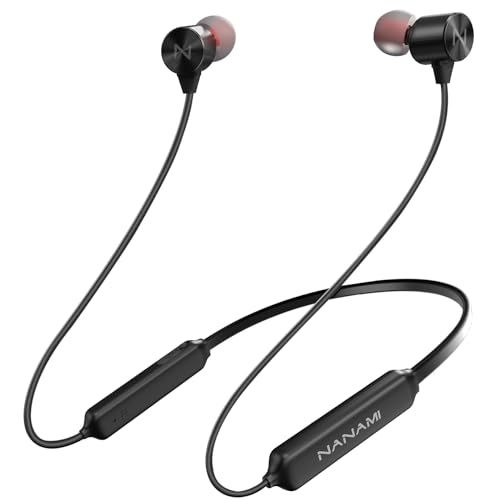
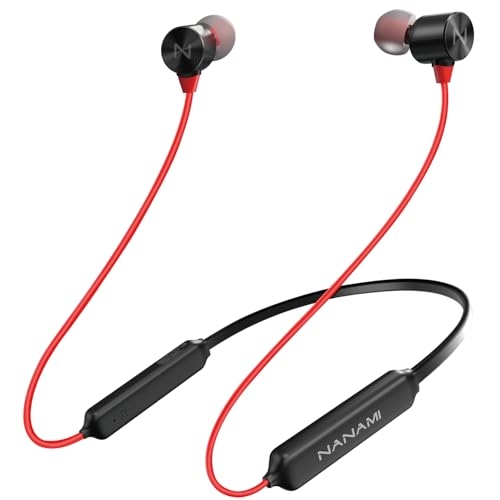
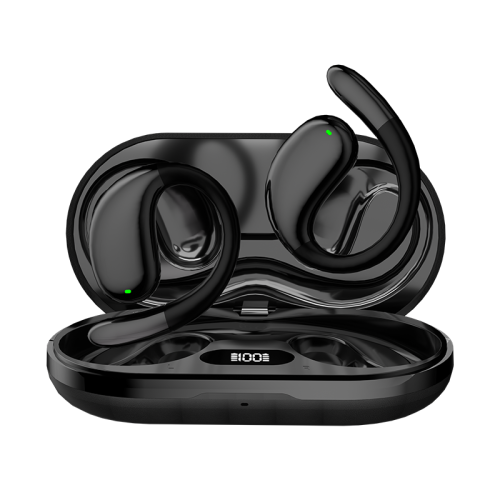
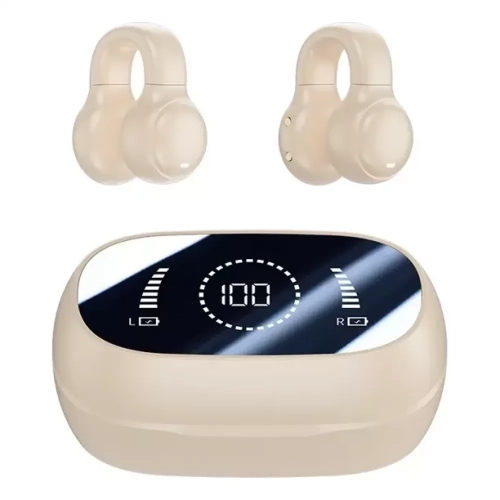
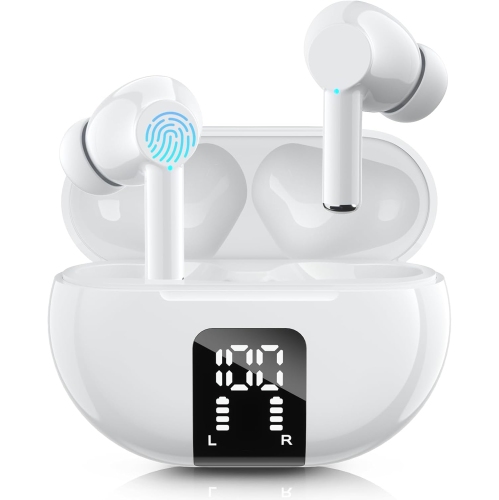
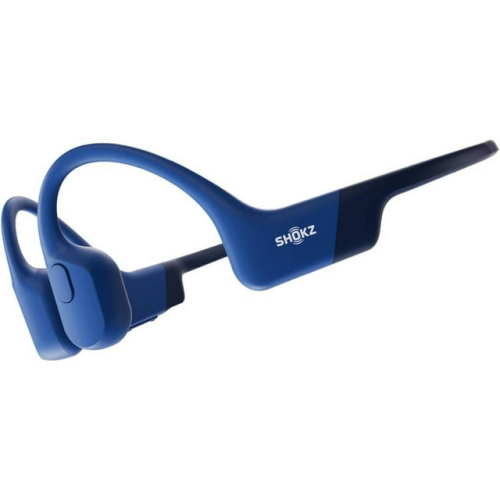
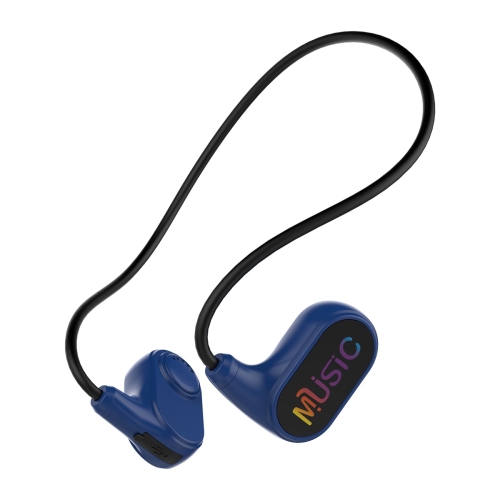
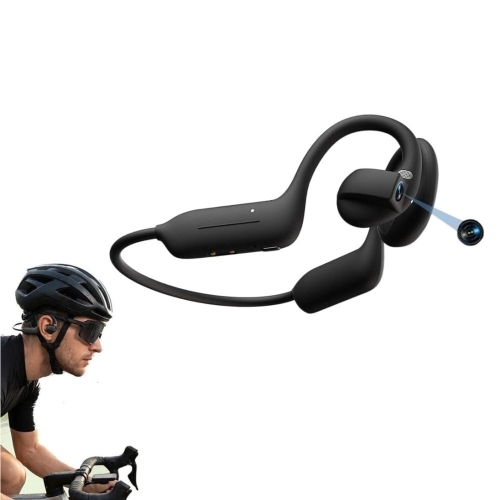
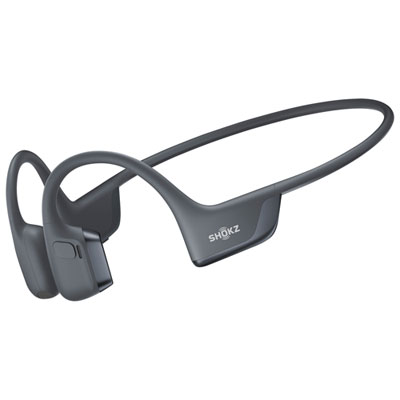
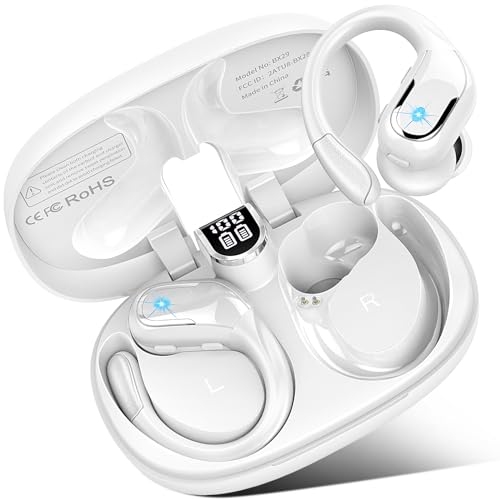
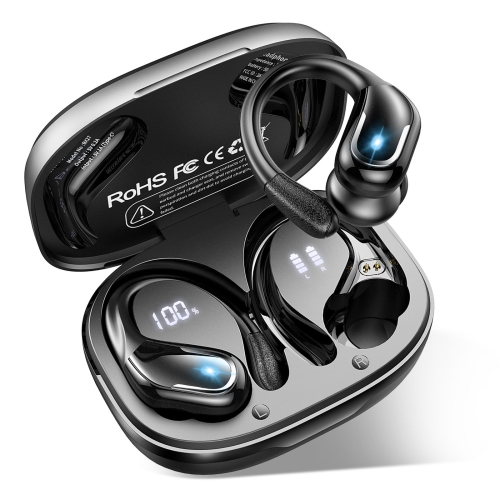
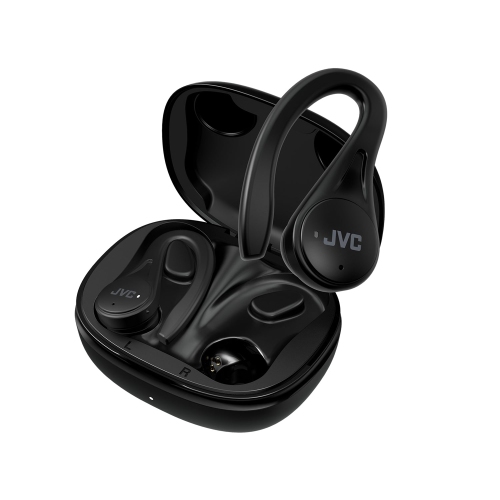
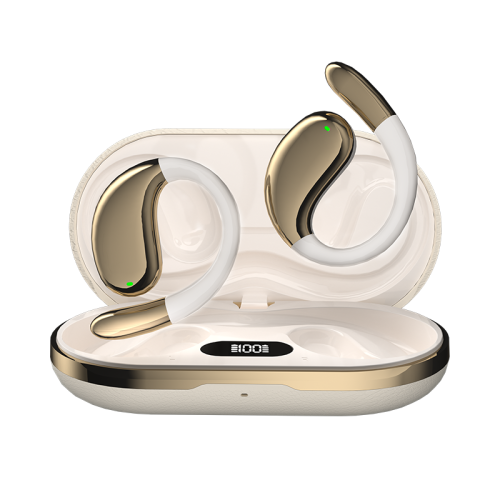
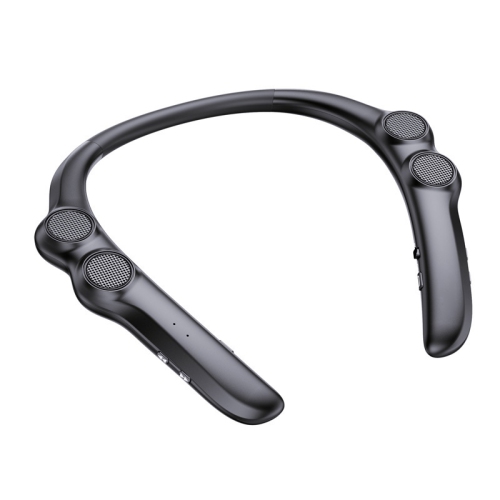
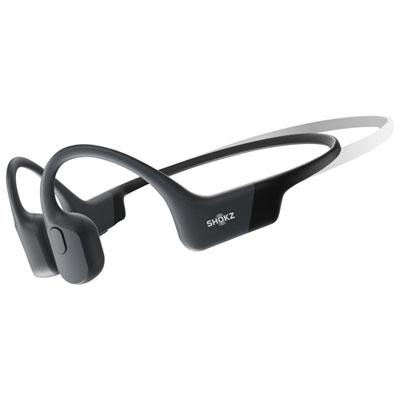
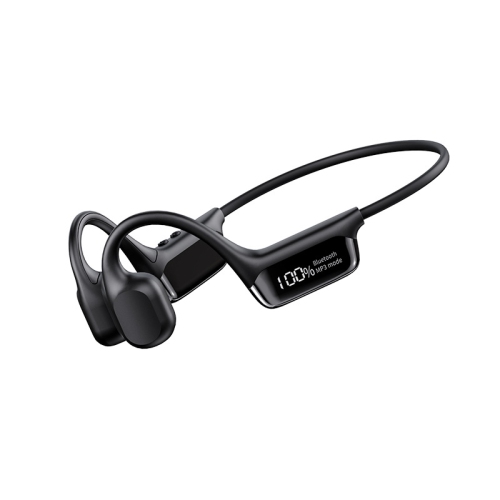
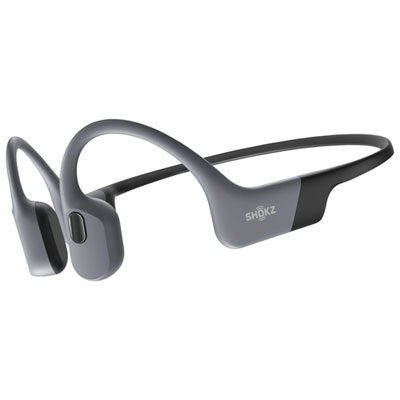
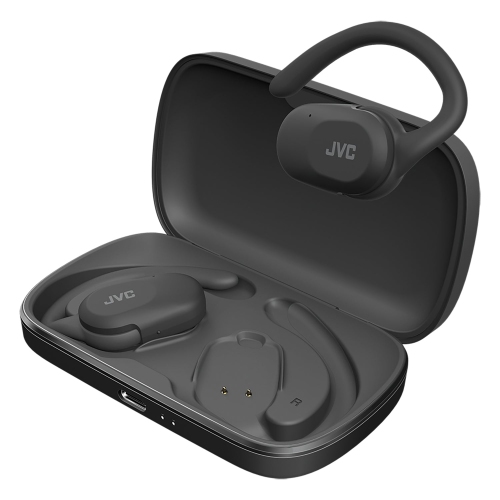
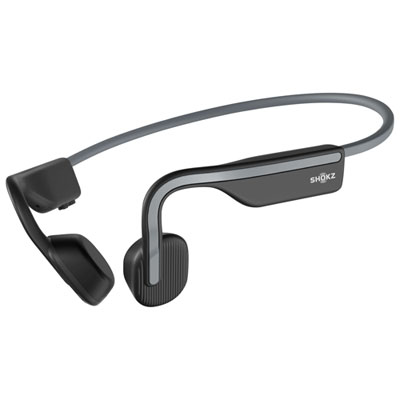
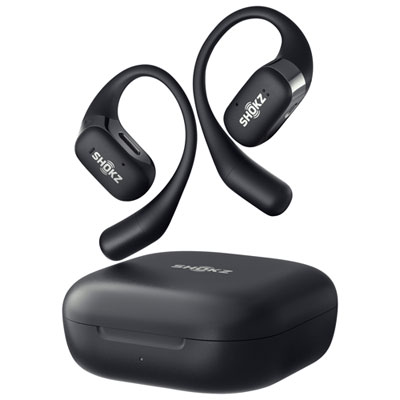
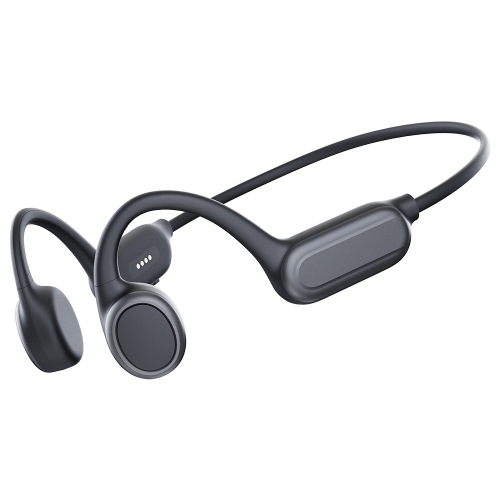
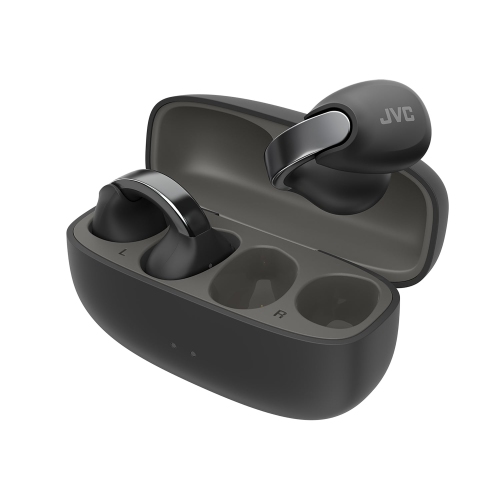
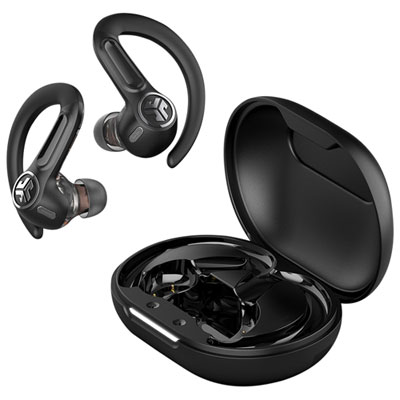
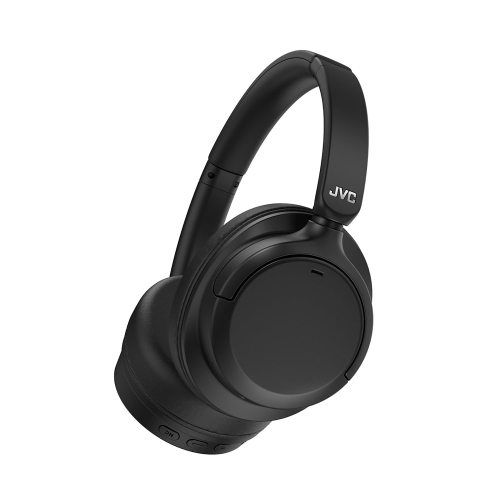
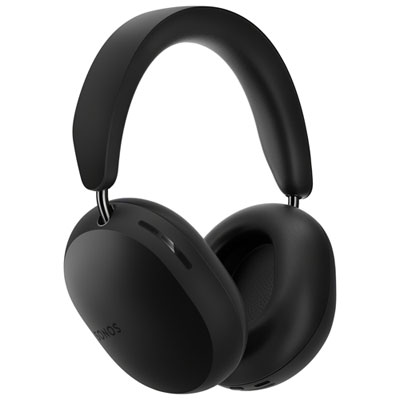
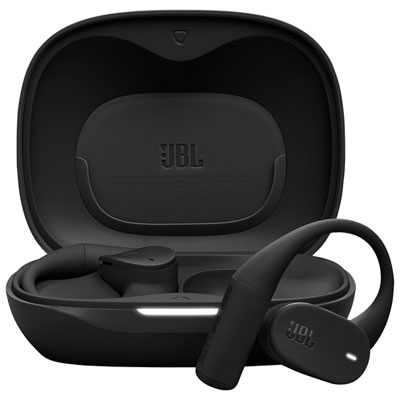
Bicycle headphones let riders listen to audio on the bike, with open-ear and bone-conduction designs offering a way to keep the ear canals unobstructed. These styles are often well suited to cycling because they do not seal the ears off from surrounding sound. Open-ear air-conduction headphones position small speakers near the ears, while bone-conduction headphones rest against the area in front of the ears and transmit sound through vibration. Both approaches differ from earbuds that fit inside the ear canal and headphones that cover the ears. Keeping the ears open can make traffic, bicycle bells, and voices easier to notice, but it does not guarantee awareness: loud audio, distraction, and a busy route can still make important sounds difficult to detect. Local cycling laws and trail rules may restrict headphone use, and leaving audio off is the better choice whenever listening would interfere with attention. For permitted riding situations, spoken directions, a familiar playlist, or an audiobook can each place different demands on sound quality. Clear speech helps navigation prompts and dialogue remain intelligible without continually raising the volume. Music listeners may notice that open designs deliver less pronounced bass than sealed headphones, particularly when competing with road noise. Increasing the volume to compensate can undermine the benefit of leaving the ears open. Sound leakage is another consideration, especially when riding beside a companion or using headphones near other people. Indoor cycling creates a different listening setting: on a stationary bike, isolation and fuller bass may be more useful, provided instructions and any necessary alerts remain audible. Headphones used for both outdoor rides and indoor training therefore need to suit two distinct situations rather than simply offer the strongest bass or the most features. A comfortable listening level and an appropriate design matter more than a specification that looks impressive in isolation.
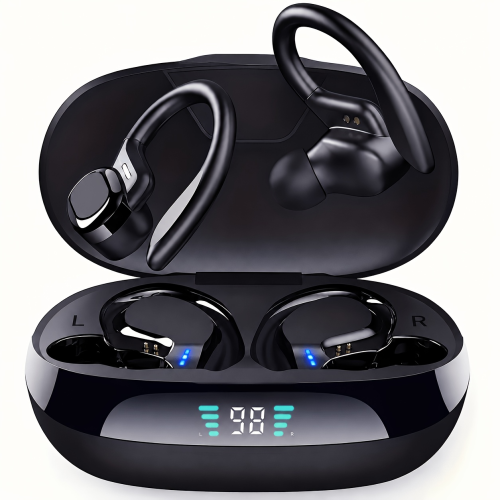
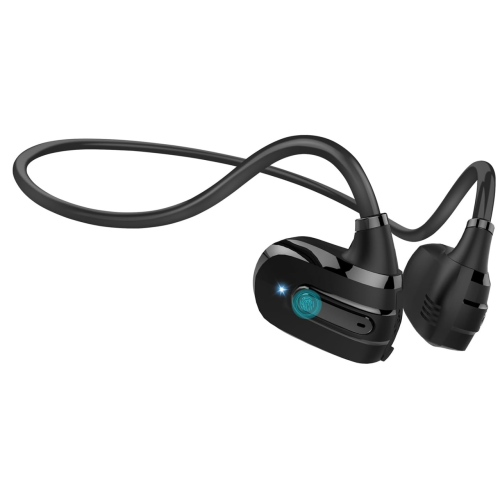
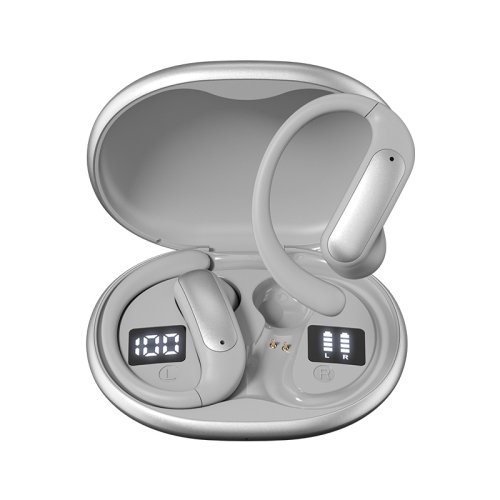
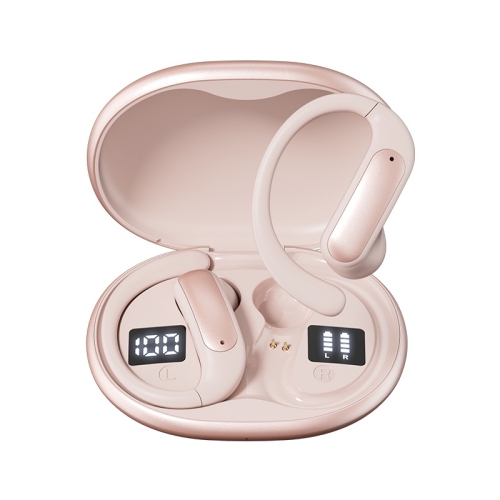
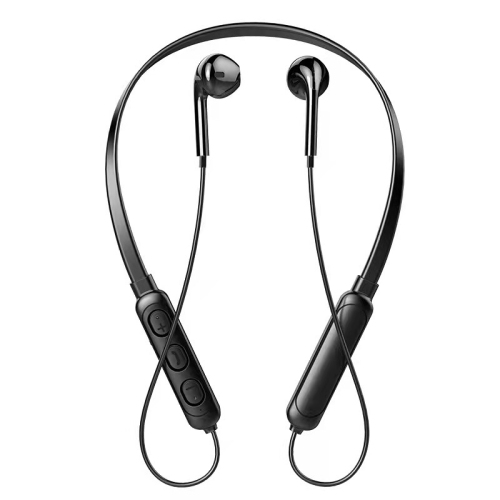
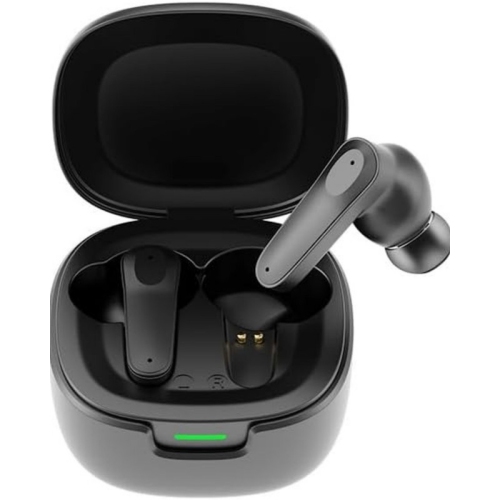
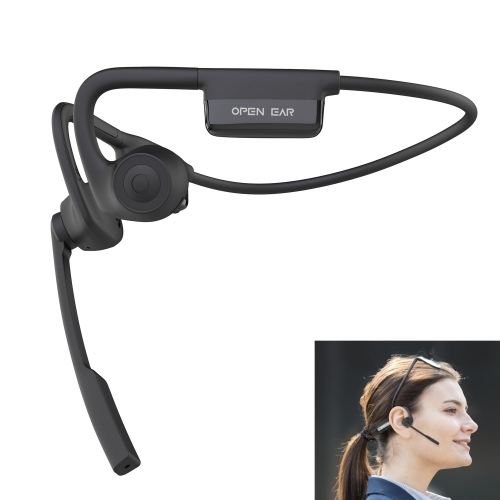
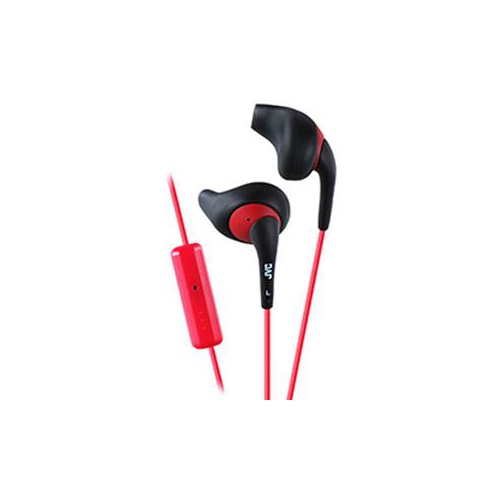
Fit becomes especially important once a helmet, glasses, and repeated movement enter the picture. A pair of headphones that feels comfortable while sitting at a desk may press against a helmet strap or shift when the rider leans towards the handlebars. Ear hooks need enough stability to stay in place without squeezing, while a band that wraps behind the head should leave room for a natural riding posture. A bulky rear band can touch a high collar or the back of a helmet when the rider looks ahead from a lower position. Slim contact points may sit more comfortably beside glasses, although the shape of the arms and the position of the ear hooks both affect the result. Headphones should not require loosening a helmet, moving its straps out of position, or changing its intended fit. Lightweight construction can reduce the sense of pulling around the ears, but weight distribution matters as much as the overall weight. Flexible polymer frames, soft silicone contact surfaces, and titanium supports used in some designs each contribute differently to flexibility and comfort. Smooth surfaces are easier to wipe clean, while joints, charging contacts, and removable ear tips can collect residue and need closer attention. For in-ear styles used during stationary workouts, suitable tip sizes help provide a secure fit without unnecessary pressure. Controls also affect everyday usability. Raised buttons can be easier to identify by touch than a flat touch panel, although operation varies by design. A clear distinction between volume, playback, and call controls helps reduce accidental commands. Changing settings, answering a call, or searching for a track is best done after stopping somewhere safe. Microphone performance matters for conversations before or after a ride, but clear outgoing speech does not make a moving phone call free from distraction. For longer sessions, even a small pressure point can become noticeable, making compatibility with the rider’s usual helmet and eyewear particularly valuable.
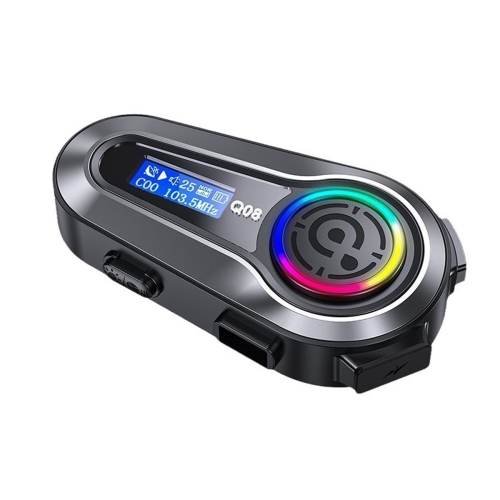
Wireless connectivity removes the cable between the headphones and a phone, reducing the chance of a lead catching on clothing or equipment. The broader category of Bluetooth headphones for cycling includes different wearing styles, so Bluetooth alone does not indicate whether a pair leaves the ears open, fits beneath helmet straps, or suits a particular ride. Connection stability, straightforward pairing, and compatibility with the intended phone or training device all contribute to a smoother routine. Some headphones can maintain connections with more than one device, which can be convenient when moving between a phone and an indoor training setup. Battery life needs to cover the full listening session with some allowance for delays, and manufacturer estimates can vary with volume, calls, and enabled features. Quick charging may help when headphones have been left uncharged, while a clear battery indicator makes preparation less uncertain. The charging method also affects convenience: a standard port may share a cable with other devices, whereas a dedicated charging connector needs its own cable kept handy. Resistance to sweat and moisture is another useful consideration for exercise. An IP rating describes specified protection under test conditions; it is not a blanket promise against every type of exposure, and a higher-looking number should not replace reading the care information. Headphones should be cleaned according to the manufacturer’s directions, dried before charging, and kept away from cleaning agents that could damage coatings or seals. A protective case can prevent ear hooks and bands from being crushed in a gym bag or pannier. These details matter for regular commuters, recreational riders, and people who alternate between cycling and other workouts. As a gift, bicycle headphones are a more personal choice than their compact size suggests: the recipient’s preferred wearing style, helmet fit, charging habits, and usual riding setting all affect how useful they will be. A secure, comfortable pair that fits those habits is more likely to become part of a regular routine than one selected for features the rider rarely uses.
Top selling and popular products
-
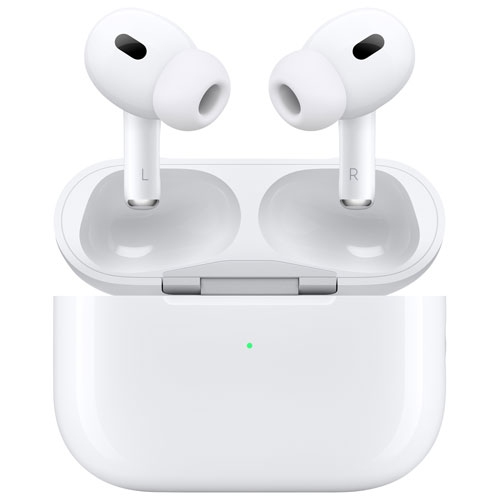 Your price for this item is $349.99
-
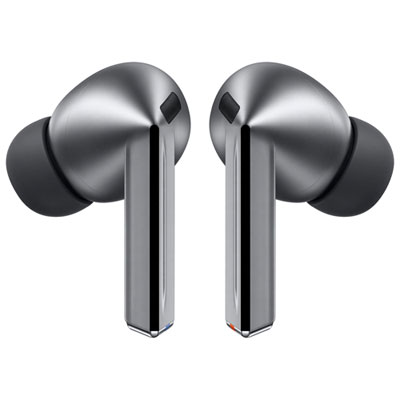 Your price for this item is $329.99
-
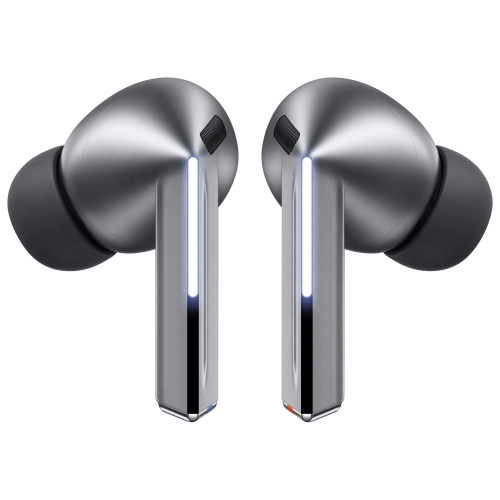 Your price for this item is $229
-
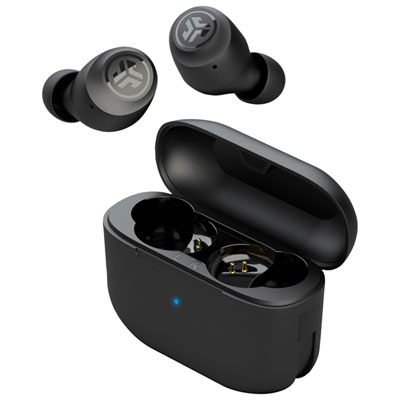 Your price for this item is $19.99
-
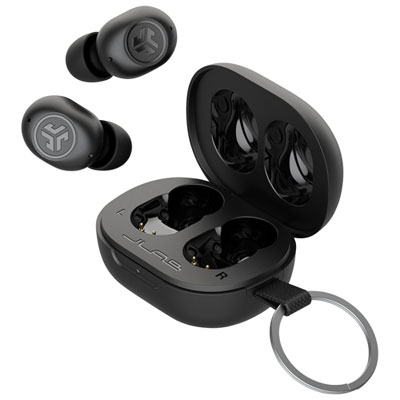 Your price for this item is $59.99
-
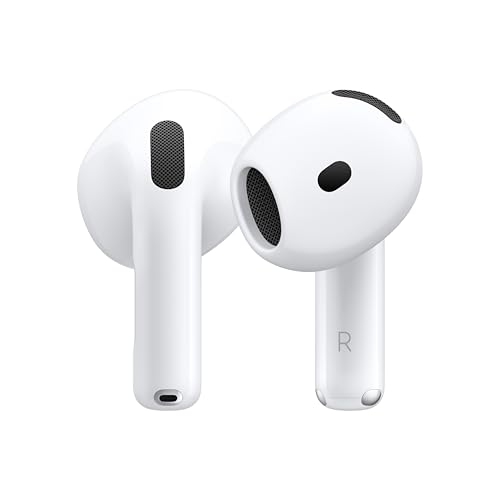 Your price for this item is $339.88
-
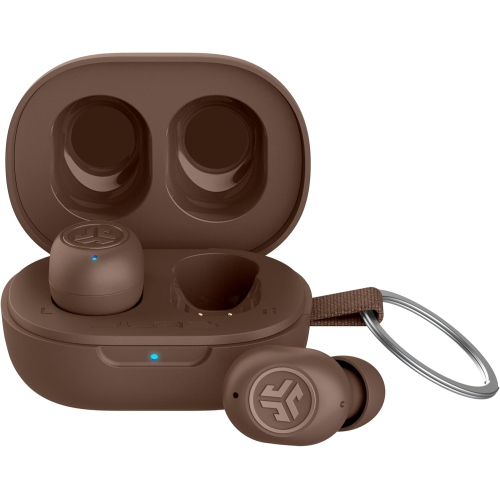 Your price for this item is $107.49
-
 Your price for this item is $59.99
Discover more categories related to Bicycle Headphones

Top Collections:
Best Black Friday Deals This Year, Best Black Friday Deals On Electronics, Kindle Devices, Pokemon Centers, Best Black Friday Deals On Apple Products, Best Cameras for Sports Photography, Dyson Airwrap, Pokémon 30th Celebration Cards, Apple iPhone 17 Pro, Canon G7X Cameras
Some products may be subject to Environmental Handling Fees
(EHF) depending on your province.
Learn more about EHFs.