Drum Headphones
If you're a musician who plays drums, you know that a good set of headphones is essential. Drummers need headphones that can handle the rigors of playing drums outdoors without breaking or leaking. They also need a pair of headphones that can block out external noise so they can concentrate on their music. Here are some great drum headphones available.
Sort
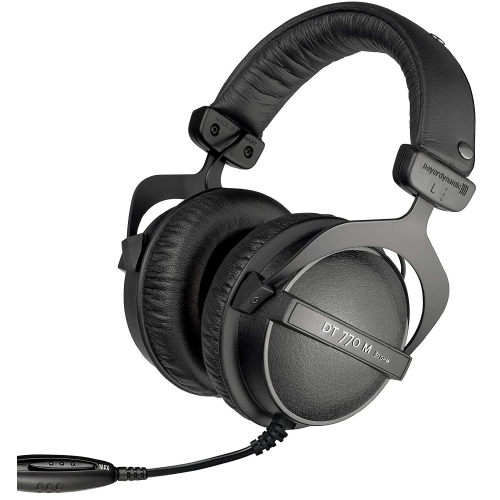

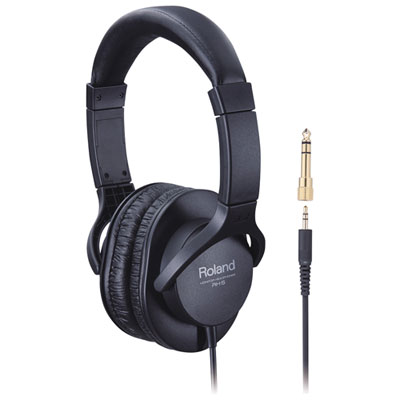
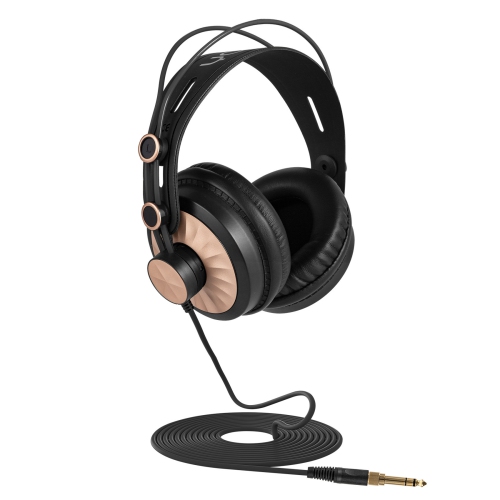
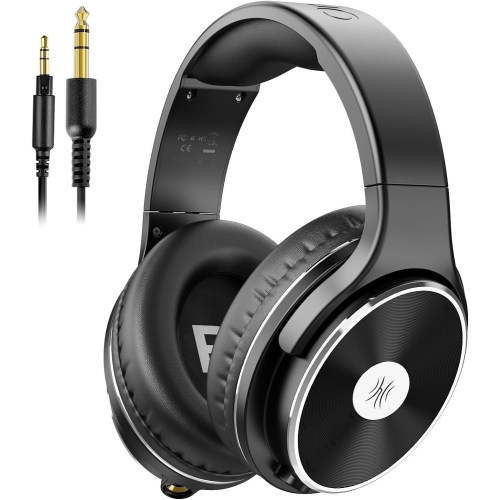
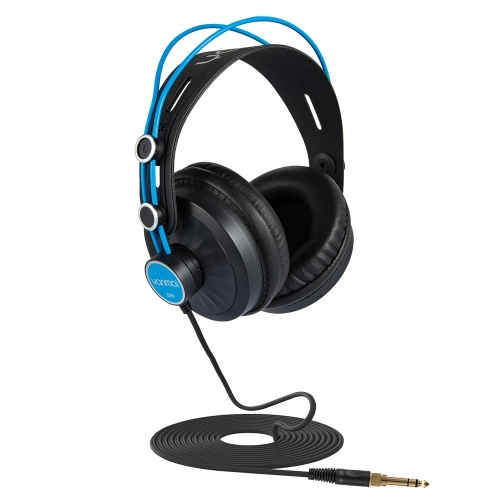

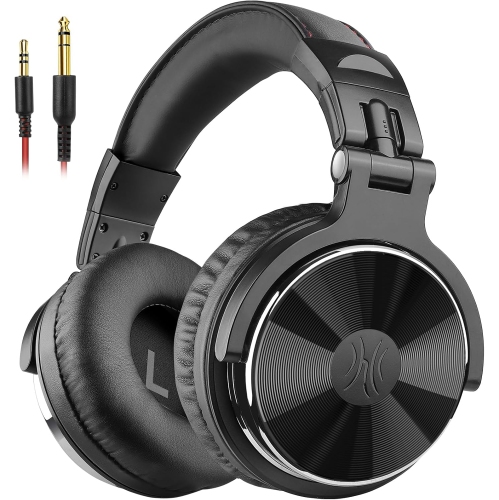

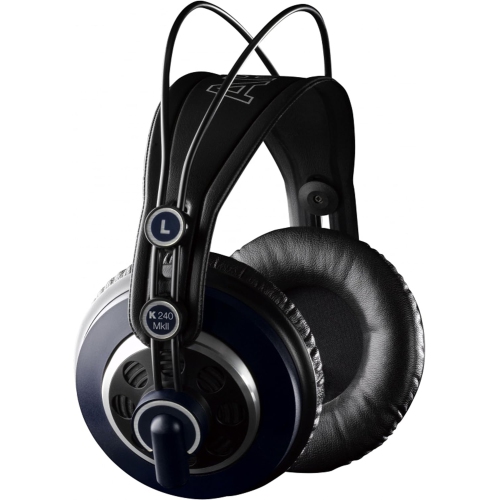
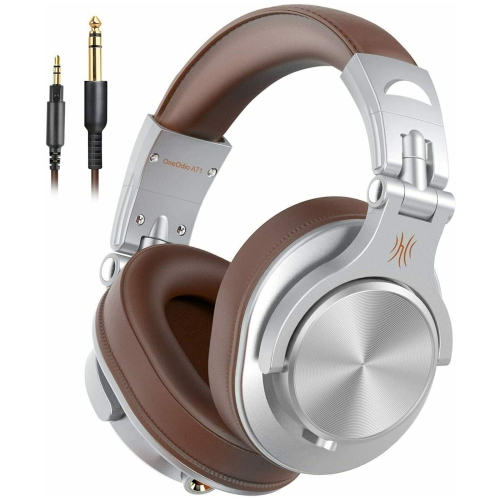
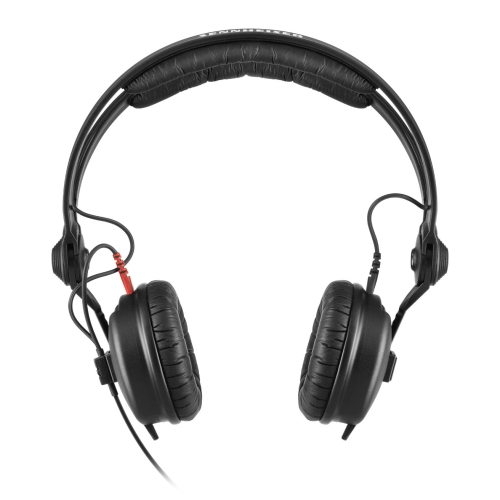
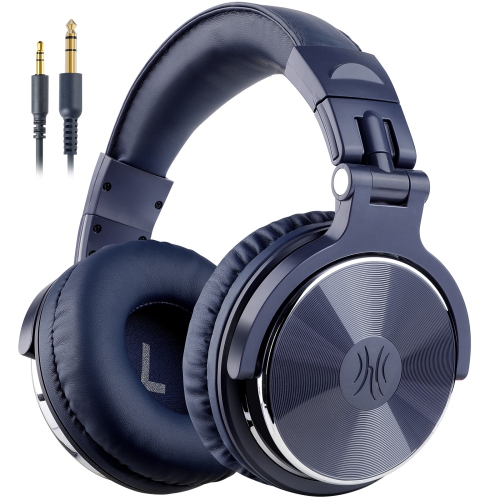
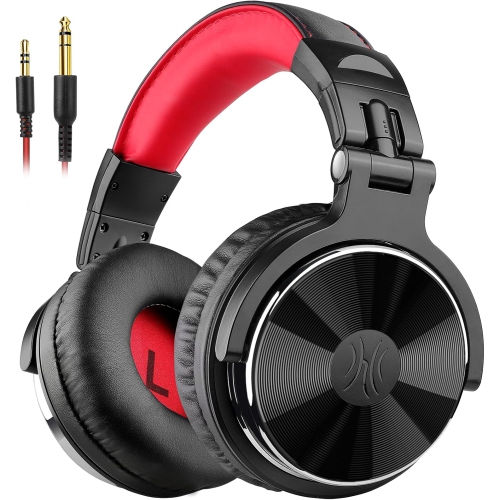
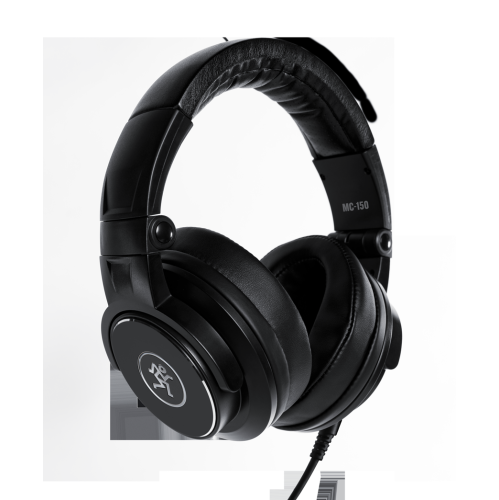
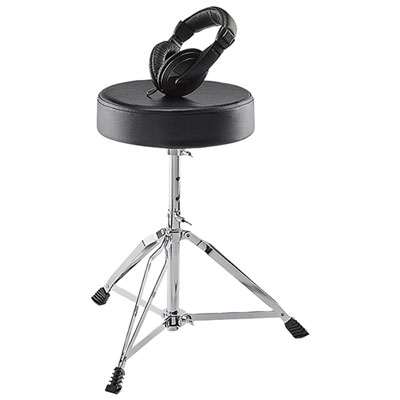
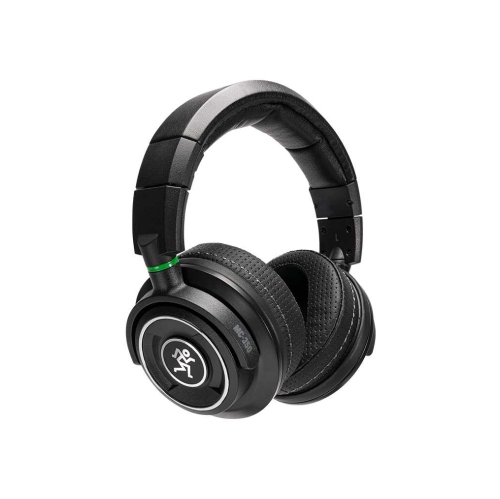
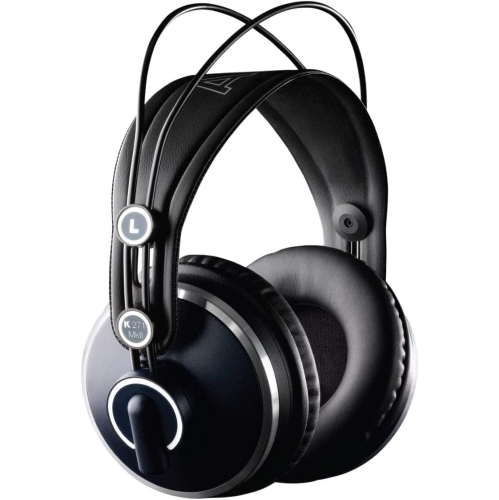
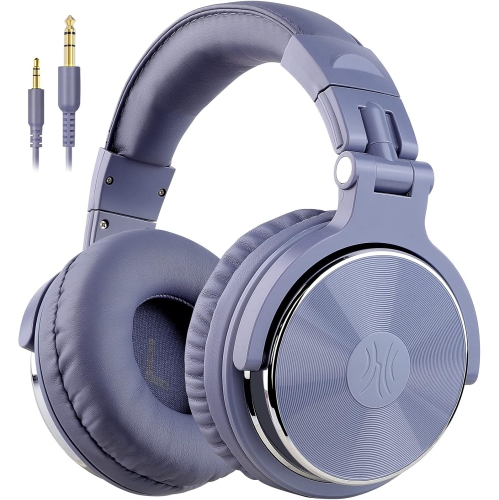
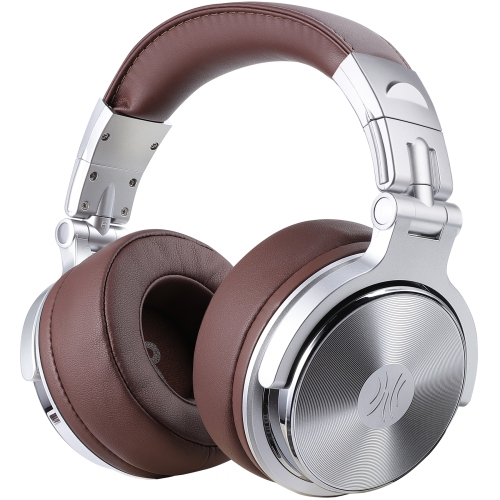
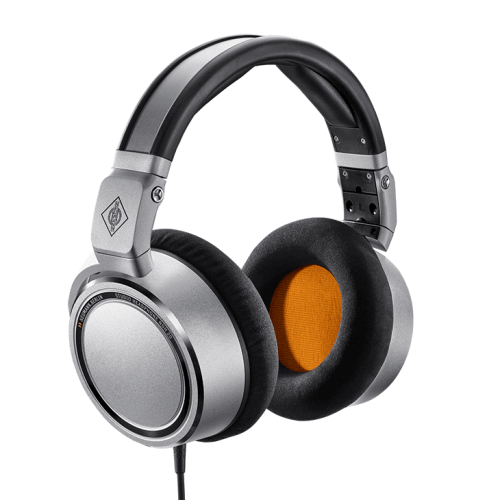


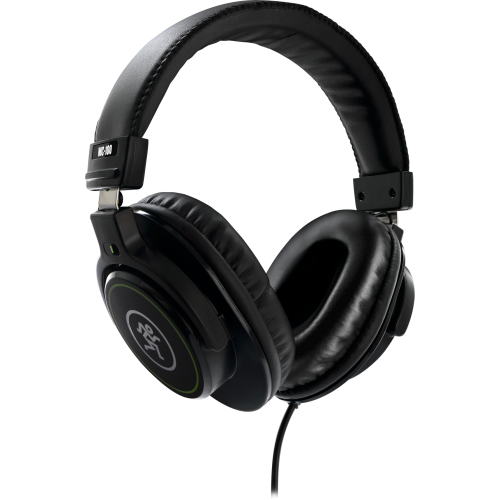
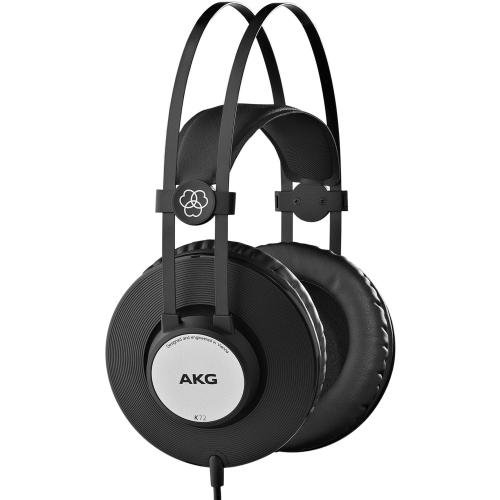
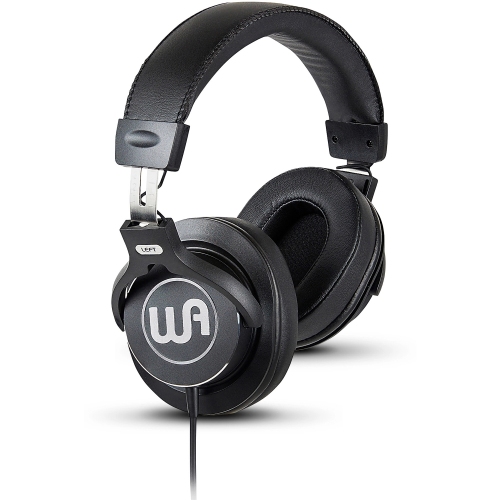
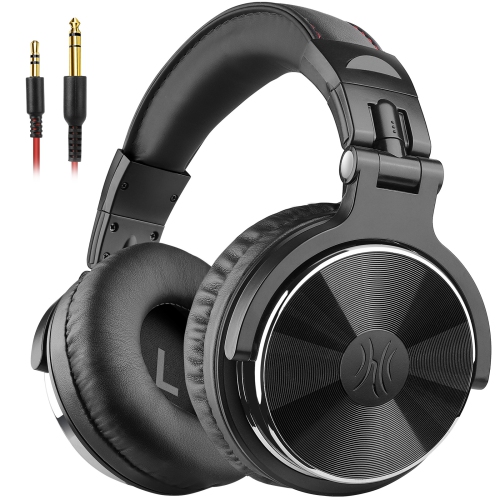
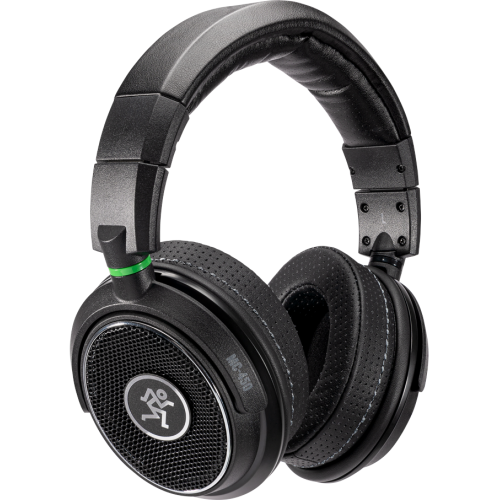

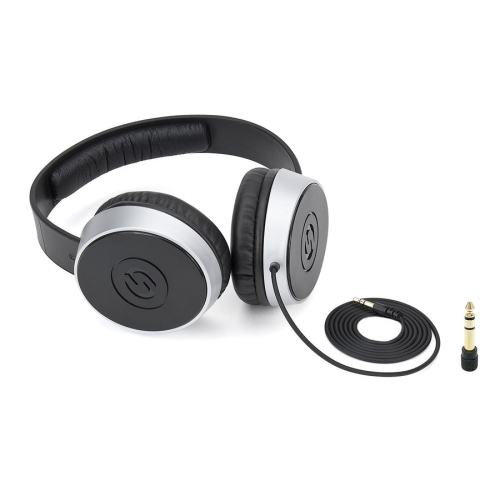
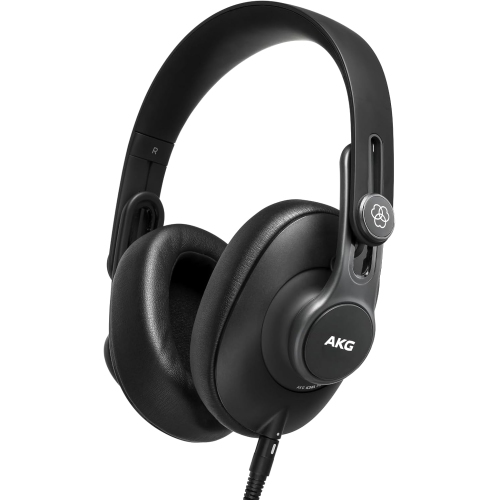
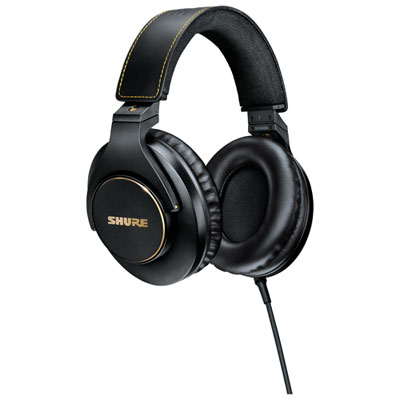

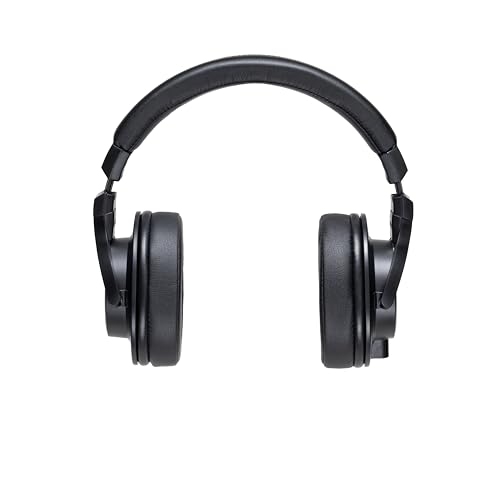
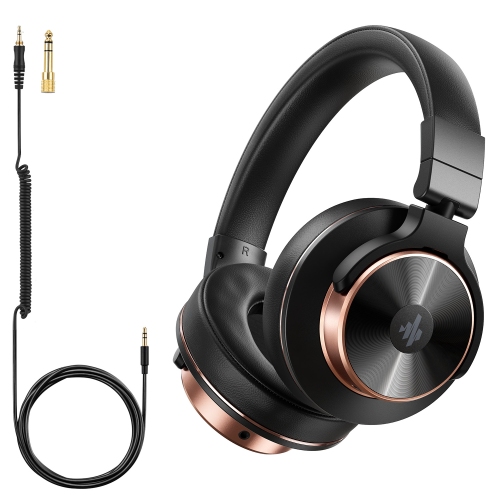
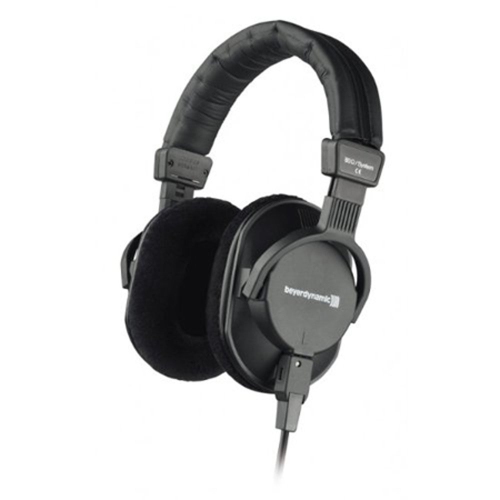

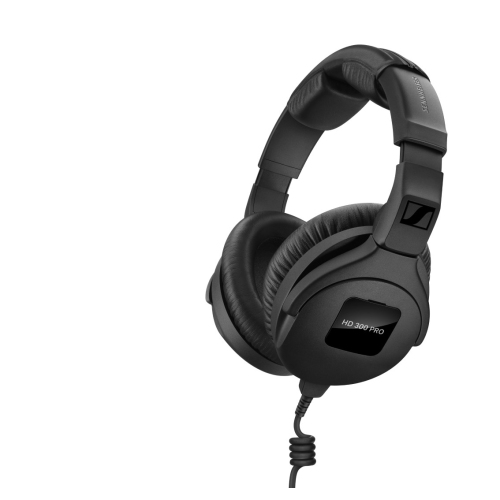
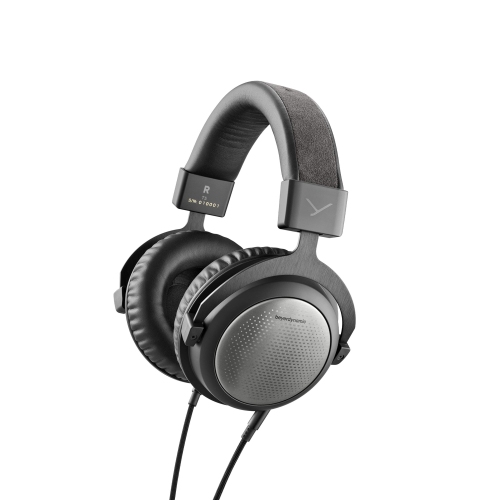
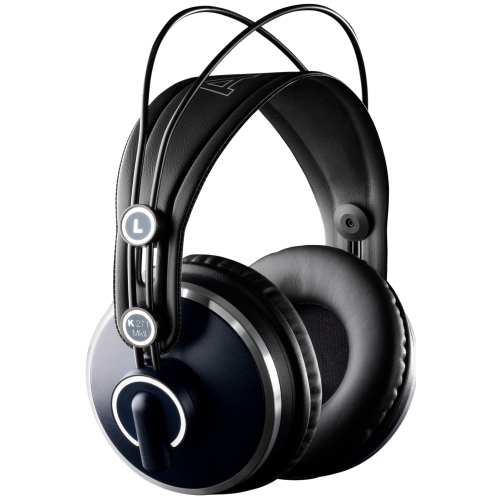
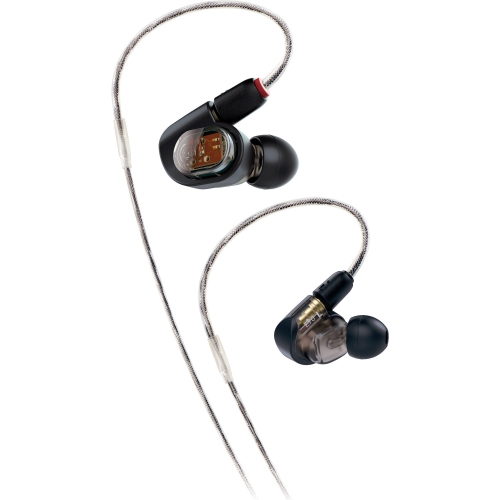
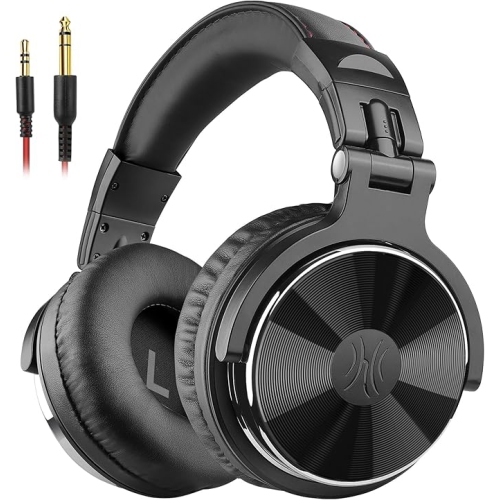


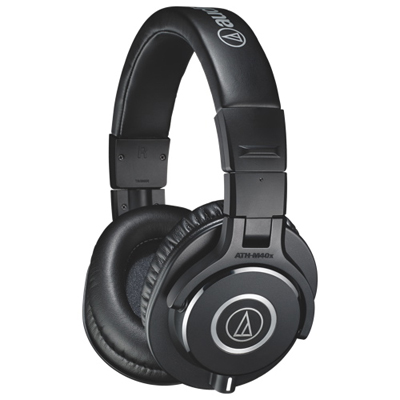

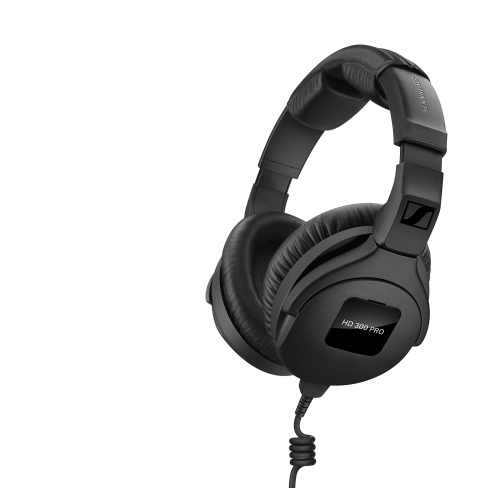
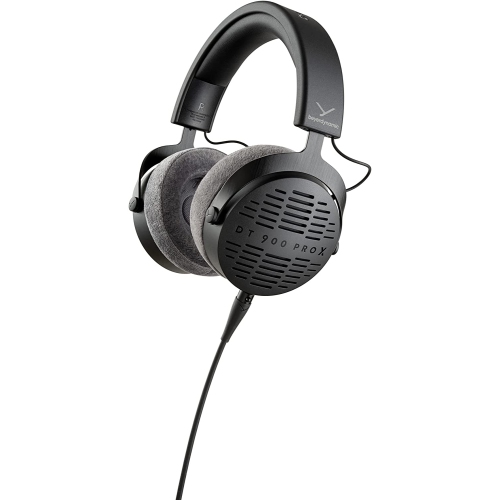
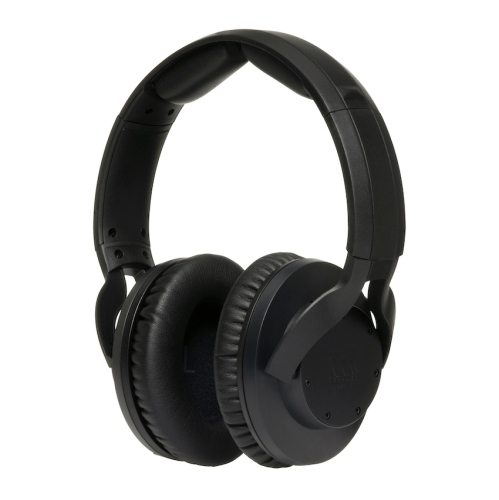
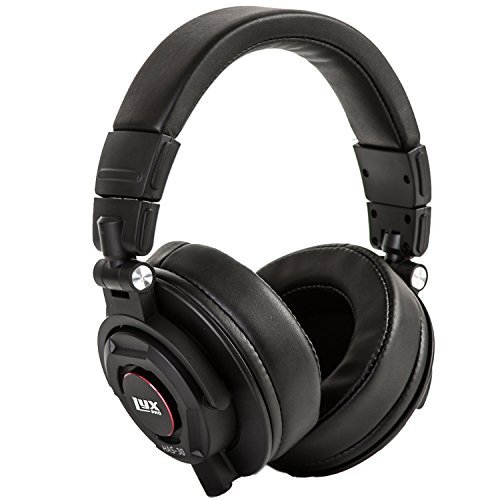
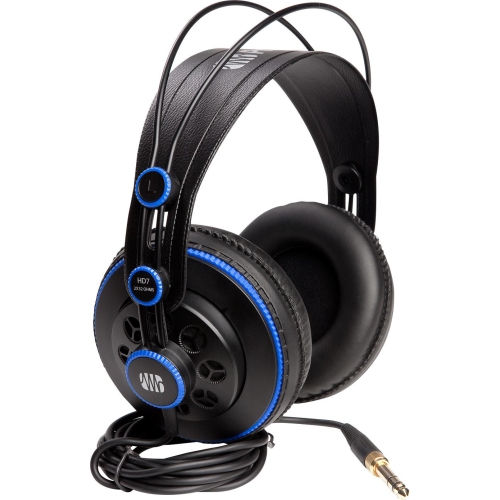
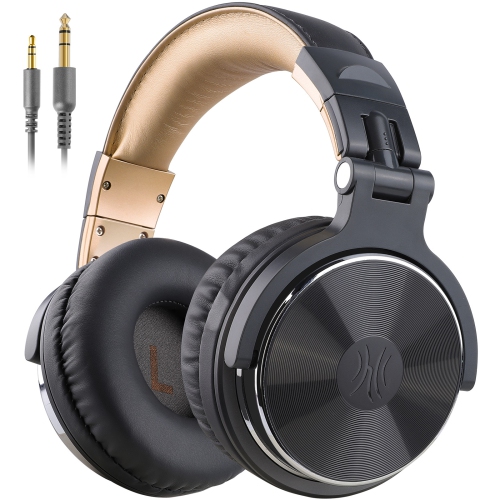
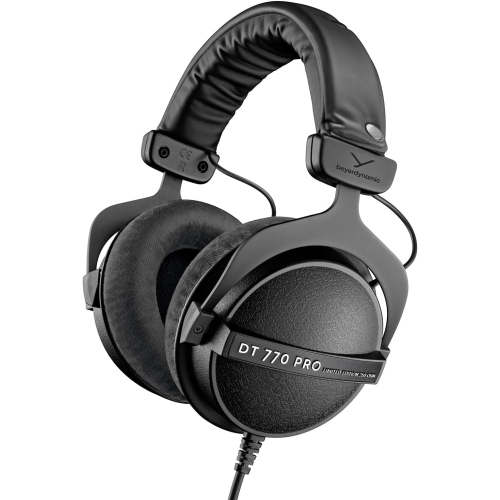
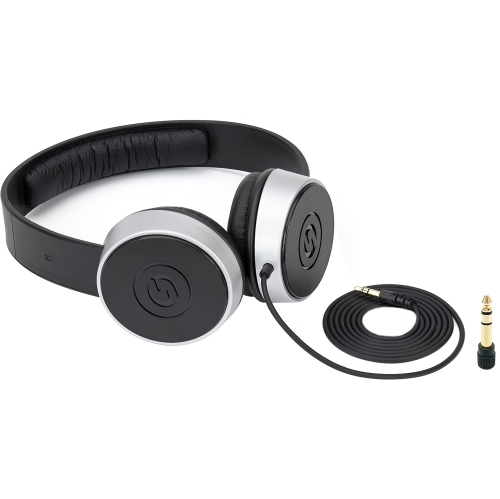
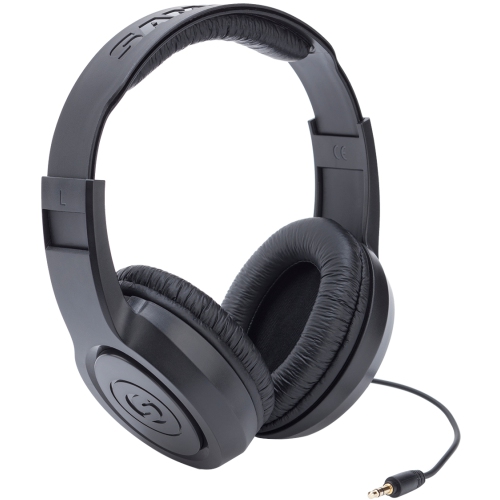
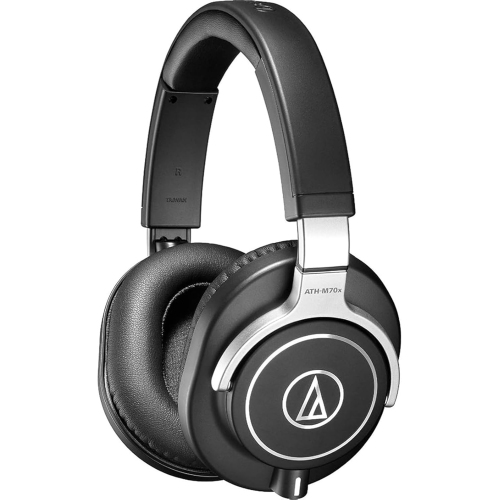
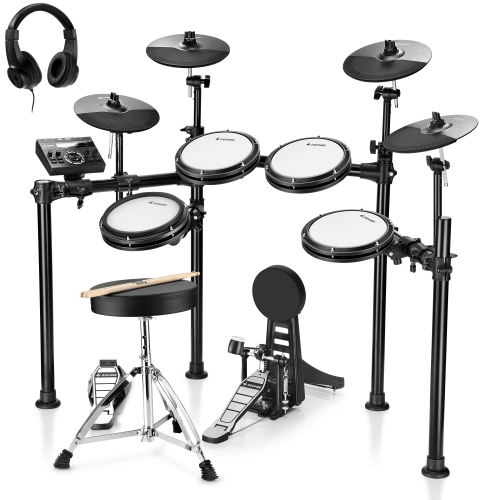
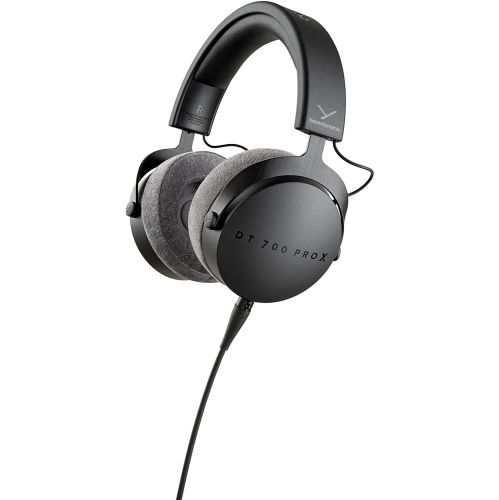
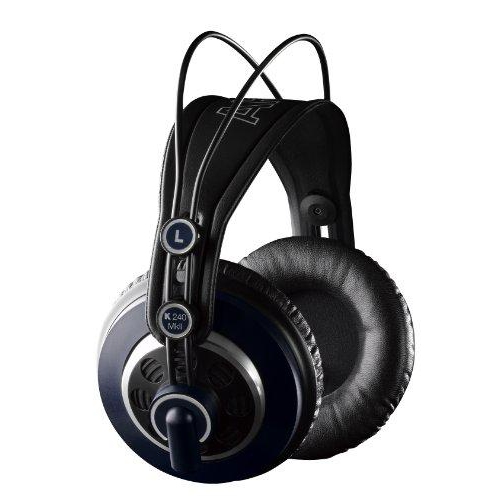

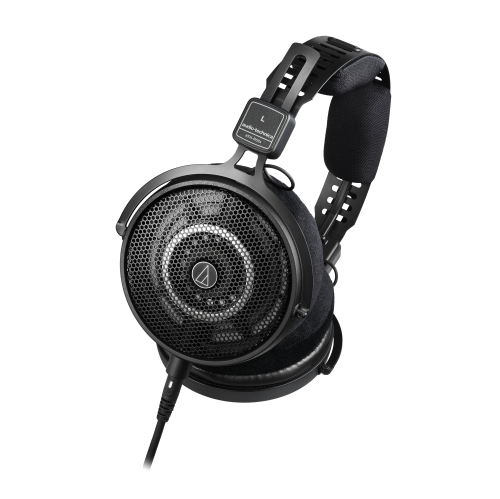
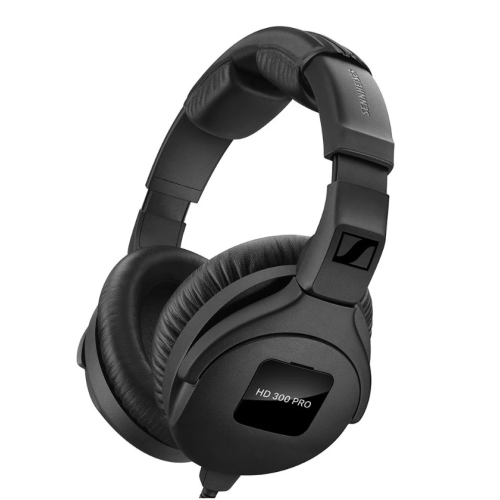
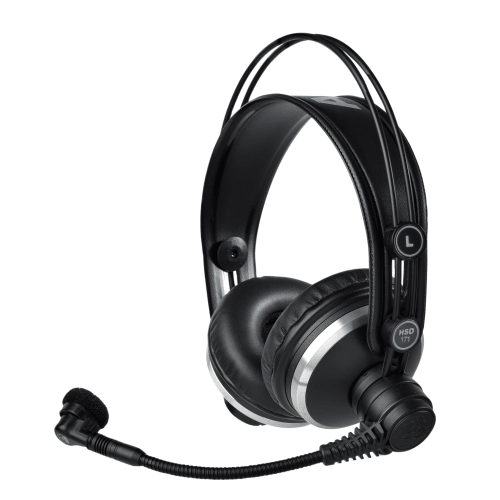
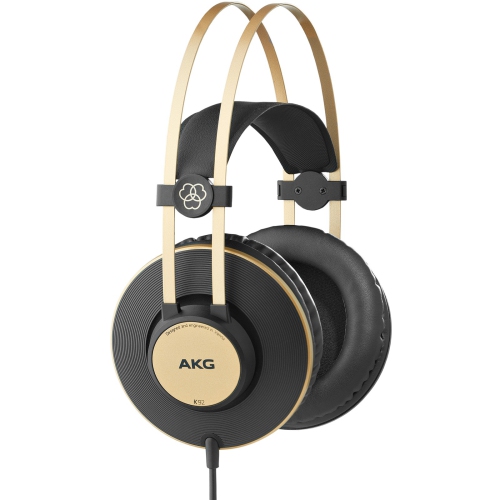


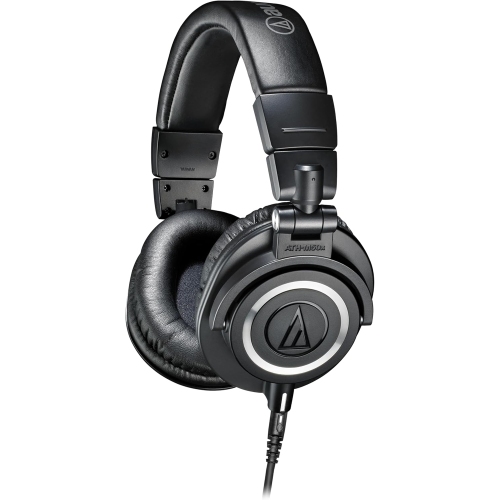


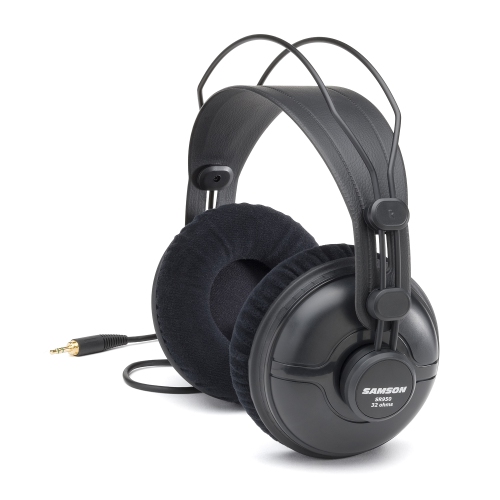
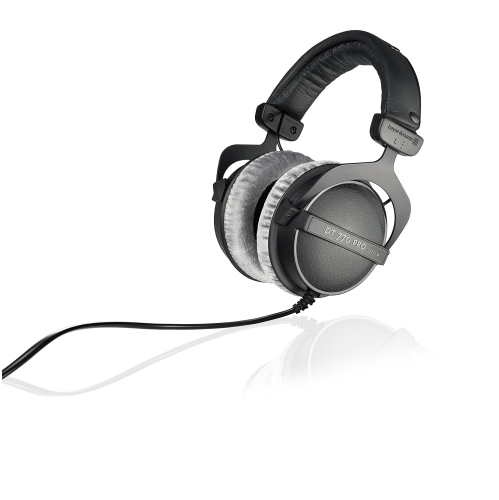
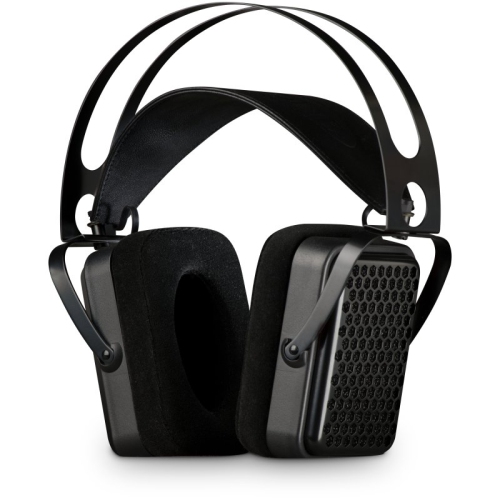
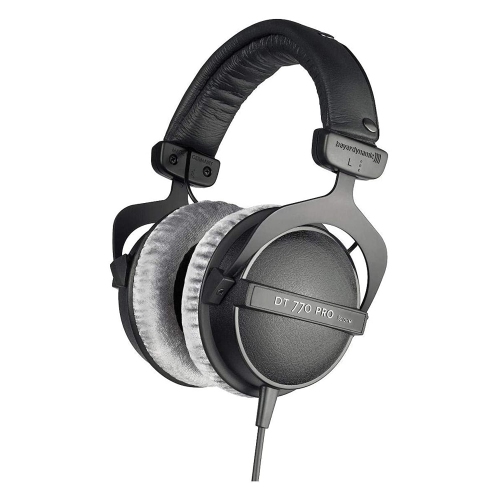
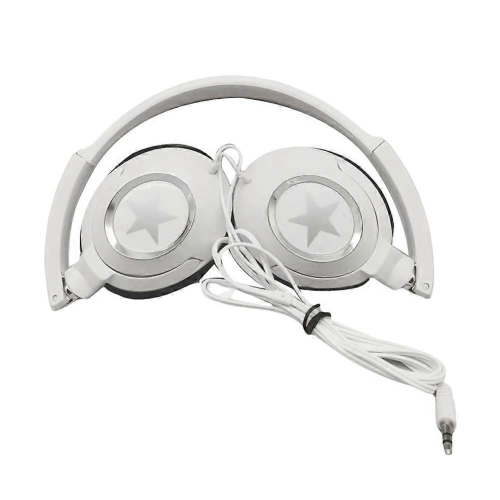
Why balanced sound matters behind the drum kit
Drum headphones are headphones used to monitor an electronic drum kit, follow backing tracks, or hear a mix while playing acoustic drums. Their most useful qualities are clear sound, a secure fit, effective isolation, and a connection that suits the drum module or audio equipment. Drumming puts particular demands on headphones: a low kick drum pulse needs definition, fast snare strokes should remain distinct, and cymbal accents should sound detailed without becoming overly sharp. A balanced presentation helps players hear those elements together rather than letting heavy bass overwhelm the rest of the kit. For electronic drums, headphones connect to the module’s headphone output, bringing the kit’s sounds close while keeping amplified sound out of the room. Stick impacts on pads and vibration through the floor remain audible, however, so headphone practice is quieter rather than silent. Closed-back, over-ear designs are often well suited to this use because their enclosed earcups help limit sound leakage and reduce some outside noise. Open-back designs let more sound pass through, which can make pad strikes and nearby activity more noticeable. Around an acoustic kit, isolation becomes especially important, but ordinary headphones are not automatically hearing protection. A published noise reduction rating or other applicable protective specification matters when protection is needed; a snug earcup alone does not establish that a headphone is suitable for loud playing. Active noise cancellation is also different from protective attenuation and should not be assumed to provide adequate protection against drum transients. Lower monitoring levels, sensible breaks, and appropriate hearing protection remain important for acoustic practice and rehearsals. For a beginner working through steady eighth notes, an experienced drummer refining ghost notes, or a player rehearsing along with a favourite album, the practical goal is much the same: a clear, comfortable way to hear the parts that matter without continually turning up the volume to compete with the kit. Those priorities matter more than a dramatic bass boost or an impressive-looking driver specification.
Fit makes a noticeable difference once a practice session moves beyond a few minutes. Over-ear cushions should surround the ears without folding them against the head, while the headband should distribute weight rather than creating a pressure point at the crown. A firm hold helps keep headphones in place during fills and quick movements between cymbals, but excessive clamping can become distracting around the jaw or temples. Glasses can affect both comfort and the earcup seal, so the interaction between cushion softness and frame thickness is worth considering. Generous earcup depth can help prevent ears from touching the inner lining, and an adjustable headband makes it easier to find a stable position. Cushion materials involve practical trade-offs: leatherette surfaces are usually straightforward to wipe down, while fabric or velour coverings may feel less clammy during longer sessions but can provide a different seal. Neither material guarantees better isolation on its own; the complete earcup design and individual fit both matter. Drummers who play energetic sets may appreciate replaceable cushions and headband padding, since these contact points take much of the wear from movement and perspiration. Durable hinges, well-supported adjustment points, and strain relief where the cable enters the earcup also contribute to everyday reliability. A detachable cable can make a damaged lead easier to replace, although replacement compatibility varies. Cable routing deserves attention around a drum throne: a lead hanging across the snare or catching beneath a pedal can interrupt a fill just as easily as a slipping headband. A cable with enough reach to run clear of sticks and moving hardware is useful, while unnecessary slack can become tangled. Coiled cables offer some flexibility but may pull against the earcup if stretched too far; straight cables can be easier to route neatly beside the kit. After playing, a soft cloth and care that follows the manufacturer’s directions help remove moisture and keep contact surfaces clean. Letting cushions dry before storing the headphones, avoiding harsh cleaners, and keeping weight off the headband can help preserve their fit and condition.
Connection details determine how naturally drum headphones fit into a practice or recording setup. Electronic drum modules commonly use either a 3.5 mm or 6.35 mm headphone socket, so the plug and any required adapter need to match the output. A headphone output is different from a line output: the latter may require a headphone amplifier or another suitable monitoring device. Impedance and sensitivity also affect how easily headphones reach a useful listening level from a particular module, interface, or mixer, so compatibility involves more than plug size alone. Wired headphones are often the simpler choice for electronic drums because they avoid the noticeable monitoring delay that can occur with Bluetooth audio. Even a small delay between a stick strike and the sound reaching the ears can make timing feel disconnected. Wireless systems vary, and low latency needs to be supported by the complete signal path rather than assumed from a wireless label. For practising with music, the module’s ability to blend an incoming track with drum sounds can be as valuable as the headphones themselves. Independent balance between the kit and accompaniment helps a player hear a quiet hi-hat pattern without losing the bass line that anchors the song. In a home studio, clear monitoring can help reveal uneven kick strokes, rushed fills, or cymbal hits that crowd a vocal passage. During lessons, a comfortable pair can support focused practice with a metronome or lesson audio, provided the setup allows the player to hear any instructions they need. Musicians who move between instruments may also find Guitar Headphones relevant to amp-based practice, although each instrument’s output and monitoring needs still deserve attention. As a gift for a drummer, headphones are most useful when the recipient’s kit connection, preferred fit, and main playing space are known. Whether the routine is a short evening session on mesh pads or a longer rehearsal with recorded accompaniment, suitable drum headphones bring the sound, comfort, and practical handling together so the equipment stays out of the way of the playing.
Top selling and popular products
-
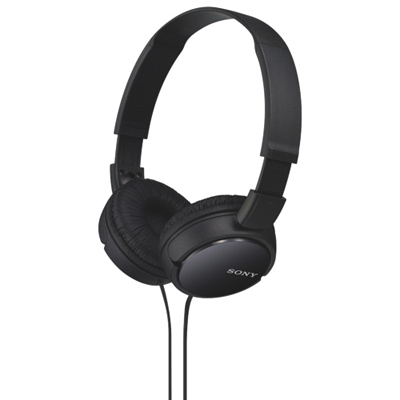 Your price for this item is $24.99
-
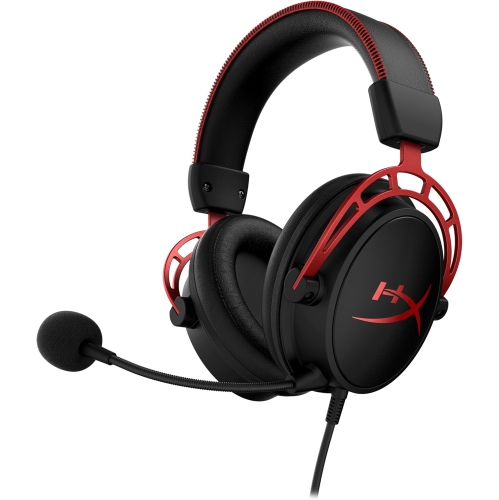 Your price for this item is $124.99
-
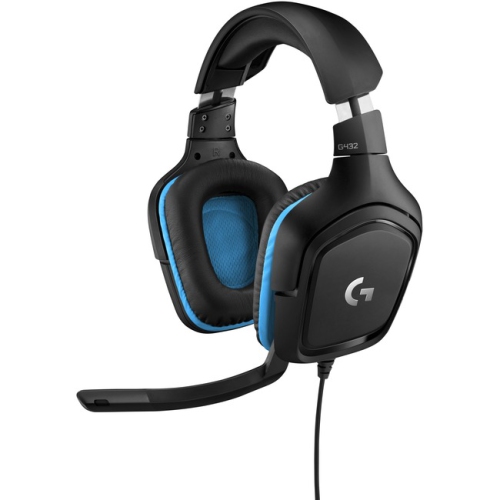 Your price for this item is $116.9
-
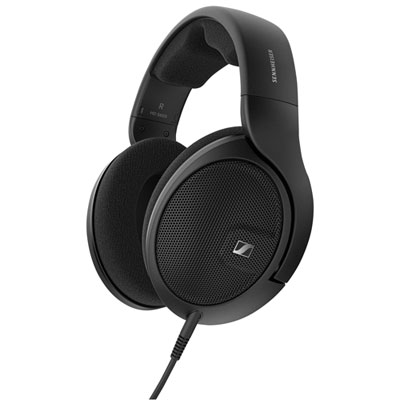 Your price for this item is $179.99
-
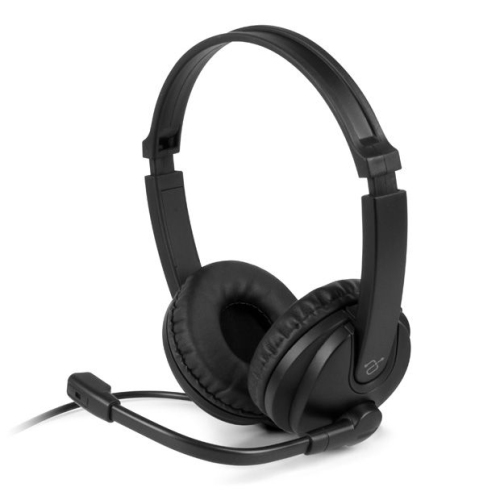 Your price for this item is $46.99
-
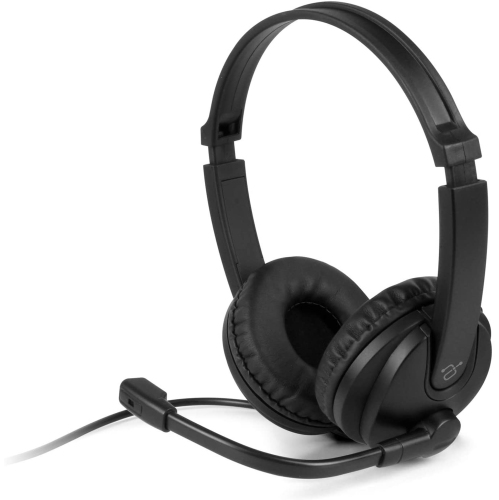 Your price for this item is $63.66
-
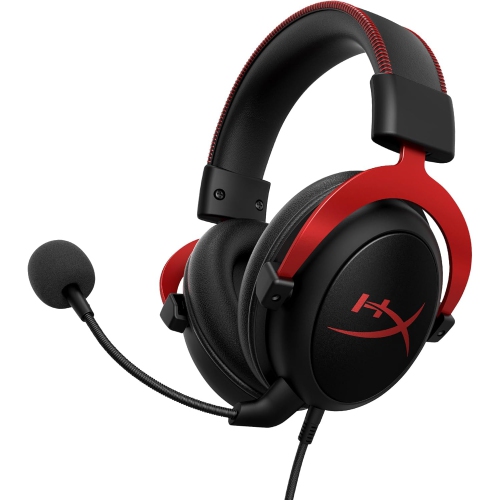 Your price for this item is $144.49
-
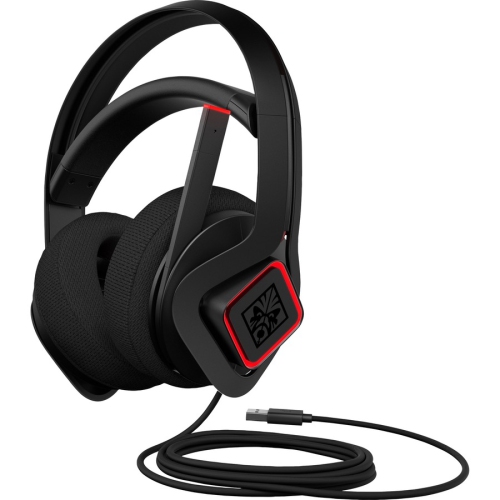 Your price for this item is $105.89
Discover more categories related to Drum Headphones
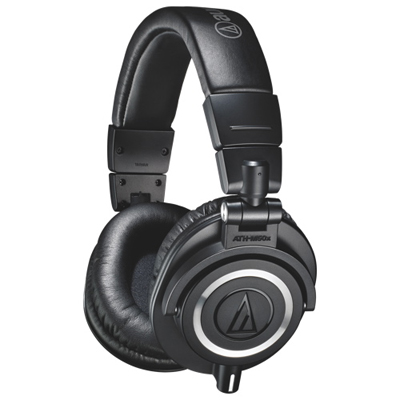
Top Collections:
Pokemon Centers, Kindle Devices, Best Budget Office Chairs, Canon G7X Cameras, Apple iPhones 16, Samsung Galaxy Phones, Refurbished Apple Laptops, Laptops for Students, iPhone 15 Apple, Budget Smartphones
Some products may be subject to Environmental Handling Fees
(EHF) depending on your province.
Learn more about EHFs.