Kids Headphones Volume Limiting
Looking for headphones that are safe and suitable for your little ones? Our collection of volume-limiting kids' headphones is designed to provide an enjoyable listening experience while prioritizing their hearing health. With built-in volume limiters, these headphones ensure that the sound stays at a safe level, protecting your child's delicate ears from potential damage. Whether they're watching their favorite shows, playing games, or listening to music, our range of volume-limiting kids' headphones offers peace of mind for parents and endless entertainment for kids.
Sort
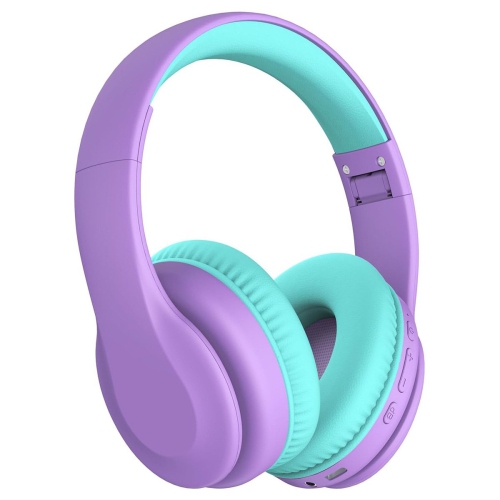
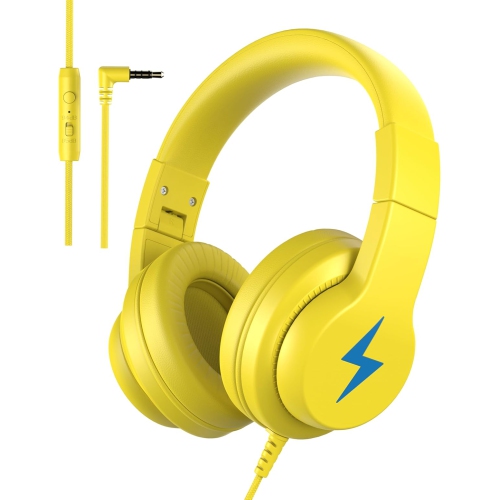
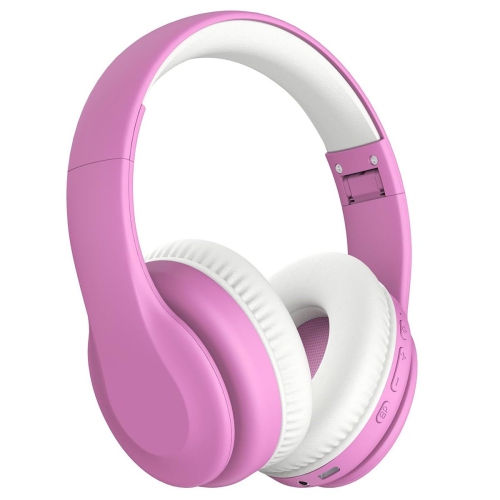
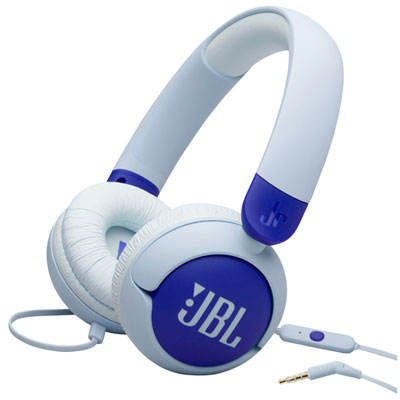
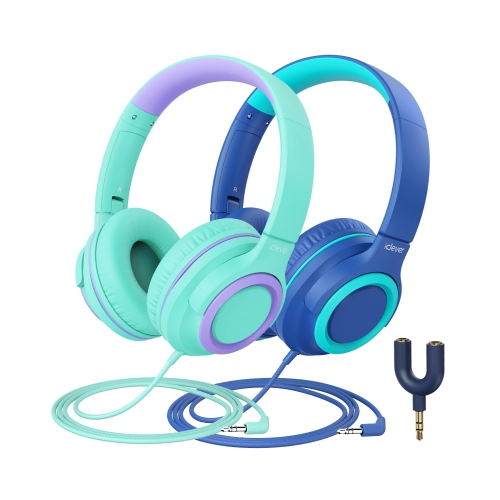
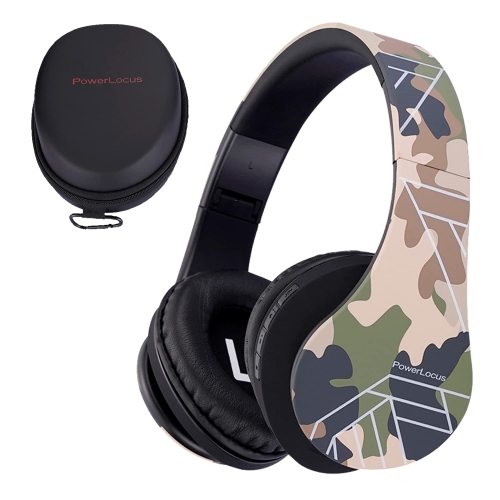
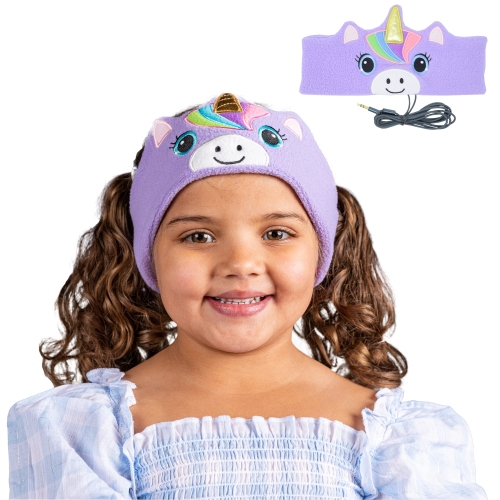
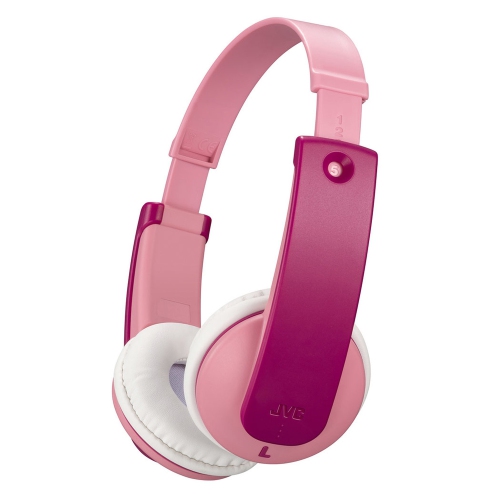
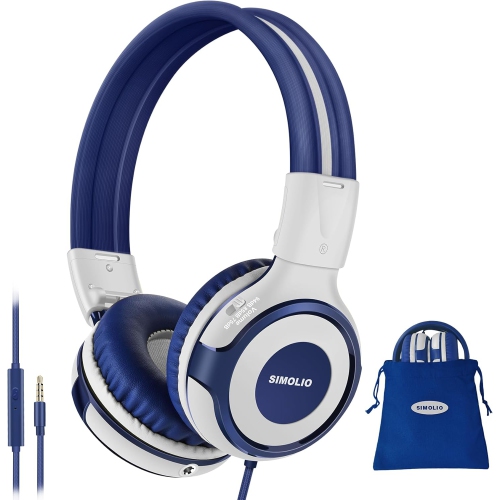
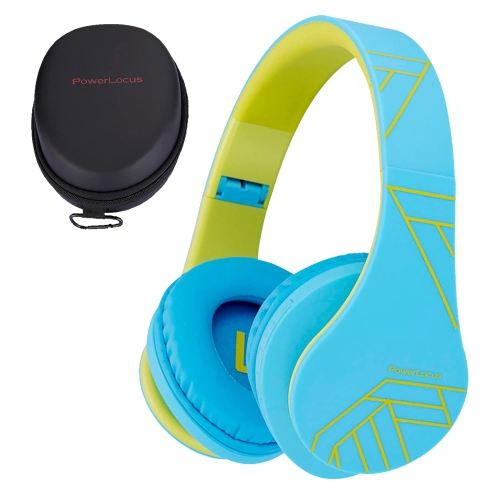
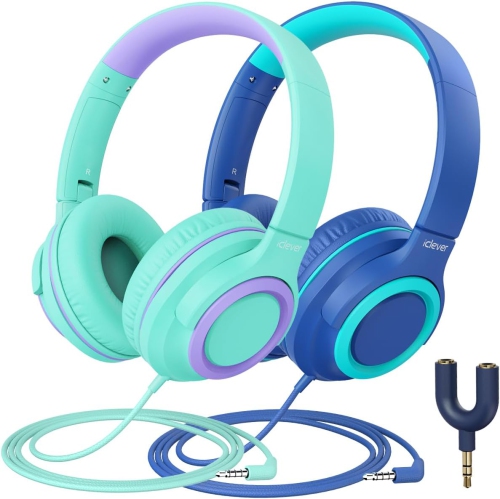
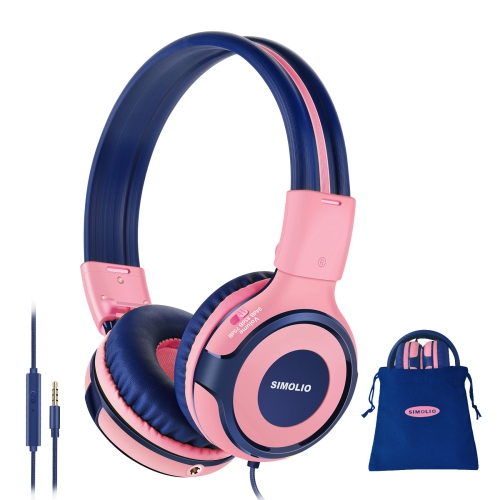
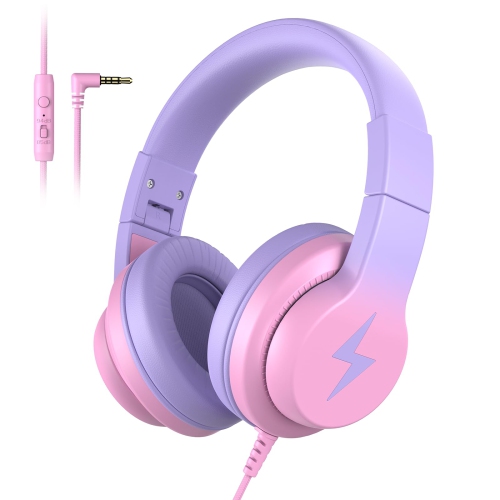
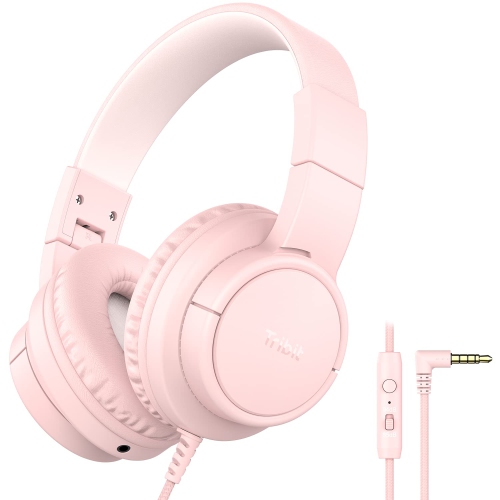
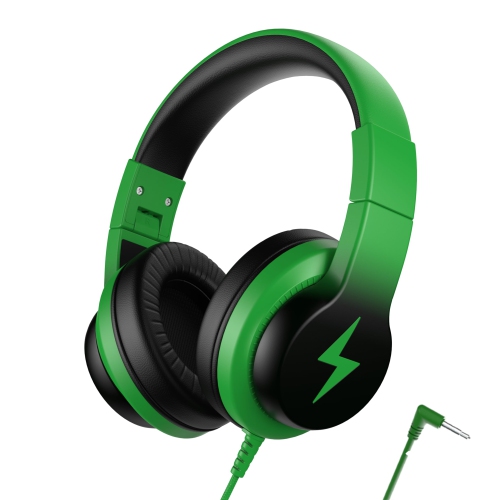
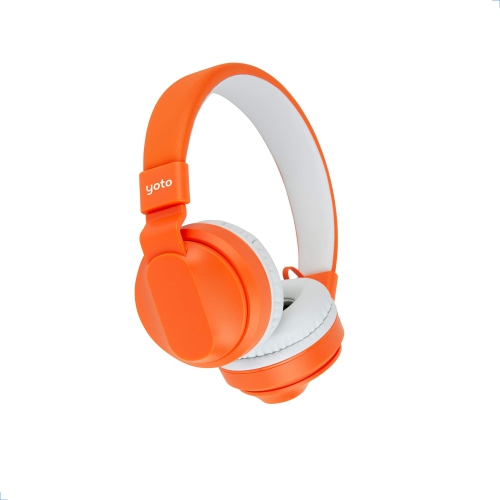
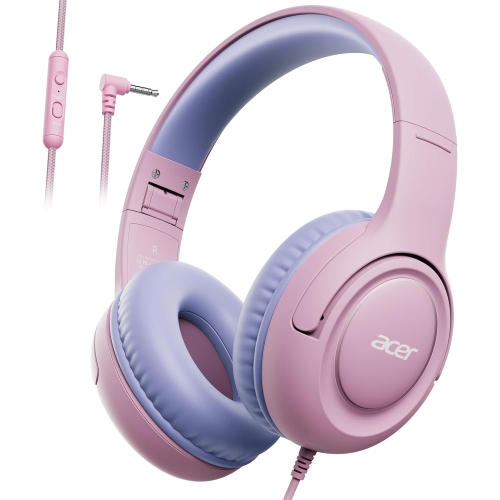
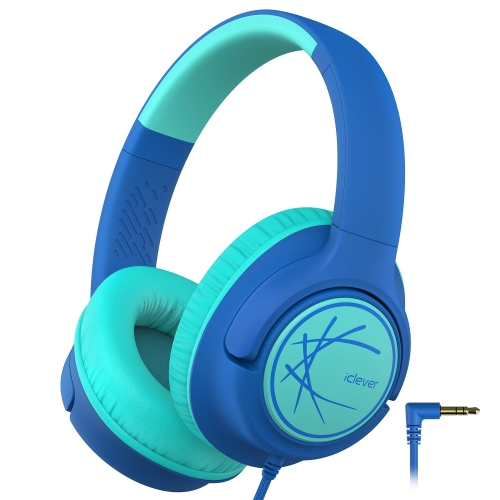
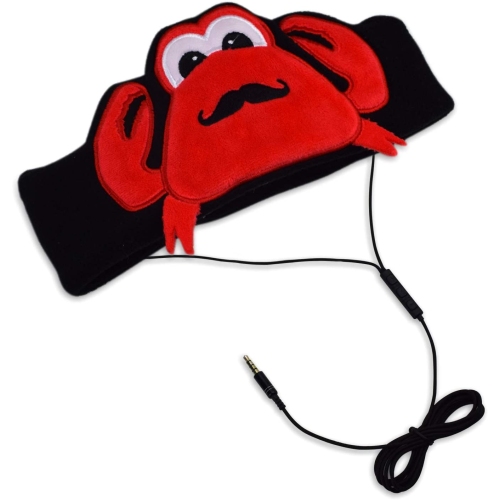
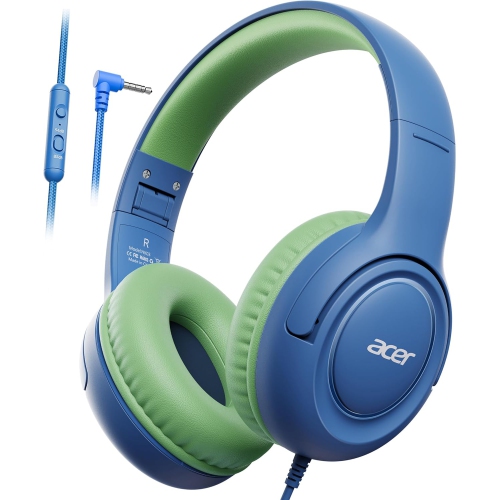
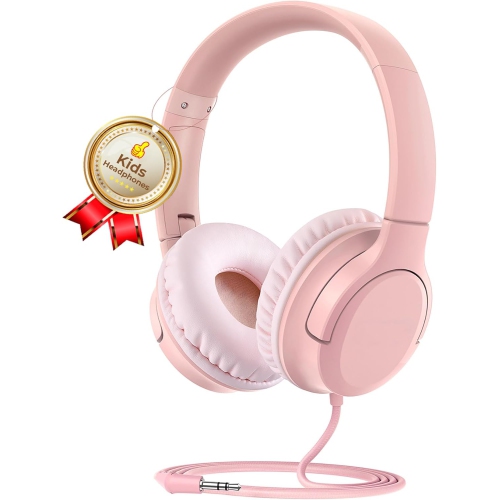
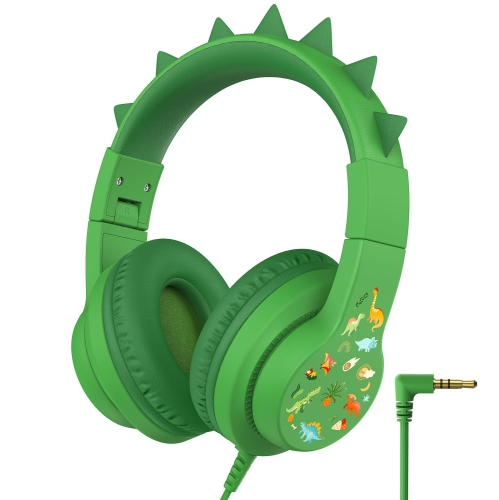
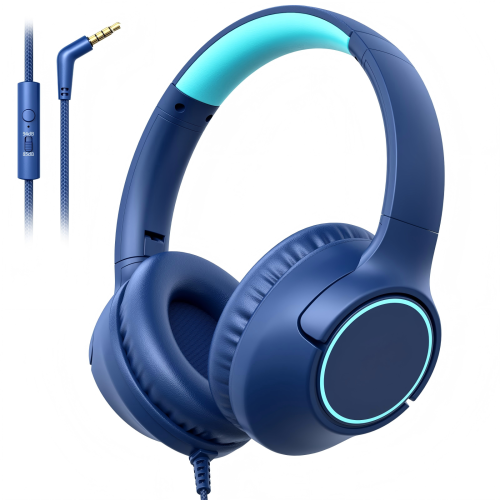
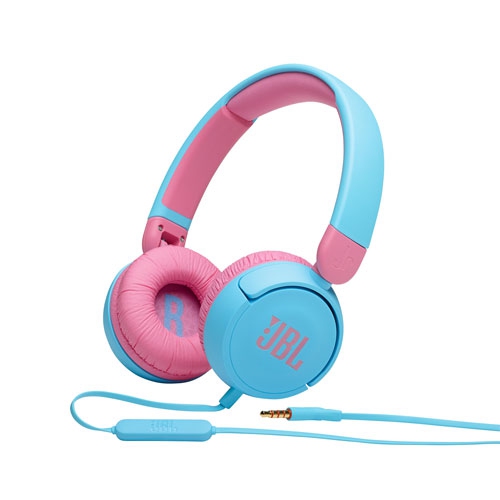
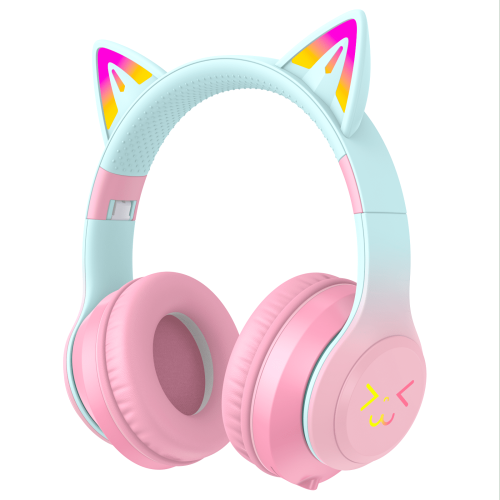
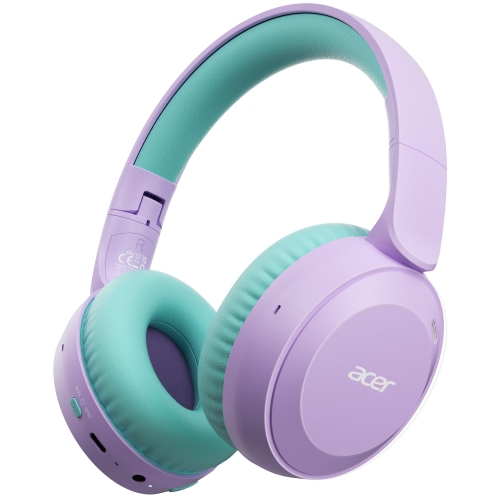
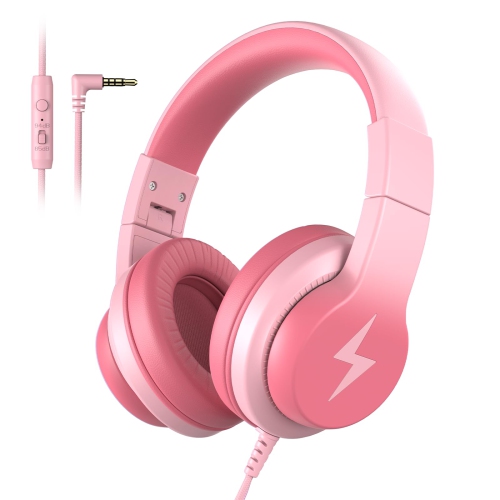
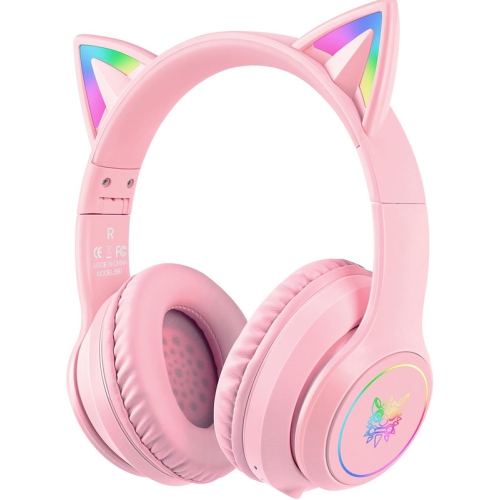
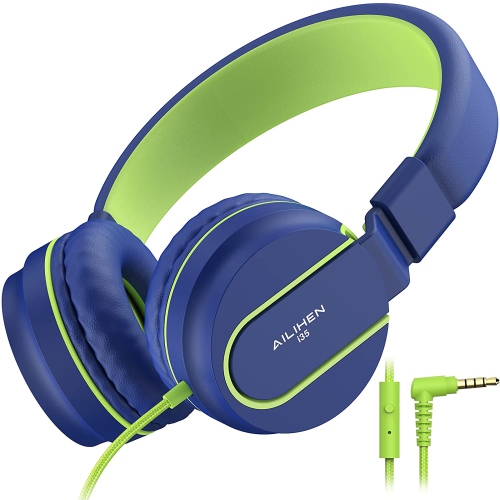
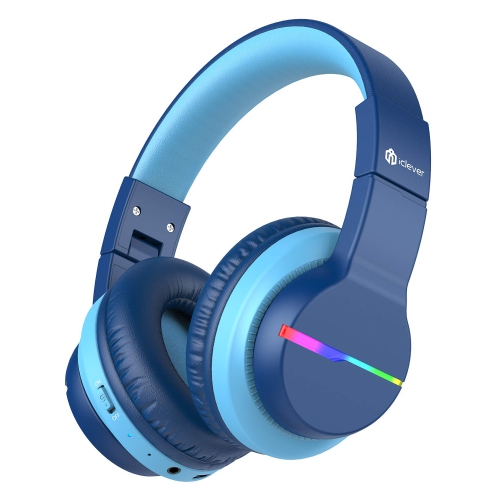
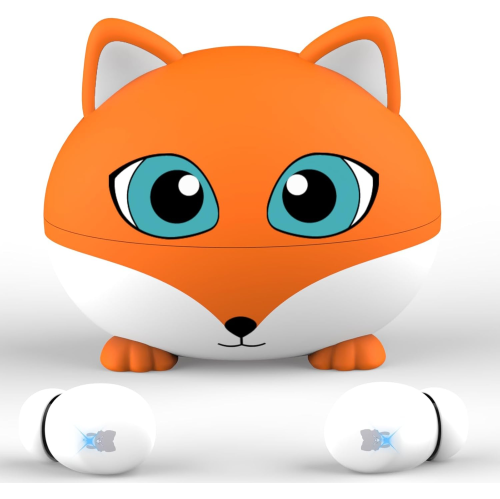
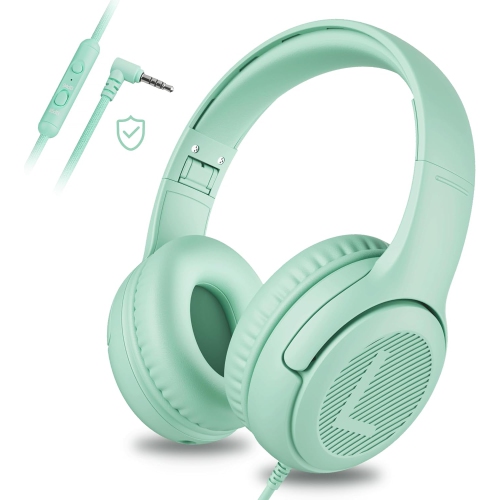
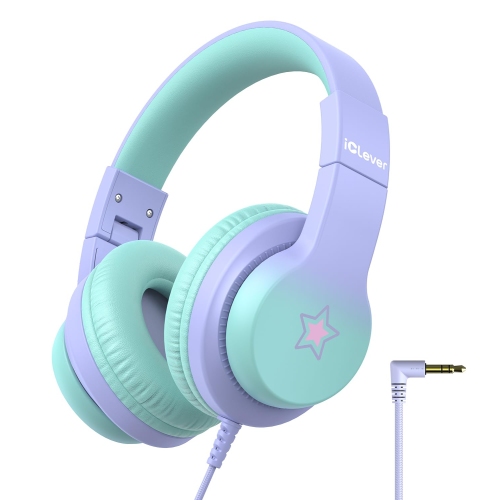
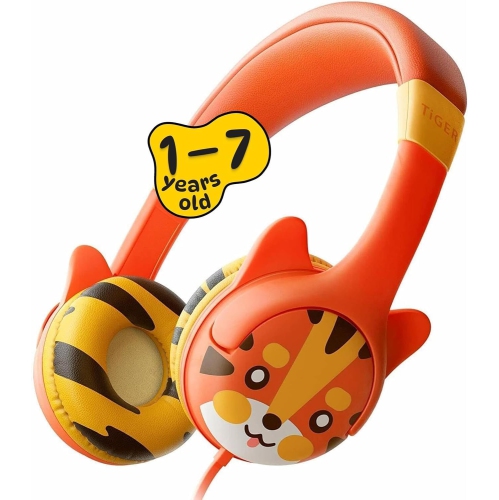
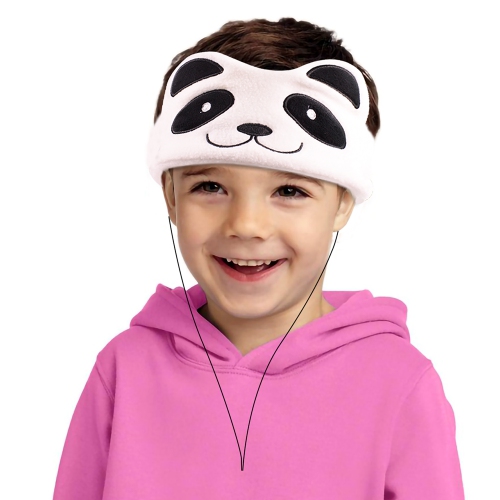
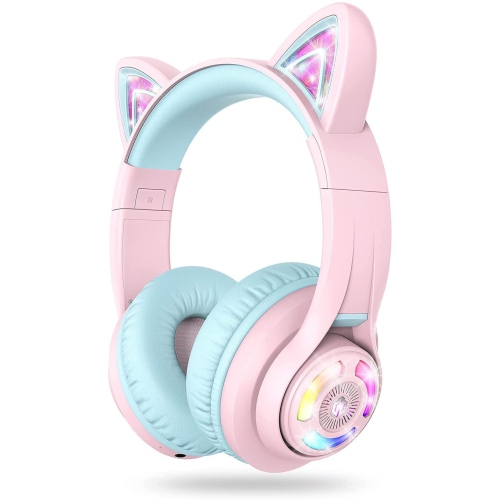
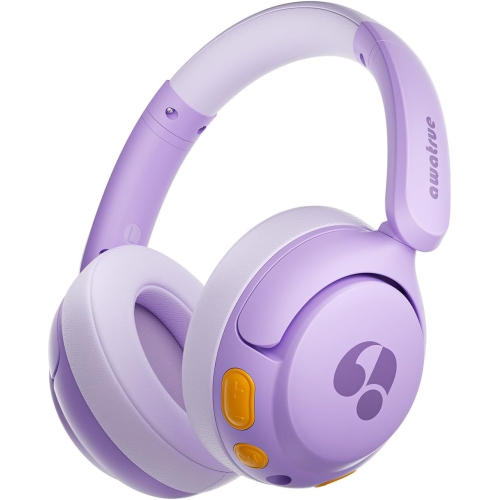
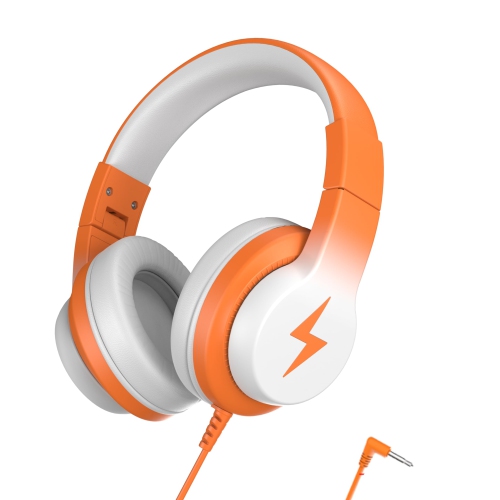
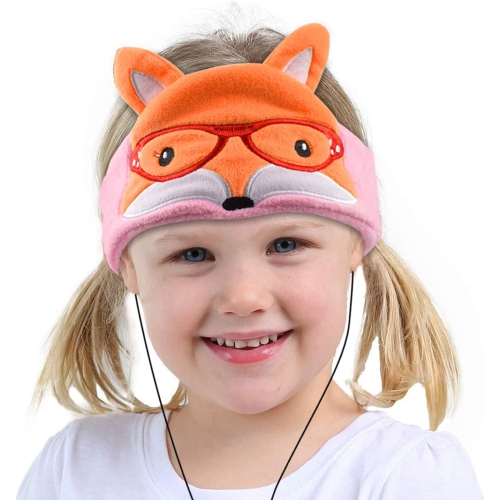
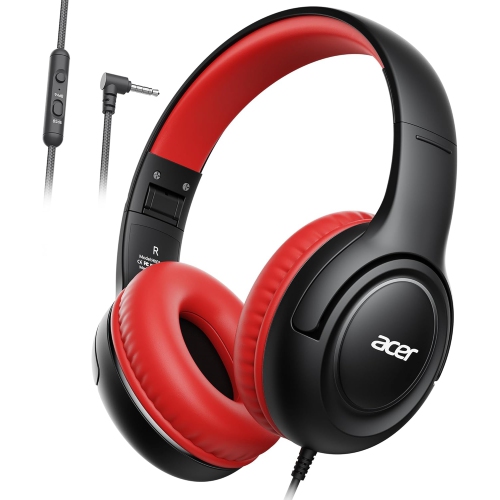
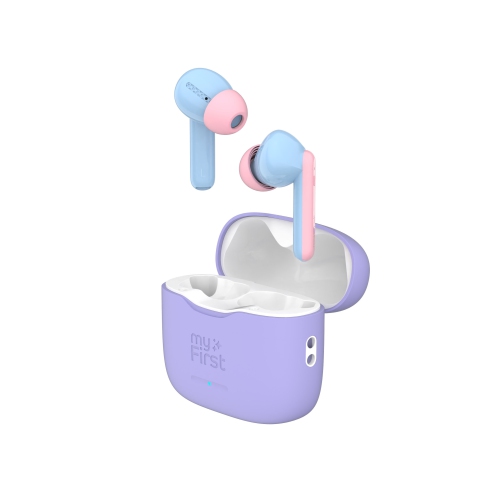
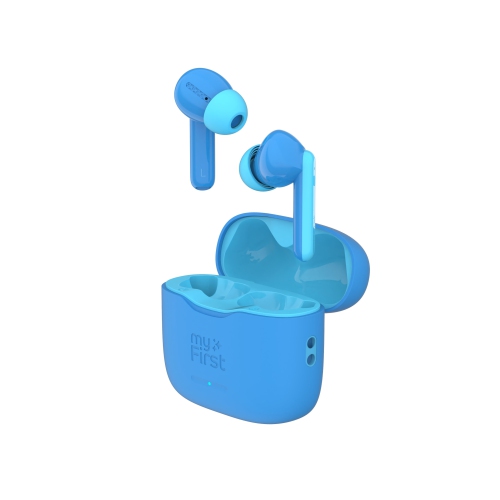
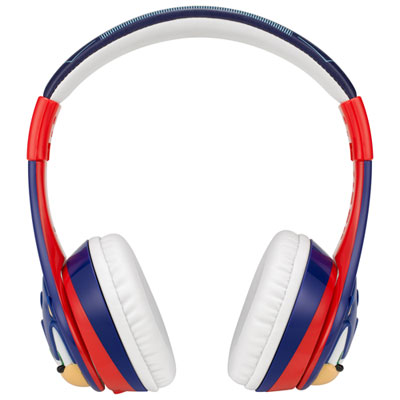
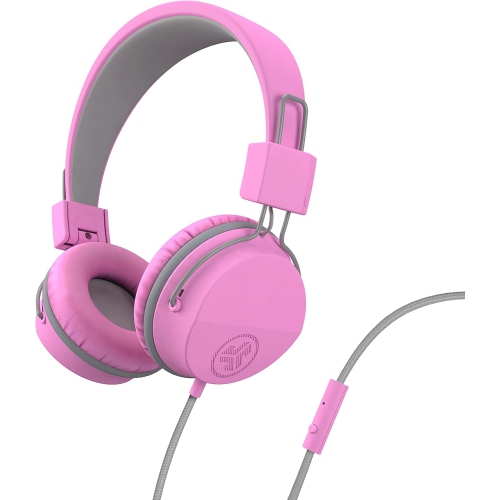
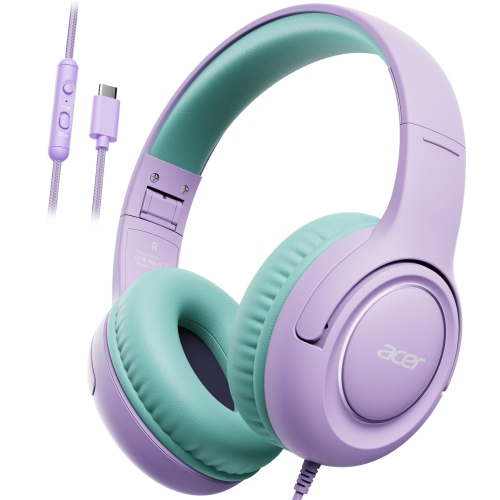
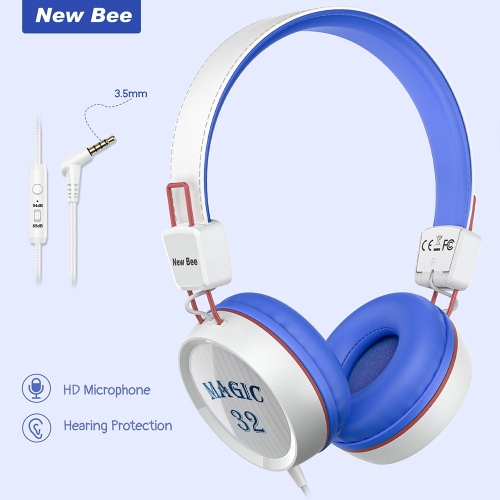
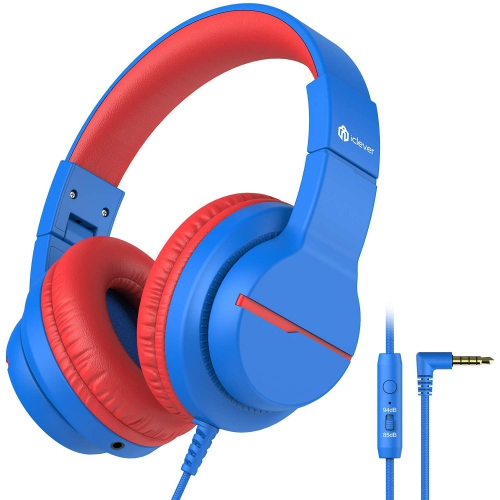
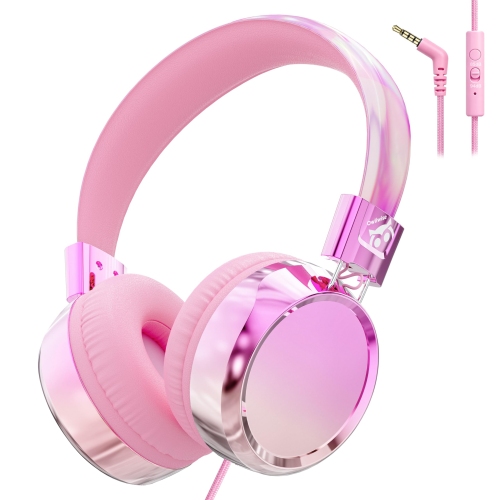
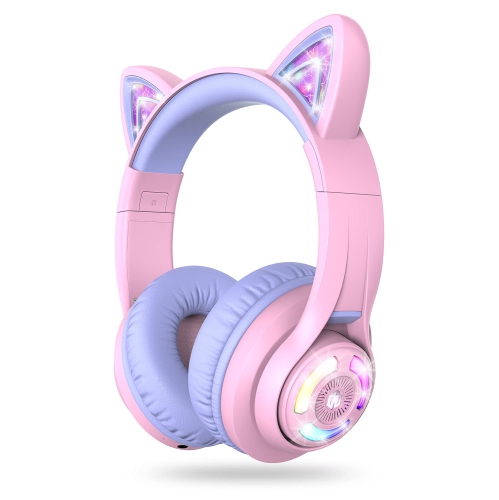

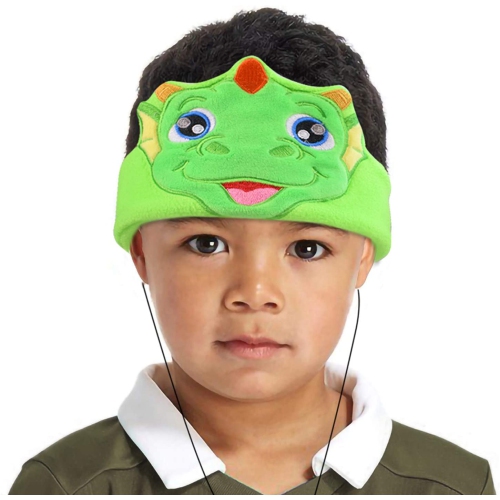
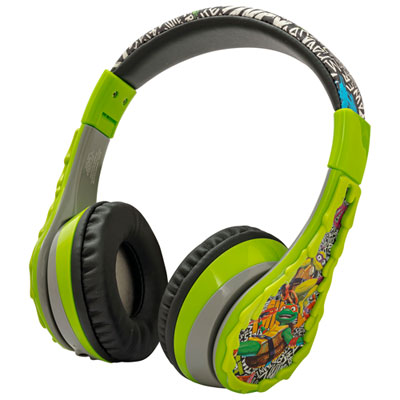
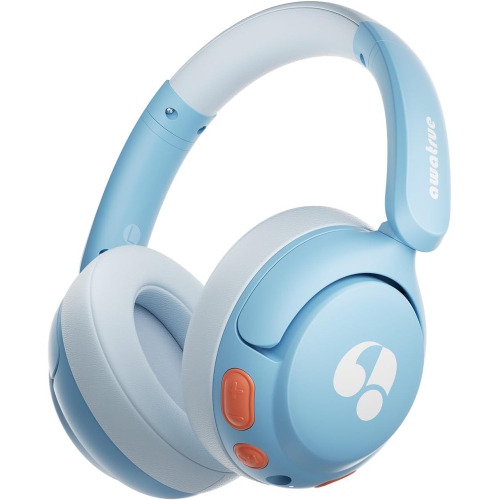
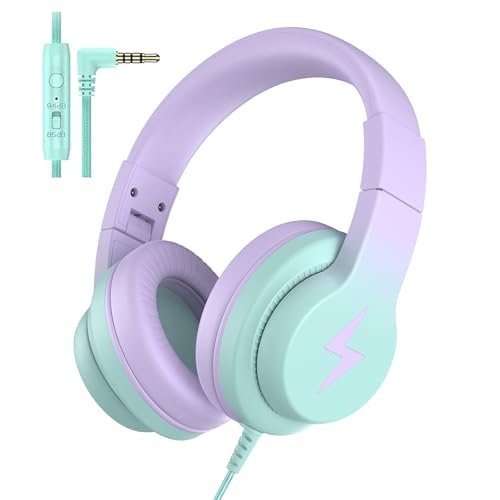

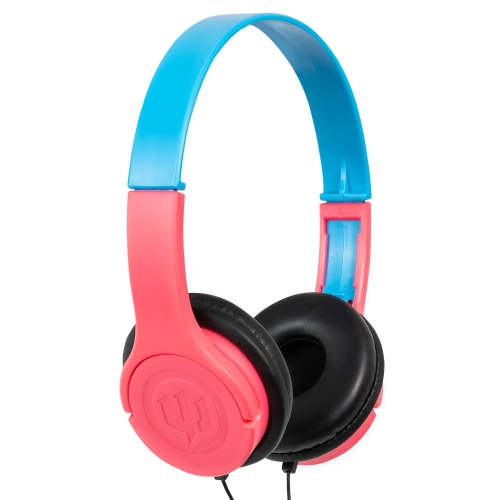
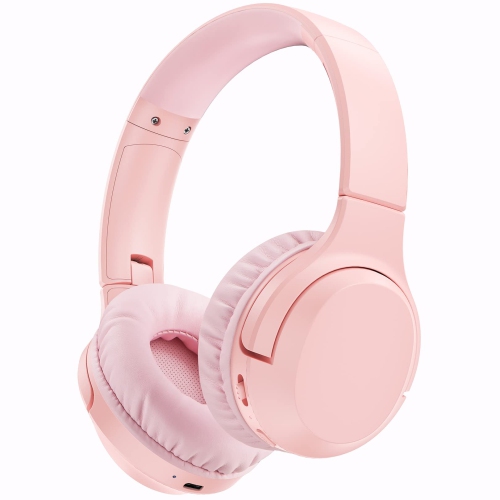
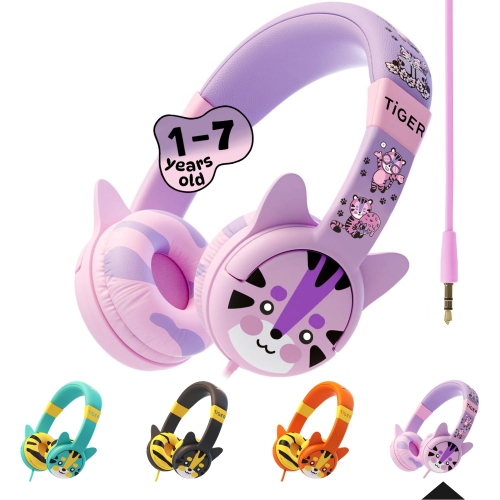
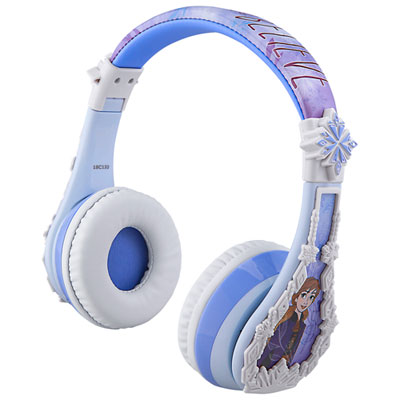
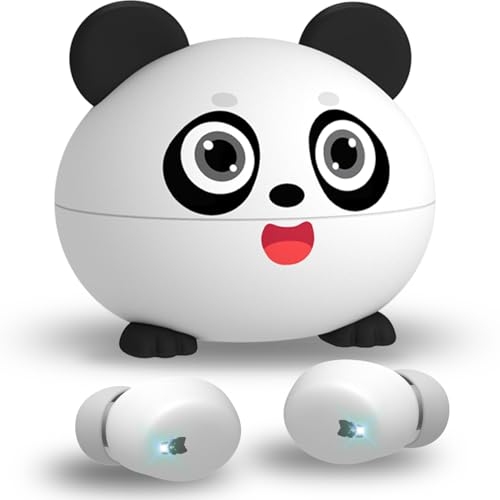
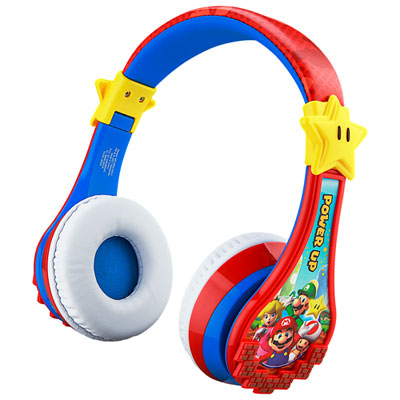

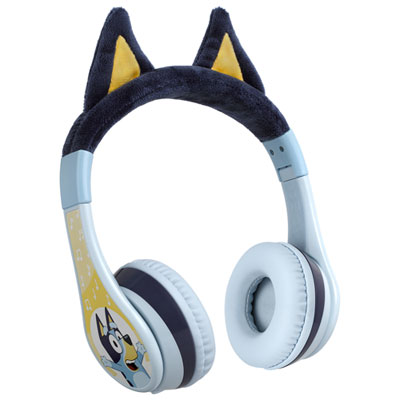
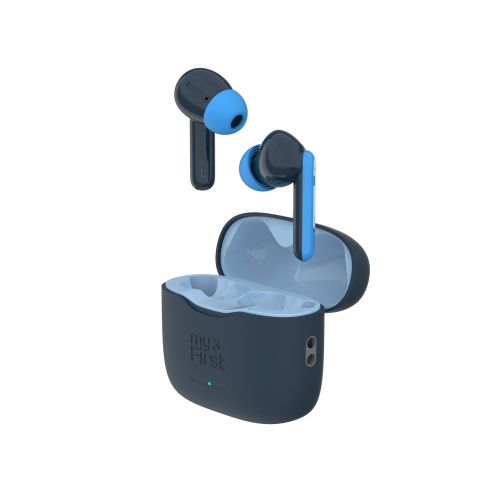
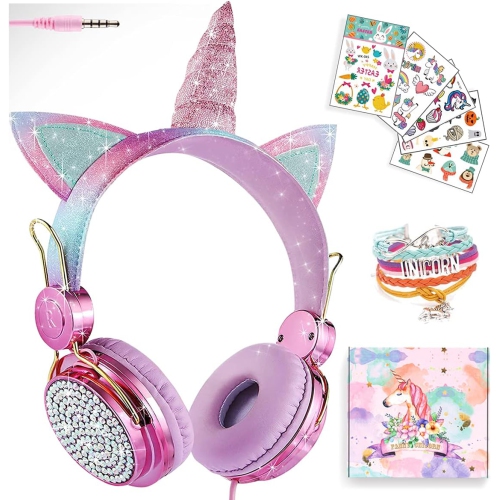
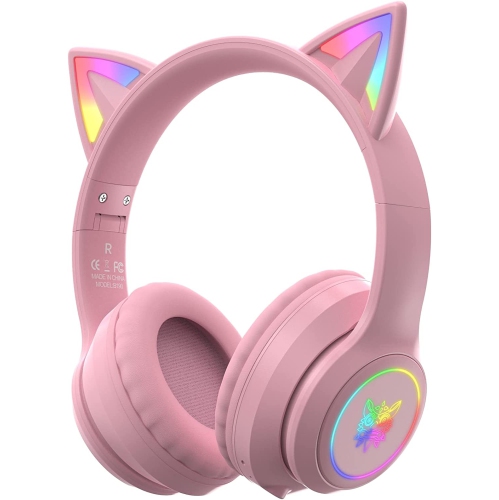
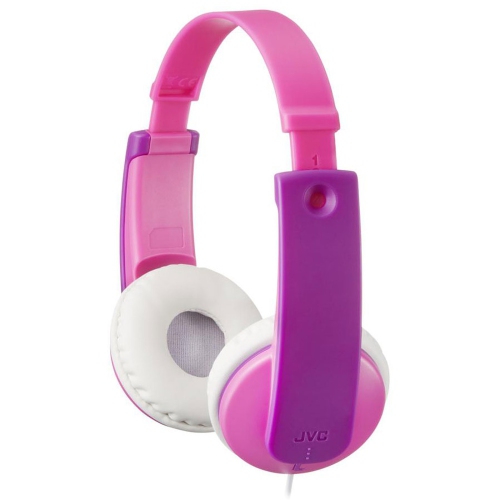
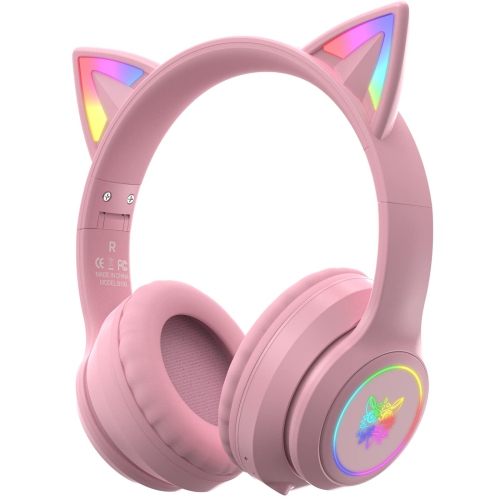
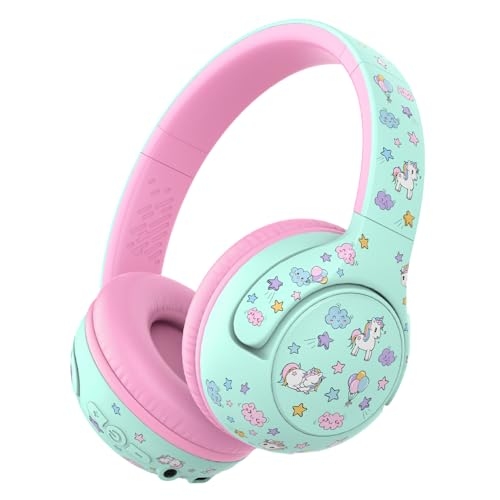
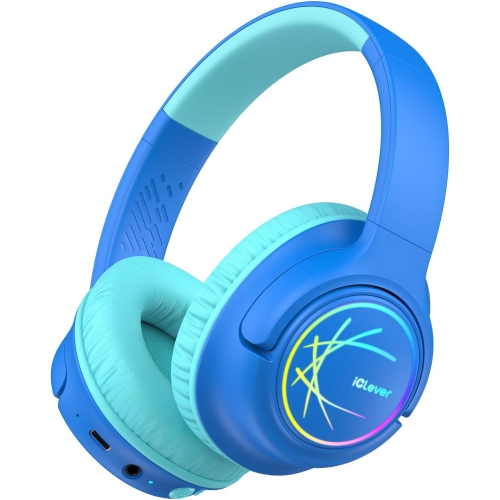
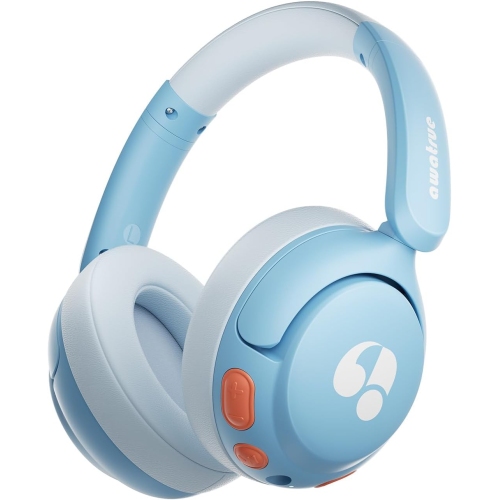
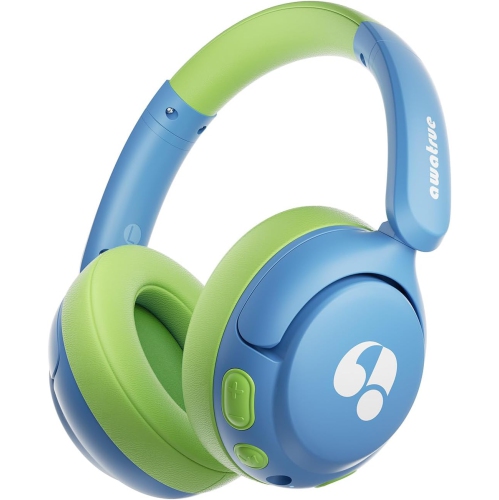
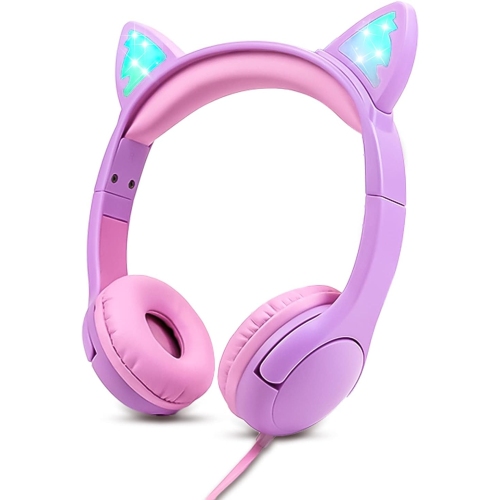
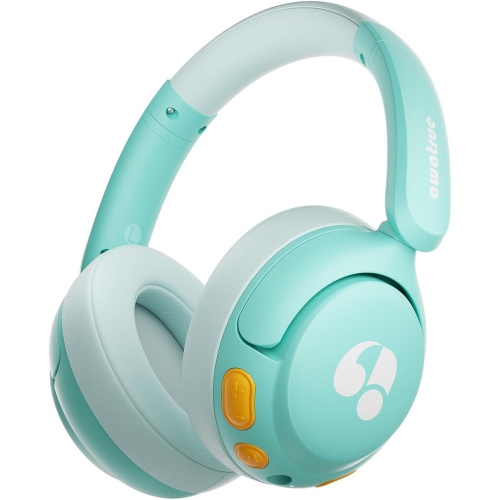
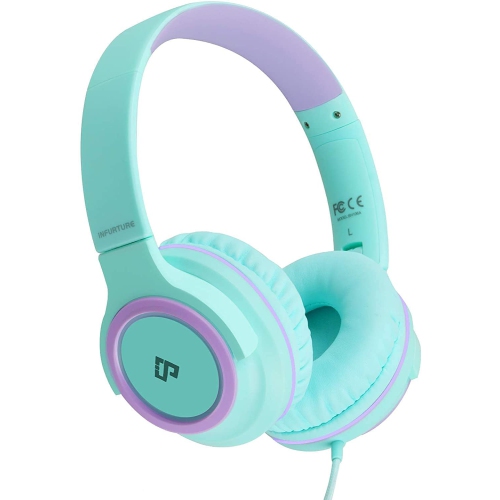
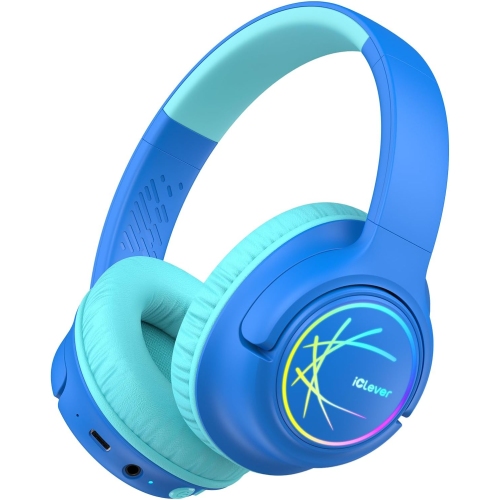

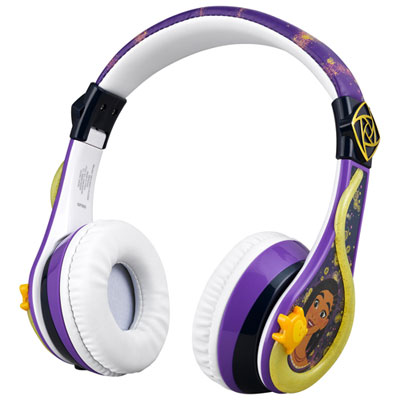
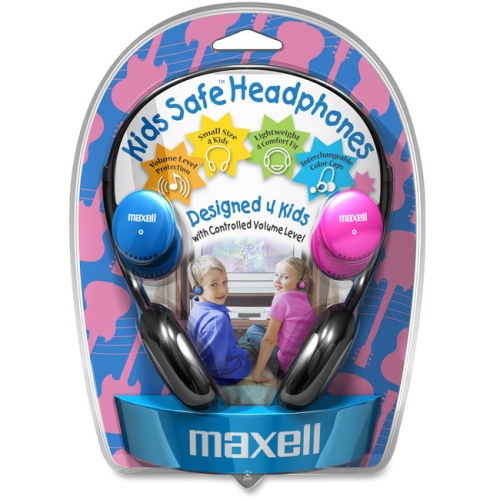
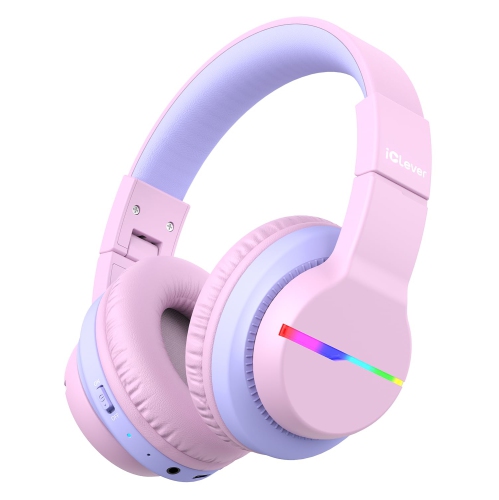
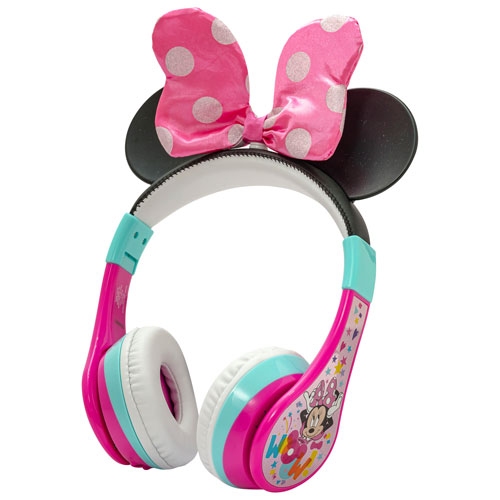
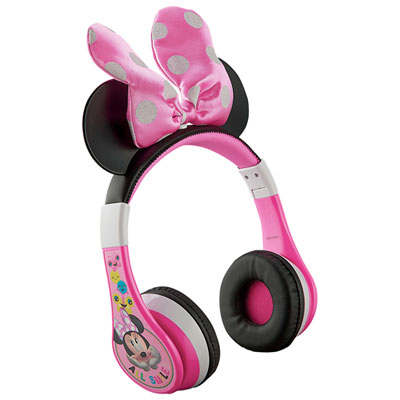
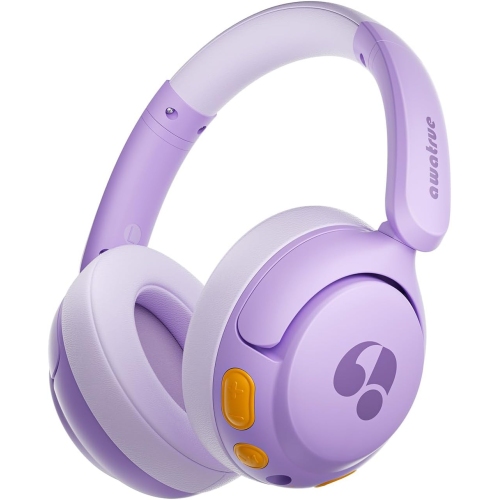
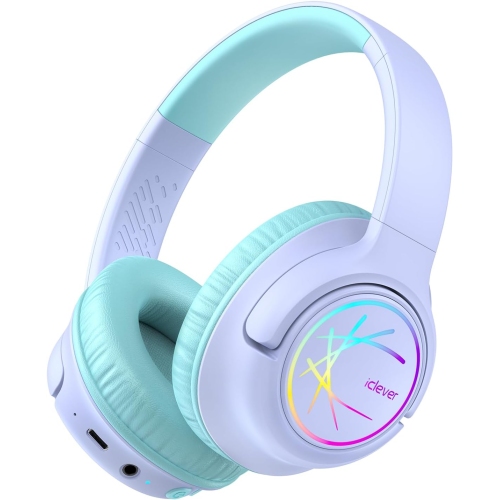
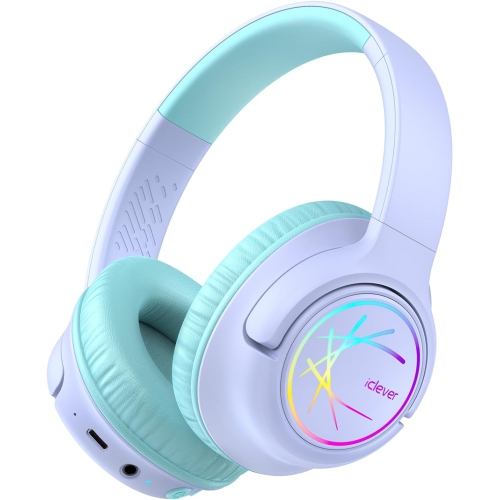
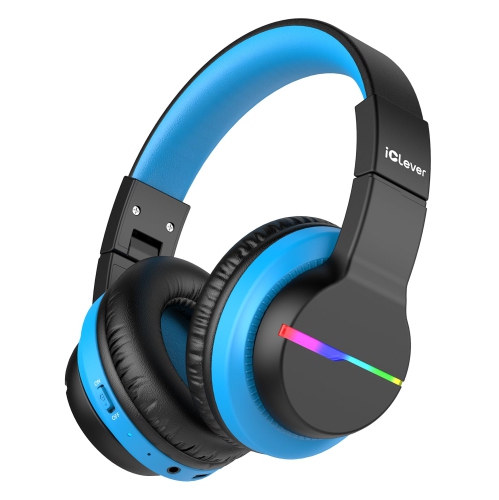
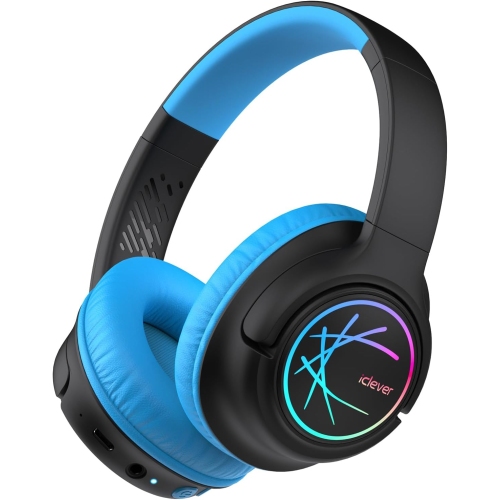
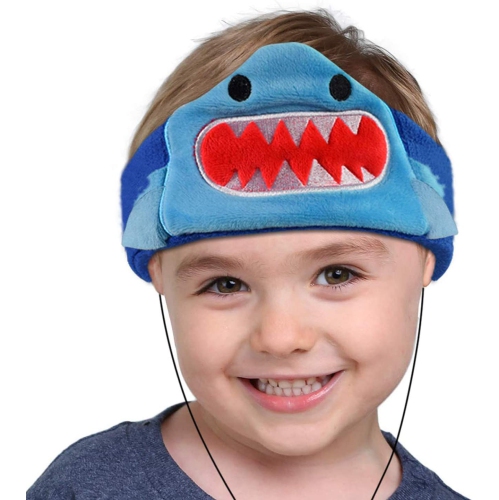

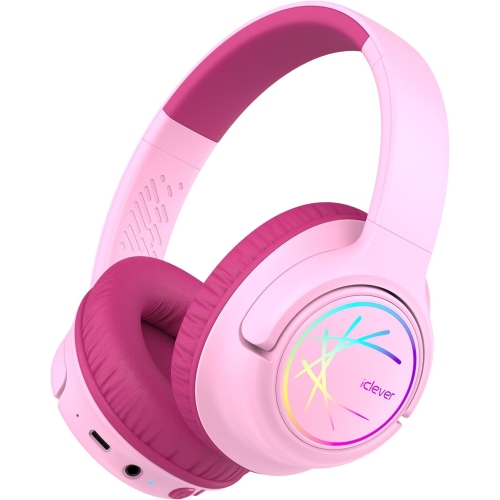
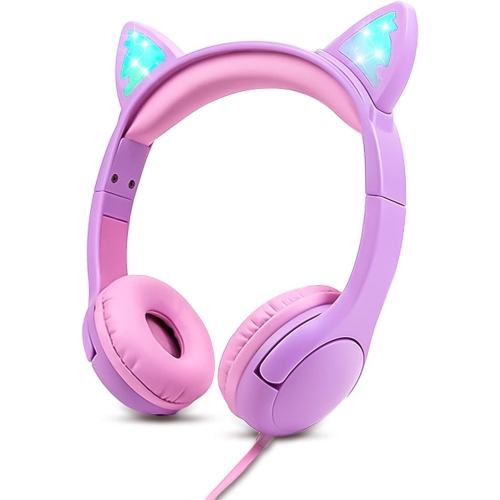

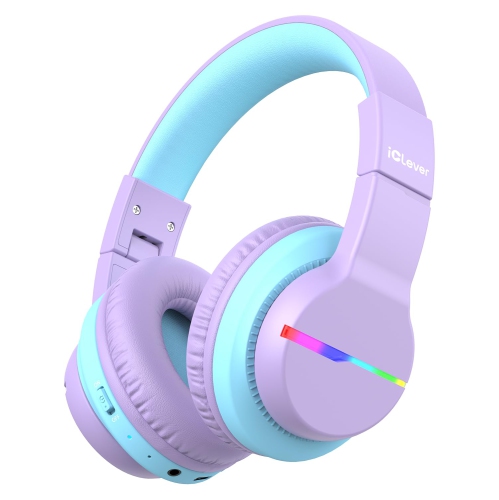
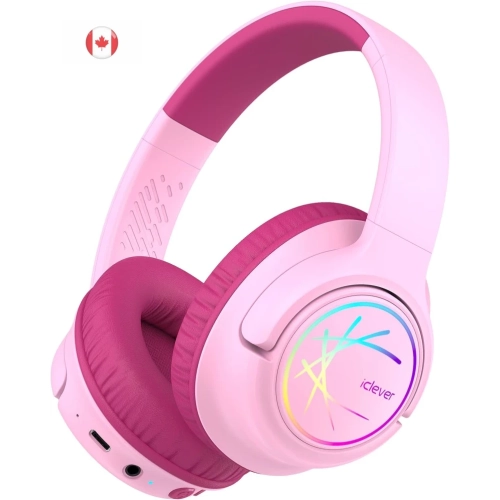
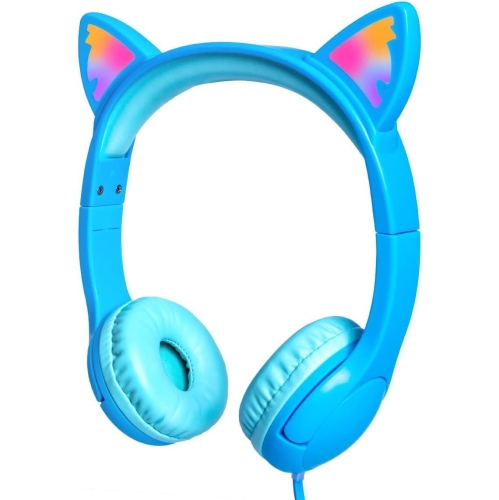
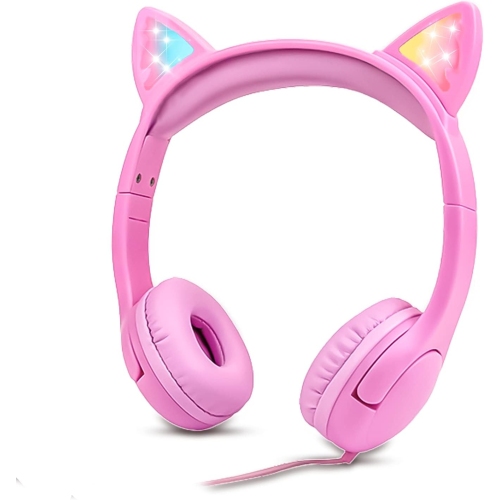
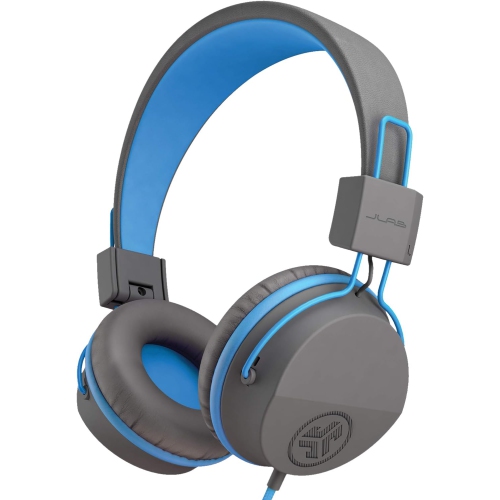
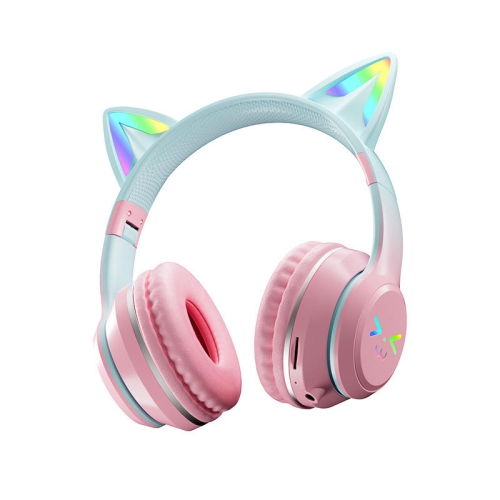
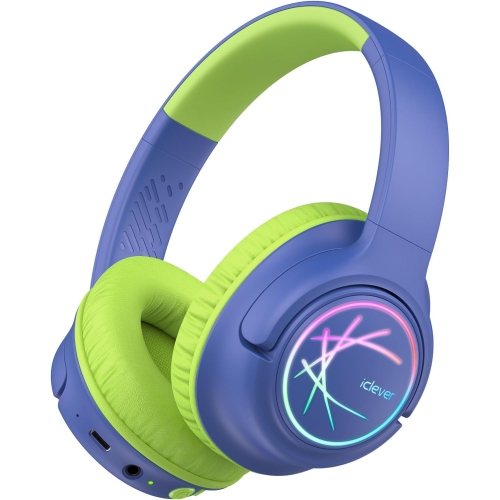
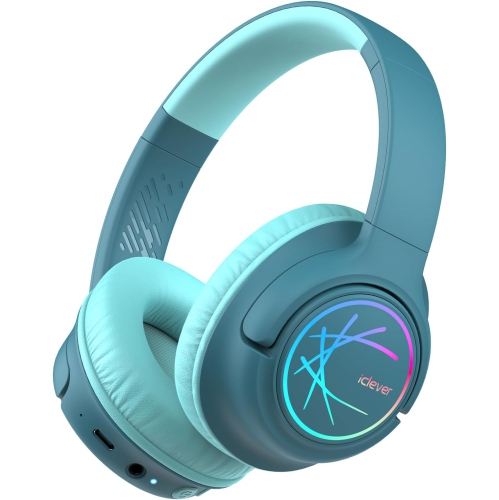

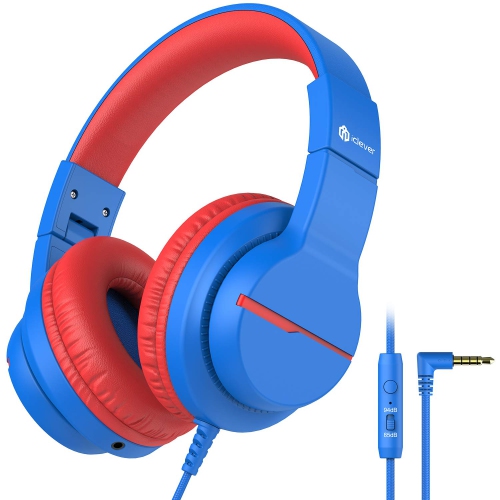
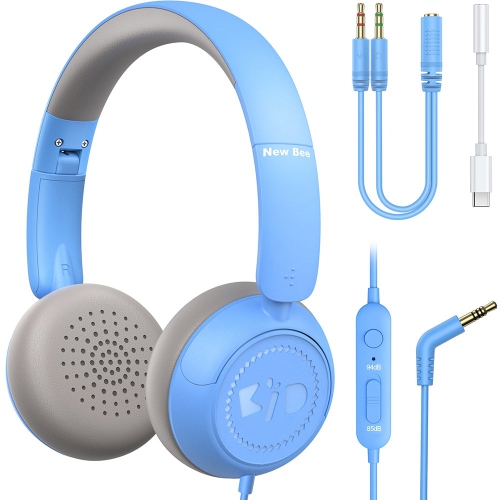
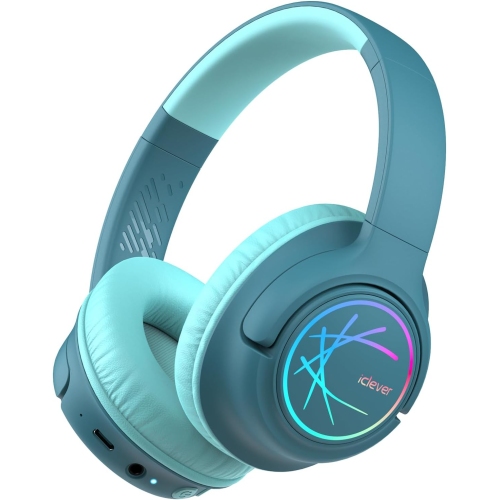
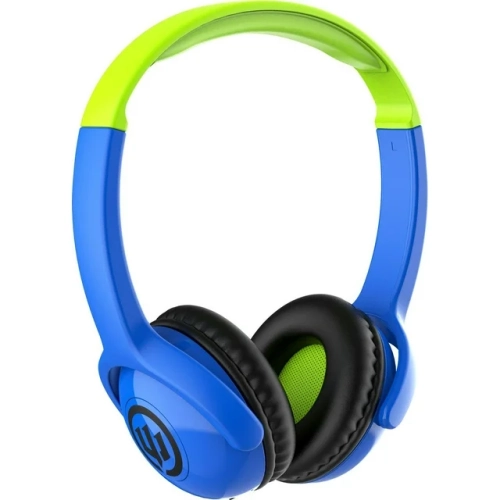
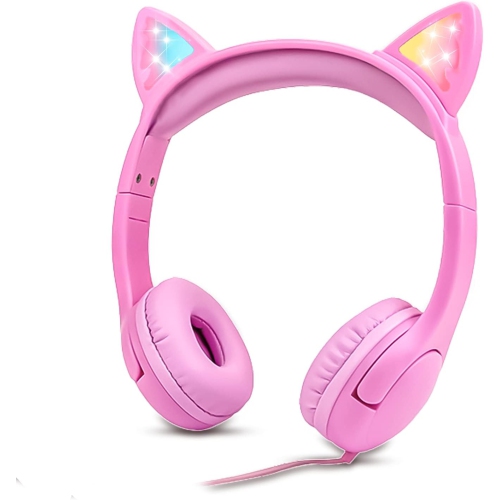
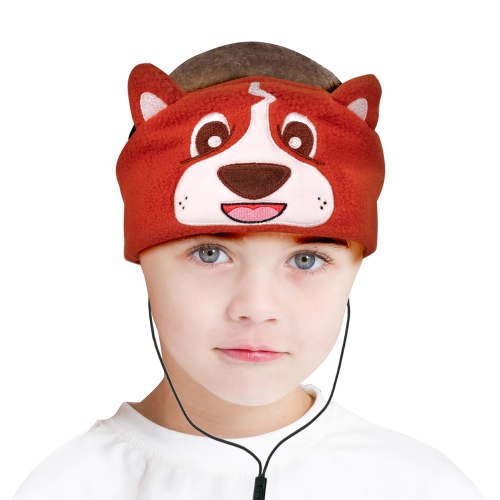
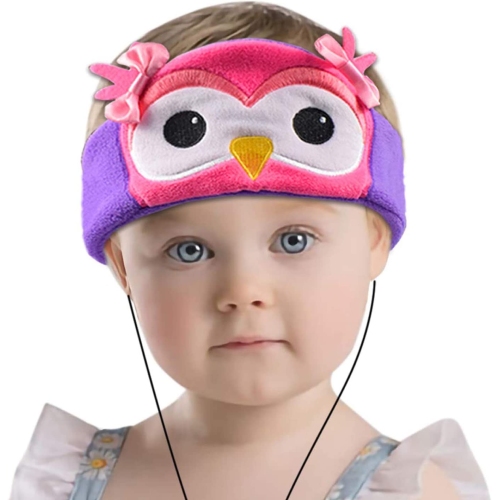
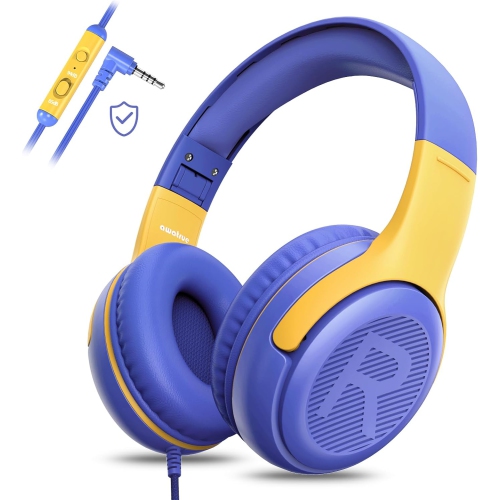
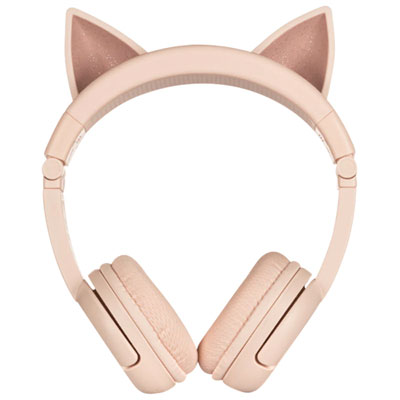
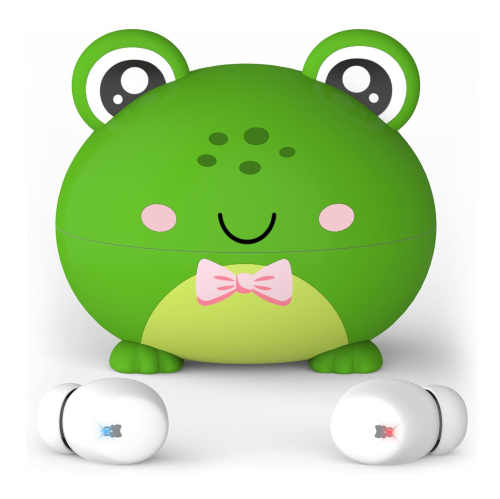
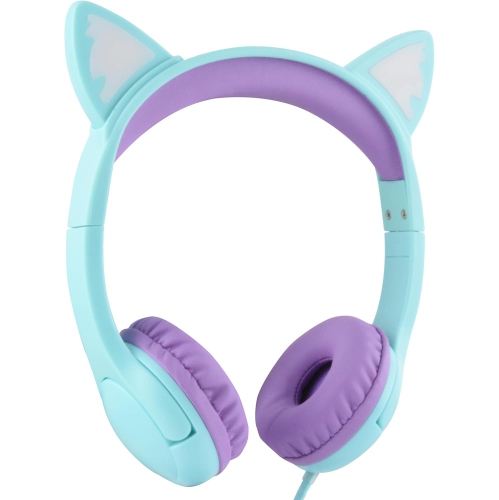
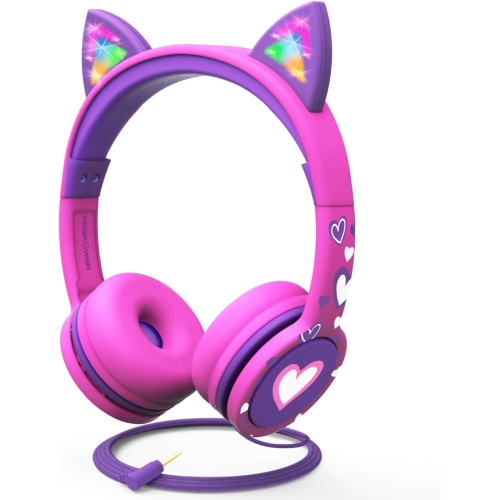
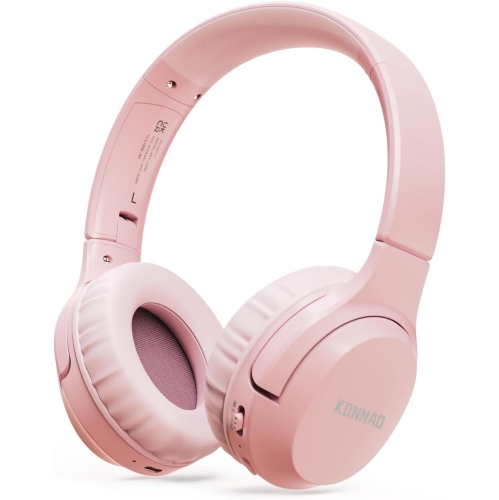
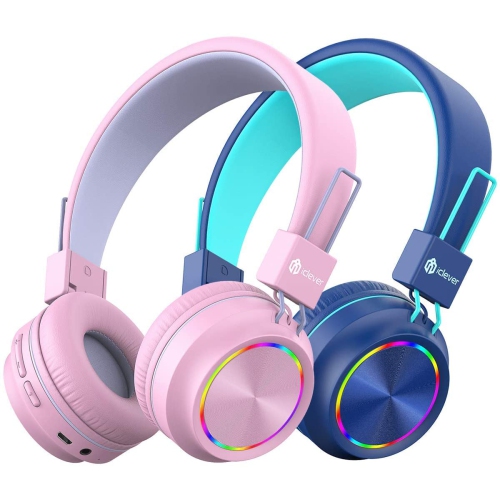
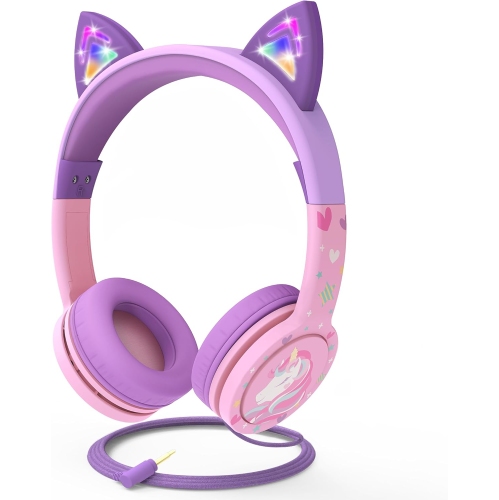
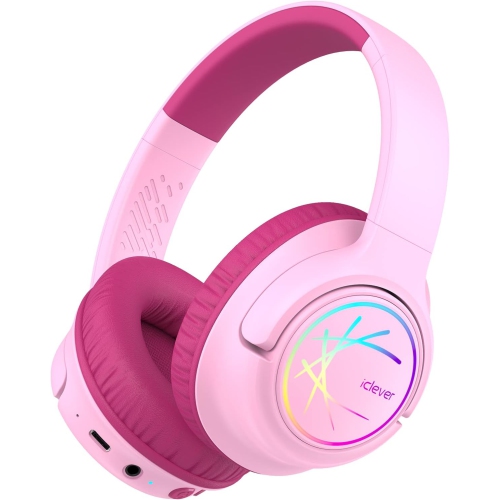
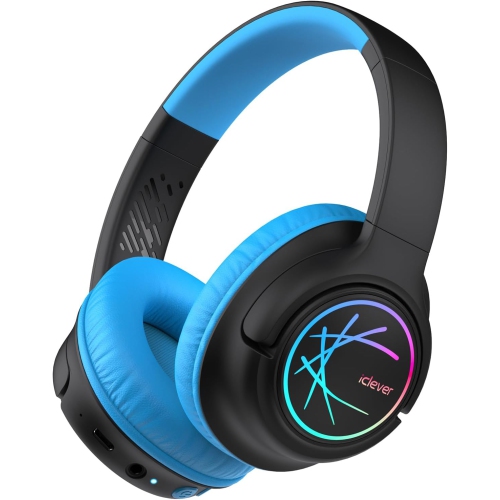
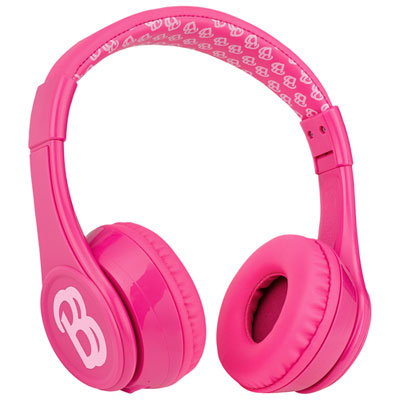
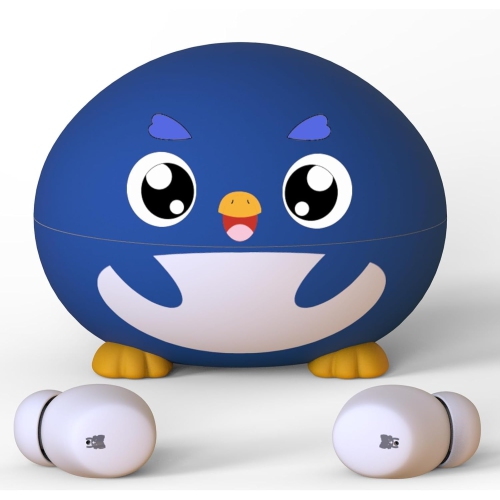
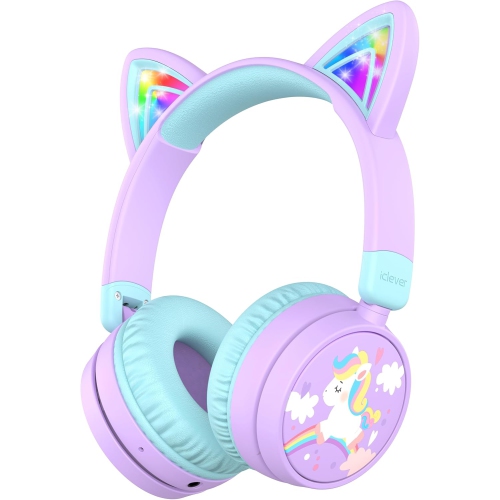
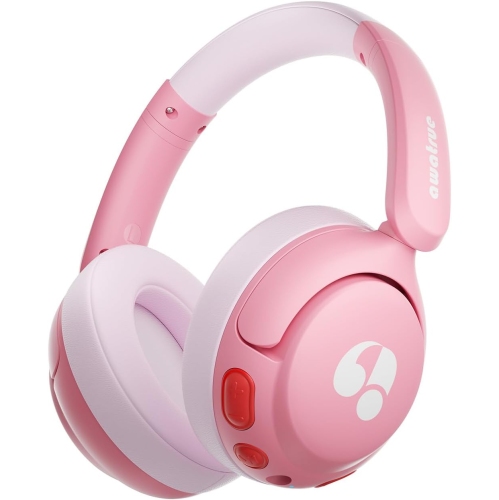
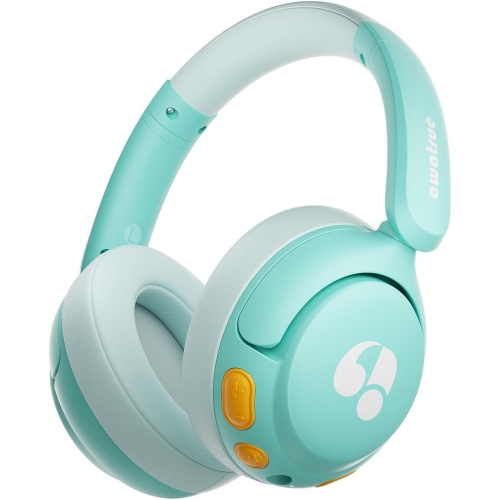
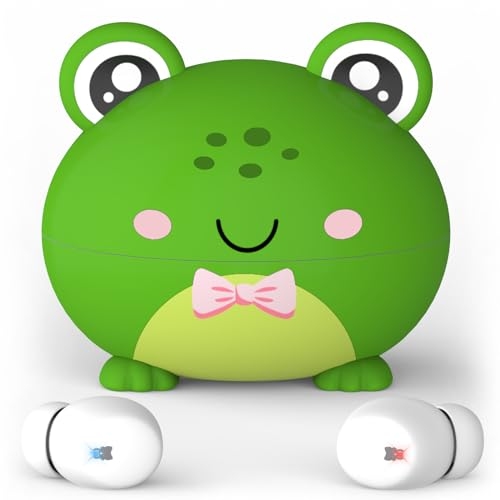
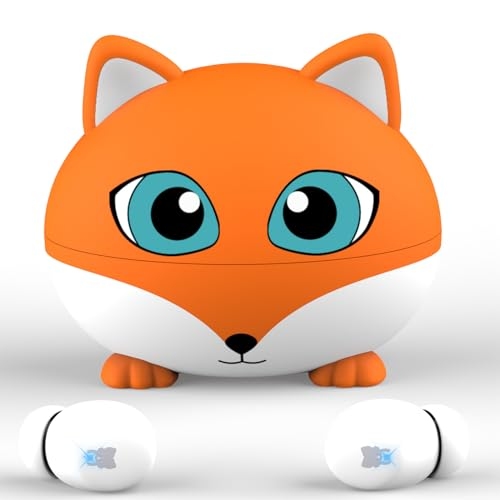
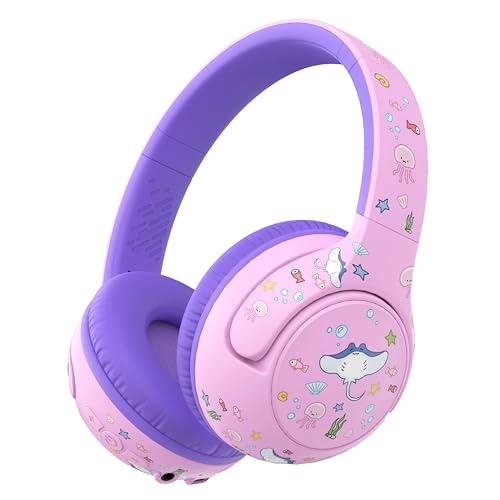
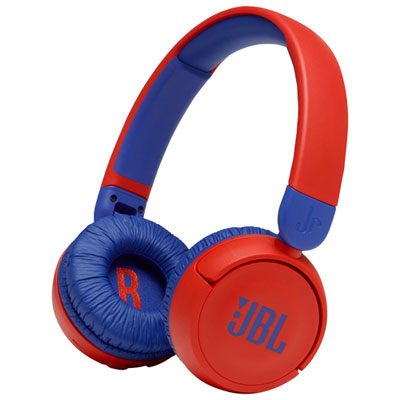
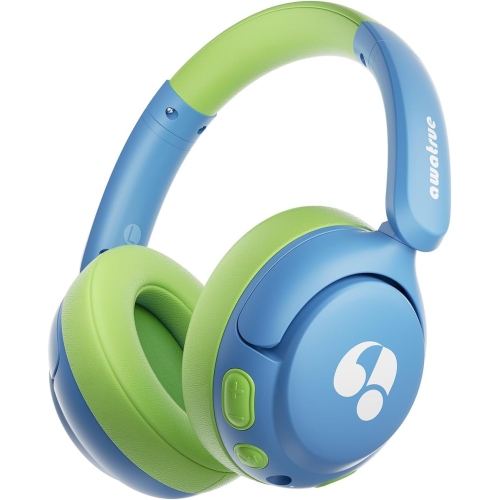
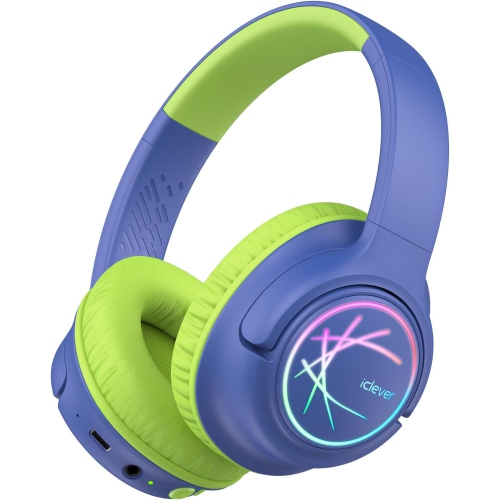
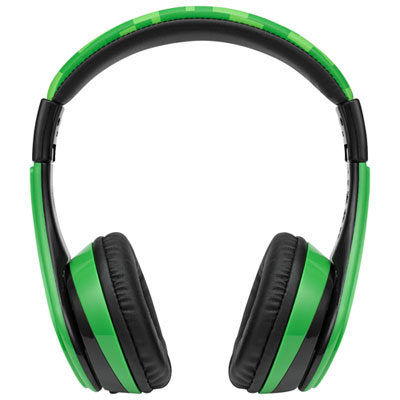
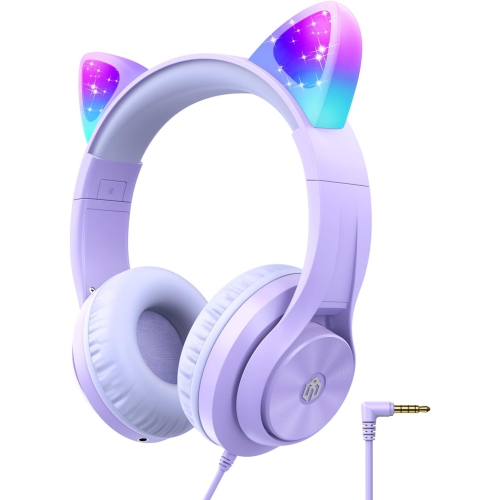
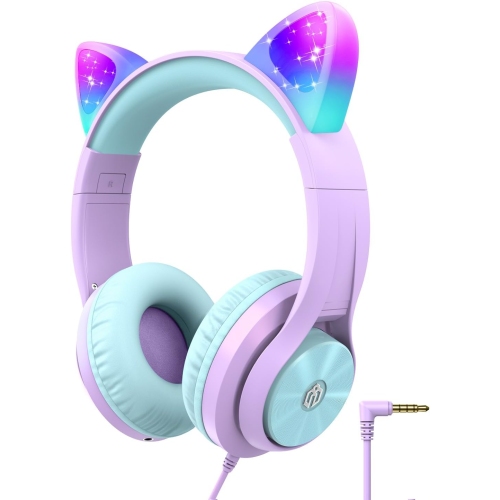
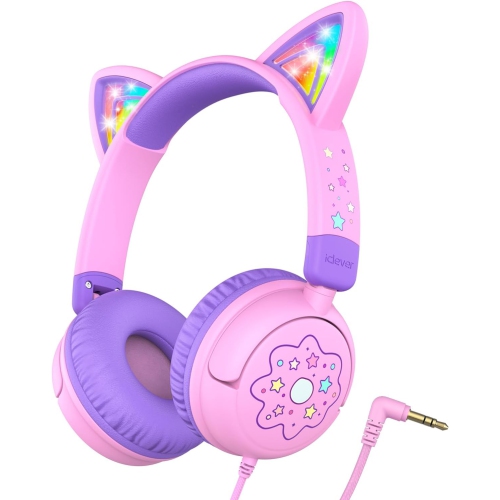
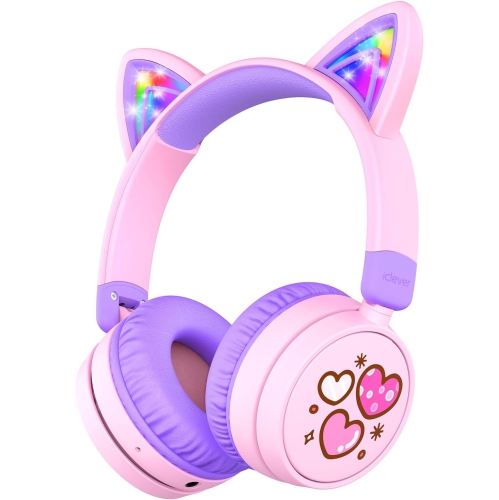
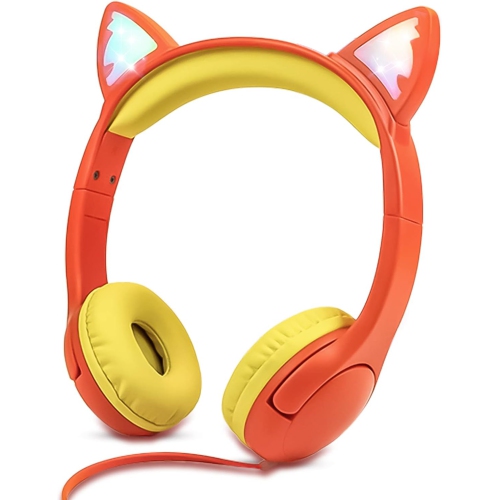
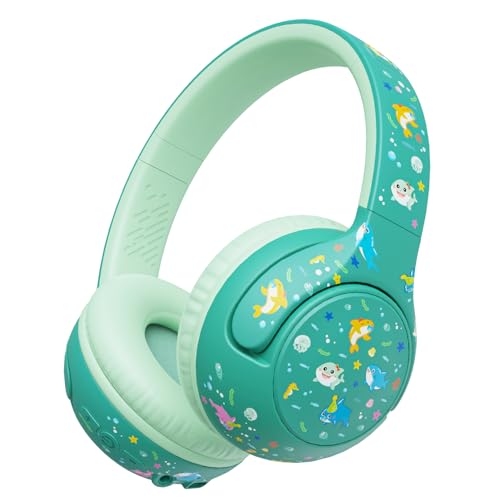
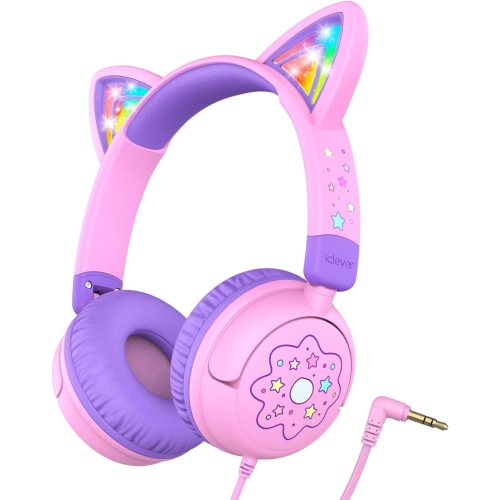
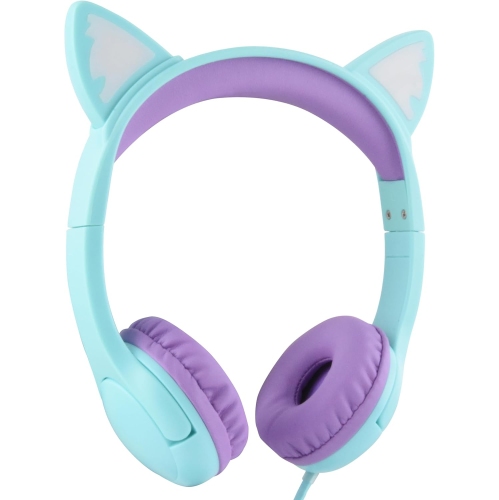
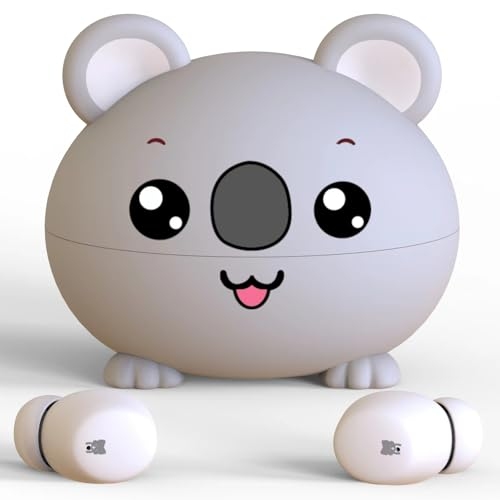
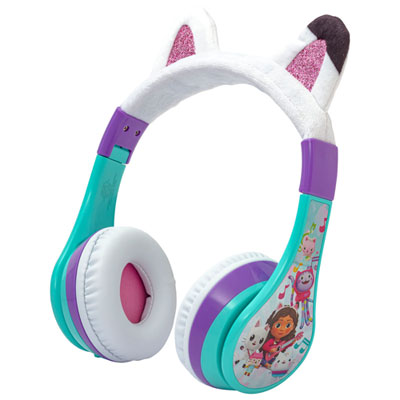
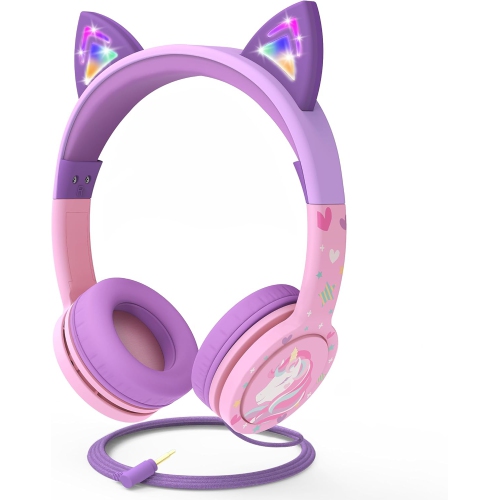
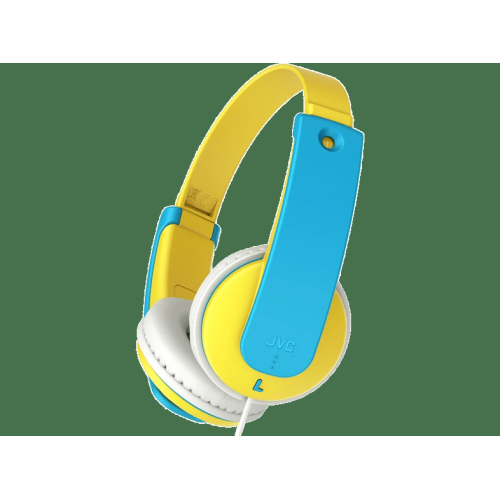
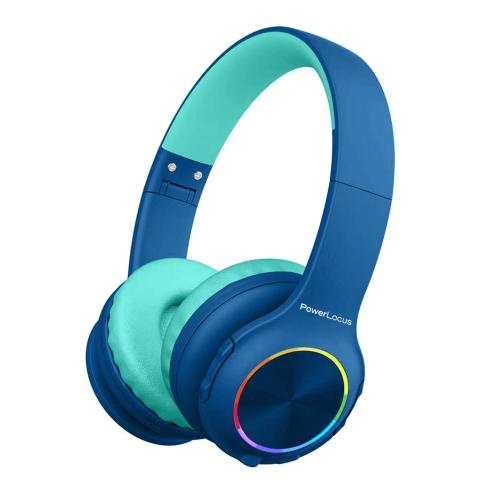
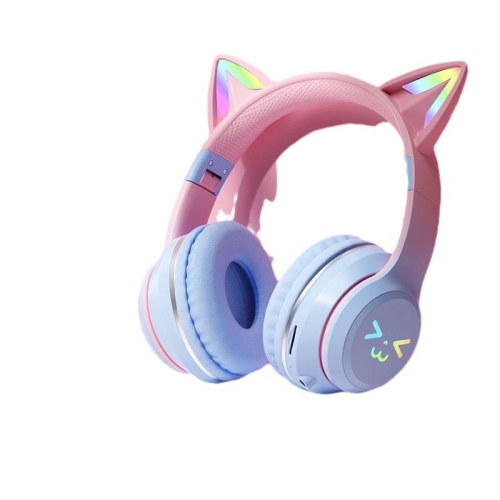
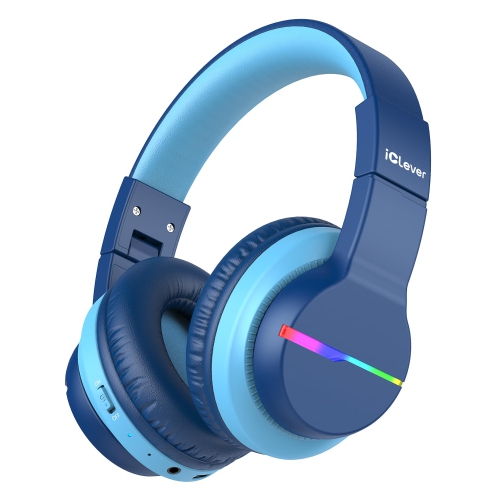
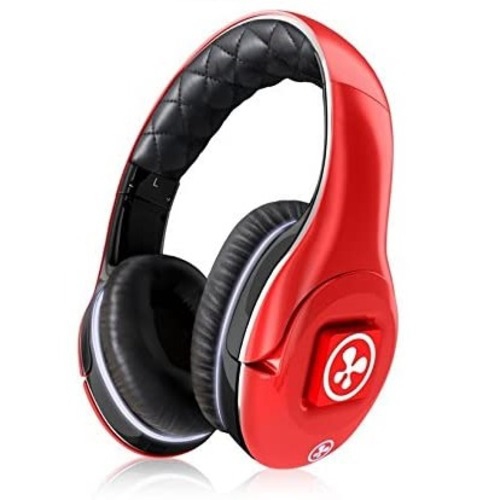
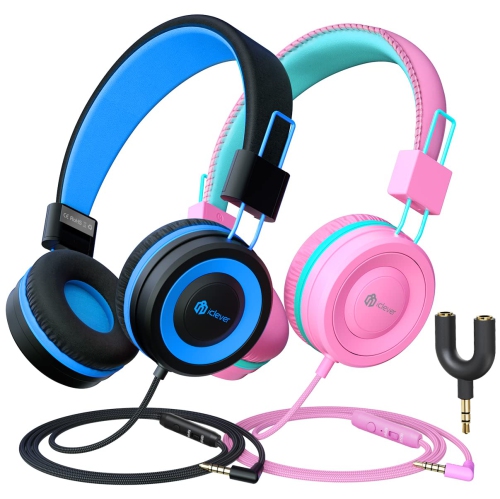
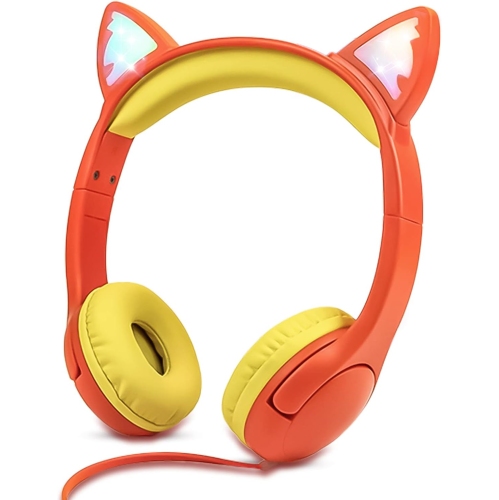
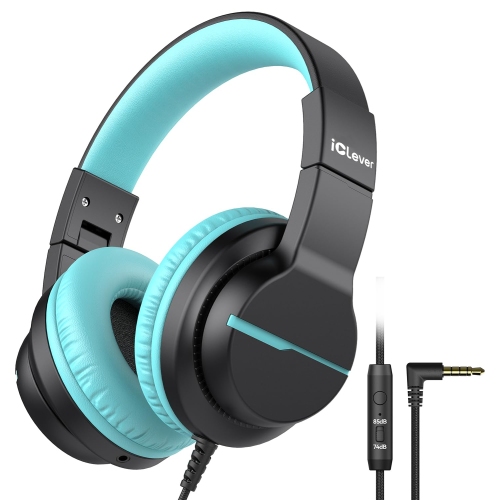
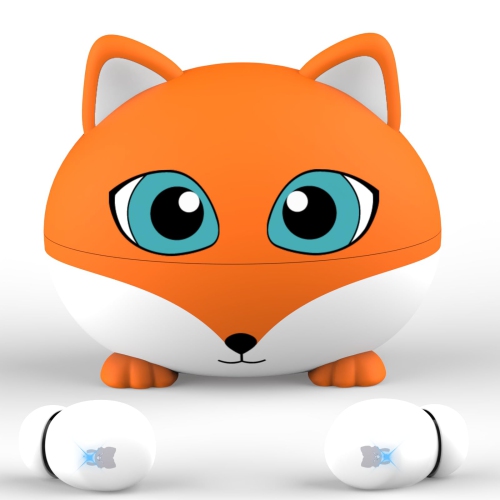
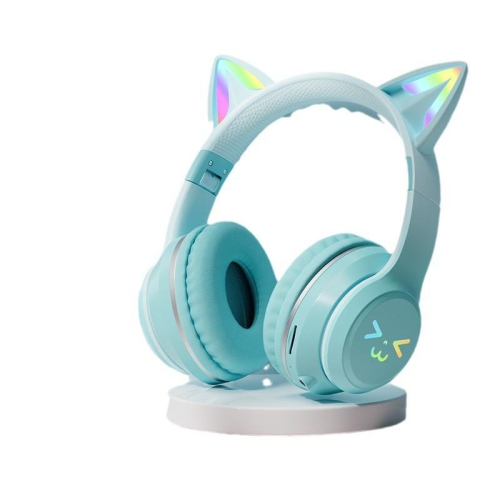
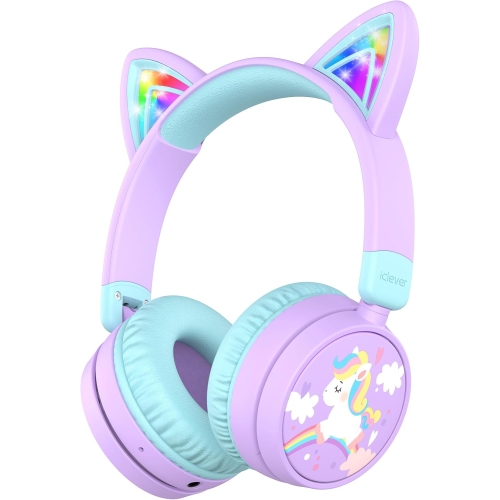
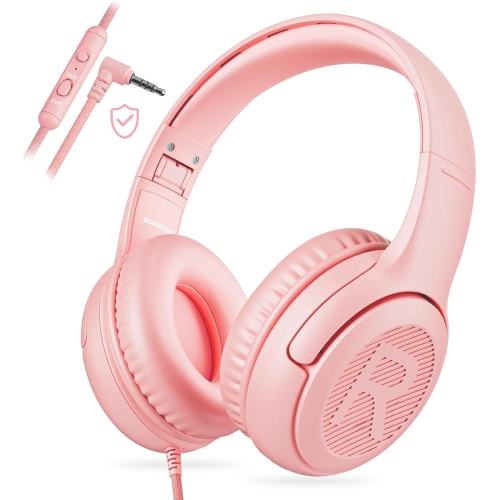
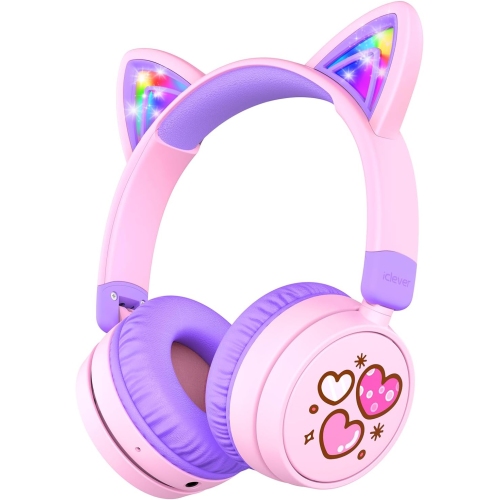
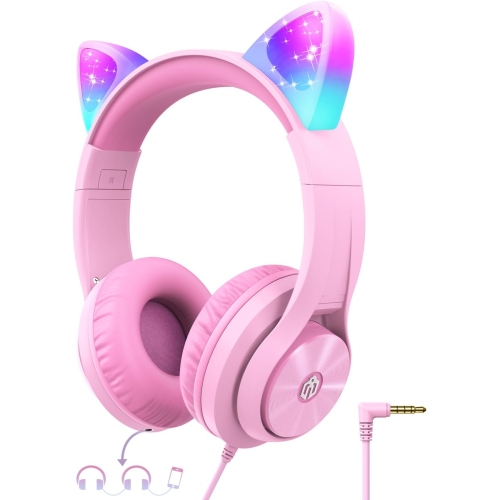
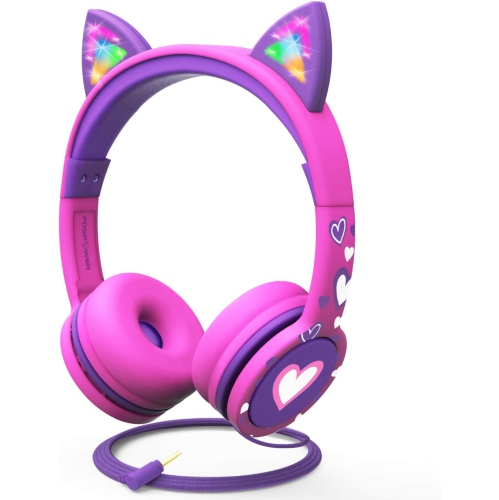
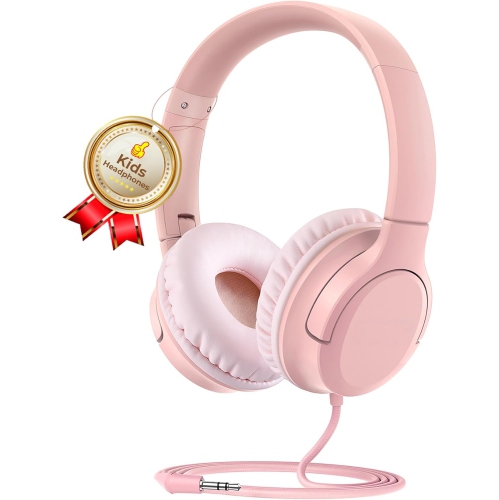
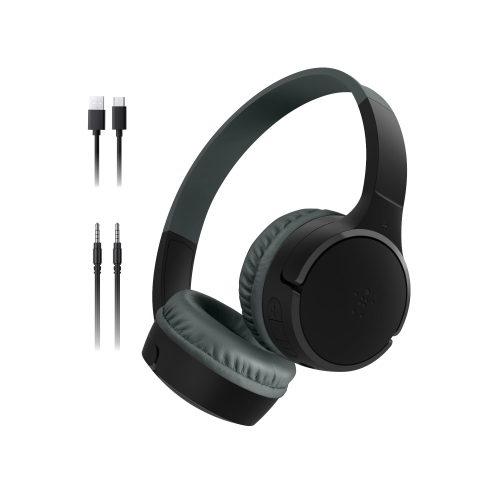
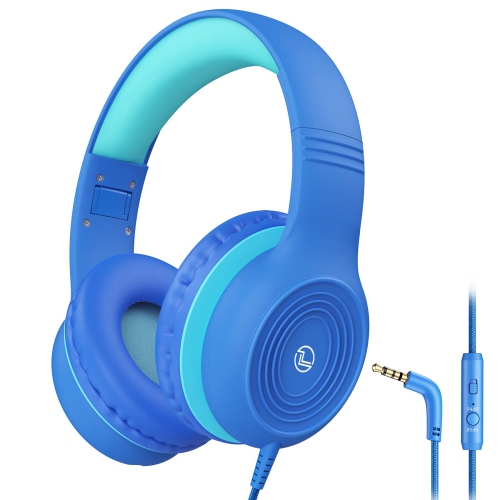
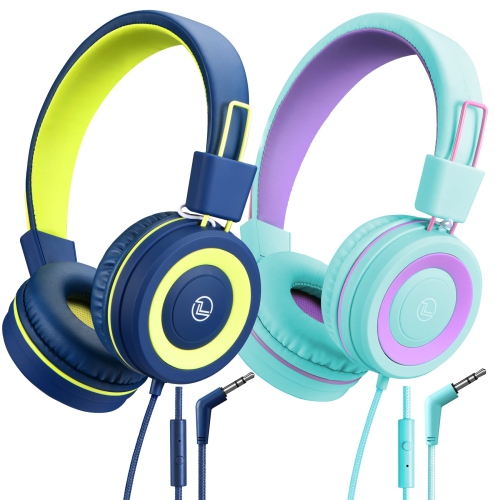
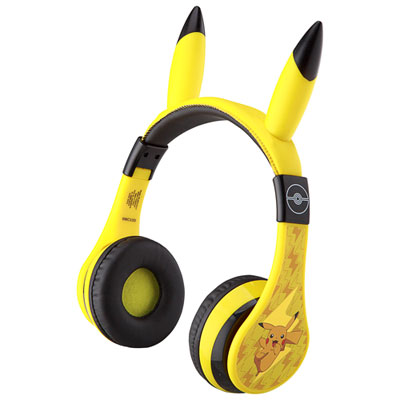

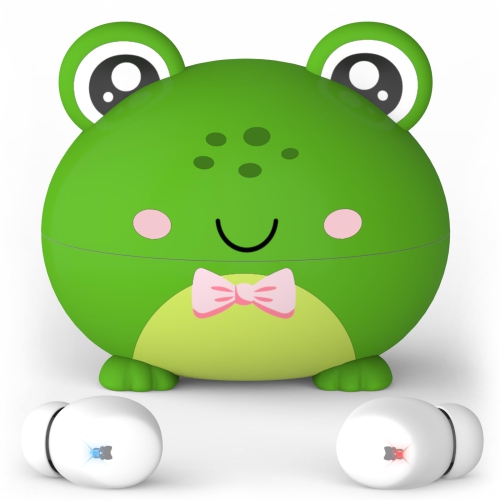
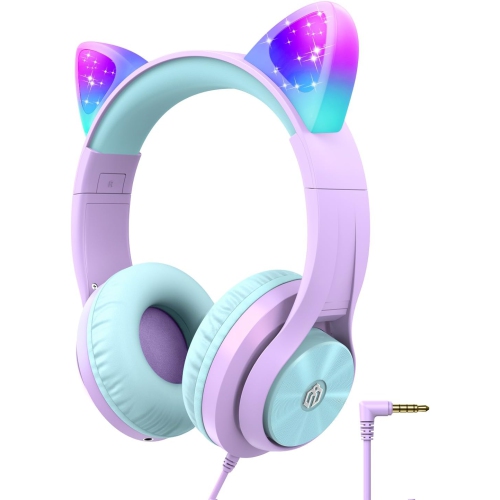
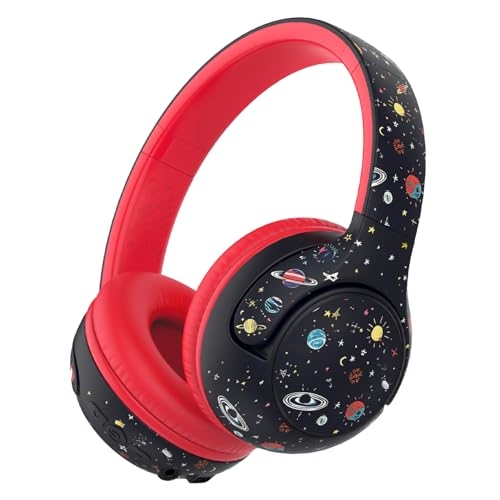
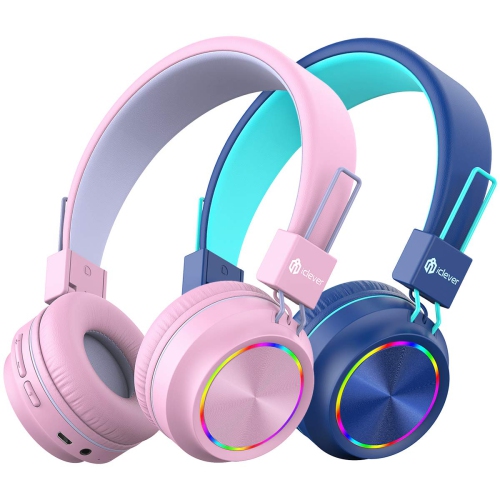
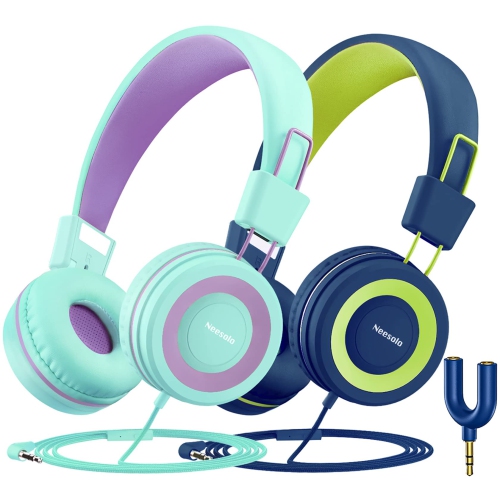
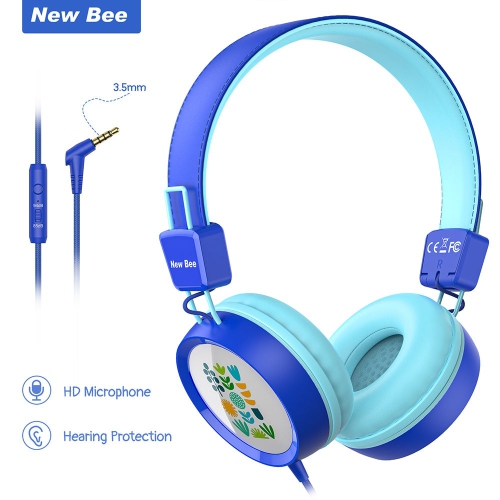
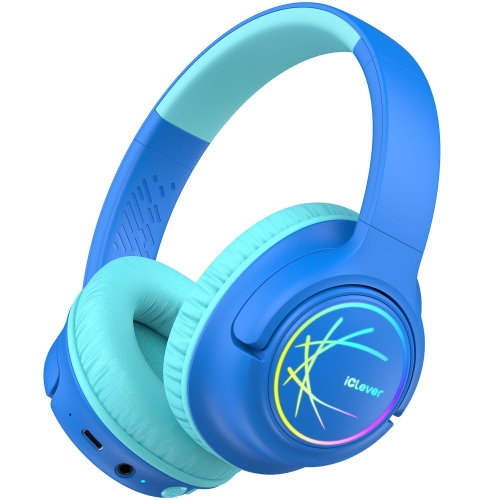
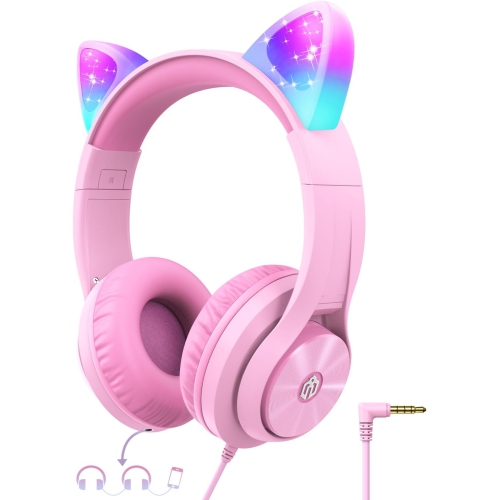

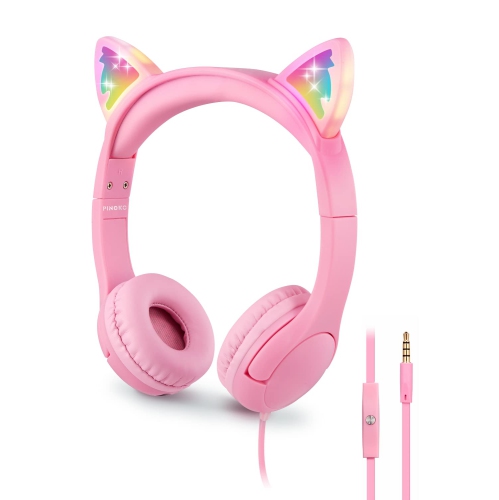
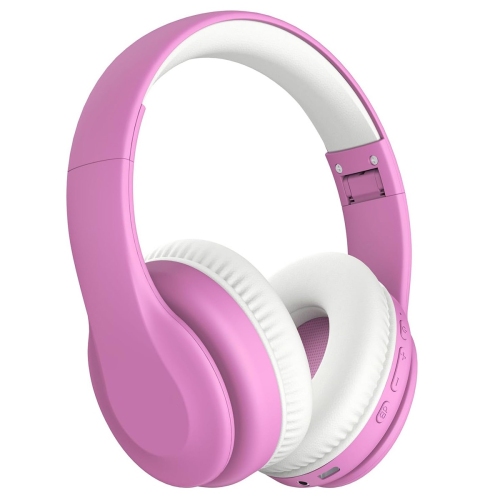
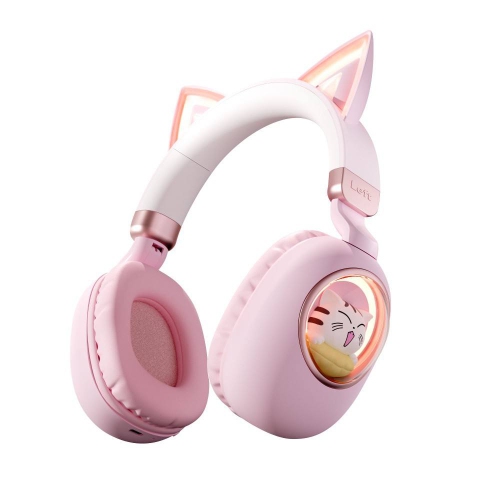
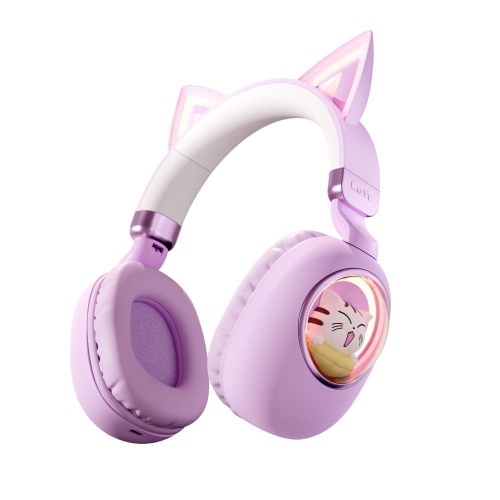
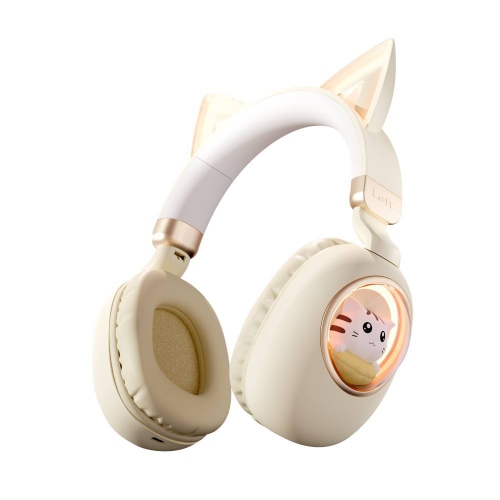
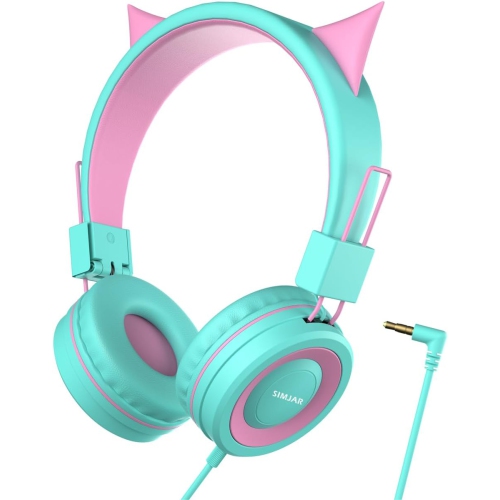
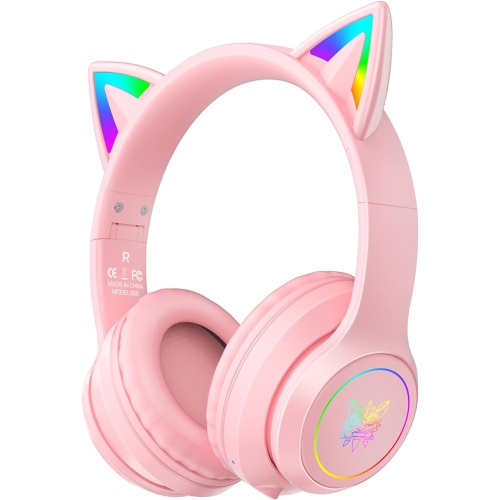
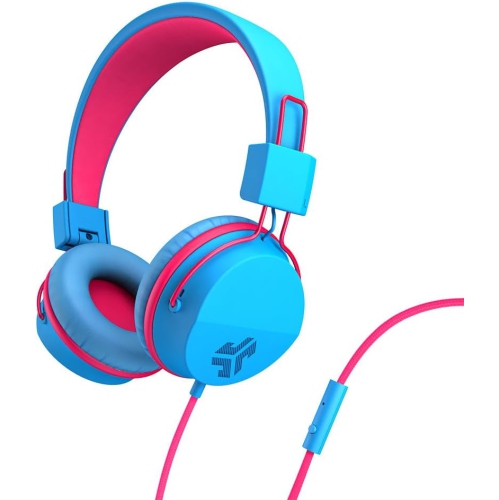
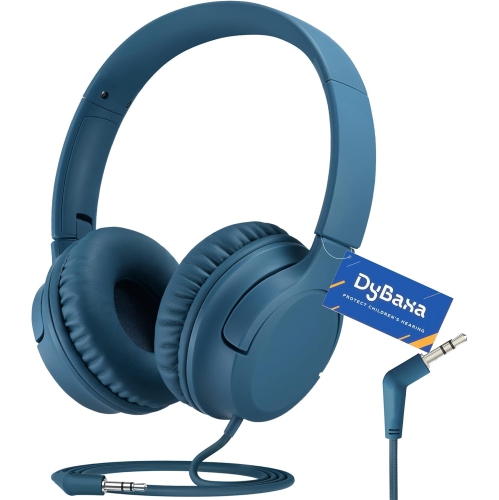
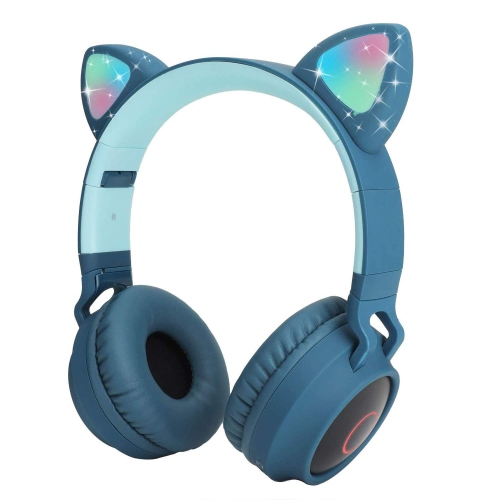
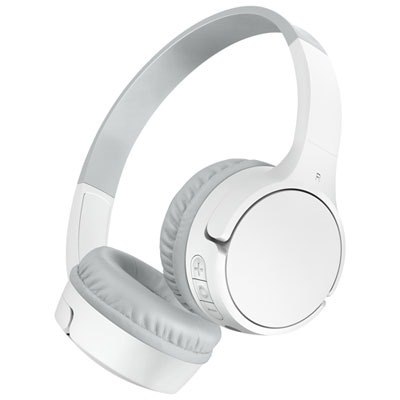
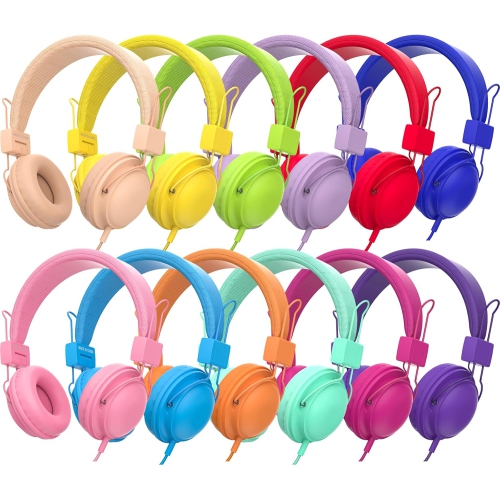
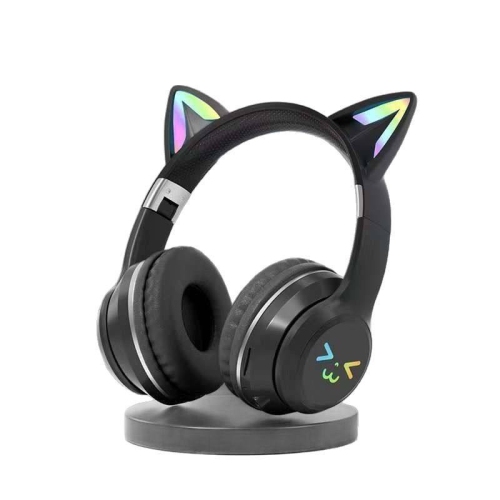
How volume limits, comfort, and connectivity support daily listening
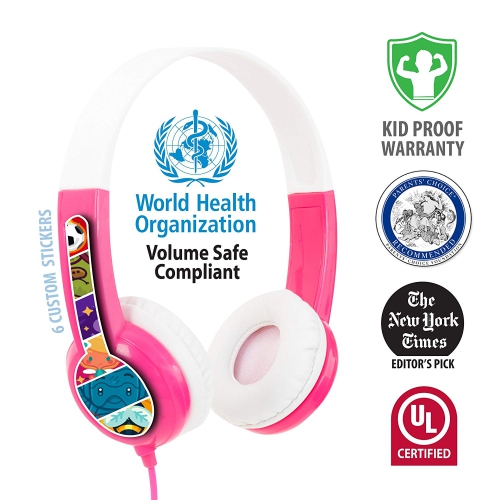
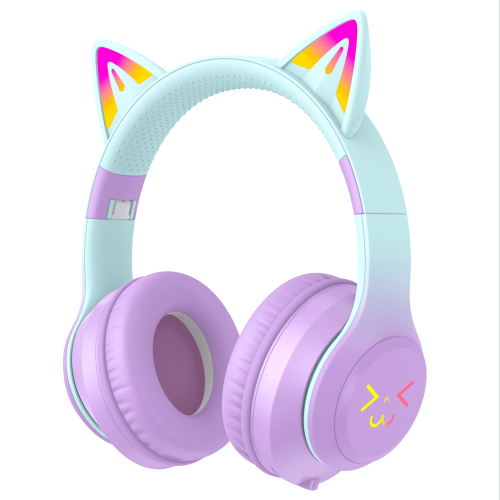
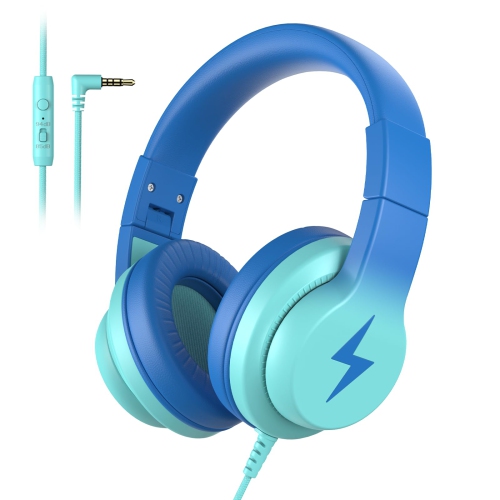
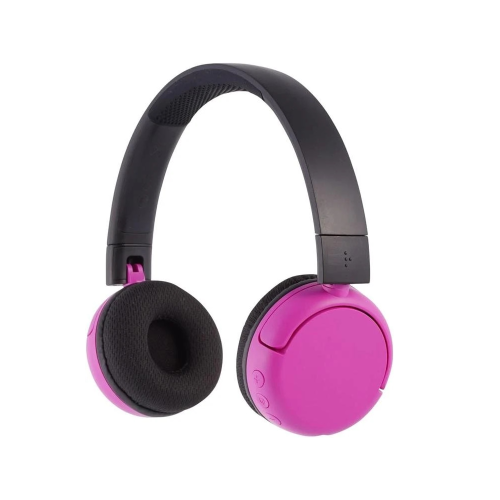
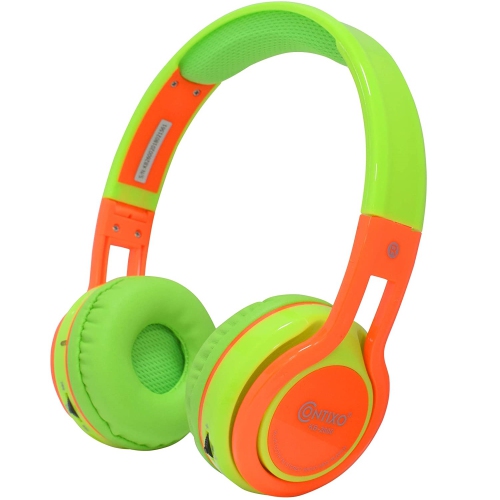
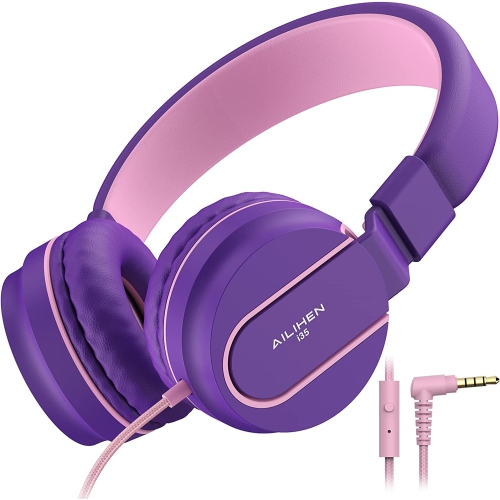
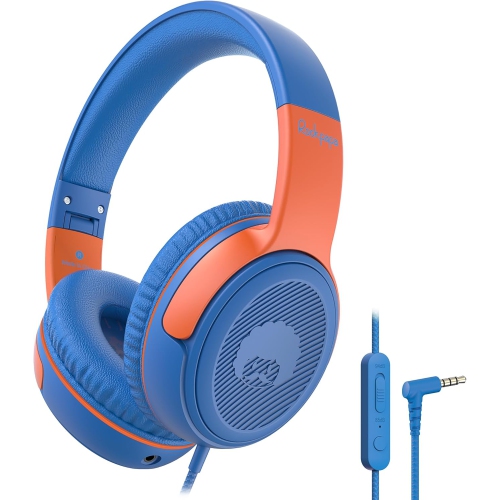
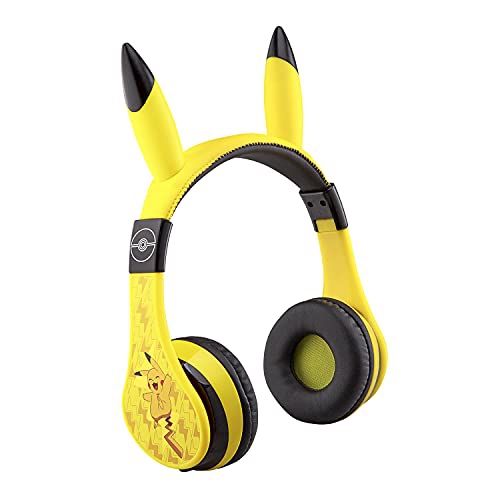
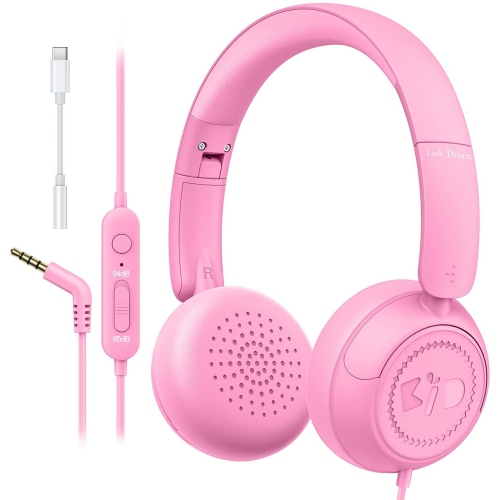
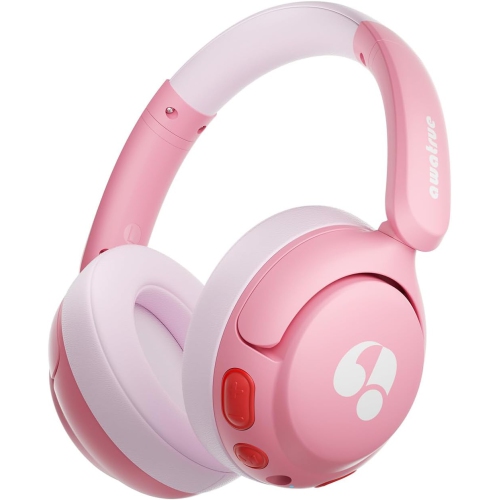
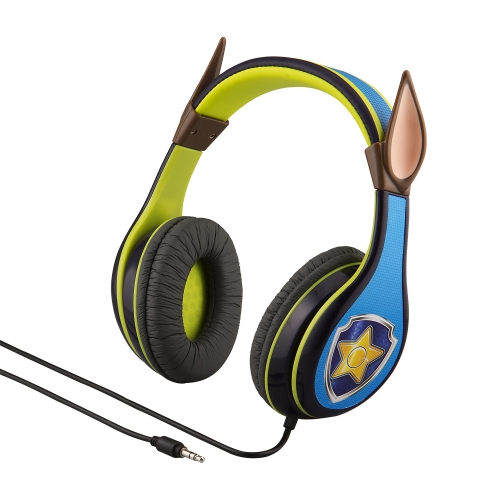
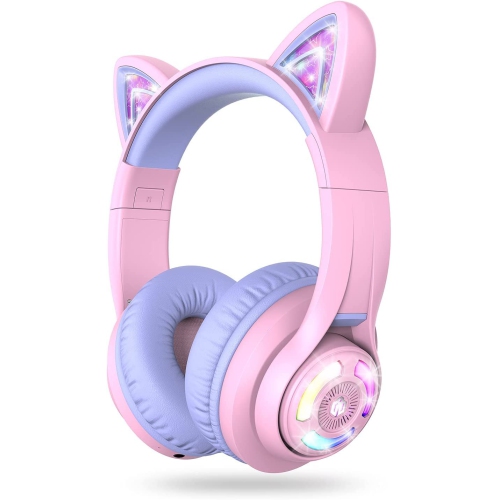
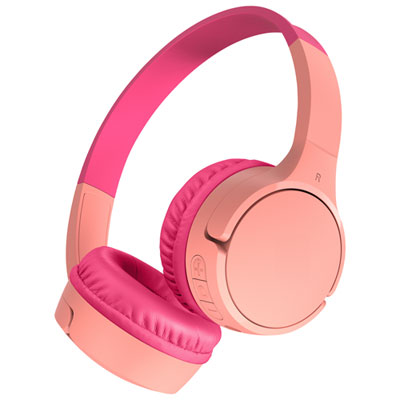
Kids volume-limiting headphones are designed to make listening more suitable for younger ears by placing a ceiling on the maximum audio output. Many models are set to approximately 85 decibels (dB), a commonly referenced threshold for safer personal listening and one associated with guidance from organizations such as the World Health Organization and the American Academy of Pediatrics. Some children’s headphones offer a lower setting around 74 or 75 dB, which can be a helpful choice for toddlers, preschoolers, or children who listen in quieter spaces. Other models may include a temporary higher setting for particularly noisy environments, such as an aircraft cabin, but this feature is best used sparingly and with adult supervision. A volume limit is an important layer of protection, but it does not replace sensible listening habits. Encourage children to keep the volume at a comfortable level, take regular breaks, and remove their headphones if their ears feel tired, painful, or blocked. Children may use these headphones with tablets, handheld gaming systems, laptops, school Chromebooks, portable media players, or in-car entertainment systems, making them useful for everyday routines as well as longer journeys. They can also be a practical gift for a child who enjoys music, audiobooks, films, games, language-learning apps, or educational content. For more ideas at an accessible price point, browse Budget Friendly Kids Headphones while comparing features that match the child’s age, listening habits, and devices.
The way the volume limit is controlled can make a meaningful difference in day-to-day use. A fixed internal limit is straightforward, while a physical switch, concealed control, or parent-managed setting can help prevent a child from accidentally changing the maximum level. Some headphones have multiple listening modes, such as a lower setting for quiet rooms, a standard setting for general use, and a carefully restricted temporary mode for loud surroundings. When a higher setting is available, it should not be treated as the everyday default, particularly for younger children. Check whether the limit remains active when the headphones are connected to different devices, and look for clear instructions explaining how the controls work. Connectivity is another central consideration. Wired headphones with a 3.5 mm plug are simple to use, do not require charging, and can be convenient at school or with equipment that has a headphone jack. A detachable or tangle-resistant cable can make packing easier and may reduce frustration when children are putting their headphones away. Bluetooth headphones provide freedom from cables and can be useful during travel, in the back seat, or while moving around at home. For wireless models, consider battery life, charging time, pairing simplicity, the location of the power button, and whether the headphones can also be used with a cable when the battery runs low. A child may be eager to listen before leaving for school or while settling in for a trip, so easy controls and dependable connection can matter just as much as the sound features.
Comfort and durability are equally important because children often wear headphones for extended periods and may not handle them as carefully as an adult would. Soft ear cushions should sit comfortably around the ears without pressing too tightly, while an adjustable headband helps accommodate growth and different hairstyles. A lightweight design is easier for smaller children to wear during a film, audiobook, or school activity, and flexible materials can help the headphones withstand being placed in a backpack, dropped beside the sofa, or stretched over a winter hat during cooler months. Consider the overall fit rather than choosing solely by appearance: earcups that are too loose may let outside noise in, encouraging a child to raise the volume, while a tight fit can become uncomfortable after only a short time. Younger children may benefit from simple buttons and clear left-and-right markings, whereas older children may appreciate wireless controls, built-in microphones for calls or online learning, and the ability to fold the headphones for storage. Headphones intended for shared family spaces should be easy to wipe clean, and removable cushions or a replaceable cable can be useful for regular use. During the warmer part of the year, breathable cushions may feel more comfortable on road trips and outdoor journeys; during cooler months, a flexible fit can sit more easily over a hat or hood. Whether they are packed for a holiday, used during quiet reading time, or kept in a school bag for daily listening, the best kids volume-limiting headphones combine an appropriate listening ceiling with a secure fit, straightforward controls, reliable connectivity, and enough resilience for real family life.
The way the volume limit is controlled can make a meaningful difference in day-to-day use. A fixed internal limit is straightforward, while a physical switch, concealed control, or parent-managed setting can help prevent a child from accidentally changing the maximum level. Some headphones have multiple listening modes, such as a lower setting for quiet rooms, a standard setting for general use, and a carefully restricted temporary mode for loud surroundings. When a higher setting is available, it should not be treated as the everyday default, particularly for younger children. Check whether the limit remains active when the headphones are connected to different devices, and look for clear instructions explaining how the controls work. Connectivity is another central consideration. Wired headphones with a 3.5 mm plug are simple to use, do not require charging, and can be convenient at school or with equipment that has a headphone jack. A detachable or tangle-resistant cable can make packing easier and may reduce frustration when children are putting their headphones away. Bluetooth headphones provide freedom from cables and can be useful during travel, in the back seat, or while moving around at home. For wireless models, consider battery life, charging time, pairing simplicity, the location of the power button, and whether the headphones can also be used with a cable when the battery runs low. A child may be eager to listen before leaving for school or while settling in for a trip, so easy controls and dependable connection can matter just as much as the sound features.
Comfort and durability are equally important because children often wear headphones for extended periods and may not handle them as carefully as an adult would. Soft ear cushions should sit comfortably around the ears without pressing too tightly, while an adjustable headband helps accommodate growth and different hairstyles. A lightweight design is easier for smaller children to wear during a film, audiobook, or school activity, and flexible materials can help the headphones withstand being placed in a backpack, dropped beside the sofa, or stretched over a winter hat during cooler months. Consider the overall fit rather than choosing solely by appearance: earcups that are too loose may let outside noise in, encouraging a child to raise the volume, while a tight fit can become uncomfortable after only a short time. Younger children may benefit from simple buttons and clear left-and-right markings, whereas older children may appreciate wireless controls, built-in microphones for calls or online learning, and the ability to fold the headphones for storage. Headphones intended for shared family spaces should be easy to wipe clean, and removable cushions or a replaceable cable can be useful for regular use. During the warmer part of the year, breathable cushions may feel more comfortable on road trips and outdoor journeys; during cooler months, a flexible fit can sit more easily over a hat or hood. Whether they are packed for a holiday, used during quiet reading time, or kept in a school bag for daily listening, the best kids volume-limiting headphones combine an appropriate listening ceiling with a secure fit, straightforward controls, reliable connectivity, and enough resilience for real family life.
Top selling and popular products
-
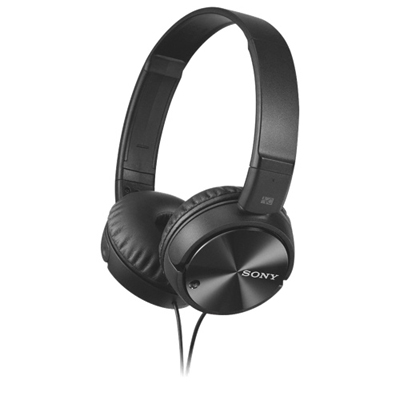 Your price for this item is $59.99
 -
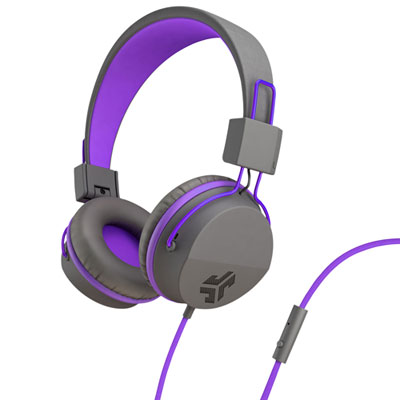 Your price for this item is $19.99
 -
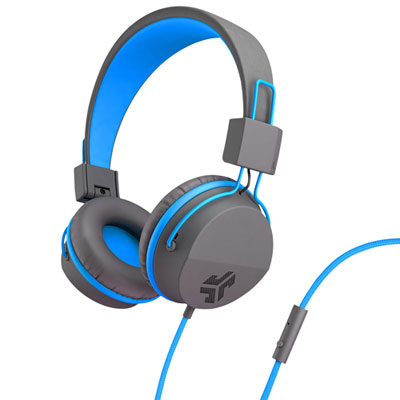 Your price for this item is $19.99
 -
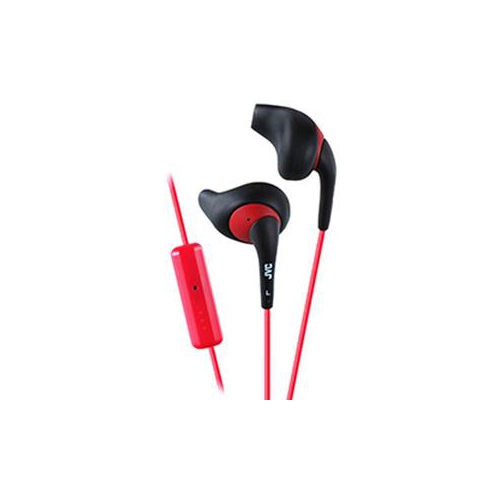 Your price for this item is $41.98
 -
 Your price for this item is $47.76
 -
 Your price for this item is $26.99
 -
 Your price for this item is $39.99
 -
 Your price for this item is $71.99
Discover more categories related to Kids Headphones Volume Limiting

Top Collections:
Pokemon Centers, Best Cameras for Sports Photography, Kindle Devices, Samsung Galaxy Phones, Canon G7X Cameras, Pokémon 30th Celebration Cards, Refurbished Apple Laptops, iPhone 15 Apple, Laptops for Students, Budget Smartphones
Some products may be subject to Environmental Handling Fees
(EHF) depending on your province.
Learn more about EHFs.